Home Blog Page 1376

Archbishop Makarios of Australia issues statement on Census 2021

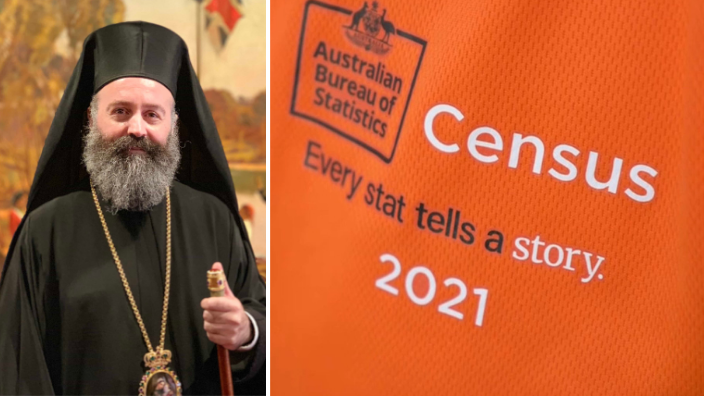
Archbishop Makarios of Australia has issued a statement today on the Census 2021, “fervently” asking everyone in the Greek Australian community to take part.

“I fervently ask all of you to take part in the Census of 2021, carefully filling in the fields related to the cultural background of each of us together with the question pertaining to religious affiliation by ticking the box indicating that you are ‘Greek Orthodox’,” Archbiship Makarios says in the statement.

Full Statement in English:

My beloved Brothers and children in Christ,

I am convinced that, following the example of your parents, grandparents—namely those who bravely travelled to the Antipodes and consolidated the presence of Hellenism within the Fifth Continent—you also hold today in your hearts the same Greek Orthodox values and traditions, and you continue to honour your identity and roots.

The constant concern and consistent exhortation of our Modesty to the Christ-loving plenitude of our Holy Archdiocese is for each and every one of us to give, through our life and personal example, the good testimony of our Faith and Greek Heritage within Australian society. In simpler words, to show on a daily basis who we are, what we are, what ideals we carry from our homeland, on what principles and values our presence and contribution to multicultural Australia is based.

But especially at this time, as the Australian Bureau of Statistics is conducting a general Census, until Tuesday 10 August 2021, I consider it necessary, in addition to who we are, to highlight how many we are. An accurate inventory of Australians of Greek descent will allow Government authorities and services to obtain a solid picture, which will reflect the reality in relation to the needs of our Greek community in the years to come.

For this reason, I fervently ask all of you to take part in the Census of 2021, carefully filling in the fields related to the cultural background of each of us together with the question pertaining to religious affiliation by ticking the box indicating that you are ‘Greek Orthodox’.

I am not unaware of, nor do I overlook, the difficulties that a large part of our Greek people are facing during this current period due to the prevailing effects of the pandemic and the strict restrictions applied in different parts of the Australian Nation. I believe, however, that it is worth dedicating the necessary time and due care for our older people, participating in this so that the result of the 2021 Census may reflect as faithfully as possible the existence of Hellenism here in the Fifth Continent.

For Census information in Greek visit: https://bit.ly/37cS8Ee or for more details visit: abs.gov.au.
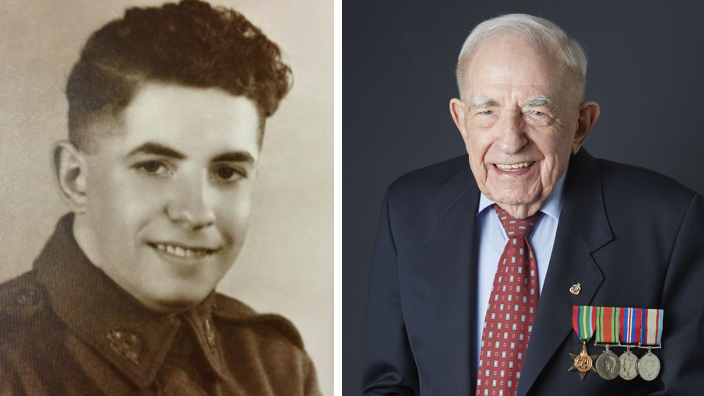
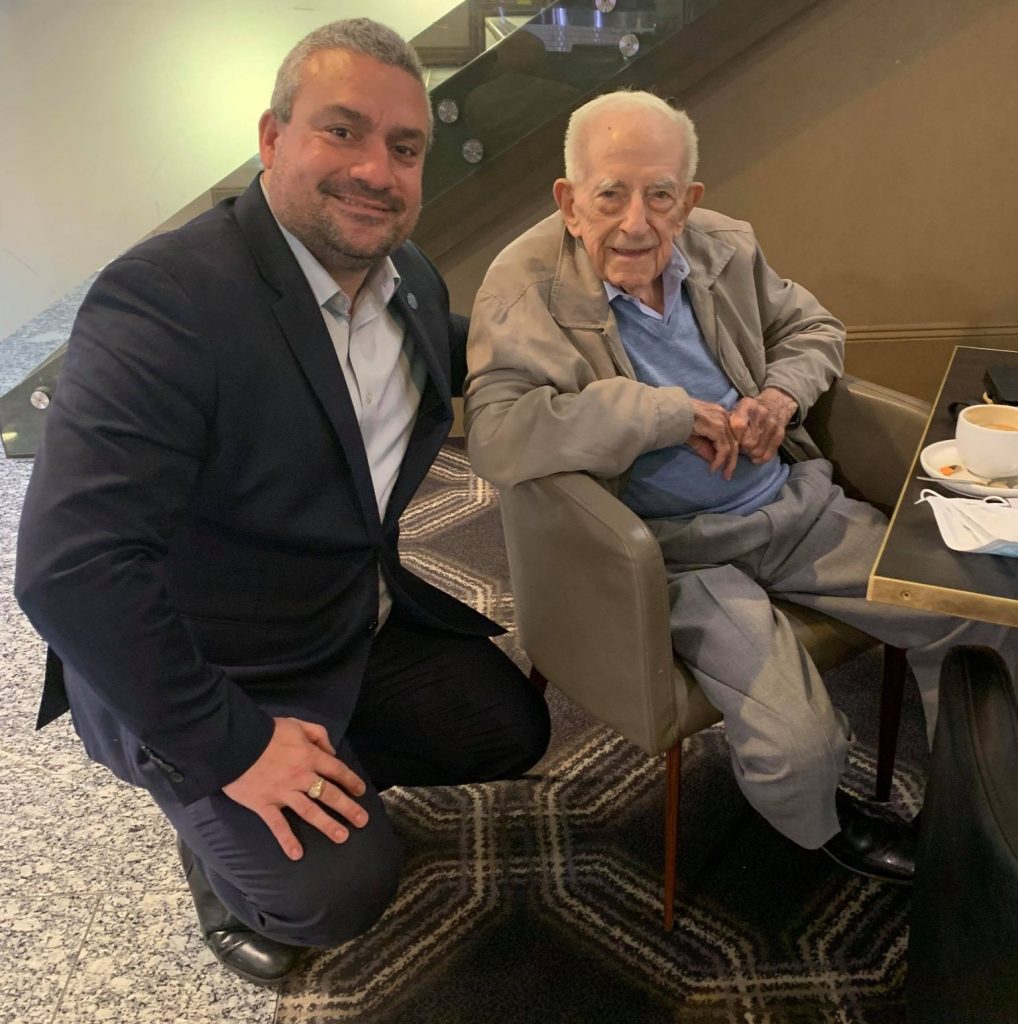
Ken Keamy: WWII veteran and one of The Hellenic Club of Canberra’s longest members since 1990

When I first found out about 97-year-old World War II veteran, Ken Keamy, New South Wales had just entered a tough lockdown and I wasn’t able to meet with him face to face.

Cue the President of the Greek Orthodox Community & Church of Canberra, John Loukadellis, who set off on a mission to find Ken in the one place he knew he would be – sitting in the Hellenic Club of Canberra at Woden, doing his crossword puzzles and enjoying the delicious food and company of the local Greek people.

Ken is one of the Club’s longest-standing members since 1990 and as he tells me cheekily over the phone, he visits every day because there’s “never any trouble here.”

“I like the people here, there’s no trouble, it’s a well-run place, the food is good,” Ken tells The Greek Herald exclusively.

John Loukadellis with Ken Keamy at The Hellenic Club of Canberra. Photo supplied.

For his part, Mr Loukadellis, who always sees the war veteran on his visits to the Club, adds that all the staff love Ken as well and “care for him.”

‘I was one of the lucky ones’:

As one of the millions of Australians who fought for the country during WWII at the age of only 18, it’s no surprise people at the Club respect and honour Ken’s service daily.

Born in Yarram in Victoria on October 19, 1923, Ken was the second eldest of six children. He was boarding with an uncle in Melbourne and working in the city when he was called to serve in January 1942.

“When I was 17, I wanted to join the air force and become a pilot, but my mum wouldn’t let me. By the time I turned 18, the army grabbed you then,” Ken says.

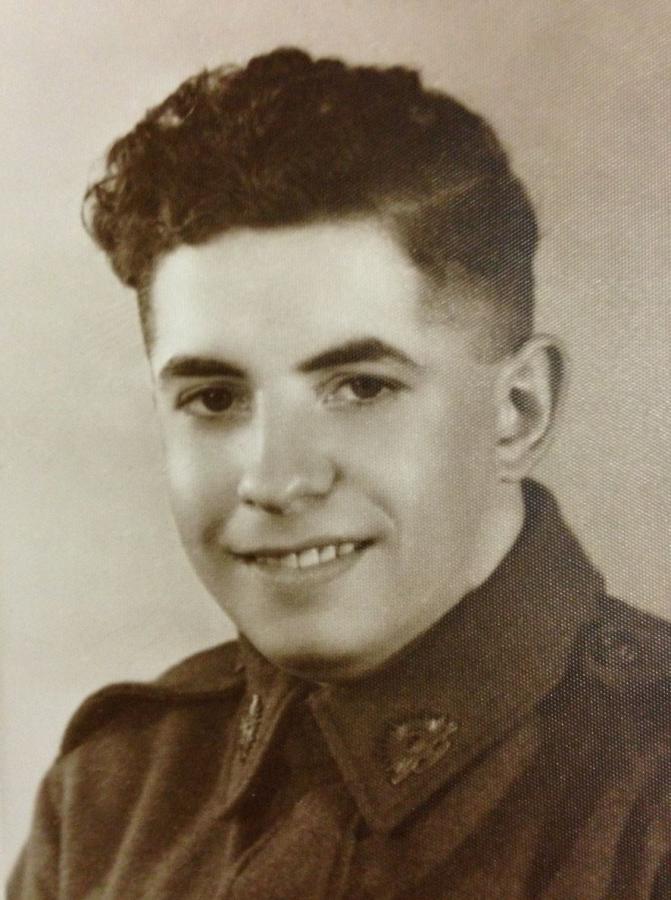
Ken Keamy as a young soldier.

From there, Ken did military training and went on to serve with the 5th Machine Gun Battalion in the Torres Strait, specifically undertaking garrison duties on Thursday Island.

In March 1943, Ken transferred to the Australian Imperial Force and after recovering from dengue fever, he left Thursday Island with 100 other men, bound for Red Island Point, Cape York. On arrival, the men had to lay more than four miles of pipeline to help transport water to the Torres Strait Islands in the dry season.

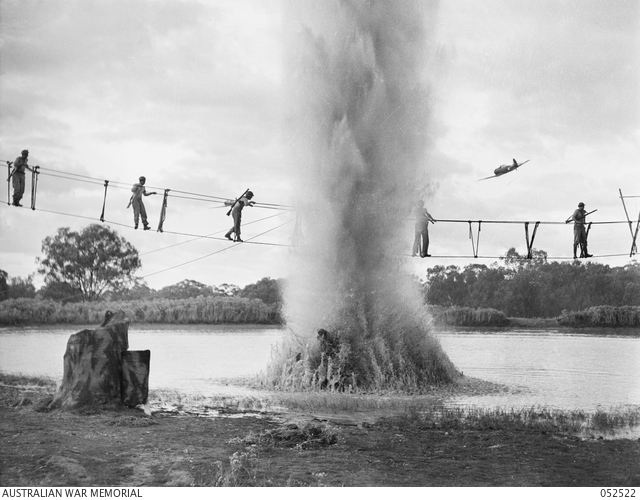
The following year, Ken was sent to Kapooka to complete the engineers training course at the Royal Australian Engineers Training Centre. According to the Australian War Memorial, he learnt everything from squad and rifle drill, to bayonet practice and small arms training.

Wagga Wagga, NSW: Trainees at the Royal Australian Engineers Training Centre, Kapooka Army Camp, cross a cable bridge under attack from low flying aircraft. Source: Australian War Memorial.

By 1945, Ken was serving as a sapper with the 2/5th Field Regiment and in July of that year, at only 21 years of age, he was at Balikpapan – the site of the last major Australian ground operation of WWII.

Codenamed Oboe Two, the landing at Balikpapan was the largest of the Oboe operations mounted by 1 Australian Corps around Borneo, and the largest ever amphibious assault involving Australian forces.

More than 75 years later and Ken remembers it all as if it was yesterday.

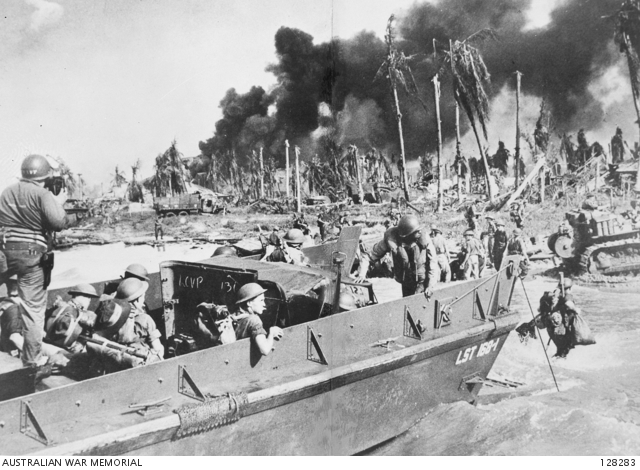
“It was damn awful. We had to dive off the barges into water… under fire from the ships there,” Ken says with deep sadness in his voice.

Balikpapan, Borneo, 1 July 1945: Troops of the 7th Australian Division landing at Balikpapan. Source: Australian War Memorial.

“[I remember] when the Japanese got into our camp one night and killed every second bloke in a tent.

“War is not very good at all. You’re risking your life every day of the week and of course, a lot didn’t come back. I was one of the lucky ones. A lot of my friends never came back.”

Returning to Australia:

Ken really was one of the lucky ones as he finally returned to Australia in February 1946 and was discharged from the army in July.

The veteran returned to his old job in Melbourne after the war, but later quit and went to work for the Repatriation Commission. He moved to Canberra in 1974 and worked for the renamed Department of Veterans Affairs until he retired in the 1980s.

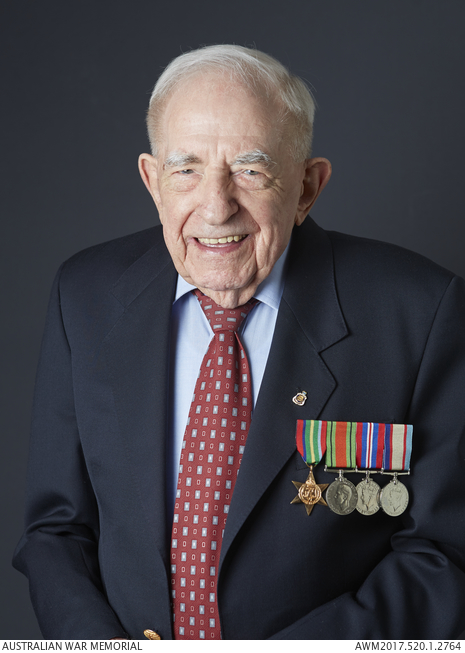
Ken Keamy today. Source: Australian War Memorial.

Now, he spends his days relaxing, spending time with friends and at the Club. When we conclude our chat, it’s clear he’s also very happy to reminisce about his long-standing connection and love for the Greek community in Australia.

“When the Greeks came out here after the war, it didn’t matter what they were, you’d see them on Sunday in Melbourne all dressed up in the beautiful clothes and shoes,” Ken says.

“I just love the Greek people, I always have. After the Second World War, when they all came out here, they were some of the best workers that ever came.”

Striking praise from a man who also deserves to be recognised for his contribution to Australian society.

Do you have a similar community story? Please send us a message at info@foreignlanguage.com.au.

Year 12 student, Ambrose Konstantinidis, shares lockdown experience amid HSC turmoil

The last few weeks have been a turbulent time for Year 12 students.

At first, Catholic school leaders called for this year’s HSC exams to be cancelled but this was quickly shot down by the NSW Education Minister, Sarah Mitchell.

Later, the NSW Government announced Year 12 students would return to class in mid-August, but they would need to undergo rapid antigen tests and those in the west and south-west of Sydney would be prioritised for the Pfizer vaccine.

These latest decisions, according to The Sydney Morning Herald (SMH), have caused confusion and feelings of anxiety amongst Year 12 students as they worry about their final exams and the potential health risks.

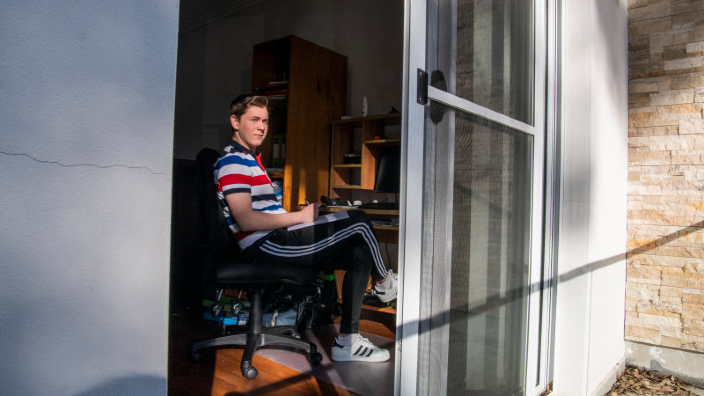
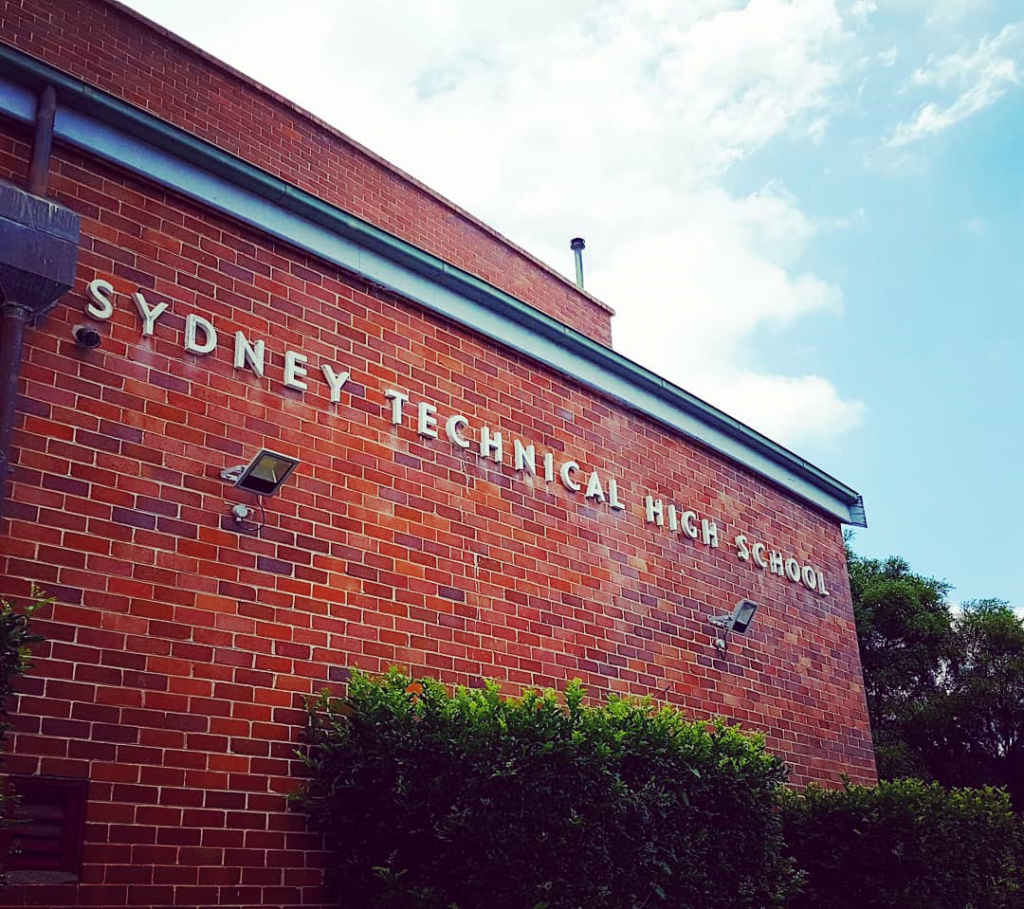
One of these students is Ambrose Konstantinidis from Sydney Technical High School, who shared his lockdown experience with the SMH and detailed how he’s found it difficult to study.

Ambrose Konstantinidis is a Year 12 student from Sydney Technical High School.

“My fist bangs against the desk as my face falls into my hands. This is the third time I’ve tried to write this practice English essay today. I’m on the verge of exploding,” Konstantinidis said in his personal account.

“I look around my stuffy room at the infinite number of possible distractions. YouTube, Instagram, Facebook. None catch my eye. Instead, my eyes glance down toward something much worse: my unchecked to-do list.

“Are trials really only two weeks away? I feel like I’ve done nothing this entire lockdown. I call my friends. The knot in my chest loosens as I find out that my household isn’t the only red zone in this productivity pandemic facing my me and my peers.”

Konstantinidis goes on to say that although he is trying to see the positives and “reassure himself” everything will be fine, he still finds himself reminiscing about “a better time.”

“I stare at my empty wall. It was where my 99 ATAR goal hung before I binned it. A week ago, I wasn’t sure there’d even be HSC exams. I try to reassure myself. I don’t have it all that bad. My four-unit mathematics class set up an online study group. It was where students sacrificed their precious study time just to help others,” Konstantinidis continues to the SMH.

“I collapse into my chair. As I stare out the window of my cement cage I reminisce about a better time.”

Source: The Sydney Morning Herald.

Hellenic Lyceum of Sydney calls on Australia to condemn Turkish provocations in Cyprus

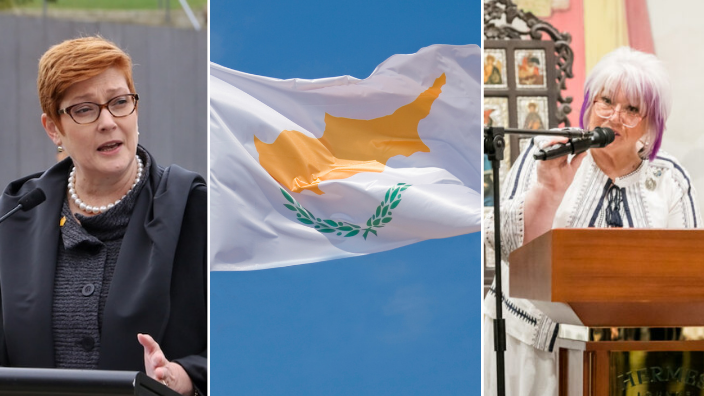
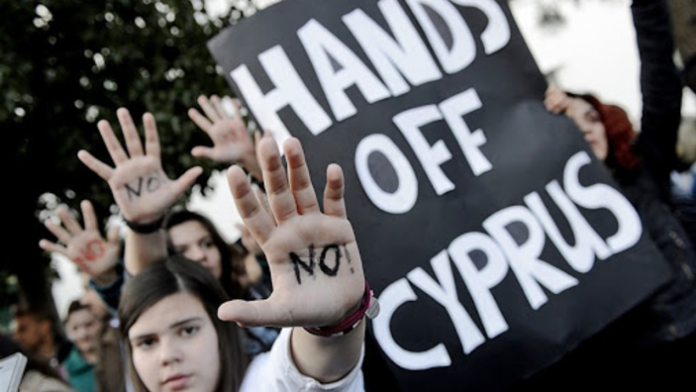
The Hellenic Lyceum of Sydney has written to the Federal Minister for Foreign Affairs, Senator Marise Payne, urging the Australian Government to ‘unequivocally condemn’ Turkey’s violation of international law in Cyprus.

In the letter, signed by the President of the Lyceum, Liana Vertzayias, and Secretary, Christina Mitsopoulos, the women’s organisation detailed the recent Turkish provocations on the island and expressed their concern.

“As a women’s organisation of seventy years standing, we are concerned that human rights in Cyprus have continued to be violated for so long with impunity,” the letter reads.

Full letter:

Honourable Senator Marise Payne MP

Minister for Foreign Affairs

Dear Senator Payne,

The Republic of Cyprus was invaded by Turkey in July 1974. Its military occupied 37% of the island’s territory and ethnically cleansed the majority of the population then living in the occupied territory. Turkey then settled the occupied territory with colonists. 

Turkey is now proceeding to the next stage in its policy of establishing a two state solution on the island. This is in blatant violation of numerous UN resolutions, international judicial judgements and universal condemnation by the EU, USA and a consistent bi-partisan policy by Australia. 

READ MORE: PASEKA calls on Australian Government to continue push for territorial integrity of Cyprus.

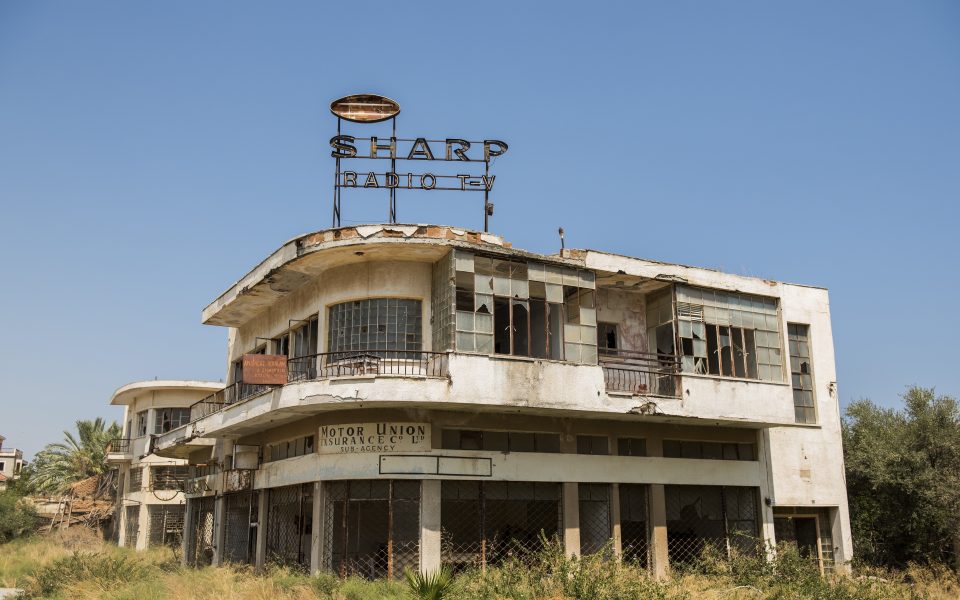
Varosha has been abandoned since Turkey invaded the north of Cyprus in 1974.

In contemptuous breach of SC resolution 550 (11/5/1984) and 789 (25/11/1992) Turkey has now reopened the enclosed section of Famagusta (which has not been inhabited since the 1974 invasion) which the UN resolved be returned to its Greek Cypriot inhabitants under UN supervision.

We call on the Australian Government to join the international community in unequivocally condemning Turkey’s violation of International Law.

As a women’s organisation of seventy years standing, we are concerned that human rights in Cyprus have continued to be violated for so long with impunity.

Liana Vertzayias                                                  Christina Mitsopoulos

Hellenic Lyceum President                                    Hellenic Lyceum Secretary

READ MORE: Australian Hellenic Council on the Cyprus issue: Turkey’s Erdogan is no friend of Australia.

Elia Venezis: One of Greece’s most famous novelists

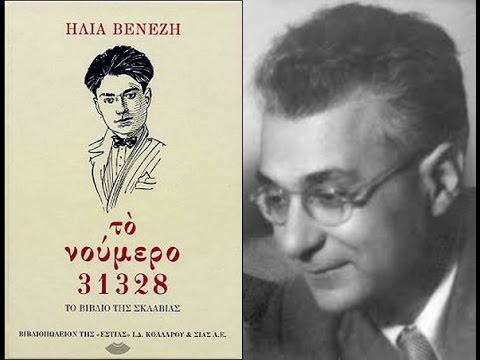
Elias Venezis was a Greek novelist and one of the most important of the literary generation of 1930. His work captured the life of Hellenes in Asia Minor and he had a number of major novels including, ‘The Number 31328,’ ‘Peace’ and ‘Aeolian Earth.’

Early Life:

Elias Mellos, as was his paternal surname, was born on March 4, 1904 in Kydonies (Ayvalik) of Asia Minor. Venezis was the surname of Elias’ grandfather, which he adopted as a literary pseudonym.

Venezis was one of seven children of the landowner Michael Mellos, originally from Cephalonia, and Vasiliki Bibella, daughter of the magnate Giannakos Bibella. 

With the outbreak of World War I, his family fled to Mytilene, his mother’s place of origin, when the Turks began persecuting Christians. There, Venezis spent his first high school years, studying during the day and working at night.

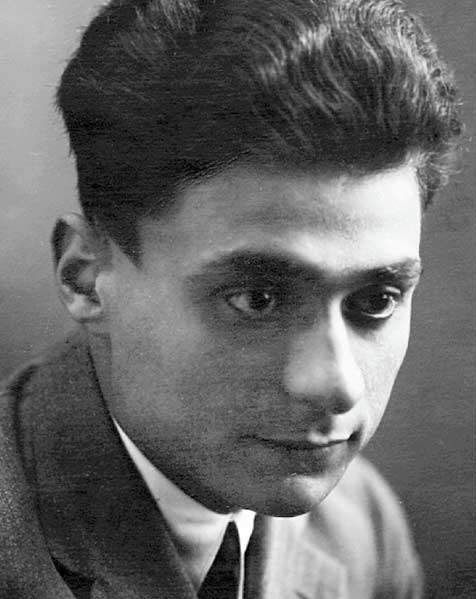
Elias Venezis at a young age.

After the end of the war, Venezis returned to Ayvalik and began studying higher mathematics to study engineering in France. However, the Asia Minor catastrophe and the exodus of the Greeks of Asia Minor overturned his plans. 

When the Turks captured Ayvalik, they captured him along with 3,000 other Greeks and took him prisoner inside Asia Minor to work in the infamous “Labor Battalions.”

There, Venezis suffered unimaginable suffering for 14 months, which he described in his book ‘Number 31328,’ published in 1931. This number was the number with which he was registered in the “Labor Battalions.” 

The inhuman conditions of captivity (he was one of only 23 of his fellow citizens who survived) and the uprooting from his homeland, left indelible traces on Venezis and influenced his work.

After his rescue, he again took refuge in Mytilene, where he settled and started working for the National Bank. There he met Stratis Myrivilis and the group of writers and artists on the island.

READ MORE: On This Day in 1969: Stratis Myrivilis, anti-war novelist, passed away.

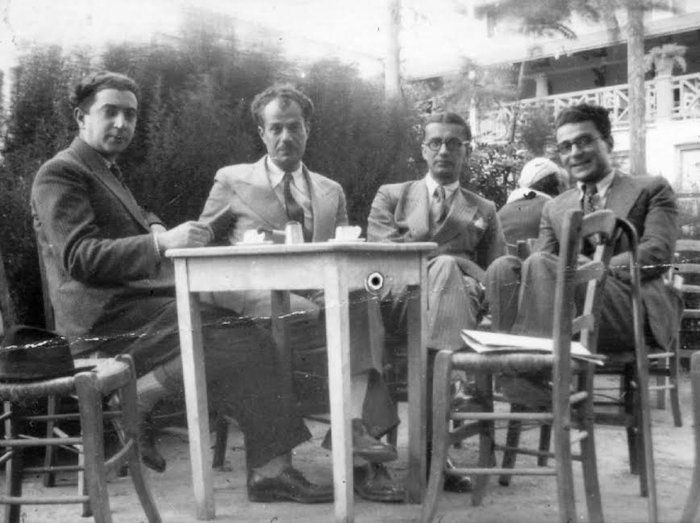
Zappeion 1933. From left: Thrasos Kastanakis, Stratis Myrivilis, Angelos Terzakis, Elias Venezis. Photo: San Simera.

Literary career:

Venezis first appeared in Athenian letters in 1928, after being awarded in the competition of the magazine Nea Estia for his short story ‘Death.’ In the same year, he published his first book, the collection of short stories ‘Manolis Lekkas and other short stories,’ which was well received by the critics of Athens.

In 1938, he married Stavritsa Molyviati, originally from Ayvalik, with whom he had a daughter, Anna. 

The following year, the novel ‘Peace’ was published. It is, perhaps, the first book that deals with the issue of the settlement of refugees in Greece with literary competence. 

For ‘Galini’ he was honoured in 1940 with the First State Prize for Literature and the Commendation of the Academy of Athens.

On October 28, 1943, the employees of the Bank of Greece had gathered in the great hall of the building to honor the anniversary of “NO,” but also the memory of their colleagues who fell fighting. 

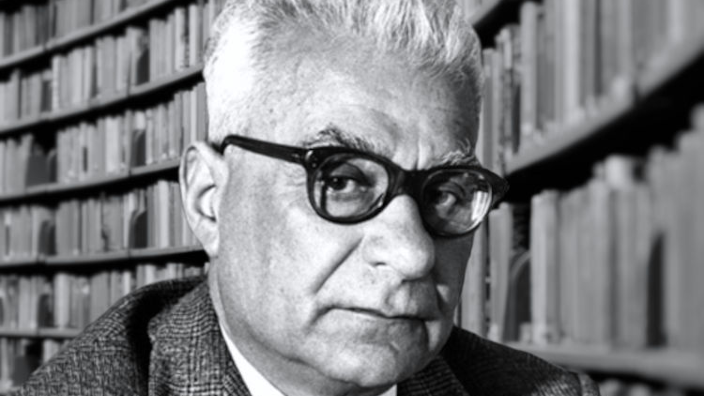
Venezis’ book ‘Number 31328.’

The Germans stormed the room and arrested the commander and some officials, including Venezis. He was isolated in “Block C” of Averoff Prison and would be executed if the country’s spiritual world did not intervene in a coordinated manner and demand his release. 

From this new tragic experience emerged his only theatrical work ‘Block C.’

At the end of 1943, Venezis published his novel ‘Aeolian Earth,’ the most popular and translated of his works. This novel, written from the point of view of a small child, is an anthem for the lost paradise of his childhood and, at the same time, a chronicle of the Hellenism of Asia Minor before the uprooting.

In 1948, in the midst of the Civil War, Venezis participated in the founding of the anti-communist National Society of Greek Writers and the following year, at the invitation of the US State Department, toured the US for six months, where he gave lectures and interviews.

Post-war years and Death:

During the post-war period, Venezis collaborated for many years (1954-1970) with the National Radio Foundation (EIP) in speech programs, while he was a member of the Board of the National Theater, the Opera, the European Writers’ Association, the Hellenic American Union and a founding member of the literary ‘Group of 12.’

In January 1957, the Academy of Athens elected Venezis a regular member of the Order of Letters and Fine Arts and in 1959 he was awarded the Brigadier General of the Order George A.

Venezis died on August 3, 1973, of laryngeal cancer, which he had been diagnosed with two years before.

Source: San Simera.

Westpac slams Bill Papas evidence, Sydney tycoon pleads for cash to fly to Australia

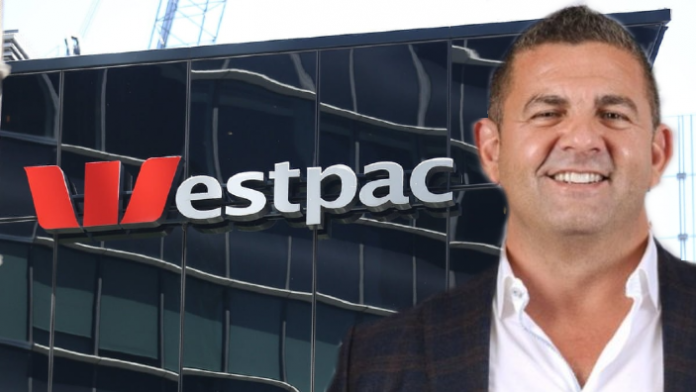
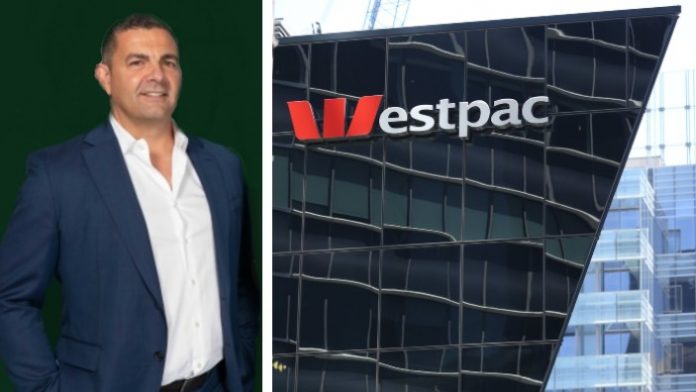
Bill Papas, the man at the centre of nearly $400 million worth of fraud allegations by major Australian and global banks, has been accused of lying in a sworn affidavit, The Australian Financial Review reports.

Mr Papas filed three affidavits in the Federal Court on Friday morning after repeated demands to do so over the last month, but Jeremy Giles, SC, representing Westpac, immediately accused Mr Papas of lying after his first review of the documents.

READ MORE: Japanese giant latest bank tied to Bill Papas’ Westpac fraud scandal.

“We simply don’t accept that as an accurate statement, and we will in due course lead evidence of payments out of the Forum Group Financial Services account to Mazcon of circa $2 million in mid-June this year,” Mr Giles said, according to the AFR.

READ MORE: Liquidators appointed to Bill Papas’ troubled Forum group of companies.

An interim suppression order was granted over Mr Papas’ affidavits until a hearing at midday this Wednesday to argue whether they would be suppressed.

This latest news comes as Mr Papas made representations to his lawyers that he intended to return to Australia from Thessaloniki, but has since claimed he had a positive COVID-19 test and is now unable to return because of a lack of funds and limited flight availability.

READ MORE: Alleged fraudster Bill Papas spotted in Thessaloniki.

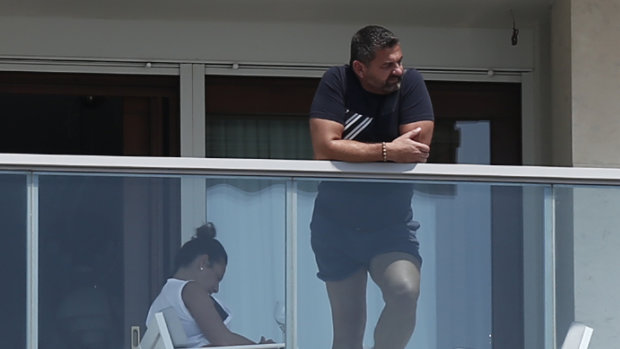
Bill Papas and Louise Agostino are holed up in an apartment near the Thessaloniki seaside in northern Greece. Photo: The Australian Financial Review.

“He can’t get a flight without money, and flights are limited because of the increase in the cap on arrivals,” Mr Papas’ barrister, Jim Johnson, told the court on July 28.

The whereabouts of Mr Papas had proved a mystery until that point as Westpac began to uncover an alleged fraud involving funds it had extended to companies in the Forum group that they believed were on behalf of the bank’s blue chip clients.

Source: The Australian Financial Review.

Greek and Australian Prime Ministers hold call to discuss COVID-19, vaccines and trade

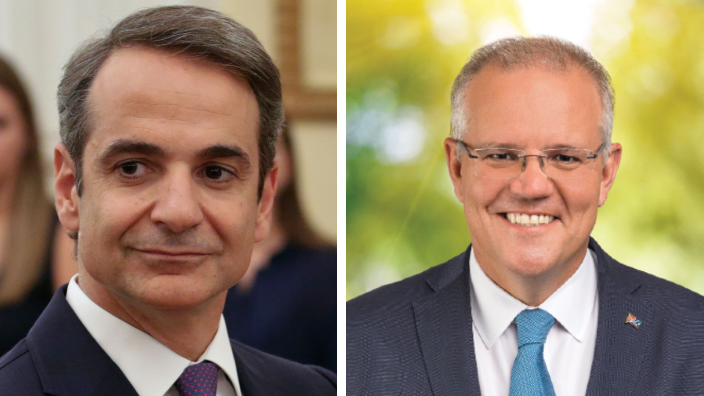
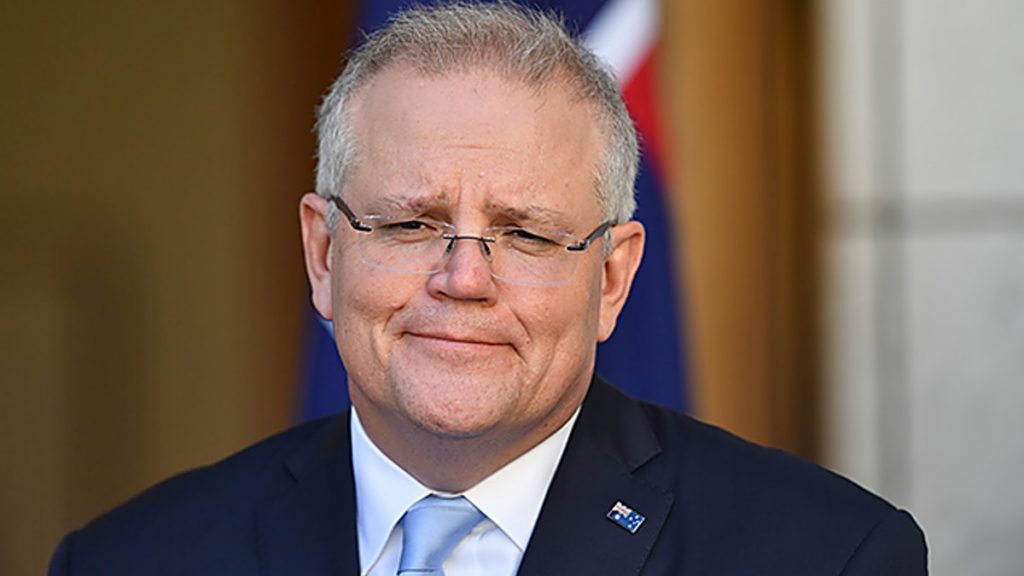
Australian Prime Minister, Scott Morrison, has today confirmed that he spoke with the Prime Minister of Greece, Kyriakos Mitsotakis, over the phone last night.

Mr Morrison announced the news at a press conference this afternoon, where he was also unveiling the government’s blueprint to reopening the country based on health and economic modelling provided by the Doherty Institute and Treasury.

“This has been a long war against this virus and there have been many, many battles, and this is a fierce one when it comes to the delta strain,” Mr Morrison began.

“As I have said on many occasions, Australia is not alone in this battle. This battle is being fought right across the world as every single country is adapting and changing its responses to ensure they can get on top of this.”

Government sources said that during the “warm discussion,” the Greek and Australian leaders compared notes on responding to the COVID-19 challenges, particularly the Delta strain and their respective vaccination programs.

Mr Morrison and Mr Mitsotakis also discussed expanding trade opportunities through the EU-Australia FTA currently being negotiated, as well as climate change and cooperation on multilateral organisations.

The Australian Prime Minister then invited his Greek counterpart to visit Australia.

Anthony Albanese to propose $300 reward for those fully vaccinated by December

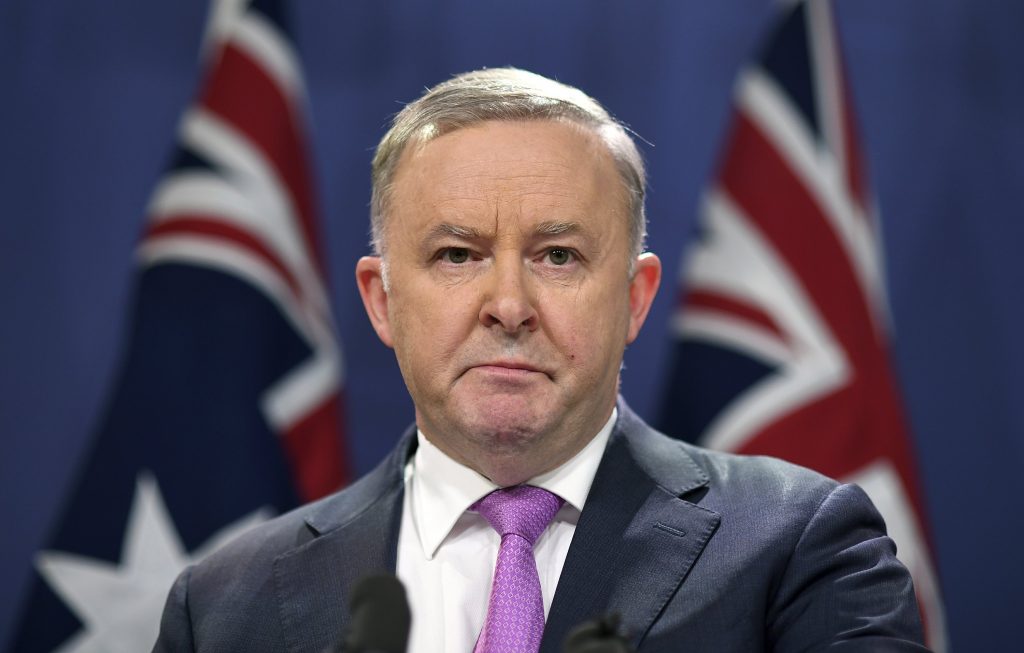
Labor Leader, Anthony Albanese, has proposed a novel solution to boost Australia’s vaccination rate – a cash payment to those who are fully jabbed.

According to The Daily Telegraph, Mr Albanese will call on Prime Minister, Scott Morrison, to offer every Australian $300 each if they receive their second COVID-19 jab by December 1.

Should a federal election be held before then, Mr Albanese would honour his commitment and pay out the cash retrospectively.

“The government has failed on its two jobs this year, the rollout of the vaccine and fixing quarantine,” Mr Albanese said.

Anthony Albanese proposes a $300 reward for those fully vaccinated by December.

READ MORE: Greece outpacing Australia’s COVID-19 vaccine rollout rate.

“It needs to use every measure at its disposal to protect Australians and our economy.”

This policy announcement came amid concerns Labor had until now been spending too much time pointing out early rollout failures and not encouraging enough Australians to get the jab.

Liberal MP for Reid, Dr Fiona Martin, told The Daily Telegraph she was worried a series of negative social media posts about the vaccine rollout had potentially encouraged hesitancy because they did not focus on urging people to get the jab – particularly younger Australians who were recently given access to AstraZeneca shots.

Fiona Martin MP.

READ MORE: Earlwood pharmacist, Alex Papadimitriou, says there’s increased interest in AstraZeneca vaccine.

“Since the commencement of the vaccine rollout the Opposition leader has posted over 100 negative posts on Facebook criticising the rollout compared to just 10 promoting the rollout,” Dr Martin, a registered ­psychologist, told the media outlet.

She said an analysis of Mr Albanese’s Facebook page found that until a post on Saturday encouraging people to book their shot, he had only posted once on February 23 pointing people to the Department of Health’s COVID vaccination website.

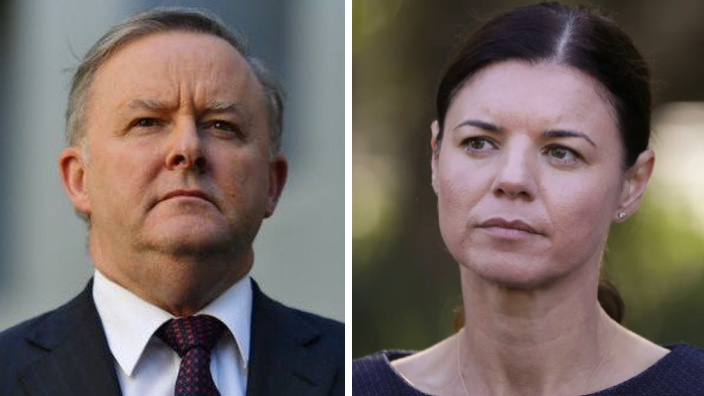
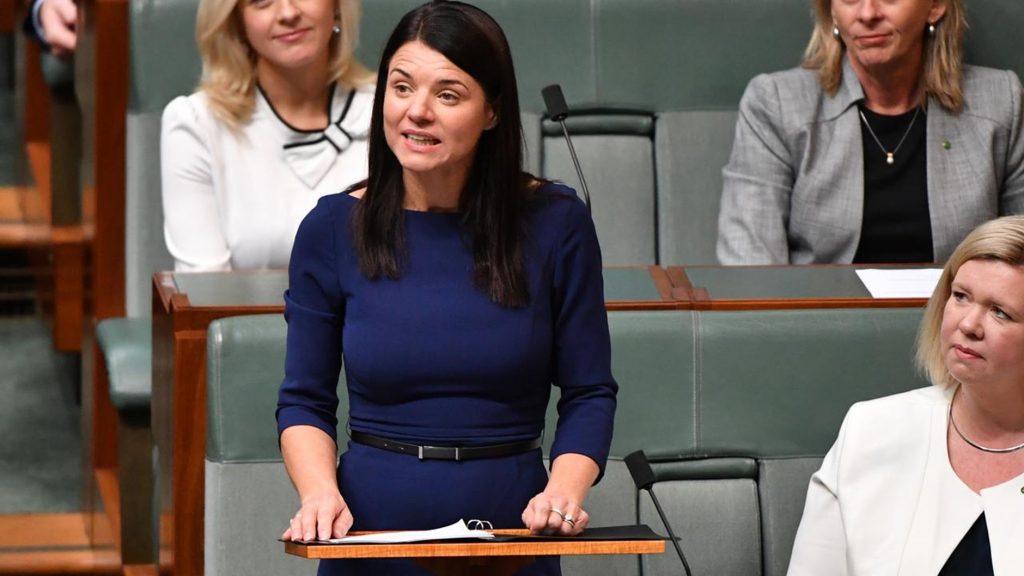
Many other Labor frontbenchers have been similarly negative but some, including Senator Kristina Keneally, deputy opposition leader Richard Marles, and Sydney MP Tanya Plibersek, have posted about getting their jabs on social media, an act which is widely considered helpful to increasing uptake.

Morrison blasts Albanese’s vaccination ‘bribe’:

Scott Morrison.

During a press conference today, Australian Prime Minister, Scott Morrison, launched a blistering attack on Labor’s cash incentives, saying Anthony Albanese has “lost belief if he thinks he needs to bribe the Australian people.”

The Coalition held their first joint party room meeting for the Spring parliamentary sitting weeks on Tuesday morning.

The Morrison government has launched several attacks on the opposition’s cash incentive policy which will see $300 paid to every person who receives both vaccinations by December 1.

The Prime Minister questioned Labor’s $6 billion proposal during the meeting, saying the “ill-conceived” idea was “all bubbles and no thought.”

Source: The Daily Telegraph.

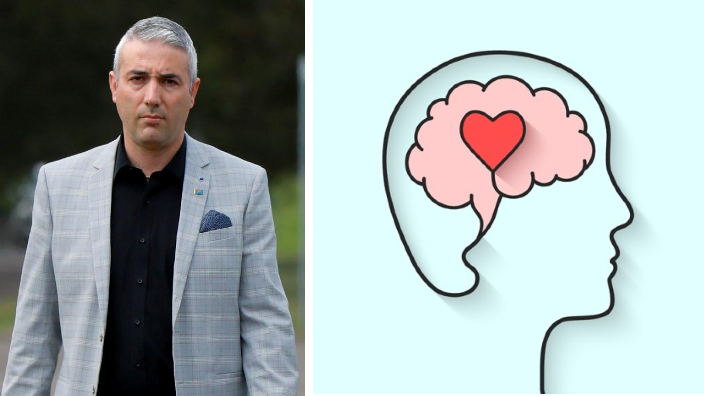
Cumberland Mayor, Steve Christou, calls for pop-up mental health services during lockdown

Cumberland Mayor, Steve Christou, has called for the State Government to provide pop-up mental health assistance for people struggling through lockdowns, The Daily Telegraph reports.

“People’s wellbeing is very vital, especially during this lockdown. People need to be supported, especially our teenagers,’’ Cr Christou said.

“People are focused on adults and the loss of income but teenagers are at a vital stage of their lives. If we put people in lockdown we have to extend the services to them.

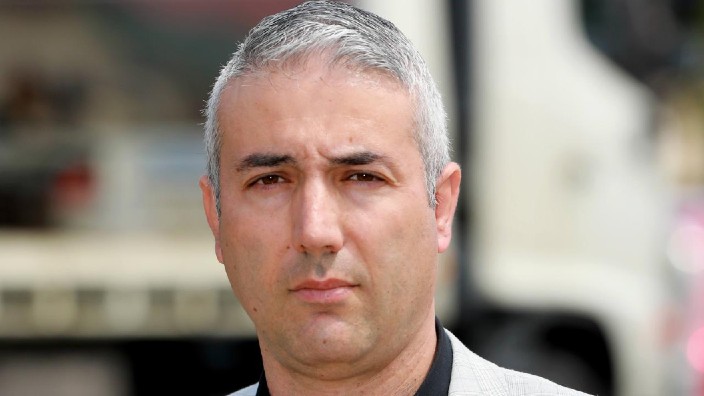
Cumberland Mayor, Steve Christou.

“It’s going to be another weight or pressure on the service but it needs to happen.”

Cr Christou said he would raise the suggestion of walk-in services with council officers this week before speaking with NSW Health, The Daily Telegraph reports.

‘Very insensitive’:

Meanwhile, when speaking with Sky News Australia on Monday night, Cr Christou also touched on the topic of deploying ADF personnel to areas with high migrant populations and called the move ‘very insensitive.’

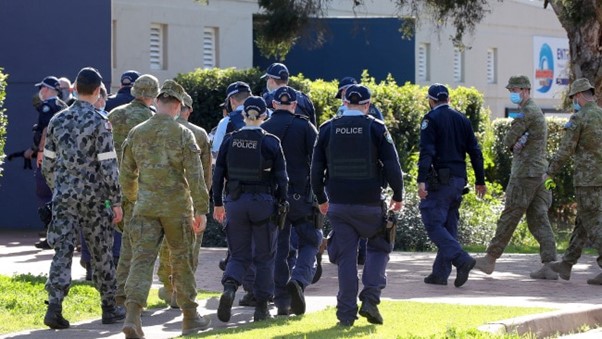
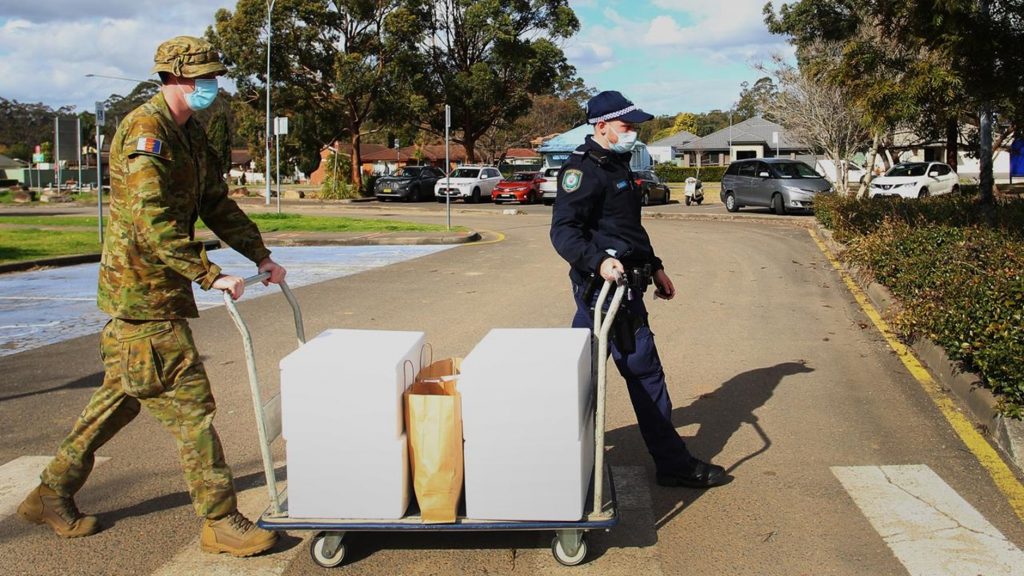
ADF personnel have been deployed to Sydney’s streets to assist NSW Police during their COVID-19 compliance operation. Picture: Toby Zerna.

“A lot of them are refugees. They’ve escaped hardship, they’ve escaped war torn countries, instances where the army has not represented a good experience for them,” Cr Christou said. 

“To come out and say you’re going to put the army out on the streets of Cumberland City Council is very insensitive and shows how out-of-touch our state representatives are.

“Often I shake my head and honestly I tell you, what kind of moronic imbeciles are governing this state, and that includes the Labor opposition as well, because they’ve been silent and complicit in all this.”

ADP personnel and police work together in NSW.

The ADF sent 300 personnel to the streets of Greater Sydney on Monday following a request from New South Wales Police Commissioner Mick Fuller after the state government announced a crackdown on COVID-19 non-compliance.

A majority of the personnel have been tasked with patrolling Sydney’s eight local government areas where COVID-19 cases are the highest – Fairfield, Liverpool, Canterbury-Bankstown, Blacktown, Cumberland, Parramatta, Georges River and Campbelltown – to take the pressure off police.

Source: The Daily Telegraph and Sky News.

‘I feel strange about my career’: Nick Kyrgios drops cryptic retirement hint

Nick Kyrgios has given the biggest clue yet that he is considering giving away tennis for good, local Australian media have reported.

The 26-year-old has openly said he doesn’t intend to continue playing long into his thirties and while he’s shown immense talent, his body has struggled to withstand the rigours of a full tour with a hip injury forcing him to retire hurt at Wimbledon last month.

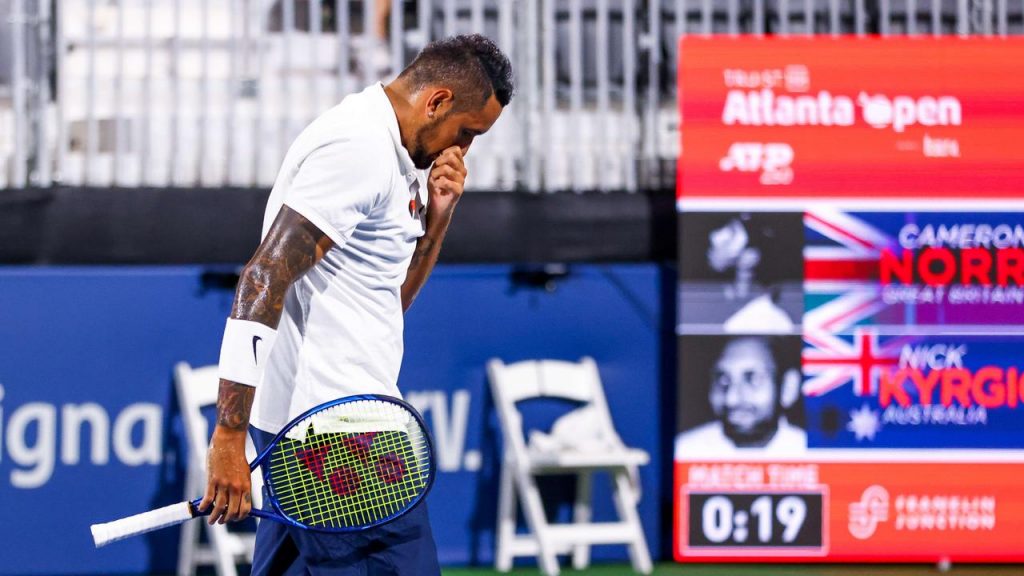
He returned to the ATP tour last week but was beaten by Brit Cameron Norrie in the second round in Atlanta and enters a star-studded Washington field featuring Rafael Nadal, Grigor Dimitrov and Alex de Minaur.

Kyrgios has reportedly said he feels strange about where his career is placed at the moment.

But ahead of his opening match at the Citi Open in Washington DC, Kyrgios was in a reflective mood and according to news.com.au, he confessed that he doesn’t know if each tournament he plays will be his last there.

“Like every time I’m at a tournament, I feel like it could be my last time I’m ever going to be here. In Atlanta I felt the same way,” Kyrgios said according to news.com.au.

“I don’t know. I don’t know where I’m at. I feel weird. I feel strange about my career at the moment.”

Later, Kyrgios also confessed he doesn’t miss the world of tennis when he is away from the sport, in the strongest hint yet that early retirement could soon be on the horizon.

“I’m not going to lie. I mean, I don’t miss it that much any more,” he said.

“No, it’s good. It’s good to be back obviously, especially at these tournaments where I’m extremely comfortable and there’s a lot of crowd. I think they’re definitely hoping I do well.”

The Canberran is the defending champion in Washington and will take on American Mackenzie McDonald on Tuesday in a tough first round clash.

Source: news.com.au.