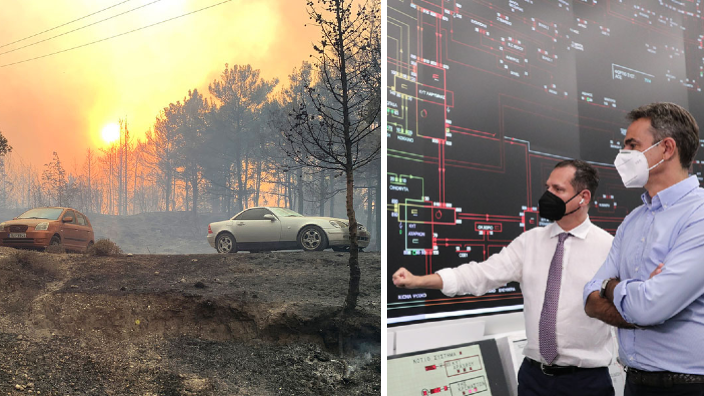
Greek Prime Minister, Kyriakos Mitsotakis, warned on Monday that Greece is suffering its ‘worst heatwave since 1987,’ which claimed more than 1,000 lives.
Temperatures reached 45 degrees in inland areas of Greece and are expected to remain high for most of the week.
Speaking during a meeting at a power management center, Mitsotakis called on his fellow citizens to help the country out in its hour of need and conserve their power.
“Everything humanly possible has been done to secure the country’s power supply. But we are also asking consumers to help us,” Mitsotakis said at the event.
Αντιμετωπίζουμε τον χειρότερο καύσωνα από το 1987 και αυτό έχει ως αποτέλεσμα μία σημαντική επιβάρυνση του συστήματος. Γίνεται ό,τι είναι ανθρωπίνως δυνατόν για να εξασφαλιστεί η ηλεκτροδότηση της χώρας. Σύσκεψη στο Εθνικό Κέντρο Ελέγχου Ενέργειας του ΑΔΜΗΕ. pic.twitter.com/ff6VIBZQ5u
Authorities have asked citizens to minimise power usage at peak times, notably in the afternoon and evening, in order to prevent the electricity grid from being over-burdened.
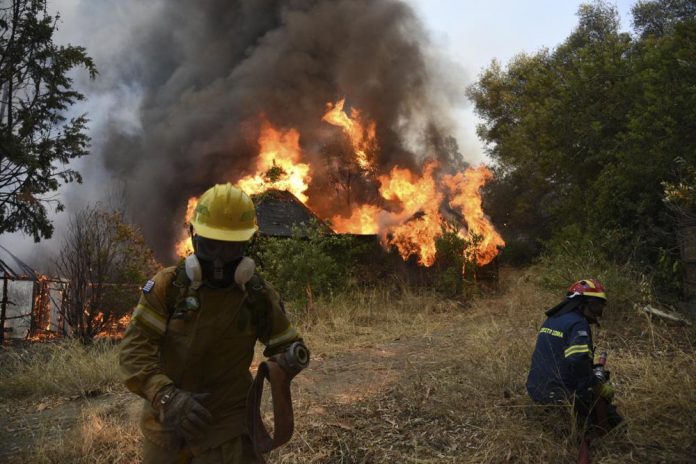
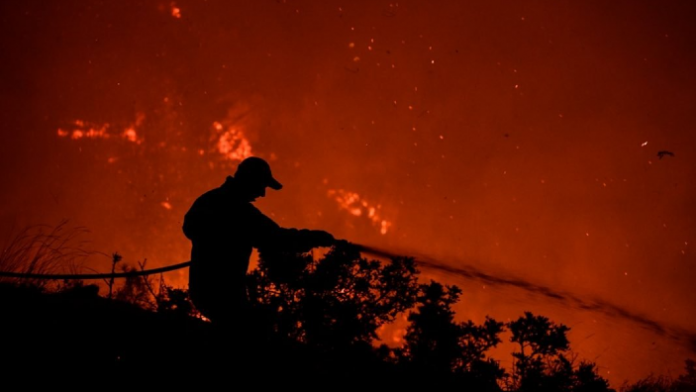
The intense heat has helped fan wildfires that have destroyed more than 3,000 hectares of pine and olive groves in the country’s west since Saturday.
Deputy Civil Protection Minister, Nikos Hardalias, said there had been 1,584 fires across Greece in July compared to 953 in 2019, and there had been 116 new blazes in just the last 24 hours.
There are fires across Greece at the moment.
“We are no longer talking about climate change but about a climate threat,” Hardalias told Star TV.
The fire near Patras was not fully under control on Monday, with five villages and a seaside town already evacuated. Eight people have also been hospitalised with burns and respiratory problems.
The fire service on Monday also ordered the precautionary evacuation of a village in the southwestern Peloponnese as it battled a wildfire near Vassilitsi, in the Pylos-Nestor municipality in the region of Messinia.
A fire on Rhodes is largely under control, officials said.
Officials were optimistic, however, that a fire on the island of Rhodes, near the Turkish coast, was on the back foot after more firefighters and resources were deployed overnight.
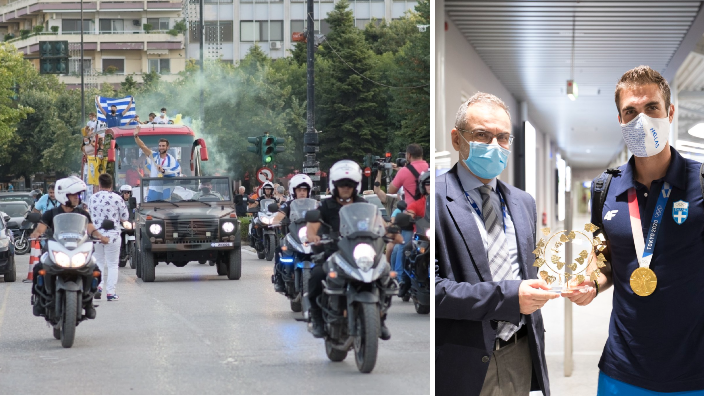
Olympic rowing champion, Stefanos Ntouskos, was given a hero’s welcome in his native Ioannina in northwestern Greece on Monday, after flying back home from the Tokyo Olympics, where he picked up a gold medal in the Men’s Single Skulls on Friday.
Ntouskos won the sculls in the Olympic best time of 6:40.45 after blasting his way through the third quarter of the race and charging through the last 250 meters to win gold.
“Long live Ioannina, long live Greece,” the 24-year-old athlete said, waving to residents and officials who turned out to welcome him to the Pan-Epirote stadium shortly after he did a victory lap around the city’s main square aboard an army Jeep, with a police motorcyle escort.
Ntouskos was crowned with an olive wreath by Epirus Regional Governor, Alexandros Kachrimanis, and congratulated for this performance in the Tokyo Games by Ioannina Mayor, Moisis Elisaf.
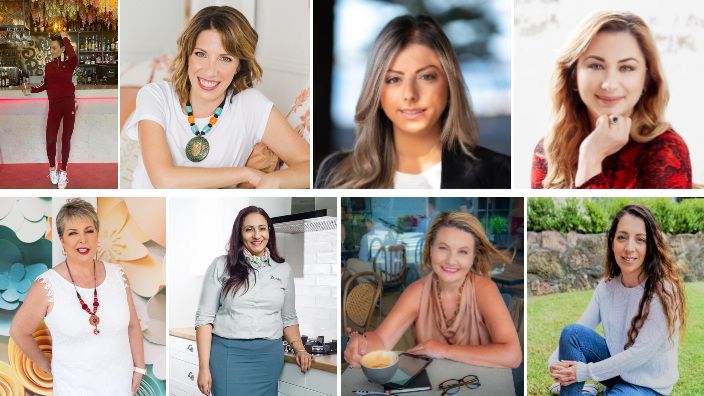
Eight Greek mothers across Australia have been named finalists in the AusMumpreneur Awards for 2021.
The Awards, presented by The Women’s Business School, celebrate and recognise Australian mums in business achieving outstanding success in areas such as business excellence, product development, customer service and digital innovation.
The awards are designed to recognise the growing number of women who successfully balance motherhood and business in a way that suits their life and family.
Here’s the eight Greek Australian mothers who fit in that category:
NSW / ACT:
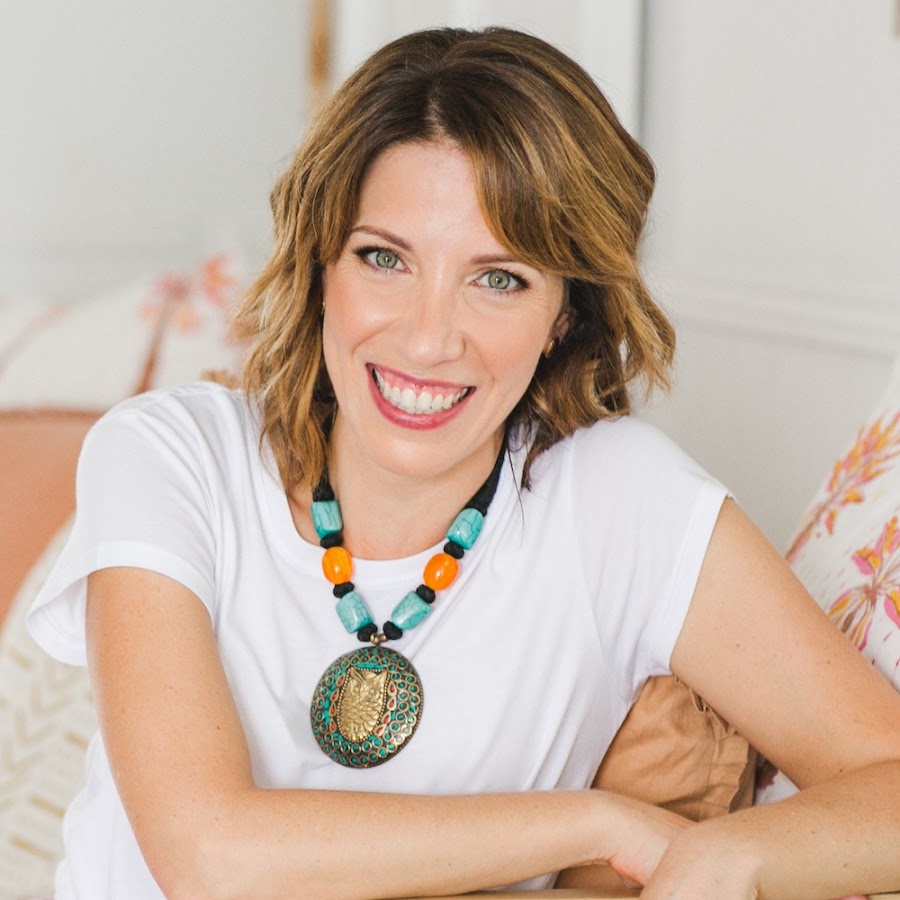
1. Maria Dalamaras, Rio Consulting Group:
Maria Dalamaras has been recognised in the category ‘B2B Service Business’ for Rio Consulting Group.
Maria is a mum, travel addict and lover of wine, delving deep into the world of digital marketing. She has a psychology background and a natural desire to help people.
This passion for people and everything social media led her to climb out of the corporate space in 2018 to chase her dream of becoming an entrepreneur.
Rio Consulting Group was born and it specialises in all things Digital Marketing. Their most commonly sought services are: social media management, content creation, copy writing, LinkedIn profile management, graphic design and website consulting.
2. Cassandra Kalpaxis, Kalpaxis Legal:
Cassandra Kalpaxis has been named a finalist in a number of categories including: ‘Business Excellence,’ ‘Rising Star AusMumpreneur of the Year,’ ‘Women’s Champion’ and ‘Service Business.’ These are all related to her business Kalpaxis Legal.
Cassandra is a mother who understands all that comes with being a parent and trying to navigate the overwhelming and anxious period that is separation.
Cassandra’s passion for family law has been recognised through the accolades she has received from her recent achievements, including the publication of her book “Dignified Divorce.”
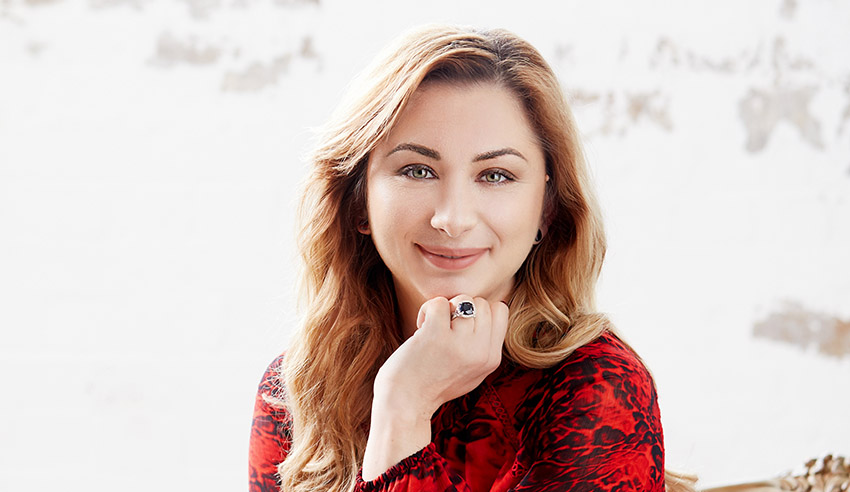
3. Viria Charitos, MEBEME:
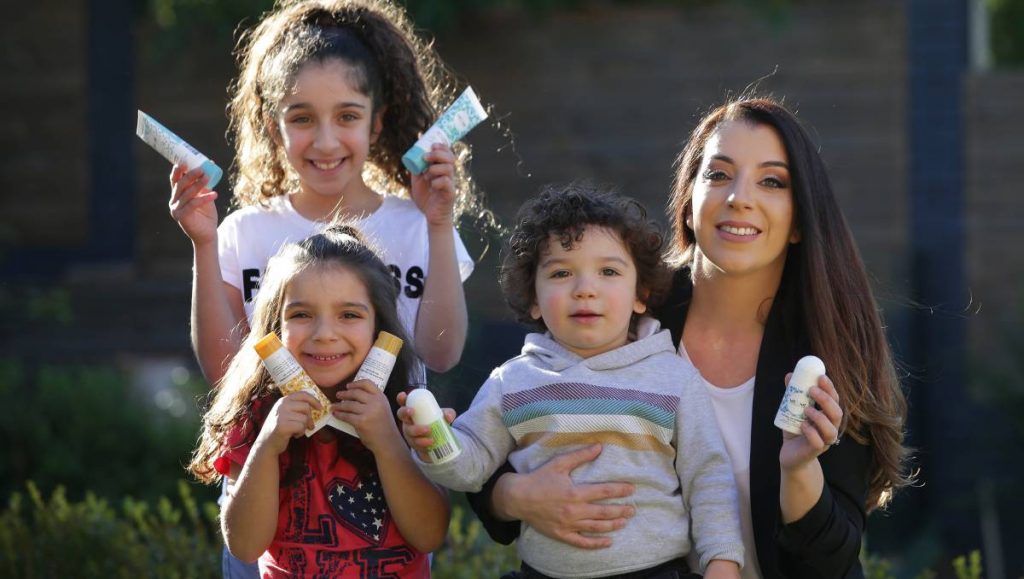
Viria Charitos has been recognised as a finalist in the ‘Retail Business’ category for MEBEME.
In late 2017, Viria realised her eldest daughter’s skin and body odour was changing so she decided to do some research on what skincare and deodorant was good for her.
As a qualified beauty therapist, Viria had a good idea of what she liked and what she wanted to keep off her child’s skin. Although there were some good products out there, she couldn’t find anything tailored to tween skin that ticked all the boxes.
The Greek Australian launched MEBEME – skin products that are natural and gentle enough to use on children’s skin, yet effective.
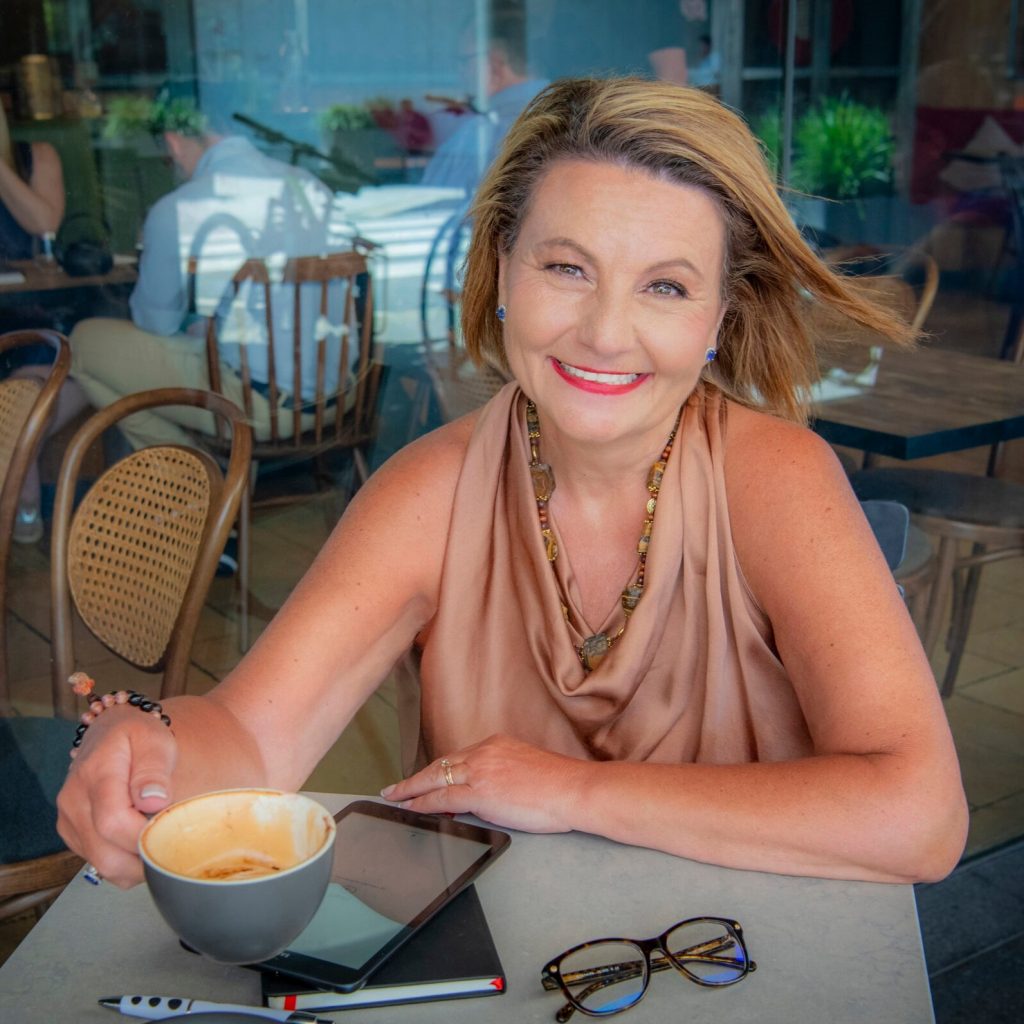
4. Cathy Dimarchos, Solutions2you:
Cathy Dimarchos has been named a finalist in the ‘Women Will Change The World’ category of the AusMumpreneur Awards for Solutions2you.
Cathy is a guide, a coach, a consultant and a motivational voice, delivering a blueprint of business toolkits and solutions to leaders from every imaginable background.
With 35 years experience in the finance industry (and around 50% of that time working in small business), Cathy has alot of knowledge about how people think, act and react.
She uses this skill to perfect a combination of people, business and situational skills.
VIC / TAS:
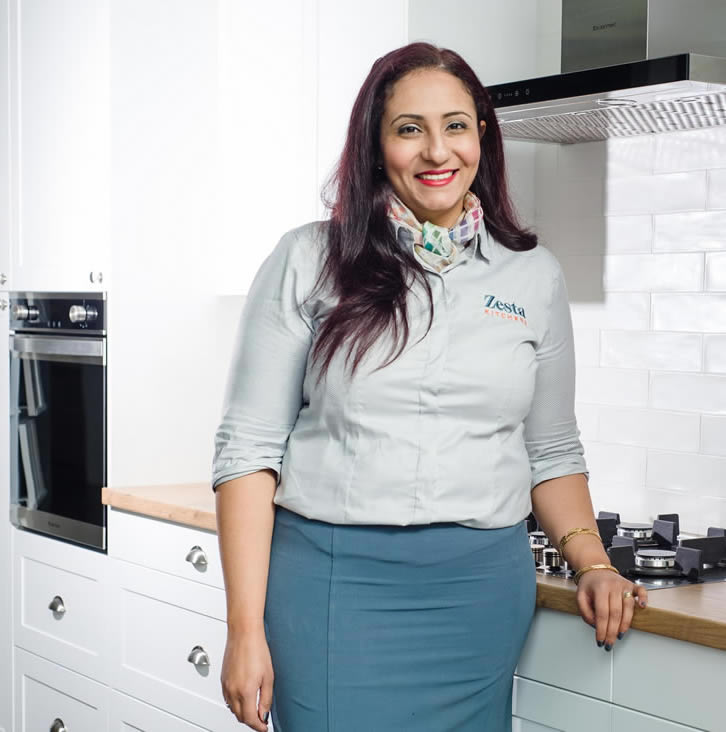
5. Mary Maksemos, Maksemos Group:
Mary Maksemos has been named a finalist in a number of categories including: ‘AusMumpreneur of the Year,’ ‘Business Excellence,’ ‘Creative Entrepreneur,’ ‘Service Business’ and ‘Business Pivot,’ for Maksemos Group.
Maryis an Industrial Designer and the leading authority in kitchen design in Australia.
Her extensive design advice is drawn from over 20 years of experience in kitchens and she promises to create a unique kitchen space for your renovation.
QLD / NT:
6. Toni Lontis, Toni Lontis Enterprises:
Toni Lontis has been recognised in the ‘Disabled Business Excellence,’ ‘Global Brand’ and ‘Overcoming the Odds’ categories for Tony Lontis Enterprises.
After 35 years in nursing, Toni published a book about what it takes to heal from dysfunction and trauma to create a heart-centered impact and help heal others. An audiobook production was later released and Radio Toni was born.
From these humble beginnings grew a love of interviewing businesses and people, about life, business and the universe. Toni now has multiple live streaming TV/radio shows and a series of co-hosted business shows on different platforms, based in the US and broadcasting to the world.
7. Sophia Arthur Pallas, Sophia Pallas:
Sophia Arthur Pallas has been named a finalist in the ‘Digital Service Business’ and ‘Overcoming the Odds’ categories for her business Sophia Pallas.
Sophia describes herself as a wellness copywriter and launch strategist who helps you “connect deeply with your soul gifts to write copy that feels great, makes more money, and truly serves your clients.”
With over 15 years of experience writing about stuff from murder trials to creating facts sheets, she ensures her copy is personal and vibrant. She’s also worked on real-life launches for some of Australia’s biggest brands and health organisations.
WA / SA:
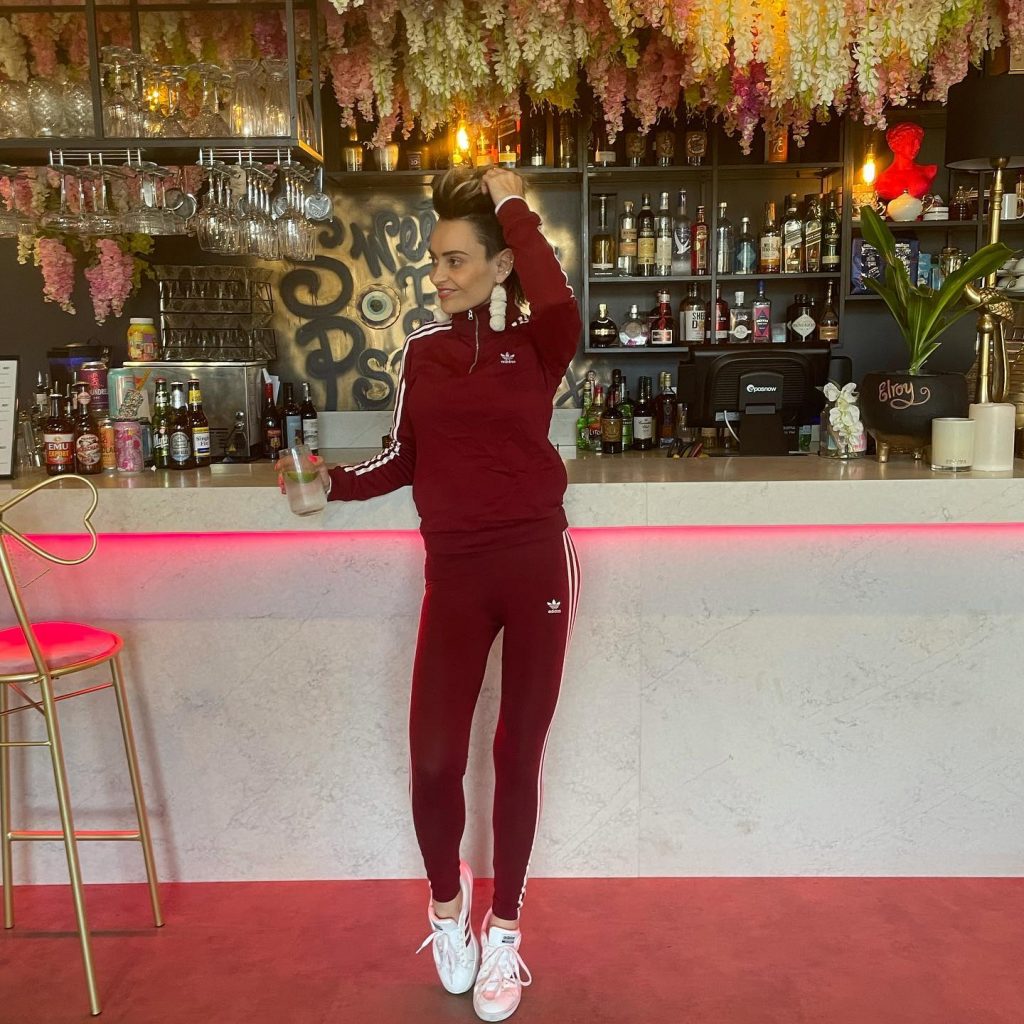
8. Aphrodite Bouari, Sweet But Psycho Pty Ltd:
Aphrodite Bouari has been recognised in the categories ‘Creative Entrepreneur’ and ‘Regional Business’ for Sweet But Psycho Pty Ltd.
Aphrodite is the owner of Karratha’s only dessert bar, which creates quirky cocktails and authentic Greek and Middle Eastern sweets.
The winners of the 2021 AusMumpreneur Awards will be announced at an online event in September. For more information on the AusMumpreneur Awards visit www.ausmumpreneur.com.
* Please note the above list includes the names of those who are recognised as Greek. If you know someone else, please email us at greek@foreignlanguage.com.au.
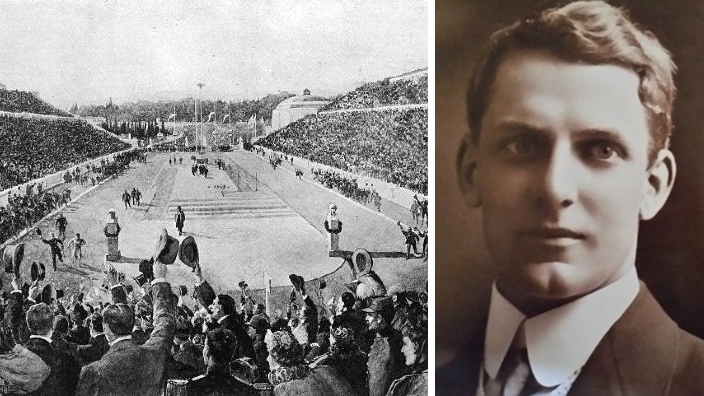
With the COVID affected 2020 Tokyo Olympics finally upon us it seems an appropriate time to consider again the athlete who first established the Australia-Greece-Olympic link: Edwin Harold Flack. As a result of his participation in 1896, Australia is one of only five countries to have taken part in all the Games of the modern era (admittedly with partial participation and under the Olympic Flag at the 1980 Moscow Games). At the 1896 Olympics only 14 nations were represented.
However, Australia had yet to federate. Flack claimed to represent an Australia that didn’t exist as a nation state. There was no Australian flag, and he would compete in the colours of his school, Melbourne Grammar.
For Greece, the 1896 Athens Olympics was a matter of national pride and an opportunity to strengthen in the global consciousness the link between the ancient Hellenes and the emerging modern Greek state. Furthermore, 1896 was a year of additional note for modern Greece. The opening of the games deliberately coincided with Greece’s National Day and the 75th anniversary of the outbreak of the War of Independence, remembering that Greece didn’t convert to the modern calendar till 1923 (Julian Calendar: March 25 to 3 April; Gregorian Calendar; 6 to 15 April 1896).
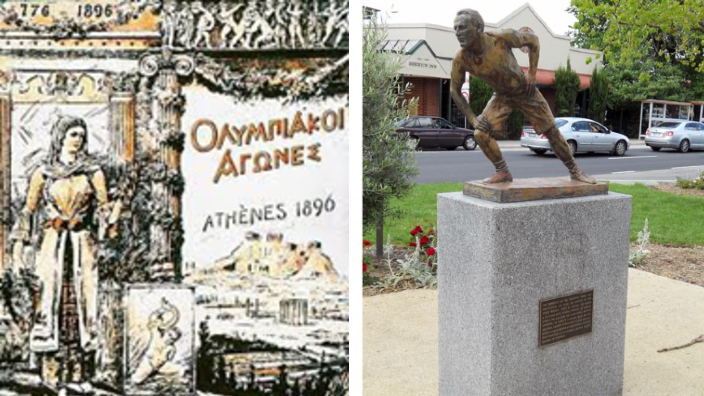
Edwin Flack has a statue erected in his honour.
Edwin Flack was 22 when the Games were revived. Born in London, the son of an accountant who had emigrated to Melbourne when Edwin was a year old, he was raised in South Yarra. At school Flack showed early promise as a long-distance runner. He won prizes for cross-country running in Victoria, New South Wales and New Zealand. He was also an accomplished tennis player.
Sent to London to further his training as an accountant, Flack was granted leave in 1896 to take an Easter vacation. So, he made his way to Athens. “He was a freelance athlete; no Australian body had promoted his attendance at the Games; he carried no national accreditation; and his nationality was that of a British subject resident in the colony of Victoria. Nevertheless, he entered the contest as an ‘Australian’. He was not only the sole competitor from Australia, but he was also the only one from the southern hemisphere.” Contrast that one competitor with the 470 member Australian team attending this year’s games.
Flack’s first appearance was in the heats of the 800 metres. The next day he made his second appearance, in the 1500 metres race, a final without heats, between eight contestants. Flack won, covering the distance in 4 minutes 35.5 seconds. His victory caused consternation among Greek officials, for no Australian flag was at hand; indeed, none existed (being five years before Australia’s federation). Either in error or desperation, officials hoisted the Austrian flag, causing immediate protests. Shortly afterwards the Union Jack was accepted.
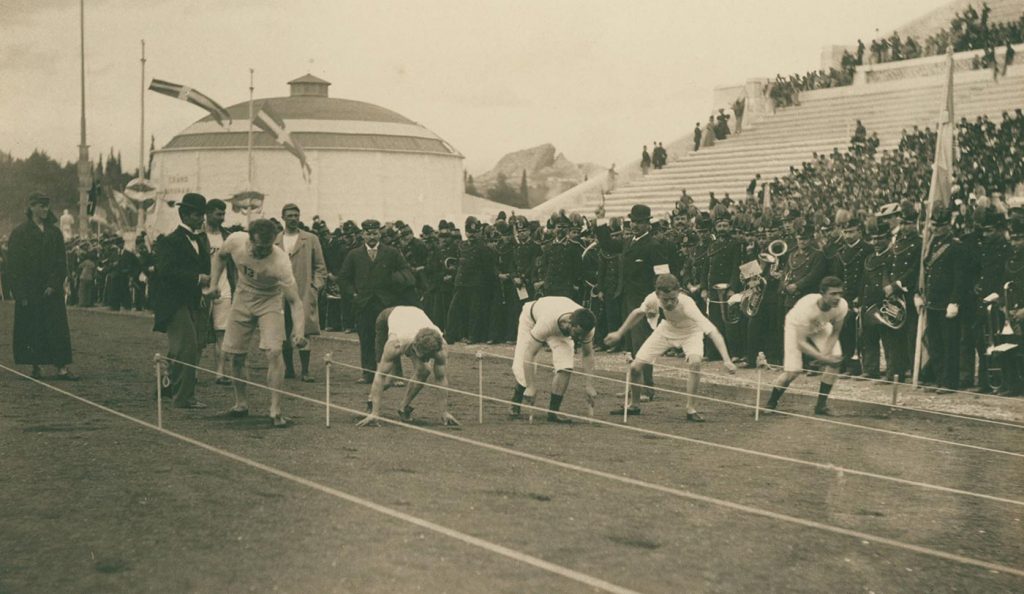
Athletes prepare for the 100 metre sprint, 1896 Olympics.
In the 800 metres final there were only three runners: Flack, a Hungarian and a Greek. Flack finished first in 2 minutes 1 second.
On the fifth day, the Marathon race was run. Prayers had been offered that day in many Greek churches for a Greek victory in this race, which followed the route taken 2,500 years earlier by the messenger Pheidippides, who had run from Marathon to Athens to announce the Athenian victory at the Battle of Marathon and then, supposedly, dropped dead.
The Frenchman Lermusiaux set a blistering pace from the start, while Flack stayed back with a pack of Greek runners, but after 10 kilometres Flack moved up to second place. The Frenchman’s early effort had exhausted not only himself but also Flack, whose legs began to wobble. By the 34th kilometre Flack had lost almost all sensation in his legs when the Greek runner, and former water carrier and future policeman, Spyridon Louis (Σπύρος Λούης) passed him, running strongly. Flack staggered on, but at the 37th kilometre his legs finally buckled. He was taken to an ambulance carriage.
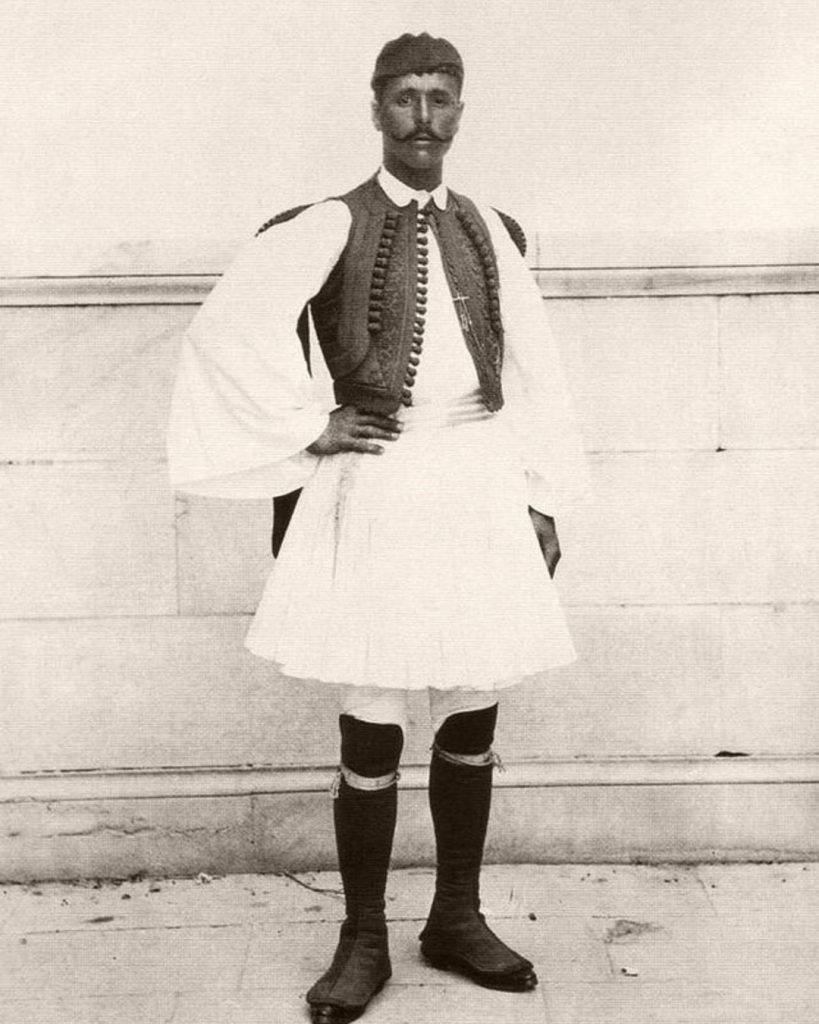
Spyros Louis, the first Marathon race winner, during the first Modern Olympic Games. 1896.
In the stadium it was rumoured that the Australian was arriving first. Complete silence reigned. Then the starter of the race, covered in dust from his long ride on horseback, entered the stadium and, going direct to the royal thrones, announced that Louis was in the lead. The news spreads like wildfire and an immense cheer erupted from the crowd.
Louis had run the distance in 2 hours and 58 minutes. He was mobbed by wildly enthusiastic compatriots. A Greek, Kharilaos Vasilakos, took out second place.
A few days later, Flack left Athens and returned to London to resume his accountancy studies. He gave up competitive running and returned to Melbourne the following year.
In Greek sporting circles Flack became well known. He was respected for his two victories, but it was his failed challenge in the last three kilometres allowing a Greek victory in the race that mattered most that won him the affection of the Greek people.
References:
H. Gilchrist, Australians and Greeks, Vol. 1., Sydney, 1992.
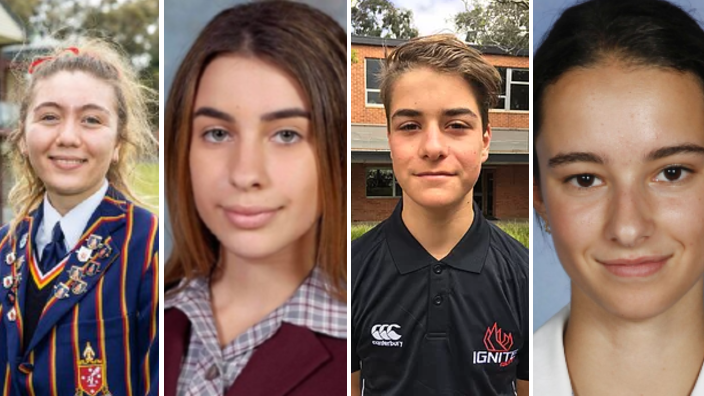
About nine Greek Australians have been recognised in the Victorian Premier’s VCE Awards for their outstanding academic achievements in 2020.
The Award is bestowed on students who have achieved study scores of 46 or higher in their VCE subjects.
The Victorian Minister for Education, James Merlino, congratulated the high-achieving students on their commendation after the announcement was made on Sunday.
“These award winners are a testament to how well Victorian students, teachers and school communities adapted to the challenges of a global pandemic and still produced outstanding results,” Mr Merlino said.
Here’s the list of all the young Greek Australians who have been recognised:
Luke Parnis:
Xavier College.
Recognised for Australian Politics.
Krystal Maragoudakis:
Krystal was the Peninsula Grammar School Dux of 2020.
Peninsula Grammar.
Recognised for English.
Zara Boubouras:
Presbyterian Ladies College.
Recognised for Biology.
Nathan Betros:
Haileybury College.
Recognised for English and Physics.
Paige Marinos:
Cheryl Kaloger Brown School of Dance.
Recognised for Dance.
Marialena Loupo:
Oakleigh Grammar.
Recognised for Greek.
Katerina Bitzios:
Loreto Mandeville Hall.
Recognised for Geography.
Natalia-Elsie Mitromara:
Alphington Grammar School.
Recognised for Greek.
Zoe Christofides:
Strathcona Girls Grammar.
Recognised for History Revolutions.
* Please note the above list includes the names of those who are recognised as Greek. If you know someone else, please email us at greek@foreignlanguage.com.au.
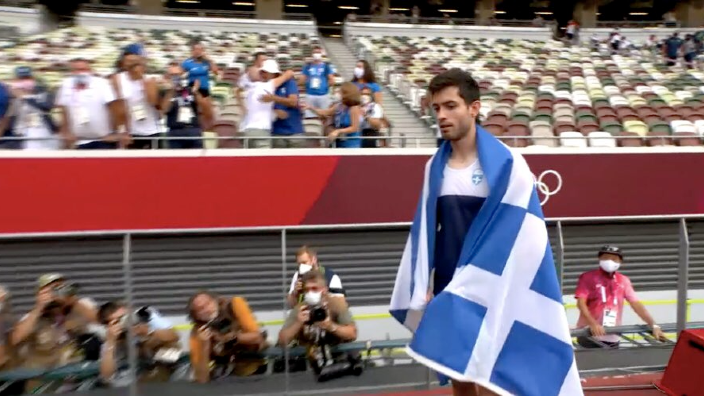
Miltiadis Tentoglou has won gold for Greece with his final effort in the men’s long jump at the Tokyo Olympics.
He jumped 8.41 metres and was followed close behind by Juan Miguel Echeverria at 8.41m and Maykel Masso 8.21m.
“What an incredible competition. What an incredible jump, the last jump. I wasn’t able to get it right at the start. But in the end I managed to pull something out to get the medal,” Tentoglou said.
Miltiadis Tentoglou wins the Men's Long Jump Gold Medal! 🥇🇬🇷
“I want to thank all my supporters back home in Greece. They are awake right now, supporting me. It’s six in the morning maybe. So thanks to them.”
Tentoglou was switching ranks in the first few rounds and even missed a few attempts, but it was on round 6 where he leaped his best at 8.41m enough to take down the Cuban star to second place.
Echevarria’s teammate Maykel Masso picked up bronze after registering 8.21m in his second attempt.
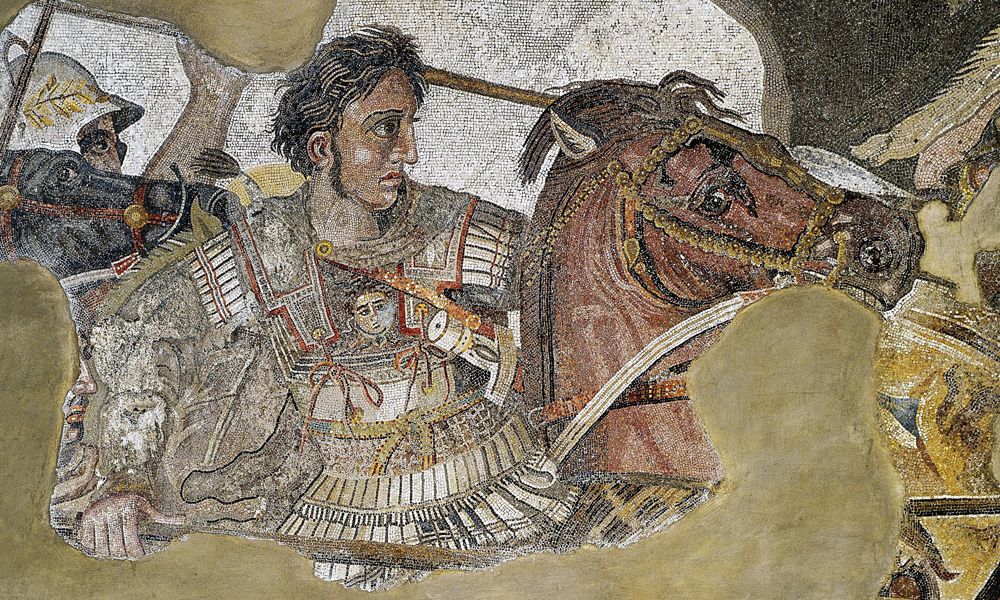
The Battle of Chaeronea was held on August 2, 338 BCE in Boeotia, central Greece, between the army of Philip II of Macedon and a coalition of Greek city-states led by Thebes and Athens.
The victory, partly credited to Philip’s 18-year-old son Alexander the Great, cemented the Macedonian hegemony in Greece and ended effective military resistance to Philip in the region.
To mark the day of the battle, we take a look back at how it all played out.
Before the battle:
In 339 BC, Philip II of Macedon found the occasion to intervene in Southern Greece. The amphitheater conference of Delphi accused the Lokros of Amfissa of usurping the land of the Oracle and demanded the declaration of a holy war for their punishment.
The Battle of Chaeronea.
The representatives of the cities, without the participation of Athens and Thebes, appointed Filippos as general.
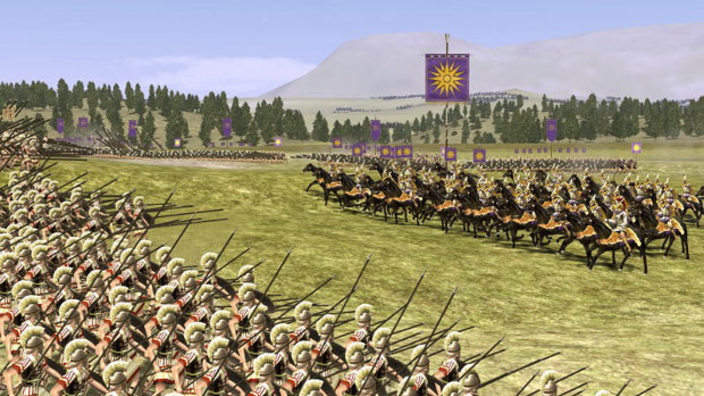
Philip, with 30,000 infantry and 2,000 cavalry, led by his 18-year-old son Alexander, set out for Southern Greece and after passing Thermopylae, captured Elatia, where he encamped, while part of his army destroyed Amfissa.
The occupation of Elatia gave Philip control of the road to Boeotia and Attica and his move showed that he was determined to end his accounts with Athens and Thebes.
This news caused unrest among the two “pre-eternal” enemies who, on the initiative of the orator Demosthenes (leader of the anti-Macedonian faction in Athens), put aside their differences and formed an alliance.
The Battle of Chaeronea:
Philip II of Macedon’s army claims victory at the Battle of Chaeronea.
The two opposing armies took a battle position in the plain of Chaeronea on August 2, 338 BC.
The Allies deployed 30,000 men and 500 cavalry. The Athenians were led by Generals Stratoklis, Haris and Lysiklis, while the Thebans were led by Theagenis.
The army of the Macedonians, led by Philip, excelled in cohesion and military experience. He had high-level leaders, such as Alexander, Antipater and Parmenion, while the Allied generals were of limited ability, with little combat experience. An exception to the military mediocrity of the allied force are the chosen Thebans of the Holy Corps.
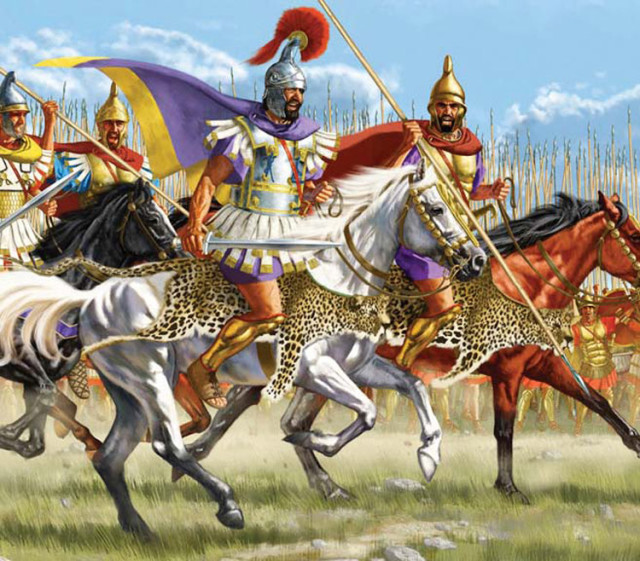
Philip led the right wing and was facing the Athenians, while Alexander was at the head of the cavalry and was facing the Thebans. At the beginning of the battle, Philip maintained a defensive stance against the Athenians, while Alexander forced the Thebans to retreat.
Alexander then turned to the right and sided with the Athenians, who, retaliating from two points, retreated.
Alexander the Great played a part in the battle.
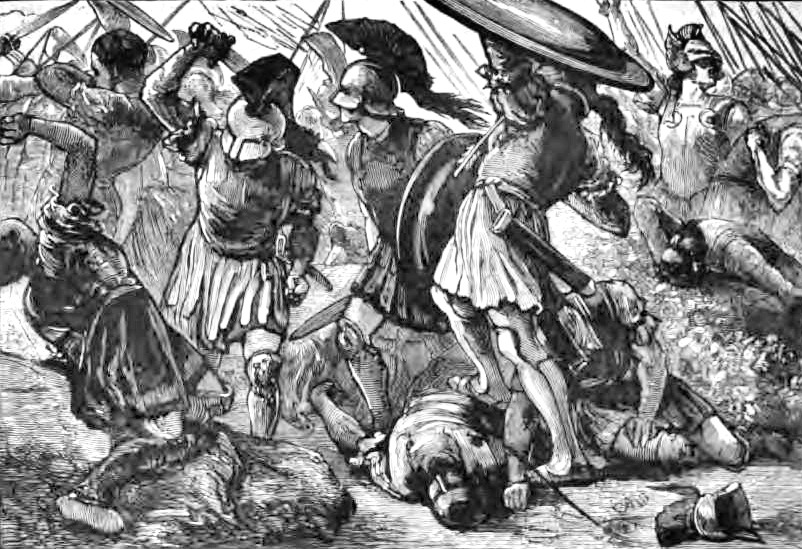
The battle at this point had been decided. The Athenians lost 1000 men, while 2000 were taken prisoner. The losses of the Thebans were similar.
Legacy of the battle:
Archaeological excavations near the city of Chaeronea have uncovered a mound containing the ashes of Macedonian troops, clearly built as a monument to Philip’s victory.
In addition, 254 skeletons found buried beneath a funerary marker are believed to be the remains of the Sacred Band, buried in pairs.
The battle marked the end of effective military opposition to Philip in Greece and heralded the beginning of Macedonian domination in the region.
Plant-based imitation seafood products with names like Tuno are popping up on supermarket shelves and the seafood industry says something smells fishy.
Seafood is one of the most heavily regulated industries in Australia when it comes to labelling and marketing, with local, state and the federal governments all applying rules around sustainability, traceability and provenance.
But according to 3AW, there are currently no guidelines on how synthetic and plant-based products can use names or images on their branding and packaging.
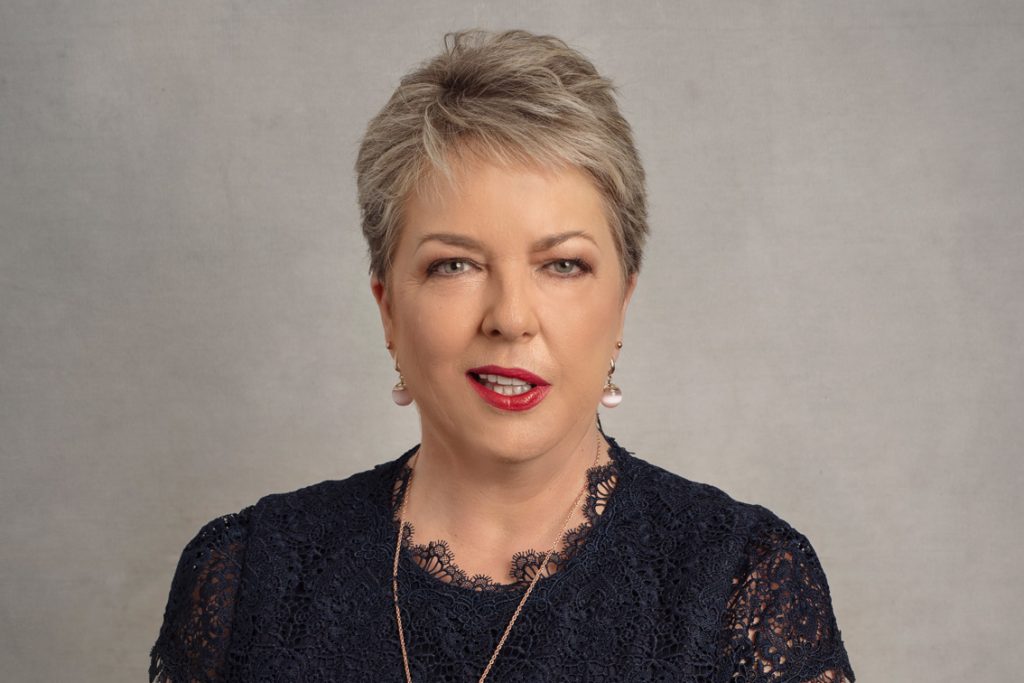
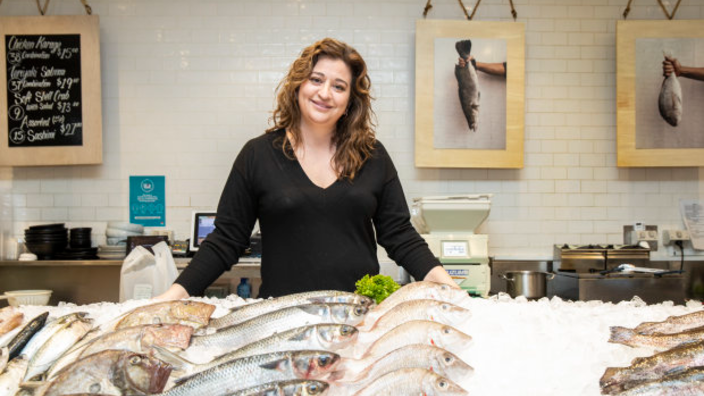
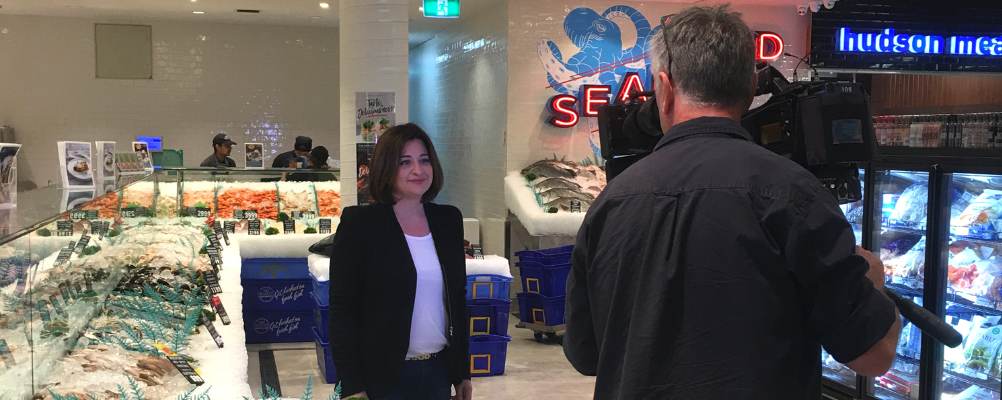
The Chief Executive of Seafood Industry Australia, Veronica Papacosta, told The Australian Financial Review (AFR) that some sushi bars were even serving non-seafood made to look like salmon or tuna.
Chief Executive of Seafood Industry Australia, Veronica Papacosta.
In response, Ms Papacosta has welcomed a Senate inquiry into whether makers and marketers of synthetic and plant-based proteins should be able to use the names of seafood, and terms such as meat, beef, chicken, pork and dairy in their labelling.
“Let’s get ahead of this. Let’s put some structure in place for the plant-based industry so that they know how to move forward,” Ms Papacosta told 3AW.
Ms Papacosta said she knew plenty of people who had been caught out by the labelling and bought products they thought were seafood.
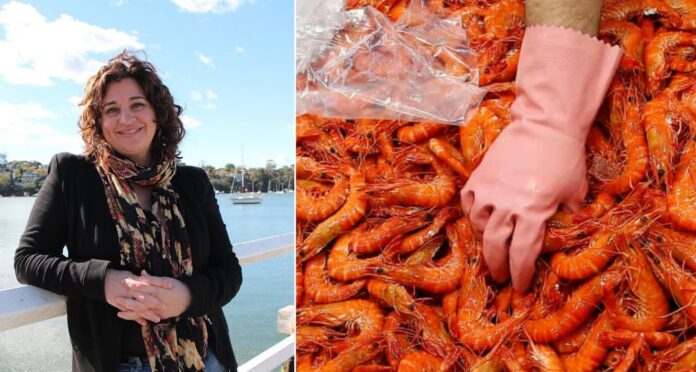
“We’re concerned consumers could be misled by packaging and labelling that closely resembles established seafood products in the market, like prawns or canned seafood,” she told the AFR.
“There are also legitimate concerns for consumers with allergies to soy proteins, who seek out seafood only to mistakenly purchase a product that contains something completely different.
Ms Papacosta and the seafood industry has welcomed a Senate inquiry.
“We trust our food here and one of the reasons is transparency in labelling.”
The businesswoman, whose family business operates 16 fish shops, said the industry was not worried about competition as long as it was in a “fair, honest and balanced regulatory environment.”
“We advocate for plant-based proteins to establish themselves in a category of their own,” she said.
“We’ve seen successful category creation in the past with the development of margarine, and the push-back that it could not be branded butter.
“We respect people’s rights to make choices about what they eat. If you’d rather tofu than tuna, soy than salmon, or potatoes over prawns, then go for it. But don’t tell people they’re eating seafood.”
Producers of plant-based products have yet to make submissions to the Senate inquiry, which last week extended the deadline for submission by a fortnight to August 13.
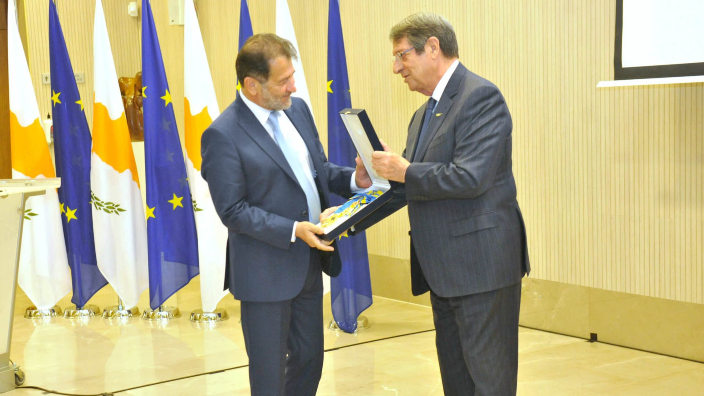
Cyprus’ President, Nicos Anastasiades, has bestowed the Grand Cross of the Order of Makarios lll on Paphos-born Dr Kypros Nicolaides, a world-renowned pioneer in fetal medicine, in recognition of his invaluable contribution to science and society more generally.
At a ceremony at the presidential palace, Anastasiades paid tribute to the London-based doctor whose discoveries have revolutionised the field and earned him the title the ‘Miracle Maker.’
Anastasiades noted that Cyprus’ highest honour is normally awarded to heads of government, and only in exceptional cases to distinguished personalities.
Λαμβάνοντας υπόψη την ανεκτίμητη προσφορά, του Καθηγητή Κύπρου Νικολαΐδη στην προαγωγή του τομέα της υγείας και ιδιαίτερα στην εμβρυϊκή ιατρική, αποφάσισα πως η μόνη επάξια τιμή προς τον ανά το παγκόσμιο γνωστό επιστήμονα ήταν η απονομή του Μεγαλόσταυρου του Τάγματος Μακαρίου Γ’. pic.twitter.com/1I5ZtEs7XG
— Nicos Anastasiades (@AnastasiadesCY) July 30, 2021
“As President of the Republic of Cyprus, taking into consideration the invaluable contribution of Professor Kypros Nicolaides in promoting health, and particularly the field of fetal medicine, I decided that the only worthy honour to this world known scientist was to award the Grand Cross of the Order of Makarios lll,” the President said.
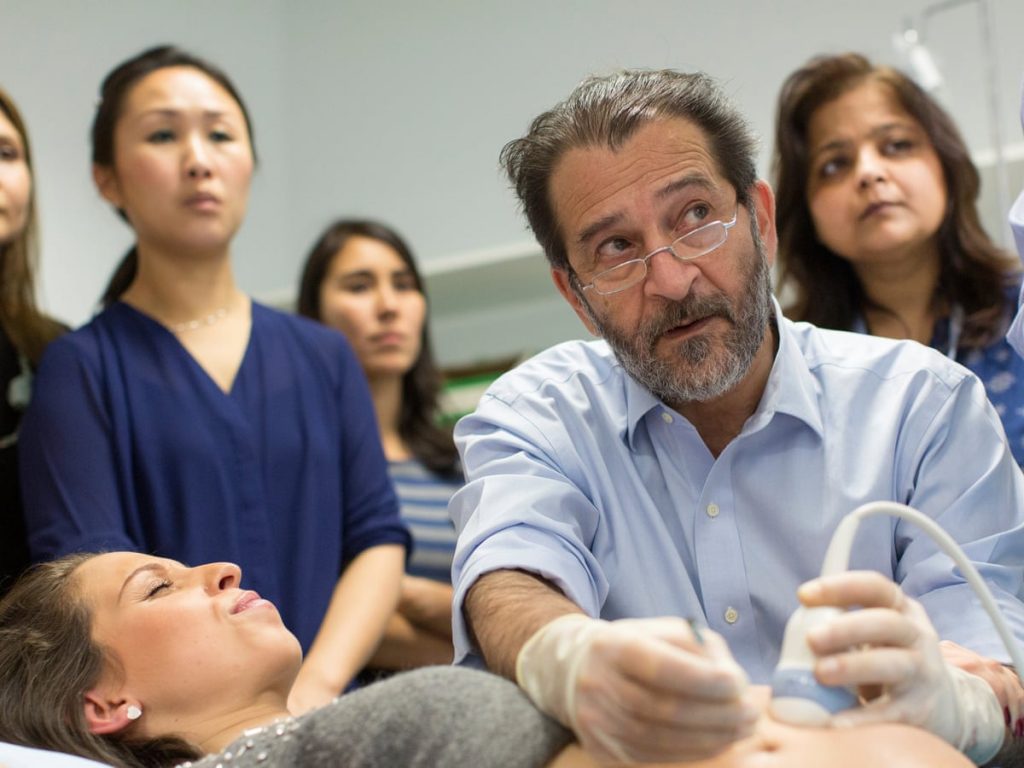
As a doctor, Nicolaides has dedicated his life to fetal health, developing pioneering research and clinical programmes for prenatal diagnosis and treatments and inextricably linking his name to numerous breakthroughs in diagnostics, including of Down Syndrome.
Through his work in medical schools and scientific publications he has helped advance prenatal medicine and opened up the horizons to the revolutionary sector of fetal surgery, the President said.
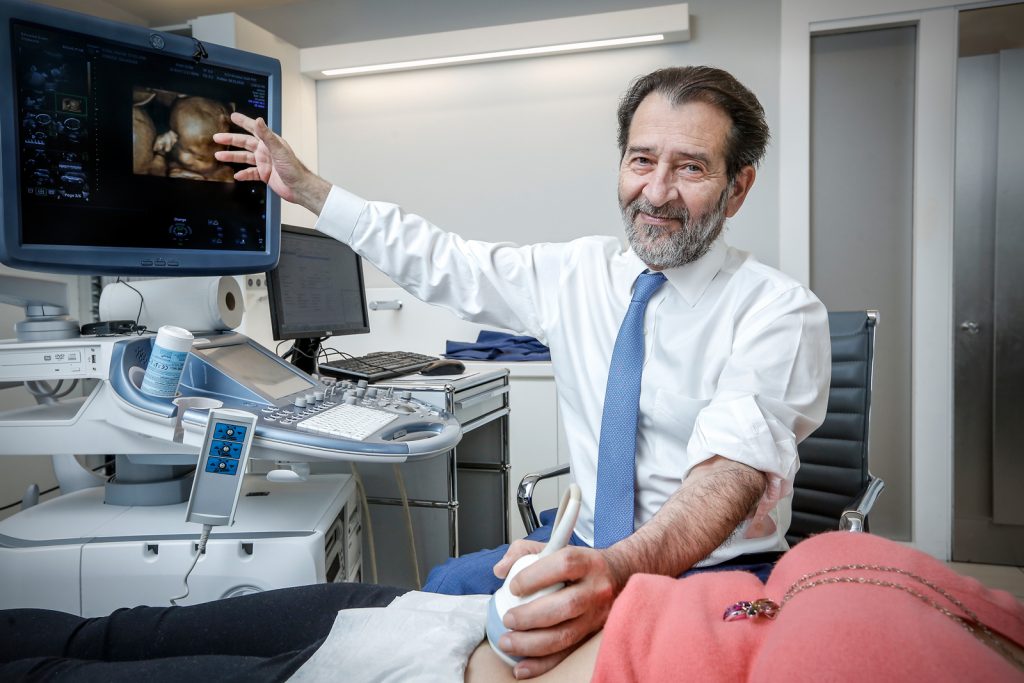
Nicolaides is known as the ‘Miracle Man.’
Nicolaides has helped promote accessibility to these breakthroughs with the establishment of the non-profit Fetal Medicine Foundation in 1995 which has invested millions in research and training, and offered scholarships to doctors worldwide, among other.
Cyprus has also benefitted from the doctor’s expertise and generosity, the President said. The Fetal Medicine Centre has worked closely with the Makarios Hospital’s gynecological department to deal with high-risk pregnancies, while Nicolaides donated cutting edge ultrasound equipment to the hospital. In recognition of the professor’s contribution, a maternity ward at the hospital was named after him.
Indicative of the world recognition Nicolaides enjoys was his recent election to the US national academy of medicine – one of only 10 clinical doctors who are not US citizens, Anastasiades said.
Pioneer of fetal medicine, Dr Kypros Nicolaides, has been awarded Cyprus’ highest honour.
Accepting the award, Nicolaides said he saw it as a tribute to the love and support to the doctors worldwide who have dedicated their lives to the service of women and their newborns.
“To those who will not compromise with the tragic reality that every minute a woman somewhere in the world dies as a result of a complication in her pregnancy or at childbirth and that the large majority of these can be avoided. To the doctors who dedicated their lives to reducing peri-natal mortality, forecasting and preventing premature births, congenital anomalies, placental insufficiency, and other,” he said.