Home Blog Page 1264

Eleni Tzortzopoulou: ‘Kythera Migration Museum may be ready in three years’

By Ilias Karagiannis.

The citizens of Kythera lived and live on an island-crossroads of the Mediterranean. The arid landscape and, many times, adverse life forced the inhabitants to emigrate. From Smyrna and Alexandria to the United States of America and of course, Australia.

It is estimated that about 40,000 citizens from Kythera live in Australia. Tsirigotes – as you will hear them say with pride distinct in the timbre of their voice.

In recent years, there has been a tendency to return to the island, which has migration inscribed in its DNA.

For this reason, there is no more suitable place in Greece to create the first ‘Migration Museum’ than at Agia Pelagia of Kythera – the port from where thousands of Kytherians left in search of a better life for them and their families.

We have referred to this flagship initiative in an interview with the Mayor of Kythira, Efstratios Charhalakis, in The Greek Herald and we have also reported on the visit to the island of the Australian Ambassador to Greece, Arthur Spyros.

The “soul” of this initiative is a Greek Australian, Eleni Tzortzopoulou, who grew up in Sydney and now lives in Kythera.

“Today I could not live anywhere else other than Kythera,” Tzortzopoulou says passionately in her interview with The Greek Herald.

We spoke with her to find out when the ‘Migration Museum’ will be built in Agia Pelagia, what the organisation of the “Friends of Museums of Kythera” needs to implement the grandiose vision and how the community can help.

“If all goes well, the museum will be ready three years from now. It is an ambitious goal that we have since – as you well know – in Greece everything is delayed,” Tzortzopoulou reveals.
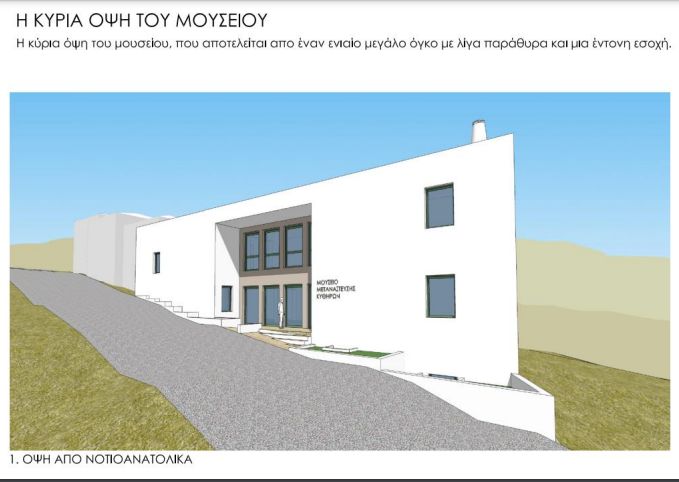
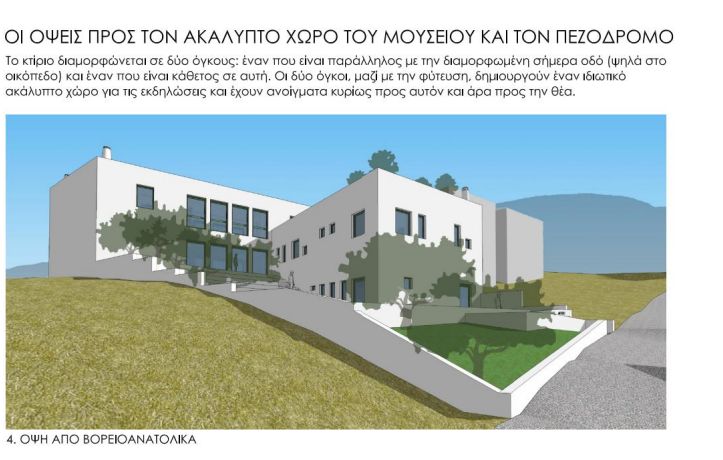
“The museum will be built in Agia Pelagia. The location is symbolic because it was the port of departure for most Kytherians, who took the path of migration.

“The building you see in the plans has, in addition to the museum, a large event hall, an open amphitheatre, spaces for training and seminars, and a rooftop garden for the realisation of events in the summer.

“It will be a place of culture and education that will have the most modern technology.

“Following the signing of the memorandum with the municipality of Kythera (19/6/2020), the competition for the architectural plans of the Museum and the final study selection was postponed entirely by our association, “Friends of Museums of Kythera” (FMK).

“We undertook the burden and care to raise the required money for the preparation of the studies until the issuance of the license, in the hope that all Kytherian society, local and diaspora, will strengthen the project – morally, financially and by depositing the valuable material on which the content of the museum will be based.”
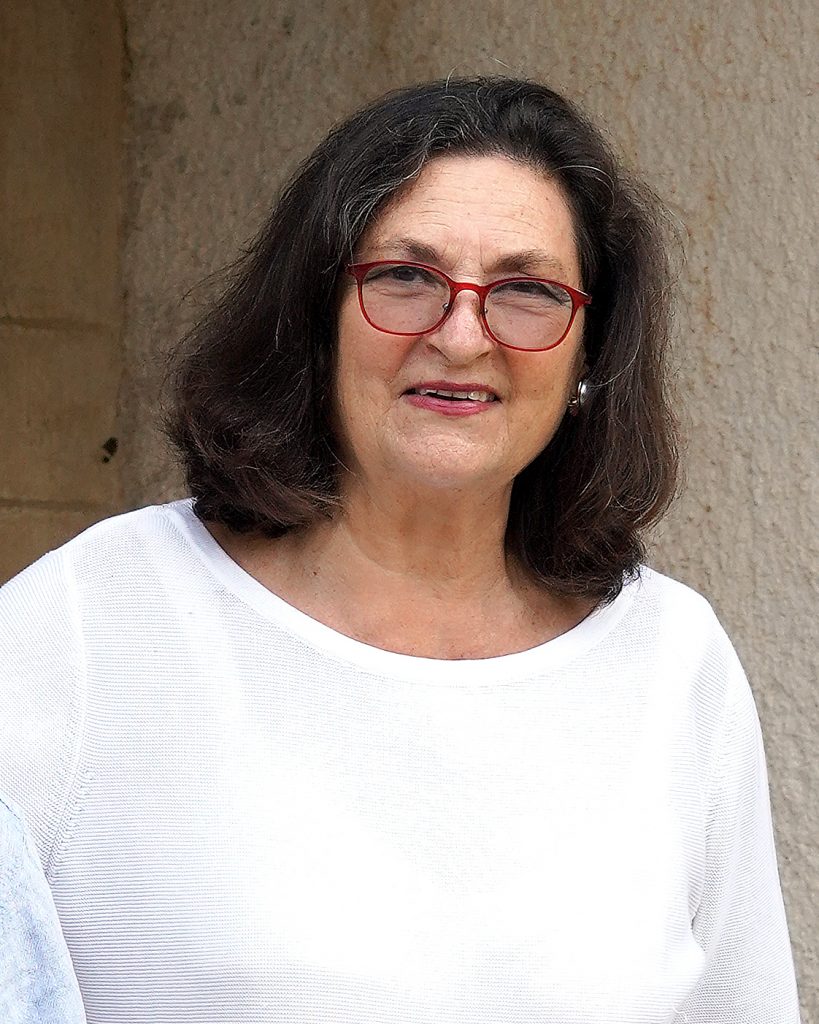
Eleni Tzortzopoulou.

The birth of the ambitious idea:

A dynamic and active member of the local community of Kythera, Tzortzopoulou has been dealing with the problems of the island for many years.

For example, one of the actions she took together with other citizens of the island dealt with the Archaeological Museum, whose operation was suspended on January 8, 2006, when, after a strong earthquake hit the island, serious damage was caused to the building.

Since then the museum has remained closed, serving as a repository of antiquities and excavation tools.

“We dealt extensively with the museum which remained closed for about 10 years. A small group of people were interested and wanted to ensure its reopening,” she says.

“We also sent a letter to the Ministry of Culture wanting to offer solutions. The Kytherian Association of Australia with the then-President, Mr Kypriotis, was also strongly interested. The members of the Association also paid for the studies required to reopen the Archaeological Museum of Kythera. This was done in 2016 and we saw that many times it just needs coordination to achieve certain things.

“In 2019, we went to the Mayor of the island, Mr Efstratios Charchalakis and told him that we want to do something for Kythera. We wanted to create something meaningful.

“We had in mind a honey museum, which is a famous product of Kythera. The Mayor also had the Migration Museum on his list. So we agreed that we should focus on this project.”
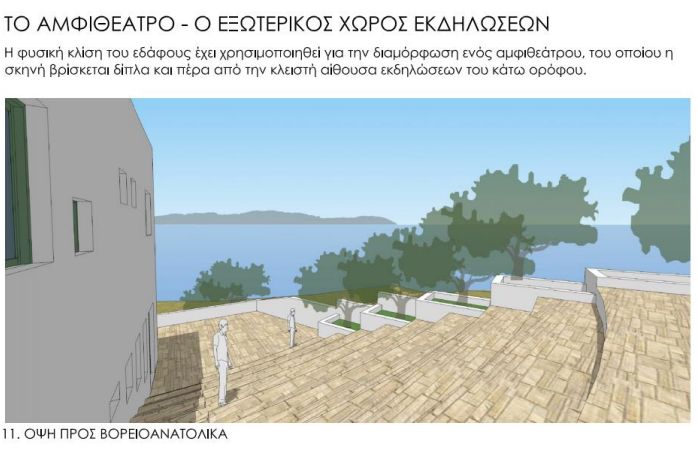
More museum plans.

Thus began the idea of the ambitious project, for which the architectural plans have already been created, which The Greek Herald has in its possession.

The museological study is currently pending.

“The Hellenic Folklore Research Centre of the Academy of Athens will undertake the museological study that will give a scientific continuation when the museum works well,” Tzortzopoulou explains.

“In this direction, the municipality of Kythera, the Academy of Athens and our association signed a tripartite Memorandum of Cooperation.

“Our association will coordinate the funding and will cooperate with all the bodies for the implementation of the study.”
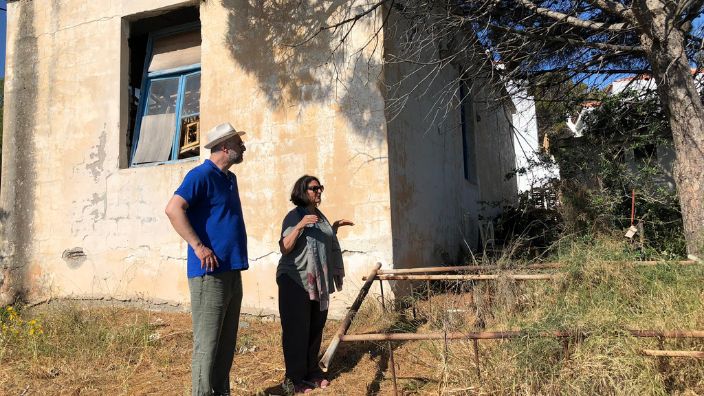
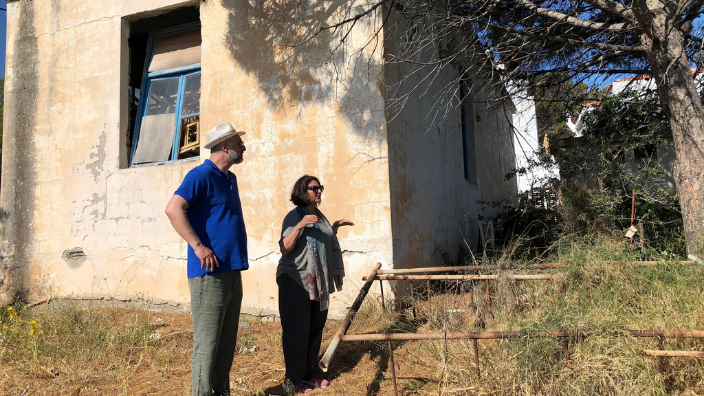
The planned site of the Kytherian Migration Museum.

The exhibits, the needs and the Kytherian Association of Australia:

Upon completion of the museological study, the project will then seek funding from European funds.

“Our mayor, Mr Charchalakis is very active and I believe that he will immediately find the funding for this project. We have the same passion as Mr. Charhalakis for this project,” Tzortzopoulou says.

Then, while the museum will be constructed, the creative stress of the “Friends of the Museum of Kythera” will shift to finding the exhibits.

“In this part we want everyone’s help. We have a very handsome office, allocated to us by the mayor on the river. We would also like the readers of The Greek Herald to send us their story, or their exhibit. A letter, a suitcase, a photograph, anything from their migration history.

“We intend to work on this piece with volunteer groups under the umbrella of the Folklore Department of the Academy of Athens to collect the exhibits.”

Tzortzopoulou hopes this summer, when the island will be flooded with visitors from abroad, to make the project better known as she reveals to us: “Money is needed for its completion. We’re going to make a fundraising effort this summer.”

“Already, several expats are helping us but other resources will be needed. A small contribution from all of Tsirigotes and our associations abroad will help to fulfil our goal,” she adds, stressing that she wants to have a closer relationship with the Kytherian Association of Australia.

“I would like to make a conference call with the Kytherian Association of Australia to inform them about our plans. To see the architectural plans and ask us any questions they want.

“I know that the leadership of the Kytherian Association has recently changed and it would be very good to have this communication. With the former president, Mr Alfieris, we were in contact. They intended, in fact, in Agia Pelagia, where the museum will take place, to build a monument of immigration.”

Recently, Kythera was visited by the Ambassador of Australia to Greece, Arthur Spyrou, who placed the visionary project under the auspices of the embassy.
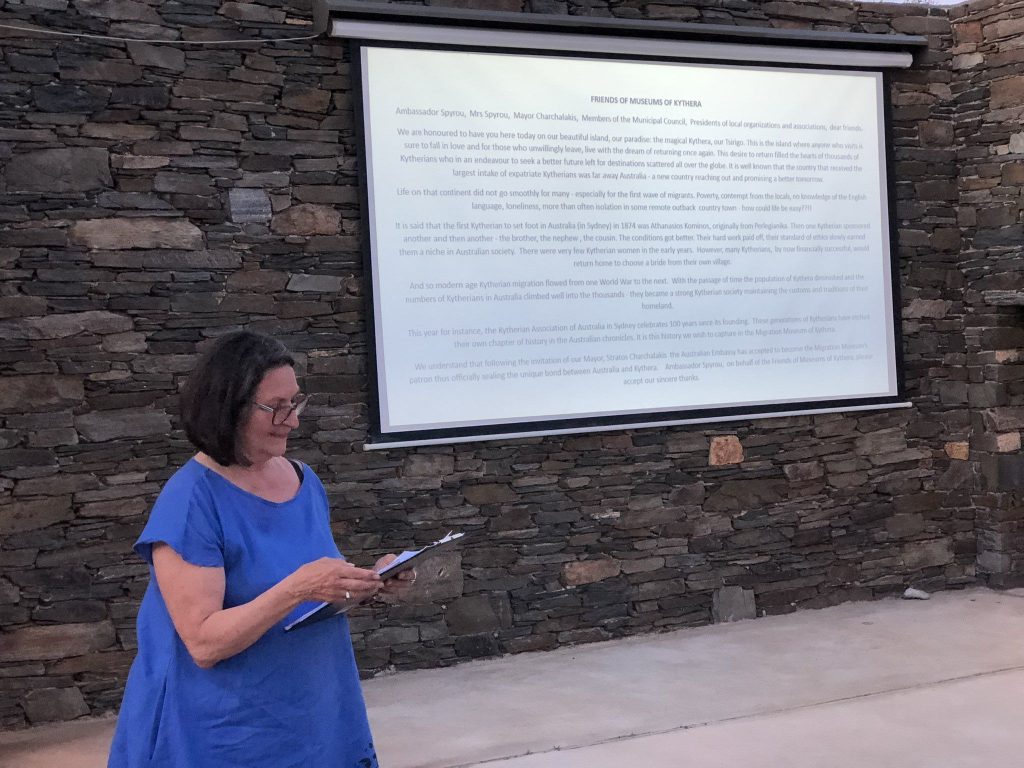
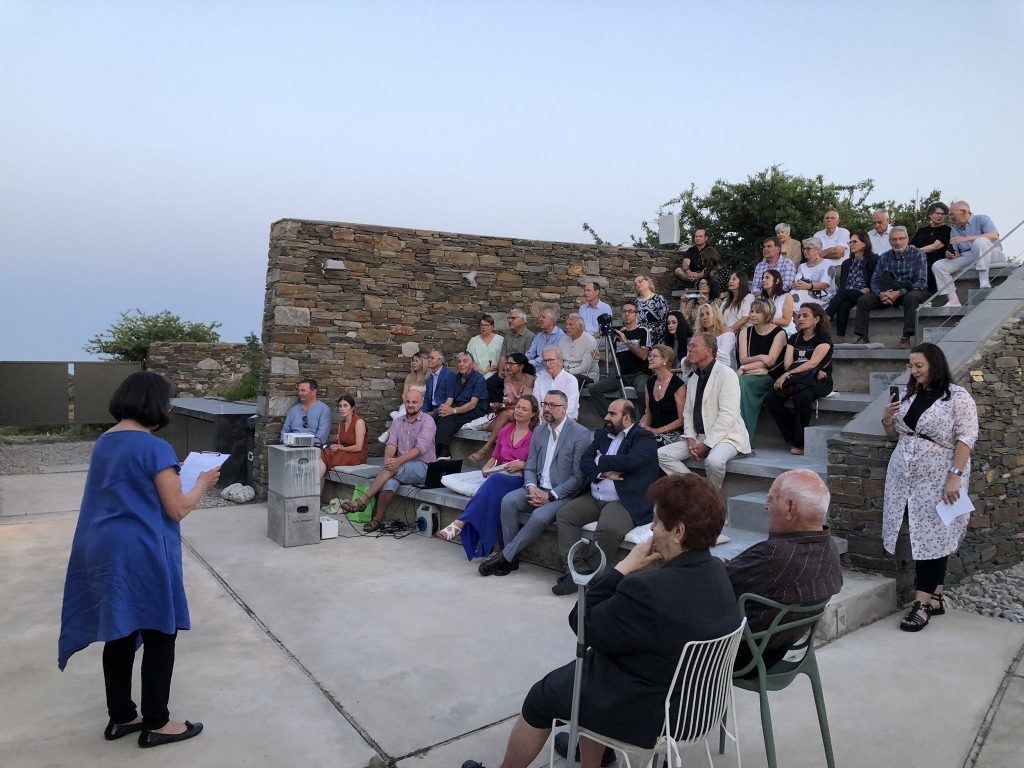
“Mr. Spyrou’s visit gave us the visibility we lacked to make this initiative more known. The Ambassador of Australia was delighted with the idea of creating the Museum and gave the necessary impetus to the level of promotion to contribute to its creation,” Tzortzopoulou concludes.

Connect with the Friends of Kythera Museums

  • The Facebook page is called Friends of Museums of Kythera
  • General enquiries: fmk@fmk.gr
  • Migration Museum: museum@fmk.gr
  • Youtube Channel: Friends of Museums of Kythera
  • Office in the Municipal District of Potamos: open 10 am – 1pm (Mon-Fri)

7th Castellorizo International Documentary Film Festival to open this month

The 7th Castellorizo International Documentary Film Festival “Beyond Borders” will open its curtain on August 21.

The film festival will take place on the island of Castellorizo from August 21 to August 28.

The opening film of this year’s event will be the 2020 IDFA Award-winning “Radiograph of A Family” by acclaimed director Firouzeh Khosrovani.

It is a film of experimental cinematic form and fluid audiovisual representations that takes place against the backdrop of the Iranian Revolution of the late 1970s. In the film, Khosrovani tells a love story that splits when personal paths and individual desires no longer converge.

WATCH the official trailer of the ‘Beyond Borders’ film festival here:

During the ceremony, the photographic exhibition ‘Attic Land Welcomes the Refugees of 22’ will also be opened. The exhibition is organised by the Hellenic Parliament Foundation for Parliament and Democracy.

The opening ceremony will close with a musical performance dedicated to Hellenism. Through Smyrnaic, Rebetiko and Pontic song, a musical feast full of melodies is promised, reminding us that the music we have today is not only a combination of sounds and rhythms but of memories, feelings and experiences of joy and pain of an entire people.

The Opening Ceremony will be presented in a live streaming broadcast by the Athens-Macedonian News Agency, which can be accessed here.

SOURCE: AMNA

Chef Anna Polyviou shares her favourite artefacts from the ‘Open Horizons’ exhibition

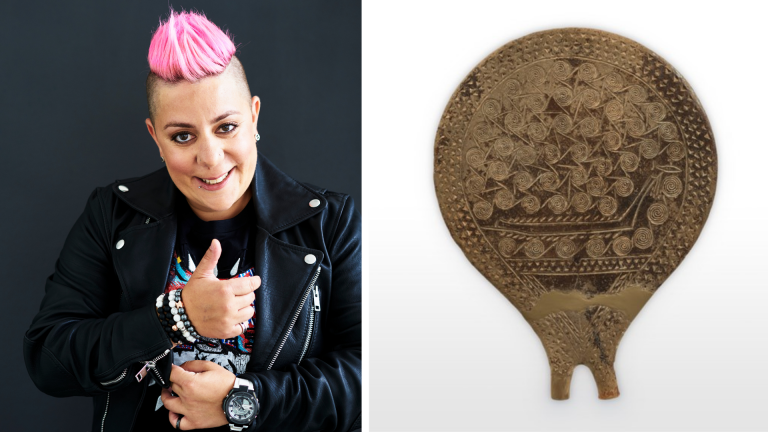
Anna Polyviou is an award-winning Greek Australian pastry chef like no other. Well-known for her distinctive pink mohawk, her quirky urban style and her contagious fun attitude, Anna never disappoints her fans.

That’s why when we asked her to share her top three artefacts from the Melbourne Museum’s Open Horizons exhibition, she jumped at the chance to delve into the Ancient Greek history on show.

From an ancient frying pan to an ancient stele, Anna chose what resonated with her the most and didn’t hold back in stressing that she also liked the “community photos” aspect of the exhibition.

Why? Because, she said, “I think it is super important for us as a community to hold onto memories like photos. I love seeing how our community has grown and flourished in Australia.”

Anna Polyviou’s top three artefacts from Open Horizons:

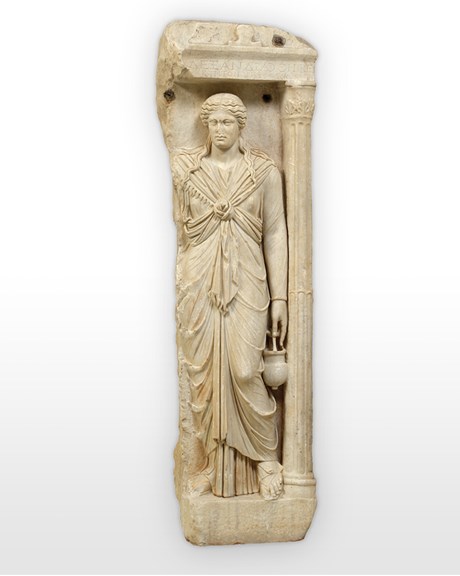
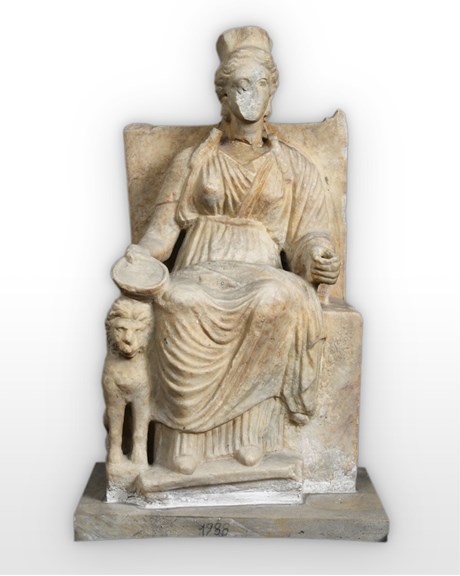
Grave stele of Alexandra, NAM, Γ1193 and Marble statuette of Cubele, NAM, Γ1988:

Alexandra was an initiate in the cult of Egyptian goddess Isis.

Cybele was a mountain goddess associated with the Near Eastern goddess Kubaba. Characteristic of her worship were ecstatic rituals in wild locations. The cult of Cybele spread from Phrygia.

Anna says these two statues were her favourite as they “remind me of visiting Greece and exploring the ancient ruins. I love learning about the Ancients Greek Gods.”

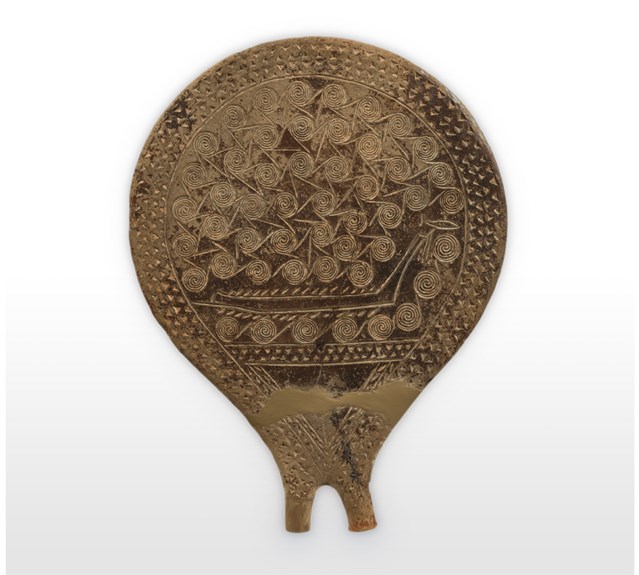
‘Frying pan’ NAM, Π 6184:

‘Frying pan’ NAM, Π 6184.

This frying pan was used by the ancient Cycladic peoples. The Cycladic peoples lived in the southern Aegean Sea islands north of Crete. They traded with mainland Greece from about 6,000 BCE.

Anna says this artefact resonated with her because of her profession.

“As a chef I think I’m always going to be drawn to cooking equipment through the ages. It’s so interesting how they would cook back then,” she concludes.

Three Greek restaurants named in top 100 NSW eateries list

0

The ‘delicious.100’ list has been released by The Daily Telegraph, identifying and ranking the 100 best restaurants of 2022 in New South Wales.

From Bondi to Potts Point and the Sydney CBD, three Greek restaurants were part of the list. Check them out below.

#62 Topikos

Prepare for an Aegean adventure that doesn’t require you to cross the Mediterranean. The Point Group, the mind behind the premier dining venue in the CBD, the Shell House, has a new kid on the Bondi block: Topikos.

The dining area and bar, which are decorated in white and blue, have a Hellenic aesthetic thanks to the pale wood seats, dusty blue napkins, and matching banquettes.

The menu contains a shareable selection – from smooth, punchy taramasalata to neatly laid-out sardines on pita-bread toast, decorated with tomato, lemon and dill. Thanks to a wood oven out back, house-made pita is a fragrant, toasty puff, begging to be dipped, scooped and dipped again.

180 Campbell Parade, Bondi Beach

Open for lunch Saturday & Sunday and dinner Wednesday – Saturday

#69 The Apollo

This unconventional taverna, run by Jonathan Barthelmess and Sam Christie, specialises in modern Greek food meant to be shared.

The elegant Potts Point corner site features columns and archways resembling the interior of the Acropolis as they are combined with exposed concrete and worn-out elements.

Looking around you’ll notice that every table has ordered The Full Greek, an eight-mezze-set meal that costs $65 per person. A citrous taramasalata with blistering pita, a village salad with chunks of feta and the main course, a marinated lamb, are all on the menu.

Of course, the saganaki, a thick slab of bubbling cheese served in a skillet with warm honey and oregano, is the star of the show.

44 Macleay St, Potts Point, Sydney.

Open for lunch Friday – Sunday and dinner daily

#88 Alpha

Remodelling over the extended lockdown, Alpha now features a gorgeous new fit-out modelling the atmosphere of an antique Greek island villa.

The aroma of spit-roasted lamb grilled over charcoal for eight hours draws you in, and the open-kitchen vibes make you feel like a member of the family. In keeping with his heritage, chef Peter Conistis serves up a fresh spin on Greek cuisine.

Consider a moussaka with seared scallops as an example. The food is meant to be shared, so bring a large group of friends and order à la carte or select from one of the fantastic sharing meals.

All delicious dinners must come to an end, and a Galaktoboureko, Greek coffee and halva are essential for capping off the evening.

238 Castlereagh Street, Sydney
Open for lunch Wednesday – Friday and dinner Tuesday – Saturday.

‘Unforgettable’: Greek Australians share how it felt to return to Greece for summer camp

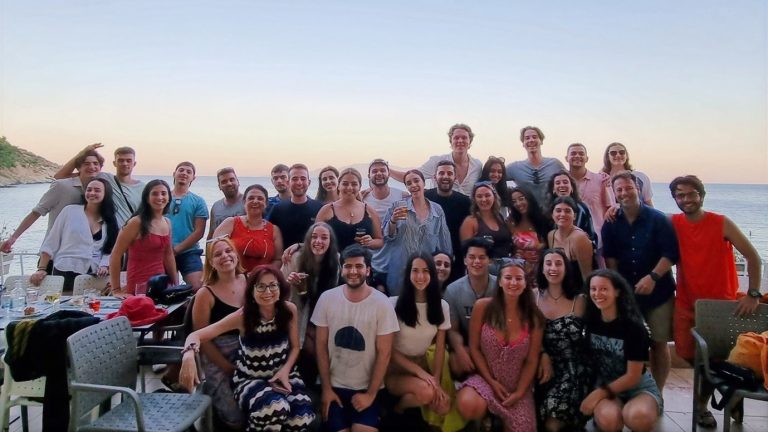
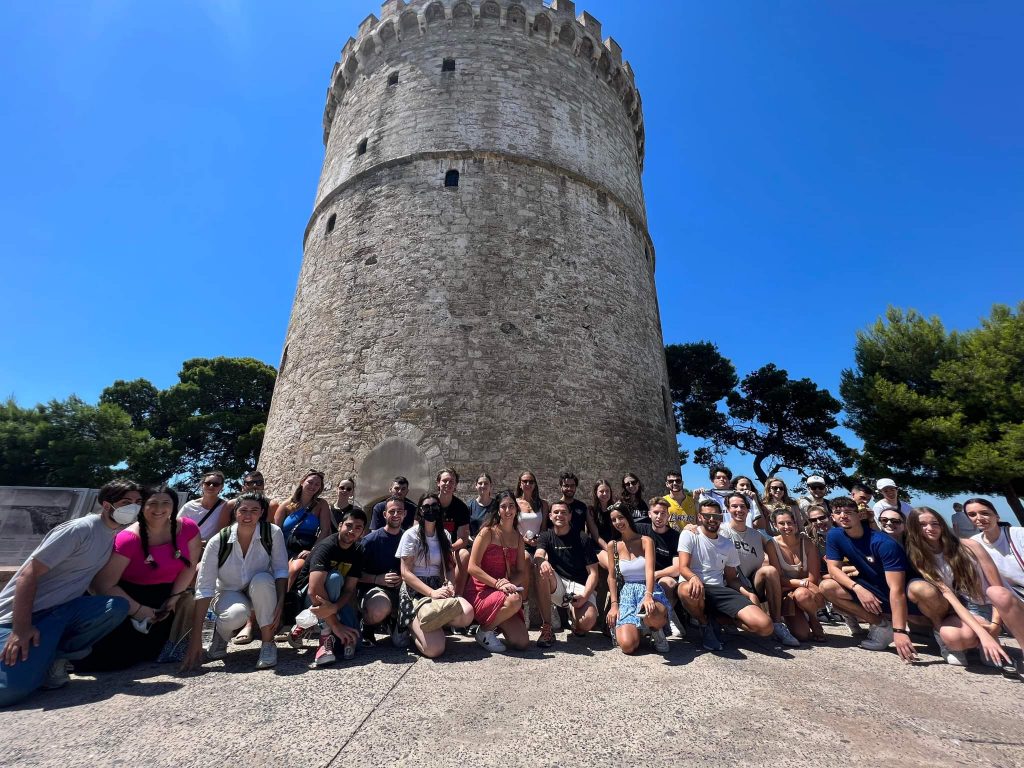
Greek youth from across Australia have returned from the inaugural Greek Summer Camp in Thessaloniki, Greece and they can’t wipe the smile from their faces.

Words such as ‘unforgettable’ and ‘one-of-a-kind’ are being used to describe the camp, which was launched by the Greek Community of Melbourne (GCM) this year in cooperation with the Greek Ministry of Foreign Affairs (GMFA) through the General Secretary of Public Diplomacy and Greeks Abroad.

To find out more, The Greek Herald spoke with three Greek Australians who participated in the summer camp and this is what they had to say.

Nikolas Asimoudis:

As a Greek living in Australia, it’s always an amazing experience to go back to the motherland, but to go on a camp with over 30 Greek Australians of the same age group led to an even better immersion. After spending 12 days together, everyone had their special part in the group whether it was doing a flip while Greek dancing or saying ‘να σου πω’ over 1000 times.

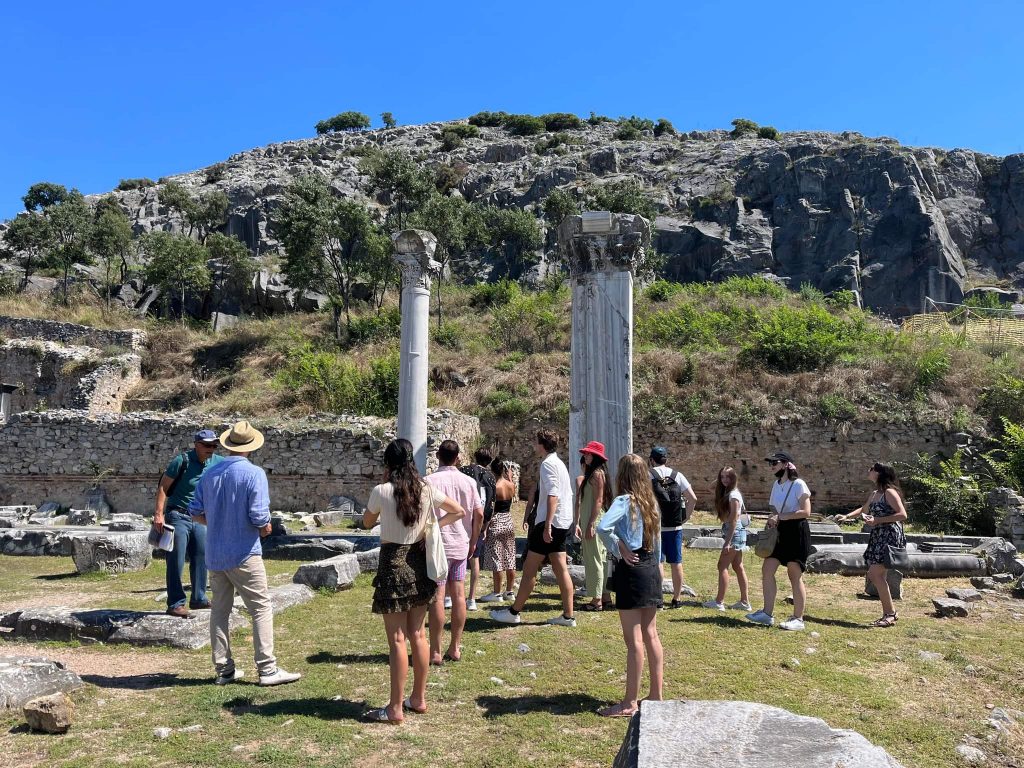
Going away from the group dynamics, the experiences were unmatched. From visiting the tomb of King Phillip to meeting one of the mayor’s advisors, the encounters were not something that an ordinary trip to Greece would include.

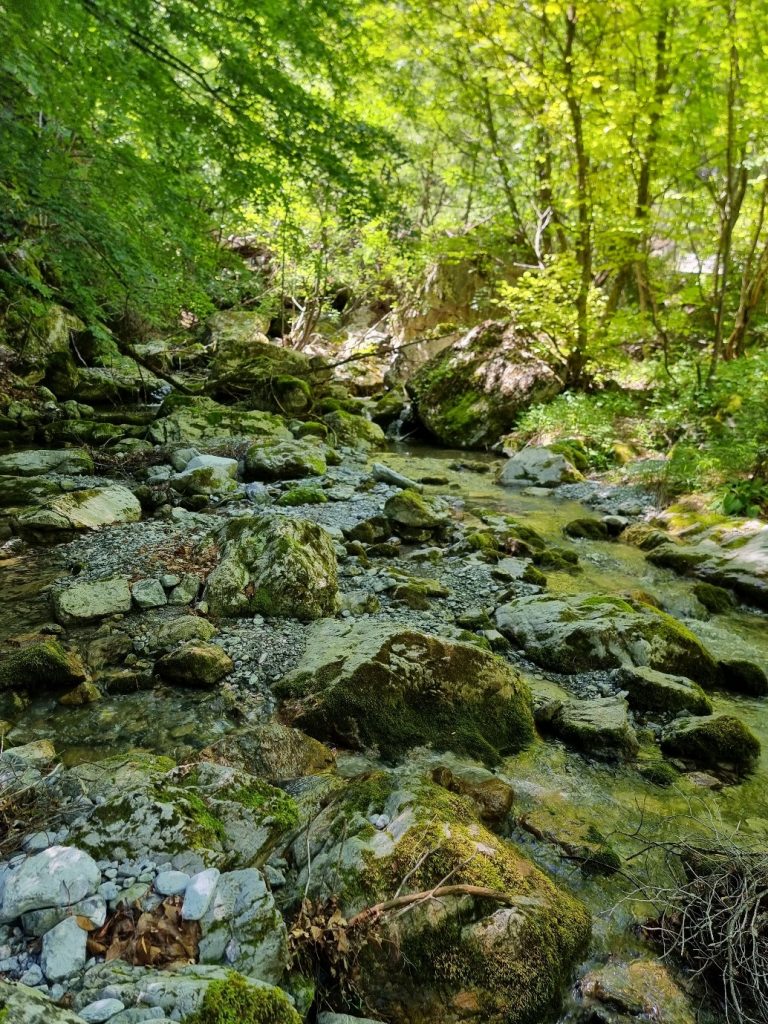
Mount Olympus National Park.

My personal favourite was the trip to Mount Olympus National Park. Surrounded by mountains and the fresh mountain air, the ability to trek into the forest and see the natural beauty of Greece was only made even more special by the group. Second to this was our opportunity to dance on the stage at the Medical Forum in front of many high-profile individuals.

Overall, my biggest takeaway from the trip is that no matter the upbringing, the Greek culture brought our group together and made the trip an unforgettable and memorable time.

Dean Kotsianis:

I thought I knew Thessaloniki but I would newly discover a cosmopolitan mixing pot, a colourful and layered region and company to die for (well not literally, but they were fun!).

I was lucky to get leave from study on the premise that I was ‘building relations with national and international Greek community counterparts.’ It wasn’t a lie, just a favourable slice of the truth.

Despite some interactions as a group and information about our itinerary, no one knew how much we’d get out of this tour. Sure, there was cultural shock for some, a language barrier that needed massaging and traveller advice that needed sharing. But on those bus rides through mountain tops, adventures to unknown corners of Macedonia and the sheer time we spent together, we grew, we did all that and more! Everybody got something unique from our experience of Thessaloniki and I’m grateful for the different energies and interests that were brought to the table.

Having a cohort from all over Australia (Melbourne, Sydney, Adelaide and Canberra) really made it a national affair. And for me, that reinforces a perspective about our connected existence, experience and network. This tour offered me insight and access to a professional, organisational and political side of Greece that I never thought possible also.

Ultimately, we indulged in the best wine, food and conversation that Northern Greece had to offer. For the first time, we felt that Greece hosted us as a true part of the global family… the diaspora!

Fair to say that we’ll keep this coming… stay tuned.

Sophia Kiriakidis:

Thessaloniki is truly a beautiful city that is easy to fall in love with. For the duration of the 11 days, I was fortunate enough to immerse myself into the Greek culture gaining meaningful insight to both ancient and modern-day Greece.

Visiting the ancient sights was truly mind-blowing and equally impressive with the architectural design’s ancients Greeks were able to construct back in the day. Walking the same path of my ancestors also felt surreal as I followed the footsteps of ancient societies from thousands of years ago. It was difficult do believe these ruins were once homes to civilisations.

Being in these ancient sights, I was able to feel more connected with my heritage and reflect on Greek history, drawing me closer to my culture. The Byzantine buildings and artworks were also fascinating to see as the growth of Greek civilisation continues. It was the Byzantian monuments around the city which make Thessaloniki truly remarkable.

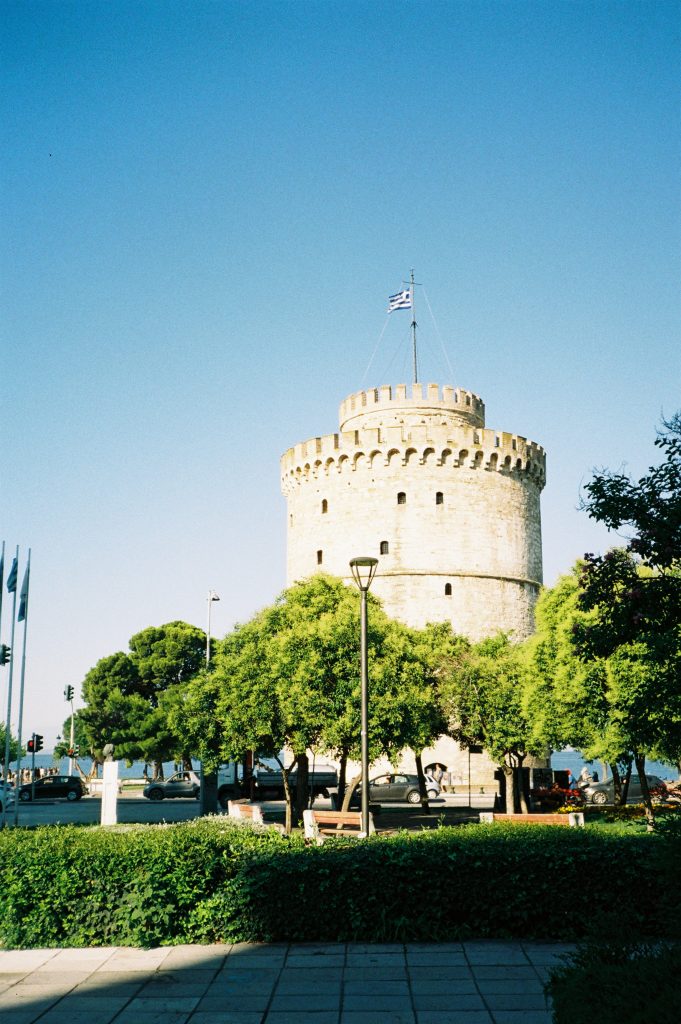
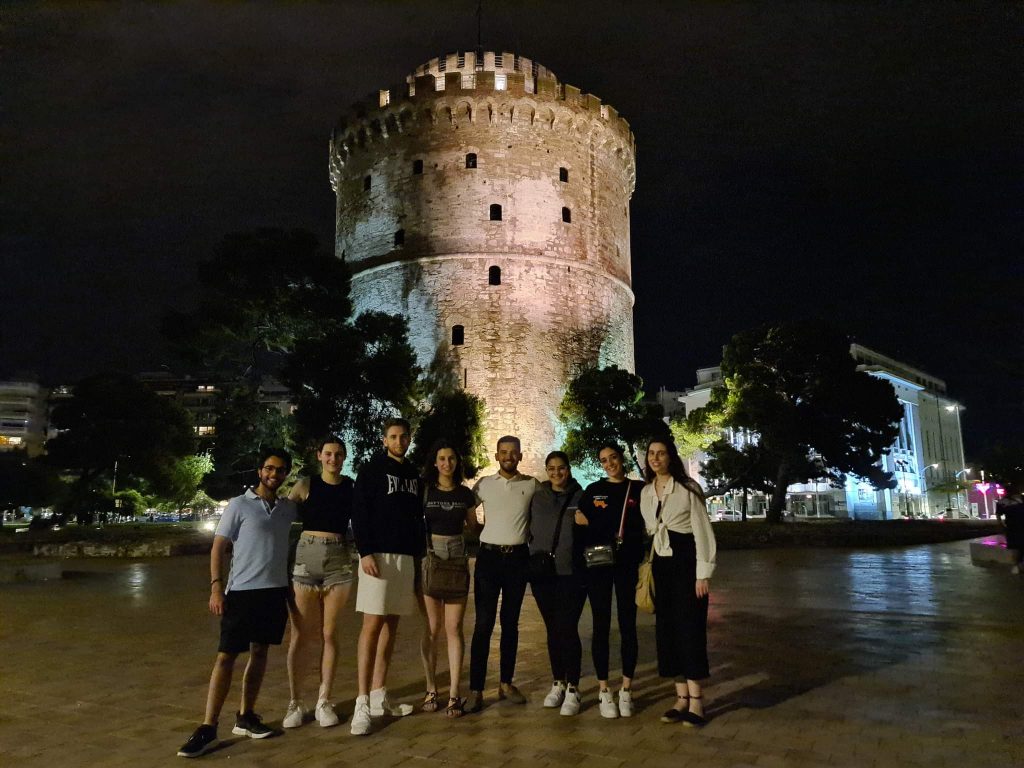
The city was most beautiful, showing off its stunning atmosphere, at night. The nights were when the camp group was given free time, and naturally as young adults we took this opportunity to go out. This bought us closer together. However, it wasn’t the partying that made the night, it was the walk back to the hotel were Thessaloniki showed off its iconic monuments and landmarks. Despite how tired we were or how long the walk was, we were always looking forward to walking along the coast at night to see the White Tower and the strong statue of Alexander the Great upon his horse. It never got old, no matter how many times I saw it.

The nights were excellent bonding experiences which left us quite tired the next day but whatever the camp had planned for us, we were all passionate Greek Australians who engaged with our culture.

Ultimately, the camp experience was one-of-a-kind. Not only was I able to connect with my heritage, but I was also able to connect with like-minded Greeks around Australia who shared the same passion for the Greek culture as myself.

I would love to thank the GCM and the YMCA for their hard effort in organising and putting this remarkable camp together.

Tourists flood to Greece with over 16,000 visitors at the Acropolis daily

0

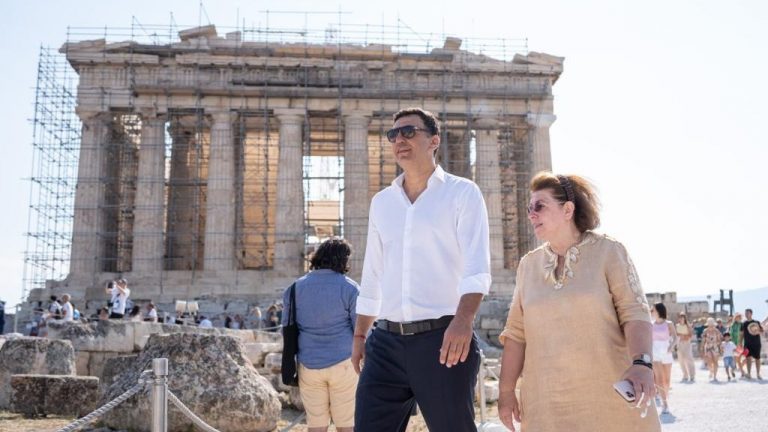
Greece’s Culture Minister, Lina Mendoni, said this week during a visit to the Acropolis in Athens that more than 16,000 people visit the archaeological site every day.

Mendoni was at the Acropolis with Greek Tourism Minister Vassilis Kikilias, where they had the chance to see in action a lift and specially-designed paths for people with mobility issues or disabilities.

During their visit, the Culture Minister briefed Kikilias on the visitor figures to the UNESCO World Heritage site and said they were fast approaching pre-pandemic 2019 levels.

For his part, Kikilias said the data confirmed that the government’s efforts to extend the tourist season were successful despite recent challenges such as the pandemic, the energy crisis and the Russia-Ukraine war.

“These challenges appear to be balancing out thanks to targeted actions over the previous months, including securing direct flights from the US to Athens Airport which started at the beginning of March,” the Tourism Minister said.

Kikilias also referred to efforts being made to extend the tourist season until the end of the year, opening up to new markets, and Greece’s “door-to-door” policy in the Balkan countries.

Source: GTP

Greek citizens can now access national ID and driver’s licence on new wallet app

0

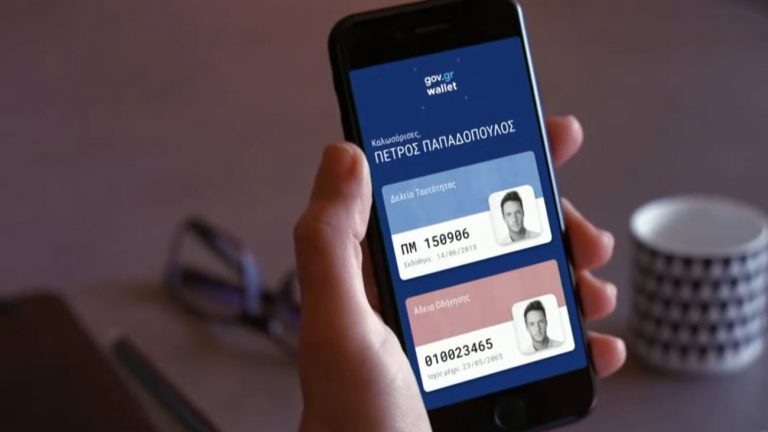
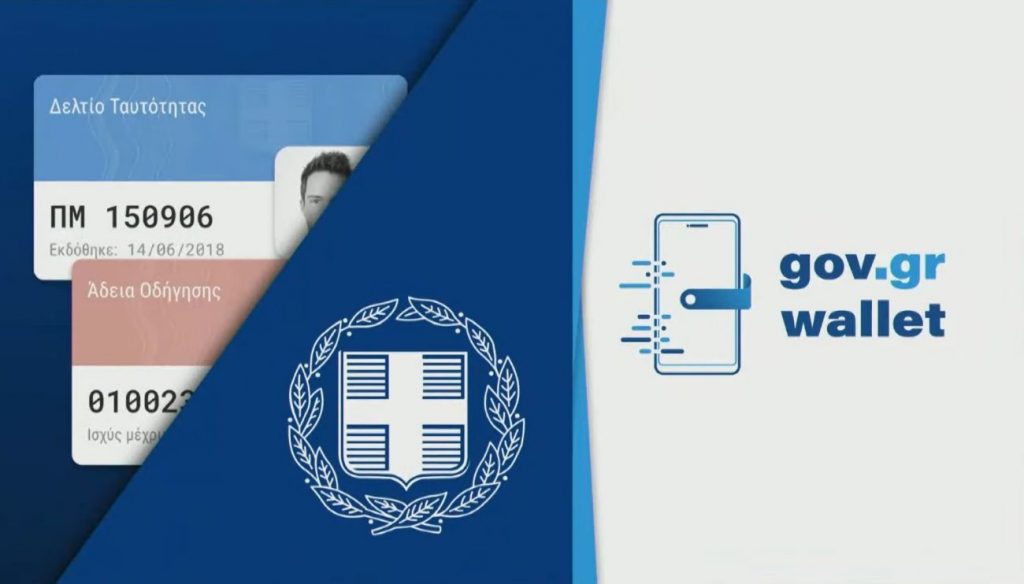
Greek citizens can now securely upload their national ID and driver’s license onto their smartphone via the newly launched Gov.gr Wallet app.

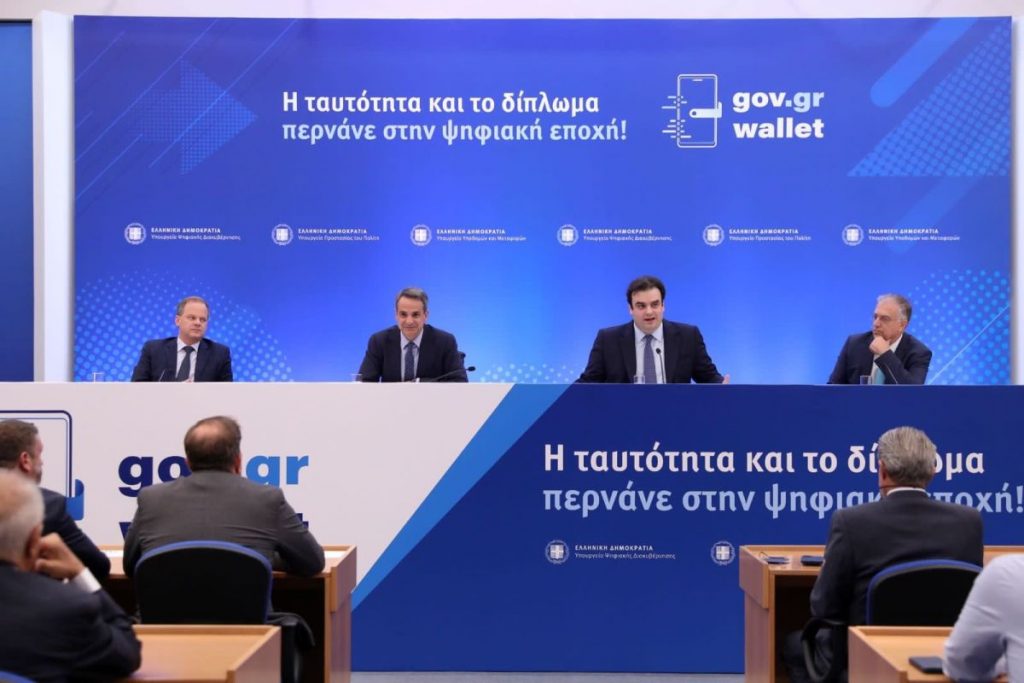
The app was unveiled during a special event on July 3, which was attended by Greek Prime Minister Kyriakos Mitsotakis and government officials.

Greek Transport Minister Kostas Karamanlis, Greek Prime Minister Kyriakos Mitsotakis, Greek Digital Governance Minister Kyriakos Pierrakakis and Greek Citizen Protection Minister Panagiotis Theodorikakos. Photo source: @karamanlis_k twitter account.

Documents downloaded onto the app can be used in all transactions where physical documents were previously used, but the wallet cannot be used for travel.

According to GTP, Greeks can use the wallet app for domestic travel, but documents are not valid for international trips or travel in the Schengen zone.

The government hopes in the immediate future to include other government documents on the app such vehicle registration, vehicle tax payments, Technical Vehicle Inspection (KTEO) findings, insurance details and more.

The Gov.gr Wallet can be downloaded from app stores for both iOS and Android devices or from wallet.gov.gr starting today.

American nurse learns Greek to communicate with her elderly patient

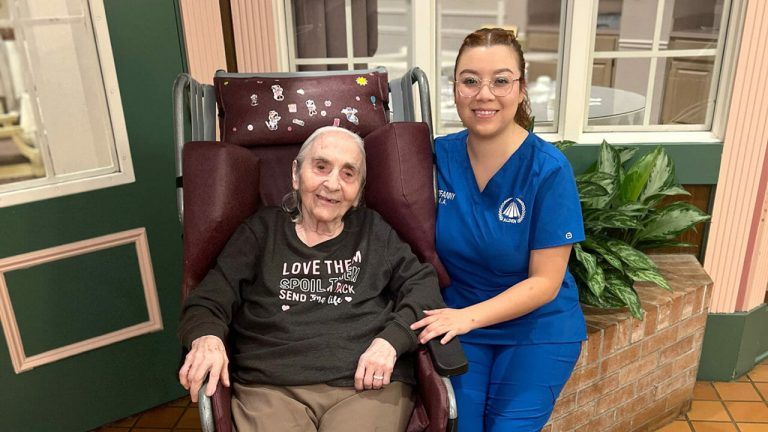
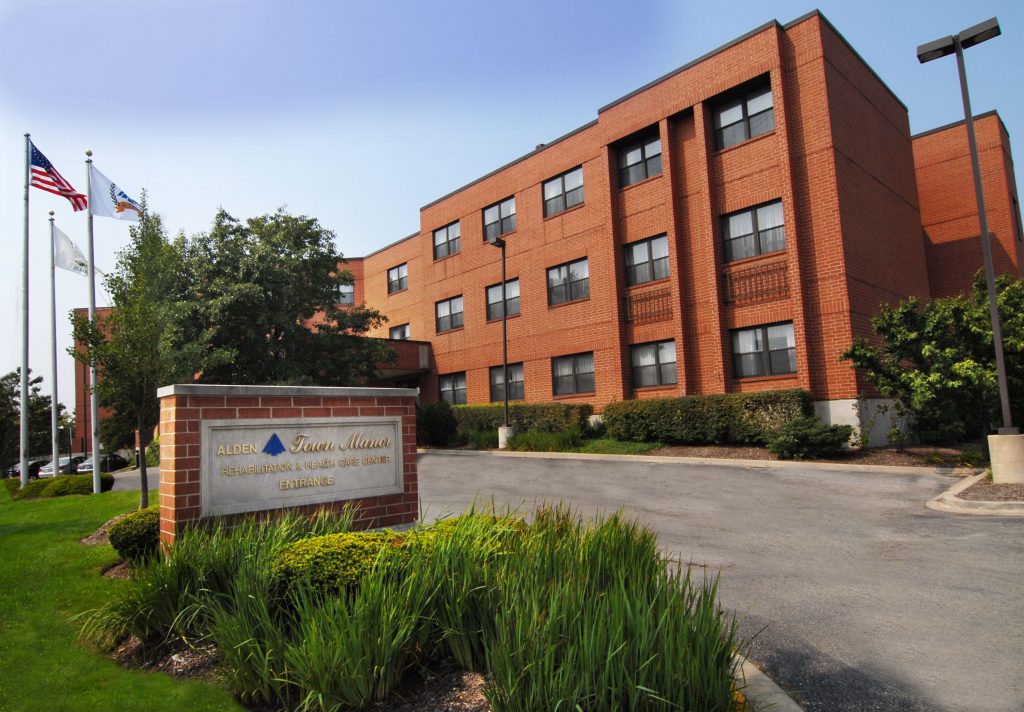
Estefanny Bedolla is a nurse at Alden Town Manor in Cicero, Illinois who has gone above and beyond for one of her patients.

Recently, Bedolla learnt how to speak Greek so she could communicate and care for Anastaisa, her elderly patient living with advanced dementia.

It was a decision Bedolla made when Anastasia’s English began to fade due to her diagnosis, the American nurse told McKnight Long-Term Care News.

Feeling motivated to improve Anastasia’s care, the Illinois nurse decided to learn the language now most familiar to Anastasia: Greek.

“I believe a language barrier should not be an obstacle to providing quality care,” the 27-year-old said.

“Learning Greek has been quite challenging. But with everything new, repetition is key. I would stick to a word or phrase and repeat it to Anastasia throughout my shift.”

Alden Town Manor in Cicero, Illinois.

Bedolla said it’s a learning journey that she and Anastasia are on together.

“Whenever I mispronounce a word, she corrects me and celebrates me when I get it right,” she said.

While she is yet to speak Greek fluently, Bedolla expressed her desire to achieve full competency.

“For now, I am focused on learning specific words and phrases that will help me provide better care for her. Not only to facilitate her activities of daily living but also to make her feel more at home and comfortable,” Bedolla said.

Bedolla said her experience has strengthened her bond with Anastasia and the pair continue their language and care journey together at the Cicero home.

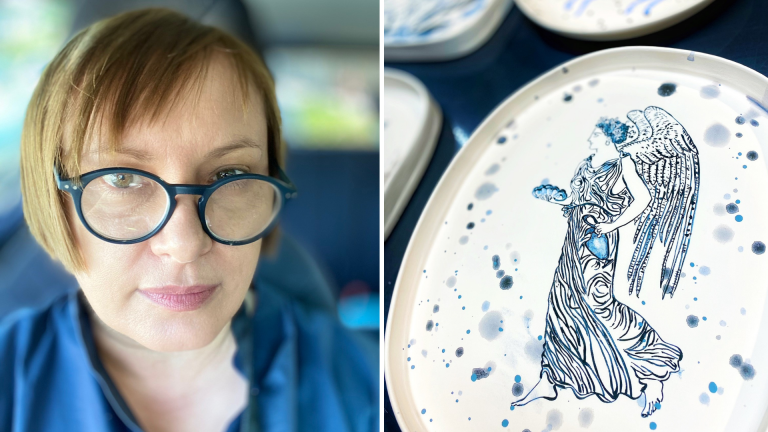
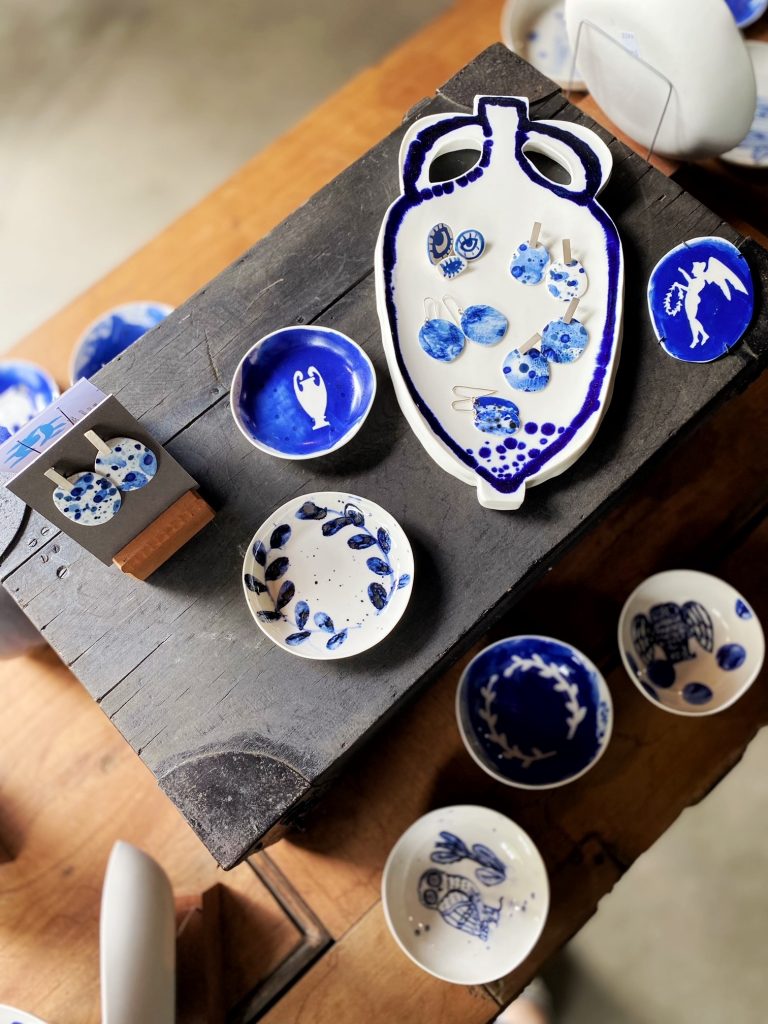
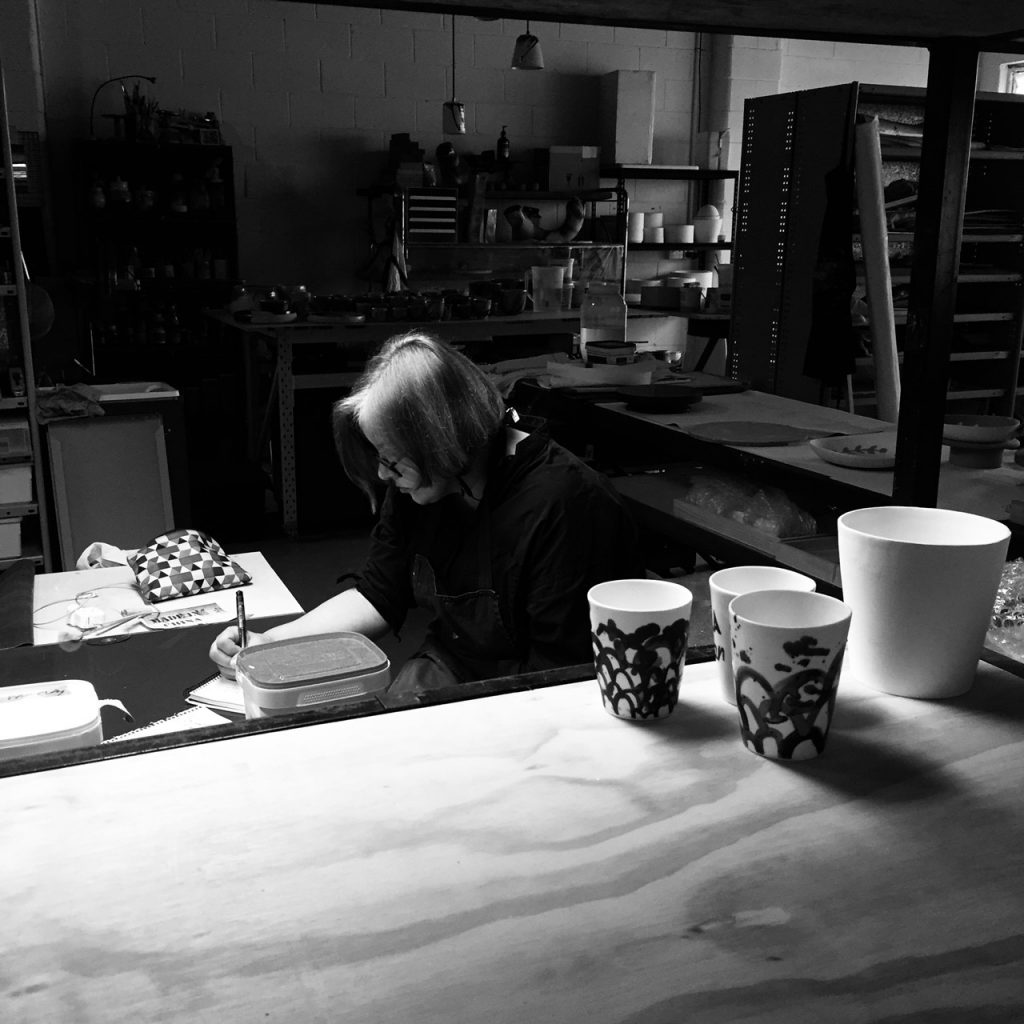
Julie Smeros: The Brisbane ceramicist inspired by Greek mythology

Brisbane artist, Julie Smeros, has travelled the world learning different art techniques that she implements into her ceramic work today, but there is not greater inspiration than that of her own Greek heritage.

In an interview with The Greek Herald, Julie details her journey with ceramics and how childhood trips to Greece and visiting local museums influenced her ceramic style.

Tell us a little bit about yourself.

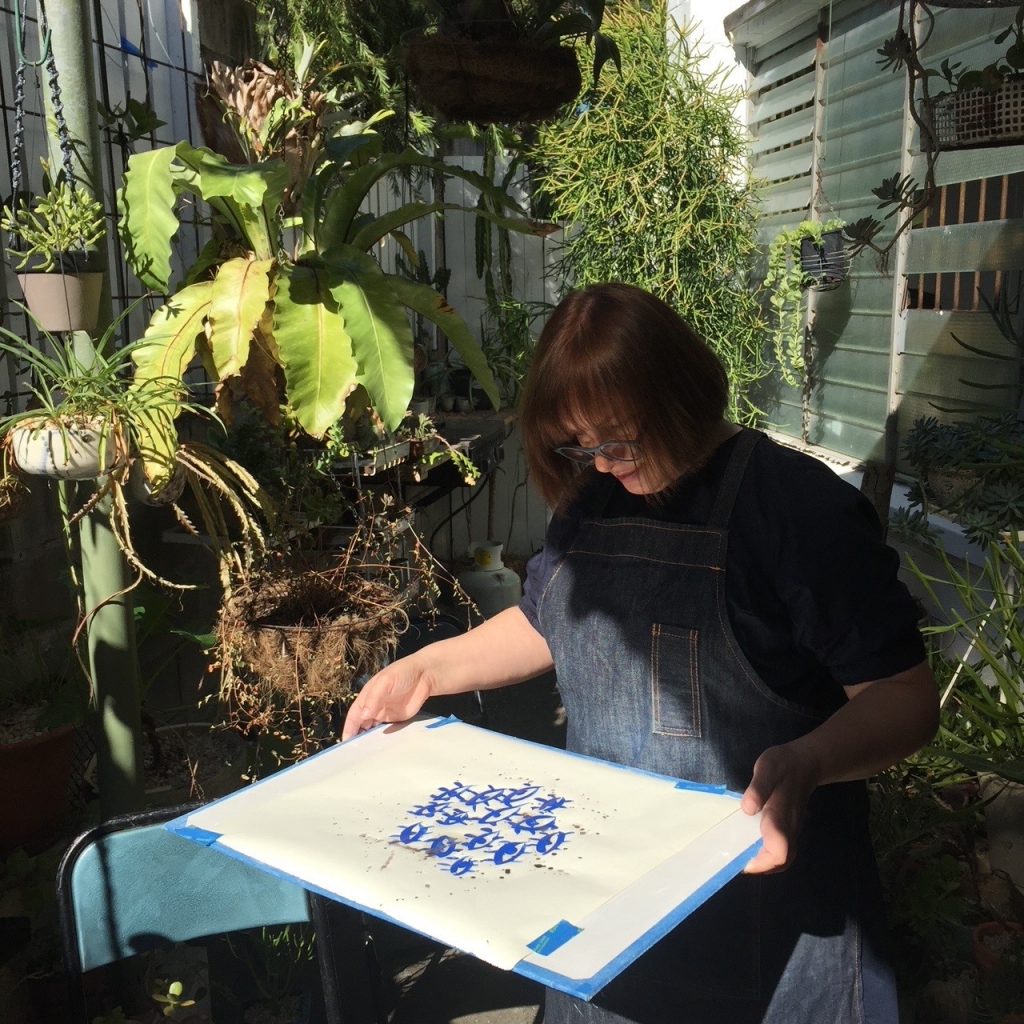
I graduated from the Sydney College of the Arts, majoring in Photography. I moved to Japan after graduating where I lived and worked for seven years. During this period, I also started Japanese Ink drawing called Sumi-e. These brushwork techniques are evident in my current practice.

Tell us about your journey with ceramics.

Whilst living in Dubai for four years, we would escape the summers to Greece where I had the opportunity to revisit the museums I had been to as a young child.

On returning to Australia, I started to work as a jeweller with a close friend. I enjoyed working with silver and creating three-dimensional objects.

It was during this time I joined Clay School, a small ceramic school in West End, Brisbane. Here I found a very supportive, creative environment which encouraged exploration and experimentation and the space to develop your style.

How has your Greek heritage influenced your work?

We can all look back and pinpoint pivotal moments in our lives. For me, it was my first trip overseas at the age of ten. I remember meeting my grandparents and family for the first time and being awakened to the reality of being a small part of a larger history.

That summer was also spent driving around Greece with my uncle, religiously visiting museums and archaeological sites throughout mainland Greece.

How do you portray the Greek Australian experience through your ceramics?

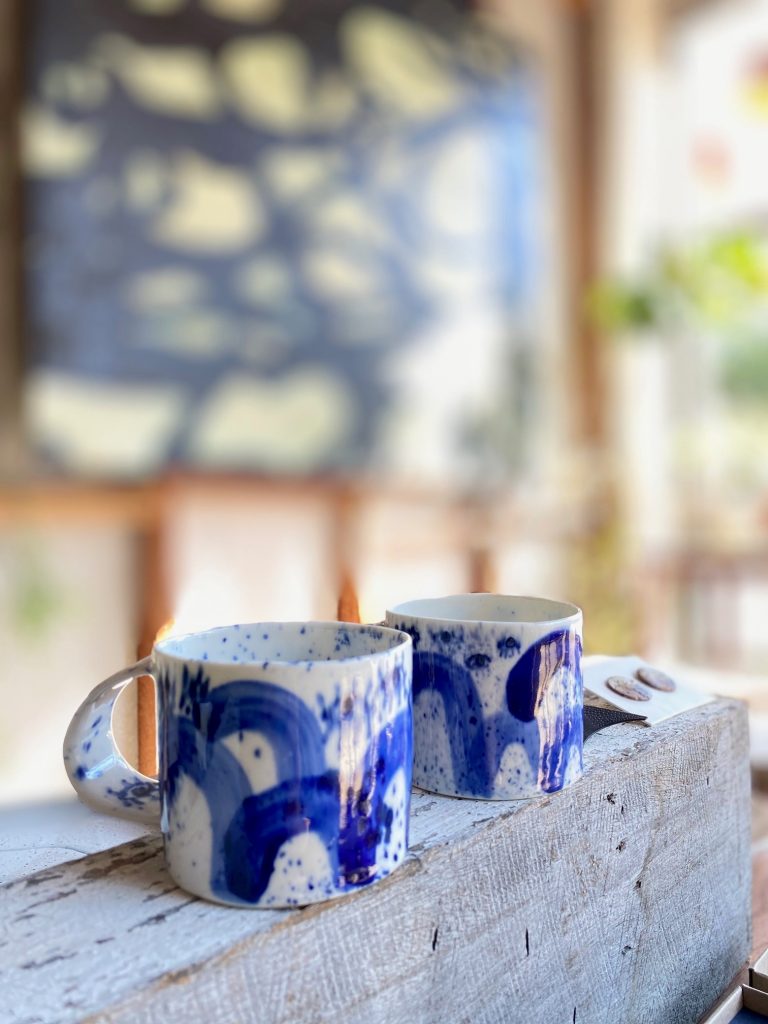
My main source of visual inspiration to this day are the beautiful illustrations of Greek Mythology on vessels. Working with clay can be very therapeutic. For me it gives me the opportunity to revisit and capture memories which are held in the domestic functional vessels.

What’s next for you?

My studio is in an industrial space called Vacant Assembly in West End, Brisbane. I’m surrounded by many creatives practising a variety of disciplines. This November we will be taking over the Project Space. A pop up for the month of November showcasing the artists in residence.

The weekend of 12 and 13 November we are also participating in the Australian Ceramics Open Studio. If you are interested to see where and how work is made, this is a great opportunity to visit.

The historical causes of the division in the diaspora

By Anastasios M. Tamis*

The Greeks are by nature inquisitive, hospitable, ambitious, honest, enthusiastic, compassionate, extremely communicative and pacifists. However, they are also distinguished by negative traits. They remain unruly, insubordinate, strongly undisciplined. Other main negative characteristics of the Greeks include their gross antagonistic attitudes, their generic suspicious boldness, their market narcissism that cultivates racism and exaggeration and leads them to destructive egomania.

Naturally, it was their Greek antagonistic arrogance that generated democracy as a social method of co-existence. The ecclesiastical and its continuous crises and phases, the political ideology of the national divisions from the years of the Revolution to the years of the fall of the Junta and the interpretation for the resolution of our national issues (Epirus, Dodecanese, Cypriot, Macedonian) were the main hotbeds of the fratricidal division of the Hellenism of the Diaspora.

The period of national division developed from the years of the liberation struggle, culminated in the decades 1914-1924 and the years of the infamous Civil War (1944-1949), and despite the healthy and honourable efforts of the political world, especially after 1981, it maintained dimensions of self-destruction until our days.

The Ecclesiastical Problem:

From the time point of view, as far as the Hellenism of Oceania is concerned, the Ecclesiastical Problem arose immediately after the establishment of the first Orthodox Communities in 1898 (originally composed of Greek, Syro-Lebanese and Russian faithful) and took on uncontrollable proportions after 1924, with the establishment of the Greek Orthodox Metropolis of Australia and New Zealand. The genesis of the problem was caused by the non-existence of an ecclesiastical authority.

Initially, the Patriarchates of Jerusalem and Alexandria sent the first priests. This was followed by the Autocephalous Church of Greece, until the final accession, from 1908 onwards of the Ecumenical Patriarchate. From the day of their arrival, the priests who were appointed joined the jurisdiction of the Greek communities, the rulers of which determined their administrative and salary status, as their employers. These priests, free from a conspicuous and on-the-spot spiritual and administrative head authority, themselves evolved into self-proclaimed “high priests.” Without a Diocese and or Bishops, they were accountable to the Community councils, which, however, easily guided and enjoyed essentially clerical authority. In one or two cases there were also disagreements and conflicts between the community rulers and their appointed clergy, but the conflicts were short-lived and were resolved immediately after the effective mediation of the Church of Greece.

However, with the establishment of the Holy Metropolis of Australia in 1924 by the Ecumenical Patriarchate and the appointment of the first Metropolitan, a scholarly English-educated Hierarch, Dr. Christopher Knitis, things changed drastically, and the Ecclesiastical Division was cultivated into a long intra-communal social and political Schism.

Historically, the main and true cause of the division was the priests of the Communities of Melbourne and Sydney, who assessed that with the advent of the Bishop-Metropolitan institution, their own univocal power expired, the power exercised by the “headless administratively” priests was now terminated and their political and ecclesiastical power was essentially limited. They called Metropolitan Christopher Knitis their political enemy and their ecclesiastical opponent, and fought him relentlessly, dragging the community rulers along with them. Thus, a struggle for a final and catholic victory was hatched, which soon turned into a deep Schism, involving the entire community and their newspapers.

Among the Greeks, the godly, the conservatives, most small businessmen, the “oligarchs” sided with the Metropolis and two years later the first career diplomat appointed by Athens, the capable Consul General Leonidas Chrysanthopoulos also joined the “Metropolitans”. The Communities of Melbourne and Sydney, with their leaders and memberships, influenced by their priests Rev. Kassimatis and Rev. Varaklas, turned against the Metropolitan. With them joined the communitarians, the majority of Kytherians and Ithacans, the unskilled labourers, the unemployed, the “xypolitoi- the barefoot”. The voice and weapon of the former was the National Forum directed by a former priest Rev. Dimitrios Marinakis, who had been previously dismissed by the Community of Sydney, in order to accept, at their request, by the Church of Greece the appointment of an incompatible, almost heretic learned clergyman, Archimandrite Athenagoras Varaklas.

The voice of the Community and the Communitarians was the Panhellenic Herald, a radical and almost militant paper which was voted to be the official organ of the Greek Orthodox Community of NSW and the mighty Kytherian Brotherhood of Australia and directed by Ioannis Dourmousoglou (John Stilson), an Asia Minor refugee and Georgios Marcellos, a Kytherian restaurateur. When the members of the Community of Sydney blockaded the church of the Holy Trinity to the appointed Metropolitan as a persona non-grata, the latter with the collaboration of the Consul General, Leonidas Chrysanthopoulos and the conservatives  businessmen, the “Oligarchs”, in opposition, erected a new Church, the Metropolitan Church of Hagia Sophia, where the Metropolitan officiated.

The Community of Sydney renounced the Ecumenical Patriarchate and the Metropolitan and was annexed to the Autocephalous Church of America, then, a non-canonical ecclesiastic institution under the spiritual leadership of Metropolitan Vasileios Komvopoulos. The Patriarchate in turn condemned the Community to ecclesiastic illegitimacy, defrocked Archimandrite Athenagoras Varaklas and declared the sacraments he officiated as null and void, while the Greek State deemed them as illegal and non-existent.

The intensity of this social, economic, and political intra-communal Schism lasted at least until 1934, seriously affecting the Greek immigrants during the period of the Great depression and throwing the communal cultural initiatives in decline. This was followed by the beneficial intervention of reconciliation of the warring camps, by the second charismatic Metropolitan of Australia, Timotheos Evangelinidis, after the reconciliation that occurred in America in 1931 with the appointment there of the new Archbishop of America, charismatic Athenagoras.

A long period of peace and understanding followed, especially with the election of the third Metropolitan, Theophylactos Papathanasopoulos, a prudent and knowledgeable hierarch, who had the experience of events in Australia as Patriarchal Exarch since 1928. His pastorship has been the most difficult, as he retained a well-though parity and balanced treatment of the Greek Orthodox adherents during the crucial and antagonistic years of the Greek Civil War. After 1957, the second phase of division began, which culminated in 1960 with the excommunication of the rulers of the historic communities of Adelaide, Melbourne, Sydney and Newcastle by the fourth Metropolitan/Archbishop Ezekiel Tsoukalas, an ascetic and devoted monk and a most conservative hierarch.

*Professor Anastasios M. Tamis taught at Universities in Australia and abroad, was the creator and founding director of the Dardalis Archives of the Hellenic Diaspora and is currently the President of the Australian Institute of Macedonian Studies (AIMS).