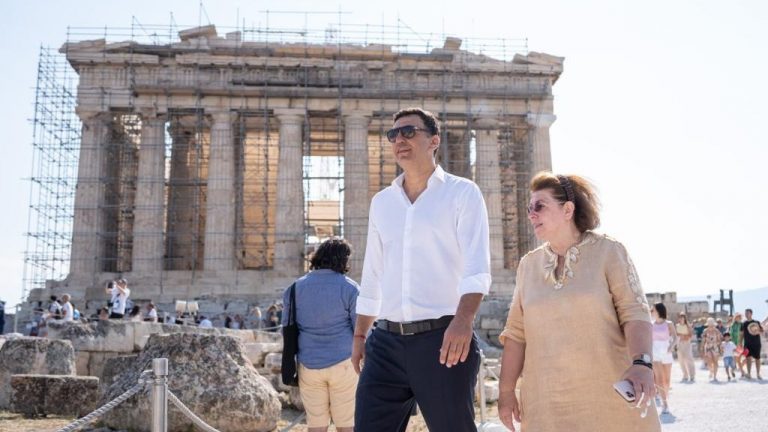
Greece’s Culture Minister, Lina Mendoni, said this week during a visit to the Acropolis in Athens that more than 16,000 people visit the archaeological site every day.
Mendoni was at the Acropolis with Greek Tourism Minister Vassilis Kikilias, where they had the chance to see in action a lift and specially-designed paths for people with mobility issues or disabilities.
During their visit, the Culture Minister briefed Kikilias on the visitor figures to the UNESCO World Heritage site and said they were fast approaching pre-pandemic 2019 levels.
For his part, Kikilias said the data confirmed that the government’s efforts to extend the tourist season were successful despite recent challenges such as the pandemic, the energy crisis and the Russia-Ukraine war.
“These challenges appear to be balancing out thanks to targeted actions over the previous months, including securing direct flights from the US to Athens Airport which started at the beginning of March,” the Tourism Minister said.
Kikilias also referred to efforts being made to extend the tourist season until the end of the year, opening up to new markets, and Greece’s “door-to-door” policy in the Balkan countries.
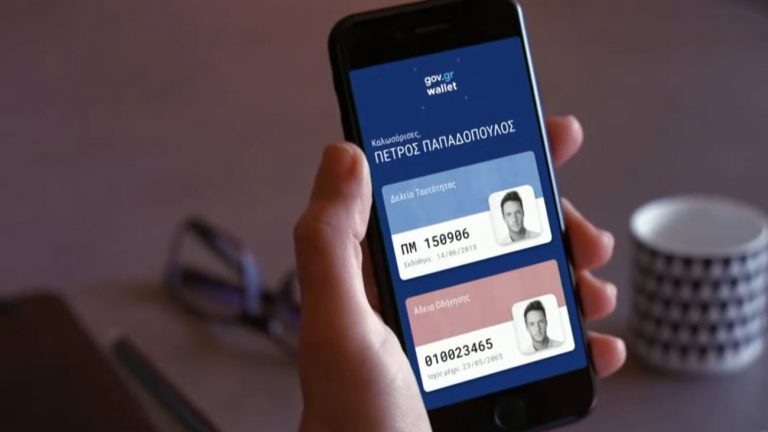
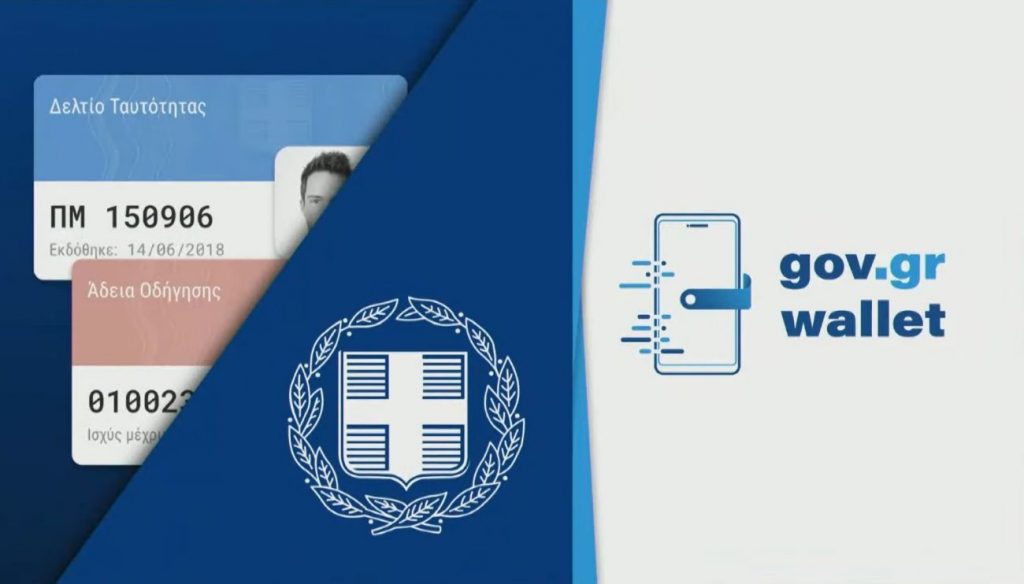
Greek citizens can now securely upload their national ID and driver’s license onto their smartphone via the newly launched Gov.gr Wallet app.
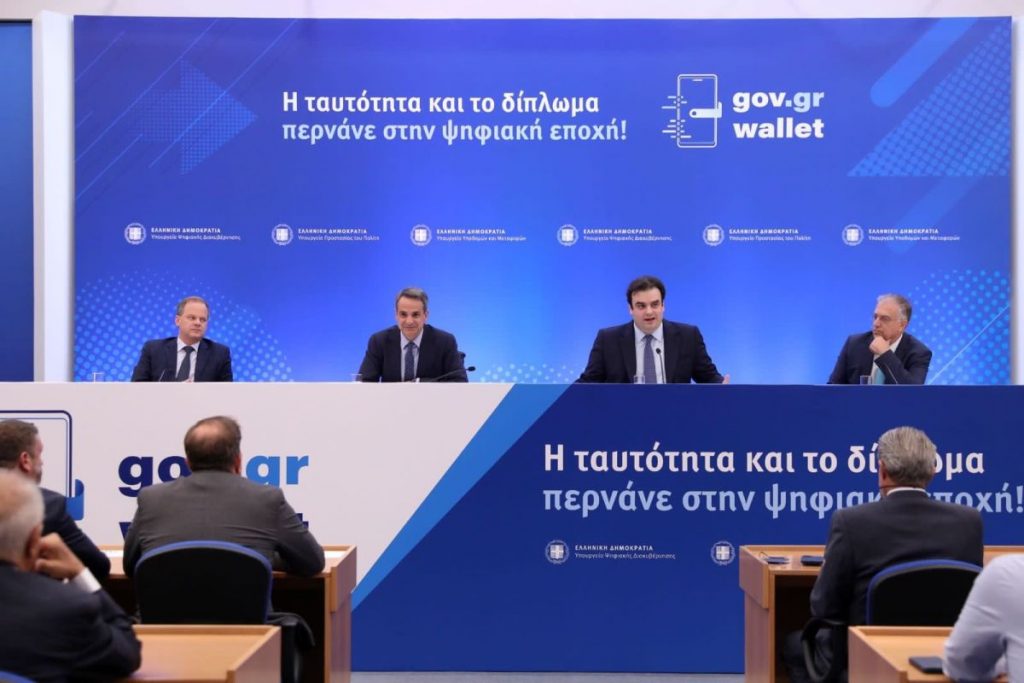
The app was unveiled during a special event on July 3, which was attended by Greek Prime Minister Kyriakos Mitsotakis and government officials.
Greek Transport Minister Kostas Karamanlis, Greek Prime Minister Kyriakos Mitsotakis, Greek Digital Governance Minister Kyriakos Pierrakakis and Greek Citizen Protection Minister Panagiotis Theodorikakos. Photo source: @karamanlis_k twitter account.
Documents downloaded onto the app can be used in all transactions where physical documents were previously used, but the wallet cannot be used for travel.
According to GTP, Greeks can use the wallet app for domestic travel, but documents are not valid for international trips or travel in the Schengen zone.
The government hopes in the immediate future to include other government documents on the app such vehicle registration, vehicle tax payments, Technical Vehicle Inspection (KTEO) findings, insurance details and more.
The Gov.gr Wallet can be downloaded from app stores for both iOS and Android devices or from wallet.gov.gr starting today.
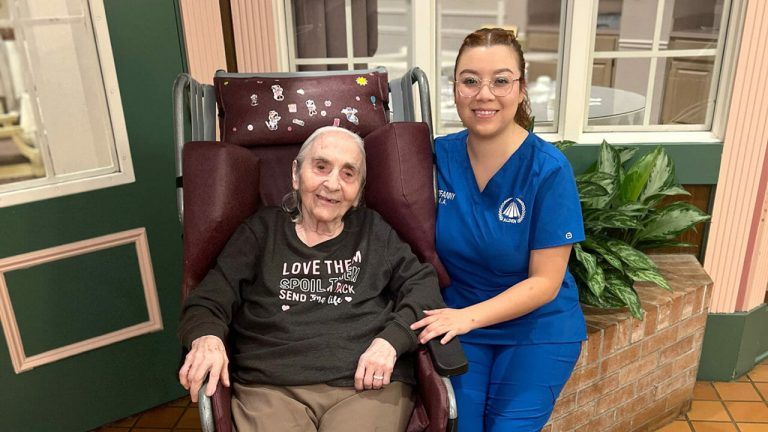
Estefanny Bedolla is a nurse at Alden Town Manor in Cicero, Illinois who has gone above and beyond for one of her patients.
Recently, Bedolla learnt how to speak Greek so she could communicate and care for Anastaisa, her elderly patient living with advanced dementia.
It was a decision Bedolla made when Anastasia’s English began to fade due to her diagnosis, the American nurse told McKnight Long-Term Care News.
Feeling motivated to improve Anastasia’s care, the Illinois nurse decided to learn the language now most familiar to Anastasia: Greek.
“I believe a language barrier should not be an obstacle to providing quality care,” the 27-year-old said.
“Learning Greek has been quite challenging. But with everything new, repetition is key. I would stick to a word or phrase and repeat it to Anastasia throughout my shift.”
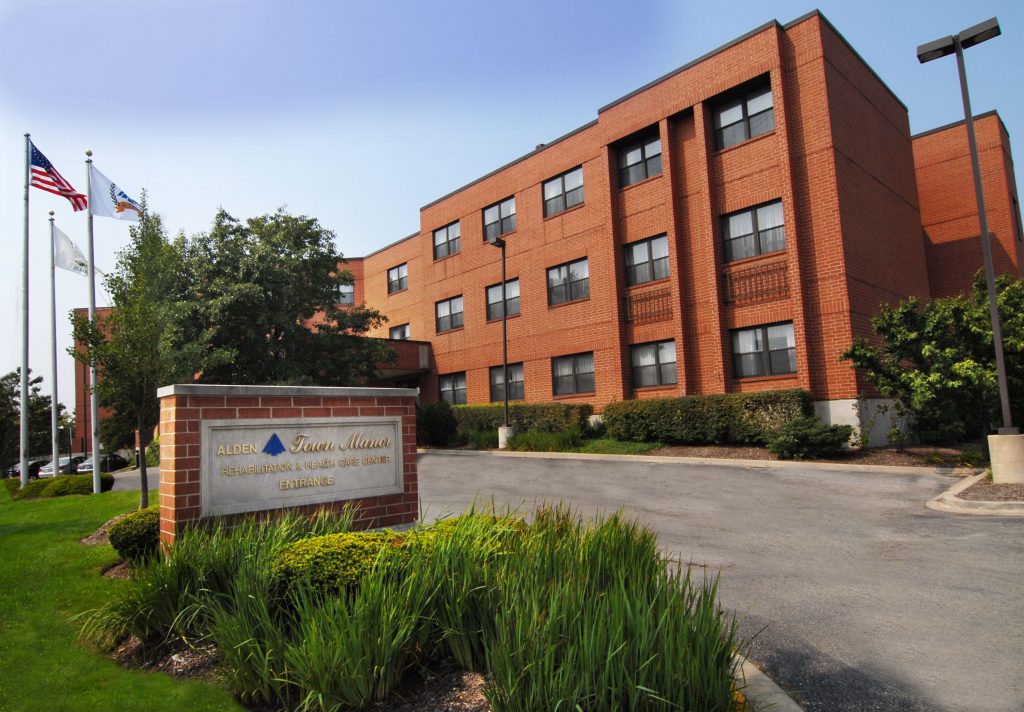
Alden Town Manor in Cicero, Illinois.
Bedolla said it’s a learning journey that she and Anastasia are on together.
“Whenever I mispronounce a word, she corrects me and celebrates me when I get it right,” she said.
While she is yet to speak Greek fluently, Bedolla expressed her desire to achieve full competency.
“For now, I am focused on learning specific words and phrases that will help me provide better care for her. Not only to facilitate her activities of daily living but also to make her feel more at home and comfortable,” Bedolla said.
Bedolla said her experience has strengthened her bond with Anastasia and the pair continue their language and care journey together at the Cicero home.
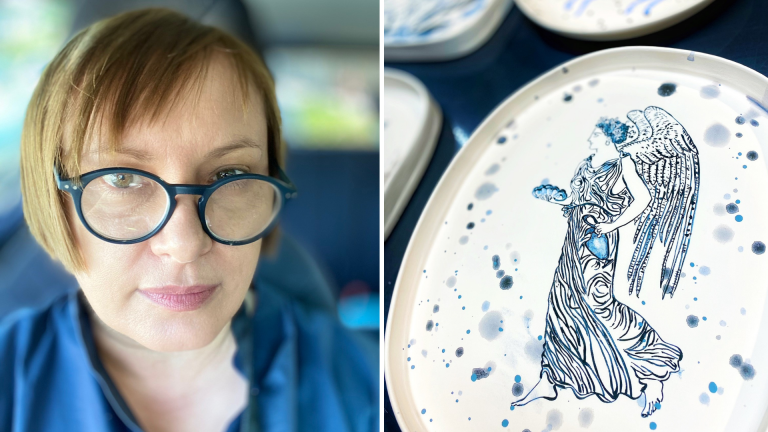
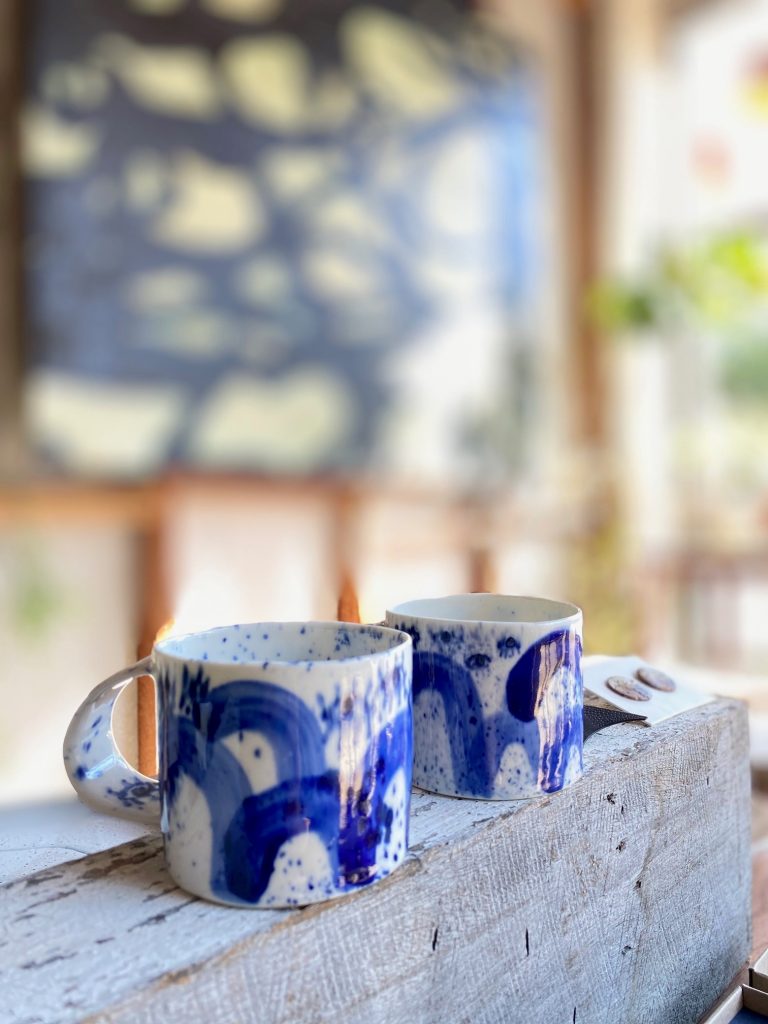
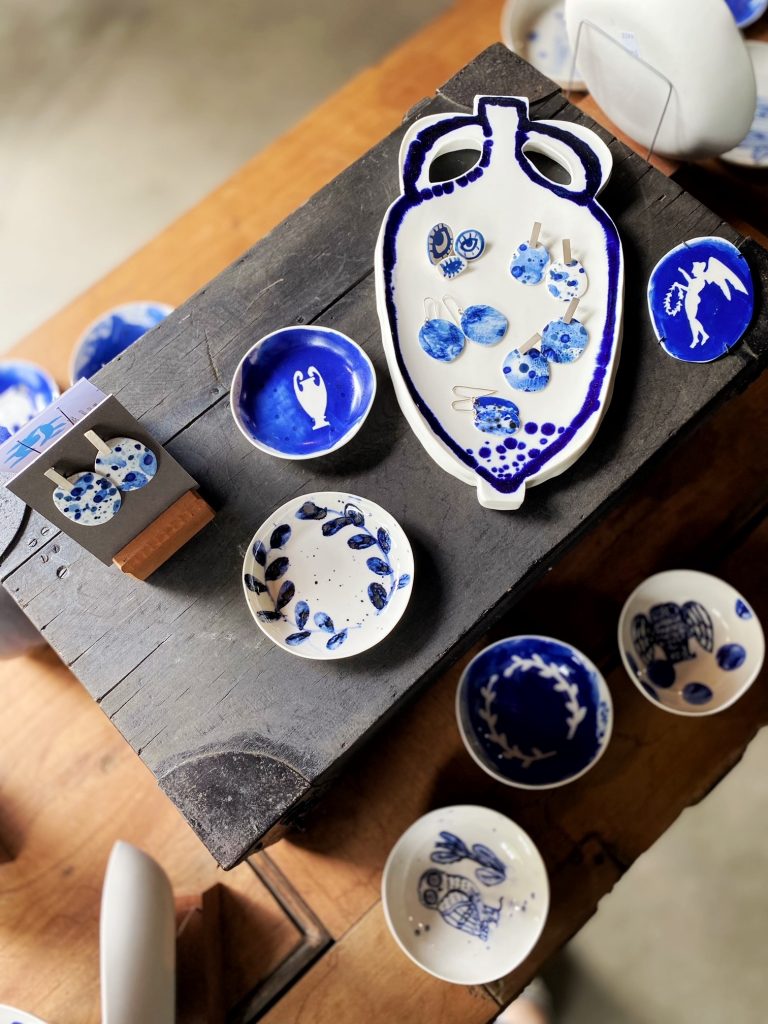
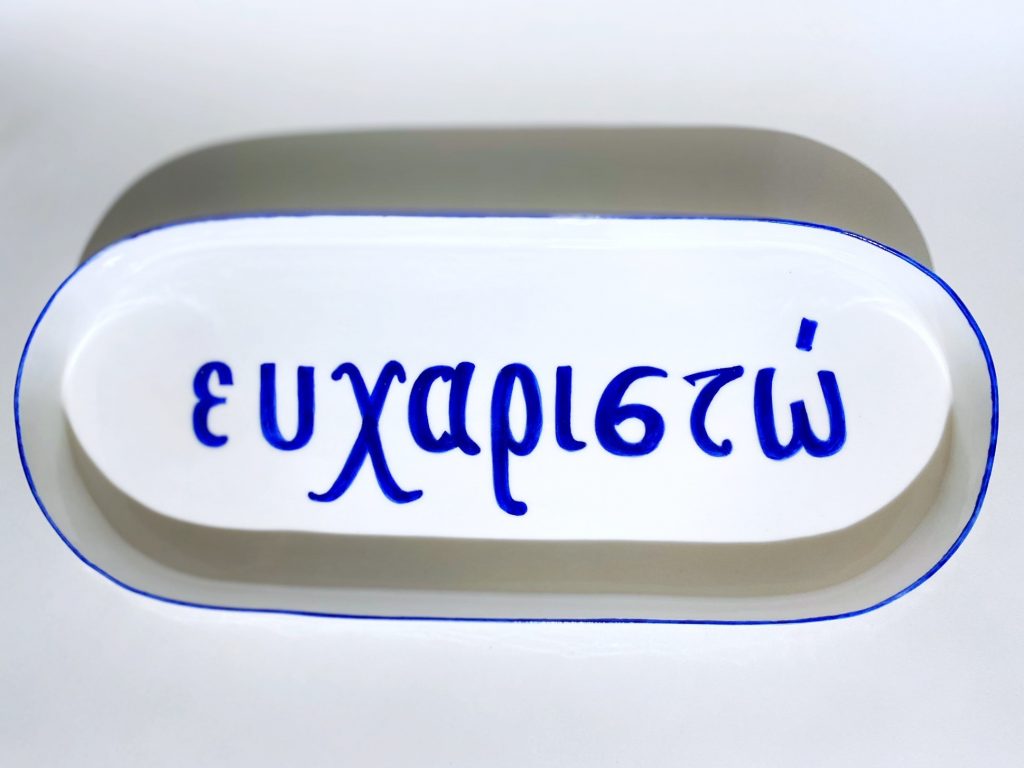
Brisbane artist, Julie Smeros, has travelled the world learning different art techniques that she implements into her ceramic work today, but there is not greater inspiration than that of her own Greek heritage.
In an interview with The Greek Herald, Julie details her journey with ceramics and how childhood trips to Greece and visiting local museums influenced her ceramic style.
Tell us a little bit about yourself.
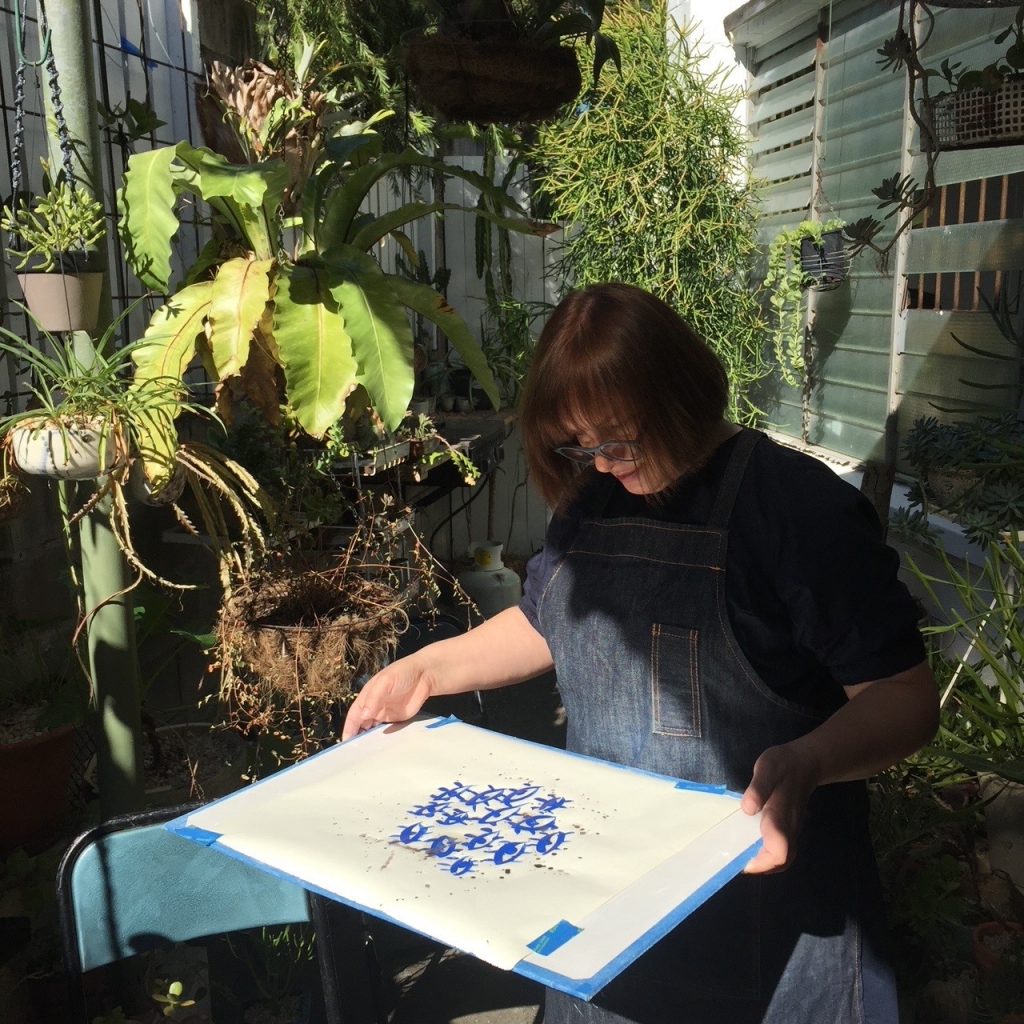
I graduated from the Sydney College of the Arts, majoring in Photography. I moved to Japan after graduating where I lived and worked for seven years. During this period, I also started Japanese Ink drawing called Sumi-e. These brushwork techniques are evident in my current practice.
Tell us about your journey with ceramics.
Whilst living in Dubai for four years, we would escape the summers to Greece where I had the opportunity to revisit the museums I had been to as a young child.
On returning to Australia, I started to work as a jeweller with a close friend. I enjoyed working with silver and creating three-dimensional objects.
It was during this time I joined Clay School, a small ceramic school in West End, Brisbane. Here I found a very supportive, creative environment which encouraged exploration and experimentation and the space to develop your style.
How has your Greek heritage influenced your work?
We can all look back and pinpoint pivotal moments in our lives. For me, it was my first trip overseas at the age of ten. I remember meeting my grandparents and family for the first time and being awakened to the reality of being a small part of a larger history.
That summer was also spent driving around Greece with my uncle, religiously visiting museums and archaeological sites throughout mainland Greece.
How do you portray the Greek Australian experience through your ceramics?
My main source of visual inspiration to this day are the beautiful illustrations of Greek Mythology on vessels. Working with clay can be very therapeutic. For me it gives me the opportunity to revisit and capture memories which are held in the domestic functional vessels.
What’s next for you?
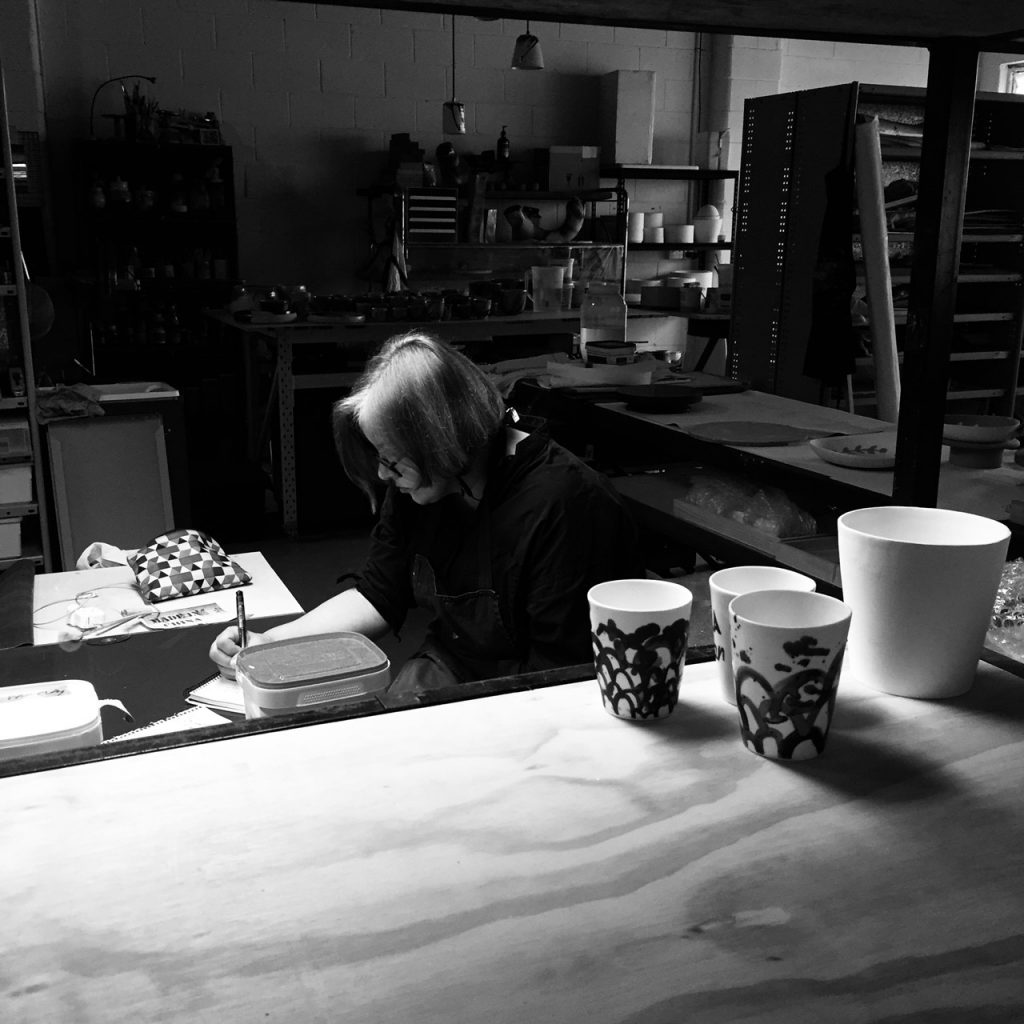
My studio is in an industrial space called Vacant Assembly in West End, Brisbane. I’m surrounded by many creatives practising a variety of disciplines. This November we will be taking over the Project Space. A pop up for the month of November showcasing the artists in residence.
The weekend of 12 and 13 November we are also participating in the Australian Ceramics Open Studio. If you are interested to see where and how work is made, this is a great opportunity to visit.
The Greeks are by nature inquisitive, hospitable, ambitious, honest, enthusiastic, compassionate, extremely communicative and pacifists. However, they are also distinguished by negative traits. They remain unruly, insubordinate, strongly undisciplined. Other main negative characteristics of the Greeks include their gross antagonistic attitudes, their generic suspicious boldness, their market narcissism that cultivates racism and exaggeration and leads them to destructive egomania.
Naturally, it was their Greek antagonistic arrogance that generated democracy as a social method of co-existence. The ecclesiastical and its continuous crises and phases, the political ideology of the national divisions from the years of the Revolution to the years of the fall of the Junta and the interpretation for the resolution of our national issues (Epirus, Dodecanese, Cypriot, Macedonian) were the main hotbeds of the fratricidal division of the Hellenism of the Diaspora.
The period of national division developed from the years of the liberation struggle, culminated in the decades 1914-1924 and the years of the infamous Civil War (1944-1949), and despite the healthy and honourable efforts of the political world, especially after 1981, it maintained dimensions of self-destruction until our days.
The Ecclesiastical Problem:
From the time point of view, as far as the Hellenism of Oceania is concerned, the Ecclesiastical Problem arose immediately after the establishment of the first Orthodox Communities in 1898 (originally composed of Greek, Syro-Lebanese and Russian faithful) and took on uncontrollable proportions after 1924, with the establishment of the Greek Orthodox Metropolis of Australia and New Zealand. The genesis of the problem was caused by the non-existence of an ecclesiastical authority.
Initially, the Patriarchates of Jerusalem and Alexandria sent the first priests. This was followed by the Autocephalous Church of Greece, until the final accession, from 1908 onwards of the Ecumenical Patriarchate. From the day of their arrival, the priests who were appointed joined the jurisdiction of the Greek communities, the rulers of which determined their administrative and salary status, as their employers. These priests, free from a conspicuous and on-the-spot spiritual and administrative head authority, themselves evolved into self-proclaimed “high priests.” Without a Diocese and or Bishops, they were accountable to the Community councils, which, however, easily guided and enjoyed essentially clerical authority. In one or two cases there were also disagreements and conflicts between the community rulers and their appointed clergy, but the conflicts were short-lived and were resolved immediately after the effective mediation of the Church of Greece.
However, with the establishment of the Holy Metropolis of Australia in 1924 by the Ecumenical Patriarchate and the appointment of the first Metropolitan, a scholarly English-educated Hierarch, Dr. Christopher Knitis, things changed drastically, and the Ecclesiastical Division was cultivated into a long intra-communal social and political Schism.
Historically, the main and true cause of the division was the priests of the Communities of Melbourne and Sydney, who assessed that with the advent of the Bishop-Metropolitan institution, their own univocal power expired, the power exercised by the “headless administratively” priests was now terminated and their political and ecclesiastical power was essentially limited. They called Metropolitan Christopher Knitis their political enemy and their ecclesiastical opponent, and fought him relentlessly, dragging the community rulers along with them. Thus, a struggle for a final and catholic victory was hatched, which soon turned into a deep Schism, involving the entire community and their newspapers.
Among the Greeks, the godly, the conservatives, most small businessmen, the “oligarchs” sided with the Metropolis and two years later the first career diplomat appointed by Athens, the capable Consul General Leonidas Chrysanthopoulos also joined the “Metropolitans”. The Communities of Melbourne and Sydney, with their leaders and memberships, influenced by their priests Rev. Kassimatis and Rev. Varaklas, turned against the Metropolitan. With them joined the communitarians, the majority of Kytherians and Ithacans, the unskilled labourers, the unemployed, the “xypolitoi- the barefoot”. The voice and weapon of the former was the National Forum directed by a former priest Rev. Dimitrios Marinakis, who had been previously dismissed by the Community of Sydney, in order to accept, at their request, by the Church of Greece the appointment of an incompatible, almost heretic learned clergyman, Archimandrite Athenagoras Varaklas.
The voice of the Community and the Communitarians was the Panhellenic Herald, a radical and almost militant paper which was voted to be the official organ of the Greek Orthodox Community of NSW and the mighty Kytherian Brotherhood of Australia and directed by Ioannis Dourmousoglou (John Stilson), an Asia Minor refugee and Georgios Marcellos, a Kytherian restaurateur. When the members of the Community of Sydney blockaded the church of the Holy Trinity to the appointed Metropolitan as a persona non-grata, the latter with the collaboration of the Consul General, Leonidas Chrysanthopoulos and the conservatives businessmen, the “Oligarchs”, in opposition, erected a new Church, the Metropolitan Church of Hagia Sophia, where the Metropolitan officiated.
The Community of Sydney renounced the Ecumenical Patriarchate and the Metropolitan and was annexed to the Autocephalous Church of America, then, a non-canonical ecclesiastic institution under the spiritual leadership of Metropolitan Vasileios Komvopoulos. The Patriarchate in turn condemned the Community to ecclesiastic illegitimacy, defrocked Archimandrite Athenagoras Varaklas and declared the sacraments he officiated as null and void, while the Greek State deemed them as illegal and non-existent.
The intensity of this social, economic, and political intra-communal Schism lasted at least until 1934, seriously affecting the Greek immigrants during the period of the Great depression and throwing the communal cultural initiatives in decline. This was followed by the beneficial intervention of reconciliation of the warring camps, by the second charismatic Metropolitan of Australia, Timotheos Evangelinidis, after the reconciliation that occurred in America in 1931 with the appointment there of the new Archbishop of America, charismatic Athenagoras.
A long period of peace and understanding followed, especially with the election of the third Metropolitan, Theophylactos Papathanasopoulos, a prudent and knowledgeable hierarch, who had the experience of events in Australia as Patriarchal Exarch since 1928. His pastorship has been the most difficult, as he retained a well-though parity and balanced treatment of the Greek Orthodox adherents during the crucial and antagonistic years of the Greek Civil War. After 1957, the second phase of division began, which culminated in 1960 with the excommunication of the rulers of the historic communities of Adelaide, Melbourne, Sydney and Newcastle by the fourth Metropolitan/Archbishop Ezekiel Tsoukalas, an ascetic and devoted monk and a most conservative hierarch.
*Professor Anastasios M. Tamis taught at Universities in Australia and abroad, was the creator and founding director of the Dardalis Archives of the Hellenic Diaspora and is currently the President of the Australian Institute of Macedonian Studies (AIMS).
Greek Australian director Petra Kalive has teamed up with Vietnamese Australian comedian, Diana Nguyen in bringing Alice Pung’s young adult novel, Laurinda, to the stage.
The Melbourne Theatre Company adaptation follows protagonist Lucy Lam and cuts between her past 15-year-old and present 35-year-old self.
Lucy is a member of the Asian diaspora in Australia and audiences will witness her as a teenager in the 1990s trying to navigate the elitism of her private school as well as her experiences of casual and explicit racism.
WATCH the Melbourne Theatre Company’s trailer for Laurinda:
Petra Kalive started at the Melbourne Theatre Company in 2020 as the nation went into its first lockdown. She tore through Pung’s novel in 24 hours and as a Greek Australian felt connected to the story and its recurring topic of class and race.
With a keenness to adapt the novel, Diana Ngyugen came immediately to Kalive’s mind, she told The Guardian.
“I thought there was a fabulous humour in the work and lived experience that Diana would be able to speak to and understand intrinsically,” she said.
“Both writers didn’t have the language as teenagers to describe or understand their experiences with racism or xenophobia; words and concepts such as “microaggression” simply didn’t exist in the everyday lexicon,” writes Giselle Au-Nhien Nguyen.
“As a young person, you’re just trying to exist in the world and all your energy is spent trying to deal. I definitely don’t feel like my peers were equipped with the nous that young people are now,” Kalive concluded.
Laurinda is showing at Southbank Theatre in Melbourne, from August 6 – September 10, 2022. More information here.
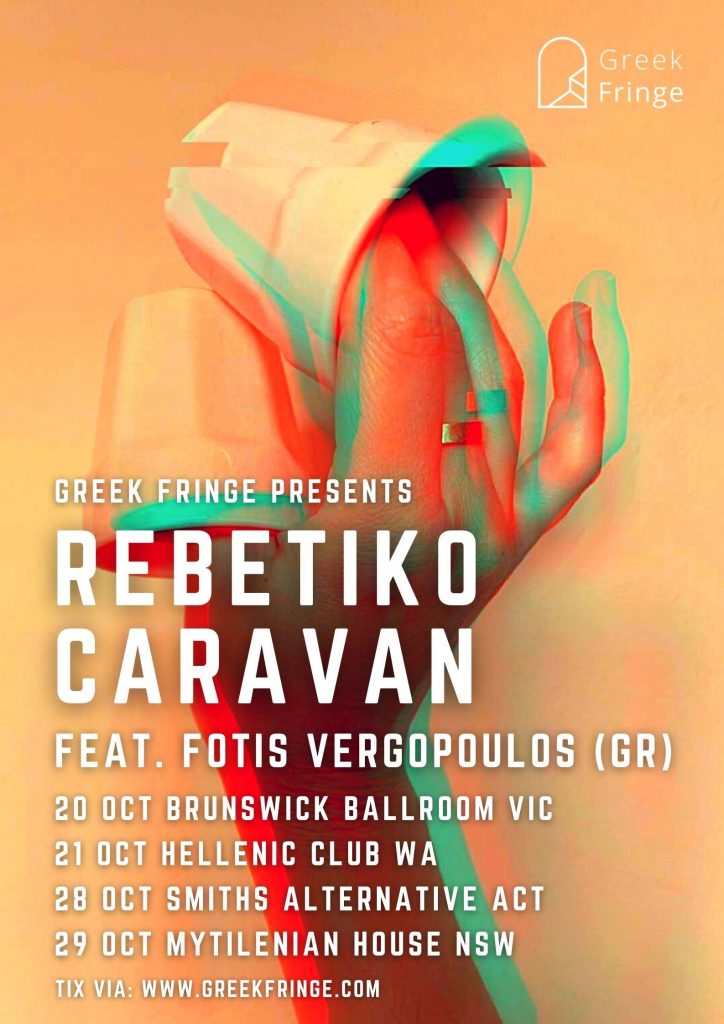
The raw and captivating sound of rebetika (Greek blues), is the music of the Greek underground, expressing themes of love, pain and hashish.
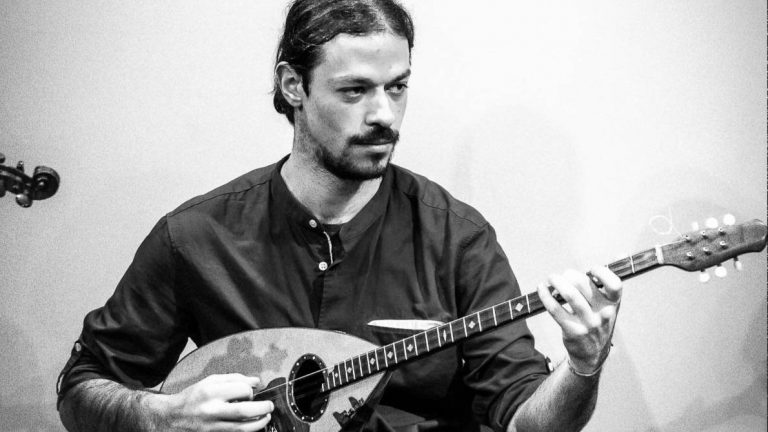
Straight from the source, Greece, Fotis Vergopoulos will lead Rebetiko Caravan – a line-up of local heavyweight rebetiko musicians. The tour kicks off on October 20 with shows in Melbourne, Perth, Canberra and Sydney.
Belying his young age, Vergopoulos is acknowledged as an authority of the genre in Greece and among the diaspora. He represents the new generation of talent and never ceases to surprise his audiences with authentic and rarely heard rebetiko tunes.
Vergopoulos was initiated into the world of music at the age of six by his father, Nikos, a founding member of the renowned group Apodimi Kompania. Vergopoulos has toured Europe extensively as well as Africa, Australia and New Zealand.
He currently lives in Athens where he has performed with many notable artists including Agathonas Iakovidis, Martha Fritzila, Babis Gkoles and Manolis Pappos, to name a few.
“No matter where I’ve played, even in Madagascar, people have a strong emotional response to rebetika. It’s a universal experience. We come together to express pain and joy and healing,” Vergopoulos says.
“Rebetiko is a sound that transcends borders and has a home in the hearts of its listeners.”
A harrowing political decision to forcibly exchange ethnic minority populations between Greece and Asia Minor in the early 1920s is what marked the rise of Rebetika. Beyond their suitcases, the dispossessed carried with them traditions, nostalgia and music.
Rebetika is a cathartic expression of pain, exile, love and loss; the simple yet brutal lyrics reflecting the gritty reality of the time. There is a strong resurgence of this fringe genre among younger generations who, in the face of today’s harsh political realities, find solace in the very same songs that consoled people over one hundred years ago.
Tour dates: 20 OCT | Brunswick Ballroom | Melbourne 21 OCT | Hellenic Club | Perth 28 OCT | Smith’s Alternative | Canberra 29 OCT | Mytilenian House | Sydney
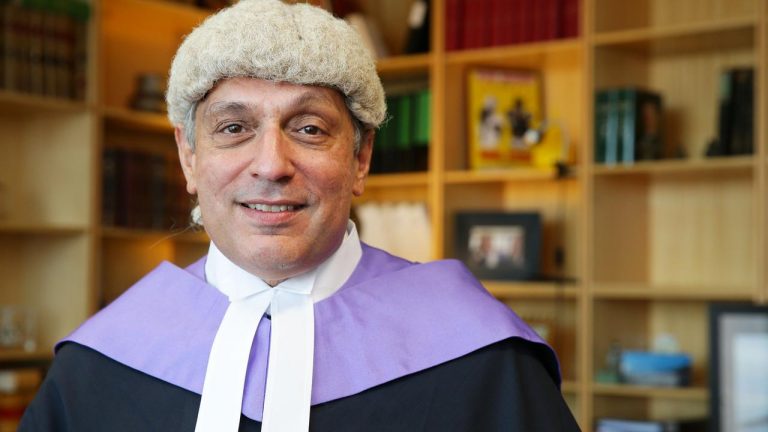
NSW Premier, Dominic Perrottet, confirmed the appointment of the Honourable John Hatzistergos AM as Chief Commissioner of the Independent Commission Against Corruption (ICAC) on Thursday.
His Honour Paul Lakatos SC, District Court Judge and President of the Mental Health Review Tribunal and the Honourable Helen Murrell SC, recently retired Chief Justice of the Supreme Court of the ACT, were also appointed as Commissioners of the ICAC.
“These individuals have been charged with executing the powerful anti-corruption responsibilities of the ICAC and I expect them to bring their broad expertise and experience to these important roles,” Mr Perrottet said.
“I want to congratulate the new Commissioners on their appointments. I am confident we will continue to see the ICAC work to ensure the integrity and accountability of public administration in NSW and hold public officials to the highest standards.”
The appointments will be for five-year terms and Hatzistergos will commence his appointment on August 7.
Hatzistergos has a lengthy legal and political career that saw him awarded in the Queen’s Birthday Honours List in 2018 for significant service to the law and the judiciary and to the people and Parliament of NSW.
Congratulations to my brother John on receiving an Order of Australia in the Queens Birthday Honors list today. pic.twitter.com/ODkEPstF6V
Hatzistergos was called to the NSW Bar in 1989 and practised as a barrister from 1989 to 2003 and 2012 to 2014. He was Chair of the Joint Committee on the ICAC from 1999 to 2003.
Between 2003 and 2011, Mr Hatzistergos was a Minister in the NSW Government, holding portfolios including Attorney General, Minister for Justice, Minister for Regulatory Reform, Minister for Health and Minister for Industrial Relations.
From 2012 to 2014, Hatzistergos was an Examiner at the Australian Crime Commission.
In 2014 he was appointed as a Judge of the District Court of NSW and was commissioned by the Government to conduct a 12-month review of the Bail Act 2013.
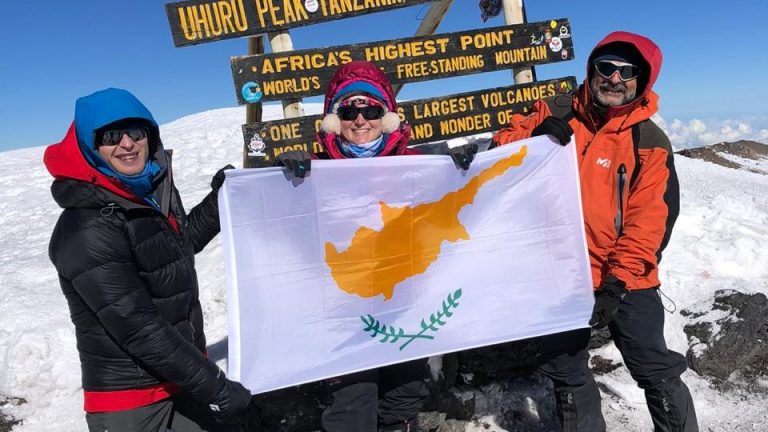
Ukrainian-born Cypriot citizen, Evgenios Staroselskiy, is on a mission to raise the flag of Cyprus on the Seven Summits around the world, Cyprus Mail reports.
The Seven Summits are the highest mountains of each of the continents and ever since American Richard Bass climbed all seven in 1985, other mountaineers have attempted the challenge.
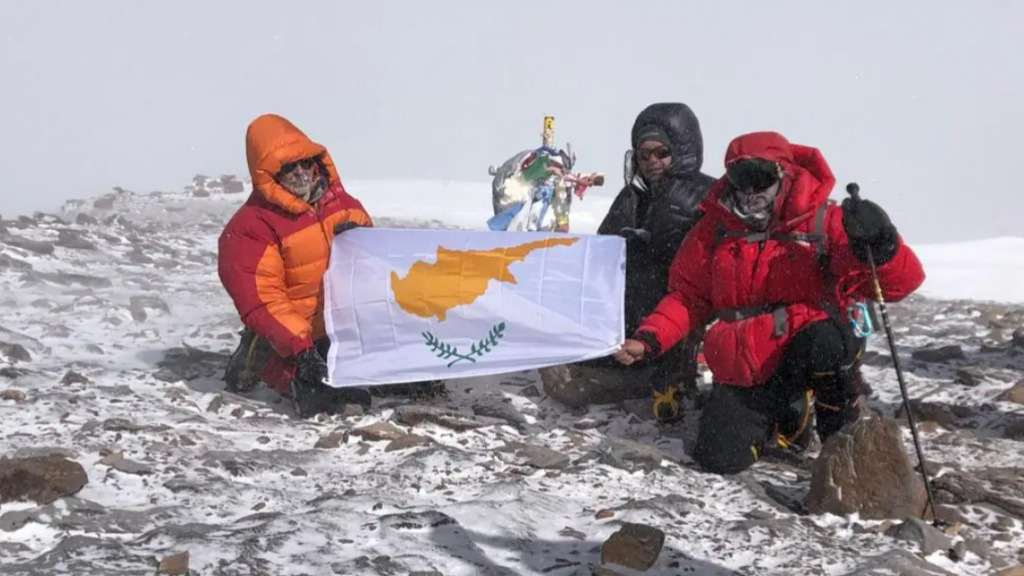
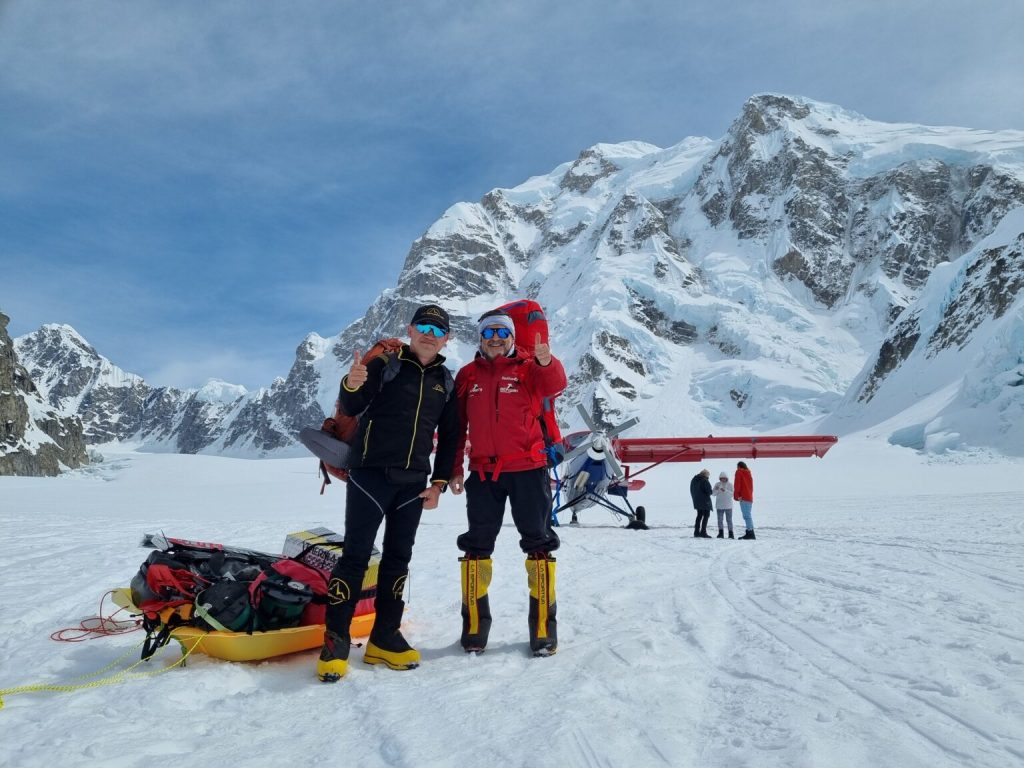
So far, Limassol-based climber Evgenios has already climbed five of the Seven Summits – Africa’s Kilimanjaro, Europe’s Mount Elbrus, South America’s Aconcagua, Asia’s Everest, and North America’s Denali.
Aconcagua summit 2019.
At the end of each ascent, Evgenios raises the flag of Cyprus.
“It’s something I’ve been doing for years, ever since I moved to the island in 2011,” Evgenios told Cyprus Mail. “I also raised the flag of Ukraine, in support of my people.”
The founder of the Seven Summits Club Cyprus still has to climb Antarctica’s Mount Vinson and Australia / Oceania’s Mount Carstensz.
Denali 2022. Photo: Cyprus Mail.
“Vinson Massif is possibly the hardest of all,” Evgenios said. “It’s the logistics. This peak is in Antarctica; not only do you need special flights in and out, you also need to raise over €40,000 for your expenses! But I’ll probably do it within the year. If not in 2022, then 2023.”
What will Evgenios do when he’s conquered them all?
“Mountaineering has been my whole life. I’m hoping to start a mountaineering museum in Limassol, and I will continue to take groups from the Seven Summits Club Cyprus and raise our flag on the peaks,” he concluded.
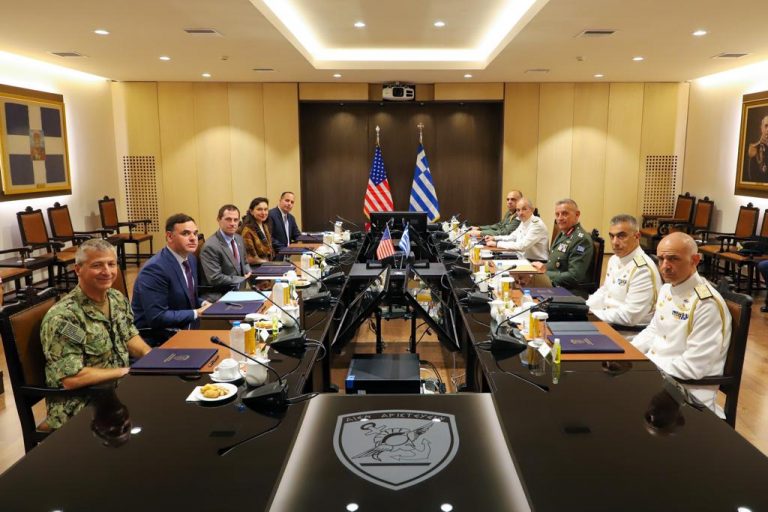
A delegation of US House of Representatives members led by Congressman Jason Crow paid an official visit to the chief of Hellenic National Defence General Staff (GEETHA), General Constantinos Floros, at the ministry in Athens on Thursday.
During the short meeting, Floros welcomed the delegation, stressing the importance of the “continuous and dynamic development of the strategic relationship between Greece and the USA,” an official statement said.
The GEETHA Chief then referred to the recently ratified Mutual Defense Cooperation Agreement (MDCA) between the US and Greece which has seen the implementation of cross-branch joint operational training activities.
He also provided an update on the joint Greece-US Air Force exercise at Souda as well as the upgrade of naval support facilities at Souda in Crete and Alexandroupolis in Evros, maintaining they “provide significant facilities to the US and coalition forces”.
With reference to Russia’s invasion of Ukraine, Floros spoke of the repercussions in terms of security and Greece’s active participation “in NATO’s actions to strengthen the Eastern wing of the Alliance.”
Following the meeting with the US delegation, Floros and Greece’s Minister for National Defence, Nikos Panagiotopoulos, met with the Estonian Minister of Defence, Hanno Pevkur, at the Greek Ministry of National Defence.