Home Blog Page 1885

Author shows there’s more to Mediterranean food than ‘Greek salad’ in award-winning cookbook

Who ever said you couldn’t transfer your passion to a career? Greek Australian food photographer Ruth Bardis has maintained her passion for Greek food throughout her entire life, sharing it with her thousands of followers.

Taking what she has learnt from her family, paired with intricate research, Ruth has released two award winning cookbooks showing the world that there is more to Greek food than “just the Greek salad”.

“I researched, I went to Greece and went to Asia-Pacific regions. I looked at their specific produce and regional recipes, and I delved to find what they cook in each region,” Bardis said to The Greek Herald.

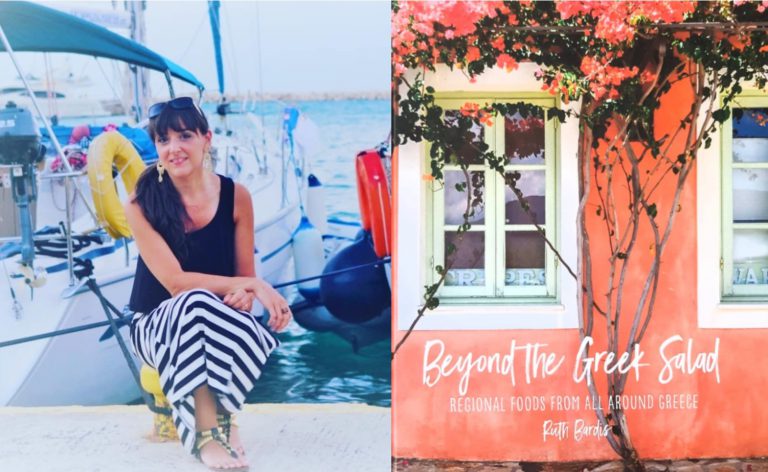
Ruth’s second cookbook, ‘Beyond the Greek Salad: Regional Foods All Around Greece’, explores the various cuisines of the Greek regions and the differences between them.
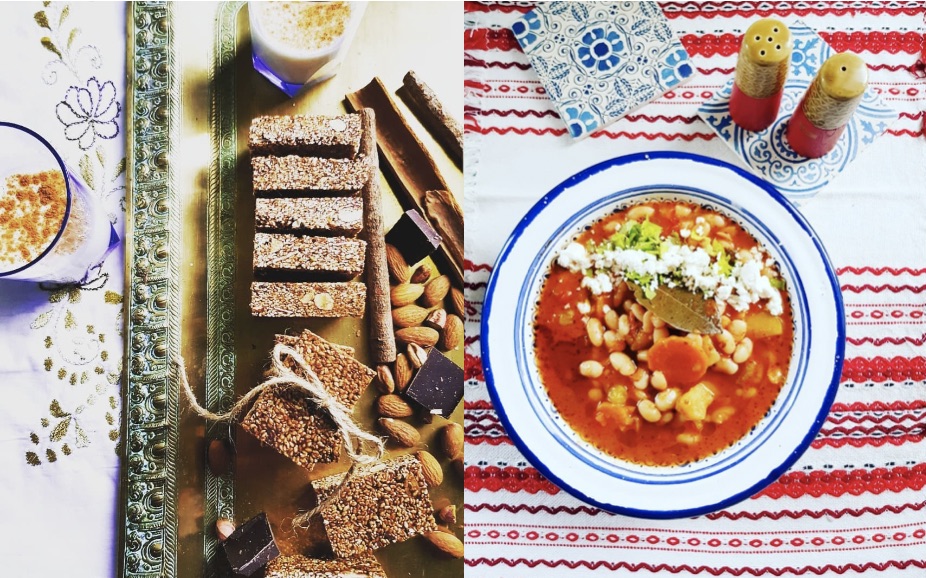
Photos from Ruth’s Instagram page GreekFoodPhotography. Photo: Instagram

“This book expanded on other regions and showed that Greek food is way more than the Greek salad.

“We have such a plethora of recipes that some Greeks don’t even know if they don’t come from a specific region.”

The cookbook is a continuation of her first book ‘Hellenic Kenella’, which looked closer at how Greek migrants brought their food to Australia upon arrival. Released only four months ago, her second cookbook has received multiple awards, including a New York Independent Publisher Award.

Maintaining Greek food’s authenticity

Any Greek will tell you that the best Greek food isn’t found in a cookbook, but through family history. However, Ruth believes that Greeks are in danger of losing the “essence” of Greek food though apathy of the younger generation.

“We’re losing the essence of our authentic cultural food,” Ruth said.

“That generation’s just not cooking, or our yiayia and mothers aren’t really documenting foods.”

Ruth compiled her cookbooks to make sure that the younger generation keep hold of the food traditions that have been passed on for years. The true test, however, is making sure that each recipe upholds its simple design.
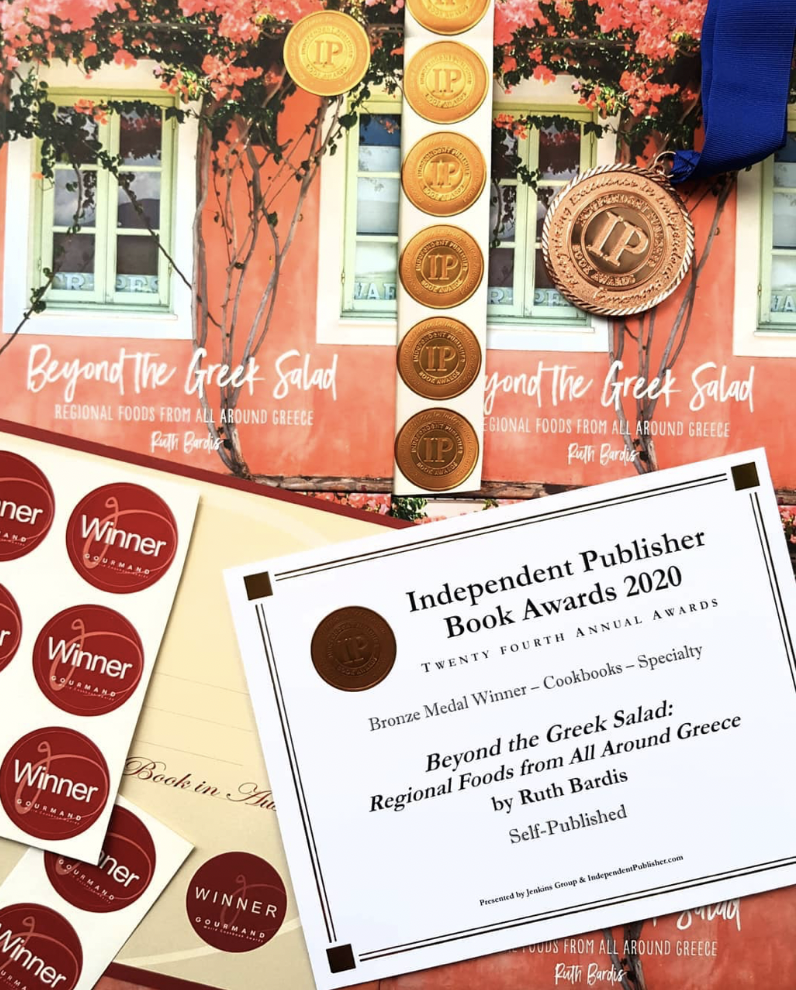
Awards received for Ruth’s book. Photo: Instagram

“I think it’s my generation that don’t have anything written down.”

“It’s authentic, it’s not westernised, so I haven’t actually used any of the westernised changes brought into Australia.”

“I’ve just looked at home, traditional, simple food without all the bells and whistles and I think there has been a bit of a void in the book world for that.”

Making a cookbook doesn’t come without a love for food

Ruth has been strongly influenced by her family when writing her books. Growing up in Melbourne with Greek migrant parents, much of the food in the early stages of her life had some sort of Greek influence.

“For us going to the Victoria market was out highlight of the week,” Ruth fondly remembers.  

Ruth’s family even went that extra step that many families may not have reached, importing water from Greece. Claiming she had “never drunk tap water” until she left the house, Ruth admires the dedication of her family to bring the homeland to Australia.

“I remember even us growing up, our antibiotic was Greek honey. Food was our medicine.”

While there’s nothing in the works yet, the Greek Australian author didn’t rule out a possible addition to her cookbook collection.

“The eight regions… I could delve further and research them. Look at their produce and go from there.”
From child refugee to maths teacher at Melbourne High School for 50 years

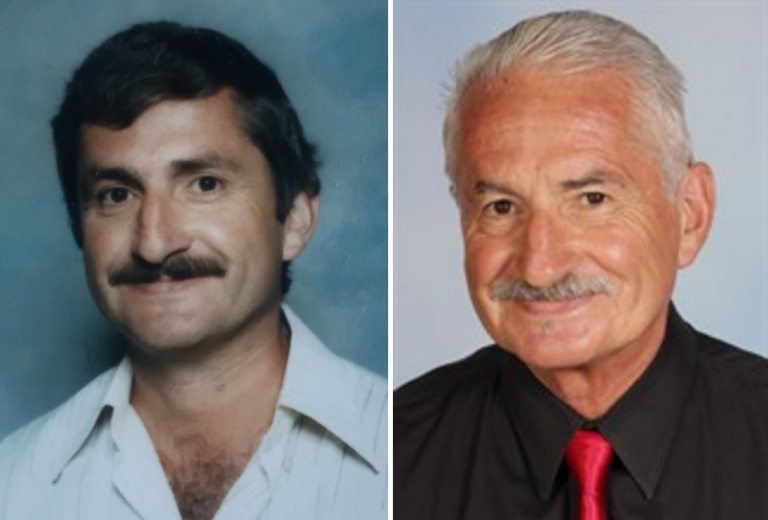
“Mathematics runs in the blood of the Greeks. I tell my students that Pythagoras was my uncle and quite a few of them believe it,” laughs 73-year-old Saki George Ganella OAM, who was recognised in the Queen’s Birthday Honours List this year.

It’s clear that after 50 years as a maths teacher at Melbourne High School, Mr Ganella still loves what he does and has no plans to slow down any time soon. And why should he? His journey to get to where he is today was one of immense hardship, courage and as he likes to call it, “motivation.”

Arrival in Australia:

Mr Ganella was born in 1947 in Kozani-Grevena, northern Greece, “right smack in the middle of a Greek Civil War.” His father, a bank manager in Kozani, was killed during the war and so at the age of three in 1950, Mr Ganella’s mother decided to flee Greece for Melbourne.

“My mother wanted to seek a better life for us. We were lucky enough to live with my aunty and her family in Melbourne until 1958, when my mum met and remarried a lovely man named Peter Pesnikas,” Mr Ganella tells The Greek Herald.

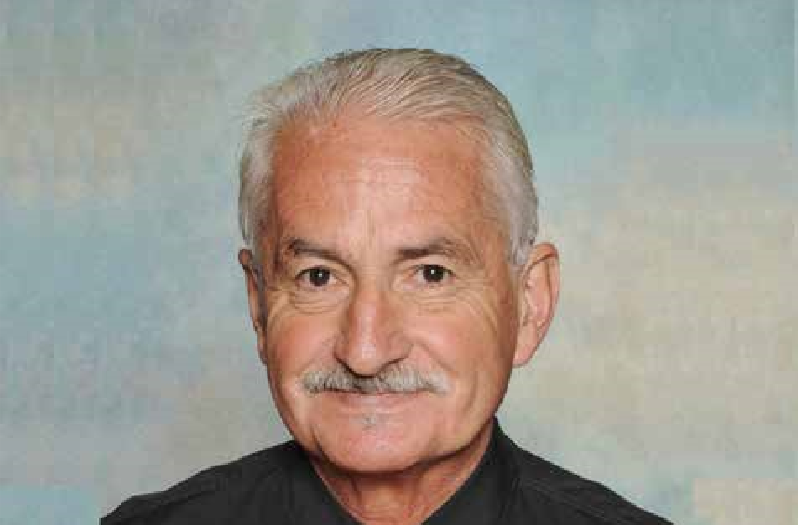
Mr Ganella has been teaching at Melbourne High School for 50 years.

“Peter was fortunate enough to have a fish shop in Chapel St. The fish shop was only five doors down from Toorak Road in Melbourne, which is 200 metres from Melbourne High School. So in a sense, the long journey from Greece to Chapel Street almost forced me to go to Melbourne High School. It was meant to be.”

When the student becomes a teacher:

And meant to be it was. As a young boy, Mr Ganella recalls sitting in his stepfather’s fish shop watching Melbourne High School students walk by. Impressed by their smart uniforms and confidence, he decided he would attend the school and make his family proud.

“The boys in uniform with caps looked strange to this Greek boy at the fish shop,” Mr Ganella laughs.

“But because my mother brought me up to be very motivated and aspirational, I tried my hardest and was accepted into Melbourne High School for my senior year. Once there, I studied the highest level mathematics subjects I could.”

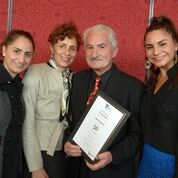
Mr Ganella with his wife Mai and two daughters.

READ MORE: Greek Australians recognised in Queen’s Birthday Honours 2020.

The rest is history. Mr Ganella completed his senior studies, taught maths in the small Victorian rural town of Kerang for two years, before being “lucky enough” to be transferred back to his beloved Melbourne High School – where he has remained for 50 years since 1971.

“I love the students. In my 50 years at Melbourne High School, the demographics have changed. When I was there as a student, there were a lot of Greeks and Jewish boys and now they’re eastern, Asian boys and no matter how the demographic changes, the commitment and passion is wonderful,” Mr Ganella says.

“Very quickly they become Melbourne High School boys and that’s what has kept me going all these years.”

His future plans:

With such an illustrious career, which actually also includes a stint as a Commanding Officer in the 415 Squadron Australian Air Force Cadets, it’s clear that Mr Ganella deserves a well-earned break from teaching. Something he’s planning on taking full advantage of next year.

“I’ve applied for leave next year and for some strange reason I’m aiming to retire at 75, which I think is a good innings. I’ve been advised to retire while I can still walk out of the school,” Mr Ganella says.

But not without giving one final word of advice to the students who have held such a special place in his heart over the years.

“Follow your passion. If you’re really passionate about something, the chances are that you will do well at it… But if you don’t follow your passion and you do something for monetary gains and you don’t like it, to my mind, that’s a terrible life.”

Wise words from a very wise man.

The Greek version of this article will be in print on July 11, 2020.

Free home made meals available at The Cottage Kitchen from next week

The Greek community of Saint Nectarios Greek Orthodox Parish in Burwood are set to launch ‘The Cottage Kitchen’ next week to provide free home made meals to those in need due to COVID-19.

The Cottage can be found at 5 Burleigh Street, Burwood, and will be open every Tuesday from 12 pm to 1.30 pm. The program has been made possible with the help of a $5000 grant offered to the Parish by Multicultural NSW.

“We wanted to start The Cottage Kitchen for a while as the pandemic has created a harsh economic and social environment, making life challenging for many in the community,” Secretary of the Greek Orthodox Parish and Community of Burwood and District, Christina Efthymiades, tells The Greek Herald.

WE'RE PROUD TO LAUNCH THE COTTAGE KITCHEN – FREE WEEKLY MEALS FOR THOSE IN NEED | With support from Multicultural NSW…

Posted by Saint Nectarios Burwood – Sydney, Australia on Tuesday, 7 July 2020

“But we had limited resources until we received the grant from Multicultural NSW. It’s such a great initiative that has helped us address needs in the local community.”

Whilst the program is a pick up service, meals can also be delivered to Parishioners within the Parish and Community boundaries who have mobility issues.

Funding for the service is expected to last for approximately three months but depending on need and support from Parishioners, the program may be extended.

The Greek Welfare Centre in Newtown and the NSW Greek Orthodox Community in Lakemba also received the $5000 grants.

For further enquiries on The Cottage Kitchen please contact Father George Liangas on 0415 124 709‬.

George Savvides announced as new SBS chair

0

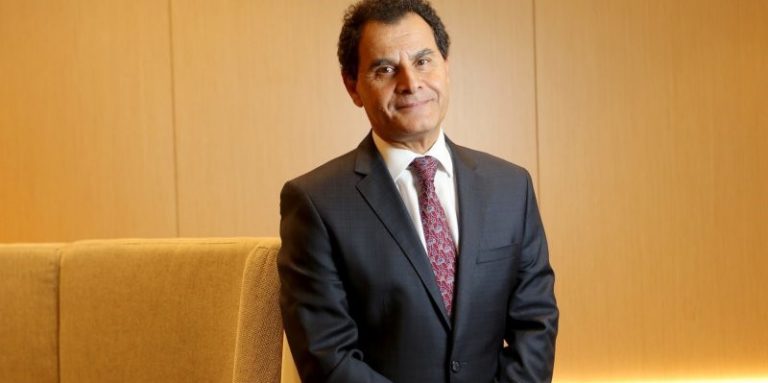
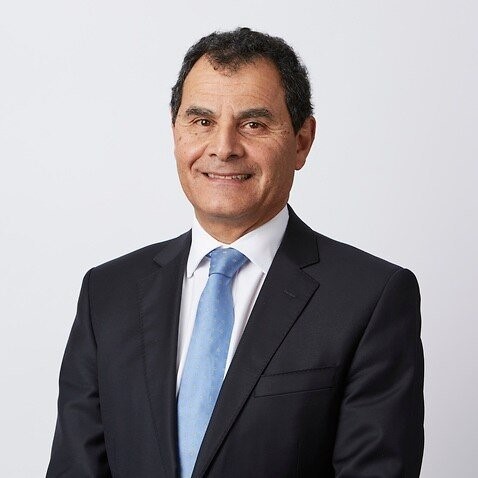
George Savvides, a member of the SBS board since 2017 and acting chair since June 3, has been announced as the new chair of the broadcaster for a period of five years, effective today.

Savvides replaces Dr Bulent Hass Dellal AO who had held the position for a decade – the maximum period a chair can hold the position for.

Savvides said on his appointment: “It’s a great honour to have the opportunity to chair SBS.”

“Over 45 years, SBS has played a vital role in informing and shaping Australia, not only meeting the needs of multicultural communities and our First Nations people, but helping all Australians explore and celebrate our diversity. It is a truly unique organisation, supporting economic and civil participation, and striving to inspire all Australians to experience the benefits of social inclusion,” Savvides added.

READ MORE: Greek-Australians celebrated on Australia Day Honours List 2020.

“SBS’s role for the next 45 years will be even more important as our nation’s diversity increases, and I look forward to working with the board, executive and the entire SBS team to ensure SBS continues to play a special role in Australia’s future.

“I also acknowledge former chair, Dr Bulent Hass Dellal AO, who I had the great privilege to work with. I thank Hass for his inspiring and passionate advocacy for SBS and the role it plays in Australia.”

Minister for Communications, Cyber Safety and the Arts, Paul Fletcher, congratulated Savvides on his appointment.

“Mr Savvides is an eminent Australian and a highly respected businessman. I am pleased that he is stepping into this position and have no doubt that as chair he will continue to make a valuable contribution to the Board of SBS,” Fletcher said.

SBS Managing Director, James Taylor, said: “On behalf of the Board and SBS, I’d like to congratulate George on his appointment.”

“Since being appointed as Deputy Chair in 2017, and most recently as Acting Chair, he has played a key role in ensuring SBS is a contemporary media organisation in a rapidly changing sector, serving and celebrating a contemporary and diverse multicultural society. I look forward to continuing to work with George and the SBS Board as we evolve in service of all Australians.”

Savvides’ experience spans corporate governance, business and finance, alongside an “extensive knowledge” of the broadcaster itself.

He was appointed to the board as deputy chair on February 23, 2017 and is the current chair of the SBS board remuneration committee and a member of SBS’ community advisory committee.

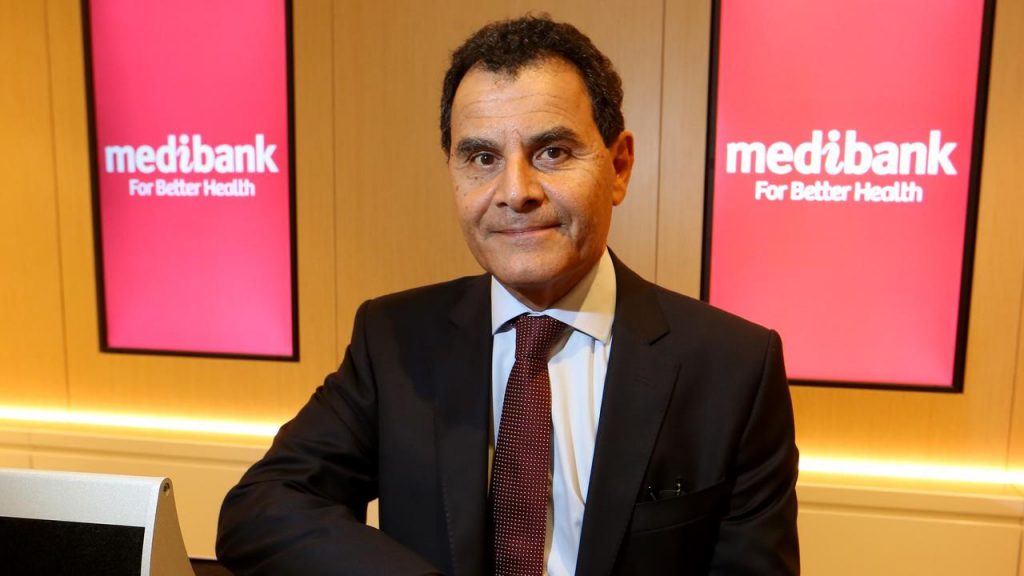
Savvides was managing director of Medibank and ASX-listed Medibank Private for 14 years until 2016.

Savvides also has more than 30 years’ experience in the Australian and New Zealand health care sector. He was managing director of Medibank and ASX-listed Medibank Private for 14 years until 2016. He has also served as managing director and CEO of Sigma Pharmaceuticals, Smith & Nephew and CIG Healthcare.

He has an honours degree in Industrial Engineering from UNSW and a masters of business administration from UTS. Savvides served as chair of World Vision Australia for 18 years, and is a former chair of Kings Transport Group Limited and Macquarie University Hospital. He is currently a board member of Insurance Australia Group Limited and NZX-listed Ryman Healthcare, and chair of Next Science Pty Limited.

Official logo released to mark 200th anniversary of Greek Revolution in Australia

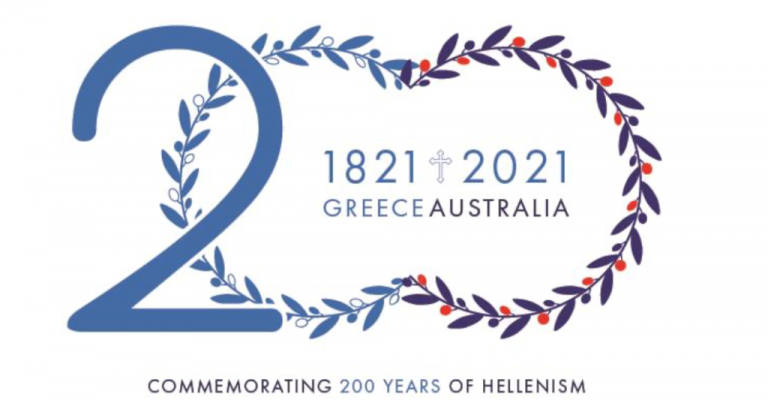
The Pan-Australian National Council of Celebrations for the 200th anniversary of the Greek Revolution in 1821, has unveiled the official logo to be used at all commemoration events in Australia next year.

The Council called for submissions from Greek Australian graphic designers who came up with various designs and logos.

Ms Paula Sagiadellis, a 29-year-old graphic designer, submitted a number of logo options with the final one being selected early this week.

“I am very proud that my logo design was chosen amongst the other Greek Australian graphic designer entries. As a Greek Australian of Cretan and Limnian descent, I was very excited to participate!” Ms Sagiadellis tells The Greek Herald.

Sources of The Greek Herald have confirmed His Eminence Archbishop Makarios played a pivotal role in the designing of the logo. His Eminence added the elements of the Orthodox Cross and introduced the colours of the Australian flag ,making this logo truly representative of this commemorative event.

Official Press Release:

The 25th of March 1821 commemoration is of religious and national importance for Hellenism. Hellenes around the globe celebrate on this day the Annunciation of Our Lady and the proclamation of the Modern Hellenic State, hence why we feel this milestone is a very important one.

This Commemoration gives us the opportunity to promote, educate and enhance the knowledge or understanding of our third, fourth and subsequent generations of what happened in 1821 thus ensuring the significance of this historical event is not lost.

In 2021, we respect our history, we remember our ancestors, we showcase Greece and we plan for our future.

The National Council for the Commemoration of the 200th Anniversary for the independence of the Modern Hellenic State is made of representatives from Victoria, New South Wales, Queensland, South Australia and the Australian Capital Territory.

The council is proud to present the official Logo that has been adopted for all the events in the official Australian Calendar. The council called for submissions from Greek Australian graphic artists who came up with various designs and logos. The successful artist is a 24-year-old Greek Australian who resides in Victoria namely Ms. Paula Sagiadellis – Jermenis.

SYMBOLISM

Her design is centred around the Bicentennial Anniversary with the main focus being the number 200 and the two zeros showcasing the symbolic Olive Branch. Both zeros are intertwined symbolizing the eternal bonds between the two nations Greece and Australia using the National Greek Colours ( Navy Blue and White ) and the National Australian Colours, Dark Blue, Red and White ). The Logo also has the Holy Cross symbolising faith.

Melbourne’s Greek and Cypriot community plan rich events for 200th anniversary of the Revolution of 1821

The Greek Community of Melbourne is preparing a rich program of events for the historic 200th anniversary of the Revolution of 1821, which will concern the entire community, in collaboration with the Cypriot Community of Melbourne.

The events will be held jointly after a relevant proposal of the Cyprus Community and with a program of events that will be of a pastoral nature.

The organisation of the events is a result of regular contacts that the Community had with the Greek government and the Greek diplomatic authorities in Australia.

Last Tuesday, a special meeting was held with the Consul General of Greece in Melbourne, Mr Dimitrios Michalopoulos, and the President of the Greek Community, Mr Bill Papastergiadis, during which, among other things, they discussed:

  • The difficulties that exist for someone to travel to Greece or to return from Greece to Australia during the pandemic.
  • The organisation of events for the 200th anniversary of the Revolution of 1821.
  • The contacts that the Community had with the President and the Vice President of the Cyprus Community, Mr Stelios Aggelodimou and Mr Theo Theofanous, for the joint organisation of events for the historic anniversary.

“We believe that we will present a rich program with multiple events that will impress and excite the public and will stimulate the patriotic feeling of the Greek Australians, while building bridges with Greece,” said Mr. Papastergiadis.

“Our goal is to have media participation and we will seek cooperation with all the parish organisations that wish to participate in these events. The events will concern our entire community, presenting something different. Everyone’s participation is necessary, so that together we can celebrate the historic anniversary of the Revolution of 1821.”

More information about the events will be announced soon.

The 1956 Santorini earthquake and its devastating aftermath

The date is July 9, 1956 and Santorini is as beautiful as it has always been with its white and blue adobe buildings perched on the caldera cliffs. The markets are filled with venders eager to sell their fresh produce. To any regular native of Santorini this seems like another day of business and enjoyment.

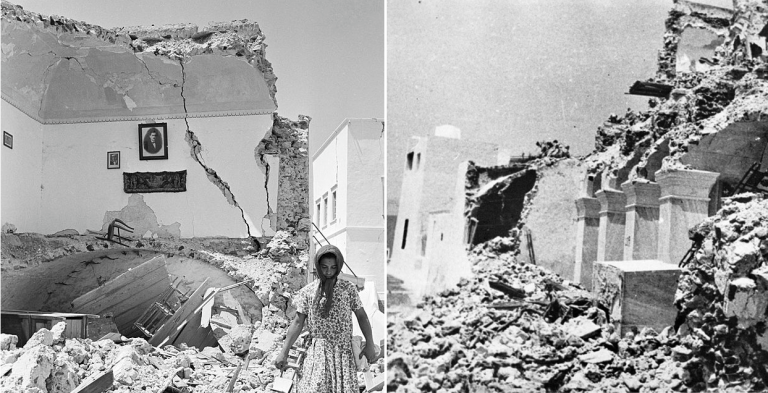
But then, without warning in the early hours of the morning, disaster struck. Santorini was hit by a 7.5 magnitude earthquake, the largest to ever be seen in Europe in the 20th century. It was followed by a tsunami 25 meters high.

At least 53 people were killed and more than 100 were injured. 35 percent of the houses collapsed and 45 percent suffered major or minor damage. Almost all public buildings were completely destroyed. 

Such devastation led to a huge internal migration of the population of Santorini, mainly to Athens.

Apart from Santorini, the islands of Amorgos (the epicentre of the earthquake), Anafi, Astypalea, Ios, Paros, Naxos, Kalymnos, Leros, Patmos and Lipsi were also severely damaged. A total of 529 houses were destroyed, 1,482 were severely damaged and 1,750 were lightly damaged. 

The quake tested the state machinery, which had not yet recovered from the 1953 major earthquakes in Zakynthos, Cephalonia and Ithaca. 

Prime Minister Konstantinos Karamanlis declared Santorini a state of “large-scale local disaster” and visited the affected area on July 14.

Many countries offered to send aid to relieve the earthquake victims. The only country whose help Greece refused was Great Britain, perhaps because of the Cyprus problem, which was then on the rise with the EOKA uprising.

Sydney Olympic FC appoint new head coach Ante Juric ahead of season reboot

Sydney Olympic FC have replaced First Grade coach Terry Palapanis for the season reboot this year after failing to negotiate a revised contract.

The Belmore club, along with other National Premier League teams, were forced to take precautionary measures in response to the COVID-19 pandemic.

Players were asked to take on a reduced salary for the 2020 season. All players were fully accepting of the new wage offer and were happy to ensure the future success of the club.

CEO John Boulous said;

“We are a very lucky that our players appreciate the financial impact from decreased funding and sponsorship on the Club due to COVID-19 . Our playing groups have all been willing to accept revised terms in their agreements to ensure we put the Club at the forefront of all decisions and are able to participate in the proposed competition”.

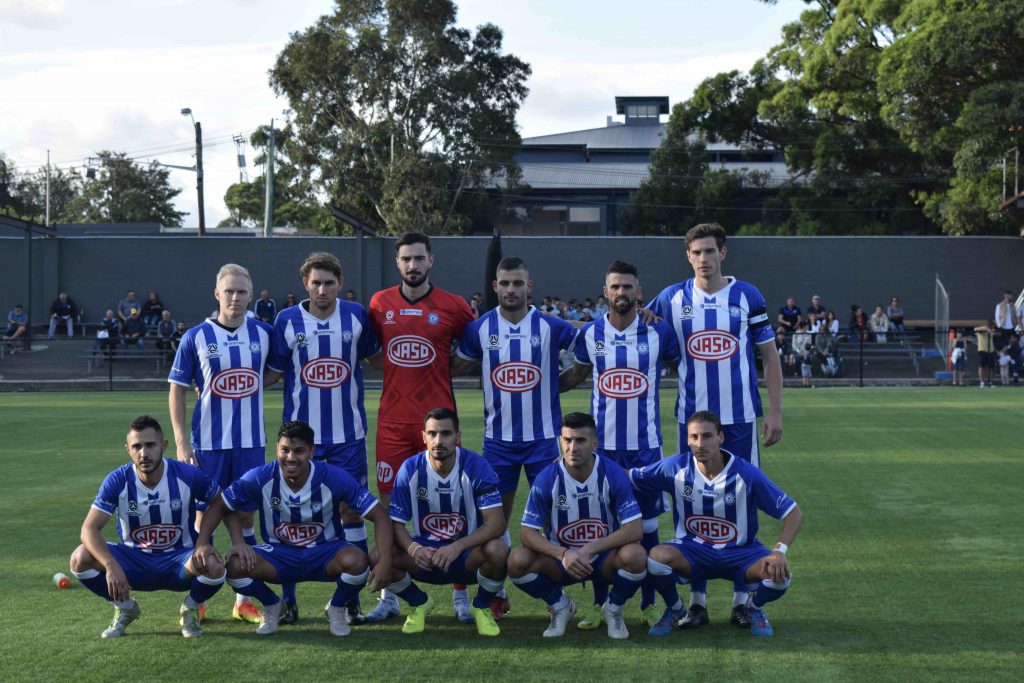
Sydney Olympic FC first grade team. Photo: Peter Oglos

The Club was unable to reach an agreement with Men’s Head Coach and Senior Technical Director Terry Palapanis for the rebooted season. Terry will continue in the role of Senior Technical Director and continue to report to the CEO and Club Board.

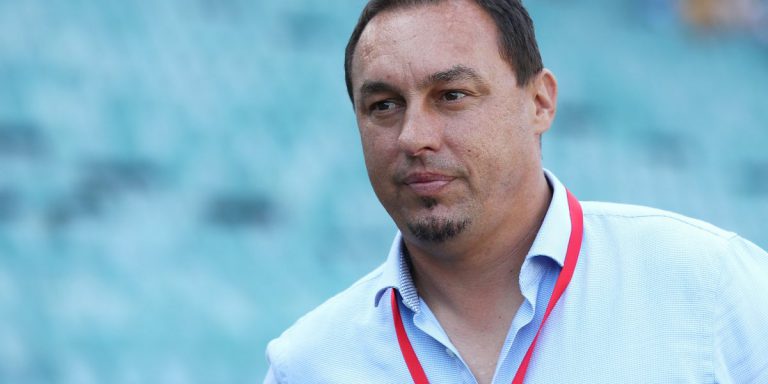
The decision has meant the Club Technical Director and former Sydney Olympic player and Hall of Fame member Ante Juric will assume the coaching role for the 1st grade team for the 11 round competition.

”While disappointed we were unable to reach an agreement with Terry for this revised competition around the Coaching role, we are lucky to have a coach of Ante’s experience on staff at the Club and he is able to step into the role immediately to take the squad as we prepare for the competition”.

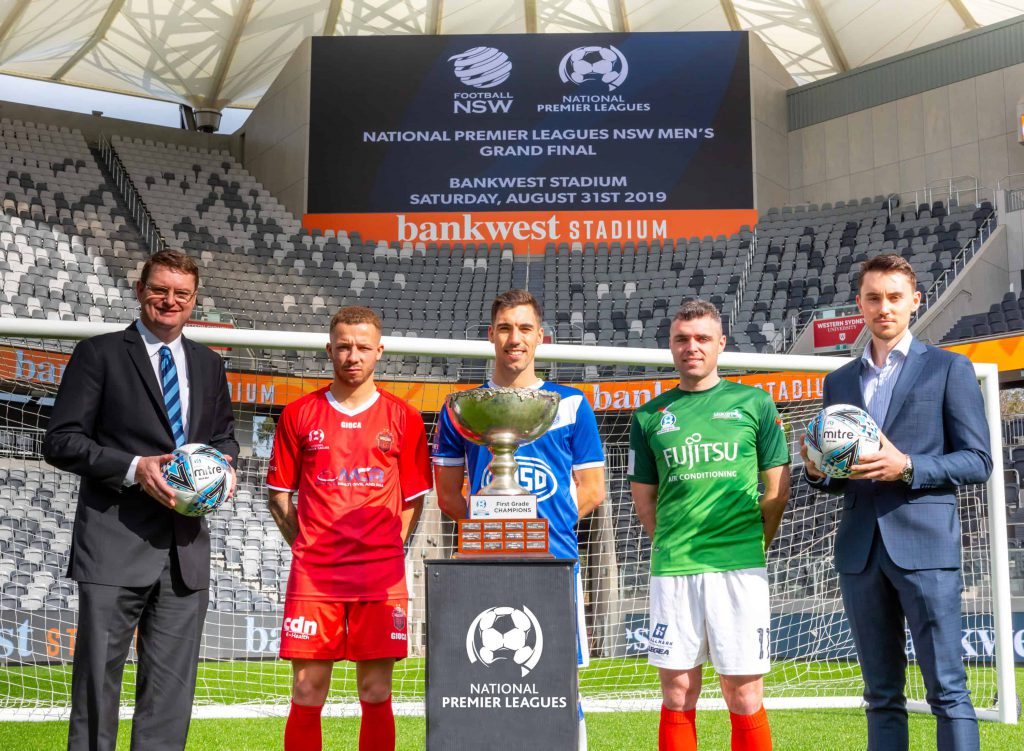
Football NSW CEO Stuart Hodge with NPL player representatives. Photo: Football NSW

The season reboot was announced at the beginning of July, recommencing in a revised format from late-July/early August and conclude in October. Played with no prize money, the season will allow clubs to work on player development and give players the opportunity to play football on a competitive stage.

“I want to pay tribute to all our clubs, administrators, officials, volunteers, players and coaches who have worked together to ensure NPL football would continue to be played this season,” Football NSW CEO Stuart Hodge said.

“I would like to thank everyone for their patience, understanding, unity and commitment to play despite these challenging times.”

Greek authorities fear “second wave” of COVID-19 as cases of infected tourists rise

0

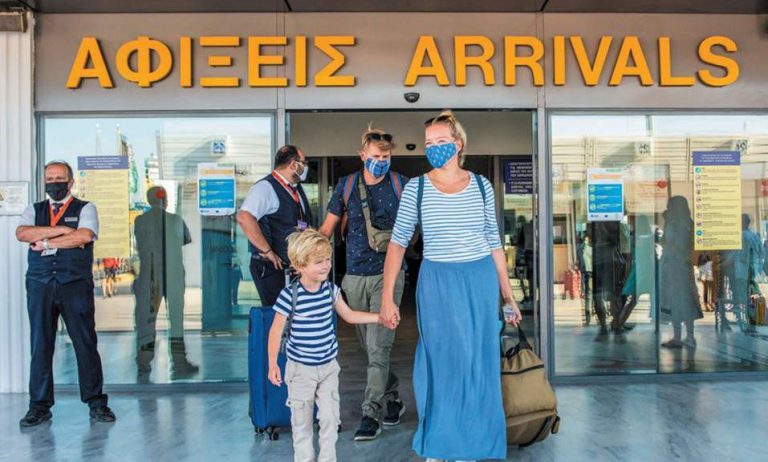
Greek health authorities are on high alert after a total of 103 COVID-19 cases have now been recorded since the country opened to mass tourism on July 1.

On Tuesday, 17 of the 27 new confirmed cases were imported. On Wednesday, additional new cases have been spotted among tourists in the islands of Thassos and Evia.

There are fears that many more infected individuals have slipped into Greece, mainly across its northern border, potentially spreading the disease to locals and tourists alike.

The four cases on the island of Thassos have been located and isolated in a quarantine hotel. The incidents were detected after the result of their blood tests, which were administered upon their entrance into the country, became available.

The individuals were all Bulgarian and Serbian nationals — all of whom were asymptomatic.

Greece has since banned all but essential travel from Serbia as the infection numbers steadily rise in the Balkan country.

Infectious disease expert, Professor Nikos Sipsas, warned on Tuesday that arrivals through Greece’s northern land borders from countries with a high rate of coronavirus infections, are threatening to derail the country’s remarkable progress in containing COVID-19.

“Promachonas, the crossing into northern Greece from countries where the epidemic is like a boiling pot, is a problem,” Sipsas said, speaking to Skai TV. “It is a significant danger for Greece.”

RELATED: First tourists arrive in Greece as Athens and Thessaloniki airports open.

Lies, deception and secrecy: The untold story of a Greek Australian adoptee

“I wish I never knew. It’s turned my life upside down,” begins 49-year-old Andriana as we sit down for our exclusive chat. She’s referring to how she only recently discovered she was adopted – a fact her parents, who have passed away, never told her about.

“I will never get full closure because my parents took the answers with them. I was angry with them for a long time. Not because of the adoption but for the lie. It’s the lie that kills me.”

Andriana describes her life as ‘The Original Truman Show.’ She says she always felt she didn’t belong when she was younger. Not only was she always missing from family photos, but a routine blood test at age 21 showed Andriana had thalassemia minor, a genetic condition neither of her parents had. It just wasn’t adding up.

Until one day three years ago when all the missing pieces of the puzzle came together. Andriana and her family visited a family friend in Greece, who had reached out to her after her mother’s death, and as they were leaving her house she said the words which would change Andriana’s world forever.

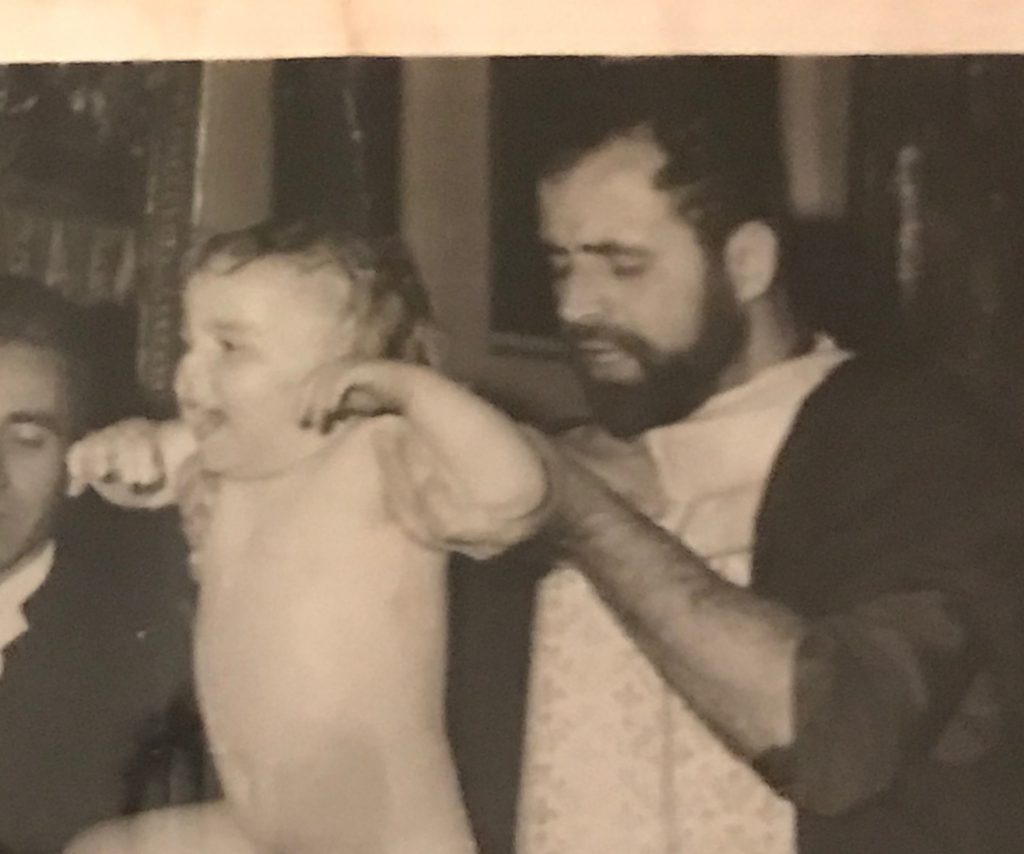
Andriana being baptised. Photo supplied.

“She said, ‘wow you look so much like your mother.’ And I said, ‘No I look like my dad’ and I actually did look like my dad. And she said, ‘No. The mother who gave birth to you’,” Andriana tells The Greek Herald with tears in her eyes.

“I asked her to repeat herself and she said, ‘What? You didn’t know you were adopted?’ And my whole world fell apart. It just fell apart.

“I rang my nouna and I said, ‘I’ve learnt something. I want you to tell me the truth.’ She started screaming down the phone ‘why did she tell you?’ So the whole community I’ve grown up in, everybody knew. Everybody from the part of Greece my parents are from, to the neighbours of where I grew up, to family friends.”

Now although Andriana says she doesn’t blame these people for knowing and not telling her, it was still an important trigger which pushed her to find out more about the woman who gave birth to her.

“What if I’m not Greek?”:

As Andriana’s search for her biological mother began, she says not knowing whether she was Greek hugely affected her.

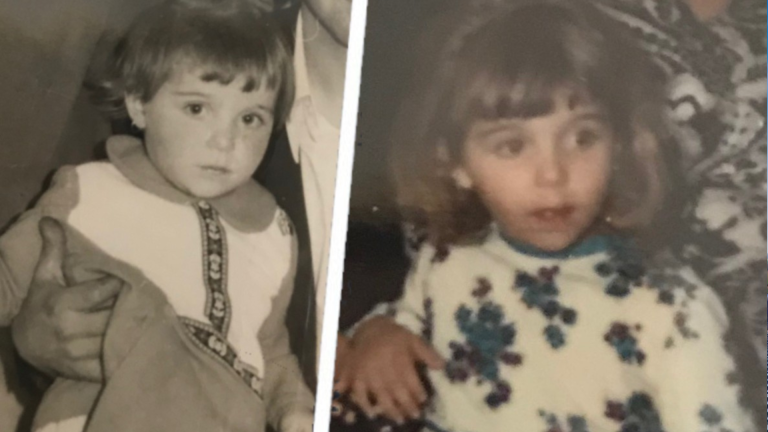
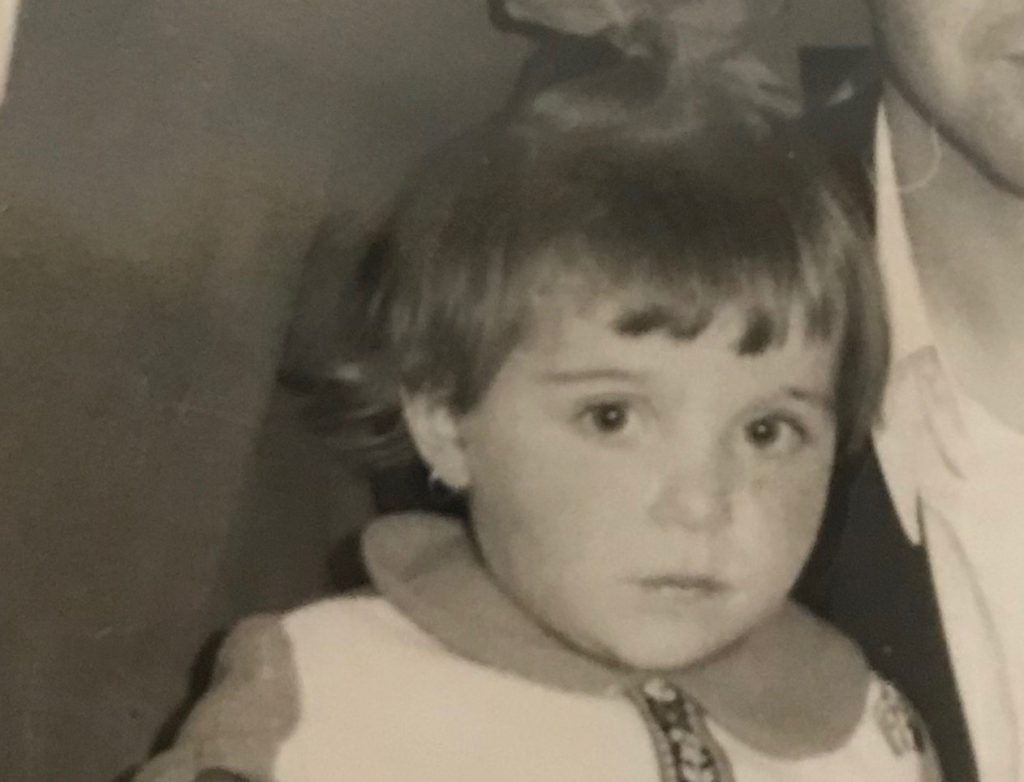
Andriana as a young girl. Photo supplied.

“I had this huge identity crisis. I said to my husband, ‘It doesn’t bother me that I’m adopted but what if I’m not Greek? What do I do then?’ I’m Greek. My kids are Greek, I look Greek, I cook Greek. Greek is who and what I am,” Andriana says.

Fortunately for her, her official birth certificate showed that her biological mother, Maria*, was in fact Greek and actually gave birth to her on May 15, 1970, in Sydney. It is here where the story, which has been pieced together from a file “three times bigger than the Bible,” becomes heartbreaking.

“On May 8, 1971, a few days before I turned one, my biological mother took me into children’s services and abandoned me. I became a ward of the state. The only thing she told the service workers was that she wanted me to go to a Greek family and that I had to be raised as Greek Orthodox,” Andriana says.

“So I was put in an orphanage for about three weeks, followed by emergency foster care for a week and a half, back to the orphanage and then my mum and dad adopted me.”

Finding out you were abandoned would have stopped anyone from searching for their biological mother. But the same can’t be said for Andriana.

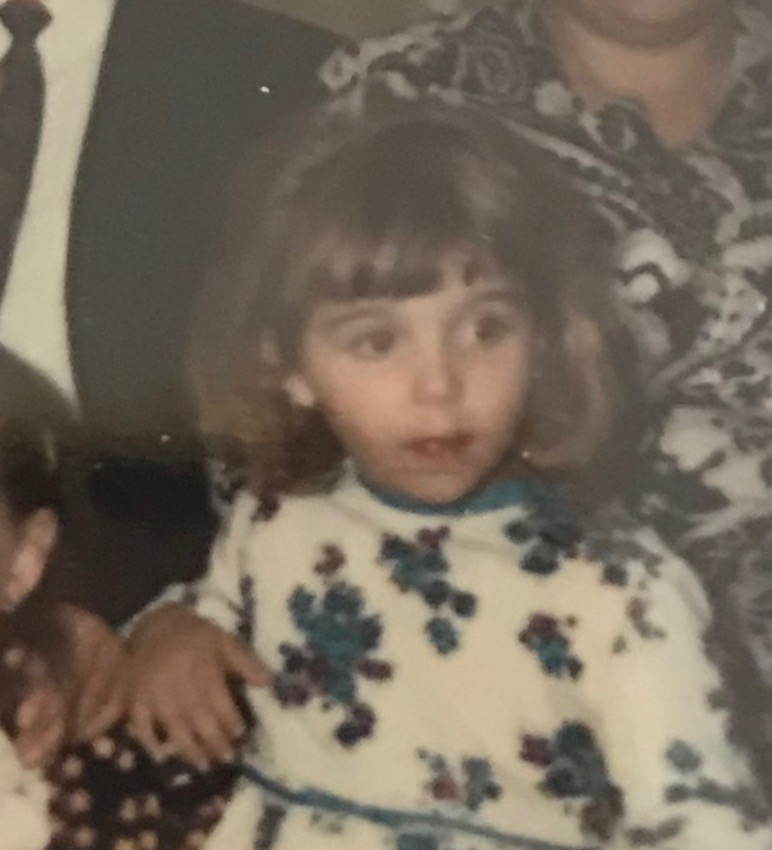
Andriana was rarely in family photos. Photo supplied.

One small Facebook search later and the next thing she knew she was having a phone conversation with her biological mother. Over the phone, Maria not only told Andriana that she had a half-brother and sister, but she also confirmed that she did leave “a girl with blue eyes” behind when she left Australia for Greece.

This was the only confirmation Andriana needed to hop onto a flight to Greece in October 2019 to meet her biological mother once and for all.

“I get off the plane and she’s waiting at the airport… It was like I was looking in the mirror. A much older version than me but I look exactly like her,” Andriana explains.

“That first night we visited my half-sister, who I’m still really close with, and Maria and I were sitting on the couch and she says to me ‘are you happy that you found your mother?’ And I looked at her, I’ll never forget this, and said ‘You are the woman who gave birth to me. You’re not my mother. My mother has passed away.’ She responded with ‘maybe one day’.”

“I’m grateful she gave me up”:

It’s this fierce protectiveness over the parents who raised her which remains a constant throughout Andriana’s journey to find her biological mother.

Despite lying to her and keeping secrets all her life, Andriana takes any chance to defend their actions and protect them from criticism. In fact, her own father was still alive when she first found out she was adopted and instead of telling him she knew and asking for answers, she decided to not tell him.

“What am I going to tell him?” Andriana said rhetorically when I asked why she never told him. “It would’ve sent him to his grave earlier.”

“At the end of the day it doesn’t bother me that I was adopted because I had a fantastic upbringing. I had a loving set of parents. I was the apple of their eye… You couldn’t wish for better parents.

“Maria gave birth to me and that’s it. I can say that quite clearly. I have an affection for her. I don’t love her. Am I grateful she gave birth for me? Yes I am because I wouldn’t be here. But I’m also grateful she gave me up because I had my parents and they were bloody amazing.”

A tale of secrecy and lies which doesn’t even come close to breaking the strong bond between a daughter and her parents.

* Names have been changed to protect privacy.

The Greek version of this article can be found in print on July 8, 2020.