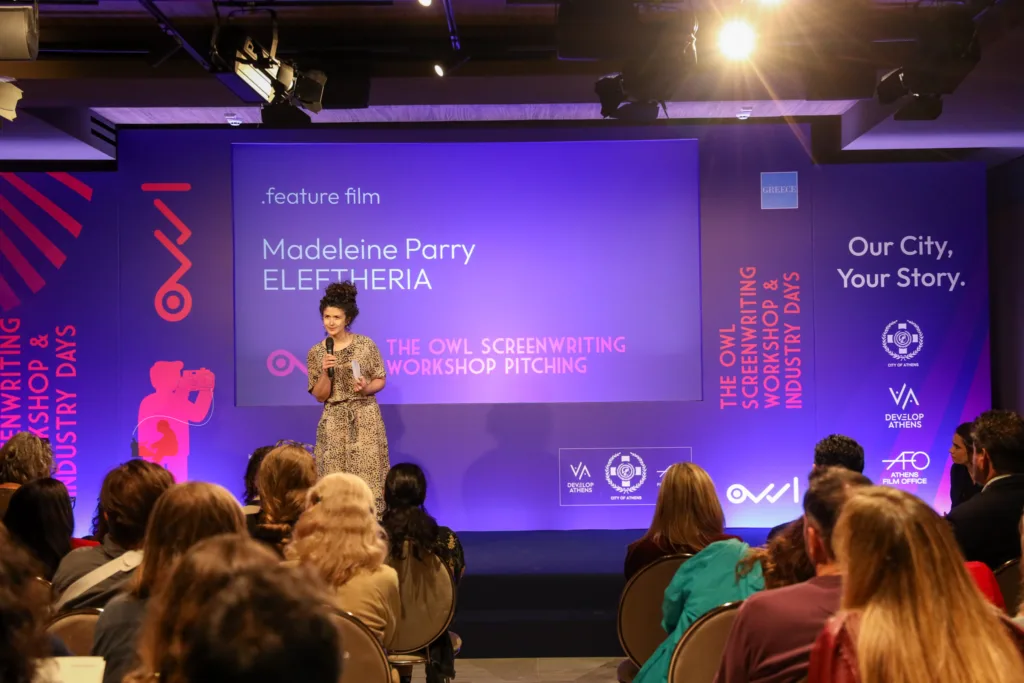
Award-winning Adelaide writer, director and producer Madeleine Hassiotis Parry is honouring her late Greek grandmother through Eleftheria, a feature film inspired by their relationship and set to be filmed in Adelaide.
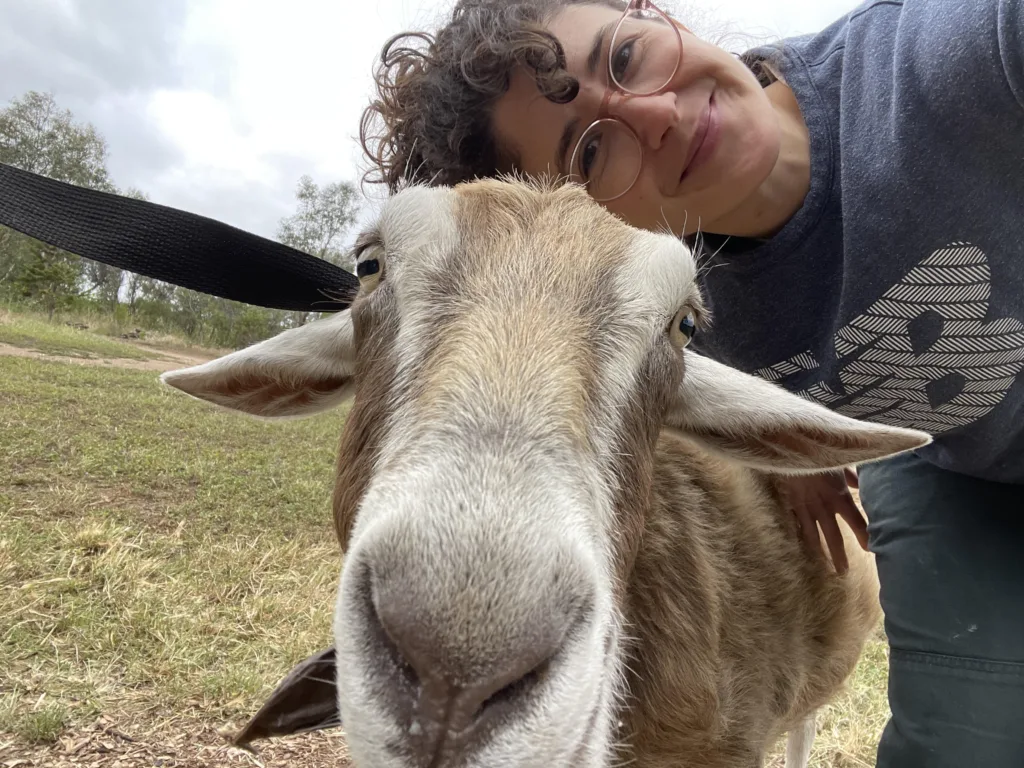
Madeleine spoke to The Greek Herald about the inspiration behind her latest project, her passion for the Greek language, and why she killed a chicken to make avgolemono soup in her first documentary about humanity’s connection to food.
As the daughter of a Greek migrant who arrived in Australia in 1964 at the age of four from Kozani, Greece, Madeleine has always felt a strong connection to her Greek heritage.
“I can remember a photo of mum’s family on the boat and their stories of the long trip,” she said.
“We visited the village for the first time when I was 14 during Greek Easter and I met all our cousins.”
The call to write
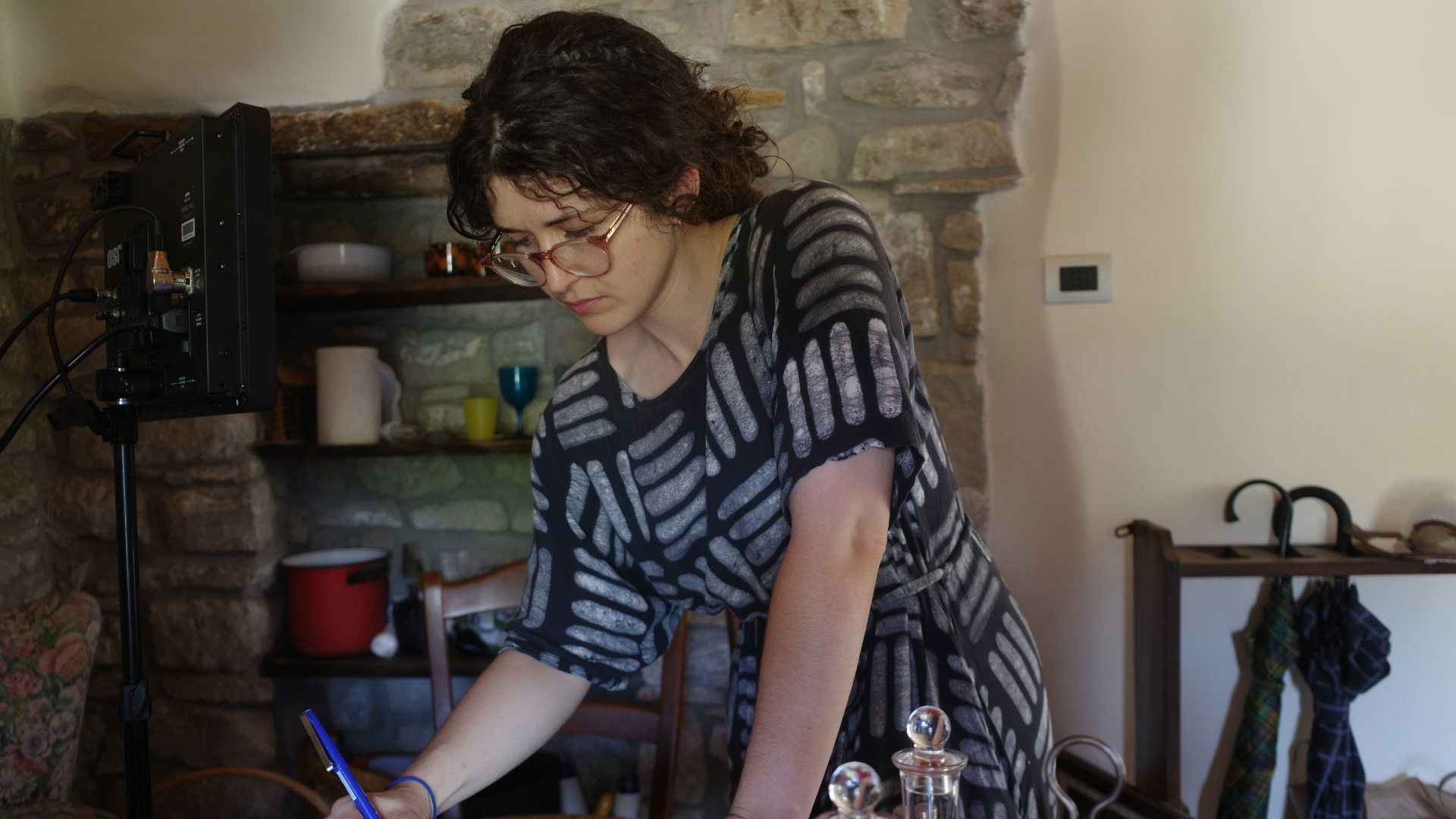
Although she dreamed of writing fantasy novels, Madeleine’s career ultimately moved towards documentaries and film.
“When I left high school, I took a gap year but chose not to travel and knew I would get bored partying, so I thought I would try filmmaking for a year as something fun to do,” she said.
“I didn’t study film at film school. I started out with a one-week program at the Mercury Cinema in Adelaide and then paid for a three-day editing course. So, I learnt editing and shooting on the job right from that first year.
“I have been an editor on short documentaries and smaller projects, then a few years later I was a cinematographer on several SBS documentary television series.
“These days I am a writer/director and work with wonderful editors and cinematographers.”
A debut documentary – Murder Mouth
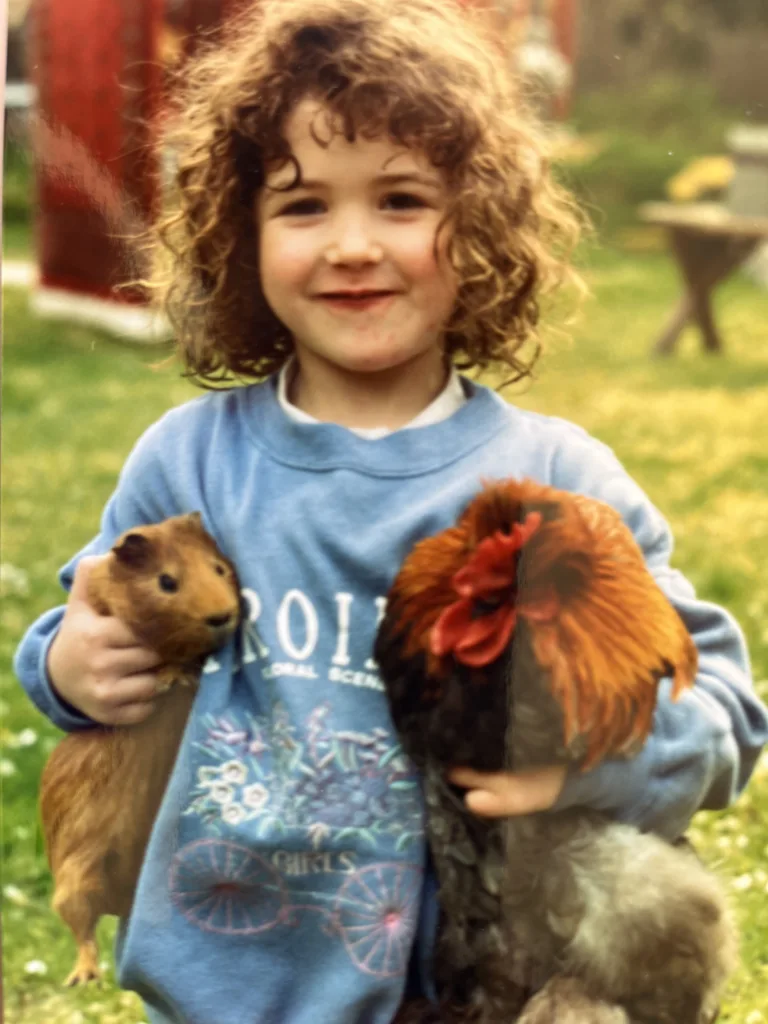
While many of her friends were becoming vegetarian, Madeleine created the award-winning documentary Murder Mouth to explore the ethics of eating meat.
In the documentary, she killed a chicken, a fish, a lamb and even a broccoli to better understand where food comes from.
Madeleine said the experience was profound.
“I grew up eating meat with my family and sharing food as a sign of love, but friends of mine were turning vegetarian,” she said.
“I killed my own food for the first time, including a broccoli, a fish with my uncle (who is a Greek Orthodox priest) and a chicken with my yiayia (to make avgolemono soup).
“I wanted to understand what it means to eat food, and I took away from the experience a real sense of how we are all alive because other things – plants and animals – died to feed us.”
Honouring yiayia
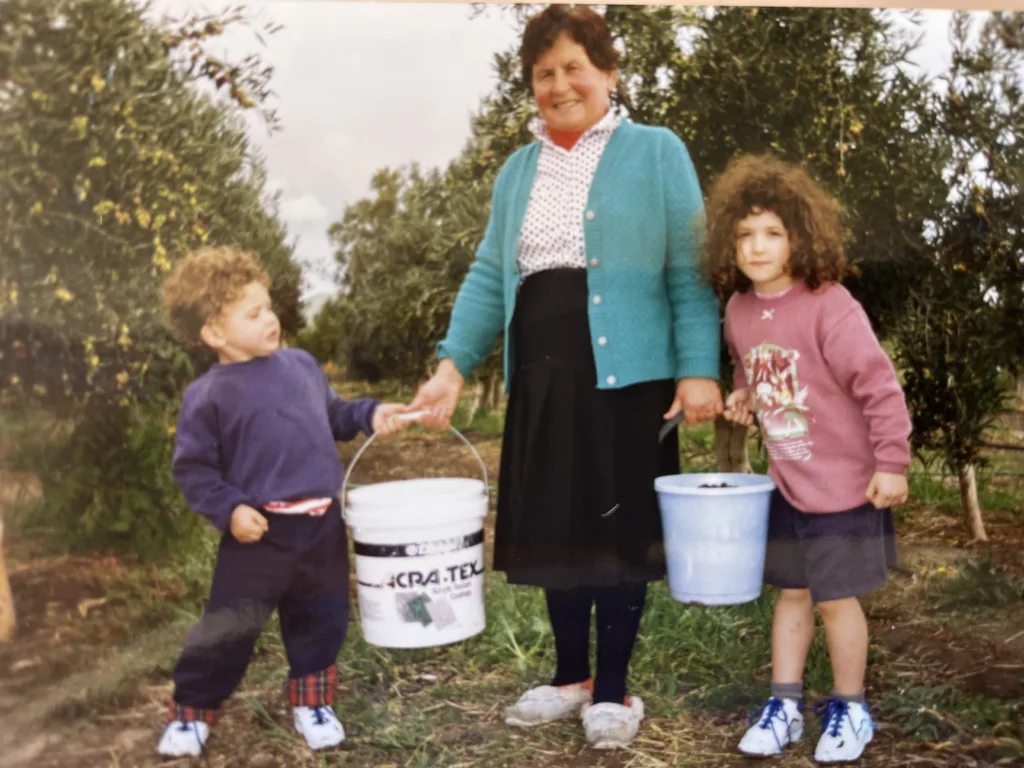
Madeleine’s yiayia, Maria Hassiotis, lived with the family while she was building her career making television programs for the ABC.
“Even though my Greek is limited, and her English was too, we somehow managed to have very deep and profound conversations,” she said.
“It meant a lot to me.
“Now that I’ve written a feature film that will be majority in Greek, I’m taking Greek lessons to brush up, and it feels wonderful to be learning the language again.
“I am so proud of the sense of community, love of life and clarity on what matters – family, dancing, food, being together – that comes with being Greek.”
Eleftheria – The storyline
Madeleine began writing Eleftheria six years ago and said the experience has been deeply personal.
The inspiration came during the COVID-19 lockdowns after her beloved yiayia Maria had passed away. She said she felt overwhelmed with emotion and wanted to honour her memory.
“The film is for her and also for me, as a reminder to honour her life by living my life to the best of my ability – learning how to balance my own needs and desires with the duties and responsibilities we have to those we love,” Madeleine said.
“It’s a liberating film, one that celebrates the wonder in the everyday, ordinary moments, and I hope will inspire us all to know it’s never too late to live for joy.
“My conversations with my yiayia deeply influenced the film.”
She described Eleftheria as an intimate, gentle but powerful story about a widow in her 70s who has spent her life caring for others.
One day, a six-year-old girl running away from school drops into her back garden from an overhanging tree branch. The unlikely friendship that follows prompts Eleftheria, known as Roula, to re-evaluate her life and discover a new sense of freedom.
Madeleine hopes many scenes in the 90-minute film will resonate with audiences, particularly those from Greek and European backgrounds.
She said readers of the script have connected strongly with details such as the doilies, plastic flowers, garden, pastitsio-making, dancing, crochet, Greek radio playing in the background and family meals.
“When I began writing it in 2020, I couldn’t imagine how the protagonist, Eleftheria (Roula), would find freedom from the things that constrain her,” she said.
“Now, through a special relationship with a little girl who drops into her back garden at lunchtime from the primary school next door, Roula discovers her suppressed desires, faces the hurt of old wounds, and frees herself to live her life with pleasure and joy.
“Even though it is not autobiographical, the character Roula only had two years of schooling before the war came through, like my yiayia, and has a deep love of education.”
Casting and funding
Late last year, Madeleine met with seven acclaimed Greek actresses in their 70s for the lead role of Roula. A final casting decision has not yet been made.
The film is also expected to be screened in Greece.
“When thinking about what I’m looking for, it’s about gut instinct,” she said.
“However, as I’m refining the final script now, it is very interesting to imagine the actresses I met playing the role. I’ll be honoured to work with one of them.”
While the project has secured significant funding, Madeleine said more investment is needed before production can begin.
“The film has garnered serious industry support, and it will be enthusiastically supported by Palace Cinemas when released,” she said.
Once financing is finalised, extras will be needed for scenes including a wedding reception, as well as parents, teachers, friends and family members.
“We would love to hear from anyone interested in supporting a film that honours the women in our lives, that is funny and heart-warming and tear-jerking, and a proud Greek Australian South Australian feature film with flashbacks shot in Greece,” Madeleine concluded.