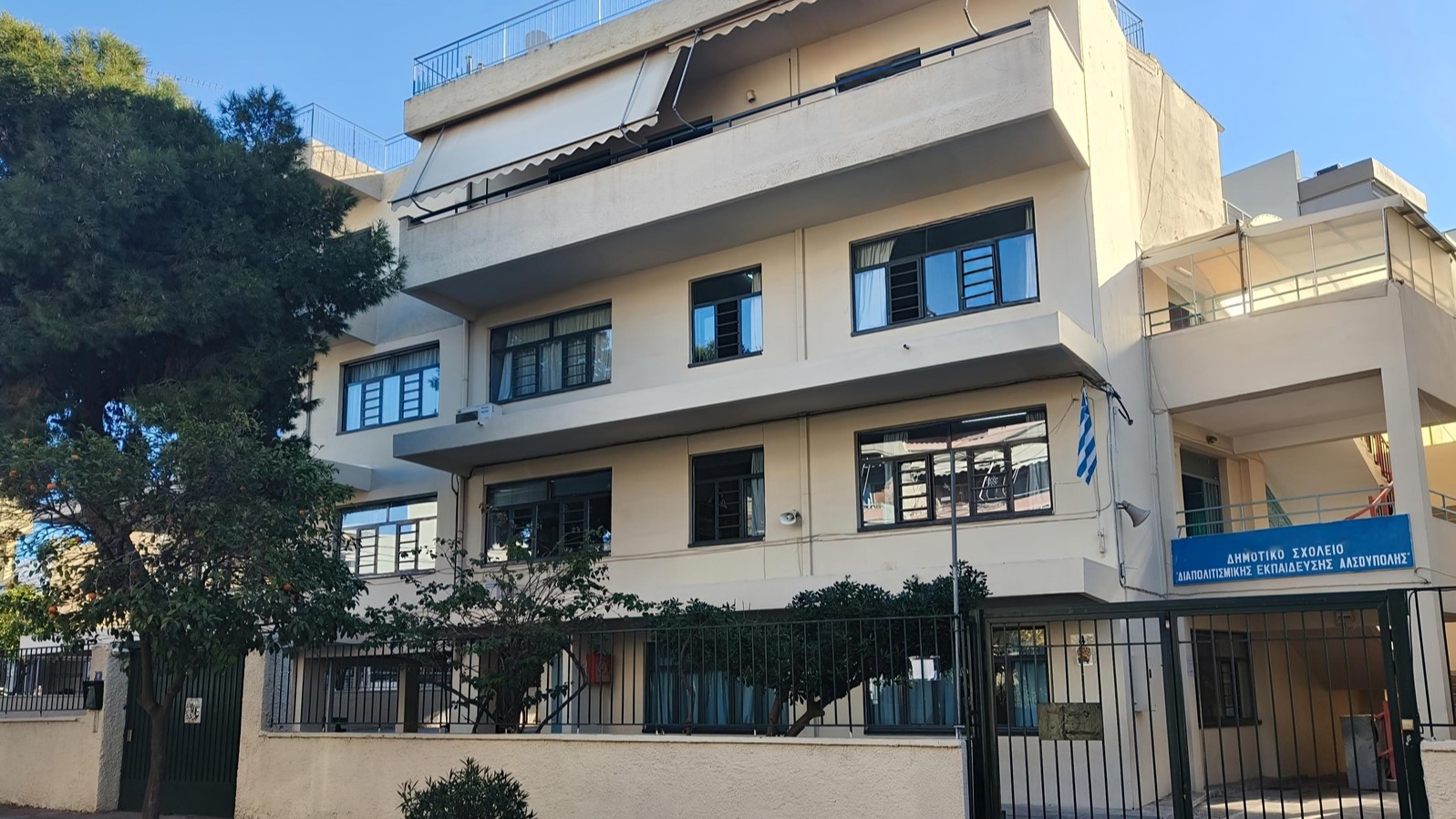
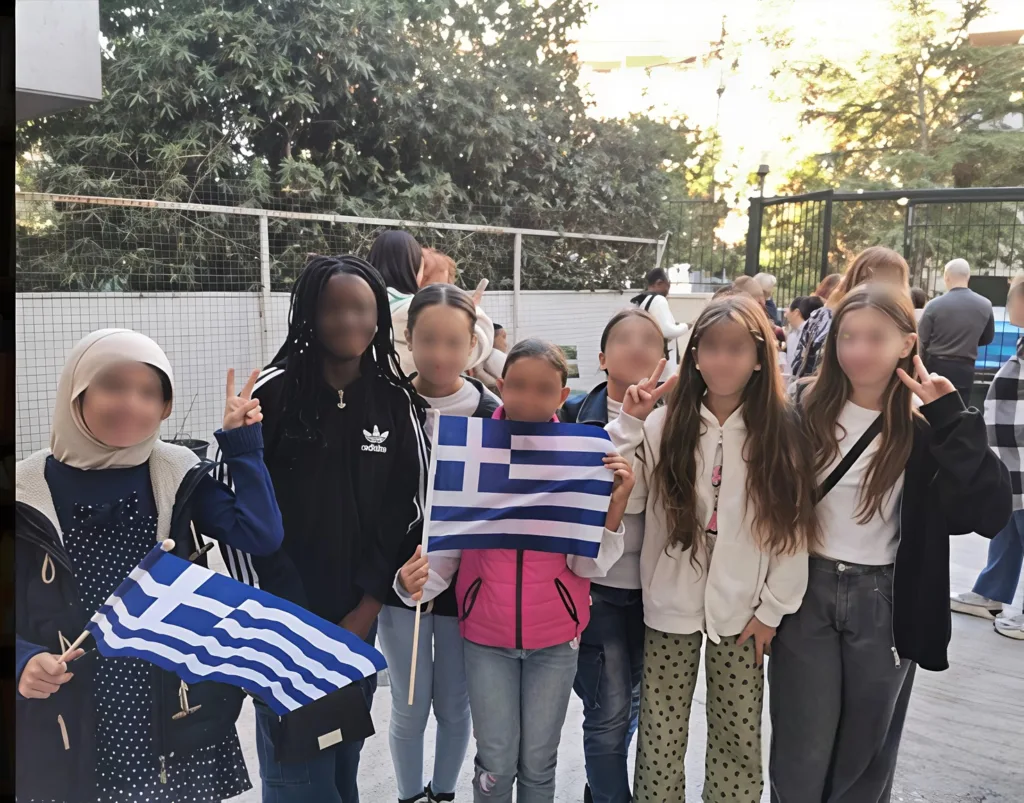
There’s an under-publicised and hence little-known primary school in Athens that is doing very important work. It is known as the Intercultural Primary School of Alsoupolis and is a government-run and funded (public) primary school for children who do not speak Greek.
Here, they learn Greek through intensive classes, while also following the usual Greek primary school curriculum, with additional English language lessons.
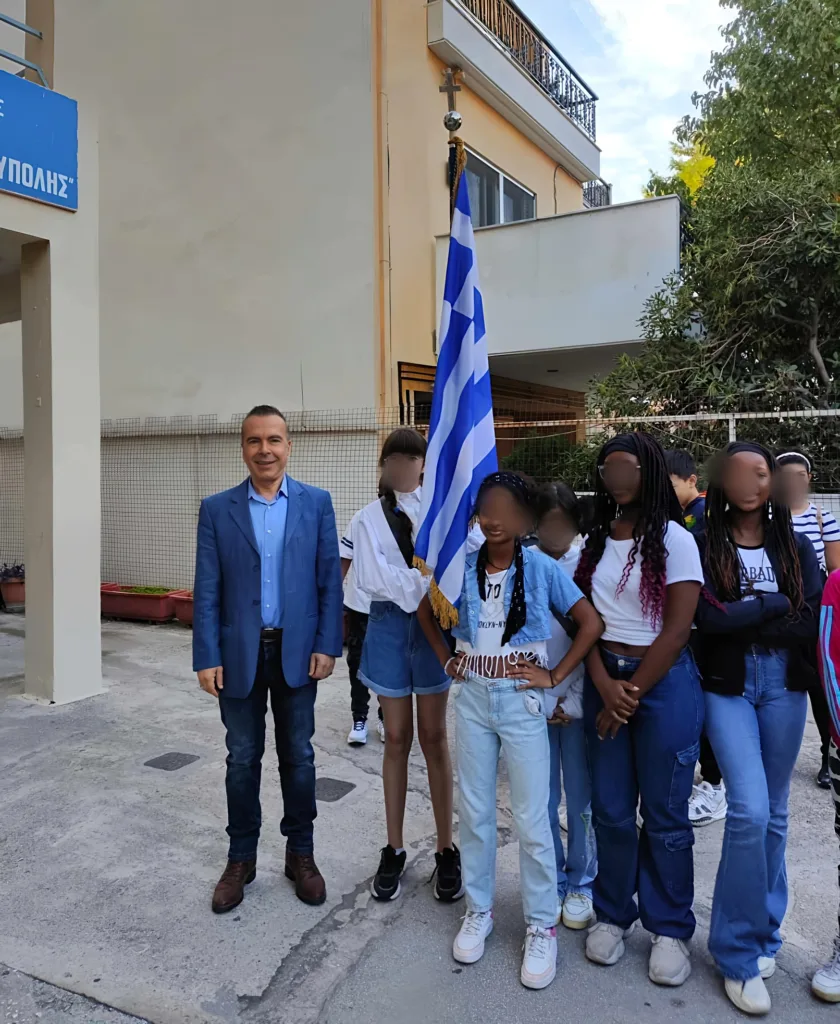
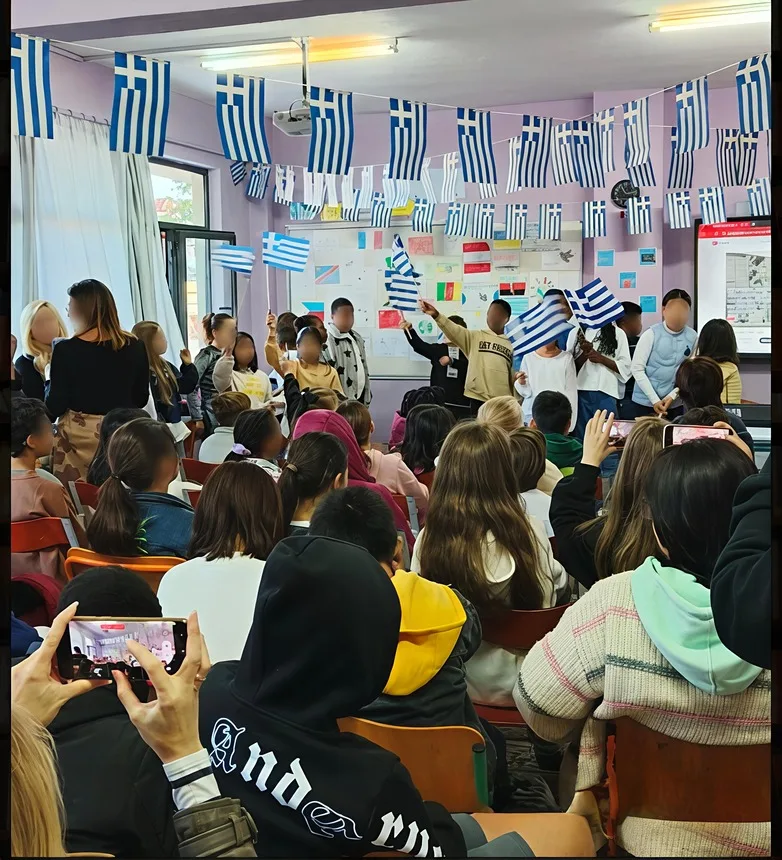
A free school bus picks up and returns students home, while the school provides free lunch. Children can also leave at either 1.15pm or stay until 4pm. Although housed in an older, 1960s-style building, the school is brightly painted inside and out, is very clean, has sparkling old-school (pardon the pun) mosaic floors, and is located in a very green area of Athens, as the name ‘Alsoupolis’ (alsos meaning grove or wood) suggests.
The teachers at this school also have important additional postgraduate qualifications and skills in cross-cultural awareness training.
I spoke with the school’s current principal (for the past three years), Mr Vassilis Papavrontos. Among other school-related issues, he enlightened me about the interesting socio-historic and demographic trajectory of the school, reflecting global and political events that have led to Greece’s current intercultural reality, which is reflected in the backgrounds of the school’s students.

Open since 1984, the school was originally intended for, and catered mainly to, children of Greek repatriates from Australia, the United States, Canada, etc. – children of Greek diaspora parents whose offspring were to learn and/or improve their Greek in order to fit into Greek society.
The principal says: “Today, however, most of our students are children of refugees or immigrants from Africa, the Middle East, Asia, Latin America and Europe. Over the years, students from 30 nationalities have attended our school. Our 130 students come from diverse backgrounds, including China, Lebanon, Israel, Palestine, Syria, Ukraine, Russia, Kenya, Ethiopia, Tunisia and Cuba…”
I interject, fascinated by whether students from war-torn nations exhibit behavioural problems. Mr Papavrontos, a teacher with many years of experience in primary education and as a school principal since the early years after his graduation, including a five-year term as a senior official in the Greek Ministry of Education, answers me somewhat seriously:
“Would you believe, these children are more balanced and polite than the kids I taught at mainstream Greek schools?”
He continues, “Hardship and deprivation has made our kids from war- and persecution-affected countries develop a maturity and sense of gratitude that continues to move and astound me. They always say heartfelt thank yous, and their parents feel the same.
“When I go to multicultural events to promote our school – as the government doesn’t seem to do this as much as is necessary – I come across former students and parents who are still grateful and have wonderful things to say about the school.”
I pick up on the lack of promotion of the school, as I personally did not know it existed, even though I’ve been in Greece for a very long time.
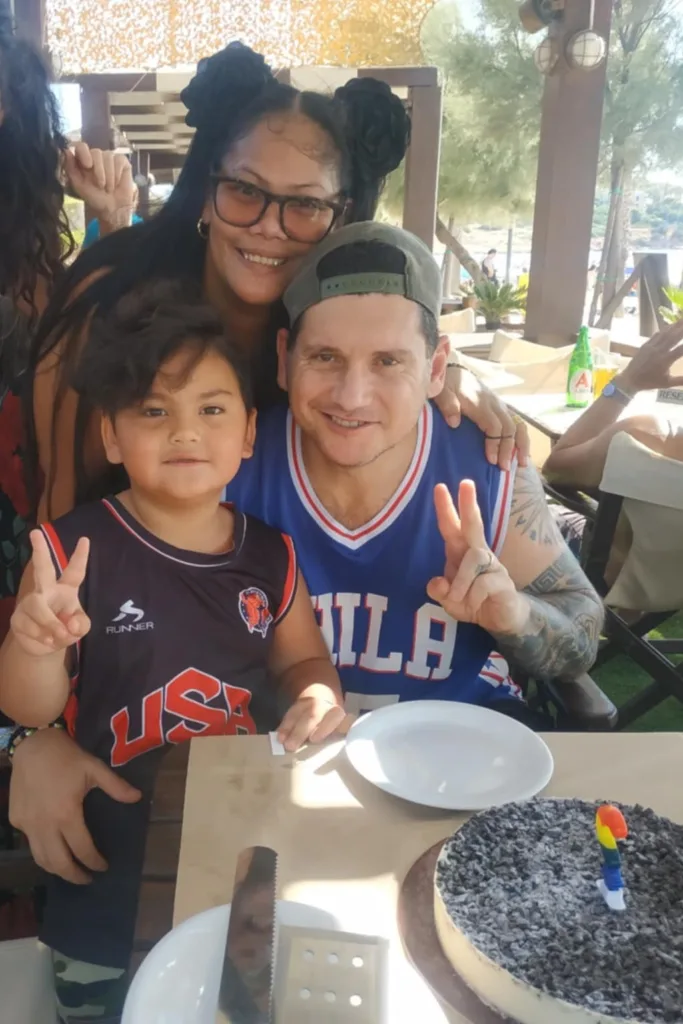
It was only recently, when my Greek Australian brother and his Thai wife came to Greece with their five-year-old son in an attempt to settle here, that I found out about the school.
At first, my brother tried to enrol his son at the local Greek primary school. Upon explaining to the teacher that his son doesn’t speak Greek yet, but only English and some Thai, she told him that he would perhaps find it too difficult and could hold the class back. She also stated that her special education teacher was on leave for the next year and referred my nephew to a few other schools that had more ‘specialised teachers’ – but they were quite far away and did not offer a free bus service.
There was no mention of the Intercultural Primary School of Alsoupolis because she, like many others – myself included – had no idea about it.
It was Greek relatives who had studied and worked abroad who alerted us to the Intercultural Primary School of Alsoupolis, referring to it as more “cosmopolitan.”
Mr Papavrontos stresses: “At our school, we do not believe in assimilation but rather in integration, where our students bring something of their culture to us, to Greece, and in turn we grant them something of ours, in the hope that they will become kind, balanced human beings and responsible citizens.
“We give them six years of the best that Greek culture has to offer before they move on, with excellent Greek language skills and more, into the Greek high school system.”
I ask about religious studies, and Mr Papavrontos replies, “Every morning at our school, the prayer is the Greek ‘Pater Imon’ – ‘Our Father Who Art in Heaven’. We are sensitive to the various religious affiliations of our students and do not force anything upon them.”
Mr Papavrontos believes that the Greek state must strengthen intercultural education by upgrading its educational programmes and treating intercultural schools equally with other schools.
“It is a noble responsibility of Greeks, in the current reality of hosting refugee and immigrant children in Greece, to offer them the best element of our culture.
“As Isocrates said in his 380 BCE Panegyricus, being Greek isn’t necessarily only a matter of shared blood, but of an educated, civilised mind. It is our duty to spread our Greek civilisation beyond our borders.
“Childhood development is of utmost importance in shaping eventual character traits, especially for those who have encountered various past traumas. At our school, we thus aim to heal wounds through education in a kind and loving environment of mutual trust.”
The Intercultural Primary School of Alsoupolis seems to lay important foundations for mutual respect between non-Greek and Greek cultures, hopefully resulting in a citizenry without major grievances and contributing to a peaceful community.
