Over two million Australians suffer from mental health conditions and for those from diverse cultural backgrounds the figure is higher, the latest census revealed.
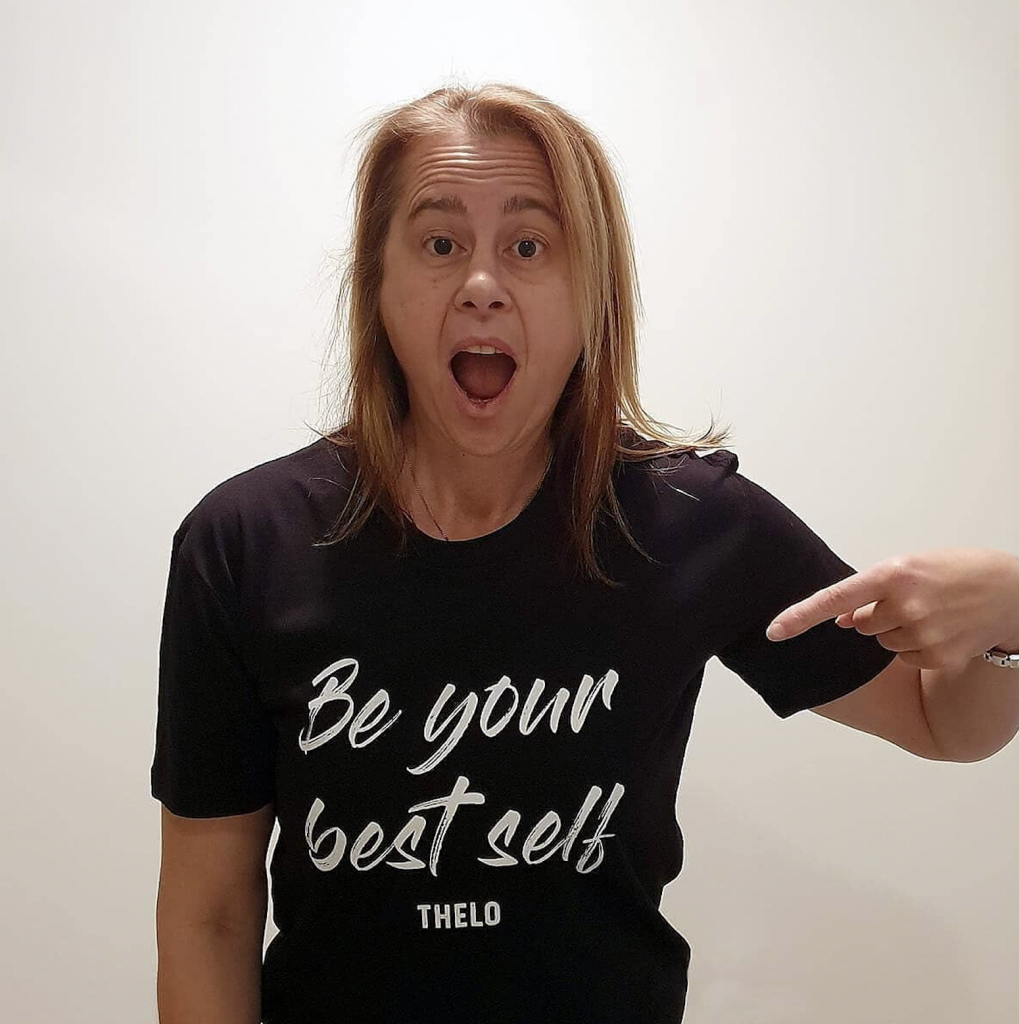
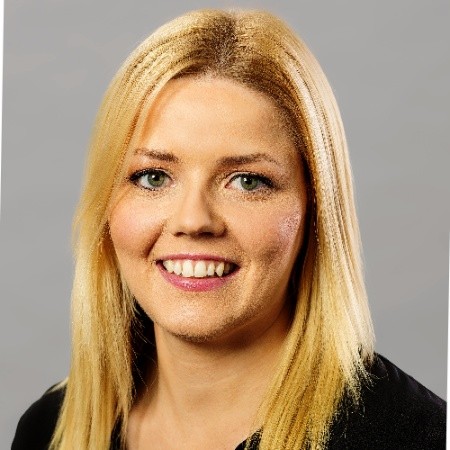
However, according to South Australian counsellor, psychotherapist and martial arts expert, Vickie Simos, everyone deserves a fighting chance before they become a statistic.
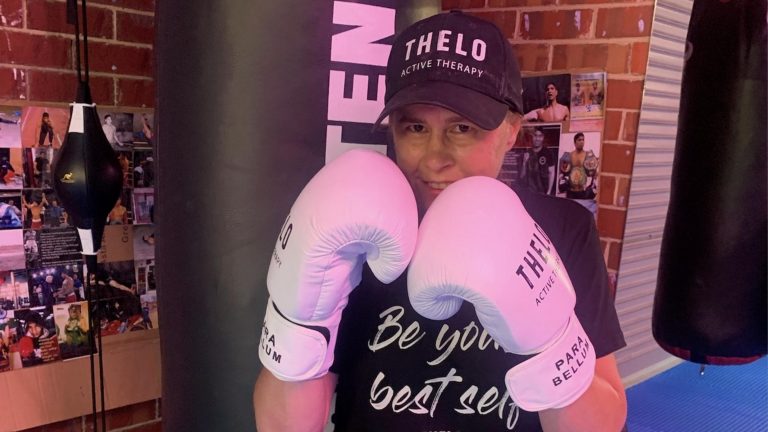
A first generation South Australian of Greek heritage, Simos has openly talked about her experiences with depression and how Martial Arts helped her overcome those mental issues in her autobiography ‘The Boxer Within’.
She also often runs events and workshops across Australia to educate communities about mental health and how combining Martial Arts with mainstream therapy can have positive results to those suffering from mental illnesses.
“Since starting my business, Thelo Active Therapy, raising money for charity has always been really important to me, especially anything to do with mental health and young people,” she tells The Greek Herald.
“In fact, I plan to start my own foundation but until then, I like raising money for charities.”
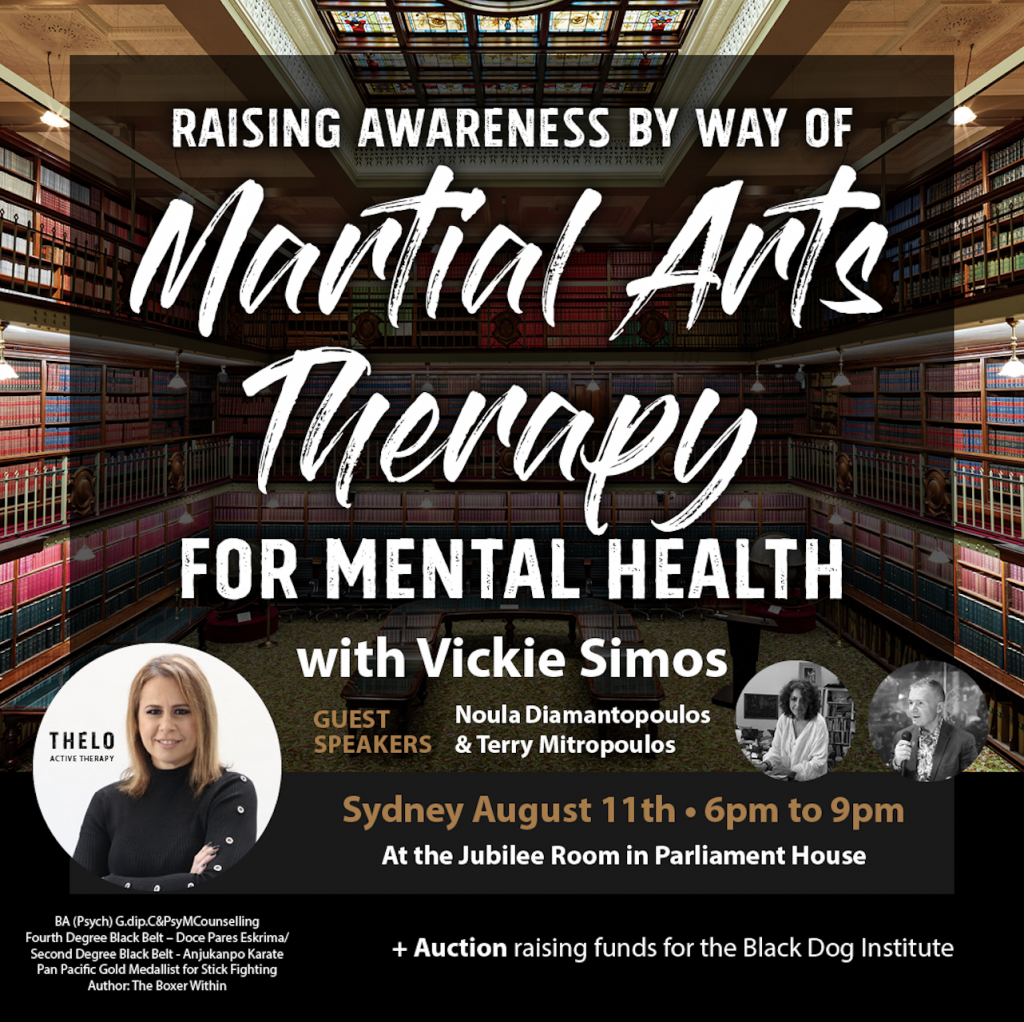
On Thursday 11th August 2022, the Greek Australian will partner up with The Black Dog Institute to raise awareness and much needed funds in a free event which will be hosted at the Sydney Parliament House (Jubilee Room).
The Black Dog Institute was founded in 2002 and is internationally recognised as a pioneer in the identification, prevention and treatment of mental illness, and the promotion of wellbeing.
With co-speakers, founding director of the BeCause Movement and part of the Space 22 series on ABC/BBC, Noula Diamantopoulos and Terry Mitropoulos who completed an inspirational walk from Adelaide to Melbourne after 13 brain surgeries to treat cancer, Simos hopes to hold an informative discussion for people of all ages and backgrounds.
But it’s the youth and especially those often sidelined that she wishes to inspire the most.
“It’s a time when we are all paying close attention to local and global mental health issues particularly affecting our youth. Raising awareness is fundamental and our responsibility in supporting a better future,” she says.
“I don’t claim to have all the answers and one size doesn’t fit all. while Martial Arts worked for me, it doesn’t mean it works for everyone.
“That being said, I currently work with about 13 young people, with a variety of mental health issues who are on the spectrum and they all train in the martial arts. Some like the boxing, some the karate and one of them enjoys the stick fighting,” she says with a smile.
“We need to keep raising awareness for mental health issues. It needs to be a priority. Life is only going to get more difficult, so we need to be prepared.”
Asked about where her passion stems from, Simos has a response as solid as her punch.
“It’s simple. I want to share what I never had. Not to take anything away from my parents, but they did the best they could with the resources they had and you don’t know what you don’t know.
“Awareness is knowledge, knowledge is power and power can make a difference in people’s lives.”
*Click here to find out more about the event or to register
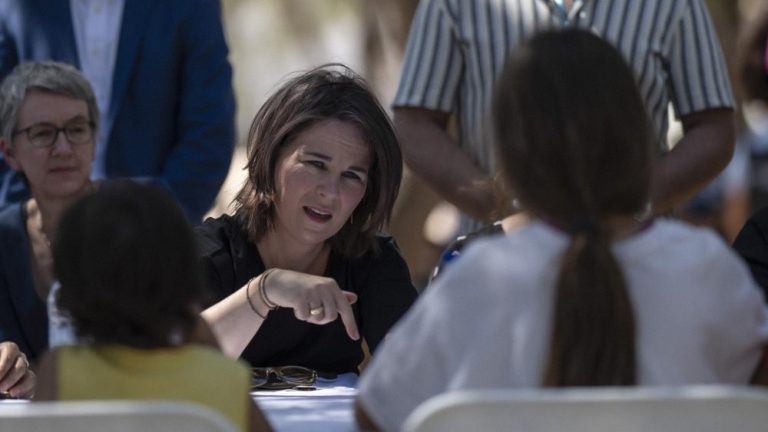
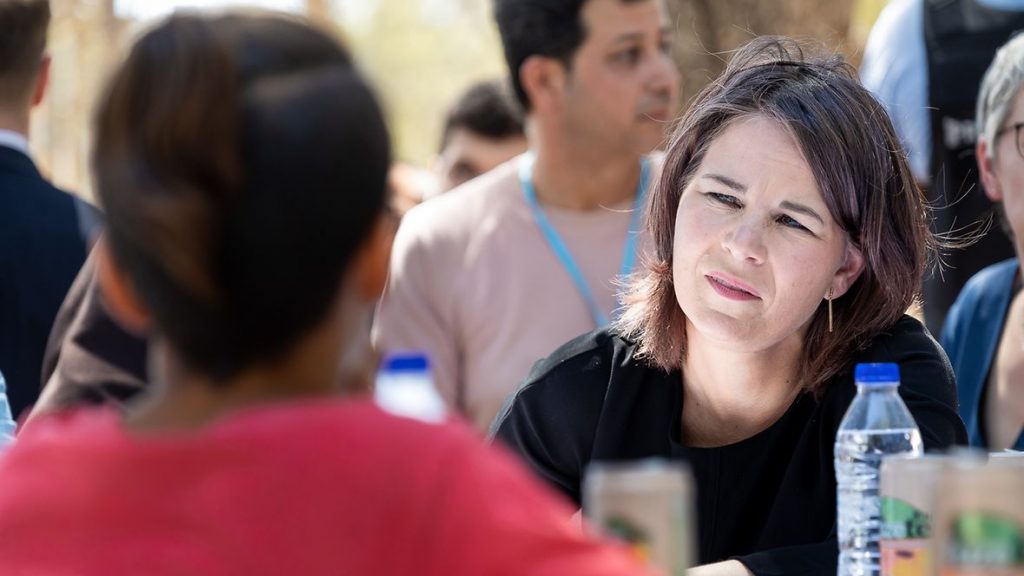
Germany’s top diplomat, Foreign Minister Annalena Baerbock, visited refugees at a camp in Greece on Thursday after stressing the EU has to do more to support Greece as they deal with illegal border crossings.
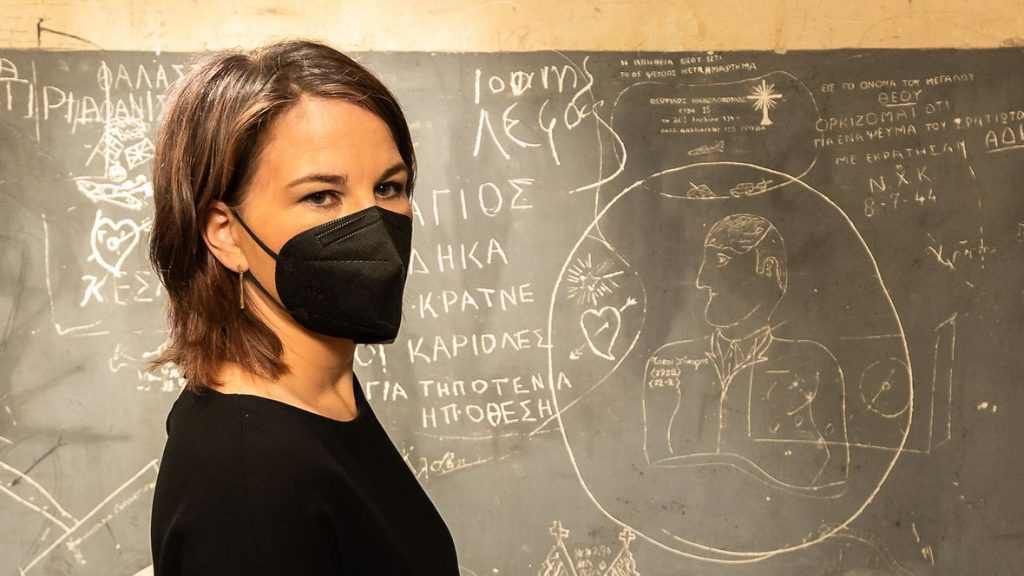
The Foreign Minister who is on a two-day visit to Greece visited a Holocaust memorial in Athens before sitting down with refugees at a camp west of the city.
In an interview with Ta Nea, Baerbock described Greece as one of Germany’s closest partners in Europe, saying Athens “deserves our full solidarity” when referring to the nation’s major work in protecting the EU’s external borders and its reception of refugees.
“The security of the EU ‘s external border is a joint task,” the Foreign Minister said.
“At the same time, it is not an abstract question that we must protect human rights without ifs and buts. It is about human lives, about the fates of men, women and children.
“If we don’t defend them here, they will perish. That’s why I’m promoting a common European sea rescue and rejecting pushbacks.”
German Foreign Minister, Annalena Baerbock, in conversation with refugees at the Schisto refugee camp. Photo: Leon Kuegeler
According to AP News, Greece intercepts boats transporting migrants and asylum-seekers heading to its eastern islands from the nearby coast of Turkey. Human rights organisations allege the country carries out summary deportations, known as ‘pushbacks’, which the Greek government denies.
Since the relaxing of travel restrictions related to the COVID-19 pandemic, illegal border crossings have risen, with record increases in the eastern Mediterranean by 125% and the Western Balkans by 191%, says EU border protection agency Frontex.
Prior to her arrival in Greece, Baerbock emphasised in a statement: “Many Germans are very familiar with Greece as a holiday destination, but too few know the extent of the guilt that Germany shouldered there during the Second World War for the atrocities committed by the Nazi occupation.”
Germany’s Foreign Minister Annalena Baerbock visiting the “Korai 4” memorial – a former torture prison of the Nazi occupation in Athens. Photo: Leon Kuegeler
“It is important to me to keep the memory alive – because it is the prerequisite for a good future together,” she added.
Pointing to rising tensions between NATO allies, Greece and Turkey, she said “problems must be resolved through talks, not through the escalation of tensions,” a message she says will be relayed to Ankara.
Baerbock is scheduled to meet with Greek Prime Minister, Kyriakos Mitsotakis and Foreign Minister, Nikos Dendias today.
Last week, Turkish Vice President, Fuat Oktay announced the nation’s newly purchased fourth drilling ship, Abdülhamid Han, will start operations on August 9, maintaining that: “hydrocarbon resources in the Mediterranean are not the toys of Greek Cypriots.”
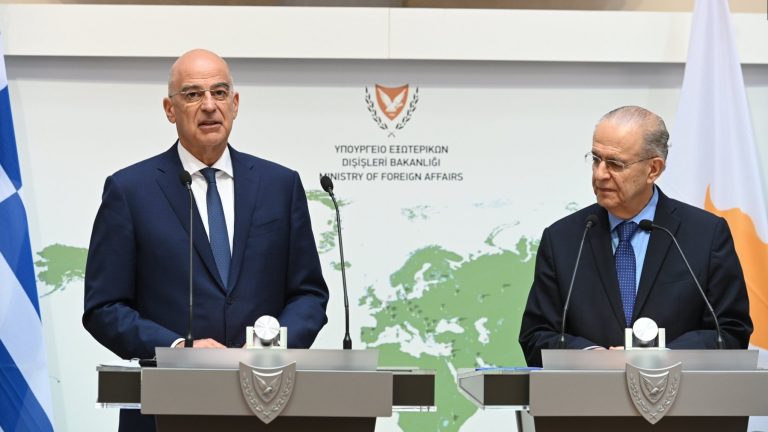
“We expect it to come,” the Cypriot Foreign Minister told journalists after meeting with Dendias.
In a statement, Kasoulides said the planned drilling was part of “a crescendo of harsh and provocative rhetoric” from Ankara.
Turkey, which doesn’t recognize Cyprus as a sovereign state, treats much of the island’s offshore economic zone as its own, claiming rights in many of the 13 blocks off the country’s southern coast.
Εγκάρδια υποδοχή από τον Υπ.Εξ της ΚΔ @IKasoulides 🇨🇾 στον Υπ.Εξ της Ελλάδος @NikosDendias 🇬🇷 κατά την άφιξη του στο Υπουργείο Εξωτερικών | Συντονισμός και ανταλλαγή απόψεων επί ευρείας θεματολογίας με έμφαση στο Κυπριακό, τις Διμερείς Σχέσεις και άλλα Περιφερειακά Ζητήματα | pic.twitter.com/b5hU2ckqtp
“I want to assure you that we are always in constant and close coordination, particularly in the face of an attempt to create a new fait accompli both on the ground and at sea, in violation of International Law and the International Law of the Sea”, Dendias said in a statement following the meeting.
Pointing to Turkey’s expected drilling directly, the Greek Minister said: “European Union decisions are in force and we expect Turkey to comply with them.”
Both said there will be consultation with other EU members on how to respond if Turkey tries to drill for oil and gas inside Cyprus’ exclusive economic zone.
When Kasoulides and Dendias spoke on the Cyprus issue, they both compared events in Cyprus to Russia’s invasion of Ukraine, but Dendias said the comparison ended there.
“Forty-eight years ago the international community did not respond to the invasion in Cyprus in the way it should have,” he said.
“And we have to remind all that the invasion of Ukraine is not the only case of invasion in Europe.”
Η Ουκρανία & η Κύπρος αποτελούν περιπτώσεις κατάφωρης παραβίασης του Διεθνούς Δικαίου. Όμως, εκεί σταματά η ομοιότητα. Γιατί πριν από 48 χρόνια η Διεθνής Κοινότητα δεν αντέδρασε στην εισβολή στην 🇨🇾με τον τρόπο που έπρεπε να αντιδράσει (δήλωση μετά τη συνάντηση με @IKasoulides ). pic.twitter.com/3K5lhR1GCH
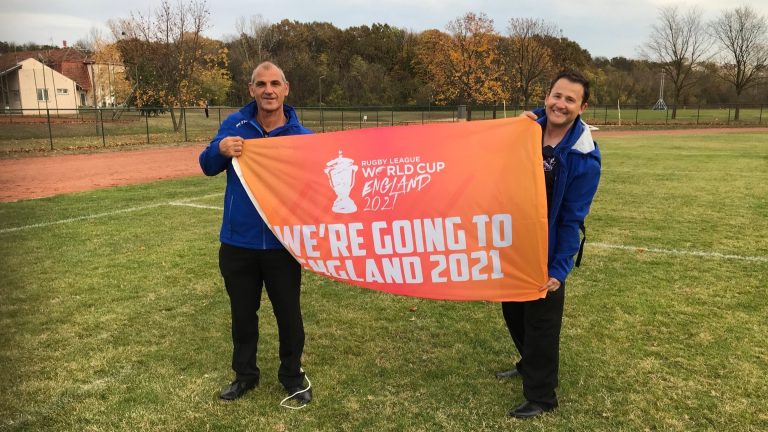
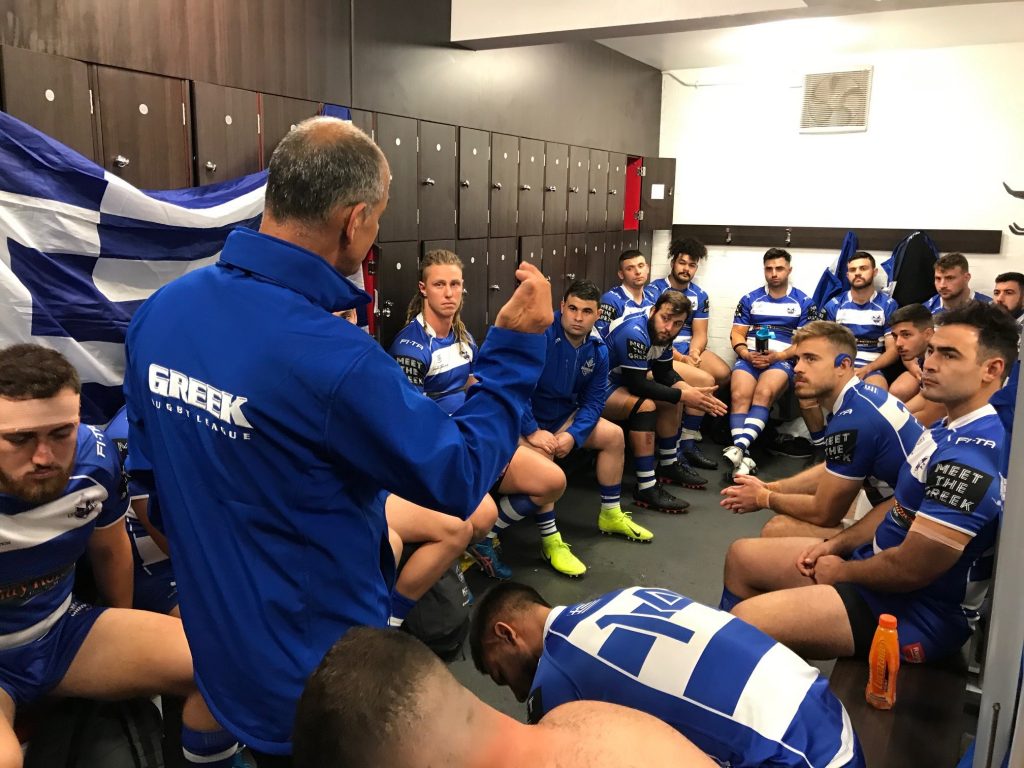
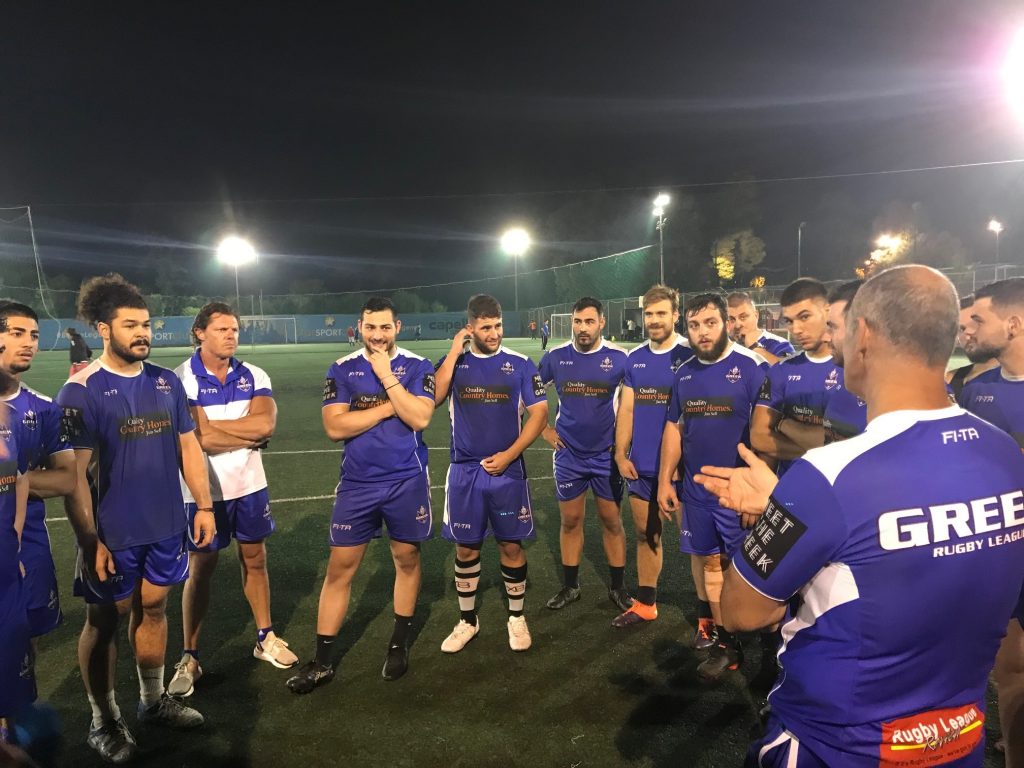
With less than three months to go before the Rugby League World Cup 2021, Greece’s national Rugby League men’s team is ramping up its training under the leadership of head coach Steve Georgallis.
The team is made up of five Australian NRL players, including Peter Mamouzelos, Lachlan Elias, and Nicholas Mougios from the South Sydney Rabbitohs, as well as some players from the Australian junior league and eight domestic players from Greece.
They’re all set to play their first match against France on October 17 this year at Eco-Power Stadium in Doncaster, UK, followed by matches against Samoa and England on October 23 and October 29 respectively.
In an interview with The Greek Herald, Georgallis says the team can’t wait to get onto the football field and play against these fierce competitors.
“They love playing for Greece,” the Greek Australian coach says with a proud smile.
“Most of the NRL players and the players from Australia have been involved for the last six, seven years and they’re very excited. The eight Greek players, they’re jumping out of their skin. They can’t wait.”
Steve Georgallis talks to the players. Photo supplied.
And it’s no surprise the players are excited. This will be the first ever World Cup for Greece after they qualified in November 2019 when they beat Serbia 82-6 in the European World Cup qualifiers.
At the time, Georgallis was again at the helm and he’s always been the right man for the job.
Not only does he have the skillset as an assistant coach for the NRL North Queensland Cowboys team and former interim head coach at the Canterbury-Bankstown Bulldogs, but he’s also incredibly proud of his Greek heritage as the son of a migrant from the Greek island of Tilos.
Steve Georgallis is the coach of Greece’s national rugby league team. Photo supplied.
“I get quite emotional sometimes because my father came out here in the 50s with nothing and provided everything and [coaching the team] is sort of a way to repay him and when we talk about it, he tears up a little bit,” Georgallis explains.
“Just the actual fact that there is going to be rugby league in Greece and we’re in the World Cup… even talking about it now, I’m a little bit emotional.”
This emotion won’t cloud Georgallis’ judgement though as he hopes to push the team to do their best in the World Cup and ultimately, help put rugby league in the spotlight in Greece.
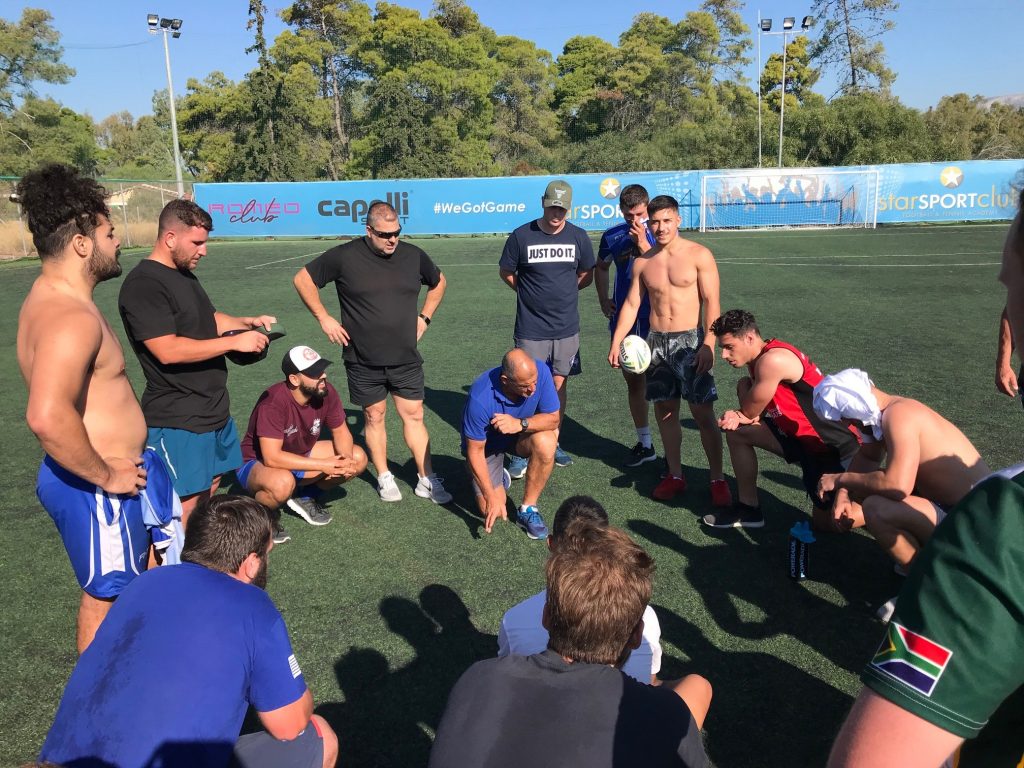
Training day with Georgallis. Photo supplied.
“You know, who would have thought rugby league, Greece, in a World Cup? No one would have thought that ten years ago,” the coach concludes.
“And just the effect it has on people in the community. When we get over to Greece they can’t thank us enough for introducing them to the game. They all love playing it and… I think [rugby league] will blossom in Greece because Greeks are built to play the game.”
An exciting premonition from a coach who has his sights set on returning to Australia with a victory at the upcoming Rugby League World Cup.
The four Antetokounmpo brothers have been confirmed to play for Greece’s national team in the EuroBasket 2022.
According to eurohoops.net, Greece’s head coach, Dimitris Itoudis, announced the news when he released the names of the 23 players available on the preliminary roster for the 2022 EuroBasket and 2023 World Cup qualifiers.
Two-time NBA MVP and Milwaukee Bucks star, Giannis Antetokounmpo, and his brothers, Thanasis, Kostas and Alex, have all been named on the roster.
Antetokounmpo brothers.
Thanasis also plays for the Milwaukee Bucks, Alex has just signed for the Bucks’ affiliate NBA G League side Wisconsin Herd, and Kostas last played for French club Asvel but is now a free agent.
Giannis first confirmed he would play for the Greek national team last week on Twitter, when he posted a photo of himself wearing the Greek team’s training shorts, with a caption hinting at his return.
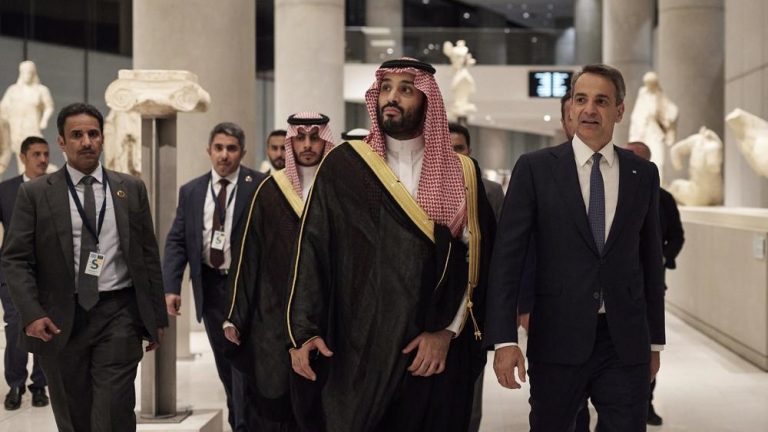
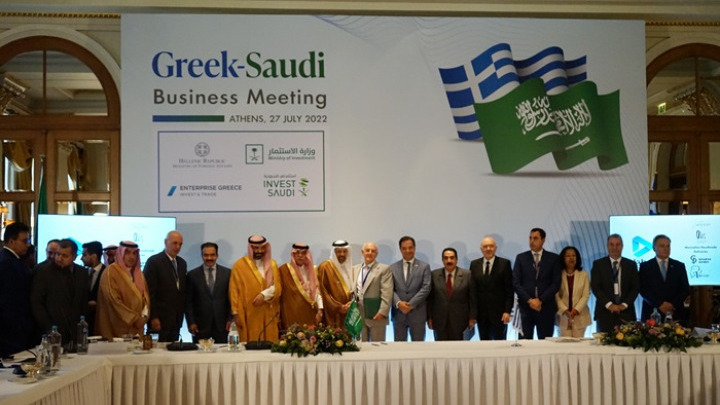
Greece and Saudi Arabia have struck a deal to lay an undersea data cable that will connect Europe to Asia, Ekathimerini has reported.
The data cable link is worth a reported 800 million euros that would run under the Mediterranean Sea and be completed in 2025.
16 other business agreements and memorandums of cooperation worth over 4 billion euros were also signed in the field of energy and military cooperation.
The agreement stressed the importance of strategic cooperation between Greece and Saudi Arabia in a number of issues of common interest in the field of energy, including the generation of electricity using renewable energy, the establishment of the power grid, and the export of electricity, produced using renewable energy to Greece, and to Europe via Greece.
Greece’s Deputy Foreign Minister for Economic Diplomacy, Kostas Fragogiannis, described the signing of the agreements as a “special moment” in bilateral ties between the two countries.
“It is undoubtedly a success and encouraging,” he said.
A really good restaurant deals in more than food. It feeds the spirit too. Quality dining is not a simple matter of rich surroundings, crisp white linen or silver service. It’s often not even the food itself. The recipe is based on that set of mysterious human ingredients collectively titled atmosphere. Depending on what atmosphere you’re looking for, it’s possible to dine sumptuously in the most ordinary surroundings — as anyone who ever ate at the old Garibaldi’s in East Sydney during its heyday can testify.
Liberation from the domestic tyranny of meat-and-three-veg has led many people to overlook the culinary variety of Australia in the past. In 1963, the poet Kenneth Slessor pointed out that both French and Chinese restaurants “flourished superbly” in Sydney before the Second World War. His Bohemian colleagues on the fringes of literature and journalism might have added that Greek food was also well-represented in at least one place: Andrew’s Continental Cafe, two floors up on the corner of Park and Castlereagh Streets. For writer Dulcie Deamer, Sydney’s Queen of Bohemia, “See you at the Greeks’” meant only one thing: “No other Greek cafe existed for those in the know.”
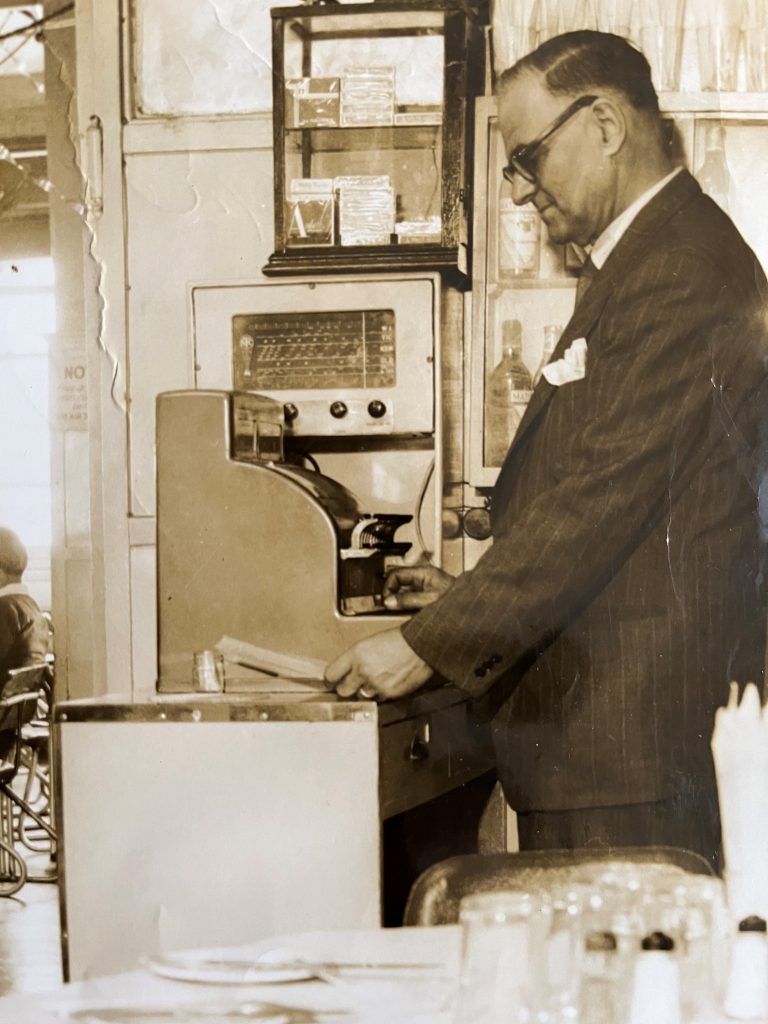
It had been founded in 1925 by Andrew Arestides, a Cypriot who went on to become a major figure in the local Greek community. For his philanthropy and many good works for fellow migrants he has in fact been described as “the father of Cypriots in Australia”. Arestides arrived here as a lone adolescent around 1917 and helped establish a restaurant called the Panellenion Club. The Continental Cafe was entirely his own venture, and consisted of an outer club room, where men played backgammon and drank coffee, separated by swing doors from the dining room itself — as “unadorned as a plucked fowl,” according to Deamer. Despite its plain decor, the Cafe was a home away from home to many Greek Cypriot men who had no family in Australia. A corner of the club room was sublet to a Greek barber.
Andrew Arestides.
It’s not hard to guess the attraction of the Continental Cafe for the artistic set. Like its Greek regulars, to some extent, they also felt a sense of being on the margins in an aggressively conformist society — as Australia was in those days. The Cafe’s upstairs location gave it the ambience, not only of a club, but of a place of refuge, a hideaway. Adding to the mood of multicultural tolerance was a cockatoo that could swear in several languages.
Writers and artists had been going there for coffee for some years before Friday nights became special occasions sometime in the early 1940s. A group of Bohemians who took the Italianate name of the I Felici, Letterati, Conoscenti e Lunatici – the Happy, Literary, Wise and Mad – had adopted the Cafe as its regular Saturday lunchtime venue in the late 1930s. When I Felici started to break up, Arestides himself suggested to its remaining members that Friday nights might be a good time to rekindle the Bohemian flame, as it was already proving popular with what Dulcie Deamer called “our type” of people.
The restaurant’s menu consisted of such things as Greek roast lamb, cabbage rolls and – a little incongruously – spaghetti (a Bohemian mainstay). Post-prandial activities on Friday nights added a special piquancy to it all. In Deamer’s words: “Tables are pushed back, and to dance tunes broadcast from a device Andrew has installed enthusiasts from twenty to seventy waltz, jog and shuffle; also invent fancy figures and do solo turns. Some of us dance with the Greek waiters, for we are all one family. As it gets later, and there are more dead marines… hilarity increases, and some try high kicking, push-ups and other physical feats.”
Besides the more predictable ragbag of poets, journalists and cartoonists were such refugees from respectability as “a sentimental butcher who constantly sang sentimental ditties,” and a grandmotherly woman who performed hornpipes. Deamer herself would recreate her old party trick of doing the splits on a table-top, and be shouted an ouzo by the proprietor. On the night of the Annual Artists’ Ball at the old Trocadero in George Street the Cafe would be filled with fancy-dress figures, much to the amusement of the card-playing Greeks in the club room.
Chips Rafferty was a regular too, reciting such ballads as “Three Jolly Good Bastards Are We”. The Cafe actually launched his acting career, for it was while delivering beer and wine there that Rafferty was introduced by Arestides to a casting director at Cinesound. According to Rafferty’s biographer, Bob Larkins, “they were looking for a tall thin bloke to play a runner in a new comedy film”. After a couple of bit parts, Rafferty was given a starring role in Charles Chauvel’s epic Forty Thousand Horsemen, and went on to become a legend. He later tried to interest Arestides in forming a film production company, but Andrew had the business sense to see that there was little to be made from an already depleted post-War Australian film industry.
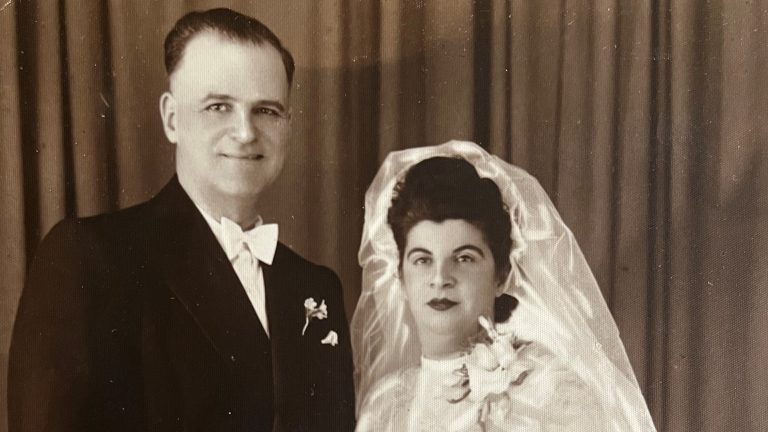
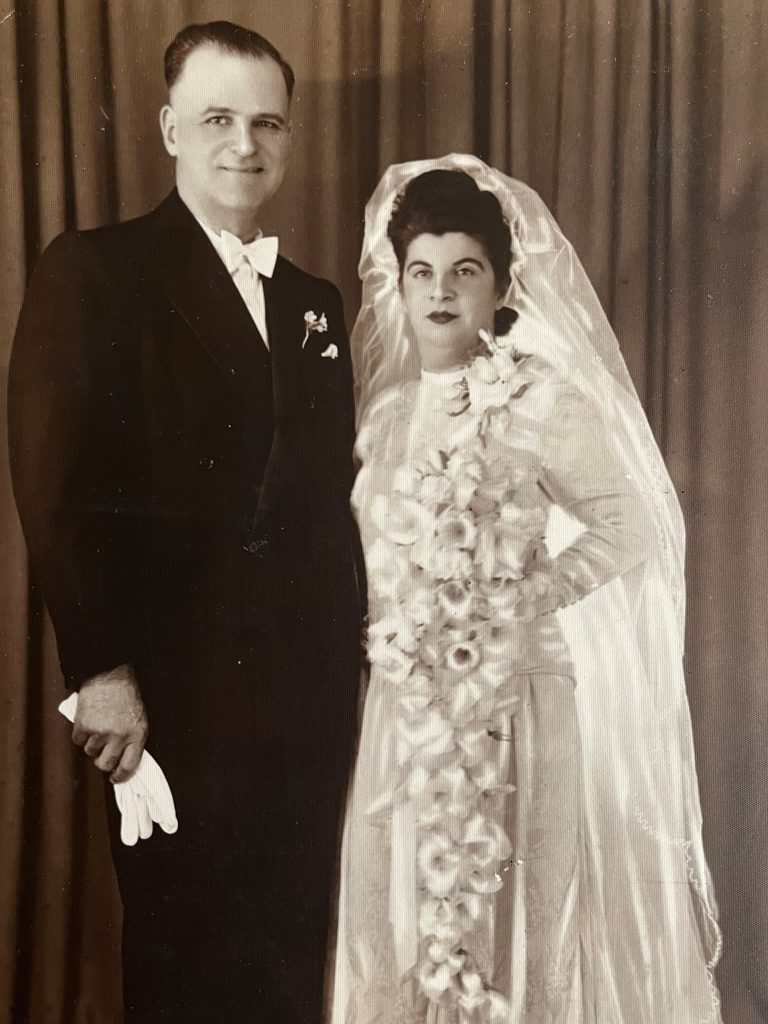
As the Cafe prospered, Andrew was able to bring his mother and four sisters out to Australia. Cypriot custom meant that he had to see his sisters married before he could take a wife. In 1946, Andrew married Anna Hadjiantoniou, a childhood friend of one of his sisters. They became engaged by mail, and met each other for the first time when Anna arrived from Cyprus a month before the ceremony. It was a very happy union, producing four children whose marked artistic interests perhaps owe something to the subtle influence of the Cafe.
When Andrew Arestides suddenly and prematurely died in November 1958 it was not only the local Greek community who mourned. “Our Andrew, that towering pillar of Bohemia,” wrote Dulcie Deamer, speaking for all his Bohemian friends, “whom very many will remember with respect and love, was… as wise and firm as he was warm-hearted, and he was to exhibit a constancy towards us rare in human relations.” For her it was the end of an era — one that had stretched back to what she called the “Golden Decade” of the Roaring Twenties. Andrew’s wife Anna maintained the restaurant until 1964, but things were never the same.
Crime fiction writer Marele Day has described Sydney as “a town that has every cuisine in the world available to it”. It wasn’t always like that. What variety there once was in “ethnic eating” should be remembered, however, lest we misrepresent the past and the place that other cultures have always had within it. Andrew’s Continental Cafe was a very lively part of that past, highlighting a cultural dialogue about which little has been written, but which has nonetheless contributed to that great banquet of life which is Sydney itself.
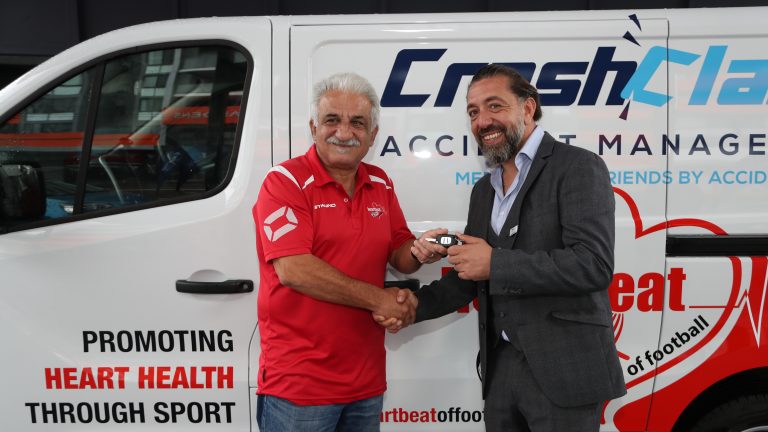
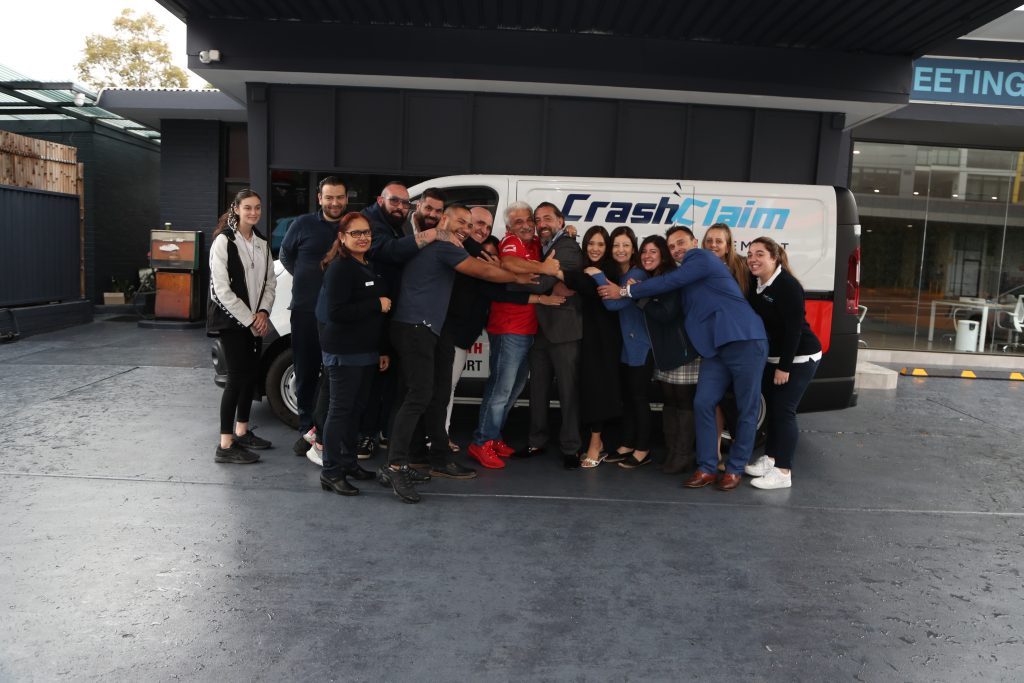
Heartbeat of Football’s (HoF) call for a vehicle has been answered by Nick Karagiannis from CrashClaim Accident Management.
The founder of HoF, Andrew Paschalidis, first put a notice out in December last year asking for a sponsor to help purchase a new van to allow the organisation to conduct free heart health testing days at football fields across Australia.
Now, Mr Paschalidis said he’s “absolutely delighted” with the generous donation by CrashClaim as the “vehicle is a gamechanger enabling us to get to sporting fields and do more Heart Health screening checks.”
The van donated by CrashClaim.
“Being able to test more players and supporters who may be at risk of a sudden cardiac arrest is our core goal and we know every test may prevent a death. Our belief is ‘No one should die playing the sport they love’,” Mr Paschalidis added.
According to Football Victoria, HoF travelled to nine different football clubs throughout the last month to provide free health screenings and education. In total 355 people were tested, 60 percent of who were male and 40 percent female, while 51 percent were below the age of 40.
Mr Karagiannis said he couldn’t be happier to be supporting the HoF.
“As part of our ongoing commitment to support charities in the broader community and my love for football, I could not find a better charity to be involved with,” Mr Karagiannis said.
“Heart health is very close to my heart having lost a family member to heart disease, and the great work Andy and the HOF charity is doing to raise awareness of the importance of having defibrillators at all sporting grounds and the heart health tests at sporting grounds across Australia, is a perfect alignment.”
Two Greek Australians have been named finalists in The Third Sector Awards 2022 for their leadership and innovation within the purpose and impact-driven not-for-profit sector.
Who are these finalists? The Greek Herald finds out.
Emma Lescesen Klinakis:
Emma Lescesen Klinakis is a Marketing & Community Programs Manager at St John Ambulance Victoria.
She is experienced across the broad suite of integrated marketing and communications, as well as the development and management of community programs within not-for-profit. This includes the development of brand and tactical campaigns, new product launches, marketing strategy, budgeting and growth in sales and leads.
Emma is also a graduate of the Marketing Week Mini MBA with Mark Ritson.
Eleni Psillakis:
Eleni Psillakis sat on the concrete floor of a women’s prison reflecting on the path of life experiences that saw her spend 11 months behind bars. She had never been in trouble with the law, had an extensive work history, is a mother, recently grandmother, daughter, aunt, sister and niece.
Sitting in that cell, she realised that it could be anyone that finds themselves ‘behind the fence.’ What she didn’t realise, was how difficult it would be for many to look past the record.
Eleni is now the manager of Success Works Partners Inc, an organisation which supports women with a criminal record build their resilience, employability and confidence, to present themselves to an employer who is willing to see them for their skills and potential – not the record.
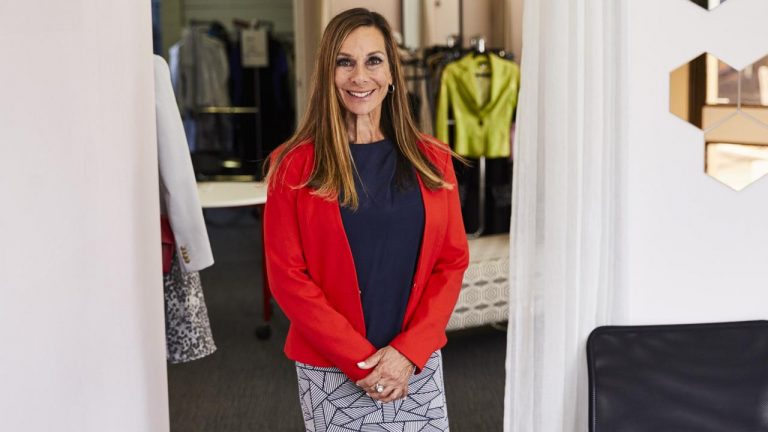
Natalie Kyriacou is an entrepreneur, environmentalist, PwC Business Development Lead and recipient of the Medal of the Order of Australia for her work in the environmental space.
The Forbes 30 under 30 (2018) honouree is also the founder and CEO of My Green World: a social organisation dedicated to educating and encouraging positive youth participation to help charitable initiatives in wildlife and environmental conservation.
Earlier this month Natalie was recognised in The Australian’s Top 100 Innovators list, and most recently has featured in a Women’s Agenda series that asks dynamic women of different careers how they maintain both their physical and mental health.
The young entrepreneur starts off by saying she is mindful that excessive screentime not only reduces our attention spans but our ability to give attention to and connect with others. As a result, she starts the day by writing a daily to-do list and “finding one or two great news articles to read deeply.”
“I find the current news cycle quite overwhelming and am conscious that it’s all too easy to have your attention stolen by a myriad of headlines and devices,” she told Women’s Agenda.
As for her exercise routine, she said: “A few times a week I will visit a hidden trail, usually an old bike trail, and run along there. I love running through dense forest, uneven terrain, and also in the rain. Though I frequently fall over and return home covered in mud.”
She added that nature and books are how she brings balance to her day.
“I read anything and everything. Books for me are a huge sense of comfort, balance, escapism, and learning. Picking up a hard copy book alleviates so much stress and pressure.
“It gives me an enormous amount of reprieve from devices and the ‘attention economy’ and feeds my soul. Reading also strengthens our emotional and cognitive intelligence, so it’s a win-win!”
In a direct message to women, she added: “We all receive so many messages and pressures on how to be better and do better. Find the thing that brings you joy, that calms you, that gives you space to just be yourself, and nurture that.”