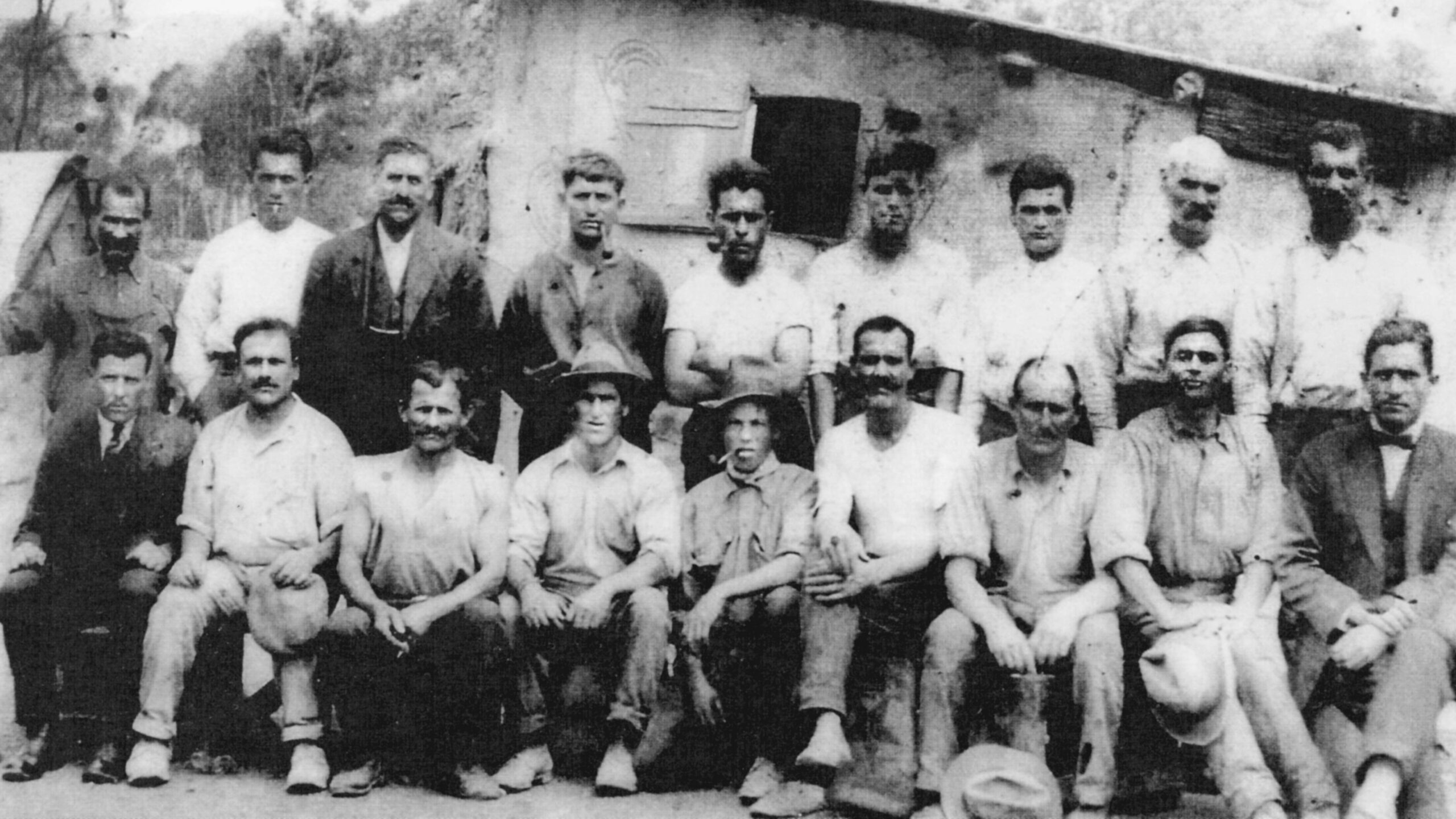
In 2018, Dr Yianni Cartledge went to a matinee performance of a play that was written by Elena Carapetis called The Gods of Strangers.
Yianni recalled how he identified with the play’s concept – where Greek, Cypriot, Italian and Anglo-Celtic Australians came together.
This led to Yianni, a third generation who is from an Ikarian and English descent, to pursue a PhD thesis in 2020, on the topic of Aegean migration.
“My parents are Rob Cartledge and Vena (nee Gronthos),” he said.
“My maternal grandparents – John Gronthos and Despina Panteladis – migrated from Ikaria to Adelaide in the 1950s.
“I was inspired by my own family history, but also by the migrant experience in general. I really find the concept of moving to the other side of the planet and rarely looking back, fascinating. It is something that, personally, I find hard to consider but is the reality for millions of people.”
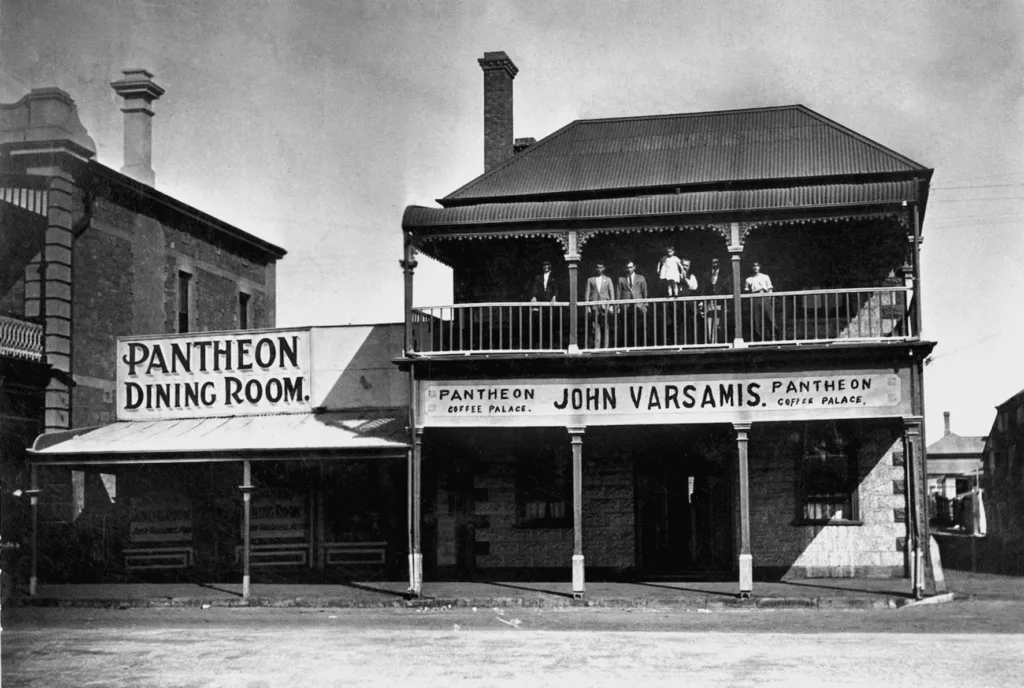
For his thesis, Yianni explored the archives for migrant records, shipping registers, naturalisation and sponsorship papers. He also found an abundance of information on Ikarian migration at the National Archives of Australia (NAA).
Yianni received funding from different sources (including the AHA/NAA Postgraduate Scholarship, the Tom Sheridan Scholarship, and from Flinders Uni), which helped him to have records opened and digitised.
He also used newspaper records, such as those accessible through Trove, among many other sources (including visual and artistic) for his first book – Ikarians in South Australia, 1900-1945: Emigration, Settlement, Community Building and Integration.
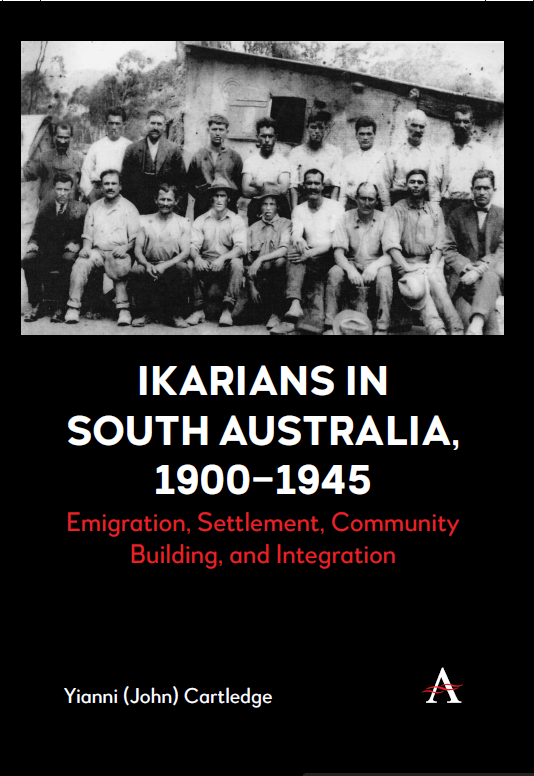
“This book is one of the case studies from my PhD thesis,” Yianni said.
“My thesis looked at Aegean migration to the Anglosphere between 1815-1945 – essentially, from the end of the Napoleonic Wars to the end of World War Two.
“I decided to choose the Ikarians of South Australia as a case study due to their insular nature, strong independent identity, and little-research story.
“Unlike many migrant histories that focus on struggles and successes, as well as individual migrant stories, this book takes a broader look that combines individual stories with archival records and an evidence-based trail.
“It comes from a research-heavy perspective, that aims to look at the methods and mechanisms of migration, while also taking the time at points to explore micro-histories -stories of individuals and families.
“It is part of a new blended approach to migration studies.”
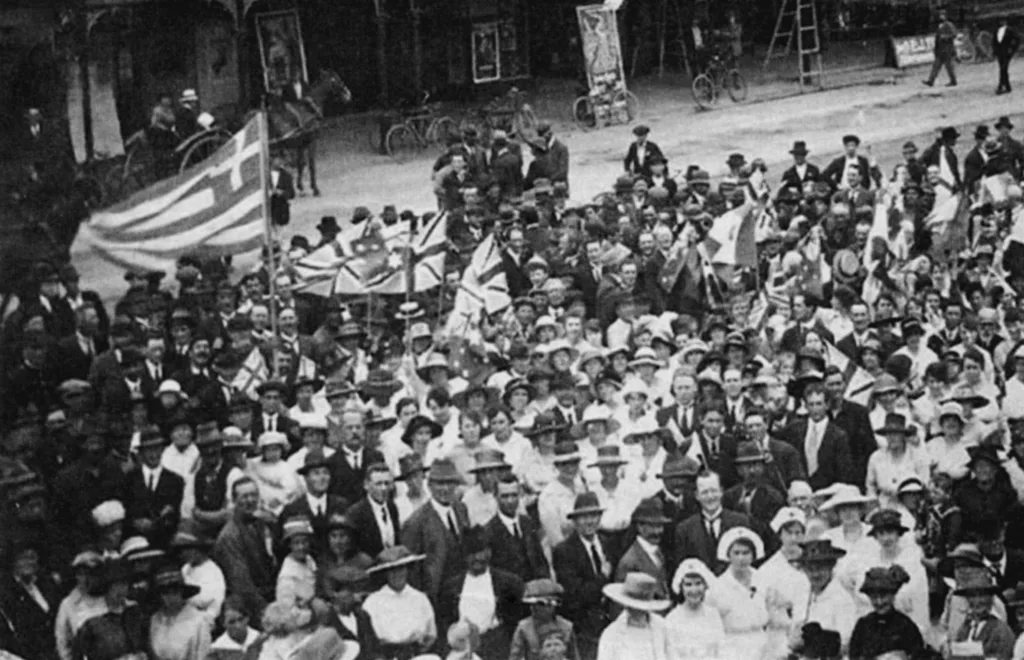
The 200-page book was made possible thanks to an academic publishing grant from Anthem Press. Although the process of turning the thesis into a book took 18 months, the original idea stemmed from an essay Yianni had written in 2014.
“I have grown up in the South Australian Ikarian community, with my close family members serving on the board, with some even being founding members,” Yianni said.
“I am still currently a member of the Pan-Ikarian Brotherhood, and still maintain close connections with the broader Ikarian community.”
The book’s publication is a special moment for Yianni as many of the names and faces of the Ikarian migrants are known to him.
