Grab your neck braces and tzatziki, Steve ‘The Wog Boy’ Karamitsis is back with his best mate Frank for the franchise’s third instalment: Wog Boys Forever.
Wog Boys Foreveris set to have its world premiere at the Melbourne Palais Theatre on Thursday, September 22 at 7pm, and will later premiere in Sydney at the Enmore Theatre on Thursday, September 29 at 7pm.
If you’re a huge fan, exclusive previews of the film will also be available in Melbourne and Sydney, with Nick Giannopoulos performing live on stage before every screening.
The original ‘wog boys’ Nick and Vince Colosimo are back in Wog Boys Forever, and the film will also co-star Sarah Roberts and Sooshi Mango.
According to the synopsis, the film focuses on Steve (played by Nick) as he struggles through his mid-life years as a single taxi driver. Along the way, he tries to woo an ex-girlfriend Cleo (played by Sarah), and also comes up against a Minister for Immigration intent on revenge.
With the help of his long-time buddy Frank (played by Vince Colosimo) and his eccentric Italian neighbours Vince, Guiseppina & Pino (played by Sooshi Mango), Steve will once again be forced to fight the corrupt forces of evil and use all his wogboy street smarts to try and outwit a very powerful and ambitious woman, who will stop at nothing to destroy him and everyone he cares about.
At the end of the day, the time has come once again for Steve to show the whole world that “Where there’s a wog, there’s always a way.”
“Wog Boys Forever is the third part of the wog boys trilogy that will continue to address the continuing socially relevant themes around identity and what it means to be an ‘Aussie’ in 2022,” Nick said in a press release.
“The casting of ‘Wog Boys Forever’ reflects the true cultural diversity of this country in 2022 and will feature characters and locations that reflect the multilingual urban Australia that these characters call home.”
Find out more details about the upcoming film here.
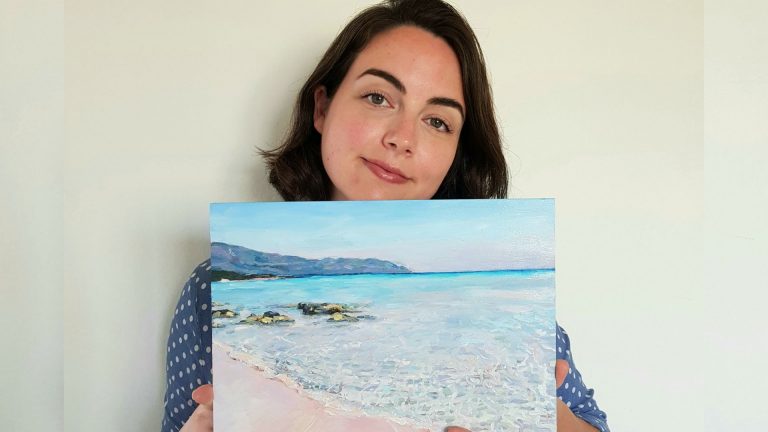
From the small NSW country town of Bowral to the glistening blue waters of the Greek island of Crete, Harriet Lawless has a connection to both and captures their beautiful sceneries through her artworks.
The Australian has been travelling full time this year and spent eight weeks painting and travelling in Chania, Crete.
In an interview with The Greek Herald, Harriet shares why her visit to the Greek island was important, and also describes where else her painting has taken her.
Tell us about yourself and your art.
I grew up in Bowral, a town in NSW, and moved to London in 2015 to travel and pursue a career in architecture. I had always wanted to be an artist and the pandemic gave me the perspective and motivation to finally take that risk to chase my dream.
This year I have been travelling full-time in Europe and painting the beautiful places I visit.
Tell us about the inspiration behind your pieces.
After so long in lockdown and working from home over the past few years, I think we’ve all grown to appreciate the importance of the space around us and how it makes us feel.
I want my art to be an integral part of that – uplifting your mood and brightening your home, encouraging conversations with loved ones and reflecting the passions and interests of the people living in your home.
I want my paintings to bring joy, add beauty, and provide a connection to the places I’ve painted. I aim to create beautiful paintings that make people happy; it’s as simple as that!
Why was it important for you to travel to Chania, Greece, to paint?
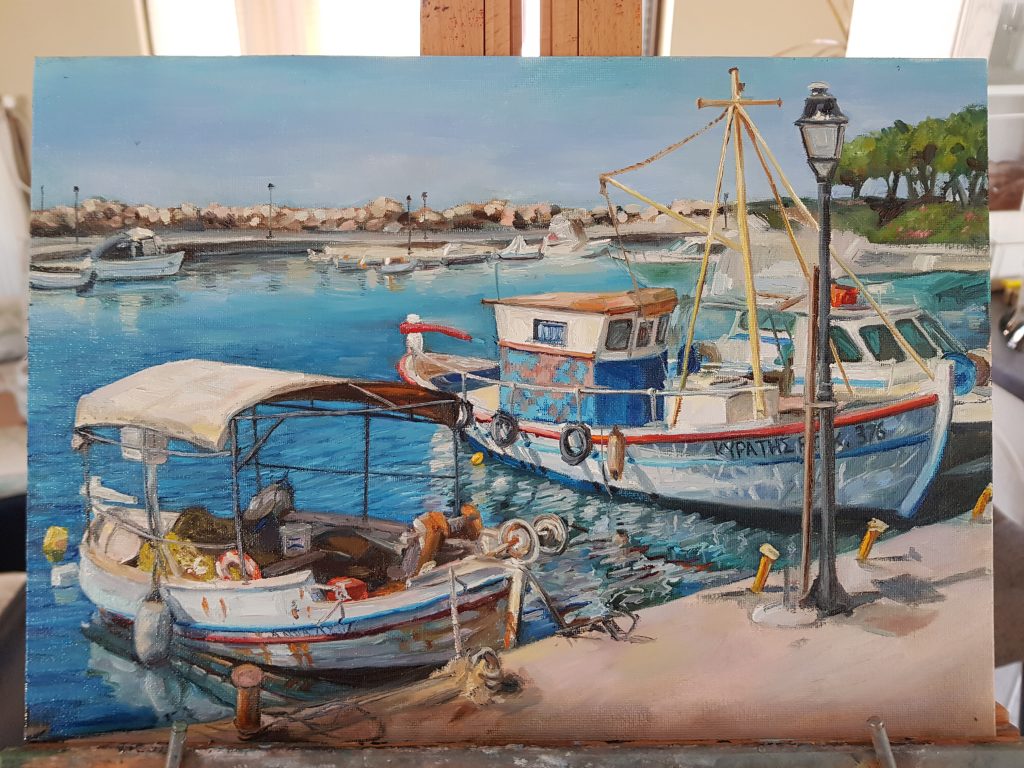
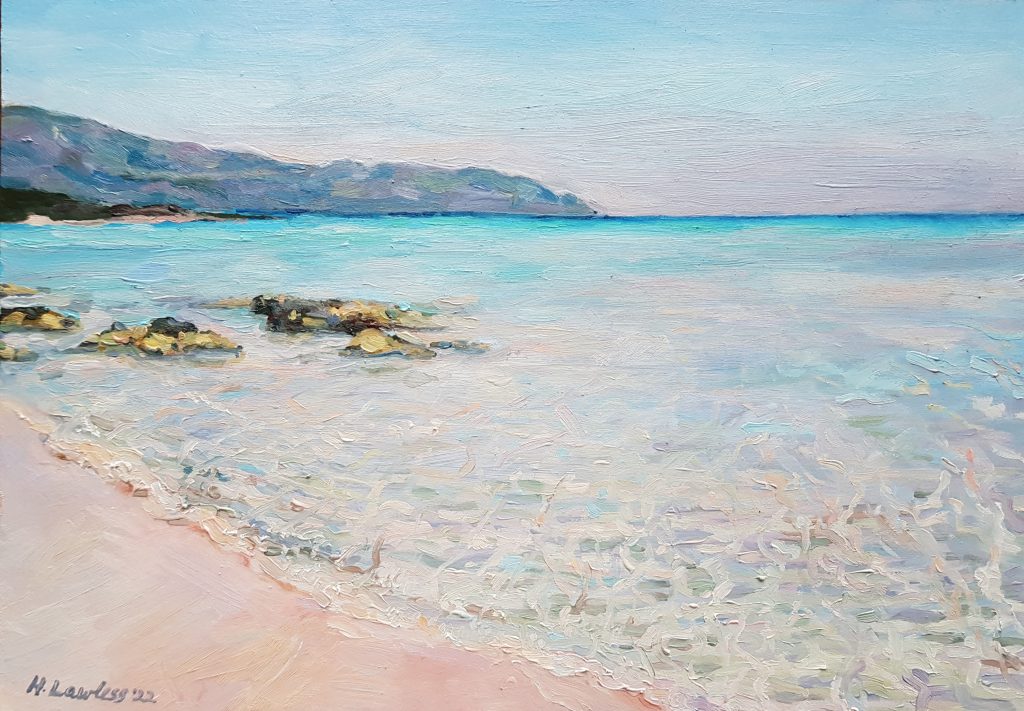
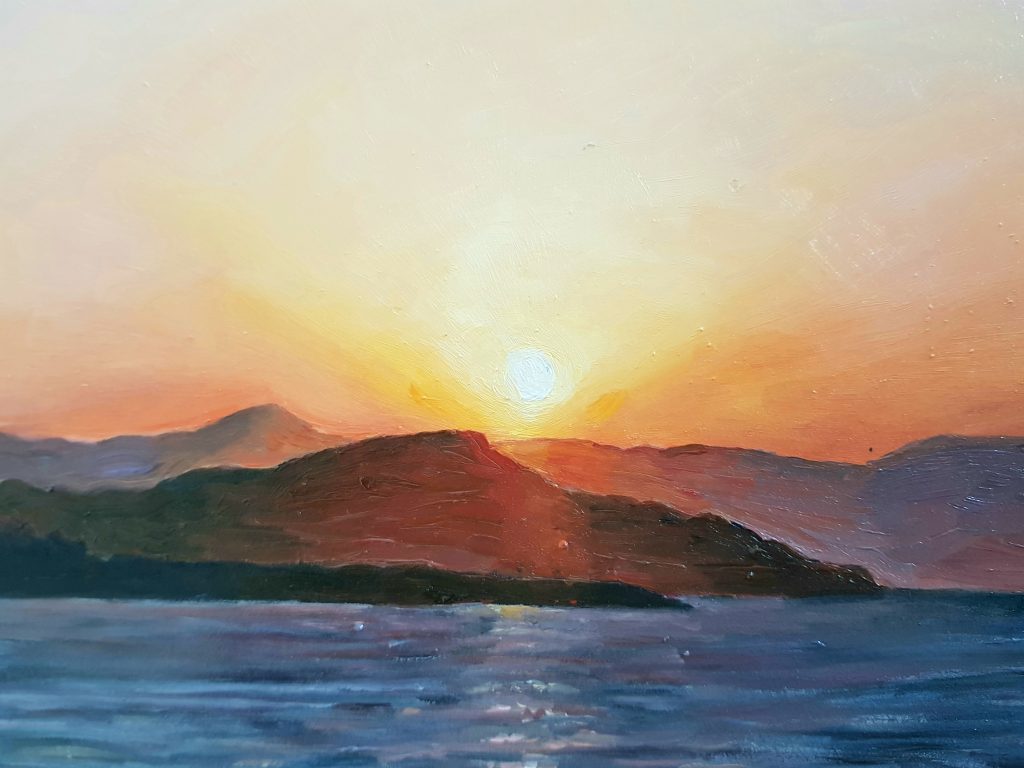
I was lucky to live and paint in Crete for 8 weeks this year, which was magical. I tried to capture the island’s beauty, sparkling light and vibrant colours in my paintings to highlight what makes Greece so special and unique.
Crete holds an important place in Australian history, and I was honoured to pay my respects at the war cemetery in Suda Bay on ANZAC Day this year. It was beautiful to witness Crete transition from winter, with the snow-capped Lefka Ori mountains, to summer, with its glittering beaches.
Crete provided endless inspiration, and I have many unforgettable memories and photos I will use for future paintings!
What was it about Greece that drew you?
In 2021 I went on a long-postponed fantastic holiday to Santorini, Milos, Sifnos and Athens and loved everything about it. So, as soon as I had the opportunity to travel and paint full-time, Greece was a top priority.
Greece has everything a painter could want – beautiful landscapes, vibrant colours and sparkly light, plus fantastic food, wine and raki, of course! I’m also very grateful for the kindness and hospitality extended to me by the local Greek people that I was lucky to meet.
What is next for you?
I’m excited to be back in Australia for three months over Christmas, as it will be my first visit home in over three years! While I’m home, I’ll be painting as much of Australia as possible and completing two new commissions.
Next year I’ll be back painting in Europe, and Greece is top of my list for another long painting trip. I would love to spend time on the Greek mainland and the Dodecanese islands, and I want to learn to sail. I can’t wait to return and see what artwork I can create!
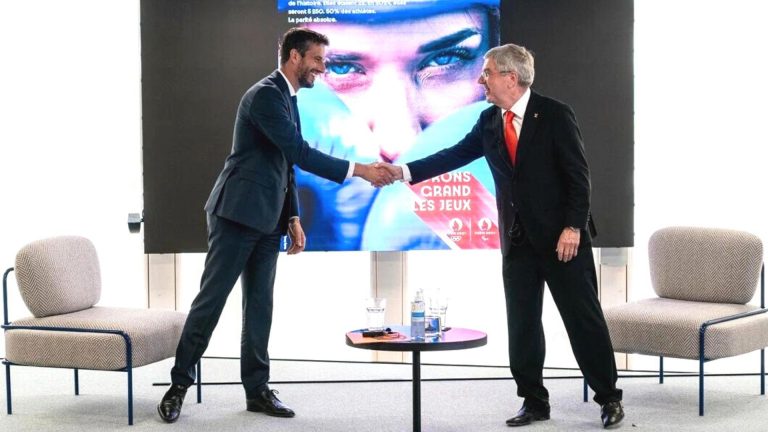
International Olympic Committee (IOC) President, Thomas Bach has welcomed the new slogan for the Olympic and Paralympic Games Paris 2024, ’Games Wide Open’.
During the announcement, President Bach said that the aim of the Paris 2024 Games is to be as inclusive as possible and is opening up participation to all.
“The Opening Ceremony along the River Seine, competitions held in iconic locations across the city and Paris 2024’s far-reaching engagement activities will bring people together, both within and outside the venues, in person and online.
— The Official Home of Paris 2024 Hospitality (@OlympicsHosp) July 26, 2022
“This approach and narrative will be key to inspiring the next generation, allowing many more people in France and around the world to experience the Olympic spirit and values. This will help leave a lasting legacy beyond the Games in 2024.”
Sustainability is an important factor in the delivery of the Paris 2024 Games. Paris aims to halve the carbon footprint in comparison to previous Olympic Games, compensate more than its residual emissions and use the Games’ influence to develop long-term carbon compensation projects.
The Olympic Games Paris 2024 Opening Ceremony will take place on 26 July, with the Games ending on 11 August. The Paralympic Games Paris 2024 will then be held from 28 August until 8 September.
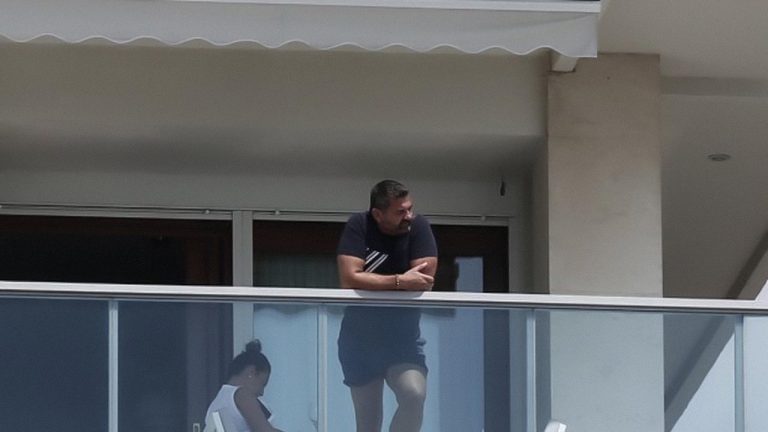
Bill Papas’ liquidated Wagstaffe property. Photo: centralcoastlifeandstyle.com.au.
Despite a warrant for his arrest and promises by his girlfriend to the court, the businessman has failed to board a flight home, claiming his finances, a bout of coronavirus and depression have prevented his return.
Liquidators claim Papas was the mastermind of a lease-fraud scheme that snapped up almost $500m in its duration. The alleged fraudster fled Australia in June 2021 after Westpac started questioning unusual printer rental loans.
The visit by his son to Xanthi comes as his father’s ownership of the football team is seriously unclear, with Bill telling football fans he “denies what has been written and said”, namely that he had lost ownership of the team.
King Street, Newtown in Sydney is known for its abundance of restaurants and cafes that offer a wide range of cuisines to cover you for any mood you may be in.
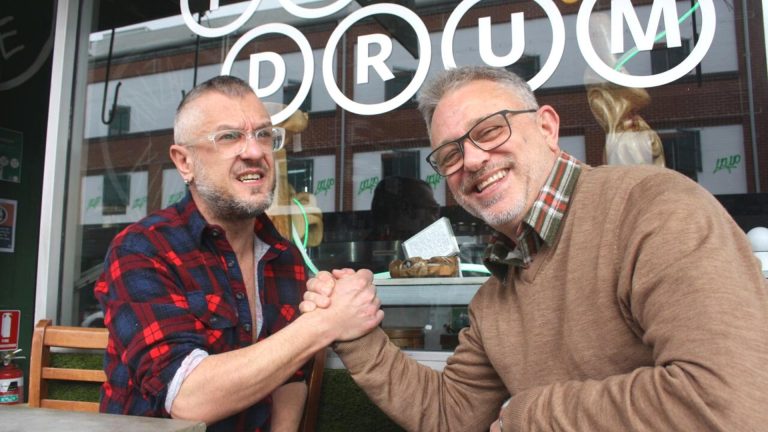
Cafe Flour Drum has been named in the top 10 Best Foodie Spots in Newtown by the Daily Telegraph and showcases its ‘handmade treats’ and ‘warm environment’.
Co-owners, Christopher Heaps and John Agelatos have vastly different culinary histories, with Heaps spending most of his time in fine-dining and Agelatos more familiar with cafe environments.
This unique combination has created the perfect synergy in Flour Drum, contributing to their 7 year success, and they say that their history allowed them to “open a whole new world”.
Heaps and Agelatos have created a space for customers to unwind and enjoy their coffee and breakfast, and even through the difficulties that the pandemic presented to small businesses, Flour Drum stayed open.
“We only shut for the two weeks,” Mr Heaps said. “So, we very quickly went to takeaway.”
In regards to what the future holds for Flour Drum, the owners say that they hope the cafe continues to grow as they do.
“Our philosophy was to start something that will grow with us over time,” Mr Heaps said.
As we know, time travel is still not a possibility, and to recreate the past, even as a historian depending on documents, is still in part an act of fiction. The historian/writer/novelist is aided, however, in those cases where the physical scene remains more or less the same as the historical period you seek to discuss.
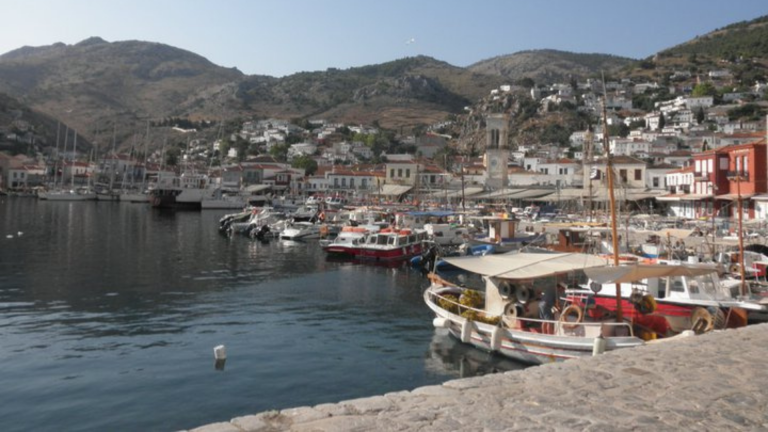
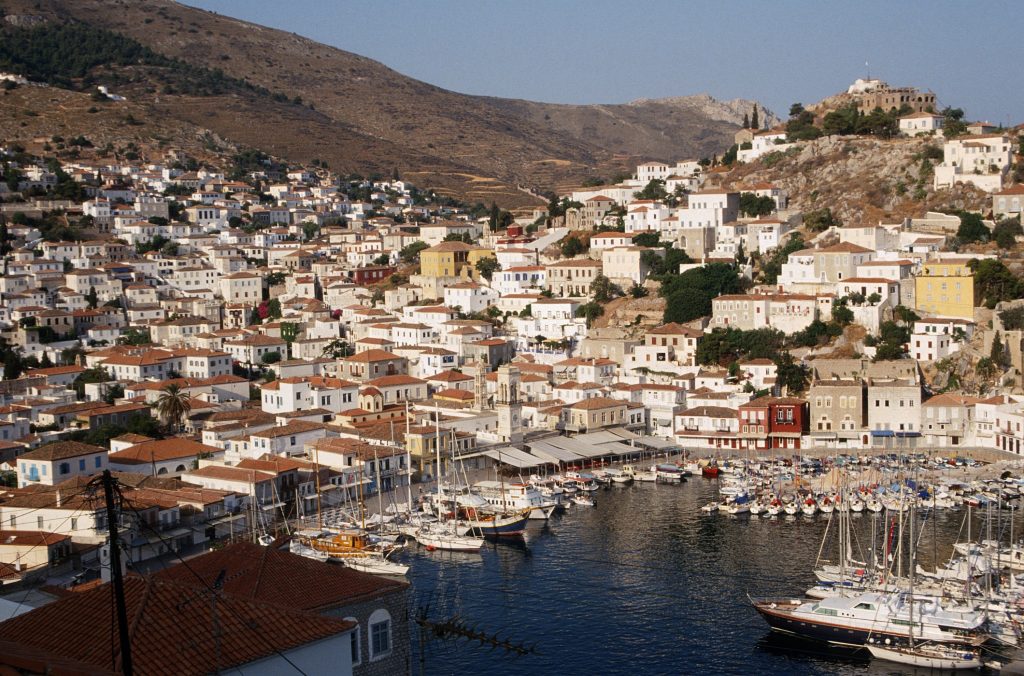
So it is with the island of Hydra, whose amphitheater-harbor remains largely in the same style and architecture as in the time of its glory days, right around the period of the Greek Revolution in 1821.
If we block out the digital accoutrements in our hand and the often-latest fashions of denizens and tourists, together with the catamarans from Piraeus and the yachts of shipowner and oligarch, we go back in time, a visit there can feel like time travel—there are no cars to tyrannize you, nor the concrete chaos of modern Greece.
So . . . let’s set the dial back two hundred and two years, to 1820.
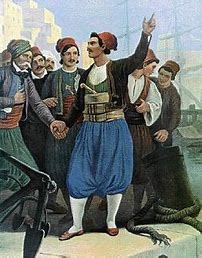
Andreas Economou, who agitated to join the Greek Revolution, painting by Von Hess
Let us also remove the motors from the caiques which rely on sail and oar power, but the donkeys and mules still ply the lanes. In 1820, you can see less of the lovely ladies of the island, because they venture out less, and are generally in long, often ornate dresses and partially veiled—the Turks have controlled the Balkans for almost 400 years by this time, and their sartorial styles figure to a degree in local dress. Rather than the various foustanellas worn on the mainland, islander men wear baggy pants called vrakes. There will be fewer men in evidence, as nearly every able-bodied man from six to sixty is at sea.
This will not be immediately obvious if you do not speak Greek, but if you do, you will find that many people in the streets are not speaking Greek—though plenty of words will be understandable. They are speaking Arvanitika, a southern dialect of Tosk Albanian, an unwritten language which varies greatly from place to place and is full of Greek, Turkish, Italian, and various Slavic words. On the island, everyone speaks it, and many people, particularly the women, who travel less, might not speak Greek at all. The priests and administrators certainly speak Greek, along with other languages, and the majority of Hydriot men, who are sailors, captains, and shipowners, likely speak Greek along with a smattering of other languages, including Turkish, the Venetian dialect of Italian, and perhaps Russian or French.
Hydriots are a prickly breed, entrepreneurial and tough, yet also hospitable. If you sat down with one of them in the shade of a plane tree or inside on a low divan, perhaps smoking a long Turkish pipe, and managed to ask them who they are, they would speak of their patrida (though probably using another word) as Hydra, and their identity as Romioi . . . .
This needs a bit of clarification. The Turks divided their subjects into communities, known in Turkish as Milleti. All Orthodox Christians, from Belgrade to Beirut, were part of the Rum Milleti, which might be translated as the Roman/Byzantine community. The Ottomans conquered a very sophisticated civilization, the Byzantine, which had lasted for over 1000 years and had basically fostered successor states in Serbia, Bulgaria, and Romania, all of which fell under the Ottoman sword. The Ottomans basically preserved some of the administrative and cultural apparatus of the Byzantium for their Orthodox flock, and the Patriarch of Constantinople, now appointed by the Sultan rather than the Byzantine Emperor, was both the spiritual ruler of the Orthodox faithful and their liaison to the Ottoman Sultan.
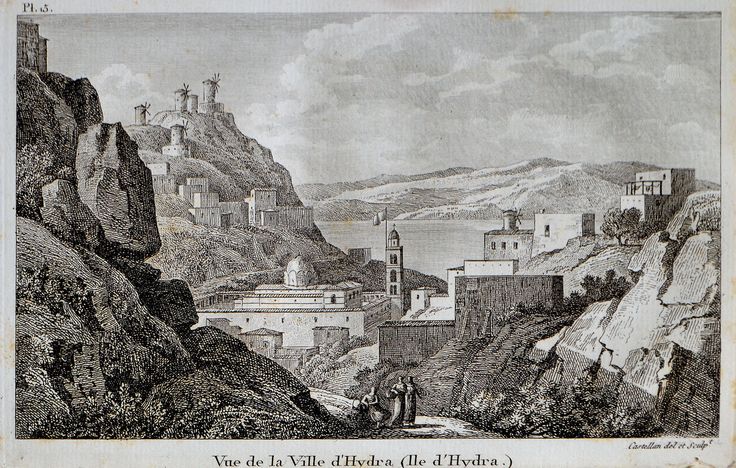
Hydra in 1820. Painting by Castellan Antoine Laurent. Source: Pinterest
A specifically Greek nationalism might be familiar to those Hydriots who had traveled to major Ottoman cities or to the “Greek” communities abroad, but it was more the concept of Romiosini (Byzantineness) defined the Hydriots’ (and most Greeks’) identity at the time.
The world the Hydriots inhabited was a tough one, in 1820 there had only been peace in Europe for about five years, after Napoleon’s final defeat at Waterloo in 1815. While the Ottoman Empire managed—wisely—to avoid much of Napoleon’s wrath in Europe, her Orthodox subjects were not unaffected. For one thing, many Greeks lived either in the Ionian Islands, which in the space of a decade changed hands from Venice, to Revolutionary France, to a Russo-Turkish occupation, to Great Britain, and thousands of Greeks lived in the Austrian and Russian Empires, which had fought Napoleon.
Many Orthodox in the Balkans viewed the French Revolution as a model for their enslaved lands. One such individual was Rhigas Pheraios, an immigrant to the Austrian Empire. Typical of the hardy Greek immigrant then (and now), he had worked as a merchant, as an editor of the first Greek newspaper—anywhere—in Vienna, and as a conspiring revolutionary arrested by the Austrians in their key port of Trieste. The Austrians sent the revolutionary to the Turks’ frontier town, Belgrade (now Serbia’s capital), where they strangled him and threw his body in the Danube River. His ideas did not die with him.
Hydriots had done well by the Napoleonic Wars in particular, running the British blockade of French controlled parts of Europe, trading grain for gold, lots of it, in fact. There is a story, perhaps apocryphal, of one dashing Hydriot captain who had been caught by Admiral Nelson of the British fleet. This hero of Trafalgar asked the Hydriot, “What would you do if you were in my shoes?” The Hydriot replied, “I would hang you.” Taking the measure of the man, the Admiral is said to have remarked, “If I ever see you again, that is precisely what I will do.” The captain was Andreas Vokos, later to adopt the surname Miaoulis. Other Hydriots captured by the British were sent as convicts to Australia, the continent’s first Greeks.
While the gains from the decades-long Napoleonic Wars had been the icing on the Hydriots’ financial cake, island’s success was built on a strong maritime commercial foundation. The Hydriot sailors had honed both piloting and commercial skills in the difficult waters and politics of the Eastern Mediterranean and Black Seas. They were ubiquitous in the key Ottoman ports, such as Thessaloniki, Constantinople, Smyrna, and Trebizond, and also traded with major commercial entrepots such as Odessa and Trieste, both of which had very large and powerful Greek commercial communities.
Since 1774, Hydriots, like all Orthodox shippers in the Ottoman Empire, gained the right to fly the Russian flag on their ships, providing them with the protection of an Orthodox Great Power and a degree of extraterritoriality, yet the Ottoman yoke was worn rather lightly on Hydriot shoulders. Recognizing shipping as a knowledge business, the Hydriots founded the world’s first merchant marine academy, which still turns out graduates to this day.
The Turks did not settle on the island, which was basically self-governing. In exchange for a periodic levy of stalwart Hydriot sailors for the Turkish navy, the island was left to its own devices, with neither the Turks nor the islanders eager to upset the apple cart. Service in the Turkish navy brought vital experience and tactical knowledge to the island, as did the periodic battles with the same Barbary Pirates that induced the young United States to go on to its first foreign war, against the Emirs of North Africa (where Greeks also fought on the American side). As such, most Hydriot ships were armed with cannon, and possessed of sailors knowledgeable in their use.
Just two hundred years earlier, in the 1600s, Hydra had none of this, the spectacular success of the island is as fascinating as her heroic role in the War of Independence, as the island was largely a barren rock rising often vertically out of the Saronic Gulf, with a few decent anchorages and no more than a few hectares of arable land. The Hydriots had been refugees fleeing chaos on the mainland or other islands and they turned to the sea because that was the only agency available to them. With no maritime tradition, they learned from other Greeks or from the still ubiquitous Venetians, and in the space of a couple of generations their island had become the biggest shipping center of the Eastern Mediterranean, supporting in 1820 a population about ten times larger than today.
Like Greeks before and after, they took to the sea to find agency in a life where it did not exist, and they found it in financial terms. Many Hydriots, particularly the wealthiest, were satisfied with this state of affairs, yet other Hydriots wanted political and cultural agency as well economic. Rhigas Pheraios had been dead for twenty years, but an increasingly literate society read—and remembered—his words.
In Odessa, in 1814, a trio of Greeks formed a secret society dedicated to the liberation of Greece. There numbers soon included Hydriots, particularly men of the middle class, the section of society that everywhere leads and inspires national liberation movements.
In 1820, the business of Hydriots was business, yet there were many Hydriots waiting for a sign.
It was not long in coming. When it came, though they pondered the costs, they answered.
*Alexander Billinis is an instructor at Clemson University, in South Carolina, USA. He is a licensed attorney, with a former career in law, real estate management, and international banking. He has lived and worked in Greece, the UK, and Serbia, as well as shorter work or study assignments in Bulgaria, Hungary, Germany, and Chile. A citizen of both the United States and Greece, he is married and the father of two teenage children.
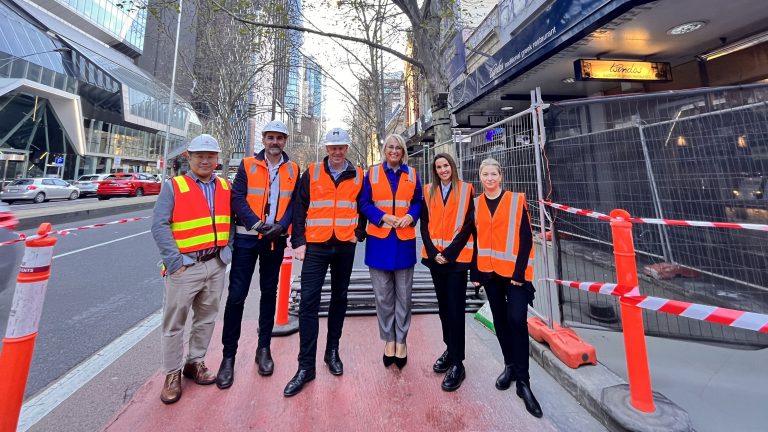
The City of Melbourne is completing upgrades to Lonsdale Street, with new works set to improve dining facilities and add additional greenery to the Greek precinct just in time for the Antipodes Greek Festival in October.
The works, which are scheduled for completion by August, include reinstating the Hellenic Greek stone pavers as well as installing a new irrigation system and stainless steel planter boxers with rosemary. There will also be repair done to any broken blue stone pavers and removal of the five existing cafe shelters.
Why, it’s Greeced lightning!
Melbourne’s much-loved Greek Precinct is about to get a revamp with a series of works underway on Lonsdale Street.
Key features of this renewal project include improved footpaths,new café screen planter boxes and open spaces to improve dining areas. pic.twitter.com/Zij7X468jY
— City of Melbourne (@cityofmelbourne) July 21, 2022
Lonsdale Street hosts the Greek Community of Melbourne’s Antipodes Greek Festival each year, attracting large crowds from across the city.
With stalls, entertainment, performers, food and children’s activities, the street upgrades will ensure the Greek precinct continues to provide a functional space for this year’s festival and for celebrations in the years to come.
Speaking to Brendan Rees from CBD News, Lord Mayor of Melbourne, Sally Capp said: “Melbourne’s Lonsdale St Greek precinct is a vibrant hub of culture and celebration.”
“For decades Lonsdale St has been the home of our Greek community, boasting some of the best restaurants in the city and hosting the annual Antipodes Greek Festival.”
— Greek Community of Melbourne (@gocmv) July 27, 2022
Also speaking to CBD News was owner of Tsindos Greek Restaurant, Harry Tsindos, who said he, along with his customers, welcome the project which is beautifying the precinct.
“They are doing a great job in reigniting Melbourne, the CBD and bringing people back,” he said.
The project is funded through the $100 million Melbourne City Recovery Fund, a partnership between the City of Melbourne and the state government.
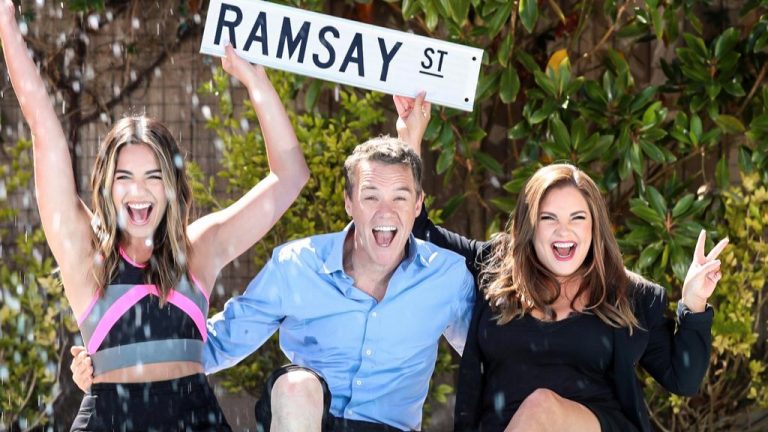
After 37 years, nearly 9000 episodes, 20 births, 68 deaths and 63 weddings, the world has said goodbye to Ramsay Street as the iconic Australian soap, Neighbours, has come to an end.
The 90-minute series finale aired last night and featured reprising cameos from some of Australia’s greatest exports, including Margot Robbie, Kylie Minogue, Jason Donovan, Guy Pearce and Delta Goodrem.
Also reprising her role was Olympia Valance who first stepped into Erinsborough in 2014.
Olympia Valance playing Paige Smith, 2014 and 2022.
In an interview with Studio 10 last month, Valance said the four year role playing Paige Smith was her first-ever acting gig to which she attributes to her older sister, Holly.
“I never did acting at school, never did drama and I fell into this because my sister used to be on the show,” she said.
Speaking of her time on the iconic soap, she said: “I learnt literally everything you need to know about this industry from cast and crew, art department and makeup and costume, things you can’t just learn at school or in a class.”
The newly-wed 29-year-old is currently honeymooning in Greece, where she has recently met with older sister Holly, taking to Instagram last night to farewell the show together.
Integral to last night’s finale was Rebekah Elmaloglou, whose character Terese Willis finally rekindled her on-again-off-again relationship with the show’s villain, Paul Robinson (played by Stefan Dennis).
After nine years on the show, Rebekah’s character has endured Paul’s cheating ways and his most treacherous sabotage of her fashion week event. However, Paul understands his shortcomings, telling Terese amongst smouldering close-ups that “I am who I am” – four words that put these two love birds back on track.
In a post on Instagram, Rebekah said goodbye to Ramsay street, saying: “Thank you to our loyal fans, to the cast and crew who I’ve loved working with for the last 10 years.”
NSW Small Business Minister and Member for Miranda, Eleni Petinos, is facing allegations of bullying by a former adviser, The Australian has reported.
According to the newspaper, the former adviser sent a complaint to the Department of Premier and Cabinet claiming they had been “relentlessly bullied” in their short tenure in Ms Petinos’ office.
Ms Petinos is alleged to have used several slurs towards the staffer and threatened she would “kill” them for making a small mistake.
Eleni Petinos MP is facing allegations of bullying by a former adviser.
The Australian has reported that Ms Petinos’ alleged behaviour has led to at least 30 staffers leaving her Miranda electoral office since she was elected in 2015.
A spokesman for NSW Premier, Dominic Perrottet, confirmed to The Daily Telegraphthat the “concerns have been brought to the Premier’s attention and appropriate action has been taken.”
Opposition better regulation and innovation spokeswoman, Courtney Houssos, also came out today and said the allegations “are deeply troubling.”
“As a first step, the Minister needs to front the media today and respond to each allegation,” Mrs Houssos added.
Ms Petinos on Wednesday strenuously denied “any allegations of bullying or improper conduct.”
Tourists in Greece are being targeted by a new campaign being run by Greece’s Independent Public Revenue Authority (AADE) that encourages them to demand a receipt before paying.
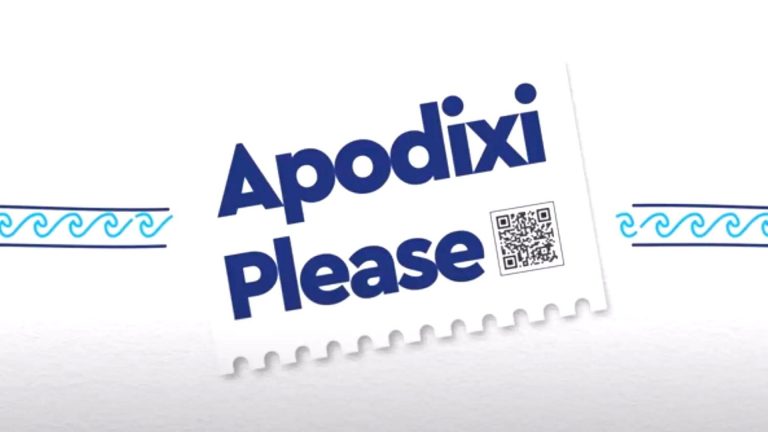
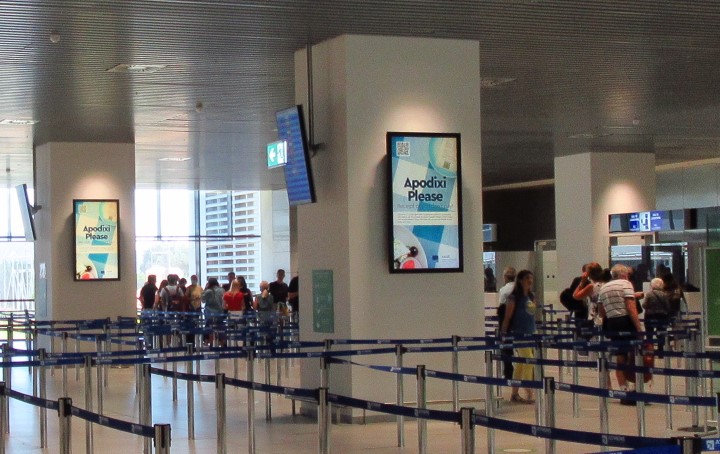
The new Apodixi Please (Receipt Please) campaign can be seen in a YouTube video and has been broadcast across the city in banners and even advertisements in the airport.
Under Greek law, all suppliers of goods and services are obliged to issue receipts to their customers, says the AADE. They go on to say that the consumer is not obliged to pay if a receipt is not issued.
Further to this rule, the AADE stresses that all hotels, restaurants, bars, cafés, car rental companies and, in general, almost all suppliers of goods and services (with some exceptions, such as taxi drivers and kiosks) are obliged to accept debit, credit or prepaid cards.
“By using your card for your payments and asking for a receipt, you help the Greek Tax Administration collect taxes that are already included in the price you pay.” The AADE said in a statement published on its website.
“Practically, you offer us the opportunity to provide you with even better services next time you come to our country.”