Home Blog Page 1072

Mediterranean garden design: Protecting Western Australia’s water resources

0

In an exclusive interview with The Greek Herald, Margot Tobin from the Mediterranean Garden Society (MGS) in Western Australia (WA) speaks about waterwise gardening.

Margot is the Branch Head for Perth and the south of WA, one of many branches in 38 countries around the world focusing on Mediterranean-climate gardening. The society organises events and garden tours globally to exchange information, forging the way for sustainable, waterwise practices.
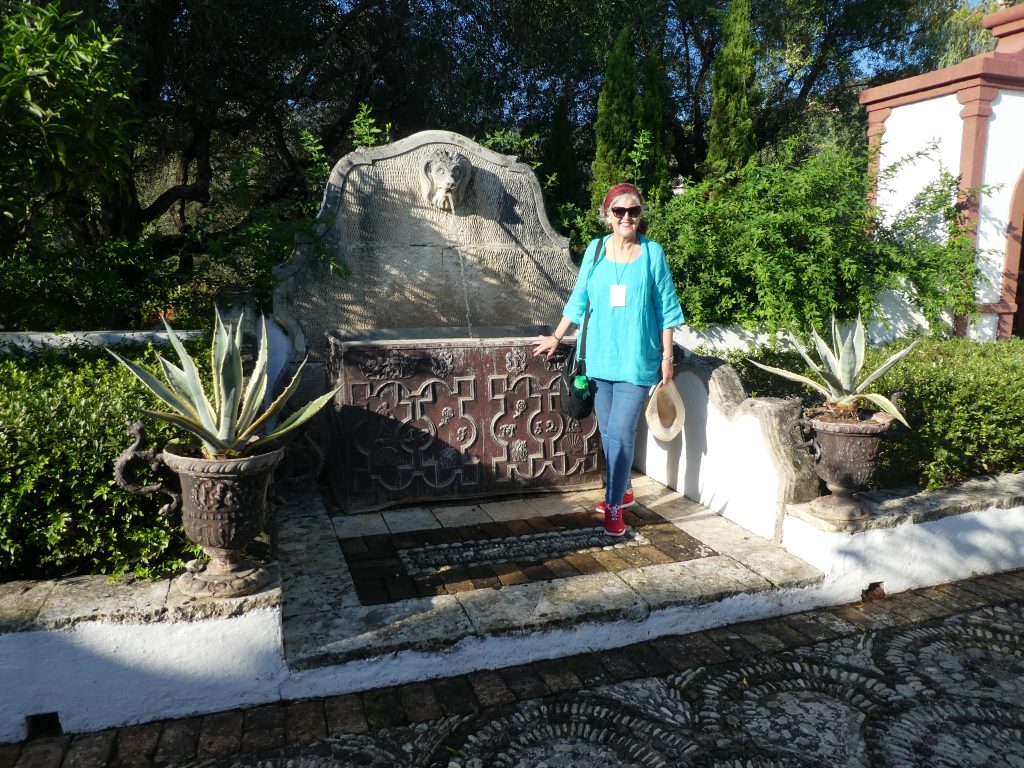
This image has an empty alt attribute; its file name is P1040455-1024x768.jpg
At the entrance courtyard to one of Lord Rothschild’s gardens. This one is on the Strongylo Peninsula on Corfu – a magnificent garden.

The WA branch was established in 2018, with Perth and the south of WA having a similar climate to Greece with its hot, dry summers and rainy winters. The MGS, however, was formed in Greece in 1994 when a group of gardeners came together to transform the Northern European gardening models back to a Mediterranean-climate model that is in sync with the seasons. The northern European climate, with its mild summers and rainfall, contrast with Greece’s summer-dry and drought seasons.

The organisation’s philosophy is to cultivate gardens in-sync with summer-dry climates by using Mediterranean or native plants and trees which are resistant to drought by nature. As a secondary principle, embracing plants most suited to the climate of place reduces the need for heavy water usage (especially in summer). This principle protects water as a precious resource by managing it with care. In addition, the philosophy invites us to foster our gardens in harmony with the seasons.
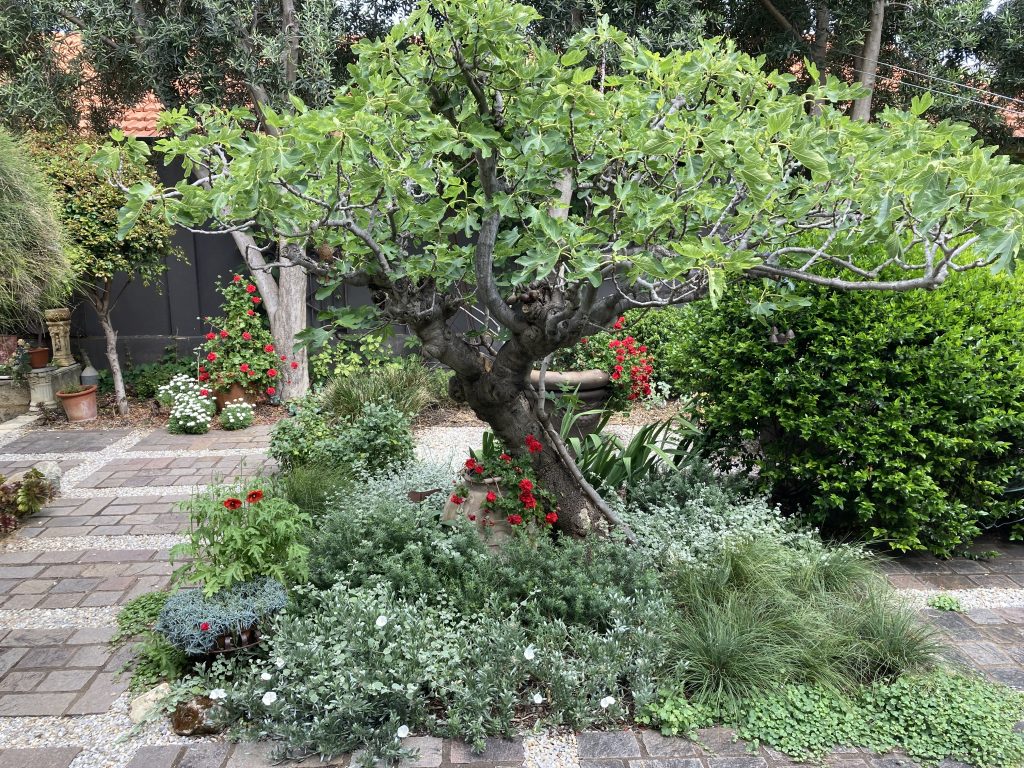
Margot Tobin’s 100 year old fig tree in full leaf, early summer. Convovulus and pelargoniums flowering underneath.

Water is the heart of all living things—humans, nature, wildlife, food. We all need water to survive. With the ease of turning on a tap at home or hosing our lawns and gardens, water can seem like an endless supply. But there are drastic decreases in groundwater levels in Australia, according to reports by The Department of Water and Environmental regulation.

In Western Australia alone, over the last 50 years, the annual rainfall average has declined by approximately 15 percent. Since the 1970s, the average streamflow to Perth’s drinking water dams was 420 billion litres and has declined to 25 billion litres annually. The reports attribute this to climate change and higher groundwater usage causing sources to be out of balance. As a state, heavy irrigation for lawns and plants can exceed annual rainfall expectations and underground supply. 

In the same way Northern European models have been used in Greece, the influence of colonisation and the introduction of plants in Australia means gardens in WA can be counterintuitive to the climate of place. Less trees from modern development can also impact gardens and fauna, exposing lawns and plants to the harsh sun, and therefore requiring more water to sustain year-round green lawns.

Touching on lawns, Margot says there are ways to reduce the need for additional water, especially in summer.

“In the Mediterranean-garden the lawn component will be quite contained, as it is nice to have a place for your dog or kids to play, but rather than acres of lawn, you have a small amount of lawn and you treasure that because otherwise you need more water, more fertiliser,” Margot tells The Greek Herald.
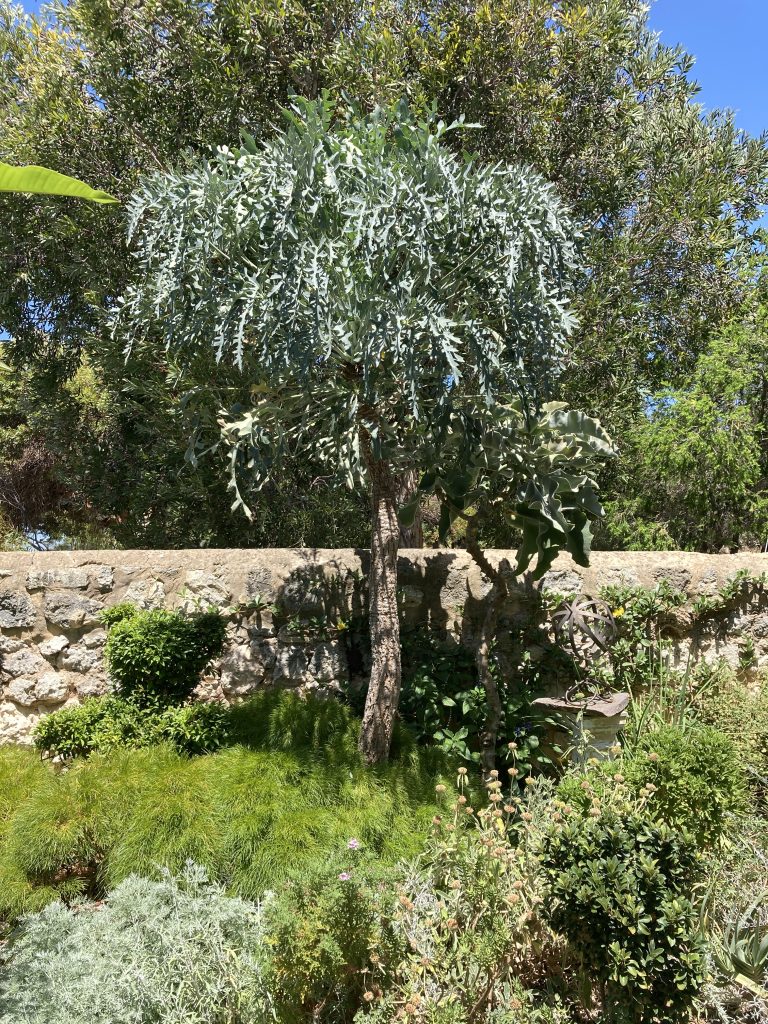
Margot Tobin’s favourite tree. It is a rare Cussonia paniculata (Mountain Cabbage Tree) from southern Africa. Underneath and to the left is the Australian plant, Acacia cognata limelight.

Margot explains the overuse of water is not the only issue in Australian gardening practices. Overwatering Mediterranean and native plants in WA are also a concern as it causes the plants to die. A variety of the plants lay dormant during summer and do not require much water. Some of the Mediterranean and native plants will lose all their foliage, which can be deceiving to the eye and assumed dead.

Margot also describes the intricate mechanisms on native fauna and how they are designed to be resistant to the warmer months by soaking up moisture in the air.

A Mediterranean-climate, much like other climates, can also have various soil types—coastal, inland—and the best practice is to choose plants that suit the soil of place to avoid additional water usage and fertilisers.

“You have to plant something that will survive those very hot summers with very little water. A little bit of hand watering is fine,” Margot says.

“But you don’t want your irrigation going all summer, especially for the plants that go into dormancy.”
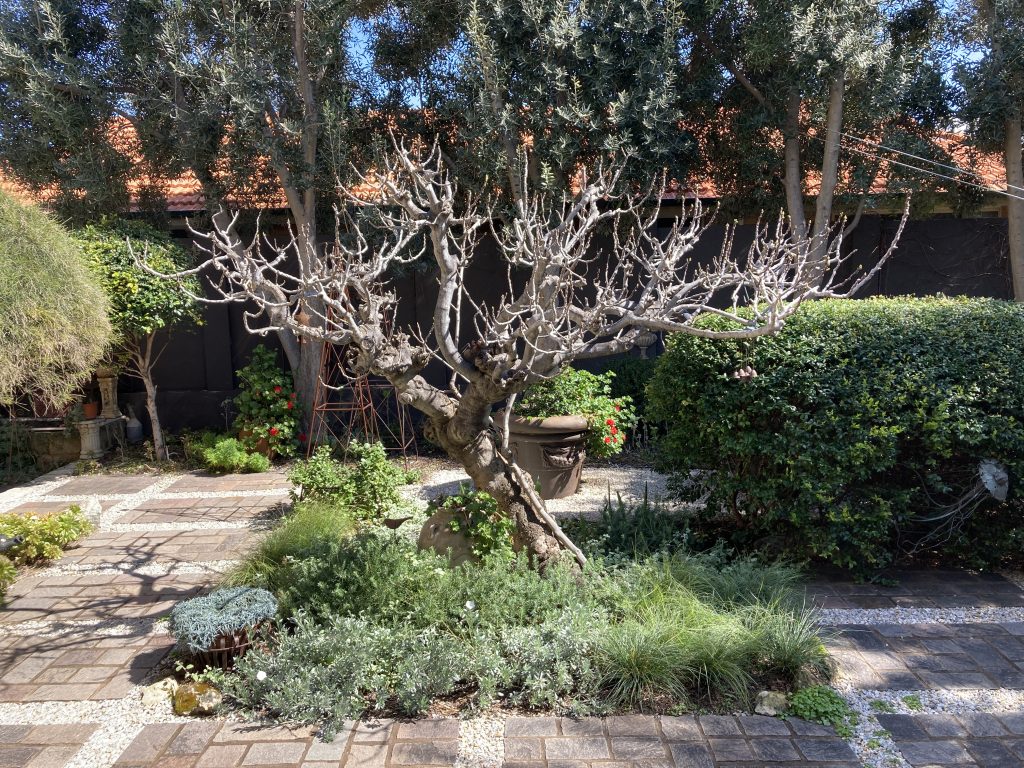
The sculptural beauty of the fig tree in winter, underplanted with Convovulus, grasses and westringia fruticosa.

With a lifelong passion in nature and design, Margot is well versed in garden landscaping and says there are three main principles to cultivate a Mediterranean-garden alongside the philosophies of the MGS.
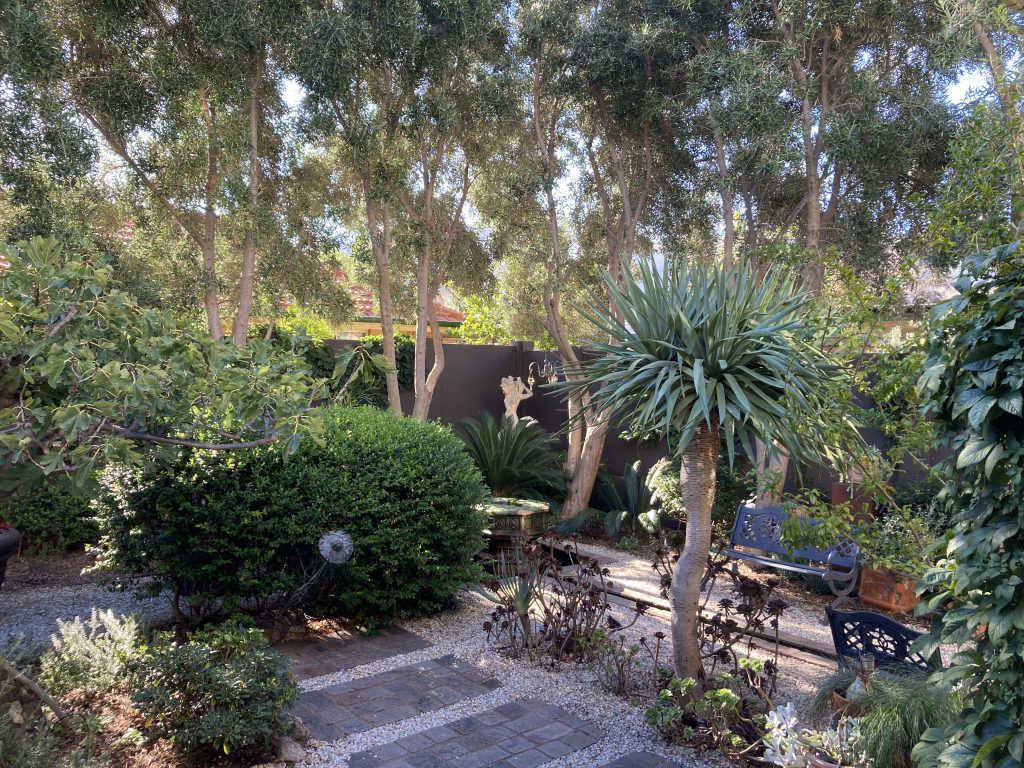
Back garden with evening light filtering through the olive trees in summer.

“The garden needs to have shade from trees or canopies to keep the house and spaces cool,” Margot says.

The passionate gardener says Mediterranean garden staples like the olive tree, rosemary tree, and lavender, will also thrive in the southwest of WA, because the climates are similar.

Secondly, the Mediterranean garden has outdoor areas to eat, enjoy a glass of wine and gather with family and friends under a patio, or tree canopies. Bringing together community in a cool shaded area is a form of relaxation during warmer periods.
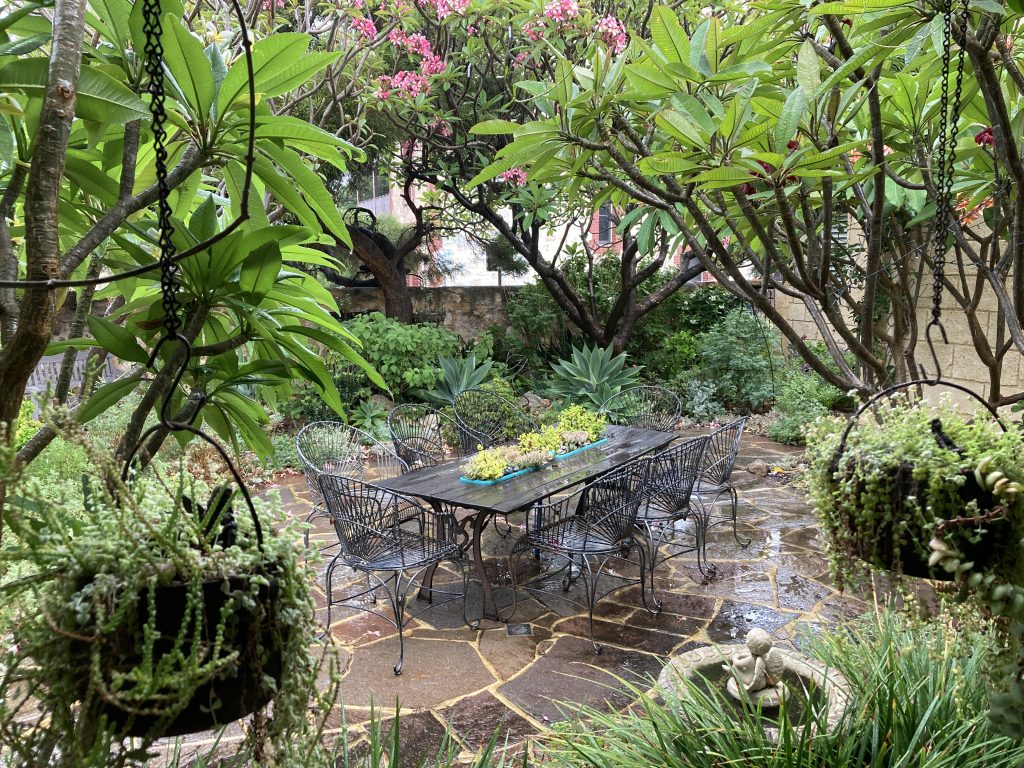
The front garden in winter rain.

The Mediterranean garden has a contained water feature or display such as a pool, pond, or foundation.

Margot emphasises the commitment to careful consideration with water features and says this element refers to ancient Persian designs with a Mediterranean-climate.

“Some of these concepts date back to Persian design, where they truly honoured water, because it was so limited. The water was channelled from the mountains to the gardens, and they really revered their water,” Margot says.

With foundations and carefully contained pools or streams, the viewing of water displays helped them to feel cooler during warmer climates.

For Waterwise garden designs in Perth and the Southwest, visit: Water Corporation.
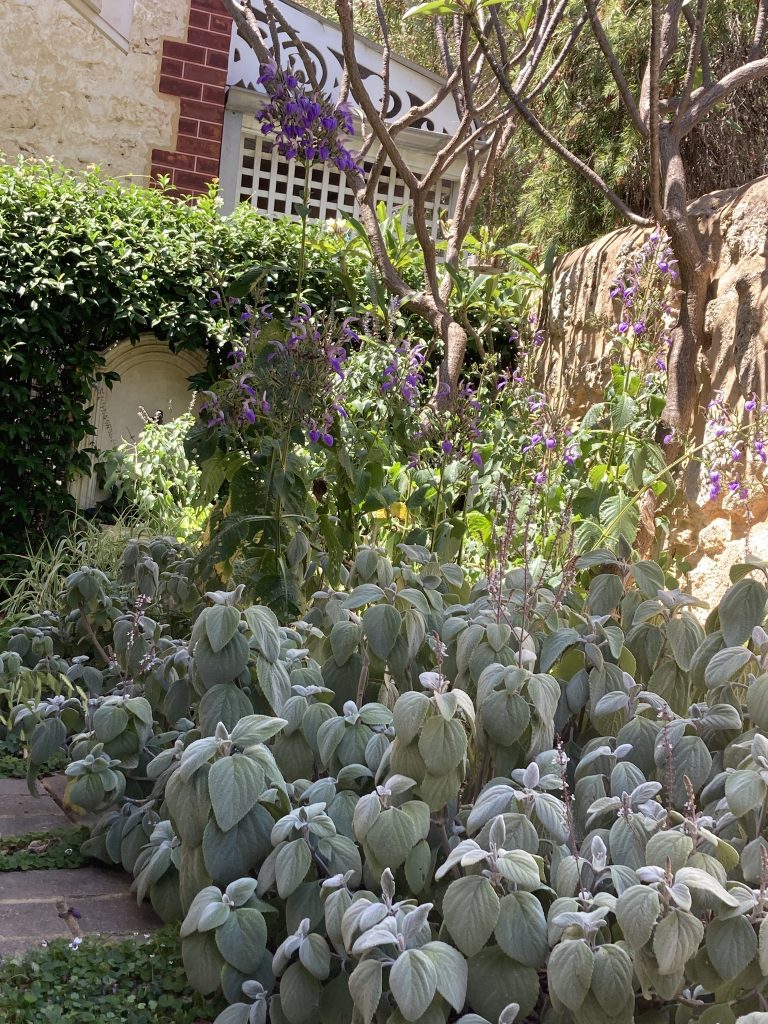
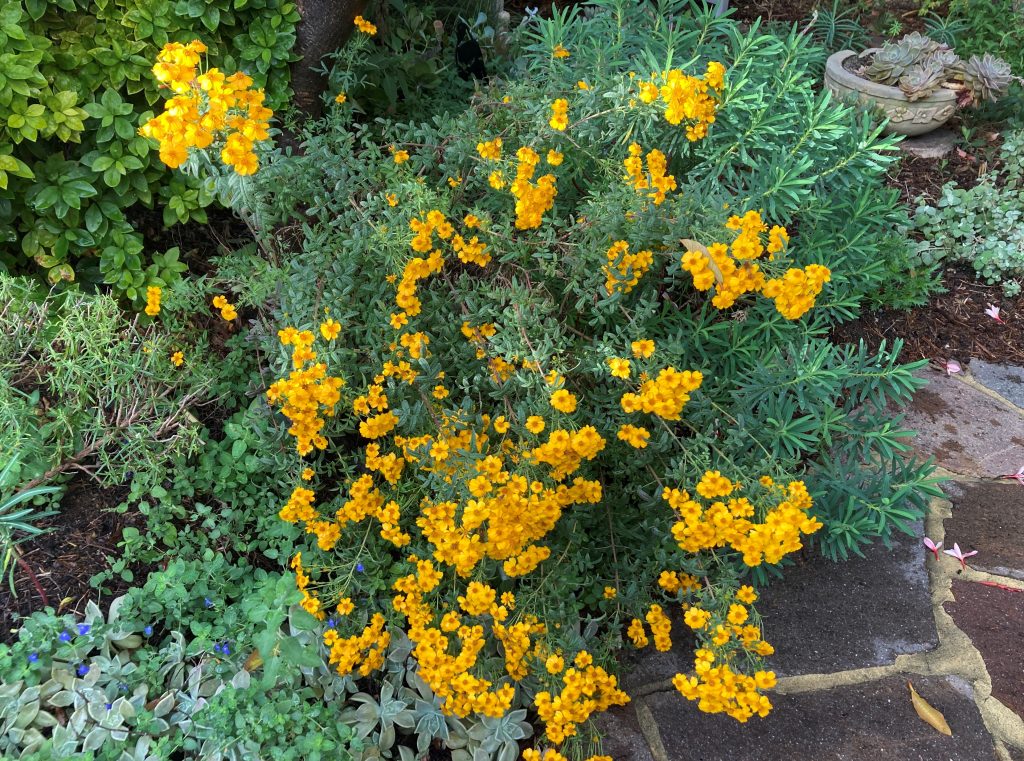
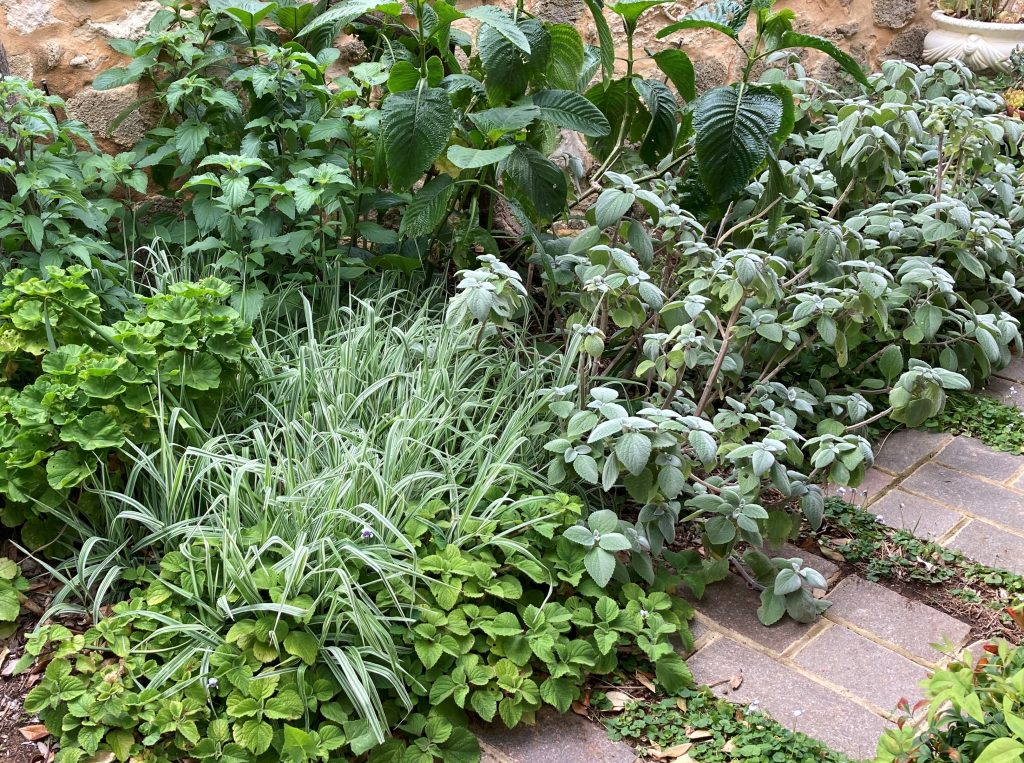
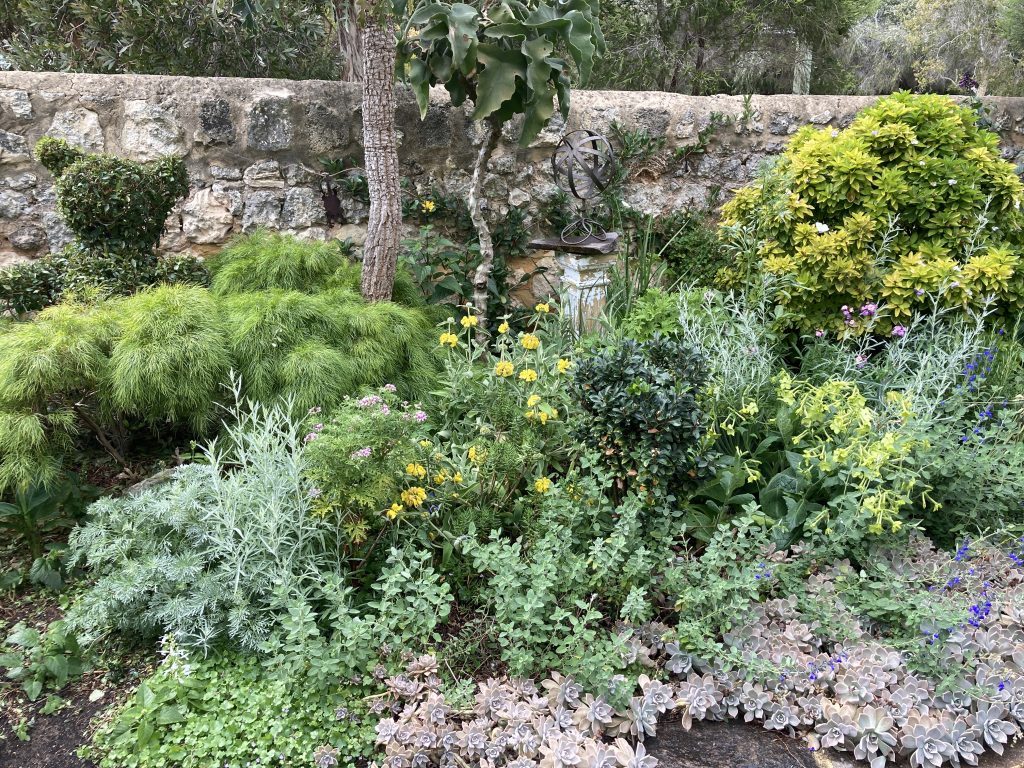
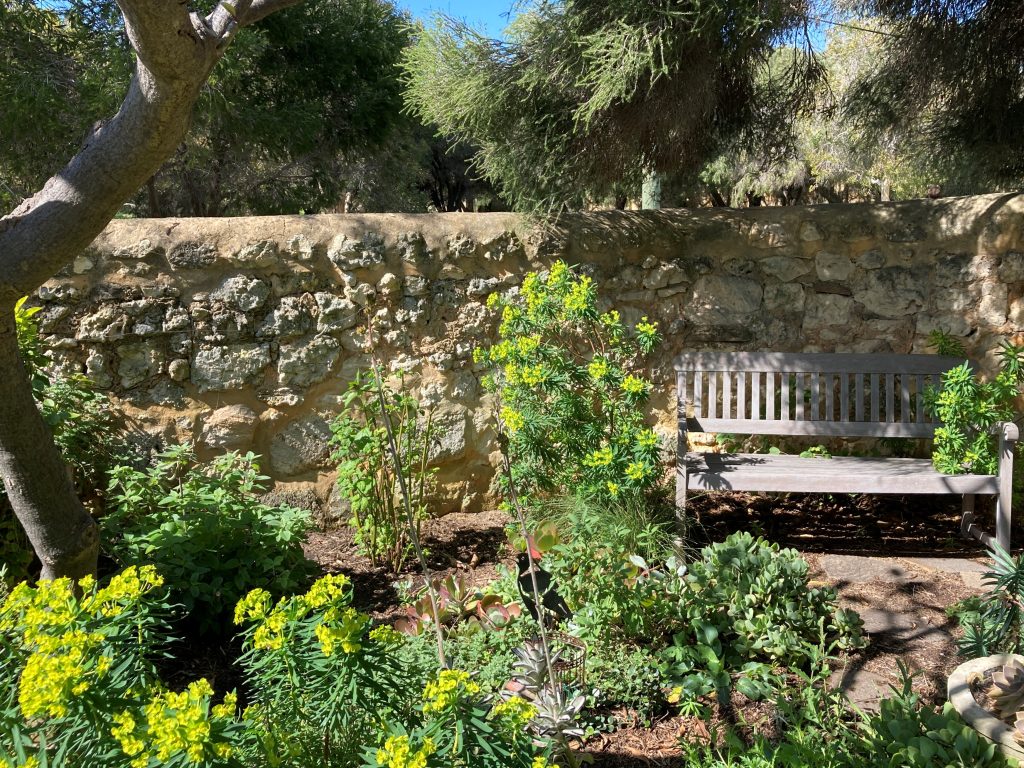
Plectranthus australis growing well. The “false” salvia is behind flowering in purple. Apparently it isn’t a true salvia but most people think it is.

Klearhos Murphy named 2023 Young Composer of the Year

Willoughby Symphony Orchestra (WSO) has announced its Young Composer of the Year for 2023 is Klearhos Murphy.

His new work, Prayer for Makronissos, will be performed by Willoughby Symphony Orchestra and Choir on May 20 – 21 at the Concourse Theatre, Chatswood, North Sydney.

Now in its 19th year, the WSO’s Young Composer Award is a national competition offering young Australian composers the opportunity to compose for a full orchestra and see that work performed and recorded live by the Willoughby Symphony Orchestra.

The award has become a springboard for a generation of composers. Previous recipients include Emma Greenhill (2022) and Joseph Newton (2021).

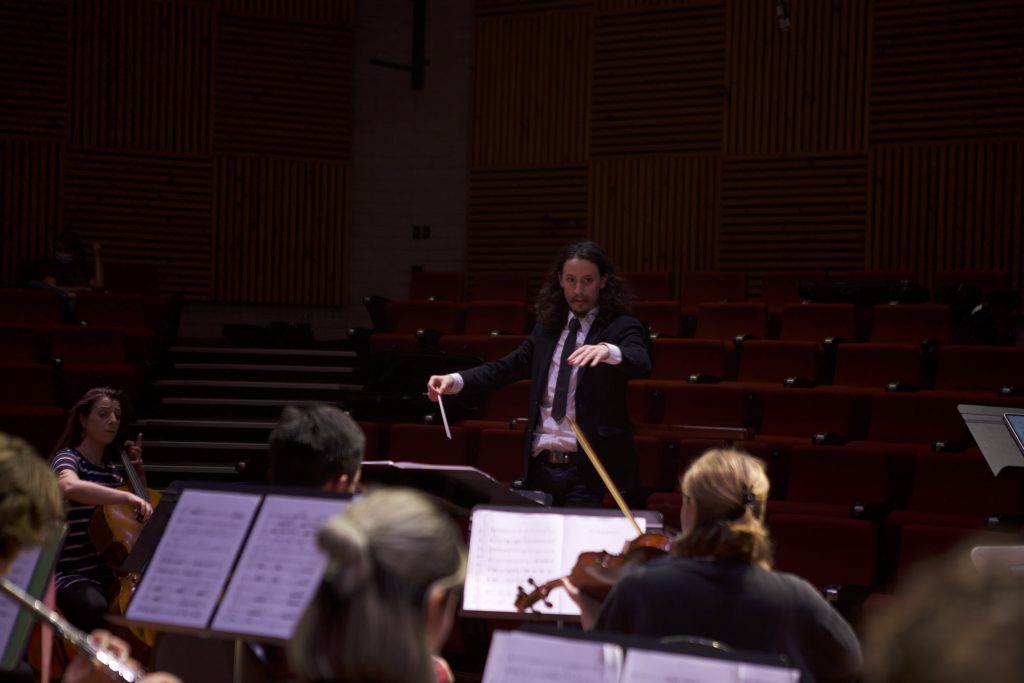
Photos: Callum O’Reilly

In addition to prize money, the award-winner gains valuable experience and contacts refining their original score alongside a respected conductor and accomplished orchestra.

“To be given the opportunity to write original music, and have it performed by such an accomplished orchestra and choir, is truly the opportunity of a lifetime,” Murphy said and added he was “uncontrollably excited” to work with WSO.

Murphy is a Melbourne-based Australian Greek composer who has worked with a variety of national and international ensembles. His area of specialisation is composing and arranging music for symphonic and chamber music settings, drawing from Western Art, Byzantine and Greek-folk traditions.

In 2017, Murphy won the WAAPA Symphony Orchestra Composition Competition and, in 2019, he was awarded first prize in the St Mary’s Composition Competition for his choral work Ave Verum. He has recently commenced a Master of Music (Research) at Melbourne Conservatorium of Music.

Prayer for Makronissos looks back to the Greek Civil War (1946–49) and the violent suppression of dissent which saw civilians taken sent to political prisons. One of these camps was set up on the island of Makronissos.

“My grandfather often recalls his memory of officials wrongfully detaining and exiling his father to Makronissos,” Murphy said.

“There was no due process during this time, and mere rumour was enough to send him there. Though he was released after one year, we can only assume he suffered greatly at the hands of those running the camp. Accounts of the terrible conditions on Makronissos at this time include starvation and torture – both physical and psychological.”

Prayer for Makronissos is dedicated to Murphy’s great-grandfather and to all those detained during the Civil War.

Photos: Callum O’Reilly.

“Being a ‘Prayer for Makronissos,’ the musical material utilises Byzantine and Greek folk theory for its melodic and harmonic language, as well as rich orchestral timbres that help to elevate the prayer to a state of fulfilment, longing and optimism,” Murphy explained.

“The lyrics are based on a traditional Greek Orthodox prayer used for times of hardship.”

You who cried out in pain and anguish shortly

before your suffering,

Now my soul is troubled and what shall I say?

do not disregard my cry sent up to you at this hour

with sighs too deep for words,

but with this trial provide also the way out

so that I may be able to endure it

and glorify your boundless mercy and love for us,

Father, Son and Holy Spirit, forever. Amen.

Prayer for Makronissos will be performed by the Willoughby Symphony Orchestra in its Dedications program, 20 and 21 May at the Concourse Theatre, Chatswood, North Sydney in a program featuring works by Bartók, Pavlova, Tycho and Dvořák.

Pandora Papamihail makes one woman’s charm bracelet dream a reality

In August 2022, Ineke Blakeman submitted a story from her childhood to ABC Radio National’s “Life in 500 Words” segment about her dream of owning a charm bracelet.

Touched by the story, listener, charm collector, and member of the International Vintage Charm Group, Pandora Papamihail, reached out to ABC RN’s producers asking to connect with Ineke.

Pandora spoke with Ineke and asked questions about her family and interests, with the intention of creating a personalised and meaningful charm bracelet for her.

In the end, Pandora, together with 13 other charm collectors from Australia, the US and the UK, donated 30 vintage and antique charms – including a miniature Volkswagen, the car Ineke’s father taught her to drive in, and forget-me-not flowers, which were grown by Ineke’s father who died when she was 18. 

In March 2023, Ineke and Pandora met for lunch in Sydney, along with charm collectors Kim and Kyria, and a friendship was born. 

“They’ve given this gorgeous and generous gift to me, someone they don’t even know, just because they were touched by my story,” Ineke told ABC News.

“Words can’t fully express my joy, amazement and gratitude for this… It has fulfilled a childhood dream.”

Source: ABC RN. 

Cypriots invited to take part in 2023 ANZAC Day march in Sydney

During World War II, more than 30,000 Cypriots volunteered and served on the front line with distinction in the Battle of France, Battle of Crete, Battle of Greece, North Africa, Egypt, Italy and the Middle East.

Even before Italy’s invasion of Greece, many Greeks in Cyprus sensed that the fall of France would mean the fall of Greece. Without any fanfare, many went to fight in France, others made their way to Greece, ready for the inevitable.

Most Greeks, let alone Australians, know little about the Cypriots who volunteered to fight in France or the Cypriots who landed in northern Greece, central Greece, Crete, North Africa, and later Italy.

In France alone, 476 Cypriots volunteered to go to the front line in the defence of France. Once over run and sent to Dunkirk to be rescued, many stayed in France to continue the fight.

It took the British nearly 12 months to realise locals were volunteering. Not to miss this sentiment, the British formed the Cyprus Regiment, a volunteer unit of the British Army, which saw action side-by-side with Australian, New Zealand, Canadian, French, UK, and Greek forces during World War II.

During World War II, more than 30,000 Cypriots volunteered and served on the front line.

Cyprus sent the highest number of volunteers in proportion to the island’s population in the British Empire, indeed in the whole of western Europe.

On a visit to Cyprus in 1943, Winston Churchill praised the “soldiers of the Cyprus Regiment who have served honourably on many fields from Libya to Dunkirk.” He also promised that the UK would leave Cyprus after World War II. Winston had a poor record when it came to keeping promises.

The enthusiasm to defend Greece was not ignored by the British propaganda machine, who regularly published articles even on the radio about this “unique” phenomena of a little island’s desire to “join in the fight,” remarkable considering Cyprus itself was occupied, and governed by foreigners at the time.

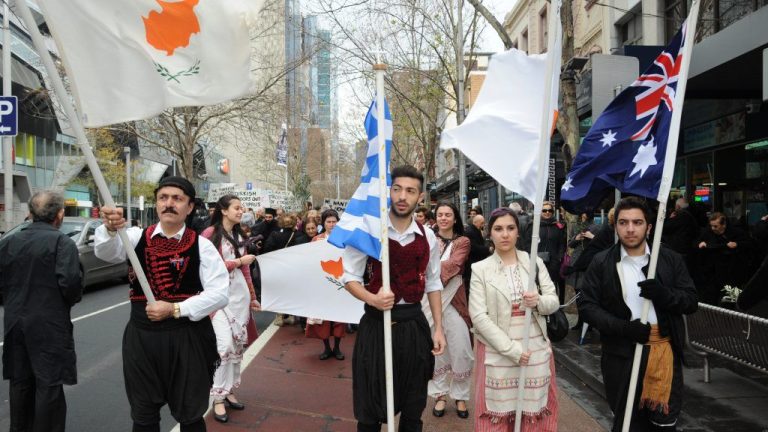
In 2023, the ANZAC Day organisers have recognised the sacrifices and heroism of Cypriot volunteers.

Cypriots invited to take part in 2023 Anzac Day march in Sydney.

Under the auspices of the Cyprus Community of NSW, the ANZAC Day Committee have invited the veterans, their children, grandchildren and relatives to take part in the ANZAC Day march, under the “CYPRUS REGIMENT – CYPRIOTS FOR ANZACS.”

If you are a Cypriot veteran or have a family ‘connection’ with a Cypriot veteran, either directly or indirectly, then we ask you consider marching on Anzac Day (25th April 2023).

To march, register online, go to: www.cyprus.org.au or register at the Cyprus Community Club counter in Stanmore open Thursday, Friday, Saturday, and Sunday.

Sydney Olympic FC to face Blacktown City in Australia Cup fourth round

Sydney Olympic FC will host Blacktown FC on Wednesday, April 12 at Belmore Sports Ground for the fourth round of the Australia Cup.

The last game between the two ended in favour of Blacktown City, but this time Sydney Olympic are aiming to claim the win and move to the next round.

Kick off is at 7.30pm and the hosts aim to continue their good form in the Cup, coming from two victories in two games in the League.

The gates open at 6pm and entry will be free. There will also be a free heart and health check from Heartbeat of Football.

Emeritus Professor Maria Efthymiou to give lecture on Hellenism’s timeless strengths

The Greek Community of Melbourne has announced that Emeritus Professor of History at the National Kapodistrian University of Athens, Maria Efthymiou, will present an online lecture entitled “Enduring the Test of Time – The timeless strengths of Hellenism over the past 3,500 years.”

The lecture will take place on Tuesday, 11 April at 7pm (AEST) and will be broadcast exclusively via Facebook and Youtube.

Professor Efthymiou is a renowned scholar and historian with extensive experience in the field of Hellenic history. She received her education from the University of Athens and Sorbonne University in Paris, where she completed her postgraduate studies.

Her work includes six history books and over 85 scientific articles, and she was awarded the prestigious ‘Outstanding University Teaching Award’ in memory of Vassilis Xanthopoulos and Stefanos Pneumatikos in 2013.

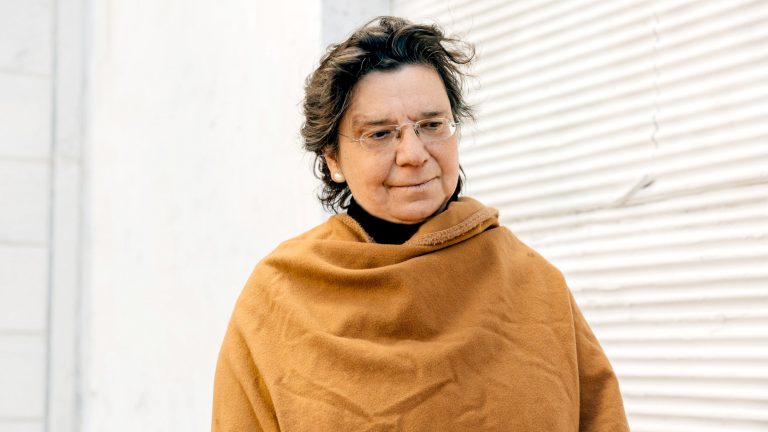
Professor Maria Efthymiou.

In this upcoming lecture, Professor Efthymiou will delve into the timeless strengths of Hellenism that have endured for more than 3,500 years. The Greek language has been written since at least 1500 BC as it has been proven that Linear B scripts found in Mycenaean palaces are Greek.

For about 1000 years, Greek became the language of communication and education of the peoples of the Eastern Mediterranean and, as a result, the language used in the spreading of Christianity. Along with language, the other main transforming element of Hellenism is seamanship, with the trade both at sea and on land playing a significant role.

This event is part of the Greek History and Culture Seminars, which aim to promote Greece’s rich history and culture and foster a deeper understanding of Hellenism’s enduring legacy. Professor Efthymiou’s lecture offers a unique opportunity to learn from one of Greece’s most esteemed historians and explore the timeless strengths of Hellenism.

To access the online lecture, please visit the Greek Community of Melbourne’s Facebook or YouTube page on Tuesday, April 11, at 7pm (AEST).

National Museum of Australia applauds major budget funding boost

0

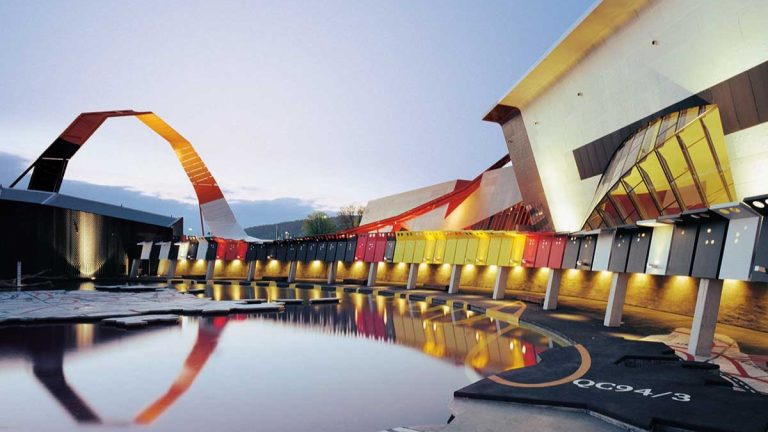
The National Museum of Australia in Canberra has applauded a federal government announcement of a major $78.3 million funding boost over the next four years, in the upcoming federal budget.

In the most significant budget uplift since the Museum was established in 2001, the new funding comprises an additional $55.5 million over four years in additional general appropriation to support the Museum’s day-to-day operations.

This will be enhanced by a further $9.7 million over two years for high-priority capital works and a payment of $13.1 million to lease an urgently needed new storage facility and to exit a current unit whose conditions no longer support the safe storage of the National Historical Collection or staff access.

National Museum Council Chair, Ben Maguire, said he was delighted by the announcement and thanked the Hon Tony Burke MP for his support.

“We are delighted by the announcement of major budget funding for the National Museum of Australia and applaud the federal government for heeding our urgent request for additional funding and for supporting the National Museum’s mission and purpose,” Mr Maguire said.

“We are incredibly grateful to the government for addressing the looming funding cliff next financial year, which threatened the Museum’s ability to deliver on its legislative requirements for the Australian people – Arts Minister, the Hon Tony Burke MP is to be commended for his vision which includes both the extra funding for the Museum and the recently released National Cultural Policy.”

National Museum director, Dr Mathew Trinca, also applauded the government funding.

“We are incredibly grateful to the government and Arts Minister, the Hon Tony Burke MP, for the commitment to the National Museum’s ongoing role as the key institution for the holding and telling of the unique and complex Australian story, for the benefit of all Australians,” Dr Trinca said.

“This is exciting news which is so encouraging for our staff. In making this significant financial contribution to the Museum, the government has addressed longstanding funding issues and allowed the institution to plan for the future… We are delighted.”

The new operational funds over four years will sustain and grow the Museum’s operations including the launch of a new redevelopment and major display on Australian Wars examining frontier conflict between First Australians and European colonisers; enhanced adult and children’s programming; the next iteration of the landmark History Makers competition for schools Australia-wide centred around the award-winning Australian Defining Moments Digital Classroom; the extension of international and domestic exhibition tours, including the European tour of Songlines: Tracking the Seven Sisters; and digital transformation across the organisation.

A 2004–05 ANAO report found the National Museum’s storage – all leased – was in the worst condition of any of the national cultural institutions.

While the federal government undertakes a review of collection storage needs of the nation’s national cultural institutions, the newly announced interim capital funding will be used to urgently vacate one of the existing storage facilities and transport and rehouse parts of the National Historical Collection, to a new temporarily leased premises.

The budget shortfalls are a result of recurrent underfunding over two decades which meant that without intervention this year the National Museum was on track to receive $4.3 million less next financial year than the Department of Finance recommended it receive even back in 2002. Costs have increased significantly in the subsequent 20 years.

Meet the Greek Australian siblings behind global brand worth $60 million

In 2011, at just 17 years old, Argylica Conditsis started embellishing shoes for herself as a hobby in her parents’ Baulkham Hills home in Greater Western Sydney. She started selling them on Facebook and shortly after was receiving more than 100 orders per week.

Twelve years later, this decision led to the global eCommerce brand Babyboo, now worth more than $60 million and sold in 145 countries. 

Argylica and her brother William, who joined the business shortly after launch, both dropped out of university to focus on Babyboo. They added clothes to their product mix and managed to turn $1,000 into more than $40 million of combined net worth.

Speaking to The Daily Telegraph, Argylica said working with her brother had been instrumental in the brand’s success.

Babyboo founders, Argylica and William Conditsis, dropped out of university to focus on their rapidly growing business. Picture: Supplied to The Daily Telegraph.

“It’s been really amazing to join forces with an incredibly like-minded person and build something amazing with him,” she said.

“We both add different values to the brand and it’s been really easy to split aspects of the business up where he can focus on one and I can focus on the other.”

Argylica attests part of their success to social media, knowing how to market themselves and keeping an eye on trends. 

“We still have that kind of start-up mentality where we’re responding to what the customer wants, even as the business continues to grow,” she said.

“The customer we had 12 years ago, is not necessarily the customer we have now. You have to be trend focused in order to give the customer what they want at the right time.”

Aphrodite’s Breath: Susan Johnson’s new novel is an ode to Kythera

In 2019, Australian author and journalist Susan Johnson quit her job, left her Brisbane apartment and brought her 85-year-old mother, Barbara, along with her to live on the Greek island of Kythera for one year.

Four years later, she has published her new book Aphrodite’s Breath inspired by the journey.

Johnson explained to The Australian her desire to return to the island of Kythera, her first ever travel destination outside of Australia, where she joined her friend Maria Comninos and her family in their home in Perlegianika in the mid-1970s.

It was an experience which “changed the course of the rest of [her] life.”

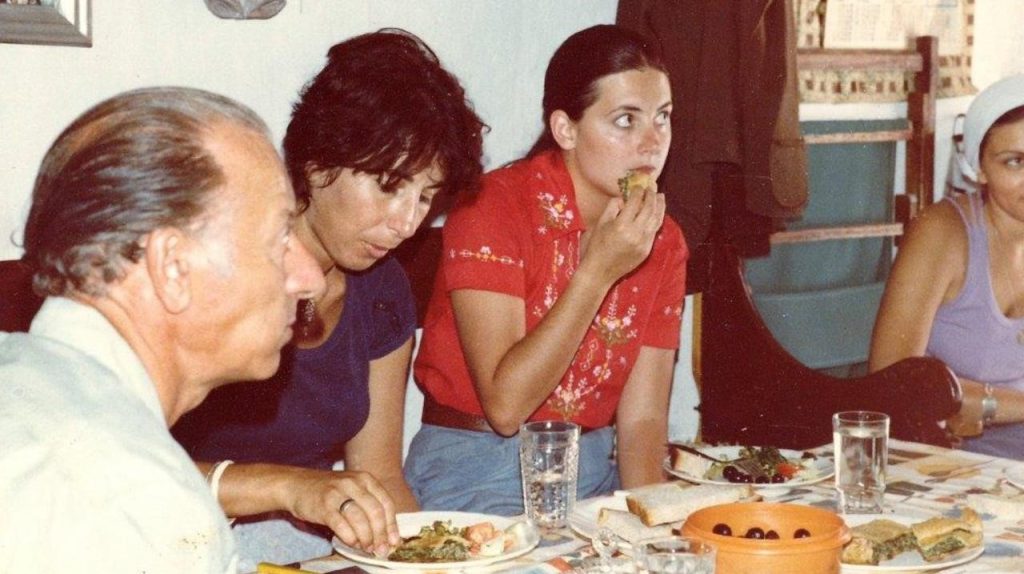
Johnson at lunch in Kythera aged 21. Image from The Australian.

With the desire to return to this nostalgic spot in her sixties, Johnson felt she could not leave her elderly mother behind, and so, she asked if she would consider joining.

“Why not?” Barbara replied. “I’ll be close enough to heaven if my time is up.”

Aphrodite’s Breath tells an honest story of a late-life relationship between parent and child with a particular sentiment for Kythera and its people.

Aphrodite’s Breath: A mother and daughter’s Greek Island adventure is out now.

Kokatha Greek Tammy Coleman-Zweck receives SA short film grant

The South Australian Film Corporation’s (SAFC) First Nations Short Film Initiative has awarded three First Nations film-makers a grant to produce their short films.

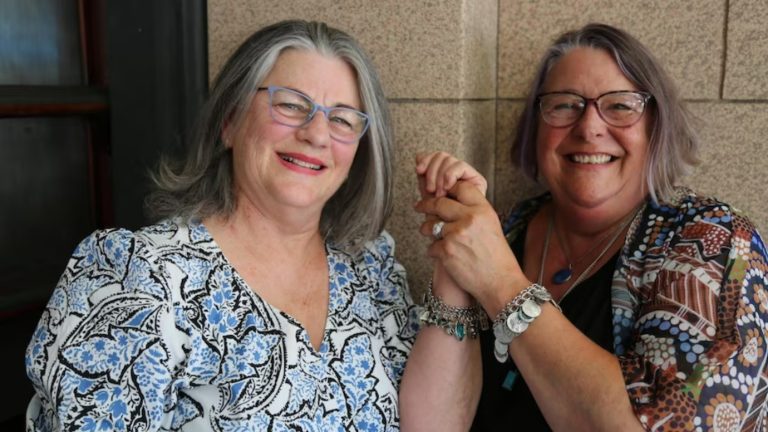
Kokatha Greek Tammy Coleman-Zweck is among the writer and producers who have received the SAFC First Nations Short Film Production Grant of up to $45,000, in addition to up to $10,000 of film equipment hire, provided by Panavision.

Writer/director Travis Akbar and writer/director Adam Jenkins were also awarded.

Coleman-Zweck’s film Black Time, White Time was developed through the first phase of the initiative in 2022.

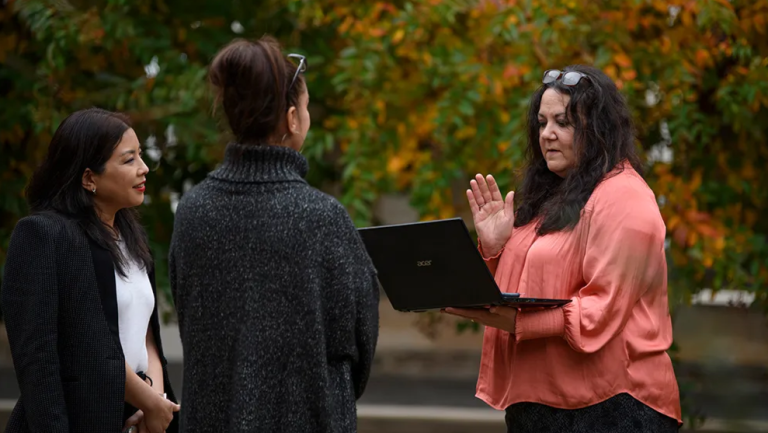
(L-R) Kokatha Greek Tammy Coleman-Zweck, Adam Jenkins and Travis Akbar.

Now in phase two, Coleman-Zweck and her team, which includes First Nations producers and directors, will take the short film into production.

“The Malinauskas Government is proud to support South Australian First Nations people to tell their stories through the power of film,” SA Arts Minister, Andrea Michaels, said.

“These grants will support three talented emerging filmmakers to take their project to the big screen and I’m looking forward to seeing the films that are produced.”