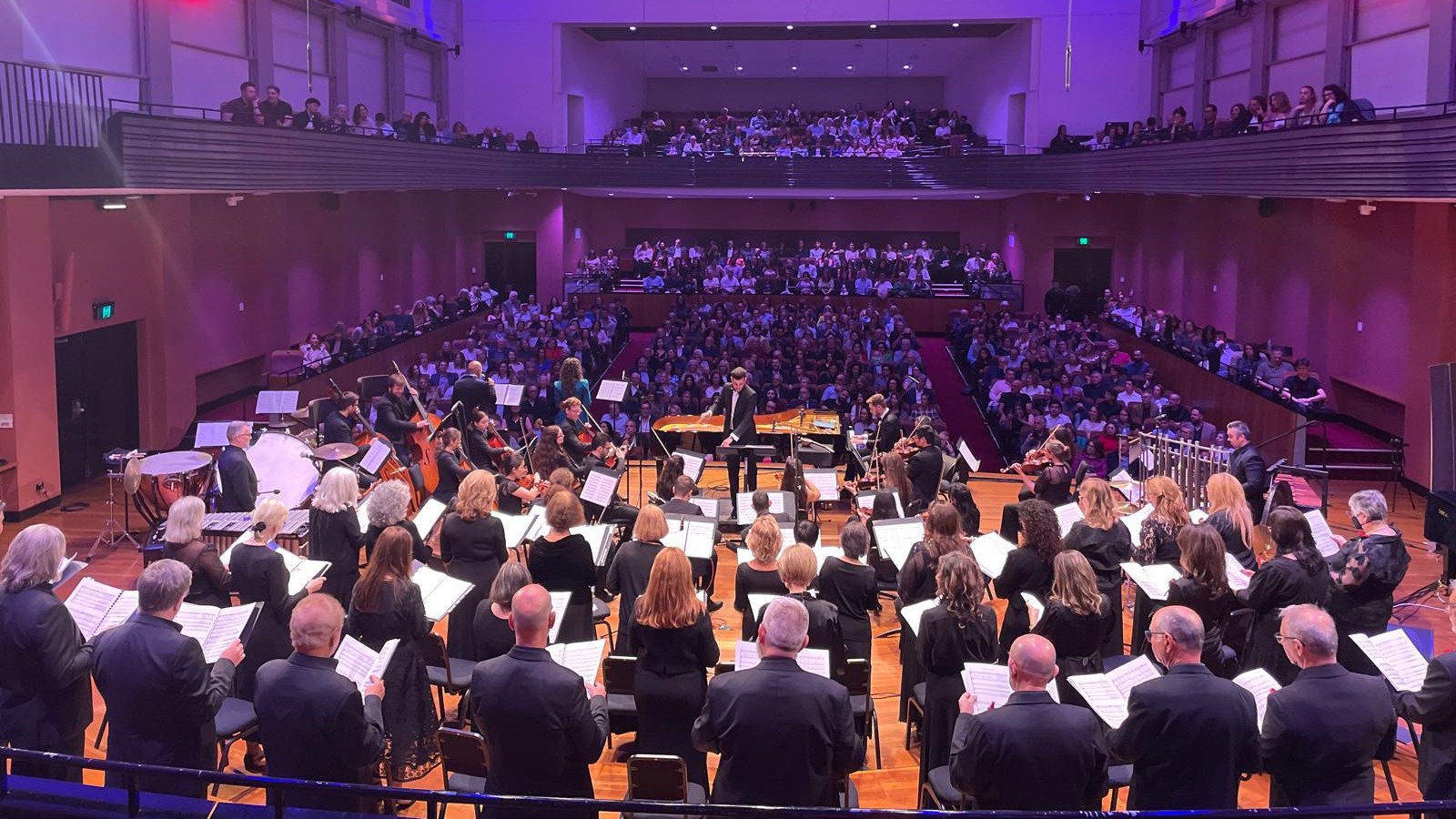
Community leaders and cultural organisations have responded to the controversy surrounding the cancelled Hope and Unity concert, urging solidarity between Greek and Jewish Australians while rejecting claims that the dispute reflects broader tensions between the two communities.
The Australian Hellenic Choir recently issued a public clarification denying accusations of antisemitism after media reports linked the cancellation of the proposed performance with the Sydney Jewish Choral Society to political objections among choir members.
In its statement, the Choir’s Committee of Management said recent reporting had “inaccurately suggested” members were motivated by antisemitic views.
The choir stressed that “Antisemitism, or any other form of discrimination, has no place in our organisation,” and said members voted against participating due to time constraints, given preparations for another concert were already underway.
The proposed Hope and Unity concert was due to take place at Sydney Town Hall on June 28 and was intended to raise funds for families affected by the 2024 Bondi Beach terror attack.
The clarification followed comments made by choir President James Tsolakis in earlier reporting, in which he expressed disappointment over the cancellation and suggested concerns within the wider community had influenced the outcome.
Tsolakis said he was “extremely disappointed and pretty upset” by the decision, noting the choirs had previously performed together without issue in 2022.
“There’s a bit of antisemitism in the Greek community; I didn’t realise the extent of it. Unfortunately, we have a lot of people in the community blaming the Jewish community for what’s happening in Israel, Palestine … that’s not correct,” Tsolakis said.
“You want to hate (Israeli Prime Minister Benjamin) Netanyahu? Hate Netanyahu, but what have the Jewish people done to you? The whole antisemitism thing has got to be wound back.”
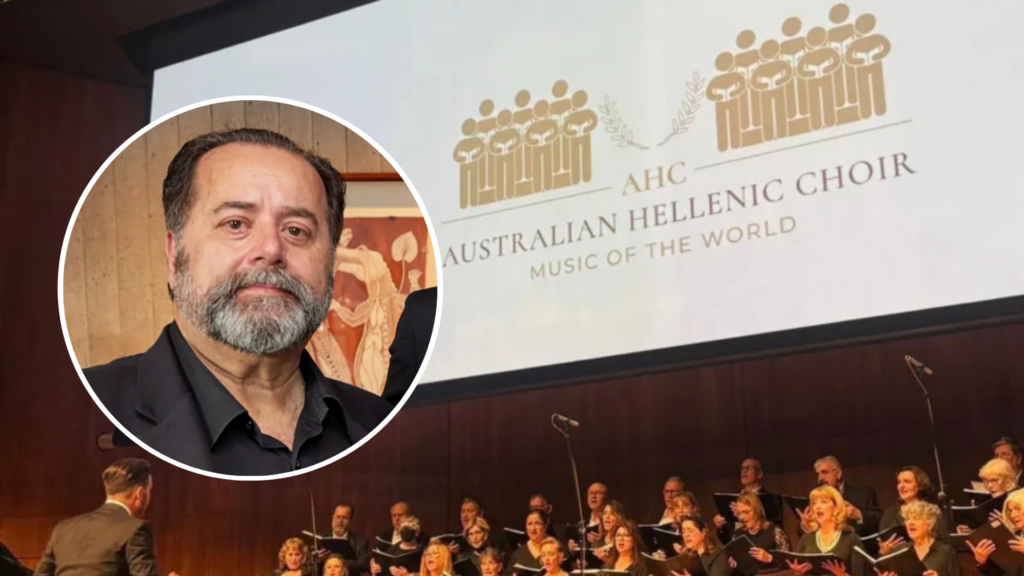
Since the controversy emerged, several Greek and Jewish community figures have publicly addressed the matter, emphasising the longstanding relationship between the two communities.
The Jewish Hellenic Association of Victoria (JHAV) said it was saddened by the concert’s cancellation, describing the event as an opportunity to reinforce shared values of remembrance, compassion and solidarity.
In a statement issued by Dean Kalimniou on behalf of JHAV, the organisation said the concert had been conceived “as a gesture of reconciliation and remembrance” and argued that music and culture should continue to serve as bridges between communities.
“The answer to hatred is not separation but robust debate and principled solidarity,” the statement read.
JHAV also stressed that disagreement over international affairs should not translate into hostility toward Jewish Australians, reaffirming that antisemitism and communal suspicion have no place in Australian society.
New Democracy in North Australia (Sydney) also released a statement condemning antisemitism and distancing the broader Greek Australian community from suggestions of hostility toward Jewish Australians.
President John Kallimanis said Greek Australians had historically promoted multiculturalism, coexistence and cross-cultural friendship.
“By no means does this tiny minority represent the inclusive and pro-Jewish sentiments of the broader Greek Australian community,” he said.
Meanwhile, the Sydney Jewish Choral Society indicated it remained open to future collaboration despite the cancellation.
Chair Anne Spira told The Australian the choir was disappointed but would welcome another opportunity to perform alongside the Australian Hellenic Choir.
“Our choir is strengthened with resolve to celebrate the beauty and richness of our Jewish musical heritage and to continue to build bridges between communities,” she said.
Former Multicultural NSW chair and former chief executive of the NSW Jewish Board of Deputies, Vic Alhadeff – whose family came from the Greek island of Rhodes and whose paternal grandparents died in Auschwitz – had been expected to emcee the event. He told The Greek Herald the cancellation was painful for members of the Jewish community.

“The decision by some of the Hellenic choristers to walk away from the event was extremely hurtful to the Jewish community, particularly as it occurred during what has been an exceptionally distressing social climate for Jewish Australians,” he said.
However, he added that the relationship between Greek and Jewish Australians remained strong.
“Australia’s Greek and Jewish communities have enjoyed a long, collaborative and mutually supportive friendship, and our hope is that the two choirs will again share a platform in the foreseeable future.
“We urge all people of goodwill to overcome any perceived challenges and move on from this unprecedented impasse.”
Despite the recent controversy, several organisations have emphasised that the broader relationship between Greek and Jewish Australians extends well beyond a single cultural event, pointing instead to decades of shared engagement, historical ties and mutual support.
