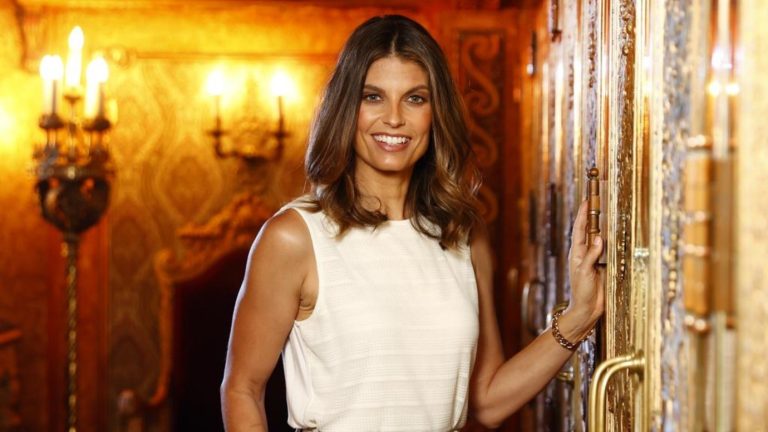
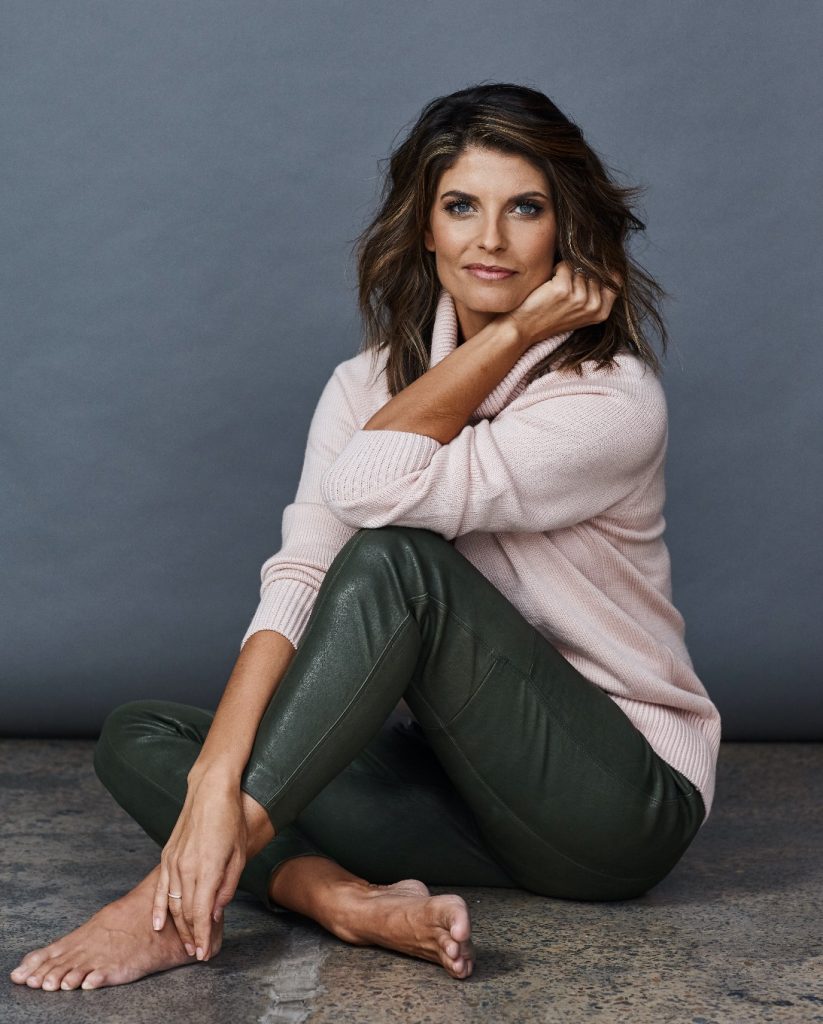
Zoe Ventoura, the Greek Australian actress famed for her role as Melissa Rafter in Packed to the Rafters, spoke to The Daily Telegraph ahead of her new role in Broadway musical La Cage Aux Folles, which opens at Sydney’s State Theatre later this month.
Ventoura, who split with actor husband Daniel MacPherson in 2020, has spent the last few years “house bound” along with the rest of the world due to the COVID-19 pandemic, but has also been raising her now three-year-old son, Austin.
“My son was really little when COVID-19 hit, so it wasn’t too different from people with very young children who are probably pretty house bound anyway, there’s not a lot of going out — so it didn’t feel like I was missing out on anything because everybody else was locked down too,” she told The Daily Telegraph.
Zoe Ventoura.
Ventoura has also starred in other Australian hit shows, including Doctor Doctor and Home and Away. In 2022, she wrapped up filming an upcoming series called Time Bandits in New Zealand, and is also in her second year of a double university degree, studying psychology.
Now, Ventoura is looking forward to performing in La Cafe Aux Folles, which opens on April 19.
“We had an overwhelmingly positive response — people just loved it because it’s joyous and it’s colourful and fun and it’s funny — but it’s also got a really important story at its heart, and a really important message about family,” Ventoura said.
“And with Paul Capsis and Michael Cormick at the helm you can’t really go wrong – they are theatre icons in Australia. They just drive the whole thing, and it trickles down from there.”
Easter is a special time of celebration for families and friends to come together, enjoy each other’s company and indulge in great food. Growing up in a Greek family, food was always a central part of any family gathering and Easter is no exception. I remember all the amazing dishes that would make it to the dinner table and how special it was to share it all with my loved ones.
When you’re the designated family cook, it can feel daunting to put on the perfect spread for your family and friends, but it doesn’t have to be this way. Over my years of cooking and preparing Greek feasts, I have learnt many tips to help alleviate the stress and have fun with the process, while serving plate-licking dishes.
1. Magirista is an Easter must-have and with slight tweaks can be taken to the next level. My advice is to add the liver 15 minutes before it’s finished cooking. It will make it juicier and softer for a truly enjoyable experience.
2. When serving big groups, work smarter not harder. A lamb on the spit is a mouth-watering crowd-pleaser that serves large numbers with minimal prep time – simply season your lamb well and place it on the spit for cooking. My tip is don’t add salt on the top of the lamb at the start, but only on the inside where the stomach area is. After one hour of cooking, add the salt on the outside of the lamb and marinate it throughout the whole process with lemon and water. I suggest you use a spray bottle for convenience.
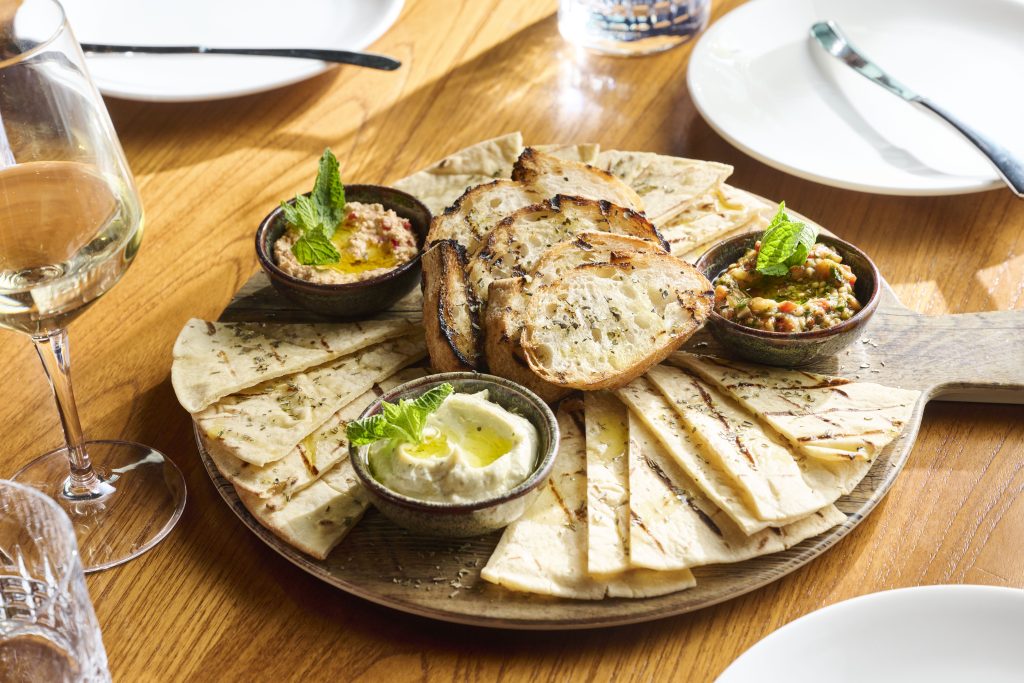
Bread with Tzatziki.
3. Home-made bread is delightful addition to the dinner table, and in this case Tsoureki bread is the perfect choice and beautiful tradition to keep. When making home-made bread, I recommend kneading it twice over and letting it rise twice for the best texture. My little secret to the perfect Tsoureki is to always add mastixa for a delicious aroma and flavour that will leave your guests mesmerised.
4. Kokoretsi is another Easter favourite and whilst it can be a little tricky to make, it’s definitely a dish that wows at gatherings. My tip is to always cut the heart, lungs and kidneys into small chunks when preparing to make your task of fitting it into the lamb or goat intestines a little easier. To avoid spending a lot of time on this, why not offer it as an entrée instead?
5. Keeping it simple is a great way to manage your workload when hosting big gatherings. Don’t overlook some of the basic favourites such as Greek Salad, Tirokafteri and Tzatziki, which make for appetising tables fillers. Using the best ingredients is essential in elevating these dishes to Easter-spread worthy status. Always make sure you are using authentic Greek feta, high-grade olive oil and nice red tomatoes in your salad.
6. Speaking of Tzatziki, you should always be using authentic thick Greek yoghurt for the best texture. A good tip I use is to make it the day before for the best results, which also means one less thing for you to do on the day of hosting.
7. Have fun! The best meals are made with love, not stress. Stick to what you know and do well, selecting dishes that don’t require a lot more prep time to make in large portions.
The Real Greek Chef restaurant pop-up will be at Crown Melbourne from 28 April to 21 May 2023. Bookings are now open and can be made at https://bit.ly/3MkCJaI.
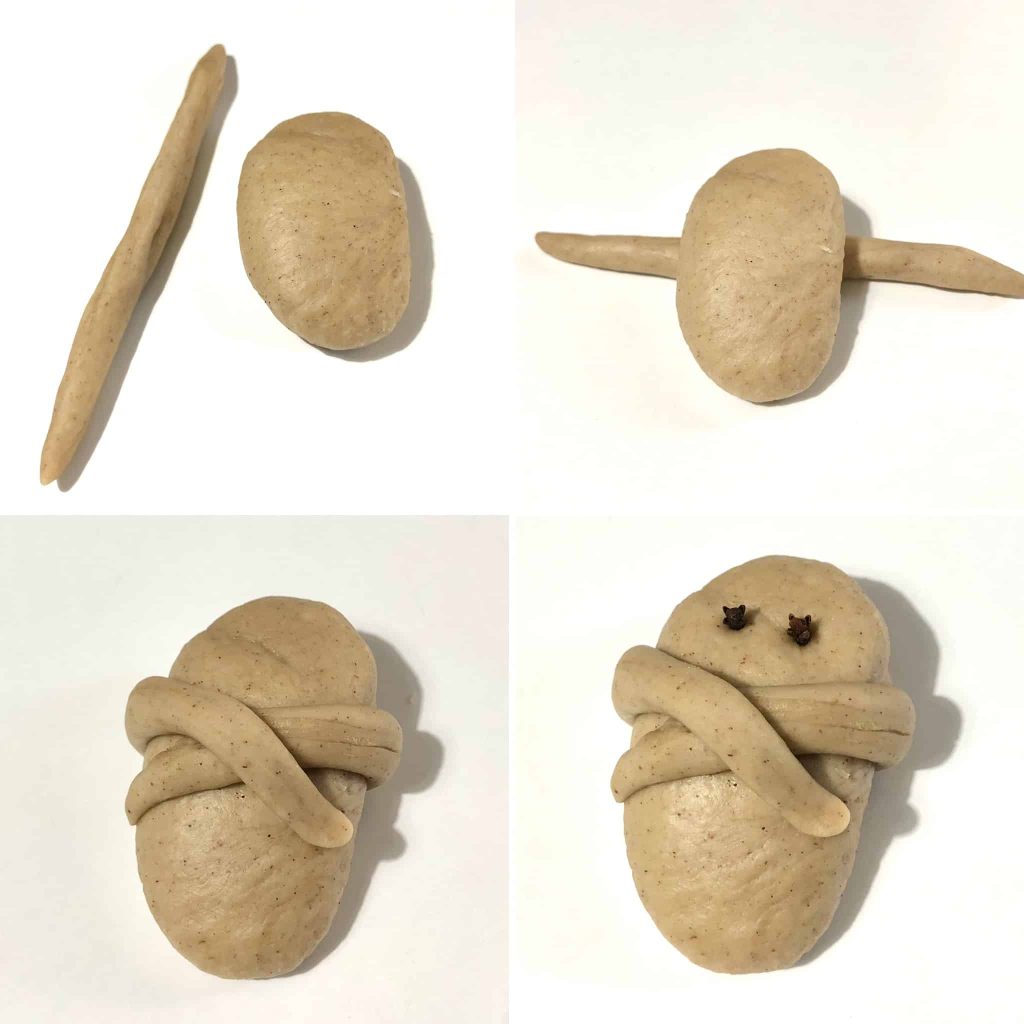
Little Lazarakia are traditional Lenten Greek Easter breads, made in Greece and Cyprus, eaten on Lazarus Saturday. They symbolise the resurrection of Lazarus and have the shape of a little man wrapped in a shroud, as Lazarus is depicted.
1 tbsp sugar dissolved in 50g/ 2 oz. water for coating
40 whole cloves for the eyes
Instructions
To prepare this Lazarakia bread recipe start by adding all the ingredients from the “mixture 1” into the bowl of a stand mixer. Mix to combine. Set aside for 10-15 minutes to allow the yeast to work.
In a separate bowl add the flour, spices, salt and sugar and mix with a spoon to combine.
Add this mixture in the stand mixers bowl along the yeast mixture from step 1. Pour in the olive oil and vegetable oil. Use a dough hook to knead the dough until smooth and not sticky for about 10 minutes.
Cover the bowl with a towel and let it rise in a warm environment for about 1 hour, until it doubles its size.
Gently deflate the dough with your hands and separate the dough in 20 balls. Shape each ball like shown in the pictures.
Dissolve the sugar in the water and brush the top of the breads.
Bake in preheated oven at 160-170C for about 20 minutes until golden and cooked through. Enjoy!
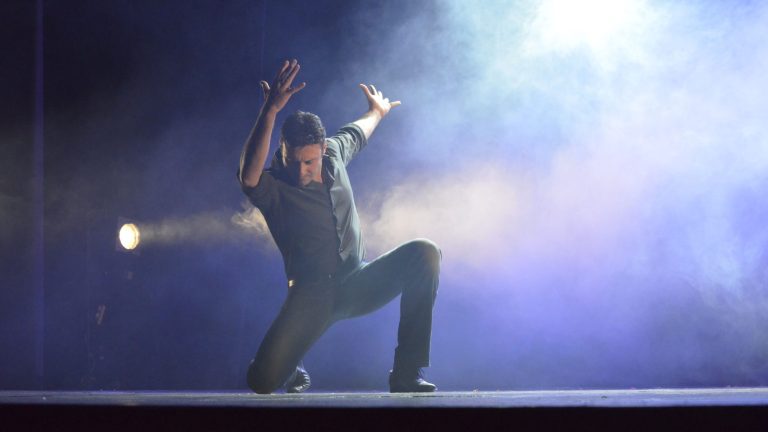
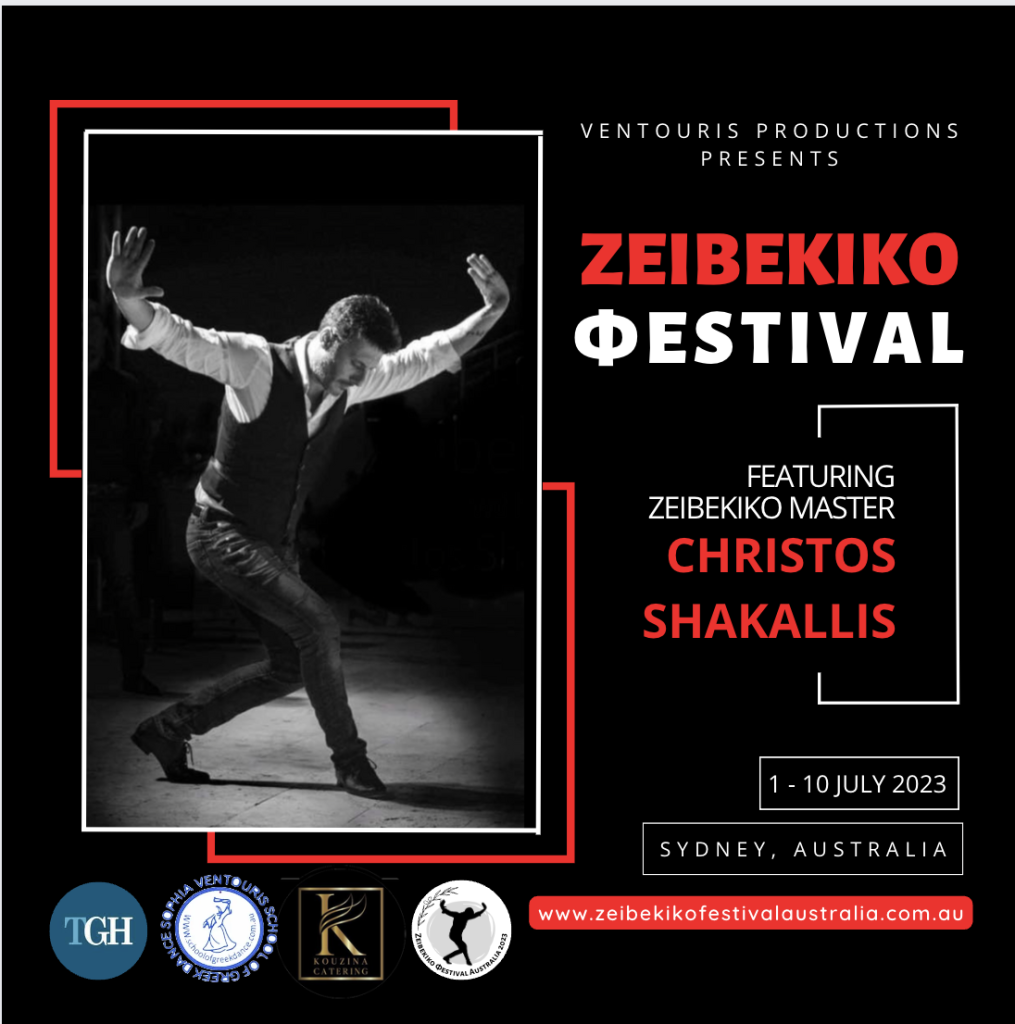
The festival will run from July 1 to July 10 and will feature international guest, Greek master of Zeibekiko dance, Christos Shakallis, all the way from Cyprus.
The Zeibekiko dance was brought by refugees from Asia Minor to Greece in 1922 during the Asia Minor Catastrophe. A whole generation that was traumatised, mourning the loss of family, homes and their wealth, found refuge by singing their sorrows away and dancing Zeibekiko and other dances.
Since then, the Zeibekiko has evolved and has come to mean different things for different people. Some see it as a solo dance to express ones sorrow, others see it as a way to celebrate a wedding at the end of the night.
Sophia Ventouris, the woman behind Zeibekiko Festival Australia, told The Greek Herald that all forms of Zeibekiko will be explored at the festival “with all its participants, teachers and groups involved.”
“I wish to open a platform for all dance groups to celebrate not only Zeibekiko, but all forms of Greek dance by facilitating dance teachers from Greece and giving groups the opportunity to present their work for all the community to enjoy,” Sophia said.
“This year is our first festival so we are running at a smaller scale with one international dance teacher. I am extremely excited and look forward to meeting and working in person with Christos Shakallis.
“A series of workshops and functions, a Zeibekiko dance competition and more are in the works for all the community to enjoy. It is open to all young and young at heart!”
If you would like to get involved or sponsor the first-ever Zeibekiko Festival, please email Ms Ventouris: info@zeibekikofestivalaustralia.com.au. The Greek Herald are proud media partners for this event.
To book tickets to the Zeibekiko Festival and its workshops, visit this link: https://bit.ly/40M8nCD
Program of Events:
Saturday, July 1:Meet & Greet with Shakallis.
Kouzina Catering is preparing a dinner feast with delicious mezethes. Shakallis will Meet & Greet and sign his autograph on photos. The best part of the night will be that he will be performing not only Zeibekika but Cypriot dances to honour his homeland and his parents’ Cypriot dance school which started the Shakallis dance empire. The night will be enriched by the Cyprus Community Dancers under instruction of Nelly and Harry Klavdiou & Sophia Ventouris School of Greek Dance presenting the ‘Spectacular Zeibekika Aetou Show.’
LOCATION: The Panarcadian Ashbury Bowling Club – 55 King St, Ashbury (opposite Canterbury Racecourse).
Sunday, July 2: Shakallis will be teaching at the Cyprus Club in Stanmore exclusively for the Cyprus Club students and patrons all day
LOCATION: Cyprus Club, Stanmore.
Monday, July 3: Shakallis on tour – filming on location.
Tuesday, July 4: Zeibekiko Competition and Seminar for kids to be announced (major prize & performance opportunity with Shakallis).
LOCATION: The Panarcadian Ashbury Bowling Club – 55 King St, Ashbury (opposite Canterbury Racecourse)
Wednesday, July 5: Rembetiko / Zeibekiko seminar and workshop that will turn into a mini taverna night. Seminar will be 6.30pm – 8.30pm and 8.30pm – 10.30pm taverna night. Enjoy the delicious mezethes from Kouzina Catering, dine, wine and chat with Shakallis and friends. Dance more and try out what you learn!
LOCATION: The Panarcadian Ashbury Bowling Club – 55 King St, Ashbury (opposite Canterbury Racecourse).
Thursday, July 6: Traditional Zeibekiko Seminar 7-9pm. Learn more from the Zeibekiko dance family such as Aptaliko, Aidonidiko Zeibekiko, Smyrneiko, Fokiano, Vrakathiko & other Zeibekika danced in Asia Minor and then in the Greek Isles such as Mytilini and others. Dinner will be Politiki Cuisine in line with our seminar – Mikrasiatika Zeibekika, Aptalikoi Xoroi and Karsilamathes.
LOCATION: The Panarcadian Ashbury Bowling Club – 55 King St, Ashbury (opposite Canterbury Racecourse).
Friday, July 7: Laiko/ Popoular Zeibekiko seminar workshop, 11am – 2pm (includes light lunch-beverage in break).
At night from 7pm to 11.59pm, there will be a spectacular show ‘Zeibekika hits from Greek Cinema.’ The show will feature Shakallis and local dance groups interpreting great Zeibekika cinema classics. It will be a dinner dance with a three-course meal.
LOCATION: Greek Community Club, 206-210 Lakemba St, Lakemba
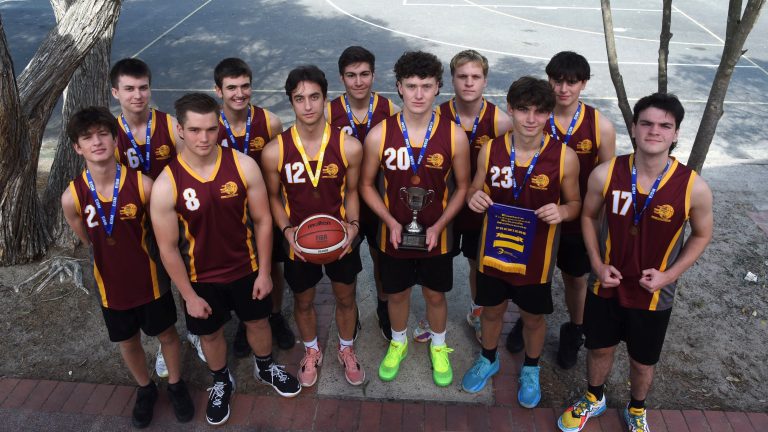
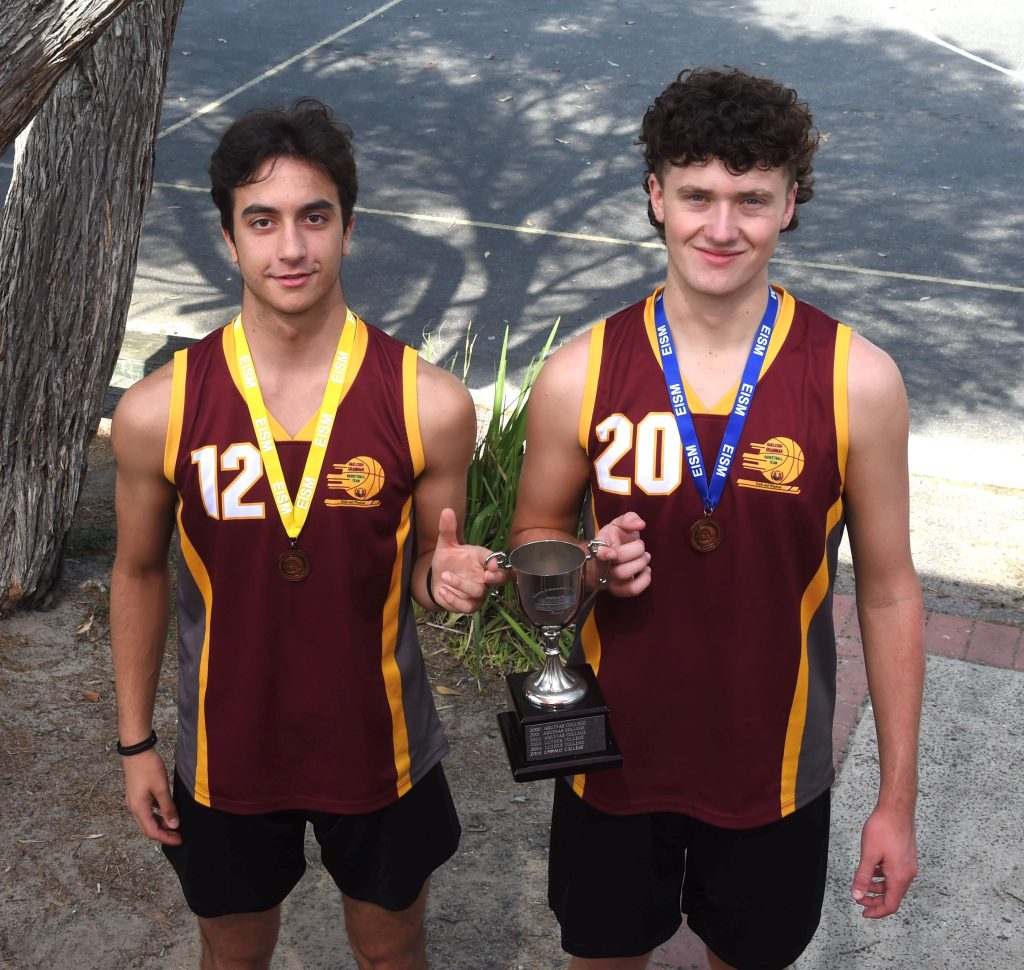
In an historical victory that has been 23 years in the making, Oakleigh Grammar has taken out the Eastern Independent Schools of Melbourne (EISM) Senior Boys Basketball Premiership, ahead of 22 competing independent schools.
The closely contested Grand Final was hard fought against The Knox School who were the team to beat, having built a strong basketball reputation in recent years.
The Grand Final took place on Wednesday, 29 March 2023 at the Oakleigh Recreation Centre. With both teams evenly matched on the board, it went right down to the wire. When the final siren sounded, OG claimed victory over The Knox School – the difference being a single basket, with a final score of 55-53.
The win is even sweeter given that the Oakleigh Grammar Senior Basketball Team experienced only one win in the entire 2021 and 2022 seasons. The stage was set in the first round of the 2023 season, when the team defeated Kingswood College on their home court.
(L to R): MVP Vasileios Delichristos and Duncan Bain. Photo: Supplied
Success continued to Round 5 when Oakleigh Grammar faced competition favourite, The Knox School. It proved to be an epic tussle between the two best teams in the competition. Two points down at the siren, Oakleigh Grammar’s Vasileios Delichristos successfully scored the first two of three free throws to tie the match. Referees commented that it was the best game of basketball that they had refereed in quite some time.
Meeting again in the Grand Final, staff, students and family settled in for what promised to be a well-matched and closely fought contest – it didn’t fail to deliver. Vasileios Delichristos was outstanding and unsurprisingly, was awarded Most Valuable Player. He dictated many of the plays and ran the clock down in the final seconds of the game for the win.
Duncan Bain’s physical presence when rebounding was fierce and his leadership throughout all games was selfless and exceptional. George Maravelias’ three-point shooting was sublime. Year 10 student Vassos Charalambous demonstrated screening excellence putting Oakleigh Grammar in great stead for the next two years. James Soundy played his best game of the season.
Oakleigh Grammar’s EISM Senior Boys Basketball Champions. Photo: Supplied.
Oakleigh Grammar Coach and VCE Coordinator, VCE Academic Leader (Mathematics & Science), James Kalfas said: “At the beginning of the Grand Final, I simply held up a blank notepad and told the team they had the opportunity to write their own story for how the season ends, and that it was up to them to leave a positive legacy. I am extremely proud of each and every member of this team for their hard word, dedication and discipline in bringing home the EISM ES-Division trophy.”
“Oakleigh Grammar has not won a boys basketball final since the year 2000. In the face of what appeared to be an insurmountable challenge, something magic happened making the win even more special,” commented Principal Mark Robertson.
“It was a heart-stopping game that had spectators on the edge of their seats, and I congratulate The Knox School for its valiant effort in testing our team to the very end.”
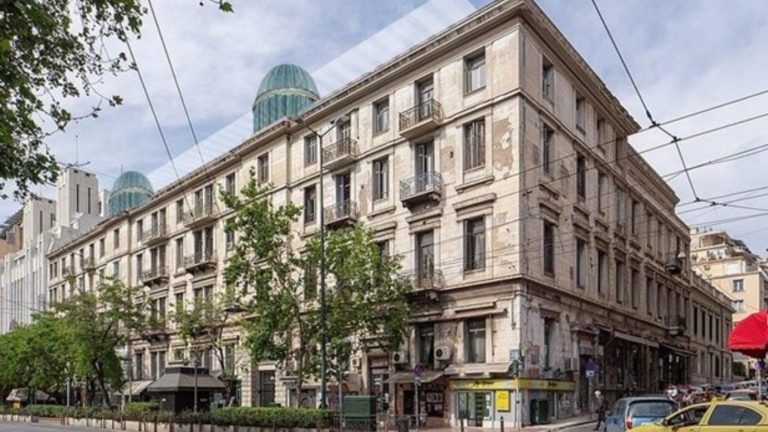
The Schliemann-Mela Mansion on Panepistimiou Street in Athens, Greece is undergoing a 36-million-euro renovation to become a luxury hotel.
The mansion was built by Heinrich Schliemann in the 1880s-1890s and designed by acclaimed German architect Ernst Ziller,.
In a press release on March 31, Mitsis Hotels announced they had leased the building for a 35-year period with a right to extend by ten additional years.
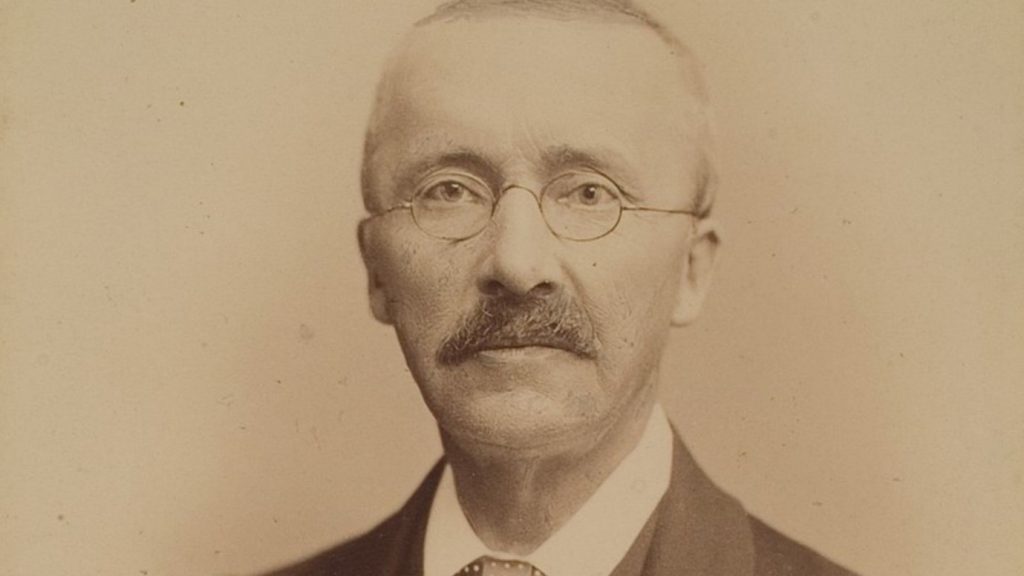
Heinrich Schliemann was a German businessman and pioneer in the field of archaeology, particularly interested in Ancient Greece. Image from Wikipedia.
“With 45 years of experience in the hospitality industry, Mitsis Hotels Group will utilise the property in the most optimal and effective way to benefit the Greek State and the Greek economy, investing significant funds for the maintenance, renovation and preservation of the character of the historic building, aiming to highlight the unique experience of modern Athens to visitors,” Managing Director, Stavros Mitsis, said.
The historical ‘Ideal’ movie theatre, founded in 1921, is also housed in the building.
Campaigners have raised concerns about the renovations, insisting that the theatre should continue its operation as one of the last strongholds for cinema culture in the heart of Athens.
The Greek Ministry of Culture has submitted a request for the ancient Greek custom of ‘Polysporia’ to be part of UNESCO’s Intangible Cultural Heritage list, the ministry said in a statement.
The ancient custom was practiced across many parts of Greece until the very late 19th century, with the last traces to be found at the Church of Panagia Mesosporitissa in Elefsina.
📌Το #έθιμο της Παναγίας Μεσοσπορίτισσας στην #Ελευσίνα και η #τέχνη της Ξερολιθιάς στον Αντιπροσωπευτικό Κατάλογο Άυλης Πολιτιστικής Κληρονομιάς της Ανθρωπότητας της #UNESCO
— Υπουργείο Πολιτισμού και Αθλητισμού (@cultureGR) March 30, 2023
The custom is believed to demonstrate how early Christians continued to worship the ancient gods by associating the Virgin Mary with Demeter, goddess of the harvest and agriculture.
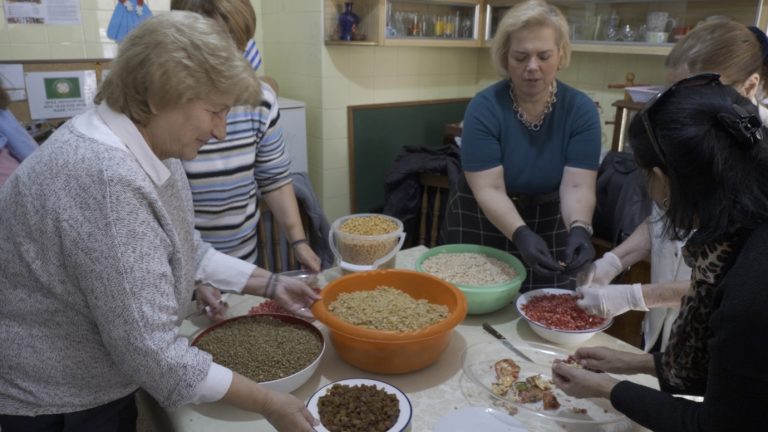
It involves outdoor prayers and the distribution of a meal rich in boiled grains, beans and seeds.
Today, the custom is a field of common expression for all who inhabit Elefsina and contributes to the preservation of the city’s memory and its social cohesion.
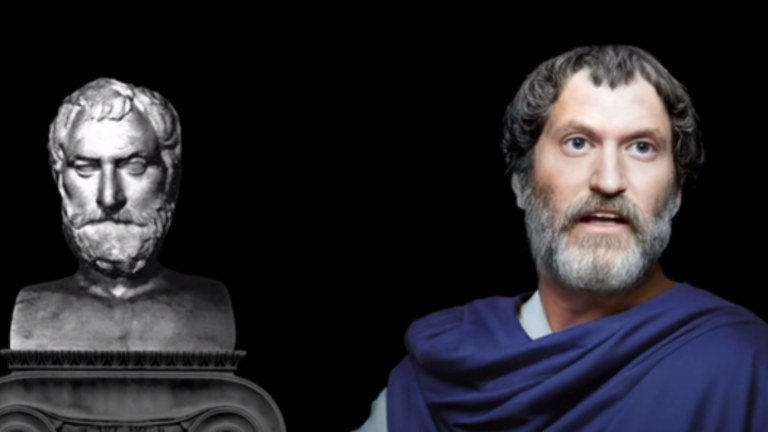
YouTube channel, Equator AI, have been making videos since 2017 using Artificial Intelligence (AI) to reimagine iconic and historical figures around the world.
The video used ancient statues of Herodotus, Thales of Miletus, Homer, Demosthenes, Aristotle, Socrates, Plato and Chrysippus, and placed life-like portraits of them beside their marble busts.
The AI portraits not only visually resemble the Ancient Greek scientists, but they also tell their life stories in their own words.
The Equator AI channel “strives to preserve and revive the past of mankind, making it closer and more understandable for people of our era.”
After almost 35 years of experience in the film production industry, Electra Manikakis, has produced some of the most eye-catching wildlife films made worldwide.
The Greek Australian has worked for 18 years at SBS and has put her name to works such as Kakadu, Ocean Odyssey and Australia: The Wild Top End. She has also collected an Emmy award for Puff: Wonders of the Reef.
Today she is working with Wild Pacific Media to produce high-end, blue-chip documentary films. Her latest film is Shackleton: The Greatest Story of Survival, which has opened nationally in cinemas on March 9 and is still in select cinemas this Easter long weekend.
In an interview with The Greek Herald, Electra opens up about the making of the film and her career.
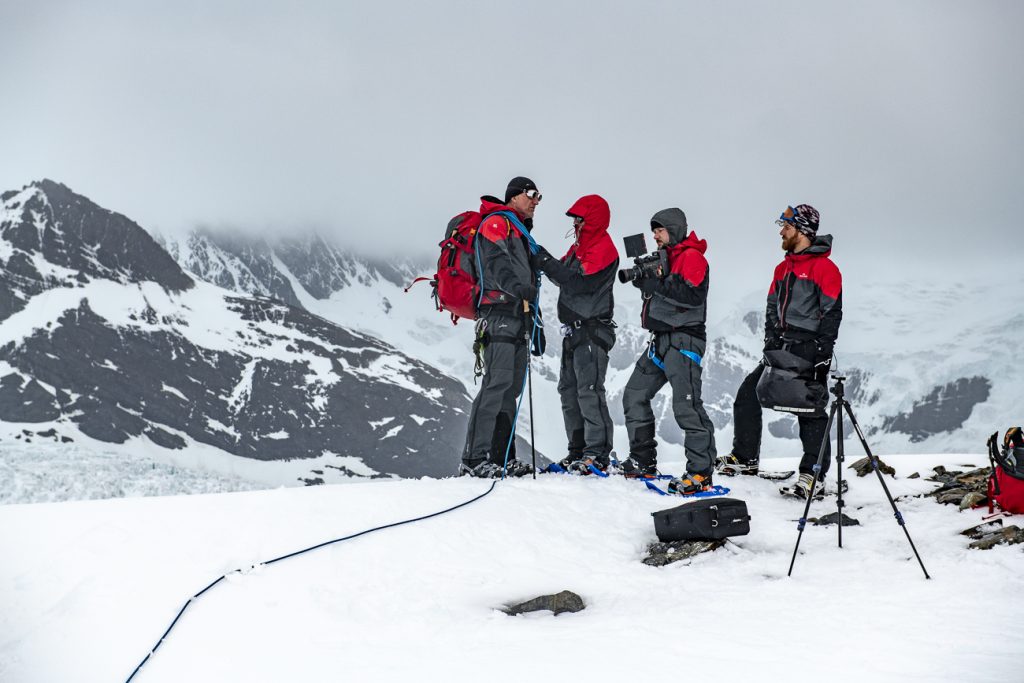
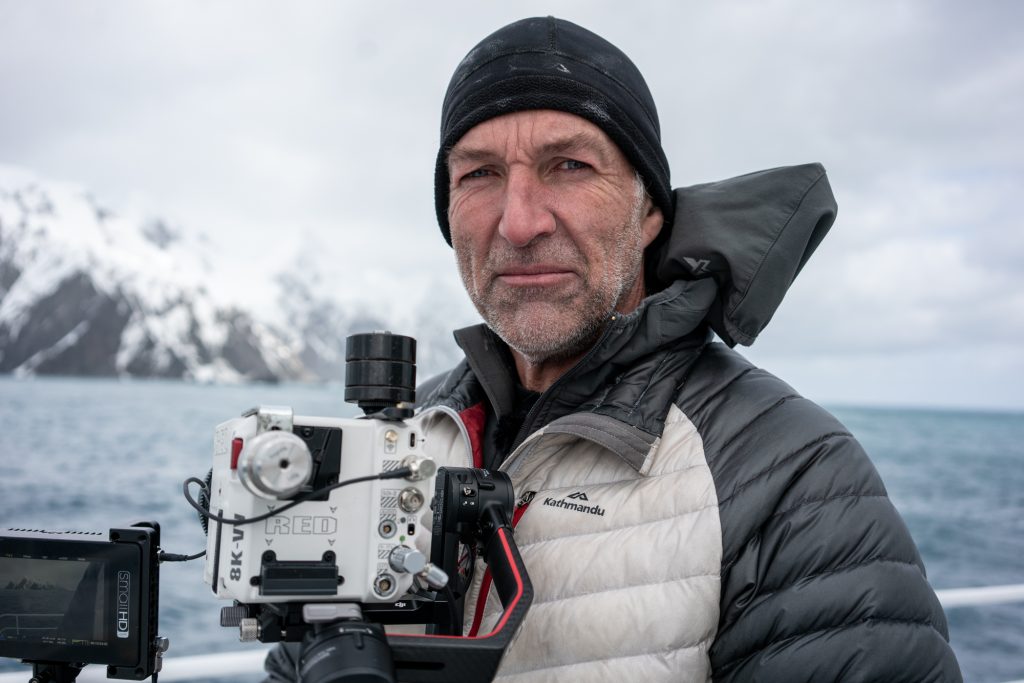
Crew filming on South Georgia Island, Photo by Doug Gimesy, Courtesy of Wild Pacific Media
From Life on the Reef to Secret Life of Pearls. Which work marked you the most personally and career-wise and why?
I don’t know if I can choose just one production. I’ve been working in this industry for close to 35 years. Each stage has had a significant impact on my career and my personal life. I cut my teeth at SBS Television. I was 17 years old when I started there, and I was lucky enough to work with exceptional people on a broad range of programs during my 18 years there – current affairs programs such as Dateline, Insight, The Movie Show, big live broadcasts such as the AFI Awards (now called AACTAs), as well as various documentaries.
I’m a public broadcasting girl at heart and to tell Australian stories or voice an Australian perspective, in all its colour and diversity, with our accents, imagination and intelligence is really important to me, and it needs to be preserved for the next generation and beyond.
That experience feeds into what I’m doing today. Wild Pacific Media is a production company founded by award-winning directors/cinematographers, Nick Robinson and Caspar Mazzotti. We produce high-end, blue-chip documentary films. Encouraging stewardship of our planet through natural history storytelling has been the mission statement for all the projects we’ve taken on.
Crew filming on South Georgia Island, Photo by Doug Gimesy, Courtesy of Wild Pacific Media
In the last eight years, our team have made five IMAX films for the Giant Screen market, and two landmark series for the ABC: AUSTRALIA’S OCEAN ODYSSEY, and most recently, AUSTRALIA’S WILD ODYSSEY. These wildlife documentaries are a new take on wildlife filmmaking. We’re talking about ecosystems and how they function, and giving people the tools to understand the natural world around them with the hope that they fall in love with it, and ultimately want to care for it.
How important was winning the Emmy award for Puff: Wonders of the Reef?
Electra Manikakis with the Emmy award
Puff: Wonders of the Reef was Australia’s first Netflix Original commission from LA – which was a big deal in itself. Aside from it being secured during the depths of ‘Lockdown,’ it was an amazing opportunity to make something special for a global audience. It was a real thrill to have something we made “drop globally” on the same day. To top it off with an Emmy Award for Outstanding Nature Documentary, well, that kind of recognition is a big deal for any Australian production.
These awards usually go to the big budget international productions, so having blue-chip natural history made in Australia by Australians is a noble cause. To be honest, we really weren’t expecting to win. My colleague, Peta Ayers and I looked at each other in disbelief when Puff was announced and just sat there frozen in our seats. The Netflix representative had to motion to us to get up and go collect our Emmy.
Tell us about your Greek background. How important is it for you? Does it inspire you?
I’m the daughter of two extraordinary people, Helen and George Manikakis, who migrated from Greece in the 1950s from the islands of Lemnos and Agios Efstratios. Like many other Greeks migrating at the time, they wanted to forge a new life for themselves, support those back home, and garner opportunities for their own kids that weren’t afforded them growing up on little island villages.
Building community played an important role for my family, as did the idea of making a difference, and my dad was great at extending that spirit of community and filotimo across cultures and a broad spectrum of people. They built a wide, extended family that saw our home and weekends busy with people, food and politics.
Witnessing this community spirit and how it binds and builds has really formed who I am and how I engage with the world. Creating meaningful connection and relationships with people and fostering this has been vital in my work as a producer.
South Georgia Island King Haakon Bay
Photo by Doug Gimesy, Courtesy of Wild Pacific Media
I genuinely am interested in people and somehow, I have capacity to maintain that people matrix in my brain and try and stay connected to new people I meet, and connect others that should meet. Over the years it has helped me find stories that need telling, and the right people to tell those stories. It’s also helped me continue to forge some strong bonds locally and internationally.
I’ve noticed that I tend to create families in my workplaces. I’ve come to recognise that a sense of belonging, fostering a common goal and loyal collegiality creates a strong team, and like my parents, I tend to take that extra step to extend this collegiality and community to other production companies and producers to shape a stronger production hub here. Mind you, an invite to the Wild Pacific Media offices for a Friday afternoon drink and some slow roasted lamb on occasion helps that along too.
Tim Jarvis, Photo by Doug Gimesy, Courtesy of Wild Pacific Media
Can you tell us about the creation of your latest film, Shackleton: The Greatest Story of Survival?
Shackleton: The Greatest Story of Survival is a 90-minute documentary and a 45-minute IMAX experience directed by Caspar Mazzotti and Bobbi Hansel. It reveals the true story of polar explorer Sir Ernest Shackleton and his 27-man crew’s fight for their lives after their only lifeline is destroyed in the most uninhabitable place on Earth – Antarctica.
The film transports you back 100 years using archival footage, re-enactment and original imagery to create the most complete retelling of the greatest survival story from the heroic era of polar exploration. It is told by the man who led the only team ever to have repeated their incredible feat – explorer and adventurer Tim Jarvis, who reveals the enduring legacy of Shackleton’s crisis leadership in the face of impossible odds.
Shackleton poster
Leadership is the backbone of the film, and the anchor point onto which the directors wanted to thread Tim Jarvis’ modern adventure and the historic endeavours of the crew of the Endurance. It required a deep research process, the casting of a talented voice actor to bring Shackleton’s diaries to life, and the footage of the original expedition by Australian film maker Frank Hurley whose tireless coverage captured the emotions and efforts of the entire crew 100 years ago.
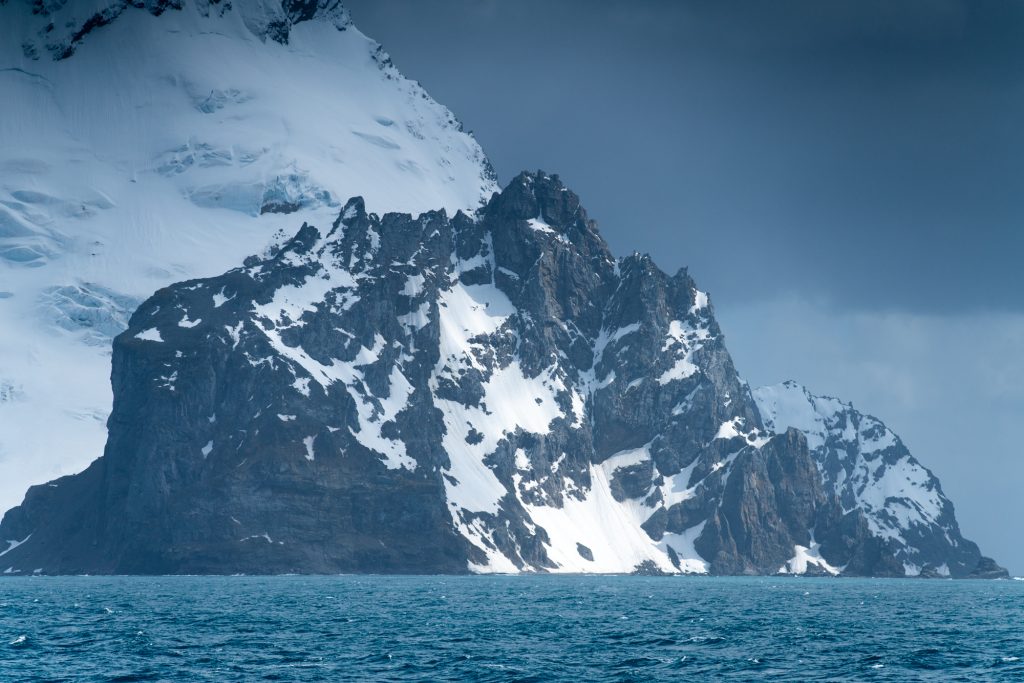
Icy mountains on Elephant Island
Image by Caspar Mazzotti, Courtesy of Wild Pacific Media
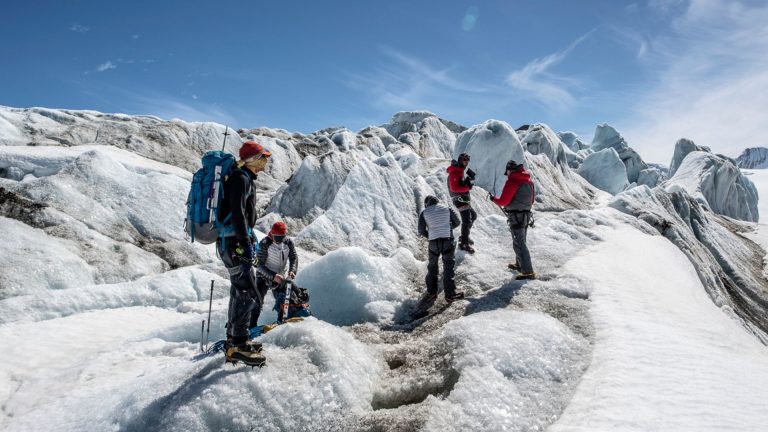
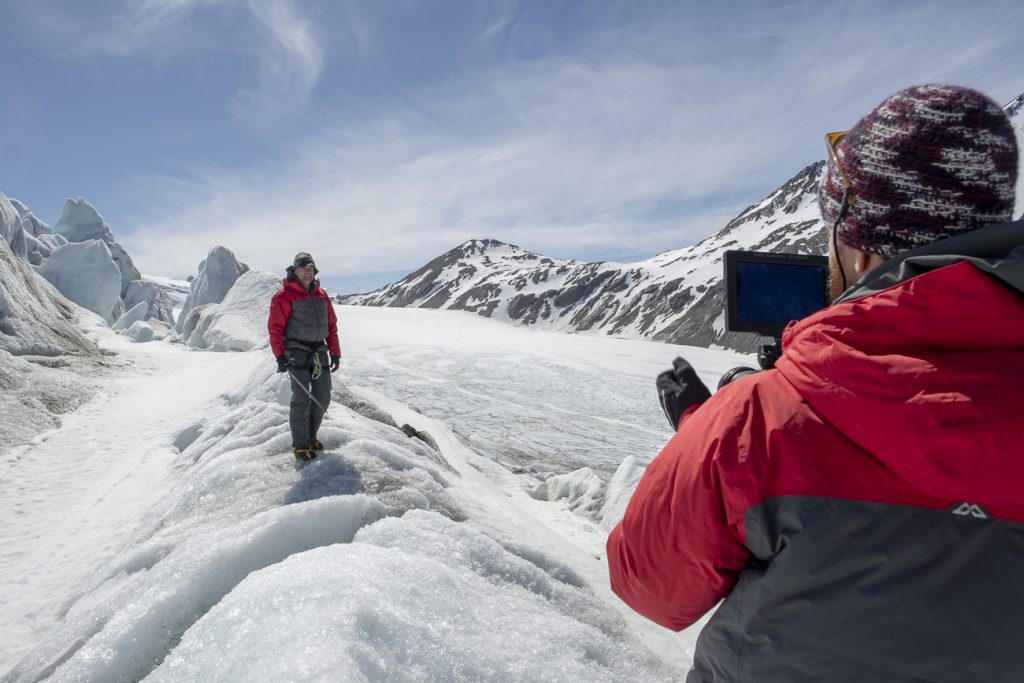
We also had access to the recreation footage from the 2001 IMAX film, Shackleton’s Antarctic Adventure, and our crew travelled to Antarctica and South Georgia at the end of 2021 to film Tim Jarvis’s parallel mission in Shackleton’s footsteps.
Navigating an expensive shoot to Antarctica amidst the end of COVID lockdowns was our first hurdle, and then you’ve got the weather to deal with. There were a few sunny days with calm glassy water which helped capture some breathtaking scenes: walls of ice hundreds of feet high rising from the ocean, and penguins and seals laying around on icebergs as if placed there for the cameras.
Director Caspar Mazzotti tells us that the scenery almost tricks you into thinking it wouldn’t be such a bad place to be stuck… but it only takes minutes for the weather to change, and conditions become unbearably cold. The crew were trudging around with cameras in waist deep snow and climbing sloping glaciers into mountains, roped together to protect themselves from crevasses. They faced the same icy winds experienced by Shackleton and when they took their gloves off to use the cameras or fly the drone, their fingers felt frozen to the core. They could only imagine the hardship that Shackleton and his men endured in the same conditions.
Tim Jarvis_Photograph taken by Caspar Mazzotti
What can people learn from the documentary?
In the film, Tim Jarvis examines Shackleton’s decision-making process, uncovering the incredible leadership qualities that allowed him to save his crew. It’s a template for how we can use his leadership lessons to bring the world together in the fight to save places like Antarctica. 100 years on, climate change has altered the mountains and glaciers that Shackleton traversed almost beyond recognition, and we hope that the images the crew captured for the film shows the impact that climate changes has had on these otherwise pristine landscapes.
I’m inspired by Shackleton’s determination, his ability to compartmentalise and recalibrate, his commitment to the collective and to the bigger picture. I’m also inspired by his drive to make a difference, and that’s a message that I grew up with and one that I’d like to think I pass on to my own children.
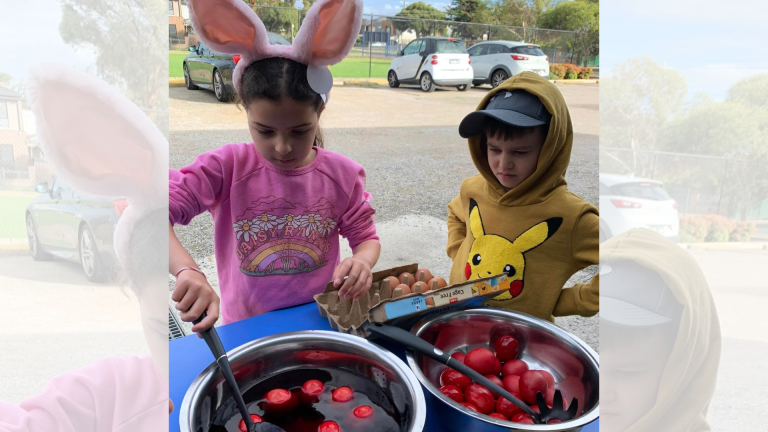
Koulourakia, red eggs and lambathes were the centre of attention on Saturday, April 1 at Victoria’s Pedia Greek School.
The Greek school conducted a hands-on learning lesson about Greek Easter traditions for young kids aged pre-kindy to primary school.
Christos Vatranis, Principal of Pedia Greek School, said teaching the children about Greek Easter is important as it helps them understand and appreciate the cultural and religious traditions of Greece.
“It also provides opportunity to learn about the significance and importance of Easter in the Christian faith, the customs and rituals that are associated with this very important holiday,” Mr Vatranis said.
There was excitement all around from the young kids as they got their hands involved in rolling the koulourakia and dyeing the red eggs.
“By teaching our children about Greek Easter… we can help them understand how Greek Easter traditions have been passed down through generations,” Mr Vatranis concluded.