Stefanos Tsitsipas and Maria Sakkari were both defeated by opponents in the Western and Southern Open Cincinnati Masters tournament, Ohio on Thursday.
In the men’s singles, Polish player Hubert Hurkacz claimed a victory over Tsitsipas, 6-3, 6-4, and will head to the quarterfinals for the first time, according to ATP Tour.
Hurkacz hit his first Top 10 win for the season by beating the Greek tennis player.
The Czech, Karolina Muchova, defeated Sakkari, 6-3, 2-6, 6-3, in the women’s singles for the tournament and will head to the women’s singles quarterfinals for the first time.
Muchova now takes the lead against Sakkari, 4-1, in their head-to-head, reported WTA Tennis.
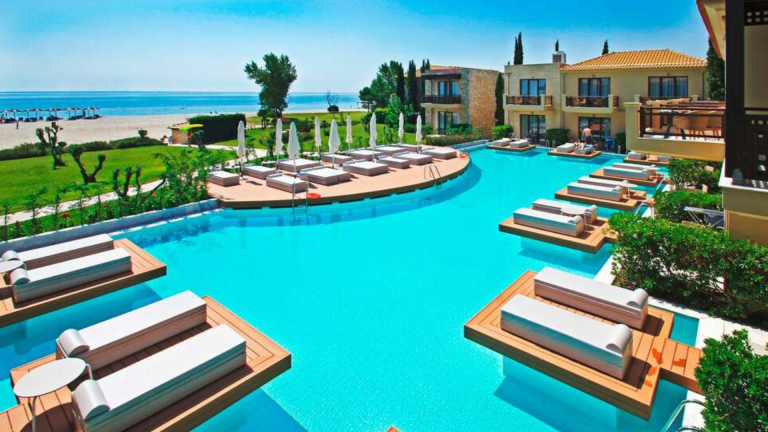
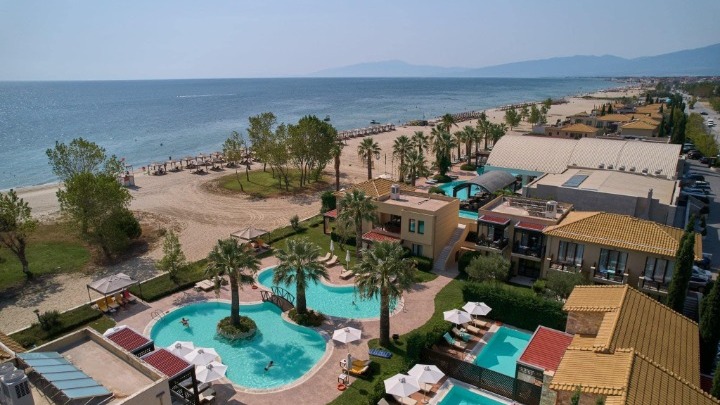
Situated on Paralia Katerinis, The Mediterranean Village Hotel and Spa has won first prize in the international best practices competition for its energy saving and management techniques.
This year’s competition saw hotels being assessed on how best they implemented practices linked to energy management, conservation, and accessibility for visitors.
The Mediterranean Village Hotel and Spa. Photo: Amna.gr
Standing out in the global competition for its good practices, the five-star hotel in Greece, invests time to go green by reducing waste by at least 80%, becoming energy self-sufficient and limiting its energy footprint as much as possible.
The managing director of Mediterranean Hotels Evangelia Xyptera, emphasised how the goal of the hotel is to inspire people to become more sustainable and to help create a better healthier system.
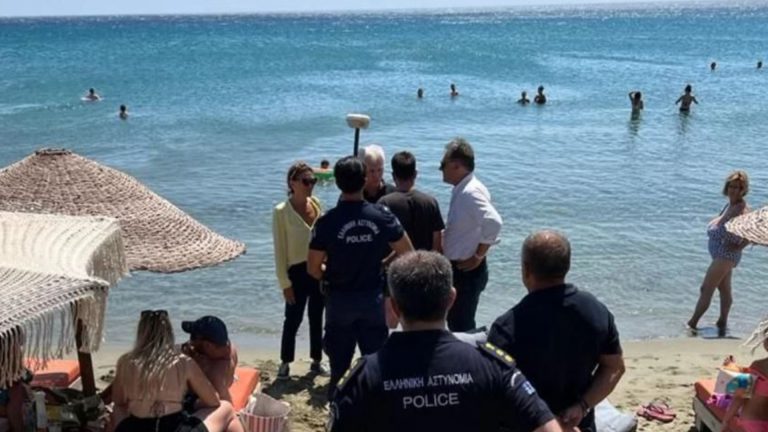
During a raid on Tinos island, a business woman was placed under arrest for continuing to violate regulations on occupying public space on beaches without a permit, the Finance ministry announced on Thursday.
Greek police and authorities raided over 3,000 square metres of beach and shore, illegally occupied by tourist businesses and private individuals on Agia Kyriak beach.
According to amna.gr, one woman had been arrested on a previous occasion for violation of illegally occupying beach space on Tinos. The individual had continued to violate the law and was taken into custody during the raid.
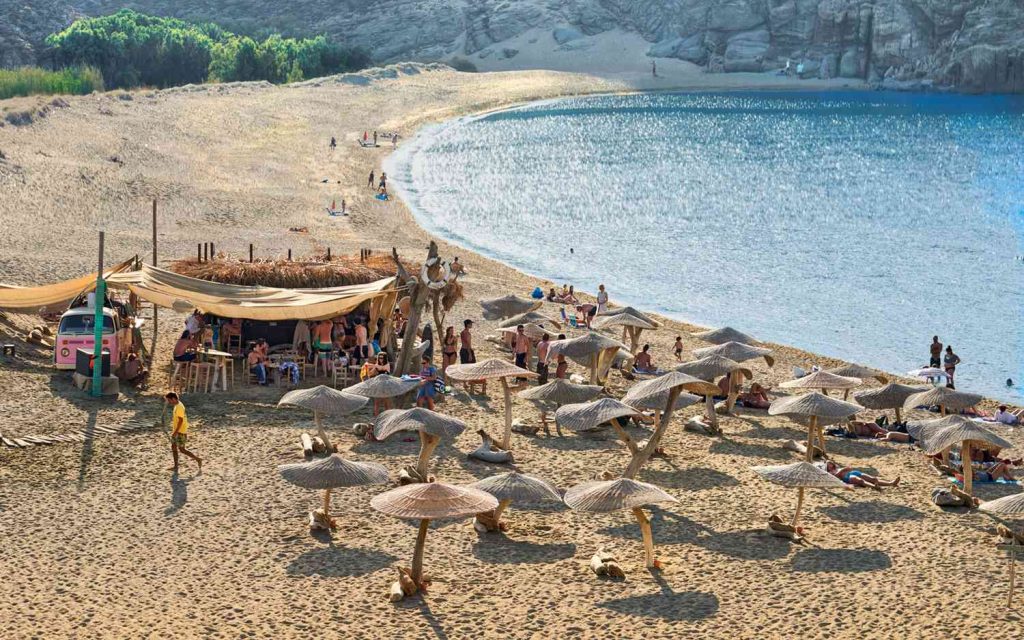
Tinos island. Photo: Xinara House.
Sun beds, umbrellas and beach installations were removed, with semi-permanent structures set to be demolished, reported Ekathimerini.
The ministry of Syros Real Estate Service with the presence of police officers, the Aegean Appeals Prosecutor and the General Secretary for Public Property Nagia Kollia, carried out the raids to remove the illegal activity by businesses and individuals on Agia Kyriaki beach.
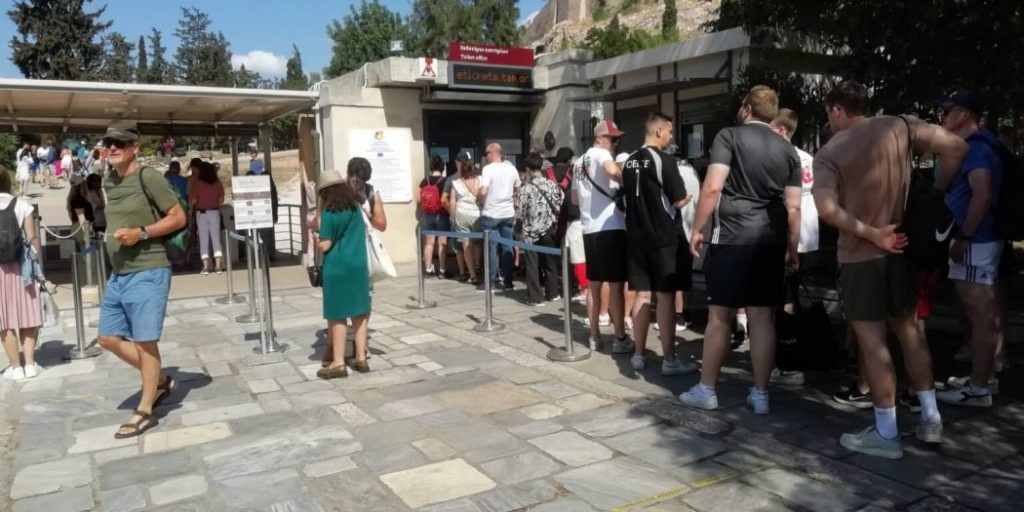
In an announcement on Thursday by Visa, six contactless automated ticket vending machines will be installed at some of Greece’s major archaeological sites.
The service is expected to improve the experience for visitors to sites, with the aim to help avoid long queues by allowing people to pay for their tickets with their cards, phones, or smart watches.
Queues waiting to visit one of the archaeological sites in Greece. Photo: Keep Talking Greece
In what is viewed as a new flagship project, Visa has collaborated with Cardlink to install these machines at popular sites such as the Acropolis, Ancient Olympia, Epidaurus archaeological sites and the Archaeological Museum of Delphi to help with the overall tourist experience.
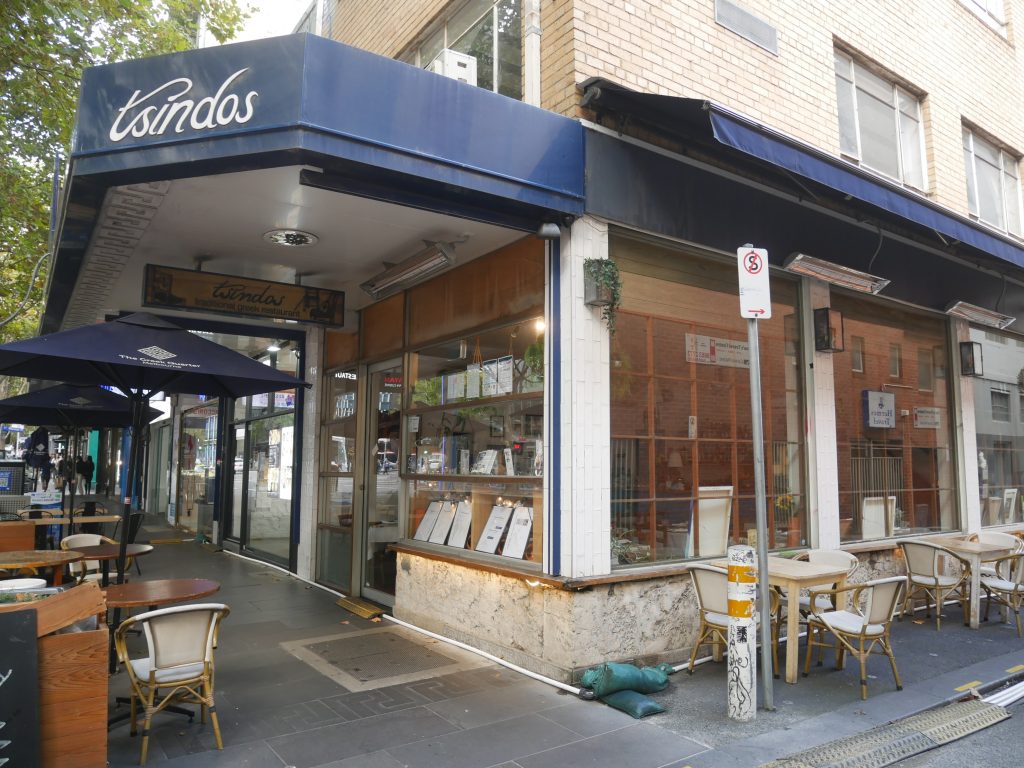
When I first saw Tsindos tavern on Lonsdale Street in Melbourne, Victoria, it was a summer night with live Greek music calling me from a small alley full of people. Passengers would stop to listen to rembetika, some would sit at tables and enjoy Greek food in a place that, for the last 40 years, continues to promote Greek tradition.
As almost every Greek place in that central part of Melbourne, which years ago used to be the heart of the community, Tsindos tavern comes with a migrant story.
Tsindos tavern on Lonsdale Street in Melbourne, Victoria.
Cypriot Neofytos Tsindos came to Australia at the end of 1965 on the ship “Queen Frederique” to find his uncle’s family in Melbourne. His father urged him to leave because he saw the problems coming to Greece, first with the British and then with the Turkish side. He remembers trying not to cry in front of his parents when a small boat was transporting him to the “Queen Frederique.”
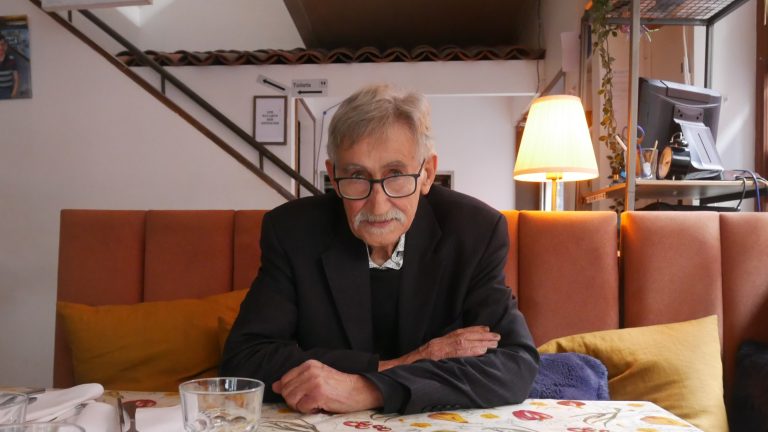
“I cried when the boat turned,” Mr Tsindos tells The Greek Herald.
After working at his uncle’s Italian restaurant in Melbourne, Mr Tsindos was called for military service in the Vietnam War at the age of 18.
“The Australian government was casting lots. It fell on me,” he remembers.
Because he was a migrant, Mr Tsindos had the option to leave Australia instead of serving.
Neofytos Tsindos opened his first restaurant in 1969.
“I didn’t want to go back and I didn’t want to go to war,” he says. “If it was to go and fight for Greece or Cyprus, I would say ok.”
After taking a big trip to England, France and Italy, where he worked as a waiter, he returned to Australia in 1969 and opened his first restaurant. Five years later, Mr Tsindos was in Melbourne when the Turkish invasion of Cyprus took place. He had just returned from a trip to his motherland.
“When you’re away from something you don’t feel it as intensely,” he says.
He remembers though how he felt when, years later, he visited Cyprus and was allowed to cross over to the northern occupied side.
“What you feel when you enter and see the Turkish flags is a shiver, something like panic comes over you,” Mr Tsindos says.
Tsindos tavern opened its doors in 1983.
A trip to Greece through taste:
Tsindos tavern opened its doors in 1983.
“Back then, here in Russel, Lonsdale and Swanston Streets, all you could hear was Greek. There would be seven to eight Greek restaurants. Melbourne was the third largest Greek city in the world,” he says.
Today, 90 per cent of the customers are of other nationalities and 10 per cent are Greeks.
In the past, Tsindos would make every cooked food you could imagine. Today, one can find moussaka, gemista, kokkinisto and sometimes different dishes.
Tsindos is of course a place to enjoy amazing small Greek plates such as tzatziki, saganaki and eggplant salad. Appetizers stand high in costumers’ choices. Ordering them means starting a trip to Greece through taste, just by opening Tsindos’ door on Lonsdale Street.
A large portion of Tsindos taverns customers are of other nationalities and 10 per cent are Greeks.
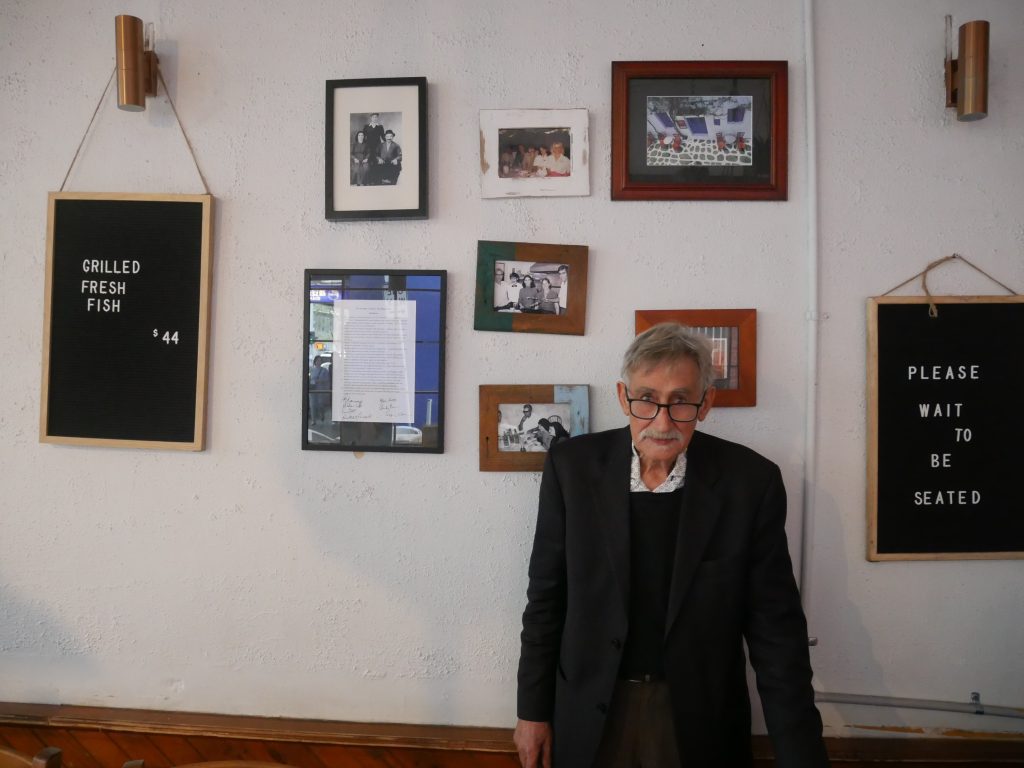
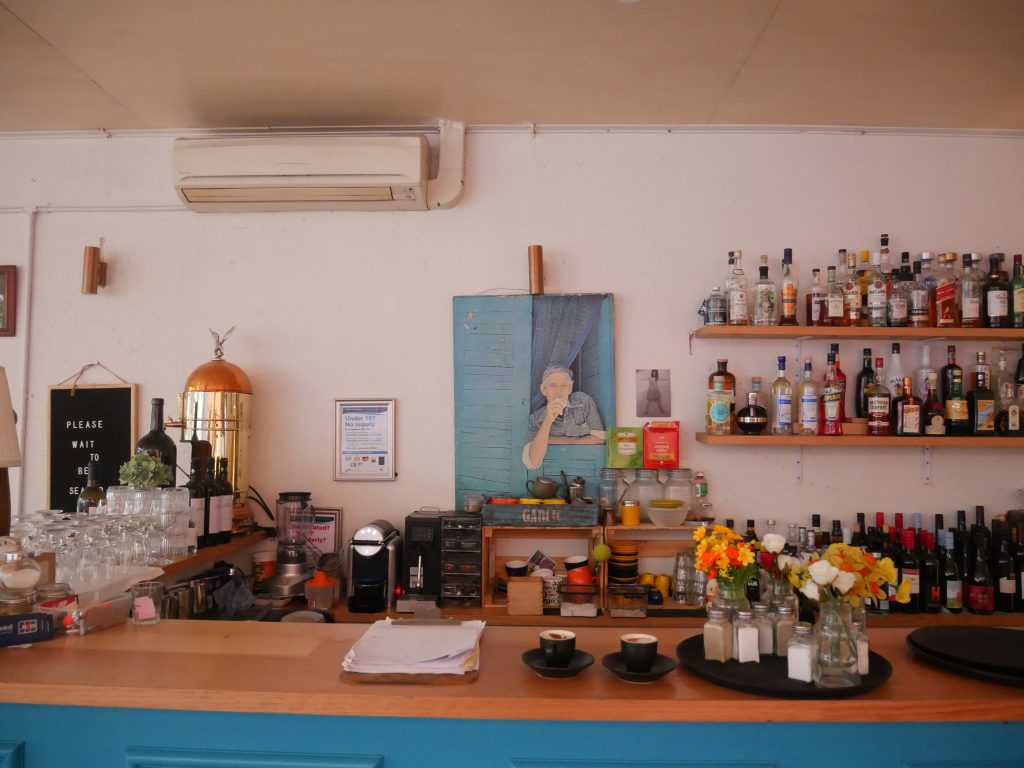
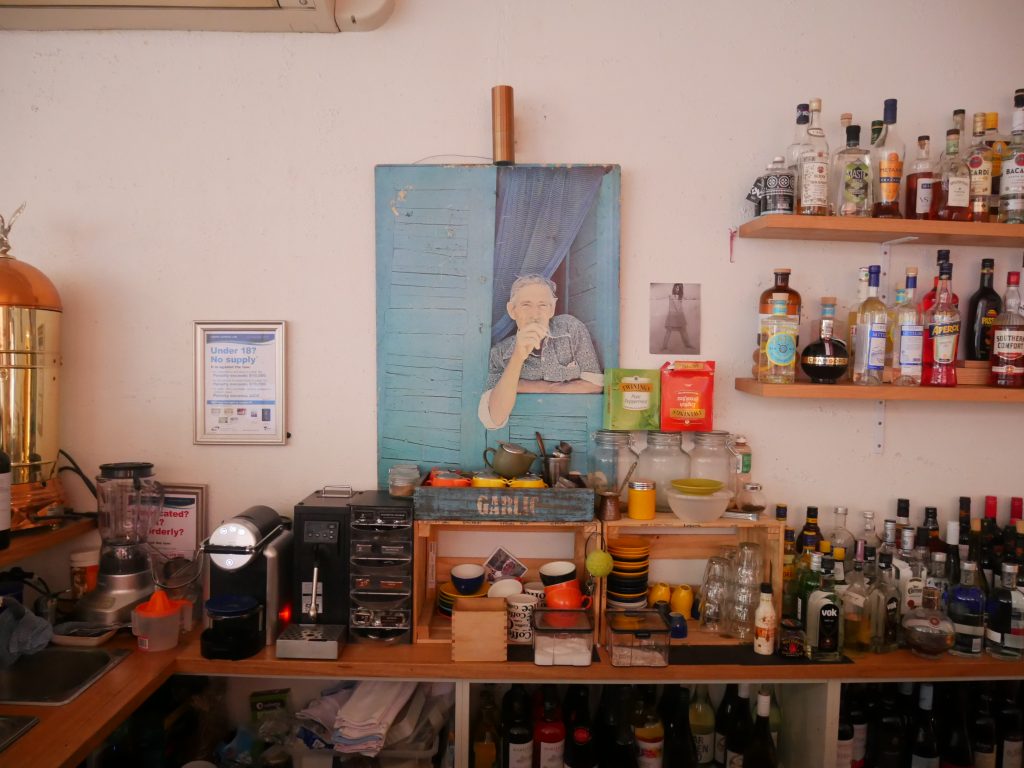
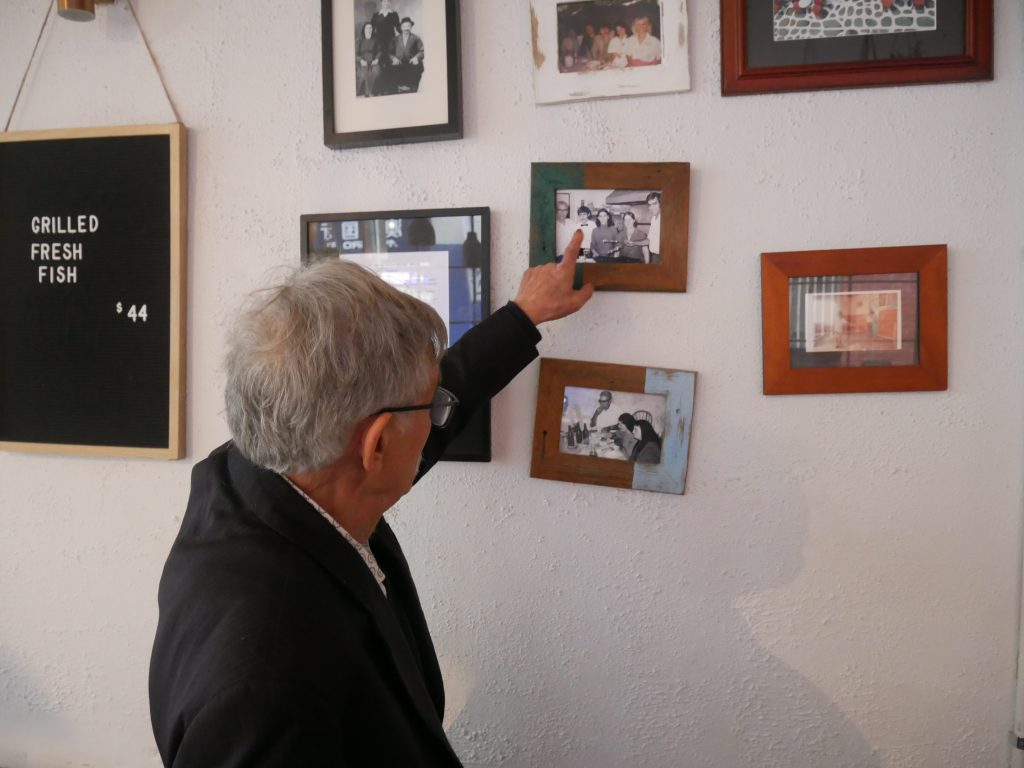
Before I leave, Mr Tsindos points at the pictures on the walls, showing us his family members, leading back to decades ago. There is also an old Greek tourism poster of a man posing in front of a blue window.
“People always say it’s me in the picture,” he comments laughing.
From politicians to singers and tennis players, the celebrities who have visited Tsindos are numerous. Mr Tsindos knows though that parties, as well as meeting lots of people every day, is something that ends when the time comes to close a restaurant. Then, people tend to usually forget the owners.
“That’s the fate of a tavern owner,” he says with a laugh.
Today, he is still there. Helping from time to time his son, who is running the place, to pick up the phone, talk to costumers, and to thank them when they stand up to leave after a full meal, happy, with smiles on their faces and a warm feeling in their hearts.
That’s what you carry with you leaving Tsindos tavern in Melbourne.
Celebrities, politicians, singers and tennis players are among the many people who have visited Tsindos..
The Greek Community of Melbourne is pleased to announce a lecture as part of its ongoing Greek History and Culture Seminars. The upcoming lecture, titled “Greek Lives on Indigenous Lands: Community Responsibility and the Ethnic Experience of Coloniality,” will feature Daphne Arapakis, a PhD Candidate from the School of Social and Political Sciences at the University of Melbourne. Scheduled for Thursday 24 August 2023, at 7:00 pm, the lecture will be held at the Mezzanine Level of The Greek Centre, situated at 168 Lonsdale Street, Melbourne.
Daphne Arapakis’ research delves into the intricate interplay between the experiences of Greek Australians’ migration and Australia’s history of colonialism. How do Greek Australians relate their migration experiences to Australia’s history of colonialism?
“In this seminar,” stated Ms. Arapakis, “I will address this question by sharing insights from my early PhD research, which explores the ways Greeks in Australia construct their sense of belonging. Drawing from articulations of historical consciousness in Greek diasporic expressions found in Australian film and media, I will illustrate the existence of ethnic-specific approaches to understanding Indigenous calls for sovereign recognition. By merging diaspora studies with the enduring legacies of colonialism, I will introduce a novel analytical framework named ethnic compartmentalisation.”
Ms. Arapakis further elucidated that by foregrounding how segments of the Greek diaspora rationalise their settlement on Indigenous lands, she will argue that ethnic compartmentalisation serves as a means through which Greeks in Australia adeptly navigate and selectively employ facets of their migrant histories to either align with or disassociate from the legacy of British colonialism and Australian multiculturalism. “Identifying the way Greeks compartmentalise conflicting historical narratives to navigate their identity in relation to Indigenous lands, my research uncovers a barrier that impedes robust support for Indigenous political aspirations,” she noted.
Evidence of Greek Australian migration and its connection to Australian colonialism. Photo: Greek Community of Melbourne.
The seminar will conclude by presenting potential avenues for members of the Greek diaspora in Australia to reimagine their historical perspectives, redefine the framework of community development, and stand in solidarity with the calls for justice and political transformation from First Nations peoples. “These concluding remarks take on particular significance within the impending context of the Voice to Parliament referendum,” she emphasized.
Daphne Arapakis is a PhD Candidate in the School of Social and Political Sciences at the University of Melbourne. Her thesis, ‘Mediterranean Diasporas, Indigenous Sovereignties: The Ethnic Dimensions of the Settler Colonial Present’ explores the dynamics of ethnic-Indigenous relations in Australia. Daphne has worked as the Policy and Research Officer at the Koorie Youth Council and volunteered for the Asylum Seeker Resource Centre. In 2023, she was awarded the Helen Macpherson Smith Trust Scholarship and the Faculty of Arts Dean’s PhD Excellence Scholarship Award. Research for this seminar presentation was recently published in the article “Ethnic Compartmentalisation: Greek Australian (Dis)Associations with White Australia and Indigenous Sovereignty” in the Journal of Intercultural Studies.
Admission is free, and light refreshments will be served.
Event Details
When: Thursday 24 August 2023, 7.00 pm
How: Greek Centre (Mezzanine, 168 Lonsdale St., Melbourne)
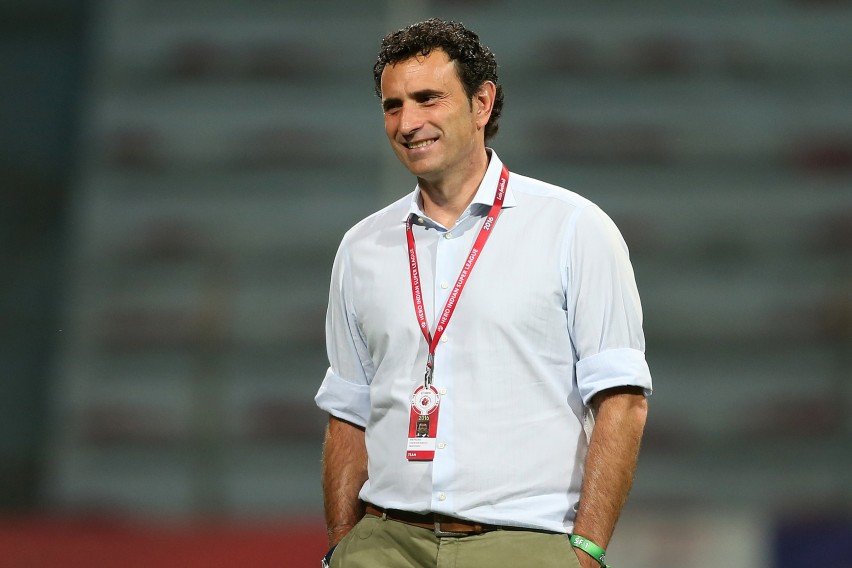
Sydney Olympic FC have announced the appointment of Jose Francisco Molina as the clubs first ever International Football Ambassador.
Molina is a Spanish retired footballer who played as a goalkeeper. Eleven years of his extensive professional career were spent at Atlético Madrid and Deportivo de La Coruña, where he won a total of five titles. Over 14 seasons, he appeared in 415 La Liga matches. Molina has an extensive coaching career, including coaching a career with Villarreal, Indian Super League side ATK and in July 2018, Molina was appointed as sporting director of the Royal Spanish Football Federation.
Jose Molina is a former ATK coach.
Part of Molina’s role will involve liaising with Technical Directors, mentoring coaches, creating partnerships with overseas clubs, identifying young talent overseas for opportunities at Sydney Olympic and overseeing the general direction of football within the club.
“We are proud to announce the appointment of Jose Molina as the clubs first International Football Ambassador. His work with football internationally speaks for itself and this will not only create great opportunities and pathways for Sydney Olympic and Australian football but will add immense value to the proposed National Second Division” Sydney Olympic FC President, Damon Hanlin, told The Greek Herald.
Molina arrived last week in Belmore and has already begun his work within the club.
Clinical Psychologist and Founder of the Australian Institute for Human Wellness, Dr Anastasia Hronis, has been recognised among the finalists for the Australian Psychologist of the Year 2023 award.
The winner of the Psychologist of the Year 2023, which is part of the Allied Health Awards, will be announced at a gala event on October 14 at the Convention centre, Darwin.
Dr Hronis was nominated as a finalist alongside psychologists, Dr David Demmer, Christine Barnes, Valerie Ling and Narelle Dickinson.
The practicing clinician was surprised to wake up to the nomination and shared the announcement in an Instagram post: “Feeling so incredibly grateful to be recognised as a finalist for the Australian Psychologist of the Year award for 2023!”
“I have such a passion for the varied work I get to do within the field of psychology, and to receive this recognition is truly special.”
As the founder of the Australian Institute for Human Wellness, Dr Hronis is dedicated to supporting the mental health and wellbeing of Australians.
The Sydney based psychologist is also a trained classical concert pianist, performing at the Sydney Opera House and the renowned Carnegie Hall in New York. As a pianist, Dr Hronis works with closely with people in the performing arts industry, offering coaching, workshops and masterclasses.
Dr Anastasia Hronis. Photo: Australian Institute for Human Wellness.
Throughout Dr Hronis PhD studies, she developed and evaluated a therapy program for children with intellectual disabilities and has been involved in various research projects.
As an Honorary Associate at the University of Technology Sydney, Dr Hronis is a lecturer for the Master of Clinical Psychology course at the campus.
“Our work as psychologists is not always easy,” wrote Dr Hronis, “but it can be incredibly rewarding and meaningful. For me, this is an extra boost of motivation to keep pushing on.”
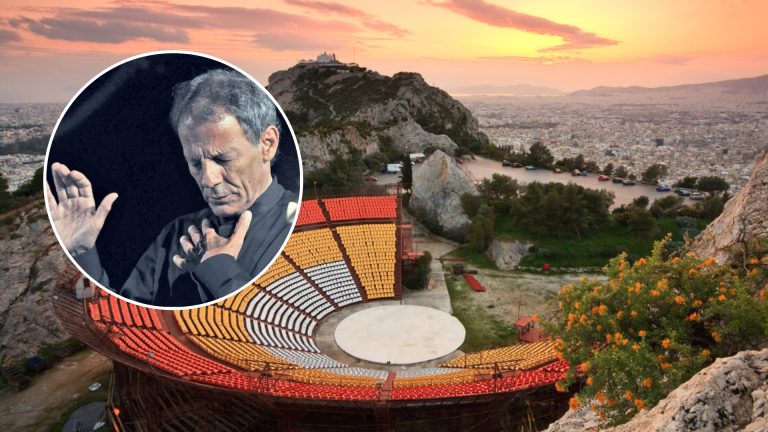
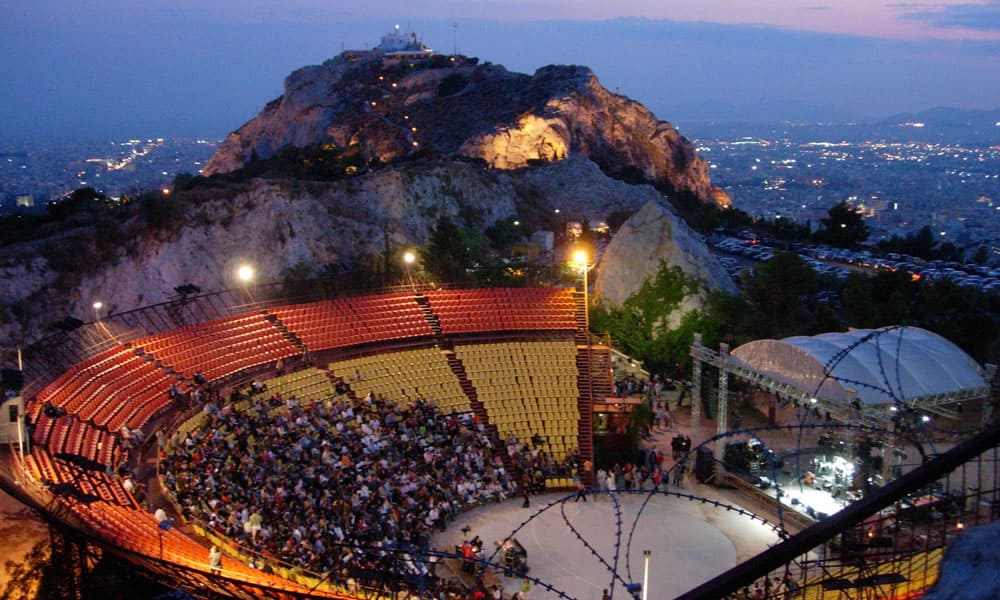
After a closure of 15 years, the municipal Lycabettus Theatre is preparing to welcome the public once again on September 15, 2023.
The momentous occasion will be marked by a concert featuring Stavros Xarchakos, one of Greece’s most renowned composers of popular music, according to Ekathimerini.
Undertaken by the Municipality of Athens, the restoration of this iconic theater stands as a testament to its profound connection with the cultural fabric of the Greek capital and the cherished recollections of its inhabitants.
Progress on the restoration project is well underway, as the theater regains its original design envisioned by the architect Takis Zenetos.
Restoration project is well underway for Lycabettus Theater. Photo: Lycabettushill.com
Kostas Bakoyannis, the Mayor of Athens, expressed his immense satisfaction with the ongoing restoration efforts. He conveyed his joy at the prospect of the theater’s revival, poised to offer the citizens and visitors of Athens a magnificent festival within its historic confines.
Bakoyannis also touched upon the sentimental significance of the upcoming reopening, highlighting the emotive return of Stavros Xarchakos’ music to the slopes of Lycabettus Hill after a lapse of 45 years.
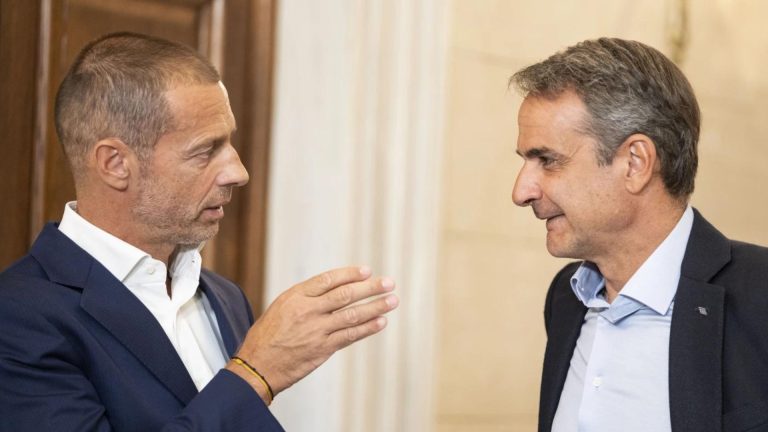
In a passionate plea, UEFA President Aleksander Ceferin implored Europe on Wednesday to unite in eradicating hooliganism, a malady he branded as the “scourge of football.”
The call comes in the wake of a recent tragedy, where a fatal clash occurred before a match between AEK Athens and Dinamo Zagreb in Greece.
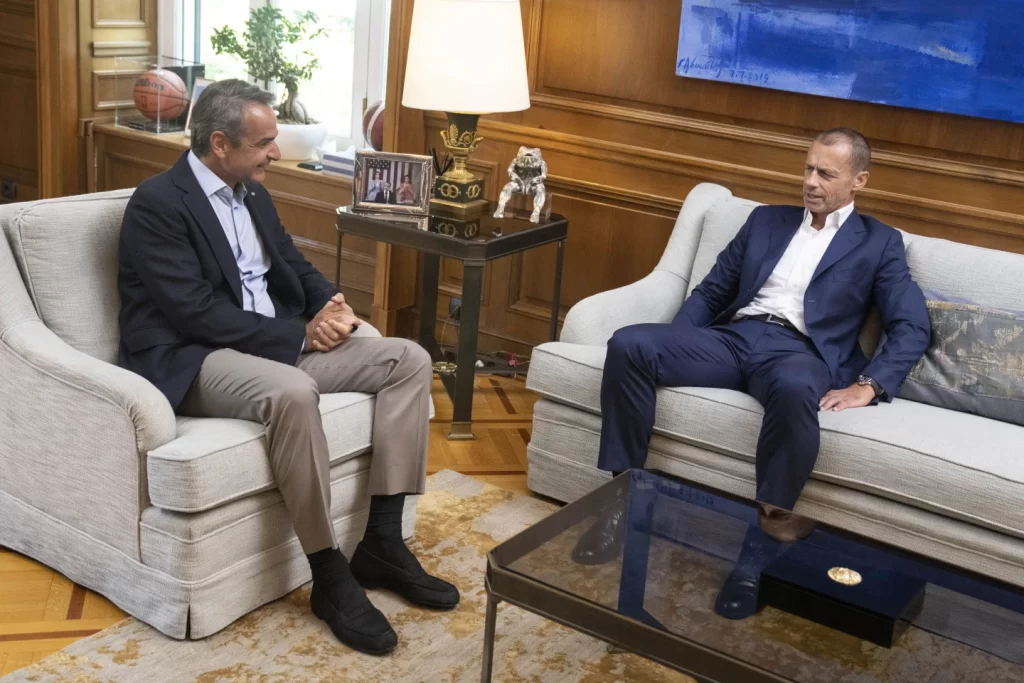
Following a meeting with Greek Prime Minister Kyriakos Mitsotakis in Athens, Ceferin underscored the pan-European nature of the issue, emphasizing the necessity for collective action to prevent any recurrence of such unfortunate incidents, according to Ekathimerini.
“This destructive force has taken root in football, and these individuals can no longer be labeled as football enthusiasts,” remarked Ceferin, employing the European terminology for soccer. “We have reached a point of no return… an imperative to halt this menace.”
UEFA President Aleksander Ceferin (L) and Greek Prime Minister Kyriakos Mitsotakis (R). Photo: Petros Giannakouris.
Ceferin noted that the challenge at hand transcends national boundaries, asserting that European nations, institutions, and media must collaborate cohesively to combat football-related violence.
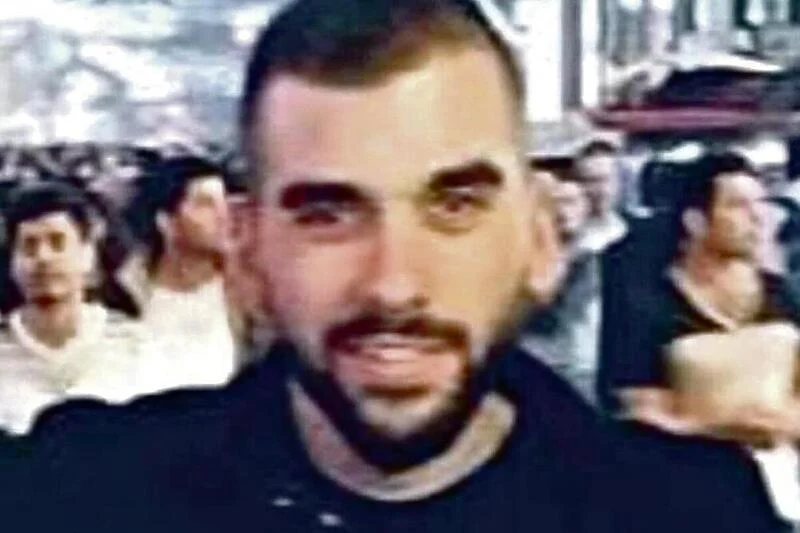
Over 100 individuals, primarily Croatian nationals, have faced severe charges and pre-trial detention in connection with the clashes leading to the tragic death of Michalis Katsouris, a 29-year-old AEK fan, in Athens, as reported by Greek authorities.
Michalis Katsouris.
The pre-trial detentions have sparked tensions between Greece and Croatia on a political scale.
Greek diplomats communicated that Foreign Minister George Gerapetritis has assured his Croatian counterpart of the full protection of the rights of those detained.
Greece has persistently strived to reform its football landscape, marred by both on-field and off-field violence. Just last year, a 19-year-old supporter lost his life in a brutal attack outside Aris Thessaloniki’s stadium.
Mitsotakis expressed Greece’s commitment to exploring more stringent regulations aimed at extinguishing violence during sporting events, demonstrating a determined stance against this pressing issue.