Stefanos Tsitsipas (No.4) won against American Ben Shelton (No.40) 7-6 (3), 7-6 (2) to advance to the last 16 of the Cincinnati Masters at the Linder Tennis Family Center on Wednesday evening.
The two tennis players started by defending their serve and were led to the tie-break. There, the Greek champion was calmer making three mini-breaks, turning 1-0 to 7-3.
The picture of the second set was similar, which again went to tie-breaks.
A spectator directly behind Tsitsipas was distracting his serve, causing him to request from the umpire she be removed from the court.
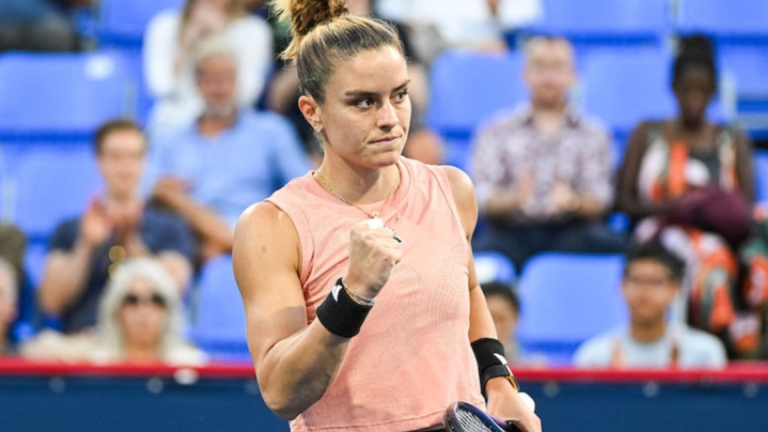
The Greek, Maria Sakkari, prevailed 2-6, 6-3, 7-5 after 2 hours and 19 minutes.
Sakkari started from the 2nd round of the Cincinnati tournament, as she had a bye in the 1st round, and managed, with an upset, to overcome the obstacle of Sorana Cirstea and qualify to the last 16.
The 28-year-old Greek tennis player returned to winning ways after her early elimination from Montreal last week, winning 2-6, 6-3, 7-5 after 2 hours and 19 minutes.
Sakkari’s next opponent will be either Petra Martic or Karolina Muchova.
The Romanian tennis player, Sorana Cirstea, was superior in the first set against Sakkari, taking the first 4 games, to win it 6-2. In the 2nd set Sakkari led 4-0, but Cirstea reduced it to 4-3. With a new break, Sakkari made it 5-3 and then took the set 6-3 for 1-1. In the 3rd set, Sakkari fought, but in the 11th game she managed to find the break, taking a 6-5 lead, to close the match a little later with 7-5.
For centuries, the short nap between 3:00 to 5:30 pm has been recognised by the Greeks as a sacred tradition.
The practice focused mainly on small towns and villages, sees the late afternoon siesta as a time to re-energise the batteries to help with late night parties and events.
Photo: University of Wisconsin-Milwaukee Libraries
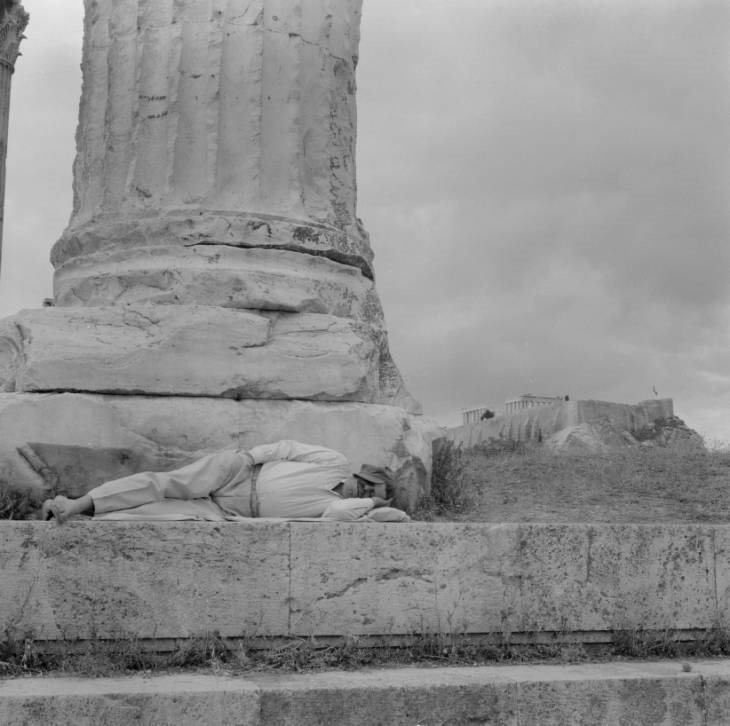
Taken some time in the mid-20th century, a photo of an Athenian man sleeping on the stairs of the Temple of Olympian Zeus, shows how a late afternoon siesta provided a period of calm away from distractions.
According to health experts a brief period of rest can enhance functioning and rejuvenate the mind and body.
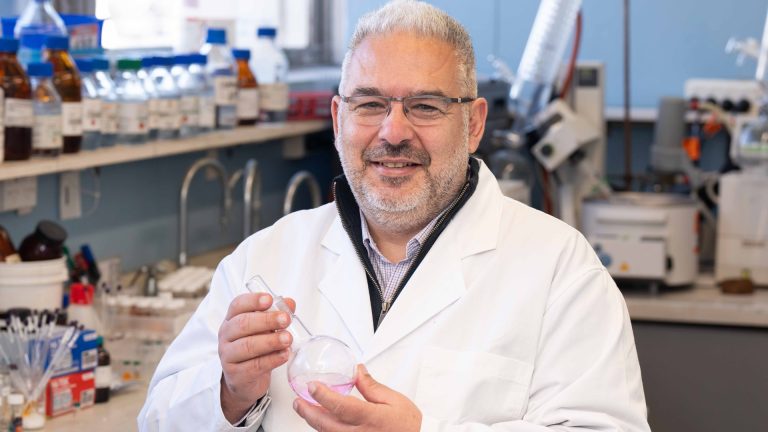
Professor Kassiou is a finalist in the Eureka Prize for Leadership in Science and Innovation. He is being recognised for driving new approaches to drug discovery for challenging health conditions such as brain disorders and cardiovascular disease.
Ahead of the Eureka Prizes awards night on Wednesday, August 23, The Greek Herald sat down with Professor Kassiou to hear about his career and the influence of his Greek heritage on his life.
Congratulations on being named a finalist in the Eureka Prize for Leadership in Science and Innovation. How does it feel to be recognised?
I am honoured to be among the finalists for the Eureka Awards. It makes me proud of the years of hard work that my team and I have put into trying to make a difference with our research. This is in recognition to all those that contributed no matter how big or small.
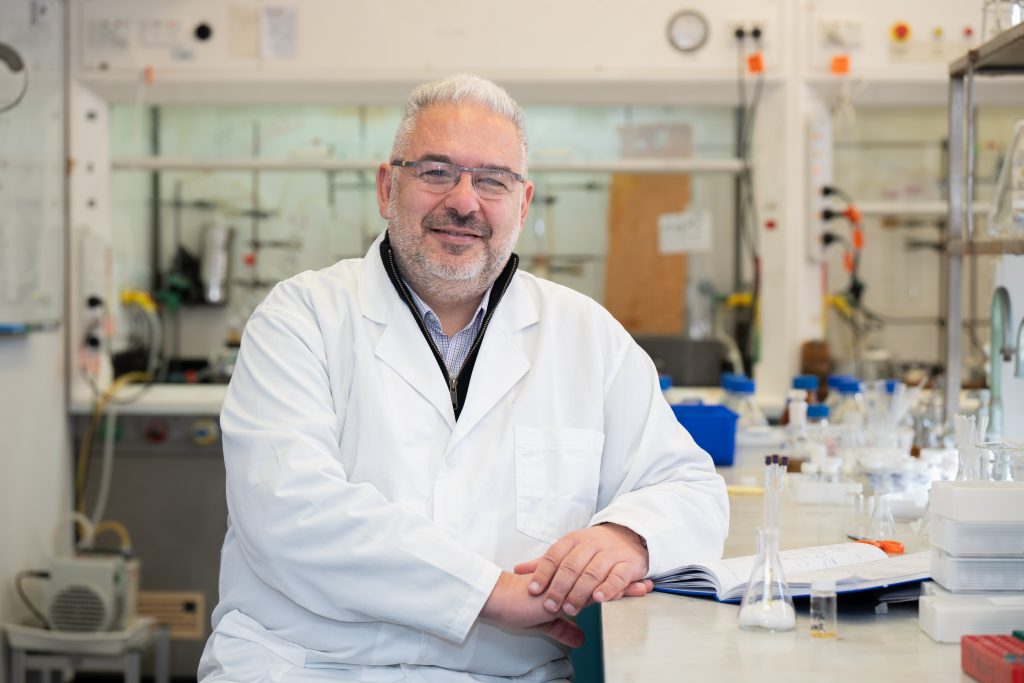
Eureka Prize for Leadership in Science and Innovation Professor Michael Kassiou, University of Sydney.
Tell us a little bit about your Greek heritage / upbringing.
My parents are both Greek, from the islands of Kos and Rhodes, and came to Australia in the early 1960s. They worked hard, making many sacrifices, and struggled with the English language, as many did at the time in order to establish a better life for themselves. They would go without to ensure that we had every opportunity they didn’t.
Yet they successfully raised three children, instilling in us strong values/morals, faith, and the need to aspire to make our dreams a reality. Any success we have is a reflection of them, and I am and always will be enormously proud of them and my Greek upbringing.
You recently developed molecules which could potentially be a method for treating dementia, depression and schizophrenia. Can you detail how this discovery came about?
We’ve been trying to discover small molecules that can activate the brain’s oxytocin receptors for over a decade. Intranasal oxytocin, the endogenous peptide responsible for activating these receptors, is now used in clinical trials. However, there are significant limits to using oxytocin, including its instability and difficulty to reach the brain.
We found the first non-peptide small molecules that can enter the brain and activate these receptors by employing a non-oxytocin receptor clinical candidate produced in our laboratory. We have identified compounds that activate the oxytocin receptor in diverse ways, which is very exciting because it allows us to examine the role of oxytocin receptors in disorders of the brain in ways that have not been previously possible.
How will this medical innovation challenge / revolutionise the way these conditions are currently treated?
Many psychiatric and neurological disorders are characterised by asocial symptoms, such as social withdrawal and poor social cognition, which are closely linked to the functioning of the oxytocin receptor. Despite this, we have noeffective pharmacotherapies for the social symptoms of these conditions.
We know that social interactions are a building block of society and necessary for maintaining good health and longevity. Our medical innovations will help people suffering from these conditions to re-engage with society to lead meaningful and productive lives.
How has your Greek upbringing influenced your work and these innovations?
I was raised from a young age to value the significance of family, particularly extended family, which is part of our Greek culture. It is our support system and gives us a sense of belonging. So finding discoveries that may benefit others was almost inevitable. I attempt to instil these values in my own children and remind them that your legacy will always be what you have done for others not for yourself.
What advice would you give to other young people who want to get involved in the medical field?
Sometimes we can get caught up in the safety and routine of things. My advice is to be courageous and challenge yourself. Nothing stifles possibility and creativity more than the all-too-familiar phrase “we’ve always done it that way”
Is there anything else you’d like to say?
It is important that we continue to mentor young researchers and provide an environment to help them maintain an inquisitive mind with the application of scientific rigour. It is critical to ensure the next generation of research leaders can continue to make positive impacts in society.
I am quite proud of my eldest daughter Tina who is currently studying medical sciences and I am excited to see what she and her siblings Sophie and Steven will achieve in the future.
The AM Eureka Prizes winners will be announced on Wednesday, 23 August, at a ceremony held at the Australian Museum. A livestream of the awards will also be available online. Register for the livestream at australian.museum/eurekaprizes.
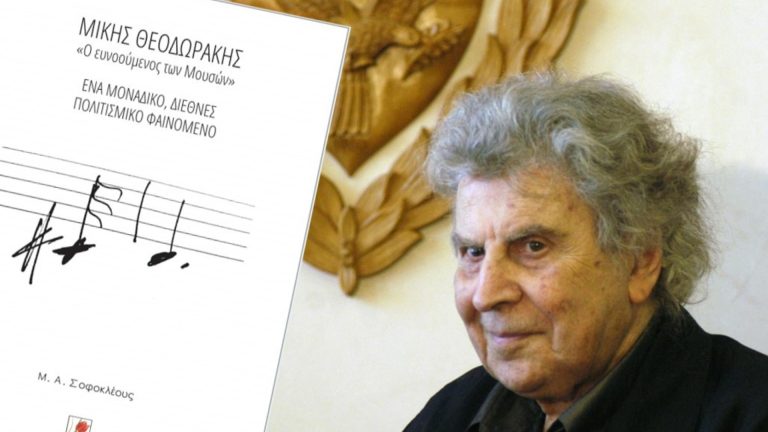
A special cultural event is scheduled to take place at the Greek Centre in Melbourne on Sunday August 27 to celebrate the release of Mimi Sophocleous’s book on Mikis Theodorakis, titled “Mikis Theodorakis: The Meaning of the Muses – A Unique, International Cultural Phenomenon”.
During this event, the author will speak on the topic: “Mikis Theodorakis, the Muse’s Favorite.”
It is noteworthy that the book by Mr. Sophocleous, published by Afi Publications (Limassol, 2022), is the last work the great composer received while alive and upon which he bestowed favorable comments.
The lecture, accompanied by enlightening slides, will cover three areas related to the life, work, and significant artistic and social contributions of this distinguished composer.
Special attention will be given to Mikis Theodorakis’ relationship with Cyprus, with “the golden green leaf” being one of the composer’s songs dedicated to the island.
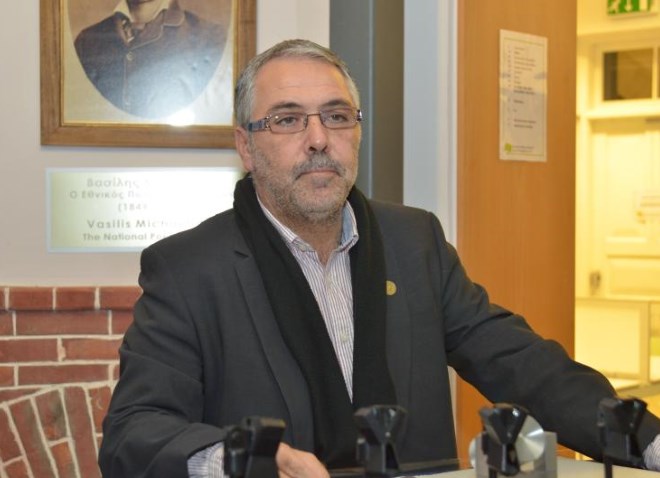
Professor Mimis Sophocleous will present on Mikis Theodorakis.
Moreover, there will be a presentation of the book by educator Yiannis Milidis. All proceeds from the book sales will be donated, as per the author’s custom, to support the purchase of musical instruments for the Music School of Limassol, “Marios Tokas.”
The event will conclude with a brief artistic program featuring songs from Mikis’s song cycles: “Deserters,” “The Ballad of Mauthausen,” and “Axion Esti.” These will be performed by Orestes Sophocleous, Christos Themistocleous, and Mimis Sophocleous.
Mikis Theodorakis
Mikis Theodorakis (1925-2021) was a renowned Greek composer and musician, known for his prolific and diverse contributions to music. He is often considered one of the most important figures in Greek music and culture during the 20th century. While the phrase ‘the favourite of the Muses’ isn’t a commonly used title for him, it does reflect his status as a revered artist.
Theodorakis composed music across various genres, including classical, folk, and popular music. Some of his most notable works include symphonies, ballets, operas, film scores, and popular songs. He was also known for his politically charged compositions and his involvement in social and political causes.
One of Theodorakis’ most famous works is the music he composed for the 1964 film ‘Zorba the Greek’, which became internationally recognized and is often associated with Greek culture. His music was characterized by its emotional depth and its ability to capture the essence of Greek identity. In addition to his musical contributions, Theodorakis was also active in politics.
He was an advocate for social justice and democratic ideals, and he faced political persecution during periods of Greece’s history when his views clashed with the ruling regimes.
Despite his challenges, he continued to create music that resonated with people both in Greece and around the world.
Overall, Mikis Theodorakis left a lasting legacy in the world of music and culture, and he is remembered as a prominent figure whose work continues to be celebrated by many.
Professor Mimis Sophocleous
Professor Mimis Sophocleous was born in Mazotos village, Larnaca. He is the Academic Director of Patticheion Municipal Museum & Limassol Historical Archives. He has studied at Athens Kappodistrian University (Philosophy and Psychology), La Trobe University (Education and Media), RMIT University (Tertiary Teaching and Design) and the University of Queensland (History and Multicultural Arts).
During his student years he was involved with music and become the first collaborator of composer Marios Tocas. He returned to Cyprus in 2002 after a 30 year absence. He is married with fellow academic, Salome Padima, and they have a son, Oretses Sophocleous who lives in Melbourne.
Event Details:
Date: Sunday 27 August 2023 | 4:30 pm. Doors Open from 4:00 pm
Venue: The Greek Centre (Mezzanine, 168 Lonsdale Street, Melbourne)
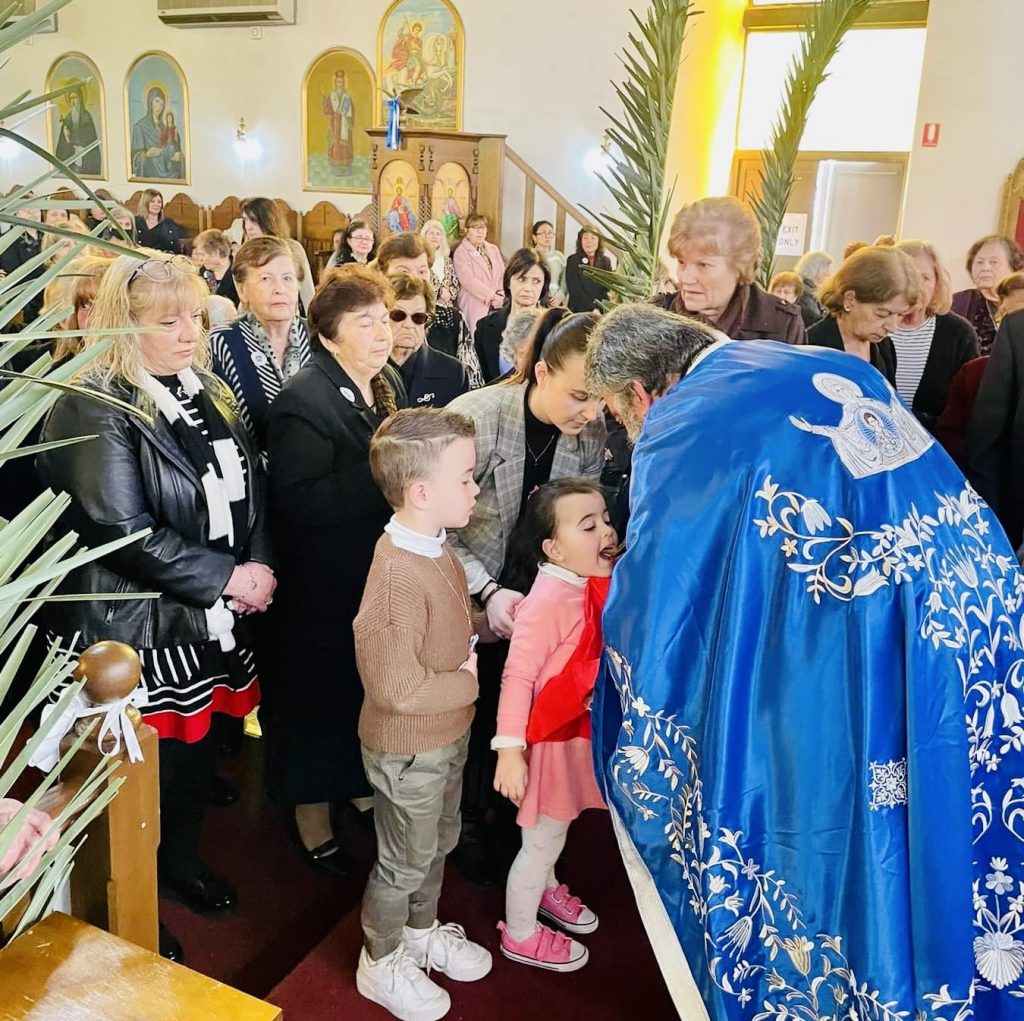
The annual feast of the Dormition of Theotokos (Dekapentavgoustos) returned again this year and was celebrated with due splendor and solemnity, at the Greek Orthodox Community of South Australia’s (GOCSA) Dormition of Theotokos Greek Orthodox Church in Croydon.
“Our beautiful church in Croydon is dedicated to the Theotokos, and it’s wonderful to see hundreds of people, young and old, pack into our church to celebrate with us on this special day.” said President of the Koimisis Tis Theotokou Parish Committee, John Ninos.
The Greek community came together to celebrate the Dormition of Theotokos.
More than 600 faithful visited the Church to worship the Icon of the Theotokos (Virgin Mary) on Monday, August 14th and Tuesday, August 15th.
“We’ve tried to create a larger event this year and replicate what we had pre-covid. We’ve added more marquees and undercover seated areas for our community to sit down and enjoy lunch together.” explained President of GOCSA, Peter Gardiakos.
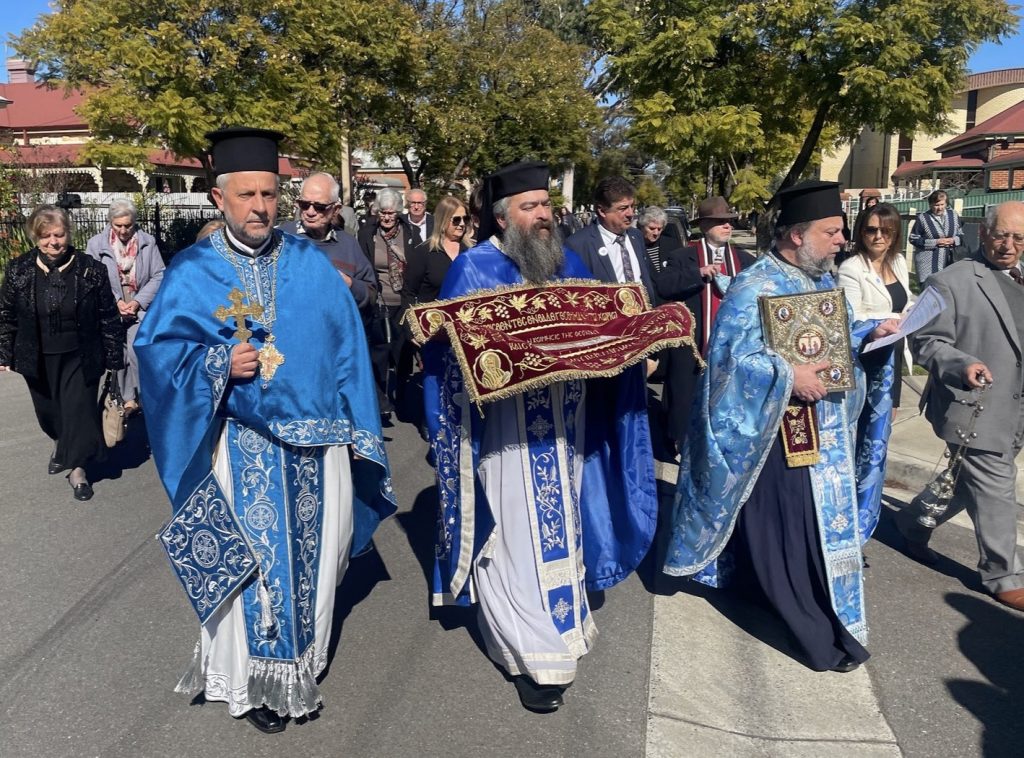
Procession around the streets of Croydon.
On Monday evening, vespers were chanted and on Tuesday, the Divine Liturgy led by Fr Mark Papan together with Fr Andreas Kollas and Fr Panayiotis Anagnostou, was followed by the Holy Icon and the Epitaph procession around the streets of Croydon, in the presence of official guests.
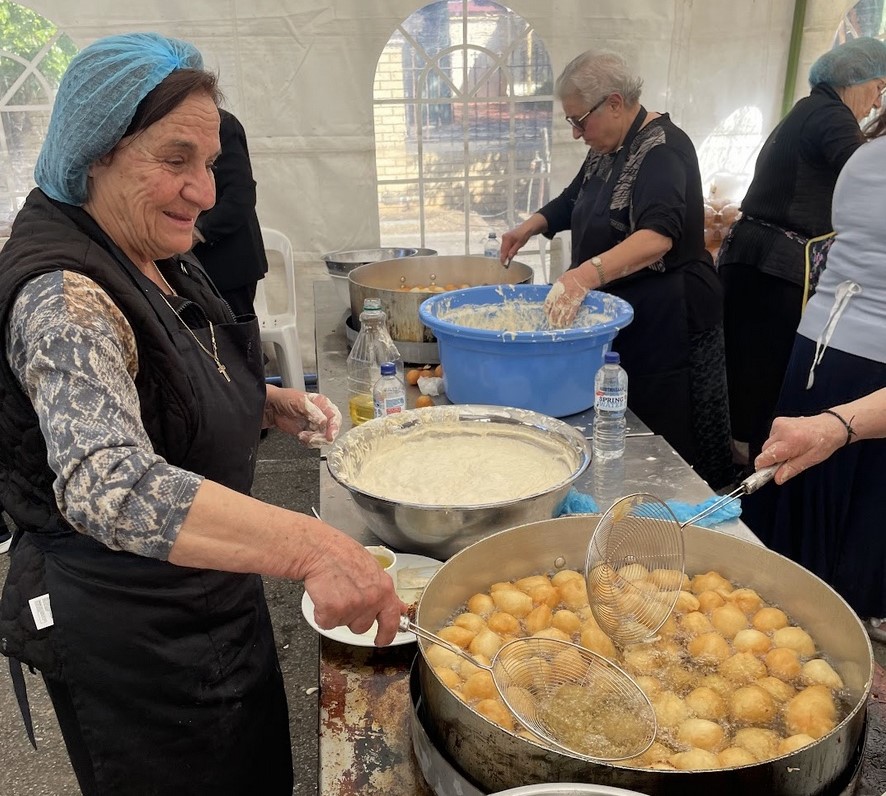
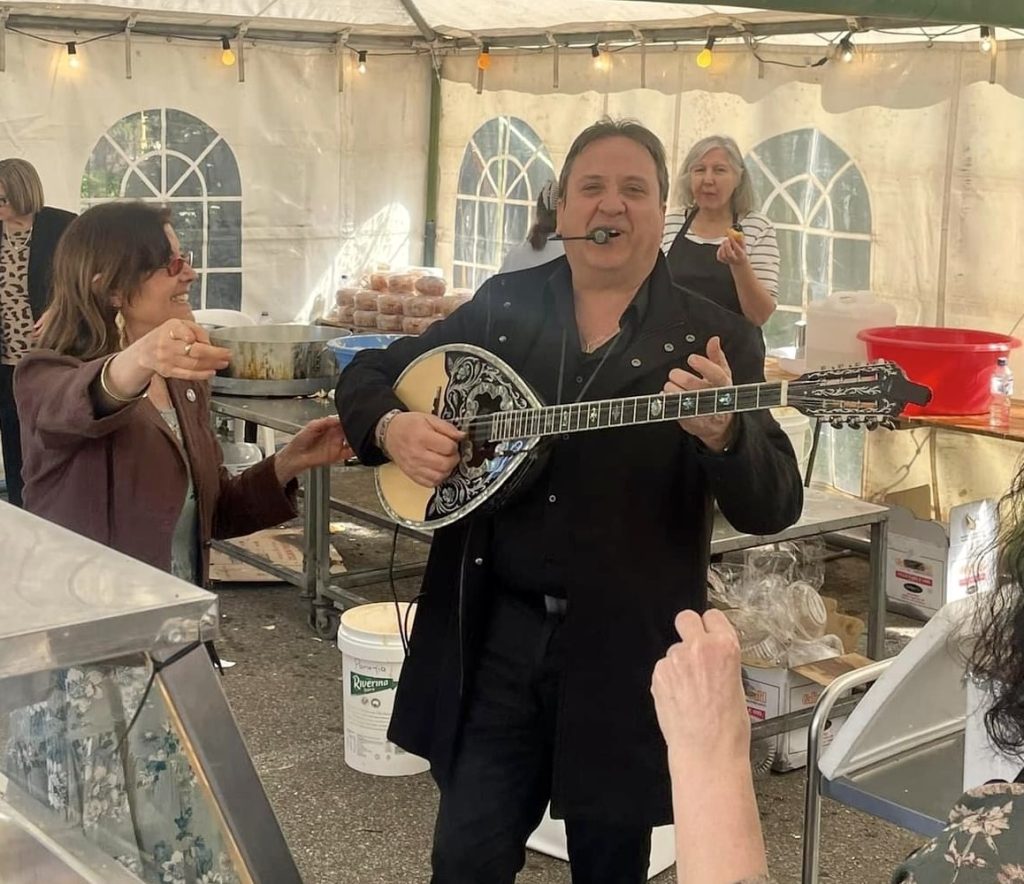
At noon, many people enjoyed the celebratory lunch prepared for the occasion by GOCSA volunteers and members of the Women’s Fellowship. The musical accompaniment of bouzouki master Con Dalagiorgos and instrumentalist Jim Giannou contributed to the warm atmosphere, and the event continued through to the afternoon.
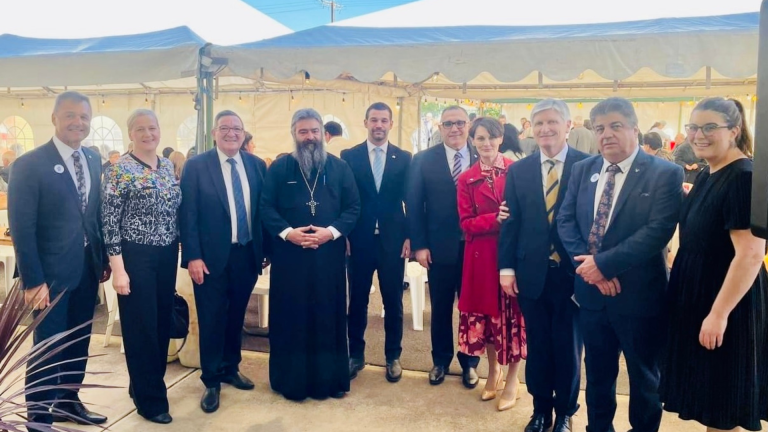
In attendance were Federal Member for Adelaide Steve Georganas, West Torrens Mayor Michael Coxon, Charles Sturt Mayor Angela Evans, Councillor of the City of Charles Sturt Peter Ppiros, Chair of SA’s Multicultural and Ethnic Affairs Commission Adriana Christopoulos, and representatives of local organisations.
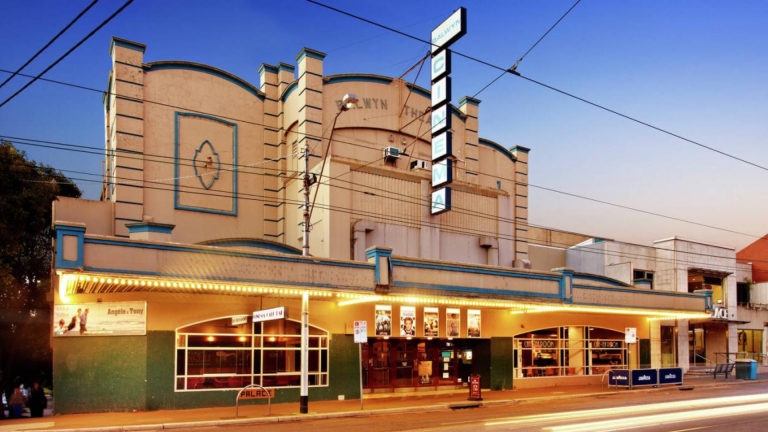
The Greek Community of Melbourne have announced the exciting new addition of Palace Balwyn Cinema to its 2023 Greek Film Festival venue offering.
Along with Palace Cinema Como and the Astor Theatre in Windsor, the introduction of Palace Balwyn Cinema, will allow the festival to reach a wider audience to which it can further promote and celebrate the rich tapestry that is Greek filmmaking.
The 2023 Greek film Festival opens on 19 October at the Astor Theatre, Palace Cinema Como and Palace Balwyn Cinema with the multi award-winning feature film by Asimina Proedrou, “Behind the Haystacks”.
“Behind the Haystacks” is set during the refugee crisis of 2015 as seen through the eyes of three morally culpable family members with overlapping and contradictory versions of the same experience.
The Greek Film Festival has gained recognition for its dedication to showcasing a diverse range of films, from thought-provoking dramas to heart-warming comedies, all of which capture the essence of Greek culture, history, and creativity.
The Greek Film Festival has become a significant annual event for both Greek diaspora and film enthusiasts of all backgrounds. Patrons can look forward to a carefully curated selection of films that capture the essence of Greek culture, values, and history, while also providing a glimpse into contemporary Greek society.
Final touches to the 2023 Greek Film Festival schedule of eclectic, provocative and inspirational films are being applied by organisers with an announcement of the full program to be made soon.
The Greek Film Festival is presented in Victoria by the Greek Community of Melbourne playing on the Palace Cinemas group’s screens.
AEK has taken home the advantage after beating Dinamo Zagreb at Maksimir in the final minutes of the first leg of the third knockout round of the Champions League qualifiers.
AEK performed an excellent second half and prevailed 2-1 by upsetting Dinamo Zagreb. Tzumber (59′) responded to Bulat’s goal (39′) and Galanopoulos in the 90′ shaped the result by dedicating the goal to the memory of Michalis Katsouris.
Bulat opened the scoring in the 39th minute with a direct free-kick, with Steven Zuber, who was the leader of the pitch, sending the ball into the net for 1-1 in the 59th minute. In the 90th minute, Galanopoulos turned the game upside down and dedicated the goal to the memory of Michalis by raising the black armband.
The rematch will take place in Athens at OPAP Arena on Saturday August 19.
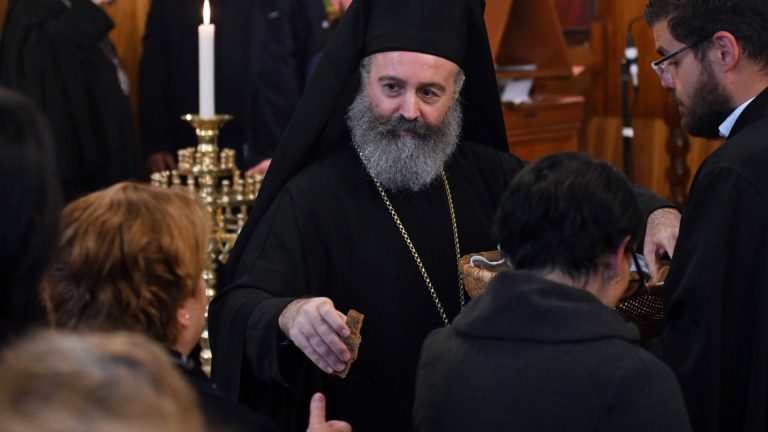
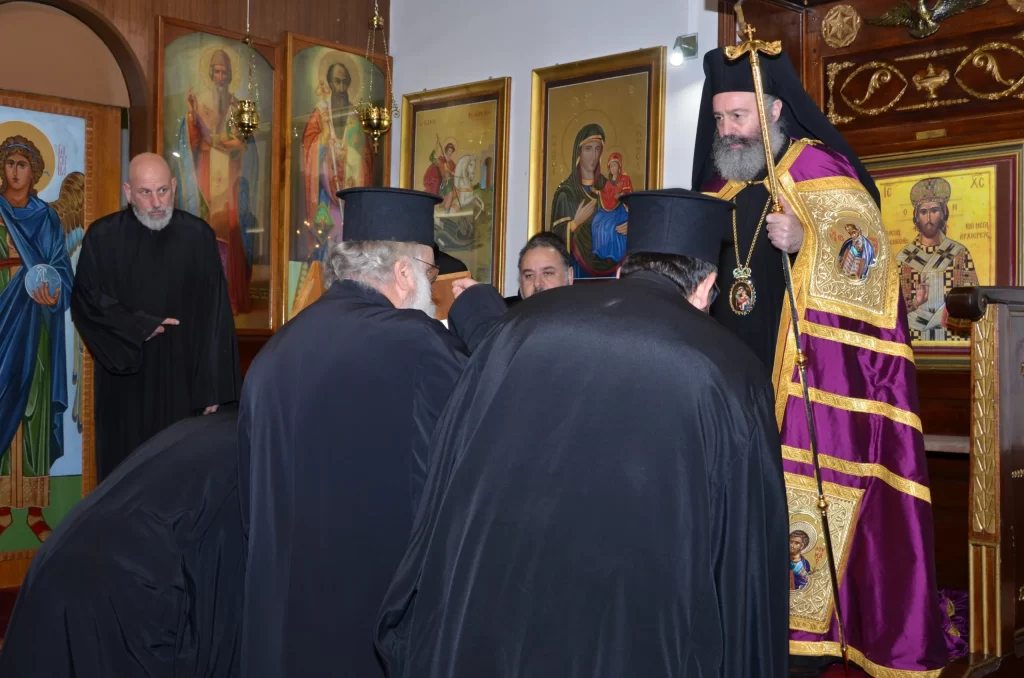
Archbishop Makarios of Australia visited the Church of Saint Nicholas on Saturday August 12 in Ballarat, known as the “city of Gold”, in Victoria.
This was the first time in history an Archbishop of Australia has visited the Greek Orthodox church in Ballarat, a strong hub for Hellenism in Australia over the centuries.
Archbishop Makarios congratulated the congregation in his address, “You are people who have kept the Greek language, the Orthodox faith and the Greek Orthodox ethos and mentality.”
“That is why I can say that it is an honour for me to be among you today.”
Archbishop Makarios of Australia visits Ballarat church.
Ballarat became one of the worlds greatest gold rush boomtowns in 1851 when discoveries were made at Sovereign Hill.
The members of the community shared their gratitude and presented Archbishop Makarios with a piece of gold in reverence to their town and the many gold mines in Ballarat city.
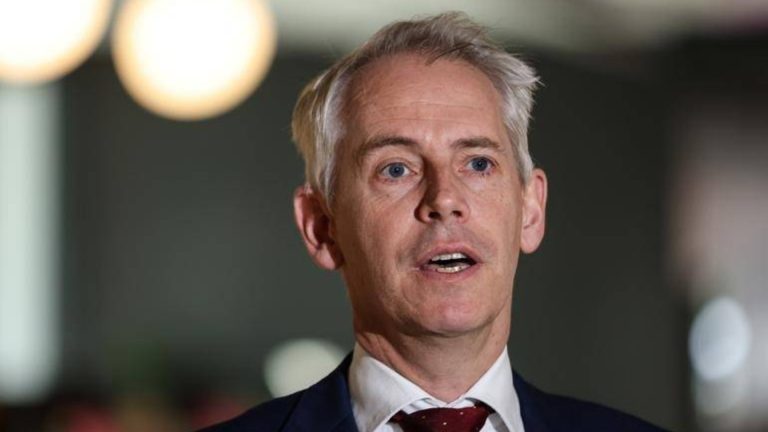
Minister for Immigration, Citizenship and Multicultural Affairs, Andrew Giles, announced on Tuesday the submissions for the Multicultural Framework Review are now open.
The Multicultural Framework Review will deliver on an election commitment to examine the function and framework of Australia’s multicultural policies.
The Review coincides with the 50th anniversary of the Whitlam Government’s 1973 report ‘A Multi-cultural Society for the Future’, which marked the birth of contemporary multicultural Australia.
“Multiculturalism has been instrumental to Australia’s success over the last 50 years and will continue to be one of the key forces shaping our nation,” Minister Giles said in a statement.
He emphasised the importance of having the “right policies and institutions to meet the needs” of an increasingly diverse Australian society.
The public have been encouraged to submit and share their “lived experiences” and “views on what is working well” with suggestions on what could be “improved to advance our multicultural nation”, Minister Giles explained.
For the first time, the Department of Home Affairs will be able to receive submissions in all languages, including in writing, via audio or video recording on the Review website.
“The Government has prioritised accessibility to a variety of languages and cultural groups so that everyone, no matter what language they speak, can have their say.”
Community organisations and members of the public can make their submissions via the Review website until 29 September 2023.
Further information on the Review, including translated materials in 35 languages other than English, can be found here.