Home Blog Page 952

Australians of Greek heritage honoured at St George Community Awards

Three Australians of Greek heritage – Christina Ioannidou, Chrysanthi Diasinou and Maria Dalamaras – were recognised at the 13th annual St George Community Awards held on Thursday, November 16.

The awards were a resounding success, reflecting the diversity and sweeping range of contributions of volunteers and volunteer organisations to the St George community.

The St George district encompasses southern Sydney from Sydney Airport to the Georges River, Salt pan Creek and the M5 Motorway. The area is home to close to 300,000 people with Greeks comprising some ten per cent.

The awards are an initiative of the Liberal Member for Oatley and Shadow Minister for Multiculturalism, Mark Coure MP.

“Volunteering is at the heart of our local area and it is so important that we celebrate the contributions of those who give their time, effort and energy to others,” Mr Coure said.

People can be recognised across one of eight award categories including the Individual Volunteer Achievement Award, the Youth Achievement Award, the Community Group Achievement Award, the Business Achievement Award, the Multicultural Communities Award, the Senior Volunteer Achievement Award, the Sporting Achievement Award, and the Sharyn Andersen-Cullis Environmental Achievement Award.

Christina Ioannidou:
St George Community Awards
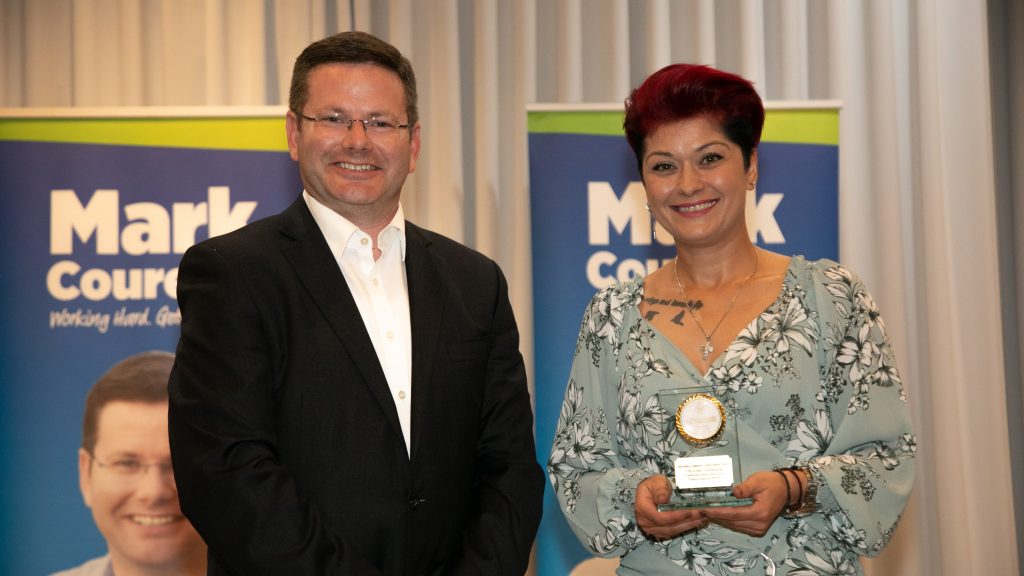
Christina Ioannidou (right) with Mark Coure MP.

Christina Ioannidou won the Individual Volunteer Achievement Award for her work with the Pontian community in Sydney.

Together with her family, Ms Ioannidou migrated to Australia about six years ago, settling in Sydney. Soon afterwards, she returned to her passion: teaching traditional dances of the Hellenes (Greeks) of Pontos, the region around the Black Sea.

Over the last five years, she has grown the Senior Dance Group of the Pontoxeniteas NSW to over 40 regular performers, aged from teenagers to grandparents.

Ms Ioannidou prepares the choreography and the music, encouraging young musicians to accompany the dance performances with live music; even teaching the dancers traditional songs which accompany the dancers. Rehearsals run for about 2.5 hours each Friday evening, with additional sessions scheduled for special performances.

The Pontoxeniteas Senior Group is now capable of presenting a 20-minute programme, performing fifteen different dances in that time, a credit as much to the instructor as to the performers. Under her leadership, the Pontoxeniteas Senior Group has become highly sought after at Hellenic community events and multicultural festivals.

An illustration of Ms Ioannidou’s dedication to her particular regional Hellenic culture is that she is not paid a cent for her services.

Chrysanthi Diasinou:
St George Community Awards
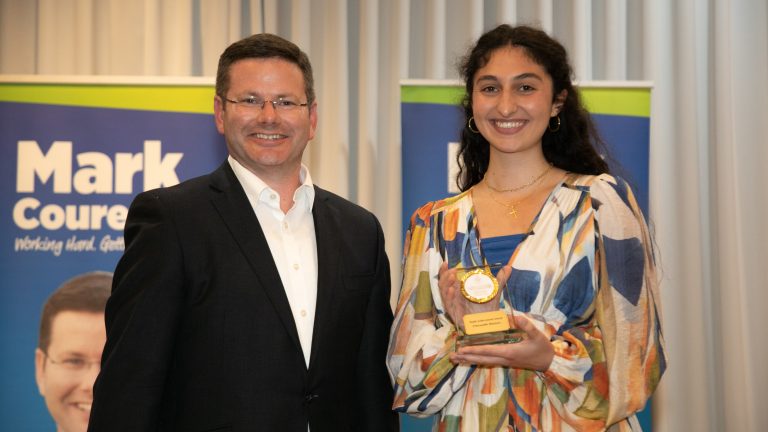
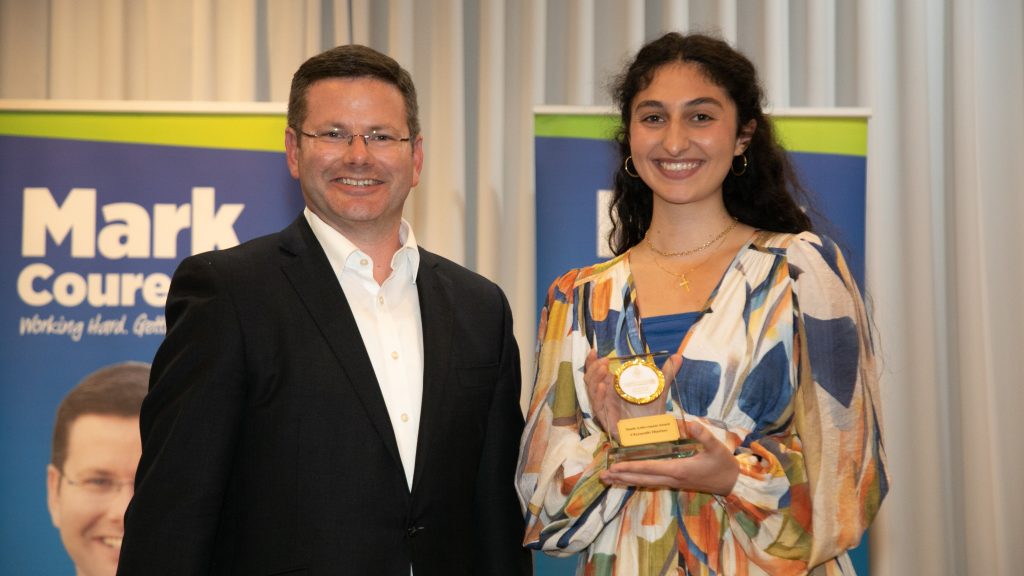
Chrysanthi Diasinou (right) with Mark Coure MP.

Chrysanthi Diasinou was recognised with a Youth Achievement Award on the night.

Ms Diasinou is a recent university graduate, a dedicated member of the Greek Orthodox Christian Society, and serves as a Sunday School teacher and in other volunteer capacities.

One of her passions is her Pontian Hellenic heritage – her maternal ancestors were Hellenes (Greeks) of Pontos, the region around the Black Sea. An illustration of this dedication was that in 2022, Ms Diasinou was shortlisted in the Calibre Essay Prize for her creative work about the Pontian dialect.

She is also a member of the Senior Dance Group of the Pontoxeniteas Association of NSW, spending many Friday evenings and parts of weekends rehearsing for performances of traditional music and dance of the Pontos region.

Her passion for culture has expanded into music, learning to play the traditional stringed-instrument, the lyra, as part of the Kogarah-based Melisma Ensemble which performs Orthodox ecclesiastical music, as well as music from the folk traditions of Greece and the broader Eastern Mediterranean region.

Maria Dalamaras:
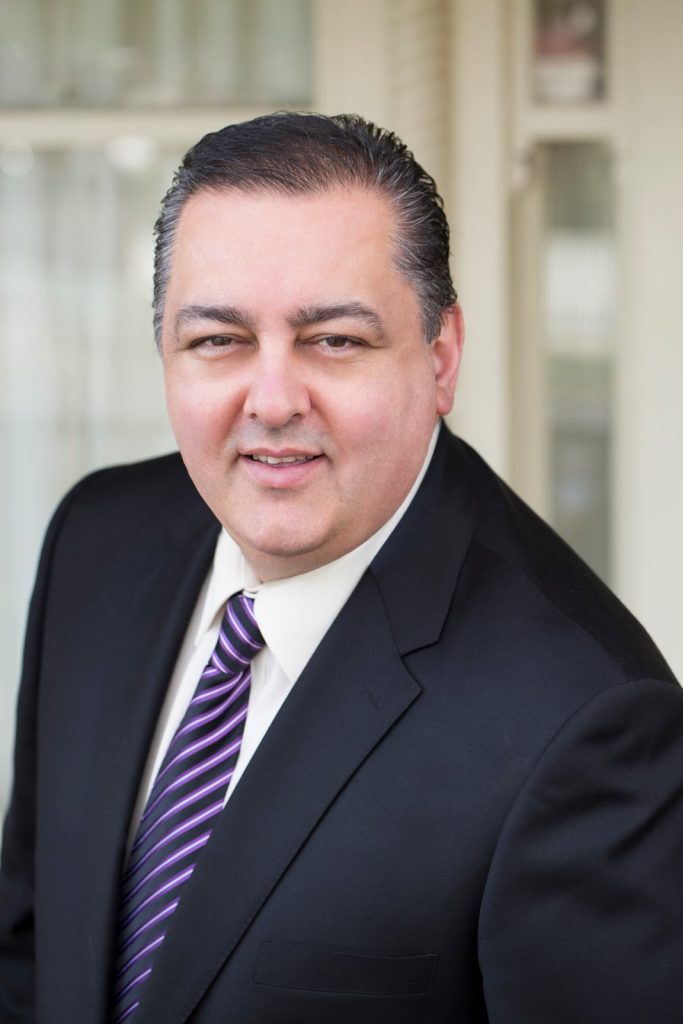
maria dalamaras
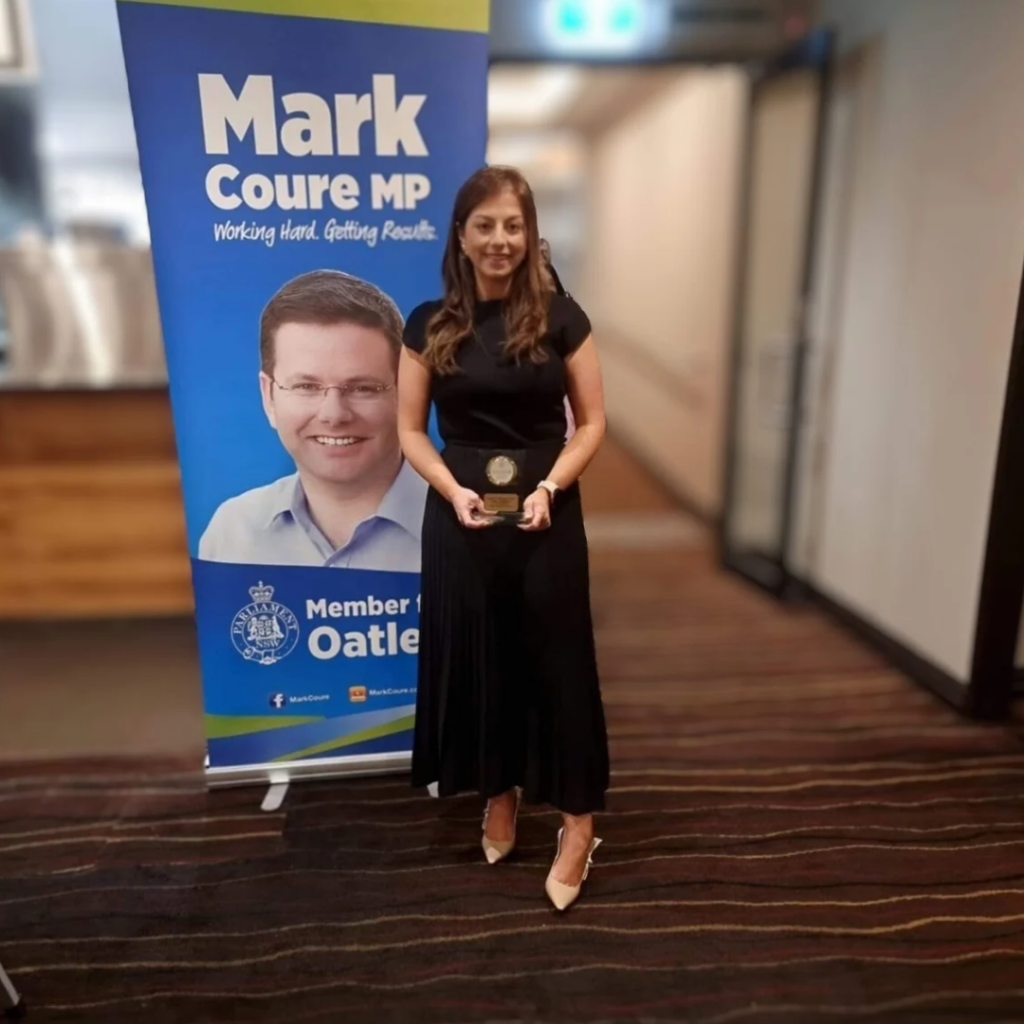
Maria Dalamaras.

Maria Dalamaras received the Business Achievement Award at the St George Community Awards.

“My business, Rio Consulting Group a Digital Marketing Agency, was highlighted in recognition of this achievement, marking the second consecutive year I’ve had the privilege of receiving this esteemed award,” Ms Dalamaras said.

“One of the most memorable moments of the evening was the opportunity to accept this award in the presence of my mother, Irene Kerasis, a tremendous pillar of support in my life. I also want to express my heartfelt gratitude to my husband, Bill, whose unwavering understanding and support have been pivotal as I navigate the roles of an entrepreneur and a mother to our two wonderful boys- Gregorio and Paul.

“Our commitment to serving the St George Community is reflected in the fact that 90 per cent of our clients are based in this vibrant community. I consider myself fortunate to be part of such a wonderful environment, surrounded by passionate and thriving small businesses.”
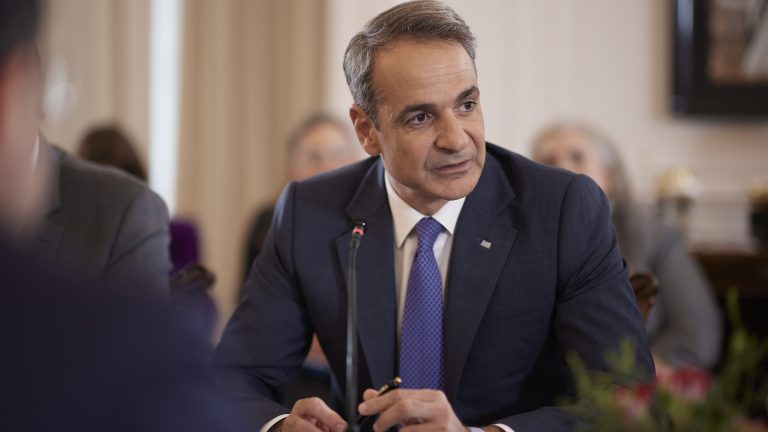

Greece’s PM reveals key developments aiming to enhance lives of Greeks abroad

In his latest weekly review, Greece’s Prime Minister Kyriakos Mitsotakis highlighted a series of ground-breaking initiatives aimed at improving the daily lives of Greeks abroad.

The prime minister’s address, shared each Sunday on social media, covered a range of topics, including innovative digital services, positive economic forecasts, and various measures to support vulnerable households.

One of the key announcements was the introduction of the Digital Service for Request Management, a ground breaking initiative allowing consular requests to be processed partially or fully electronically. Currently undergoing testing by the Ministry of Foreign Affairs staff, this service is slated to be fully operational soon in all 125 Greek Consular Authorities across 85 countries globally.

A seminar held last Wednesday focused on the introduction of Digital Service for Request Management.

Additionally, the prime minister unveiled a “Virtual Assistant” service integrated into Greek Consular Authorities‘ websites. Powered by artificial intelligence, this service responds to citizens’ inquiries in Greek and English, as well as 17 other languages, enhancing accessibility and communication.

Turning to economic matters, Mitsotakis shared the encouraging news that Greece ranked third among the 27 EU member-states in terms of growth, according to the EU Commission’s autumn forecast. The country is expected to maintain growth above the Eurozone average until 2025, accompanied by reductions in deficit and debt, increased employment, and a gradual decline in inflation.

Highlighting the government’s fiscally balanced policy, Mitsotakis emphasised that the “growth surplus” would be reinvested in society, with 352 million euros in benefits set to be distributed in December to those most in need, particularly those struggling with the rising cost of living.

The prime minister also addressed measures to curb price hikes, including the Permanent Price Reduction program and fines for those violating laws on unfair profits. He commended the police for making breakthroughs in prosecuting fraud against the state health insurance organisation.

Among other achievements, Mitsotakis welcomed the signing of contracts to upgrade accident and emergency departments in nine state hospitals, the launch of a national program against child obesity, and the initiation of agreements for a new courthouse in Piraeus, scheduled for completion in 2025.

Moreover, the prime minister outlined a new program subsidising the refurbishment of older, unused apartments for affordable rents.

Concluding on a positive note, Mitsotakis celebrated the inclusion of a Greek white wine from western Macedonia in the prestigious list of the top 100 wines in the world for 2023. He emphasised that this recognition reflects the vision of the Greece they aspire to create—a testament to the nation’s potential and achievements.

Source: AMNA.gr.

Thousands march in Athens to mark 50 years since Polytechnic Uprising

0

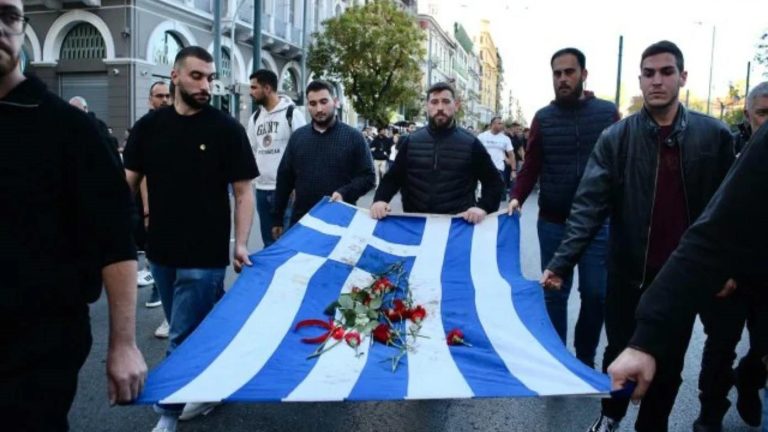
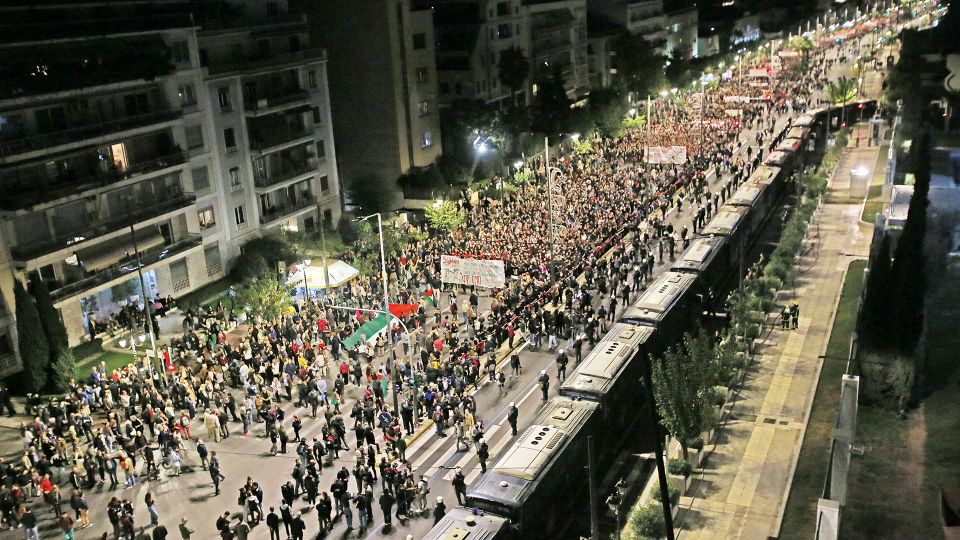
More than 25,000 peopled marched in Athens, Greece on Friday, November 17 to mark 50 years since the Athens Polytechnic Uprising.

The march was held to commemorate the pro-democracy student uprising which was violently put down by the military dictatorship who was ruling Greece in 1973.

march athens polytechni uprising
Thousands march in Athens. Photo: Alexandros Beltes/AMNA.

According to AP News, the march was peaceful but a minor riot broke out at a university campus in Greece’s capital following young people setting fires to dumpsters and throwing petrol bombs at police who were on the scene.

In Thessaloniki, violence was also said to have broken out, and police fought back with tear gas. Minor clashes were also reported in Patra.

Greek leaders commemorate the anniversary:

Greece’s Prime Minister, Kyriakos Mitsotakis described the Athens Polytechnic Uprising as “a beacon illuminating the path towards a more open and democratic society,” in a post on social media.

“Fifty years later, the Polytechnic uprising remains a significant chapter in our contemporary history, acting as a catalyst for its evolution,” Mitsotakis said.

Mitsotakis said the 50th anniversary pays tribute to the fighters against dictatorship.

“We grasp onto its revitalising spirit in the face of new circumstances. Only in this way can the Polytechnic endure through time, consistently expressing the hopes of Greeks for a more optimistic future,” he concluded.

sakellaropoulou
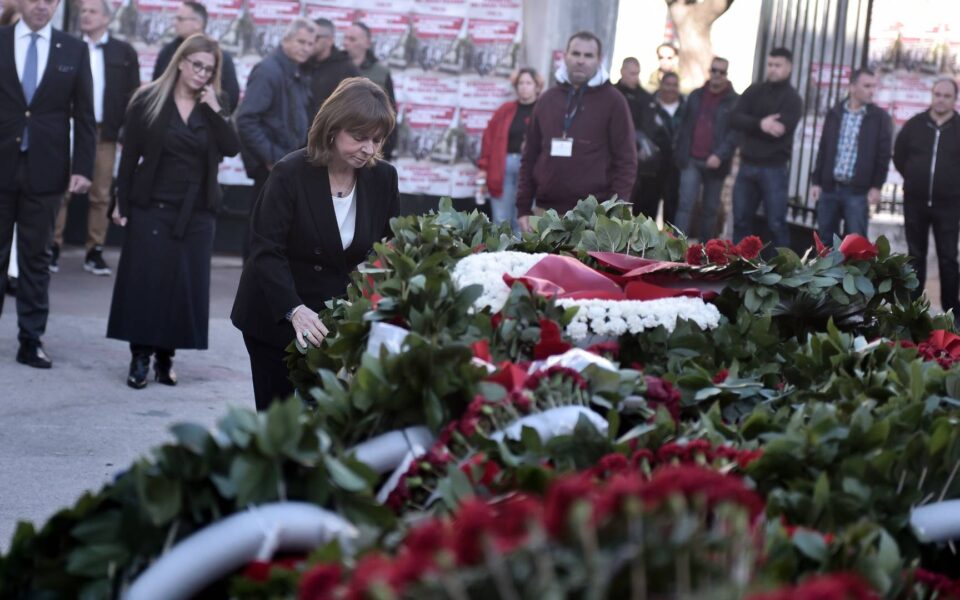
Katerina Sakellaropoulou laying a wreath. Photo: In time News.

Greece’s President, Katerina Sakellaropoulou was also seen to commemorate the 50th anniversary, by laying a wreath at a memorial which is dedicated to the victims of the regime’s brutal suppression of the revolt.

“Today, as democracy stands firm and robust, our responsibility is to protect it with the same passion and unwavering determination exhibited by those resilient young people fifty years ago,” Sakellaropulou said.

Source: AP News and Ekathimerini.

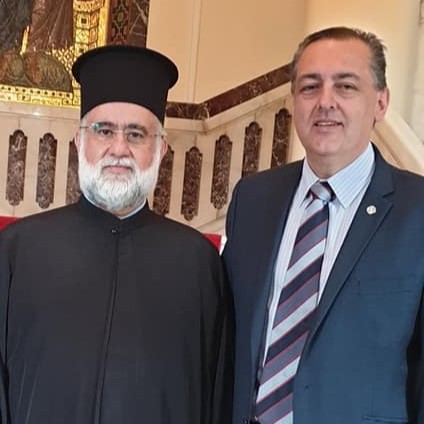
Melbourne community leader Tony Tsourdalakis slapped with restraining order

The President of the Cretan Federation of Australia and New Zealand (CFANZ), Tony Tsourdalakis, was slapped with a personal safety intervention order by a Victorian magistrate on Thursday, November 16.

Mr Tsourdalakis was before the Ringwood Magistrates Court on Thursday after allegedly threatening to incite violence on former President of the Pancretan Association of Melbourne, Emanuel Starakis.

In an open letter published in The Greek Herald in July, Mr Starakis voiced concerns around the more than $30,000 in earthquake relief funds raised by the CFANZ and the Pancretan Association in 2021. Mr Starakis wrote that he wanted answers from Mr Tsourdalakis and his Board about where these funds had been allocated after it was announced they were given to the Greek Orthodox Archdiocese of Crete.

Tony tsourdalakis restraining order cretan president
Tony Tsourdalakis (right) with the Archbishop of the Holy Archdiocese of Crete Archimandrite Methodios Vernidakis.

Following the publication of this letter, Mr Tsourdalakis was arrested after Victoria Police were made aware of an alleged threat he made against Mr Starakis.

No criminal charges have been laid at this stage but legal proceedings were launched for a personal safety intervention order.

On Thursday, Mr Starakis told the Magistrates Court via video link that Mr Tsourdalakis had reportedly sent a text message to a mutual friend which was perceived as threatening.

“The friend was asked to go find someone who Mr Tsourdalakis could pay, and I’m quoting verbatim, ‘who I can pay to break Starakis’ arms and legs’,” Mr Starakis told the court.

Mr Tsourdalakis’ lawyer said “there was no immediacy” with respect to an intervention order because there were no prior issues between the pair and Mr Tsourdalakis was “well-regarded” within Melbourne’s Greek community, so the threat “was likely never to happen again.”

Besides being the current President of the CFANZ, Mr Tsourdalakis is also a Director at St Basil’s Homes for the Aged in Victoria; Board Member at AGAPI Care; President of the Inter-communities Council of Victoria; Member of the Board of Directors of “Aetolian College”; Chairman of the Victorian 2021 Bicentenary Committee; and Chairman of the Victorian Council for Greek National Day.

Tony tsourdalakis restraining order cretan president
Besides being the current President of the CFANZ, Mr Tsourdalakis is also a Board Member at AGAPI Care, and other community organisations.

In response, the Judge said even though the alleged threat had been made to a mutual friend and not Mr Starakis, the threat had still been made and it was an immediate cause for concern.

When handing down his interim order, the judge said Mr Tsourdalakis must not have any contact with Mr Starakis and cannot be within 200 metres of where he lives or works. He must also remain within 5 metres of him.

Mr Tsourdalakis’ lawyer argued that in instances where Mr Tsourdalakis and Mr Starakis attended events of mutual interest within the Greek and Cretan community, the 5 metre restriction was not acceptable. The Judge said in those instances, the restriction would be reduced to 2 metres.

“A breach of these orders are a criminal offence, Mr Tsourdalakis,” the Judge concluded.

The case will be before the courts again in February.


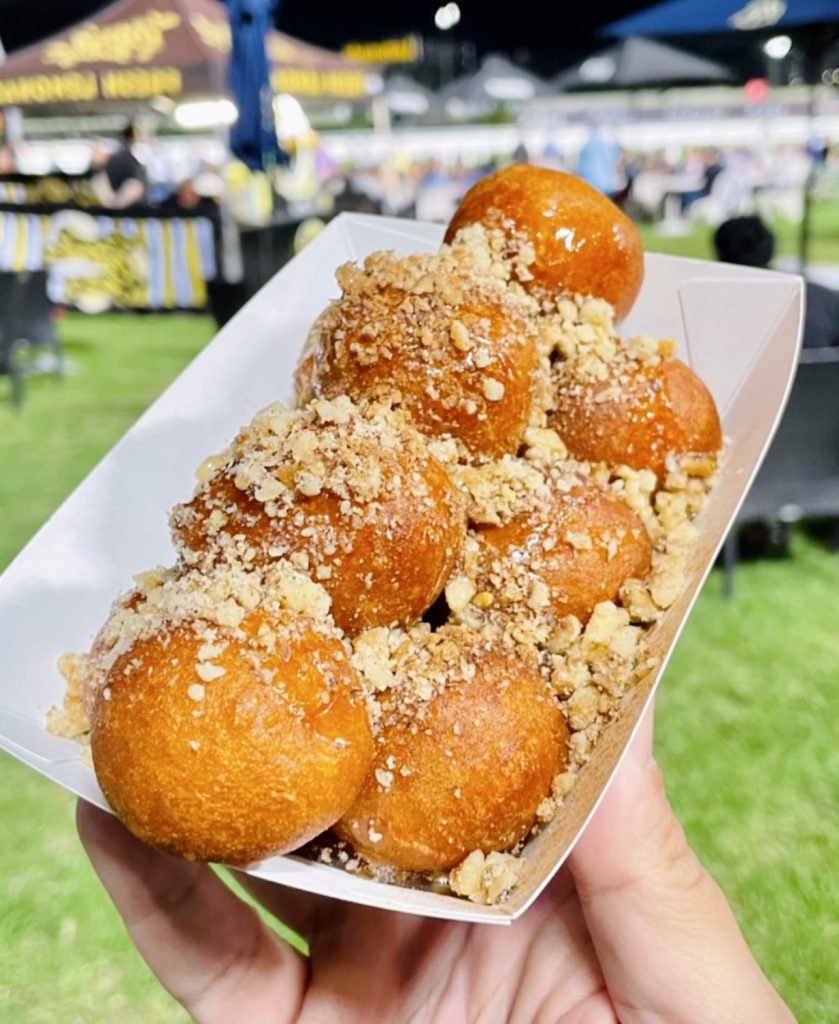
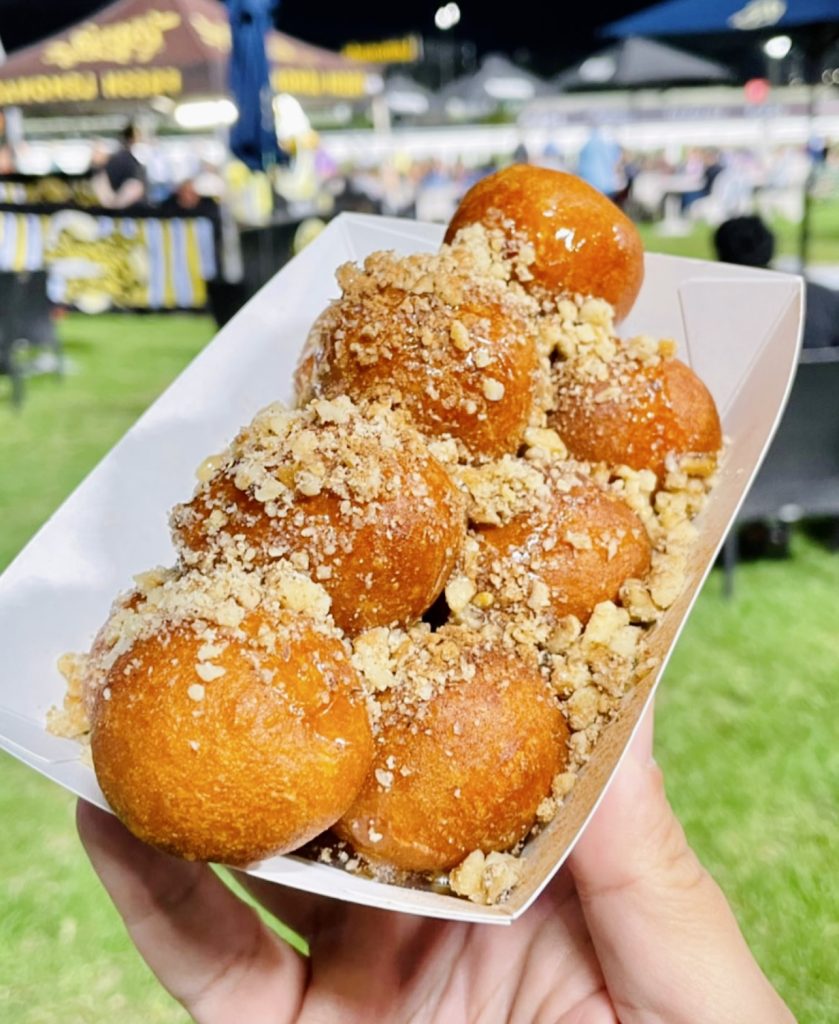
Loukoumades: Take a bite into history behind the golden Greek donuts

Have you ever wondered how loukoumades came about and when they originated?

While being in the United States, I came across a special day celebrated here, National Donut Day, and I thought, what better way to celebrate than to enjoy some homemade Greek donuts – loukoumades.

While looking up recipes, I came across their history.

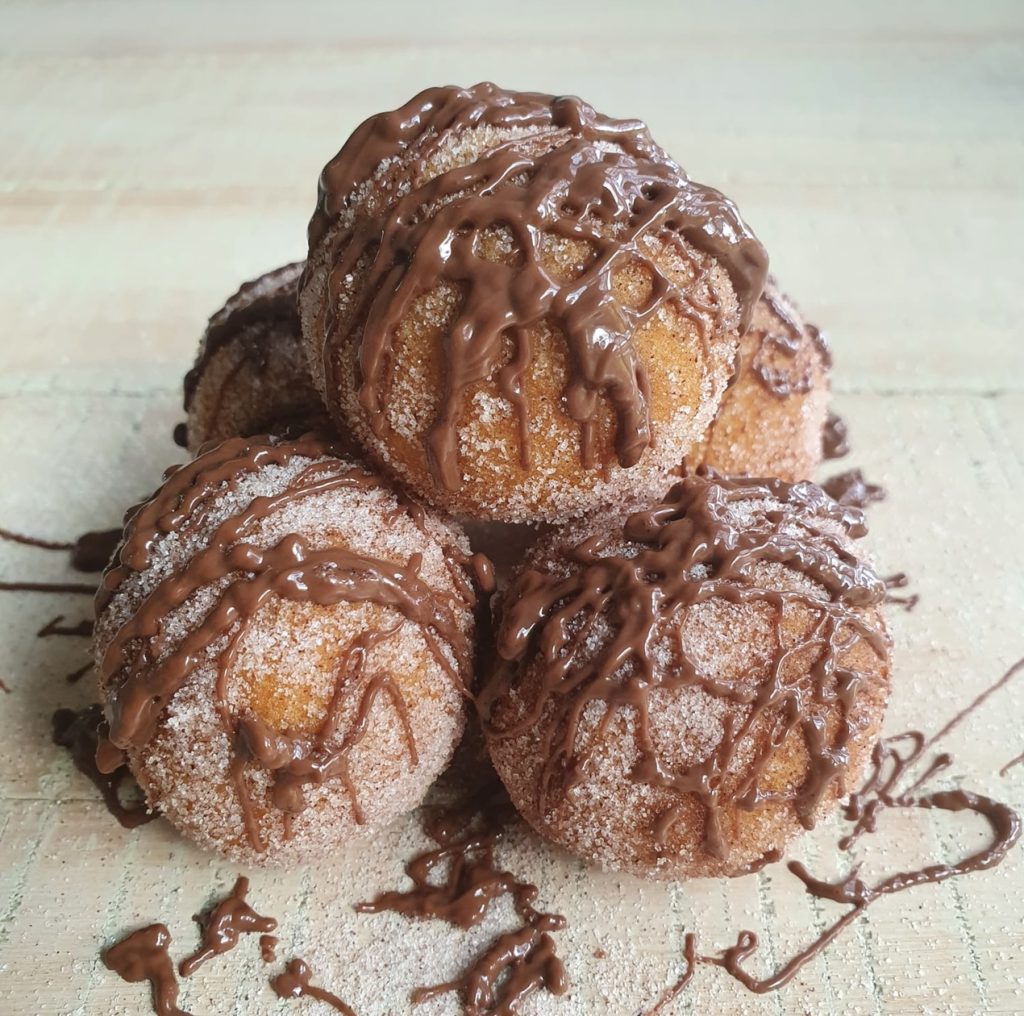
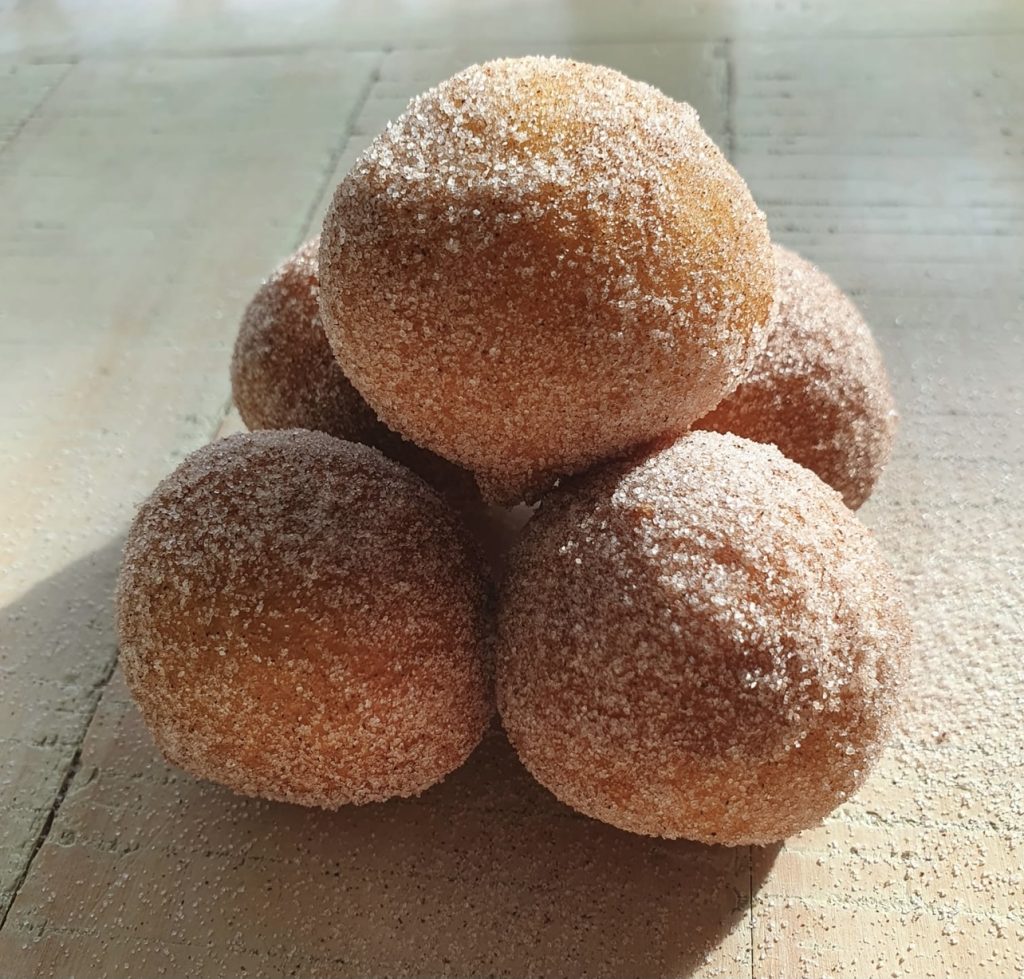
Loukoumades 1
Loukoumades.
Loukoumades .
Loukoumades .
Loukoumades .
Loukoumades .
Loukoumades .
Loukoumades .
Loukoumades .
Loukoumades .
Loukoumades .
Loukoumades .
Loukoumades .
Loukoumades .
Loukoumades .
Loukoumades .


Did you know they date all the way back to the first Olympic Games?

It is believed that when the Olympians were victorious, they would be rewarded in the form of “honey tokens,” which were fried dough balls topped off with honey – also known as loukoumades.

Although the sweet has Greek origins, recipes have been passed down and adapted throughout Turkey, Egypt, Persia and Italy.

‘They ticked all our boxes’:

Michael and Eugenia Protopsaltis, a husband-and-wife duo, said their love for loukoumades led to them starting their own business in Sydney – Mr Puff.

They started it six years ago, when they were sick of their 9-5 jobs and wanted to have more flexibility for family time with their sons.

“The idea came from attending our local market; we said to ourselves what a wonderful environment to work with the stallholders,” Michael said.

“Loukoumades just ticked all our boxes. We wanted to sell a product that was Greek and something that was something not many other stallholders were selling.”

Michael described loukoumades as a traditional Greek donut that’s “golden brown, crunchy on the outside and soft on the inside.”

Serving window of food truck.

“We make seven different flavours of loukoumades,” he said. “The traditional ones are still my favourite with honey.”

Mr Puff sells loukoumades with toppings like Nutella, sugar, cinnamon, caramel, honey, walnut, ice cream and more.

You can find Mr Puff’s loukoumades all over NSW and Australia at markets, food festivals and events.

“We take great pride in selling loukoumades to our customers,” Michael said.

“They always come back saying how yummy they are and how our loukoumades bring back memories of when their mums or aunties would make them fresh batches at home for the family to share.”

Spinalonga: The most astonishing abandoned town in the world

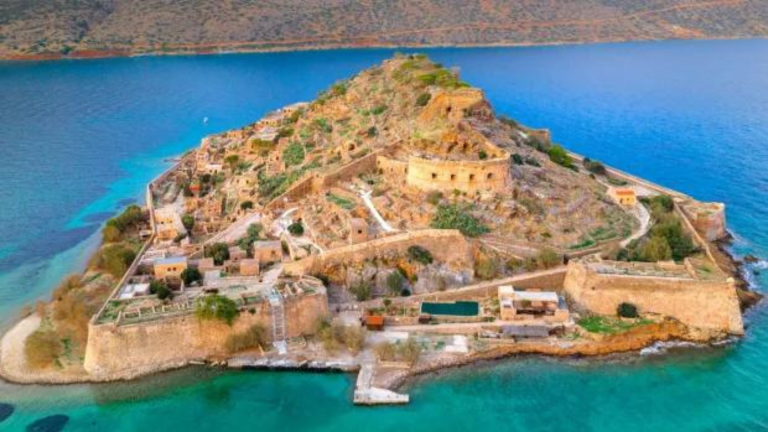
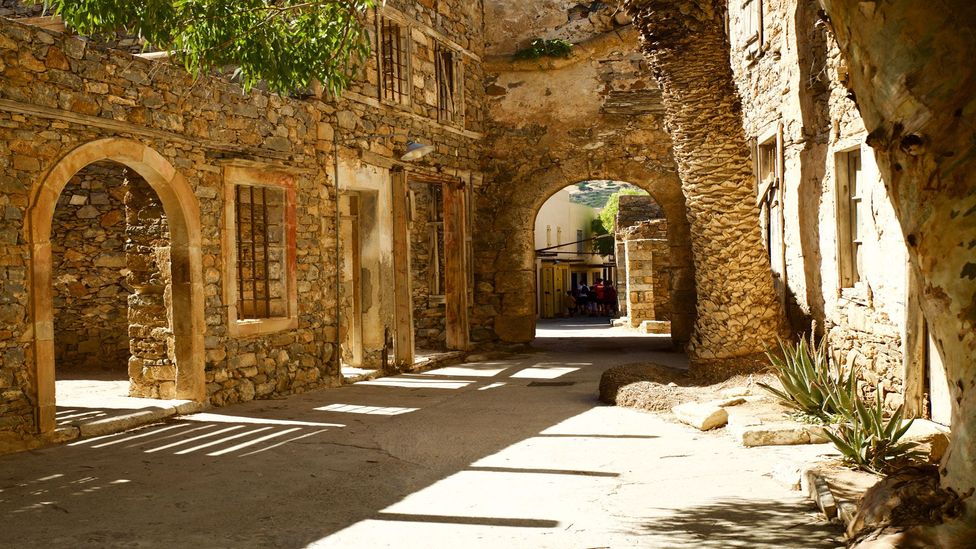
The abandoned island of Spinalonga in Greece has been recognised as one of the most photogenic and haunting places to visit in the world.  

Known as the island of outcasts, Spinalonga was originally a place where leprosy patients would stay until they passed.

Between 1904 and 1957, the island formed a natural defence for Elounda harbour and when the venetians arrived, they built a mighty fortress on the original ancient acropolis.

A foundation forming part of the island. Photo: BBC

Today, tourists to the site can visit the roofless leper shop, school, and café, in addition to the incinerator used to burn clothes and the cemetery where people were buried.

According to tourists, the walk around Spinalonga brings remnants of its recent history to life and tempts many to spend longer on the island and learn more about its past.

Source: The Sydney Morning Herald

Greece named as the world’s foremost shipping nations

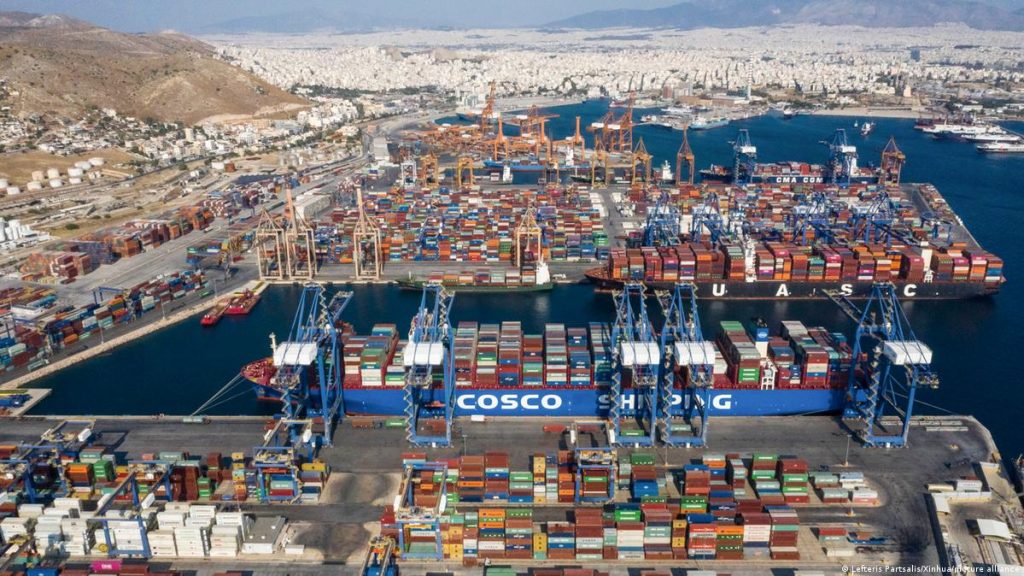
New analysis from industry trade group BIMCO has named Greece as the leading operator of cargo shipping, joining China.

According to BIMCO, who represents international shipowners, Greece has a third of the total deadweight capacity within the commercial shipping sector and this is expected to grow if the country remains active in the field.

Some of the cargo ship docked in Pireaus. Photo: DW.

To calculate these results, BIMCO looked at the total amount of cargo fleet available and found that Greece remained the overall leader with 19 percent of cargo being available.

In the report there was confirmation that Greek shipowners controlled some of the worlds largest fleets, with a strong maintenance within the areas of dry bulk, tankers and gas carriers.

Source: The Maritime Executive

Why buy Greek olive oil? Flavour, health, history and quality

By Lisa Radinovsky from Greek Liquid Gold.

Olive oil has been a fundamental product in Greece since ancient times. This liquid gold (as Homer called it) has remained central to Greek cuisine, culture, economy, and history for millennia. Today, home cooks, chefs, foodies, and olive oil judges across the globe value Greek olive oil for both its exquisite flavor and its significant health benefits.

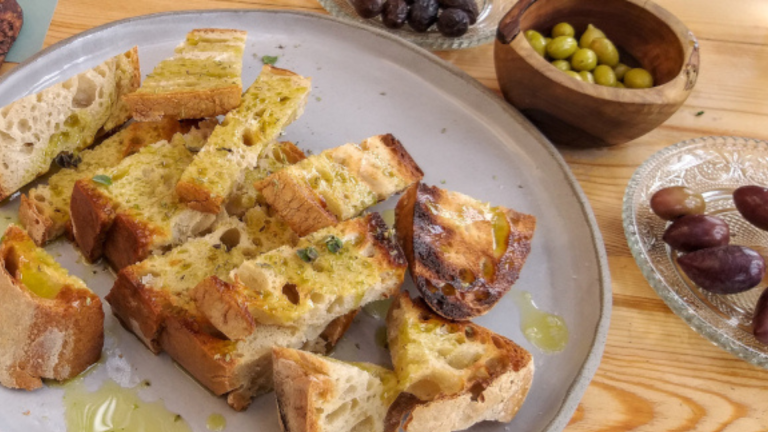
Greek olive oil “is widely regarded as one of the best olive oils in the world for its taste, quality, and health benefits,” confirms Alexis Perdikakis of Renieris olive oil company, and many others agree. As Perdikakis adds, “olive oil from Greece is rich in antioxidants such as oleocanthal, squalene, and lignans, which can help protect against cellular damage, oxidative stress, and cancer. So if you are looking for a high-quality, nutritious, and delicious oil, you may want to consider buying Greek olive oil. It is widely available online and in specialty stores. You can use it for cooking, baking, dressing salads, dipping bread, or drizzling over pasta.” 

Georgia Bouzala of Elettra points out that Greece produces the third largest quantity of olive oil in the world in an average year, and “in my opinion the first in quality. Almost all regions of the country produce excellent high quality olive oil.” Greeks have had plenty of time to perfect their cultivation and production methods. As Dimitrios Mourlas of G-Team – Hypereleon explains, the olive tree and its cultivation have been “an integral part of everyday life and culture in Greece, from antiquity until today.”

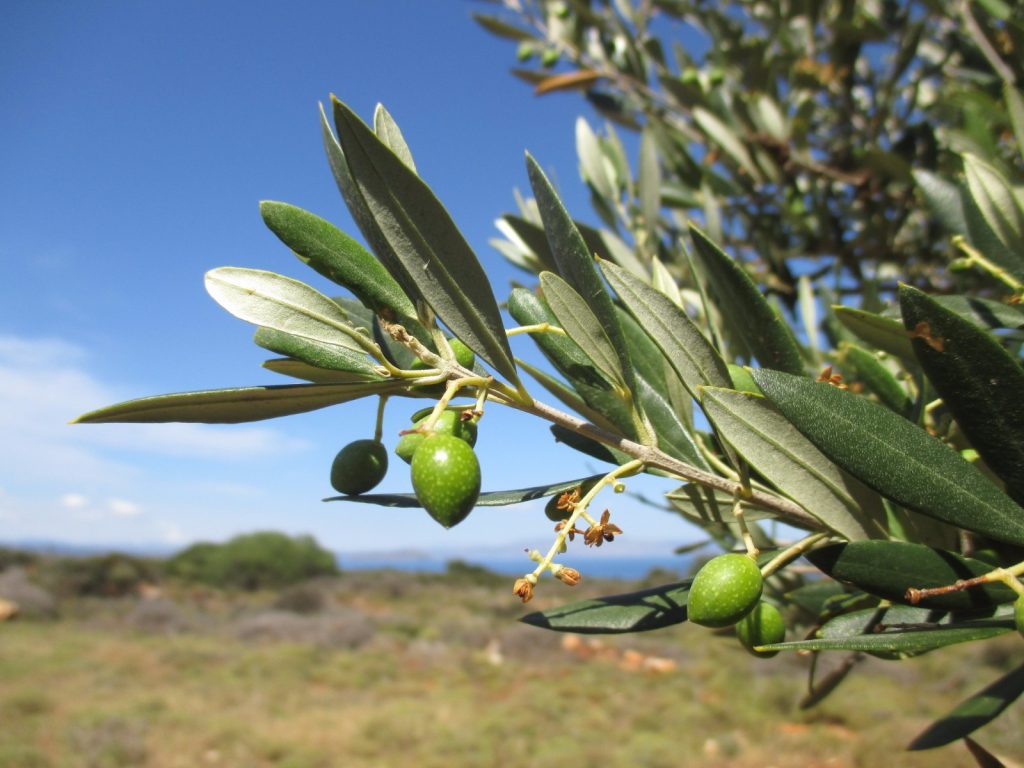
Olive trees. Photo: Greek Liquid Gold

Olive oil “is probably one of the oldest and most important products of Greece, dating back to Neolithic times,” says Perdikakis. “It is definitely a symbol of Greek tradition, as it is an essential part of the Greek diet, cuisine, and lifestyle. It is also used for religious ceremonies, cosmetics, medicine, and lighting. Olive oil is a major economic asset for Greece, as it contributes to the country’s agricultural income, exports, and employment. It also supports rural development and environmental protection.”

More than olive oil sales is behind this support and protection. As Alexis Karabelas of A.M.G. Karabelas P.C. and The Olive Temple testifies, “olive tourism flourishes and diversifies our tourism product, and this is for the best! Tourism is no longer just about our islands and the sea, but also about mainland Greece, the high-quality products it has to offer, and gastronomy tourism,” attracting visitors and providing employment in many parts of the country throughout the year.

Giovanni Bianchi, who identifies himself as “an Italian in love with Greece who has chosen to produce oil in Greece” (Argali olive oil), offers a unique perspective on the situation in this country. “What makes an olive oil good is the attention to the processing and the care for every detail, not its nationality.” Even so, Bianchi adds, there are “some peculiarities that make Greek olive oil special. Depending on the variety, we range from the richness of polyphenols to the gustatory peculiarities, from “heroic” cultivation done on terraces vehicles cannot reach, to semi-intensive experimentation. The Greek panorama is very varied, and many families live thanks to olive growing.”

In fact, olive trees are so important to Greece that the Nobel-prize winning Greek poet Odysseus Elytis wrote in one of his poems, “If you deconstruct Greece, at the end you will see that you are left with an olive tree, a vineyard and a boat.”

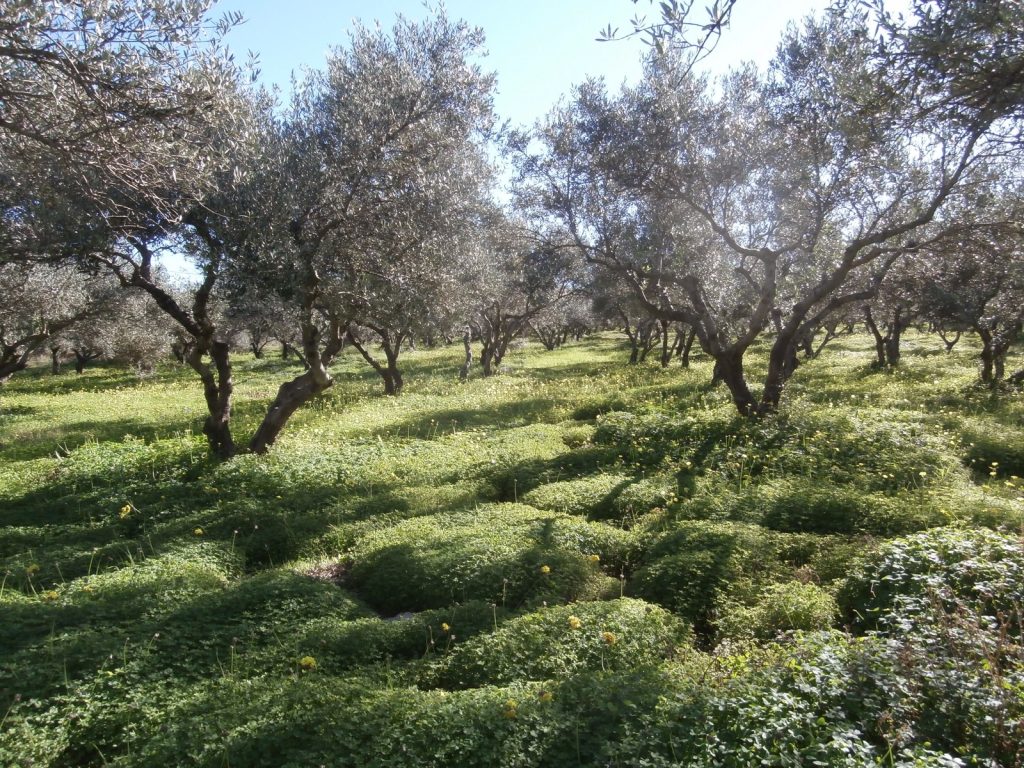
A field filled with olive trees. Photo: Greek Liquid Gold.

In addition to a long tradition of olive cultivation, Greeks have recently benefited from increasing knowledge about the best cultivation, production, transportation, and storage practices, as well as scientific and technological advances. The result is wider recognition of the superb taste and nutritious value of Greek olive oil.

“Since 2019, Greek olive oil has increased its presence in the top level of awards in a variety of international competitions,” thus extending awareness of its excellent quality, according to Eleftheria Germanaki, international olive oil competition judge and director and panel supervisor at the Sensory Evaluation Laboratory of Crete.

Growing numbers of Greek olive oil producers are dedicating themselves to the hard work and attention to detail required to create superior products. That makes it an ideal time to explore the many options for impressive extra virgin olive oils and flavoured olive oils made from Greek olives and bottled under Greek brands. 

*Originally published on Greek Liquid Gold: Authentic Extra Virgin Olive Oil (greekliquidgold.com). See that site for recipes with olive oil, photos from Greece, agrotourism and food tourism suggestions, and olive oil news and information.

Report on 2023 season of Australian excavations at ancient theatre of Paphos in Cyprus

The Australian archaeological mission to Paphos conducted it’s twentieth season of excavation and first since the pandemic at the World Heritage Listed site of the ancient theatre of Paphos and surrounding environs in April and May 2023, under the auspices of the Department of Antiquities of Cyprus.

The Paphos Theatre Archaeological Project team was made up of archaeologists and students from the University of Sydney and the University of New England in Australia, under the direction of Dr Craig Barker, of the Chau Chak Wing Museum at the University of Sydney.

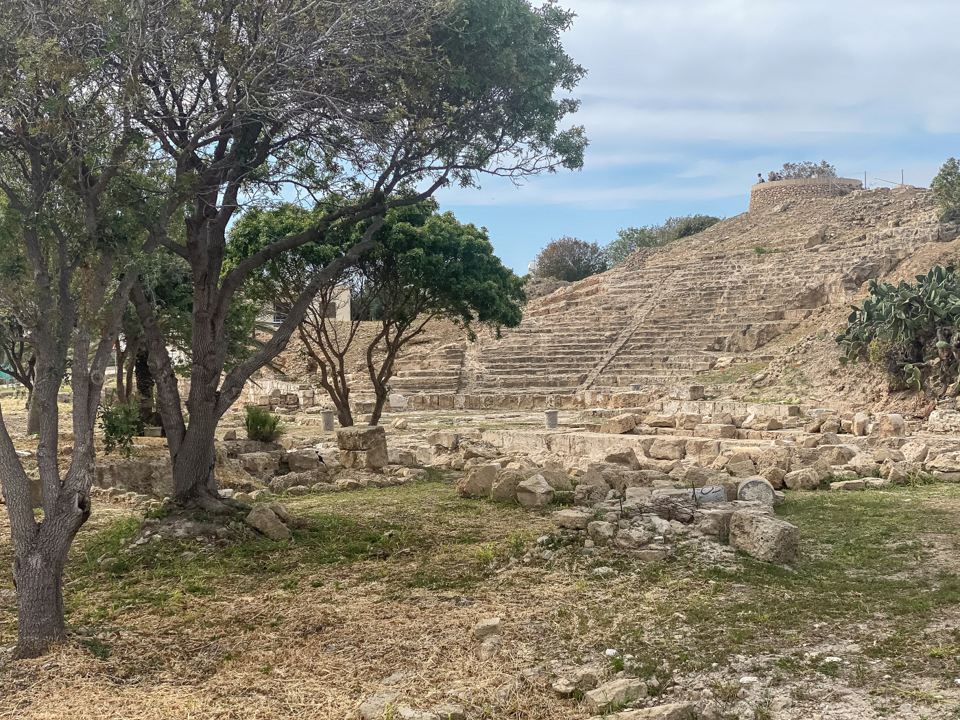
The Australian team have been working at the theatre site, cut into Fabrika hill in Kato Paphos, since 1995 and over those years have carefully revealed the remains of the oldest permanent theatre in Cyprus, constructed in c. 300 BC and used as a performance venue until its destruction by earthquake in the fourth century AD.

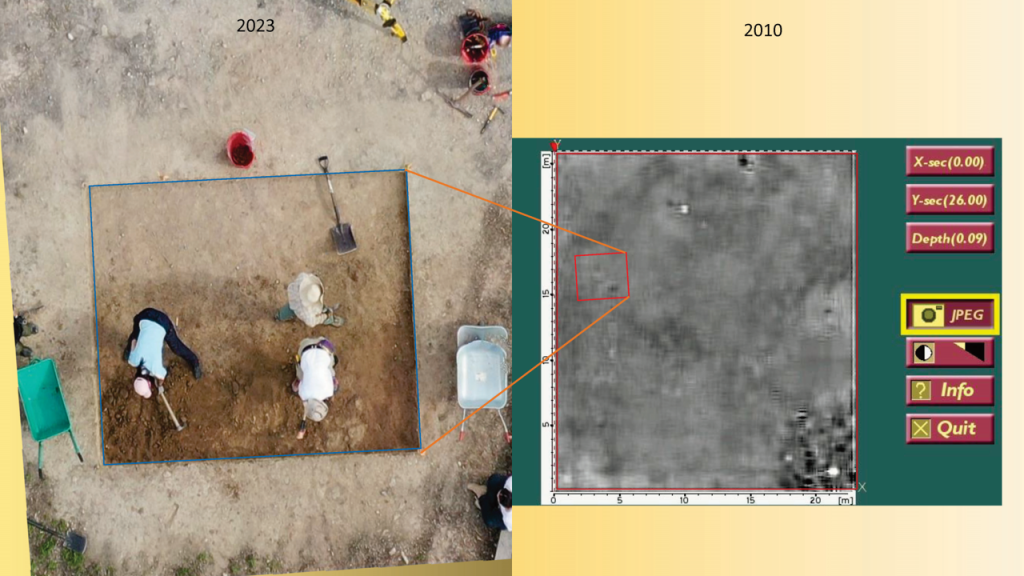
A trench located to reveal a feature identified in Ground Penetrating Radar investigations.
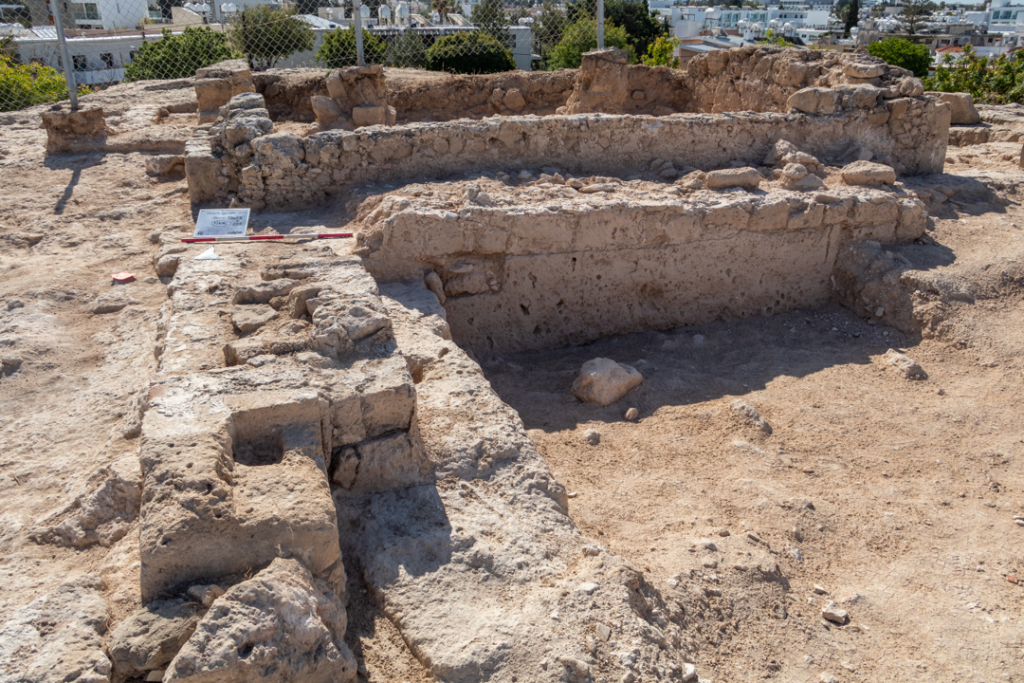
Wall foundations of the medieval structure on Fabrika.
The archaeological site of the ancient theatre of Paphos.
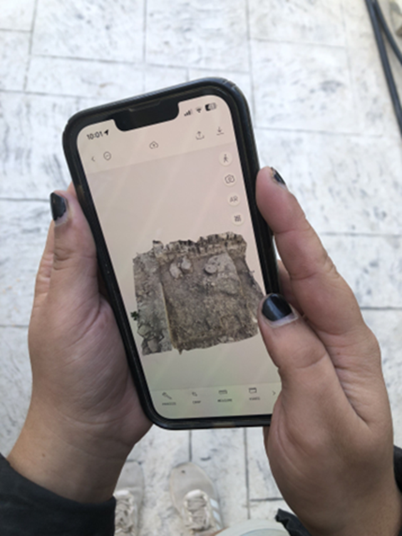
Digital recording of features on site.
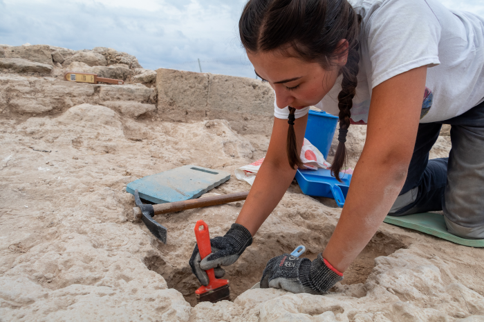
Excavations on Fabrika in Paphos.

The team has also revealed considerable Roman urban infrastructure near the theatre, including a paved Roman road and a nymphaeum (water fountain) to the south of the theatre, as well as agricultural, domestic and industrial activities on the site long after it’s abandonment as a theatre in the medieval and later periods.

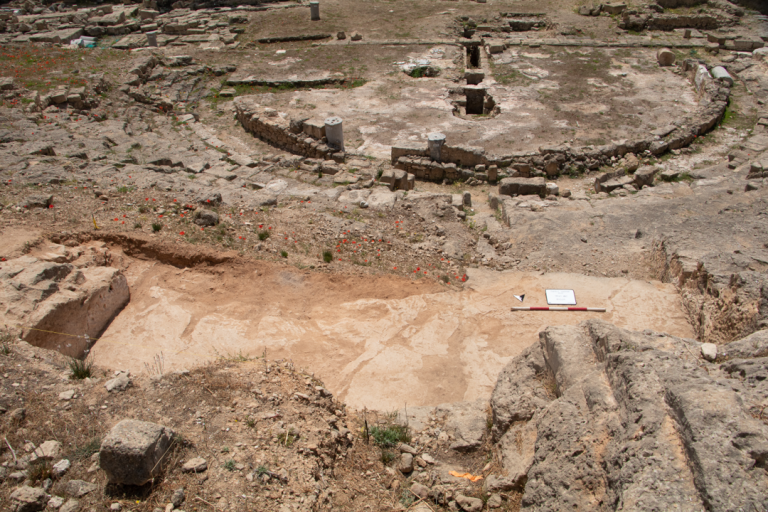
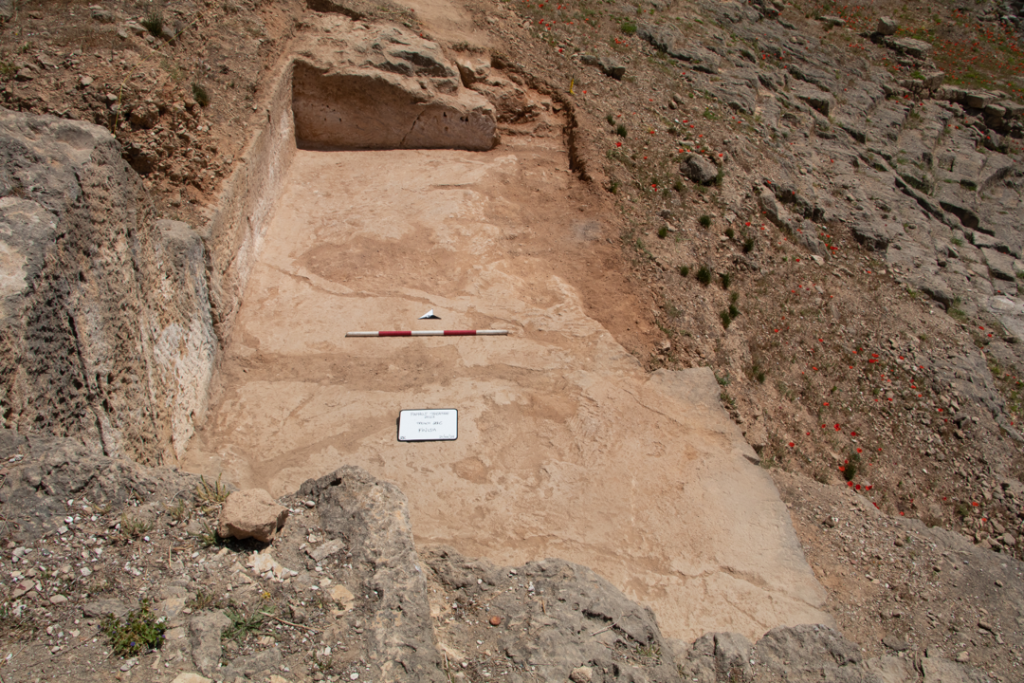
The 2023 season opened trenches in three areas of the site. On the remains of the ancient cavea (seating area), the team cleared the bedrock foundation cuts of a Roman era Royal Box. Measuring 6 metres in length and up to 2.85 metres wide, the back bedrock cut wall surviving to a height of 0.85 metres, which was presumably covered with a marble or painted fresco façade that has not survived.

‘Royal boxes’ were areas for dignitaries placed centrally in theatre seating areas and were designed to provide shade and areas of comfort for important guests. They are known in Roman theatres on ancient sites such as Pergamon, Hierapolis and Herodium. This will prove to be the first published example of this architectural feature on any of the ancient theatres of Cyprus.

Completion of excavation of the ‘royal box’ in the theatre seating.

Work continued on the area behind the theatre on the top of Fabrika hill, where excavations continued on a large medieval and post-medieval building that now measures more than 20 metres in length and over 25 metres wide.

Long bedrock cut walls with substantial stone blocks used as foundations reveal a building with two long rooms at ground level, and side rooms. The building is presumed to be more than a single story, which indicates that this structure was an important feature of late medieval and Venetian Paphos. The finds will be analysed and published soon.

The structure was built over top of a section of the early Christian cemetery on Fabrika which has been previously revealed by our colleagues from Université d’Avignon and the University of Warsaw.

The third area of archaeological investigation was due south of the theatre and designed to investigate the alignment of east-west running Roman roads within urban Nea Paphos. During a previous Ground Penetrating Radar (GPR) survey the team had previously identified a large anomaly 4.1×7.6m.

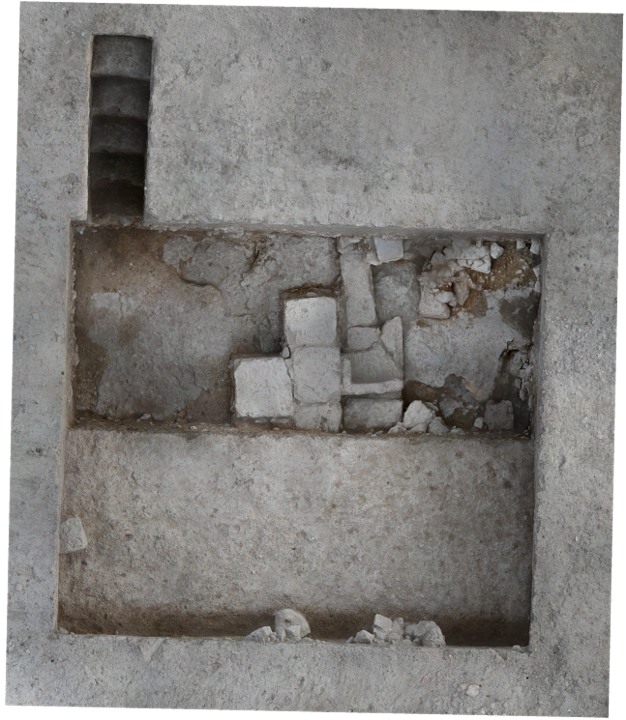
Structures to the south of the theatre.

Excavation this year took place in this area almost 70 metres south of the paved Roman road at the theatre. The trench failed to identify this anomaly but did reveal two phases of architecture (probably medieval and Ottoman) and two occupation and accumulation phases above a Roman phase that may indicate the remains of the road were robbed away. This will be investigated further in future.

The Australian Mission wishes to acknowledge the generous support of our colleagues in Department of Antiquities of Cyprus for our ongoing work in Paphos. The site is currently undergoing conservation work by the Department’s team of experts. 2023 is also the 50th anniversary of diplomatic relations between Australia and Cyprus and the project was proud to work with the Australian High Commission to assist in the recognition of this important anniversary.

Jeweller and watch repairer Pantelis reflects on his time in Australia and Greece

By Kathy Karageorgiou.

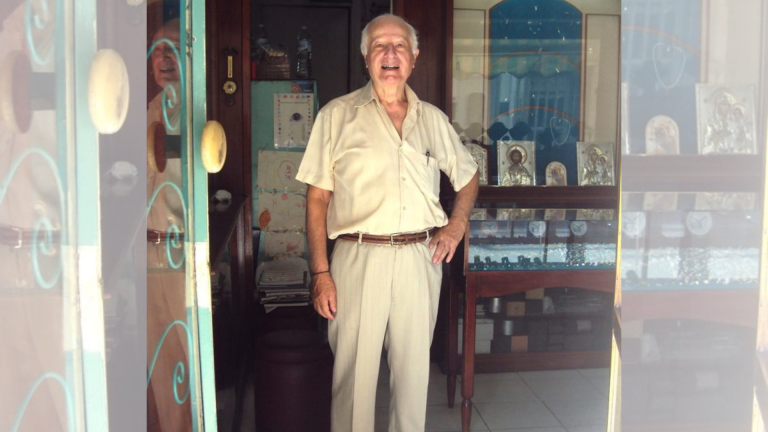
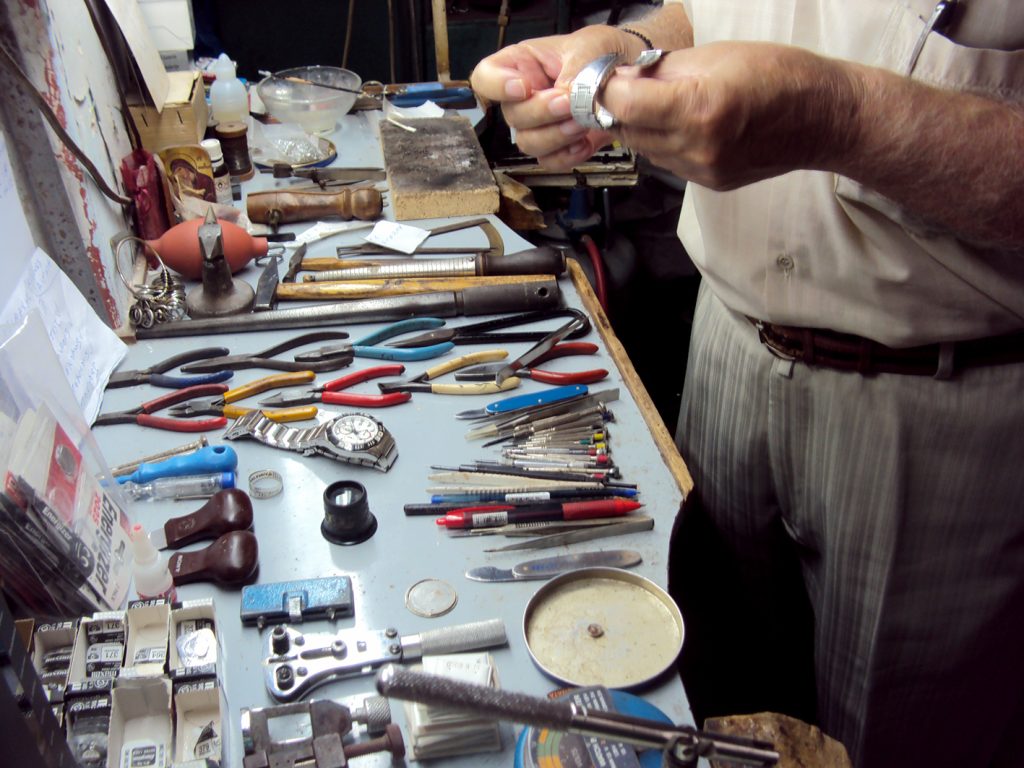
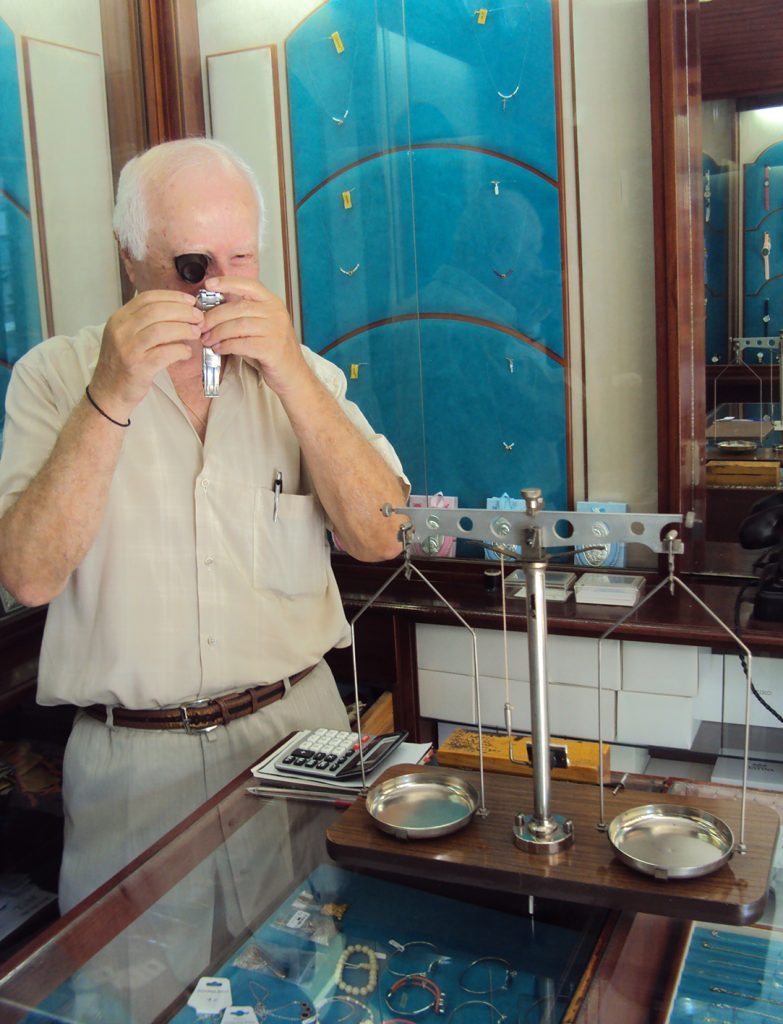
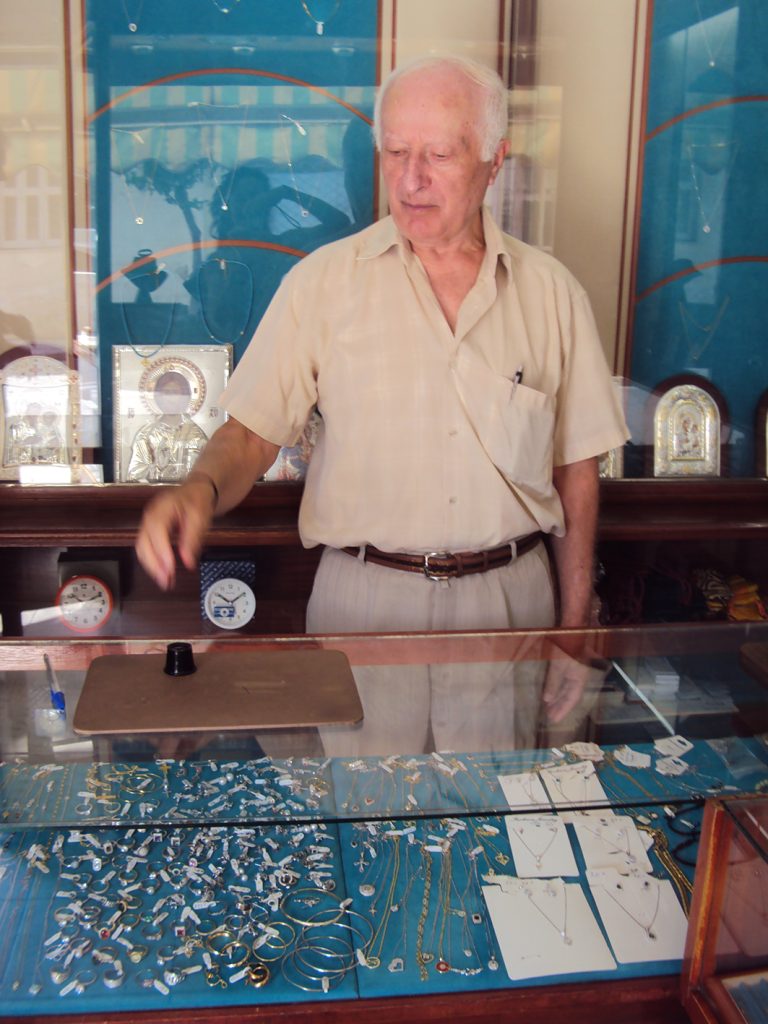
Mr Pantelis, 76 years of age, is a craftsman – a jeweller and watch repairer. He continues to work in the small shop he opened in the late 1970s in a working-class Athenian suburb, following living and working in Australia.

Panteli.
Panteli.
Panteli.
Panteli.

A mild-mannered gentleman, Mr Pantelis runs his jewellery and watch repair store with grace and finesse, imbuing his loyal customers with a sense of assurance and trust. 

“I’ve sent jewellery items to Australia over the years too,” he says.

The ‘years’ he refers to are many, as Mr Pantelis has been a jeweller since his early teens.

Panteli.
Panteli.
Panteli.
Panteli.

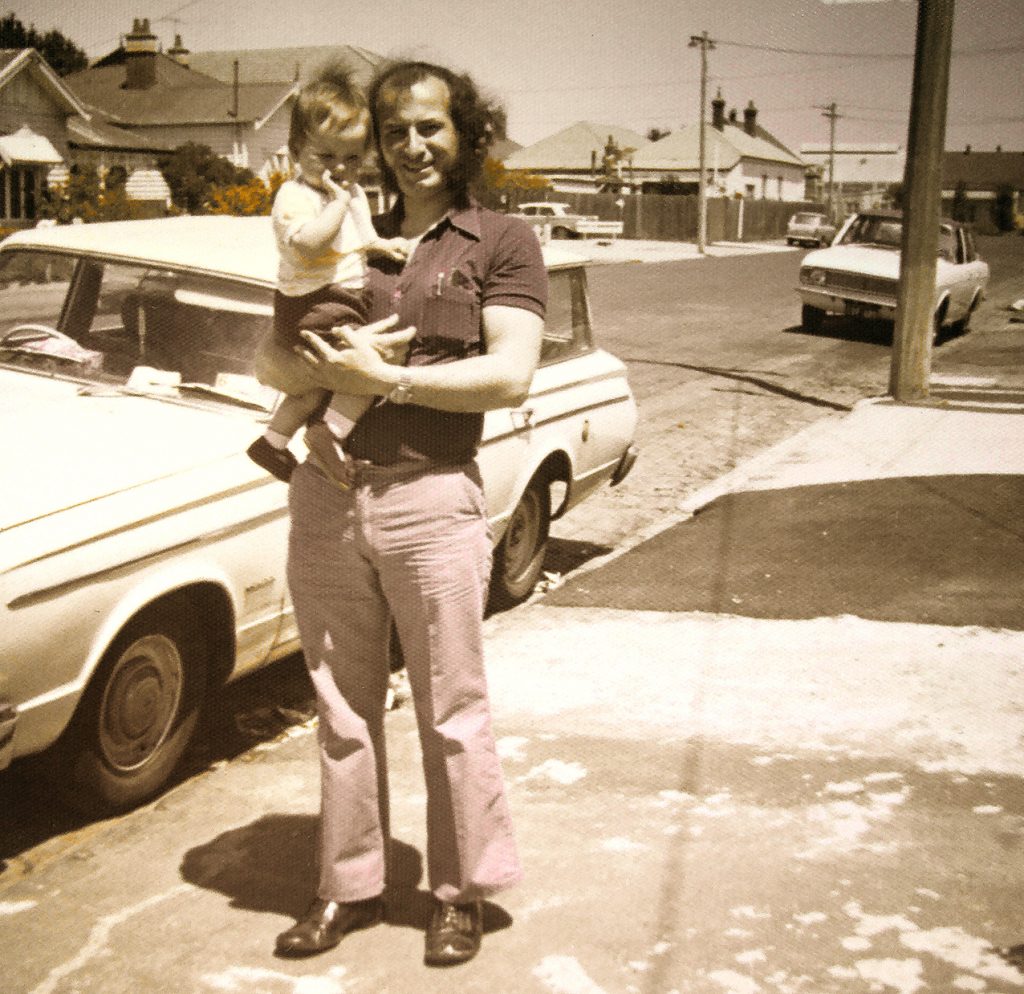
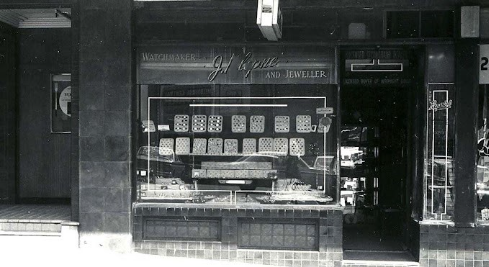
Of his time in Australia in the early 1970s, he says: “I worked for a Jewish jeweller on Collins St in the heart of Melbourne. He was a total professional. But I initially learned my trade when I was 14, from Barba (Mr or Uncle) Yiannis who had a jewellery shop in central Athens.”
Panteli.
Panteli.

Mr Pantelis hails from a village near Agrinio and relates to me how, when he was 14, Barba Yiannis, a once local man who had become a jeweller in Athens, came back to the village for summer holidays.

“I pleaded with him to take me on as an apprentice as I came from a poor family of eight children. Everyday we’d have to walk an hour and back to get to primary school. I didn’t go to high school because it was further away. I had no future in my village as all I could hope for was becoming a goat herder, and I wanted more,” he explains.

Barba Yiannis agreed to take Mr Pantelis on and show him the trade.

“So I ended up in Athens in 1961, and, as I heard the Greeks in Australia say, ‘with one suitcase’.  I slept on the floor of the shop for 2 years, but I didn’t mind as I was young then,” he exclaims chuckling. 

“Luckily, I made a friend who worked in a shop nearby, and he offered me temporary accommodation with him and his mother. They were poor but generous and as it was summer, I slept in their small yard under the grape vine.” 
Panteli.
Panteli.

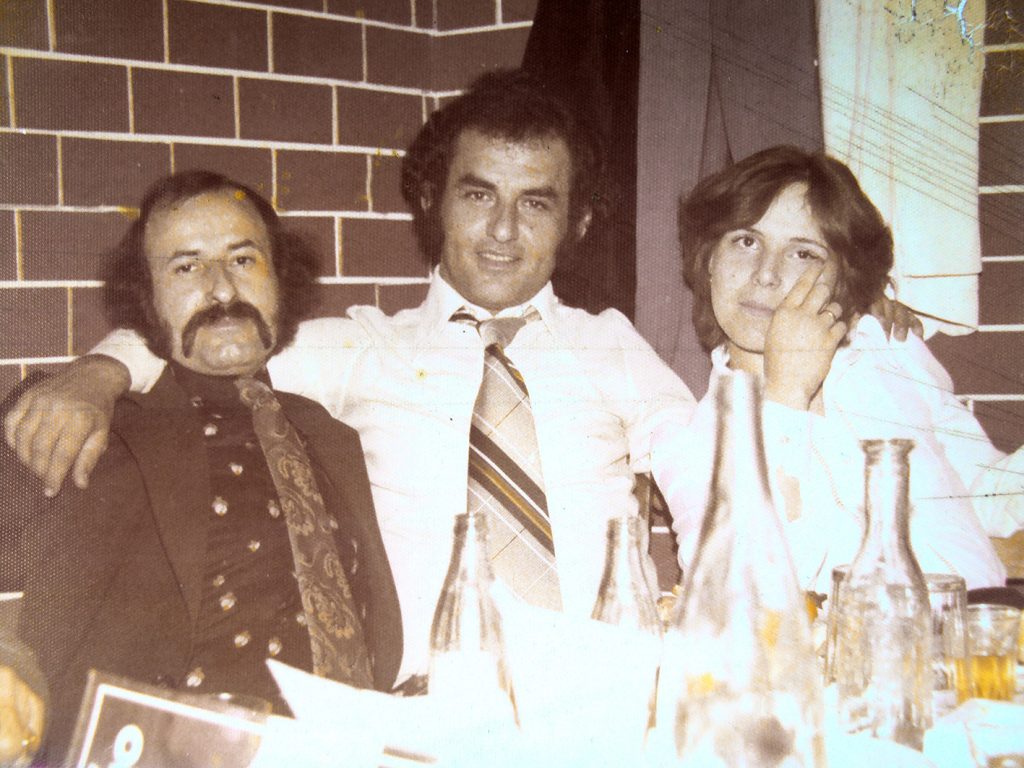
Mr Pantelis explains that he was “a fashionable young man” in the 1970s who wore his hair long. This made him clash with his boss Barba Yiannis, who was a strict Jehovah’s Witness, and so he left this first job.
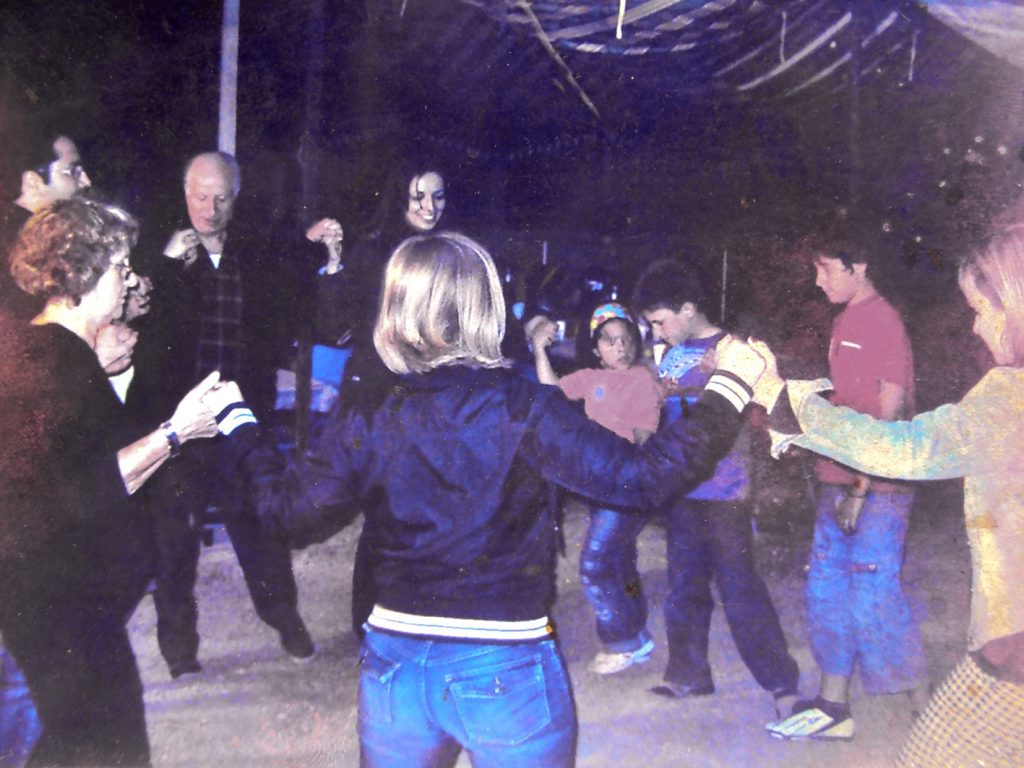
He then went to work in Athens for another jeweller and watchmaker from Constantinople who was “a true craftsman and a Kyrios (gentleman).”

“I was paid well, so I managed to rent an apartment and also buy specialised jewellery equipment eventually becoming self-employed and working with a supplier,” Mr Pantelis says.

“But that deal went awry so, as my brother and sister were in Australia, I decided to go there with my wife who was at the time four months pregnant to our daughter.”

Working hard in his profession in Australia and further upgrading his skills, he tells me that he saved a lot of money there, as he lived with his sister and didn’t pay rent. He adds that he had a quiet life in Australia during his three years there, mixing only with Greeks.

Panteli.
Panteli.

“My world was limited and I didn’t learn English. Australia was a nice country, but it didn’t fulfil me, though it did fill me up with meat,” he says laughing.

“Yet I chose to return to Greece, where I opened this shop I’ve had since 1976.”

Mr Pantelis’ watch repair and jewellery store is a labour of love.

“I don’t have to work at this stage of my life, but I like what I do and enjoy mixing with customers,” he says.

When Mr Pantelis is not working, he travels: “I’ve been to Israel many times, including stints at St Gerasimos Orthodox Monastery there, for peace and reflection.” 

He and his wife have also been to many European countries. 

Panteli.
Panteli.

He then surprises me by stating: “I also went back to Australia in 2008. It was supposed to be for a month, but I returned to Greece after 10 days, as I saw what I wanted to see – my sister (unfortunately, my brother passed away) and her daughter’s wedding, and the sights of Melbourne again.” 

“I plan on perhaps visiting my other sister who lives in New York, but she’s very old and it’ll sadden me,” he adds.

Panteli.
Panteli.

“Like the watches I sell and repair; everything in good time. Life usually takes you where it wants. And speaking of time… times have changed. People in days gone by had more goodness, were kinder, even though we were all poor. Now there’s jealousy and competition, something which I hope will change towards the better in time.”