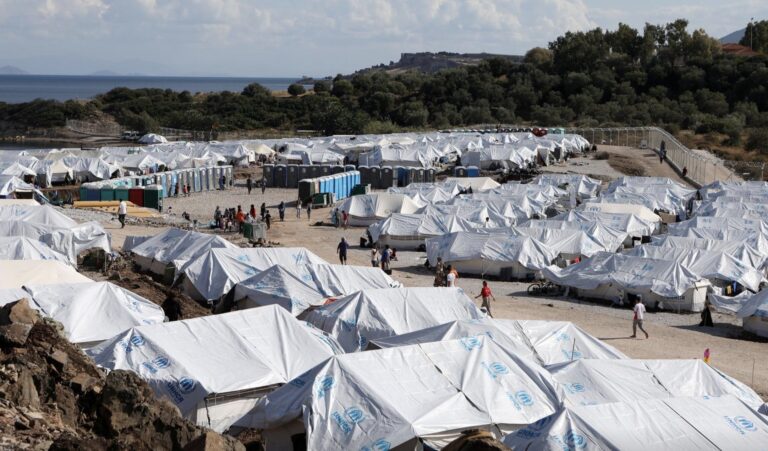
Greece is pushing to return 1,450 people currently in migrant reception centres on Lesbos and other Aegean islands to Turkey, Migration Minister Notis Mitarachi said on Thursday, calling on Ankara to respect asylum agreements with the European Union.
Mitarachi said Greece had submitted a request to the European Commission and EU border agency Frontex for the immediate return of the migrants, who he said had arrived from Turkey and whose asylum applications had been rejected.
The move comes ahead of a planned resumption of talks to resolve longstanding territorial disputes between Greece and Turkey following months of tensions between the two NATO allies in the Aegean.
Migrant returns to Turkey, under a 2016 EU-Turkey agreement, largely dried up last year due to the coronavirus crisis. But Mitarachi said conditions were now in place for them to resume thanks to new technology and COVID-19 testing procedures.
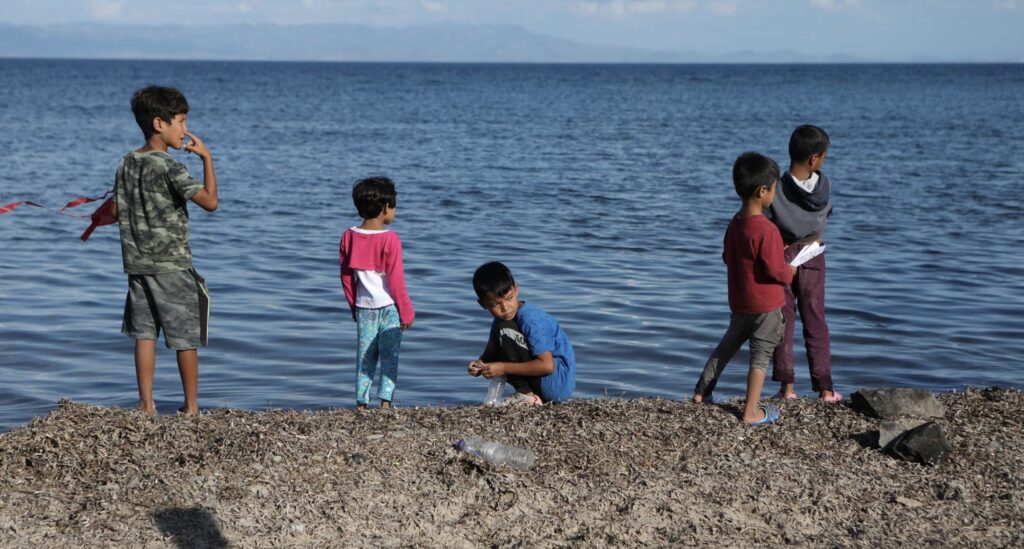
Children stand next to the sea in the Kara Tepe camp for refugees and migrants on the island of Lesbos, Greece, October 14, 2020. REUTERS/Elias Marcou
“We expect Turkey to step up its efforts … First, to prevent the passage of boats departing from its shores bound for our country and European Union. And second to accept the return of migrants,” Mitarachi said.
He said most of the 1,450 individuals slated for return were on the island of Lesbos, where a fire last year destroyed the main camp housing irregular migrants, while others were on the islands of Kos, Samos and Chios.
Hundreds of thousands of migrants and refugees used Greece as their entry point to Europe through Turkey in 2015 and 2016, until the deal between Ankara and the EU reduced the flow across the Greek and Turkish land and sea borders.
Turkey hosts more than three million refugees and migrants, many from neighbouring Syria, while tens of thousands are waiting in Greece for asylum applications to be processed, mostly in camps where conditions have been described as dire.
To observe the powerful connection that Greek Australians have with sport, people need to look no further than the leaders of some of the nation’s biggest sporting clubs, stretching across the NRL and A-League.
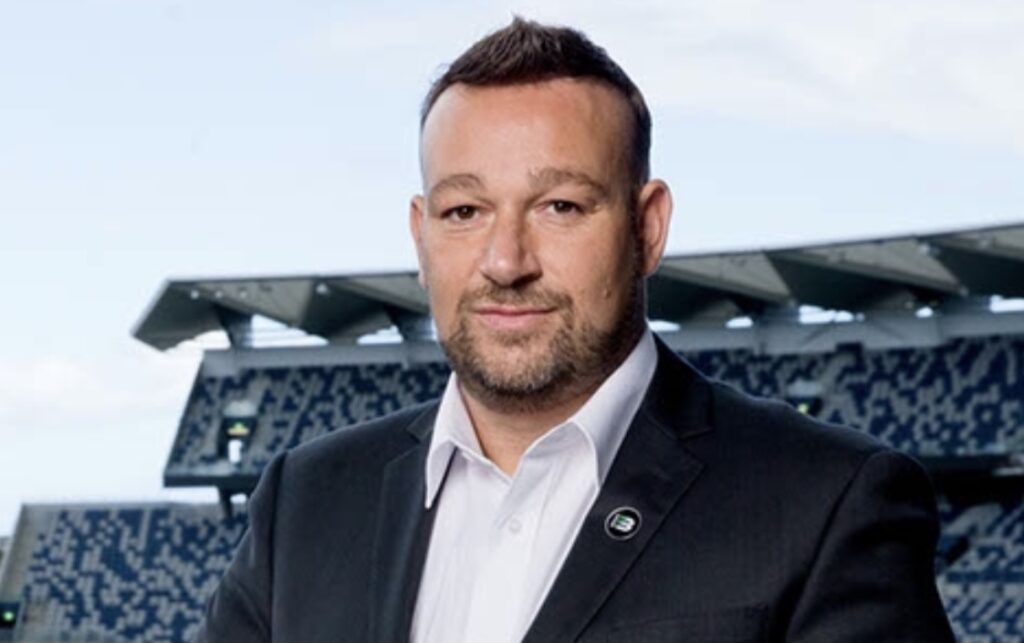
Yet, there are none prouder of their heritage than Jason Sourasis, Chairman of Western United FC.
Jason’s family is part of a long list of Kos Club Melbourne presidents. His father was president of the club in the 1970’s, with his mother, Kerry, holding the fort as the current president.
“As you get older, you appreciate the Greek heritage. All those Saturdays I missed out on sports to go to Greek school, but I’m thankful I did go,” Jason Sourasis says to The Greek Herald.
The main struggle, recognised by many Greek association leaders in Australia, is to keep the club’s historical importance alive, while building its relevance with the second and third generation Greek-Australians.
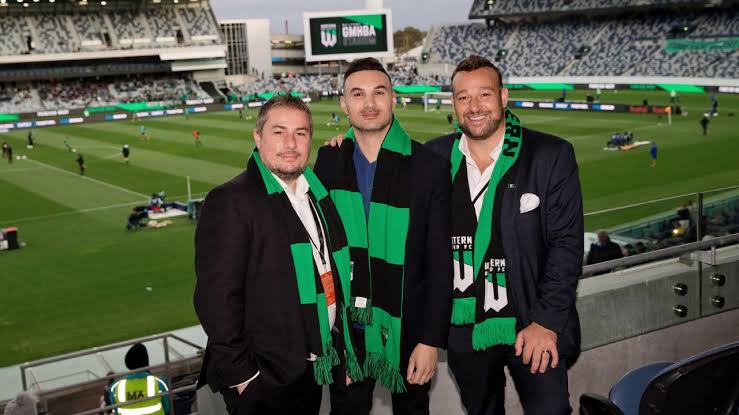
Jason Sourasis, chairman of Western United FC. Photo: Supplied
“I still have uncles and aunts there that are in their 80s, and that’s their social life and that’s their connection to my generation, my kids’ generation.
“But how do you hand it down? I’ll be passionate about my kids speaking Greek but a lot of kids don’t speak it, so how do you hand down the heritage and the love of Kos?”
Jason says that the love for his Greek heritage, particularly for his home island of Kos, began when first went to the island as a young adult. Since then, he takes his family and guests every year to experience its natural beauty.
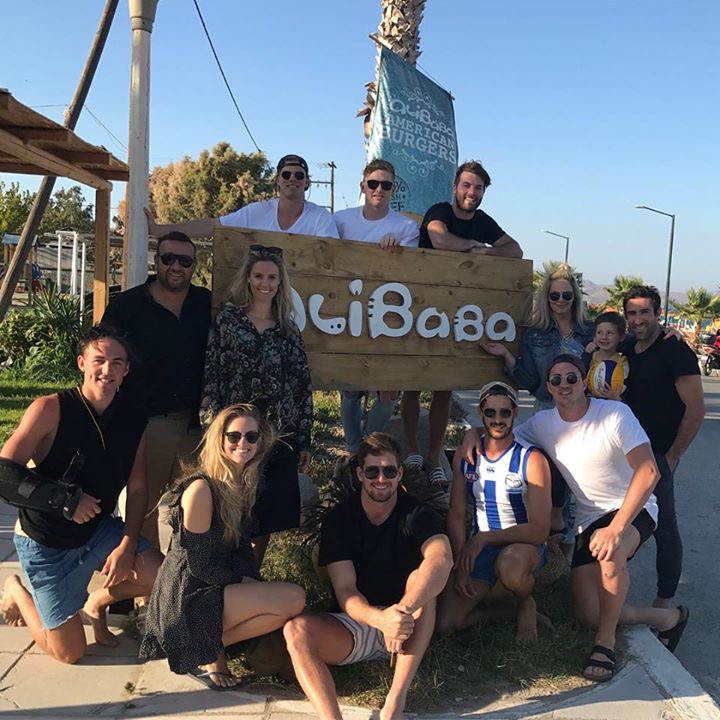
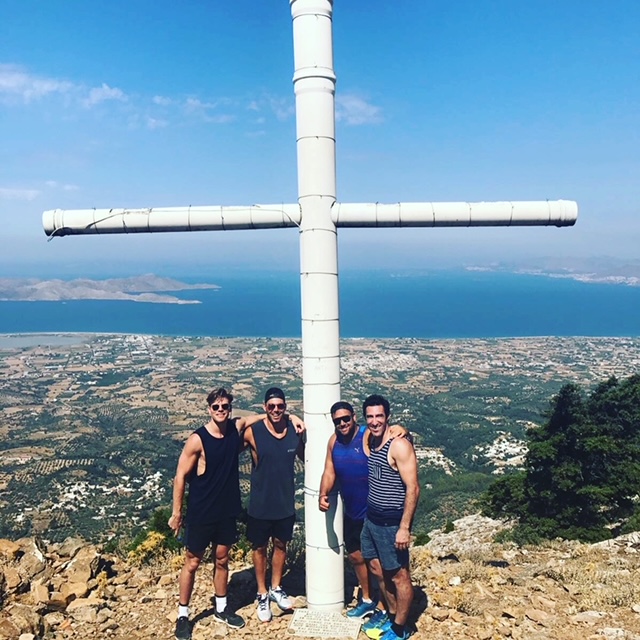
“I brought some of the biggest athletes from Australia to Kos, including Scott Pendlebury who is the captain of Collingwood Football Club, Jack Ziebell who is captain of North Melbourne.”
North Melbourne footballers at the popular Kos beach bar, ‘Alibaba’. Photo: Supplied.
AFL players from Collingwood and North Melbourne visiting Kos. Photo: Supplied
“Everyone who knows me, knows my love of Kos… so I like to say I’m putting Kos on the map,” Jason says jokingly.
Jason got married in Kos in September 2019 at a small church in the beautiful town of Zia, which rests on the slopes of Mount Dikaios. Jason also baptised his youngest daughter in the same church one month later.
Recognising his connection with his homeland, Jason says there’s “no doubt” him or his children will take the reigns as president.
“Me or my kids will be connected with the club forever.”
Jason Sourasis on Western Unted FC: “We’re in it for the long game”
Western United FC was one of two clubs, along with Macarthur FC, that was established as part of an expansion process in Australia’s domestic football competition, the A-League.
A passionate sportsperson, Jason grew up barracking for South Melbourne, a historically proud Greek club.
“My happiest childhood memories were going with Dad and all my cousins to the football,” Jason says.
“It was another place in the 70s and 80s where you went to feel safe, but you went there for that great pride of South Melbourne.”
Jason is director and founding member of Strategic Financial Group Australia, which primarily invests in portfolios of assets within sectors, with sports being a high valued sector.
“We represent other people’s money and are ultimately always looking for new big opportunities,” Jason says.
According to Jason, Western United FC was the first public private partnership in sport to be identified in Australia.
“The private city council, Wyndham City Council, is our partner. They’ve given us a lot of land in return for us developing it and building a stadium, an elite sports precinct for the community, which we will co-own with Wyndham.
“But ultimately, we had to get a team and a national competition licence to trigger that partnership.”
Part of the club’s mission, Jason says, is to bring the community in the West together through sport, similar to Western Sydney Wanderers successful efforts in the greater Sydney region.
“I think that the tribalism that ethnicity used to bring in, which brought up good and bad, I think that’s going to be replaced by geographical tribalism,” Jason says.
“It’s a longer term game for a more sustainable game in Australia, because you just basically get people that are born in the west of Melbourne or the west of Sydney supporting Western United or Western Sydney Wanderers.”
Adding to this, Jason says he is proud of the way Western United fans have accepted the newly formed club, with fans stretching from Geelong to Ballarat.
“Especially for a covid year to end up with five thousand odd members and a pretty loyal supporter base. We think it’s a really good foundation for what we’re planning for years to come.”
“I think we’re aiming for seven to ten thousand members this year in our second year. But again, we’re doing so much community work at schools, at soccer clubs, and ultimately we’re in it for the long game.”
Jason concluded by saying that the club has added great strength this year, bringing in exciting young talents while keeping veterans such as Alessandro Diamanti, who finished the 2019-20 season as the best player of the year, and Besart Berisha.
“So I’d be disappointed if we didn’t go a little bit further… making the grand final. So that’s our that’s our expectation for this year.”
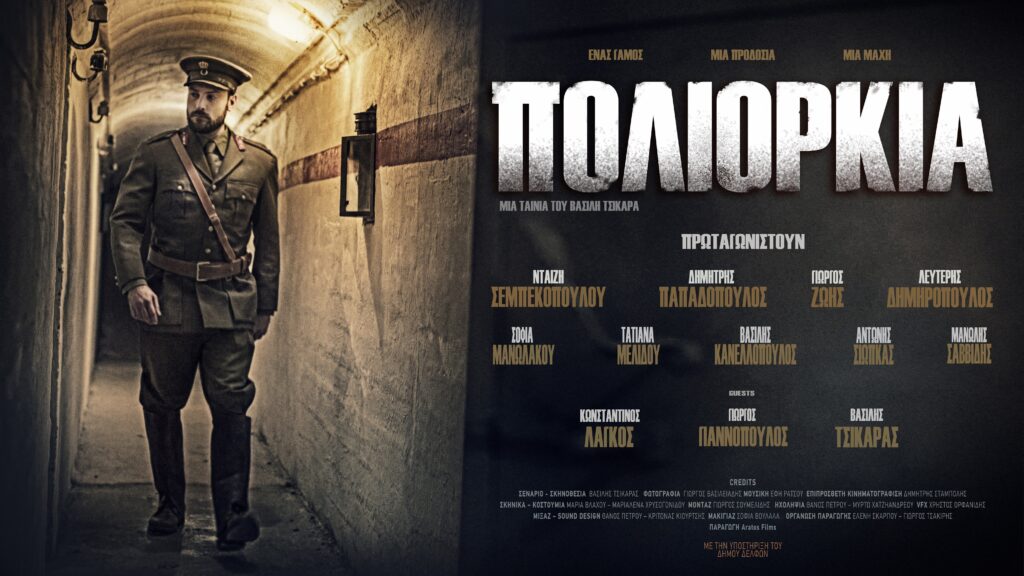
The Greek Community of Tasmania is holding an inaugural film screening of Vasilis Tsikaras’ film, Poliorkia, on March 25 at 8pm to kick-start their celebrations for the 200-year anniversary of the Greek Revolution this year.
The film, which was made in Greece in 2019, is inspired by the story of the Battle for Dovra Monastery in 1822 in Veria, Greece.
The Greek Community of Tasmania is holding an inaugural film screening of Vasilis Tsikaras’ film, Poliorkia. Photo supplied.
It follows the love story of two young Greeks as they prepare to secretly get married in a church that is surrounded by Turkish troops.
Christina Papastamatis, a committee member of the Bicentennial Community of Tasmania, tells The Greek Herald that anyone who is over 15 years old is encouraged to attend the film and enjoy an event which is “rare” for Tasmania’s Greek community.
“It’s rare that the Greek community of Hobart can attend the cinema and watch a movie in their native language, based on such a significant historical event, and to celebrate the Bicentennial with a film set during the period,” Ms Papastamatis says.
The film follows the love story of two young Greeks as they prepare to secretly get married in a church that is surrounded by Turkish troops. Photo supplied.
“With heartfelt gratitude and respect, the Greek community of Tasmania would like to thank the director of the film, Mr Vasilis Tsikaras, who is allowing us to show his film, on such a momentous occasion. Tasmanian Greeks are proud of our Greek heritage and our history.”
Tickets for the film are available now via this link. Children (16 years old and under): $15. Adults (17 years old and above): $20.
Greek Australian, Angelique Cassimatis, will replace Kerri-Anne Kennerley in the stage musical ‘Pippin,’ after the television personality broke her collarbone when she fell from a trapeze midway through a performance.
Ms Cassimatis, who was Kennerley’s understudy and cast dance captain, will stay in the role for the remainder of the production’s time at Sydney’s Lyric Theatre.
In an interview with The Daily Telegraph, Ms Cassimatis said producers had made some “slight changes to the performance after Kennerley’s accident,” including reducing the height of the trapeze by about 20cm.
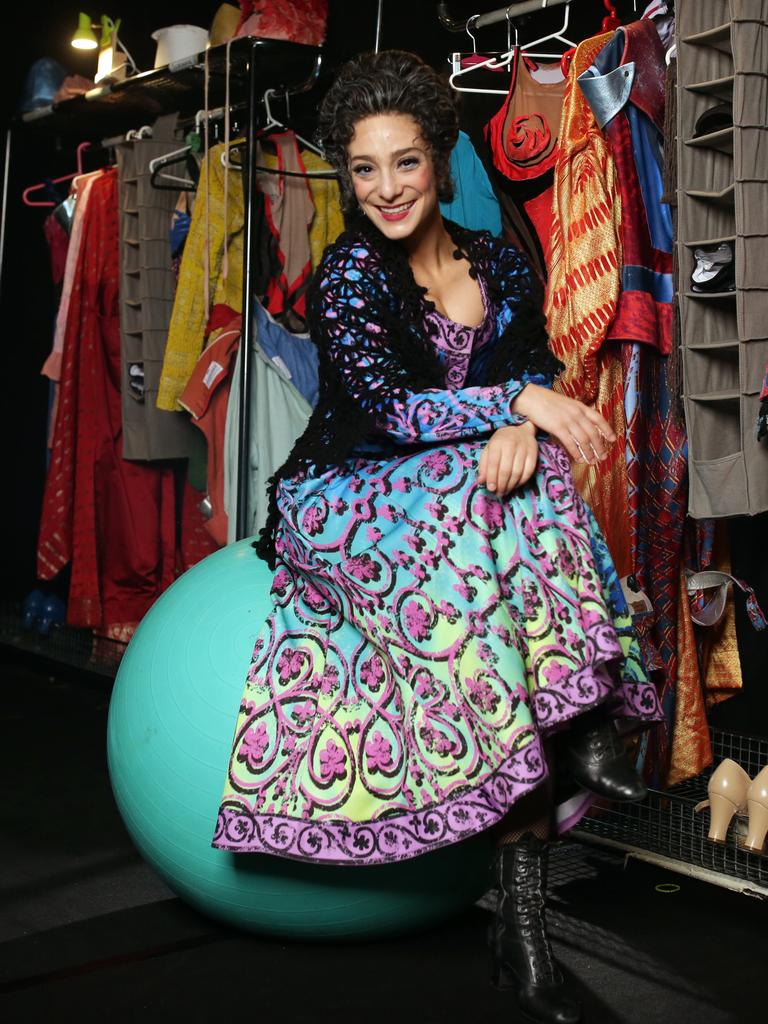
Angelique Cassimatis as Berthe in Pippin. Picture: Christian Gilles / News Corp Australia.
“We have just lowered it slightly and we have a couple more people spotting around,” Ms Cassimatis explained to the Australian media outlet.
“And there’s a few tweaks to the very end of the routine so that there is no way anything could happen again ever.
“I am very confident with the people that I get to work with on the show.”
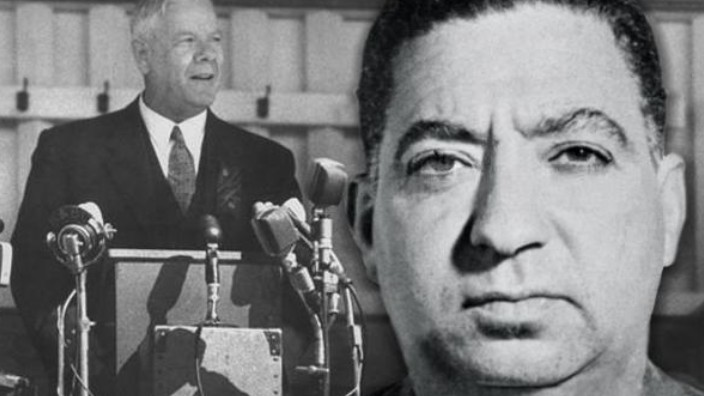
Dimitri Tsafendas was a Greek-Mozambican sailor and civil servant who went down in history for assassinating the Prime Minister of South Africa, Hendrik Verwoerd, the so-called “architect of Apartheid.”
To mark the occasion of his birth on this day in 1919, we take a look at the events leading up to the assassination.
Early Life:
Dimitri Tsafendas was born on January 14, 1919, in Lourenco Marques (modern-day Maputo), Mozambique, then a Portuguese colony.
His father was a Cretan sailor who worked as a marine engineer, while his mother was the Mozambican, Amelia Williams.
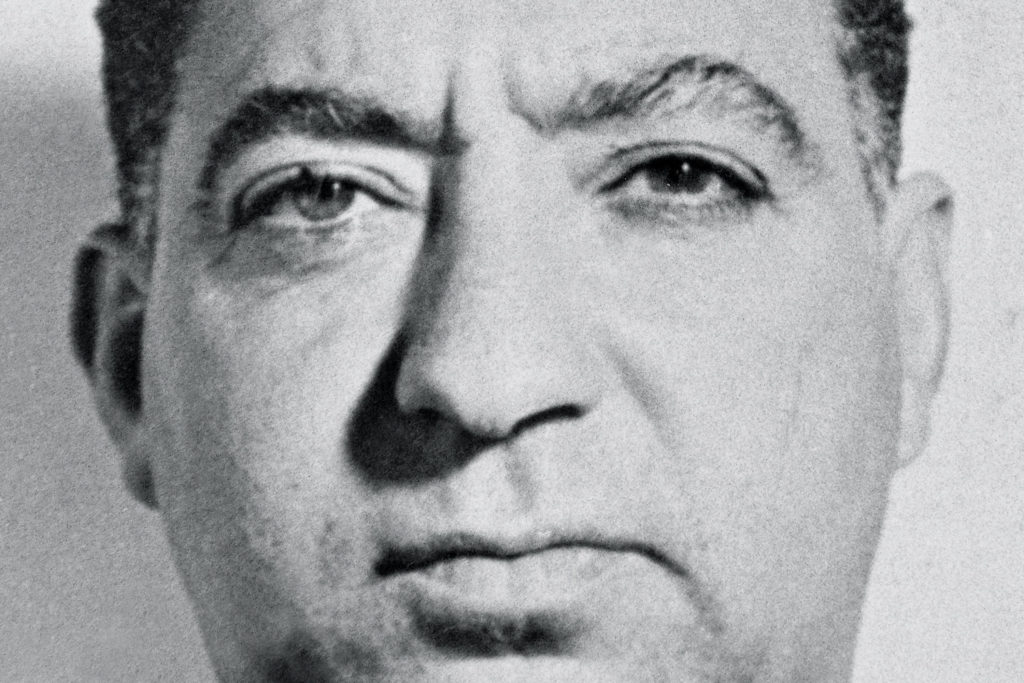
Dimitris Tsafendas was a Greek-Mozambican sailor and civil servant.
At the age of three, Dimitri was sent to live with his grandmother and aunt in the Greek community of Alexandria, Egypt.
He later lived with adoptive parents and attended a Catholic school, where he was confronted with the racist comments of his classmates because of the dark color of his skin.
Later Years:
Tsafendas was treated the same way in South Africa, although the authorities classified him as a white person based on the racial discrimination prevailing in the country at the time.
In the mid-1930s, he was an active member of the Communist Party of South Africa. At the same time, he boarded ships and travelled around the world. In fact, between 1947 and 1949, he lived in Greece.
Tsafendas was very smart and managed to learn eight languages. He was then diagnosed with the first symptoms of schizophrenia and had to be admitted to various psychiatric clinics for treatment.
Assassination of the South African Prime Minister:
In 1966, Tsafendas returned to South Africa and after doing various occasional jobs, on August 1 he was hired as a messenger to the country’s parliament, based in Cape Town.
A month later, he made headlines around the world when he assassinated the South African Prime Minister in parliament.
At noon on September 6, 65-year-old Hendrik Verwoerd entered the parliament’s session hall and headed to the Prime Minister’s office. Tsafendas then rushed at him and stabbed him four times in the chest, leaving him breathless.
Tsafendas was immediately arrested by rushing deputies and handed over to the police. He told police that he had killed Verwoerd because he was “disgusted with his racist policies.”
As it was later revealed, Tsafendas was outraged by the authorities because a few days before the murder, they had rejected his request to be transferred to the “colored” category in order to talk to his girlfriend, who belonged to the same racial category.
In the trial that followed, he was judged ‘not guilty’ by the court because of the schizophrenia from which he suffered, and he was sentenced to indefinite detention in a psychiatric hospital.
After the collapse of the racial discrimination regime in 1994, Tsafendaswas admitted to a psychiatric clinic in Johannesburg, where he died on October 7, 1999, at the age of 81.
He was buried in the style of the Orthodox Church in an unknown location.
South Australia’s Gr2021, which was launched by the Foundation for Hellenic Studies in October 2020, have announced a number of exciting events as part of celebrations to commemorate the 200 year anniversary of the Greek War of Independence.
The events include:
A long lunch with a Greek twist:
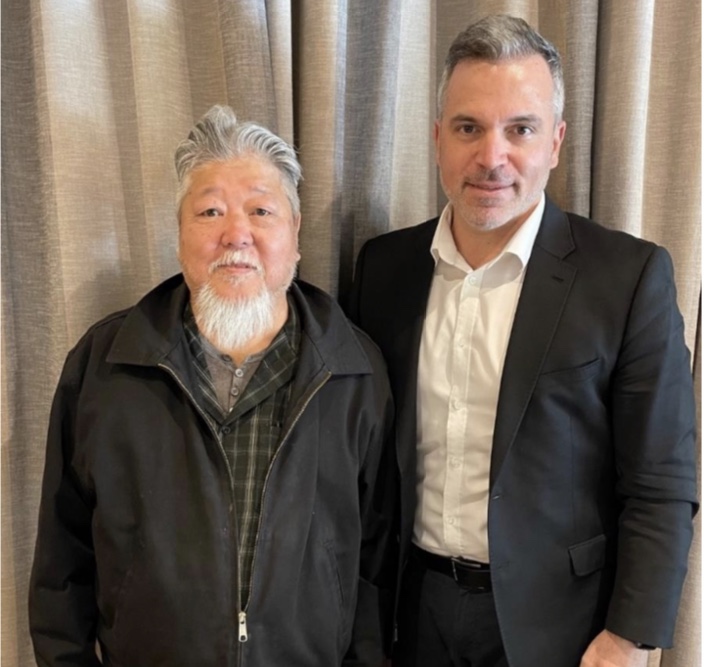
The Foundation for Hellenic Studies has organised a series of lunches inspired by Cheong Liew’s culinary beginnings at ‘The Iliad’ in Adelaide in the 1970s.
The lunch events, which will be held at George’s on Waymouth from 12.30pm and are limited to only 30 tickets each, are planned for: February 21 (already fully booked), February 28 (limited tickets available) and March 7 (subject to demand).
George Kasimatis of George’s on Waymouth says he’s very excited to welcome Cheong into his kitchen.
The Foundation for Hellenic Studies has organised a series of lunches inspired by Cheong Liew’s culinary beginnings at ‘The Iliad’ in Adelaide in the 1970s.
“I’ve always admired Cheong for his warmth, talent, hospitality and mastery at bringing cultures and flavours together. Having worked with Cheong at ‘The Grange,’ it will be my honour to host him for the ‘Cheong Does Greek’ long lunches with a Greek twist,” Mr Kasimatis says.
Trustee for the Foundation for Hellenic Studies, Harry Patsouris, adds that this event is one of several to be held in 2021 to highlight the significance of the bicentenary.
“Food brings people together and we are honoured to have one of the founding fathers of contemporary Australian cuisine – whose passion for cooking was established in a Greek kitchen – present a modern twist to Greek cuisine,” Mr Patsouris says.
The all-inclusive lunches are $550 a head, with net proceeds going to support education and cultural initiatives of the Foundation for Hellenic Studies.
‘By George!’ Biennial Art Prize:
The ‘By George’ is an $11,000 biennial Art Prize also launched this year by the Foundation for Hellenic Studies to commemorate the bicentenary of the Greek Revolution.
This year’s prize theme is ‘Independence: What is it good for?’ as a means of encouraging discussion about independence and revolution, its effect on humanity and the sacrifices made for it through the years.
Australian artists aged 16 years old and over are invited to submit an artwork by October 1, 2021, with prize winners to be announced at the opening of the public exhibition of selected pieces on October 28, 2021.
All submissions will be exhibited online from October 21 and selected pieces will be exhibited until November 26 in the St George College Art Gallery at 104 Henley Beach Road, Mile End, South Australia.
For the ‘Judges Choice’ section, first prize will win $5,000, second prize – $3,000 and third prize – $1,000.
A Democratic (People’s) Choice Award will also be awarded and the winner will received $2,000. Public voting for the category will be conducted online from October 21 and the winner will be announced on the exhibition opening night.
Entry forms are available from here or they can be completed online here.
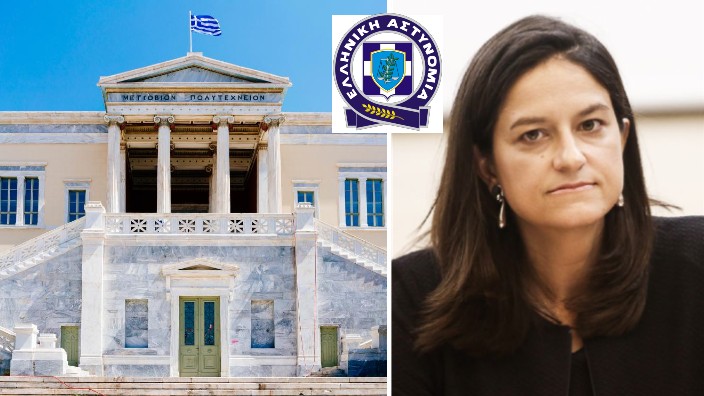
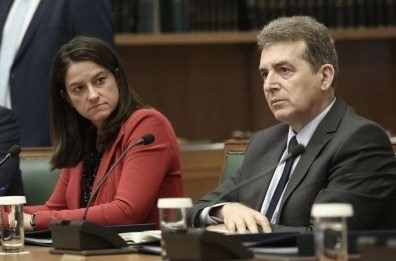
Greek Education Minister, Niki Kerameus, and Citizens’ Protection Minister, Michalis Chrysochoidis, on Wednesday presented an ambitious bill that aims to improve the quality of tertiary education and eradicate rampant lawlessness in university campuses.
The bill introduces a minimum university entry requirement and maximum duration periods for degree programs.
“The bill introduces changes that aim to deal with chronic shortcomings,” Ms Kerameus said.
Greek Education Minister, Niki Kerameus (left), and Citizens’ Protection Minister, Michalis Chrysochoidis (right), aim to reform university education with their new bill.
The draft legislation also foresees the creation of a special team tasked with securing the country’s university campuses.
A total of 1,000 guards, who will not be armed, are to be hired for that purpose, the bill stipulates. They will have policing responsibilities and answer to the Hellenic Police (ELAS).
Mr Chrysochoidis said the new measures were necessary to protect students, staff and facilities “from the violent activity of certain groups,” a reference to self-styled anarchists, looters and squatters.
“We are putting forward a comprehensive plan for the protection and security of university institutions,” he said.
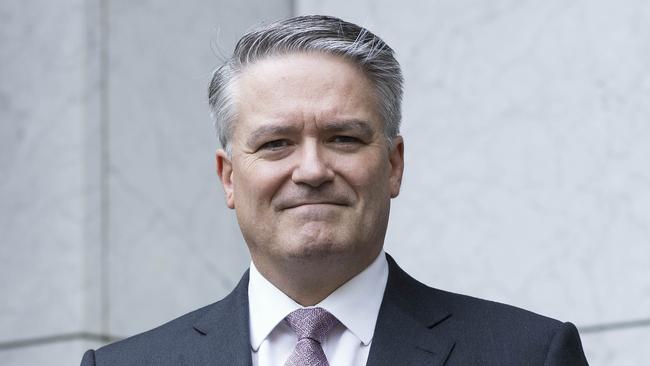
Mathias Cormann and Anna Diamantopoulou have emerged as strong contenders to lead the Organisation for Economic Co-operation and Development (OECD) after a cull of candidates, according to a report by The Sydney Morning Herald.
The position of Secretary-General of the OECD has been highly sought after but according to sources from the organisation, who spoke with The Sydney Morning Herald and The Age, the “10 candidates vying for the job were recently placed into three groups based on soundings from the OECD’s 38 member countries.”
Mr Cormann, a Liberal Party powerbroker and Australia’s longest-serving finance minister, was listed in the first group with the strongest level of support.
This was closely followed by Greek candidate, Ms Diamantopoulou, in the next group with “good” support. Other candidates in this group include Canada, the United States, Denmark and Estonia.
Candidates from the Czech Republic and Poland had the lowest support and have withdrawn from the race.
Mathias Cormann:
Former finance minister Mathias Cormann. Source:News Corp Australia.
News that Mr Cormann is a front-runner for the position is surprising as many observers thought the Coalition’s record on climate change would make him an unpopular choice to lead the OECD.
Just last year in November, the former Finance Minister faced criticism in Australia for clocking up more than 20,000 kilometres on a taxpayer-funded Royal Australian Air Force plane to help push his campaign to become General-Secretary of the OECD.
But it seems Mr Cormann’s vision for the OECD is still resonating and that the strategy of lobbying member countries in person paid off, according to The Sydney Morning Herald.
Mr Cormann, who is fluent in English, German, French and Flemish, is pitching himself as a connection between Europe’s traditional economies and the Asia-Pacific markets.
Anna Diamantopoulou:
Anna Diamantopoulou of Greece is running to be the OECD’s next Secretary-General. Photo: Robert Bosch Academy.
Ms Diamantopoulou’s strong contention for General-Secretary of the OECD is welcome news as she is one of only three women running for the role. This includes President Kersti Kaljulaid of Estonia and Cecilia Malmstrom of Sweden.
A civil engineer by training, Ms Diamantopoulou started her political career when she was only 25 after she was appointed Governor of the Region of Kastoria in northern Greece, the youngest person in Greece’s history to occupy this position.
She has also held the position of European Commissioner for Employment and Social Affairs, as well as Greece’s Education Minister.
With this career background, it’s no surprise then that Ms Diamantopoulou’s top priorities for the OECD are digital transformation, climate change and labour market challenges.
“After the pandemic, OECD has to play a very important role and at global and international levels. It has to promote its services and standards to more parts of the globe,” the former EU Commissioner said in an interview with Bloomberg.
Were she to be elected, she continued during the interview, she would advocate more strongly on the OECD’s programs and guidelines, particularly for anti-bribery, investments, and state-owned companies.
The House of Representatives has voted 232 to 197 to impeach US President Donald Trump for inciting an insurrection against the US government.
He is the first President in US history to be impeached twice.
Most Republicans in the House opposed the Democrats’ resolution, but at least half a dozen had stated their intention before the vote to break ranks to support it.
Ten Republicans ended up voting in favour impeachment.
Republican Senate Leader, Mitch McConnell, announced before the House vote that a Senate trial would not be held until after Democrat Joe Biden’s inauguration, meaning Trump will serve out the remainder of his term.
Donald Trump was last impeached in December 2019 on two articles — an abuse of power and obstruction of Congress — but was acquitted by the Senate voting along party lines.
Trump ‘unequivocally’ condemns violence, no mention of impeachment:
In a video released via Twitter on a government account belonging to the White House, Mr Trump addressed the nation but did not mention impeachment.
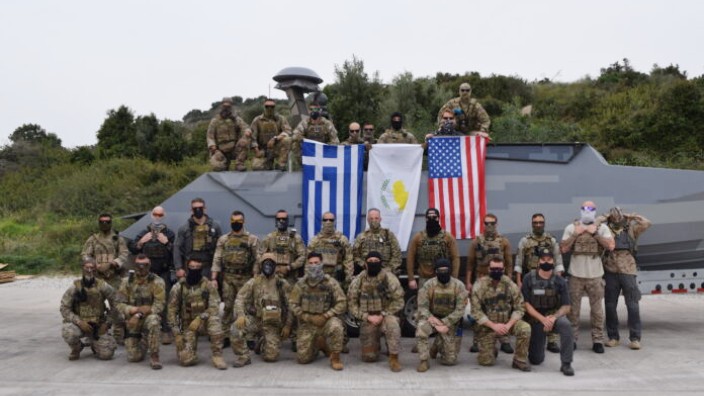
Special forces from Greece, Cyprus and the United States are holding a joint military exercise in the sea area off the naval base at Souda Bay on the Greek island of Crete, state-run Athens-Macedonia news agency (ANA-MPA) reports.
According to the same report, the trilateral drill was planned by the Hellenic Defense General Staff (GEETHA) to enhance cooperation and interoperability between the forces.
In 2020, the three countries forged much closer ties than every before, as Mediterranean tensions were at an all-time high due to continuous Turkish incursions into the territorial waters of both Greece and Cyprus.
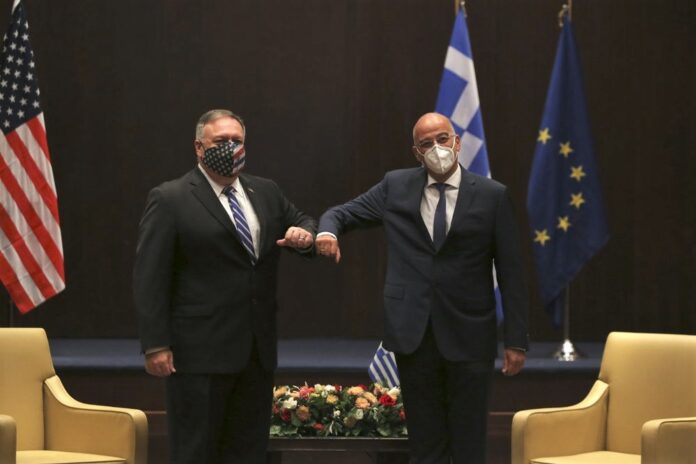
U.S. Secretary of State, Mike Pompeo, left, and Greek Foreign Minister, Nikos Dendias, touch elbows during their meeting in the northern city of Thessaloniki, Greece, Monday, September 28, 2020. Photo: AP Photo/Giannis Papanikos, Pool.
A meeting between US Secretary of State, Mike Pompeo, and Greek Foreign Minister, Nikos Dendias, in September last year, reaffirmed these stronger bilateral relations and a mutual desire to deepen cooperation between the two countries.
“The United States and Greece reiterated their dedication to enhancing their close cooperation as NATO allies, using all appropriate means at their disposal in order to safeguard stability and security in the wider region,” the two countries said in a joint statement after the meeting.