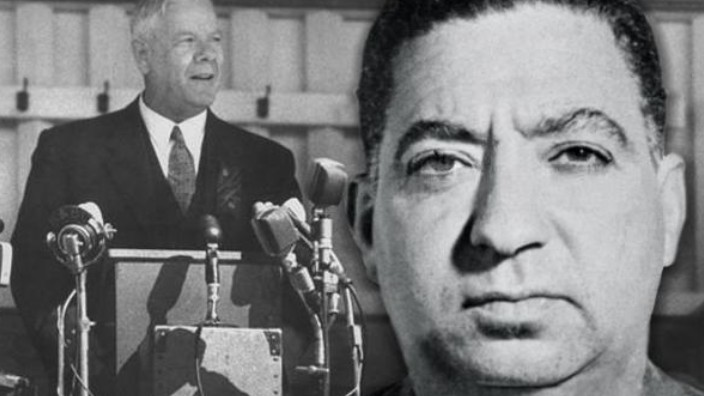
Dimitri Tsafendas was a Greek-Mozambican sailor and civil servant who went down in history for assassinating the Prime Minister of South Africa, Hendrik Verwoerd, the so-called “architect of Apartheid.”
To mark the occasion of his birth on this day in 1919, we take a look at the events leading up to the assassination.
Early Life:
Dimitri Tsafendas was born on January 14, 1919, in Lourenco Marques (modern-day Maputo), Mozambique, then a Portuguese colony.
His father was a Cretan sailor who worked as a marine engineer, while his mother was the Mozambican, Amelia Williams.
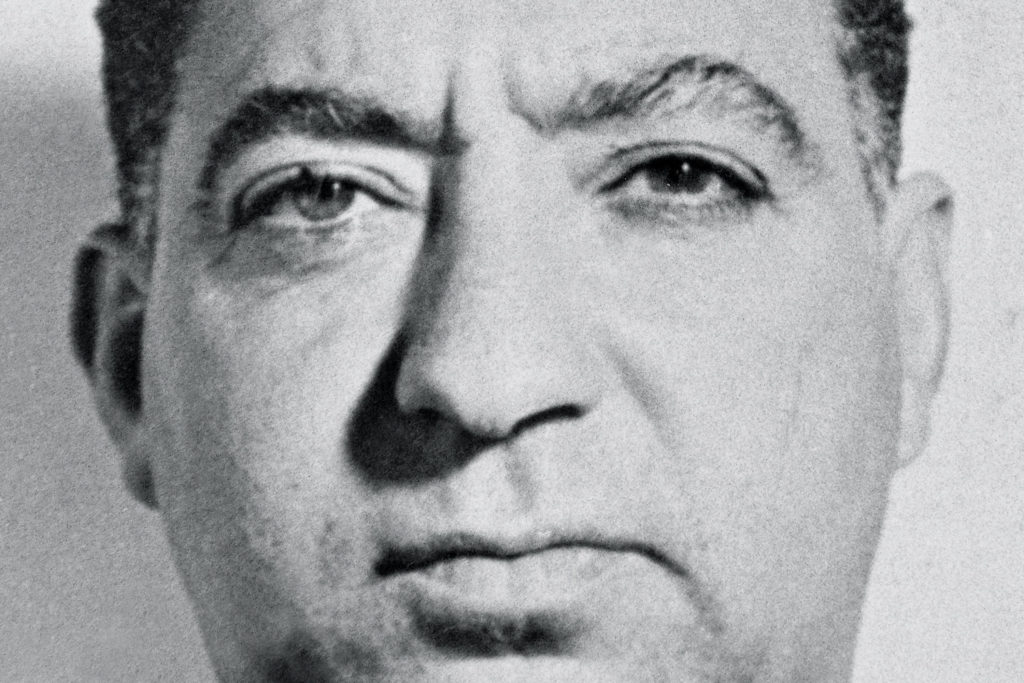
At the age of three, Dimitri was sent to live with his grandmother and aunt in the Greek community of Alexandria, Egypt.
He later lived with adoptive parents and attended a Catholic school, where he was confronted with the racist comments of his classmates because of the dark color of his skin.
Later Years:
Tsafendas was treated the same way in South Africa, although the authorities classified him as a white person based on the racial discrimination prevailing in the country at the time.
In the mid-1930s, he was an active member of the Communist Party of South Africa. At the same time, he boarded ships and travelled around the world. In fact, between 1947 and 1949, he lived in Greece.

Tsafendas was very smart and managed to learn eight languages. He was then diagnosed with the first symptoms of schizophrenia and had to be admitted to various psychiatric clinics for treatment.
Assassination of the South African Prime Minister:
In 1966, Tsafendas returned to South Africa and after doing various occasional jobs, on August 1 he was hired as a messenger to the country’s parliament, based in Cape Town.
A month later, he made headlines around the world when he assassinated the South African Prime Minister in parliament.
At noon on September 6, 65-year-old Hendrik Verwoerd entered the parliament’s session hall and headed to the Prime Minister’s office. Tsafendas then rushed at him and stabbed him four times in the chest, leaving him breathless.
Tsafendas was immediately arrested by rushing deputies and handed over to the police. He told police that he had killed Verwoerd because he was “disgusted with his racist policies.”
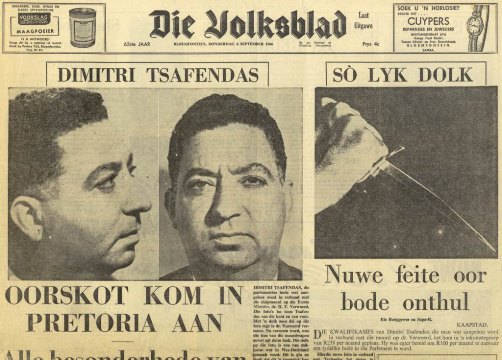
As it was later revealed, Tsafendas was outraged by the authorities because a few days before the murder, they had rejected his request to be transferred to the “colored” category in order to talk to his girlfriend, who belonged to the same racial category.
In the trial that followed, he was judged ‘not guilty’ by the court because of the schizophrenia from which he suffered, and he was sentenced to indefinite detention in a psychiatric hospital.
After the collapse of the racial discrimination regime in 1994, Tsafendaswas admitted to a psychiatric clinic in Johannesburg, where he died on October 7, 1999, at the age of 81.
He was buried in the style of the Orthodox Church in an unknown location.
Source: San Simera.
