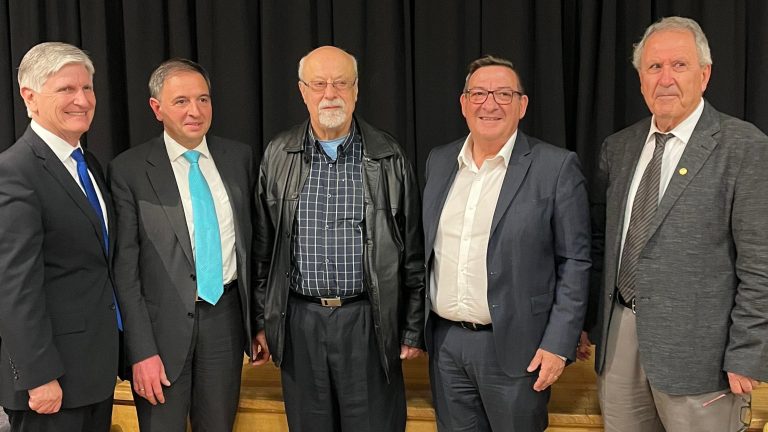
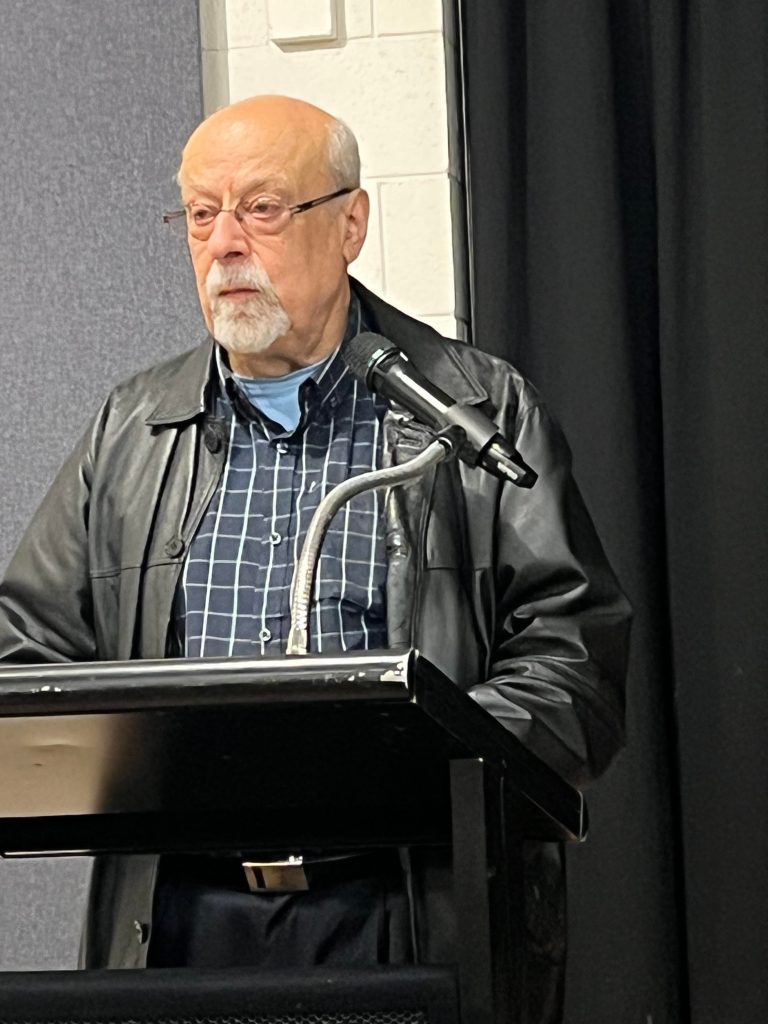
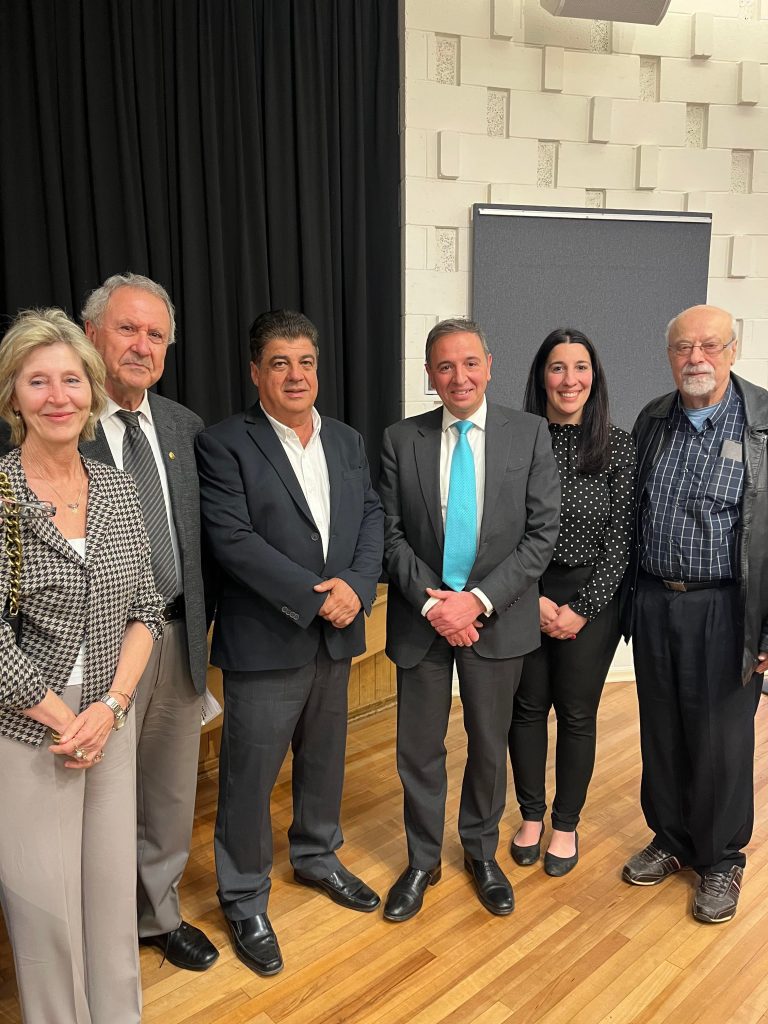
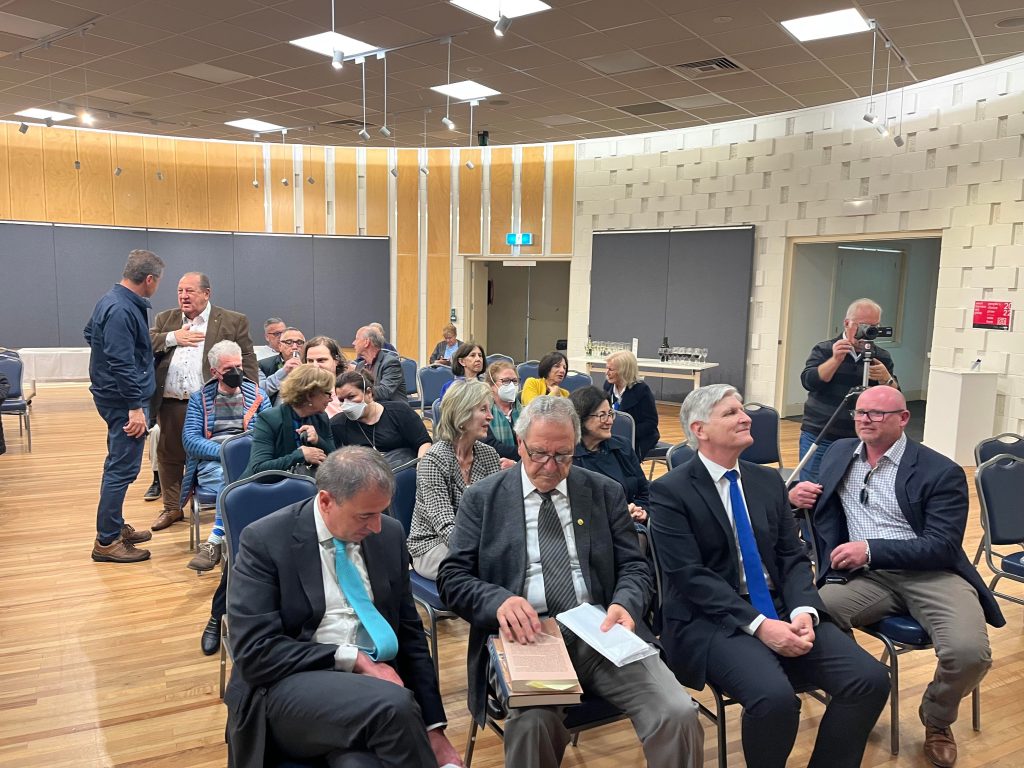
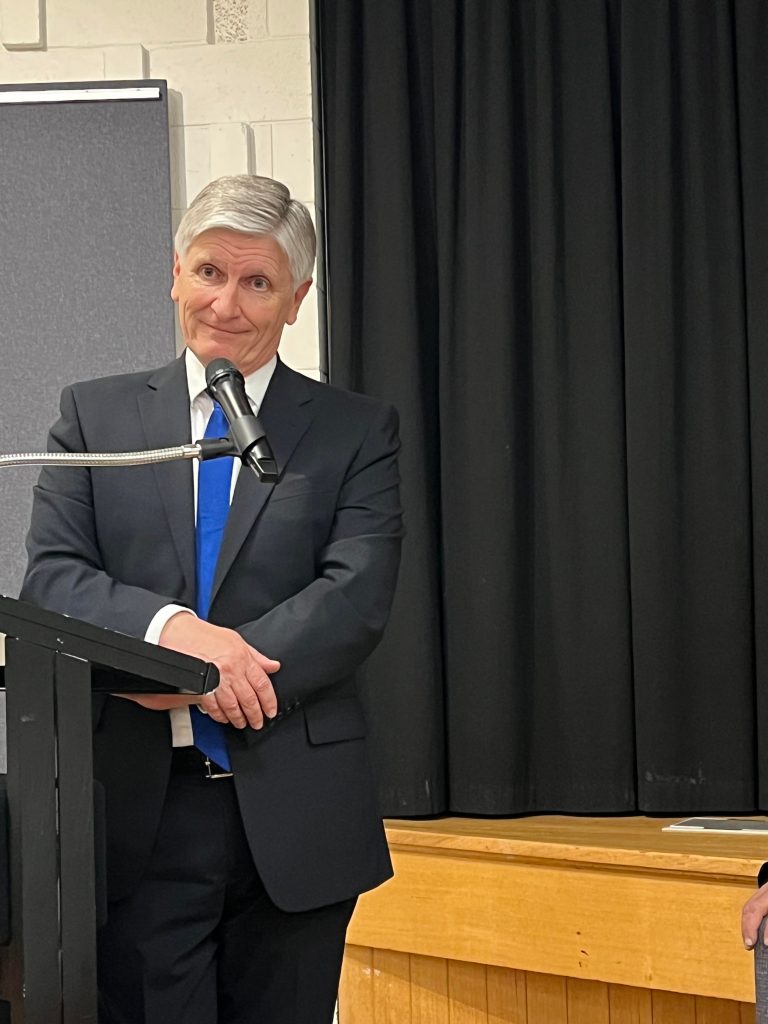
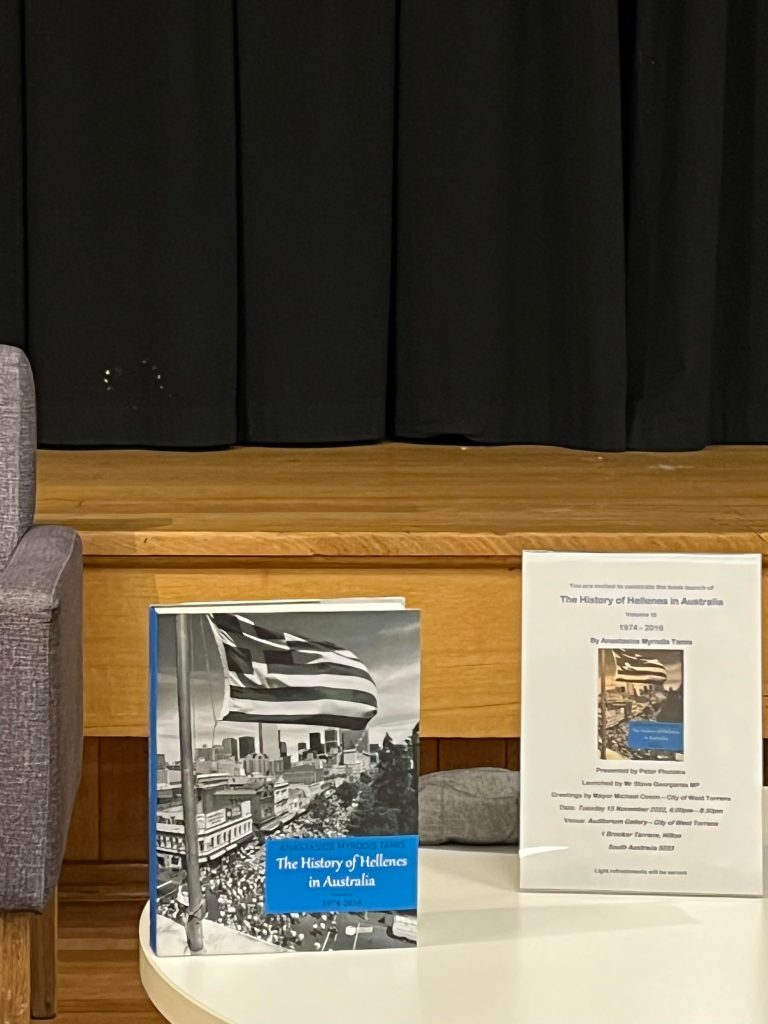
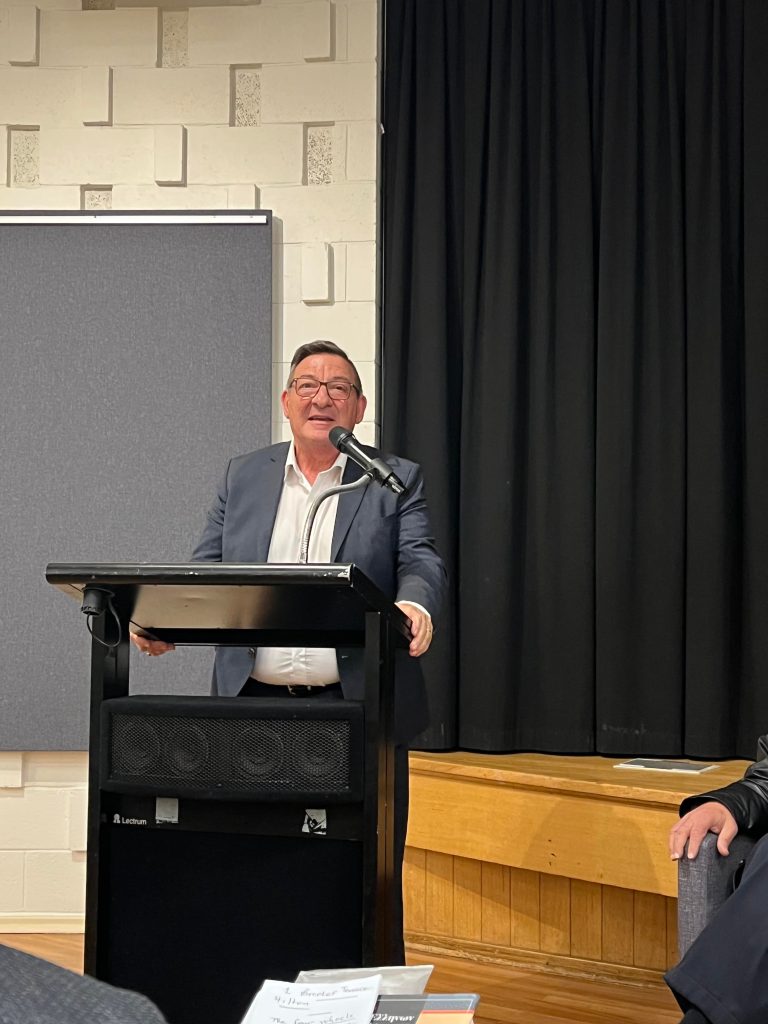
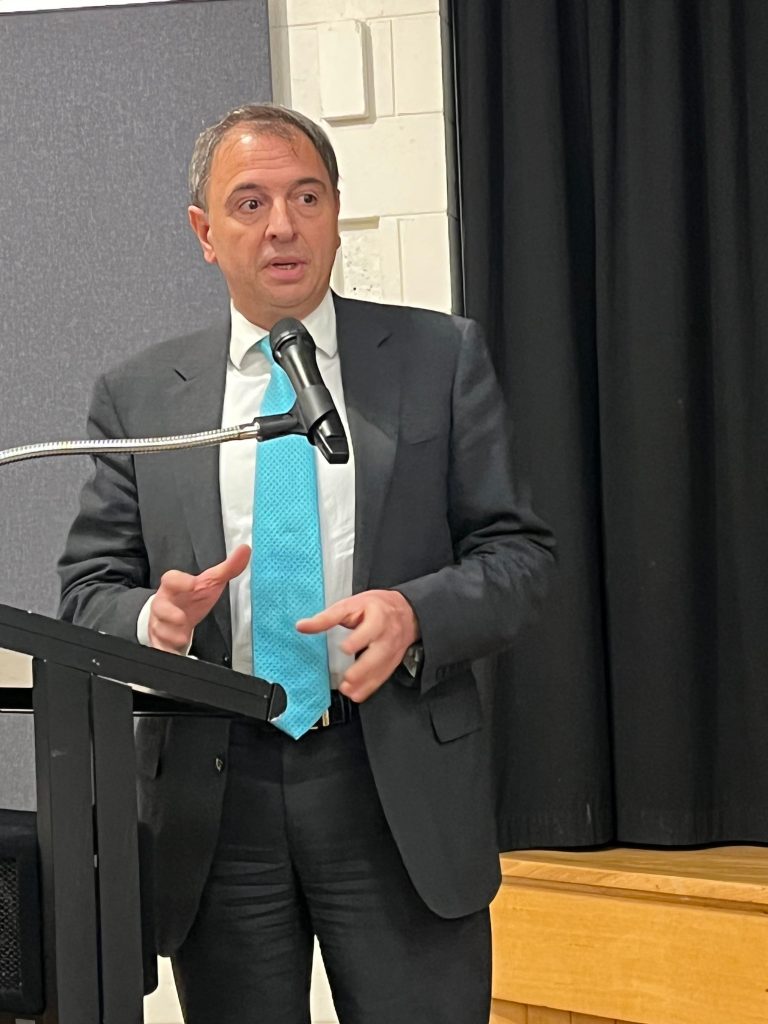
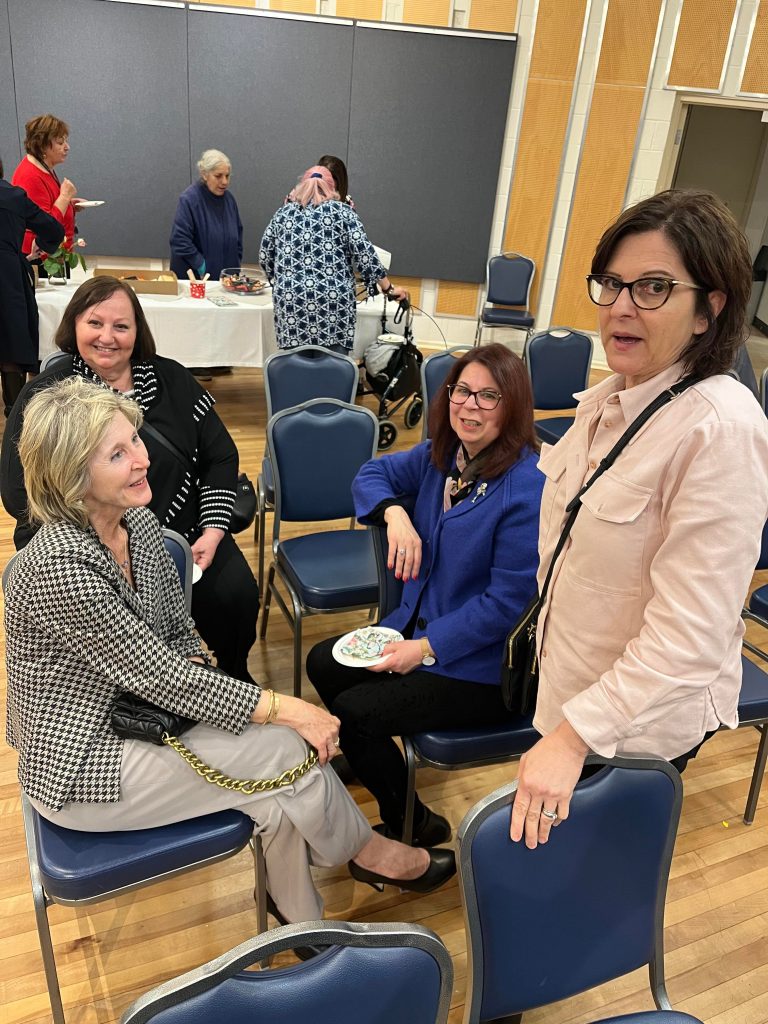
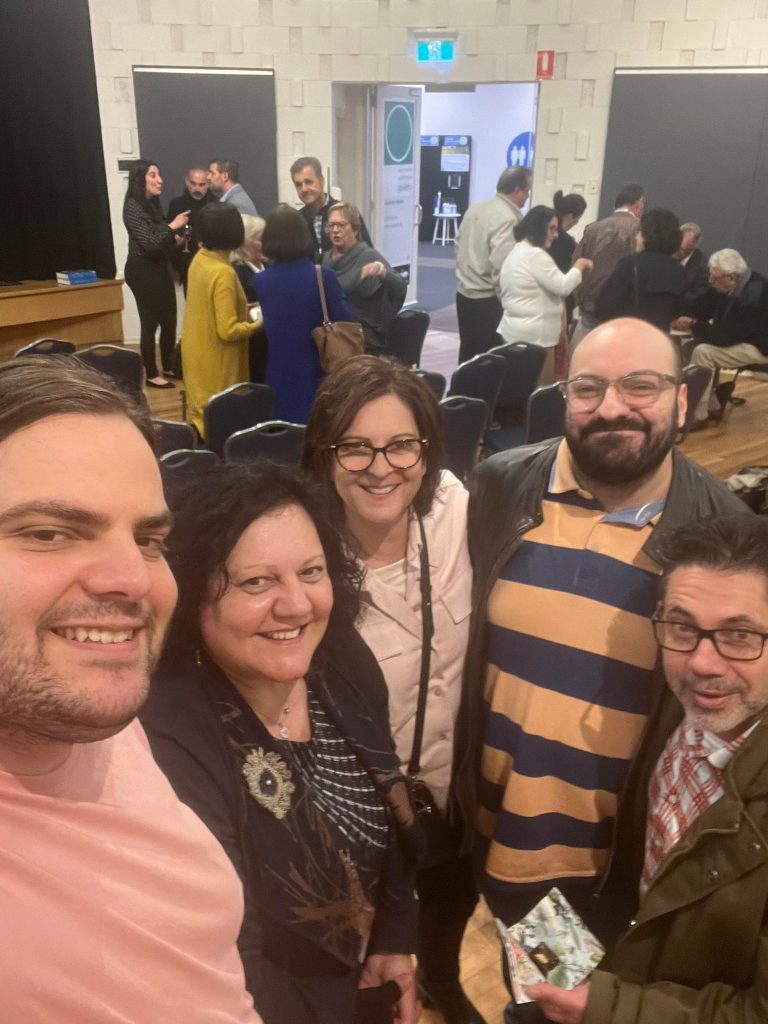
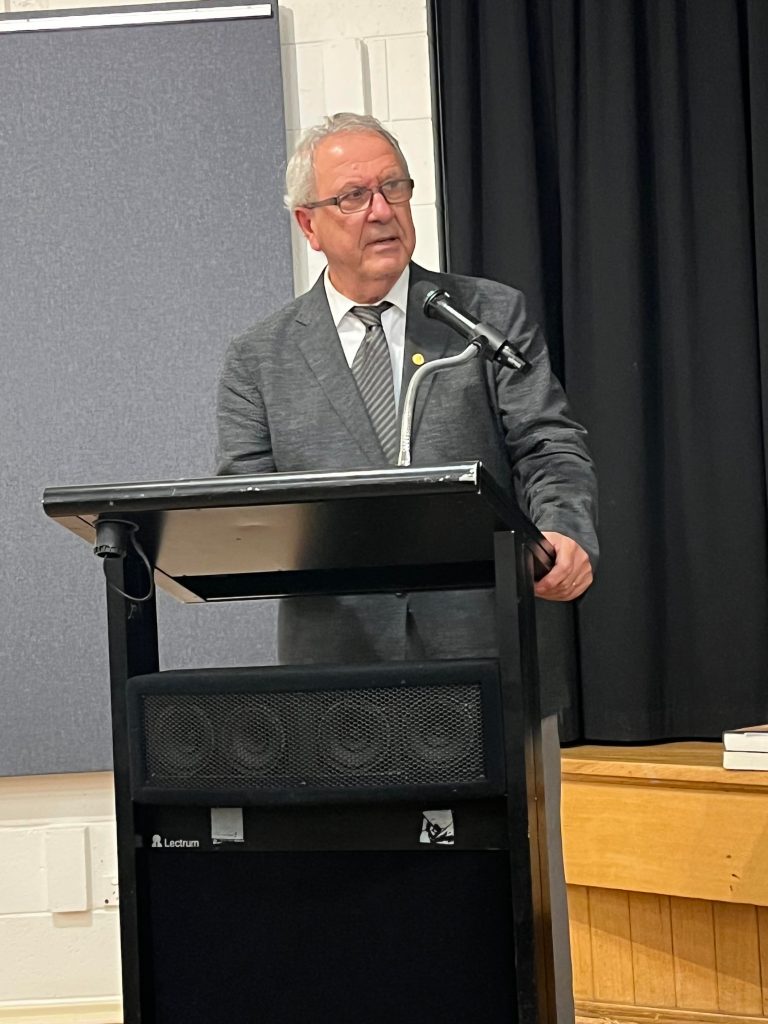
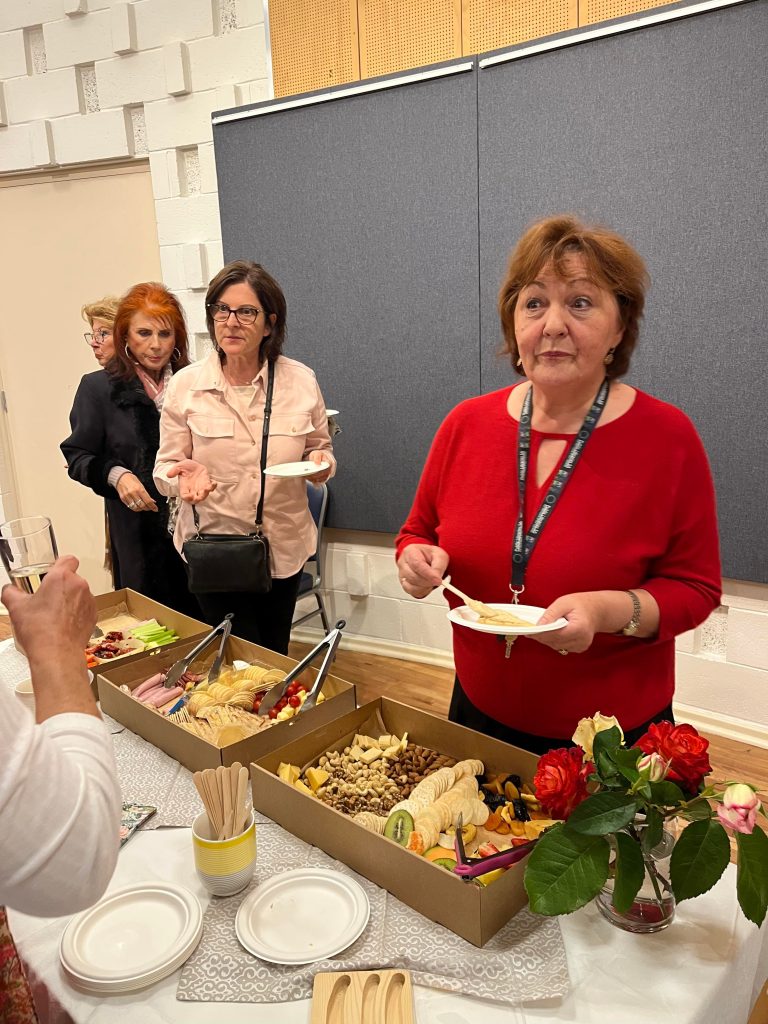
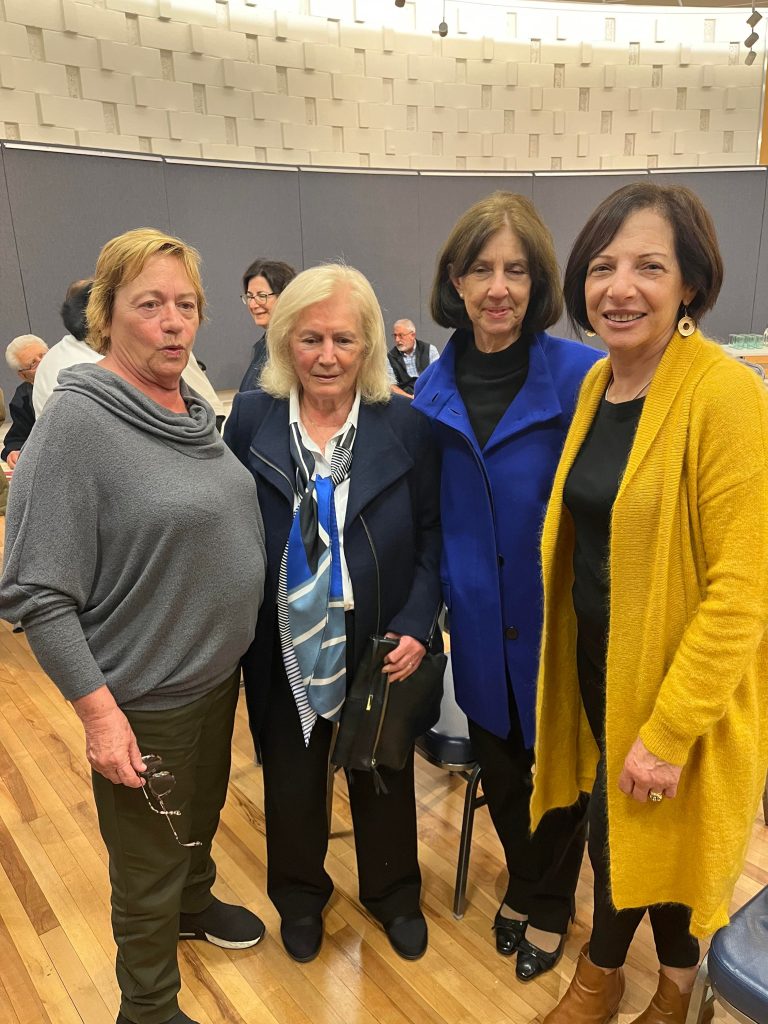
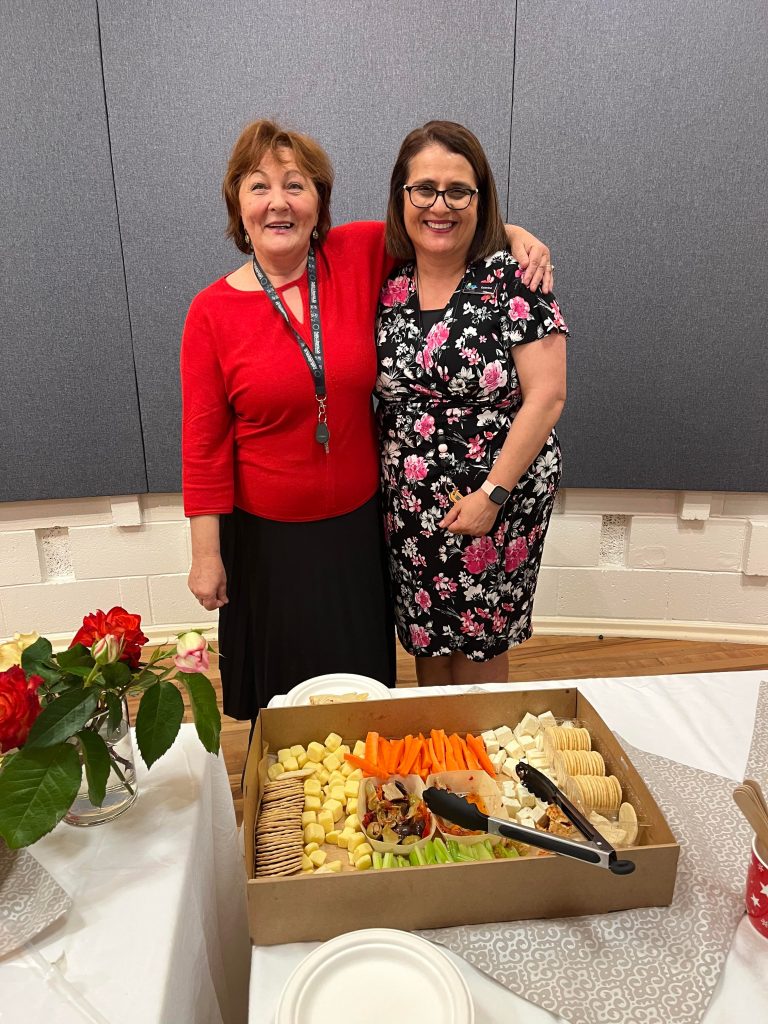
The third volume of Professor Anastasios Tamis’ book The History of Hellenes in Australia(1974 – 2016) was officially launched on Tuesday, November 15 at the West Torrens City Library in South Australia.
There were a number of official guests in attendance at the book launch including the Consul General of Greece in Adelaide, George Psiachas; Federal Member for Adelaide, Steve Georganas MP; City of West Torrens Mayor Michael Coxon; City of West Torrens Councillor Zoi Papafilopoulos; City of Charles Sturt Councillor, Peter Ppiros; Peter Gardiakos representing the Greek Orthodox Community of South Australia (GOCSA); and St George parish priest Father Diogenis Patsouris; among many others.
The book was presented by emcee, Peter Photakis, who made introductory remarks about Greek migration to Australia and shared his personal immigration journey.
Mayor Coxon then took to the stage and praised the contribution of the local Greek community to multiculturalism in South Australia. Mr Coxon also underlined the importance of Professor Tamis’ book in uncovering the history of Hellenes in Australia.
Mr Psiachas also gave a speech and spoke about how it took him two months to finish reading Professor Tamis’ “rigorously documented work… to understand the evolution of Hellenism” in Australia.
After thanking Professor Tamis for his contribution to academia and the history of Hellenism in Australia, Mr Psiachas then invited guests to purchase the book and offer it to their family members.
In his speech, Federal Member for Adelaide, Steve Georganas spoke about his own migration experience and praised the Greek community for their enormous contribution to modern-day Australia.
“It’s not just their story, a story of a group of immigrants who came and settled in Australia, integrated and of course, contributed,” Mr Georganas said about the book.
“The presence of the Greeks here is part of the history of Australia itself – their history is an integral part of Australia’s national history. This story is described by Professor Tamis.
“I feel the need to express my gratitude to Professor Tamis because with his work, our history, your history, the history of our fathers, is saved.”
Professor Tamis was last to speak and thanked everyone for attending his book launch. Tamis spoke about Philhellenism and the Philhellenes; the basic components of the Greek identity in the diaspora; the importance of the Greek language; and today’s modern-day Greece.
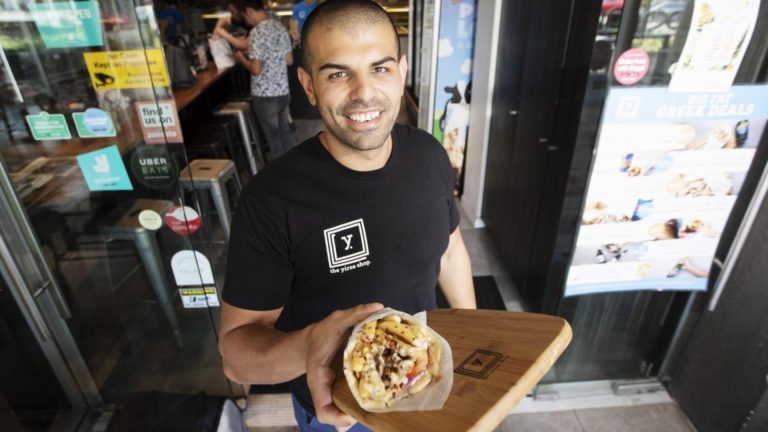
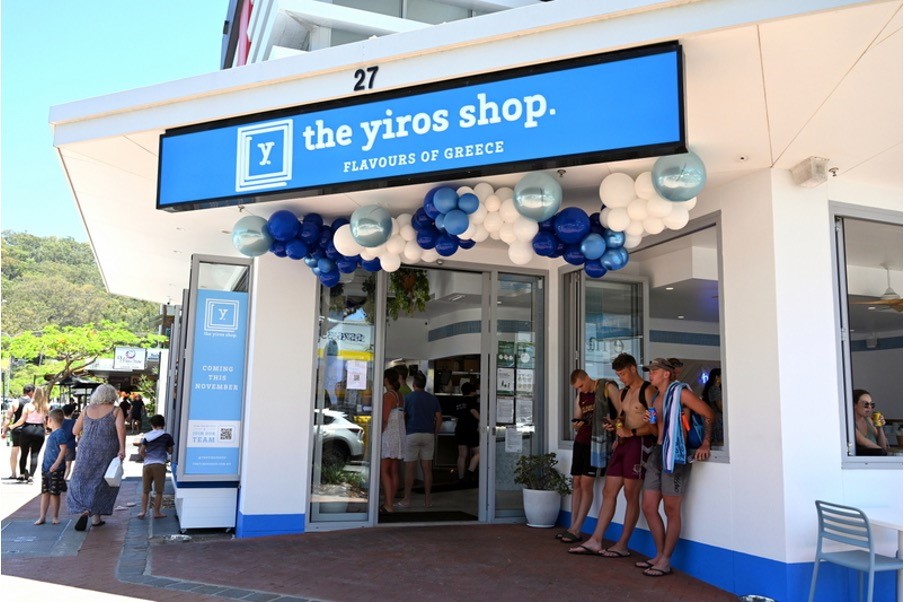
When Nick Mitrossilis started The Yiros Shop in Brisbane’s James Street precinct in 2015, he could not have imagined the business would grow so rapidly in six years.
Now, The Yiros Shop has expanded to 12 stores in its network, with plans to open another eight stores next year.
“It was about four or five years that we really started looking at key areas of the business to ensure we were on the right path to sustainable growth.”
The Yiros Shop’s journey began when Nick, originally from Sydney, NSW noticed a lack of quality yiros shops after moving to Brisbane, Queensland.
Photo by foodgoldcoast.
He decided to make sure his yiros couldn’t be mistaken for a late-night kebab.
“This is traditional Greek fast food and we’ve given it the standards it needs,” he said.
“It starts with the bread, the tzatziki sauce, which we make in house in our own factory, as well as onions and tomatoes. We use real meats and put the chips inside, which is the traditional way of doing it in Greece.”
Apart from authenticity, another main focus of The Yiros Shop has been sustainability.
It established its own wholesale production facility that supplies its restaurants with about 20 percent of the cost of goods sold. Here, it manufactures the tzatziki, vegetable patties and pita breads used by its stores.
The Yiros Shop plans to continue expanding over the next few years, with teamwork and employee satisfaction at the core of its values.
“Even though we didn’t have a lot of resources early on, our staff were happy, and they wanted to come along for the ride,” Mitrossilis said.
“That’s how we plan to continue growing our business.”
The migrant story is one that resonates with everyone in the Greek community at one point of history, especially with most of our grandparents and great-grandparents making their way over by boat in the 50s, 60s and 70s.
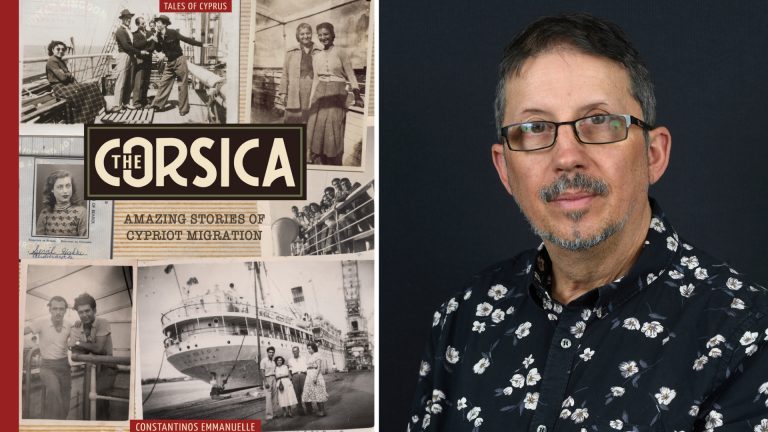
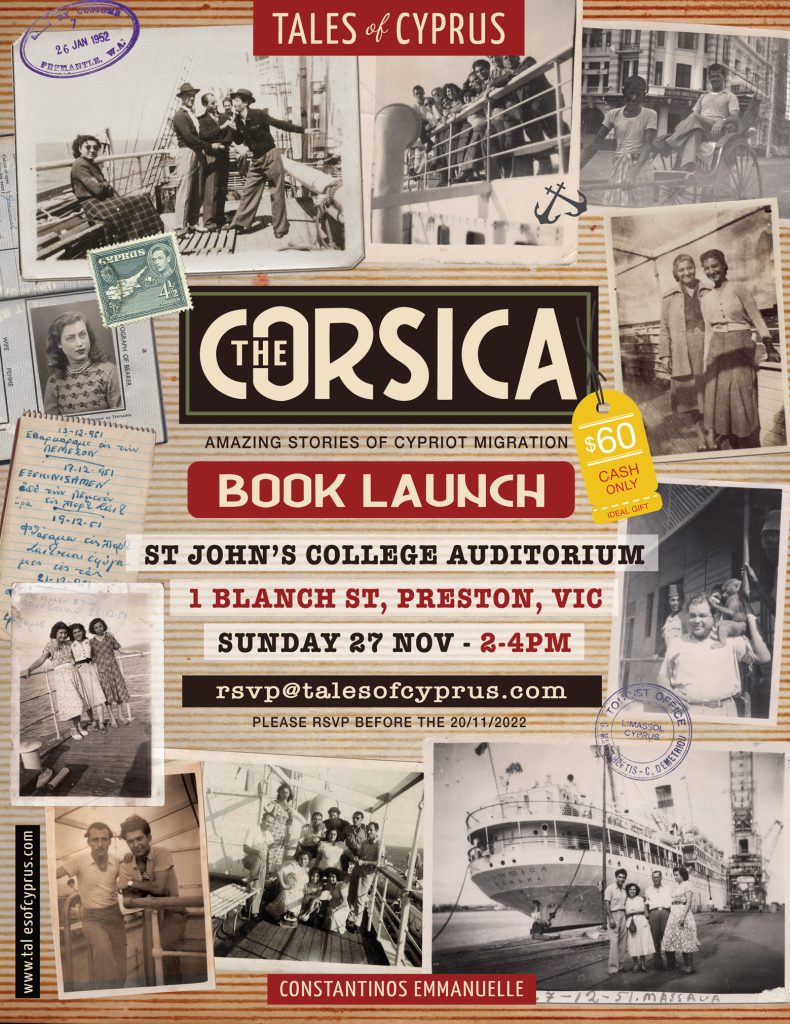
While for many families the migration journey started on the famous ship Patris, there is a less known journey, starting in Cyprus, that Con Emmanuelle is shedding light on with his new book ‘The Corsica’.
Ahead of the launch of his book, at Melbourne’sSt John’s College Auditorium on Sunday November 27, we talked with Con about the process of collating the stories and photos he gathered from members of the community to form a piece of history for generations to come.
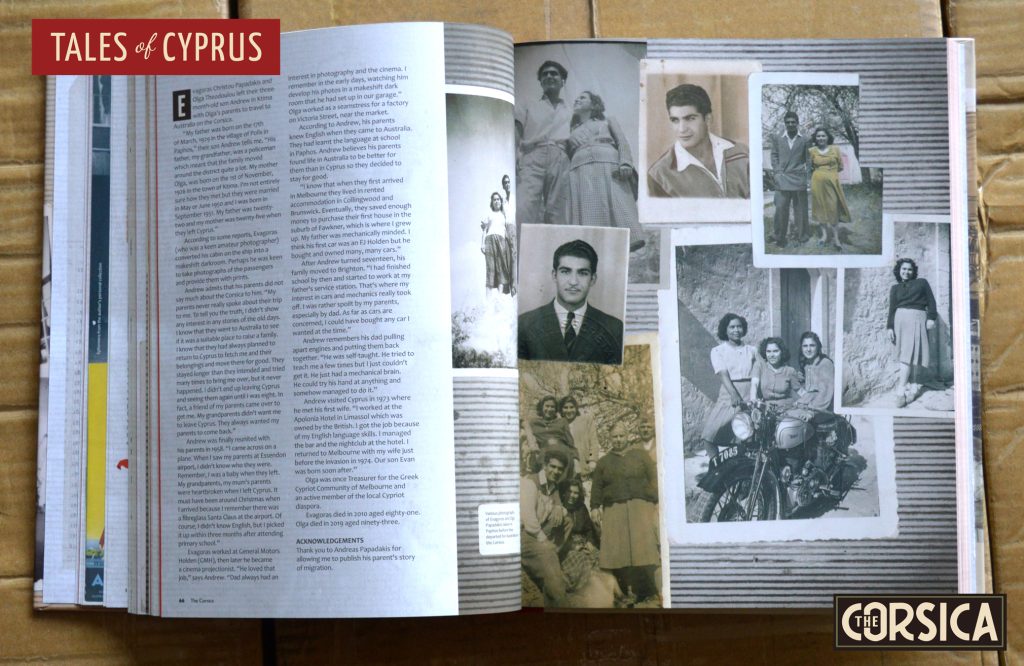
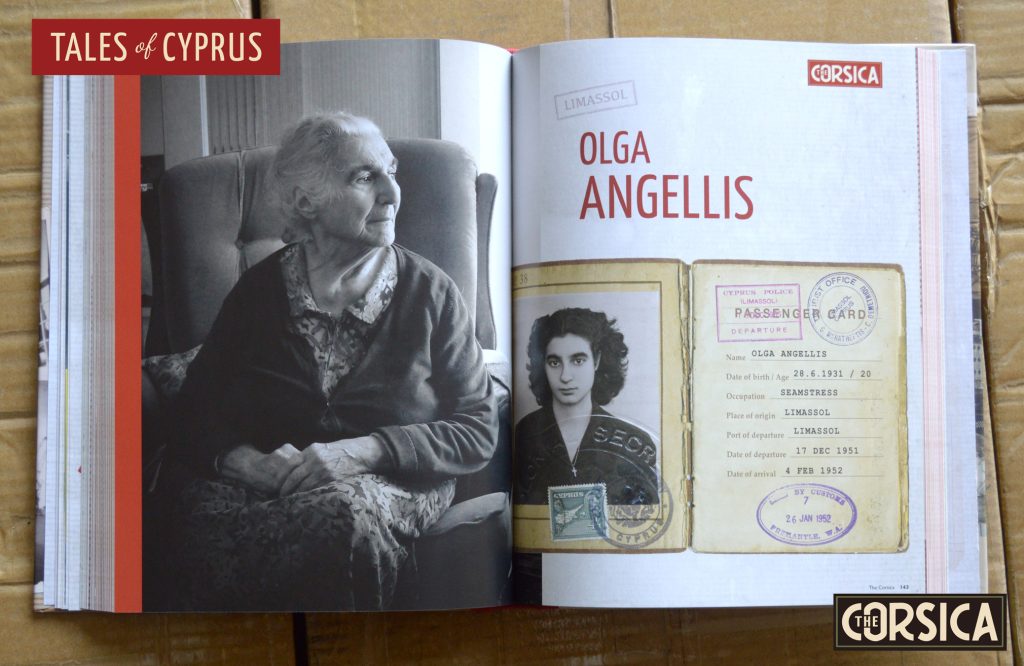
Pages out of ‘The Corsica’. Photo supplied.
Tell us about your new book.
This is my second self-published book for Tales of Cyprus. My first book ‘A Tribute to a Bygone Era’ focused on life in Cyprus during the British Era, whereas this book looks at Cypriot migration after the Second World War and more specifically, the fateful voyage of a group of brave Cypriot migrants who travelled to Australia on board a dilapidated old ship called the Corsica.
The Corsica only made one trip from Cyprus. It left in December 1951 and arrived to Melbourne in February 1952. In total, I have managed to track down seventy-eight passengers who travelled to Australia on the Corsica, of which, fifty-six where selected for this book.
Why have you chosen to focus on the journey of the Corsica?
During the course of my many interviews for Tales of Cyprus over the last ten years, the name of a ship called the Corsica kept popping up. I soon discovered that this was no ordinary migrant ship and no ordinary migrant journey. In fact, no other ship or migrant journey seemed to stir up as much emotion as the Corsica. ‘It was the ship from hell,’ as one person described it.
I was intrigued and fascinated by what people were telling me – I wanted to investigate why the Corsica was regarded as one of the worst migrant voyages from Cyprus. I soon discovered that the Corsica contained the largest group of Cypriot migrants to ever leave the island at the one time. Of the 863 passengers on board the ship, 784 (or 91 percent) were from Cyprus.
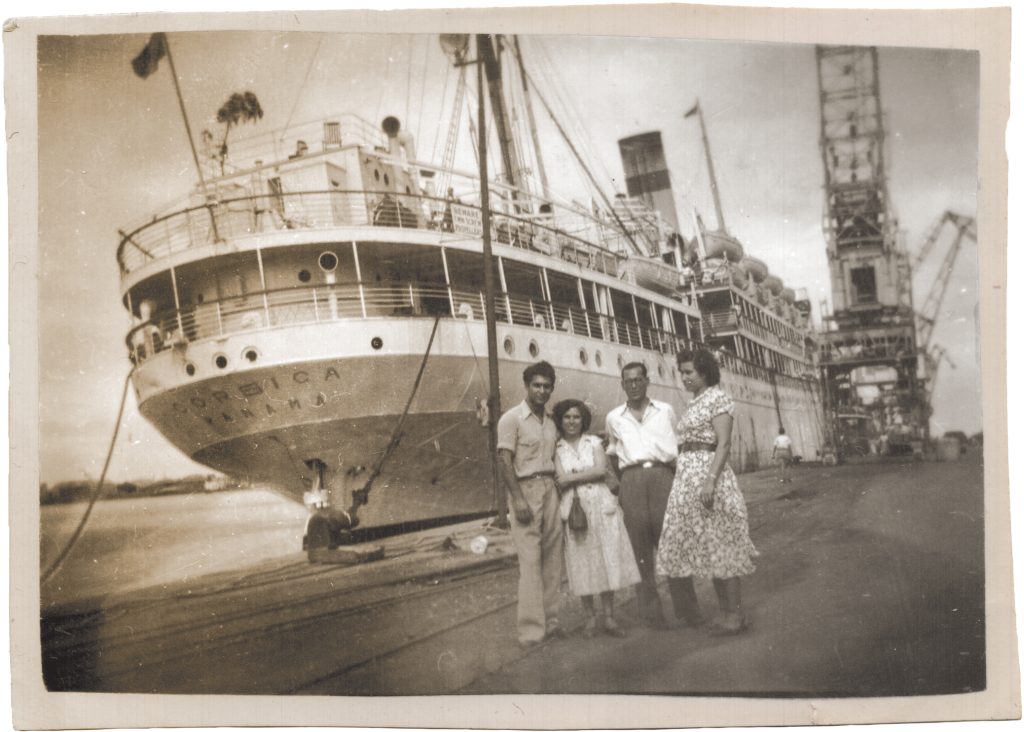
The Corsica at the port in Massawa, December 27th, 1951. From left to right – Evagoras and Olga Papadakis, Michalis Thesalos and Loukia Papastylianou.Photo supplied.
What was the writing process like with this new book?
As always, I prefer to meet with my interviewees in person – face to face. When the pandemic occurred at the start of 2020 and Australia went into lockdown, I had to conduct some interviews by Zoom or by phone. For the Greek Cypriots passengers, I would conduct the interview in Greek, recording it with video or audio, or both.
After the interview comes the process of translating what is said into English and creating the text articles for the book. Apart from the written text and the documented living memories, I also took time to scan any old original family photographs from that period. To that end, I am proud to say that the book has over 400 beautiful vintage photographs.
To be honest, I am extremely fortunate to have graphic design experience. My design skills have allowed me to create the book myself – from cover to cover, text graphics, images, everything. In fact, Tales of Cyprus would not be possible without my design ability and the power of social media.
Your book showcases many personal migration stories. Do you have a favourite and why?
Not really a favourite – but there are a few that tugged at my heart strings. One passenger named Stavros described how his dear mother couldn’t bring herself to say good bye or to tell him how she felt by his decision to leave Cyprus to go to Australia – so instead – she managed to secretly write down her thoughts in a notepad which she hid inside his suitcase.
He did not discover the letter until after he arrived and was unpacking his suitcase. Needless to say, he became very emotional as he read the letter to me during the interview.
Pages out of ‘The Corsica’. Photo supplied.
Why do you think it’s so important to share these stories and capture the history of Greek migration to Australia?
Well first and foremost, to record, document and preserve the living memories of this extraordinary generation of Cypriots. If not, their stories go to the grave and are lost forever. My mission has always been to document as much as possible so we have a shared history to fall back on – to appreciate – and pass on to future generations. I think it’s important to reconnect to our roots and to pay our respects to past generations and to honour what our parents and grandparents achieved. It’s important to acknowledge the truth – that their lives mattered – or that THEY mattered.
Is there anything else you would like to say?
I think what has been most humbling for me as the son of Cypriot migrants, is just how tough and resilient my parents’ generation really was. I mean, think about it. Who boards a ship to leave their village and family? Who leaves their homeland with barely a shilling to their name and with no knowledge of English to speak of – only to venture into the unknown and travel to the other side of the world to a foreign country in search of a better life? Who does that? It’s unbelievable. I am in constant awe of this generation of Cypriots. They are (and always will be) my heroes. We owe them such a debt of gratitude. We really do.
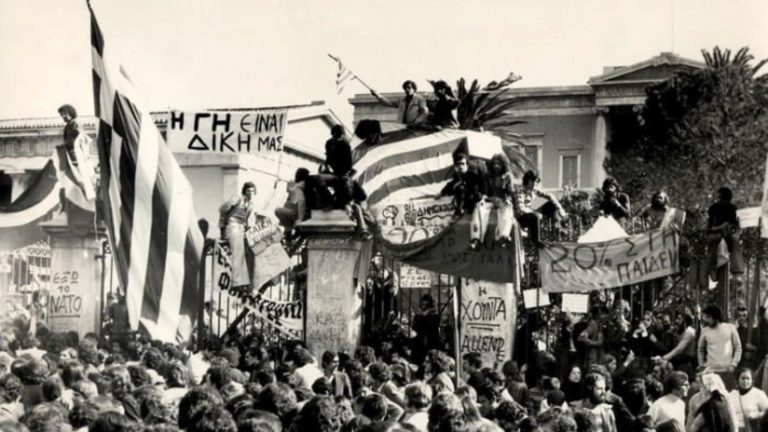
Α starting point for new struggles and vigilance against reactionary forces was called upon by the Secretary of the Australian Manufacturing Workers’ Union Victoria Tony Mavromatis on the occasion of the 49 anniversary of the Polytechnic Uprising of 1973.
“The message ‘BREAD-EDUCATION-FREEDOM’ inscribed at the Polytechnic, and the surrounding walls of Athens, by students, workers, and farmers, during those three days in November 1973, are universal and eternal. ‘Bread’ equates with the right to work, just and fair wages, occupational health and safety at the workplace, respect for workers and their families, the inalienable right for workers to organize themselves and the freedom to unionise, are, for us unionists, articles of faith.”
The trade union movement in Australia has a long and proud history of international solidarity with national liberation, anti-colonial, anti-imperialist, and anti-fascist struggles. Through our collective action, unity, and internationalism, we provide a voice, memory, and strength to those who are unable to be heard within the adversity, internally and externally, that is Australia.
In continuing with this tradition, and in sync with struggles of the 21st century, the Victorian Branch of the AMWU is mounting a series of cultural and political activities that commemorate, educate, and acknowledge the sacrifices of international progressive movements from around the world. Its objective is to Inspire—Connect—Educate. It seeks to educate of, and learn from, the struggles—past and ongoing—in various parts of the world, against the forces of reaction, suppression, exploitation, and capitalism, where unions and the working class have been the driving forces behind social mobilisation and change. We start with the commemoration of the Greek Polytechnic Uprising.
We pay homage to the Polytechnic Uprising and undertake to continue their struggle, faithful to the ideals and principles of that generation, in a practical way, with respect and continuity, based on today’s circumstances and conditions.”
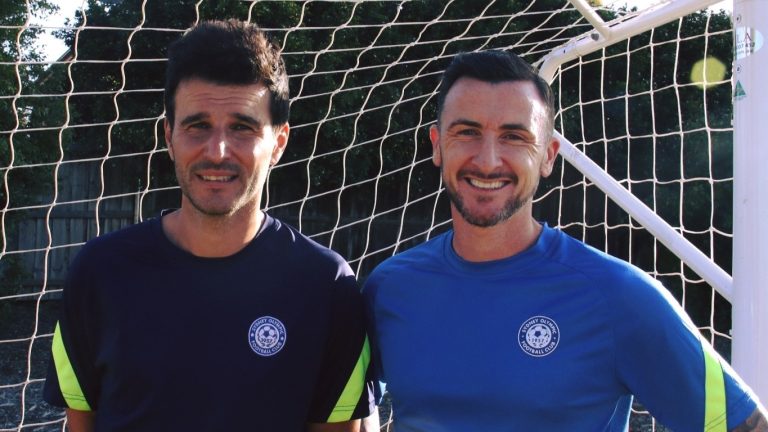
Sydney Olympic FC (SOFC) have appointed striker Roy O’Donovan as the new first-grade men’s assistant coach for the upcoming National Premier Leagues NSW competition.
This comes after the Irish Australian footballer confirmed in October that he will be re-signing with the club for the 2023 season.
Among the five new players are: Nick Fitzgerald, former Perth Glory FC, Newcastle Jets and Central Coast Mariners player; Micky Neill from the Central Coast Mariners and Newcastle Jets; James Georgaklis from Manly United; Jack Simmons from Dandenong Thunder FC and the Newcastle Jets; and Peter Politis, who was in the Sydney Olympic Under 20s squad.
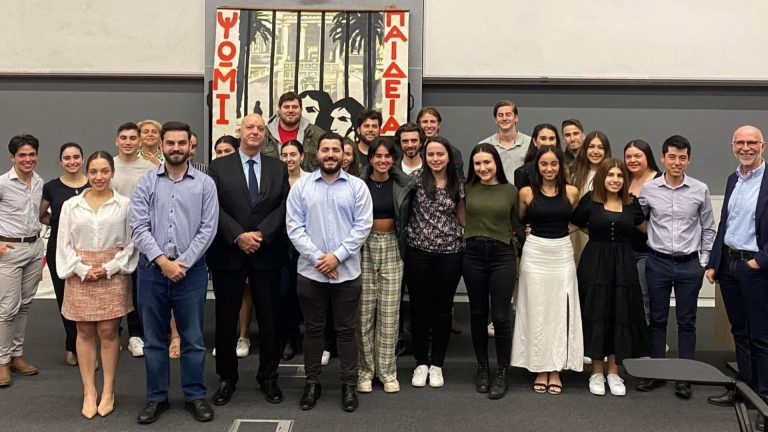
The Combined Universities Greek Association (CUGA) commemorated the 49th anniversary of the Athens Polytechnic Uprising, hosting an event dedicated to the protest for the first time in three years.
The four Greek student societies of Sydney’s major universities came together on the evening of Thursday, November 17 to remember the sacrifices of those who fell at the hands of the military junta in 1973.
In a statement issued by the Combined Universities Greek Association (CUGA), the Greek Australian students declared that they “feel an obligation to observe this moment in history, and raise awareness among the diaspora youth of important events in modern Greek history.”
After a COVID-induced hiatus, CUGA noted they were once more in a position to run a student-led event dedicated to the Uprising, after having continued their contribution at the community-led commemorations organised by the Greek Community of NSW (GOCNSW) during the pandemic.
The keynote speaker of the evening was Associate Professor Anthony Dracopoulos from the University of Sydney’s Department of Modern Greek Studies. He presented a talk which explored both the historical context leading up to the Uprising, as well as provided a personal account of how he experienced it as a child.
The evening was hosted by emcees Dimitri Kallos, President of UTS Hellenic, and Zoë Re, President of Macquarie University Greek Association (MUGA).
Kosta Plegas, President of Sydney University Greek Society, read out the chronicle of events that took place in the days leading up to 17 November 1973.
Three poems were also read out by students:
“Ο Λαός” by Γιάννης Ρίτσος – Anastasia Toumasatos, General Committee Member of MUGA.
“1050 Χιλιόκυκλοι” by Κωστούλα Μητροπούλου – Antonia Moulos, Secretary of UTS Hellenic.
“Φοβάμαι” by Μανώλης Αναγνωστάκης – Valentina Saroukos, President of Hellsoc UNSW.
The commemoration was attended by many of Sydney’s Greek Australian community including, but not limited to, Konstantinos Giannakodimos from the Consulate of Greece in Sydney, and the Vice President of GOCNSW, Nia Karteris.
Full Statement:
On Thursday, 17 November 2022, the Combined Universities Greek Association (CUGA) came together to mark the 49th Anniversary of the Athens Polytechnic Uprising.
This CUGA initiative was agreed upon by the committees of the Greek societies of Sydney’s four main universities to remember the sacrifices made by those university students of the past in the name of freedom, dignity, democracy and social justice. As the students of today we feel an obligation to observe this moment in history, and raise awareness among the diaspora youth of important events in modern Greek history.
The military junta impinged on many civil liberties: outlawing political parties, imprisoning citizens for their political beliefs and interfering with student politics, imposing non-elected leaders in student unions.
After a COVID-induced hiatus, CUGA is once more in a position to run a student-led event dedicated to the Uprising again after the inaugural event in 2019. For the previous two years, CUGA has continued to attend the Polytechneio Commemoration hosted by the Greek Orthodox Community of NSW (GOC NSW), fulfilling our responsibility to remember the sacrifices of those who lost their lives during the protest.
As we have proudly done for many years, we will continue our cooperation with the GOC NSW to mark this historical event, and note their ongoing support in our initiative.
While we celebrate national days such as the 25th of March and the 28th of October as victories against oppression from foreign powers, the 17th of November is a solemn reminder of how the junta regime, the dictators of Greece at the time, turned on their own youth. They spilled Greek blood on a university campus when tanks were sent to tear down the gates, upon which many students were perched.
With the 50th Anniversary coming up in 2023, we make clear we will always remember the sacrifices of the youth who were brave enough to stand against oppression and lead the popular anti-dictatorship revolt.
CUGA will always stand by the struggle for freedom, dignity, democracy and social justice. After a near half century, we do not forget those three words that summarised the fighting spirit of Polytechneio: ΨΩΜΙ-ΠΑΙΔΕΙΑ-ΕΛΕΥΘΕΡΙΑ
The Australian Government intends to start negotiations with Cyprus for a Double Taxation Agreement after June 2024.
According to a Facebookpost, the Australian High Commissioner to Cyprus Fiona McKergow delivered a letter from Australia’s Assistant Minister for Competition, Charities and Treasury Dr Andrew Leigh to Cypriot Finance Minister Constantinos Petrides confirming the Australian Government’s intention to negotiate a Double Taxation Agreement with Cyprus.
“We look forward to the negotiations commencing after June 2024,” the post reads.
This news comes as Greece’s Finance Minister, Christos Staikouras, confirmed in October that the nation will also strive to expand its network of Double Taxation Avoidance Agreements (DTAA) with Australia.
At the time, the Australian Embassy in Greece said “the Double Taxation Agreement, once concluded, will be another important marker of the thriving bilateral relationship” between Greece and Australia.
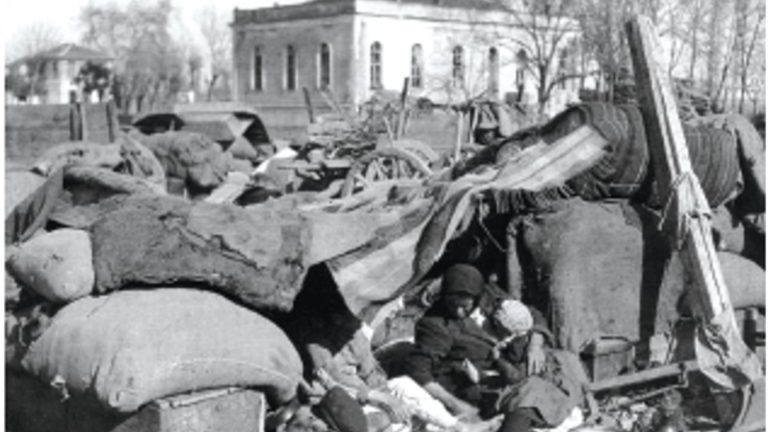
Throughout 2022, Hellenism around the world has been marking the Centenary of the holocaust of Smyrne, the single most violent episode in the decade-long Genocides of the Hellenes, Armenians and Assyrians by the Ottoman Empire and its successor, the Republic of Turkey between 1914 and 1924. A bright light in the darkness of those days was the relief mission of the League of Nations, led by Dr Fridjtof Nansen and his Commissioner in northern Hellas, George Devine Treloar.
In his memoir Tim Harington Looks Back, British General Sir Charles Harington says that in early October 1922, he landed at Moudania (modern Mudanya) on the southern shore of Sea of Marmara, with the French and Italian generals. He recorded: ‘Dead Greek bodies, recently pushed off the pier by the Turks, were washed up against it’.
Recently demobilised from the British army, Treloar was appointed by Nansen in early October 1922. Treloar’s assignment was to report to Nansen on the condition and prospects of the genocide survivors in eastern Thrace. The League foresaw the dreadful problems that were emerging, as the leader of Turkish Nationalists, Mustafa Kemal pressed for the expulsion of all surviving non-Muslims from his ‘Republic of Turkey’.
Within days, the Australian-born British officer was issued with a visa by the Hellenic military authorities at Prousa (modern Bursa) for travel to Constantinople, via the ports of Moudania (modern Mudanya) and Raedestos (Rodosto, modern Tekirdağ) on the Propontis, the Sea of Marmara).
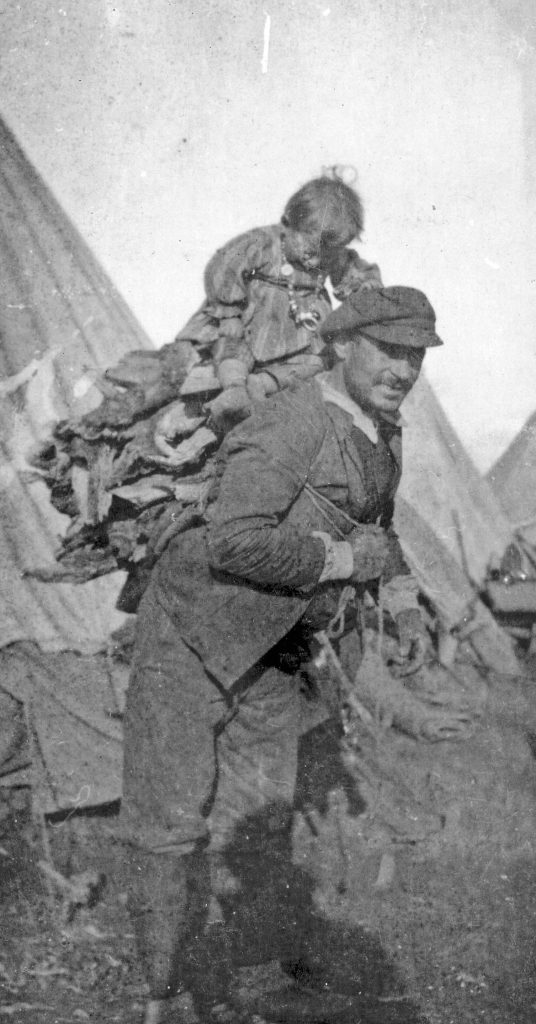
Out of the chaos of hundreds of thousands of people fleeing the forces of Mustafa Kemal in October and November 1922 – exactly a century ago – the 28-year-old Treloar was called upon to bring some semblance of order. Applying a combination of military experience and common sense, Treloar and his team utilised the meagre resources available from the disheveled Hellenic state and the League of Nations to establish feeding stations, transport routes and refugee camps.
Through the fierce winter of 1922-1923, Treloar had developed a long-term plan for addressing the multiple problems at hand. His plan was presented in a report to the Governor-General of western Thrace, Spyros Dasios, summarized in this extract:
“Our plan foresees the settlement [of] new villages, under tents of the Greek Government, assisting those being settled to erect dwellings for themselves as rapidly as possible so that the tents may be evacuated for use in the settlement of other refugees in other villages. … The principle of giving without receiving is erroneous. Under this system, the refugees adapt rapidly and are becoming, very simply, parasites, losing every desire to work and are rapidly reaching the conclusion that donated relief is a right from merciful God. Exchange in the form of work is of benefit whenever this is possible. No relief of any kind should be extended to those who refuse to work or to move where there is a possibility of finding work.”
As the northern winter of 2022-2023 begins, let’s remember the almost unbelievable circumstances George Devine Treloar and the League of Nations’ Mission faced in rescuing the survivors of the Genocides of the Hellenes, Armenians and Assyrians a century ago.
While 1922 was arguably the darkest year of the 20th Century for Hellenism, even 1922 held a few points of light, shoots of rebirth. In 2023, the villages Treloar and his team built out of pastures celebrate their centenaries. As Australian Hellenism, let’s celebrate with them. In 2023, let’s celebrate Australian helping hands to our ancestors in their hour of need.
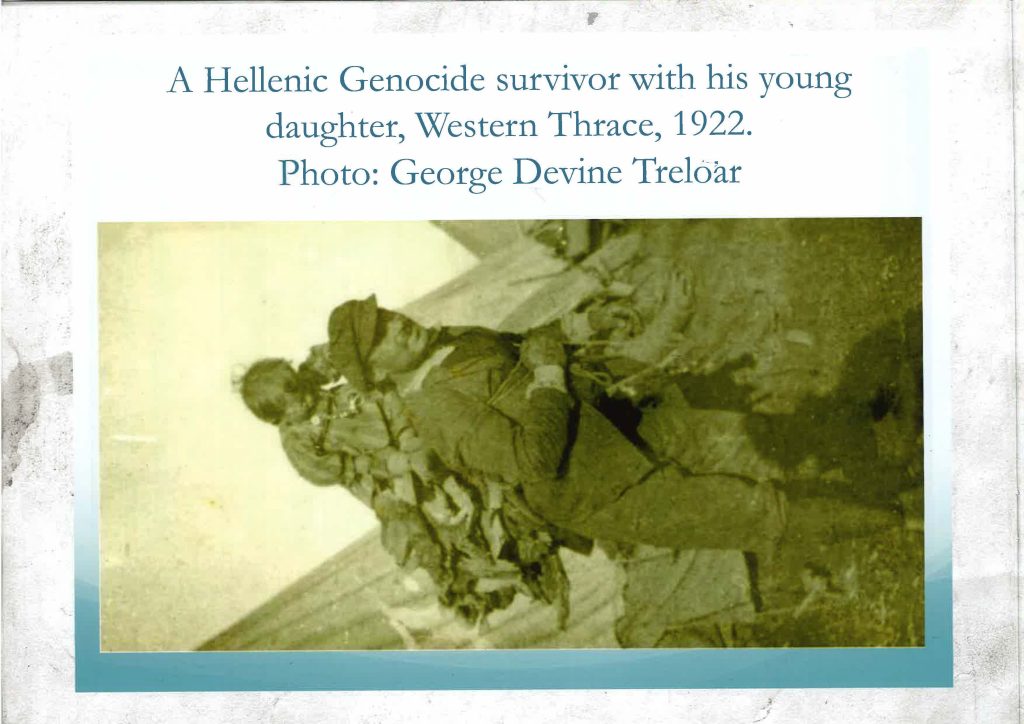
For many years, Dr Panayiotis Diamadis has been working with the Treloar family on research into the Mission and legacy of George Devine Treloar. They are in the final stages of preparing a publication of Treloar’s never-before-published photographs from his time in Macedonia and Thrace between 1922 and 1927.
Sydney FC came to win last night, and that they did against Scottish super team Celtic FC led by former Socceroo’s manager, Ange Postecoglou.
The teams went head-to-head in a match played at Allianz Stadium in Sydney’s east last night with Sydney FC dominating the field and ultimately won with a 2-1 score.
When Liel Abada’s shot deflected off Kyogo Furuhashi and into the nett in the 23rd minute, the host team may feel unfortunate to have given up the opening goal.
Robert Mak had Sydney FC back on level terms less than three minutes later though, winning a footrace against Celtic’s Stephen Welsh and earning himself a one-on-one with goalkeeper Benjamin Siegrist at point-blank range.
In the 60th minute, Max Burgess’ left-footed goal from the edge of the box gave Sydney FC a 2-1 advantage against the odds and the chance to pull off an unexpected victory.
Postecoglou is back in his native Australia on tour with the Scottish team who is set to play English Premier league team, Everton FC at Accor Stadium on Sunday 20th November.
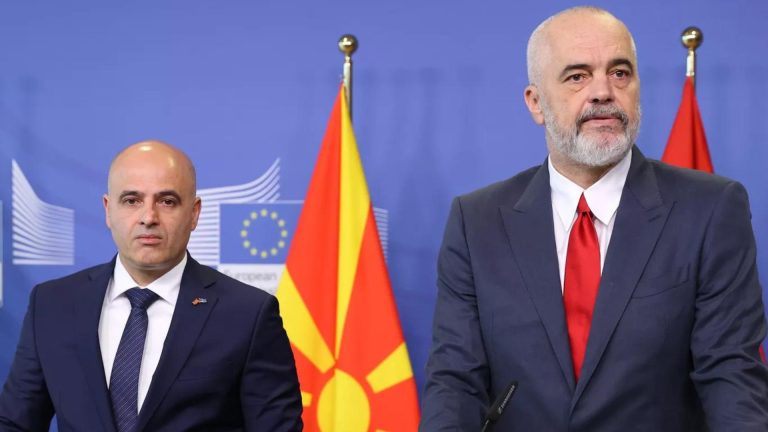
Prime Ministers of both North Macedonia and Albania have agreed to boost their cooperation, as both Balkan neighbours work towards their goal of one day joining the European Union.
Dimitar Kovachevski and Albanian Prime Minister Edi Rama pledged to cooperate on their EU bids during a meeting in North Macedonia’s capital of Skopje and also addressed the energy crisis triggered by Russia’s invasion of Ukraine.
During the Albanian Prime Minister’s visit, the two countries signed cooperation deals on energy and infrastructure projects.
“North Macedonia and Albania are a real example of how good neighbourly relations are built,” Kovachevski said.
“This cooperation is of great importance, especially during the global economic and energy crisis, with serious challenges in providing electricity and food.”
With the expectation that the process would take years, the two neighbours began membership discussions with the EU in July.
North Macedonia’s bid to join the EU has been held up by disputes with its neighbouring EU members Greece and Bulgaria, which have the power to block EU expansion as it requires unanimous approval by all member states.
After resolving a long-standing dispute with Greece, a new one with Bulgaria arose.
This comes as in recent years Greece and North Macedonia have pledged to also enhance economic cooperation.
Greece’s Prime Minister Kyriakos Mitsotakis has also called for the EU to commit to the accession prospects of Western Balkan nations.