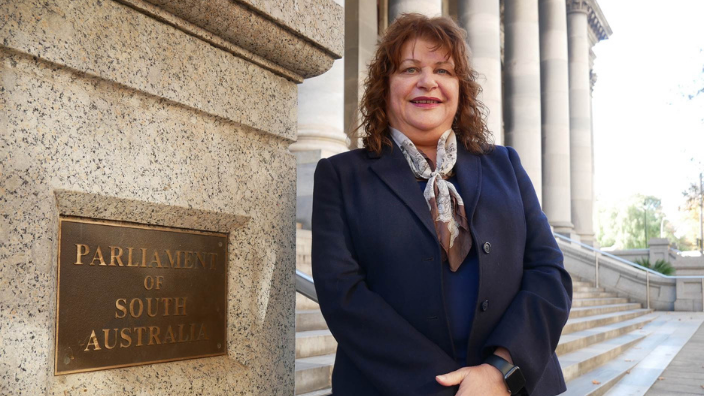
South Australian Labor MLC, Irene Pnevmatikos, was diagnosed with kidney cancer in 2022 and is now calling on the state government to provide more dialysis beds in regional areas.
In an interview with ABC News, Ms Pnevmatikos said she has to have dialysis three times a week after her kidney was removed.
She’s now using this personal experience to push the SA Government to do more for people with renal dysfunction and said a lack of dialysis beds in regional areas was a key concern because they could fill up quickly.
“It’s a priority, as far as I’m concerned,” she told ABC News.
At current there are only six beds in Mount Gambier, SA’s second largest city.
Ms Pnevmatikos said the number of South Australians needing dialysis had doubled over the past 20 years to about 14,000 but the number of beds they could use hasn’t.
The Member of the Legislative Council also said there should be state funding for a Big Red Kidney Bus in SA, similar to the buses driven around NSW and Victoria.
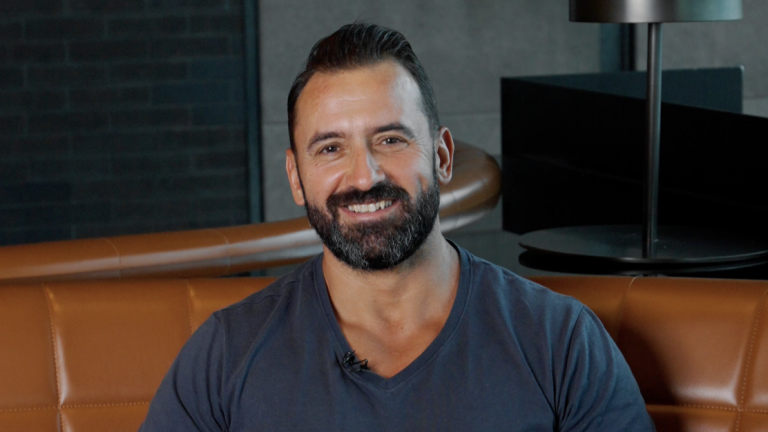
Crown Melbourne is set to welcome beloved Greek chef, Giannis Kalyvas, as he makes his return to the Melbourne culinary scene with a three-week long namesake pop-up, The Real Greek Chef, in the stylish Evergreen dining space.
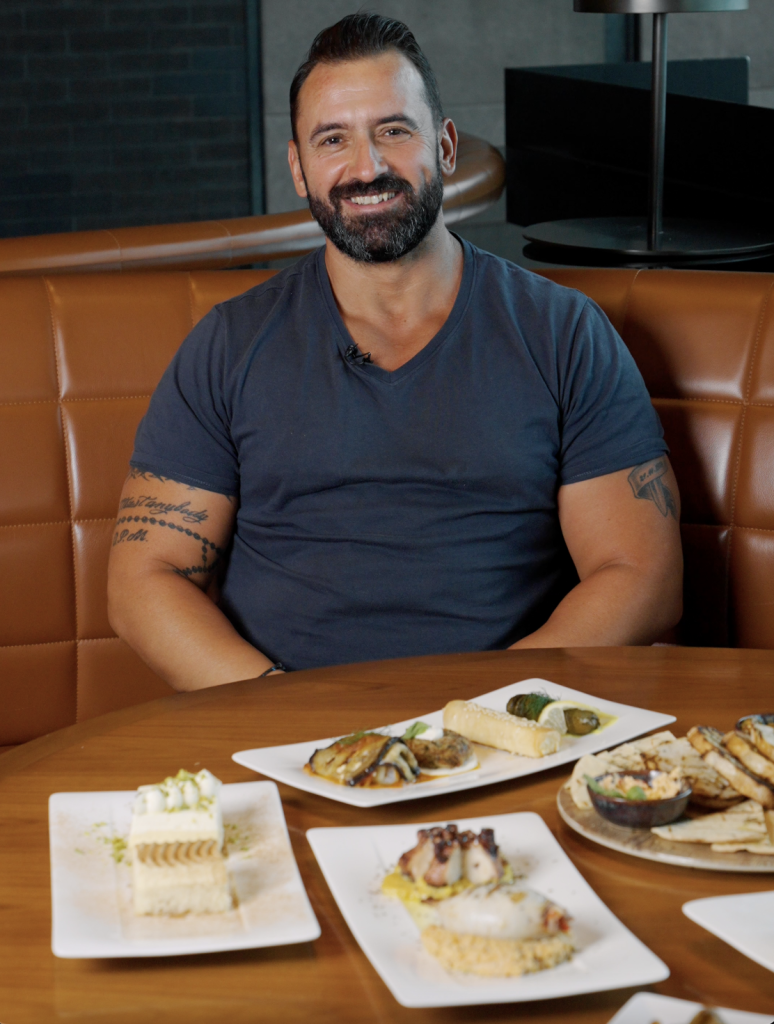
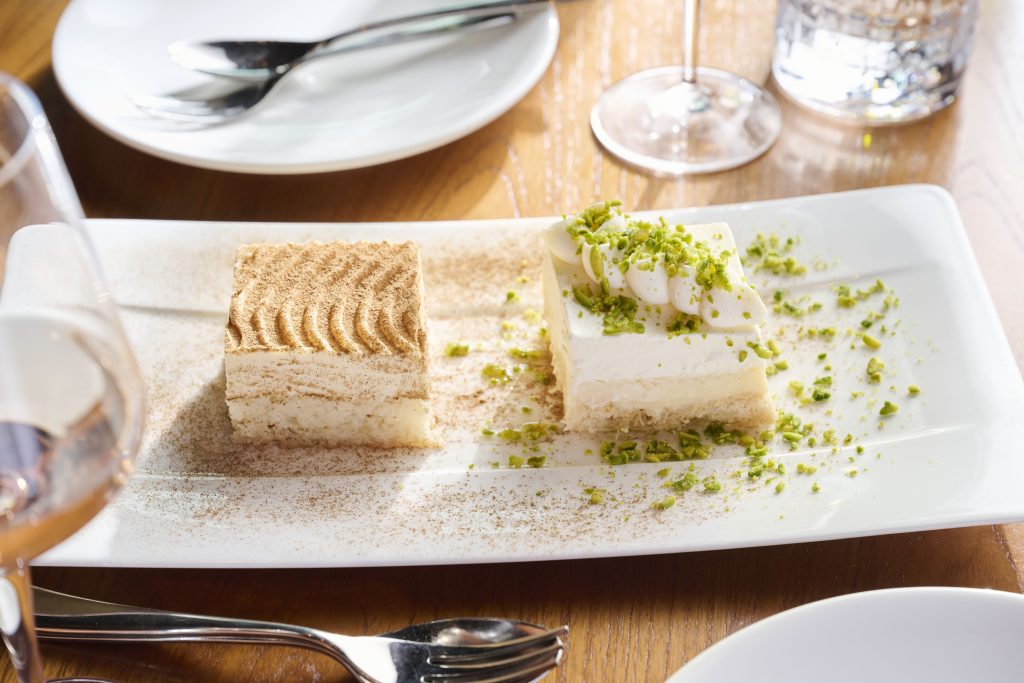
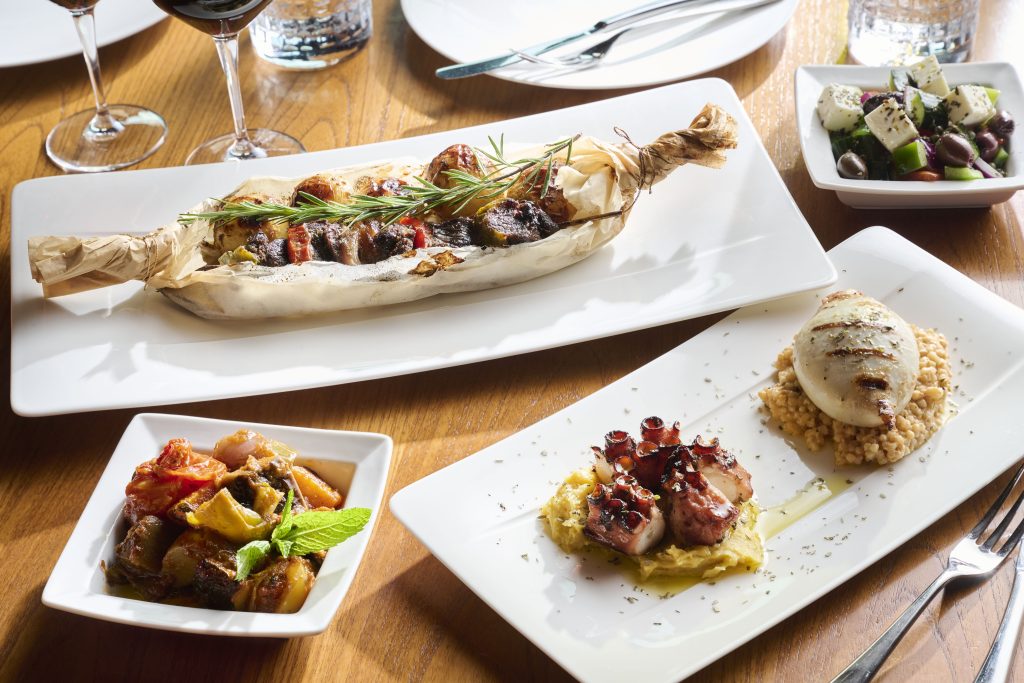
From 28 April, guests will be transported to the Mediterranean with a family-style menu of shared plates that combine the authentic flavours of Greek cuisine with fresh Australian produce, serving up crowd favourites such as Lamb Kontosouvli, Stuffed Calamari, Grilled Octopus and Ekmek Kataifi.
Giannis is a chef, food content creator and restaurant consultant who first appeared on the Melbourne hospitality scene upon moving to Australia in 2017 and opening his hugely popular Reservoir-based restaurant, The Real Greek Chef of Melbourne.
Giannis.
Crown Melbourne’s Executive General Manager of Food and Beverage, Enda Cunningham, said: “We take our role in Melbourne’s thriving hospitality industry seriously.”
“Crown Melbourne is proud to be working with some of the best chef talent in the country – and indeed the world – to further elevate our world-class culinary offering, providing guests with new and diverse dining experiences.,” Mr Cunningham added.
“Giannis captures the essence of his rich Greek culture with fresh local produce, distinct flavours and family-style dining. We are very pleased to be bringing this taste of the Mediterranean to Melbourne diners.”
As hospitality leaders in Australia, Crown has cemented its place as the prime destination for world-class culinary experiences through its unparalleled portfolio of diverse and widely celebrated restaurants across all three properties.
Food to be enjoyed.
Crown Melbourne’s partnership with The Real Greek Chef represents the latest example of this and Crown’s ongoing support for the hospitality industry’s revival.
Having built a significant fan following on social media, Giannis shares his heritage and Greek culture online through authentic and hearty Greek recipes and cooking content.
Giannis’ partnership with Crown Melbourne aims to deliver his passion for Greek food and his much-loved recipes to the plates of Melbourne diners.
With Melbourne’s Greek population ranking among the largest in the world outside of Athens, Giannis hopes to tap into his existing local Greek following, alongside new fans, via this not-to-be-missed pop-up.
Menu food.
“I’m excited to be returning to Melbourne, one of my favourite cities with many great memories at my first Australian restaurant,” Giannis said.
“The Real Greek Chef pop-up at Crown Melbourne combines all the things I love, paying homage to my Greek heritage using the fresh and vibrant produce that Australia has to offer, to serve some of my signature dishes that are close to my heart.
“Growing up in Greece, food is such an important part of our culture that brings people together, to be enjoyed with your families and friends. This is my vision for The Real Greek Chef pop-up.
“I can’t think of a better place to do this than at Crown Melbourne, an icon of the Melbourne hospitality scene who share my passion of providing high-quality food and service for a truly special dining experience.”
The Real Greek Chef restaurant pop-up will be at Crown Melbourne from 28 April to 21 May 2023. Bookings are now open and can be made at https://bit.ly/3MkCJaI.
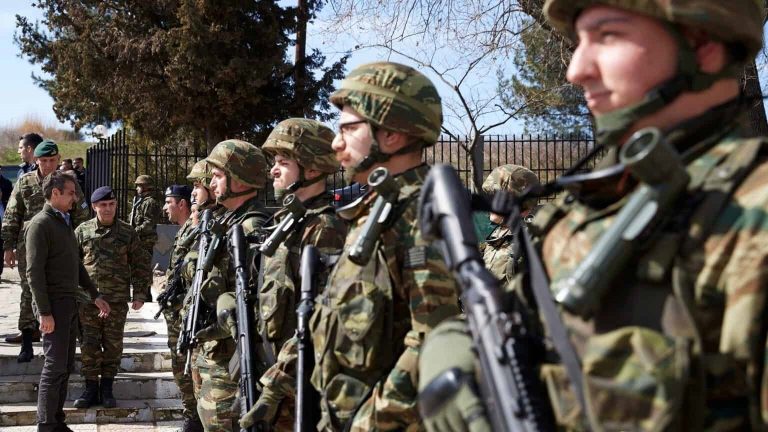
Up to 150 new border guards have been recruited for two northern Greek police directorates, according to a report by Ekathimerini.
The Greek Migration and Asylum Ministry and the European Union co-financed the recruitment with funds from the Border Management Fund – Border Management and Visa Instrument (2021-27).
The new border guards will be sent to police directorates in Rodopi and Kavala, located in Northern Greece.
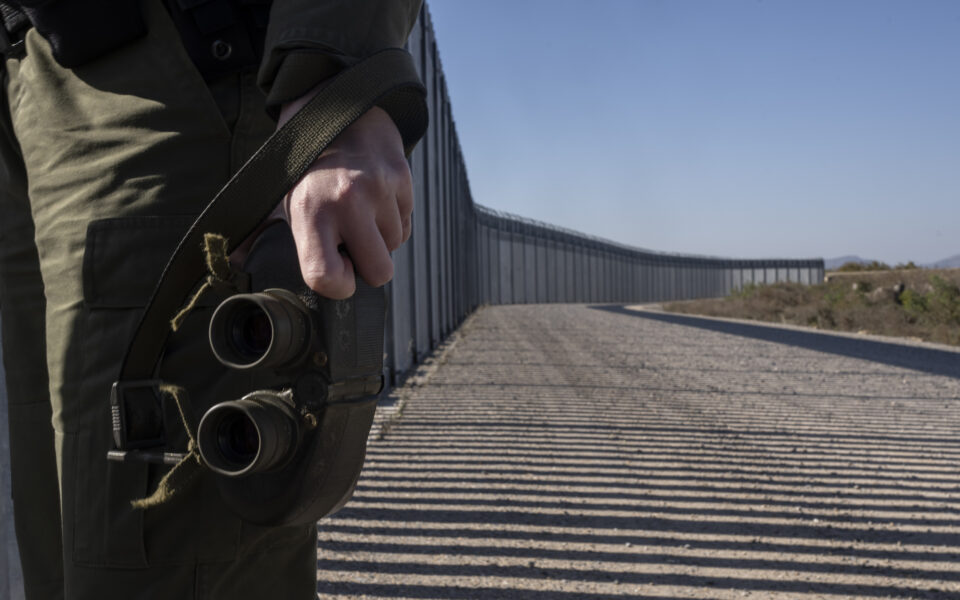
Police border guard holds his benoculars along a border wall near the town of Feres, along the Evros River which forms the frontier between Greece and Turkey, October 30, 2022. [AP]
Previous finance from the National Program of the Asylum, Migration and Integration Fund and the EU’s Asylum, Migration and Integration Fund sent 800 border guards to the North and South Aegean regional units.
At current, 250 border guards have been sent to the regional unit of Evros, one of the largest regional units of Greece which includes the island of Samothrace.
Around 480 guards have also been located in pre-departure detention centres in Greece including Xanthi, Amygdaleza, Tavros and Drama
April 6 marks the Remembrance Day for the genocide of Thracian people. For Thrace, Easter of 1914 was the Black Easter.
Implications of injustice, massive destruction and extermination of the Thracians extends to the present as the genocide affects the formation of identity and consciousness of their descendants.
Collective memory moulds identity: mentality, discourse, self-perception and all its dimensions, material and non-material culture, literature and mythologies, directly or indirectly refer to the past and the suffering, the need for remembrance and the what should have been.
Systematic atrocity: Backdrop of the Genocide of Ottoman minorities
The turn of the 19th century heralds the collapse of the “multi-ethnic, multi-religious Ottoman Empire,” manifested among a host of factors, such as the weakening of its once robust army, by the emergence of national independence movements, in tandem with opposing, imperialist European powers (Hoffman, 2022).
The movement of Young Turks, officially the Committee for Union and Progress (CUP), gave threatening rise to the Ottoman nationalism. As early as 1910, the German ambassador described violence as a seemingly unavoidable tool of “Ottomanization,” as the merger of numerous ethno-religious groups in the Ottoman Empire, reports Hoffman (2022). Months before the outbreak of the first Balkan War in 1912, retaliation had become a motif for destruction of the indigenous Christians in the Ottoman Empire, according to Hoffman (2022), while the Balkan Wars of 1912-1913 completed this radicalisation, as the actions against the Greek population of Eastern Thrace and the littorals of Asia Minor prove, concludes Hoffman (2022).
Namely, in early June 1915, Talaat, member of the CUP triumvirate, informed the German Embassy at Pera (Constantinople) about his government’s intention “to use the opportunity of the World War thoroughly to eliminate their internal enemies – the indigenous Christians of all denominations – without being disturbed by diplomatic interventions from abroad” (Hoffman, 2022).
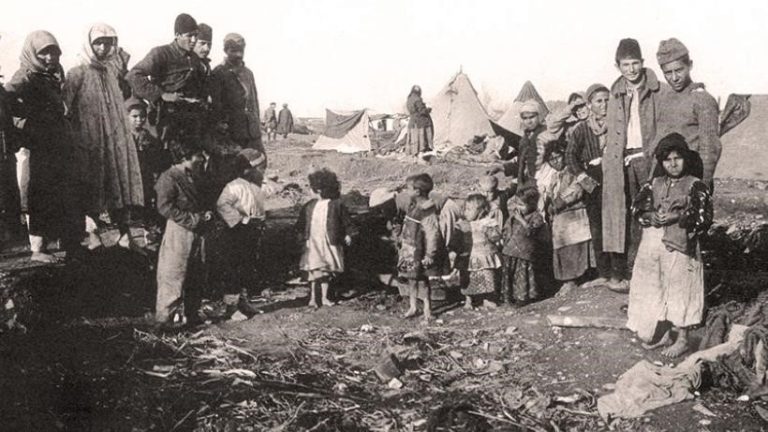
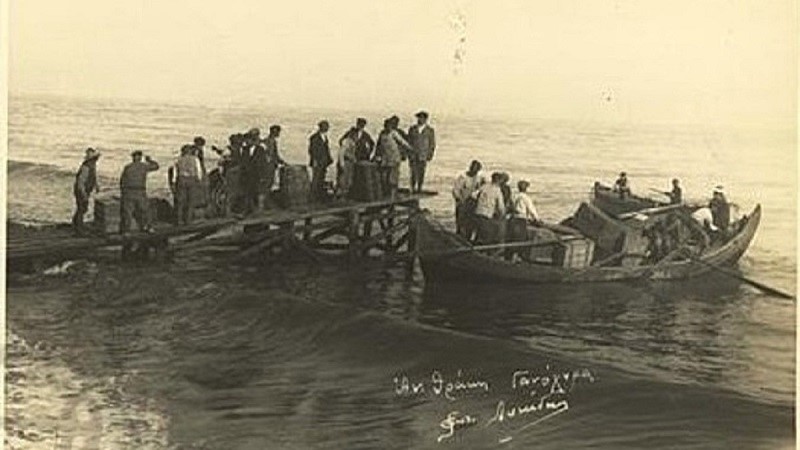
The Greeks of Ganochora fleeing their homeland, 1922. Photo: Georgios Lykidis. Source: Photographic archive EΛΙΑ-ΜΙΕΤ.
The Scale of the Genocide
Raphael Lemkin (the jurist who invented the term genocide in the 1940s) (Verdeja, 2012) has defined genocide as “the systematic destruction of whole national, racial or religious groups. The sort of thing Hitler did the Jews, and the Turks did the Armenians” (1946). Genocide is called the “crime of crimes,” “an odious scourge,” says Verdeja (2012). Its devastating aftermath persists through the generations.
The Greek Genocide began in the region of Eastern Thrace, otherwise known today as European Turkey or Turkish Thrace (Greek Genocide Center). At the beginning of the 20thcentury, the population of Greeks in Eastern Thrace was over 350,000; during the genocide, many of these people were exiled to Greece, while 100,000 were deported to the interior of Asia Minor but only half of them returned (Greek Genocide Center). Between the years 1912-1913, 15,690 Greeks were massacred in Eastern Thrace (Greek Genocide Center). In October 1922, Eastern Thrace was ceded to Turkey after the signing of an Armistice at Mudanya following the Hellenic military defeat in Asia Minor (Greek Genocide Center). Numerous killings and murders occurred during the Balkan wars, in particular at the time when the Ottoman army reoccupied Eastern Thrace in February 1913 (Hoffman, 2022). These massacres were organised by three successive governments, those of the Ottoman Sultan Abdulhamid I, the Young Turks and, finally, Ataturk (Morris, Ze’evi, 2019).
However, the persecutions in Thrace, observes Hoffman (2022), exceeded the traditional slaughters of Christians. This was the first time that thousands of Greeks were systematically dislocated from their villages and intentionally subjected to exhaustion and starvation during death marches, which were officially branded as relocations (Hoffman, 2022). Vakalopoulos, a Greek historian who concentrated on Thrace, mentions that, prior to the Balkan Wars, the Greek population of East Thrace numbered more that 350,000 people (Hoffman, 2022). The central commission of the Ecumenical Patriarchate, which was seated in Constantinople and supervised the re-integration of Greek Orthodox refugees following WWII, said 232,000 more Greeks from Eastern Thrace had been compelled to immigrate to Greece (Hoffman, 2022).
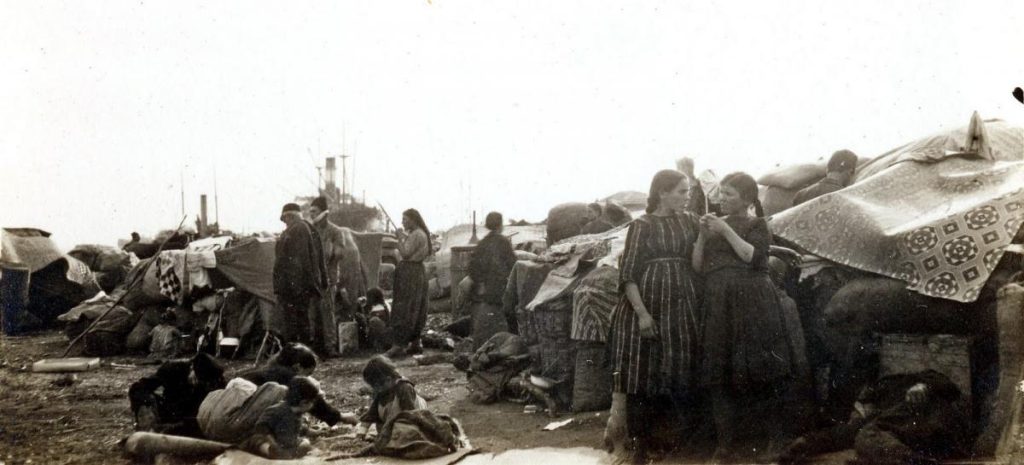
Refugees waiting for the ships camped at the Raidestos dock (early October 1922). Source: Ethnos.gr.
The term cumulative genocide (coined by Hoffman), means the serialised destruction, conducted in phases and with subsequently changing “crime scenes” in various areas of Eastern Thrace and Asia Minor (Hoffman, 2022).
Atrocities, burning, looting, expropriation, systematic deportation and slaughtering of the Ottoman minorities escalated up until 1924, exterminating the Armenian, Pontiac and Syriac populations. Winston Churchill called the World War I annihilation of the Ottoman Armenians “one administrative holocaust” (The Times, 1921). Arthur Neville Chamberlain confirmed the assessment of the situation, as given by High Commissioner Rumbold: “The Turks appear to be working on a deliberate plan to get rid of minorities” (The Times, 1922). The Turkish policy is extermination of these Christian minorities (New York Times, 1922). By 1924, the Christian communities of Turkey and its adjacent territories had been destroyed (Morris, Ze’evi, 2019).
Recognition of Genocide
Identity Shaping
The result of continued massive deportation and dissemination of hundreds of thousands of people since the Balkan Wars was a truly uprooted population (Hoffman, 2022). One burning question arises: how do the sufferers and their descendants, namely, us, process the trauma of such unspeakable scale? Does the pain express itself? Is the collective trauma of genocide, debasement, displacement reiterated into the narrative of our lives?
Hacking (1995) suggests that the only way to overcome these problems is to recover the memory of the original trauma and acknowledge it. For Hirschberger (2018), trauma fosters a sense of a collective self that is transgenerational thereby promoting a sense of meaning and mitigating existential threat.
Memory, says Eyal (2004), is the guarantor of identity and maintains it through time – a mechanism for retention responsible for the experience of being a self-same individual moving through time; memory, however, plays a role in overcoming psychic trauma and the processes of dissociation it sets in motion. Based on Maurice Halbwachs classical formation, collective memory “provides the group [with] a self-portrait that unfolds through time… and allows the group to recognise itself throughout the total success of images” (Eyal, 2004). Anthony Smith concurred: “one might almost say: no memory, no identity, no nation”. Nations, writes Rosenberg (1995), like individuals, need to face up to and understand traumatic past events before they can put them aside and move on to normal life.
Collective identity is anchored to a shared set of beliefs about the past. Collective trauma, an outcome of war and genocide enshrines the development of collective identity to the descendants of sufferers and outlives history. Everyday remembrance to the injustice and the sufferings is detected in the simplest rituals, daily discourse, material culture and folklore art. Being an ancestor of genocide victims or survivors forges an omnipresent sense of loss.
References:
Eyal, G. (2004). Identity and Trauma: Two Forms of the Will to Memory Author(s): Gil Eyal Source: History and Memory, Vol. 16, No. 1 (Spring/Summer 2004), p.p. 5-36. Indiana University Press. URL: https://www.jstor.org/stable/10.2979/his.2004.16.1.5.
Hacking, I. (1995). Rewriting the Soul. Blackwell, U.K.
Halbwachs, M. (1996). The Collective Memory.
Hirschberger, G. (2018). Collective Trauma and the Social Construction of Meaning. Frontiers of Psychology, 10 August 2018. https://doi.org/10.3389/fpsyg.2018.01441.
Hoffman, T. (2022). Γενοκτονία Εν Ροή. Cumulative Genocide. The Massacres and Deportations of the Greek Population of the Ottoman Empire (1912-1923).
New York Times. (1922). Kemalist War on Christians, Says 22,000 Greeks died on the March. New York Times, June 7, 19223.
Rosenberg, T. (1995). The Haunted Land: Facing Europe’s Ghosts after Communism. Random House.
Smith, R. (2015). The Ottoman Genocides of Armenians, Assyrians, and Greeks. Genocide Studies International. Spring 2015, Vol.9 (1). University of Toronto Press. URL: https://www.jstor.org/stable/10.2307/26986011.
The New York Times. (1946). Genocide Under the Law of Nations. The New York Times, January 5, 1947; Genocide, The New York Times, August 26, 1946.
The Times. (1922). Turkish Deportations-Confirmation of the Times Telegram. The Times, May 16, 1922, 21.
Verdeja, E. (2012). The Political Science of Genocide: Outlines of an Emerging Research Agenda. Perspectives on Politics. June 2012, Vol. 10, No. 2 (June 2012),p.p. 307-321. Published by: American Political Science Association. URL: https://www. jstor.org/stable/41479553.
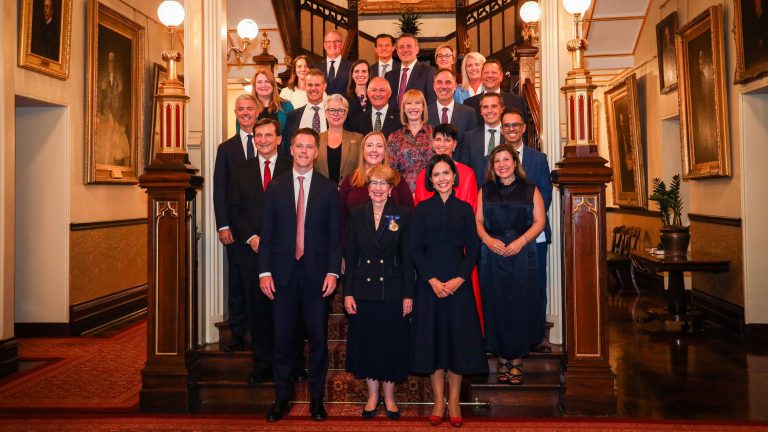
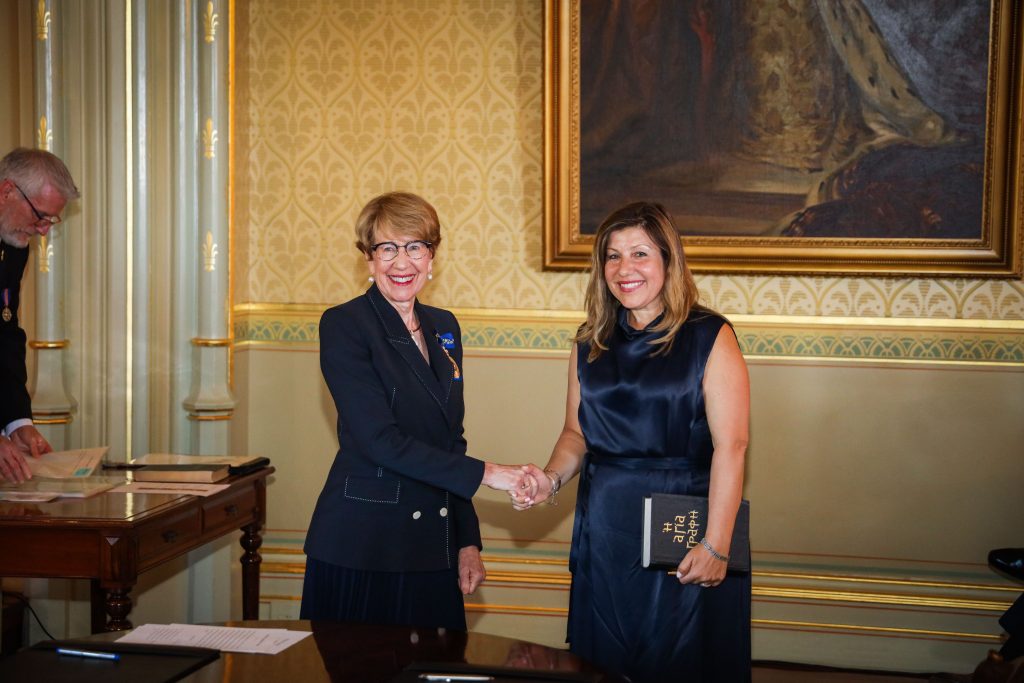
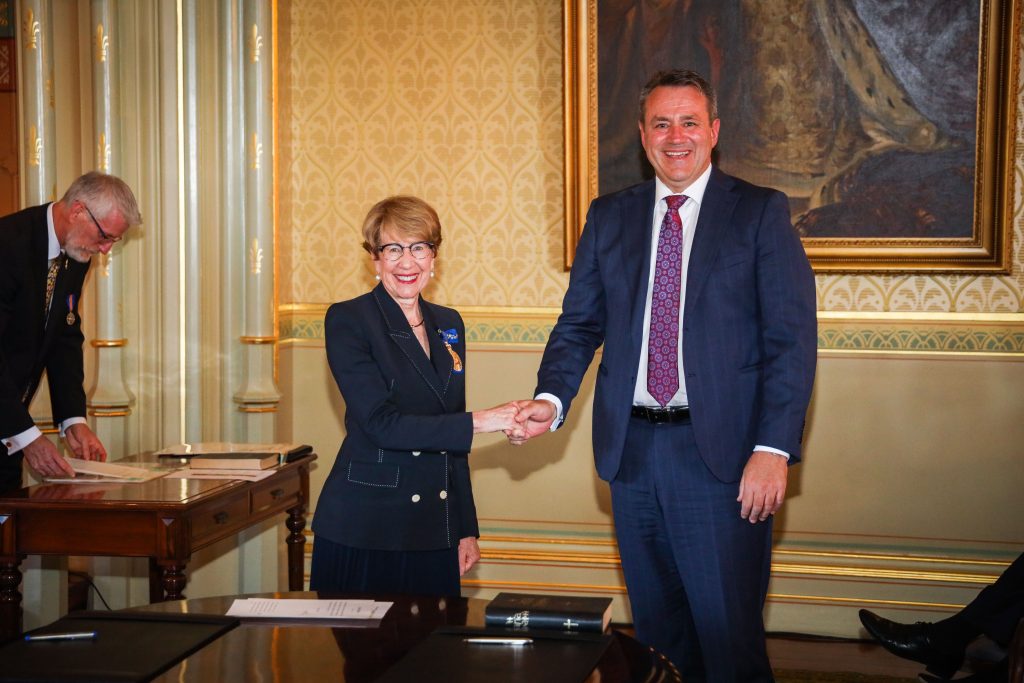
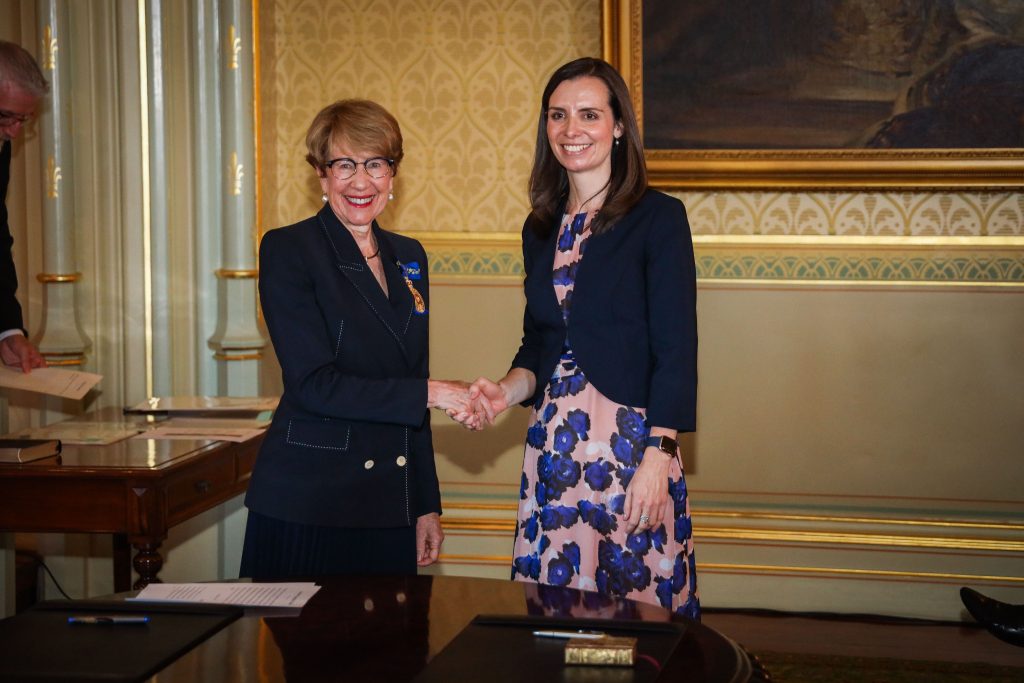
The swearing in ceremony was conducted by NSW Governor Margaret Beazley and saw a Minister being sworn in on the Quran and the Bhagavad Gita for the first time ever.
Anyone who's met @jihaddibmp knows that he's an incredible person – he also just made history.
Becoming the first Minister in NSW to be sworn in on the Qur'an.
The Minns Ministry is a reduced Cabinet of 22 Ministers but for the first time in NSW history, it is 50 percent women (excluding the Premier).
Of the Australian politicians with Greek heritage, Member for Canterbury, Sophie Cotsis MP, remained Minister for Industrial Relations and Minister for Work Health and Safety.
Sophie Cotsis. Photo supplied.Steve Kamper. Photo supplied.
Member for Rockdale, Steve Kamper MP, remained Minister for Small Business, Minister for Lands and Property, Minister for Multiculturalism and Minister for Sport.
Courtney Houssos MLC also became the first woman to take on the role of Minister for Finance and Minister for Natural Resources.
Courtney Houssos. Photo supplied.
In a post on Twitter after the ceremony, Premier Minns said the new Cabinet “will fight every single day for a better future for the people of our great state.”
“The responsibility bestowed on each of us is immense. We will not let you down,” Mr Minns added.
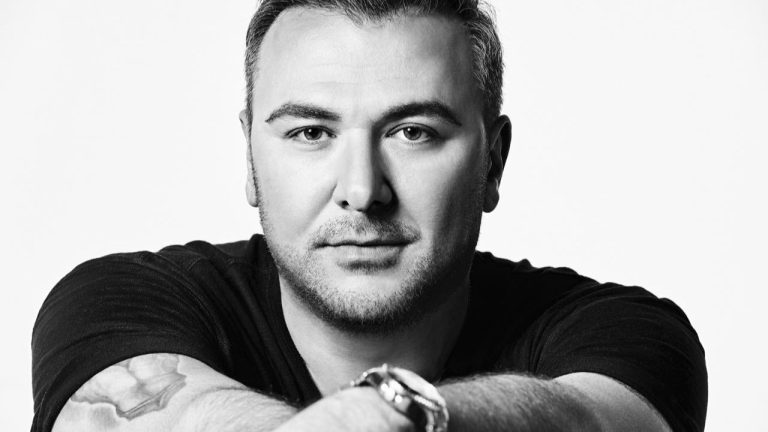
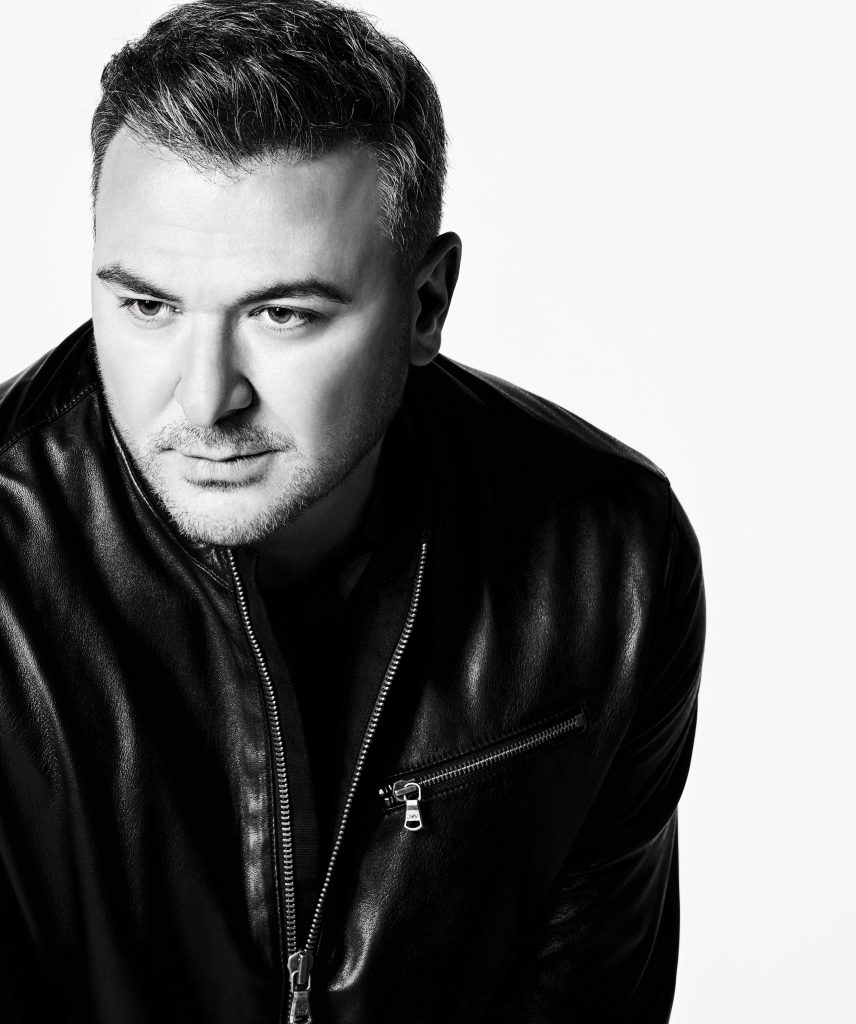
Ma De Ginete and Monos Mou are just some of the iconic songs which Greek singer Antonis Remos is expected to perform during his Australian tour this year.
In an interview with The Greek Herald ahead of his arrival, Remos promises to deliver a memorable show filled with his infectious energy, captivating vocals and greatest hits.
What inspired you to become a singer?
I don’t think anything inspired me to choose this profession. I believe that something inside me led me to this. Sometimes it’s an inner light that shows you the way. Somehow the universe conspires, life brings things your way and we lead ourselves where we feel happy. I believe that I could not do any other job. For me, singing is my oxygen. This is what I love to do and I feel blessed to be able to follow my heart.
Antonis Remos.
You were born in Germany to Greek parents. How does your experience as a member of the diaspora inspire your songs?
I did not have the opportunity to grow up as a member of the diaspora for a long time. I returned to Greece as a child. I can say that as a family we continued to maintain, on a collective and individual level, our relations with Greece, mainly emotionally but also culturally. We may have been in Germany, but we generously spoke about Greece with friends and neighbours. I carry what I can remember from that time – my parents working non-stop, people, images, my neighbourhood, the area I grew up in, the forest next door… for sure, all these experiential memories have influenced my songs.
What has been the highlight of your career so far?
For me, every new thing I do, every new collaboration, is a highlight. I don’t know which moment would be my top one because there are many collaborations, many songs and a lot of love from the world.
If I could describe the highlights of my career, one is the generous love of the world that has accompanied me for so many years. Secondly, the priceless gifts of the musicians who entrusted me to perform their songs, and thirdly the people who are legends of music who have supported me along the way. There are too many names to be listed.
You are travelling to Australia this year for a tour. How do you feel about this concert?
I always feel happy when I get to travel to Australia for many reasons. First of all, it is a beautiful country with smiling people. I am always impressed by the percentage of Greeks in Australia and how warm they keep Greece inside and around them. I am moved in Australia by the love that people show me and above all, by the love they have for their homeland, how moved they are when they hear Greek songs.
What can people expect to see from your concerts?
I promise to give my best at our concerts. With the promise to live unforgettable evenings. Lots of songs, lots of fun, lots of love, lots of emotion. Songs of mine that have been loved, as well as timeless songs by great Greek composers. I have with me a group of excellent soloists, musicians who are virtuosos in their genre, and I believe that we will live some special nights.
Do you have a message for Australian expats? Is there anything else you would like to express to our readers?
Be ready for the ultimate entertainment. I am coming and I wish that we will spend unforgettable moments together.
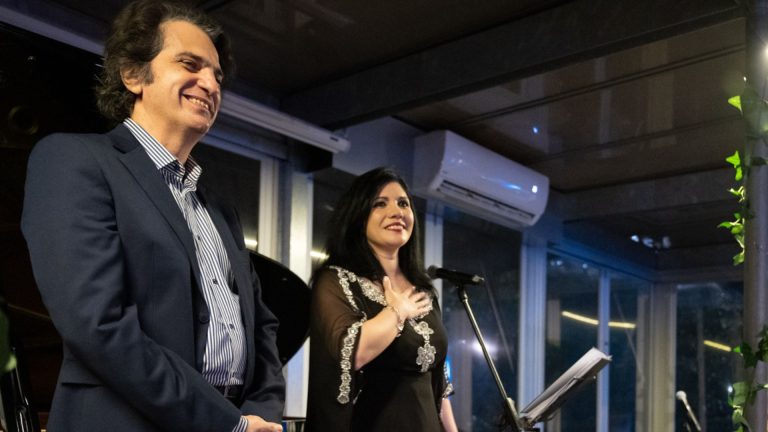
In an exclusive Australian concert, the Hellenic Museum welcomed and celebrated international musicians Vassilis Tsabropoulos and Nektaria Karantzi in Melbourne for a one-night-only, live performance titled Between East and West on Saturday, 1 April 2023.
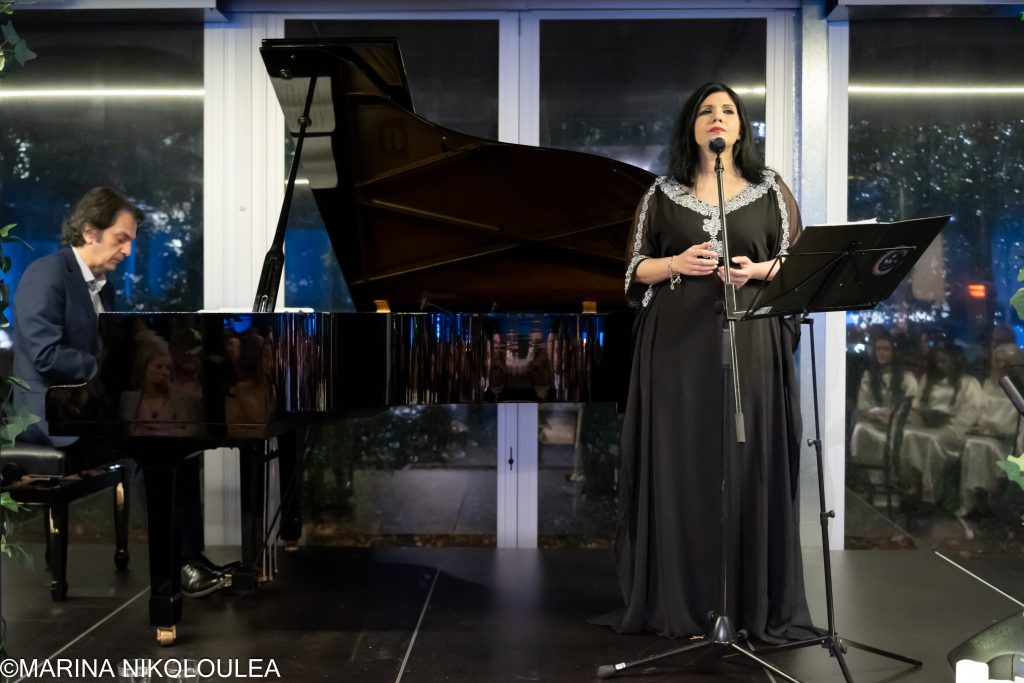
Vassilis Tsabropoulos is a virtuoso pianist, composer and conductor who has taken the stage with several of Europe’s most prestigious orchestras. Nektaria Karantzi is one of the world’s most influential voices in Byzantine and wider Mediterranean music traditions, and founder of the Worldwide Association of Women in Byzantine Music.
Together, they are an inspired musical marriage that results in a transfixing on-stage dialogue between Western musical culture and Eastern tradition.
Off the back of their successful European tour, they travelled from Greece exclusively for the Hellenic Museum’s Between East and West.
Sarah Craig, CEO of the Hellenic Museum, warmly welcomed Vassilis Tsabropoulos and Nektaria Karantzi to the stage with a speech highlighting the influence of the Byzantine Empire in the Mediterranean basin for over a millennium.
Byzantine music reflects the Empire’s cosmopolitan nature and combines its diverse poetic and musical influences – including ancient Greco-Roman styles, Jewish sacred music, Syriac chant, and western polyphony.
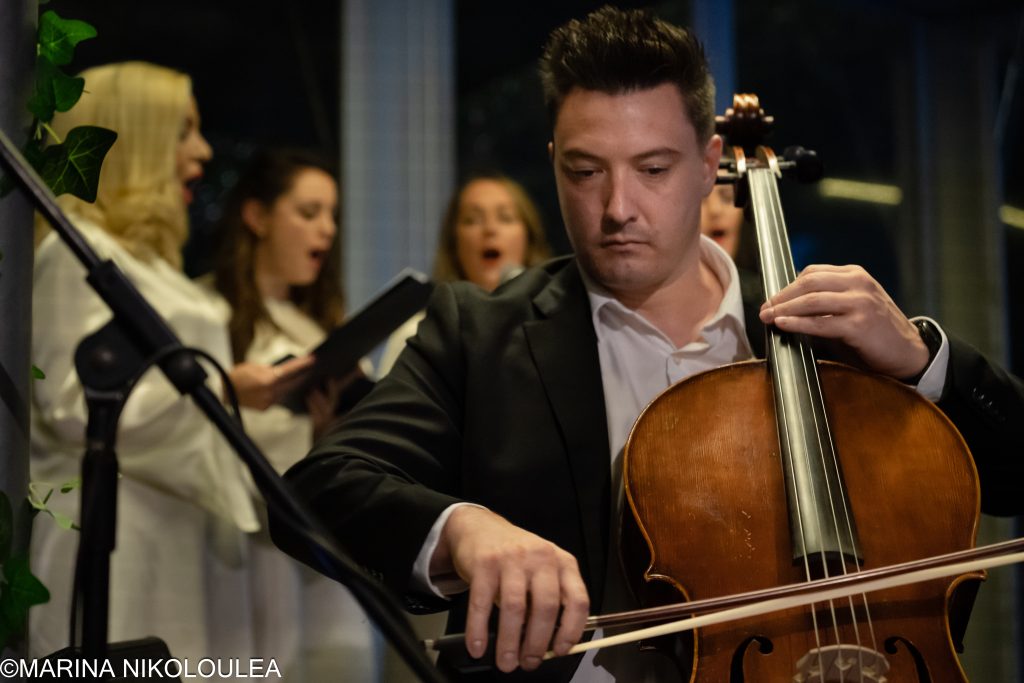
Vassilis Tsabropoulos and Nektaria Karantzi then graced the stage like humble royalty. They filled the Museum’s enchanting courtyard pavilion with mesmerising grand piano and voice over a two-hour live performance. They left not one dry eye in the house, as the audience described their performance as God-inspired, beautiful, soul-touching moving music.
An emotional standing ovation inspired Vassilis Tsabropoulos to masterfully lift the spirits of every audience member in a breathtaking piano finale after cries for an encore.
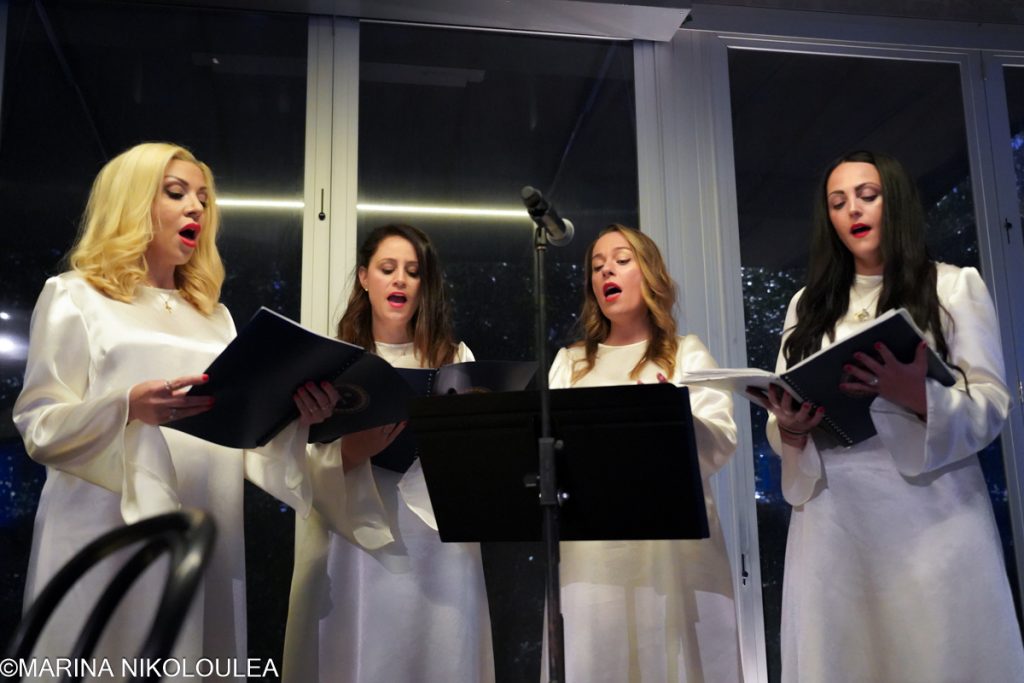
Their performance was supported by the Holy Trinity Brunswick – Serbian Orthodox Church Choir and the Psaltries Choir of Melbourne, who recently won an Award in Chanting Excellence at the international Orthodox Arts Festival. The choir holds regular rehearsals under the direction of Nektaria Karantzi and locally coordinated by Ioanna Nikoloulea.
The Psaltries Choir of Melbourne accepts requests for new members and hearings via email: women.byzantinemusic@gmail.com
Nektaria Karantzi
The Masterclass – with Nektaria Karantzi
On the afternoon of Sunday, 2 April 2023, a rare opportunity presented itself for students of all abilities to learn Byzantine Ecclesiastical Music from the world-leading vocalist, Byzantine Music professor, and founder of the Worldwide Association of Women in Byzantine Music, Nektaria Karantzi.
Since the tender age of 9, Nektaria Karantzi consistently dedicated her voice to the art of byzantine ecclesiastical music, which she studied and practiced, with the encouragement of Saint Porphyrios of Kafsokalyvia, who was her Spiritual Father.
The Masterclass
In parallel, she studied Law at the Aristotle University of Thessaloniki and completed postgraduate studies in Penal Law, Criminal Law Procedure, Criminology, and Ecclesiastical Law.
An essential part of Nektaria’s work is dedicated to teaching and disseminating Byzantine Ecclesiastical Music. Nektaria has run masterclasses at some of Europe’s most prestigious educational and music centers, including the Liszt Academy of Hungary, the Sorbonne University in France, and the University of Oviedo in Spain.
The masterclass participants
In an Australian first, she brought her Byzantine Ecclesiastical Music Masterclass exclusively to Melbourne’s Hellenic Museum. The three-hour Masterclass was designed by Nektaria Karantzi to maximize learning for students of all abilities, from curious beginners to advanced Byzantine chanters.
Nektaria Karantzi encouraged all attendees to continue their studies who left the Masterclass awe-inspired by her deep and insightful knowledge of Byzantine Ecclesiastical Music, edified and motivated to learn more.
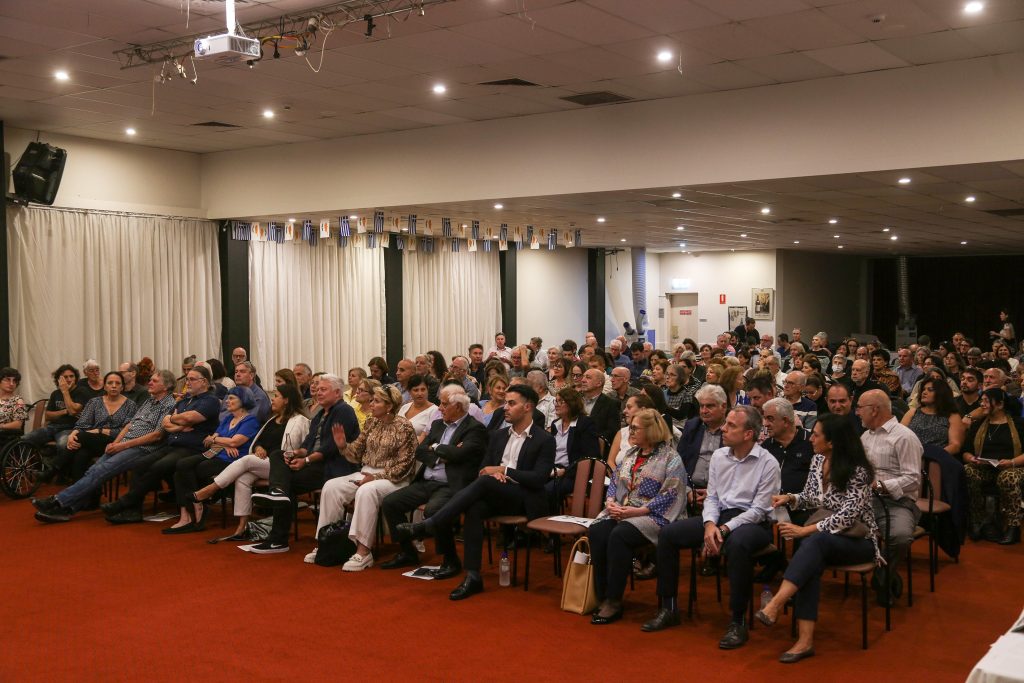
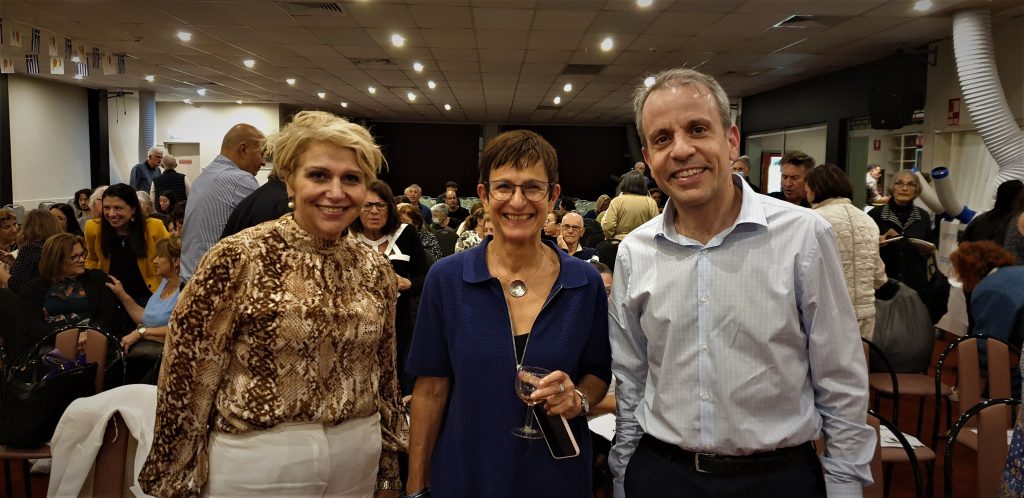
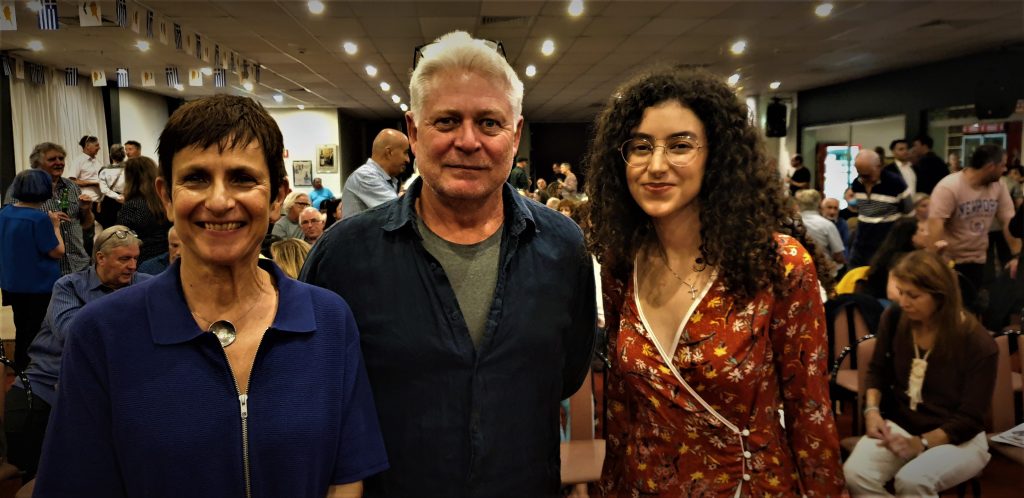
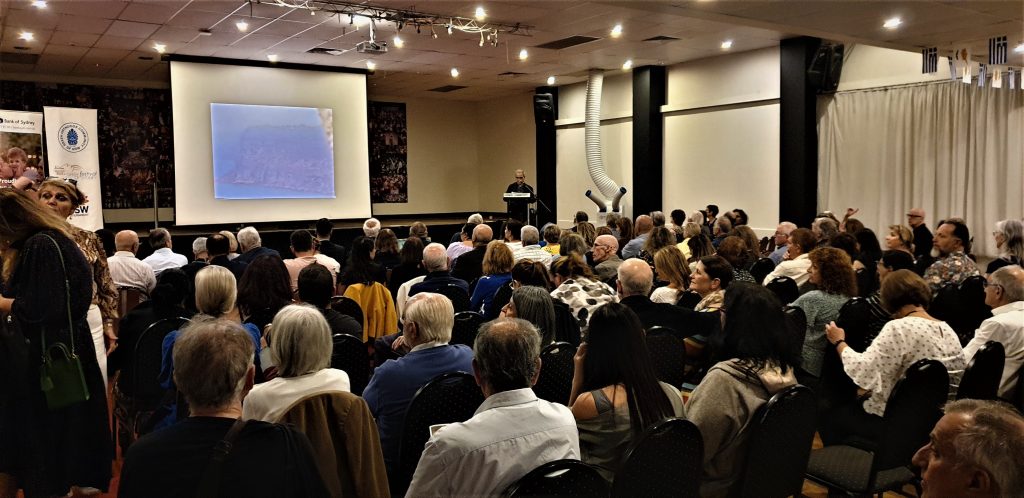
On Tuesday, April 4, the Cyprus community in Stanmore welcomed an audience of nearly 300 people for the screening of two documentary films by Australian Cypriot filmmaker and director, Kay Pavlou.
The films recalled the 1974 Turkish occupation of Cyprus and its ongoing impact on the people of Cyprus.
The evening was made possible with the support of the Greek Festival of Sydney.
(L-R) Kay Pavlou, Nia Kateris and Harry Danalis.Hundreds attended the film screening.
Present on the night were the Deputy Commissioner of the High Commission of Cyprus in Australia, Stavros Nicolaou; the Consul General of Greece in Sydney, Ioannis Mallikourtis; the Chair of the Greek Festival of Sydney, Nia Karteris; and the President of the Greek Orthodox Community of NSW (GOCNSW), Harry Danalis; amongst many others from SEKA and the Federation of Cypriot Communities.
(L-R) Nia Karteris, Kay Pavlou and Ioannis Mallikourtis.
The event attracted Cypriots, Greeks and many others from the wider community who wanted to learn more about the history of the modern day tragedy of a divided Cyprus.
The President of the Cyprus Community of NSW, Andrew Costa, said after the event: “The Cyprus Community Club in Stanmore is establishing itself as a venue for community events that are attracting wider member and community participation and this is a very positive development because we are tapping into the needs of our members and the wider community.”
“Tonight, Kay’s films not only informed many of the history of the occupation and ongoing division of Cyprus, they raised emotions and strengthened all our resolve to end the almost 50 years of illegal occupation,” Mr Costa added.
Kay with more guests.
Those present were able to see rare footage of the initial impact of the Turkish invasion on the Greek and Turkish communities, which were separated by a dividing line between north and south.
Kay highlighted the plight of one particular Greek Cypriot village, which was stranded in the far northern tip of the Cyprus Peninsula – Rizokarpaso. Her ancestral home remains in the Turkish occupied zone.
The films reminded everyone present about the emotional personal and economic impact of the Turkish invasion, which continues to this day.
Andrew Costa gave a speech.
Nicosia, the capital of Cyprus, remains the only divided city in the world. Turkey continues to ignore United Nations Resolutions on Cyprus and international pressure to withdraw its military occupation of the occupied areas north of the Green Line.
The film night also highlighted the once popular city of Famagusta. Previously home to 40,000 Cypriot inhabitants and a thriving seaside destination known as the Paris of the Mediterranean, remains to this day uninhabited, a ghost town, as a terrible memorial to the events of 1974.
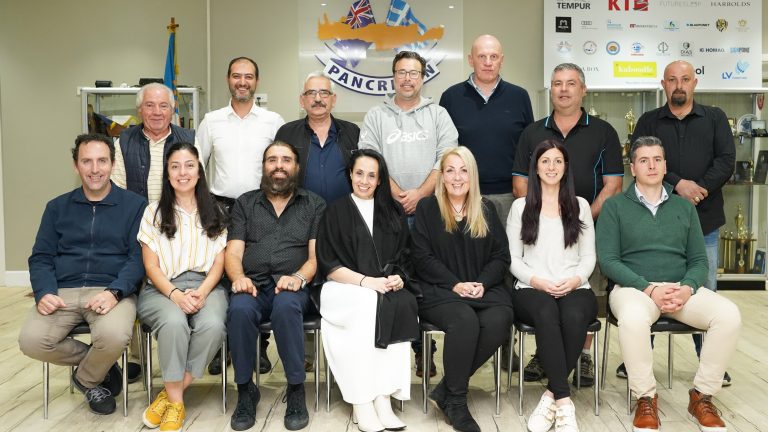
During the election, the Pancretan Association elected the second woman President in its history, Aggie Mihelakis. Ms Mihelakis accepted with great honour the challenge to head the Association moving forward.
“It is my honour and privilege as a member of this Association to continue the values of respect, duty, loyalty and selfless service to this organisation in preserving our Cretan culture by providing an environment whereby our next generation will continue to thrive with the same passion of our fore-founders,” Ms Mihelakis said.
The Board consists of a total of fifteen members and they are as follows:
Aggie Mihelakis President,
Mary Rissakis Vice President A’,
Dimitris Papadimitrakis Vice President B’,
Petros Fragkiadakis Secretary,
Joanna Psarakis Assistant Secretary,
John Karadakis Treasurer,
Spiro NikolakakisAssistant Treasurer,
George SevastakisPublic Relations Officer A’,
Paula SagiadellisPublic Relations Officer B’.
Committee Members: George Leondakis, Manolis Leondakis, John Kontekakis, John Dermitzakis, John Nikolakakis and Nicholas Ligidakis.
The Liberal Party has announced its formal opposition to the Federal Government’s model for an Indigenous Voice to Parliament, ABC News has reported.
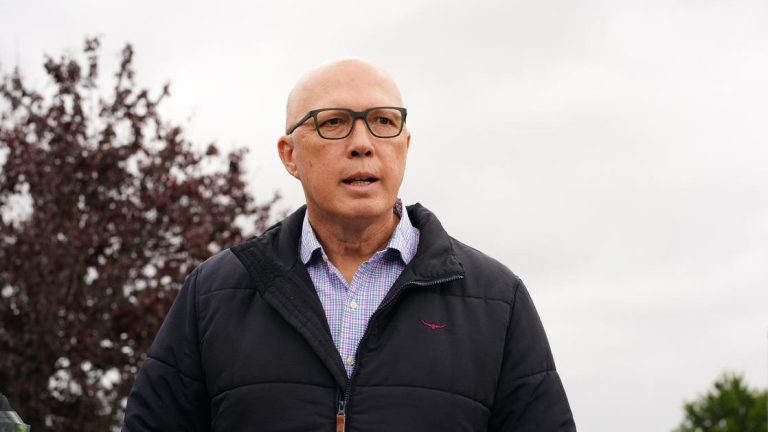
Opposition Leader Peter Dutton said while the Liberal Party supported recognition of First Nations people in the constitution, it does not support a constitutionally enshrined consultative body.
This decision came after a party room meeting in Canberra today.
A Voice to Parliament was put forward by Aboriginal and Torres Strait Islander elders and community members through the Uluru Statement From the Heart in 2017.
Australians will vote later this year on whether an independent advisory body for First Nations people should be enshrined in the constitution.