Home Blog Page 1034

Interpreter Soula Tousimis gives a voice to the vulnerable at The Alfred in Melbourne

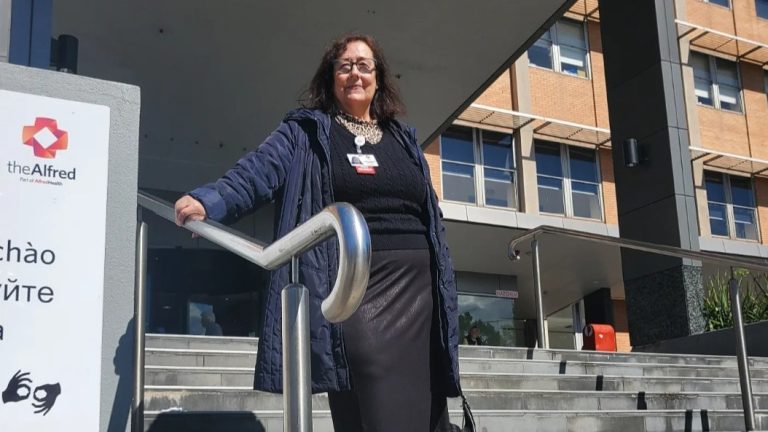
Soula Tousimis celebrated her 25th working anniversary at The Alfred hospital in Melbourne, Victoria on June 11, 2021.

“Where did the years go?” she says, her voice slightly worn.

Despite the rewarding nature of the medical career milestone, Soula’s recollection of what she has experienced in her role tells a story of what she describes as a “home away from home” and “more than just a job.”

At the age of 11, Soula arrived in Australia after bidding farewell to her home in Greece, family by her side, not understanding a word of English. She attended Westgarth Street Primary School shortly after settling in to her new house in the northern suburbs of Melbourne, where her language skills were initially cultivated.

Her parents, both in their mid-forties at the time, relied on her voice and what she was learning at school in order to, in her words, “live.” She became the “interpreter” of her household, already taking on a role from a young age that she had no idea would one day become her life’s legacy.

Now 65, Soula is one of The Alfred hospital’s three Greek interpreters – a household name in her department. She was honoured with her 25 years of service by The Alfred hospital almost two years ago. Since then, she has only seasoned her skills further.

Soula shared some of her experiences with The Alfred’s Communications Team in March of this year, spreading insight regarding her versatile role during the hospital’s cultural diversity week.

She not only works alongside doctors and nurses, but forms an integral part of what is known as ‘Allied Health,’ a greater team made up of social workers, occupational therapists, speech pathologists, physiotherapists, other interpreters and translators. The families of patients are also involved in her everyday work, supporting their loved one while constantly observing the accuracy in language delivery of the interpreter.

Soula has also been a member of the Health Workers Union for 20 of her 26 years at The Alfred which, she says, has further “enriched her role and overall experience.”

“Through the union I was granted the capacity to advocate for my job in ways that addressed and fought to maintain fair working conditions, especially during the peak of the pandemic,” Soula says.

Soula gathers (left of centre) with some of her team from The Alfred’s language services department. CREDIT: IDA GIACCIO.

‘Without knowing the language, it’s like walking blindfolded’:

I ask Soula whether she would make the choice to become an interpreter if she could go back and do it all over again. She flashes a bright grin and without any hesitation says “yes,” while putting two thumbs up.

“I found a family away from family… they understood what it was like to grow up in Australia without a strong level of English and how that feels,” she says.

In fact, she attributes her interpreting role to the specialised level of both Greek and English that she uses interchangeably today, her constantly evolving skills in communication and overall confidence with others.

“Without knowing the language, it’s like walking blindfolded,” Soula says. “When I learnt how to communicate, I wanted to help others communicate, too… to pay it forward.”

As for the challenges involved in her work, the act of giving your own view is not allowed and “acting like a machine” that “transmits information” is what she describes as “necessary.”

There’s a sense of fearlessness in her voice as she discusses the “duty of care” to her patients, mentioning the importance of clear interpretation while acting as the “bridge between patients and health care professionals,” as it can “make the difference between life and death.”

Soula, looking out of the window with a distant expression in her eyes, reminisces on her varied days at the hospital, recalling her medical journey over the two plus decades.

From her first days as an interpreter and the introductions of angiograms, to witnessing valve replacements live at the hands of specialised surgeons, the medical education obtained in practice, she declares, has added even further to her list of previous academic achievements. She undertook and completed studies at multiple universities earning her a Diploma in Interpreting and Translating from RMIT, a Bachelor of Arts from Latrobe, and a Postgraduate Diploma of Education from the University of Melbourne.

“I never thought that I’d become an interpreter until I completed my first Diploma which led me to further studies… looking back on it all now it actually made sense all along,” she laughs.
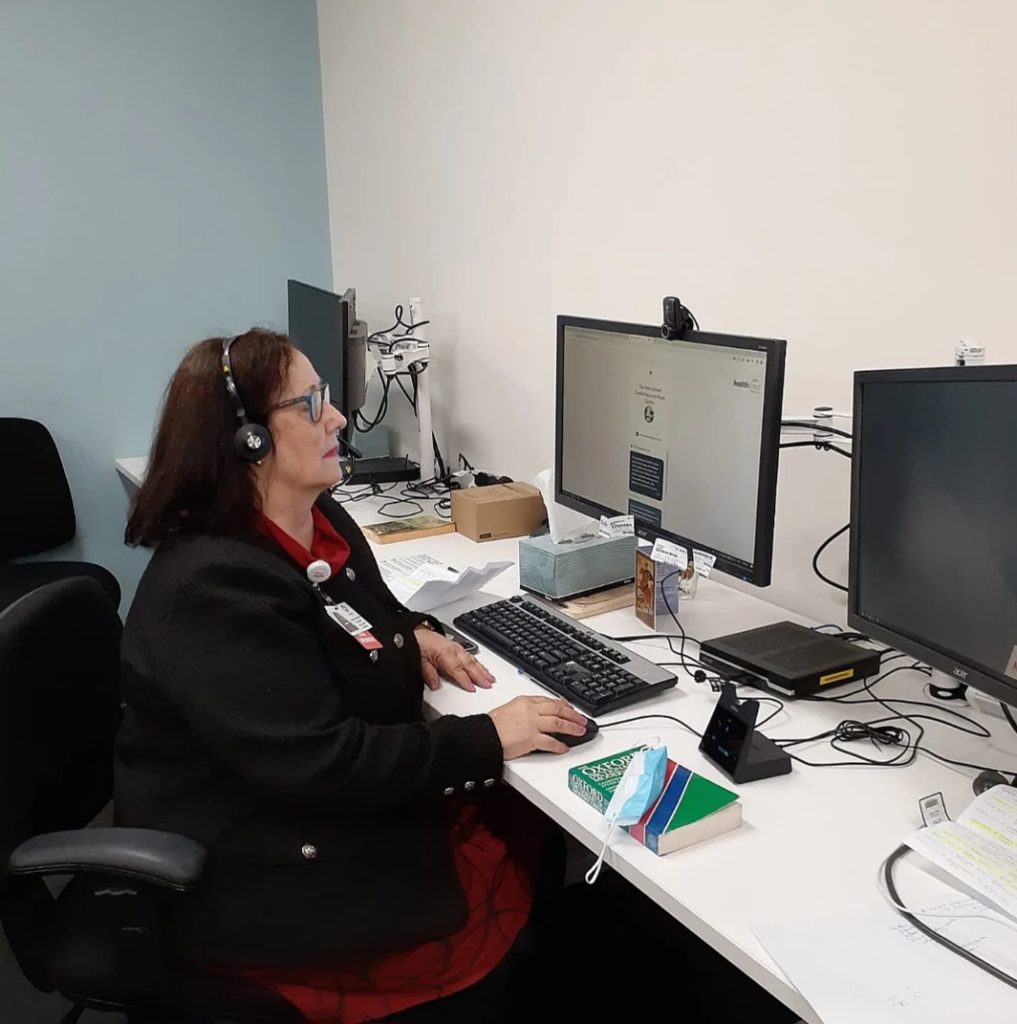
Soula prepares for her next patient through telehealth. CREDIT: CHRISTINE FILIPPIDIS.

‘We have had to tell patients to stop breathing…’

At the age of 38, Soula took a chance and surrendered to a role that gave her more than she ever dreamed.

“I was the only Greek interpreter when I joined The Alfred in 1996… now with our team of three, plus the other four interpreters registered with different languages… it feels like a little family. It’s one of the many reasons I love the job,” she says.

After so many years in the position, Soula reveals that many people today still don’t know much about the lengths that interpreters go to in order to support other health professionals and their patients.

During her appointments where patients are undergoing heart procedures, she is legally required to be present, dressed in full PPE gear including a led apron and collar to ensure protection from radiation coming from the medical equipment.

“There are times where my team and I have had to tell patients to stop breathing in order to be still for an x-ray scan. Interpreters have a lot weighing on their shoulders, even more so in recent times due to COVID-19,” she says.

Soula is keen to stress that the developments in technology during the pandemic have also added to the expectations of the role.

“We went from face-to-face, to phone-to-face… this took me a little getting used to as I’m not as confident with my digital skills, but I have learnt so much,” Soula explains.

The ‘Video Interpreting Project’ alongside ‘a new in-house telephone interpreting service’ was established, maximising the use of technology through ‘telehealth’ appointments and further utilising the skills of existing interpreters. Soula realised that this innovation also meant a slight change was needed regarding the way that her skills would be expressed.

“You’re not only passing on words, you’re passing on their (patients) feelings too. Through phone and video conferencing it increases the challenge. I found that it really tested my abilities and reaffirmed my professional boundaries which helped me find a revitalised sense of safety,” she says.

According to the Victorian Healthcare Experience Survey (VHES) conducted as part of The Alfred Health Annual Record 2021, 92% of patients reported their overall quality of care as either good or very good. Similar results have been found for the 2022 Annual Record.

Soula has to drive to work but before she leaves, she shares with me her tips for those who want to know what it takes to be an interpreter. She pauses briefly, tucking at her badge before saying, “you have to be impartial, that’s first… then comes compassion, dedication, accuracy, a strong desire to help people and overall – endurance.”

She adds: “If it’s in a hospital environment, you can’t be afraid of hospitals and blood… you must feel at home when you enter the grounds of a hospital. During a bone marrow biopsy, months ago, a new nurse advised me not to come into the procedure just in case I fell ill. I told her that I hadn’t fainted in almost 26 years.”

She takes a huge breath in before mentioning: “It’s challenging and every day is emotionally exhausting. You really have to love it and enjoy working with people. For me, it’s been an absolute privilege and an honour.”

*The role of an interpreter in accordance with the Department of Health and Human Services Victoria can be found here: https://bit.ly/42mFTiR

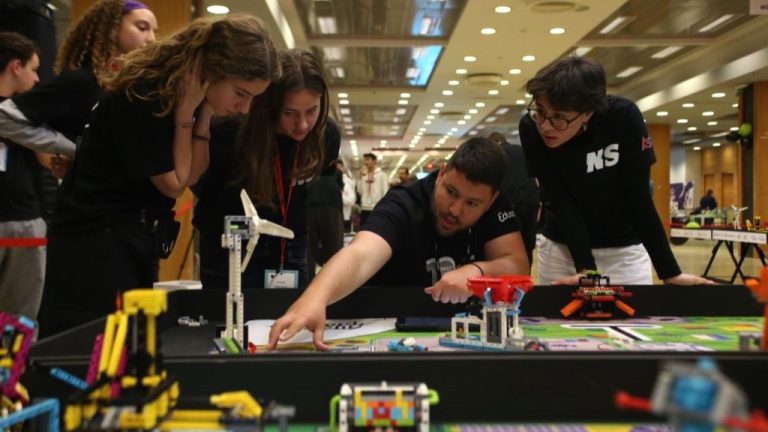
Sydney’s Laconians help Spartan robotics team achieve championship dream

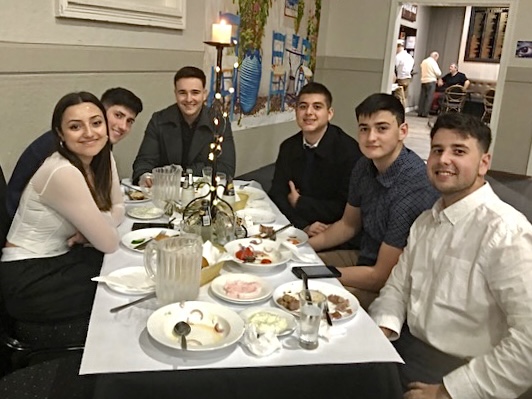
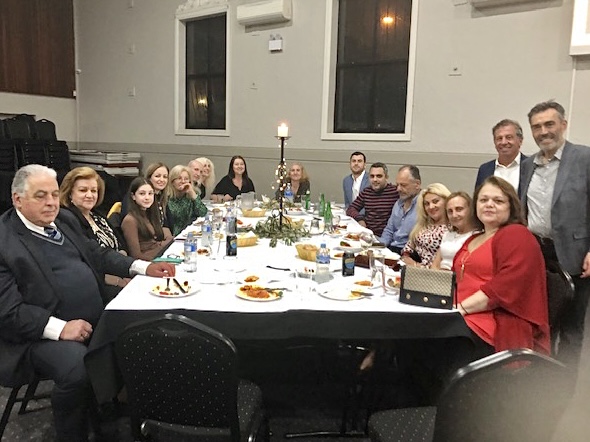
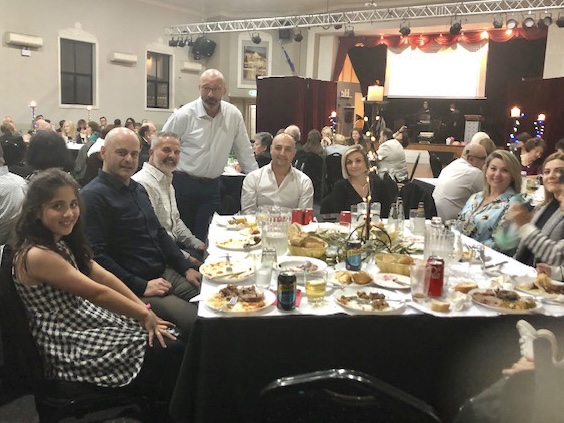
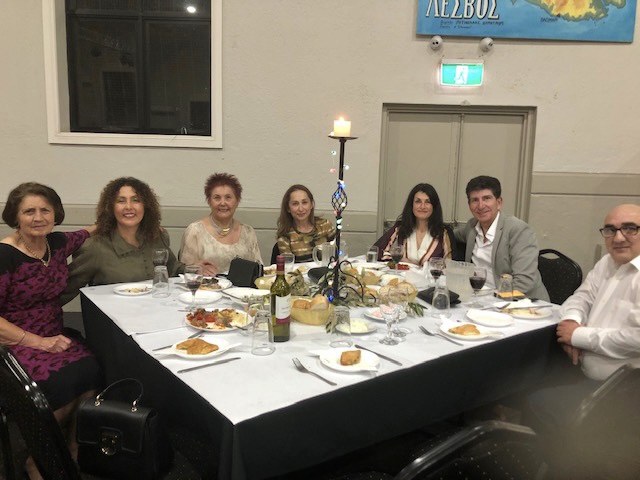
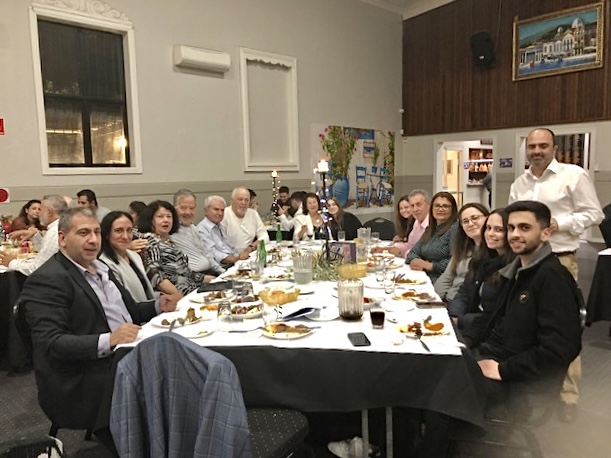
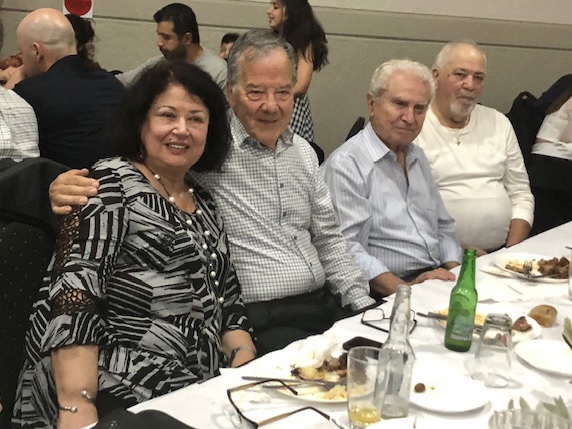
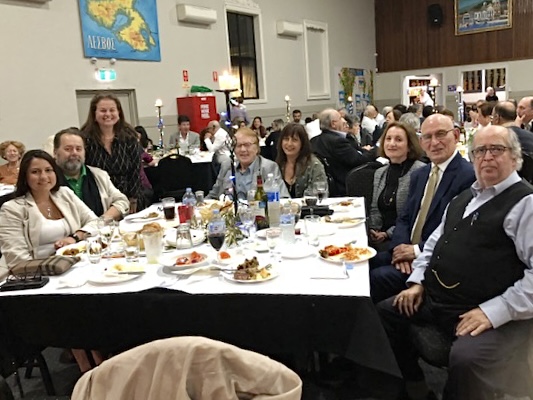
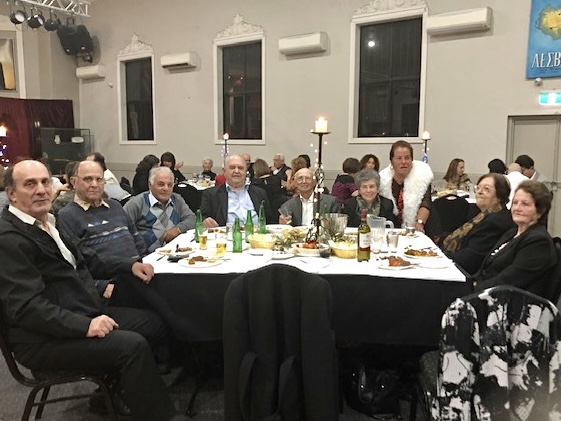
The Laconian Federation (NSW) held a successful event on Saturday, June 3 at the Mytilenian House in Sydney to raise money in support of a high school robotics team from Sparta, Laconia.

The team will represent Greece at the Asia Pacific Open Championship 2023 for the FIRST LEGO League Challenge being held at Macquarie University in Sydney from June 30 to July 2. 

The students were worried the financial cost of travelling to Australia would stop them from competing, but the Laconian Federation’s event has made their dream a reality after raising $15,000 on the night.

The event was attended by representatives and members of six associations in NSW representing various regions of Laconia.

Present on the night was also Bill Skandalakis, President of AHEPA NSW; Kostas Lianos, President of the Anatoli Lodge; Patricia Koromvokis, Head of the Modern Greek Studies Program at Macquarie University; John Theodoridis, Secretary of the Macquarie University Greek Studies Foundation; Yiannis Koromvokis, award-winning Laconian journalist; Jim Tsolakis, Director of the Australian Hellenic Choir; Katerina Vetsikas, President of the Panachaian Philanthropical Association; among many others.

Christos Apostolakos acted as master of ceremonies on the night, welcoming and thanking the members and friends who attended the event, as well as the fellow Laconians of Canberra for their financial contribution.

Then the President of the Federation, Anastasios Kokkoris, addressed a warm greeting to everyone and explained the purpose of collecting money for the Laconian robotics team.

The evening continued with the sale of raffle tickets, Greek dancing, live music and singing by Tassos Lambrou.

NSW Community Language Schools hold inaugural cultural show

Community Language Schools in NSW have demonstrated in a spectacular way that they are doing much more than maintaining community languages for the next generation.

Sydney Town Hall has hosted the inaugural NSW Federation of Community Language Schools Performance Spectacular on Sunday, June 4 with the songs and dances of dozens of cultural backgrounds on show.

Welcoming the large audience to the Town Hall, the President of the Federation, Lucia Johns, told them how it came about: “We talked about organising a big event where our community language schools could showcase their cultures and the richness of their traditions. It would be an opportunity for us to show the beauty of the work done by the many community language schools every week.”

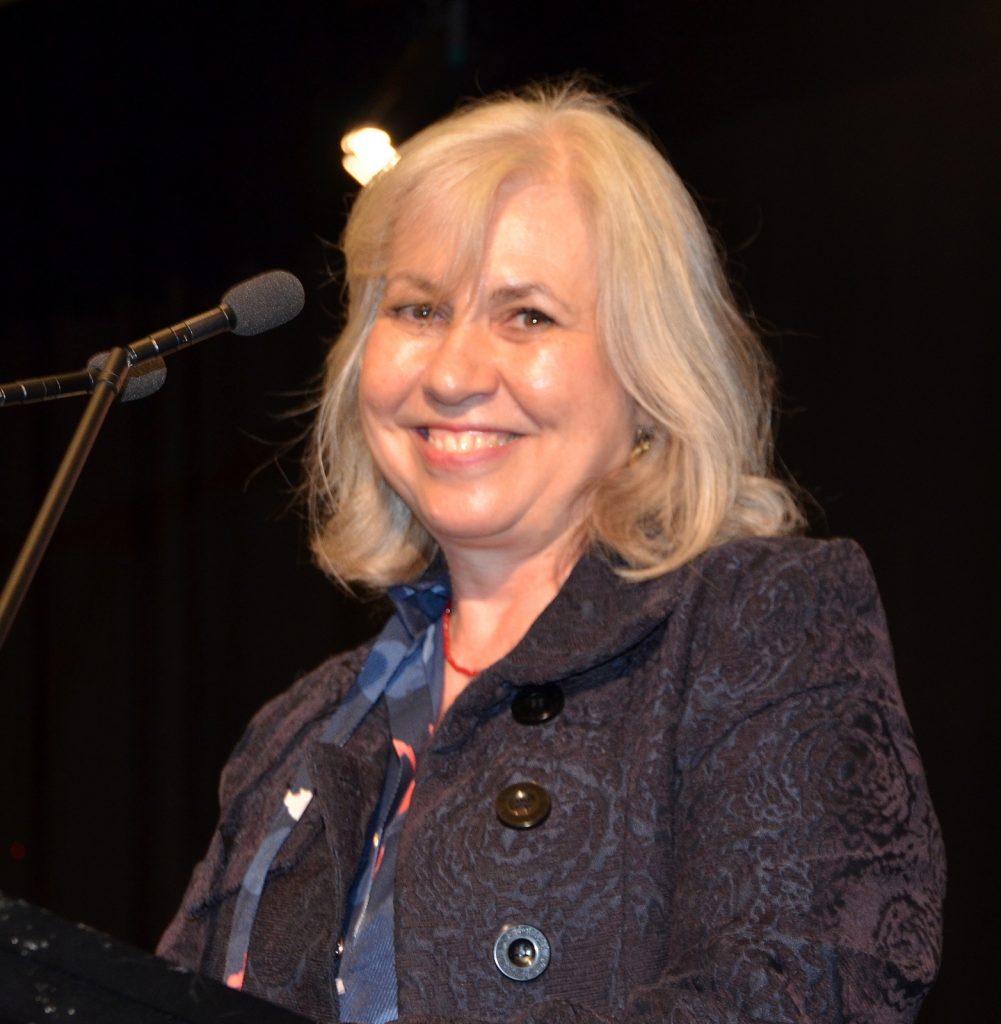
Lucia Johns.

Ms Johns also thanked the NSW Shadow Minister for Multiculturalism, Mark Coure, whom she said “had the vision to support the idea and was able, whilst in government, to provide the funds to make this idea a reality.”

“We hope that this event is going to be a fixture of the NSW events calendar. Next year we are planning to go bigger,” she added.

Shadow Minister Coure congratulated the Federation on creating the new event as part of its ongoing significant work in building a new generation of bi-lingual Australians who will take Australia to the world in many fields.

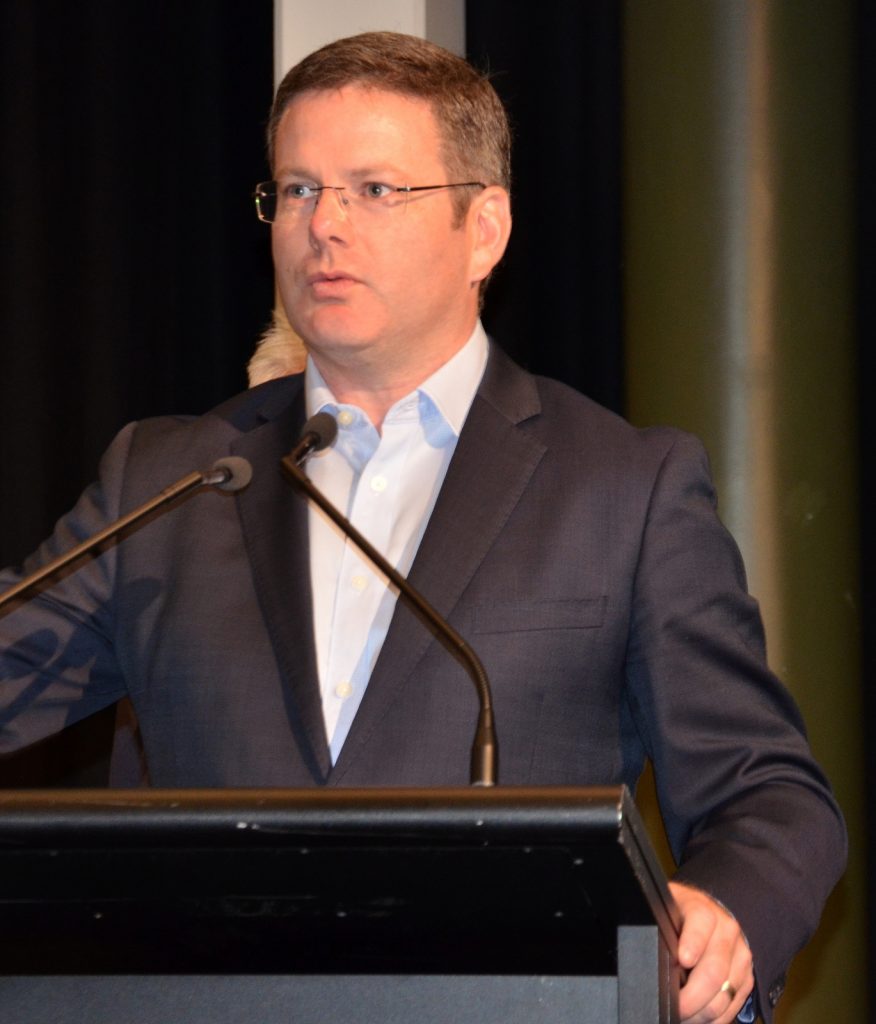
Mark Coure.

The spectacular performances on stage throughout the day ranged from a mind-boggling display of the unique gymnastic traditions by students from the Sydney Mongolian Language School, to a graceful presentation by Uyghur dancers, a classical violin and cello performance by students from the Japanese Language School, and lively folk dances from children of Russian and Ukrainian language schools.

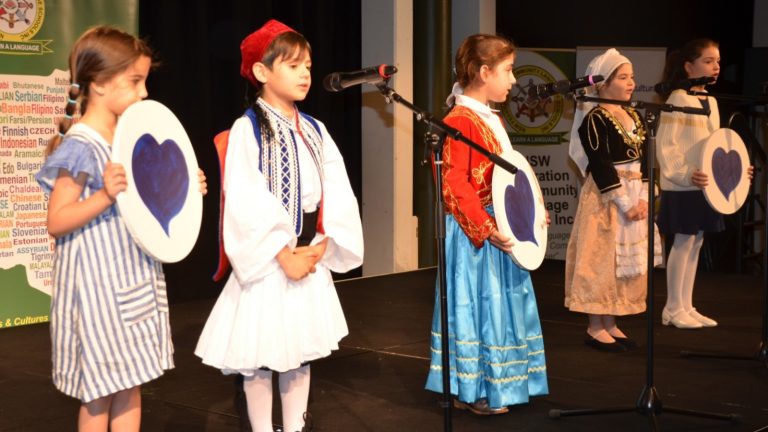
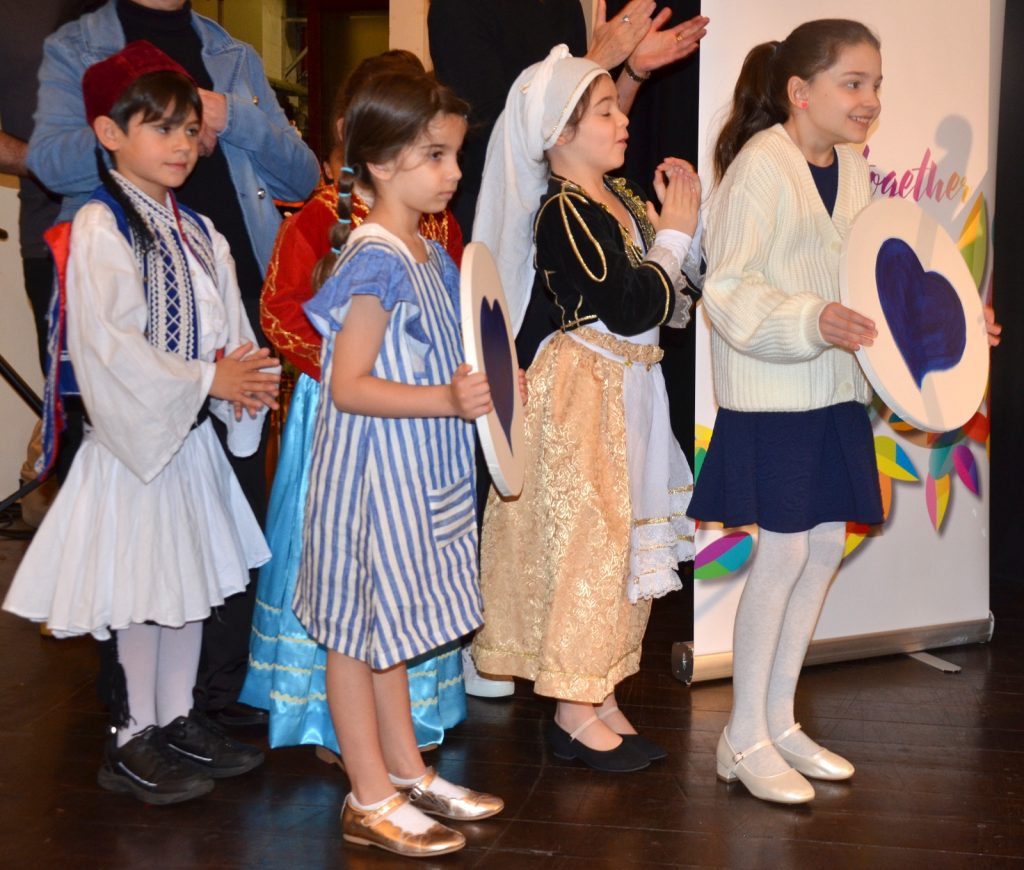
Kids from the Greek Orthodox Church of St George sing a Greek song.

Traditional choral works were presented by choirs from the Chinese and Tamil language schools.

The programme also included performances by Sri Lankan, Brazilian, Laotian, Greek, Thai, Vietnamese, Polish and Punjabi language groups.

The NSW Federation of Community language Schools supports the 3000 voluntary teachers who run classes in 583 locations around the state for 35,000 children studying over 60 different languages.

Melbourne’s Deputy Lord Mayor visits the Greek Centre

The City of Melbourne’s Deputy Lord Mayor Nicholas Reece visited the Greek Centre and met with Greek Community of Melbourne (GCM) President Bill Papastergiadis OAM and Greek Qtr Precinct President and Greek Centre Director Jorge Menidis on Friday, May 26.

Cr Reece shared his Greek heritage with Mr Papastergiadis and Menidis and canvassed a number of points that affect the Greek Community and Precinct including the Antipodes Festival, the Greek Quarter Business Precinct’s 5-year plan and the return to a new normal from the depths of the pandemic of the central business district.

Cr Reece said: “It’s always great to catch up with Bill and Jorge at the Greek Community Centre in Lonsdale Street – so I was delighted to drop in on them recently.”

“After years of border closures and lockdowns there’s never been a better time for all of us to get behind the great work of the Greek Community Centre – to reconnect and celebrate our cities great cultural history,” Cr Reece added.

“For Melbourne and the CBD, festivals and events are going to be more important than ever. That’s why in the recent City of Melbourne Budget we increased our funding support for city events. Bill and Jorge have some big plans and big names coming to Melbourne for the Antipodes Festival and we want to get behind that.

“On a personal level, I really appreciate all the work the Centre does for the Greek community across Melbourne. My daughters love learning Greek and to hear the language being spoken in our family home is very special. Thank you so much.”

Mr Papastergiadis and Mr Menidis presented Cr Reece with a copy of the Greek Community’s recently published history and thanked him for taking time to visit the Centre. 

Mr Papastergiadis said: “We have a great relationship with the City of Melbourne thanks in no small part to its excellent public officials such as our dear friend Cr Nicholas Reece. We share in his vision of a wonderful multicultural Melbourne and look forward to doing our small part in helping keep the city the vibrant, exciting epicentre that it has become.”

Man pleads not guilty to gunpoint robbery of Nick Kyrgios’ car

A Canberra man accused of threatening Nick Kyrgios‘ mum with a gun and stealing the tennis star’s Tesla has pleaded not guilty to charges against him.

According to The Sydney Morning Herald, in a statement of facts submitted to the ACT Magistrates Court, police allege that the man pointed a gun at Norlaila Kyrgios on May 1 and demanded she hand over the keys to her son’s green Tesla.

Police said officers then pursued the man through Canberra’s northern suburbs, before he was later stopped and arrested.

Nick Kyrgios.

The man was charged with five offences including aggravated armed robbery, failure to stop for police, and driving while suspended.

Defence lawyer Jan de Bruin told magistrate Glenn Theakston on Tuesday morning his 32-year-old client pleaded not guilty to all five charges.

The man, who remains in custody, will return to court on July 18.

Source: The Sydney Morning Herald.

Turkey’s new Defence Minister vows to protect ‘Blue Homeland’ in Aegean

Turkey’s new Defence Minister Yasar Guler has vowed to protect the ‘Blue Homeland’ in the Aegean Sea, Ekathimerini has reported.

The ‘Blue Homeland’ is a revisionist doctrine expressing Turkey’s expansionist ambitions in the Aegean.

Guler is taking over the defence ministry from Hulusi Akar after the re-election of President Recep Tayyip Erdogan on May 28.

During a handover ceremony on Monday, he referred to the doctrine.

“I will ensure peace and security in our country’s territory, as well as in the Blue Homeland and in the homeland of our skies,” Guler said.

“We will work tirelessly to defend the rights and interests of our country, as they stem from international law.”

The chief of general staff of the Turkish armed forces, Guler headed Turkey’s military incursions into Syria in 2019 and 2020, and oversaw subsequent military operations there and in Iraq.

Source: Ekathimerini.

Greece’s party leaders agree to hold TV debate ahead of second election

A debate between all the leaders of Greece’s parliamentary parties will be held ahead of the June 25 national election.

The debate will be held on June 15 as decided by the Inter-Party Elections Committee, which met under the chairmanship of acting Minister of the Interior Kalliopi Spanou.

SYRIZA also requested a separate teleconference between Kyriakos Mitsotakis and Alexis Tsipras, but the proposal was rejected by the representatives of the other parties.

The leaders will be asked to answer six questions based on the same thematic topics as the last debate, with the difference being that this time journalists will have the opportunity to ask a free question at the end.

Source: Ekathimerini

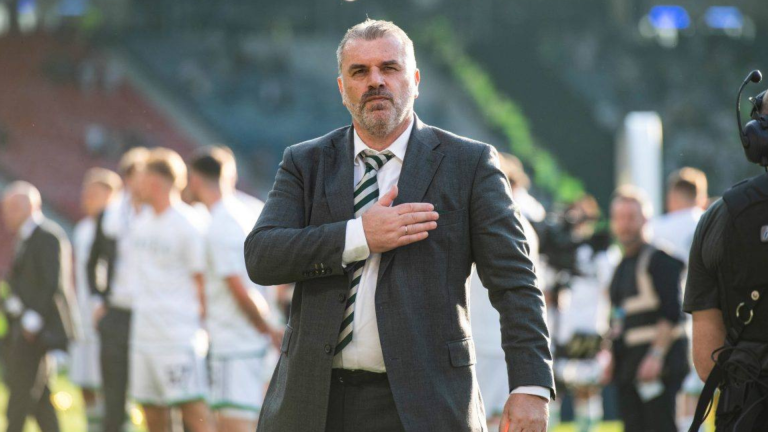
Ange Postecoglou confirmed as manager of Premier League side Spurs

Ange Postecoglou has made history as the first Australian to manage a Premier League club, after Tottenham Hotspur confirmed his appointment as head coach on Tuesday.

Postecoglou arrives at the English Premier League after a successful spell at Celtic FC, which saw him lead the club to the eighth treble in its history.

Speculation had been growing all day that Postecoglou would leave Celtic to go to the North London club.

On Tuesday the deal was completed, with Spurs announcing the 57-year-old had signed a four-year contract as head coach.

How Jim’s Greek Tavern in Melbourne gives people a taste of Greek village hospitality

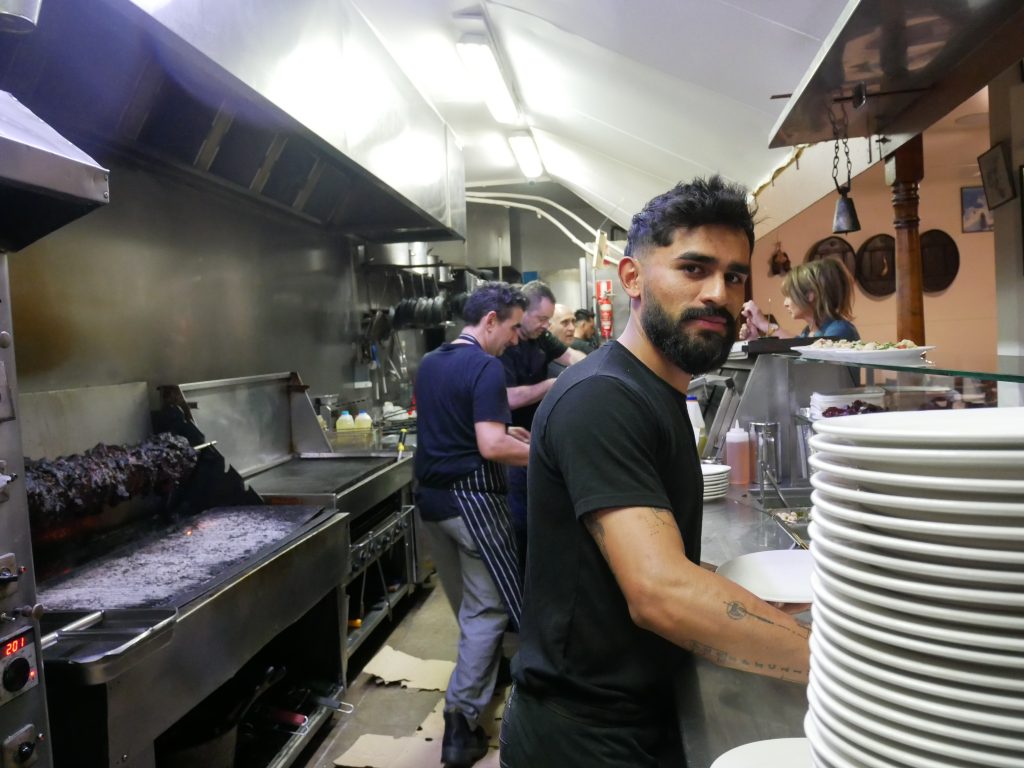
In the Collingwood neighbourhood of Melbourne, Victoria, next to the second-hand shops and the hipster corners, there is a special Greek tavern that everyone should visit.

People are, of course, those who make a place special. In the case of Jim’s Greek Tavern, you can instantly feel the warm welcome of its staff and the owners, before you are taken on a trip around Greece through a series of unique and traditional dishes.

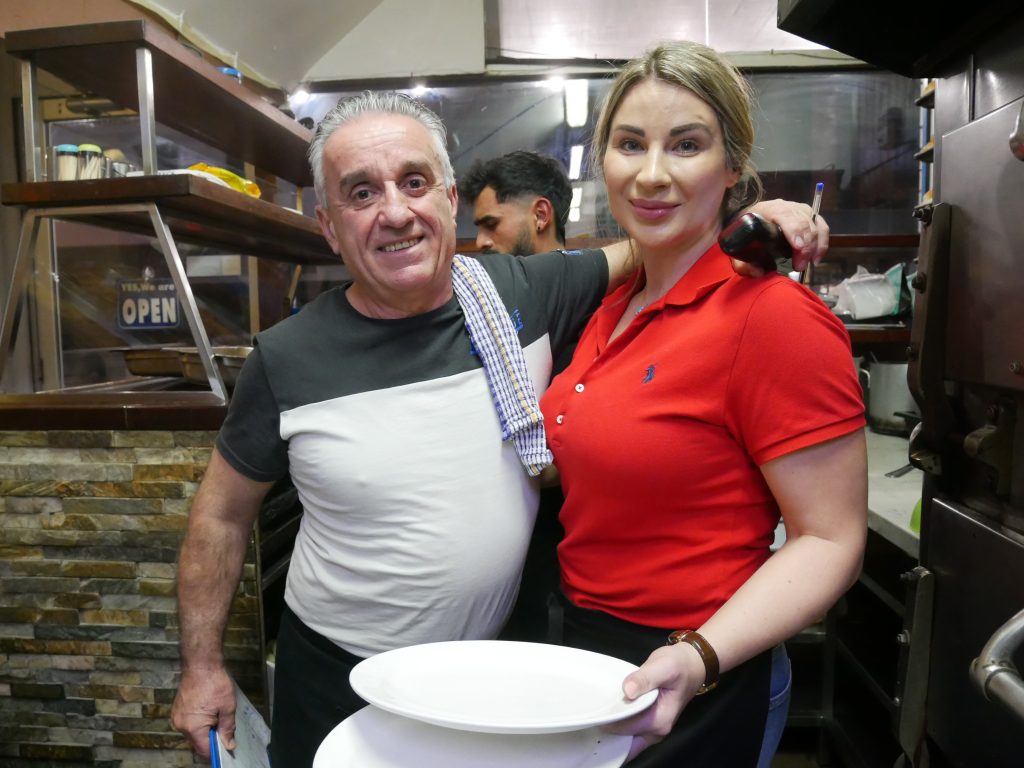
On the right, the daughter of Mr Leonidas

I have been in Australia from Greece for almost five months now and after visiting Jim’s Greek Tavern, I felt like I was back home for the first time.

When you visit, the staff will take you on a tour of what tastes await you.

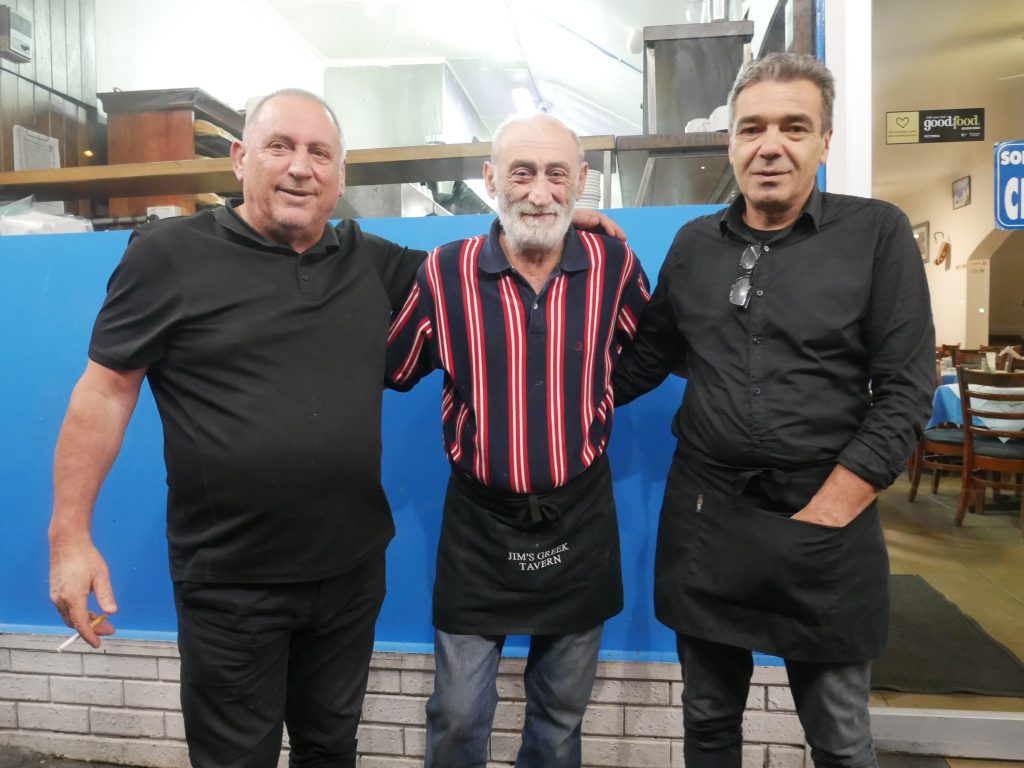
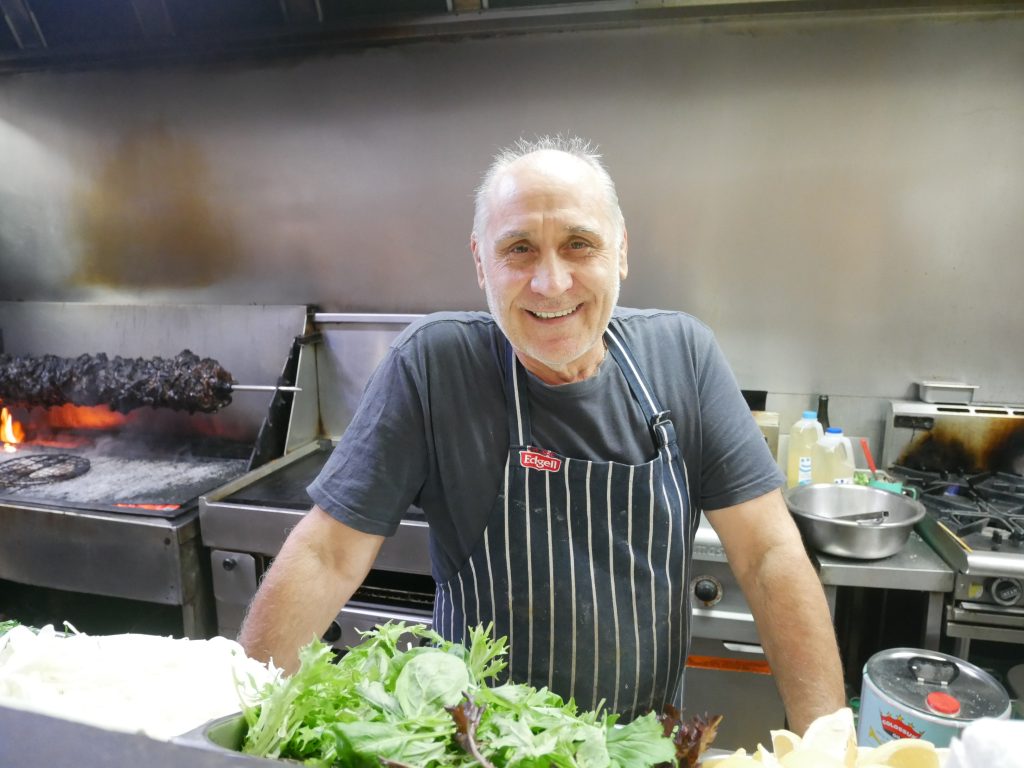
You can tell almost immediately that the owner, Leonidas Panagopoulos, is a person with a big heart. He has one of the most contagious laughs I have ever heard, and he narrates with passion the story of how he created his tavern with love.

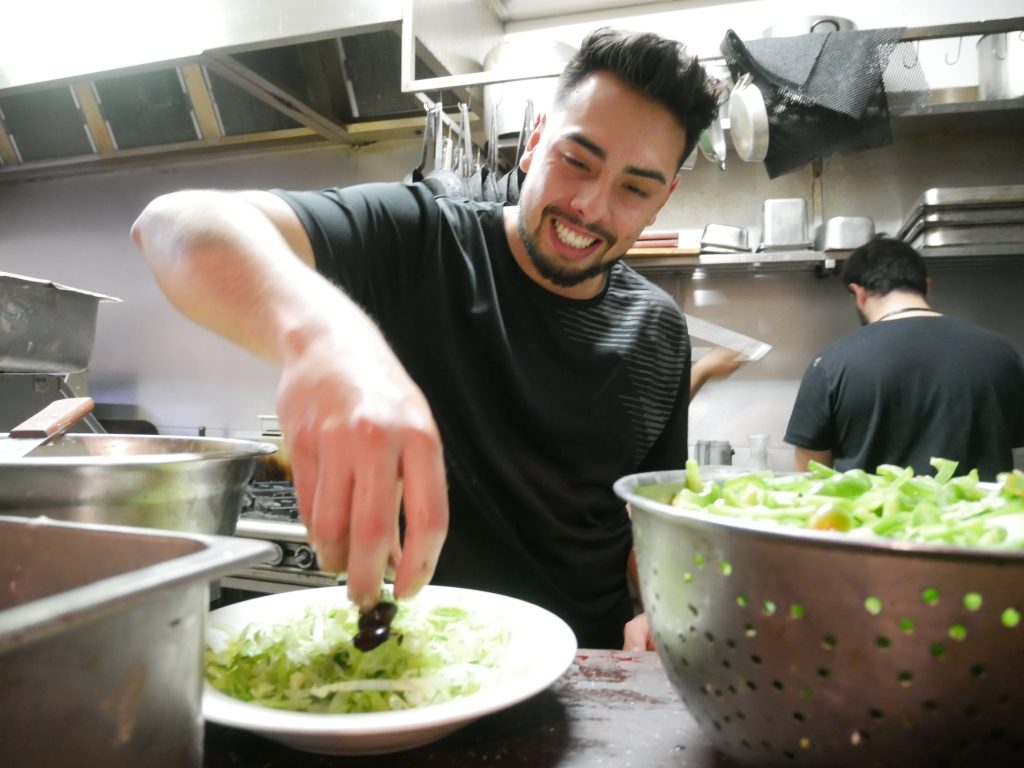
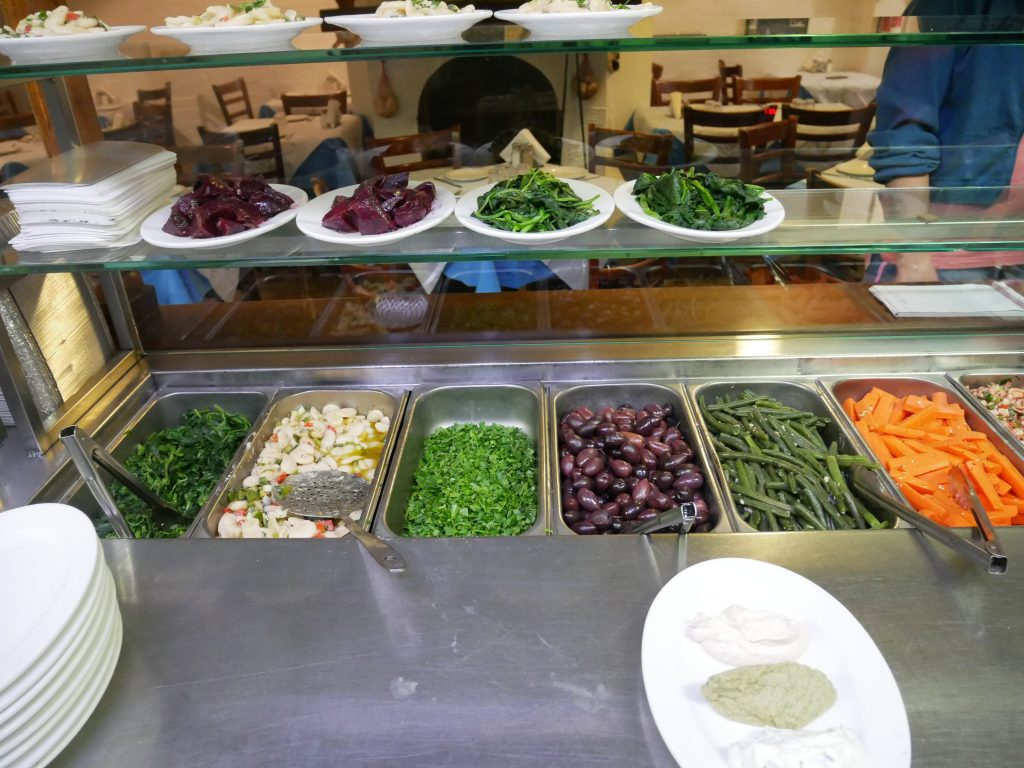
Preparing the dishes

Over 40 years of passion:

Born in a village in Kalamata, Greece in 1956, Leonidas left at the age of 14 to come to Melbourne, where he would eventually build his life in hospitality.

He remembers his mother in the village sending him to call his father or uncle from the market and meet them at the butcher’s taverns.

“I could see the pans and forks hanging around,” he says.

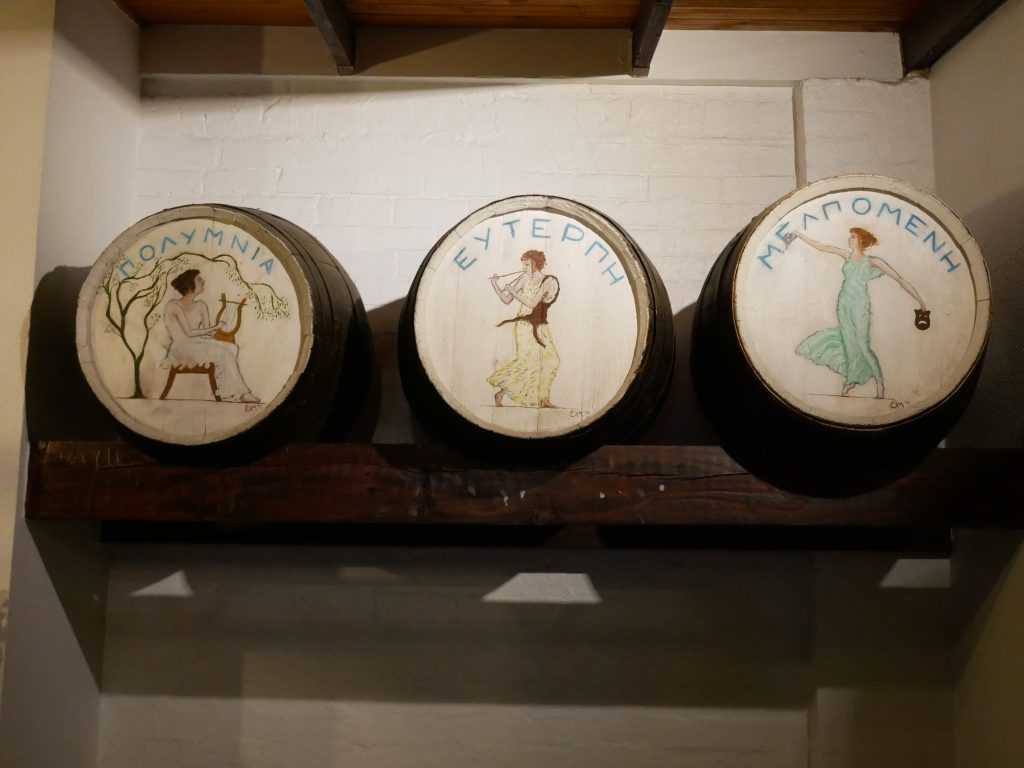
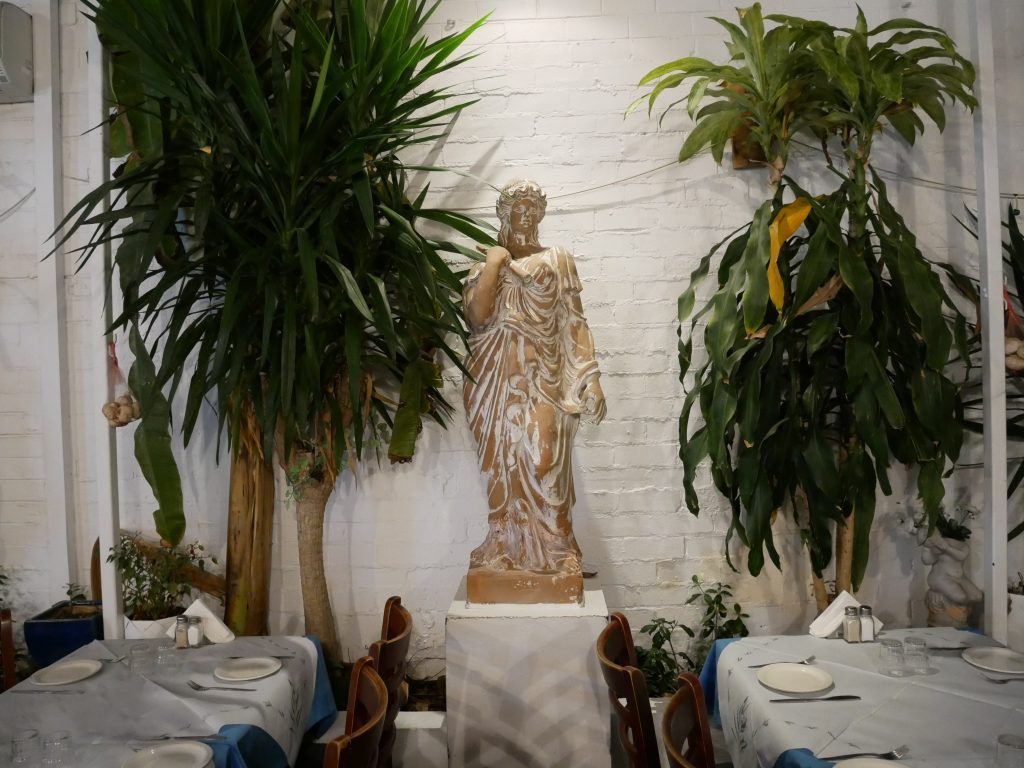
Greek style decoration

Leonidas first got a job at the Melbourne tavern in 1982, when it was called “Jim’s pizza place,” before buying it with a colleague one year after.

“Everything that’s fried is served with the pan to give it that village feel,” he says.

I felt like I was back home for the first time.

He explains to me that the products are carefully picked from the best producers of the area, while things such as olives, cheese, oregano, mountain tea, vinegar and wine vinegar, come from Greece.

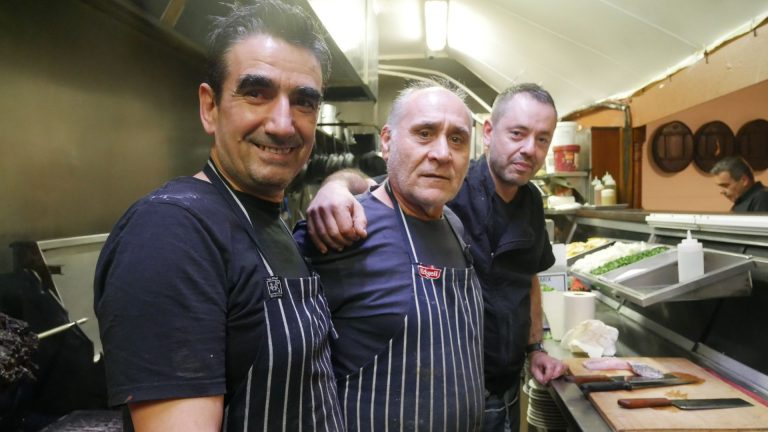
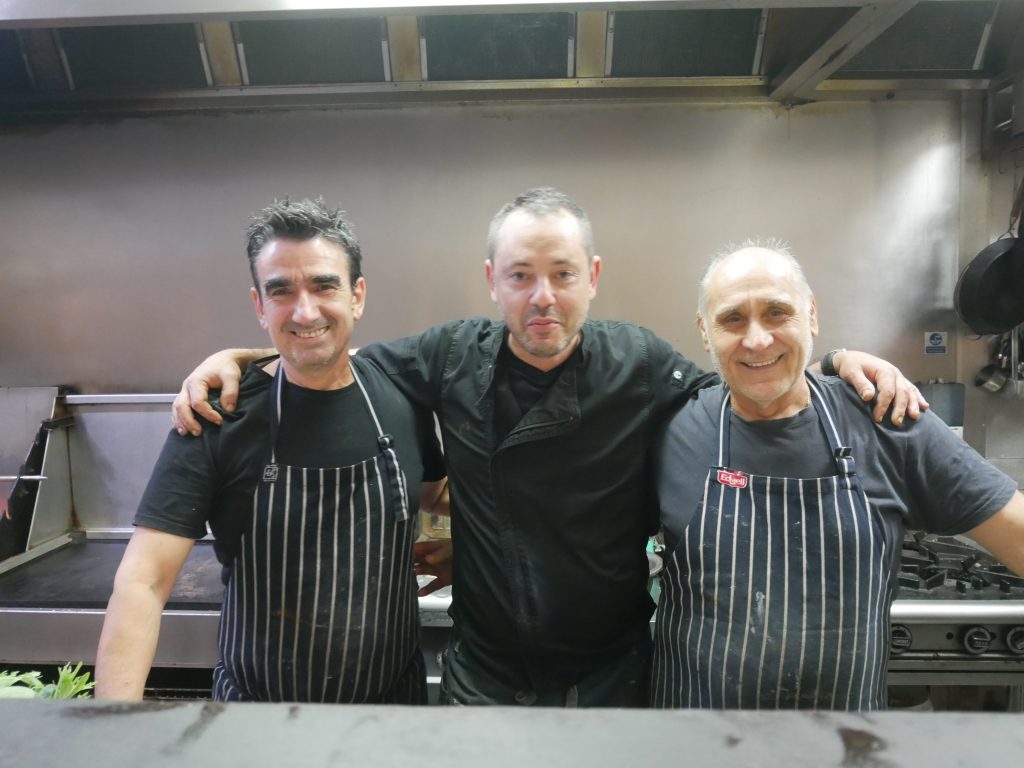
People of Jim’s Tavern

What is also special at Jim’s Greek Tavern is the fact that there is no menu to read. Instead, when you visit, the staff will take you on a tour of what tastes await you.

“My philosophy is as follows. You know you’re hungry and you don’t know what you want to eat. If you take the menu, you will start reading, you will ask the waiter to explain. Then you’ll choose something based on price rather than something you actually want to eat,” Leonidas says.

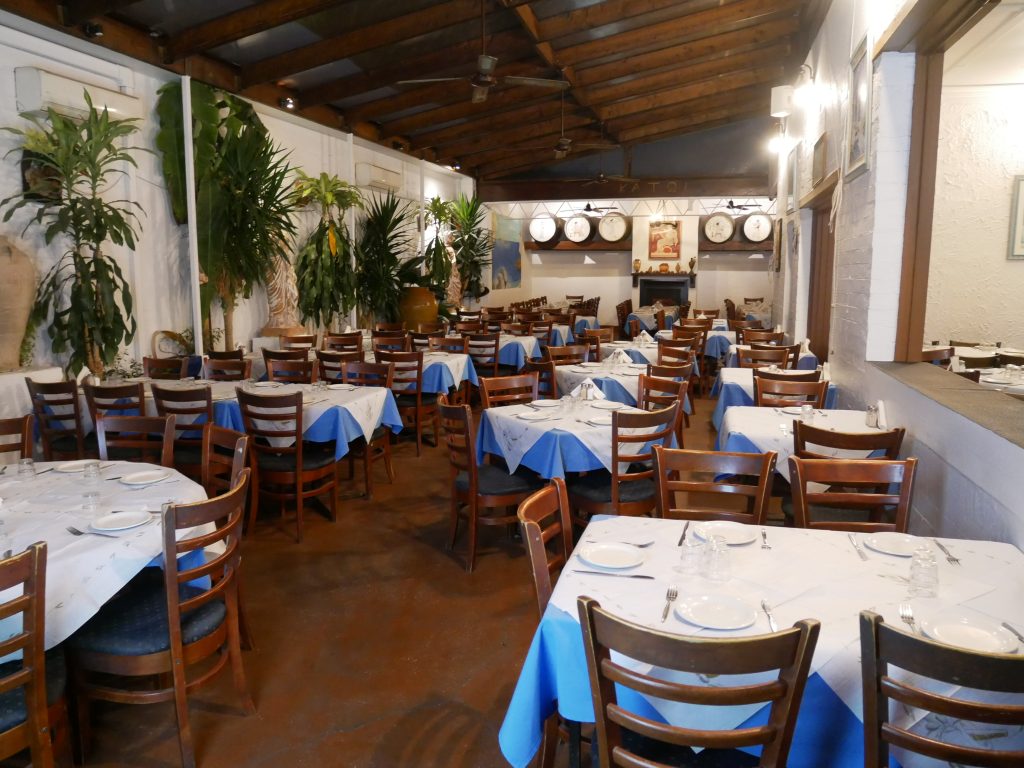
The tavern

“We give customers a tour of Greek cuisine. People get different appetisers and share them.”

Leonidas says that costumers welcome his suggestions and they reply to them instantly saying, “Bring them!”

“Sometimes when they tell me that a restaurant without a menu isn’t a restaurant, I tell them, to tease them, ‘I have a menu, but it’s not written’,” he says.

Greek style decoration

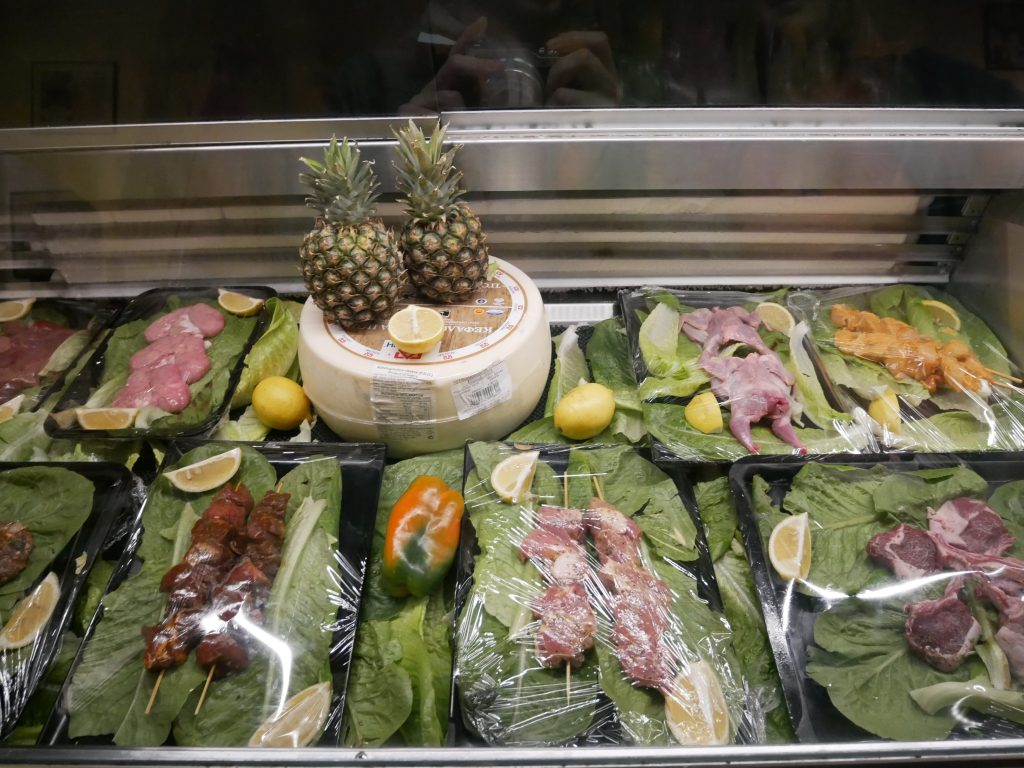
The tasting experience starts with the appetisers, taramasalata, eggplant salads, grilled octopus, fried zucchini and bell pepper with feta cheese and then comes the seafood, with squid, scallops, shrimps, grilled fish. At the end, people usually like to finish their meal with meat.

When asked about the reason behind Australians’ love for Greek cuisine, he says that it is because it is clean.

Jim’s Greek Tavern people were full of smiles

“We don’t have sauces. If you grill the fish with just lemon on it and the fish is not fresh, they’ll return it back to you. Tastes do not cover one another. The dishes are simple and clean. You feel what you want to eat,” Leonidas explains.

Jim’s Greek Tavern in Collingwood

In Jim’s Greek Tavern, everything is home-made, even the bread, which is served warm.

“We do not take anything ready from outside, it is strictly prohibited. The place must have its own identity,” he concludes.

Greek Lyceum of SA holds dance extravaganza to mark 30th anniversary

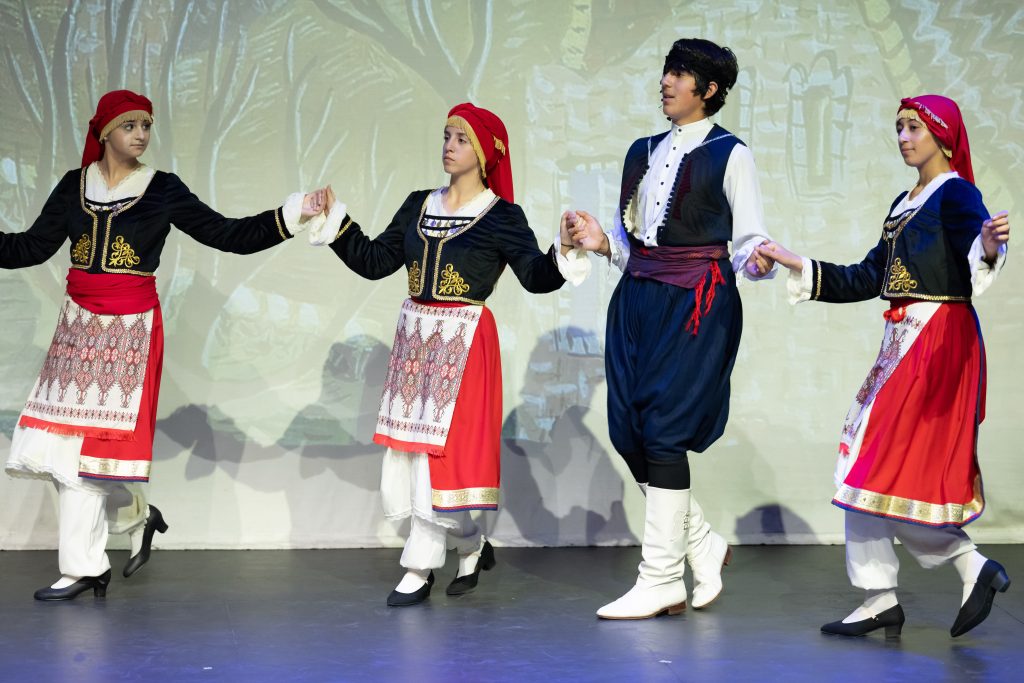
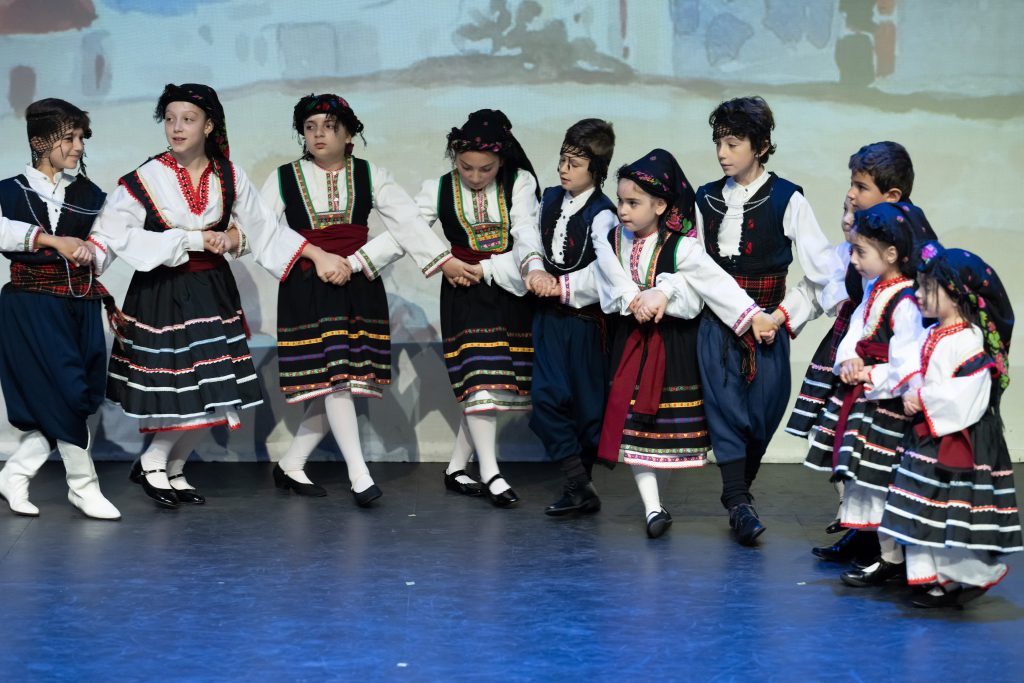
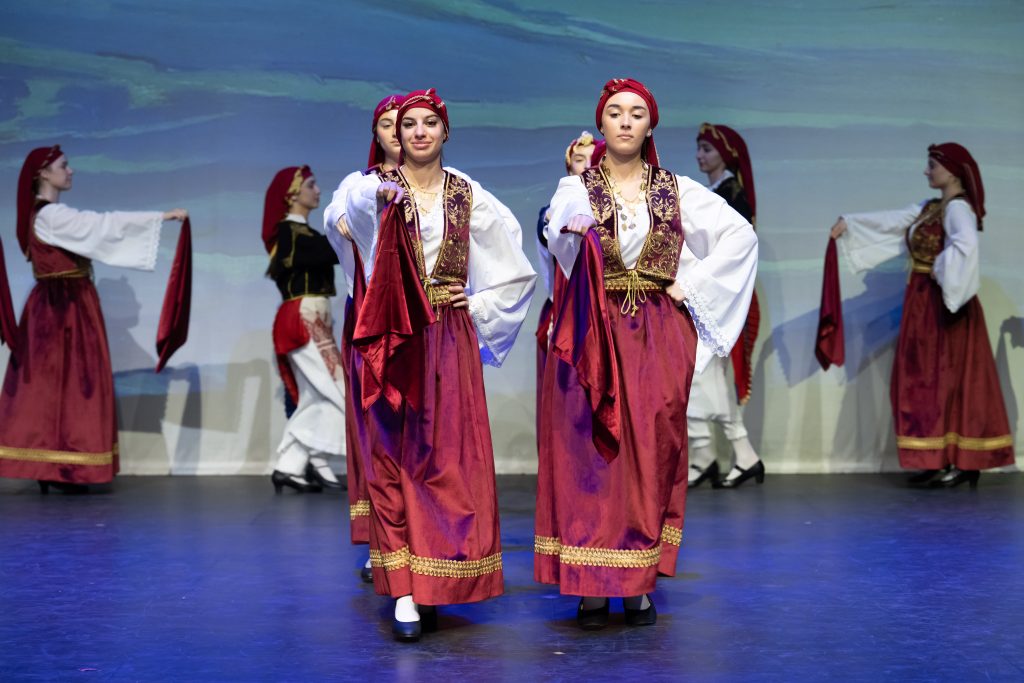
The Greek Lyceum of South Australia held a dance and music concert on Sunday, May 28 at the Walford Anglican School in Adelaide to mark its 30th anniversary.

The concert, titled Footsteps in the Sand: A concert showcasing dances and music of the Greek Islands and Coastline, saw over 150 people attend to enjoy the extravaganza.

More than 150 people were present.
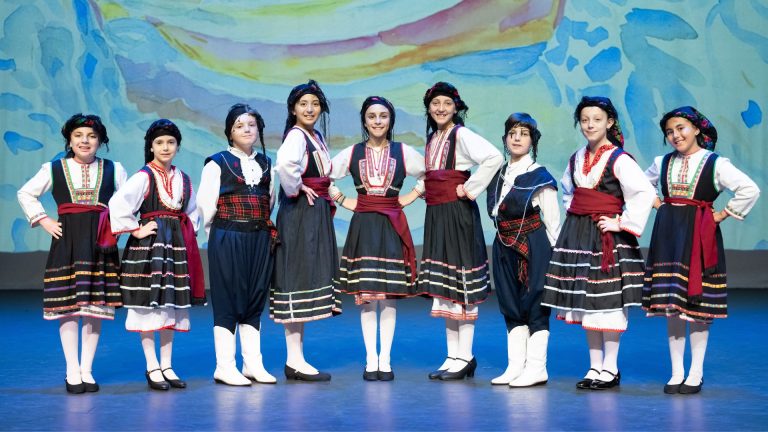
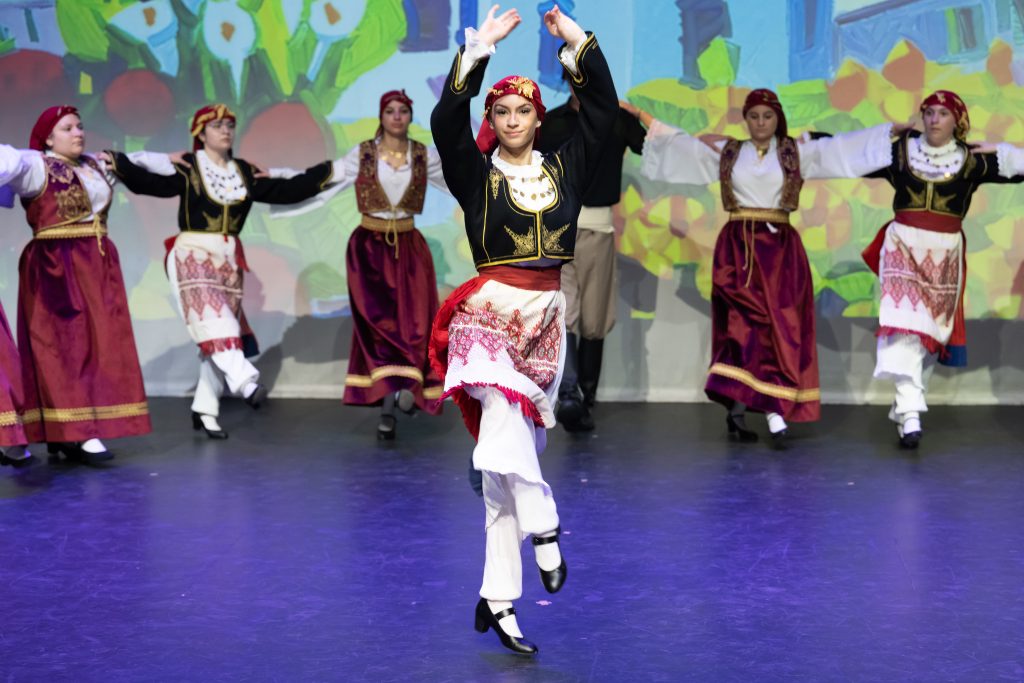
Dancers.
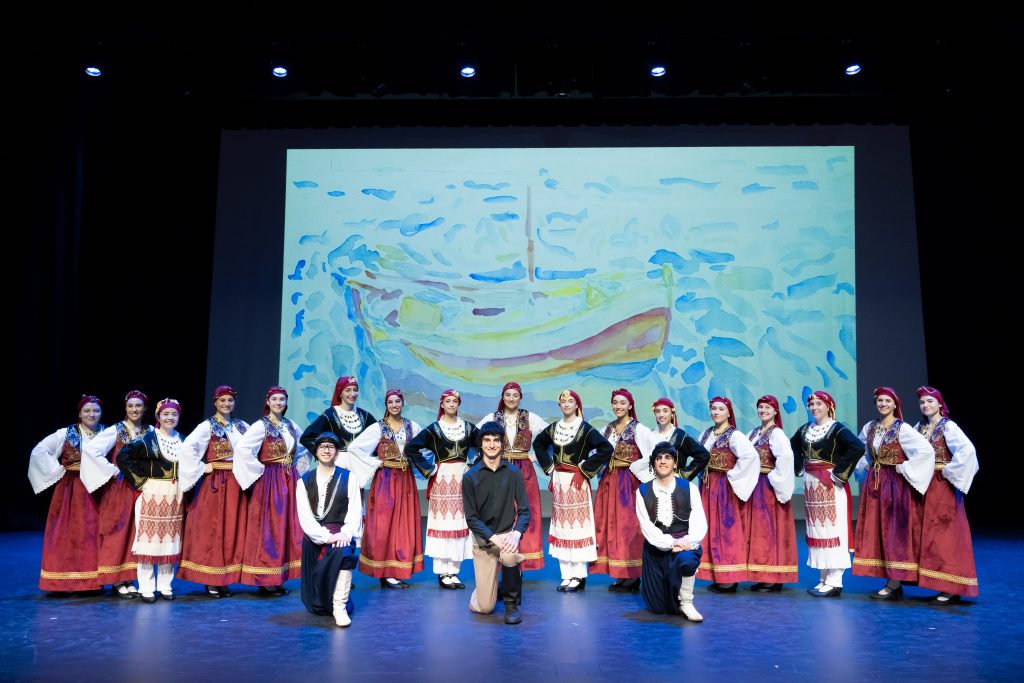
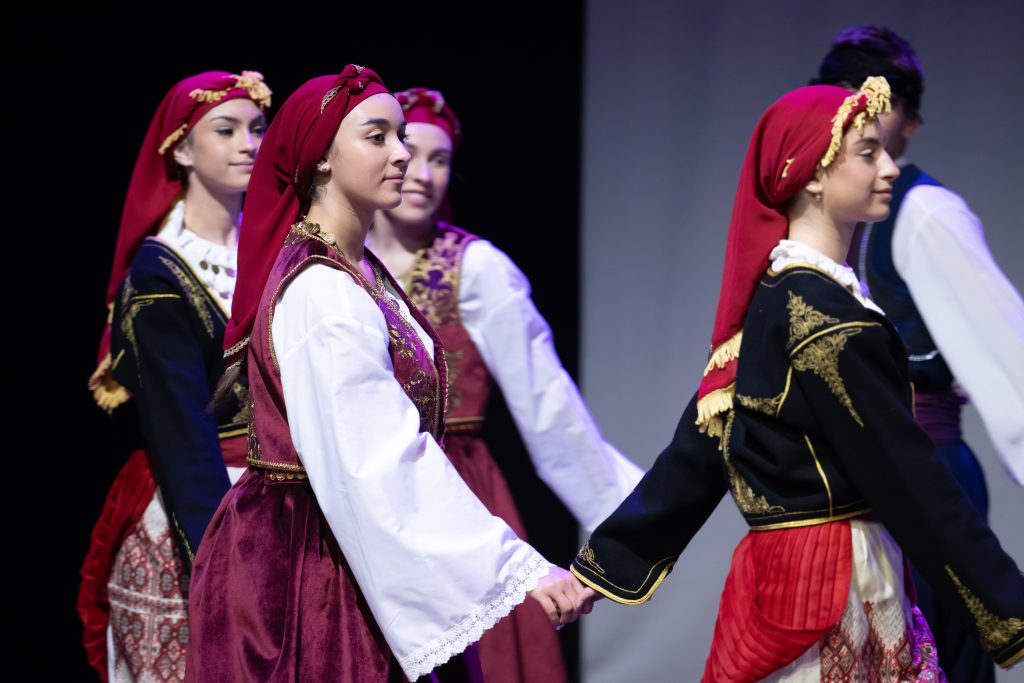
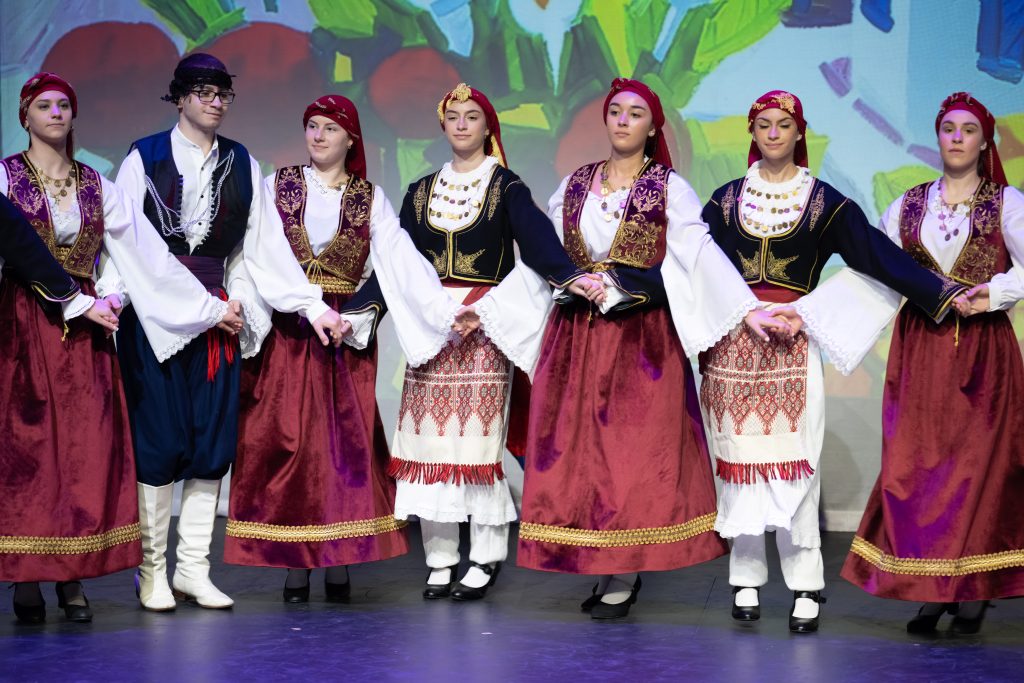
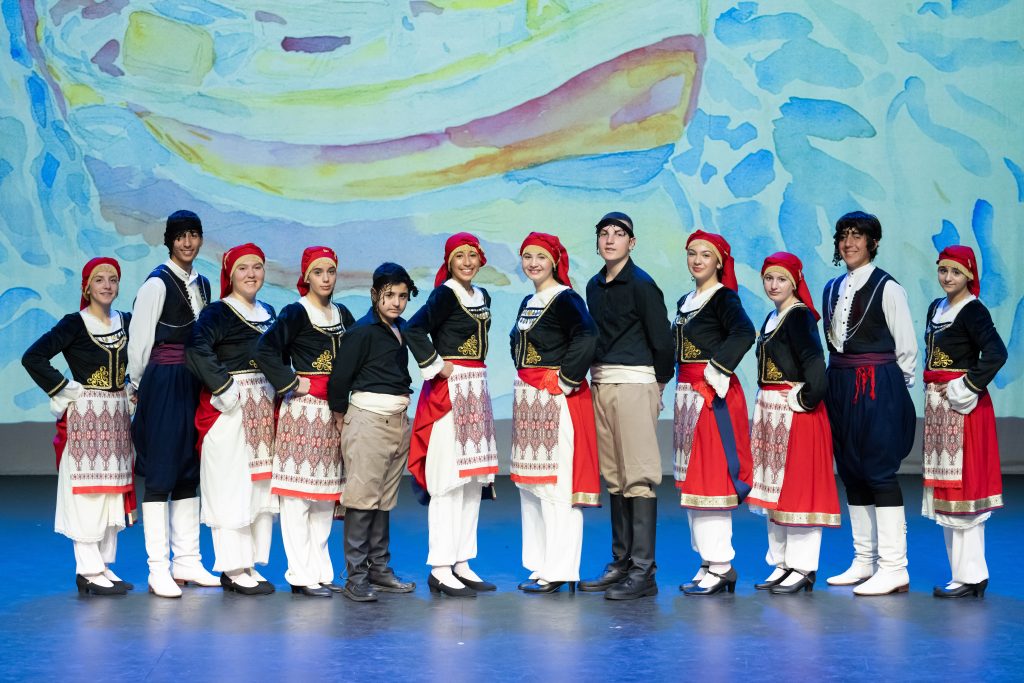
The concert provided an opportunity to showcase new costumes worn by students.
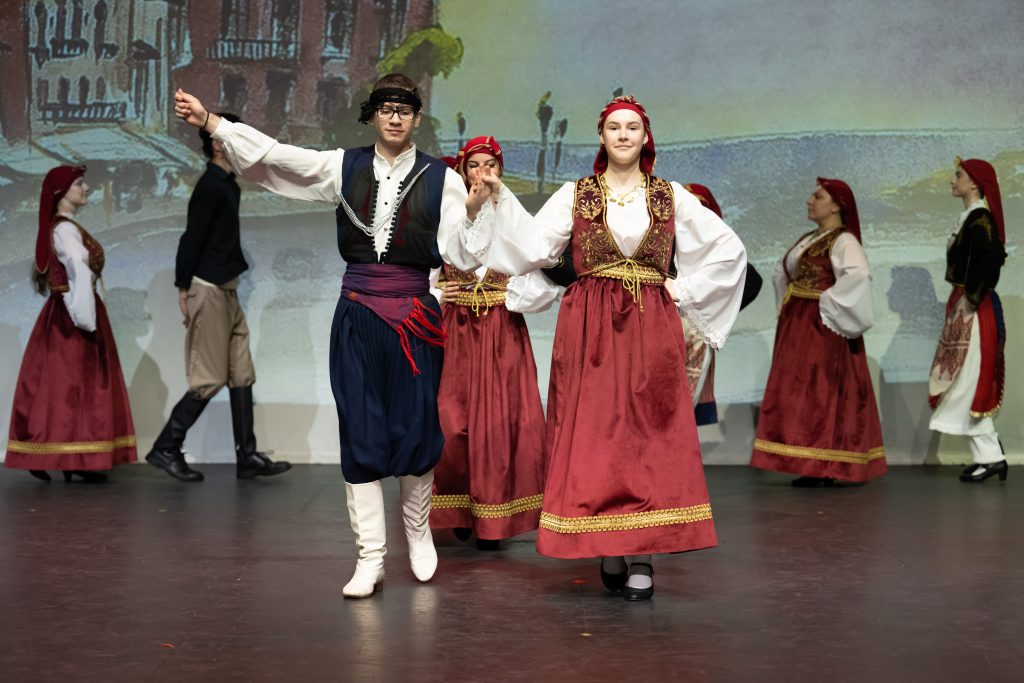
This concert focused on Island dances and dances brought to the islands by migrants and refugees from Asia Minor.

On the night, guests were welcomed by the Lyceum’s vice-chairperson, Joanna Eleftheriou, who thanked both teachers, Marie Arvanitakis and Alexandra Nikias, for their tireless passion, enthusiasm and dedication to teaching Hellenic traditions to children and young adults.

From there, students performed island dances, as well as dances brought to the islands by migrants and refugees from Asia Minor.

Dancers.
Youth.
Dancers with traditional costumes.
Each student was presented with a trophy at the conclusion of the performance.

The concert, which was supported by a grant from the SA Department of the Premier and Cabinet, provided an opportunity to showcase new costumes worn by students.

A group of old scholars of the school also performed during the concert, while each student was presented with a trophy at the conclusion of the performance.

More dancing.
Dancing in traditional costumes.
Everyone enjoyed the night.

What is the Greek Lyceum of SA?

The Greek Lyceum of South Australia Inc. is an incorporated, non-profit Adelaide-based Greek-Australian school of Greek Dance and Culture. The school’s principal role is the fostering of Greek Dance and Culture to South Australian children and adults. 

The current enrolments stand at around 55 students ranging in age from 3 – 35. Over the past 30 years the school has taught three generations of South Australians of Greek heritage – approximately 1700 students.

Greek Lyceum dance classes for all ages are held at Allenby Gardens Primary School, located at 33 Barham St, Allenby Gardens every Saturday during the school term from 2pm – 4:30pm.