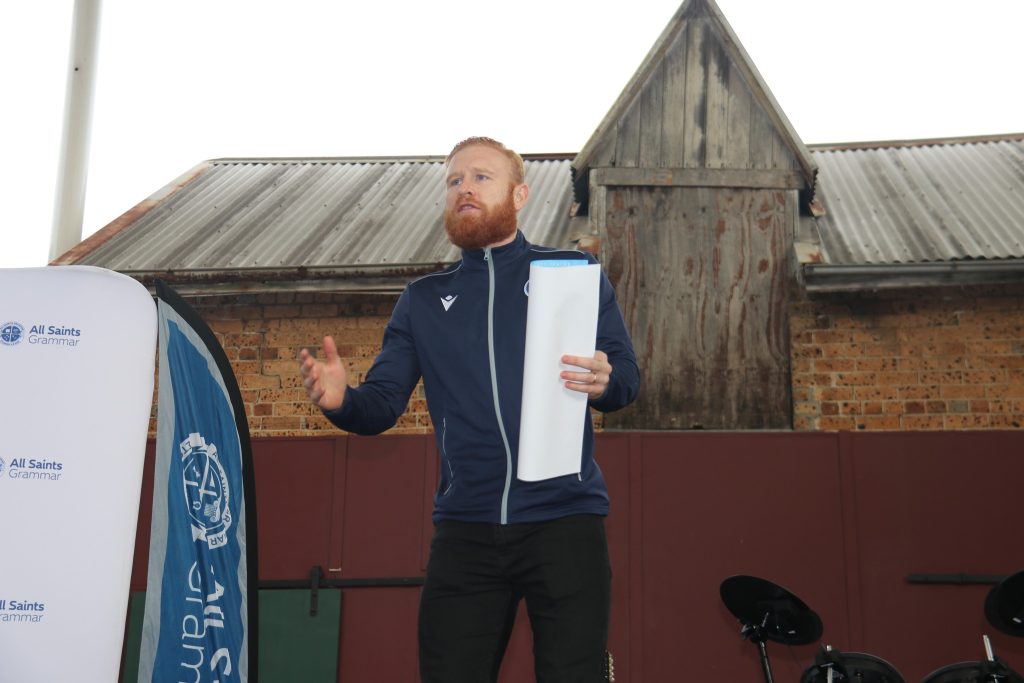
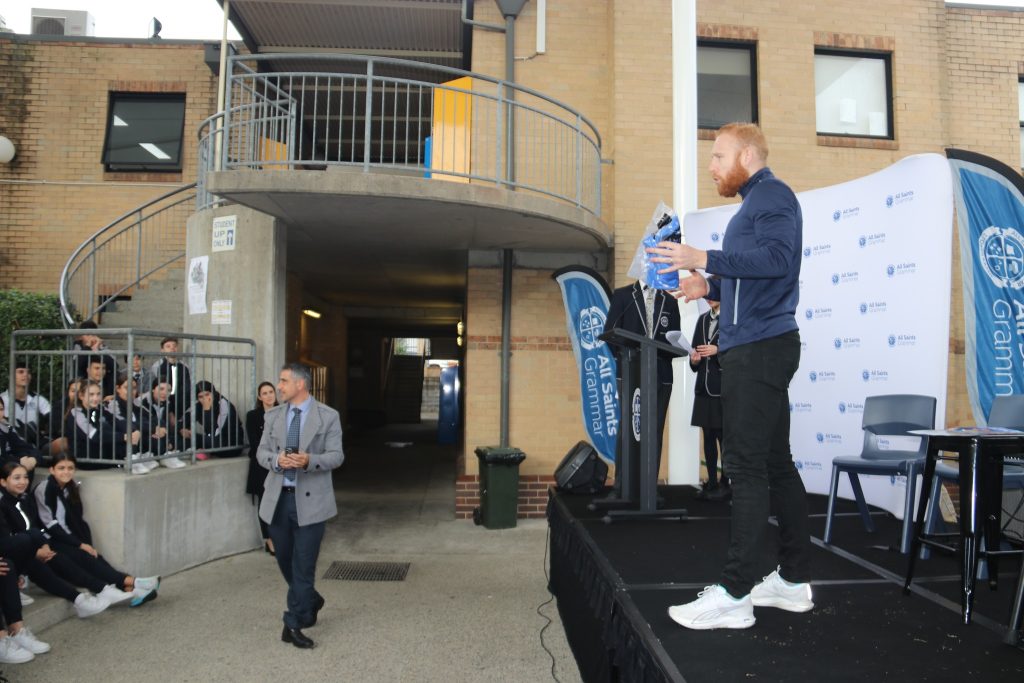
Sydney Olympic FC legend, Ziggy Gordon, had the pleasure of speaking to the students about their local team at Belmore.
Sydney Olympic staff then listened in on all the achievements that the All Saints Grammar students have accomplished.
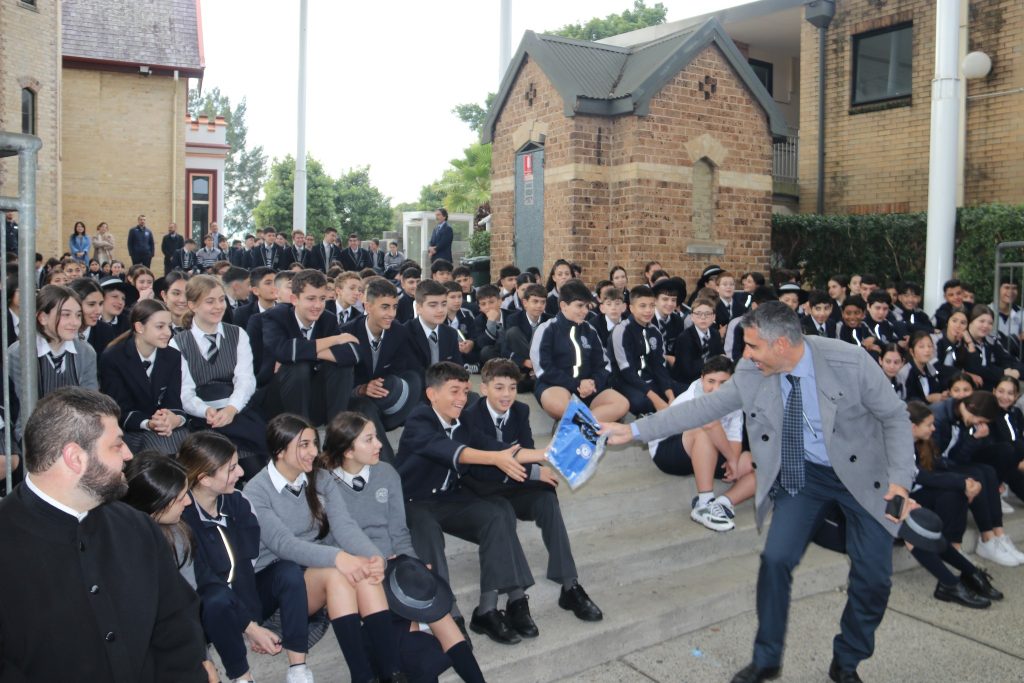
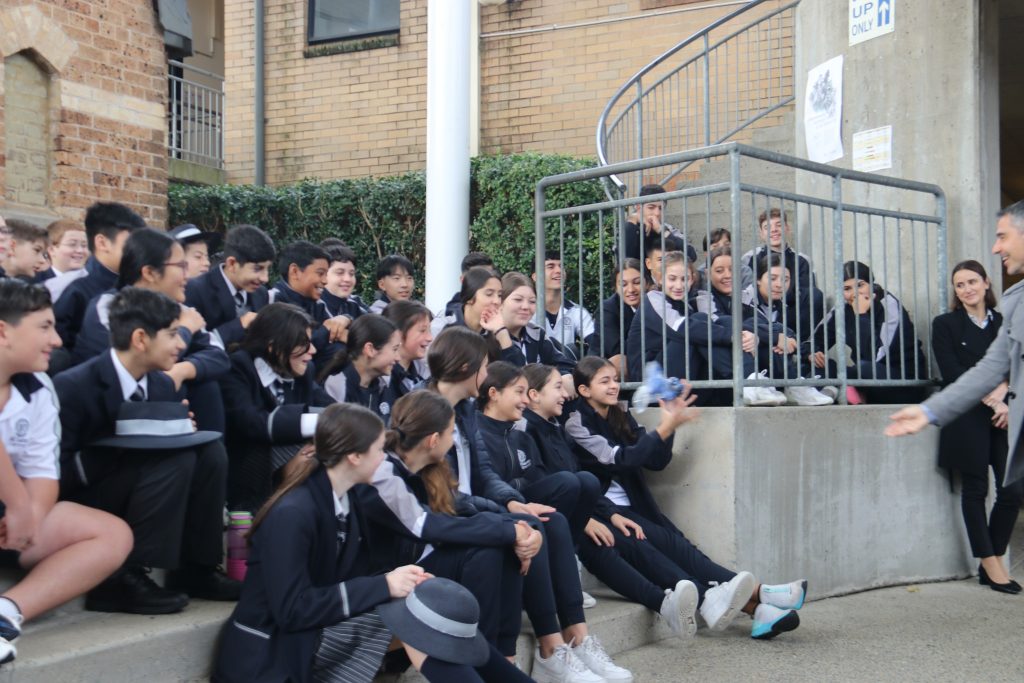
Ziggy Gordon.Ziggy Gordon talking to the studentsAll Saints Grammar school students
Ziggy and the staff at Sydney Olympic received a tour of the school and look forward to future collaborations between the school and the club.
In return, all students were gifted with free Tickets to the next Home match at Belmore Sports Ground against St George City on Sunday, June 18 at 3pm.
Ziggy Gordon and the youth.Students
“Sydney Olympic is my home and your home too. I look forward to seeing all of you there!” Ziggy told students. “There’s more than one football team in Belmore!”
The visit was in conjunction with Sydney Olympics’ current promotion for next Sunday, where the first 60 kids under the age of 12 will receive a free Training jersey and the school with the highest attendance at the match will also receive a free training session from the first grade Men’s Captain Ziggy Gordon.
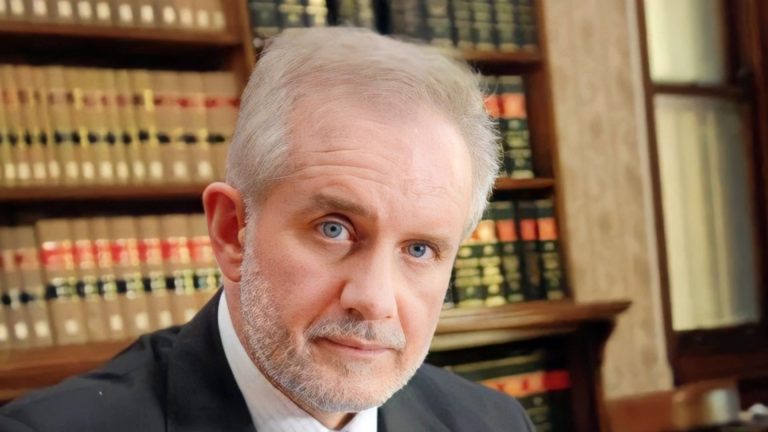
The Governor-General, His Excellency General the Honourable David Hurley AC DSC (Retd), has accepted the Government’s advice to appoint the Hon Justice Emilios Kyrou AO as a Judge of the Federal Court of Australia and as President of the Administrative Appeals Tribunal (AAT).
Justice Kyrou’s appointment to the Federal Court commenced on June 8 and his appointment as AAT President commences today.
On 16 December 2022 the Australian Government announced it would replace the AAT with a new administrative review body.
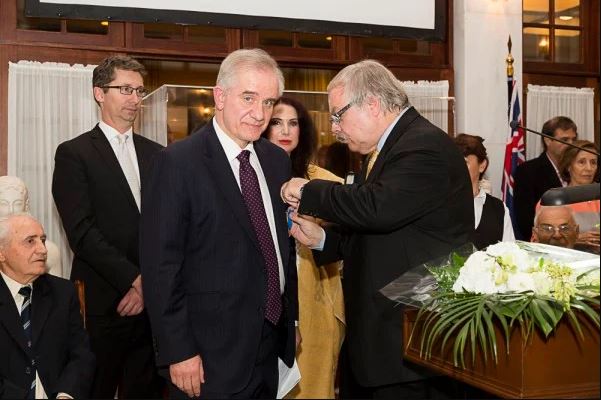
Emilios receiving the Greek medal in 2015.
Justice Kyrou’s appointment as President of the AAT is an important step in the Government’s reform of Australia’s system of administrative review.
As President, Justice Kyrou will lead the AAT through this important reform. He will be the inaugural president of the new administrative review body, once established.
On behalf of the Australian Government, Hon Mark Dreyfus KC MP congratulates Justice Kyrou on his appointment. He would also like to again thank the Hon Justice Susan Kenny AM and the Hon Justice Berna Collier for their service as Acting AAT President in recent months.
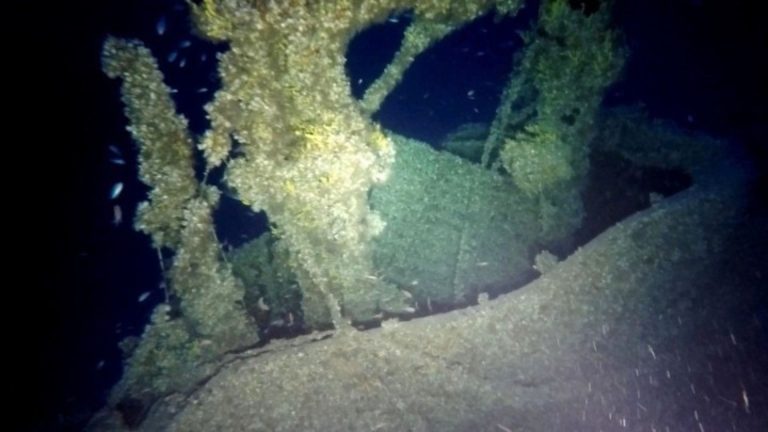
The lost British submarine “H.M.S. Triumph,” whose true fate had been shrouded in mystery ever since the vessel and its entire crew disappeared in 1942, has finally been discovered on the bed of the Aegean Sea by Greek researcher Kostas Thoktaridis and his team after a 25 year search.
According to amna.gr, the submarine had disappeared without a trace with all 64 crew members on board, some 81 years earlier, in the midst of World War II.
Various attempts to find it had been mounted at various times by teams from the United Kingdom, Malta and Russia, all without success.
It finally fell to Thoktaridis and his team to solve the mystery of its disappearance, after a search that first started in 1998.
“It was the hardest and most expensive mission I have ever carried out in my life,” Thoktaridis told amna.gr.
First launched in 1938, the “Triumph” joined the war in May 1939 and carried out 20 military missions in total. It first sailed to the Aegean at the end of March 1941 to scout the shores of the Dodecanese islands and land officers on Greek shores.
The last time the submarine was sighted in motion was by an Italian pilot flying in the area, about four nautical miles southeast of Sounion.
This lost piece of information helped Thoktaridis complete the “puzzle” of the submarine’s history.
Three high school students from Thessaloniki became the first Greeks to win first prize in the Eurostat Statistics Competition.
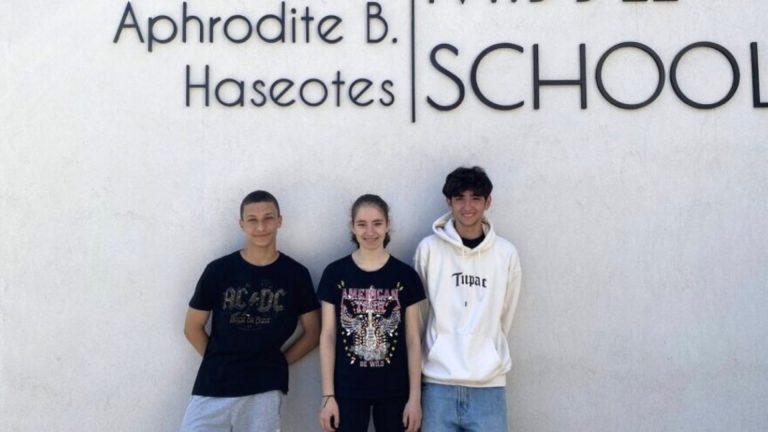
According to protothema.gr, the team members hail from the Hasiotis High School of the American Agricultural School in Thessaloniki.
The Greek students had to face hard competition as they won their title among 1,444 schools, 5,208 teams and 19,388 peers from 19 European countries.
The team of Greek students consists of 3rd year students Polykarpo-Aris Kalaitzidis, Dimitrios Paroutis, and Maria-Anastasia Trevla.
This was the third year the team participated in the annual competition. Last year, they won second prize and this year they emerged first in all of Europe.
“We worked hard and methodically. It is the third year that we participate. Statistics is a very interesting science and extremely fascinating,” the students said.
Along with math teacher Olga Grigoriadou, who supervised and guided the team, they are preparing their bags for Luxembourg, where the award ceremony will take place on June 26.
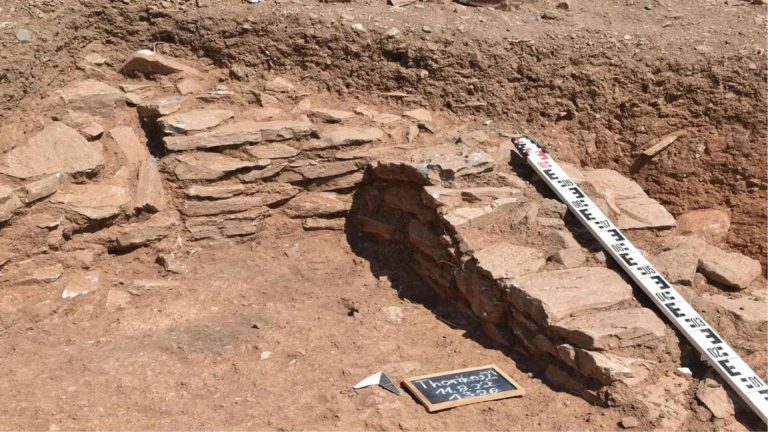
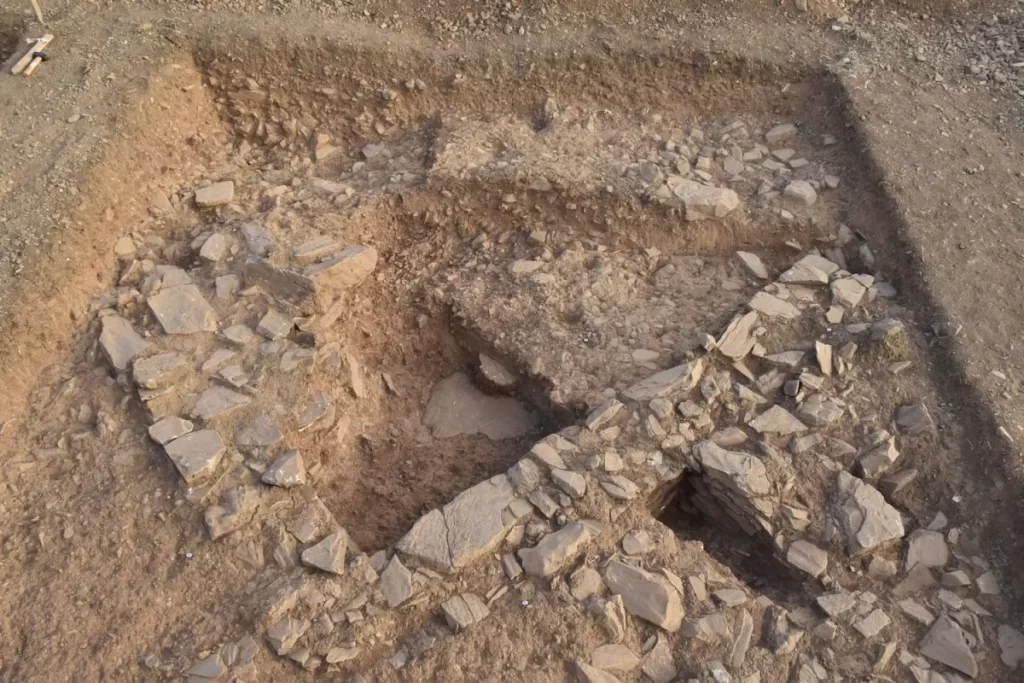
Archaeologists from the University of Göttingen in Thorikos, Greece discovered one of the earliest-known Iron Age houses in Athens under the Thorikos Archaeological Project Gent-Göttingen.
The find gives fresh insight into the early history of Greece, as in the past there has never been any building structures from the earliest Iron Age discovered in Attica.
The ancient village is 60 kilometers south of Athens, close to a historic silver mine. In the region there are Mycenaean dome tombs and a classical settlement with homes, businesses, temples, a theatre, and graveyards.
In 2019, an uncovered wall corner was discovered that, at first glance, appeared to point to a traditional tomb building. However, additional investigation showed that it was a building from the 10th to 9th centuries BC, not a burial site.
Iron Age house from the 10th to the 9th century BC. in Thorikos (Attica/Greece): courtyard with adjoining rooms. Photo: Thorikos Archaeological Project Gent-Göttingen
Researchers have been looking into the building’s size for the past year and have located five to six rooms. Numerous stones were in the largest room, which could have once been a paved courtyard.
Its use between approximately 950 and 825 BC was substantiated by analysis of the inorganic and organic characteristics of the rocks.
According to arkeonews, the continuation of the excavations is being funded with around 82,000 euros by the Gerda Henkel Foundation.
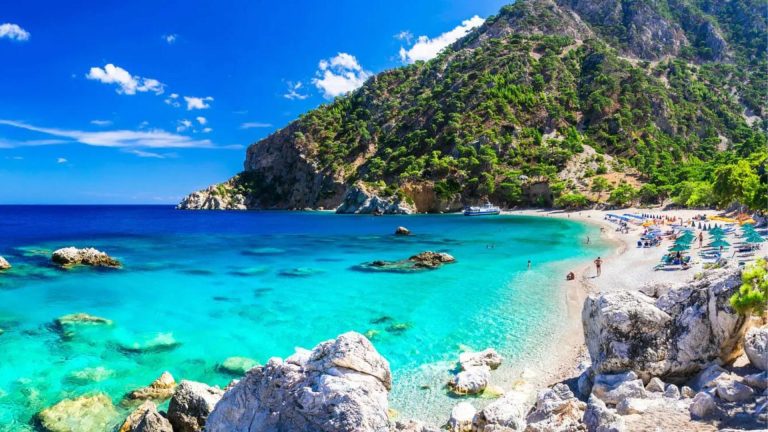
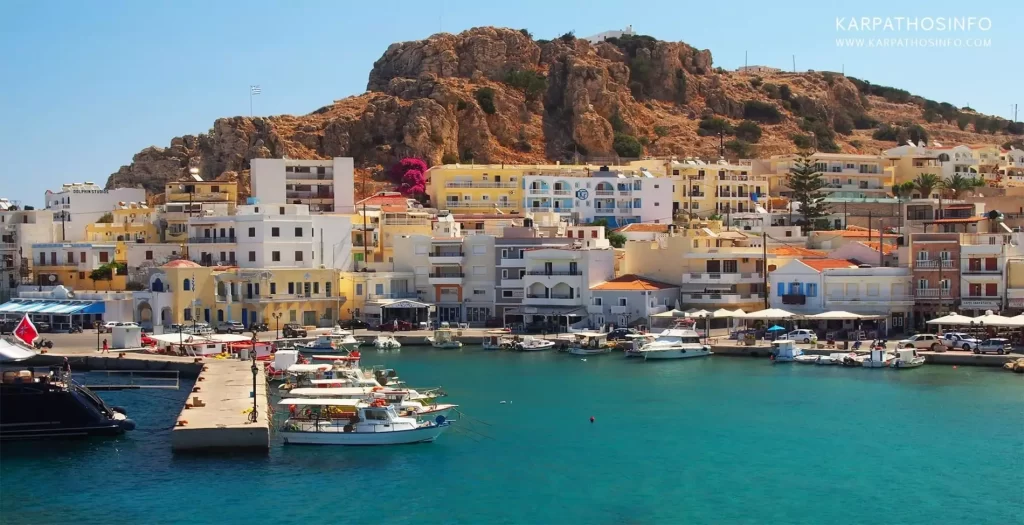
Blick, Switzerland’s largest newspaper, has urged Swiss and German-speaking travellers to change habits and choose islands without mass tourism. The Greek island of Karpathos was among the suggestions.
The newspaper published a list of 8 European islands which stand out for their traditions, natural beauty and authenticity.
Karpathos island
Karpathos stands in fifth place because the magazine said it “is a bright example of quality, as it is also known as the ‘secret’ Santorini.”
The list includes places from France to Italy, and from Malta to Britain, the Netherlands and Germany.
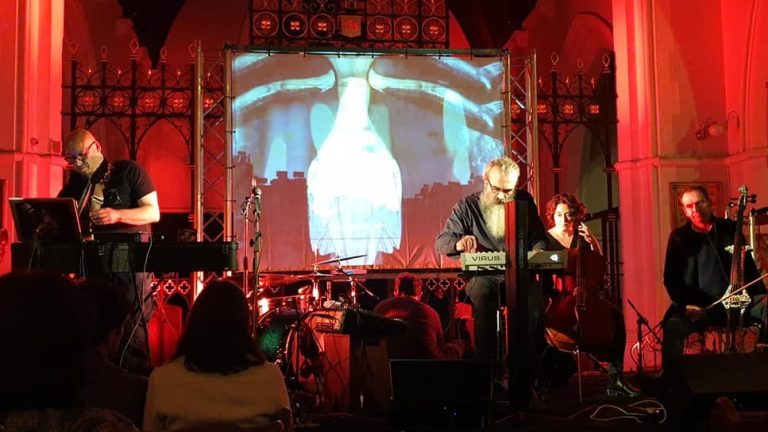
Masonik, an innovative and diverse arts collective based in Perth, Western Australia, has been captivating audiences nationally and internationally since its establishment in 2006.
Renowned for their experimental approach, Masonik seamlessly merges various art forms, including music, visual arts, performance, and video art, to create immersive and transformative experiences.
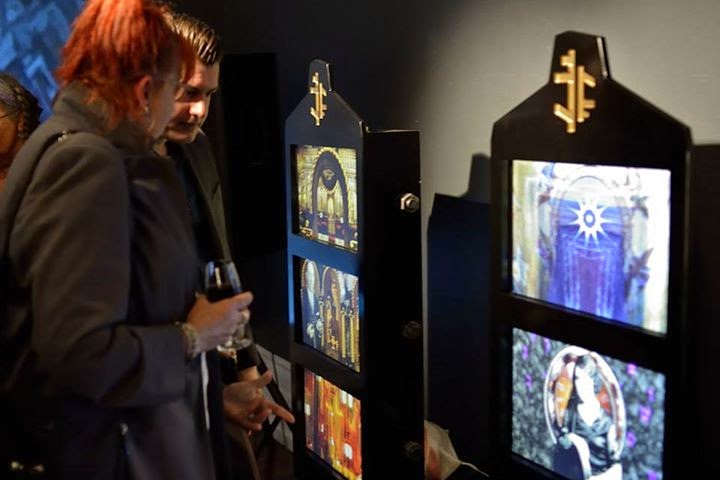
Led by a group of multidisciplinary artists, Masonik aims to push the boundaries of traditional artistic practices and explore the intersections between art, media forms, and technology. Their works often incorporate elements of sound art, electronic music, improvisation, and interactive installations, resulting in unique and thought-provoking performances.
Masonik fans.
At the heart of Masonik’s philosophy lies collaboration. The collective brings together artists from diverse backgrounds and disciplines, fostering a creative environment where ideas are shared, and artistic boundaries are crossed. This collaborative spirit extends not only to the members of Masonik, but also to their engagement with the local community.
They actively collaborate with other artists, musicians and performers, as well as organisations and institutions in Western Australia and abroad, to create dynamic and inclusive artistic experiences.
Masonik’s performances are renowned for their immersive and transformative nature. Often creating site-specific works, they engage with the architecture and environment, blurring the lines between performer and audience. Through elements of ritual and ceremony, their shows create a space for reflection, introspection, and connection.
Masonik at Federation Square.
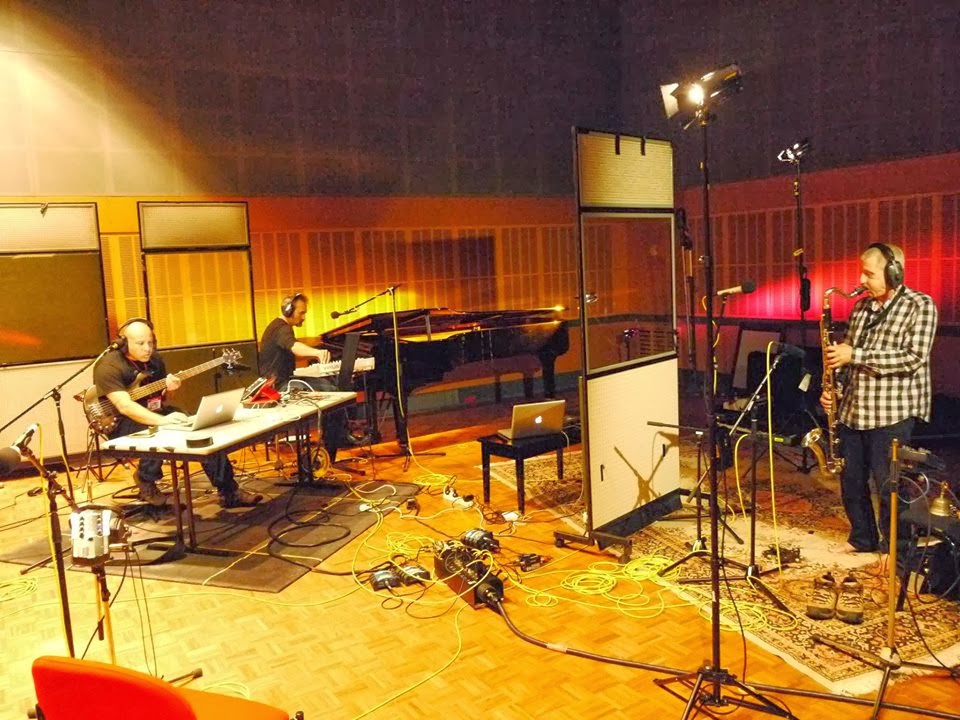
In addition to their captivating live performances, Masonik has released more than 14 studio recordings on various formats, including vinyl, DVD, and CD. This allows their unique soundscapes and musical explorations to reach a wider audience and further contribute to the artistic landscape.
Currently, Masonik is working on a project titled “Assembled Interference.” This ambitious endeavour explores the intricate interplay between art and technology, delving into the tension and interference that emerges from the fusion of human creativity and technological advancements.
Through this project, Masonik explores the challenges and complexities that arise when artists encounter technology as both a tool and a potential rival. “Assembled Interference” encompasses a vinyl LP release, a series of videos, and a collection of darkroom photographs and manipulated Polaroid prints.
To experience the artistry of Masonik firsthand, one can explore their performances through a link to their captivating performance in Athens: https://youtu.be/2Hd5ocLB_m0
For more information about Masonik and their artistic endeavours, visit their official website at www.masonik.org. Additionally, interested individuals can access the Greek Australian Artist Directory (GAAD), an archive of Greek art practice in Australia, to learn more about Masonik and other Greek Australian artists who have made significant contributions to the arts community in Australia.
The GAAD, initiated by the Greek Australian Cultural League (GACL), serves as a valuable resource for curators, collectors, researchers, and anyone interested in exploring Greek Australian art. It represents Greek Australian artists, as well as artists from various other backgrounds, whose work has been inspired by Greek culture. The group encompasses visual and performing artists who are established, emerging, and from both the past and present.
Masonik at ABC Sydney.
The initiative was first proposed in 2020 as a means to support artists during and after the Covid pandemic. This proposal came about after recognising the extensive list of local and interstate artists who had previously participated in past GACL art events, particularly the successful ‘Antipodean Palette’ exhibitions. Additionally, it was acknowledged that a few of the artists on the list have unfortunately passed away. Given our proud migratory and cultural history, the GACL invites the Greek Community to contribute information about artists who are no longer with us, but whose artistry and contributions have greatly enriched the Australian arts scene. This approach ensures the preservation of our cultural identity and the recognition of the value and history of Greek artists in Australia.
For artists wishing to register in the GAAD, please visit www.gacl.com.au and click GAAD. For general enquiries: infogaclm@gmail.com, or call GACL President Cathy Alexopoulos 0428 968 715, GAAD Co-ordinator Vasy Petros 0412 242 557.
An Aged Care Taskforce has been established by the Federal Minister for Aged Care, the Honourable Anika Wells MP.
The taskforce will deliver advice and recommendations to the government and inform the future of aged care in Australia.
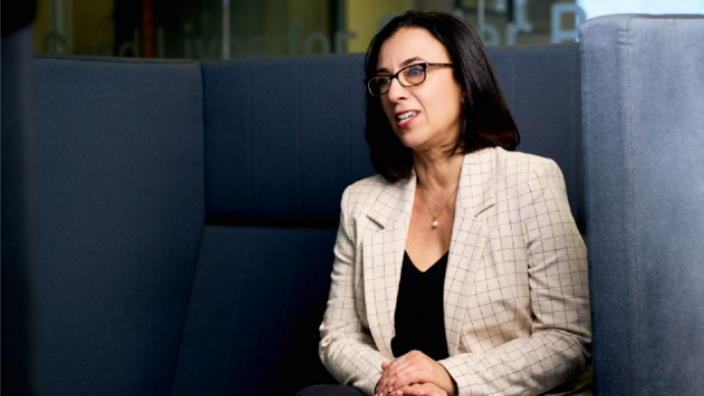
The immediate past Chairperson of the Federation of Ethnic Communities’ Councils of Australia (FECCA), Mary Patetsos AM, has been appointed to the taskforce.
Ms Patetsos served FECCA for eight years, initially serving as the Chair of the Healthy Aging Committee for her expertise in aged care policy and service delivery, and then as the Chairperson of FECCA.
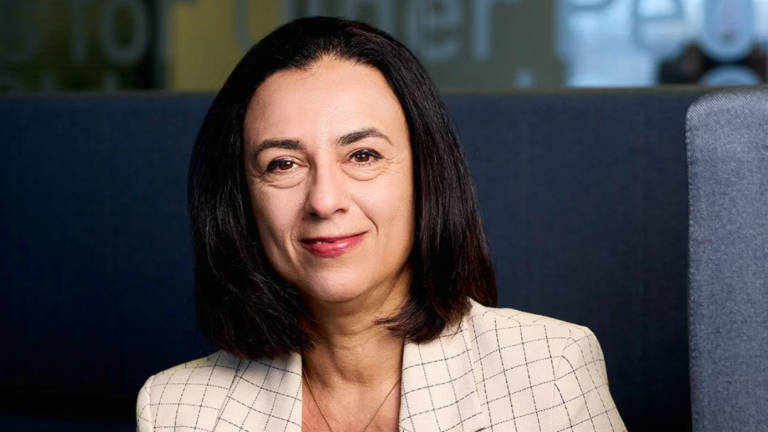
Mary Patetsos
In a statement, FECCA Chairperson Carlo Carli congratulated Ms Patetsos on her appointment and said she “is a respected leader in the aged care sector and has tirelessly advocated for better and inclusive aged care policies and services for multicultural communities.”
According to ABC News, the new taskforce will be required to report back to government with its recommendations by the end of the year.
Ms Patetsos is joined on the taskforce by Rosemary Huxtable, Professor Tom Calma, Pat Sparrow, Margaret Walsh, Tom Symondson, John Watkins, Mike Baird, Grant Corderoy, John McCallum, Janine Walker and Thomas Walker.
The Corinth Canal in Greece will be available for navigation until September 30, 2023, as announced by the Corinth Canal Company.
As noted in the announcement, from October 1 the ongoing restoration work on the Canal will enter the final stages and it is estimated that in February 2024, the Canal will return to normal 24-hour operation.
In addition, from June 1 onwards, the new electronic services of the Canal will be available on the company’s official website, where the calculation of tolls and paying with credit or debit card through the secure Pay By Link system, will be possible.
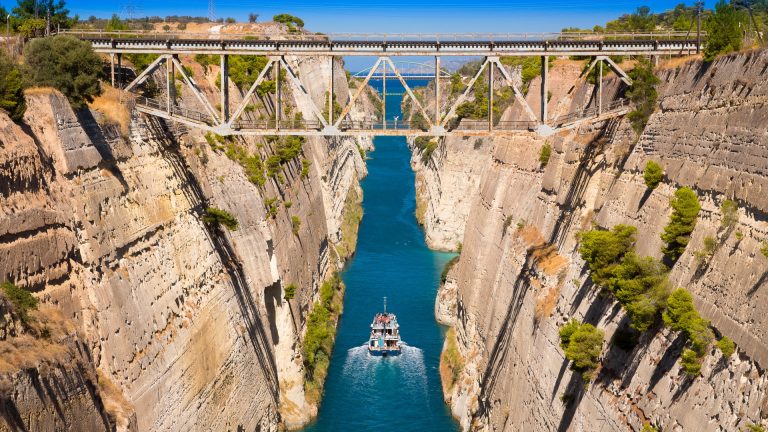
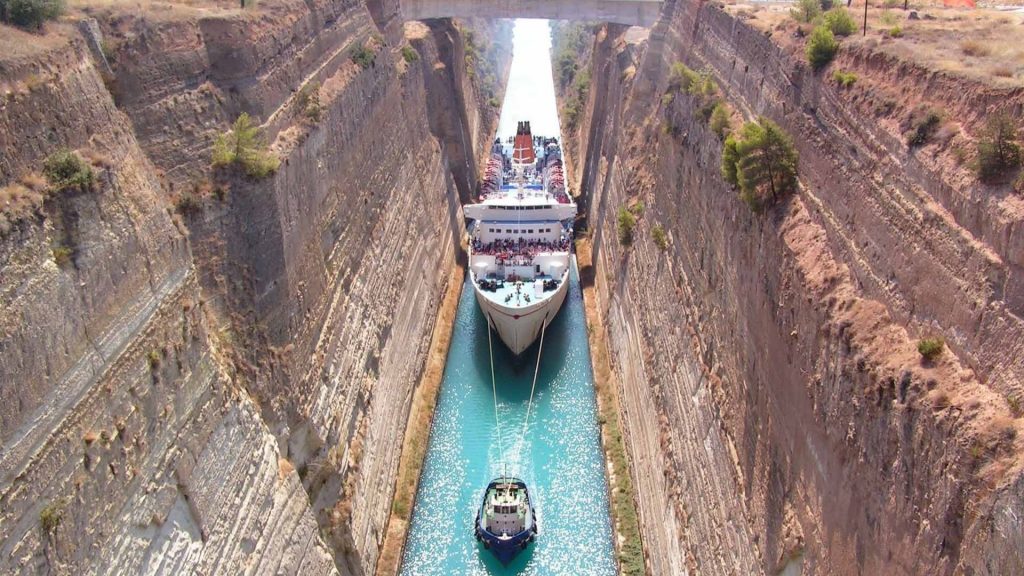
The Corinth Canal.
The Corinth Canal has been undergoing a 32-million-euro restoration which consists of two stages. The first comprised of cleaning the canal and working to relieve the slopes, and the second involved stabilising the slopes’ bases.
The Corinth Canal separates the mainland of Greece from the Peloponnese Peninsula. Specifically, the Canal links the Gulf of Corinth of the Ionian Sea with the Saronic Gulf of the Aegean Sea.
Technically, the Corinth Canal makes the Peloponnese an island, but since it’s so narrow, most experts still refer to it as a peninsula.
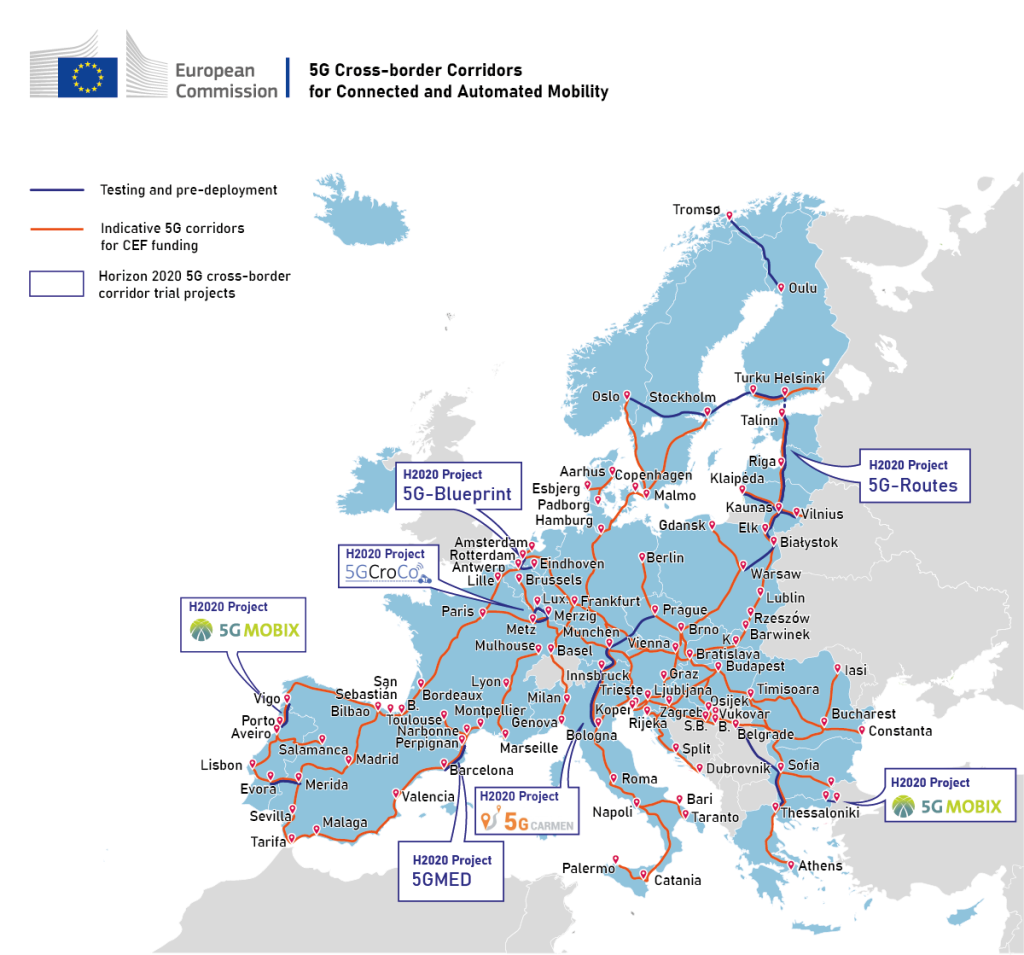
Greece and Bulgaria are set to build a 5G corridor across the two countries’ border, laying the foundations of developing autonomous driving in the region.
The 5G corridor will be one of the first in Europe.
According to themayor.eu, the corridor will be connecting Thessaloniki to Sofia and Belgrade, and while the project was at first announced in 2018, it is set to be completed in 2025.
The work is included in an EU-funded initiative to create so-called 5G corridors, connecting countries through routes with high-speed internet support.
Through the Connecting Europe Facility (CEF) Digital programme over the 2022-2027 period, the EU will provide financial support for the large-scale deployment of 5G corridors all across the Bloc, with a planned budget of around 1 billion euros for the period.
Zlatina Nikolova, Bulgarian Deputy Minister of Transport and Information, told EURACTIV that half of the development will be funded by the European Commission and the rest of the funds will come from private investors.
On the Greek side, the project will be completed by the Greek telecom COSMOTE. The latter would build a 300-kilometre-long road, starting from Promahonas and reaching Velestino, a small town near Volos.