Home Blog Page 1018

The spirit of giving on show at Heartbeat of Football luncheon

By Andy Paschalidis – Heartbeat of Football Founder

My feet still haven’t touched the ground as I reflect on the biggest and most successful Heartbeat of Football (HOF) fundraising event since our charity launched in 2016.

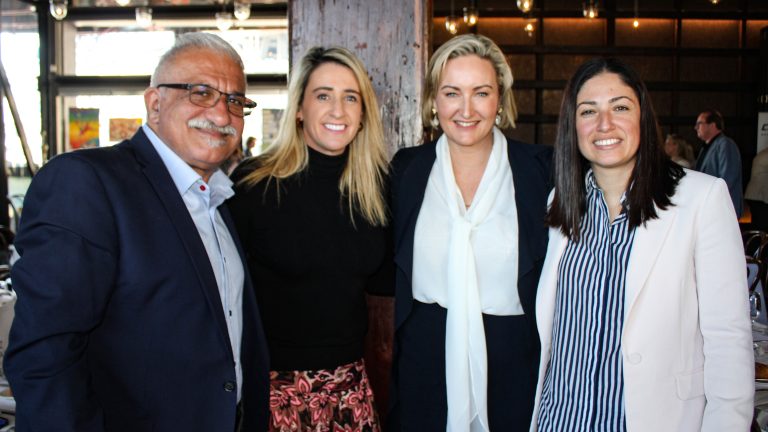
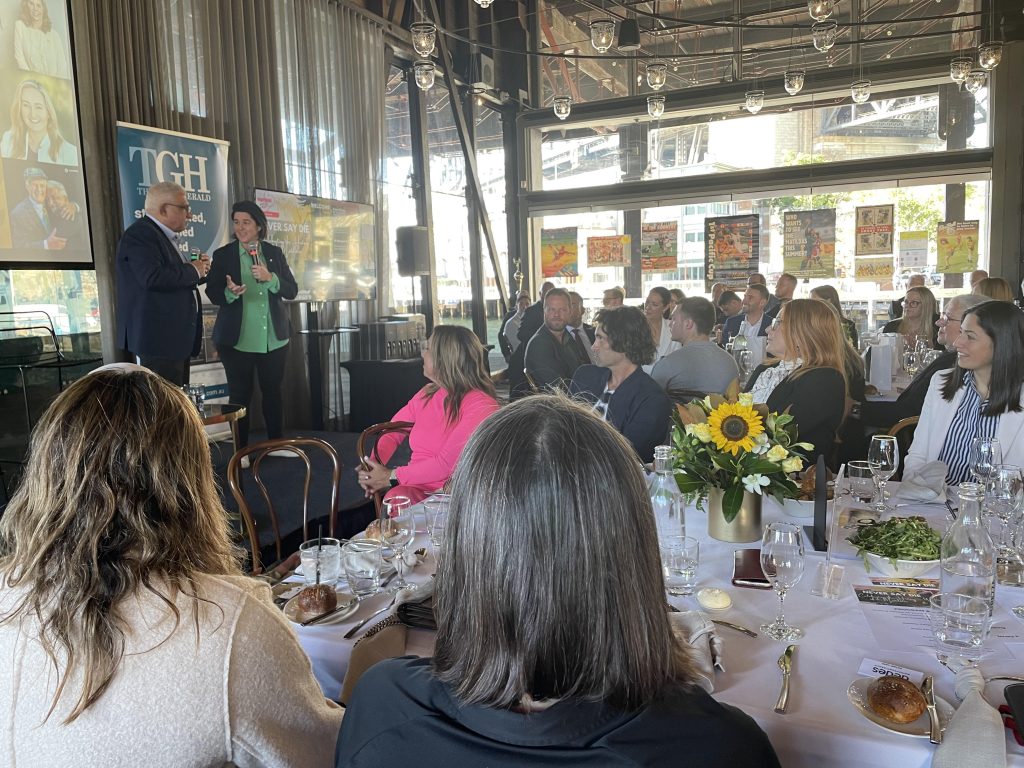
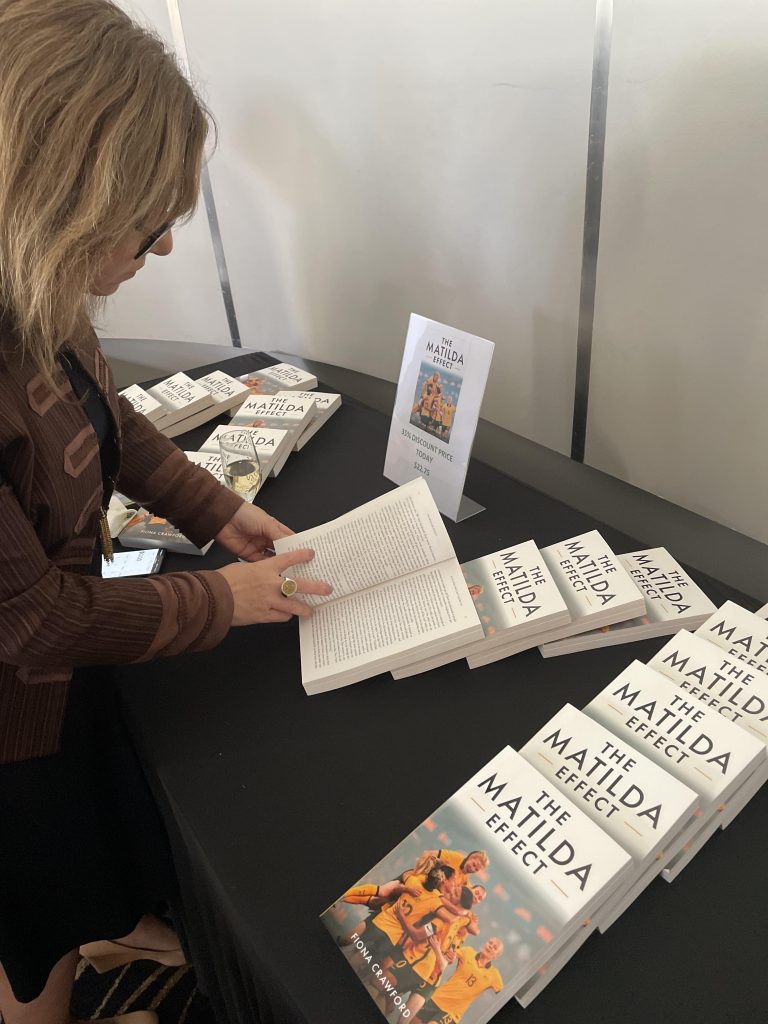
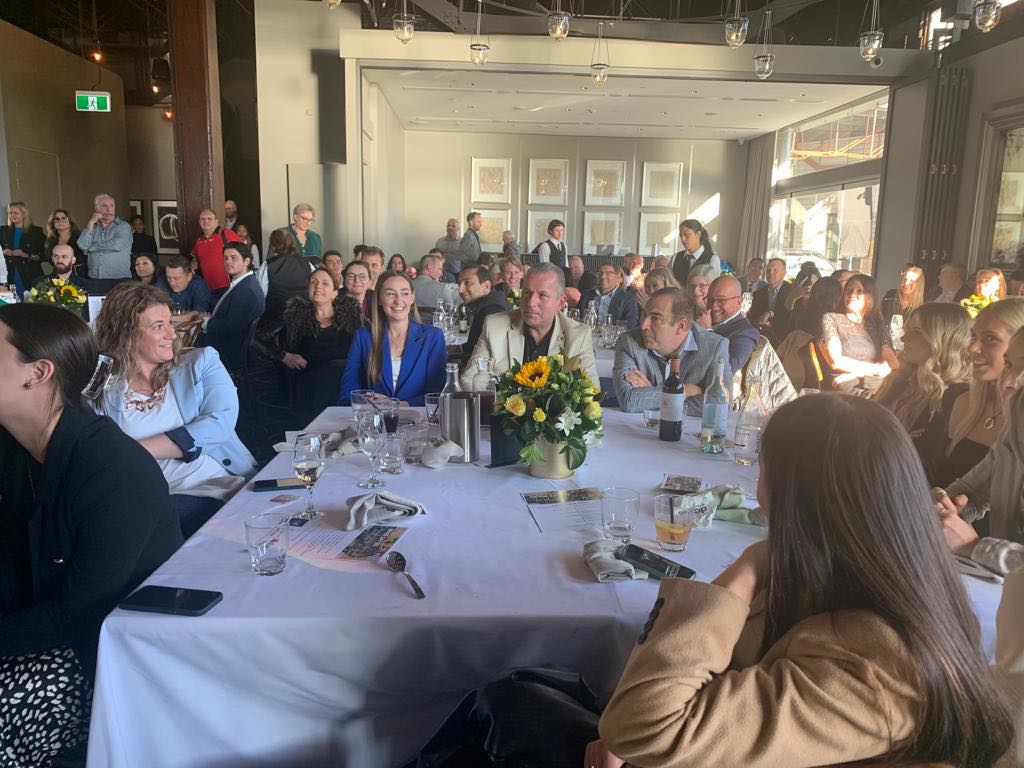
Last Friday, June 23, 180 people gathered at the iconic View by Sydney – part of the Con Dedes Waterfront Group – to celebrate the “Never say Die” Matildas journey and to focus on women’s heart health which rarely gets the attention it needs and deserves.
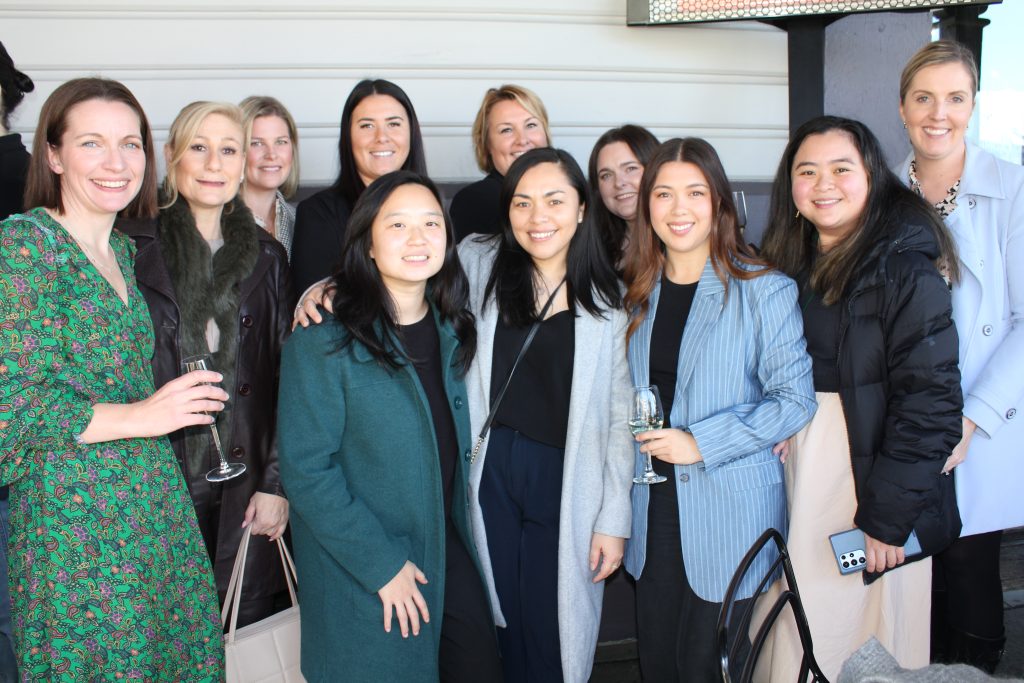
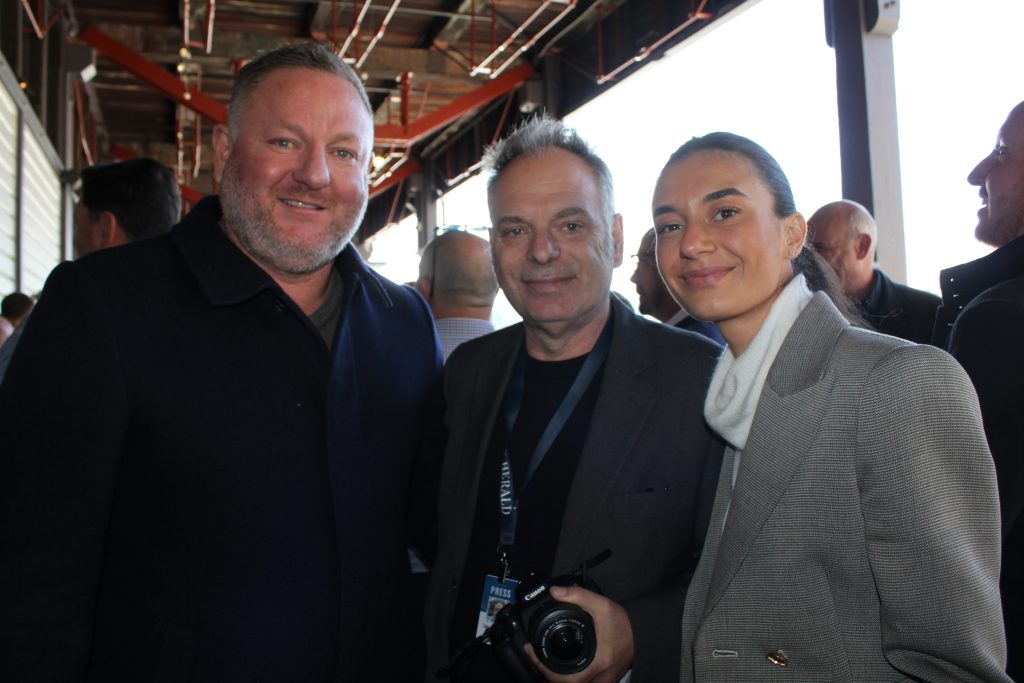
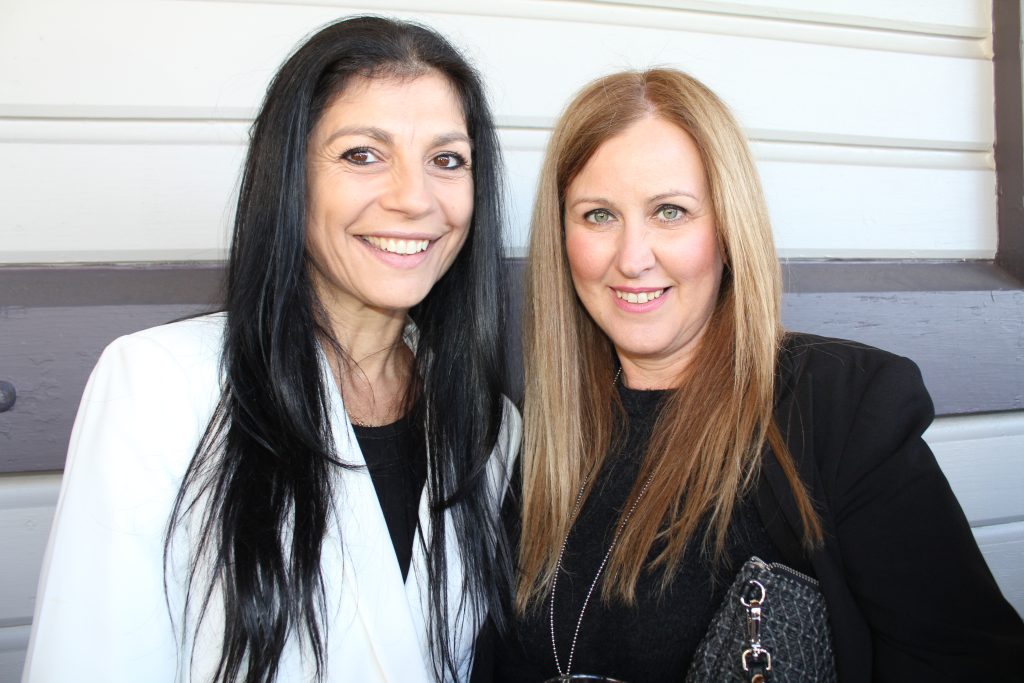
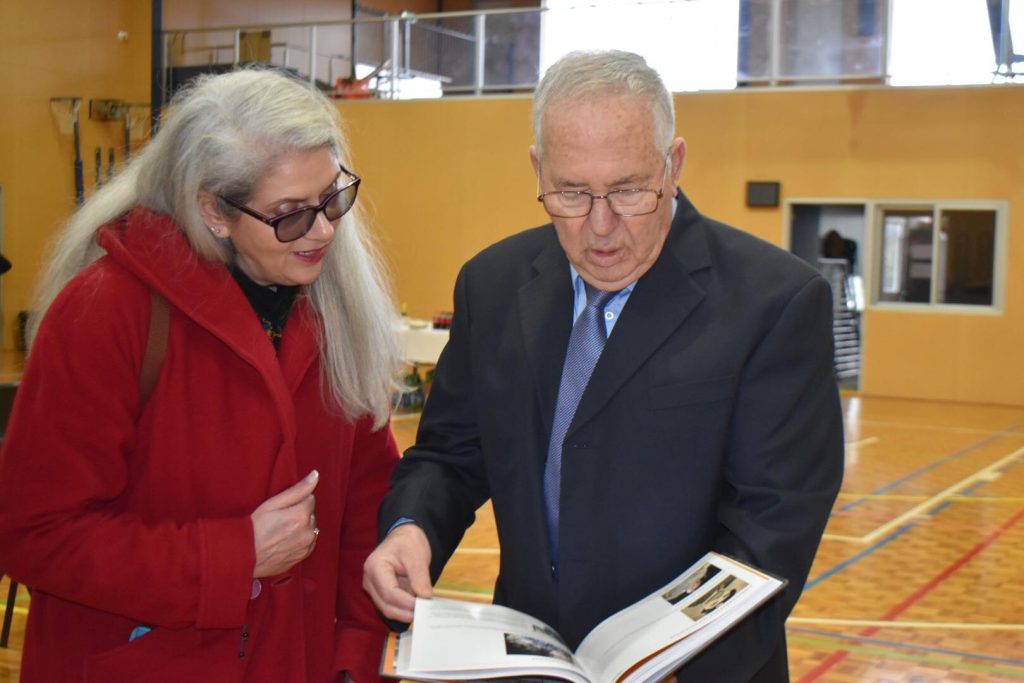
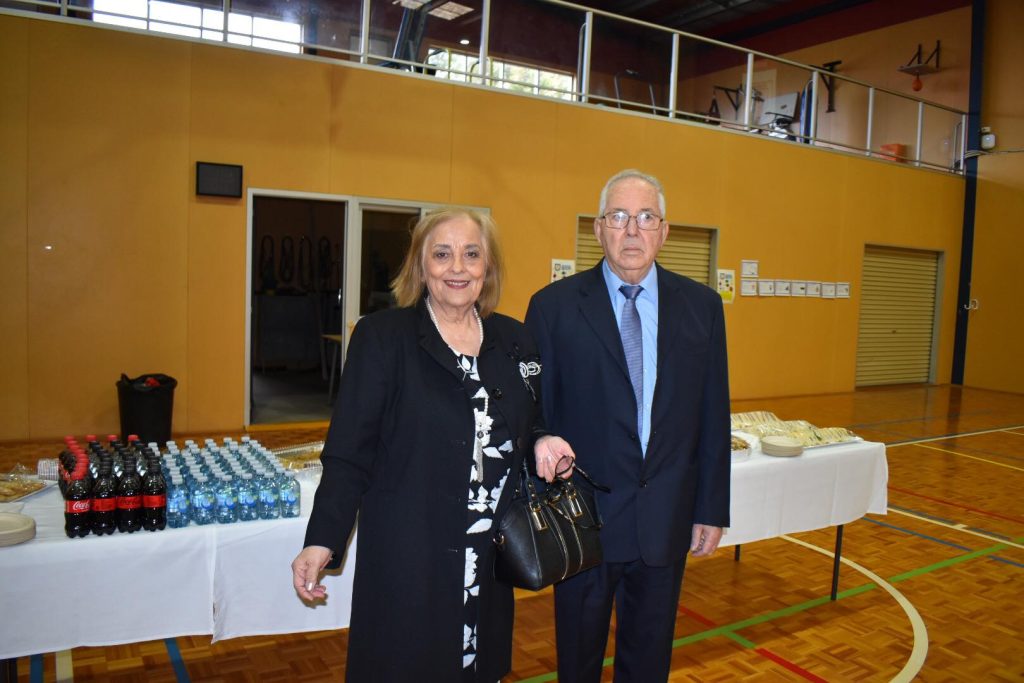
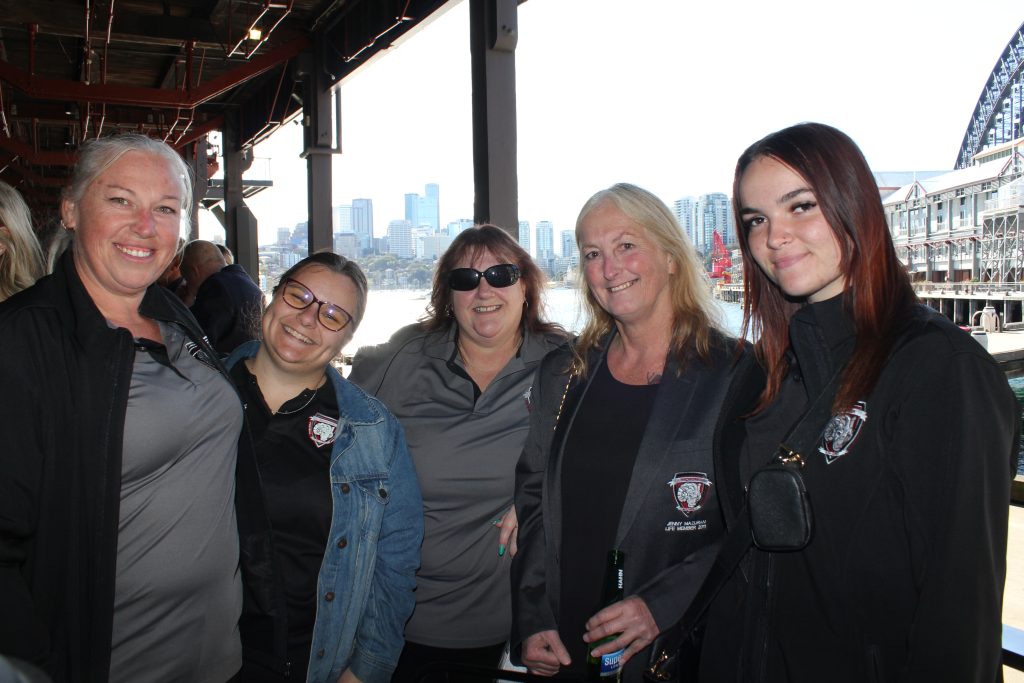
Females were in full force at the luncheon. All photos copyright The Greek Herald / Andriana Simos.
It was a full house at the luncheon.
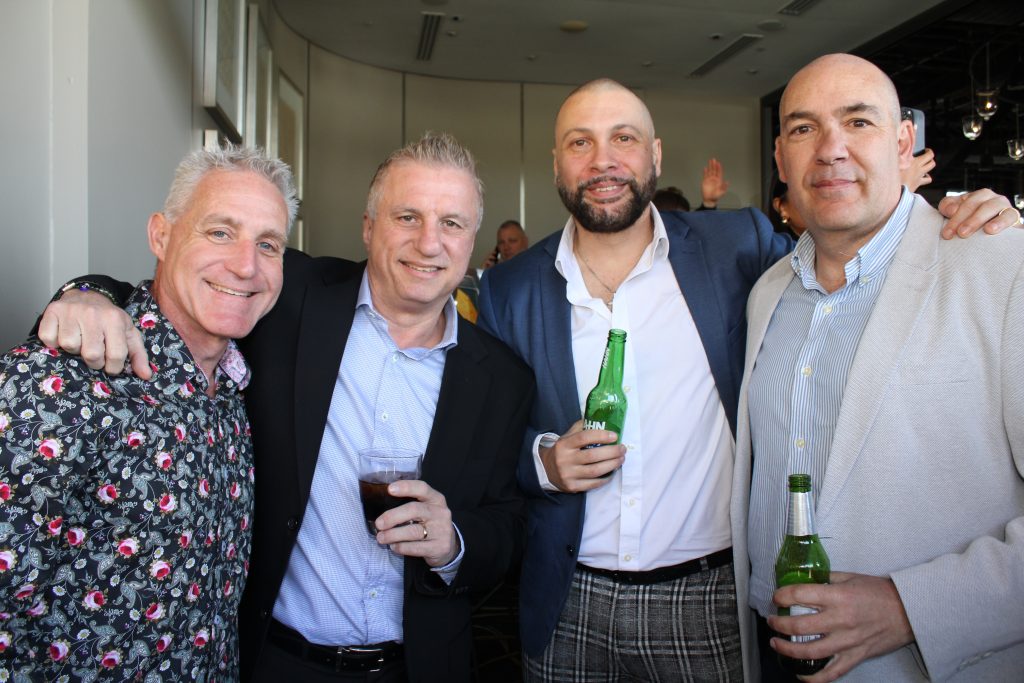
Males and female came together in support of Heartbeat of Football.

Typically, there was a great deal of support from the Greek Australian community which ensured we reached unparalleled heights raising close to $50,000. The auction secured $19,000 and the raffle just over $9,000. Every item in the auction and raffle was donated. Incredible.

What this means is that HOF can now start planning to deliver an extra 25 heart health testing days in collaboration with the preeminent Victor Chang Cardiac Research Institute, Novartis and Response for Life.
Potentially we could now be testing a further 1,500 people. We have already conducted 37 testing days in 2023 and this will escalate with 12 activations to come in Melbourne, Geelong and Bendigo from July 1-16.

What our charity does is unique providing FREE heart health checks for three modifiable risk factors – blood sugar, cholesterol and blood pressure – as well as AED/CPR confidence sessions. The numbers don’t lie. In 2023, our average shows that 49% of those tested have issues.

Cardiovascular disease is our biggest killer and the mission of our amazing team of volunteers has never changed. We must reduce the curve. We must ensure defibrillators are at ALL sports grounds and that they are accessible and in working order. We must be ready to apply CPR knowing that defibs are automated and will “talk” you through the process.

It’s all about the chain of survival knowing that 16 players have been saved in the last 20 incidents in stark contrast to 15 deaths in 18 incidents between 2014-2016.
All smiles.

In NSW alone, the previous Government outlaid $6 million between 2017-2022 for defibrillators to be rolled out into sporting clubs and community groups. I know the benefits ever so well with my beloved Pontian Community the beneficiary of a defibrillator at our Pontoxeniteas Club in Sydney. Does your club have one?

Several ladies who have worn the green and gold of the Matildas joined us on Friday, including Sarah Walsh – Football Australia Head of Women’s Football, Legacy and Inclusion – as well as Heather Garriock (HOF Ambassador), Kate Gill, Catherine Cannuli, Mara Watts, Deborah Nichols and Taylor Ray.
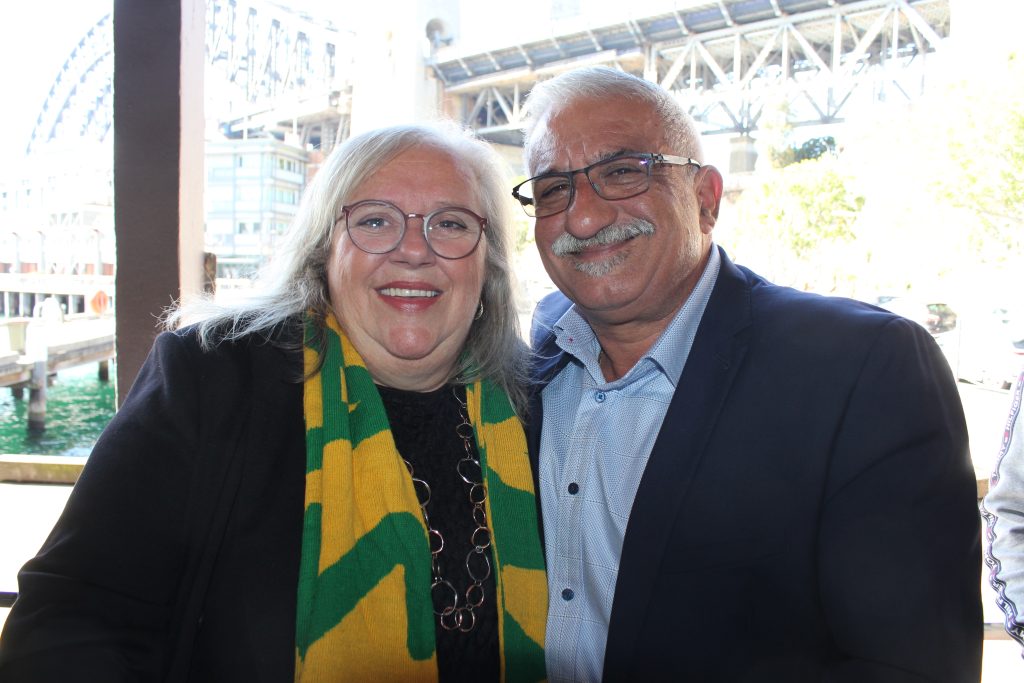
The luncheon was in support of the Matildas and the upcoming Women’s World Cup.
Females in full force.

Matildas star and HOF Ambassador, Caitlin Foord, provided us with a pre-recorded welcome before HOF Member Karen Grega took over as emcee and did such a commendable job.

Media personality and Football NSW Deputy Chair Stephanie Brantz facilitated a wonderful panel which featured Garriock, Gill and Cannuli – players who have featured in World Cup and Asian Cup tournaments.
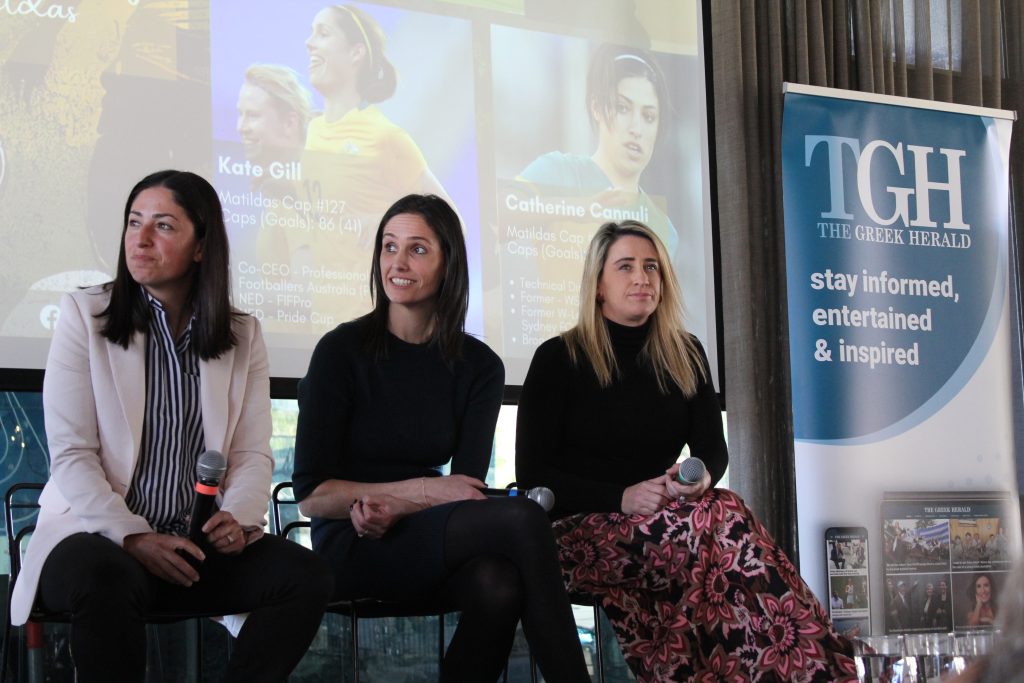
Panel with Matildas players.

“I am getting nervous and anxious with the Women’s World Cup just weeks away,“ Garriock said.

“It will be such an amazing experience for our team playing in front of sellout crowds on home soil with the world watching.

“It reminds me of what it was like having played at the 2000 Sydney Olympic Games. This will be life changing in so many ways but also unite our nation.”

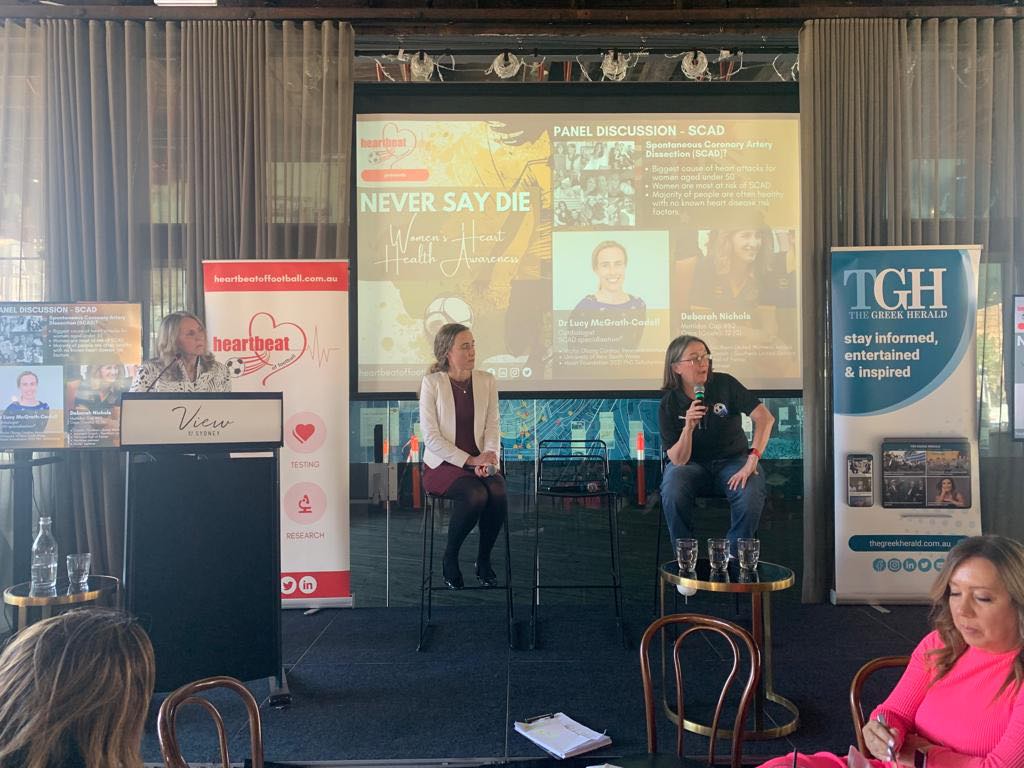
I had the opportunity to interview Sarah Walsh, who has such a rich history in our game, before Dr Lucy McGrath-Cadell (Victor Chang Cardiac Research Institute Researcher) gave us an overview about SCAD (Spontaneous Coronary Artery Dissection), which is unique to women.

It was then the turn of Deb Nichols, who like Kate Gill flew up from Melbourne, to tell us about her life changing SCAD incident which almost resulted in her death. Confronting yes, but it’s vitally important for women to know about SCAD.
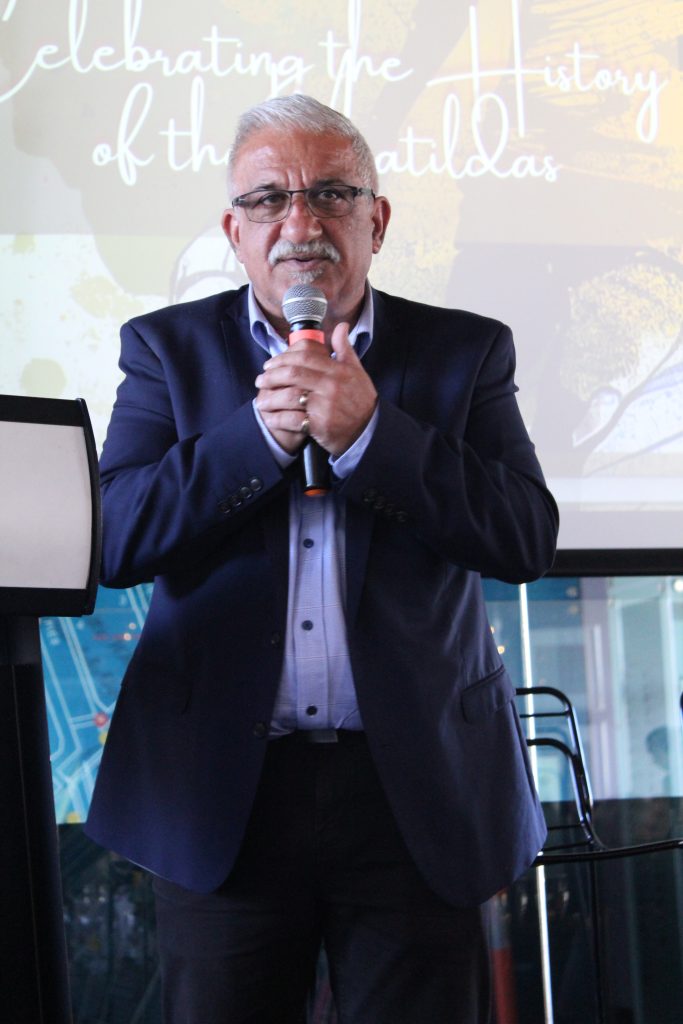
Heartbeat of Football founder, Andrew Paschalidis.
Dr Lucy McGrath-Cadell gave people an overview about SCAD (Spontaneous Coronary Artery Dissection).

It gave me great pride that The Greek Herald and Sydney Olympic FC were committed to being major sponsors of this unique luncheon. It didn’t take too long for the likes of Oz Hair and Beauty (Guy and Anthony Nappa), Waratah Florists (Anne Andrade) and Con Dedes to follow.

We were blessed that tables were booked by the likes of Football Australia, who had 12 female guests led by Maria Foundas, Football NSW hosted by CEO John Tsatsimas, Football St George led by Chairperson Irene Hatzipetros, Paul Aspros (PSK Private Wealth), The Greek Herald and of course Sydney Olympic with President Damon Hanlin inviting several players and coaches from both the men’s and women’s teams along with Angelica Georgopoulos, Taylor Ray, Ziggy Gordon, George Beltsos, Labinot Haliti, Lawrie McKinna and former Socceroos star Peter Katholos.
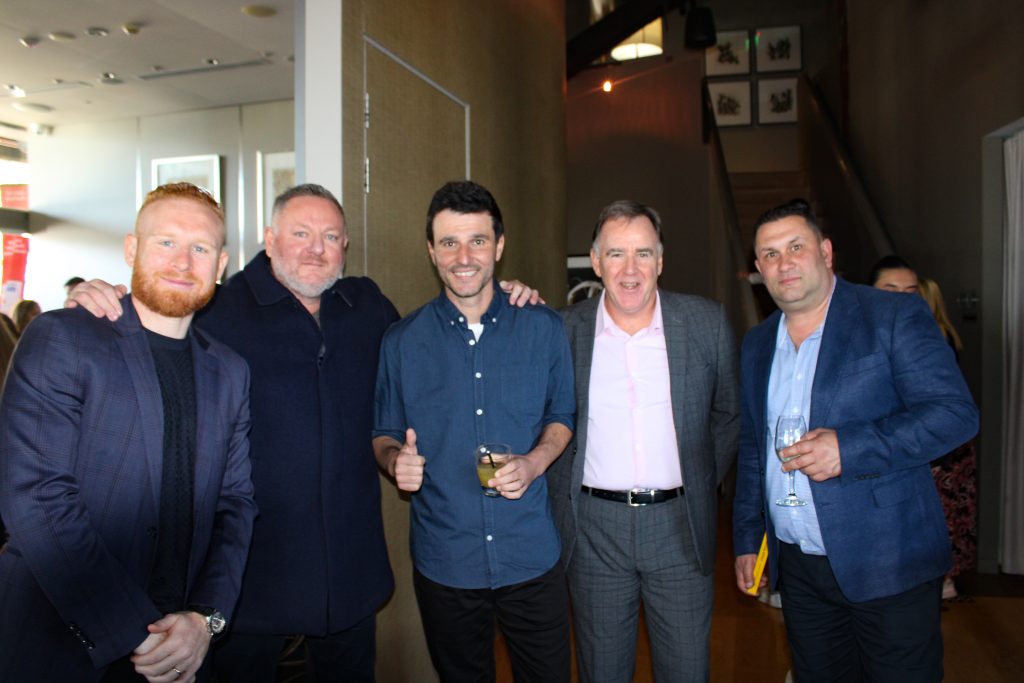
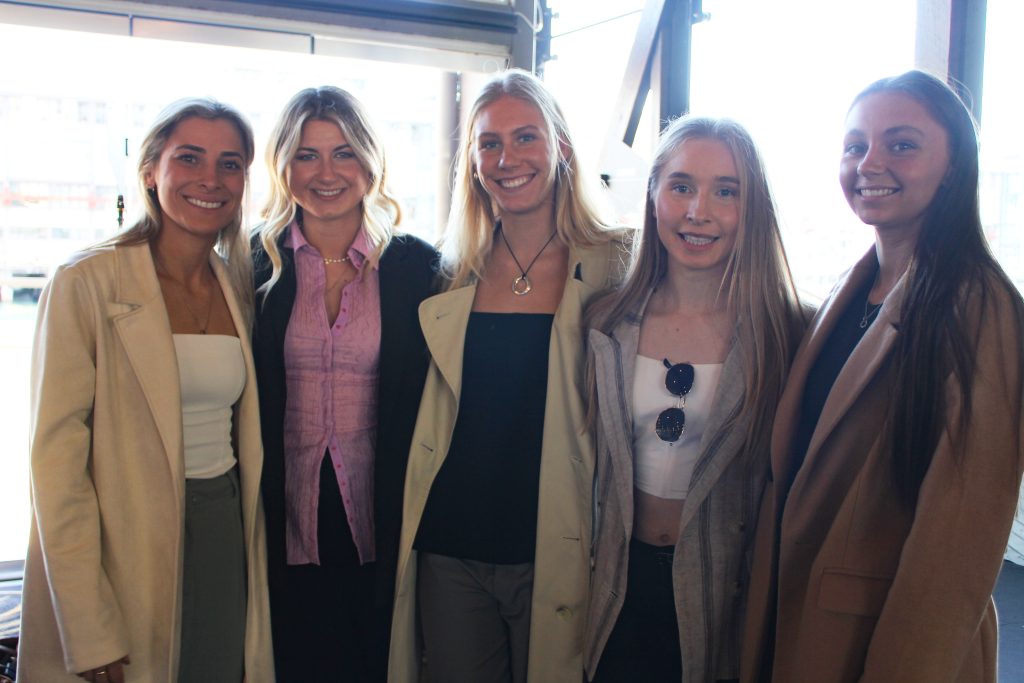
Sydney Olympic FC contingent.
Members of Sydney Olympic FC’s women’s team.
Sydney Olympic President Damon Hanlin (left) with The Greek Herald’ Sports Editor Takis Triadafillou and Publisher Dimitra Skalkos.
Irene Hatzipetros (left).

“What you and your charity do is unique and we should all get behind it,” Maria Foundas said.

“We will always support your mission knowing it is saving lives and creating greater awareness. It was wonderful to see such a female specific event come to fruition.”

So many corporates and individuals attended as well as representatives from nine local associations and committed charity partners including Crash Claim Accident Management, Deploy Football, Novartis, Jason Connolly Memorial Cup and Bing Lee who were represented by another former Sydney Olympic and Canterbury Marrickville Olympic player Spiro Hantzis.
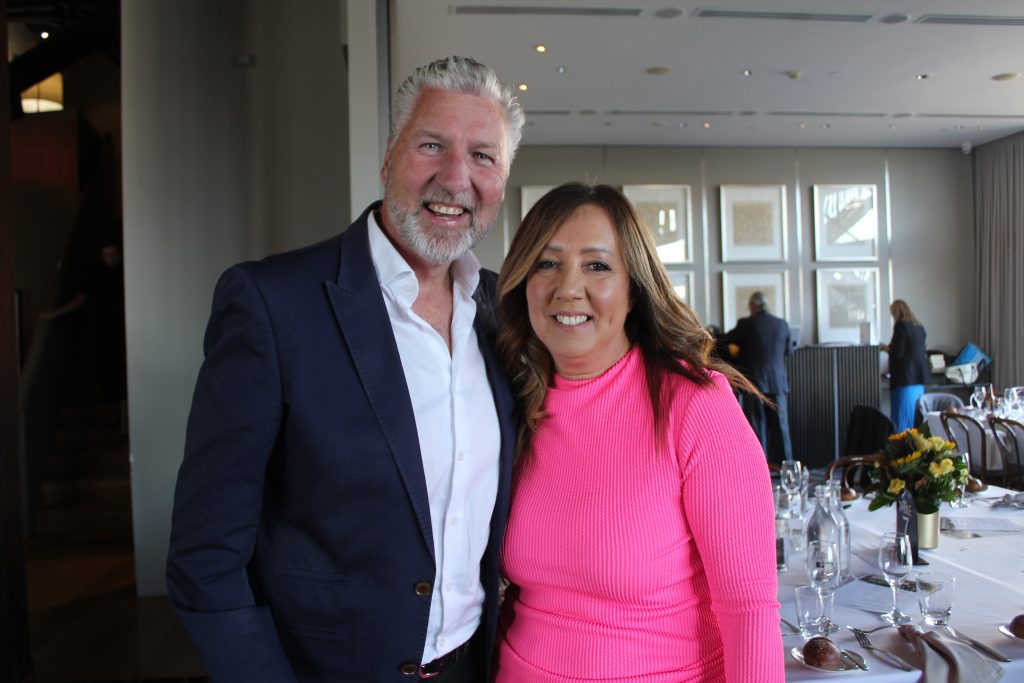
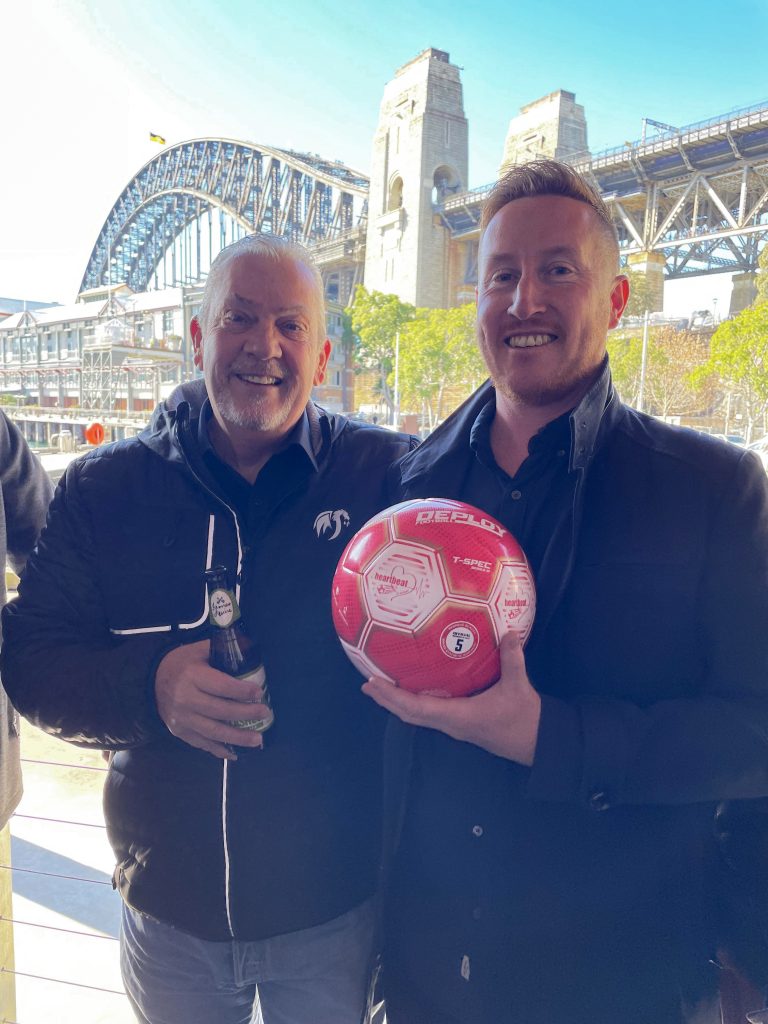
The luncheon raised close to $50,000.

Our amazing team of HOF Board Members and volunteers has a very heavy strong Greek Australian influence led by ex-Sydney Olympic defender and current Hurstville City Minotaurs 045s champion Nick Plataniotis, Niki White (Nikstar PR), Lea Safouris-Stevenson, Christine Stavropoulos, David Petranker and Esta Paschalidis-Chilas.

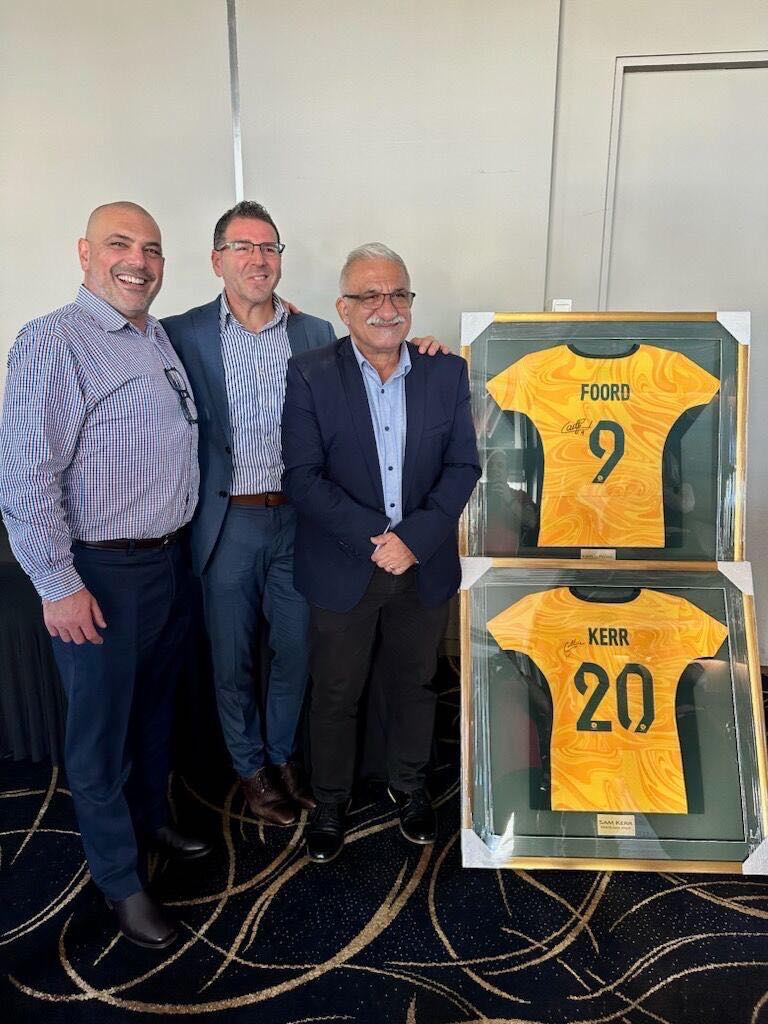
Niki is a recent addition to our Board and her professional background broadens what we can deliver as a charity. In fact, Niki also manages Sam Kerr and Caitlin Foord and organised two framed jerseys which secured $13,500 in the auction.

The spirit of “filotimo” is in our DNA. It’s the gift of giving back to the community – a trait instilled in all of us given the journey undertaken by our parents, grandparents and great grandparents in leaving their homeland after the Second World War.

Now I get set to meet with Steve Kamper MP – the NSW Minister for Sport and Multiculturalism amongst his four key roles in Government. Steve was there when our Charity launched just over seven years ago but couldn’t make it last Friday because of Parliament commitments. We were blessed to have Dr Marjorie O’Neill MP attend in his absence.
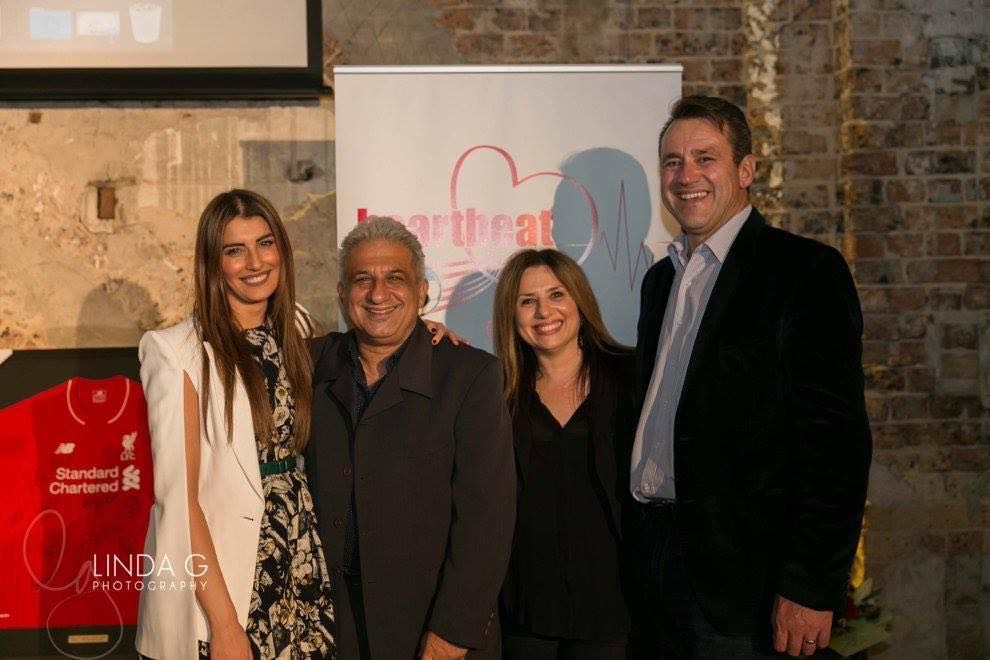
Andrew Paschalidis (second from left) with Eleni Petinos MP (left), Esta Paschalidis-Chilas (second from right), and Steve Kamper MP (right) on launch night for the Heartbeat of Foobtball.

Next week I look forward to heading to Melbourne in my donated Crash Claim (Nick Karagiannis) vehicle – again the spirit of giving but at the same time a mobile advertisement for heart health.

All I ask of you is to get a regular checkup much like Guy Nappa’s father Elio did recently. He underwent quadruple bypass surgery at 59 years old and counts each day as a blessing.

My family know this feeling only too well. My father Chris Paschalidis lived for 93.5 years and he underwent bypass surgery at 84 years old. No doubt that gave him extra years for which our family feel so blessed.

All I ask for now is that our Federal Government steps up with a National Strategy to address cardiovascular disease – our biggest killer. As I have said time and time again no one should die playing the sport they love.

* All photos copyright The Greek Herald / Andriana Simos.

Will Angel celebrates 250th match for Sydney Olympic as club secures victory

Sydney Olympic FC secured a valuable victory in their fight to escape a relegation battle against fellow strugglers Western Sydney Wanderers with the Blues running out 3-1 winners in a heart-stomping Round 21 clash at Belmore Sports Ground on Saturday.

Young Blues striker Michael Vakis got the early goal for Olympic in the 5th minute and this scoreline would stay in the hosts favour up until the 82d minute when Edmund Lupancu equalised.

The Blues knew how important three points were at home and they shifted an extra gear as they scored two late goals via Fabio Ferreira and a penalty to Roy O’Donovan that secured the much-needed point for Olympic.

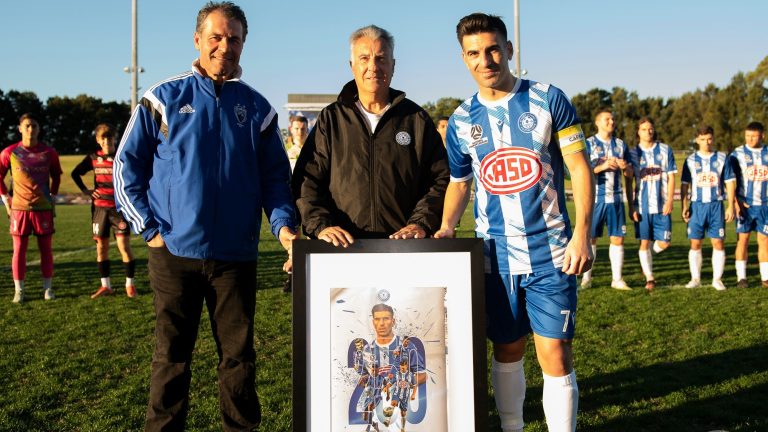
The match was a day of celebration for the Blues as one of the club’s favourite sons Will Angel celebrated his 250th appearance for his beloved Olympic.

He is the 6th player in the history of the club to achieve this milestone, among the likes of Gary Meier, Gary Phillips, David Barrett, Peter Raskopoulos and Tony Spyridakos.

Will came through the junior ranks at Olympic before making his 1st grade debut in 2011 against Wollongong Wolves.

“To get a win today, specially my 250th, is massive. It’s something that I’ve always wanted and it’s been a long time coming with a few injuries I’ve had,” Will said after the match.

Sydney Olympic coach Labinot Haliti was also pleased for Will.

“I’ve only worked with him for a few months but he leads by example on and off the pitch and to reach his 250th game for the club is an amazing achievement and hopefully the win today will help him to celebrate this milestone with a smile,” Haliti said.

Source: Football NSW.

Sydney man refused bail after allegedly ‘king hitting’ John Totsis

The man who allegedly king hit John Totsis in a wild road rage incident on Peel St in Belmore, Sydney, on May 28 this year, has been refused bail.

Totsis was rushed to St George Hospital after the attack with a fractured skull and brain bleed. He has been recovering in hospital ever since.

According to The Daily Telegraph, Din Decevic, 34, a mobile crane operator, was charged with reckless grievous bodily harm following the violent altercation with Totsis.

Detectives attended a unit in Sproule St, Lakemba and arrested Decevic on Monday, June 19. He applied for bail at Bankstown Local Court on Thursday, June 22, where he appeared by video link.

The court heard the altercation was sparked by Decevic, driving a Raptor, and Totsis, driving a Hyundai, both beeping their horns at each other.

Photo: WA Today / Marina Neil.

Totsis reversed to have a conversation with Decevic then attempted to drive off, but the driver blocked his way after reversing on an angle.

Magistrate Glenn Walsh said Decevic then approached Totsis and is alleged to have punched him in the face. The police prosecutor told the court Totsis lost consciousness and hit his head on the road when he fell back.

Mr Walsh said Decevic allegedly lied to police about who was driving and told officers that Totsis had allegedly threatened to kill him and he was “crazy and on ice.”

Mr Walsh refused bail and the matter was adjourned to Burwood Local Court on August 16.

Source: The Daily Telegraph

Peter Tsokas is the latest Greek Australian to be blacklisted by Russia

Australia Day Council of South Australia member, Peter Tsokas, has been banned from entering Russia for life, according to The Advertiser.

Tsokas is one of the 12 members on the Council and was among 48 other Australians who were sanctioned by the Russian Foreign Ministry over the weekend.

The Council, which hosts several annual events around Australia Day, celebrated the Ukrainian community in South Australia, many of whom are refugees fleeing the war with Russia.

According to The Advertiser, it is believed the Council “were sanctioned because of a decision to ban Russian sympathisers from participating in the Australia Day parade.”

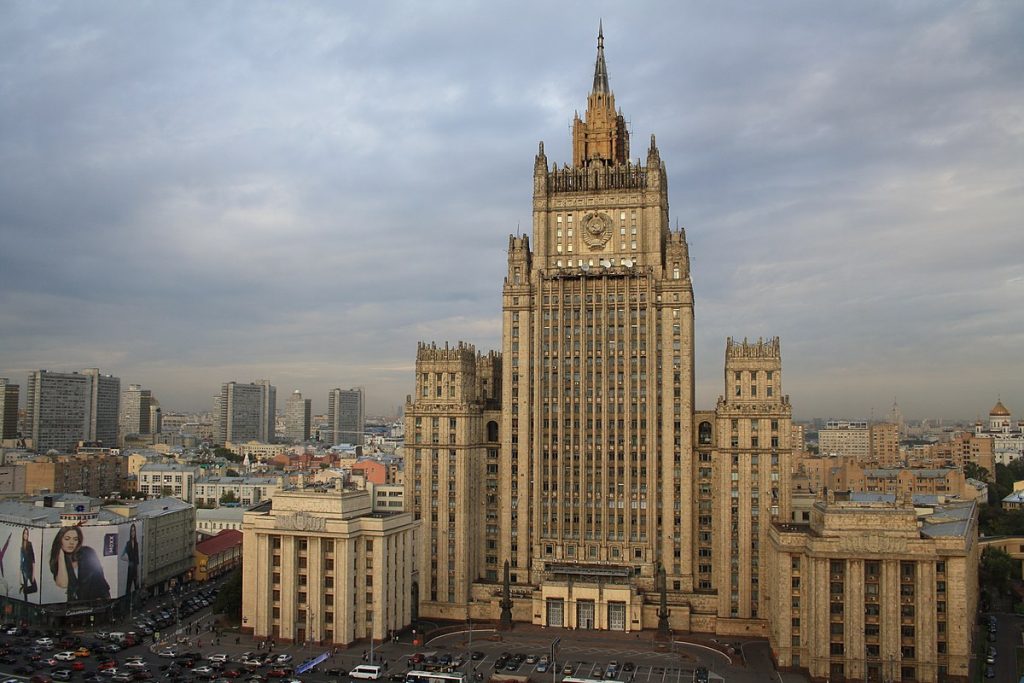
The Russian Foreign Ministry has issued a ‘blacklist.’

Other sanctioned Council members included Torrens MP Dana Wortley, Mitcham Mayor Heather Holmes-Ross, Adelaide councillor Jing Li, Antonietta Cocchiaro, Michelle Cox, Daniel Melino, Anna Cheung, Gillian Lewis, Grant Mayer, Rajendra Pandey and Mario Romaldi.

This comes after last year Russia blacklisted another 121 Australians, including defence officials, businessmen, reporters and editors, from entering the country ‘indefinitely.’

Four Greek Australians were amongst the blacklist including national security editor of The Strategist, Anastasia Kapetas; ABC radio news anchor, Patricia Karvelas; Chairman of the Board of Directors of SBS, George Savvides; and Associate Secretary of the Department of Defence, Matt Yannopoulos.

Source: The Advertiser

Stefanos Tsitsipas and Nick Kyrgios’ Netflix drama takes surprising turn

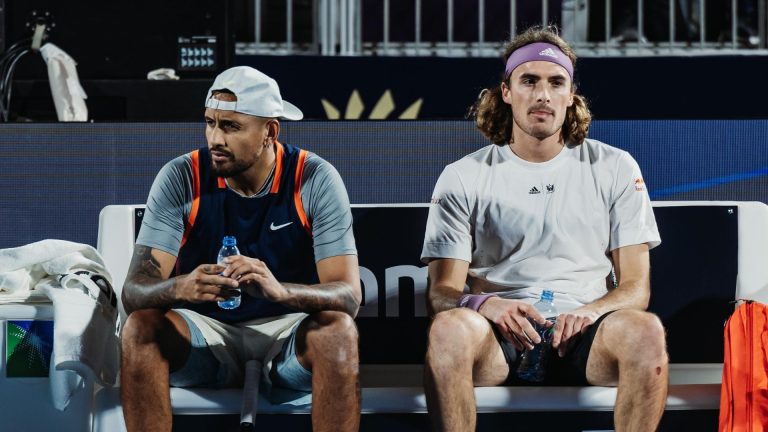
An interesting saga has been unfolding on social media after Netflix documentary Break Point aired an episode which showed Stefanos Tsitsipas calling Nick Kyrgios “uneducated.”

“He has brought that NBA basketball attitude to tennis. I would describe it as an uneducated approach of playing tennis,” the Greek tennis player can be heard saying in the episode.

Tsitsipas made the comments after his rivalry with Kyrgios came to a head at Wimbledon last year. Kyrgios defeated Tsitsipas in the third round of the tournament.

After the Netflix episode aired, Tsitsipas used Facebook to explain himself with a 600-word long statement. He said his comments were an “unfortunate misunderstanding” and his remarks did not aim to undermine Kyrgios’ intelligence or abilities.

“Instead, I simply intended to express my perspective on certain aspects of his playing style, drawing comparisons to the passion and intensity often associated with basketball,” Tsitsipas said in his statement.

“It was an attempt to highlight the dynamic and captivating nature of his approach to the game, not a criticism of his character or capabilities.”

Tsitsipas finished his statement by committing to be “more mindful” of his words and the impact they may have.

In response, Kyrgios has responded overnight via Twitter, posting: “It was a very heated battle. sometimes as players we go into these press conferences without digesting the match… We’ve had some crazy battles and I know deep down you like my brand of tennis – we are all good @steftsitsipas.”

Source: The Advertiser

Socrates Tsourdalakis’ book launch celebrated legacy of Cretan courage in Australia

By Mary Sinanidis.

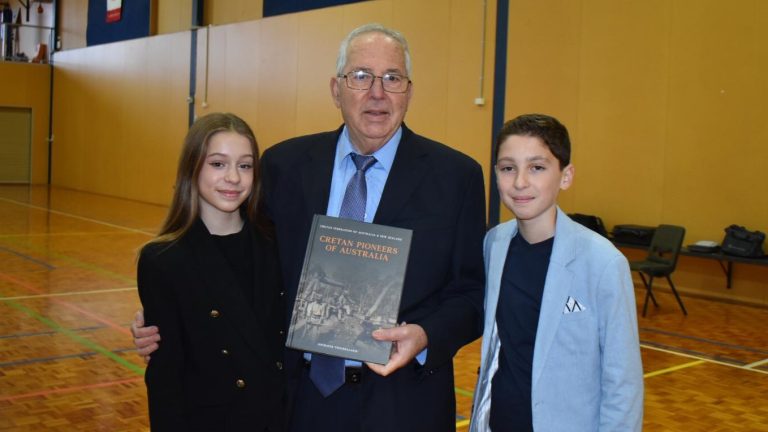
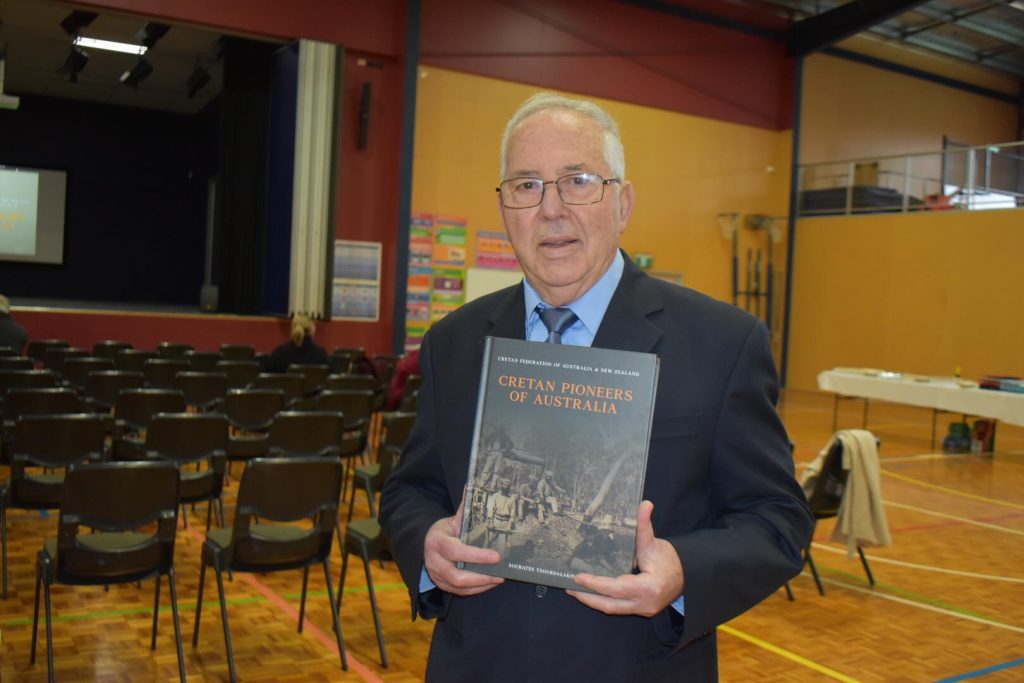
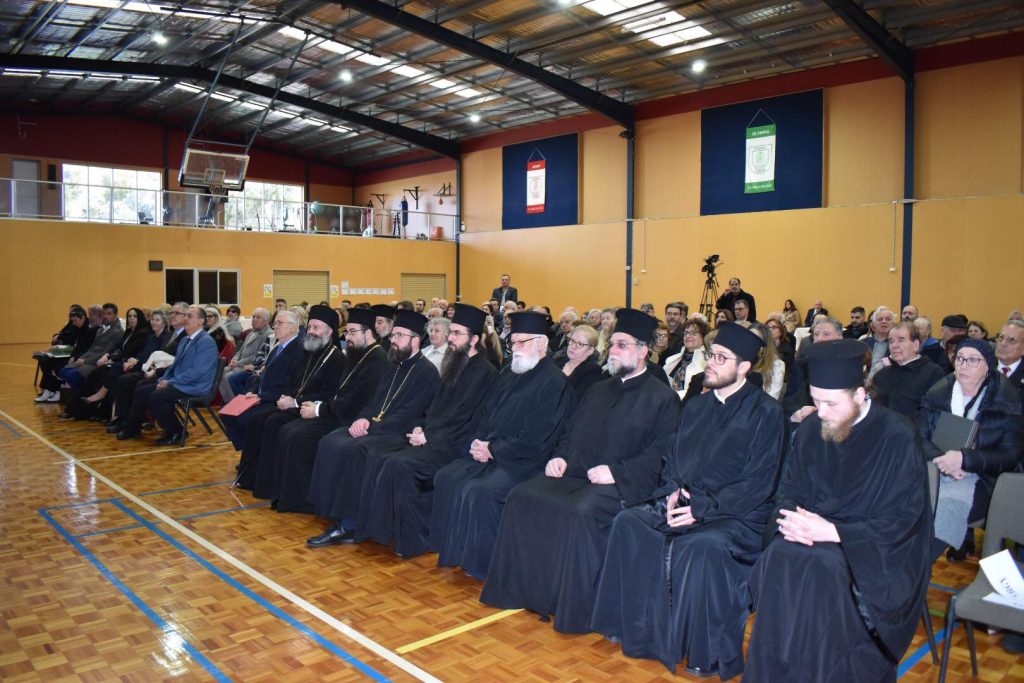
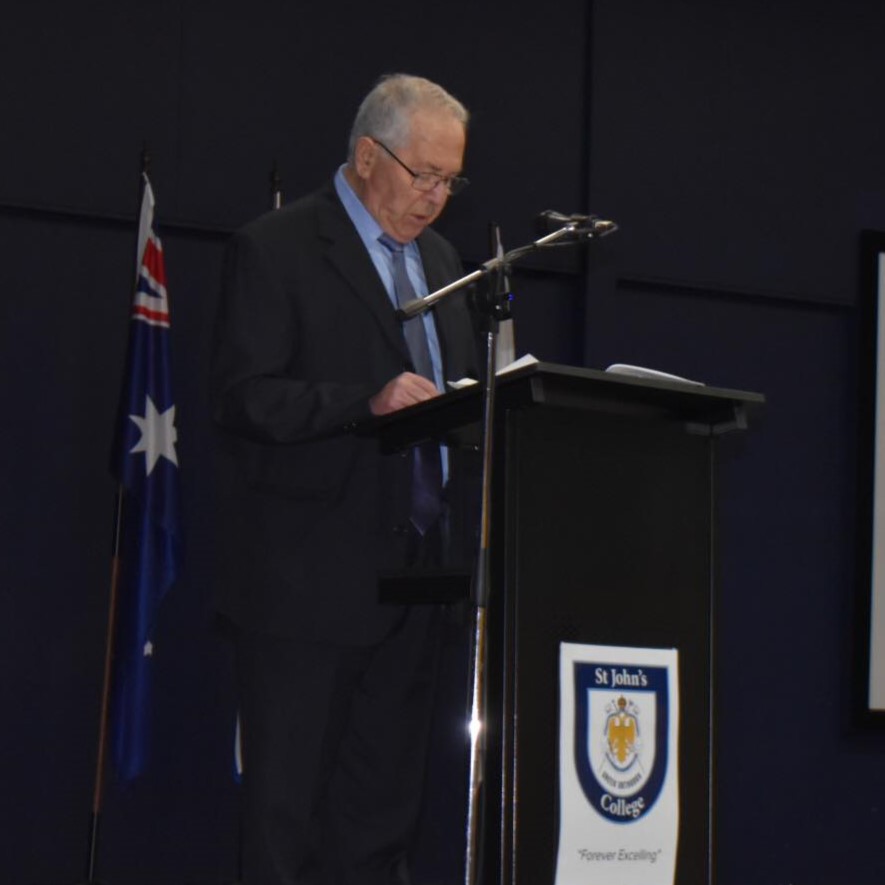
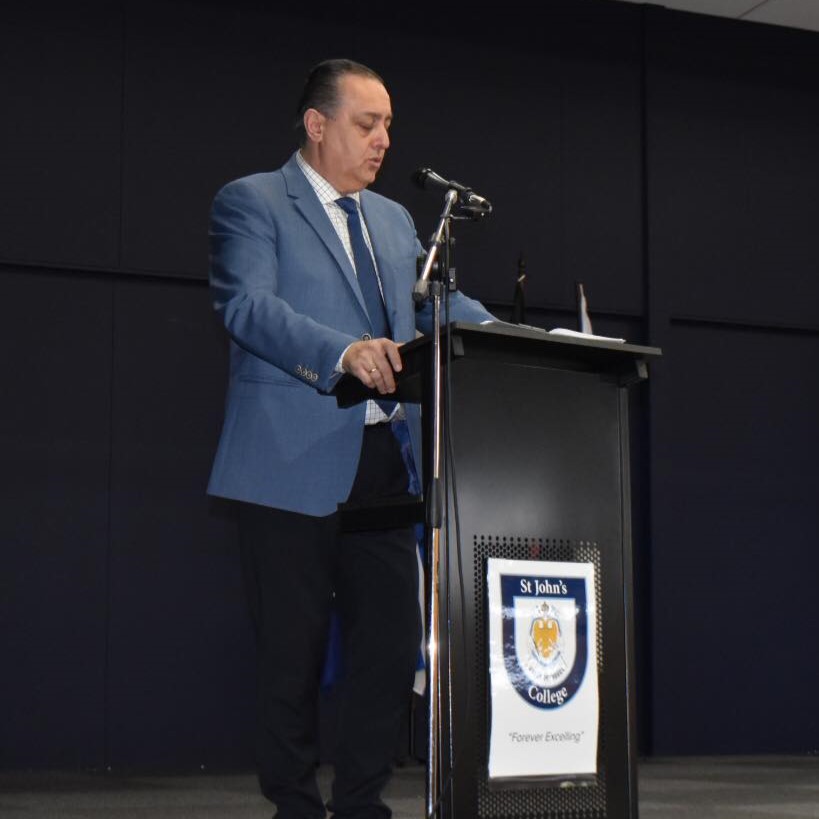
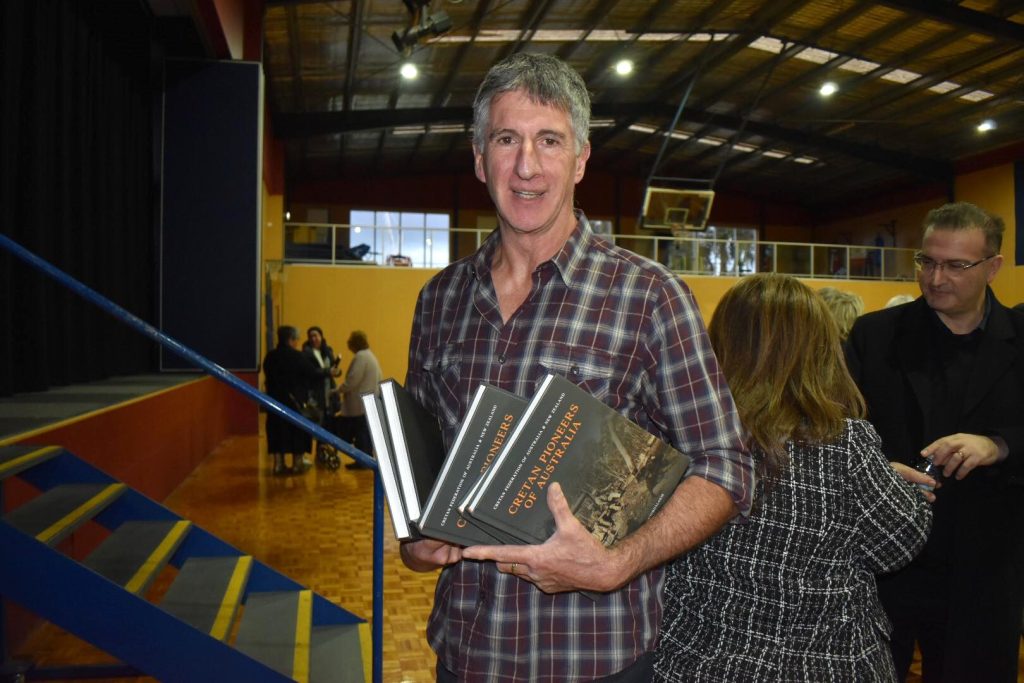
In a tribute to the Cretan diaspora in Australia, Socrates Tsourdalakis launched his book Cretan Pioneers of Australia at St John’s College, Preston, Victoria, on Sunday, June 25.

The event was well attended by some of the Melbourne-based descendants of Cretans featured in the book, who generously shared their family stories, photographs and historical records that form the backbone of this meticulously researched publication.

Mr Tsourdalakis, a migrant who arrived in Australia from the Cretan village of Melambes in 1965, took on the formidable task of tracing the footsteps of his predecessors. He pointed out how some of the early migrants Anglicised or entirely changed their names, making it arduous to identify their origins accurately.

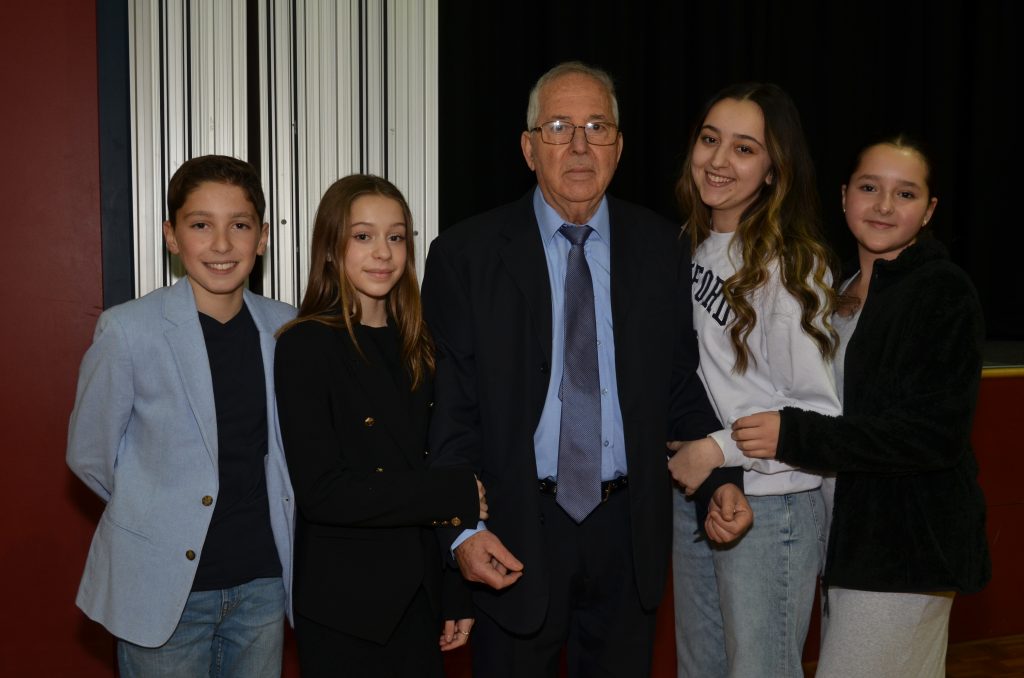
Socrates Tsourdalakis with his grandchildren.
Socrates Tsourdalakis. All photos copyright The Greek Herald / Mary Sinanidis.

“They needed to Anglicise their names in those days so they could simply survive professionally, avoid racism, and even avoid deportation,” he said.

He told The Greek Herald that women were even harder to track down once they married non-Cretan men, often disappearing from the radar of the Cretan community.

The book challenges findings from Mr Tsourdalakis’ first publication on Cretan immigrants, revealing that George Koukos was not the first Cretan in Australia in 1848, as initially thought. Further research uncovered that two of the five Greek sailors accused of piracy by the British in 1827 were of Cretan descent. After a trial in Malta, John Vasilakis and George Lavitsos, along with 200 other convicts, arrived at Port Jackson, NSW, becoming the first Cretans (and Greeks) to set foot on Australian soil.

The book’s significance lies not only its historical documentation but also in preserving the stories of the pioneers’ descendants who served in the army during World War I, World War II, right through to the present day. Mr Tsourdalakis also delves into the lives of the clergy of Cretan descent.

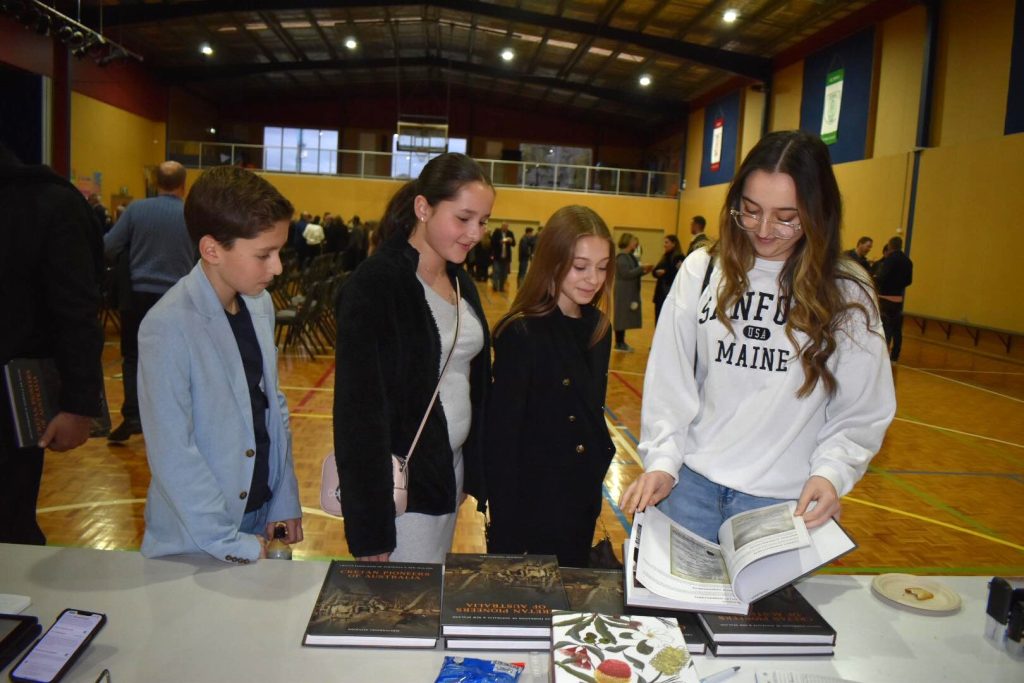
Socrates Tsourdalakis’ grandchildren Terry, Parissa, Siena and Ana look through their grandfather’s book, feeling a sense of pride.
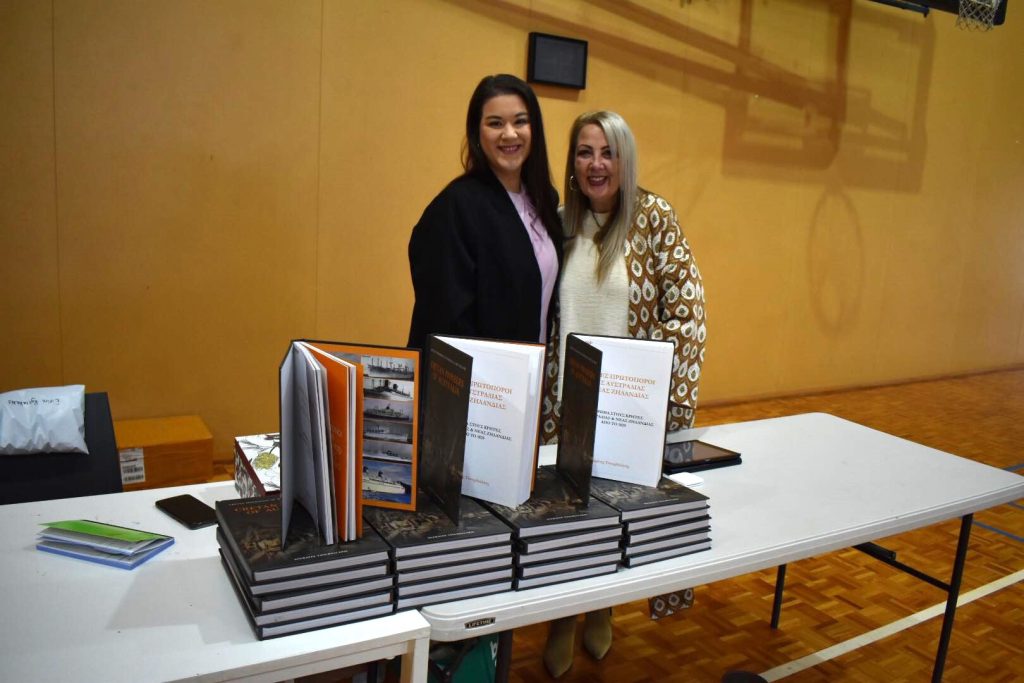
Irene Kyriakakis and Mary Rissakis at the book stand.

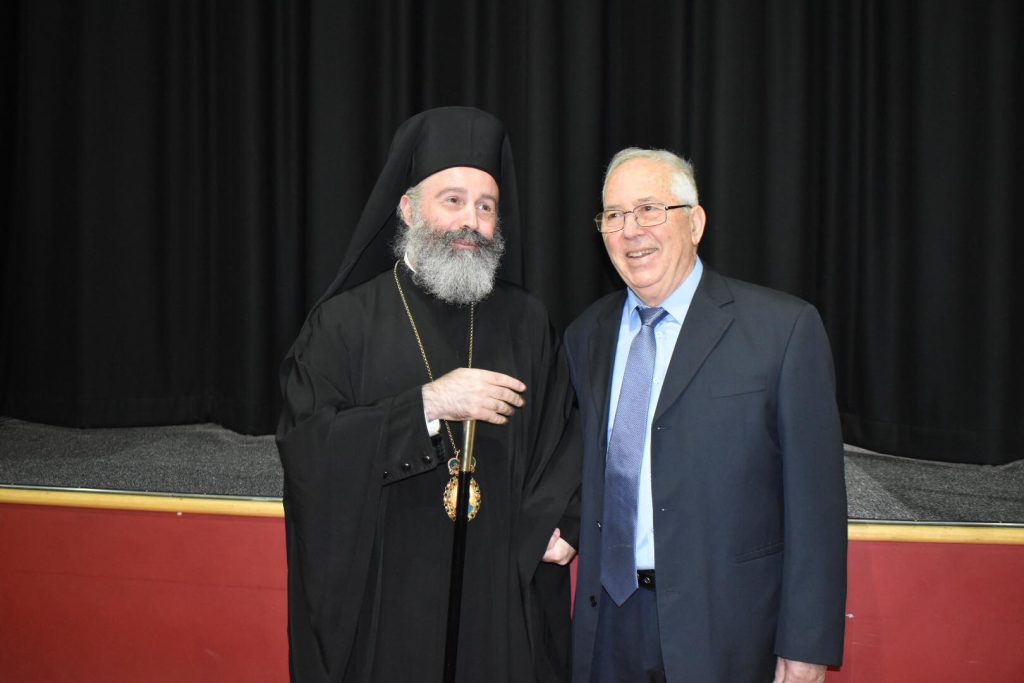
Archbishop Makarios of Australia, himself a Cretan migrant, said the research documented a vital part of history and hoped it would encourage other communities to follow the example and document their own histories.

It’s not every day that the Sydney-based church leader heads to Melbourne to attend a book launch. His presence at Mr Tsourdalakis’ event was due to the pride he feels for his own Cretan heritage, but also the author’s own closeness with the church.

“I graduated from the Ecclesiastical College of Crete and came here [Melbourne] to become a priest,” Mr Tsourdalakis told The Greek Herald.

“On the way, I changed my mind. I saw the division between the Community and the Archdiocese and I did not want to be involved in this war. I decided not to become a priest.”

Archbishop Makarios arrives at St John’s College, Preston, for the launch of Socrates Tsourdalakis’ book, “Cretan Pioneers of Australia.”
The crowd at the book launch.

Instead, he became a part-time teacher at St Basil’s Community in Brunswick for 35 years, and was a church psalter for many years. His main job was with the SCC State Electricity Commission of Victoria, but his eyes light up when remembering his students.

“I taught hundreds of 2nd generation Greek Australians and I am proud that they all speak Greek today,” he said, lamenting Greek language loss in Australia.

Antonis Tsamis, the keynote speaker at the event, commended Mr Tsourdalakis for his dedication to preserving Greek language and culture, emphasising the “importance of cultural heritage as a timeless aqueduct.”

Christos Notsis, the grandchild of Theodore Manousakis, spoke of the hardships faced by the pioneering ancestors from Crete, who left behind agricultural lands under the fading Ottoman Empire.

Christos Notsis bought a few copies of the book featuring his grandfather, Theodore Manousakis.

He said: “These pioneers held onto their roots but also embraced Australia as their new home. It warms my heart to sit here today as the offspring of those who were fearful and fearless pioneers.”

A video featured Ioanna Argyri, granddaughter of Konstandinos Chatzantonakis, a confectioner with a café in Roma, Queensland. Ioanna’s mother, Helen, aged 96, listened as her daughter spoke of the grandfather she lost to lung cancer when she was 13 and shared anecdotes from his life as a migrant.

It was one of three videos featured on the day, including a slide show of photographs of Cretan migrants and an address by John Chrysoulakis, General Secretary of Greeks Abroad and Public Diplomacy of the Greek Ministry of Foreign Affairs.

Pelagia Markogiannakis is one of the Cretans featured in the book due to her formidable career as an engineering officer and aide-de-camp in waiting for the Governor of New South Wales and distribution analyst for Shell Oil amongst other appointments.

Pelagia Markogiannaki said Socrates Tsourdalakis had left her a legacy by including her in the book.
Socrates Tsourdalakis and his wife, Anna.

She told The Greek Herald the book is important in showing our “persistence and tenacity for success.”

Having known Mr Tsourdalakis since birth she feels gratitude for her inclusion in the book.

“It’s a legacy. He’s leaving me a legacy. A legacy for me and a legacy for my children,” she said.

A legacy indeed, bearing in mind the announcement made by the Cretan Federation of Australia and New Zealand’s President Tony Tsourdalakis, who said that all proceeds from the sale of his father’s book would go back to the Federation to fund programs for Cretan youth. It’s a way to ensure that more books will be written as the Cretan community continues to thrive in Australia.

The presence of Terry, Parissa, Siena and Ana – Mr Tsourdalakis’ grandchildren – carefully listening to the story of their heritage lays testament to that!

To order a copy of the book, contact president@cretan.com.au

*All photos copyright The Greek Herald / Mary Sinanidis.

Greece’s Miltiadis Tentoglou wins long jump gold at European championship

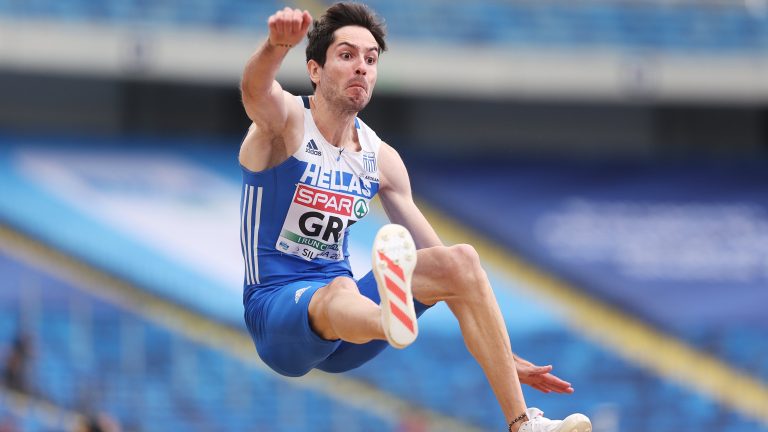
Miltiadis Tentoglou won the gold medal in men’s long jump at the European Games in Krakow, Poland on Saturday with a 8.34 metre jump.

Tentoglou won precious points for Greece in the European Athletics Team Championships, which are being held as part of the European Games.

His jump was the best in Europe this year and Tentoglou is now one of the favourites for gold at August’s World Athletics Championships in Budapest.

After the match, the Greek athlete said: “It felt very good, a strong jump with a 1.34 negative wind is great for me.”

“I’ve never jumped so much in such bad wind and you can see because no one else cleared 8 metres today and I jumped 8.30 – so I feel great,” he said.

Greeks abroad contribute to Greece’s national election result

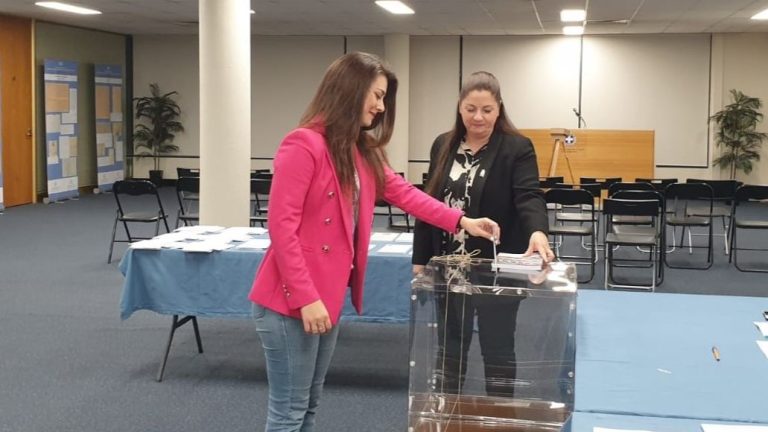
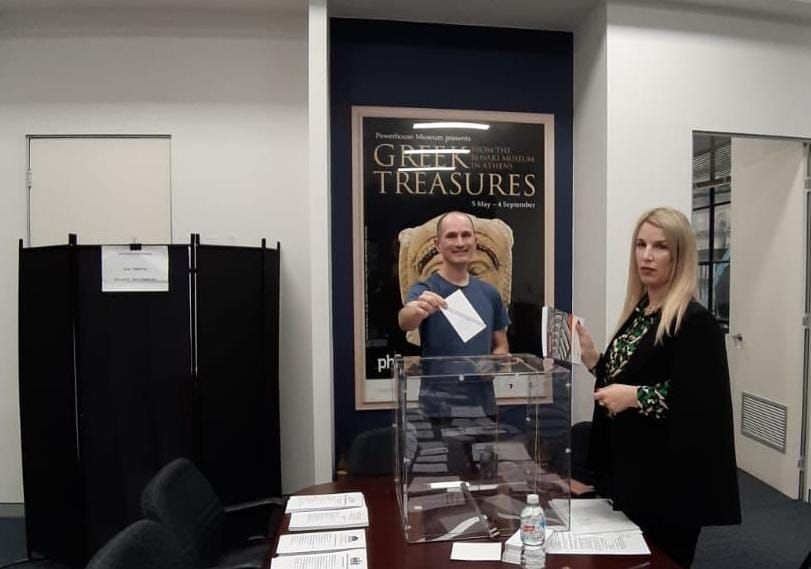
Greeks living abroad participated in Greece’s national elections by casting their votes at various polling stations across the globe.

Saturday marked the second time that the diaspora had the opportunity to take part in the democratic process in their countries of residence. Notably, due to the time difference, the first Greeks to cast their votes were in Sydney and Melbourne, the only two polling centers in Australia.

A total of 25,610 Greeks registered in the special electoral rolls abroad exercised their right to vote in 35 countries worldwide. To accommodate the voters, polling stations were established in 85 cities, including embassies, consulates, Greek Orthodox Church premises, and Greek community buildings. These stations remained open from 7am to 7pm local time.

Greek diaspora voting in Sydney. Photo: Facebook / John Chrysoulakis.

The decision to establish polling stations was based on a threshold of at least 40 registered voters in a particular location. As expected, the largest concentrations of Greek voters were found in European cities. London had the highest number of registered voters with 4,414, followed by Brussels with 1,716, Amsterdam with 1,055, and Bern with 1,008. Other cities with significant Greek populations included Nicosia, Paris, Berlin, Munich, The Hague, and Luxembourg.

The voting process for Greeks abroad differed slightly from those within Greece. After the polling stations closed, officials at the overseas locations simply tallied the number of votes without opening the envelopes. Subsequently, the sealed ballots were sent to Athens, where the final counting would take place after the conclusion of voting in Greece.

The participation of Greeks living abroad in the national elections demonstrates the commitment of the diaspora to remain engaged with their homeland. The ability to cast their votes in various countries reflects the importance of inclusivity and ensuring that the voices of all Greeks are heard, regardless of their geographical location.

Source: Ekathimerini.

One of the last Greek survivors of Auschwitz dies aged 98

0

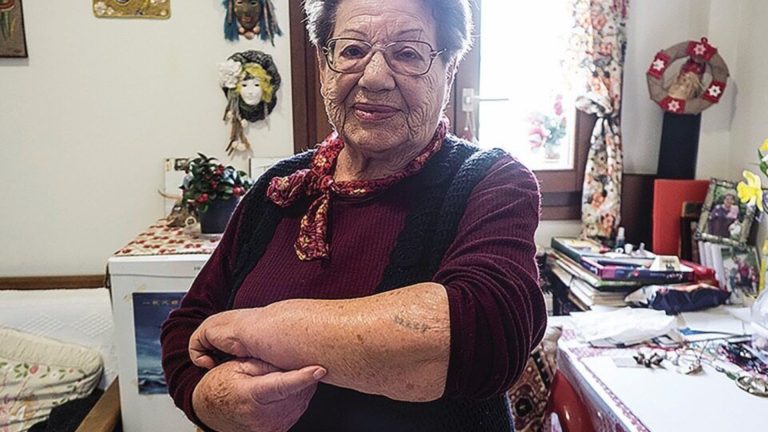
Vaso Stamatiou, one of the few remaining Greek survivors of Auschwitz, has sadly passed away at the age of 98. Her final years were spent in the Ecclesiastical Nursing Home of Stylida, located in Central Greece.

In her single room she kept a binder with photos from her youth and painful memories of decades past, her own sketches depicting the horrors of Auschwitz, along with letters she sent her parents from the Gestapo detention facilities in Thessaloniki.

She belonged to the group of Greeks who were sent to the death camps during World War II after being accused of resistance activities and leftist-communist sentiments.

She was arrested by the Gestapo on March 28 in 1944 in central Thessaloniki, while a first-year law student, for participating in an attempted demonstration to commemorate the March 25 Greek Revolution of 1821. She returned to Thessaloniki in September 1945 but, like others, did not get the reception she expected.

Source: Ekathimerini

Far-right parties make comeback in Greece’s election

Far-right parties have made a political comeback in Greece’s election on Sunday, according to AP News.

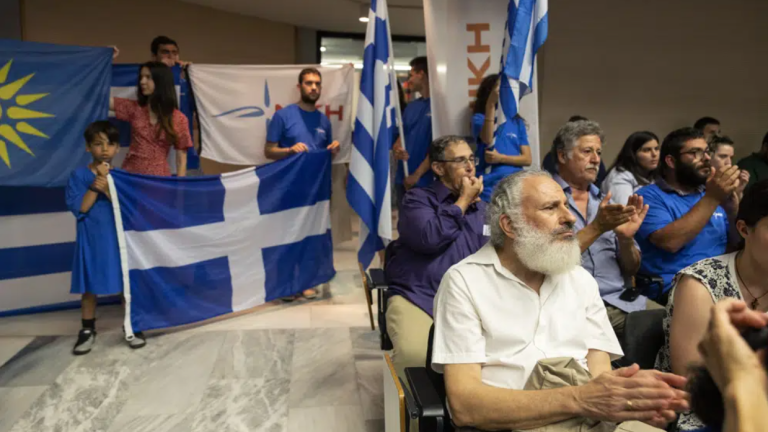
The center-right New Democracy party won a landslide victory on Sunday, handing conservative leader Kyriakos Mitsotakis a second term as Prime Minister.

Mitsotakis inflicted a stinging defeat on their main rivals, the left-wing SYRIZA party, while three smaller parties were set to gain national representation.

They include the Spartans and the ultra-religious Niki party which has a base of support on the fringes of the Greek Orthodox Church and gained a following over its opposition to the government’s COVID-19 vaccination program. The nationalist Hellenic Solution was returned to parliament.

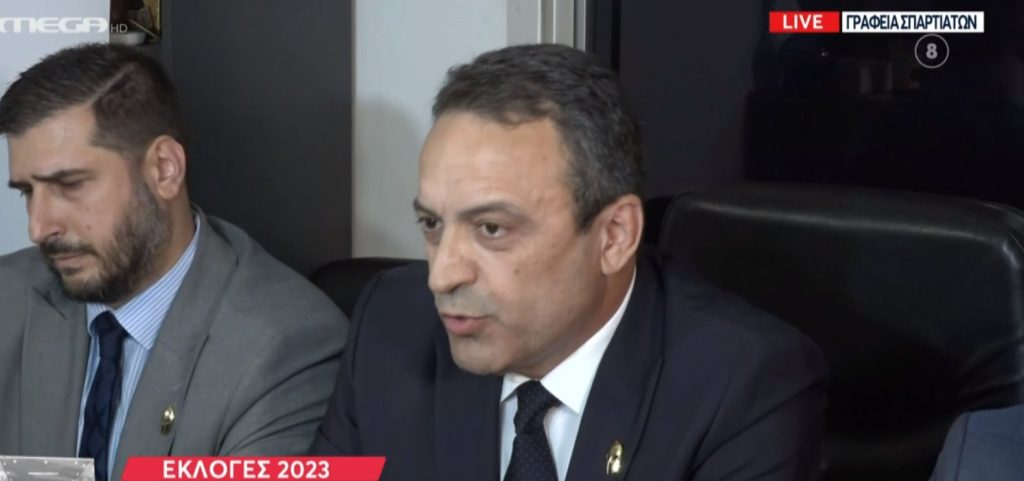
The newly created far-right Spartans party won almost 4.7% of the vote on Sunday, crossing the 3% threshold to enter parliament. They are set to win 13 seats in the 300-member parliament.

Leader of the newly created far-right Spartans party, Vassilis Stigas.

The Spartans only emerged as a political force this month when the Greek Supreme Court banned another far-right party, the Greeks, and its jailed founder, Ilias Kasidiaris, threw his weight behind them.

Kasiadaris had been the spokesman for neo-Nazi party Golden Dawn and is currently serving 13 years in prison for membership in a criminal organisation.

Vassilis Stigas, the Spartans leader, publicly thanked Kasidiaris for his support in remarks late on Sunday.

“We will represent Greek ideals and values in the next parliament, values that are currently absent,” Stigas said.

Source: AP News.