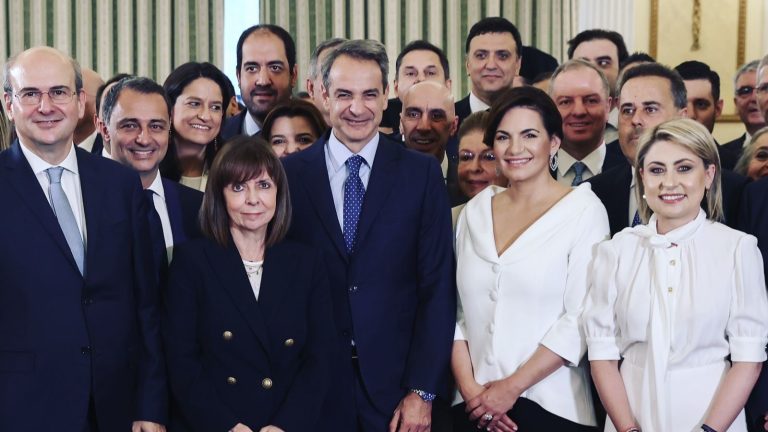
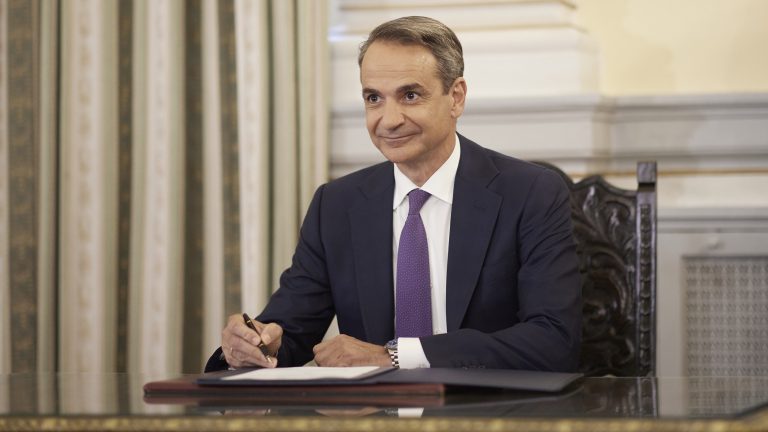
The members of Greece’s new government were sworn in on Tuesday during a ceremony at the Presidential Mansion in Athens.
According to Ekathimerini, the swearing in ceremony was presided over by Greece’s President Katerina Sakellaropoulou.
Following the ceremony, the newly sworn-in ministers headed to their respective headquarters to take over their portfolios from the caretaker government that was appointed after the inconclusive general election on May 21.
During his ministry handover, Greece’s new migration minister Dimitris Kairidis promised to continue a “strict but fair” policy toward migration and attempts at illegal entry into the country.
Στη σημερινή ορκωμοσία της νέας Κυβέρνησης Μητσοτάκη. Συνεχίζουμε και τη νέα τετραετία για μία ισχυρή Ελλάδα. (φωτογραφίες ΑΜΠΕ) pic.twitter.com/hND4rwbFV1
After the official handovers, the ministers will convene for the first meeting of the Cabinet on Wednesday at the Prime Minister’s official residence at the Maximos Mansion.
The new ministers appointed by re-elected Prime Minister Kyriakos Mitsotakis are:
Finance: Kostis Hatzidakis (Alt. Minister: Nikos Papathanasis; Dep. Minister for Tax Policy: Harry Theoharis; Dep. Minister: Thanos Petralias)
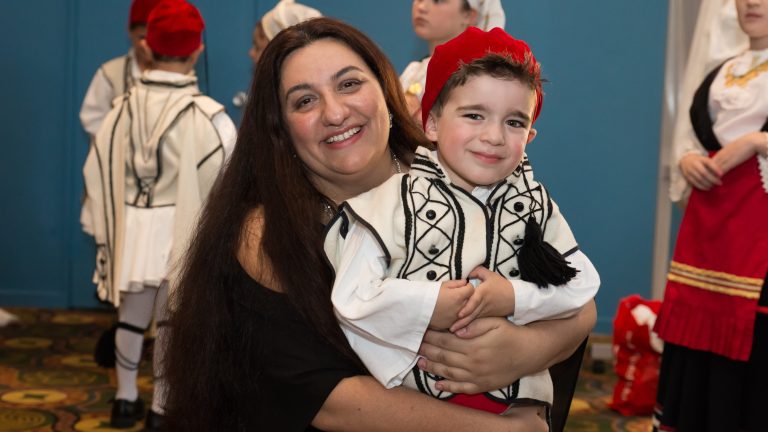
Dance teacher Sophia Ventouris grew up in a conservative migrant household in Marrickville, Sydney where dancing was not encouraged as a hobby.
As a child, she would go with her parents to Greek dances, especially Pontian ones, soak in the rhythms and pick up the steps, but formal lessons were out of the question: “What are you thinking? Will you be a kabaretzou (cabaret dancer)?”
At 14, she convinced her mother to take her to the school of Nancy Karouana. Years later, she is the creator of the 10-day Zeibekiko Festival of Australia in Sydney, Adelaide and Melbourne from July 1 – the first of its kind to showcase the dance form and its benefits to the wider community.
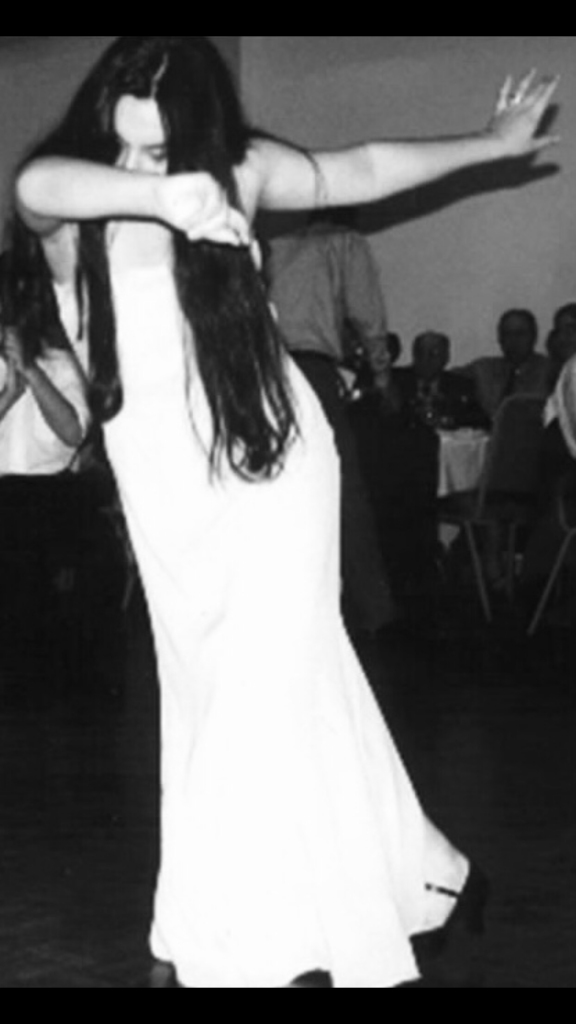
Together with guest teacher/dancer Christos Shakallis, Ventouris hopes to bring a zeibekiko revival – not that a revival is necessary in a dance that explodes from the soul, taking the dancer to nirvana.
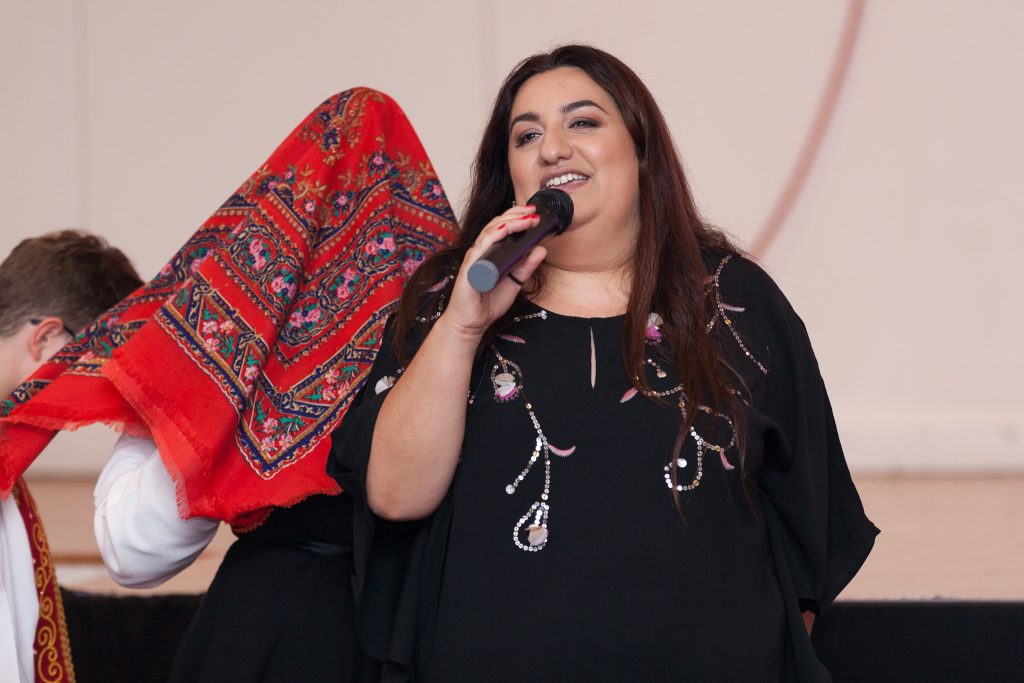
Sophia Ventouris hopes to bring a zeibekiko revival.
Therapy through dance:
Zeibekiko is often associated with iconic moments, such as the scene in “Zorba the Greek” where Anthony Quinn staggers a few steps before breaking out syrtaki – or that time when former Greek Prime Minister George Papandreou swept away the loss of the leadership of the centre-left KINAL party with zeibekiko.
Known as the “eagle dance” due to the dancer’s gyrating arms and slow proud swoops, or the “drunk dance” at its worst due to the uninhibited movements and the occasional shots of whiskey downed by the dancer amid the cheers of onlookers.
For Ventouris, there’s more to zeibekiko than meets the eye. She told The Greek Herald it is a “deposition of the soul,” a “confession” through movement, a type of therapy through dance. She touts the mental and physical benefits of the dance, explaining how it cleanses the soul.
“I have seen people cry when dancing zeibekiko, and I have cried as a result of the emotion it brings. Through this dance we express our feelings: our pain, our happiness,” she said.
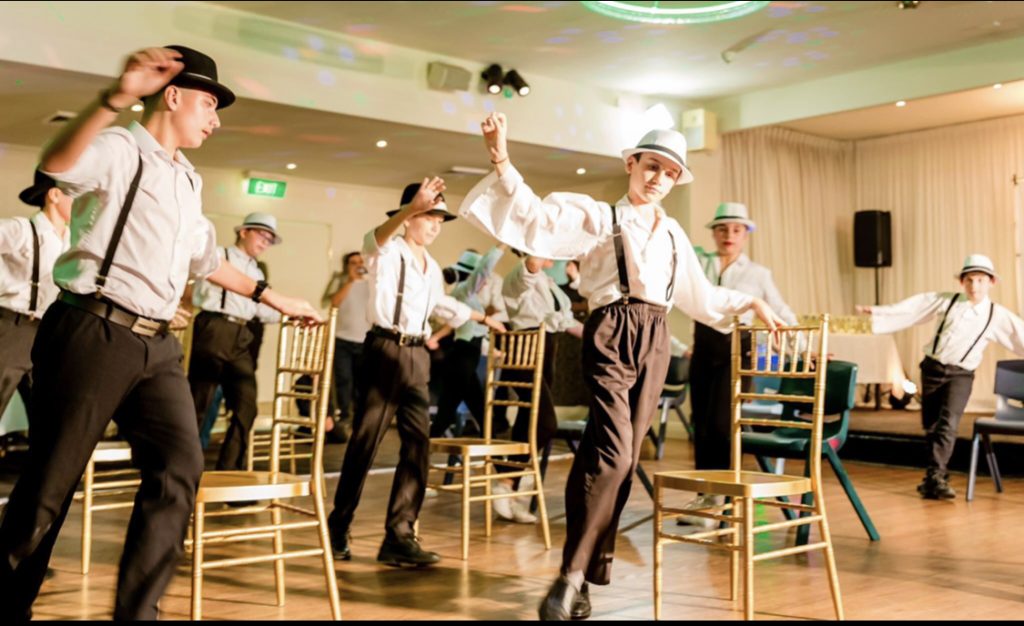
Sophia Ventouris’ dancing students.
Due to the lack of formal steps, the dance world undervalues it.
“The dance has less to do with steps and more to do with unleashing the psyche. How do you teach that? You can teach a shy person to express themselves by showing them the basics. And while there are no steps, there are some unwritten rules, such as the fact that it is a solitary dance,” she said, pointing to a time when ‘mahairomata’ (stabbings would take place during performances).
“A man would tip the band to play zeibekiko, and the floor would be cleared. It was understood that if anyone entered his space, the zeibekiko dancer had the right to stab them. That’s how ‘holy’ that moment was.”
Such incidents give zeibekiko a bad rap and, in some ways, vindicate the reluctance of Ventouris’ strict father when it came to allowing his daughter to join a dance troupe. But Ventouris stresses that the dance’s evolution following the Asia Minor Catastrophe was just a blip in its history.
“It became the dance of refugees to express their loss and trauma. They used it to escape from all they had witnessed. All they had lost,” she said. “The pain was so great that they escaped through dance and hashish.”
From a dance of outcasts, it became the dance of Greek leftist prime ministers, and today it is danced by women as well.
Today zeibekiko is danced by women as well.
“It’s for anyone with strong feelings, a dance with passion, like the tango or flamenco where you express yourself through movement,” she said, pointing to this as a constant throughout the dance’s evolution.
She stresses, however, that it existed well before the hashish dens of the refugees.
“There are many research papers about its origin,” she said, pointing to Thracian Phrygian origins, as well as Skyrian traces of the dance in the 15th century. It was danced by the Zeybacks, an irregular militia in the Aegean Region of the Ottoman Empire from the late 17th century, and was prevalent in cities such as Constantinople and Smyrni. In those days, two armed men faced each other, but it soon morphed into a solo dance as it grew traction in Asia Minor well before the 1922 Catastrophe which inevitably imbued a deep pain into the dance.
Other dances that are part of the zeibekiko family include karsilama dances, aptalikous horous, aivaliotika and there are, in total, 50 zeibekiko dances throughout Asia Minor and the Greek Isles, as well as karsilama dances in Thrace, Macedonia, even Megara.
There are, in total, 50 zeibekiko dances throughout Asia Minor and the Greek Isles.
From hobby to profession:
Ventouris enjoys studying the history of dances. At Sydney University, she studied for a Bachelor of Education and used her dance skills to fundraise for the Greek program to continue at the University of NSW when it was under threat in the late 1990s. She created a dance group, Elikonas, named after the mountain of the muses, and started fundraising through a show called Romiosini, co-written with Stella Samaras, and performed at the Enmore Theatre.
“It was the biggest show of my life,” Ventouris said about the show about a mother from Asia Minor who, with her child, went on a journey to find her husband. As a refugee, she travelled around Greece looking for him, and this was an opportunity to showcase dances from different regions during her travels. It was a happy ending as she found her husband with a rendition of Romiosini.
Following that performance, her dance teaching took off – and eventually took over as 300 students became a full-time job at the Sophia Ventouris School of Greek Dance & Culture. Her Bachelors degree remained unfinished, but she has no regrets.
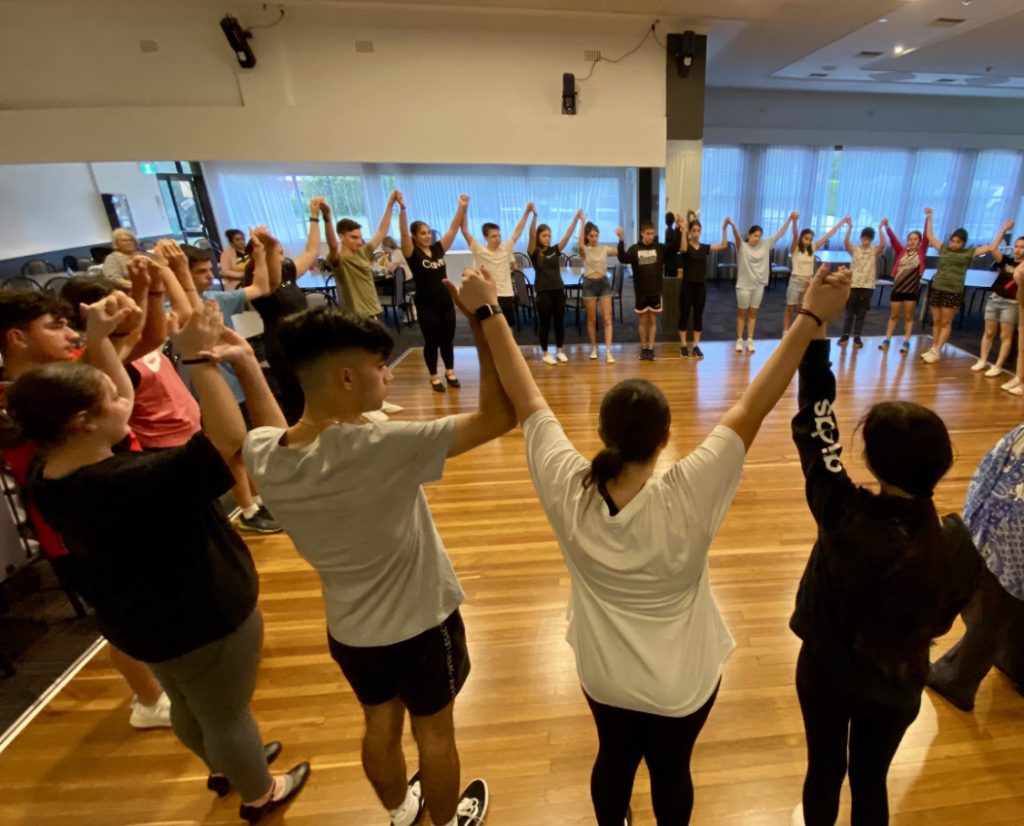
Dancing lessons at Sophia Ventouris School of Greek Dance & Culture.
“The fact that I went to university and studied with Vrasidas Karalis and Panagiota Nazou made it worth it, and what I learnt about Greek language and the metres and structure in Greek poetry was very useful to my dance,” she said.
“I didn’t just want to teach my students the moves, but the origin of every dance; to make them aware of our tradition. Soon, I was creating books for them.”
At a time when Greek language is disappearing among the younger generations, dance gives hope when it comes to retaining the culture.
Dancing gives people hope.
“Greek school is an extra chore for many children, but Greek dancing can be fun. And a lot of my students are from bicultural families, and often it’s the non-Greek parent pushing for the children to learn the dances and cultivate friendships from within the group,” Ventouris said, adding that many of her early students are now bringing their children to the school.
Looking at the young ones, she remembers her own “thirst” for dance.
“I don’t know what attracted me, it was a magnet,” she said.
She hopes that the Zeibekiko Festival of Australia will be a magnet for others to follow.
For more details, visit zeibekikofestivalaustralia.com.au/program. To book tickets to the Zeibekiko Festival of Australia and its workshops, visit this link: https://bit.ly/40M8nCD
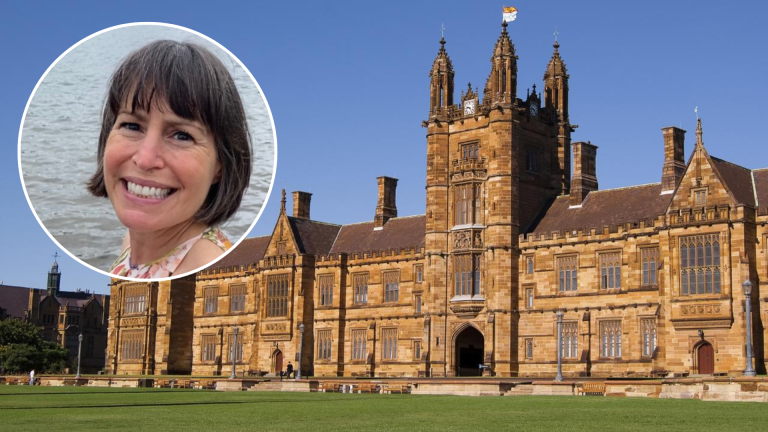
Concerns have been raised by members of Australia’s Greek and wider community about the future direction of the Australian Archaeological Institute at Athens (AAIA) at the University of Sydney (USYD).
The Constitution of the AAIA states that the objective of the Institute is to engage in and promote Hellenic Archaeological research, Modern Greek studies and other such research in Greece and Australia that has a distinctly Greek focus.
The Institute is also one of 18 foreign research facilities established in Athens, Greece, which means it is a legal entity sanctioned by the Greek government and answerable to the Greek Ministry of Culture.
According to a letter tabled by AAIA Governor Dr Archondia Thanos at the recent Annual General Meeting (AGM), members, friends and supporters of the Institute are concerned the appointment of the new Director represents a change in direction that could threaten the Institute’s character and ability to meet its constitutional objectives.
The two main issues raised at the AGM were centred around the governance of the AAIA, as well as the “lack of transparency in the processes of the election of a new Director and the rationale behind such a decision.”
Some members said there has been a failure to communicate whether Professor Hodos’ credentials are suitable to the position of Director of the AAIA as there does not appear to be any link between the new appointee and Greece or Australia.
The letter alleges that Professor Hodos does not have a working knowledge of the Greek language and has never worked in Greece or with the Greek authorities, the Greek Ministry of Culture and the Greek Australian community “which for years has been the heart of fundraising and collective support for the Institute.”
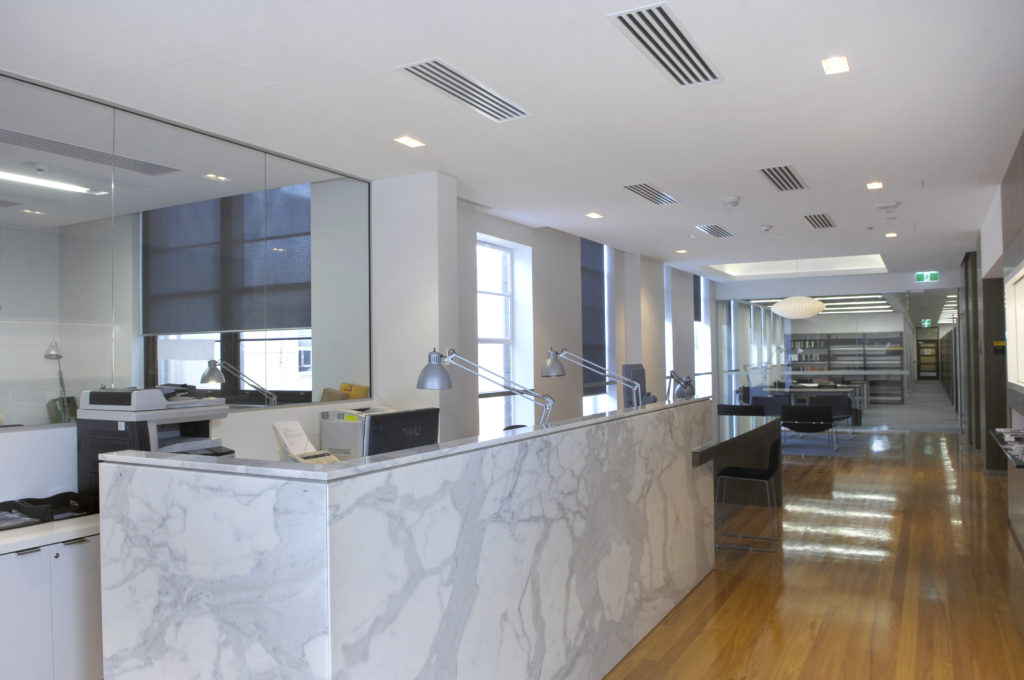
The office of the AAIA at the University of Sydney.
Questions were also raised at the AGM as to whether there were other candidates that fulfilled the criteria but were passed over for the role. As a result, members were concerned about: (1) whether the selection committee acted in accordance with the Constitution of the Institute, and (2) whether the correct protocols and instructions were followed in relation to the will of the late Professor Cambitoglou who left a bequest of approximately $6 million to the AAIA.
Sources of The Greek Herald said Professor Cambitoglou left the money to the Institute in his will on the condition that the appointed Director has knowledge in Greek archaeology and is able to speak Greek. The sources said Professor Hodos does not meet these conditions, putting the AAIA’s future at risk.
‘We want answers’:
When The Greek Herald asked Dr Thanos about the concerns raised at the recent AGM, she said it was time for Australia’s Greek and wider community to “get answers from the university around what they plan to do to maintain and preserve the purpose of the AAIA as outlined in its Constitution, as well as the independent function of the Institute.”
“With the current changes going on at the university there is a real threat that the Institute will be absorbed into a wider and undefined sphere of ‘Global Studies’ and ‘World Archaeology’ as part of a push to be rid of independent institutions that promote and preserve diversity,” Dr Thanos said.
“There are also fears that the cultural identity of the Institute, which serves as an academic bridge between Australia and Greece as well as the world of academia and the broader Greek Australian community, may be dissolved during this transition and at a critical time for the community as many of our older leaders pass away.“
The AAIA Governor said the community must remain vigilant and act to ensure the “preservation of the Institute’s distinctly Greek focus as specified in its Constitution as its primary function.”
“To date we have not received any reassurance to this effect,” Dr Thanos said.
‘Expanded vision’ for the AAIA:
In a recent interview published to the USYD – School of Humanities YouTube page, Professor Hodos said she is interested in the impact of Greeks during the Mediterranean’s Iron Age, and spoke about her plans for the future direction of the AAIA.
“I would love to see the AAIA as the ‘omphalos’ – that centre of research that is undertaken by Australian and New Zealander scholars in Greece but in the Mediterranean more widely, so that it becomes a real centre of interdisciplinary, multicultural connectivity in research and scholarship for archaeology and its cognate disciplines,” Professor Hodos said.
In a statement to The Greek Herald, the USYD said that whilst the AAIA will remain ‘Greek-focused,’ the university also intends to expand its focus.
“Our Australian Archaeological Institute at Athens will always retain a ‘distinctly Greek focus’ as part of its vision, and the work and activities it carries out and supports,” the statement reads.
“At the same time, we intend to broaden the Institute’s focus beyond Classical Archaeology to also support wider exploration and understanding of other key themes including the influence of Hellenic culture on the wider Mediterranean, Greek diasporas and the legacies of conflict through time.
“Our Institute will also promote a distinctive Greek-Australian perspective, reflecting its membership and friends groups that are made up primarily of Greek diaspora living in Australia. This includes helping to drive and support research, outreach and engagement activities around the wartime heritage of, for example, Lemnos and Crete.”
The statement added that Professor Hodos and the USYD Head of the School of Humanities “has met with colleagues in the Ministry of Culture and Sport, the Australian Ambassador to Greece, various Directors of the other foreign schools in Athens, and the Athens-based Friends group of the AAIA.”
“Our partners were enthusiastic about our expanded vision for the Institute, and we’re looking forward to progressing the next chapter in the history of the AAIA,” the statement concluded.
The GCM urged people to “prepare for another unmissable, epic experience.”
“We’re working tirelessly to bring an extraordinary line-up of performers, artists, stall holders and surprises that will leave you breathless,” the GCM said in the post.
“Prepare for an experience that will ignite your passion for Greek culture like never before! Spread the word and get ready to be a part of the most epic weekend ever!”
In the lead up, the Community is holding an ‘Antipodes Festival Roundtable Discussion’ at The Greek Centre on Wednesday, July 5, for people who want to share their festival ideas with organisers. To register follow the link https://wkf.ms/3JVaQEv
2022 was the year Greek Australians made their return to Greece after two years of COVID-19 lockdowns, so it’s no surprise this exodus was the inspiration behind a new book launched in Sydney, NSW on Saturday, June 24.
Aptly titled Epistrofi – meaning ‘return’ in English – the book features a plethora of artistic and meaningful photos which all tell their own story.
The photos have been taken by 16 professional and novel photographers in Australia, including John Afaras, Effy Alexakis, Emmanuel Angelicas, Angelya and Alessandro Vassiliadis-Balaguer, Yannis Dramitinos, Phillip George, Leonard Janiszewski, Arthur Katsiouras, Alexandra Luxford, George Mpliokas, Olympia Nelson, Kiriaki Orfanos, Jorge Sotirios, Christine Gazepis Stavropoulos, Vasili Vasileiadis, and Helen Vatsikopoulos.
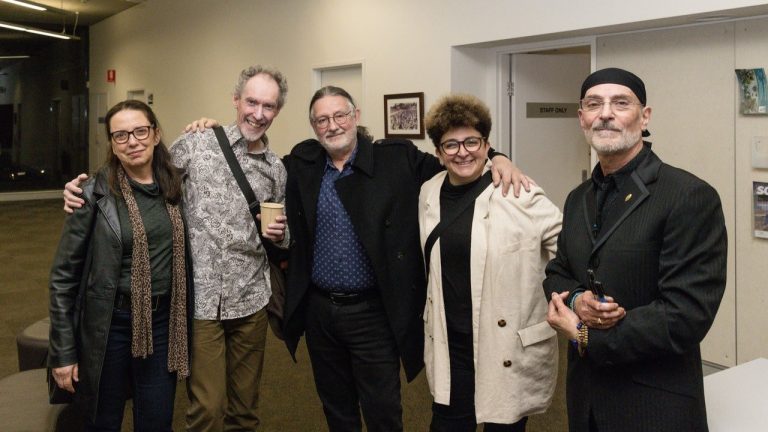
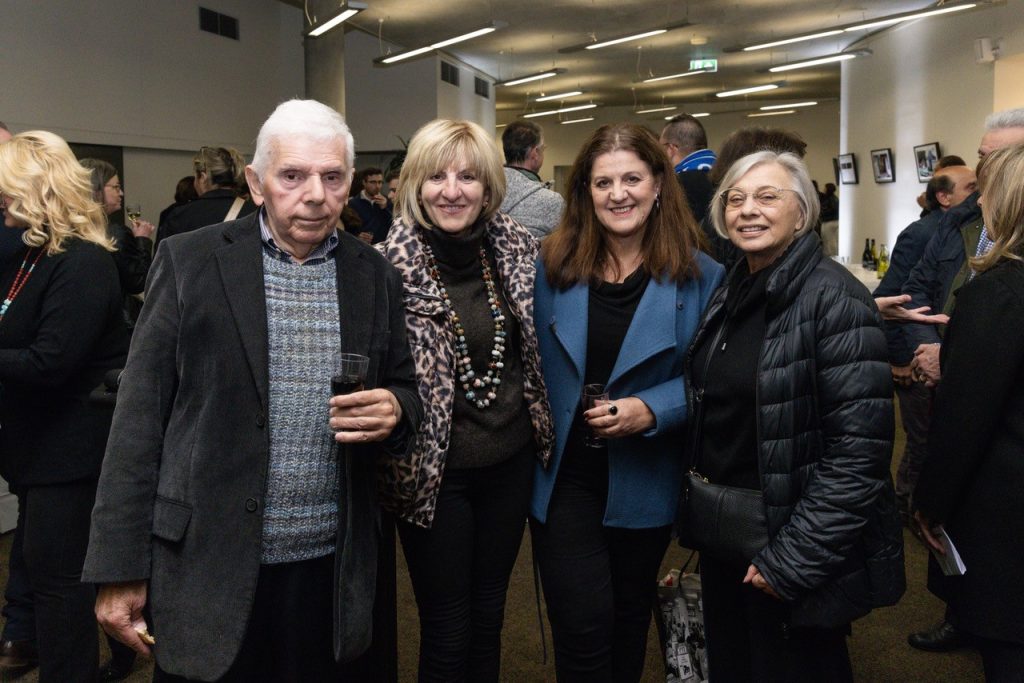
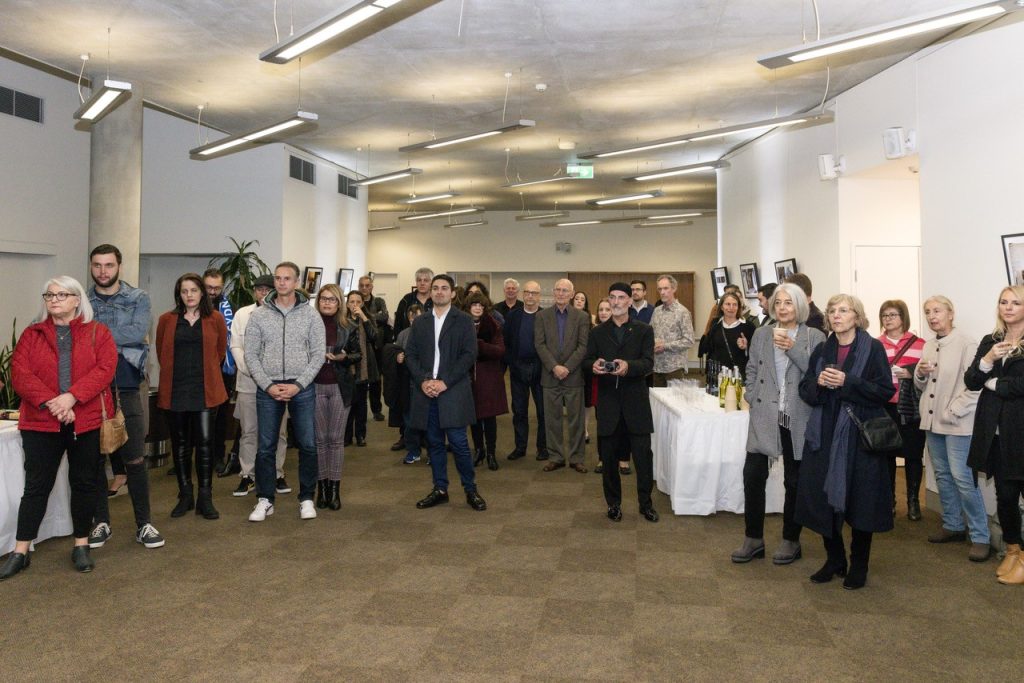
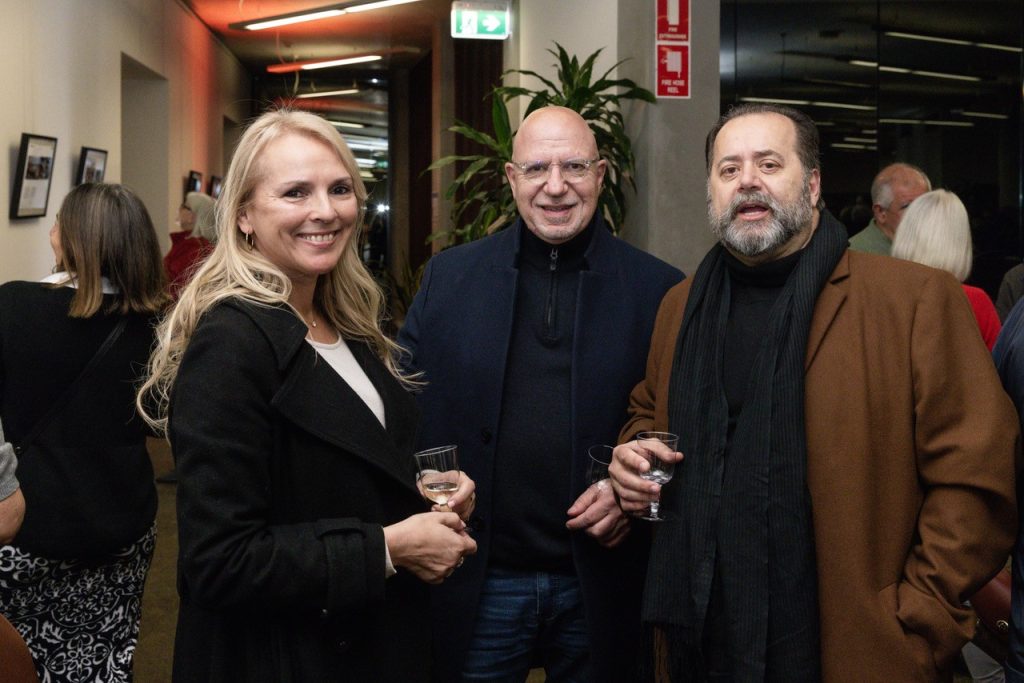
Attendees. Supporters of the new book.Attendees.
Under the auspices of The Australian Museum of Contemporary Photography, Epistrofi was officially presented to the public on Saturday at the Prince Henry Centre in Little Bay.
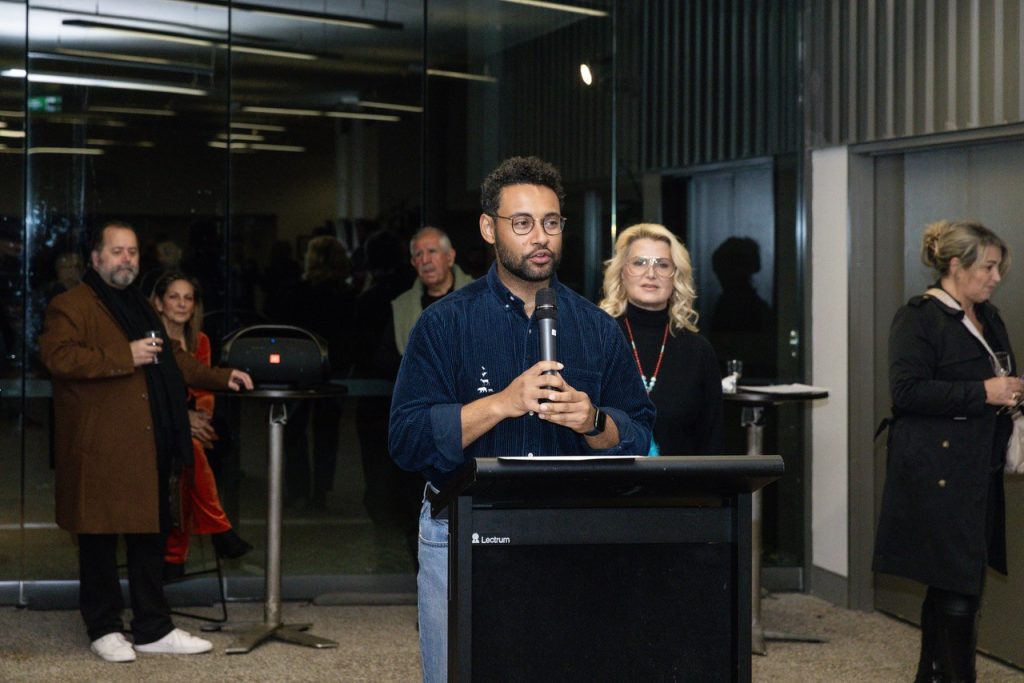
The new book was presented on the day by Dr Andoni Piperoglou, the Hellenic Senior Lecturer in Global Diasporas at the University of Melbourne.
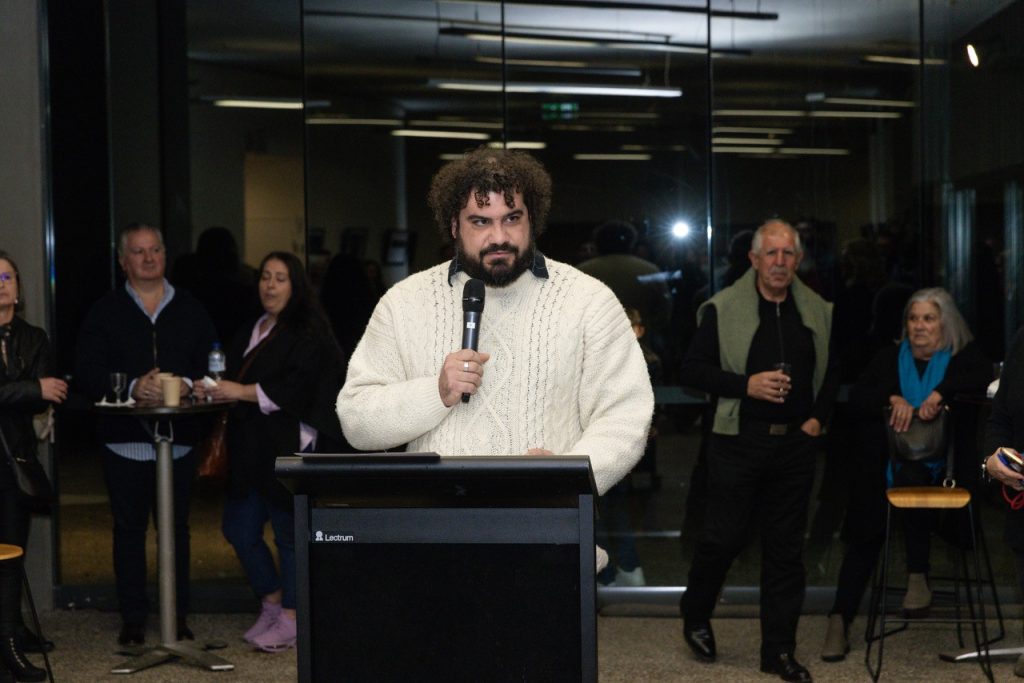
Dr Andoni Piperoglou.Speeches on the day.
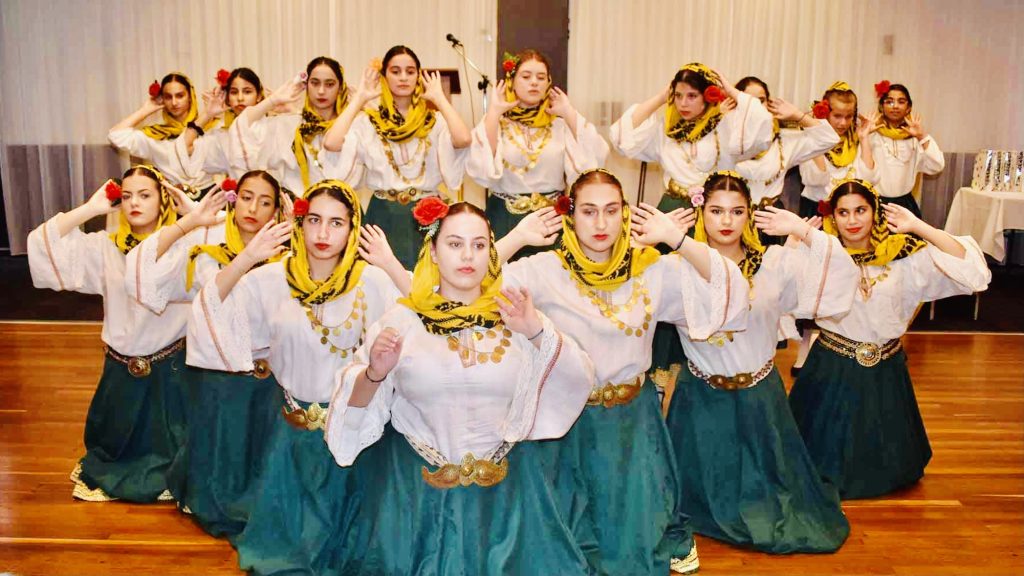
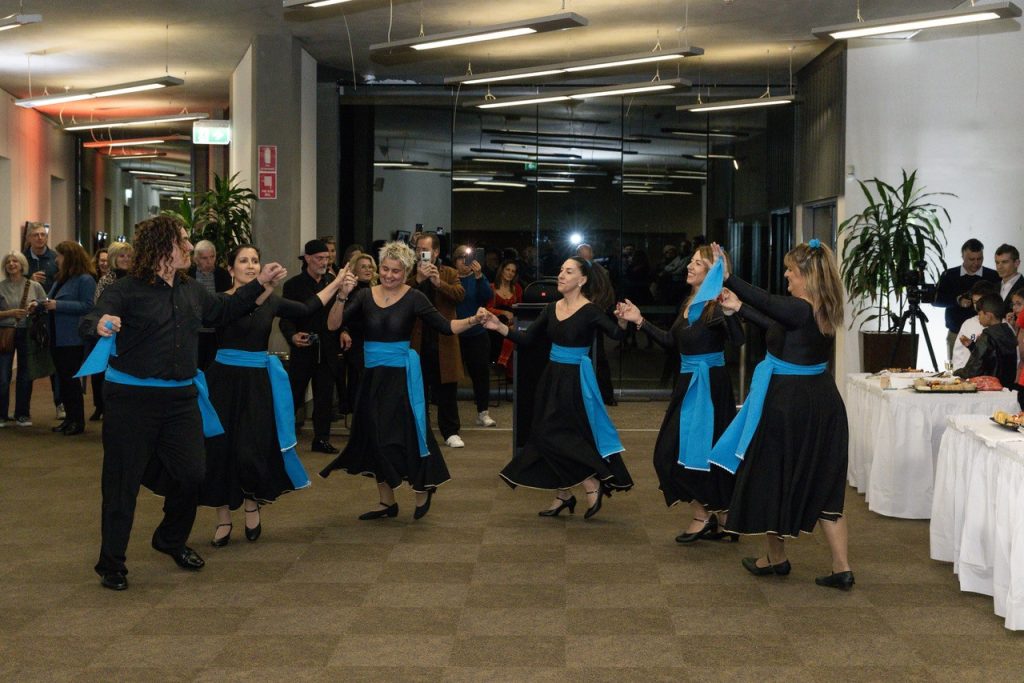
Attendees also enjoyed a dancing performance by the Sydney Greek Dancing School, followed by refreshments and wine donated by Stonefish Winery.
There was plenty of joy for the Floros family at this year’s Australian Indoor Cricket Championships in Ipswich, Queensland.
Five members of the Floros family play for the ACT Rockets and they led the team to victory at this year’s championship as they won the men’s cricket grand final against Queensland.
Throughout the championship, the ACT Rockets gathered 73 points, with 11 wins and one loss. South Australia came second with 55 points and Queensland came third with 43.
Former Australian player Billy Floros was the coach of ACT Rockets and nephew Matthew was the team captain during the championship. Also on the team were Matthew’s brothers, Tim and Benji, as well as their cousin Alexander.
Matthew told The Riotact prior to the competition that their family bond was a distinct advantage.
“We all grew up very close to each other and we spent plenty of time at the indoor cricket centre. We know each other’s games so well. It gives us an advantage,” he said.
Judging from the result, the Floros family was more than successful in leading the team to championship triumph.
The Victorian Minister for Multicultural Affairs Colin Brooks has announced that 346 organisations will share in $1.3 million to deliver events which celebrate and showcase the state’s diverse cultures and communities.
Grants of up to $50,000 are being provided through the Labor Government’s flagship Multicultural Festivals and Events program to organisations in metropolitan and regional areas for events held between 1 July and 31 December.
Applications for new and emerging communities were prioritised, with more than 65 per cent of the total funding allocated to organisations supporting them.
Successful grant recipients include Melbourne Bengali Association to host the Multicultural Spring Festival, the Benalla Migrants Association’s Diwali Festival, and the Afghan Women’s Organisation Victoria to support their Afghan Women’s Eid Festival.
Recipients also include at least 27 local Greek clubs and associations such as the Greek and Cypriot Social/Welfare Centre, the Federation of Messinian Organisations of Melbourne and Victoria, the Hellenic Women’s Federation of Victoria, the Society Kalamata 23 March Brotherhood Inc., the Greek Youth Generator Incorporated, the Lemnian Community of Victoria, and the Association of Greek Elderly Citizen Clubs of Melbourne & Vic Inc., among many others.
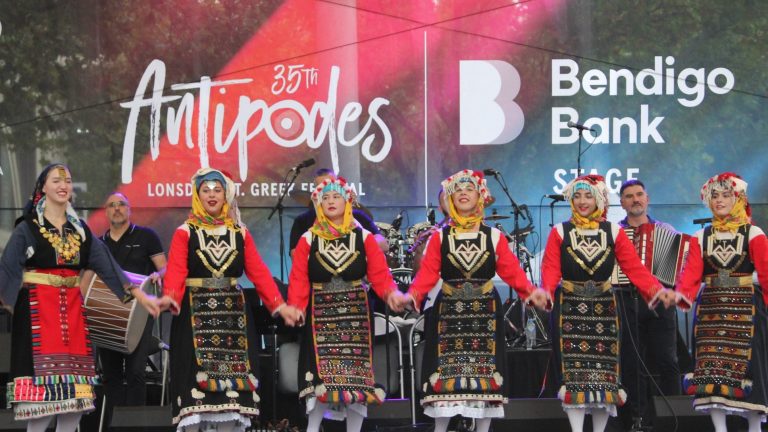
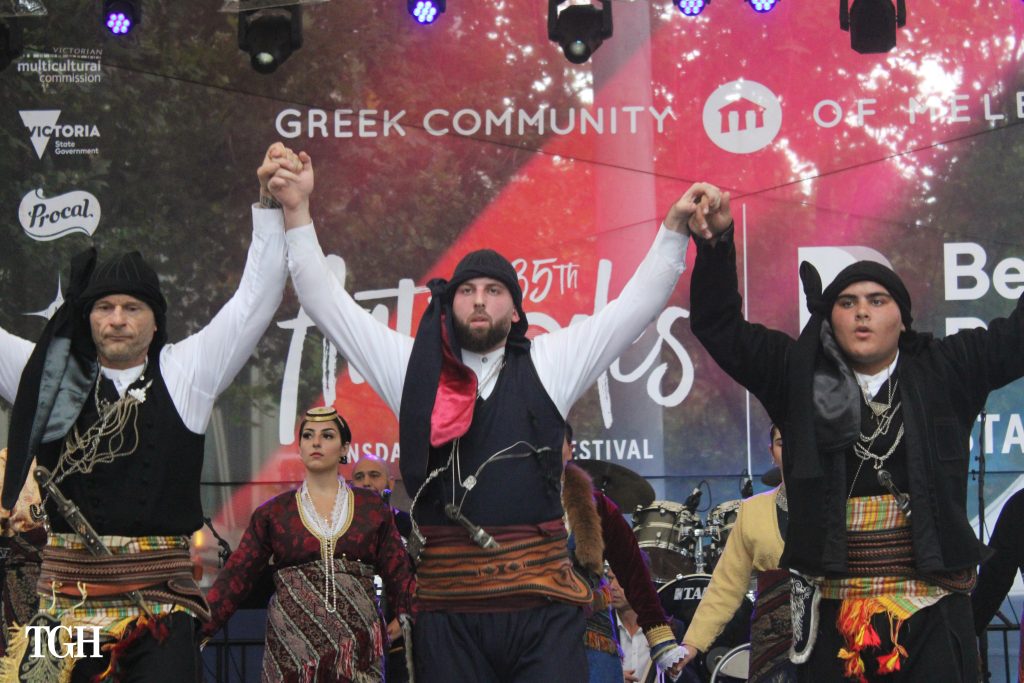
Antipodes festival. Photo: The Greek Herald.
The Victorian Budget 2023/24 has also invested a further $12 million over four years in more than 25 multicultural festivals and events including the African Music and Cultural Festival, Melbourne Italian Festa, Lonsdale Greek Festival, Polish Festival, Hispanic Latin American Festival, Tamil Festival and Springvale Lunar New Year.
Since November 2014, the Labor Government has provided more than $25 million to deliver close to 10,000 multicultural festivals and events across Victoria.
“No-one does multiculturalism as well as Victoria and these wonderful events and festivals help us to celebrate the different cultures and communities that are thriving all over our vibrant state,” Mr Brooks said.
“The Multicultural Festivals and Events grants program is invaluable in supporting our state’s diverse communities, and as Minister for Multicultural Affairs I’ve been lucky enough to see just how many members of our community benefit from these shared cultural celebrations.”
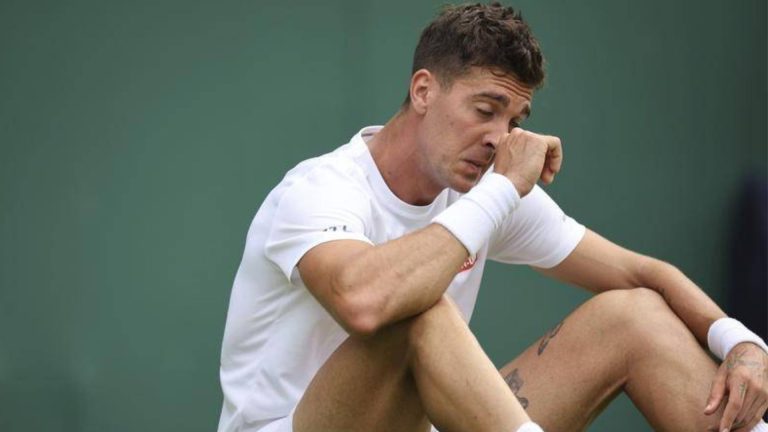
Kokkinakis lost to Swiss Leandro Riedi (7-5, 6-4) on the first day of the qualifying event in Roehampton.
Thanasi Kokkinakis. Photo: tennis.com
The Greek Australian appeared far from his sharpest as he was broken while trying to serve to stay in each set, eventually going down to defeat in less than an hour and 20 minutes.
This comes as on Tuesday, Jaimee Fourlis will begin her women’s qualifying campaign in the hopes of bolstering Australia’s main-draw line-up.
World leaders have expressed their congratulations to Kyriakos Mitsotakis after his party’s landslide victory in Greece’s second general election.
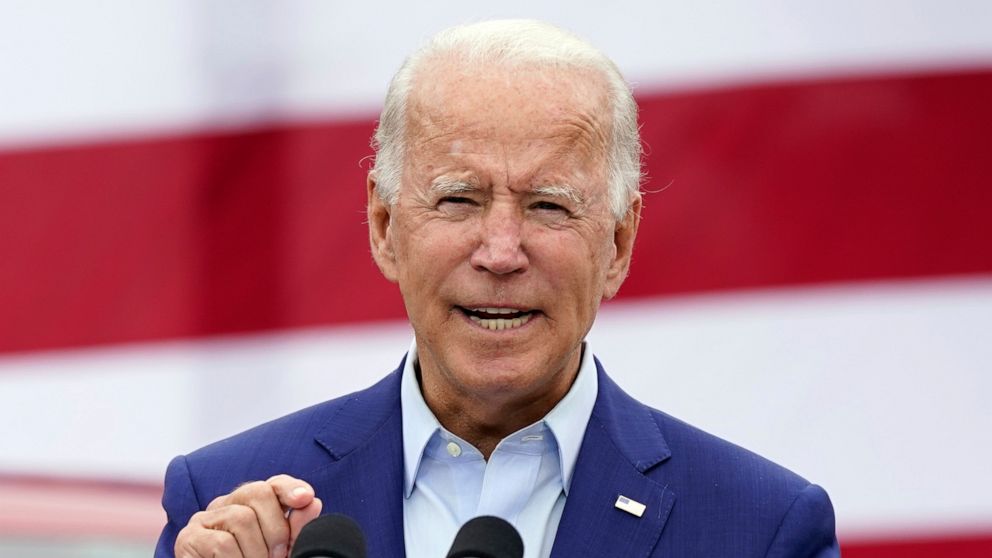
In a statement, the President of the United States Joe Biden welcomed the re-election of Mitsotakis as Greece’s Prime Minister.
“I look forward to continuing our close cooperation on shared priorities to foster prosperity and regional security,” Biden said in the statement.
President of the United States, Joe Biden
“Together—as Allies, partners, and friends—Greece and the United States have championed democracy. We will keep working with the government and people of Greece as well as our vibrant Greek-American community in the United States to continue this legacy.”
France’s President Emmanuel Macron posted on Twitter, hailing the 55-year-old New Democracy party leader as a friend and partner of France.
“Let’s continue to work together for a stronger and more sovereign Europe,” Macron said.
Τα συγχαρητήρια μου στον αγαπητό @kmitsotakis, φίλο και εταίρο της Γαλλίας. Ας συνεχίσουμε μαζί το έργο για μια ισχυρότερη και πιο κυρίαρχη Ευρώπη.
British Prime Minister Rishi Sunak also congratulated Mitsotakis on his re-election. Sunak said he looks forward to working closely with his Greek counterpart to strengthen the two countries’ long-standing relationship.
According to AMNA.gr, Mitsotakis even spoke on Monday with Turkish President Recep Tayyip Erdogan, who congratulated him on assuming office after Sunday’s elections.
The two leaders agreed to meet at NATO’s Summit taking place at Vilnius (Lithuania) on July 11 and 12.
With 99.7% of the vote counted, Mitsotakis’ New Democracy party had 40.55% — more than twice the 17.84% garnered by left-wing opposition party SYRIZA. It was the largest margin of victory in a Greek election in a half-century.
The swearing-in ceremony was held at the Presidential Palace in Athens, in the presence of Greek President Katerina Sakellaropoulou and Archbishop Ieronymos.
Mitsotakis then walked to the Maximos Mansion, the official seat of the prime minister, where he met with outgoing caretaker premier Ioannis Sarmas, to officially begin his new term.
Σας ευχαριστώ από καρδιάς για την εμπιστοσύνη σας. Από σήμερα ξεκινάει άλλος ένας κύκλος σκληρής δουλειάς για ένα καλύτερο αύριο, για κάθε Ελληνίδα και για κάθε Έλληνα. Για να κάνουμε πράξη τις μεγάλες αλλαγές, τις μεγάλες μεταρρυθμίσεις που τόσο έχει ανάγκη ο τόπος. pic.twitter.com/BIcmCV3R6x
— Prime Minister GR (@PrimeministerGR) June 26, 2023
In a televised meeting with Sakellaropoulou, Mitsotakis said he has “committed to implement major, deeply-needed reforms over the next four years, (and) have a strong mandate to do that.”
Mitsotakis also spoke with Sakellaropoulou about the “surprise” election showings by four marginal parties — three from the far right and one from the far left. Their entry raises the number of political groups represented in Parliament from five to eight.
“I think our democracy is mature enough to handle whatever temporary turbulence (ensues),” he said.
New ministerial cabinet announced:
New government spokesperson Pavlos Marinakis announced the new ministerial cabinet of Mitsotakis on Monday.
The new Greek Cabinet largely rotated key members of Mitsotakis’ previous government.
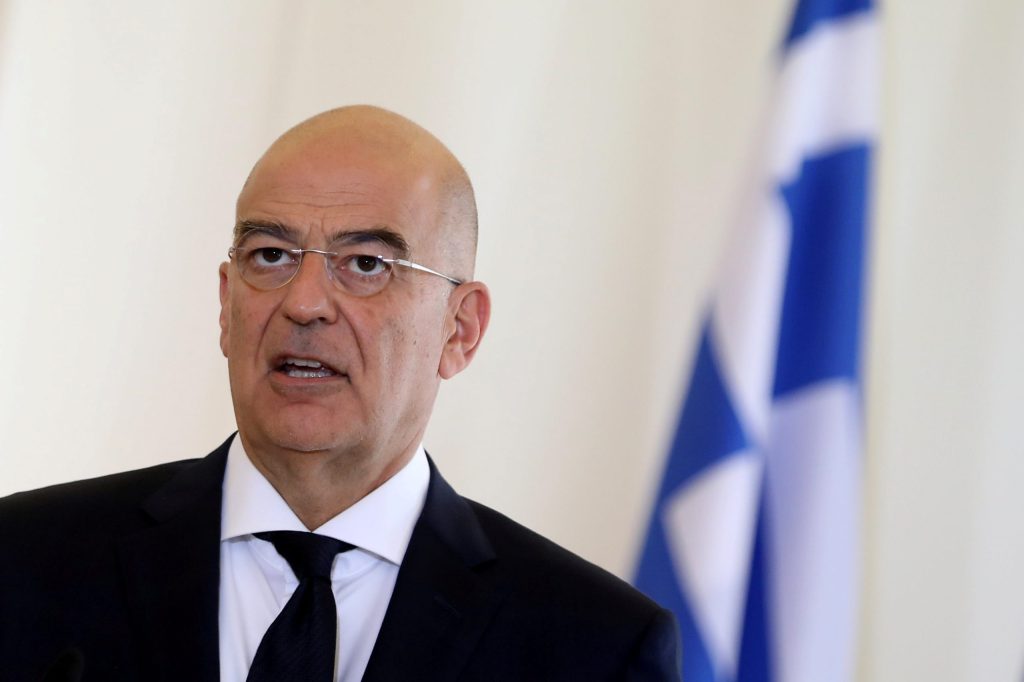
Nikos Dendias, who previously served as the foreign minister, has now taken up the role of Defence Minister. Similarly, Kyriakos Pierrakakis, the former minister of digital governance, has assumed the responsibilities of the education minister.
Nikos Dendias, who previously served as the foreign minister, has now taken up the role of Defence Minister.
Giorgios Gerapetritis, a trusted ally of Mitsotakis, has been appointed as the foreign minister, while Kostis Hatzidakis has been named as the finance minister.
The former education minister, Niki Kerameus, has transitioned into the role of interior minister, replacing Makis Voridis, who now holds a ministerial position of state.
Full Cabinet:
Prime Minister: Kyriakos Mitsotakis.
Ministers:
Finance: Kostis Hatzidakis (Alt. Minister: Nikos Papathanasis; Dep. Minister for Tax Policy: Harry Theoharis; Dep. Minister: Thanos Petralias).
Foreign Affairs: Giorgos Gerapetritis.
Defence: Nikos Dendias.
Justice: Giorgos Floridis.
Labor: Adonis Georgiadis.
Development: Kostas Skrekas.
Civil Protection: Vassilis Kikilias.
Education: Kyriakos Pierrakakis (Alt. Minister for Sports: Giannis Economou).