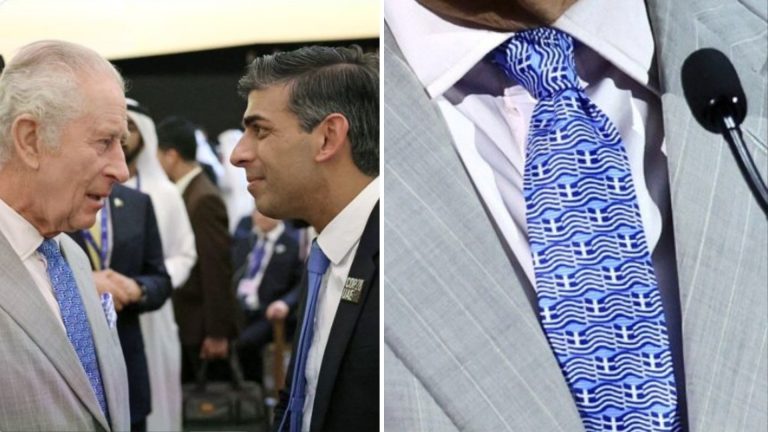
Britain’s King Charles stirred conversation by wearing a tie adorned with the colours and symbols of the Greek national flag to a climate conference held on December 1, 2023, in Dubai.
This choice of attire came in the midst of a diplomatic spat between UK Prime Minister Rishi Sunak and his Greek counterpart Kyriakos Mitsotakis over the Parthenon Sculptures.
King Charles, who claims Greek lineage through his late father, Prince Philip, born on the Greek island of Corfu, donned the distinctive tie during his meeting with Sunak on the sidelines of COP28 and while delivering a speech at the event.
Sunak had intensified the diplomatic row by accusing Mitsotakis of “grandstanding” regarding the ownership of the Parthenon Sculptures, leading to the cancellation of a planned meeting.
Controversy stirred between the UK and Greece last week after Rishi Sunak accused Mitsotakis of grandstanding over the Parthenon Marbles.
A Buckingham Palace source mentioned that Charles had worn the same tie the previous week, before the dispute escalated. Notably, alongside the blue and white tie featuring the white cross design akin to the Greek flag, King Charles sported a blue and white handkerchief protruding from his jacket pocket.
Media outlets observed the tie choice, with ITV television’s Royal Editor Chris Ship commenting on social media, “In a week when Rishi Sunak cancelled a meeting with the Greek Prime Minister to make a ‘stand’ over the #ParthenonMarbles #ElginMarbles… King Charles appears to have chosen to wear a very interesting tie when he met Mr Sunak in Dubai today.”
The ongoing dispute revolves around Athens’ longstanding call for the British Museum to permanently return the 2,500-year-old Parthenon Sculptures, removed by British diplomat Lord Elgin in 1806. The British Museum has expressed willingness to consider a loan to Greece, contingent on Athens acknowledging the museum’s ownership of the sculptures.
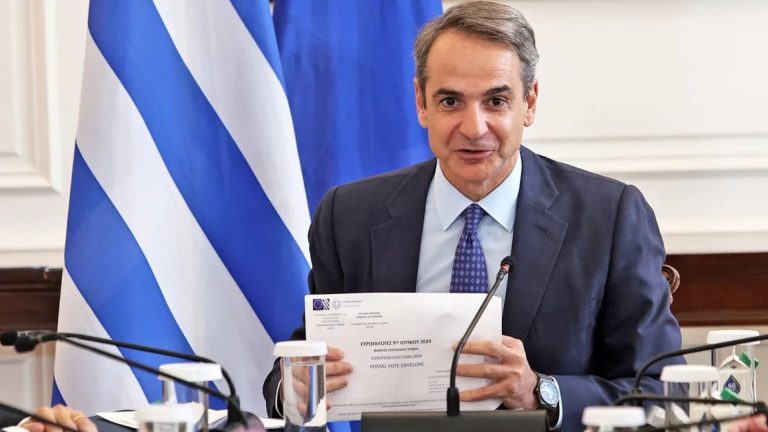
In his weekly Facebook post, Prime Minister Kyriakos Mitsotakis highlighted the government’s key initiatives and actions from the past week, with a primary focus on introducing postal voting and other significant reforms.
Mitsotakis proposed postal voting as a viable solution to address the rising issue of voter abstention in elections. He emphasised its potential to facilitate voting for Greek citizens residing abroad and those within the country facing various impediments on election day.
It’s important to note that these reforms specifically pertain to euro elections and referendums, not national elections.
The Prime Minister also touched upon judicial reforms, including restrictions on the number of trial postponements and efforts to reduce unemployment below 10 percent.
Other notable achievements mentioned were the upgrade of Greece’s economy credit rating to investment grade by Fitch and government initiatives to combat high prices and unfair profiteering through market inspections and substantial fines. Additionally, measures to enhance accessibility for people with disabilities were highlighted.
In the context of climate policy, Mitsotakis highlighted Greece’s active participation in the COP28 Climate Conference in Dubai, positioning the country as a global protagonist in renewable energy use. He referenced the GR-ECO Islands initiative, with Poros set to achieve energy independence using renewable energy sources, and Greece’s emergence as an energy hub for Southeast Europe.
The Prime Minister concluded his message by underlining the imperative of state resilience as a foundation for the future. He emphasised the need for prompt adaptation to the challenges posed by economic shocks, the pandemic, natural disasters, migration flows, and geopolitical conflicts.
Rather than seeking a return to the old normal, Mitsotakis urged bold changes to transform temporary difficulties into permanent opportunities. He envisioned a 21st-century Greece actively shaping developments, confronting longstanding problems, and building resilience as a springboard for the future.
Australian tennis coach and former professional tennis player Mark Philippoussis has revealed the secret to his marriage with wife, Silvana, as they launch their new career venture together.
According to The Daily Telegraph, Mark is bringing the same mindset that saw him reach a career high of No.8 in the world as a professional tennis player, to his new career venture as a fashion designer.
Mark and Silvana have recently launched ‘As We Create,’ a line of consciously made, luxury basics and a soon-to-be-released activewear range.
In an interview with Stellar, Silvana, who has helped design the womenswear line and modelled the clothes in the past, said that she loves “seeing [Mark] happy,” and that the couple can now “work together and bounce ideas off each other.”
Mark with his wife and children.
“It started as a passion project but now I want this to be a business,” Mark told Stellar. “As a kid, I loved drawing things and I had that creative itch.”
Mark revealed that their children are a large part of the reason the couple started the brand in the first place.
“It allows us to have a moment with each other, because there is definitely little space for that these days with the kids,” he said.
For Mark, while the road post retirement from top level tennis has been bumpy, he feels the best is yet to come.
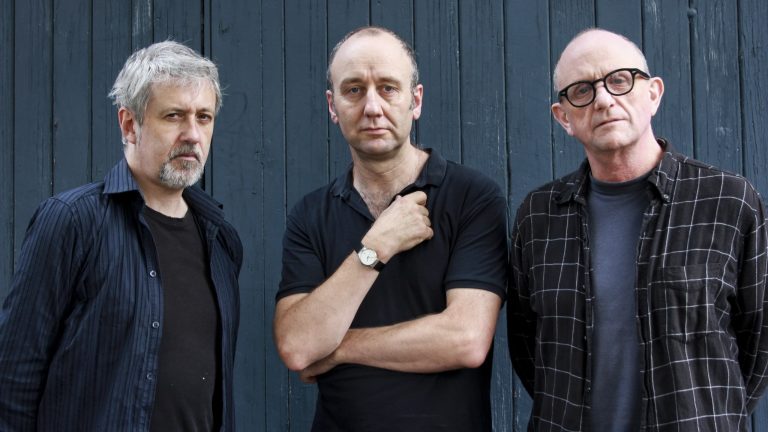
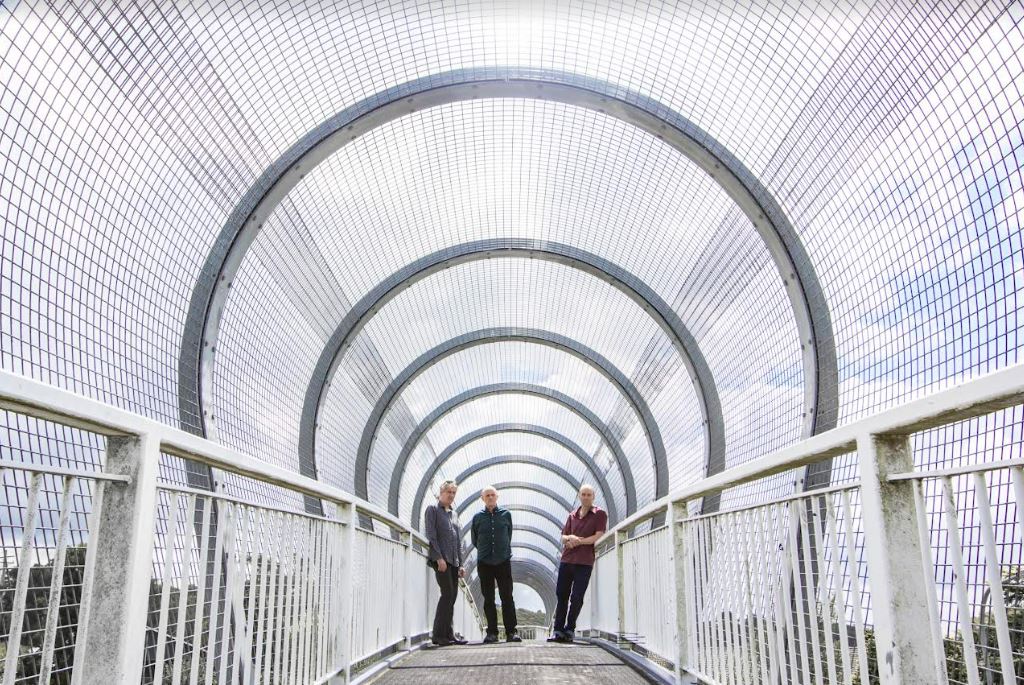
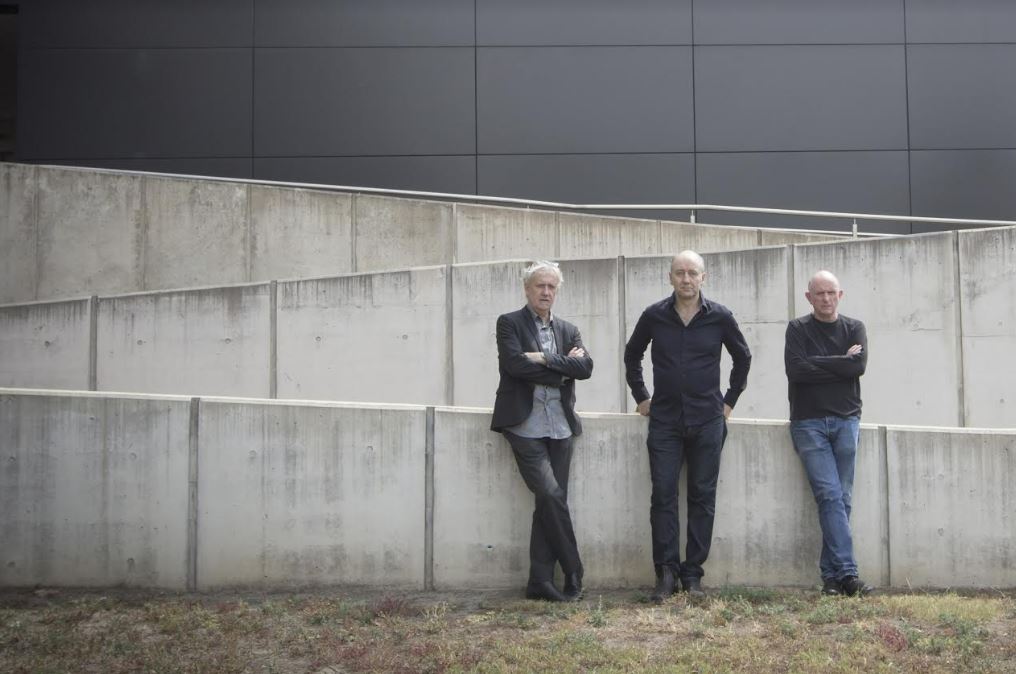
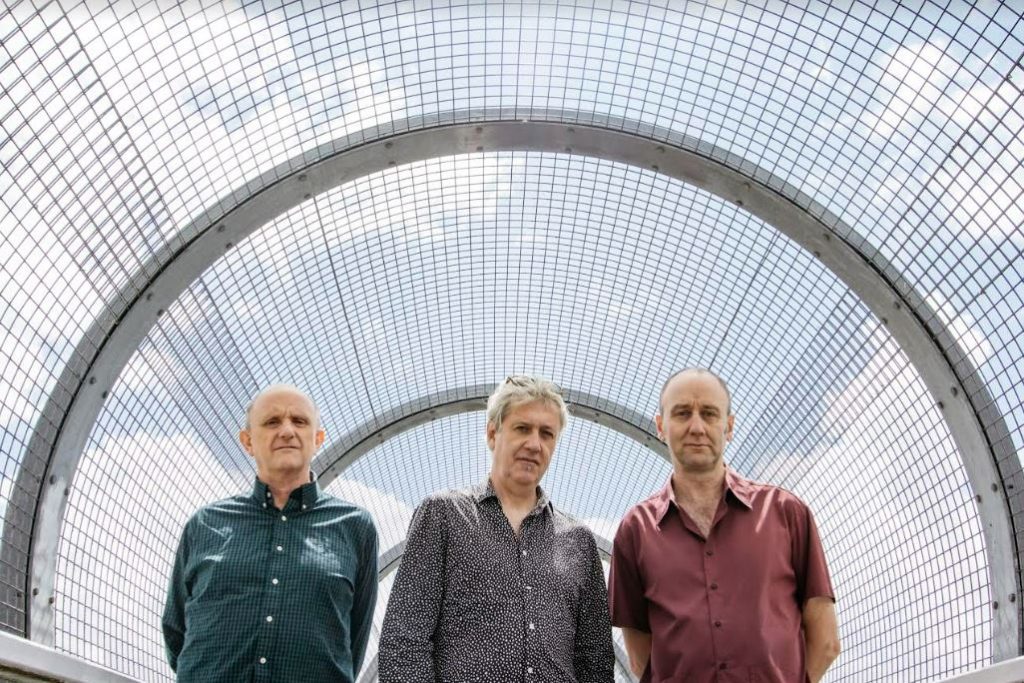
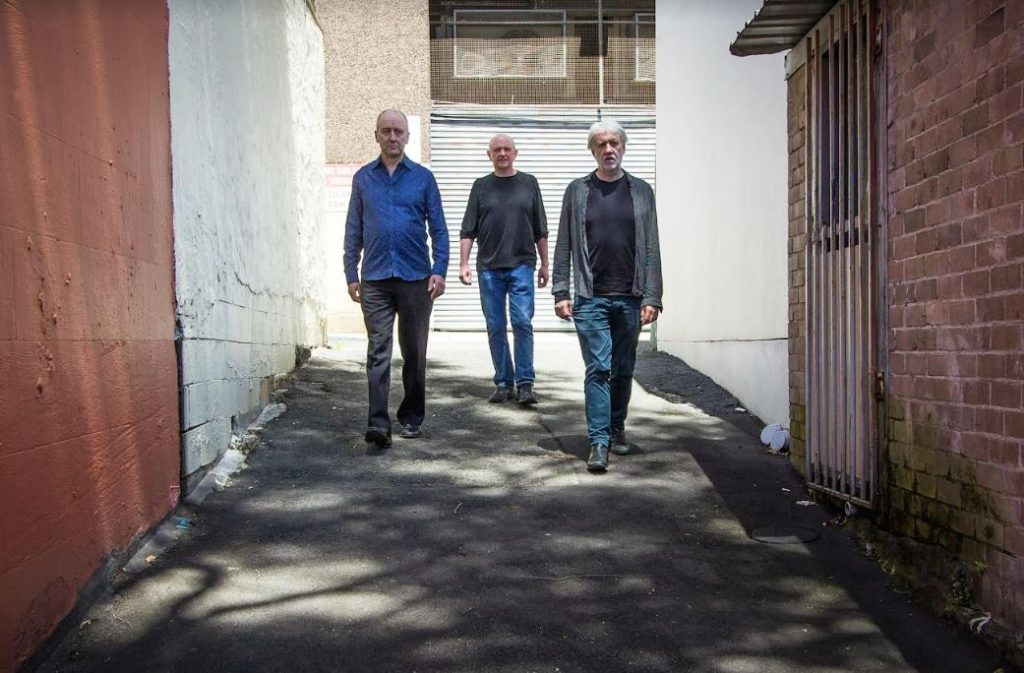
Their improvisational sonic journey, an intense dialogue between piano, percussion and double bass, is recognisable in Australia, where for more than three decades the world-renowned The Necks have enchanted audiences with their compositions.
The trio from Australia, who have won numerous awards at the international level, will make a stop in Athens, Greece as part of their pan-European tour, for one night only on December 9 at the Athens Conservatoire. The event is being supported by the Australian Embassy in Greece.
Since 1989, when they were introduced to the public with their debut album Sex, The Necks continue their undefined, still uncharted and improbable journey to this day.
With nineteen albums to their credit, most recently Travel (2023), The Necks have a global following.
They grew up in Sydney with Hellenism forming their identity – Greek friends and Greek food were everywhere. This fact lends an extra eagerness to their concert on December 9.
The Necks have a distinctive style that combines elements of jazz and improvisation. Can you tell us about your creative process and how you maintain such a unique musical identity over the years?
I think The Necks’ way of working came into being very quickly at the time we formed the group some 30 years ago. As individuals we are all interested in a lot of different types of music. We all maintain a strong interest in finding and hearing new things and somehow, these influences are constantly finding their way into things we do as a group together, despite the fact that what we do together, is very defined and clear for us.
I think the music of the Necks is steered more by process than any specific style, so while these many and varied influences seep into our playing, they are adopted in a kind of abstract way, more than any overt stylistic fusion.
Your latest album, Travel, has received acclaim from international press. Could you share some of the inspirations behind this album and what you hope listeners take away from it?
We recorded the tracks for TRAVEL while working on a more complex recording over a week or so in 2022. We wanted to recorder shorter tracks, performed live in the studio and leave the tracks, more or less untouched in terms of post-production, overdubbing and editing. We wanted to have four pieces that were suitable to take up four sides of a double vinyl LP. I think we found the idea to have a record that represented the sound of the live, improvising band – how we were playing in concert at the time – very appealing. Most of our studio recordings involve a lot of overdubbing and sculpting and mixing, and for TRAVEL we wanted to offer listeners a chance to hear us in a more pure, unadulterated form.
Performing in Athens is a significant event. What are your expectations and emotions as you prepare to bring your music to a Greek audience for the first time?
I think we are all very excited to be coming to Greece, as a group, together for the first time. We have, in the past, received much positive feedback from listeners in Greece but this is the first time we get the chance to come to Athens and present our music in person. It seems like it’s been a long time coming so that is in itself very exciting.
Having said that, we always try and present concerts in the utmost positive way, hoping to find a situation that is inclusive to close, depending listening on the part of the audience and ourselves, so, in that sense, we hope the concert in Greece will be like a concert anywhere – positive, focused and open. The venue we will play does indeed look very special, so we expect the conditions will be perfect for us (which isn’t always the case of course), so this concert at the Athens Conservatoire promises us the very best conditions in which to present what we do.
It’s very exciting.
Given your Australian origins, can you share any connections or experiences that have shaped your relationship with Greece and Greek culture?
It’s funny but Greek people and culture was so present in our lives growing up in Sydney that, in many ways, the culture doesn’t seem all that removed from our own. We all went to school with Greek friends, Greek food was always around us. It is also part of our roots in many ways.
In fact, speaking personally, my very first experiences of playing with friends in an early garage rock band, were with a couple of Greek boys I went to school with. One of this group of friends I still see occasionally and is in fact, one of the world’s leading mastering sound engineers, Leon Zervos.
What message or experience do you hope to convey to the audience during your live show in Athens on December 9?
I like to think The Necks offer an audience a respite from the hectic pace of modern life. We take our time to focus on the unfolding of the music in an organic, natural pace. In this time impoverished era in which we all have to operate, taking an hour or two out of one’s everyday life and put that time aside to let music envelope you we think is a worthwhile and valuable thing.
Adelaide’s Greek community is buzzing with excitement as the Semaphore Greek Festival team announces ‘Bouzoukia by the Sea,’ featuring the renowned Greek artist Christos Dantis.
This one-night-only event, set for January 12, 2024, at the Semaphore Foreshore, promises an unforgettable open-air experience reminiscent of the Athens Riviera.
Christos Dantis, a beloved figure in Greek music, has captivated audiences since his debut in the late 1980s. His journey from teen musician to chart-topping artist, marked by hits like To Palio Mou Palto and Ena Tragoudi Akoma, has established him as a multi-talented singer, songwriter, and producer. Notably, he co-wrote My Number One, the Eurovision Song Contest 2005 winning song for Greece, solidifying his status in the music industry.
‘Bouzoukia by the Sea’ promises to blend the charm of Greek culture with the scenic beauty of Adelaide’s coast. Attendees can expect a night filled with Dantis’ captivating performances, set against the backdrop of the sea.
Adelaide welcomes Christos Dantis for ‘Bouzoukia by the Sea.’
The Semaphore Greek Festival volunteers, known for their dedication and spirit, will ensure an array of delicious Greek culinary delights, adding to the authenticity of the experience.
This unique event, held for the second time, is the only open-air concert by the sea in Adelaide featuring Greek artists directly from Greece, offering a taste of the Mediterranean to the Australian shores. It’s not just a concert; it’s a cultural immersion, inviting everyone to celebrate Greek heritage in a setting that echoes the vibrancy of the Athens Riviera.
Tickets are limited, reflecting the exclusive nature of this event. As the community gears up for a night of music, dance, and Greek gastronomy, ‘Bouzoukia by the Sea’ is set to be a highlight of the cultural calendar, creating memories that will last a lifetime.
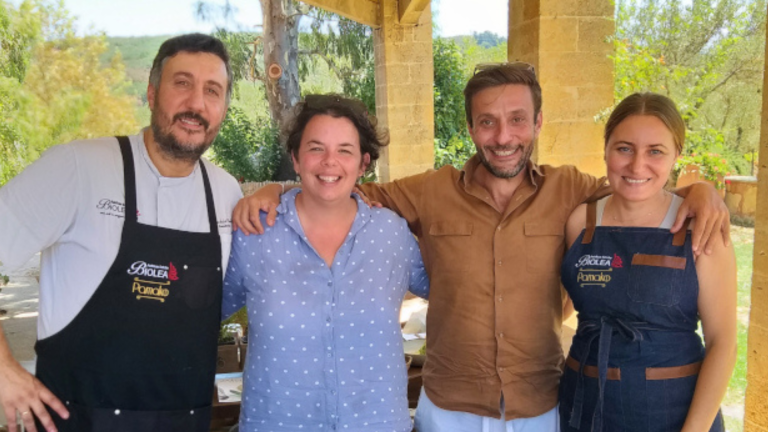
Two flourishing Cretan olive oil companies founded by Greek innovators have begun a unique new collaboration. Now working together in the olive mill at Biolea’s Astrikas Estate in Crete, Biolea and Pamako have presented Crete’s first restaurant in an olive mill and Greece’s first modern production line to operate alongside a stone mill and hydraulic press.
After collaborating for several years on olive oil seminars and tours at Biolea’s updated version of a traditional olive mill, Pamako’s Eftychis Androulakis and Biolea’s Chloe Dimitriadis decided it was time to take their teamwork several steps farther. Building on their enthusiasm, energy, youth, and inventiveness, they plan to create innovative olive oils as they continue to educate visitors about olive oil, and the mill’s restaurant expands its offerings.
These producers will share what they believe to be the only olive mill in Greece with two totally different production lines working side by side to produce olive oil in the old and new ways at the same time, both stone milled / cold pressed and cold extracted in stainless steel machinery. Even the stone mill combines the traditional with modern improvements, and this is hardly a typical modern production line, given its enrichment with adaptations invented by Androulakis and Dimitriadis.
(L-R) Chloe Dimitriadis and Eftychis Androulakis.
These quality enthusiasts explain that this is the first time two successful olive oil companies in Crete have decided to collaborate in the same building, under the same umbrella. They are confident that their cooperation will be fruitful. Accustomed to working in a modern mill, Androulakis sees things that can be improved in the stone mill that Dimitriadis did not notice, while Dimitriadis looks at the modern line with fresh eyes and comes up with promising ideas that surprise Androulakis.
Her father George taught Dimitriadis how to do everything related to olive oil production, from the grove to the bottle, including fixing mill machinery. After a colleague surprised to see her working with tools in the mill asked her if she was a mechanic, Dimitriadis said, “you have to become a mechanic, especially with a stone mill,” since few people know how to fix things there.
Regarding the mill machines, Androulakis told Greek Liquid Gold, “you may not hear them, but they talk. I know what they say. I know what they need. I know what I’ll do. I always have a plan. I find solutions. This is my playground. This is what I do.” This team has introduced innovations to prevent oxidation during and after stone milling, as well as a temperature-adjusting olive dryer, and in the modern line, a new type of vertical separator, a redesigned disc crusher, and a completely novel heat exchanger / temperature adjuster for olive paste. And this is just the beginning.
Eftychis using the mill machine.
Androulakis emphasizes, “we are going to experiment a LOT.” He does not expect to get much sleep during the 2 ½ months of harvesting and olive oil production. They will start by stone milling and pressing Biolea’s Koroneiki olives, as usual, while processing Pamako’s Tsounati olives on the boutique modern line. Dimitriadis says they may also process Koroneiki olives on the new line. Dimitriadis emphasizes, “the goal is quality above all, and to improve that quality, and the sustainability of the production system, every year.”
As Dimitriadis explains, “we chose to collaborate because we feel we will achieve much more together. It’s not about making money; it’s built on trust and mutual excitement about producing olive oil and doing new things, moving forward and moving toward the future.” For Androulakis, their work together is based on “a feeling of cooperation. This is the true meaning of cooperation.”
Androulakis believes “Chloe sees through the eyes of a professional olive miller that understands the market and how things will go in the future, because she is a young woman who views the future as an opportunity to grow as a person, as an olive miller. This is how I feel and how I think. We have the same point of view. We are both organic, have the same view of sustainability, being ecofriendly, reusable.” In fact, their goal is to achieve “zero waste, and use only renewable energy” at the mill and restaurant within two or three years, with composting, in a circular economy. Androulakis asserts, “this is the future—this is the only way.”
Tourists visiting the manufacturing area.
They will see thousands of travelers along the way. For many years, Biolea has welcomed tourists to learn about their single-estate organic olive oil production and taste their stone-milled, cold-pressed Koroneiki extra virgin olive oil and olive oils co-milled with organic bitter oranges or organic lemons. Pamako has also escorted visitors to the hard-to-reach mountainside olive groves where Androulakis and his team climb huge old Tsounati olive trees to capture this ancient olive variety at its best and healthiest, before it is fully ripe.
Androulakis, Dimitriadis and their team will continue offering a variety of tours, seminars, and gastronomic experiences on Biolea’s estate, and their spouses, hostess and server Dorotheea Riter and chef Michalis Papadaki, will welcome customers to the mill’s restaurant and special events. The whole team is focused on high quality fresh, healthy, authentic, flavorful products.
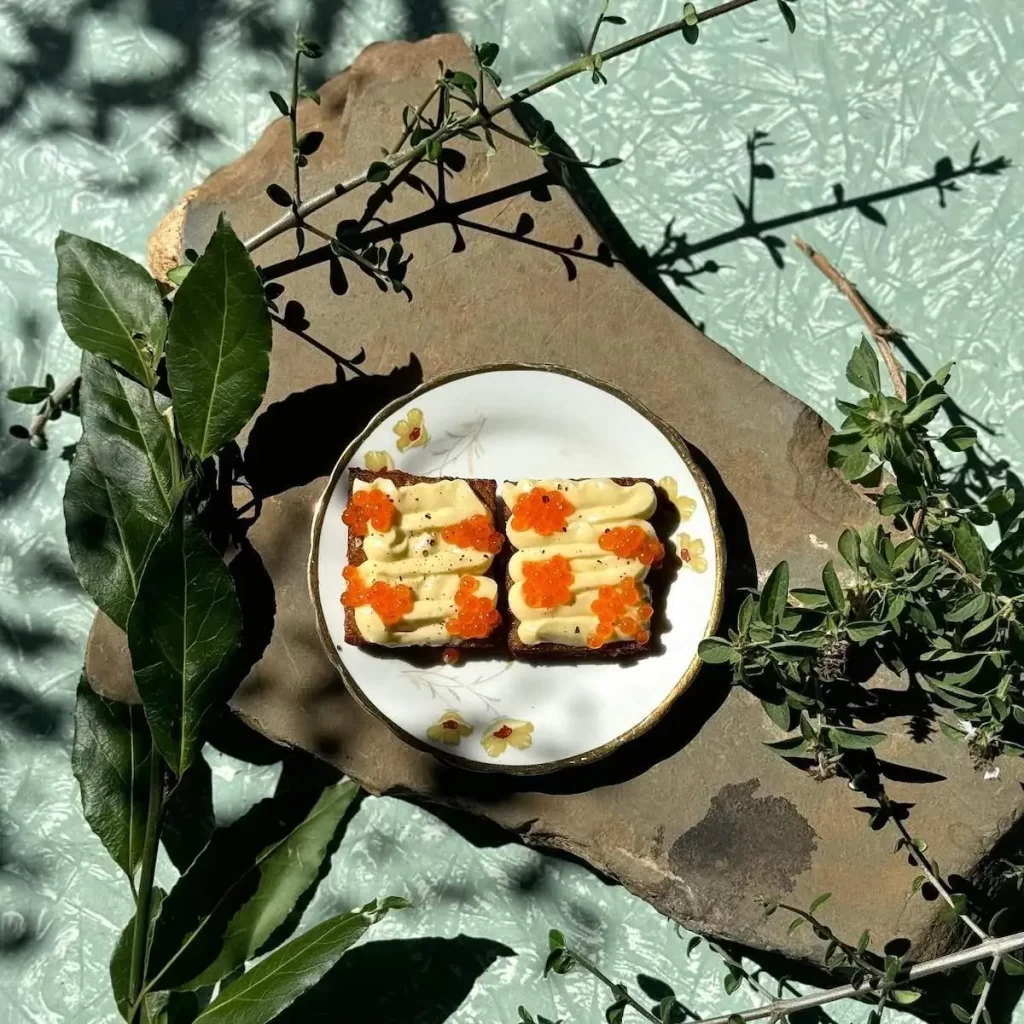
Biolea’s restaurant is surely destined for acclaim, given the exquisite flavors, elegant presentation, and fresh local ingredients of its unique offerings—not to mention the creative olive oil-food pairings. The restaurant’s menu has expanded since it evolved from a café into a restaurant last year. Yet it has remained seasonal, changing from week to week. Everything but the bread is prepared from scratch, including the chef’s four-course olive oil pairing surprise menu. Diners enjoy eating while gazing at the stunning view over the olive groves toward steep hills, stark cliffs, and the site of Ancient Rokka in the distance.
As Chef Papadaki told Greek Liquid Gold, “my philosophy is to have the whole menu based on olive oil. I use many raw ingredients to avoid destroying the nutrients in foods. I want the food to be extremely tasty and healthy, since we are a family, and people who eat here are like our family. I wouldn’t give them food I wouldn’t give my children.” Gathering greens in the nearby gorge, he reflects that “Nature outside here is my supermarket”—nature and the olive mill. Like the rest of the team in the mill, Papadaki focuses on quality rather than quantity: “It’s better to feed fewer people and feed them well.”
*Originally published on Greek Liquid Gold: Authentic Extra Virgin Olive Oil (greekliquidgold.com). See that site for recipes with olive oil, photos from Greece, agrotourism and food tourism suggestions, and olive oil news and information.
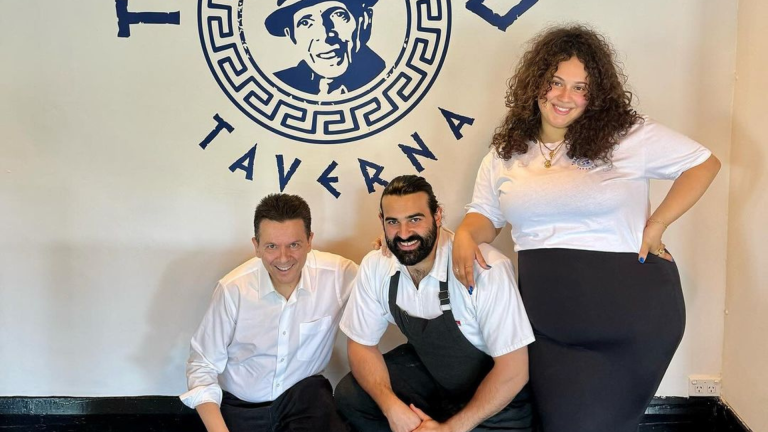
With a focus on exceptional food, a new Greek restaurant ‘Thanks to Theo’ is set to open its doors in the heart of Adelaide’s CBD.
With the help of business partner, former Senator of South Australia Nick Xenophon, owners Alessandra and Andrew aim to create a family friendly setting, bringing nostalgia and inspiration to their guests.
According to owner Alessandra, the restaurant is dedicated to Nick Xenophon’s father Theo, who adored good company, Greek cuisine and sharing a meal with his loved ones.
One of the meal being served in the restaurant. Photo: Thanks to Theo.
With this to consider, many patrons will experience a meal specially curated for sharing and embracing the traditional European custom of dinning together as a family.
The restaurant is located in the former Karens Diner space and has been transformed into an all-white and blue environment reminiscent of restaurants on the Greek islands.
With its opening to the public on December 1st, the restaurant is clearly a dedication to family, tradition, and the love of Greek Cuisine.
Polites spoke to The Greek Herald about his latest novel, where he documents the story of his mother’s migration journey from Greece to Australia.
“I think all of our community has a story. Someone like my mother, she came from a village that didn’t have access to electricity or running water… We can travel anywhere around the world now, but you’ll never make that journey. She made a journey,” Polites says.
Peter Polites and family.
God Forgets About the Poor is Polites’ third published book, following his previous novels Down the Hume and The Pillars. He sees his first two books as forms of fiction that make commentary about the world.
As a writer, Polites bases characters in all his books off versions of himself. His latest book differs in that he also adds versions of his mother, family members and himself.
“It is different to my previous books, but it still has a lot of the same themes. So a lot of the dark melodrama. The Greekness. The nuance. My pre-occupations with politics, class and race,” Polites says.
Polites did not start his writing career with the intent to become a published author, but as a creative outlet to clear his thoughts and articulate his own experiences. He began working in community services, until he struggled with his mental health at around 25 years old and moved back home.
“For me, writing was a form of rehabilitation… I started writing as a form of narrative therapy,” Polites says.
“I just wanted to practice writing. To learn as much as I can about it and to improve my skills. I didn’t view it to get published.”
His mother’s migration story was one he knew he wanted to document but didn’t know exactly how to approach it. Polites secured a residency at UNSW Canberra where he lived in the capital city for a month and intensively worked on God Forgets About the Poor. The book took around three years to write.
Peter Polites’ Mum.
Polites interviewed his family members and also conducted anthropological research around what his mother’s village, Lefkada, was like in the post-World War II era.
“I’ve visited [Lefkada] many times, but it still doesn’t explain a post-World War II village without electricity or running water in a civil war,” he says.
“We can go back to those places now, but we can’t go back to that era. Our link to that [era] is that generation. Those yiayiathes, those pappouthes. They’re all linked to the past in a way that none of us have experienced. That’s why it’s so important.”
Readers will notice his mother’s sections of the book read as if they have been directly translated from Greek to English. Polites explained that it was a conscious decision to write the book in this way “to create a disruption.”
Peter Polites.
“Translation and how we communicate ideas in one language, that doesn’t necessarily work in another language. I wanted to be aware of the language gap,” he says.
All of Polites’ novels include an element of “Greekness.” He feels his connection to Greece is his “Greek temperament.”
“I think for all of us there’s many different kinds of Greece and I think all of our connections to our imagined homeland are real and different,” he says.
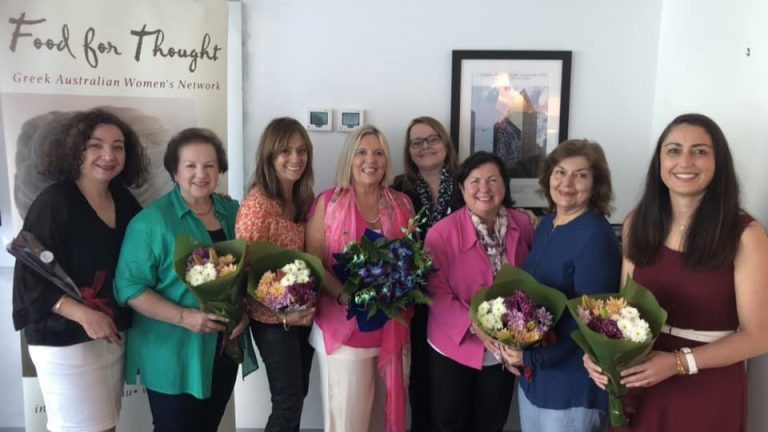
In a ground-breaking initiative, the Food For Thought Network Inc. (FFTN) has announced the Inaugural Global Women and Hellenism Conference – Greece 2024, scheduled to take place from September 2-6, 2024, at the Grand SERAI Congress & Spa Hotel in Ioannina, Greece.
This unprecedented event aims to bring together Greek women from the diaspora and Greece, fostering connections, celebrating shared heritage, and igniting cultural enrichment that transcends borders.
The conference, organised by FFTN, promises to showcase the multifaceted identity and excellence of Greek women globally, spanning academia, professions, businesses, and community leadership.
Founder and Chair of the FFTN Varvara Athanasiou-Ioannou.
Founder and Chair of the FFTN Varvara Athanasiou-Ioannou expresses reserved excitement as women have already signed up for this transformative experience. She emphasises the importance of their shared backgrounds and life journeys contributing to both the host country and Greece.
For additional information, please visit the conference website www.fftn.org.au or reach out to Varvara Athanasiou-Ioannou at info@fftn.org.au.
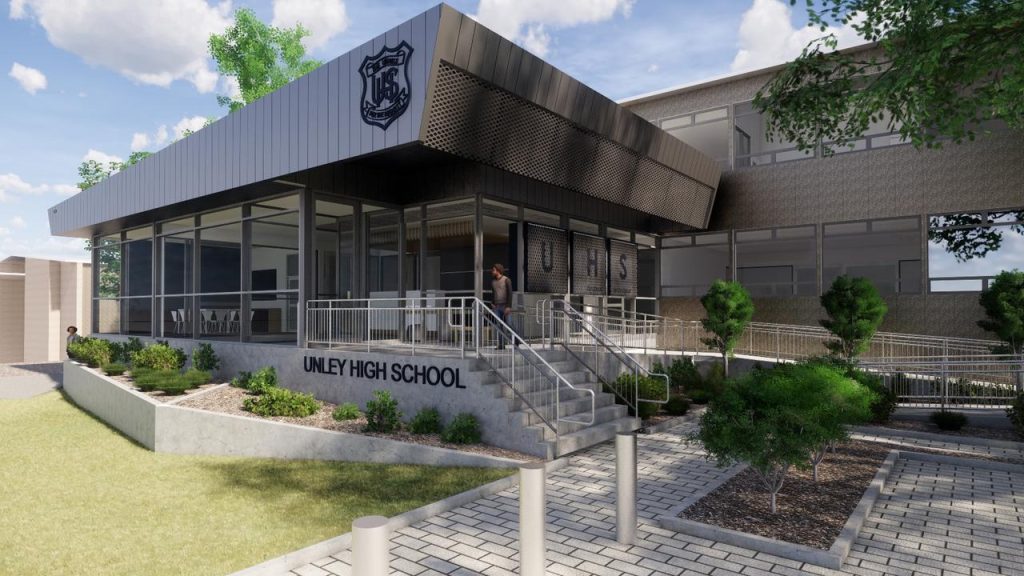
Planning approval for the Forestville Hockey Club to build an all-weather multi-use playing surface – to be built at Unley High School – has been welcomed as a ‘win’ for future students and players.
The project will see the development of a 6000sqm synthetic grass pitch suitable for hockey, netball, five-a-side soccer and touch football with floodlights, changerooms and clubrooms.
Construction is expected to begin before Christmas, with the Minister for Education, Training and Skills Blair Boyer and the Minister for Sport, Recreation and Racing Katrine Hildyard visiting the site today for a ceremonial ‘sod turning’.
“This collaboration between the school, the hockey club and the community is a shining example of what is possible when organisations work positively together to create environments that have the health and wellbeing of people at their heart,” Ms Hildyard said.
Planning approval for the Forestville Hockey Club to build an all-weather multi-use playing surface – to be built at Unley High School – has been welcomed as a ‘win.’
A long-term agreement will be established with the Forestville Hockey Club for the use of the pitch and amenities once completed, but Unley High School will retain exclusive use during school hours. This will mean students can use the pitch before school, during physical education classes and during recess or lunch breaks.
The pitch will be a multi-sport surface, made from plastic resin derived from bio-ethylene, a waste product of sugar cane production. It will be sand-dressed to reduce heat, eliminate the need for watering and create a 90 per cent biobased surface.
Unley High School Principal Greg Rolton said, “Our students will benefit from this multi-sport facility before school hours, during physical education classes and during the lunch breaks – using it predominately for netball, touch football, and five-a-side soccer.”
“Space for our student community to be active and engaged is always a priority, with this project further expanding on the space provided by our gymnasium and two outdoor basketball courts,” Mr Rolton said.
“This project has the support not only of our student community but parents and the governing council.”