As International Women’s Day approaches, the Food For Thought Network (FFTN) eagerly anticipates honouring the global celebration with a renewed commitment to its founding principles of inclusion and empowerment.
With the theme of “Inspiring Inclusion” and “Count her in’ resonating across the globe, FFTN stands poised to take its vision to new heights this year.
For over two decades, FFTN has championed the cause of inclusivity, striving to create a world where every woman’s voice is heard and valued. This year, our vision extends beyond local endeavours as we aspire to host a landmark global conference in Ioannina this September.
In a departure from previous years’ local events, FFTN aims to amplify its impact by supporting various local organizations dedicated to women’s causes. Whether through active participation or keynote addresses, FFTN will collaborate with groups committed to advancing women’s rights and opportunities.
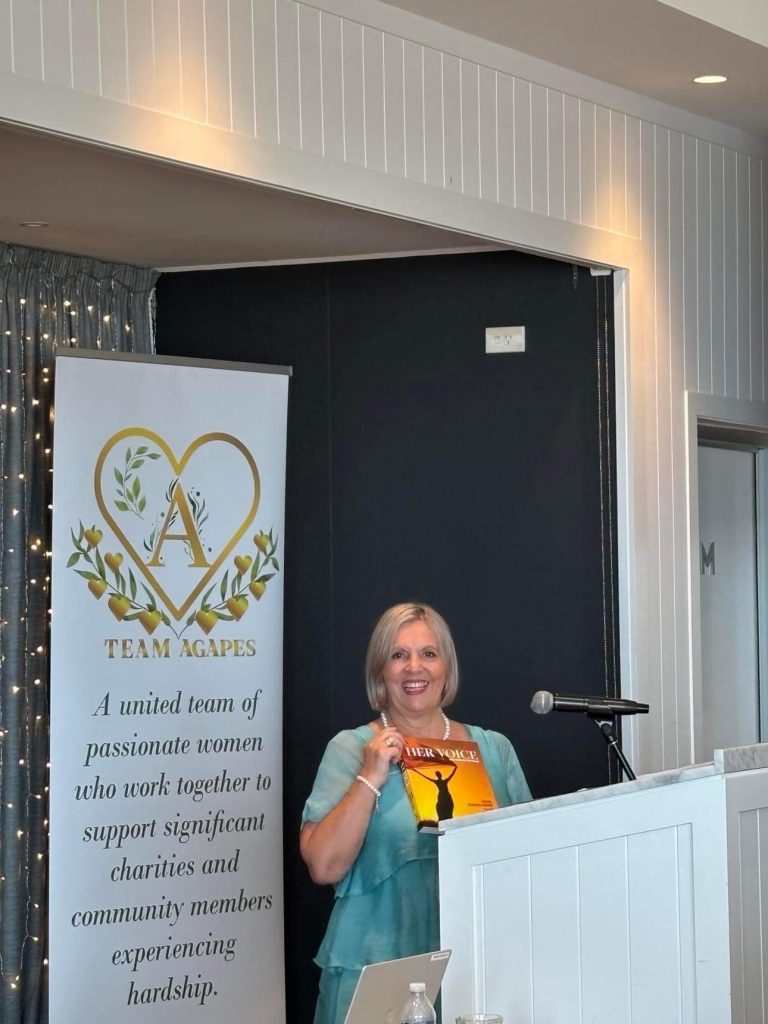
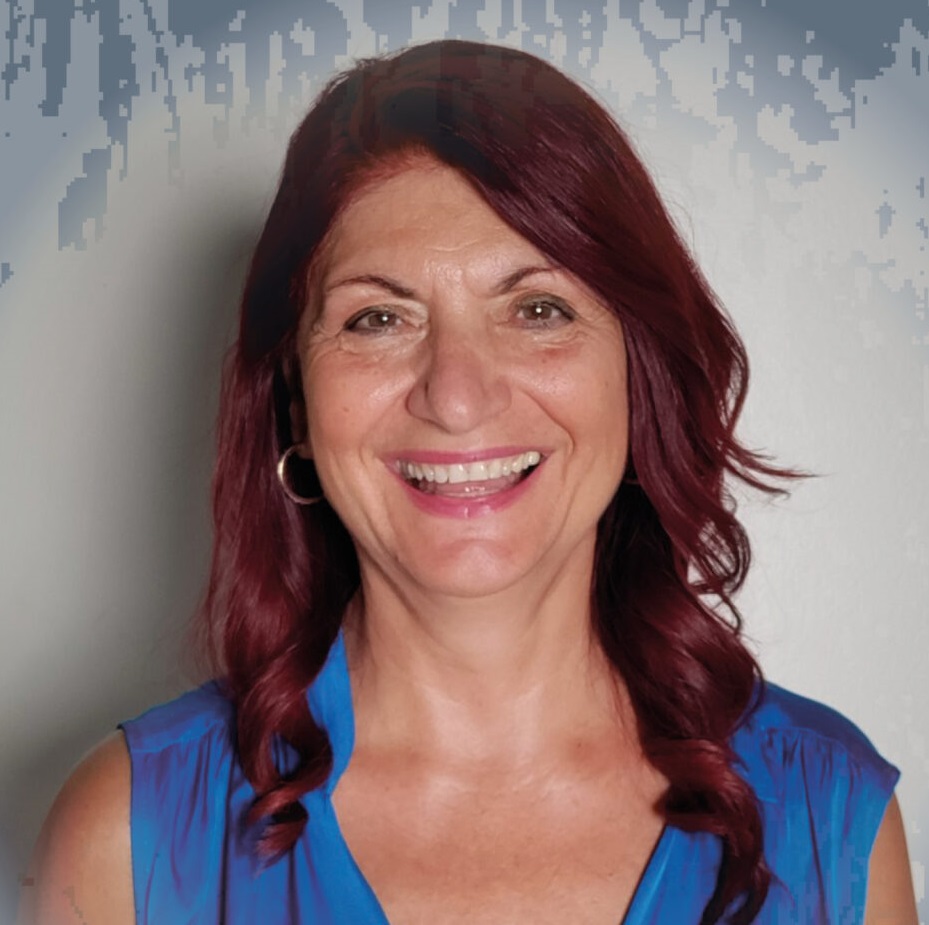
Varvara Athanasiou-Ioannou AM speaking about her book. Photo: Supplied.
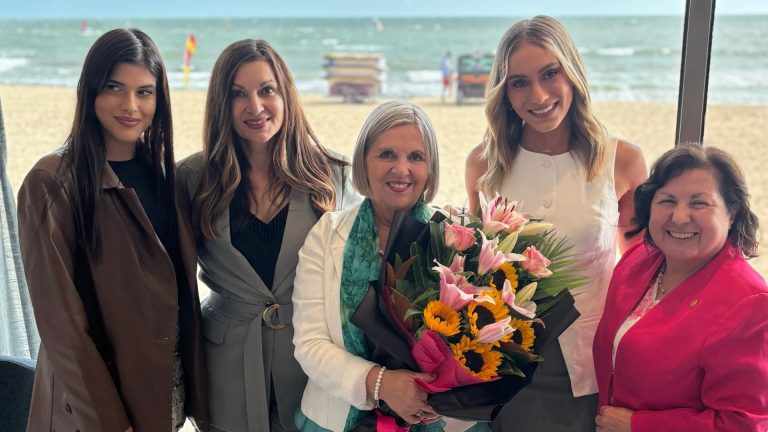
Varvara Athanasiou-Ioannou AM, the founder and chair of FFTN, was recently recognised in the Australian Day Honours Awards for her remarkable contributions to diversity and inclusion. She will serve as a keynote speaker at several notable events:
Team Agapes: Varvara will share her story, insights and inspiration at Team Agapes, underscoring the importance of unity and support in championing women’s causes as well as sharing examples from her work and community life of how she inspired inclusion.
IWD Event at Philhellene Restaurant, Moonee Ponds: Varvara will grace this celebration with her presence, emphasising the significance of community engagement and collaboration in fostering gender equality and creating a more inclusive society.
Rotary Club of Hawthorn: Varvara’s keynote address at the Rotary Club of Hawthorn will highlight the pivotal role of service organizations in driving meaningful change for women worldwide, speaking about her ground-breaking book HER VOICE GREEK WOMEN and THEIR FRIENDS.
Through these engagements, FFTN reaffirms its commitment to building bridges, fostering dialogue, and driving tangible action in pursuit of gender equality. As we unite with communities around the world to commemorate International Women’s Day, FFTN remains steadfast in its mission to inspire inclusion, elevate voices, and pave the way for a brighter, more equitable future for all.
The Food For Thought Network’s global review Committee for the conference is assessing the 50+ abstracts that have been submitted to present at the Conference and thanks all who have expressed interest to speak and have already registered to attend. Early Bird registrations are open till the end of March. More information in English and Greek can be found on the website www.fftn.org.au.
Stefanos Tsitsipas returned to the Mexican Open this week, and the 2021 runner-up has pledged a charitable donation to assist with the destruction caused by Hurricane Otis.
Last October, Hurricane Otis killed 52 people in Acapulco and caused an estimated $22 million in damage to the city. As a result, it has required a significant amount of work to bring the popular ATP 500 tournament back this year, with roughly $12 million and 35 sponsors contributing to the hard court event’s restoration.
“[It’s] very good to be back, [I’m] happy that the tournament is still going strong, it is something we did not expect after the tragedy of a few months ago”, Tsitsipas said.
“It gives me happiness that so many people came together and made this possible to return everything to this beautiful city of Acapulco. I am here with my tennis to give the best I can to the communities”.
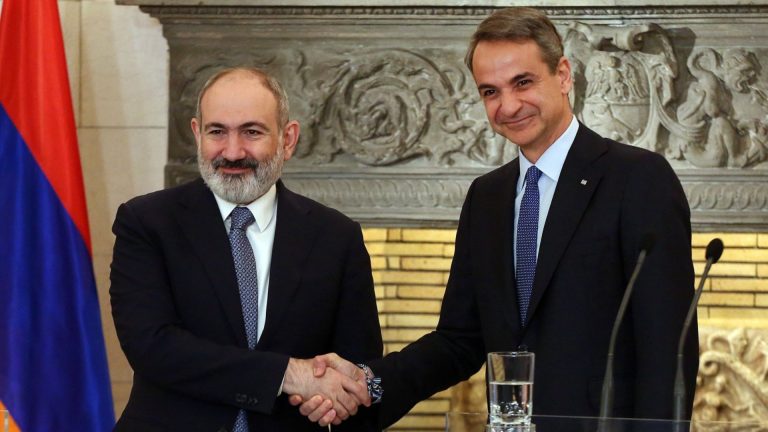
Greece’s Prime Minister, Kyriakos Mitsotakis said on Tuesday that Greece and Armenia have centuries-long relations that may now be even more productive in light of the mutual difficulties that lie ahead.
According to Amna.gr, during joint comments with his Armenian counterpart, Nikol Pashinyan, Mitsotakis said they would also be able to discuss bilateral collaboration in sectors like renewable energy and technology.
“..After the war of 2023, [Armenia] better understands the values of peace. The decisions you will take will shape the course of your country in the coming years,” Mitsotakis said.
Με τον Πρωθυπουργό της Αρμενίας Nikol Pashinyan συζητήσαμε για τη διμερή μας συνεργασία σε τομείς όπως οι ΑΠΕ και η σύγχρονη τεχνολογία. Στο πλαίσιο αυτό έχει ήδη υπογραφεί Μνημόνιο Συνεργασίας μεταξύ της «Enterprise Greece» και της «Enterprise Armenia». https://t.co/yL98IhB2mzpic.twitter.com/uFCbqWTrwB
“Greece will stand at your side in every diplomatic effort for a permanent peace treaty with Azerbaijan. Only a sustainable agreement can open up the path”.
Addressing Mitsotakis, Pashinyan said in response that “Our relations are developing at a great speed and, as a result of today’s visit, we will give them a fresh boost…We have a long history of cooperation and I am certain that it will become more effective.”
The visit of the Armenian prime minister to Athens was a crucial step in cementing already strong relations with Armenia, according to Mitsotakis.
Royals from around the world gathered on Tuesday in England to remember King Constantine II of Greece, with both King Charles III and Prince William not in attendance.
The king is currently undergoing cancer treatment, and for this reason, could not attend, like with most public appearances. William withdrew from the event at the last minute owing to a personal concern; no other information is known as of this stage.
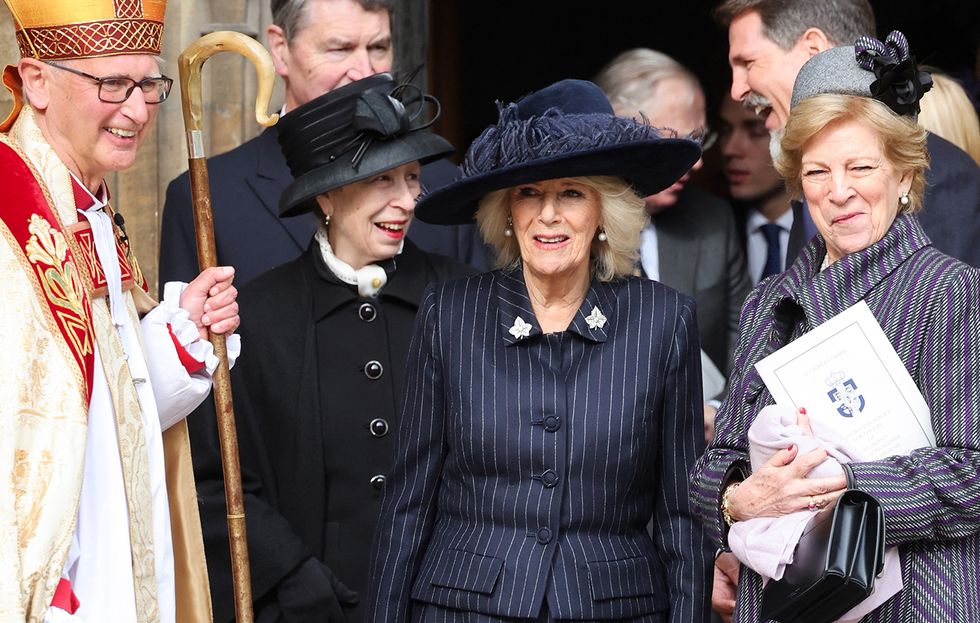
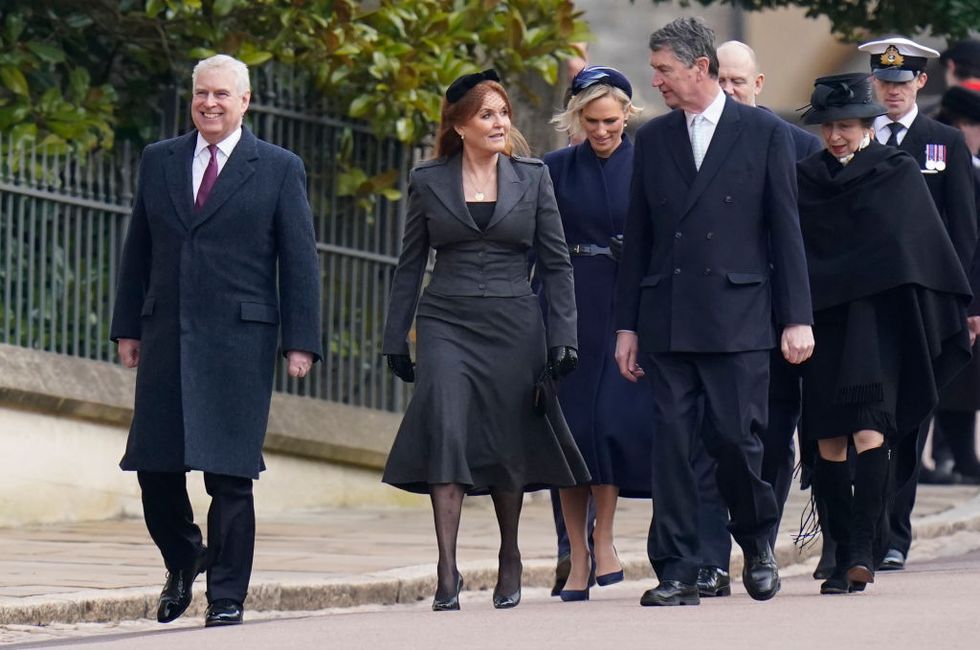
According to Bazaar, the Thanksgiving ceremony for King Constantine was held yesterday morning in St. George’s Chapel at Windsor Castle, where Queen Camilla, Prince Andrew, Sarah Ferguson were among a few of the British royals present.
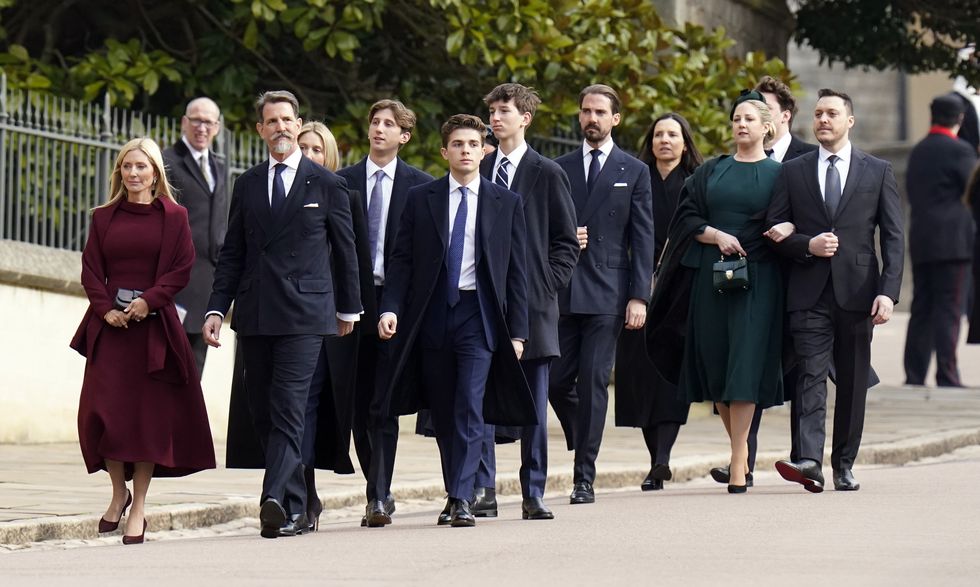
Queen Camilla among British royals in attendance. Photo: Bazaar.Prince Andrew, Sarah Ferguson were among a few of the British royals present. Photo: Bazaar.Representing Greece were several members of the country’s royal family. Photo: Bazaar.
Representing Greece were several members of the country’s royal family. The group included Queen Anne Marie of Greece; Pavlos, Crown Prince of Greece and Prince of Denmark RE; and Marie-Chantal, Crown Princess of Greece and Princess of Denmark; Princess Maria-Olympia of Greece and Denmark; Princess Nina of Greece and Denmark; Prince Philippos of Greece and Denmark; Princess Theodora of Greece and Denmark; and Matthew Jeremiah Kumar.
The late King Constantine II, leader of Greece’s royal dynasty, reigned as the country’s final king from March 6, 1964 until June 1, 1973, when the monarchy was abolished. He died on January 10, 2023, in Athens, at the age of 82. The Greek royal family now retain symbolic positions rather than actively ruling.
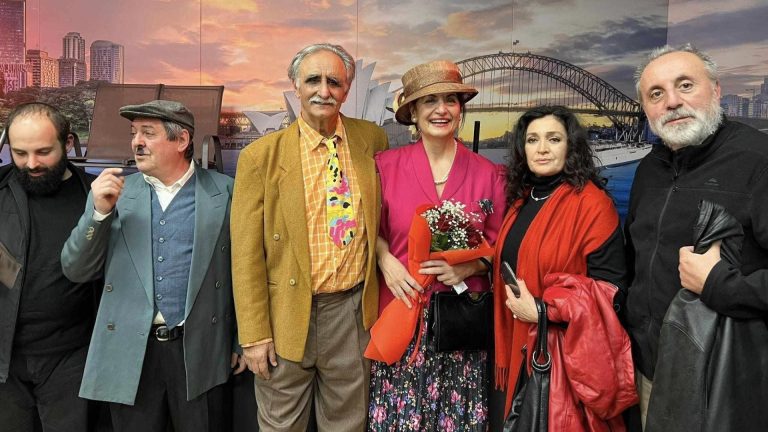
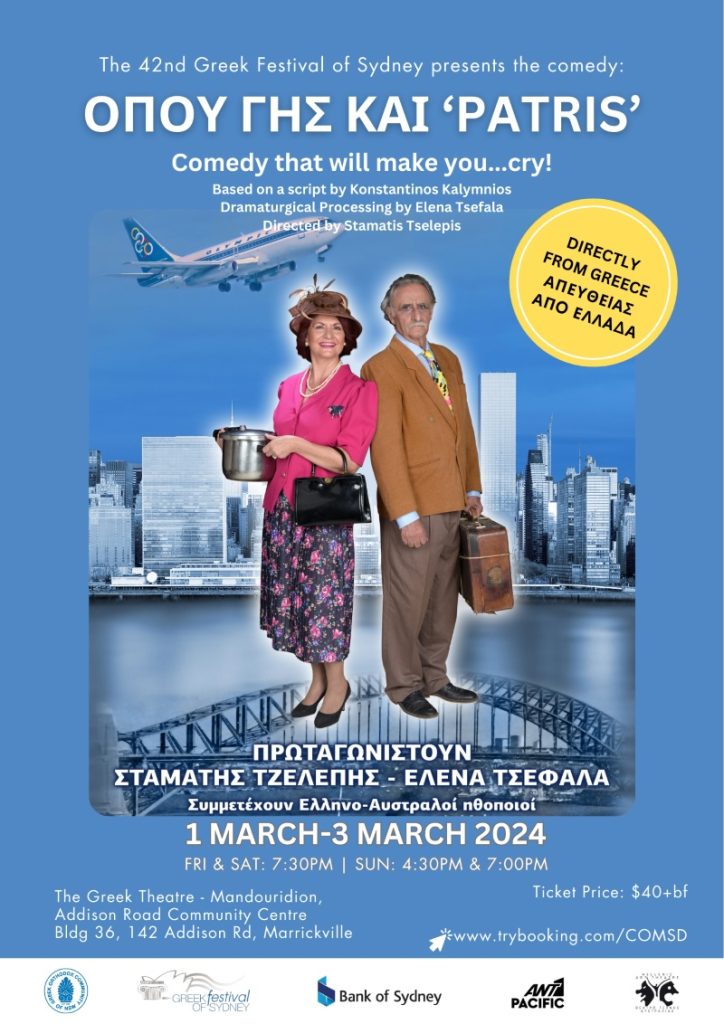
Written by the esteemed lawyer and author Konstantinos Kalymnios, the engaging production will be staged at the Greek Theatre – Mandouridion in Marrickville, Sydney, featuring the talented duo Stamatis Tzelepis and Elena Tsefala, for four performances between 1st and 3rd of March 2024.
Shortly before the premiere, The Greek Herald speaks with Mr Kalymnios and leading lady Ms Tsefala.
The inspiration:
We asked Mr Kalymnios to introduce himself to the readers of The Greek Herald and he told us what it was that inspired him for this particular work.
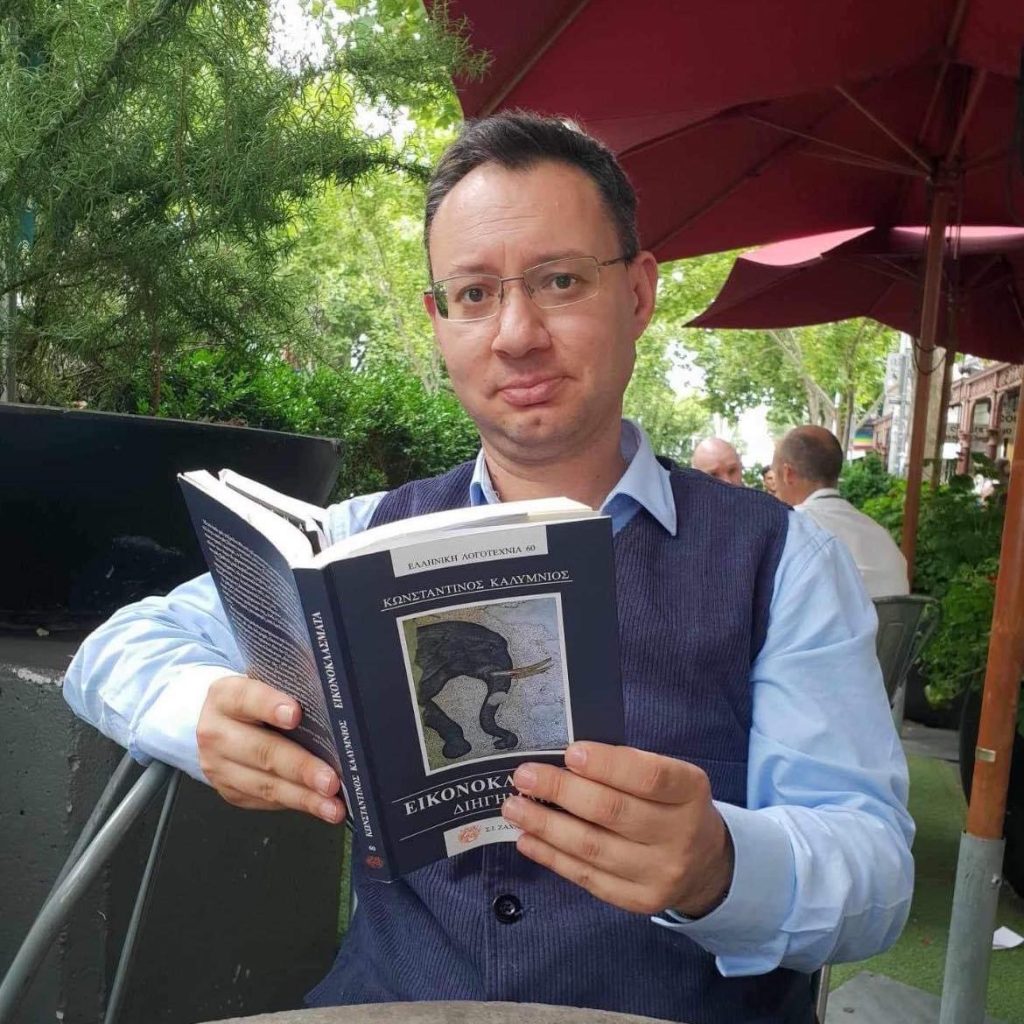
“I am a third generation immigrant. I was born and live in Melbourne where I work as a lawyer. At the same time I am engaged in Greek literature. I have published seven poetry collections, a bilingual children’s book, and recently released in Athens my new collection of short stories,” Mr Kalymnios said.
Konstantinos Kalymnios . Photo: Supplied.
“Growing up in a small part of Melbourne, I began to see that each region, each suburb where Greeks came to live, had its own peculiar character, something that has to do with the constantly ambivalent broader socio-political identity of the region in question and the place of origin of the Greek immigrants.
“In Essendon, where my grandfather settled, there was a strong Samian element. A few kilometres further, my mother’s fellow villagers settled en masse in Ascot Vale. My experiences, from a linguistic, folkloric and cultural point of view, have been rich. The Greek inhabitants of these areas developed their own way of life, their own mentality and their own particular identity in which their new social reality and the need to maintain the community institution of their village were intertwined.
“Thus, ‘Opou GIS kai PATRIS’ started from the belief of a peculiar way of life, that of the first generation Greek immigrants in Australia, which is gradually being lost over time. They are our protoplasts, who formed our community and created our institutions, constructing a completely separate way of life with their own customs, with their own codes of behaviour, identity references and behaviours.
“All these things are slowly declining: our protagonists are leaving, the once thriving Greek neighbourhoods are being deserted as young people are forced to abandon them for the margins because the demographic realities of the past are changing, and our community is changing.
“So I wanted, through the project, to convey something of that particular sense of sociality and society, to preserve their particular way of speaking with a mixture of dialect and Greek-English, the way their attitudes are expressed, how they themselves deal with the radical changes brought not only by urbanisation, assimilation and aging, as well as how these elements affect their own self-perception before they perish. I think it’s important to have all this presented by people who have lived through it, but are of another transitional generation like ours.”
Shared experiences:
What was it that prompted Ms Tsefala to star in this project?
“The common experiences I have as a child of immigrants, born and raised in Montreal, Canada are similar experiences with those of Australian Greeks. Australia for me and the Greek community in general, is my third homeland. I have spent three years as a seconded teacher at the Melbourne Education Office, I worked in the schools of the Greek Community of Melbourne, staged performances with children 9-12 years old and did my field research for my PhD on ‘Greek Theatre in Australia’,” Ms Tsefala answered.
“During my research, I visited the largest centres of Hellenism in Australia, the cities of Sydney, Adelaide, Perth and Brisbane, where I had the opportunity to meet with people from Greek cultural and educational institutions, to collaborate with them and to collect rich material which, after processing it, I published in a volume of 735 pages titled “One Hundred Years of Greek Theatre in Australia (1910-2010)”. With all the above being said, how could I and the director of the show, Stamatis Tzelepis, not be inspired by the work of Kalymnios and not work in the show?
Eleni Tsefalas. Photo: Supplied.
“We hope this theatrical show will travel to all our expatriates wherever they are, starting with our honoured participation in the Greek Festival of Sydney. We warmly thank the committee of the festival, and personally the Festival Chair, Nia Karteris, for the invitation and hospitality.
“The enthusiastic reception of the performance by the Greek theatrical audience at our premiere, on December 10, 2023, in Athens, justified our choice to dramaturgically edit the play of Kalymnios and to stage it.”
The diaspora shapes Greek culture:
We asked both Mr Kalymnios and Ms Tsefalas for their opinion on whether this production is proof of the richness of Greek culture. Here are their answers…
Mr Kalymnios: I think it is highly symbolic that the play premiered for the first time in Greece, which is after all, the starting point of the whole migration adventure.
I also believe that it is remarkable that renowned Greek actors embraced the play and that they will come here to Australia to play ourselves at a time when the Greek identity narrative is hushed up or reduced to a cliché – the ever-changing status of the expatriate Greek, with all that implies in this term, while the narrative of multiculturalism as enacted by the Australian ruling class is now being challenged as it privileges the most recently arrived ethnic groups.
Ms Tsefalas: Greek culture is shaped through the language, history, art, philosophy, science, tradition, customs and values of the Greek people.
The Greek diaspora, wherever it lives, is an integral element of the Greek culture and the history of Greece, and it forms a culture, initially by maintaining the customs, traditions, popular culture and later by interacting with other cultures. This is also the case with Greeks in Australia.
The creative Konstantinos Kalymnios with his writing pen as ethnographer of the Greek community and historical researcher, hoards the stories and experiences of the first generation of immigrants of the post-war period and records them using the Greek language as he learned it and heard it spoken in the environment where he grew up.
It is noteworthy that Kalymnios, although born and raised in Australia, thinks and expresses himself in the Greek language, reflecting the linguistic idioms of his ancestors originating from Epirus. He narrates with a clear understanding, the history of his country, the feelings of the grandparents in the “new” world, how they tried to succeed, and how they tried to maintain their Hellenism and their religion. It expresses the attachment of this generation to their “new” homeland and their reconciliation with this reality. With a lot of humour and emotion he elaborates on all of the above issues.
The theatrical play ‘Opou GIS kai PATRIS’ is of particular value in enriching the living tradition and history of Greek immigrants as “the voice” and “the soul” of Greece abroad. A performance with this theme always connects the Greeks with their mass migration in the 50s, a collective “traumatic” experience, where children and parents were separated, siblings, families scattered in different parts of the Earth, entire villages uprooted in search of a “better life” for themselves, their children and their grandchildren. Did they make it? That’s what our show negotiates “on stage.”
The Opou GIS kai PATRIS poster. Photo: Supplied.
The dedication to the Greeks of Australia:
When we ask about the script, both answer openly…
Mr Kalymnios: The work consists of four modular stories, moving on the same axis – the relationship of the Greek with Mother Greece and his need to “take root” in his new homeland, the fear of assimilation, the communicative, identity and emotional gap between generations, the status of the eternal stranger, both in Greece and in Australia, even in the family field, loneliness and isolation.
The multiple qualities of the Greek expatriate, either as an immigrant or as an Australian born, the constantly changing relations with the homeland, with the past, with the country where they live and with their fellow citizens may initially alienate or even disturb, but since the destiny of Gods and people is sculpted on the anvil of Fate, what we want to highlight is the greatness of our own people, with all their contradictions.
Ms Tsefalas: The seed of this performance was planted in 2019, when we read the first stories Kalymnios had posted on social media and asked him to send us more. This is how our collaboration began and the vision to bring the show ‘Opou GIS kai PATRIS’ to the country where he was born, Australia. We dedicate this show to the Greeks of Australia.
Our show captures the life, the culture, the language, the values of Greek immigrants, most of them people of the Greek countryside, who continue to preserve, through the narration of true stories and personal experiences, the past. The show is a cloth on which stories, culture and “identity” are woven. The viewer can recognise shared experiences, remember their own stories, connect with their ancestors, their place of origin, our living history, such as the boat trip with the “Patris” with which hundreds of thousands travelled to Australia. That is why we mention it in the title of the play.
Humour, emotion and unsurpassed interpretations:
We asked Mr Kalymnios and MsTsefala about what to expect from Australian expatriates. Their answers were enchanting…
Mr Kalymnios: Emotion, laughter and unforgettable performances by distinguished actors. I have to thank the Greek Orthodox Community of New South Wales (GOCNSW) and the Greek Festival of Sydney for embracing the project from the very first moment, highlighting in this way the particularity of Greek culture as it has developed in Australia for more than a century, always standing firmly on the side of the arts.
Ms Tsefalas: The play ‘Opou GIS kai PATRIS’ is modular – it consists of four stories that move on the same axis – the relationship of the Greek immigrant with Mother Greece, the difficulties he faces away from his homeland, as well as his deep need to “take root” in his new homeland. The show is enriched with songs and music.
Tzelepis and the great anticipation:
Instead of an epilogue, we keep the warm words of Ms Tsefalas for the worthy contributors and protagonists of the project…
“The performance is led by acclaimed actor and director Stamatis Tzelepis, a man who has dedicated his life to serving the theatre for 45 consecutive years,” she said.
“He has played all kinds of theatre alongside almost all of our great actors. He has contributed to Greek culture through his participation in film and television. Today he continues to offer that with the humour, honesty, generosity and dignity that characterises him. He has been awarded many times for his contribution. I consider myself a very lucky person and I feel grateful that Stamatis and I are fellow travellers both in the field of our art and in life.
“It is with great pleasure that we share the stage with beloved actors of the Greek community of Sydney, Yiannis Daviskas, with his many years of experience and contribution in the field of acting under the roof of the Theatre of Arts Australia, and the direction of Stavros Economidis – teacher of theatre.
“Also, Leonidas Ellinas, actor with ties in Cyprus and Australia, also associate of the Theatre of Arts Australia and Natasha Castelloriou, founding member and actress of the Greek Stage Theatre with many years of experience and contribution in the field of acting.
“Many thanks to Stavros Economides and Evelyn Tsavalas for their hospitality at The Hellenic Arts Theatre where we will play Friday, March 1, at 7.30 pm, Saturday, March 2, at 7.30 pm and Sunday, March 3, with two performances at 4.30 pm and 7pm.
“We are waiting for you. We also warmly thank the newspaper The Greek Herald for its hospitality.”
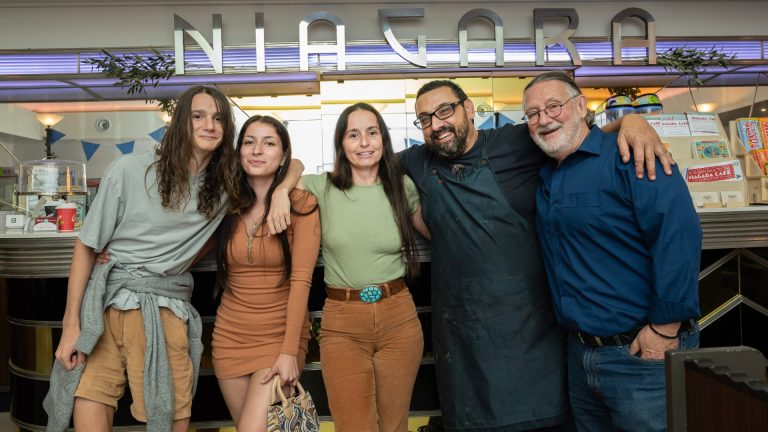
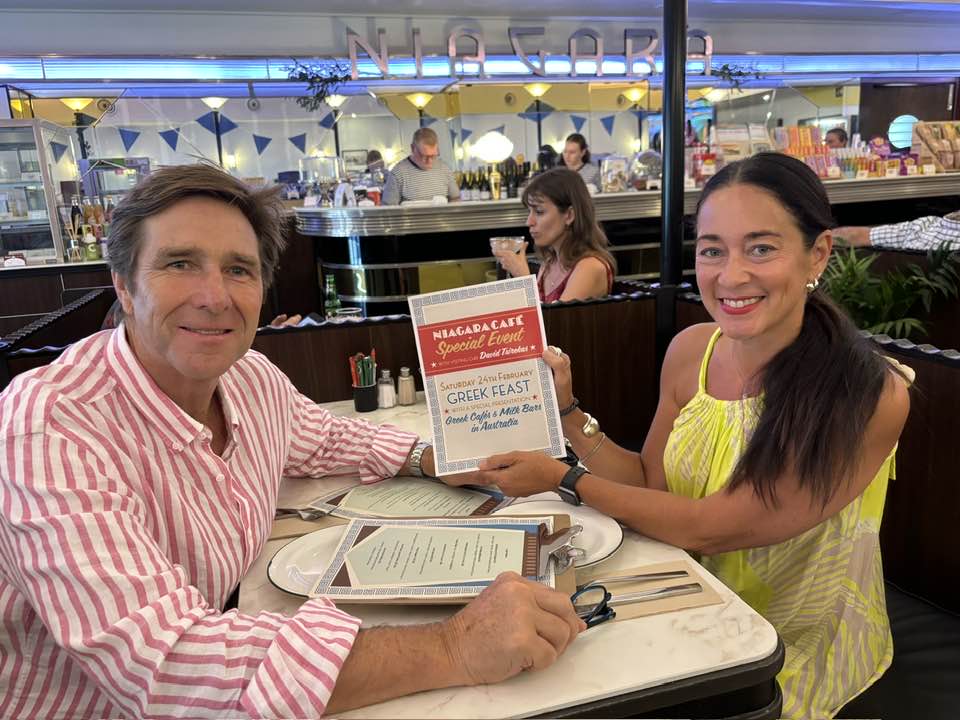
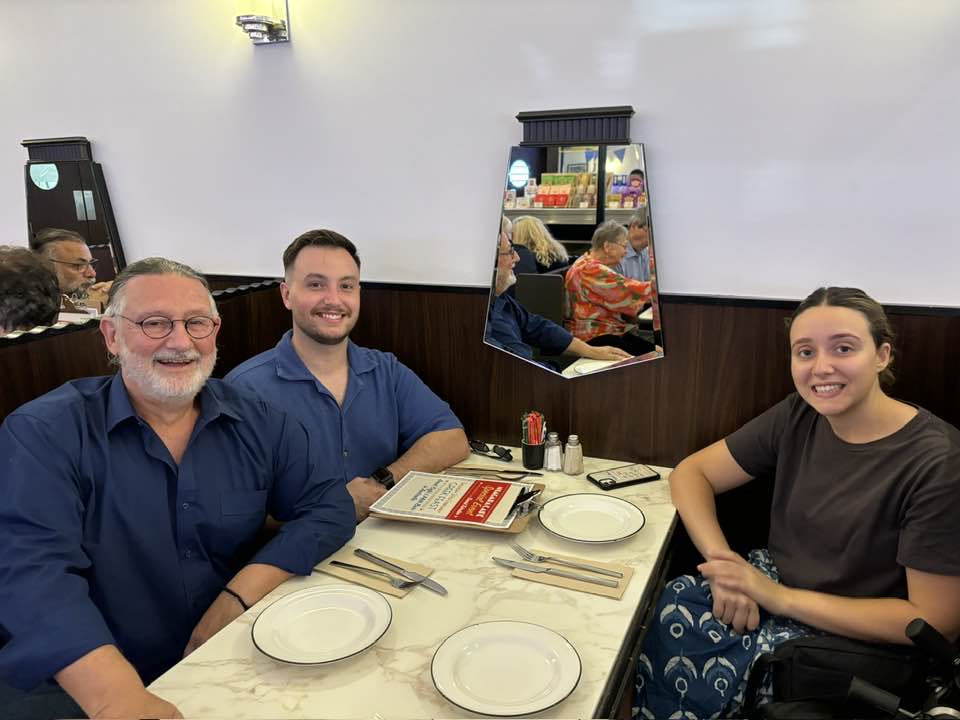
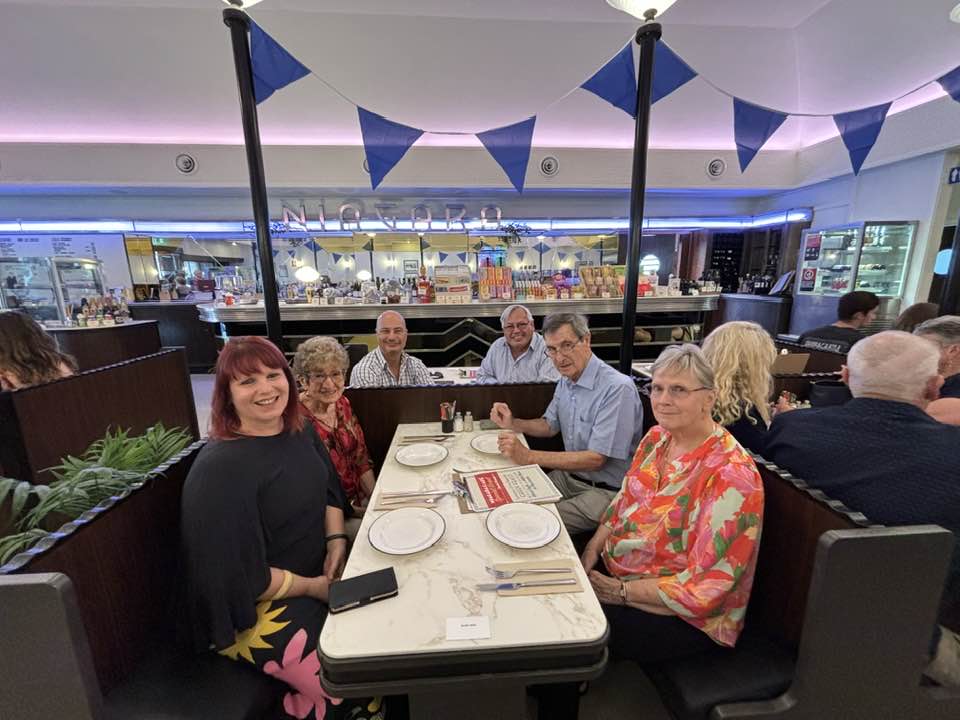
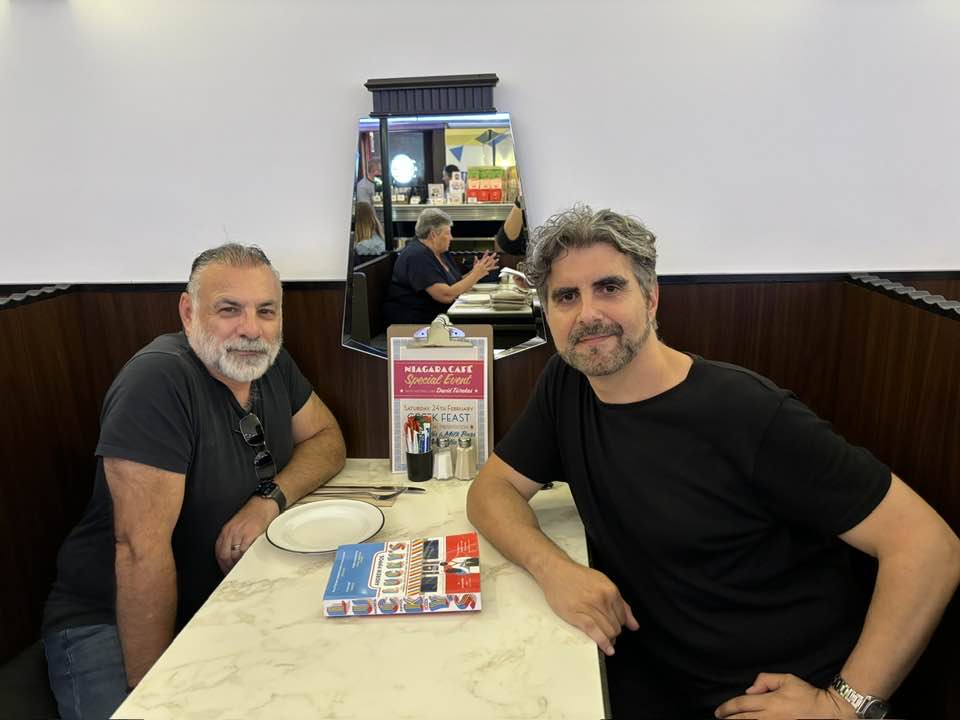
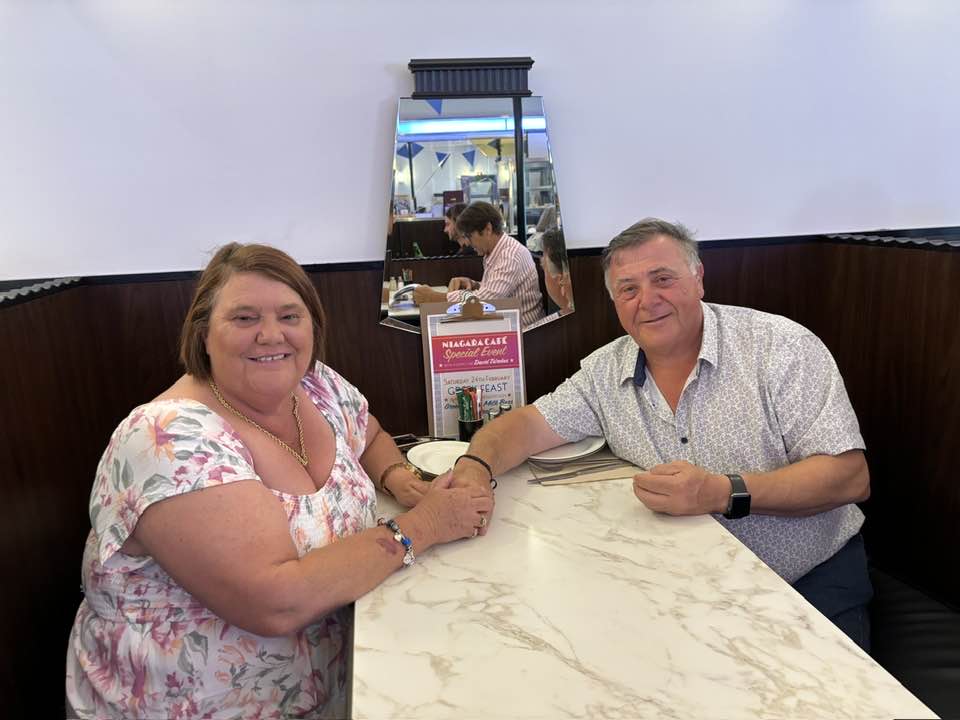
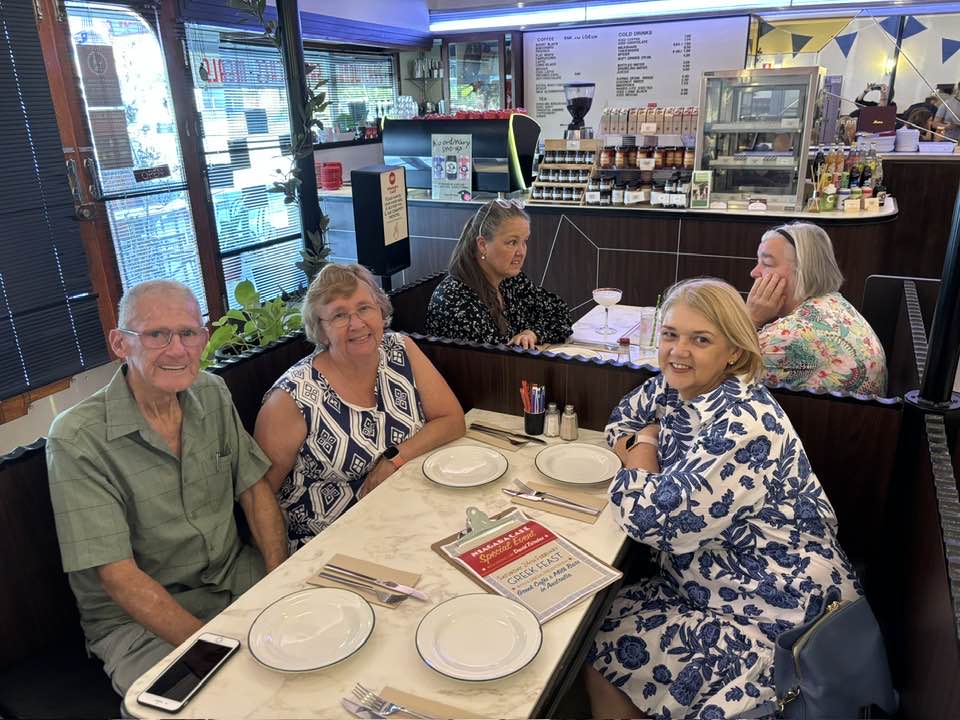
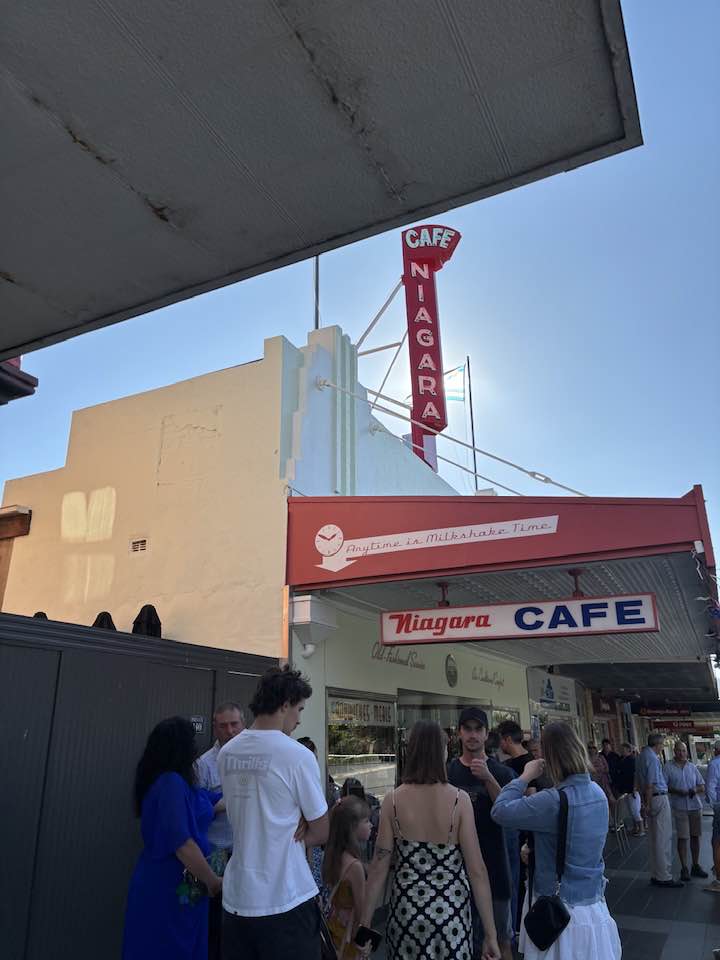
It was an amazing two days at the Gundagai’s renowned Niagara Café on Friday, February 23 and Saturday, February 24 – luminous blue skies, a soft warm breeze, a magnificent historical setting, crowds of people (from the region, as well as Sydney, Canberra, Yass and Wagga Wagga) eager to enjoy a shared experience.
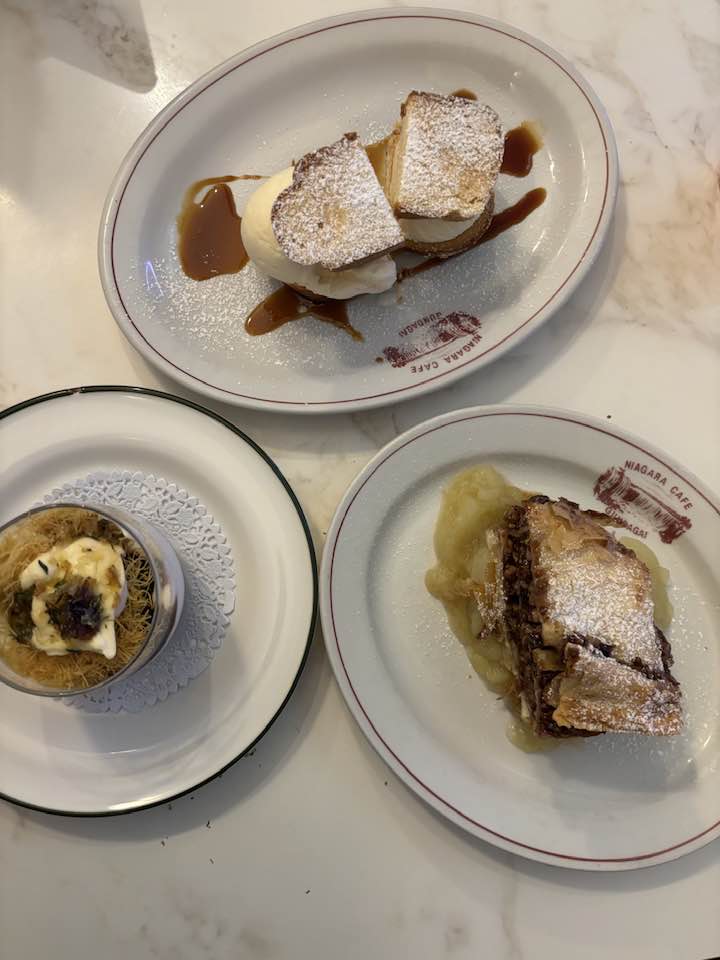
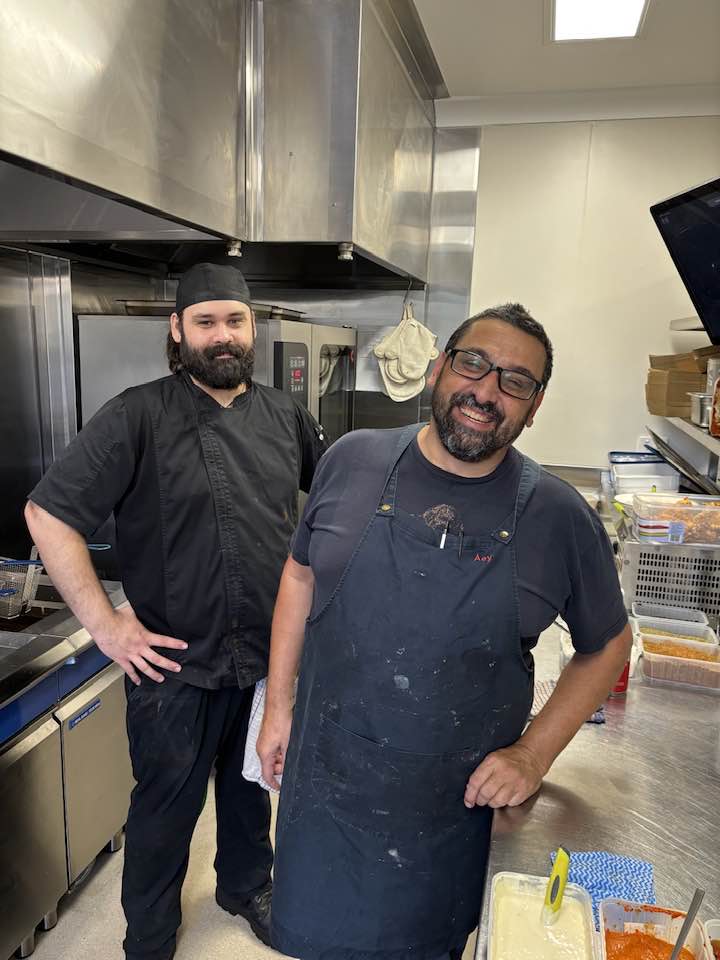
There were lots of memories exchanged, memories created anew, and feasting to ones heart’s content on consultant chef David Tsirekas’ Greek inspired and inspiring cuisine.
‘Filotimo’ and ‘nóstimo,’ at the heart of the Greek soul of hospitality and sharing of food, were abundantly present.
All photos copyright: Effy Alexakis.
Well-known and popular contemporary chef, David Tsirekas – former executive chef for Kefi Restaurant and 1821 Restaurant in Sydney, and previous owner and chef of Xanthi Bar and Restaurant as well as Perama Greek restaurant also in Sydney – provided Greek food sensations over two successive evenings.
On Friday 23 February, Greek street food, and on Saturday 24, a sit-down Greek feast over two sittings.
David’s Greek food brand is characteristically boldly innovative with surprising, unexpected twists that beguile the palate. His dishes are always an adventure into the delights of the unanticipated, emerging through his passionate challenging of the familiar – he pushes the known into areas unchartered to seek refreshingly new taste sensations.
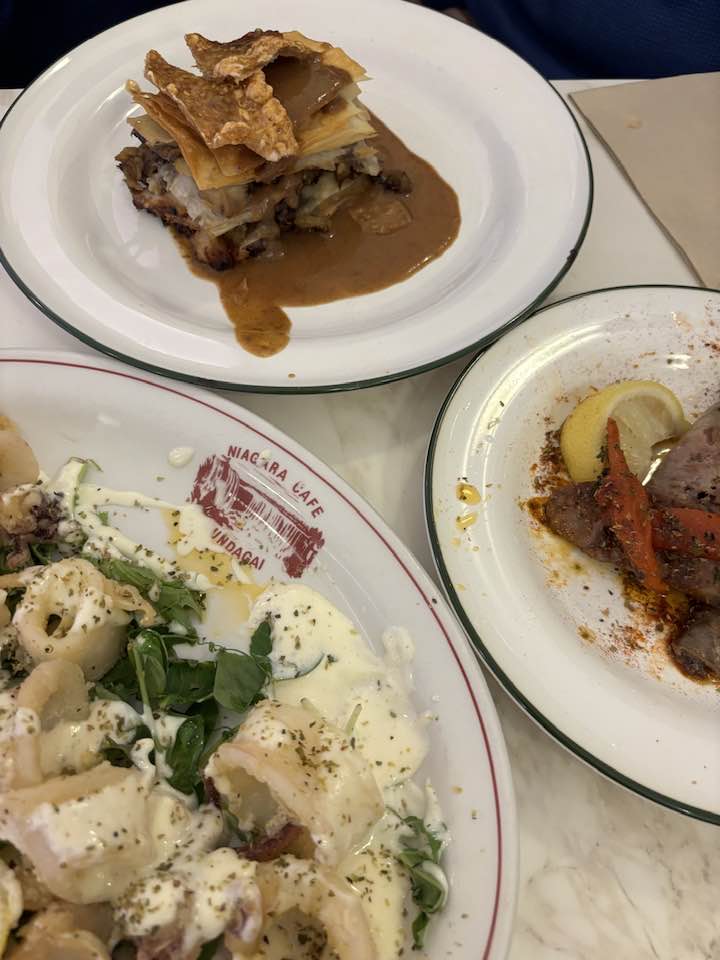
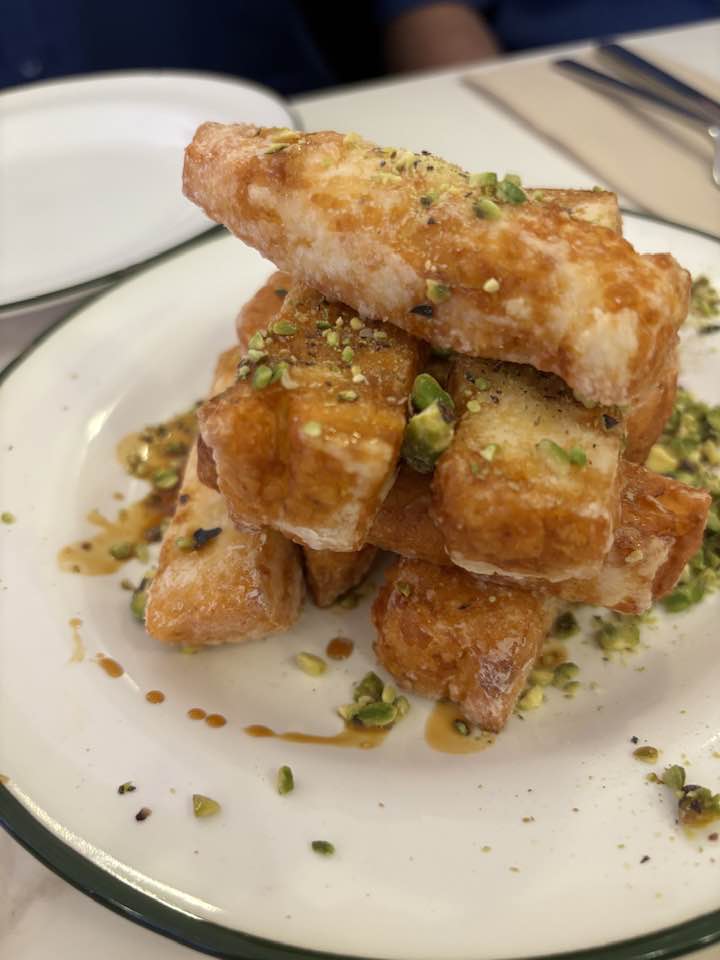
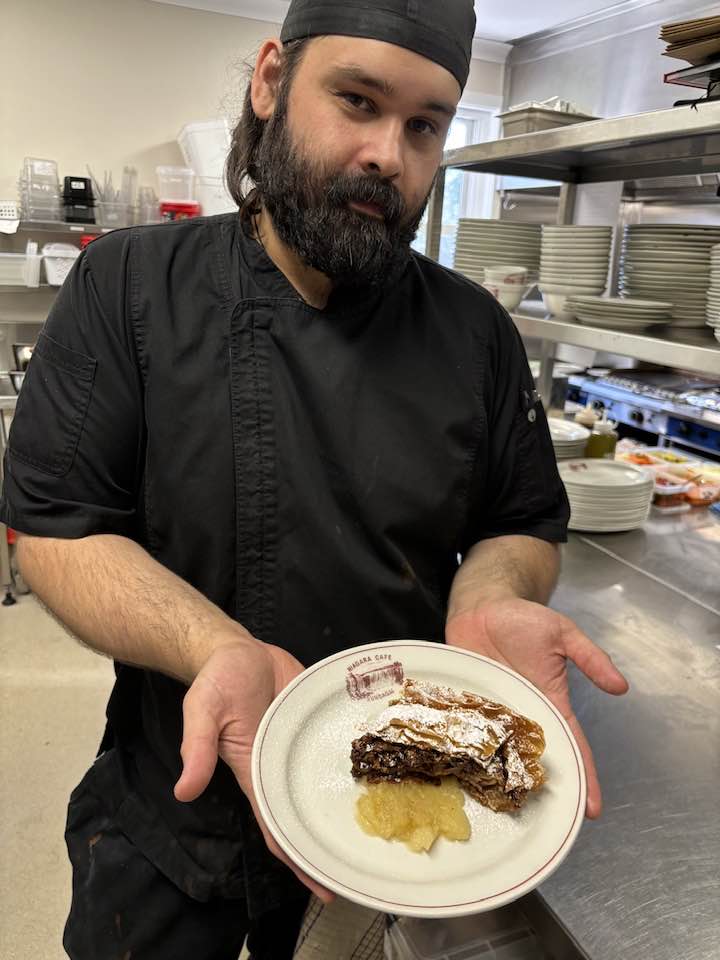
David’s main dishes for the two-day event included his contemporary take on: tarama, tyrokafteri, Greekslaw, wild green pie, yiayia’s chips, chicken melitzana, gemista, lamb skaras, loukaniko, BBQ calamari, haloumi chips, pork belly baklava and much, much more.
His pork belly baklava – one of David’s outstanding signature dishes – where he utilised techniques usually applied when creating the traditional sweet dish to craft something savoury instead, was spectacular. His approach is simple, not complicated, resulting in a cuisine of immense elemental clarity and tastes.
His creative culinary reputation is such that he is in great demand both in Australia and in the United States as a consultant chef – he is about to return to Chicago yet again to deliver his ‘eye-brow-raising’ dishes.
The Niagara Café’s restoration has brought the past to life – heritage buildings tell stories about shared community identity, a sense of place, emotional resonance and nurture historical understanding in physical elements and in built purpose and function – but combined with David’s dishes, the Greek drama of taverna-style social engagement focused on exceptionally good food, heightened conversation, boisterous laugher, new friendships made and old ones renewed, was forcefully brought to the fore.
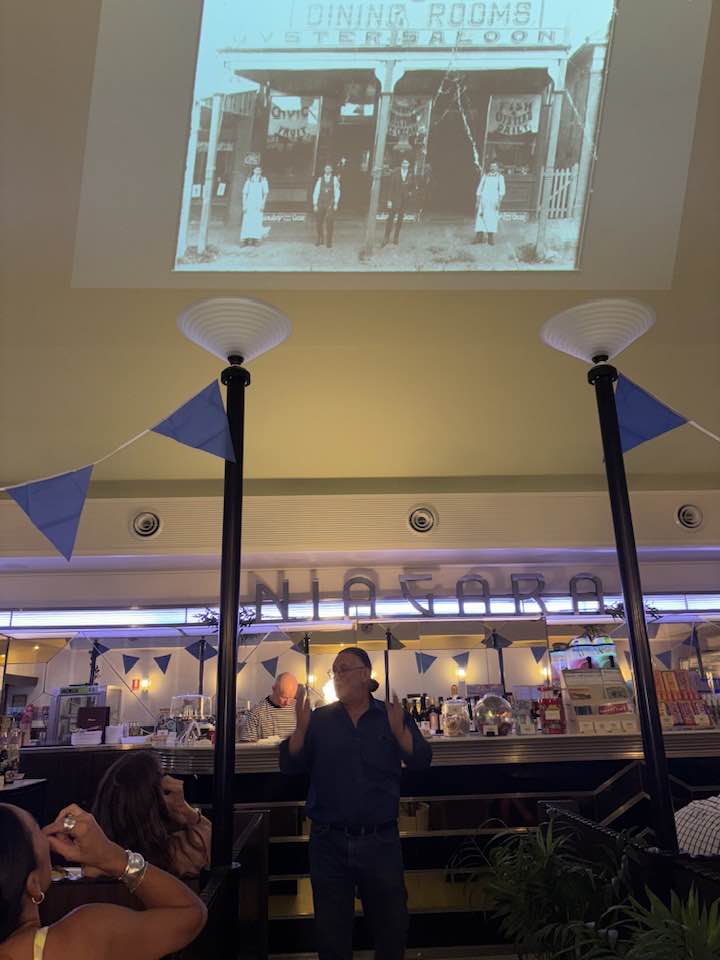
During Friday evening’s Greek street food event Effy Alexakis and Leonard Janiszewski presented a highly entertaining short, informal talk on the Greek cafe’s historical evolution and transnational influences through to the broad introduction of Greek cuisine in Australia.
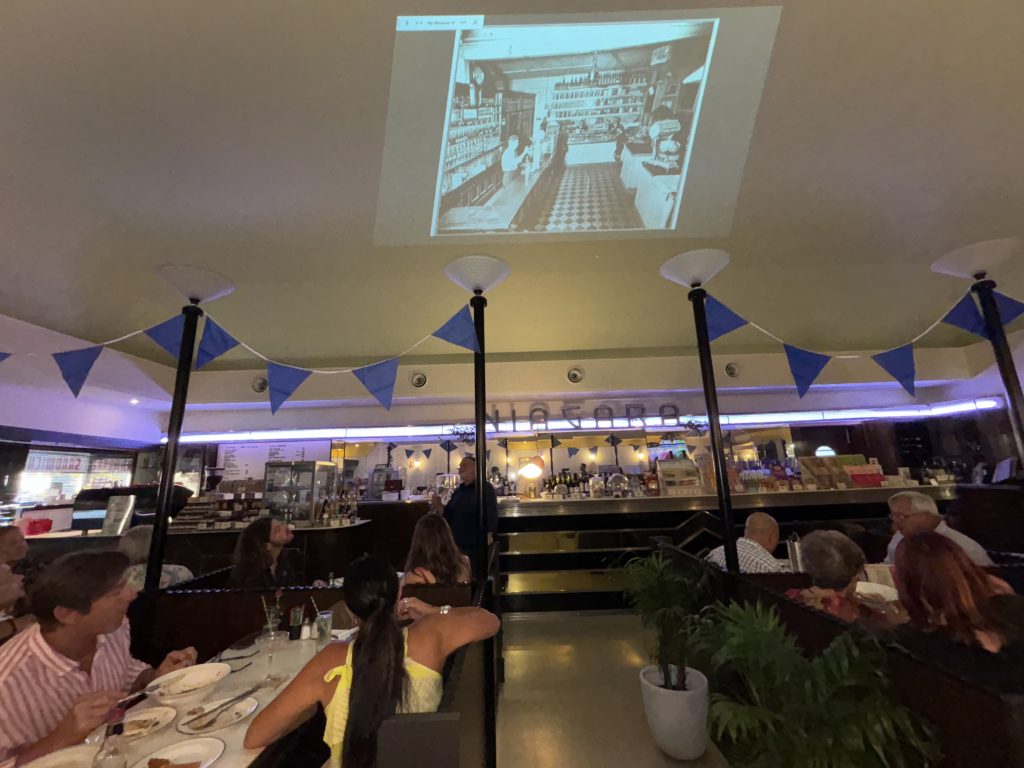
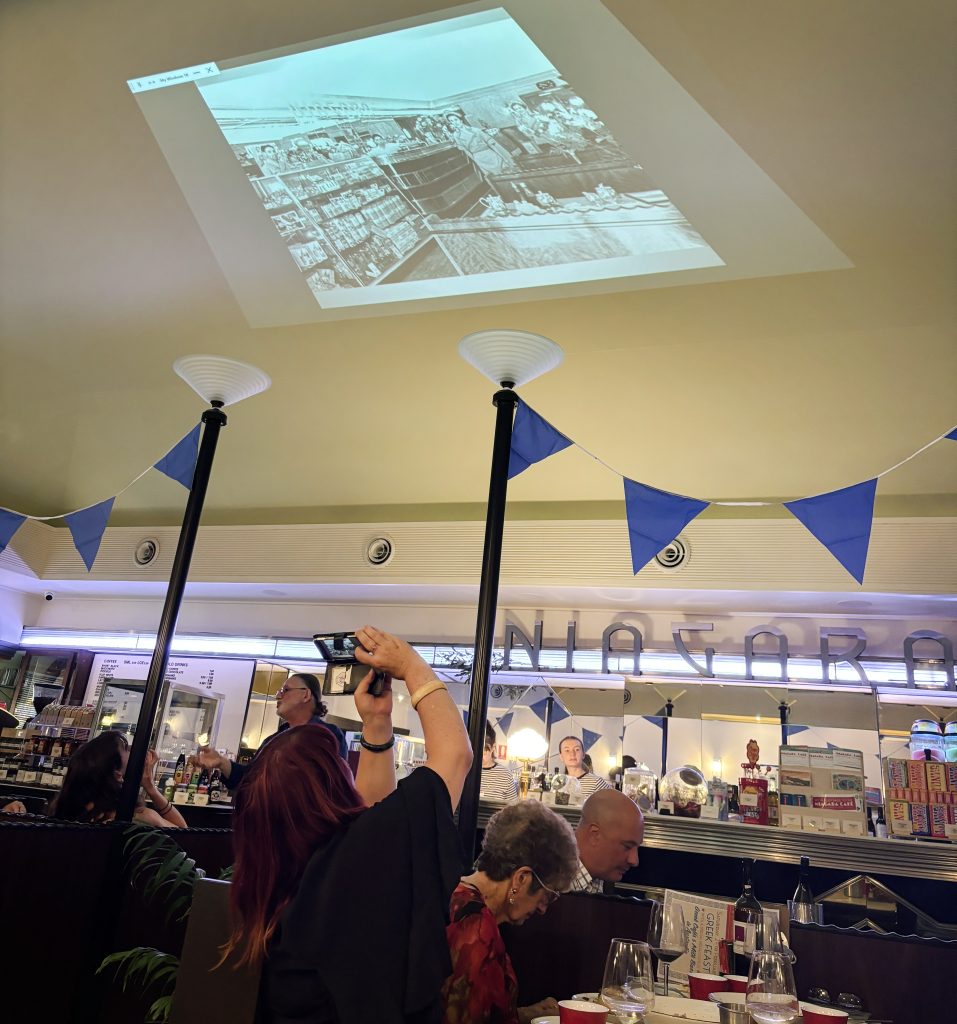
On Saturday’s two sit-down feast sessions, they presented two longer talks, utilising images projected onto the Niagara’s semi-domed ceiling.
New owners, Kym Fraser and Luke Walton have brought the Niagara Café into the 21st century, respectful of its Greek legacy and its role in transforming popular eating in Australia. A new era has begun – back in the 1930s and 1940s the Niagara was known as “Australia’s Wonder Café”, it is now reclaiming that title, significantly assisted by David Tsirekas’ two days of culinary magic along the way.
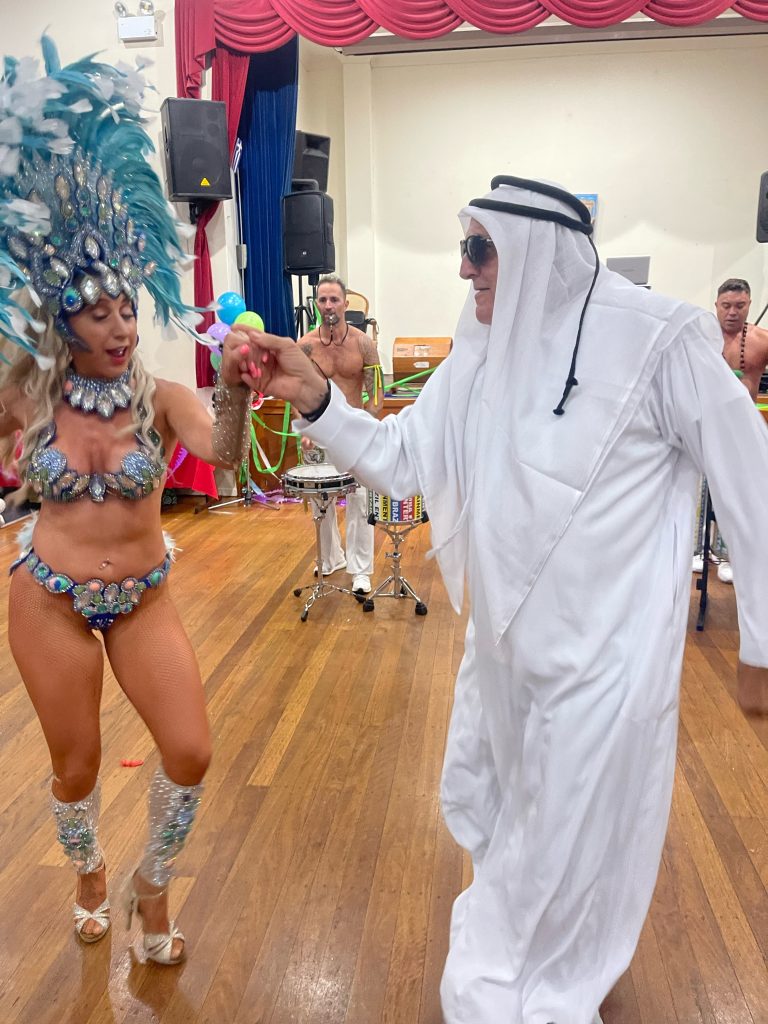
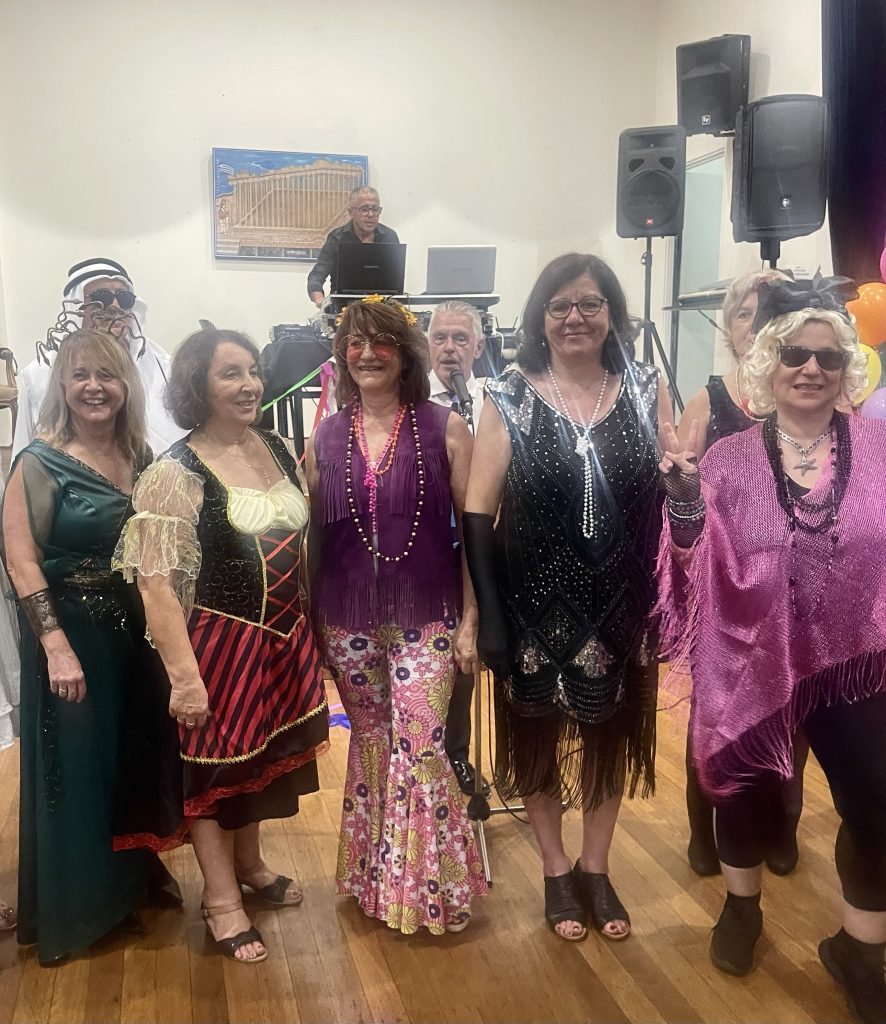
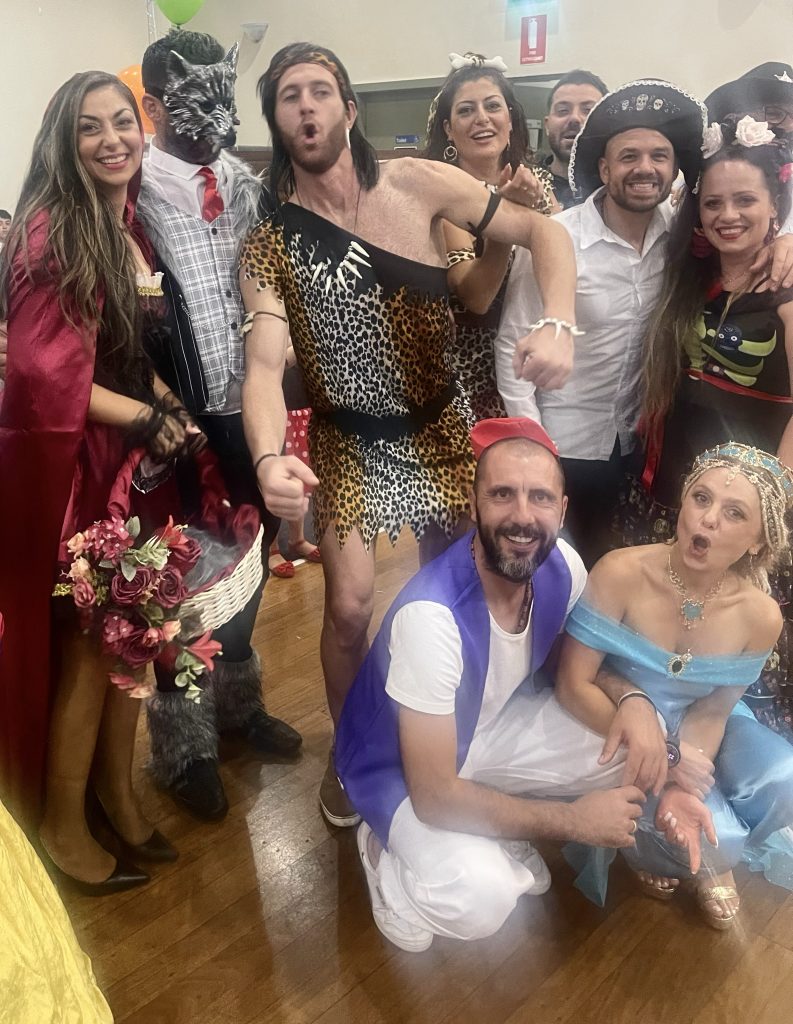
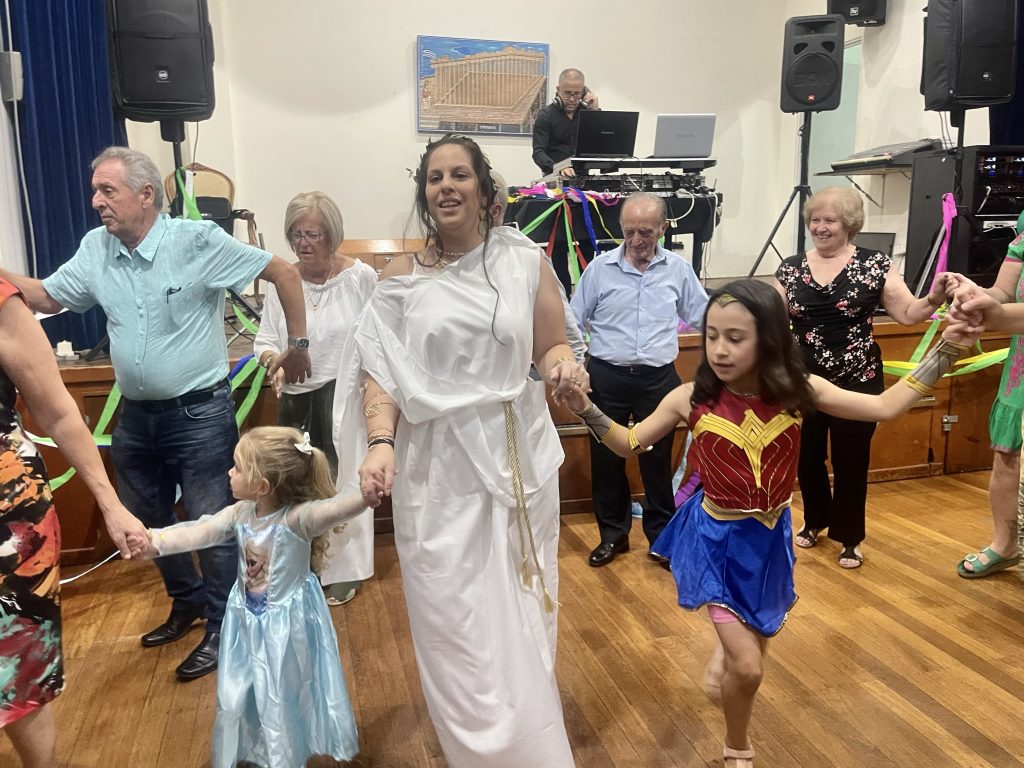
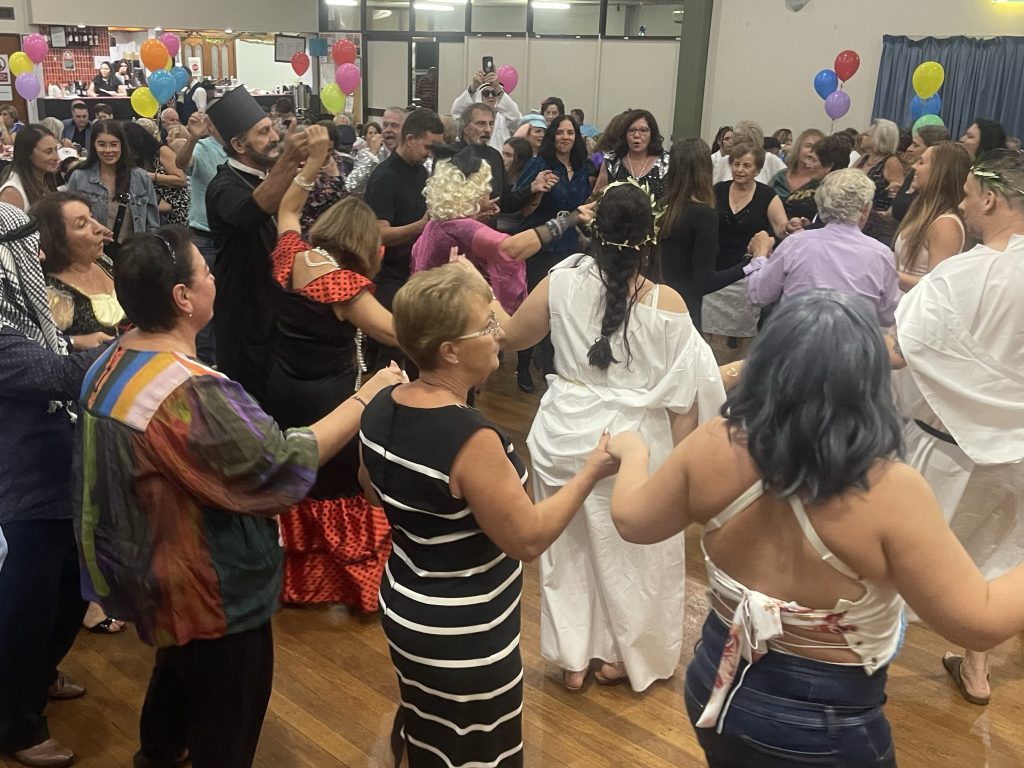
On Saturday, February 24, the vibrant spirit of the Apokries festival came alive in Australia at the Greek Community Club in Lakemba, Sydney.
This annual event, organised by the Vatikioton Association of Australia “Ta Vatika” in collaboration with the Pan-Laconian Association of New South Wales “The Spartans,” brought together families, friends, and community members for a fun night of Apokries celebrations.
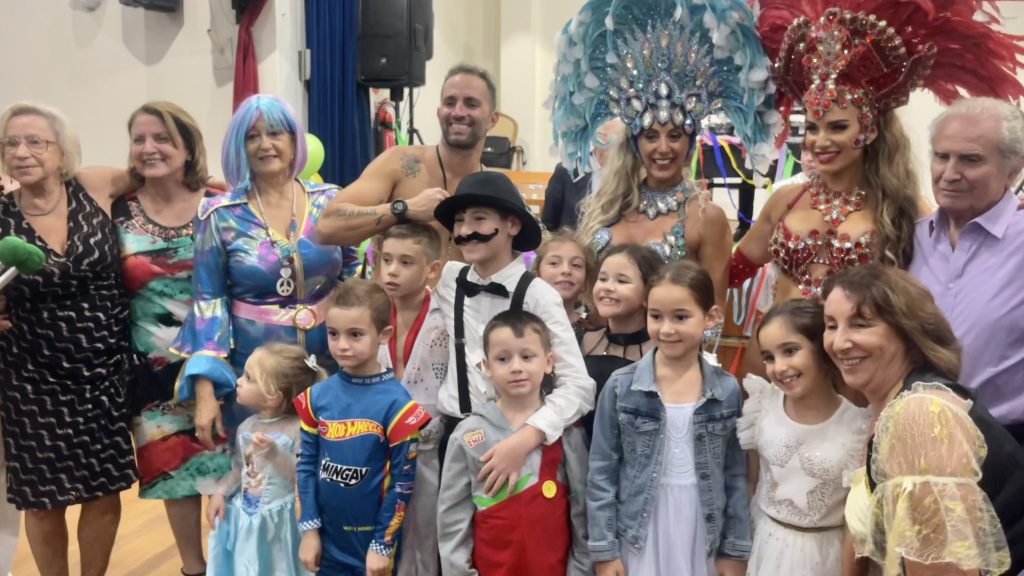
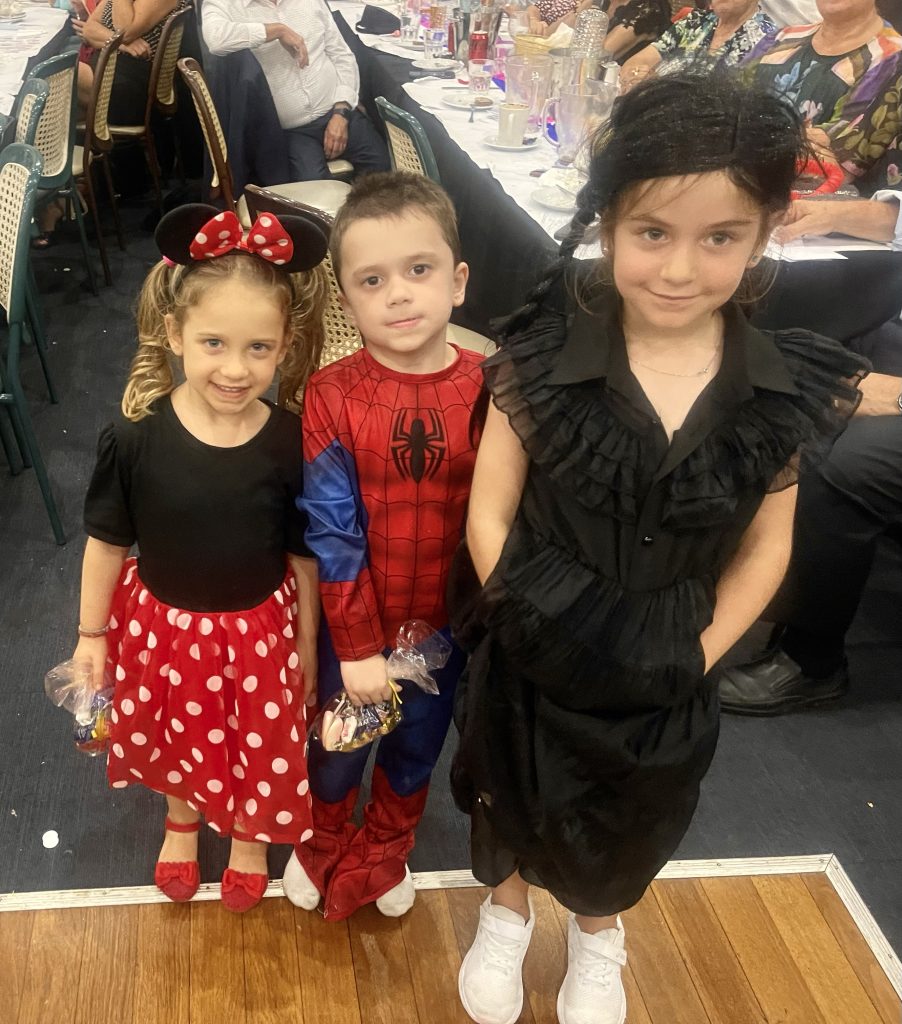
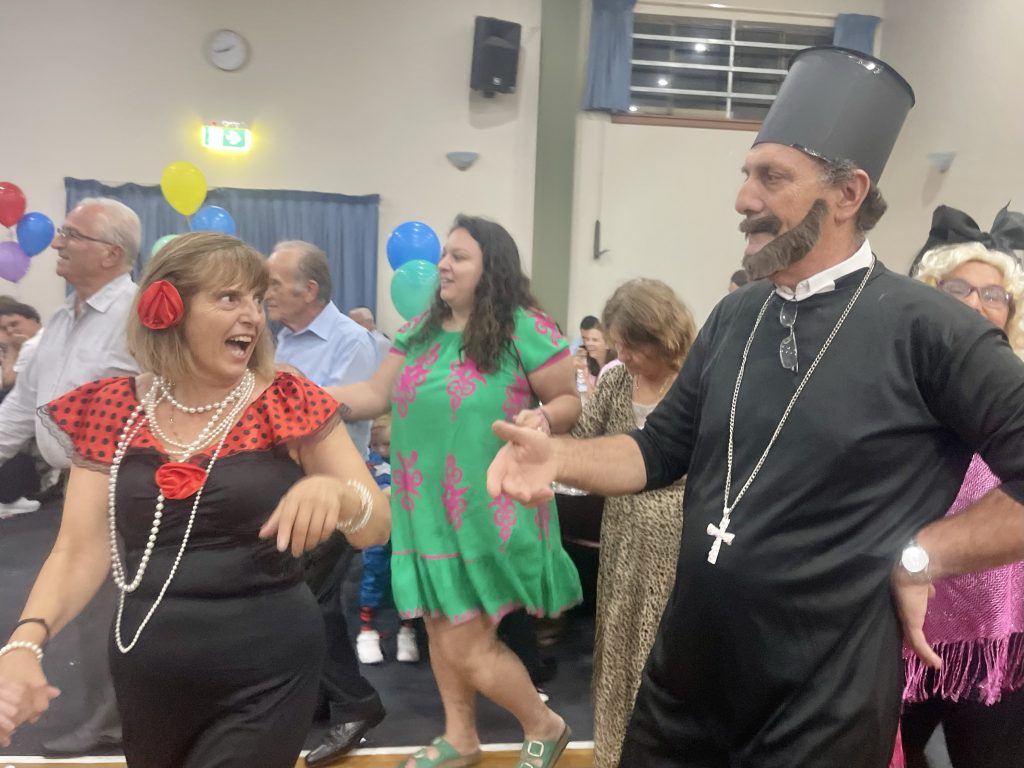
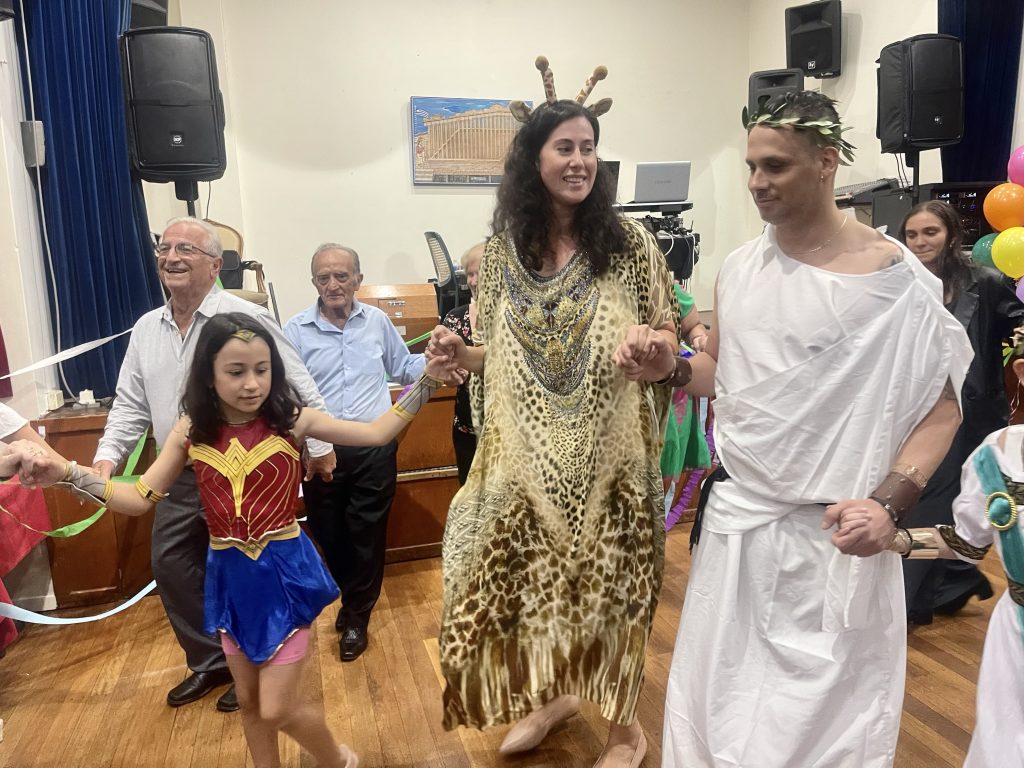
Kids dressed in costumes. Photo: Supplied.
Apokries is an annual celebration in Greece, also known as the Greek carnival season, where people dress up in costumes, feast, dance and celebrate in the lead up to the start of the Lent period.
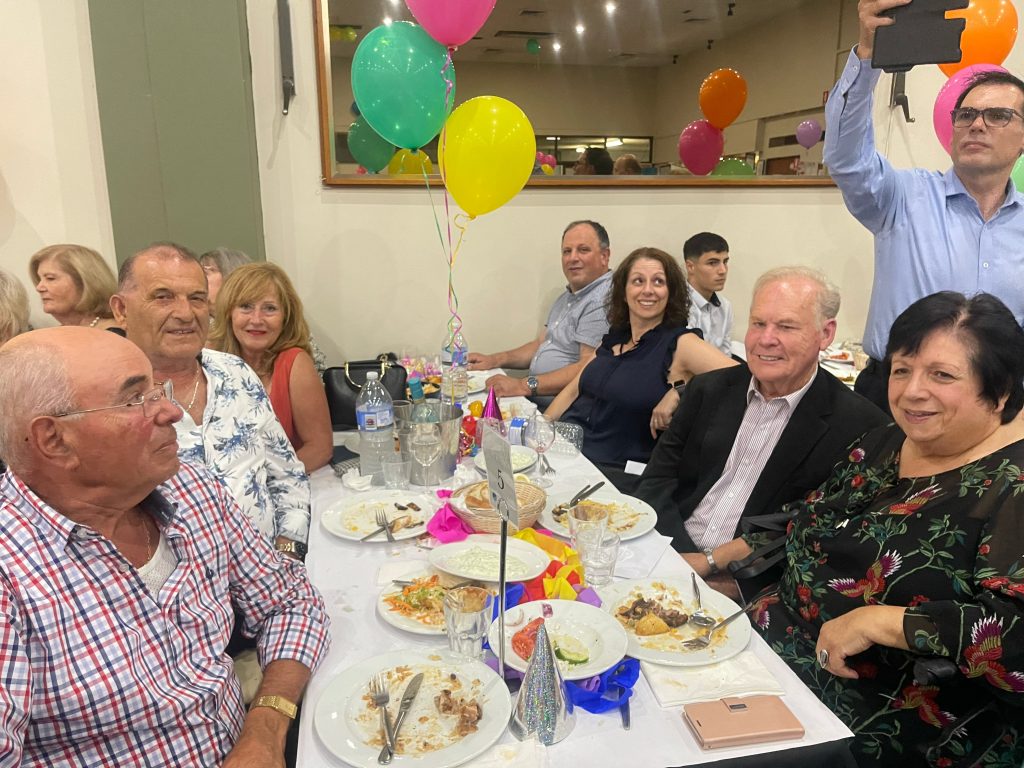
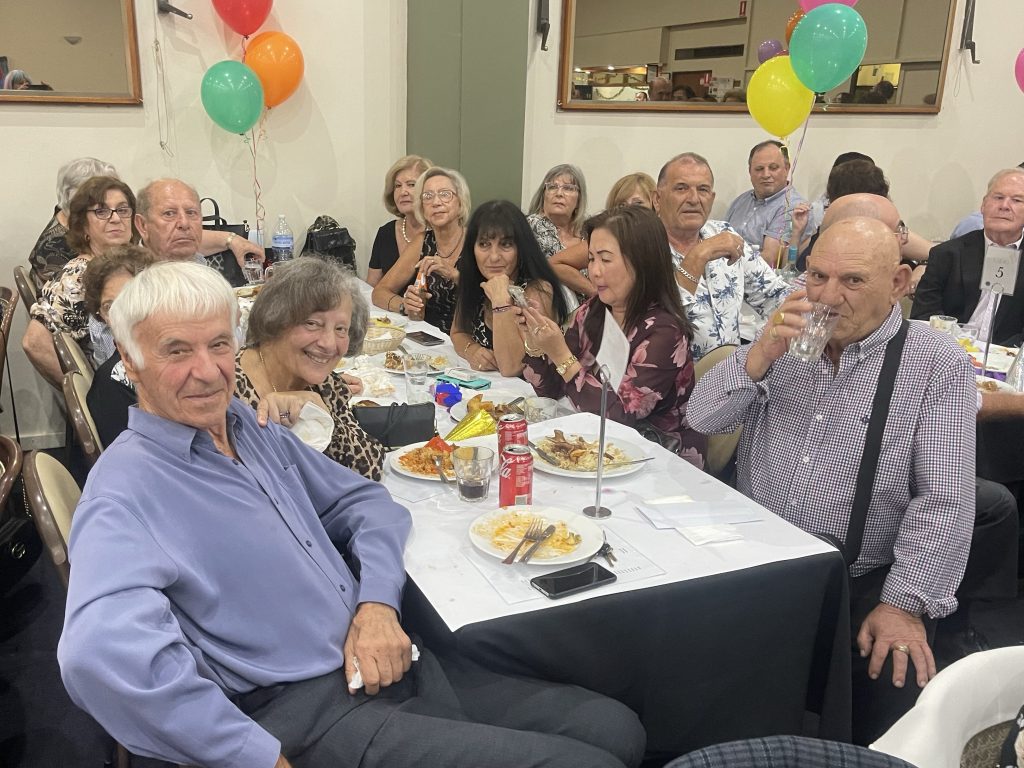
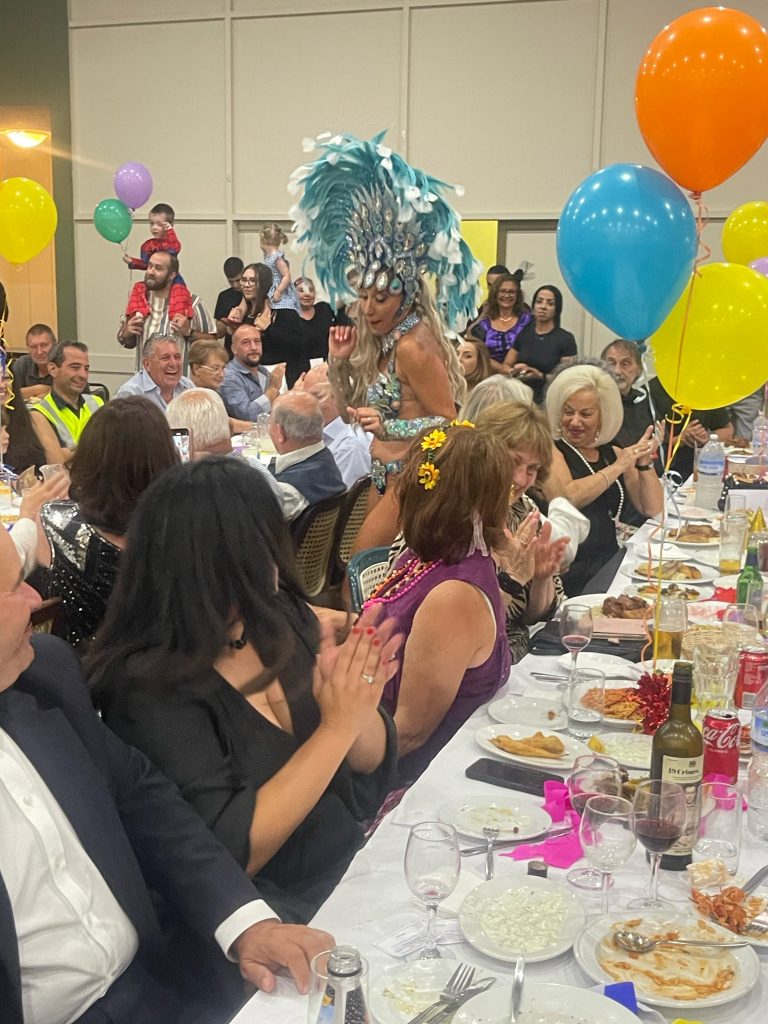
The Apokries festivities in Sydney hosted more than 250 attendees, including members and supporters of both hosting associations. The Greek carnival celebration also showcased a series of Brazilian dancers and drummers who performed.
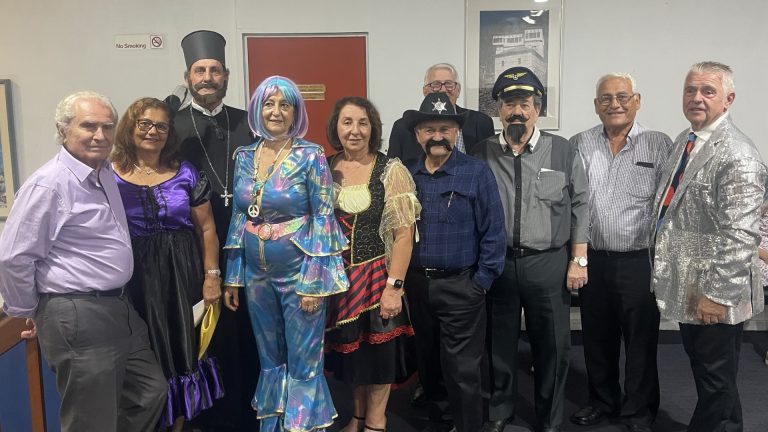
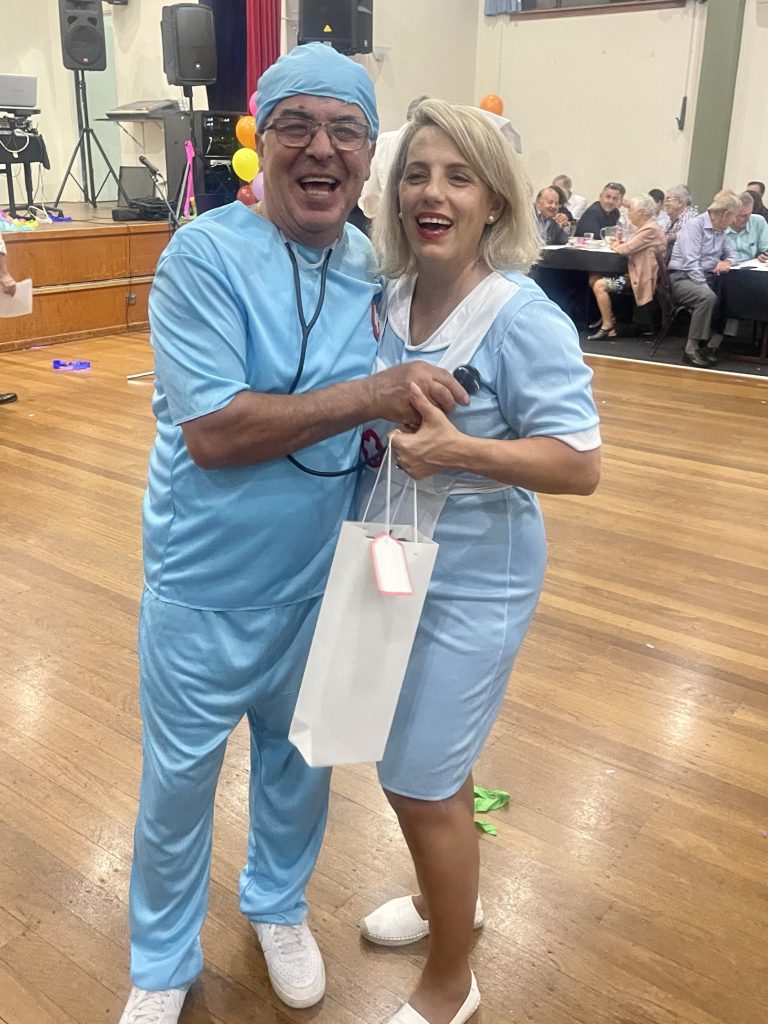
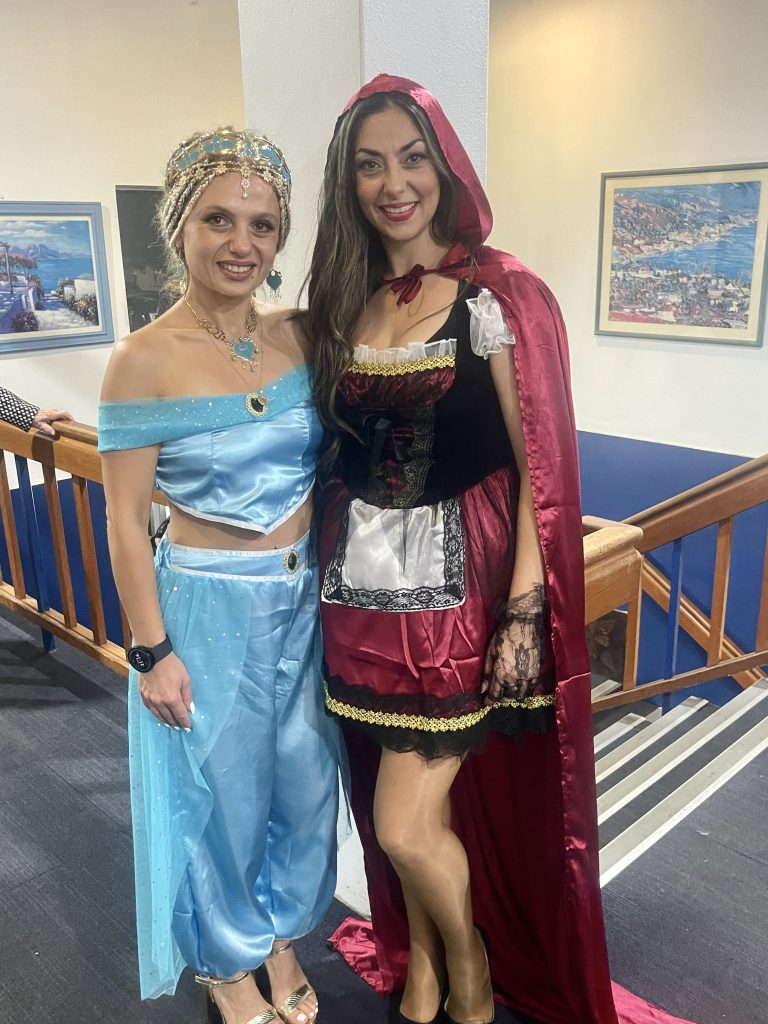
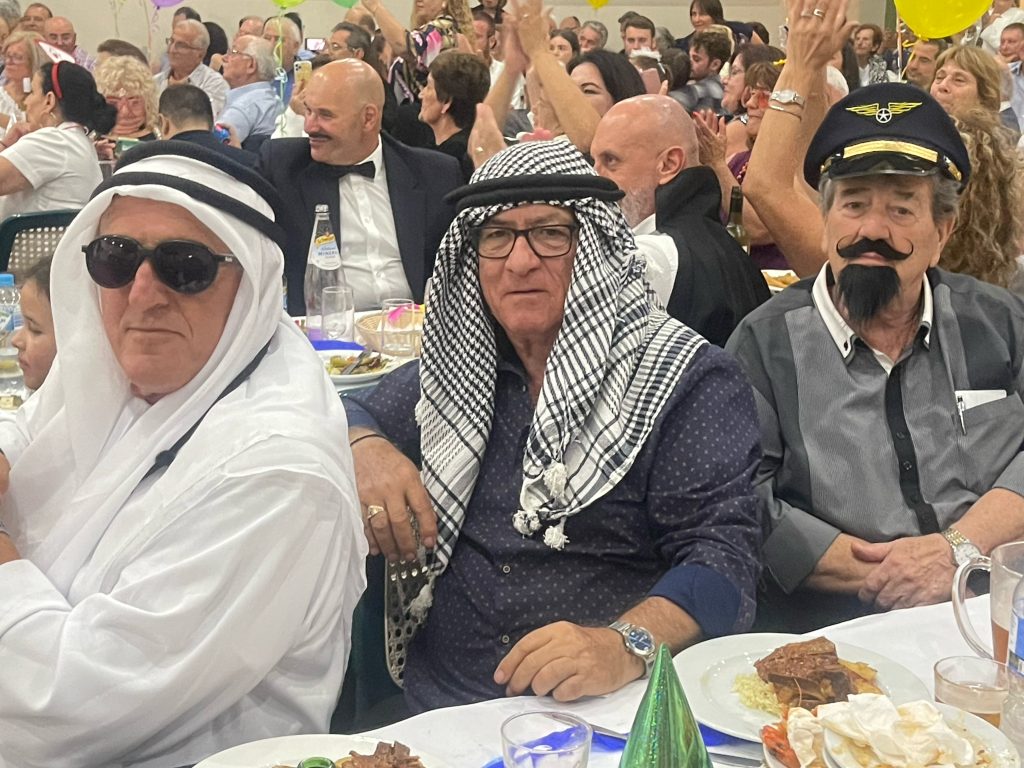
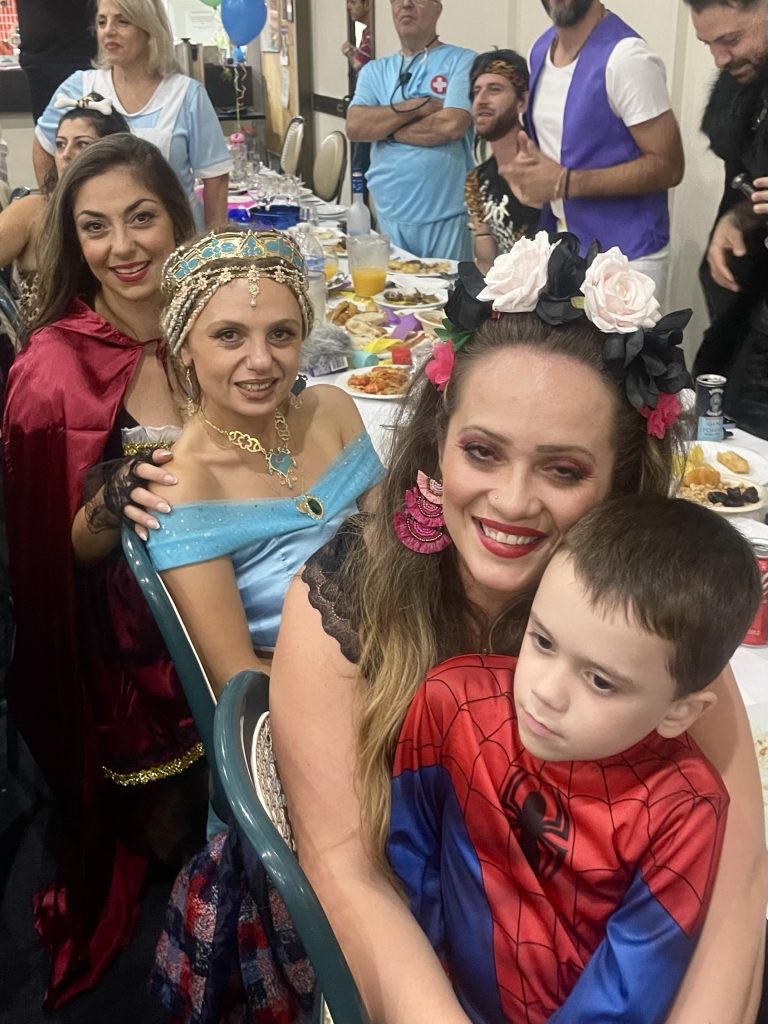
Guests were seen showcasing their creativity at the event, as they came dressed in an array of costumes to embrace the tradition of Apokries. Costumes ranged from mythical figures to modern-day icons.
Peter Kokinakos served as the emcee for the event, and speakers included Mary Skalkos, President of the Pan-Laconian Association of New South Wales, and Peter Tsigounis, President of the Vatikioton Association of Australia.
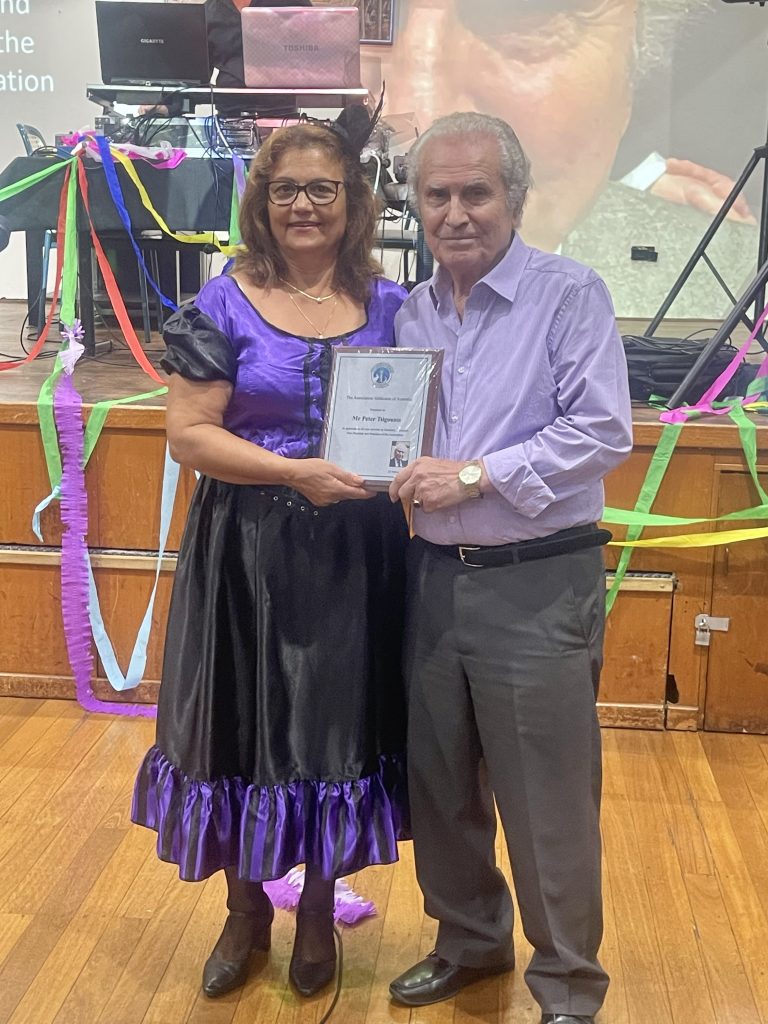
Mr Tsigounis was also recognised at the event for his unwavering dedication to the club.
Angela Stivaktas presented him with a plaque on behalf of the Vatikioton committee, acknowledging his remarkable 34 years of service and commitment.
Mrs Skalkos further thanked all those who attended the Apokries event and said it was a successful evening that united the two associations for the second year in a row.
She further described the event as one with a happy atmosphere with the young children and adults dressed in vibrant costumes.
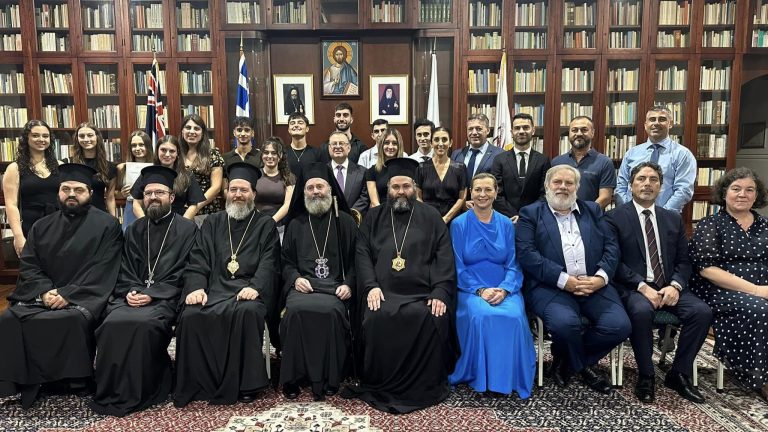
High-achieving Year 12 students from three Greek Orthodox colleges in Sydney were recognised on Thursday, February 22, by Archbishop Makarios of Australia for the completion of their Higher School Certificate (HSC) 2023 exams.
In attendance were distinguished guests including Bishops Elpidios of Kyanea and Bartholomew of Charioupolis, Archimandrite Christoforos Krikelis, and the dedicated clergy serving the parishes associated with the three Greek Orthodox schools.
The event also welcomed directors, educators, and parents, to gather and celebrate the Greek students’ academic achievements in the 2023 HSC.
During the ceremony, Archbishop Makarios congratulated the students and wished them many blessings upon their next chapter in life.
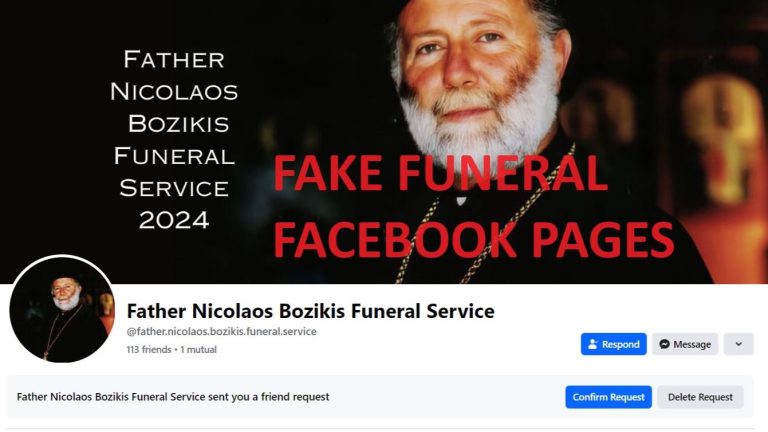
Funeral directors around Australia are grappling with online scammers homing in on funeral service live streams and attempting to swindle vulnerable mourners.
In recent weeks, members of Australia’s Greek and wider community have received Facebook friend requests purporting to offer the live streaming of funerals for people who have passed away. But the link on the scam page requests that you register or provide credit card information to view the live stream.
One example which drew the anger of the community was a page that falsely claimed to live stream the funeral of Father Nicholas Bozikis on Wednesday, February 21.
In response to the growing number of scams, Acropolis Funeral Services issued a statement encouraging people to ignore the Facebook accounts.
“If you are being asked by a third party to register or pay to see a live streamed service, please do not acknowledge this as this is most likely a scam,” the statement reads.
“Acropolis Funeral Services will never ask for you to register or pay to see a service live streamed.”
Funeral homes began live streaming services more frequently during the COVID-19 lockdowns to allow mourners to dial in remotely and the trend has continued.
Acropolis Funerals Services are now encouraging people to clarify the legitimacy of the Facebook accounts “via direct family members or our office.”
The Australian Signals Directorate’s Australian Cyber Security Centre is here to help all Australians affected by cyber incidents. Call the hotline 24/7 on 1300 CYBER1 (1300 292 371) if you need help or go to ReportCyber.
The NSW Government has launched a new website to provide parents with multiple resources for raising their kids.
The new site, ‘Brighter Beginnings’, aims to eliminate the middle person in various departments ranging from health to education, and offer an online portal with key information, tools, and resources for parents.
The Daily Telegraphrevealed that the online portal is separated into six sections and corresponds with each stage of a child’s development, from pregnancy to primary school.
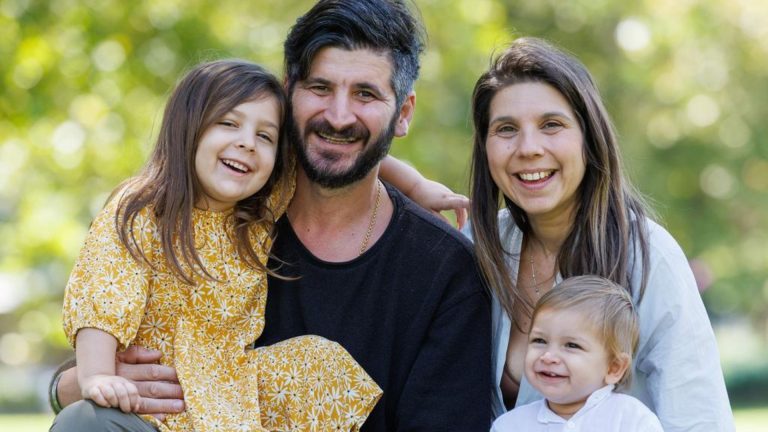
John and Anthea Mangas from Rushcutters Bay said the new website was a great initiative as it will help them raise their two children.
The six sections of Brighter Beginnings. Photo: Supplied.
Anthea said that when they had their first child, who is now four, they had many things pop up that they weren’t expecting. One example was that they didn’t know how to prepare or ask their employers about paid leave.
She shared that as living expenses continue to rise, gaining accurate information is a must.
“There was a lot of research done on my part to find out what we were eligible for,” Anthea said.
“I wanted to decide for example, could I afford to put Alexandros in three days of care, instead of two days?
“I think 100 per cent it is a great idea to consolidate all of this information, and that it is a trusted resource. You don’t know what you don’t know, until you get to it.”
The Education and Early Learning Minister Prue Car said that the purpose of the website is about “cutting confusion” for new parents in the “incredibly important” first five years of a child’s life.