Home Blog Page 736

‘Into the Moonlit Village’ echoes of Battle of Crete and Minoan myth

The story behind ‘Into the Moonlit Village’ is as captivating as the work itself.

Poet Poli Tataraki, born in Crete but raised in Australia, first encountered Michael Winters’ artwork at an exhibition 14 years ago. Drawn by his depictions of Greece, she travelled from Dubbo to attend the event. It was a “serendipitous moment,” says Poli, that sparked a connection that would later blossom into a powerful collaboration – a bilingual exploration into the Battle of Crete, connecting World War II with Minoan history through poetry and art.
michael winters
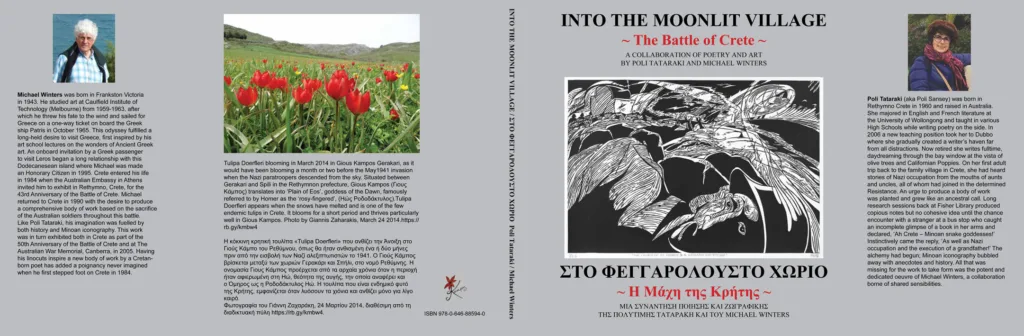
Front cover of the book.

The artworks: Harrowing scenes of war

The linocuts were produced in 2004 after several periods in Greece. In 1984, Michael attended the 43rd anniversary of the Battle of Crete on the island but returned to create more works based on stories he heard. An 18-month stint at Argiroupoli, a mountain village just outside Rethymno, allowed him to focus on works as part of the Australian Government’s large Battle of Crete exhibition in May 1991.

“I needed to be there to produce these works and was fascinated by Minoan Culture on the one hand and El Greco, an artist whose works I admire, on the other,” Michael says, remembering his time on the island when his children were aged two and eight.

“I saw the destructiveness of Nazis on people’s homes, icons on walls and family heirlooms. I saw the pointless destruction and remnants of houses. The thought of young Aussies, 18 and 19, fighting for their lives in that landscape, all the way from Australia, with only a small knowledge of Cretan history, just added to the pathos.”

The more stories he heard from locals, the more detail was imbued into his artworks that combine ANZAC military history and Minoan iconography.
michael winters
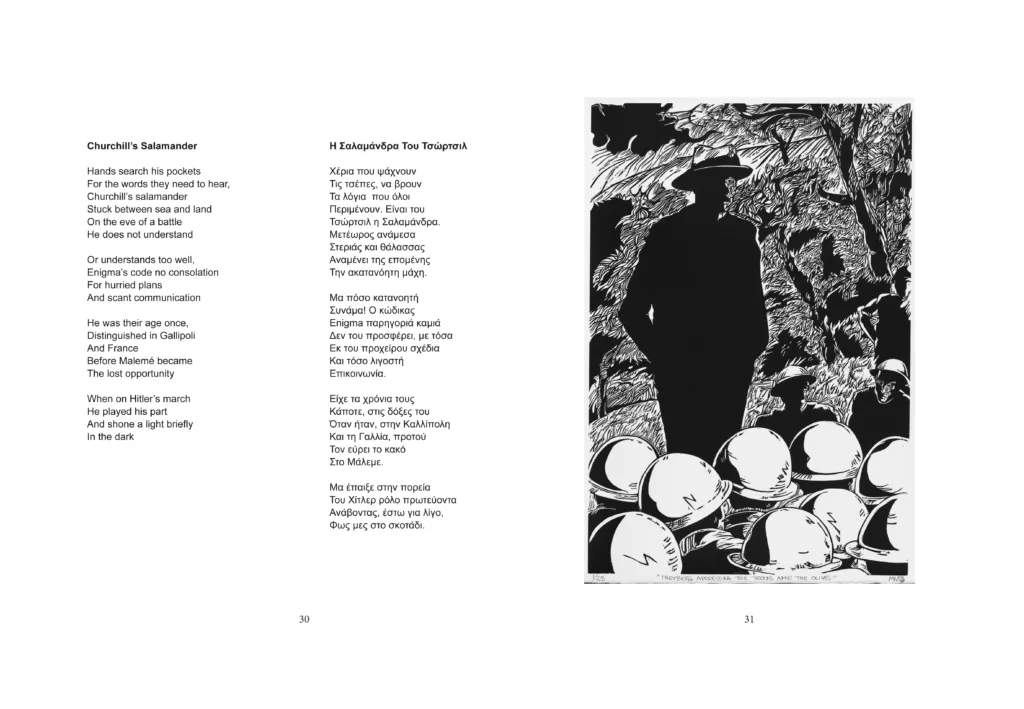
Extract from the book.

“I used the Minoan fresco of a bull as a soldier turned his head angrily towards a German parachuter vaulted over his back to confront him. The bull was trying to toss the soldier off his back, furiously trying to rid Crete of the German,” Michael says.

“In another work, I draw inspiration from an archival photograph of a church in Imvros, a village used as a staging post for wounded soldiers. In the photo, the less wounded sat under the shade of a tree, lost in their thoughts. You can see the medics’ cross and the cross of the village church. Two images together with one cross moving and the other standing still.”

He broke the works into stages: arrival, prebattle, evacuation and aftermath.

“The subject is intentionally emotional, and the linocuts are black and white, and very graphic. It had to be like that because of the event and war,” he says. “Poli added the Cretan voice. And I thought that was very important and took the works off in another direction.”

The poetry: Fusions and narratives

Before adding words to the evocative imagery, Poli lived with these 15 linocuts on her wall. Ideas percolated for five years before she got to work producing poetry.
michael winters
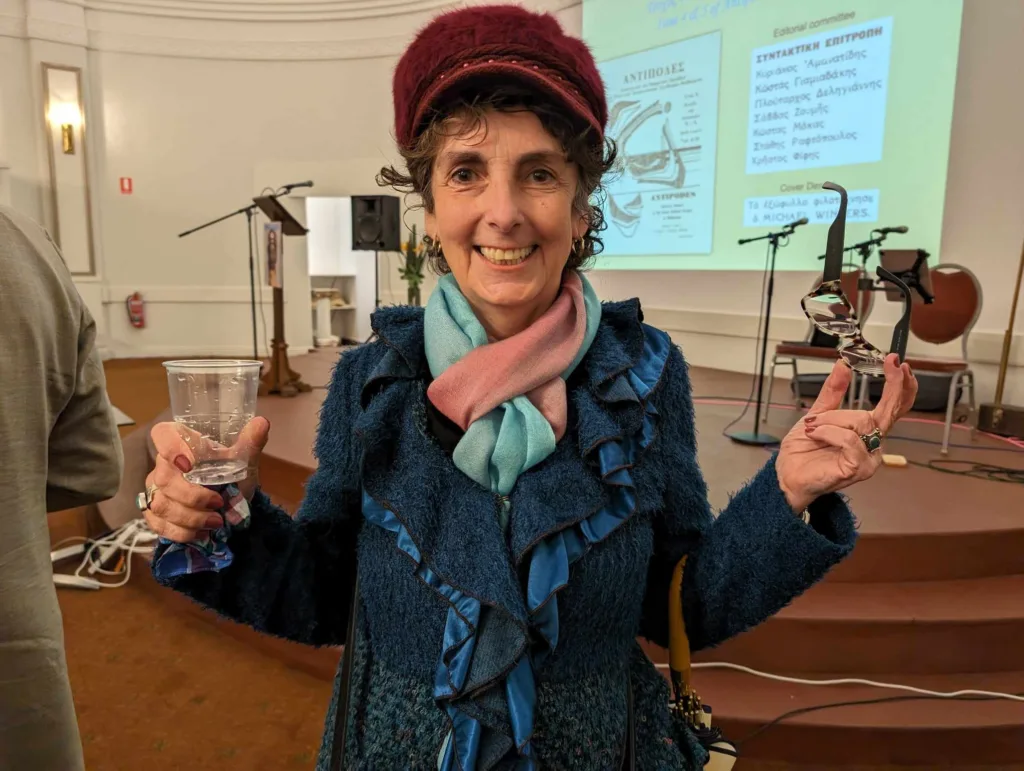
Poet Poli Tataraki. Photo copyright The Greek Herald / Mary Sinanidis.

“It was just before lockdown, and the first poem was a birthday gift to Michael,” she says.

One poem followed another in a poignant fusion of poetry and art, paying tribute to the valour and sacrifice of ANZACs and Cretans during the tumultuous Battle of Crete. Scenes of camaraderie, conflict and resilience amidst the Nazi invasion and Occupation stretch back in time to Minoan culture creating symbolism and synergies.

“Visual art deals with a moment at a time. When you write a poem or a novel, language can flash forward, flash back, and make associations. Every time you change a stanza you can go anywhere in time and space,” Poli says.

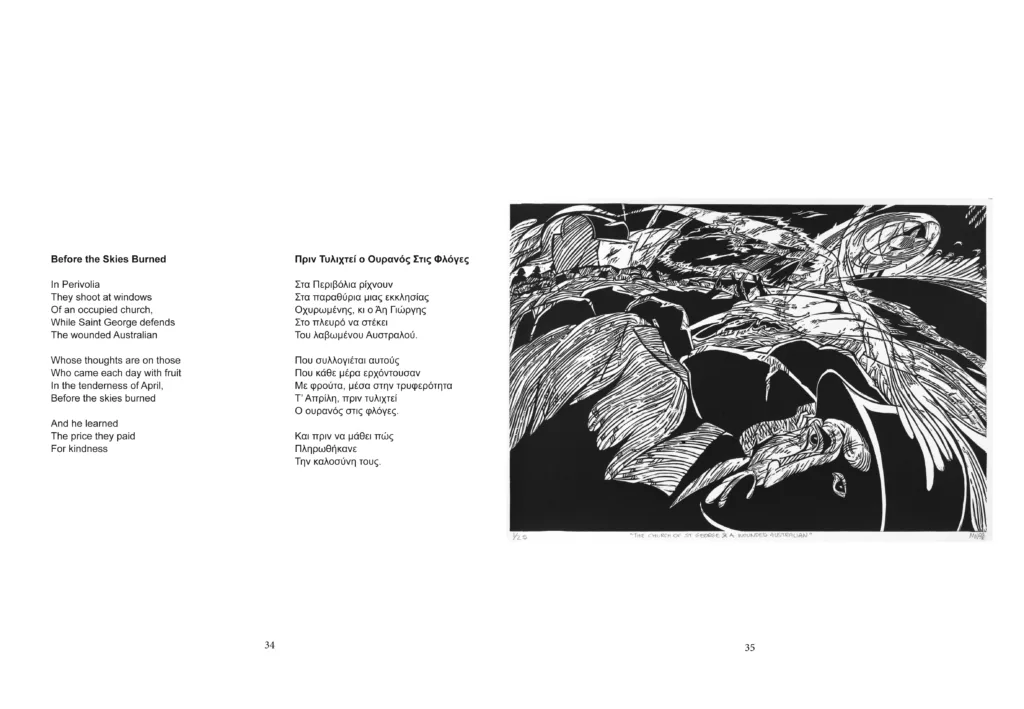
Through her words, Poli embellished the images, weaving in Minoan iconography. There’s a poem about a young Australian Greek soldier from Melbourne. Born to Greek parents, he had never been to the country of his heritage but for war.
michael winters
A sample from ‘Into the Moonlit Village.’

“I imagined him being so close to history and never seeing anything. I imagined how he was planning to visit the palace of Knossos and had hoped to survive. I imagined him looking at the frescoes,” Poli says.

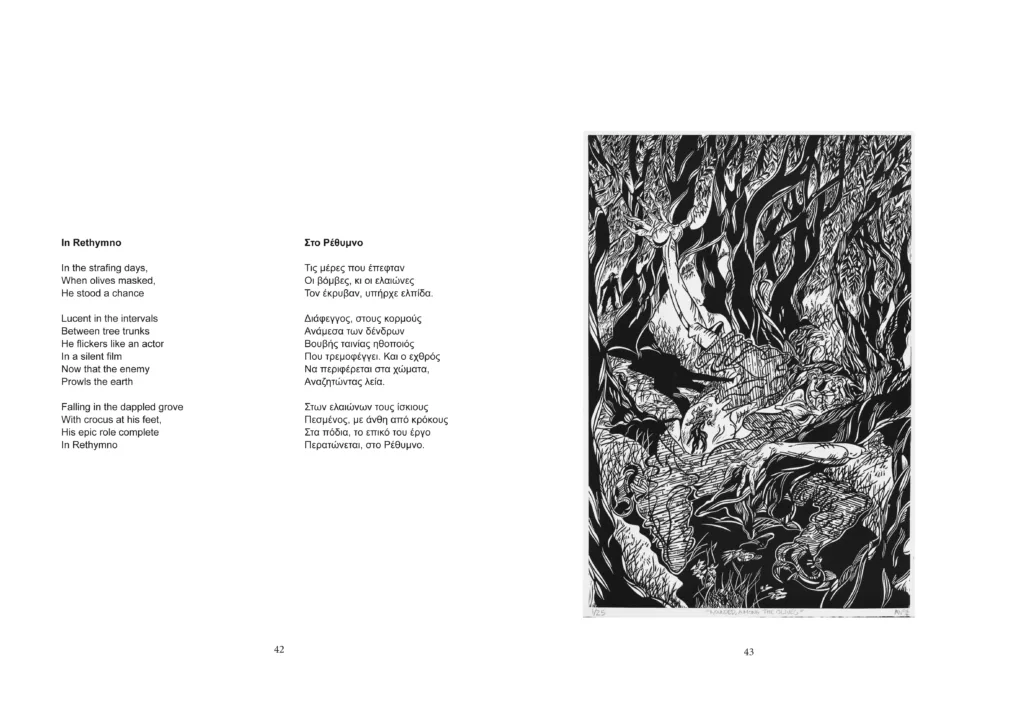
“In another instance, there is the myth of Daedalus and Icarus, and the cutting-edge technology of Germans using their superior aircraft to kill people while Daedalus laments.”

For Poli, the project was not merely an artistic endeavour but a deeply personal journey to honour her ancestral roots and give voice to untold family history.

“The work has been in my head since 1994 when my uncle showed me the memorial and talked about my grandfather, Konstandinos Tatarakis. After that, there was no turning back,” she explains.
michae winters
A sample from ‘Into the Moonlit Village.’

Poli already knew the story of her grandfather from her mother. Being in the location where the mass murder of civilians from nine villages took place, however, put everything into focus. The thought of creating a work about war, and using ancient mythology to depict it became even more compelling.

Executed on 22 August 1944, Tatarakis was a member of the Resistance movement. He was killed in the massacre known as the Holocaust of Kedros – a reprisal operation mounted by the Nazis. Following the execution, there was looting, pillage and destruction. Plumes of smoke rose from the villages.

Tatarakis left behind his wife and five children, one of which was Poli’s mother.

“My mother met her first Australians in 1941,” Poli says. “Long before she knew she would migrate to Australia.”

As a young girl, Poli had never really fathomed the link between her own family history and the country she was growing up in.

“I grew up in white Australia, and at school I had never heard of the Greek campaign, which is a pity. At school, my teacher made me change my name because she wouldn’t accept the name Politimi and the rest of my schooling didn’t improve on that,” Poli says.

She says the linocuts bought her desire to pay homage to history to the fore. Poli wanted to right a wrong and shed light on a missed opportunity.

“Growing up, I didn’t realise how close Australians and Greeks had been in the 1940s, and it wasn’t until I wrote this book that I felt my Cretan and Australian sides that had been unnecessarily polarised come together,” she says.
michael winters
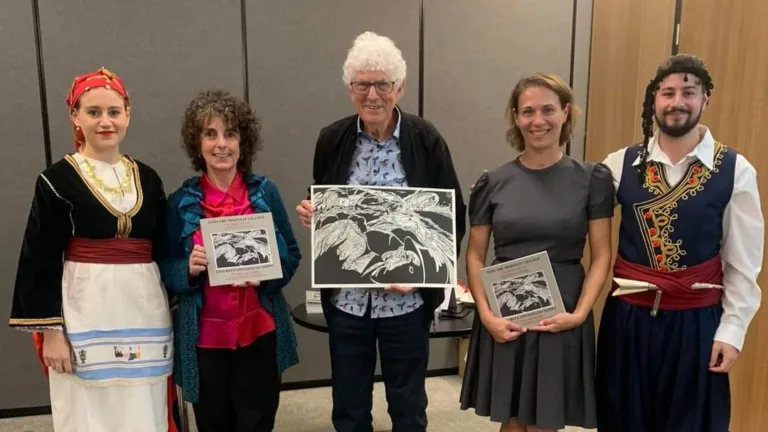
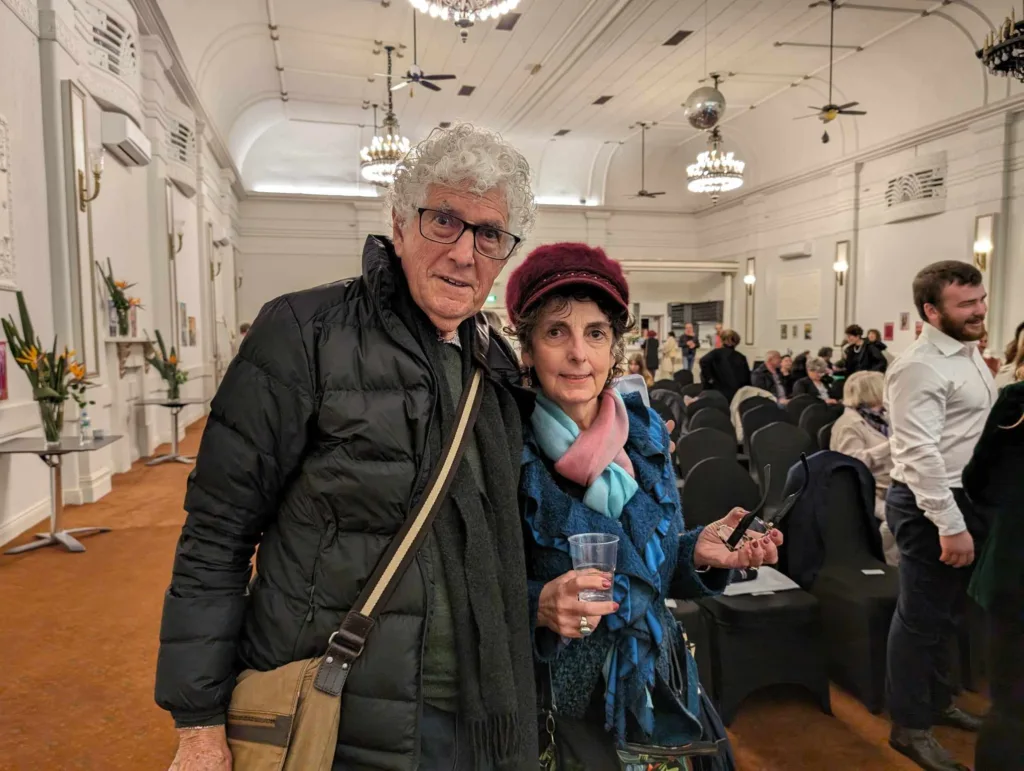
Michael Winters (left) and Poli Tataraki. Photo copyright The Greek Herald / Mary Sinanidis.

Michael adds that the work is a harmonious collaboration between himself and Poli.

“Poli’s voice brought another dimension and the book is a combination of the two. Me, the Antipodean, and Poli, the Cretan, welding together our personalities,” he says.

“It has a voice. It is bilingual. It can be read equally as easily in Crete as Australia because the voices of Cretans and Australians are the voices this book is credited to,” Michael says of the linocuts combined with the poetry.”

The new book, “Into the Moonlit Village” (Στο Φεγγαρόλουστο Χωριό), is set to be launched at the Greek Community of Melbourne (168 Lonsdale Street, Melbourne) on 9 June 2024. Key contributors are Petros Fournaris, whose translations ensured the poems retained their authenticity, and Frixos Ioannidis, whose editing and design work brought the project to fruition.
Generations of Pontians remember their roots at genocide commemoration in Melbourne

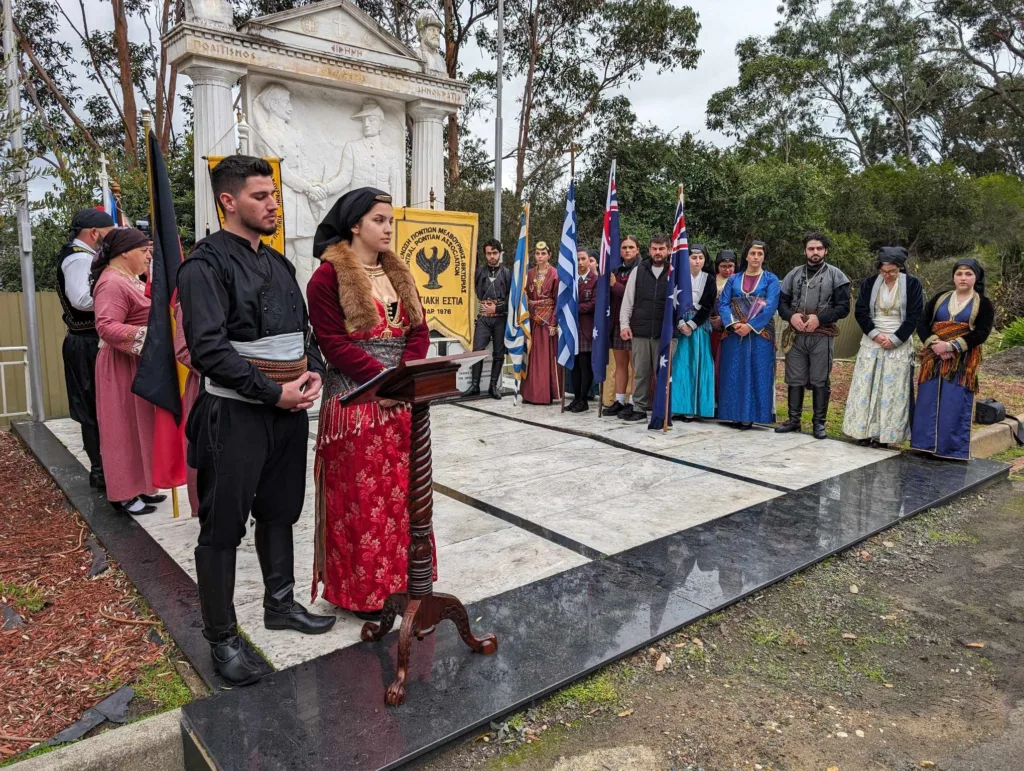
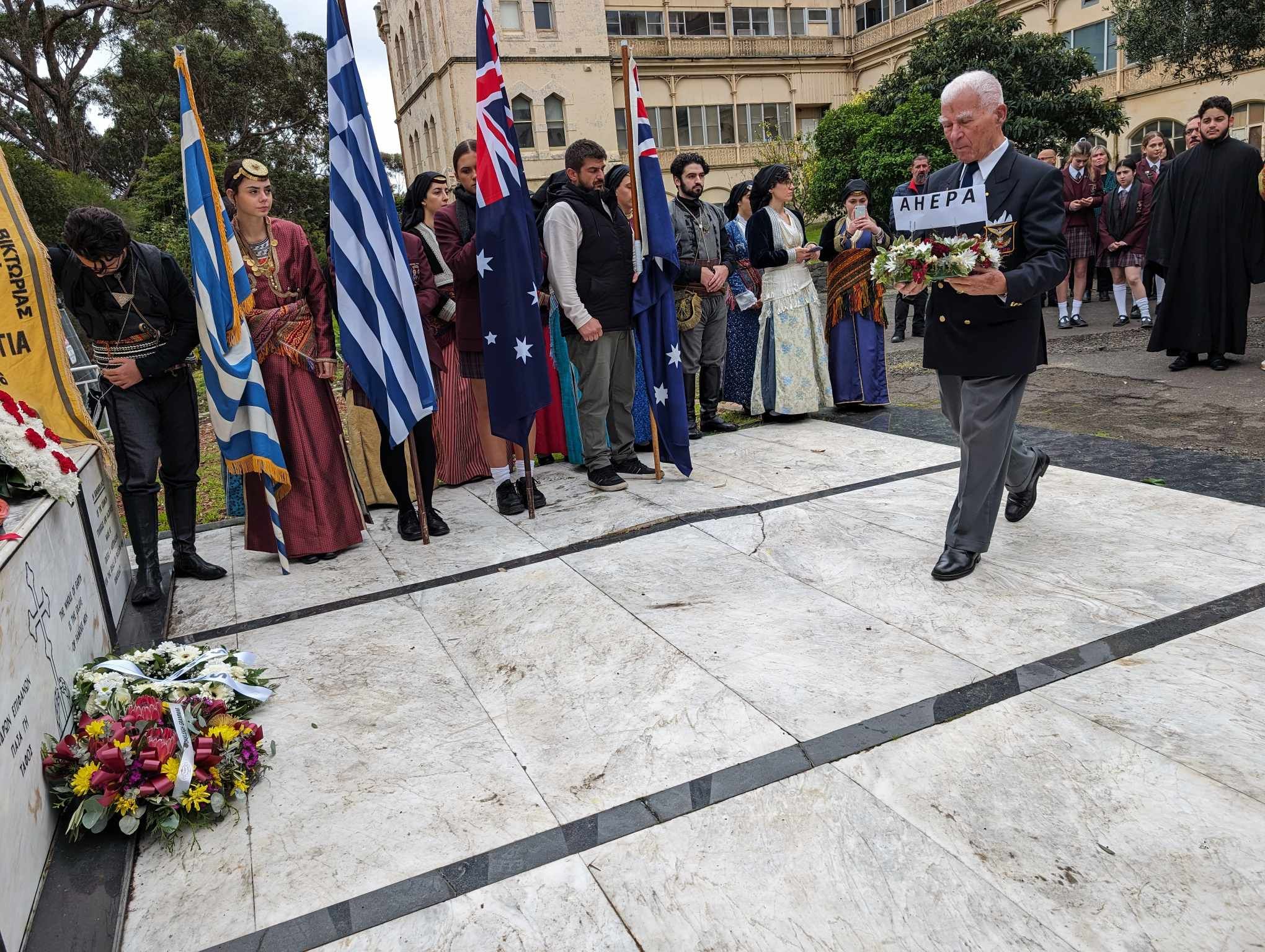
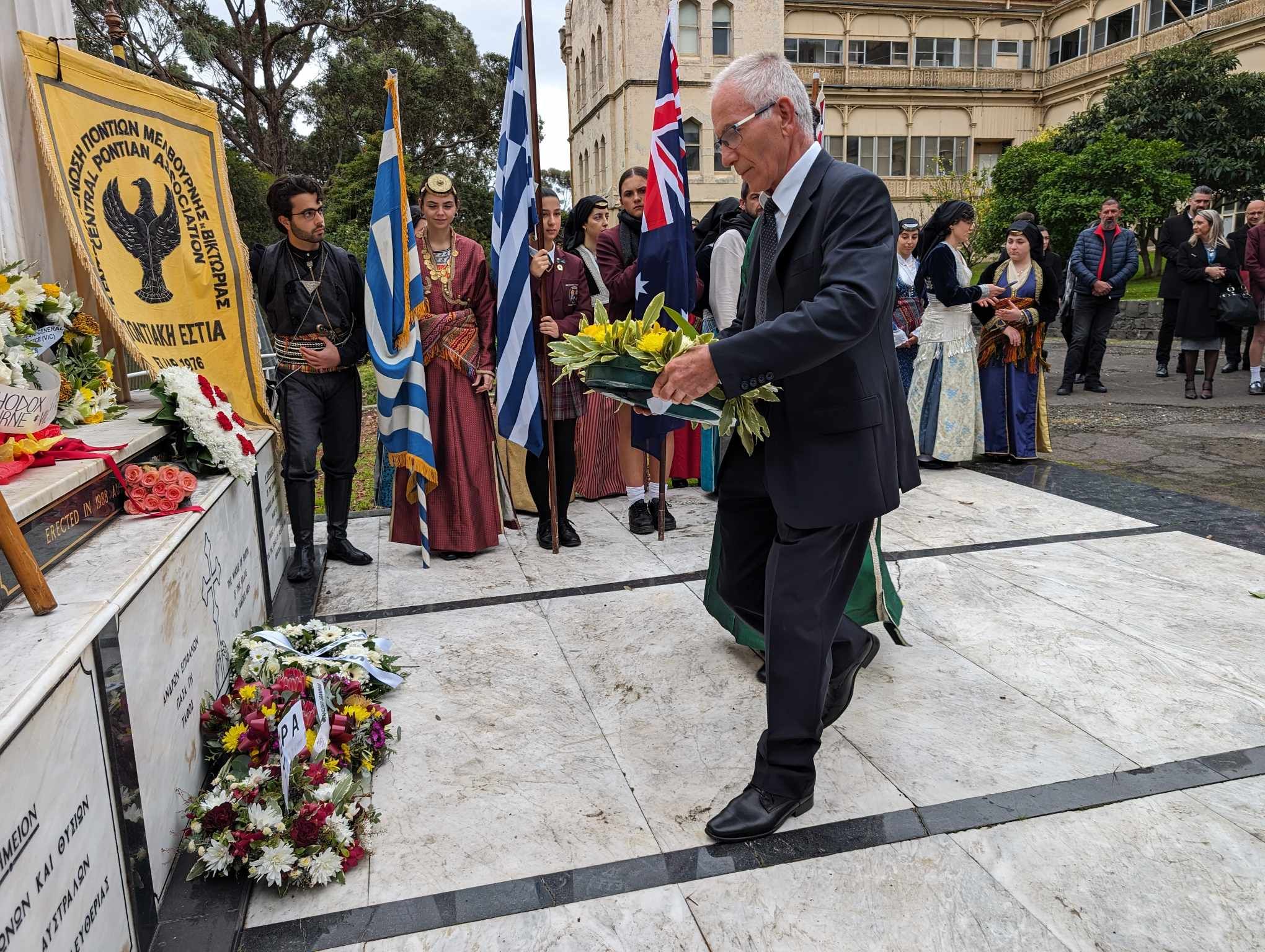
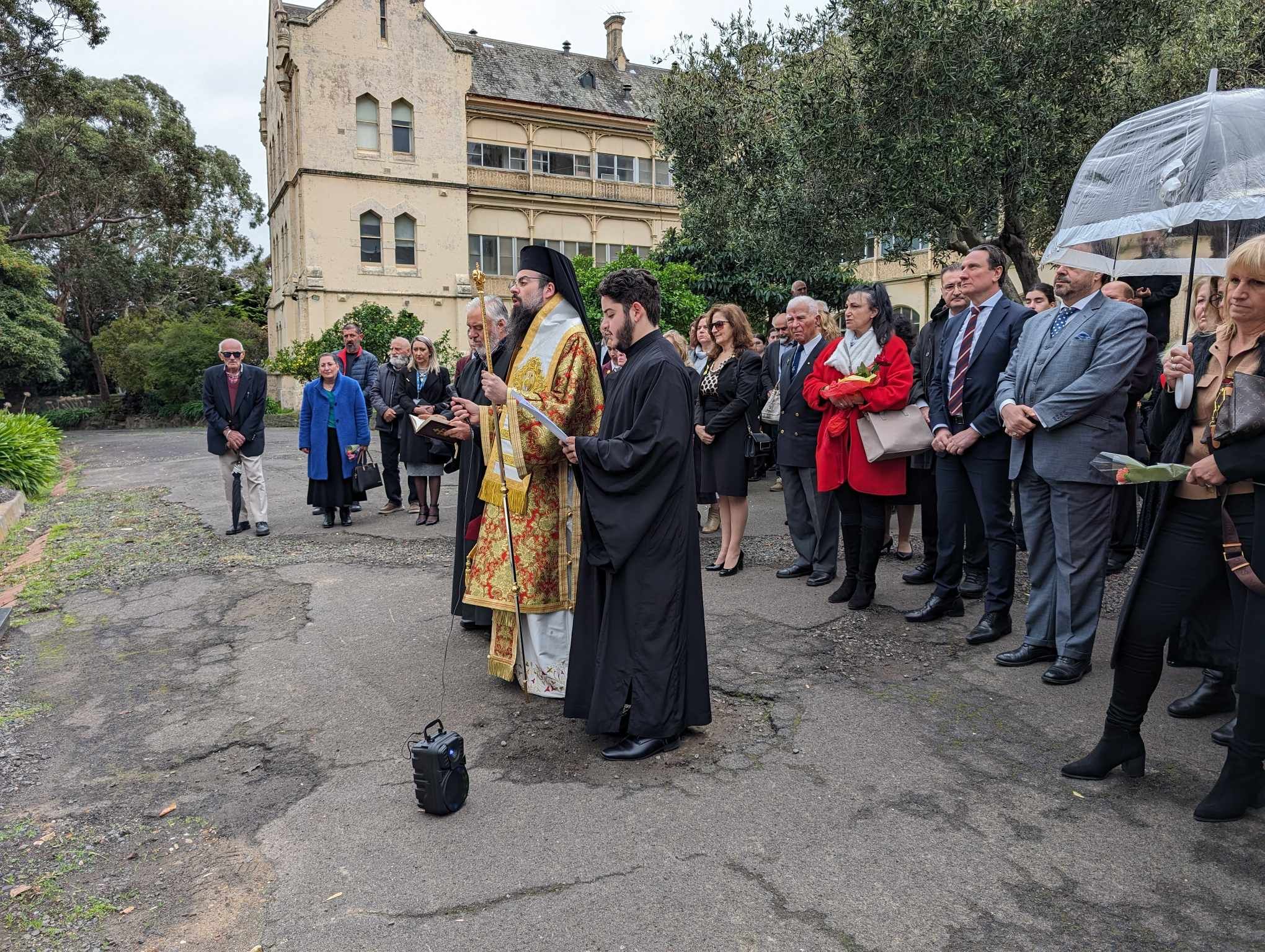
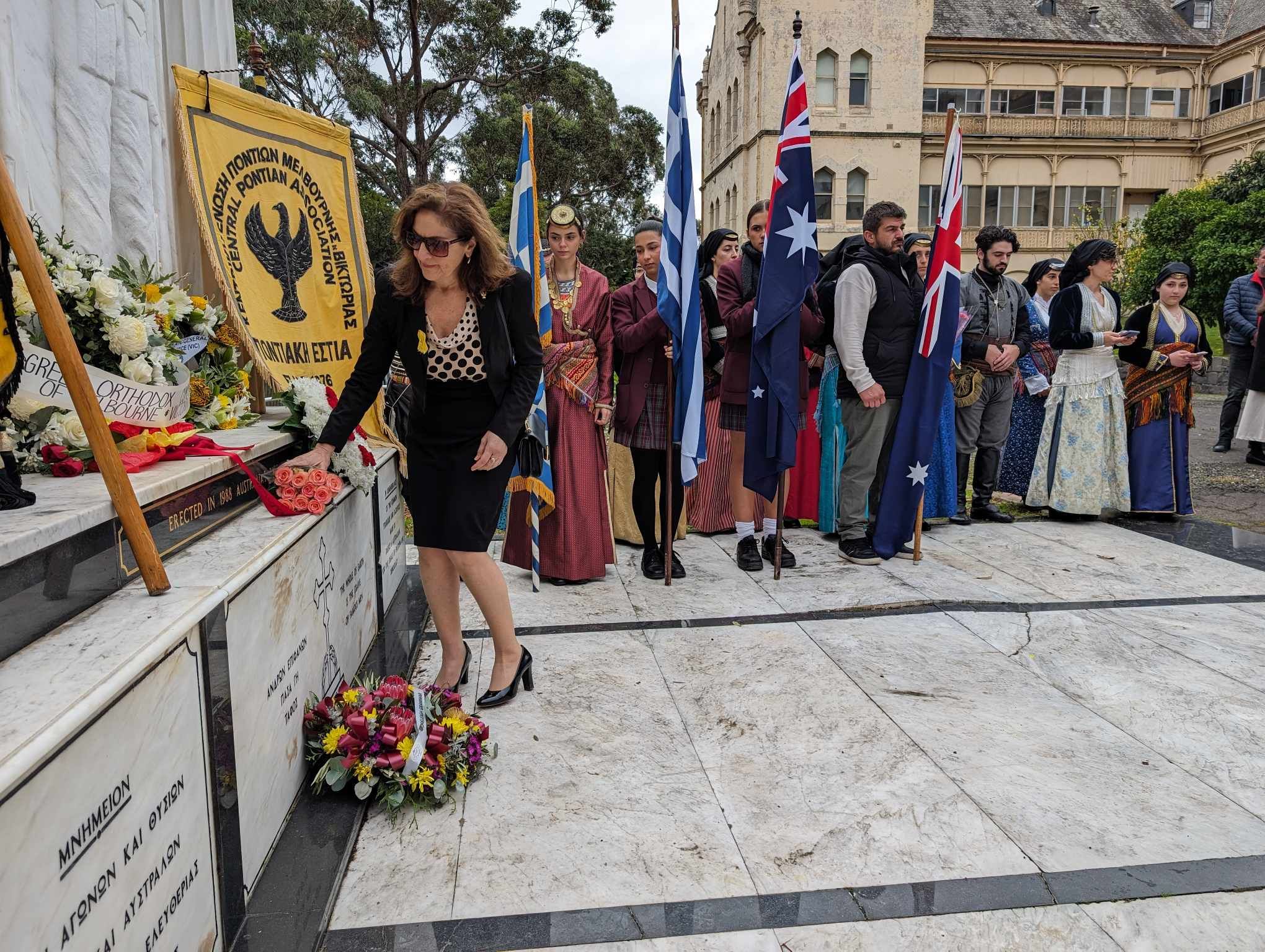
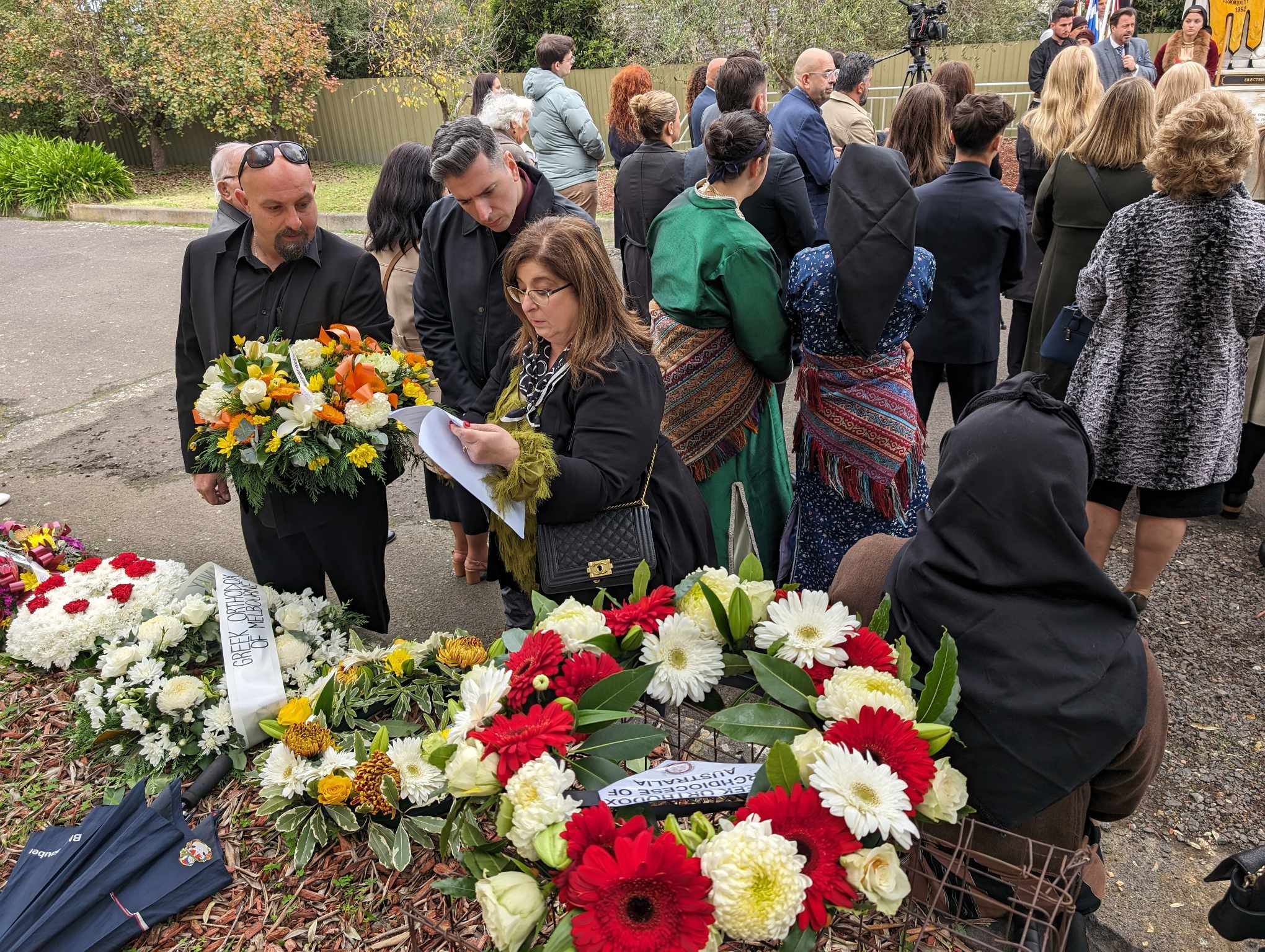
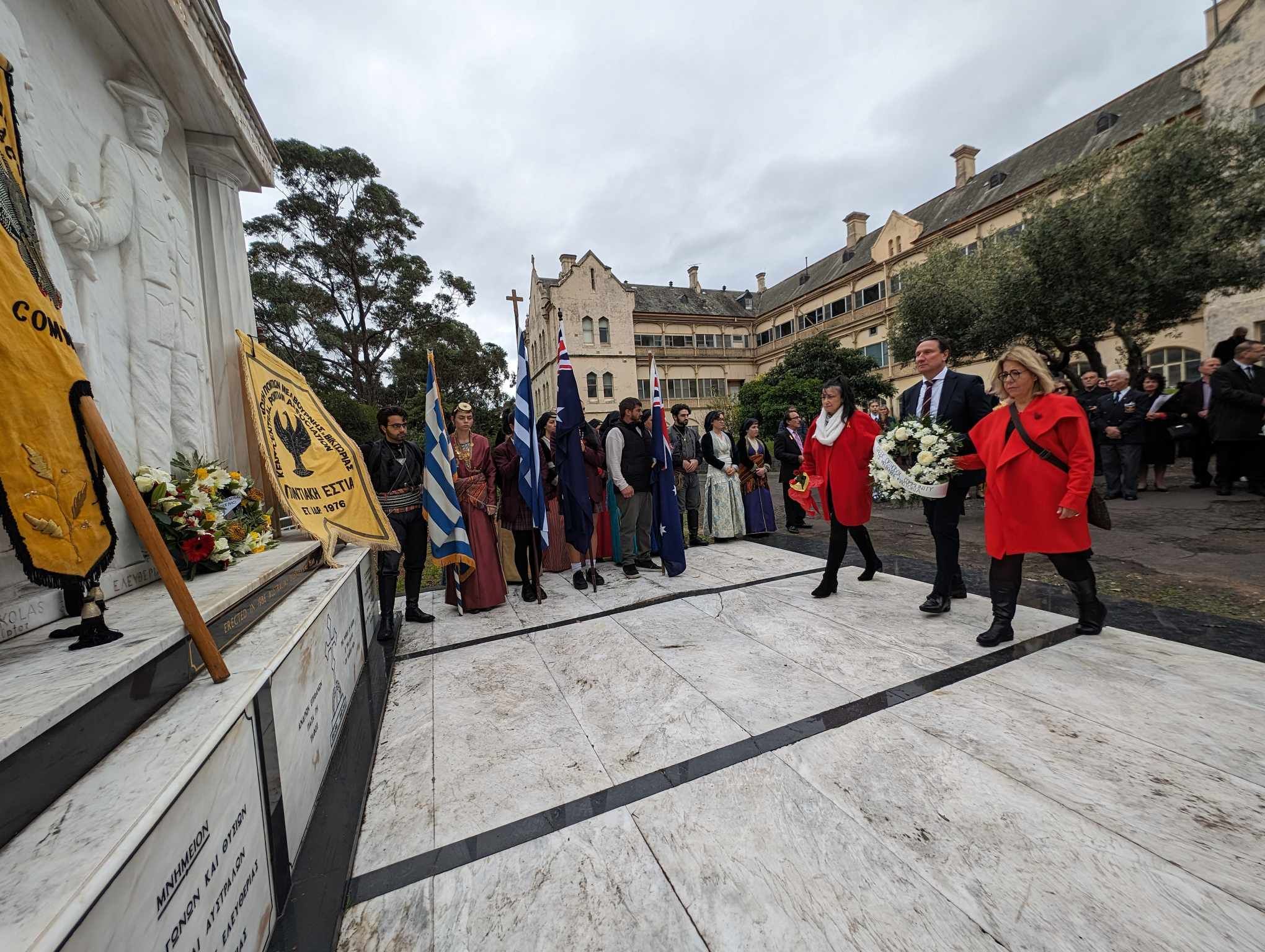
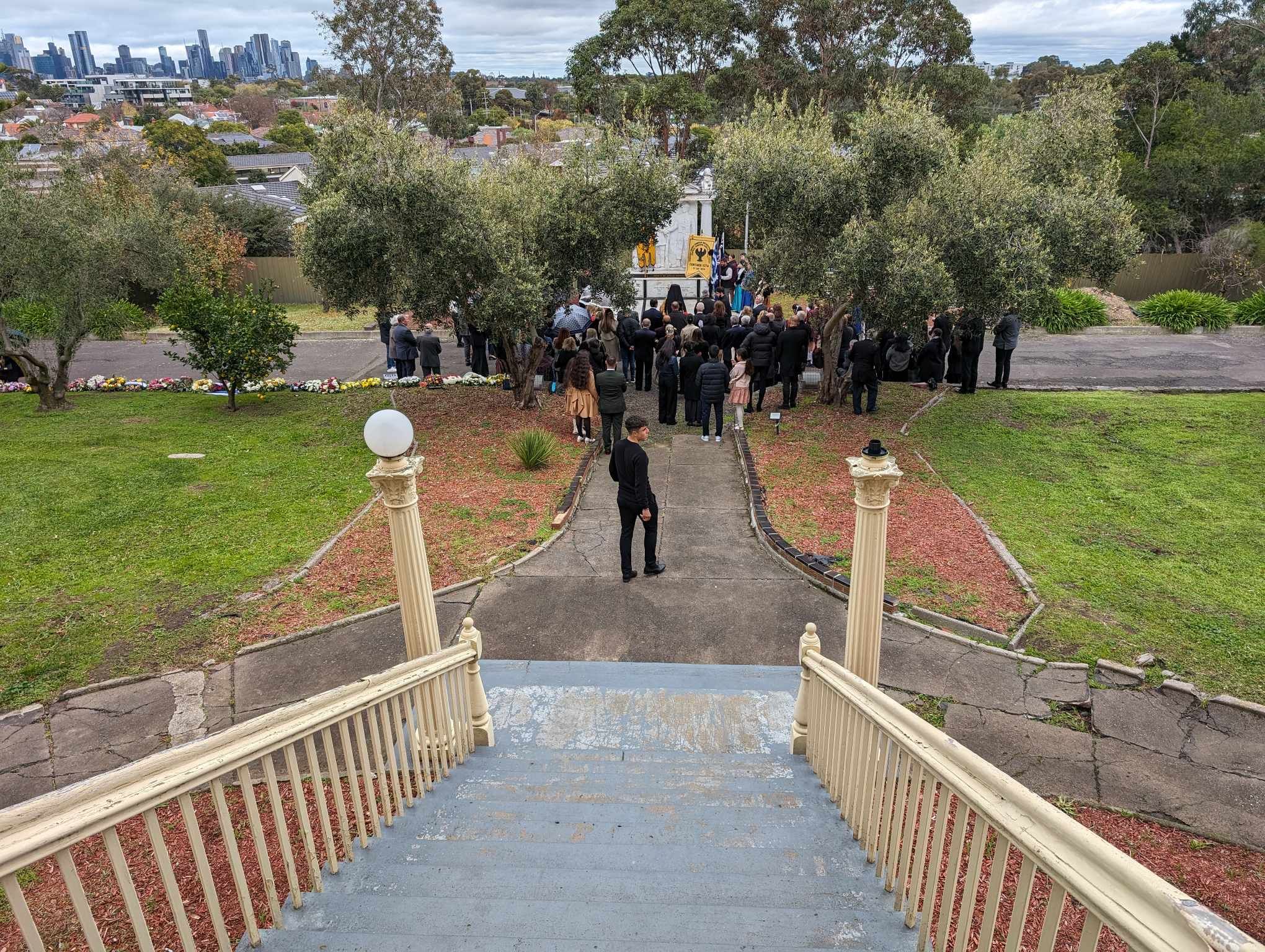
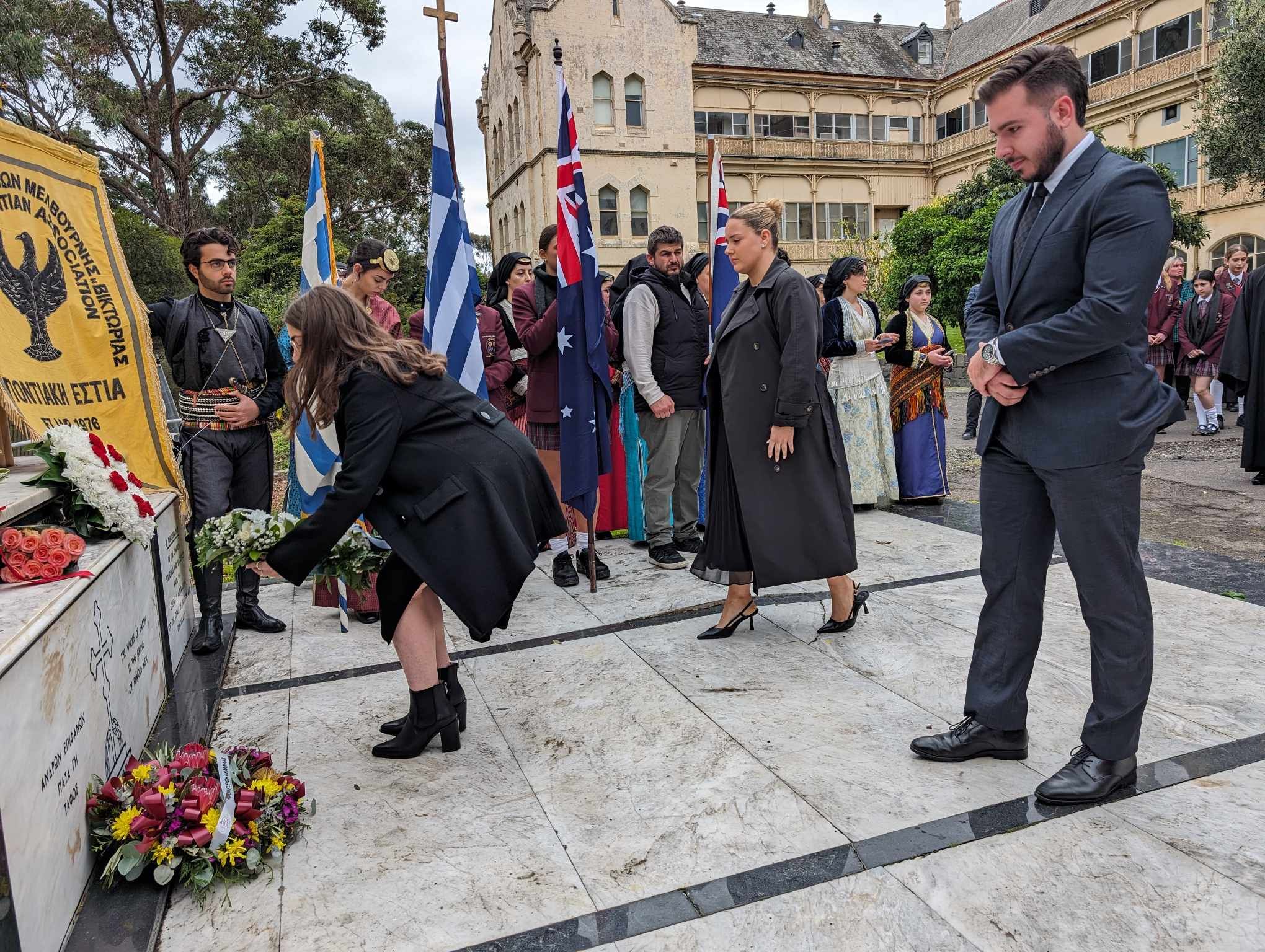
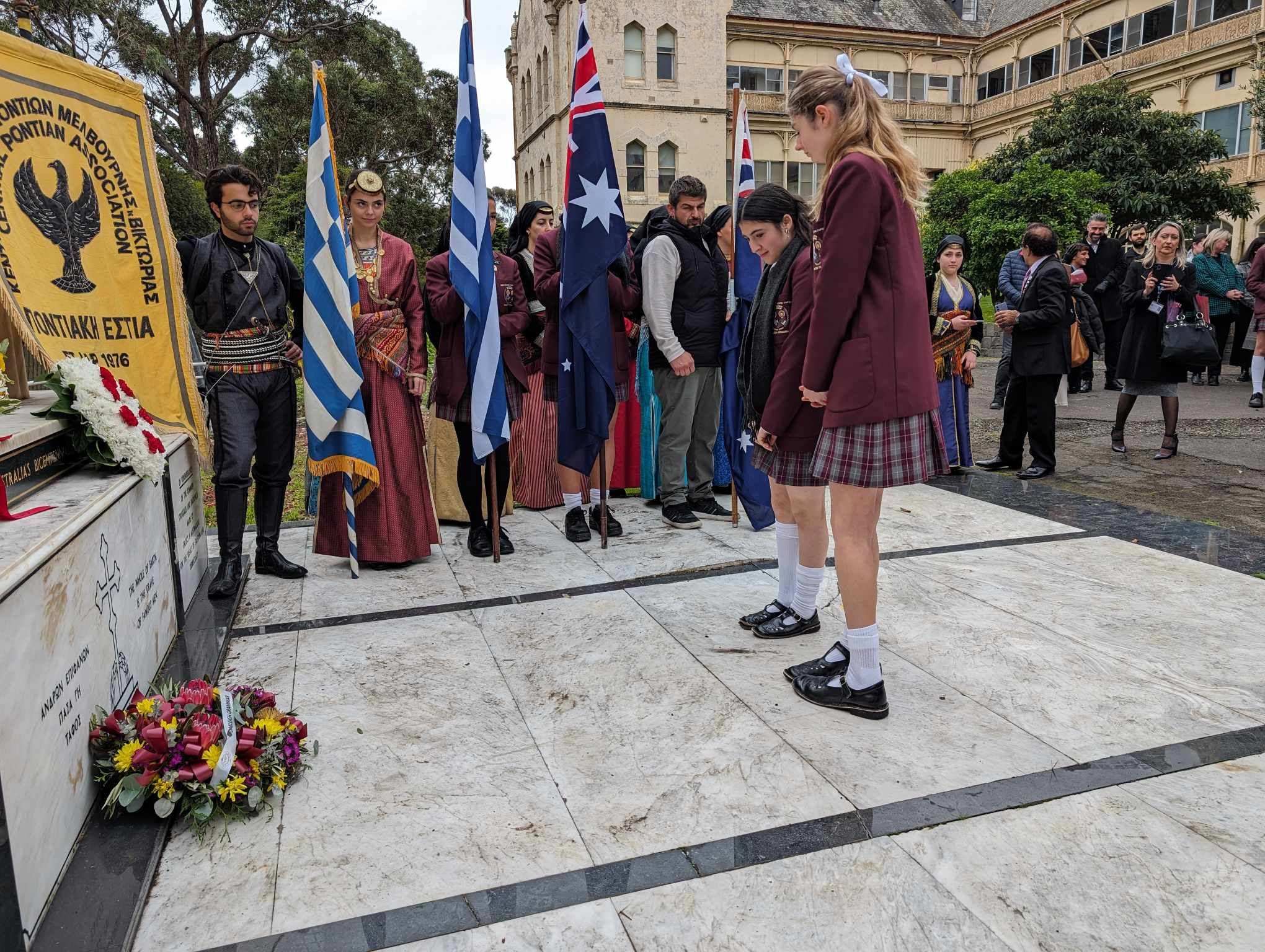
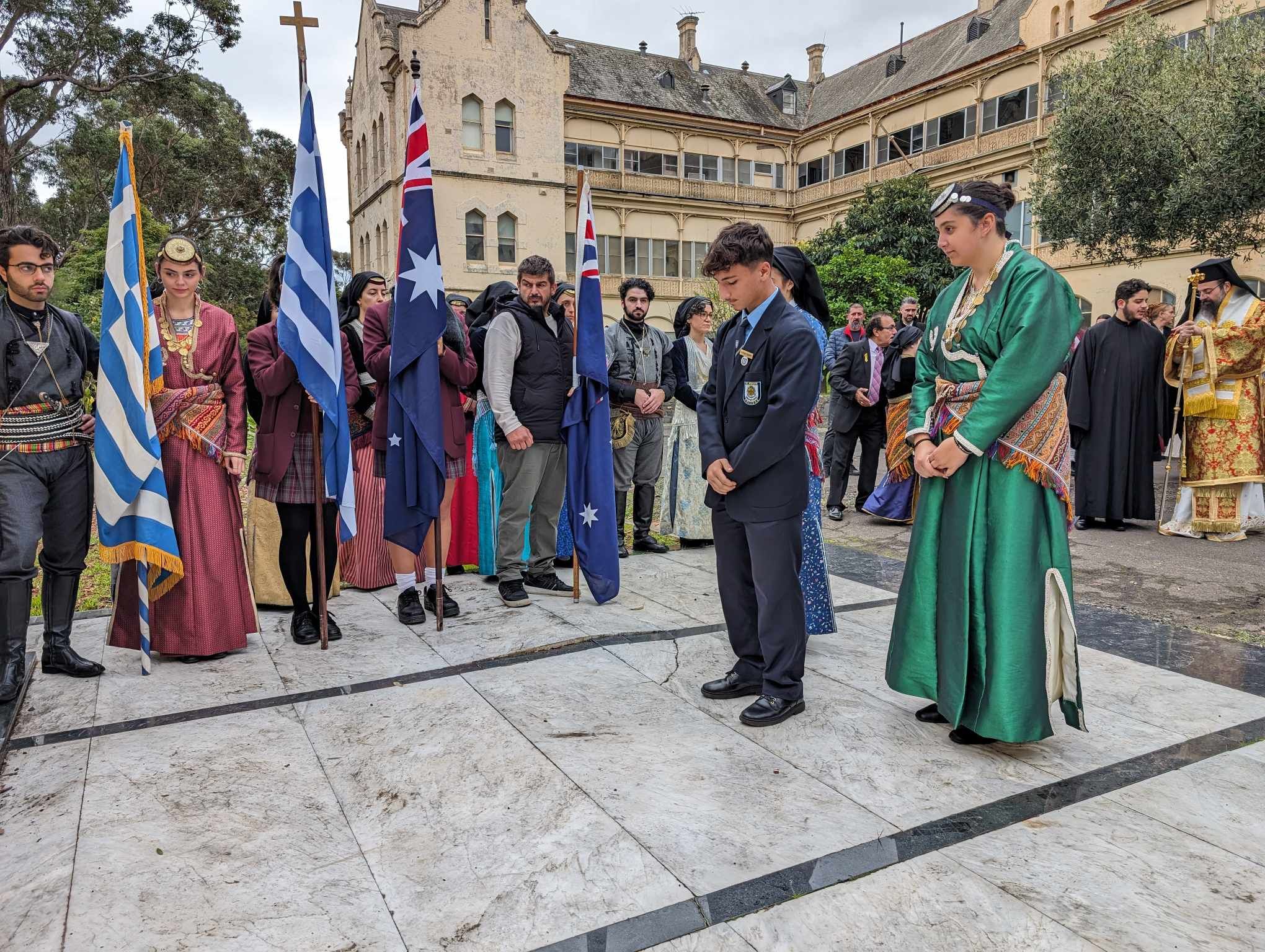
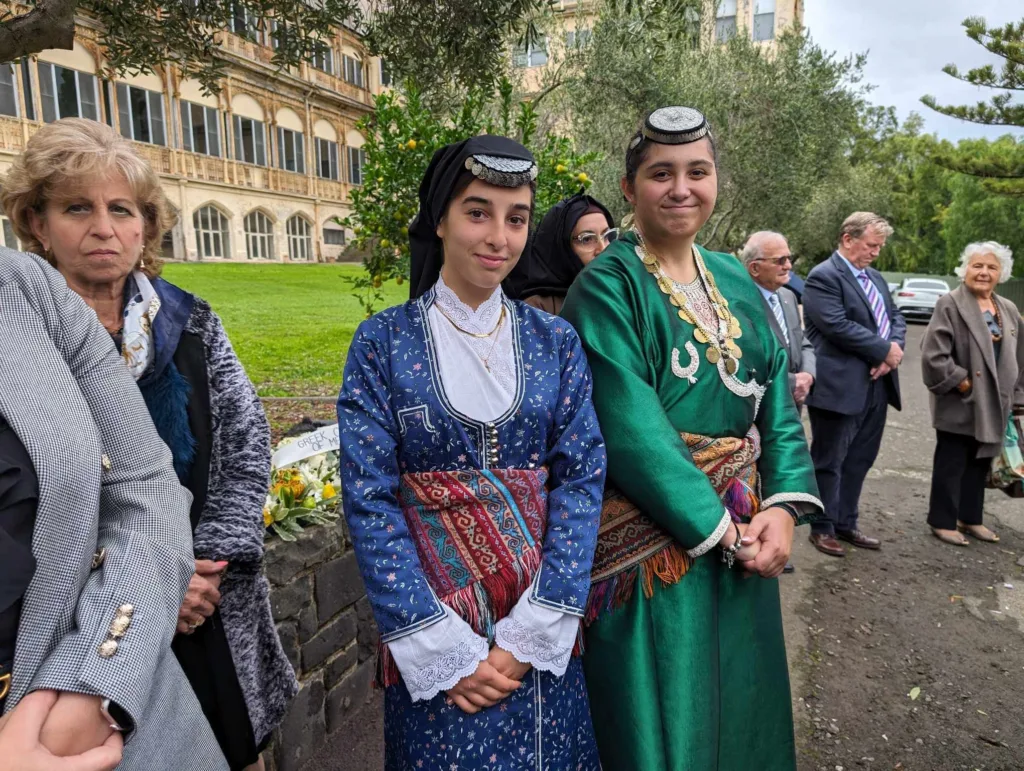
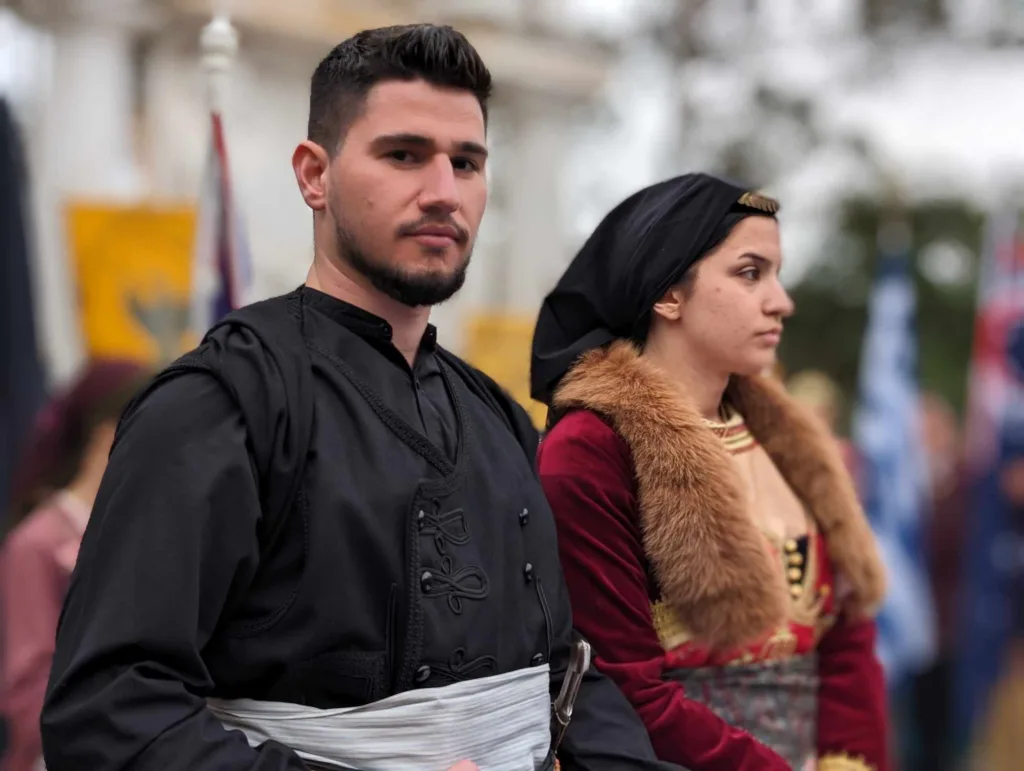
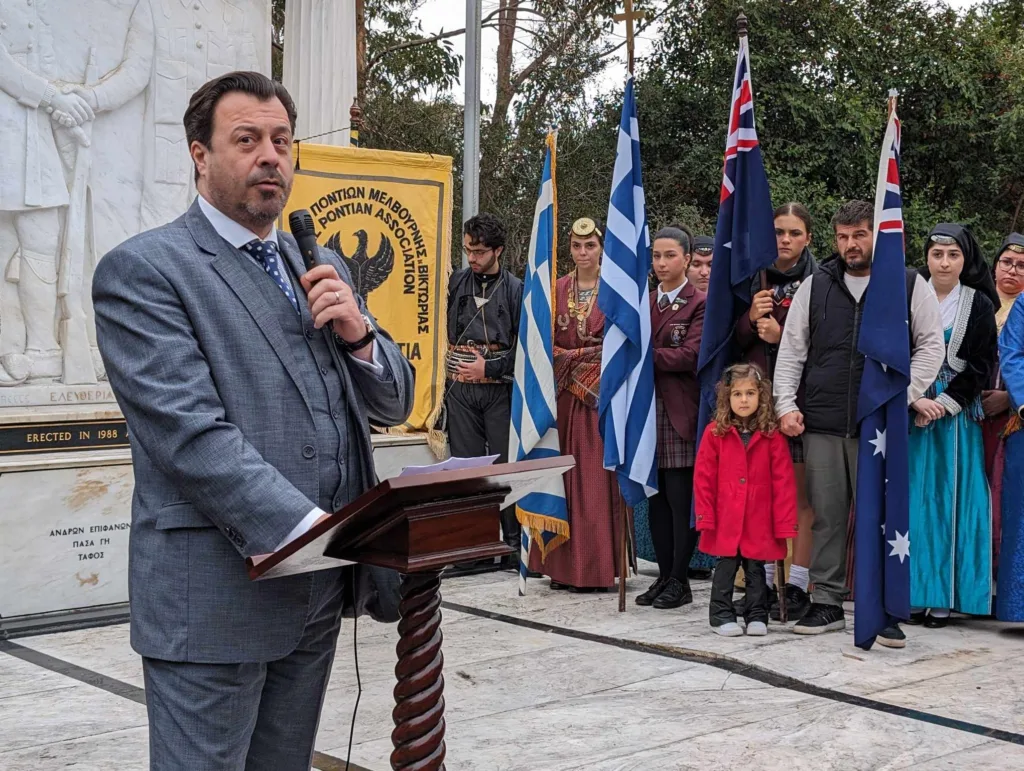
Melbourne’s Pontian community commemorated the Greek Genocide on Sunday, May 19, as part of a series of events honouring the memory of those massacred, tortured and displaced. A church service on Sunday was followed by a wreath-laying ceremony at Axion Esti Monastery in Northcote, presided by Bishop Evmenios of Kerasounta.

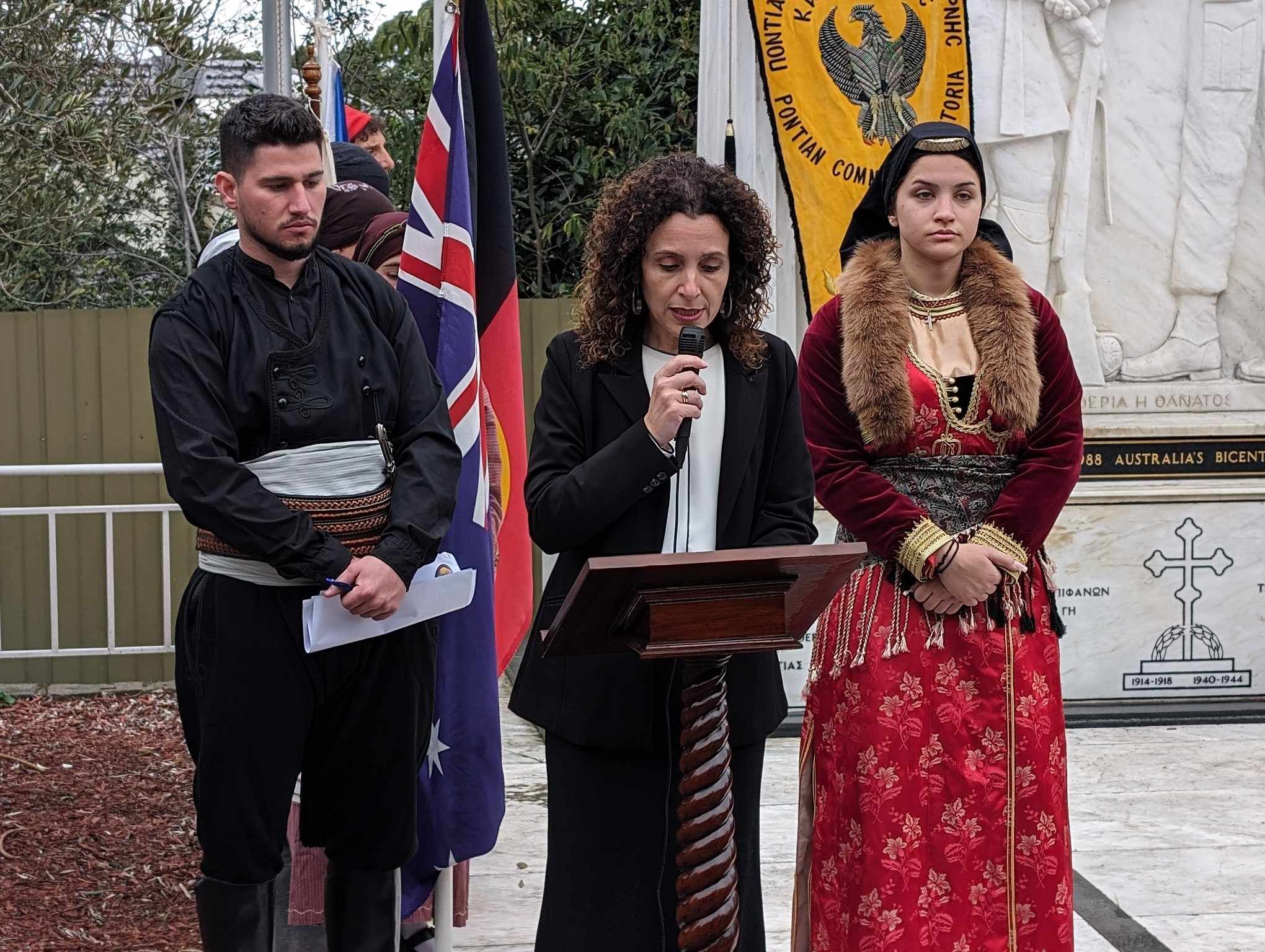
Speakers included the Greek Consul General of Melbourne, Emmanuel Kakavelakis, who provided a historical account of the Greek Genocide.

Emmanuel Kakavelakis, Greek Consul General to Melbourne, gives a historical account of the Greek Genocide.
Emmanuel Kakavelakis, Greek Consul General to Melbourne, gives a historical account of the Greek Genocide. All photos copyright The Greek Herald / Mary Sinanidis,
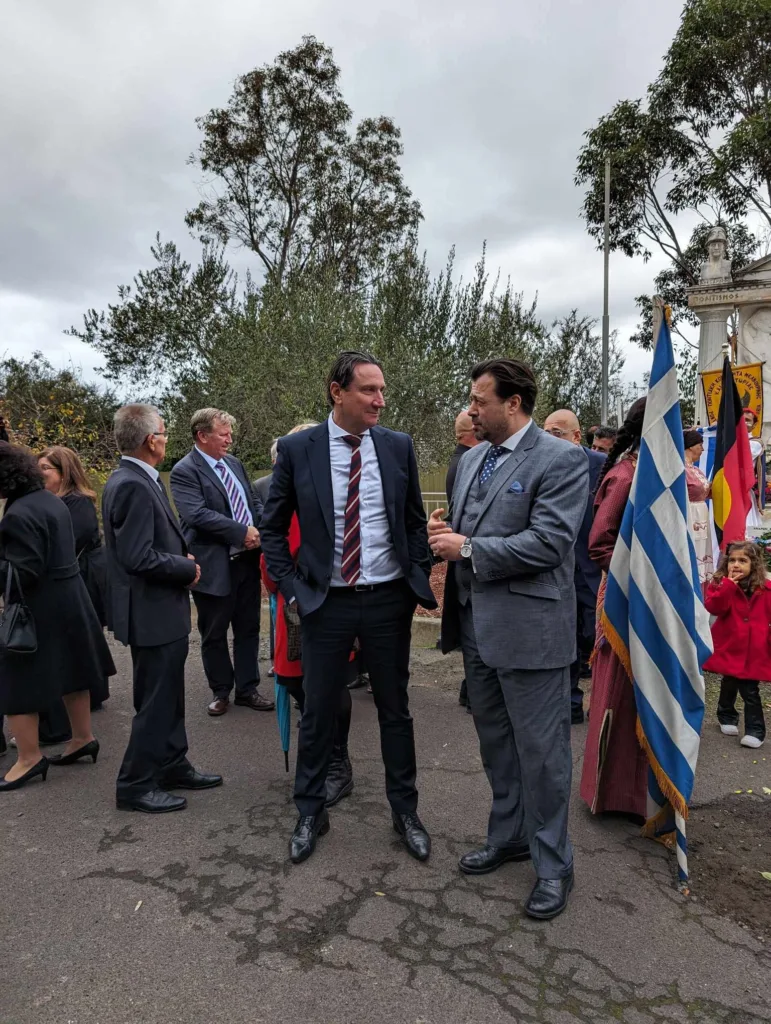
Solemnity ahead of the Pontian wreath-laying

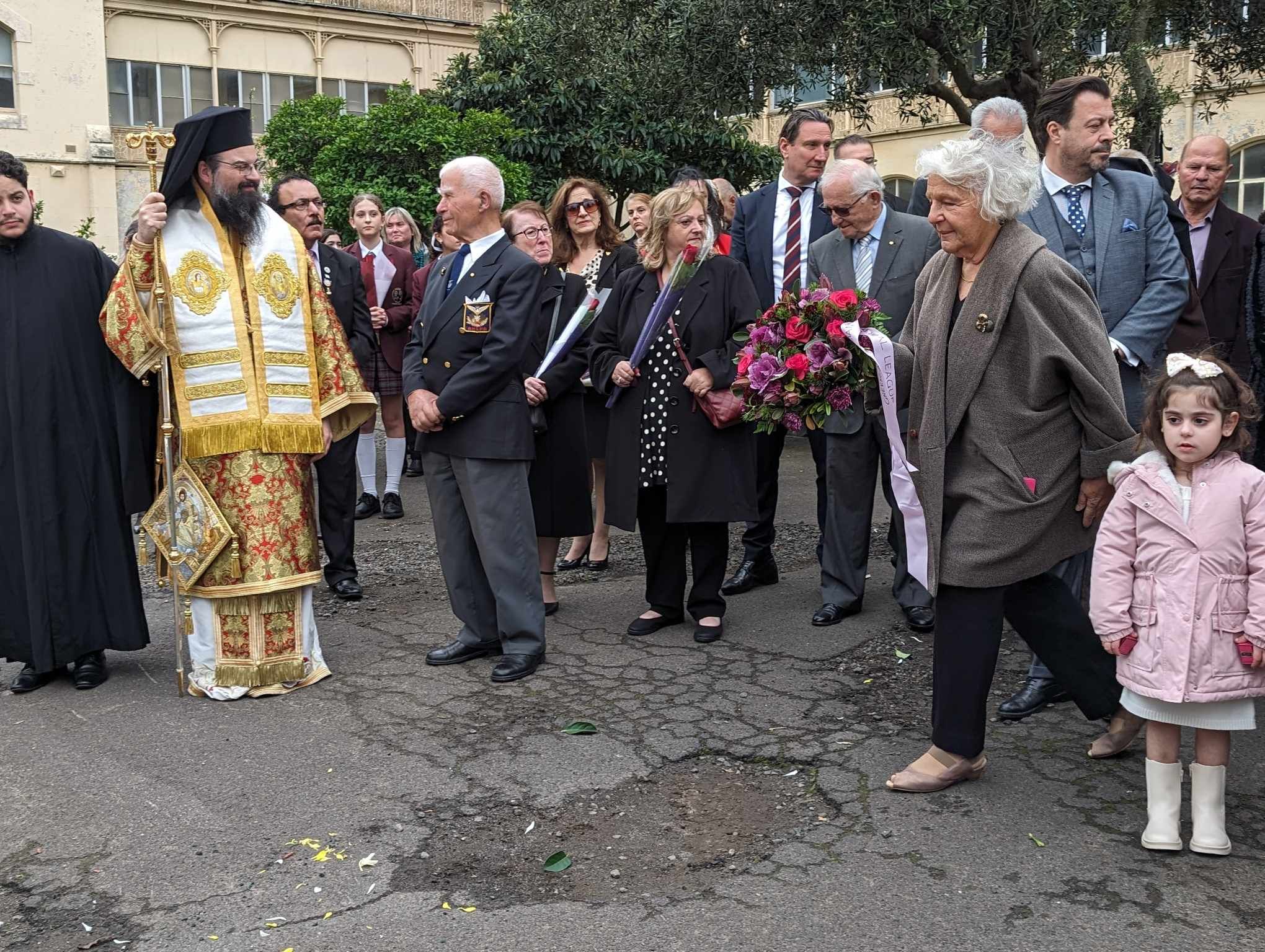
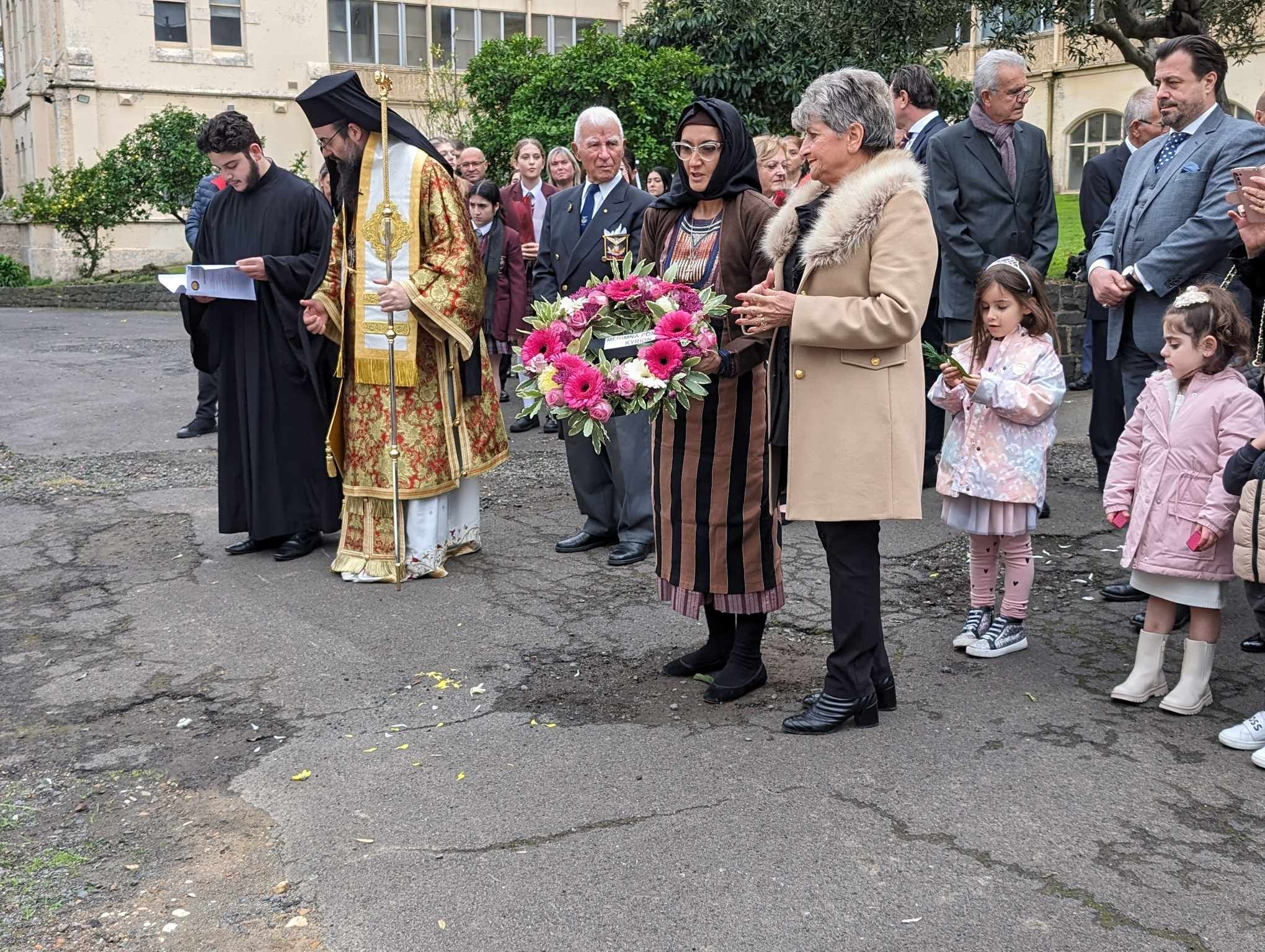
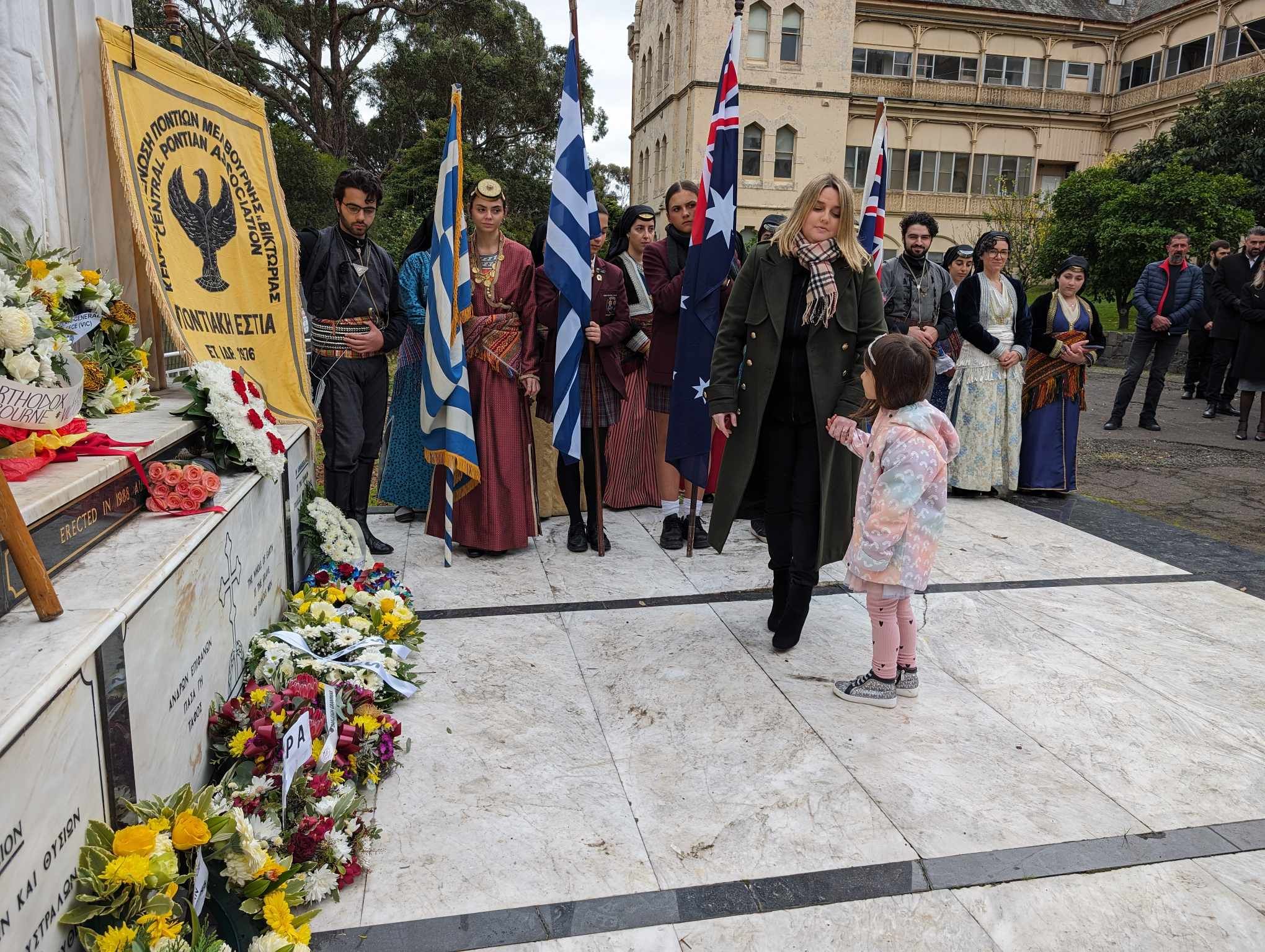
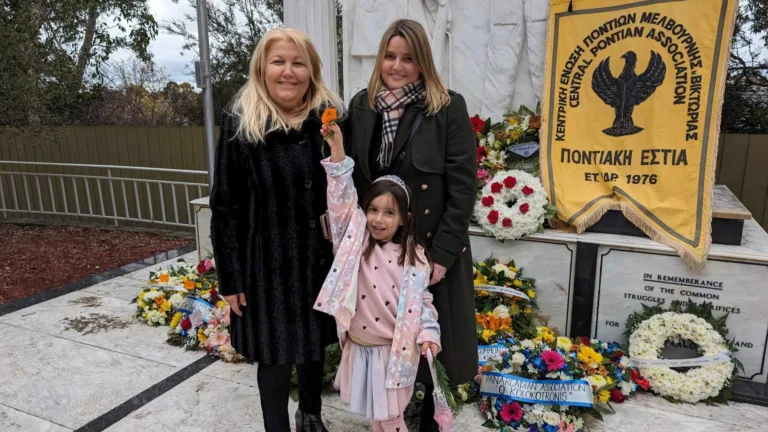
The wreath-laying ceremony wasn’t just about remembering the past, but also about the enduring spirit of the Pontian people. Three generations of Pontian women – Roma Siachos, her daughter Sophia Siachos, and granddaughter Olympia – stood together as a powerful symbol of this resilience.

Roma Siachos, President of the Hellenic Writers Association of Australia, has in the past shared her personal connection with the tragedy. Her grandfather’s stories of forced exile to Russia and the loss of his father in Pontus resonate deeply within her to this day.

Both Roma and her daughter Sophia, new Chair of the Victorian Council for Greek National Day, took little Olympia with them when laying their wreathes.

“I wanted Olympia to be involved today so that I can begin to educate her about the past atrocities faced by our ancestors,” Sophia said. “By attending such memorial services and speaking with our children about the tragic loss of life during the genocide we continue to honour and remember those who endured unimaginable loss or suffering.”

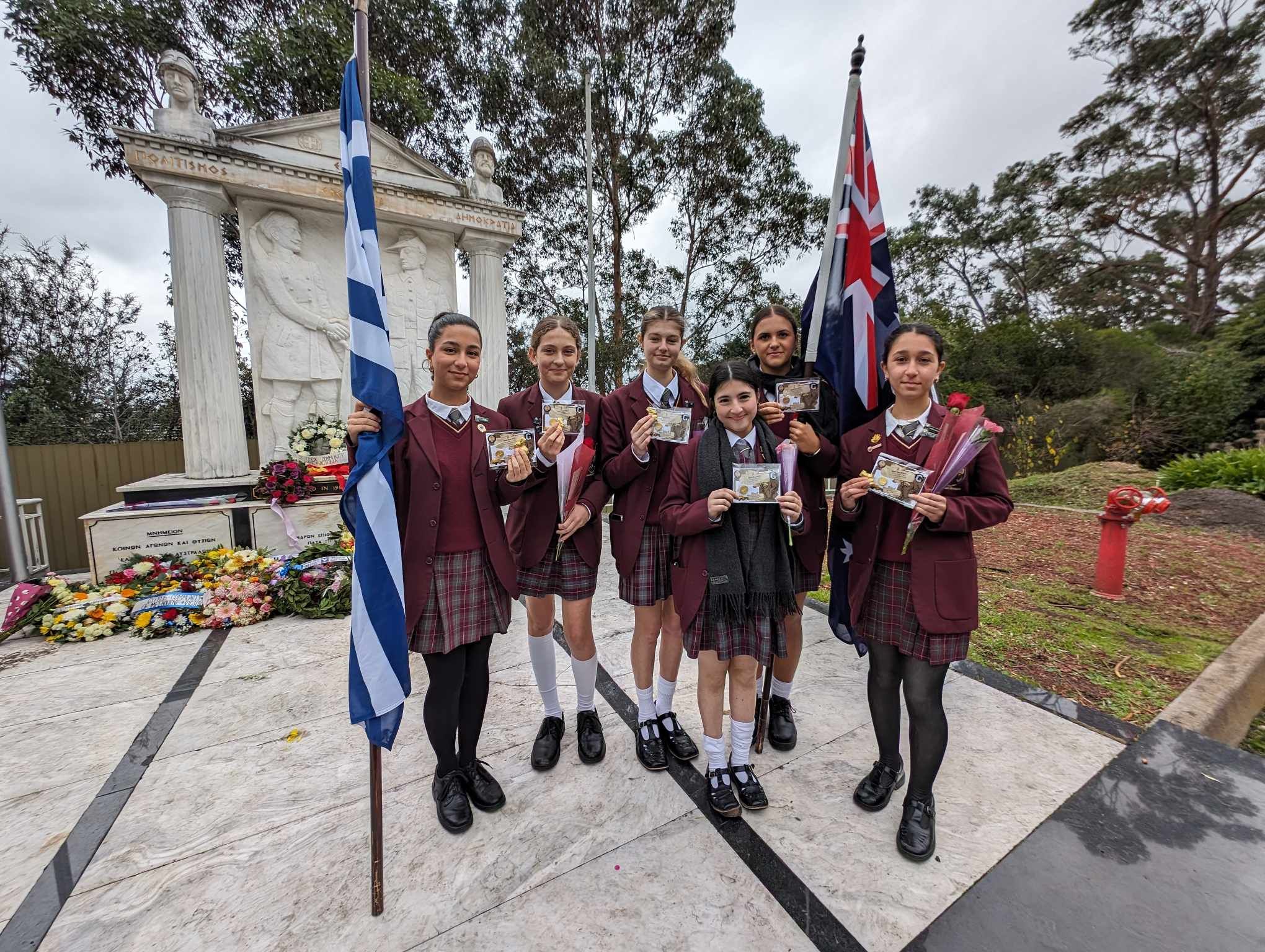
Students from St John's college wearing their Pontian traditional garments.
Students from St John’s college wearing their Pontian traditional garments.
Young Pontians
Young Pontians

Prior to the wreath-laying she spoke to her daughter about the significance of May 19th for their ancestors. She hopes that her daughter will carry the memories of attending the commemorative event with her mother and grandmother.

“It was a very special occasion for us as a family to have three generations of Pontian women honouring the memory of those who lost their lives in such tragic circumstances,” she said.

Simela Stamatopoulos, representing the Australian Federation of Pontians, read a speech by Yiannis Pilalidis to highlight the ongoing pain felt by Pontian refugees and their descendants. She told The Greek Herald that remembering the genocide is not just about dwelling on the negative, but also about honouring the traditions and cultural identity passed down through generations.

The day’s events served as a poignant reminder of the enduring strength of the Pontian community. Through their shared history and unwavering spirit, these families continue to preserve their heritage and ensure that the memory of their ancestors lives on.

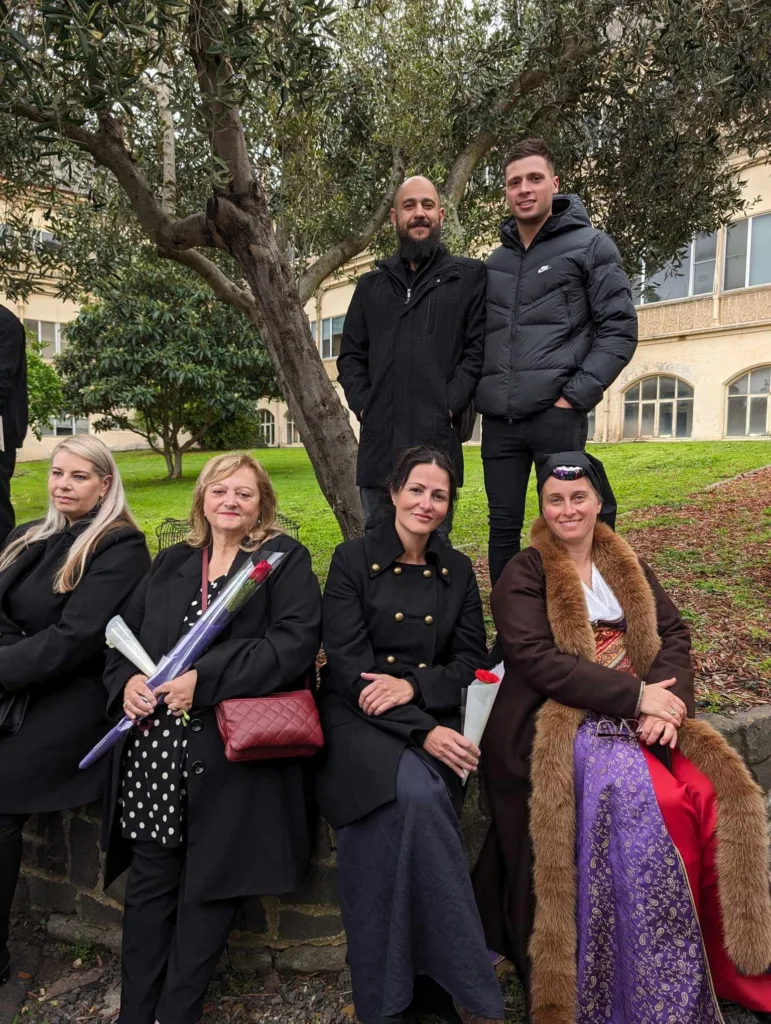
Women and girls at the wreath-laying held roses offered to them by Bishop Evmenios to honour the Sunday of the Myrrh bearing Woman. The religious holiday falls on the second Sunday following Orthodox Easter to honour women who brought funeral spices and ointments to Christ’s body, and were the first to see Christ’s empty tomb.

*All photos copyright The Greek Herald / Mary Sinanidis.

Australian Hellenic Medical Charity raises $30,000 for Nicosia hospital

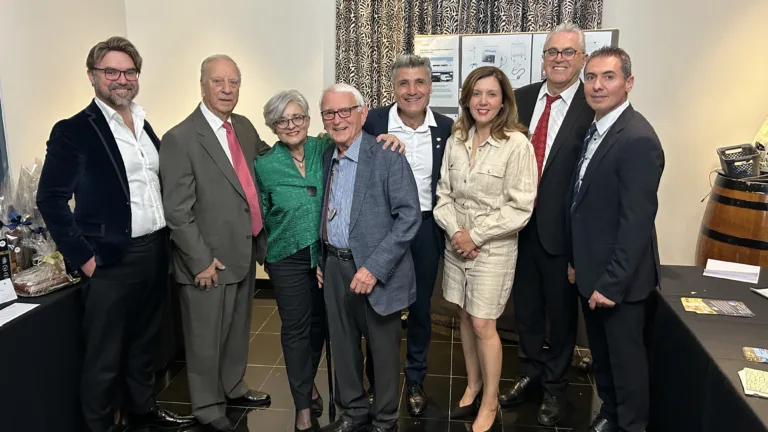
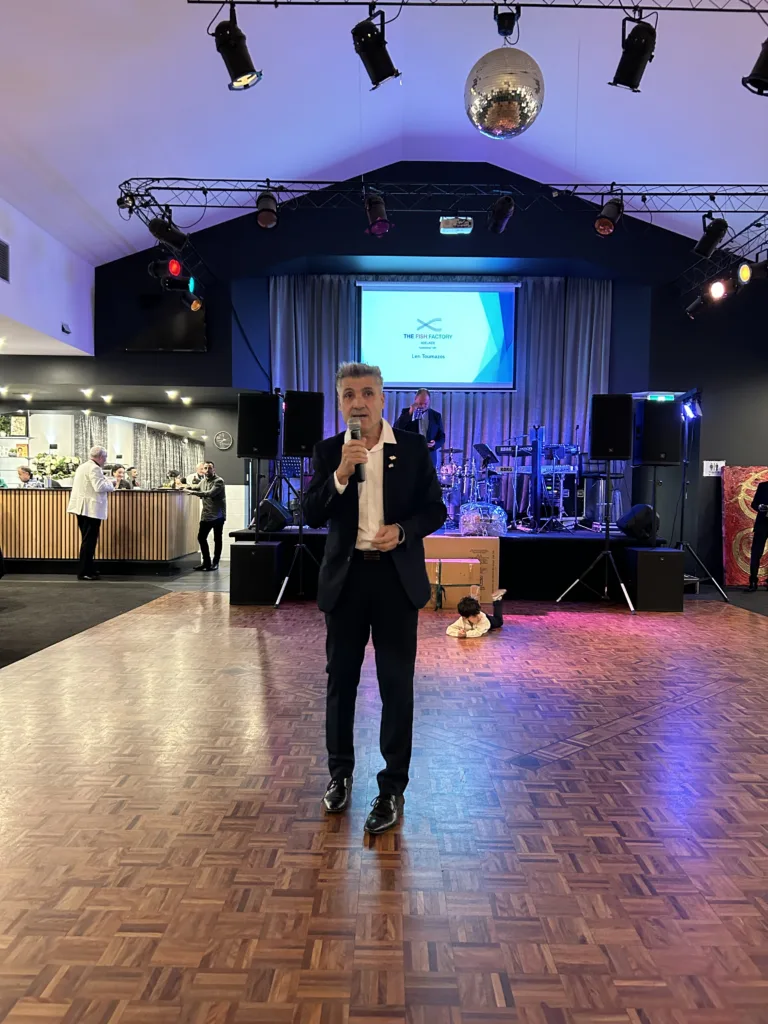
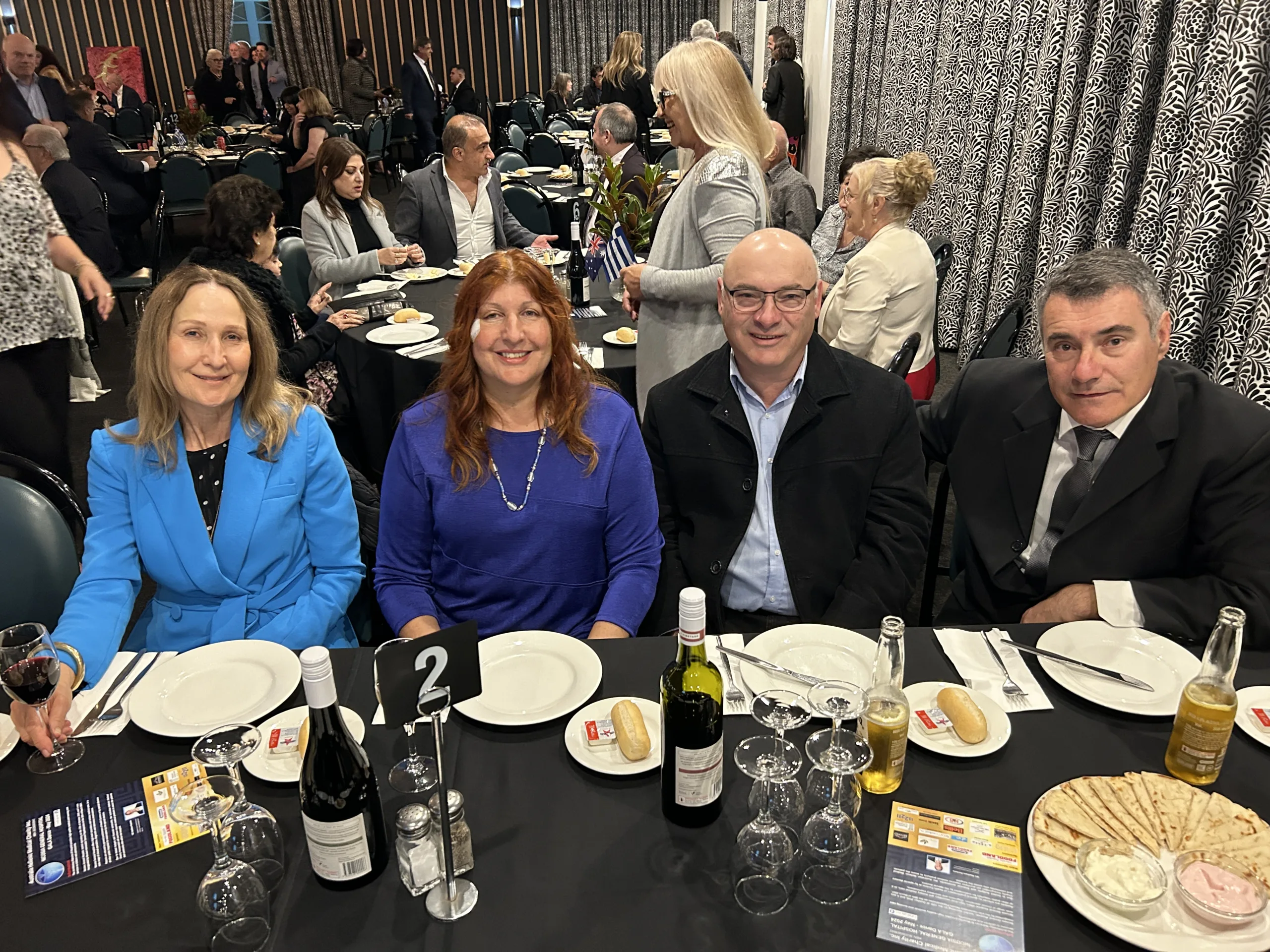
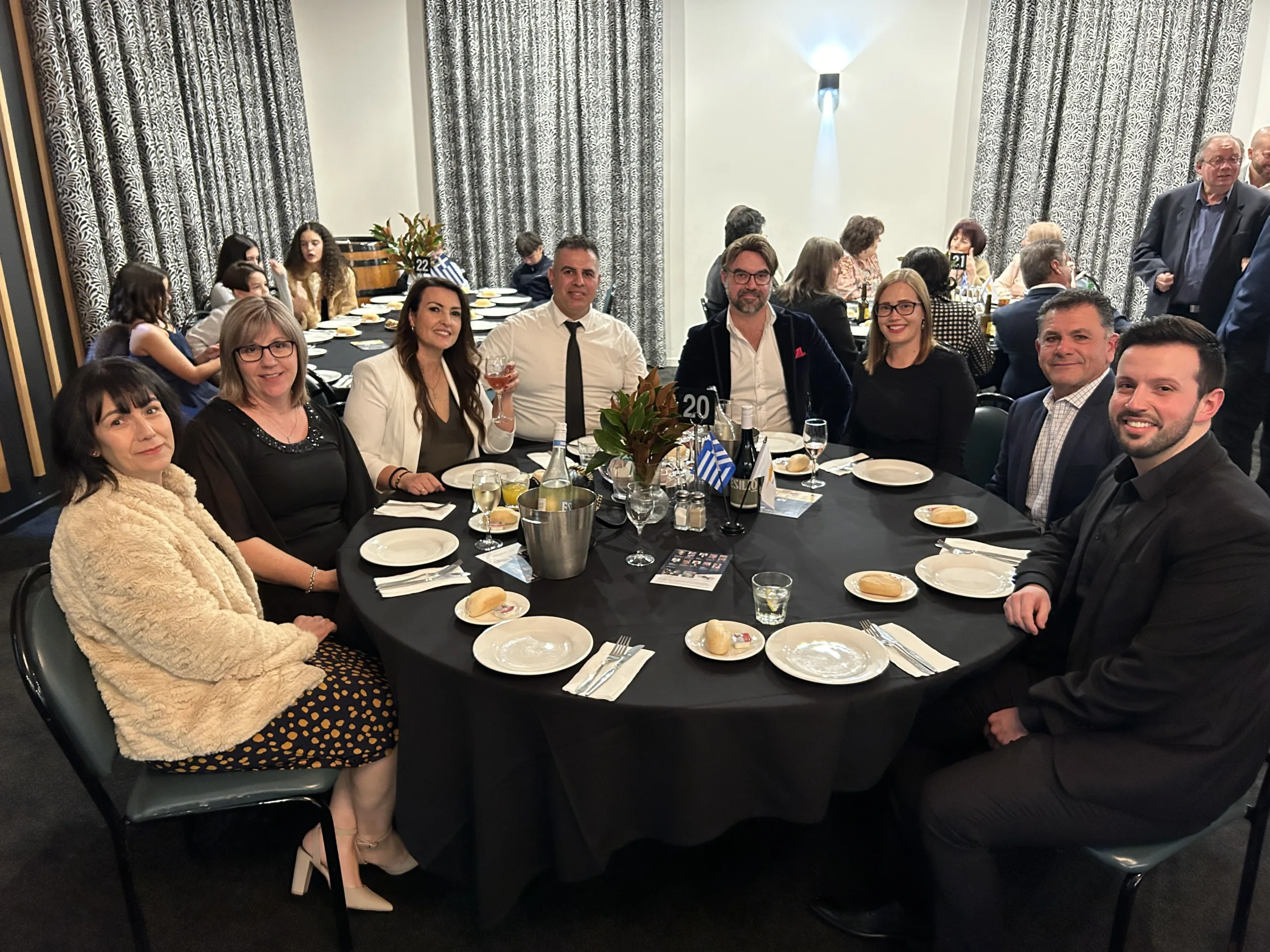
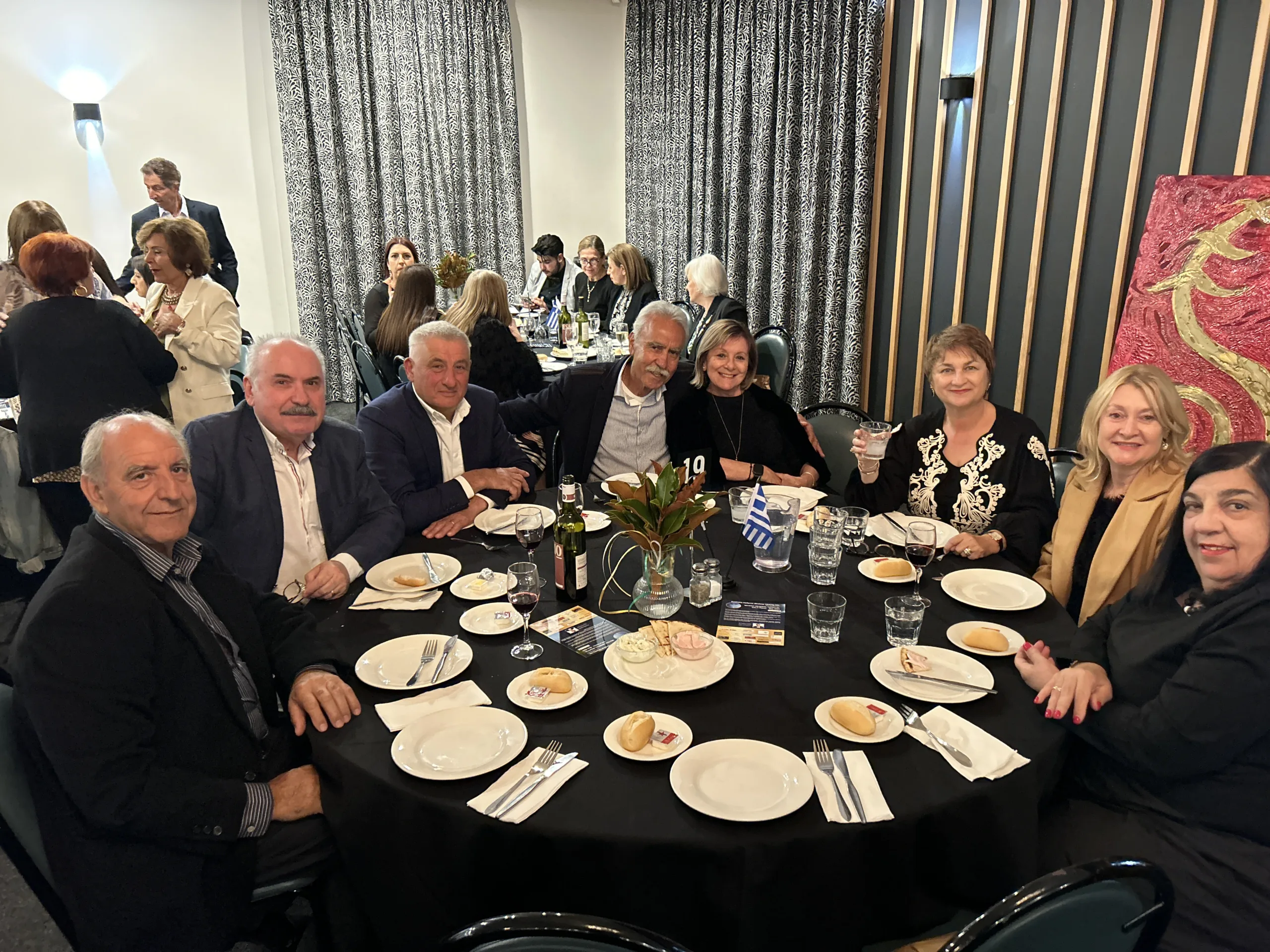
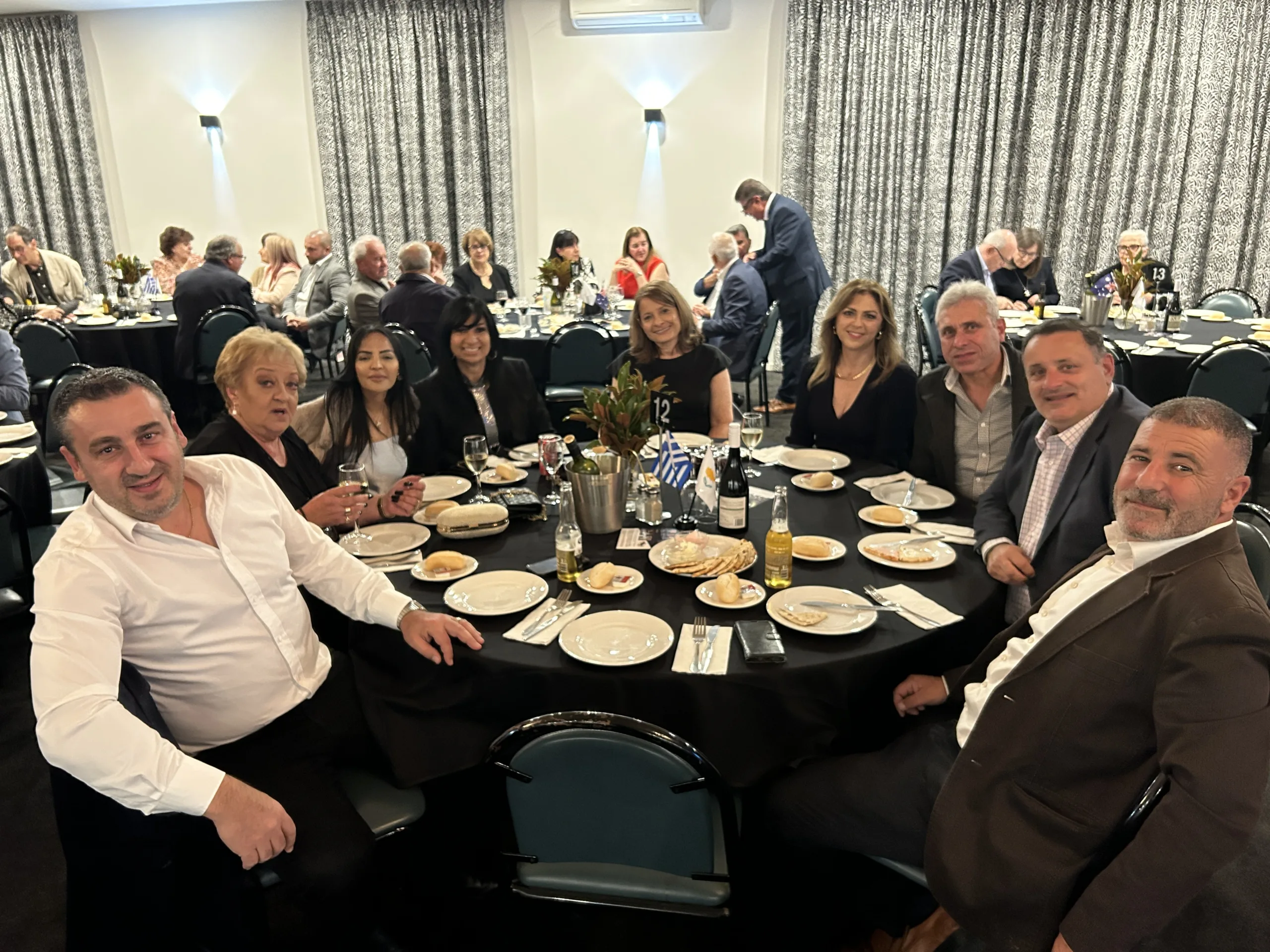
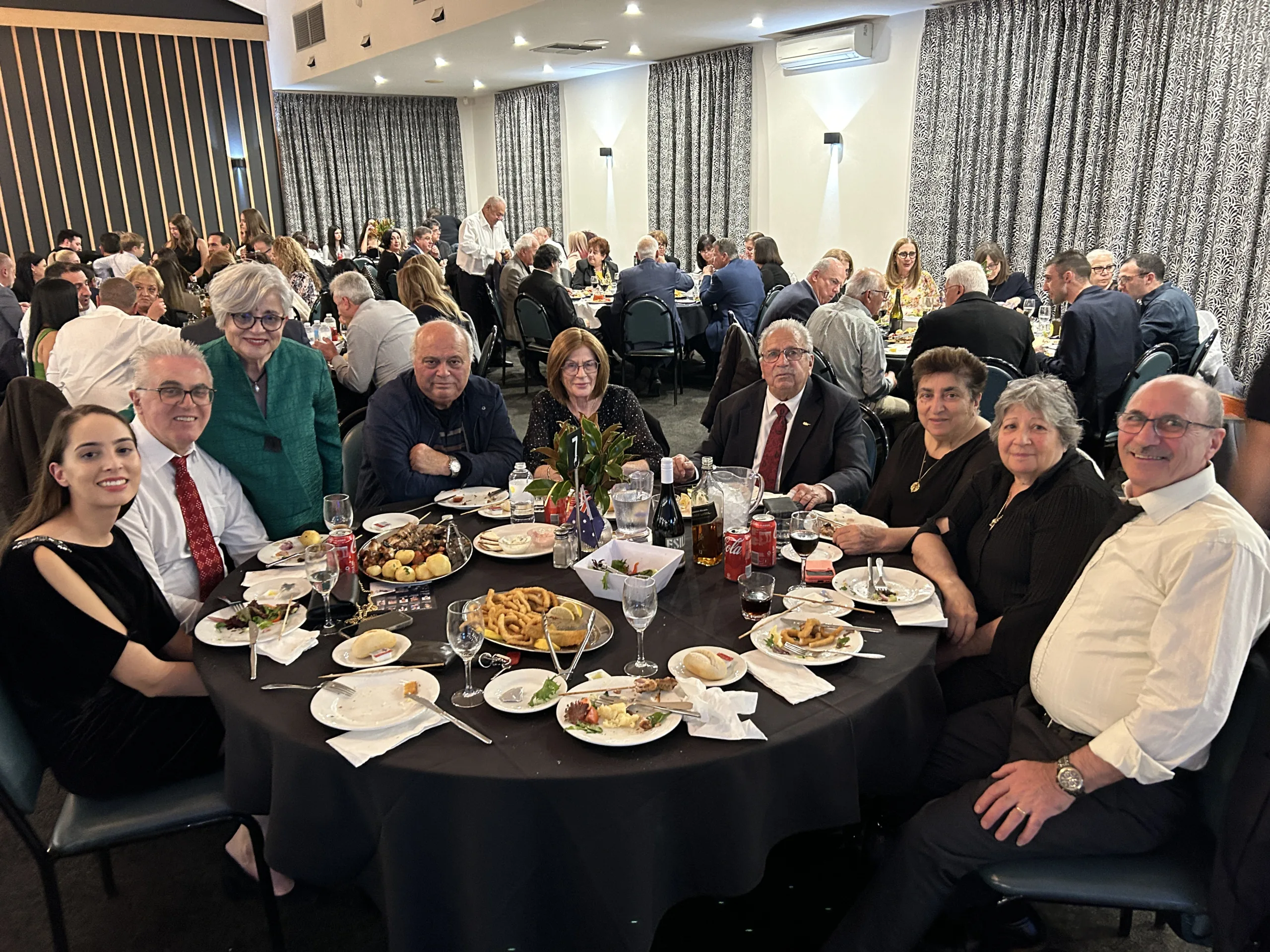
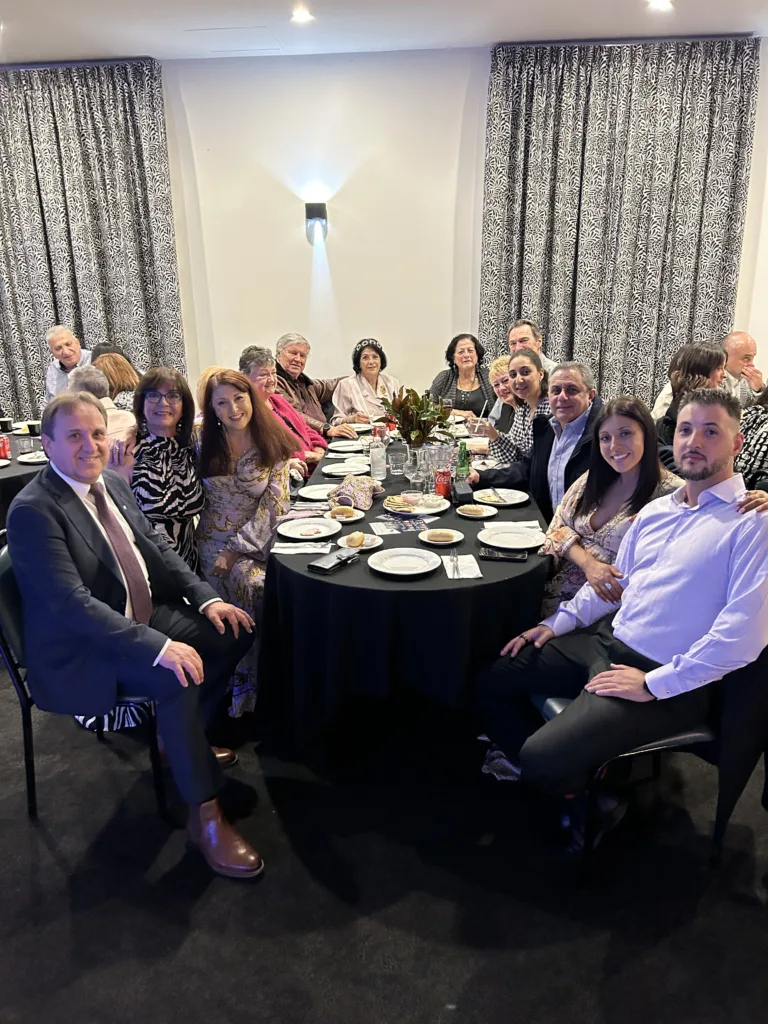
On the evening of May 17, the Australian Hellenic Medical Charity Incorporated (AHMCI) hosted their annual gala, this year dedicated to fundraising for the Paediatric Clinic at Makarios III Hospital in Nicosia, Cyprus. The night was a resounding success, raising approximately $30,000.

The raised funds will be directed towards procuring essential medical equipment, aimed to enhance the quality of care provided to children at the clinic, ensuring they receive the best possible medical services.

Professor Andreas Evdokiou, President of the Cyprus Community of South Australia and AHMCI Board member, drew the connection of diaspora identity to the efforts to fundraise for the AHMCI’s cause.

“Our language, our culture and our religion. Hellenism. It is us, the Hellenes, who have [the values of] philanthropy and philotimo, therefore it is very important to uphold the values that we have, and we must always be very proud of our heritage…,” the Professor said.

“Our philotimo and our philanthropy is the reason we are here tonight… to raise funds to purchase vital medical equipment for the children’s clinic at the Makarios General Hospital in Nicosia, Cyprus.”

The importance of this year’s gala cannot be overstated. The Paediatric Clinic at Makarios III Hospital is a critical facility that receives and caters to the healthcare needs of children all over Cyprus.

By attending the gala, guests contributed to a cause that will make a tangible difference in the lives of many children and their families. As Professor Evdokiou outlined, the funds raised will go a long way in enhancing the clinic’s capabilities and ensuring that children receive the care they deserve.

“On the tour of the hospital [in 2023]… it was apparent that there were a lot of things that were missing, and they weren’t asking for much (i.e. the big ticket items). Rather it was the everyday items that the clinics use [that were required],” he explained.

The Professor said that the basic bedside monitors which measure all typical physiological signals (hearth rate, blood pressure etc) were absent from a lot of hospital rooms.

“Our aim is for every bed in the clinic to have one of these monitors that measure vital signs for every child,” he added.

Kosta Barkoukis, President of the AHMCI, echoed the comments of Professor Evdokiou and thanked the Cyprus Community of SA for their support and expressed his joy in being able to facilitate a contribution to the hospital of Nicosia.

australian hellenic medical charity

In August 2023, Professor Evdokiou, on behalf of the Cyprus Community of SA and AHMCI, officially pledged a donation of 50,000 euros to the Paediatric Clinic at a ceremony at the Presidential Palace in Nicosia, Cyprus. The funds raised from the gala will contribute to this pledge, a testament to AHMCI’s unwavering commitment to improving the health outcomes and services for the children of Cyprus.

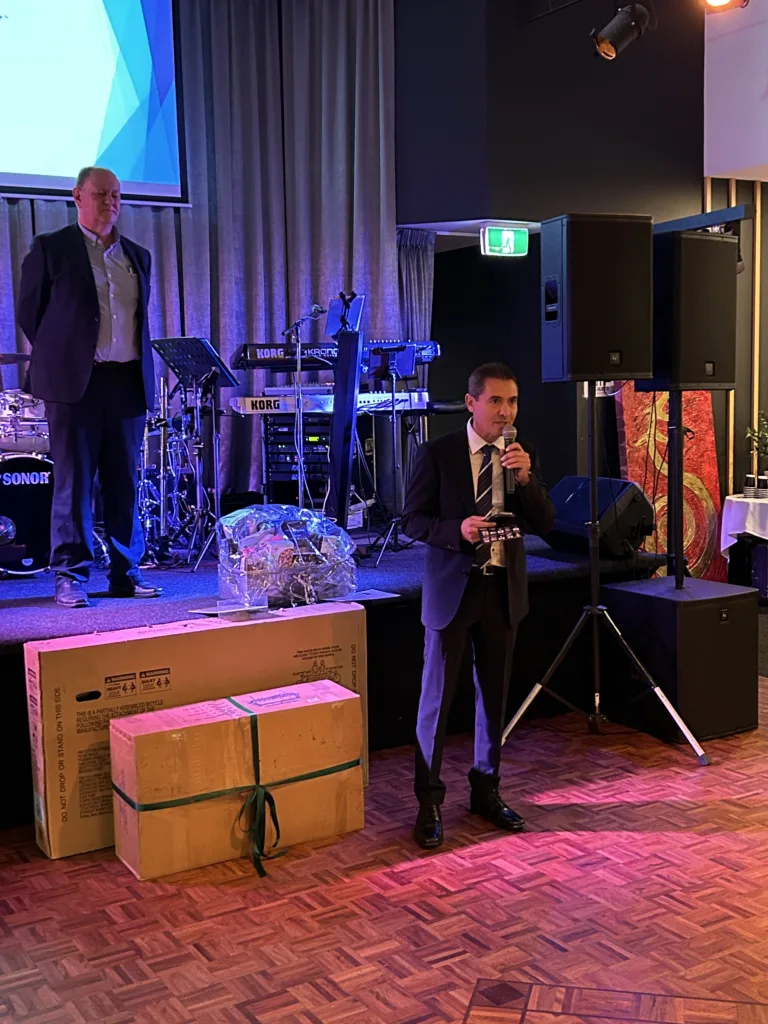
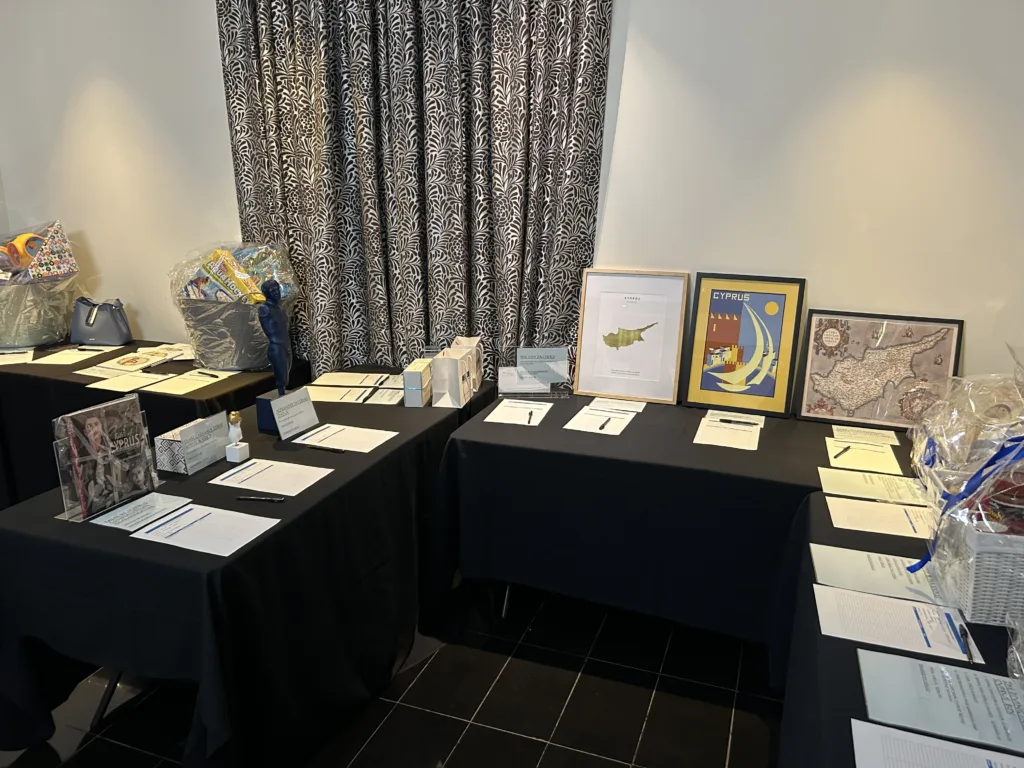
Following the auction and fundraising efforts, the atmosphere was enlivened by live entertainment from Adelaide Band Kosmos, whose performance engaged and entertained guests throughout the night.

australian hellenic medical charity

australian hellenic medical charity

Reflecting on the success of past events, this year’s gala followed in the footsteps of previous fundraising initiatives. Last year’s event, which raised $120,000 for the Ikaria Hospital in Greece, demonstrated the power of community philotimo and charitable giving. Over the past six years of AHCMI’s efforts, the charity has raised $650,000 to promote better health outcomes and improved healthcare standards for hospitals in Greece.

The AHMCI board consists of the following members: The Honourbale Chief Justice of the Supreme Court of SA, Chris Kourakis (Patron), Kosta Barkoukis (President), Connie Loutas-Zisos, Despina Pastrikos (Treasurer), Prof. Andreas Evdokiou, Dr Andrew Zisos (Medical Advisors), Lukasz Wyszynski (AHMCI lawyer), Tim Stivahtaris and Sotos Phillis.

*All photos copyright The Greek Herald / Peter Tantalos.

Iran’s President and Foreign Minister killed in helicopter crash

0

Iranian President Ebrahim Raisi and his foreign minister have been killed in a helicopter crash, state media has reported, after search teams located the wreckage.

According to ABC News, President Raisi and Foreign Minister Hossein Amir-Abdollahian were travelling in heavy fog after visiting a dam on the country’s border with Azerbaijan when the helicopter suffered what state media described as a “hard landing” on Sunday, local time.

A Turkish drone located the crash site in the mountainous terrain of Iran’s province, East Azerbaijan early on Monday using thermal imaging technology.

State media said images from the site showed the helicopter crashed into a mountain peak, although there was no official word yet on the cause of the crash.

Mr Raisi, 63, was elected president in 2021, and since taking office has ordered a tightening of morality laws, overseen a bloody crackdown on anti-government protests and pushed hard in nuclear talks with world powers.

Source: ABC News

Cypriot woman, Pontian boy and Senator gather at Greek Genocide Memorial in Victoria

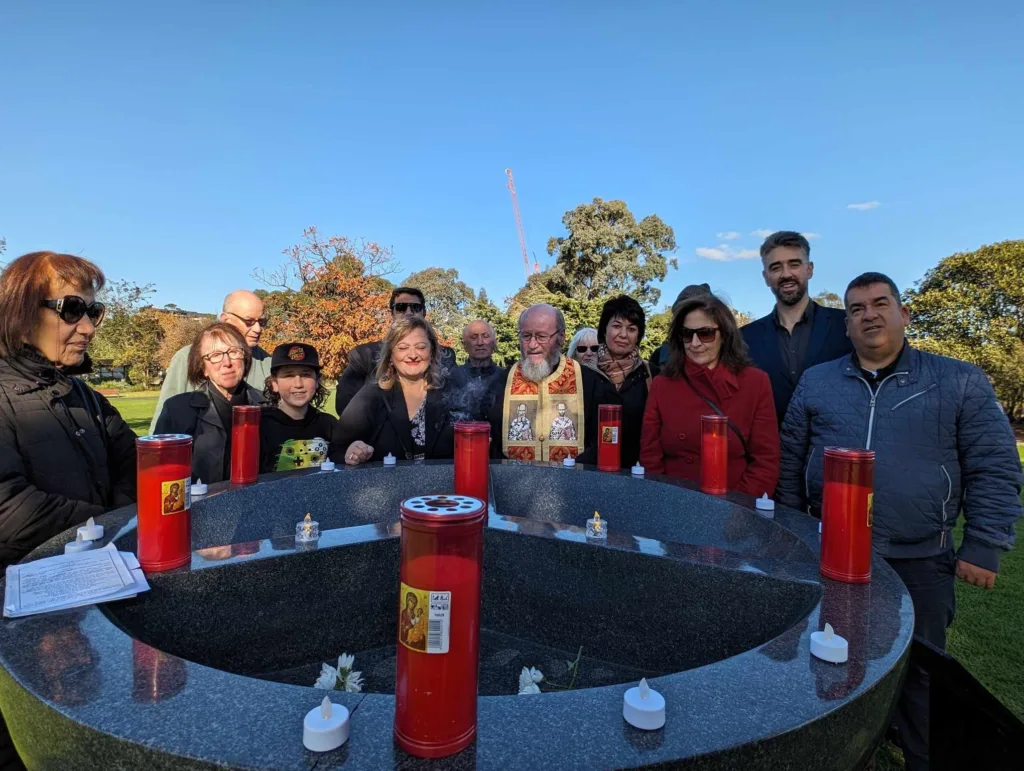
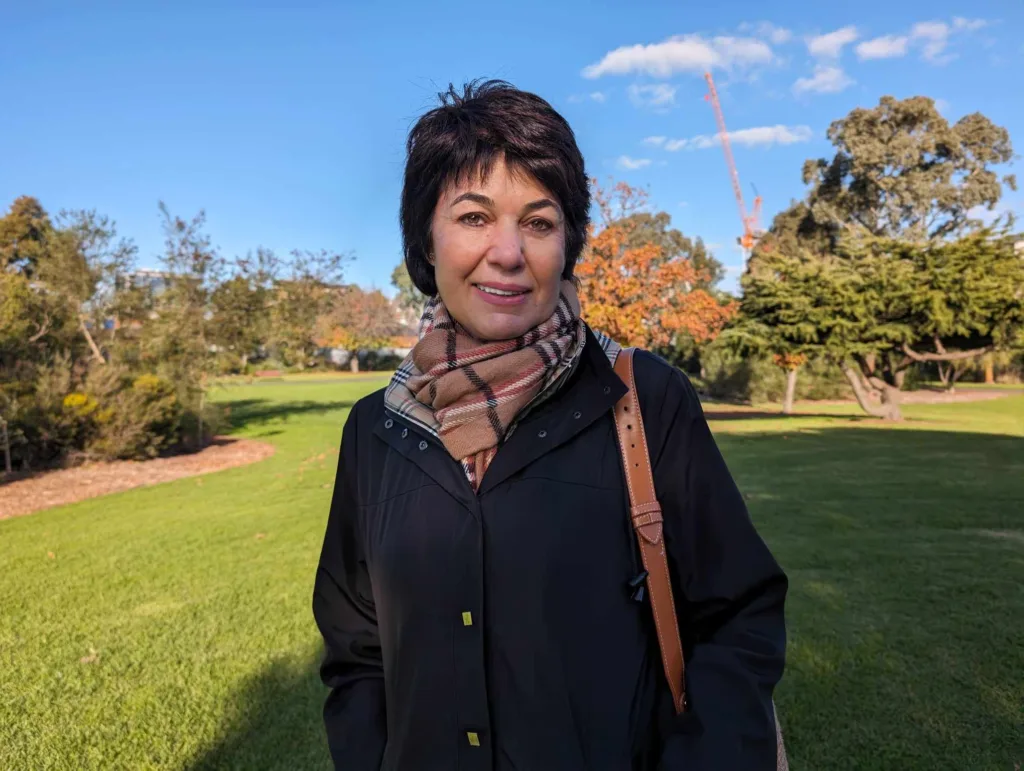
Anastasia Di Loreto (nee Karatzia) is one of an intimate gathering at Ray Brahman Gardens, Preston, Victoria to commemorate the Armenian and Greek Genocide on Saturday, May 18. She shares her experience of being chased from her home in now-occupied Cyprus, aged 10, with The Greek Herald.

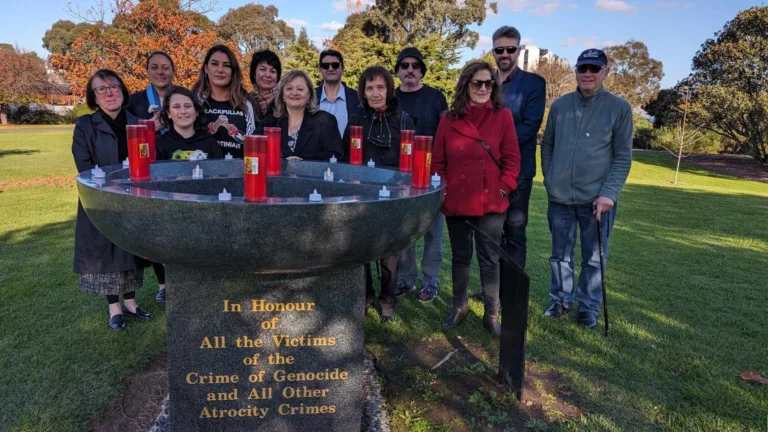
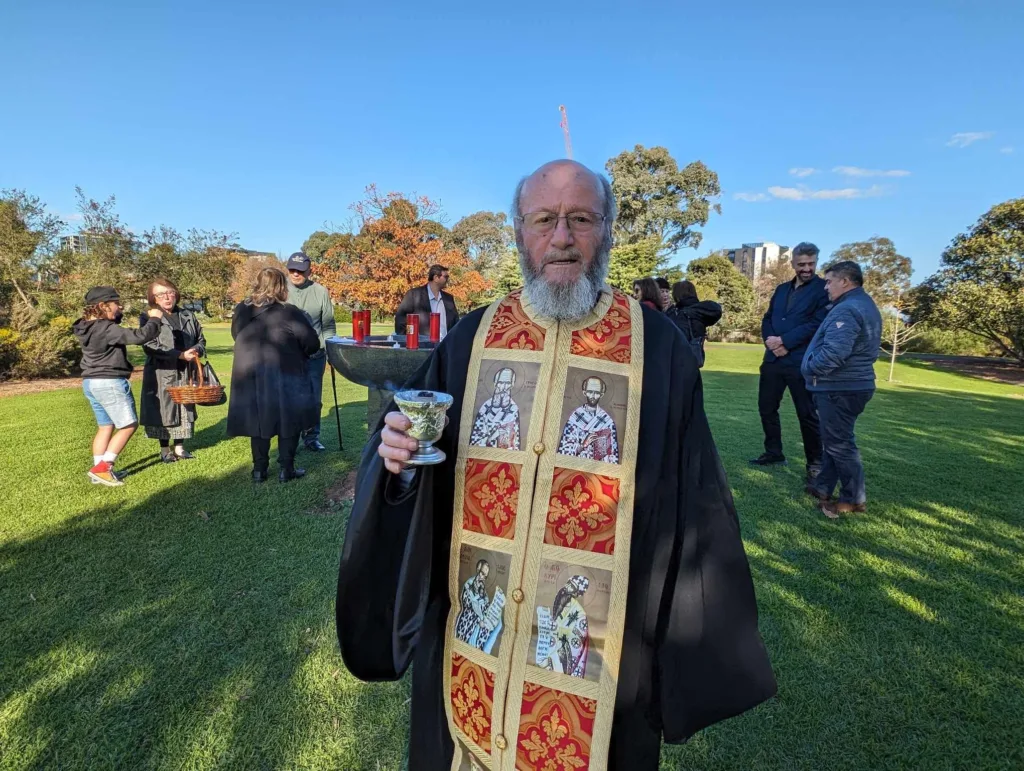
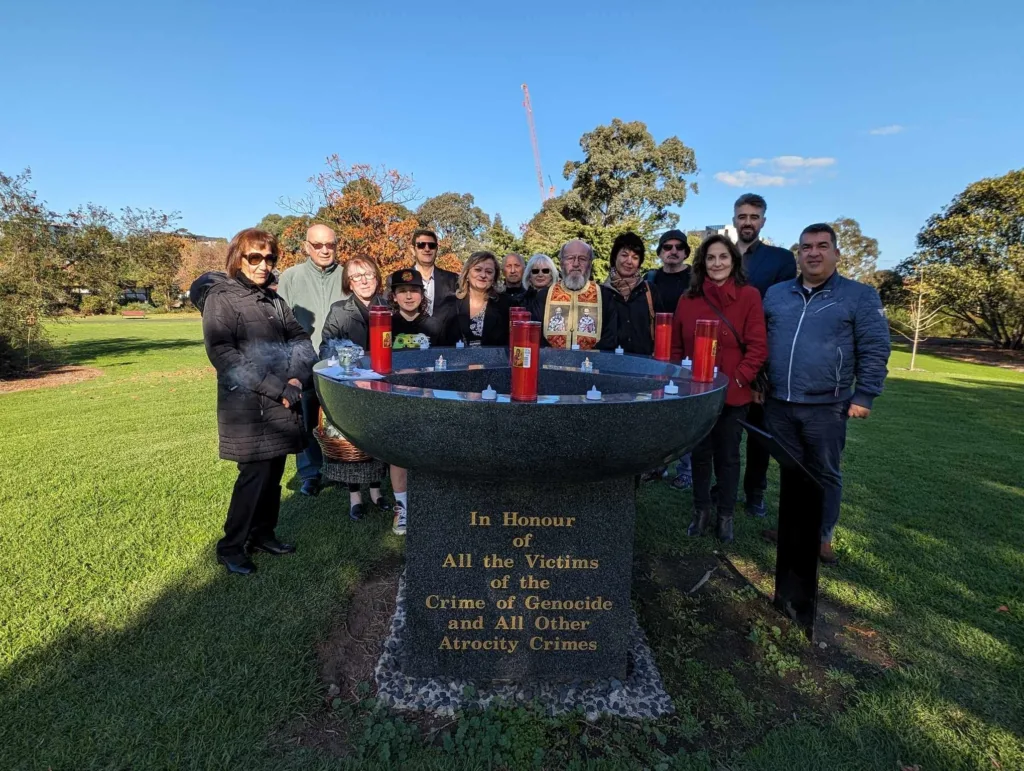
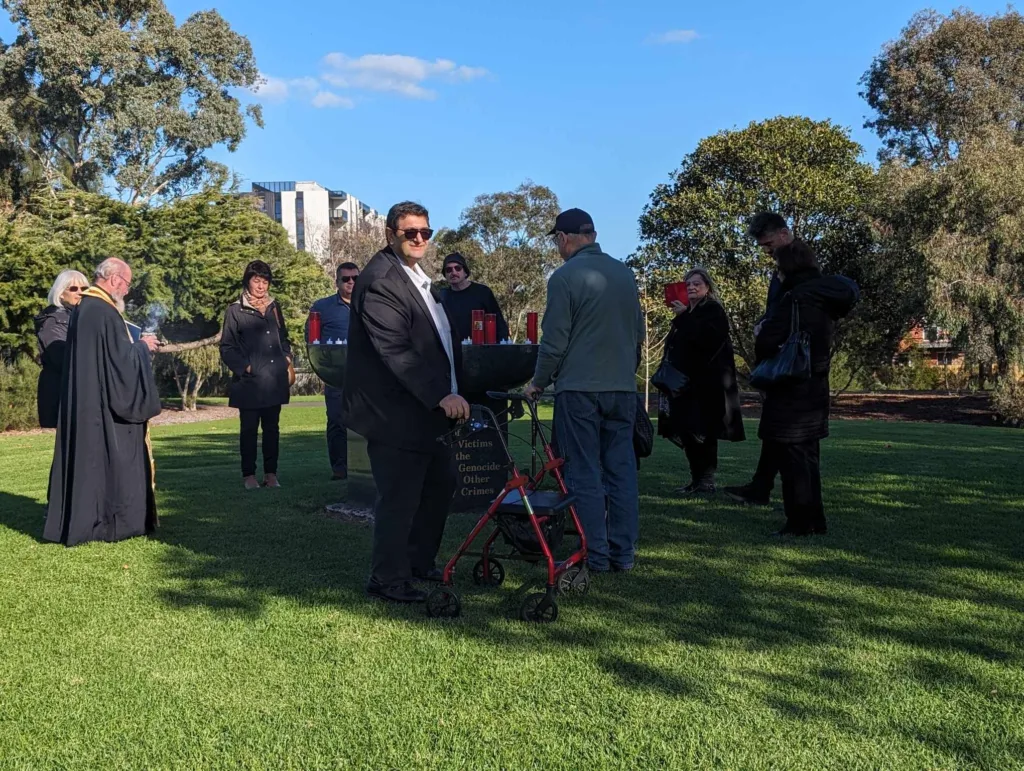
Huddled around the world’s only Monument for All Victims of Genocide and Other Atrocity Crimes, Anastasia listens attentively as Father Vassilios Kourtessis performs a Trisagion.

Fr Vasilios Kourtessis said a prayer for victims of Greek Genocide.
Gathering at the monument.

Organised by the Return to Anatolia group, Father Vassilios prays to honour several hundred thousand Greeks killed by Ottoman Turks in massacres, executions, lootings, and forced deportations including death marches through the Syrian desert.

This dark period in history ran from 1913 and continued until 1923, creating 900,000 refugees.

Anastasia is a victim of another period of ethnic cleansing. As candles are lit and white carnations drop into the monument, her thoughts travel to her childhood home in Kyrenia, Cyprus, on 20 July 1974.

“The day before the bombing started, my mother and I returned from visiting a friend and a Turkish plane scraped over us, we noticed how low it flew. We woke up the next morning to the bombarding of Kyrenia,” Anastasia remembers.

“My father was not with us because he was a firefighter on night shift, and we didn’t have a phone, so he rang the neighbours and told us to leave with them in their cars.”

Anastasia’s family, her mother and three brothers, took to the mountain where they reunited with their father.

Anastasia Karatzia became a refugee at 10 when Kyrenia was bombarded
Anastasia Karatzia became a refugee at 10 when Kyrenia was bombarded.

“We left without taking any of our belongings and slept on a basement floor with thousands of other people,” she says, tearing up as she recalls how they were bombed again and were forced to leave their refuge.

“We went to the left, and other groups went to the right. By sheer luck, we chose left because those who chose to go right encountered Turks and were killed. It was a fear-for-your-life situation.”

After living with relatives, a second invasion on August 15 left them stranded again, but by November 16, the family had arrived in Australia.

“I went to Preston Girls High and found some normality, but I’m still affected by it. You never get over it. Never,” she says, remembering visiting the site of her childhood home in Kyrenia in 2008 to discover that it had been demolished and apartments built in its place.

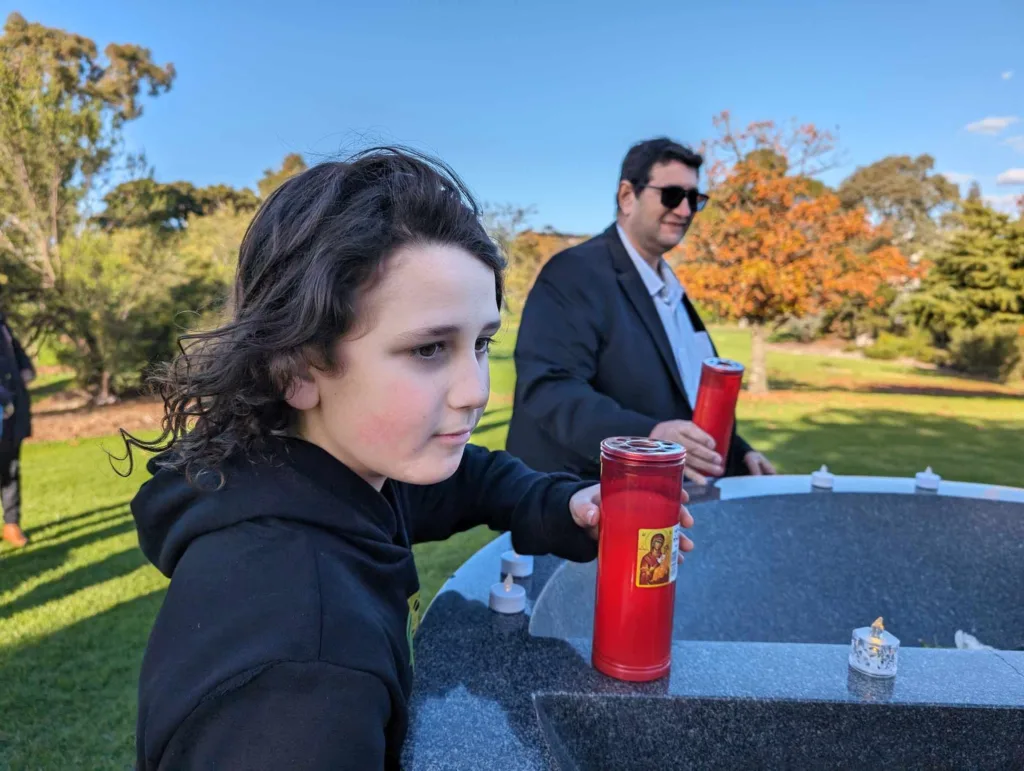
Young Sebastian attended the commemoration with his yiayia Helen Papaioannou. Aged 10, he has – thankfully – not had to experience the rude awakening from childhood that Anastasia has been traumatised by since the age of 10.

“Being Pontian is getting to do a lot of fun things!” he says, focusing on the food, dancing and Pontian culture.

Sebastian Papaioannou, 10, blows out candles at the Monument
Sebastian Papaioannou, 10, blows out candles at the Monument.

His yiayia Helen has also told him the story of his great grandfather, Anastasios Tsitiridis – one of the two siblings who survived the Armenian and Greek Genocide from a family of 12 children.

“His older brother Kostas was a refugee in Athens after they lost touch with each other during the Genocide, however they were reunited through the Red Cross,” Helen says.

Quizzed about the meaning of Genocide, Sebastian told The Greek Herald that he is still trying to understand it.

“I’m still young and I need time to process it,” he says. He adds it doesn’t matter what colour skin someone has, “we should all just live together.”

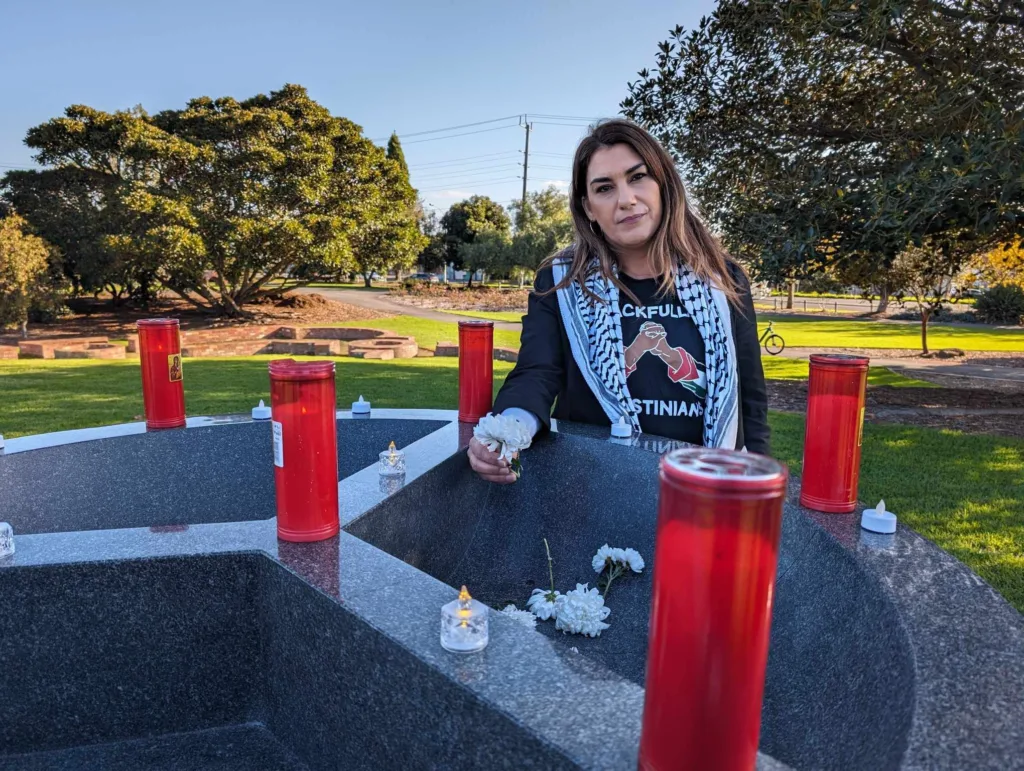
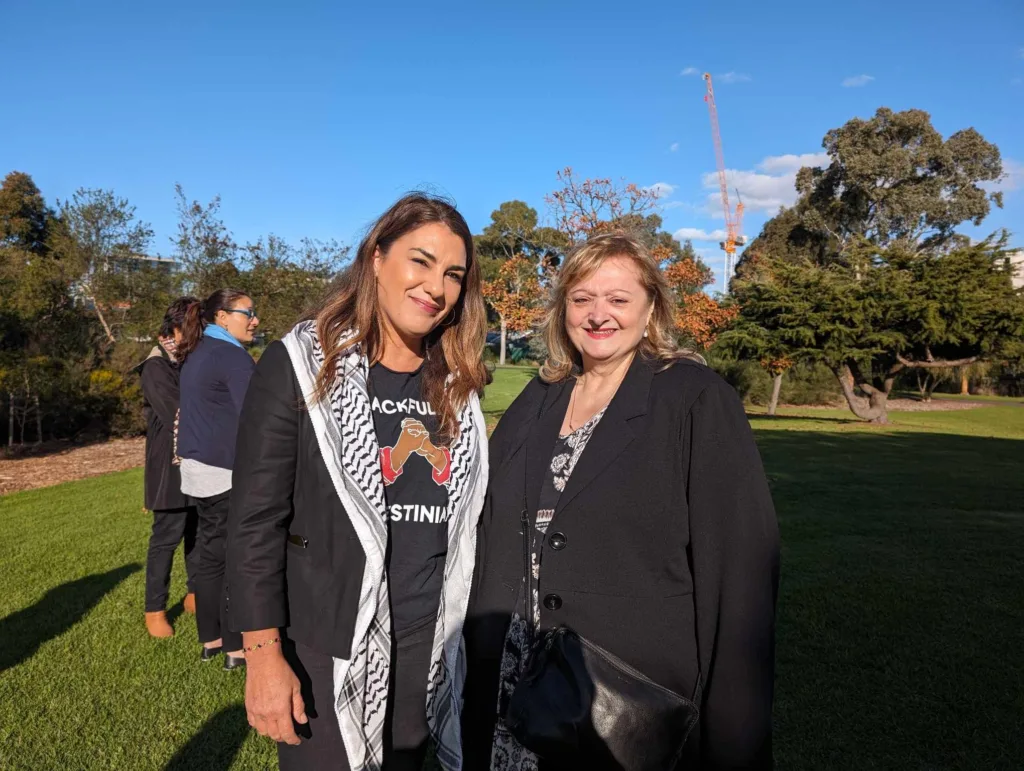
Independent Aboriginal Australian Senator Lidia Thorpe, arriving late, compliments Sebastian on his wisdom, and suggests he enter politics when he grows up.

Lidia Thorpe drops a white carnation into the monument to honour victims of Genocide.

“We need you to make it fairer,” she says.

Addressing Sebastian’s yiayia, the independent senator says she is a “yiayia” too, having two children with her ex-husband, a man from Pyrgos in the Peloponnese. She remembers visiting Greece during winter and having an authentic and meaningful experience with the locals, climbing mountains, and chatting with yiayiades in village squares.

“I also visited the Parthenon and wanted to start a rally to bring back the stolen sculptures,” she says, feeling a connection with Greeks who also suffered loss due to “colonisers.”

“My friend with me said, ‘you can’t start a rally in someone else’s country’; but we need justice,” Senator Thorpe says.

She takes a global approach when it comes to justice.

“I’ve just come from the rally at Moonee Valley Racecourse protesting the genocide in Palestine,” she says having interrupted the Victorian Labor State Conference ahead of the prime minister’s arrival.

“I’m going from one genocide fight to this genocide commemoration right here, while surviving my own genocide, which is what goes on in this country to my people every day.”

Senate Inquiry into Genocide Bill

Senator Thorpe urges victims and survivors of Genocide to make a submission for the inquiry into her Private Senator’s Bill – known as the Genocide Bill – by July 5 2024.

Independent Senator Lidia Thorpe and Sofia Kotanidis of Return to Anatolia
Independent Senator Lidia Thorpe and Sofia Kotanidis of Return to Anatolia.

“This is an opportunity to bring Genocide into the public awareness,” she says.

“Right now, in this country, the Attorney General has unchecked power to block prosecution of genocide, war crimes and crimes against humanity from proceeding in our courts. This power is called the AG’s fiat,” she says.

Her Bill would open the door to the prosecution of atrocious crimes in the Australian legal systems that the Senator sees as a “barrier to justice” for victims.

Whether it is the Greek Genocide, Cyprus, family murders in the Middle East, or a black mother who had her children removed, the Senator says the Bill would give more power to the victims when seeking recognition for atrocities committed against them.

She is inviting Greek and Cypriot groups and individuals to submit their stories to her so that a compelling case is made for the bill.

“We only have one chance,” she says, urging victims to speak up. “Recognition can bring healing.”

Gathering at the monument, with John Pantazopoulos as MC
Gathering at the monument, with John Pantazopoulos as emcee.
The gathering was small but their stories were meaningful
The gathering was small but their stories were meaningful.

Anastasia tells The Greek Herald, “We feel like we are not heard.”

“It is 50 years, and nothing has been done. They’ve taken our property, our lives, everything,” she says.

Sofia Kotanidou, president of the Return to Anatolia Group, organising the commemoration, and Helen say they didn’t even know about the Genocide until they found out by accident in adulthood.

“My father said, ‘I didn’t tell you because I didn’t want you to grow up hating the Turks. It was all politics’,” Helen says.

Sofia remembers the melancholy of her grandmother who always spoke of a golden-haired child they had to just leave for dead in their escape from Asia Minor.

Both Sofia and Helen now make sure others know.

Anastasia agrees, “When we die who will tell our stories? Our children must know.”

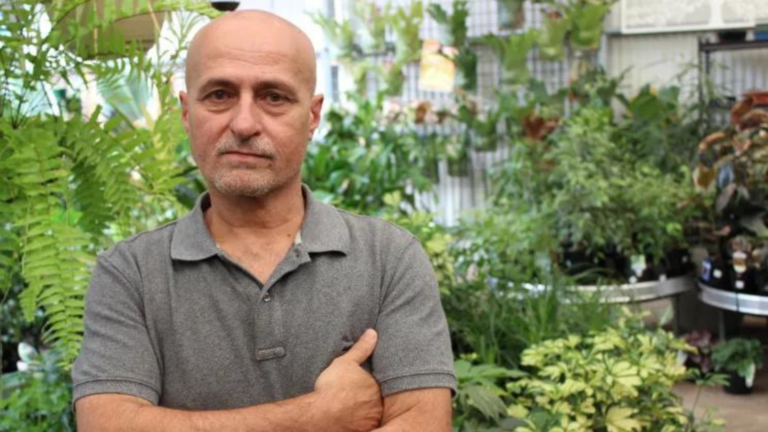
Vadoulis Garden Centre in South Australia closes after 64 years

The owner of Vadoulis Garden Centre in South Australia has announced its closure after 64 years of operation.
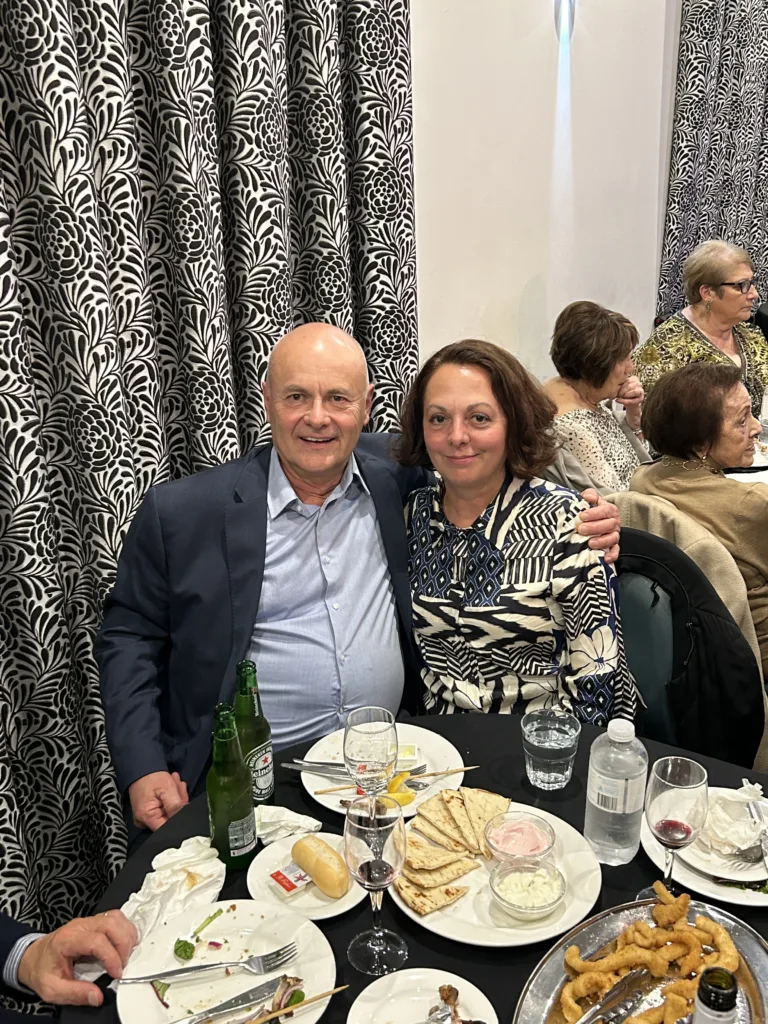
Milton Vadoulis made the closure announcement on social media on Thursday, May 16.

“After 64 years, three generations and two sites, it is with a heavy heart and mixed emotions that I have to announce the closure of our Gawler operation,” Mr Vadoulis said.

“I’d like to thank you, all our beautiful loyal customers, our fantastic staff and wonderful suppliers for a great journey and wonderful memories.”

Vadoulis Garden Centre has operated since 1960 and been a fixture in the Gawler community since 1969.

The 4000 sqm site is stocked with a range of plants, outdoor furniture, giftware, books and jewellery and has been staffed by a team of 15 workers.

The centre is running a closing-down sale and offering 30 per cent off plants, pots, garden hardware and gift wares, while the cafe will continue to operate as usual until Sunday, June 30.

Source: The Advertiser.

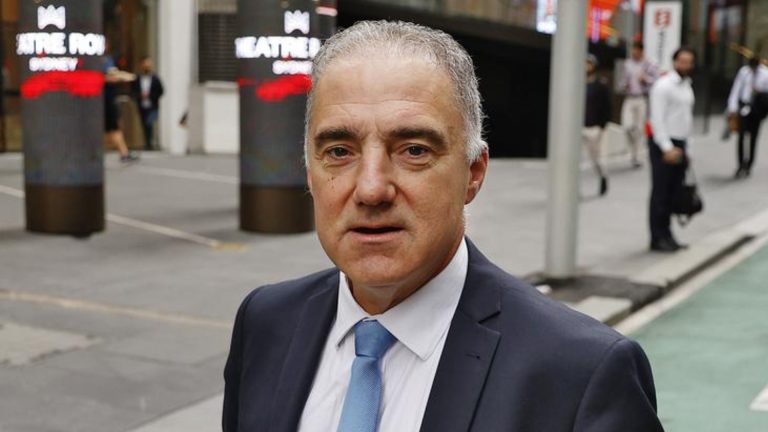
Business leader Paul Nicolaou calls for reinstatement of dining vouchers in NSW

Business Sydney executive director Paul Nicolaou has called for the NSW government to reinstate dining vouchers to support cafes and restaurants struggling with the cost-of-living crisis.

Mr Nicolaou told Nine News many small to medium-sized businesses “are feeling the pinch” and would benefit from something similar to the state’s Dine and Discover scheme introduced during the COVID-19 pandemic.

dine and discover vouchers paul nicolaou
Paul Nicolaou has called for the NSW government to reinstate dining vouchers to support struggling cafes and restaurants.

“It’s tougher now than it was during COVID-19,” Mr Nicolaou said, referencing current issues such as the rise in unemployment.

Mr Nicolaou’s call for better support comes amid tougher conditions in the hospitality sector which were highlighted in Business NSW’s Business Conditions Survey earlier this year.

The report found 35 per cent of hospitality sector businesses in NSW are contemplating closure, which is roughly double the 18 per cent for businesses generally.

Source: Nine News.

Family of the late Iraklis Roussos get landmark legal victory in the NT

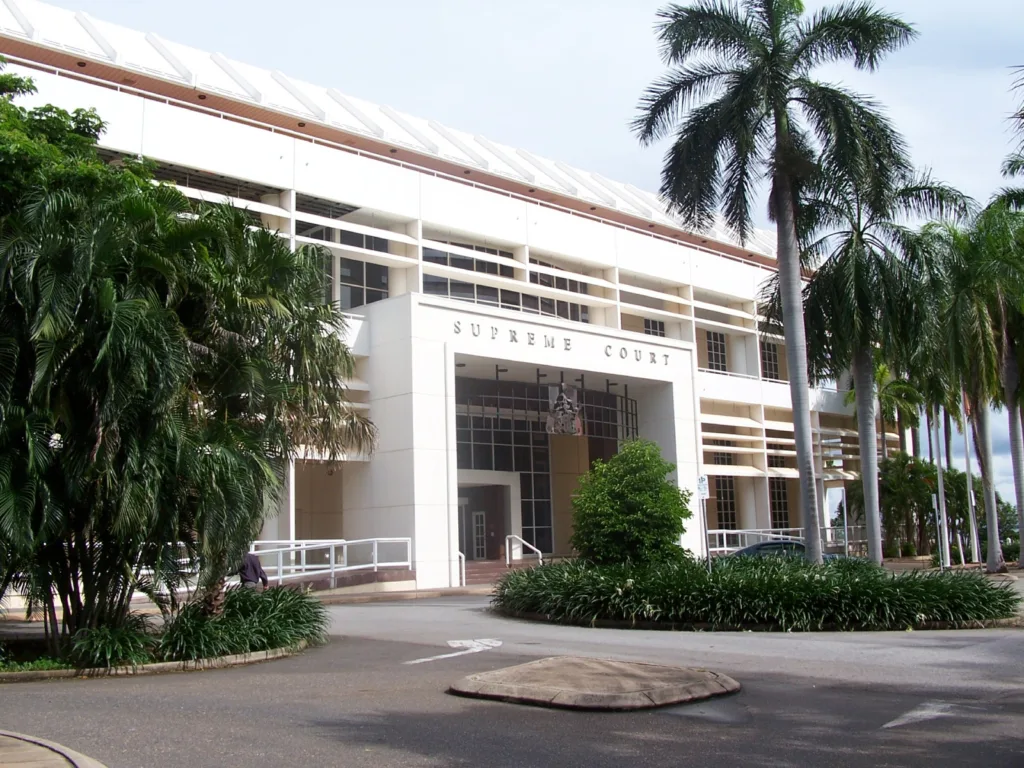
A landmark decision in the Northern Territory Supreme Court for the family of a Darwin builder with asbestos-related lung cancer will pave the way for hundreds of Australians to seek justice.

Leading dust diseases lawyers Maurice Blackburn brought the case against former asbestos product manufacturer Amaca on behalf of the estate of the late Iraklis Roussos.

The Roussos family’s construction business was responsible for much of the development of Darwin, and integral to rebuilding the community after the devastation of Cyclone Tracy.

In a decision published on May 13, the NT Supreme Court found that although Mr Roussos was a smoker, the asbestos he was exposed to through decades of building work materially contributed to his lung cancer.

The court awarded the estate more than $329,000 in damages and interest.

Jonathan Walsh, principal lawyer at Maurice Blackburn, described the outcome as vindication for the family’s brave fight against Amaca.

northern territory supreme court iraklis roussos
A landmark decision in the Northern Territory Supreme Court for the family of a Darwin builder with asbestos-related lung cancer will pave the way for hundreds of Australians to seek justice.

“This is a landmark decision for all asbestos victims, but especially those who have asbestos-related lung cancer,” Mr Walsh said.

“This decision makes it clear that asbestos and smoke caused Iraklis Roussos’ cancer and death. The defendant tried to blame our client on his smoking alone, but the court agreed that the asbestos exposure made a material contribution to his lung cancer.

“The evidence also showed that people who smoke and have exposure to asbestos are 100 times more likely to develop lung cancer, compared with someone who was exposed to just one of the risk factors.”

Mr Walsh said a previous High Court decision in 2010 had made it difficult for people with asbestos-related lung cancer to pursue compensation damages for their disease.

In that decision (Amaca Pty Ltd v Ellis), a plaintiff with lung cancer failed to mount sufficient medical evidence to prove their asbestos exposure materially contributed to their disease in light of their parallel smoking history.

“This week’s decision for the Roussos family sets a new precedent for these kinds of cases, and opens up opportunities for others who have similarly suffered as a result of asbestos exposure,” Mr Walsh said.

“Three times as many people are diagnosed with asbestos-related cancer than mesothelioma in Australia, yet very few of these are brought as legal claims.

“This significant victory brings renewed hope for access to justice for Australians suffering with diseases caused by asbestos exposure.”

Source: Maurice Blackburn.
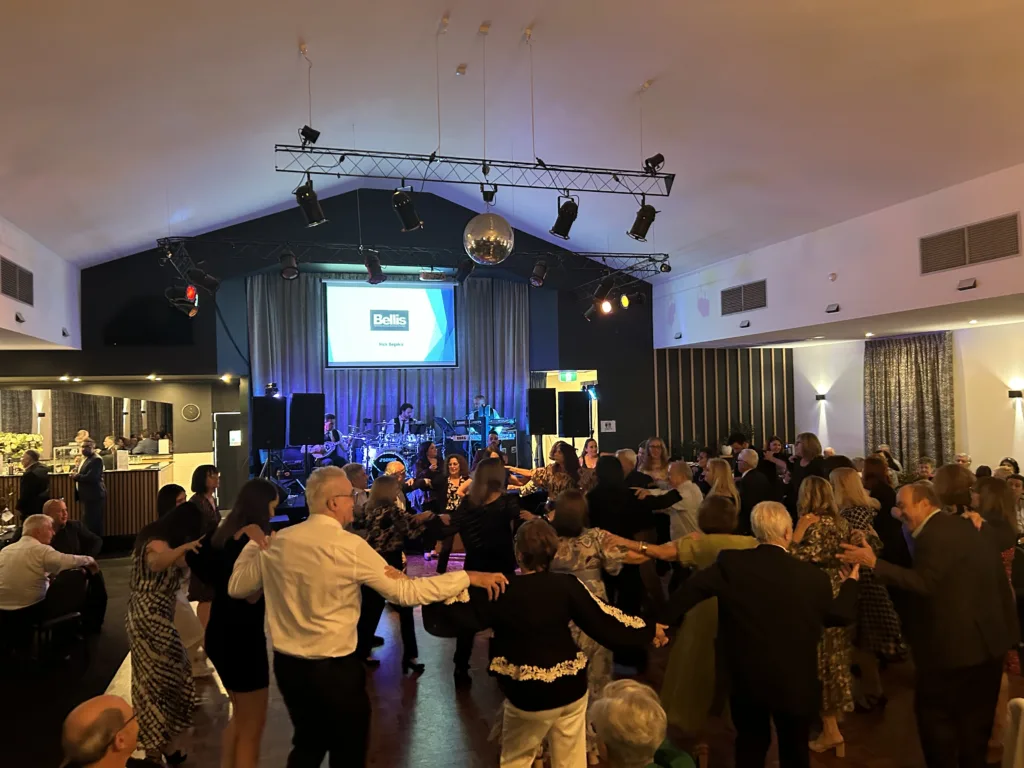
Yorgos Lanthimos’ new film gets extended standing ovation in Cannes

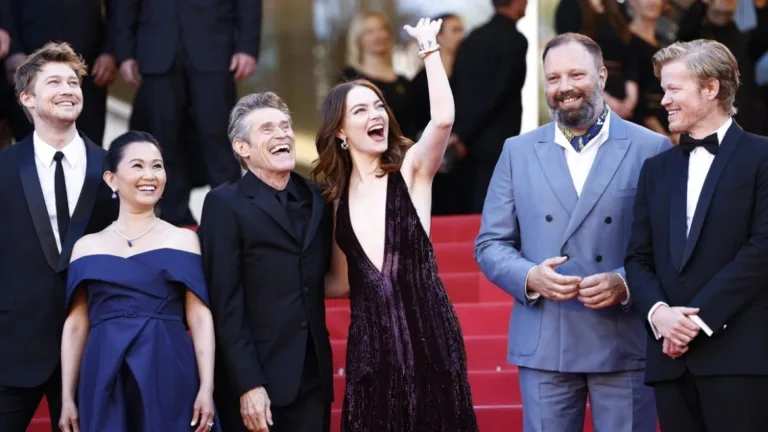
Yorgos Lanthimos’ avant-garde film Kinds of Kindness, starring actress Emma Stone, captivated and shocked audiences at the Cannes Film Festival this month.
The anthology, featuring tales of sex cults, cannibalism, and debauchery, earned a 4.5-minute standing ovation despite walkouts during its gorier second chapter.

Lanthimos and his cast, including Jesse Plemons, Willem Dafoe, Margaret Qualley, Hong Chau, and Joe Alwyn, left before the applause ended.

The film’s three segments showcase the cast in various roles, with standout scenes such as Chau’s cult ritual, Stone’s breakdance moves, and graphic violence.

The Cannes crowd responded with laughter to Lanthimos’ absurdist humour amidst the shocking content.

Lanthimos, familiar with Cannes through previous works like The Lobster, will see Kinds of Kindness released by Searchlight Pictures on June 21. The film joins other high-profile debuts at the festival, including George Miller’s Furiosa and Francis Ford Coppola’s Megalopolis.

Source: variety.com.

Greece’s President stresses duty to preserve historical memory of Pontian Greek Genocide

0

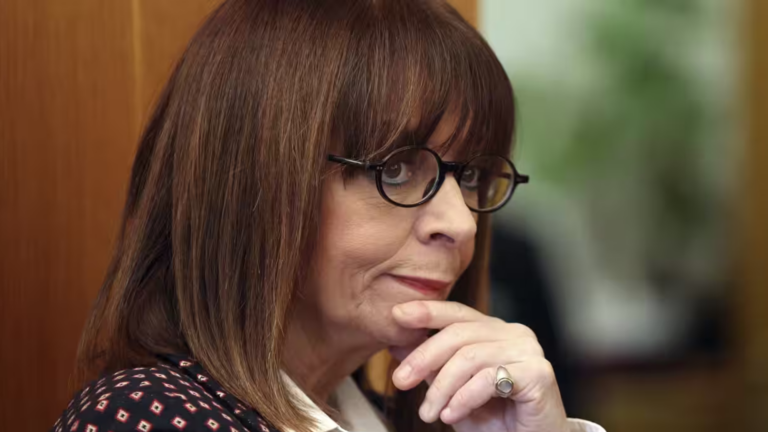
Greek President Katerina Sakellaropoulou emphasised the duty of all peoples to protect historical memory on May 19, Remembrance Day for the Genocide of Pontian Greeks.

In her message, she honoured the hundreds of thousands of innocent victims who were exterminated or displaced from their ancestral homes 105 years ago during the Ottoman Empire.

President Sakellaropoulou highlighted the significant contribution of Pontian Hellenism to the restoration and development of the Greek state, noting how it brought dynamism and values to the motherland.

She underscored the responsibility of all peoples to safeguard historical memory and called on the international community to recognise and condemn heinous crimes against humanity to prevent future atrocities.

Source: AMNA.gr.