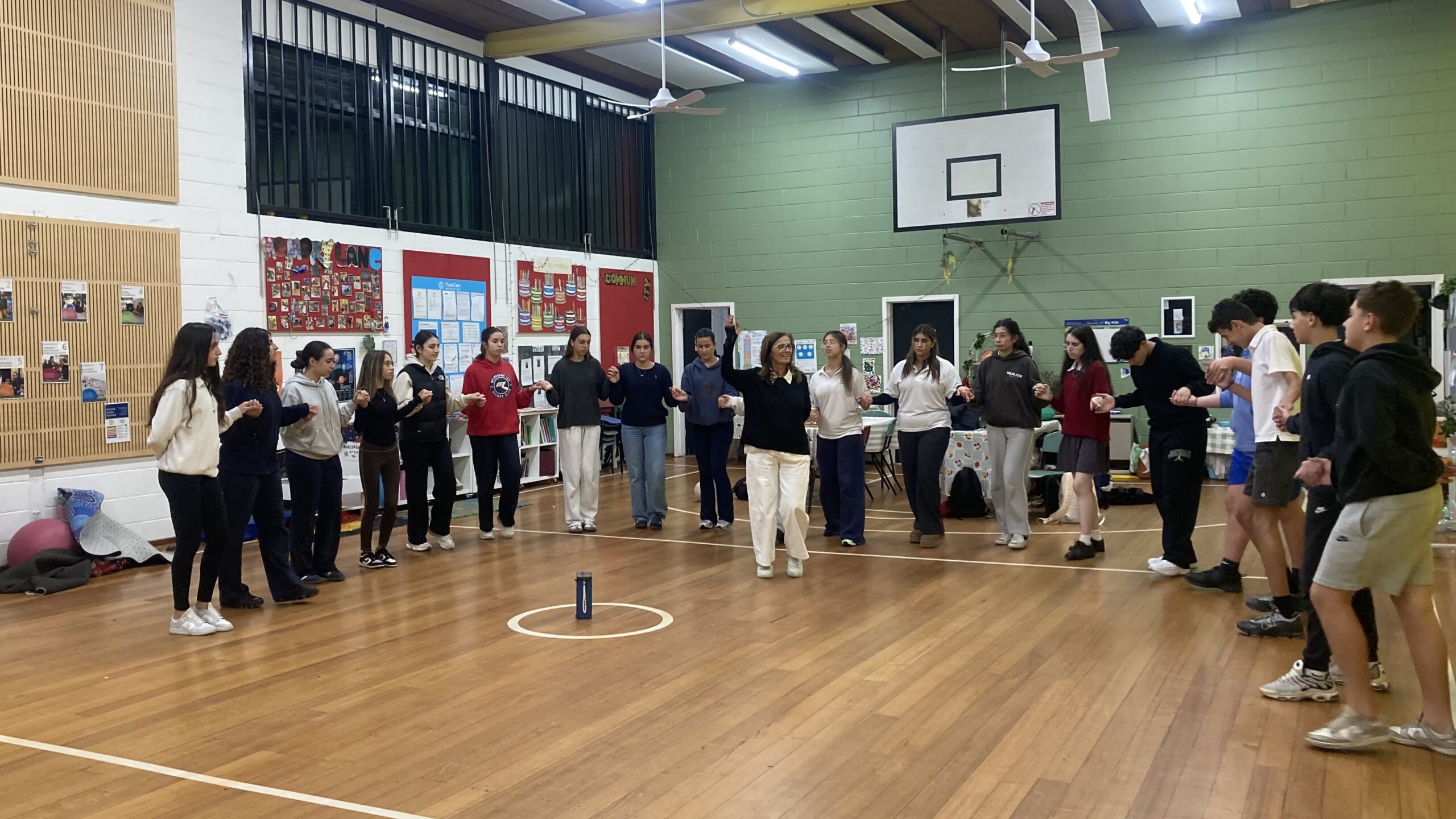
“Whoever dances, writes what their soul wants to say,” Greek dance teacher Jenny Iliou told The Greek Herald.
Dance has long been at the heart of Greek culture, particularly within the traditions of Hellenism that continue to be taught and practiced across Australia. For annual International Day of Dance on April 29, The Greek Herald spoke with two respected Greek dance teachers in Melbourne about their passion for teaching and their experiences preserving and passing on the cultural tradition to the next generation.
Iliou’s life has been shaped by dance since childhood, her earliest memories rooted in the rhythms and traditions of her village in Kastoria, Greece. She began teaching Greek dance at just 14 years old, drawing on a deep cultural immersion that came from school lessons and the ever-present spirit of the village glendi.
“As long as I can remember, as a child, I always danced,” she told The Greek Herald.
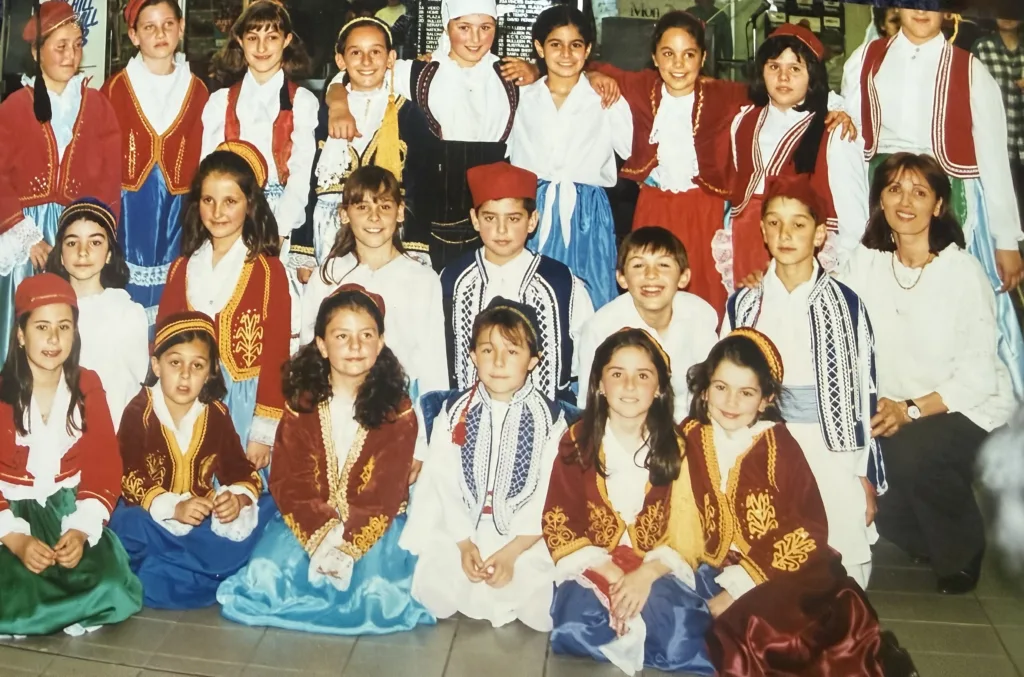
Iliou’s teaching journey began in high school when she joined a dance group and then started teaching primary-aged students in her village’s dance school. Her commitment quickly expanded to neighbouring communities, followed by training at a specialised dance school in Kastoria and further training in Florina and Thessaloniki.
“That’s where the love and passion began,” she said, describing how dance had become part of her soul and inseparable from her identity. “I lived within dance.”
At 18, Iliou migrated to Melbourne where she wasted no time establishing dance groups connected her Kastorian roots. At a time when Greek dance teachers were scarce, she became a sought-after instructor and worked across multiple schools and community associations. Her teaching has spanned generations and abilities, from young children to elderly participants and students with special needs.
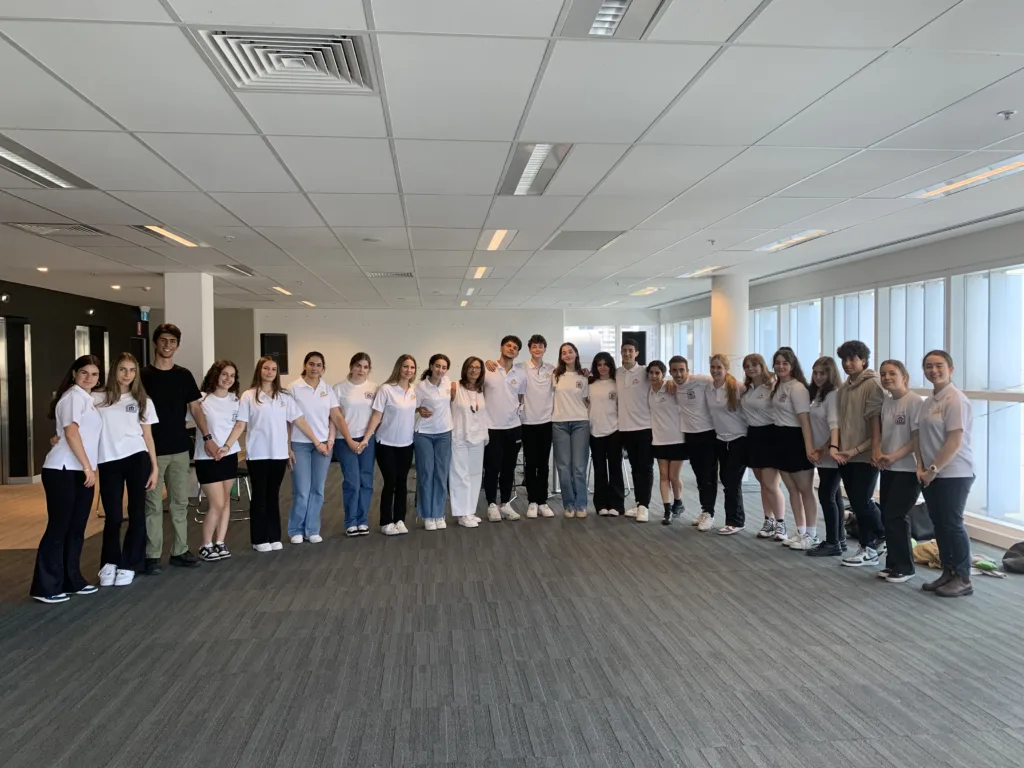
For the past 42 years, Iliou has been a dedicated dance teacher with the Greek Community of Melbourne Schools and has found happiness working with students at the school. She takes pride in watching students master dances and encourages them to understand the origins of each movement and which elements and sounds are traditional and which have been modernised. She loves seeing former students go on to become teachers themselves and would like to see this continue for future generations.
She feels a profound obligation to preserve and share her love of the craft. “I want to pass on the love I have within me to future generations.”
I am fortunate to have been a student of Iliou’s and watching her at work — sharing decades of experience and knowledge — is a truly magnificent experience.
Iliou is optimistic about the future of Greek dance in Melbourne. “In ten years [Greek dance] will continue with good dynamics,” she said, noting that while aspects of traditional style may have faded at times, a growing number of organisations and teachers are committed to its revival and continuity.
Despite decades of teaching, Iliou constantly seeks to deepen her knowledge of Greece’s rich dance traditions.
When asked about continuing to teach dance, Iliou said, “Personally, as long as I can endure — because it’s my passion, my love — as long as my life and health allow me, I will continue.”
Turning to a younger generation of instructors, Olga Antoniadis represents the evolving future of Greek dance in Melbourne. She has grown up immersed in the rhythm and movement of Pontian culture, a passion that now shapes her role as a junior and intermediate dance teacher with Panagia Soumela.
Raised in a household where music and dance were ever-present, Antoniadis credits her parents for instilling that deep connection from an early age. Her mother has taught Greek dance for nearly 50 years while her father was an active musician.
“I was dancing at the same time I learned how to walk,” Antoniadis told The Greek Herald.
“Growing up, we were surrounded by music all the time, by Pontian music,” she said. After finishing high school, she joined Panagia Soumela as both a dancer and committee member, later stepping into a teaching role where she now guides the next generation.
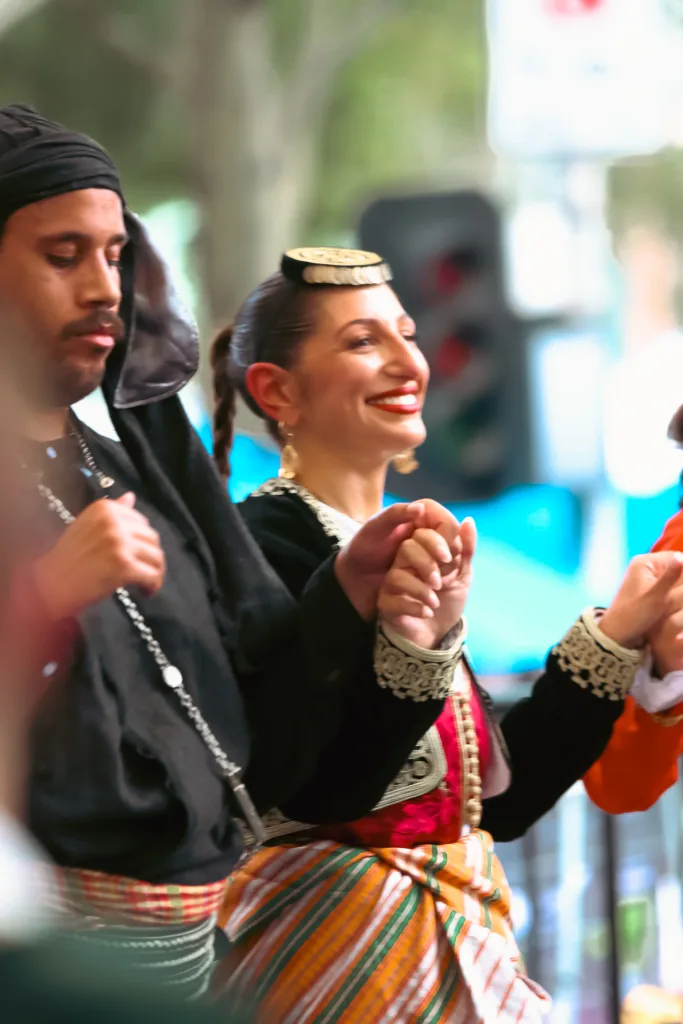
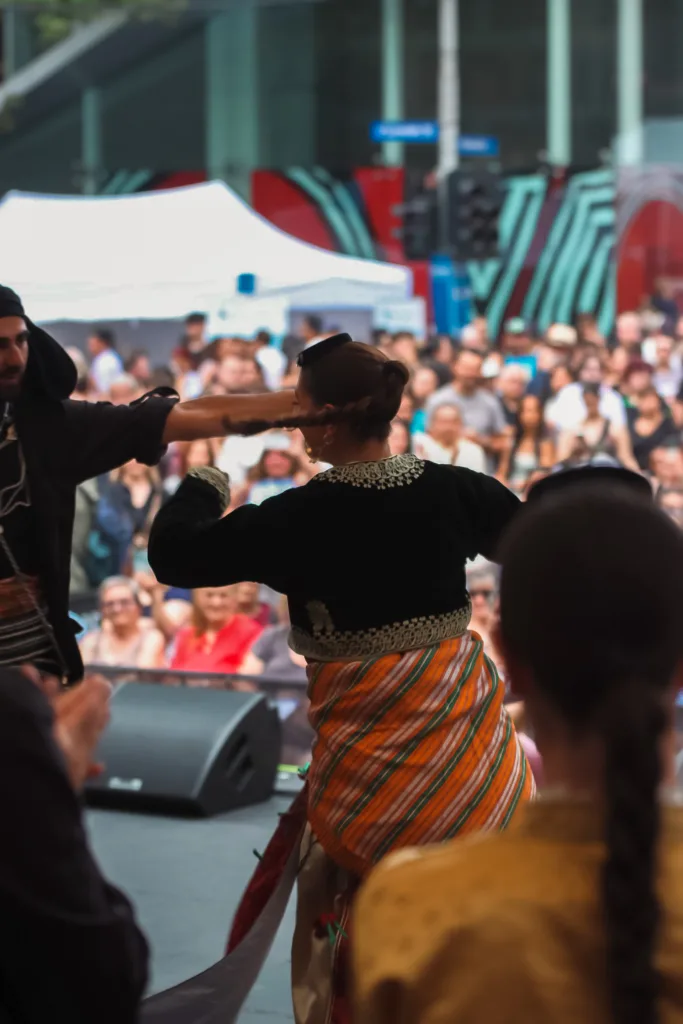
You can hear Antoniadis’ passion for teaching Pontian dance and her love for her students in the kind and warm-hearted way she speaks about her experiences.
“[Teaching] is important because it’s something that connects us to our ancestors,” she said.
“Especially, I think, being Pontic Greek, that is so important because it’s something that was trying to be eradicated during our whole period of genocide… The fact that we can still keep that tradition alive, keep the music alive, keep the dancing alive… it’s our closest connection to our ancestors.”
Beyond choreography, Antoniadis uses her classes to educate students about the regional origins of Pontian dances, reinforcing both cultural awareness and historical understanding. She also sees digital platforms as being an increasingly driving force in sustaining that engagement.
“Social media is so powerful in that… we get to reach different people which is really cool,” she said, noting that many stumble across Panagia Soumela online and learn about different dance traditions. “Our group has had so much fun engaging with it and coming up with things as well.”
Looking ahead, Antoniadis is confident in the future of Greek dance in Melbourne.
“Being a junior dance teacher, I look towards the next generation, they are the future. Seeing enthusiasm still be so big amongst the young generation. I think some people think it’s dying out or it’s being lost but it’s definitely not,” she emphasised.
“There’s so much passion with those kids and I think through educating them and through them practicing it’s just going to foster the next generation of teachers and learners and of this passion.”
