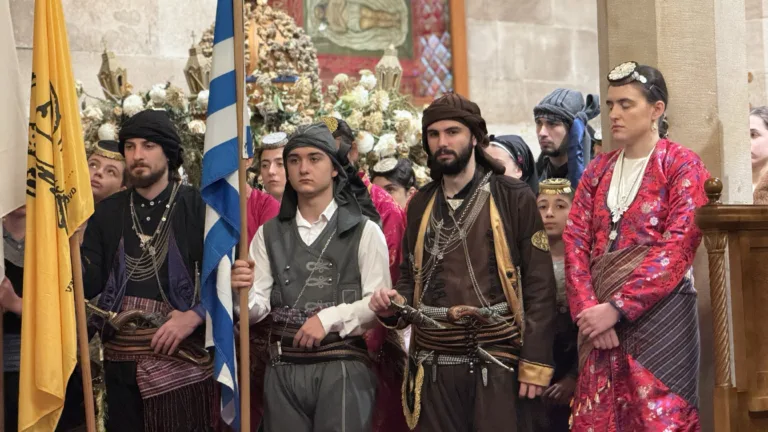
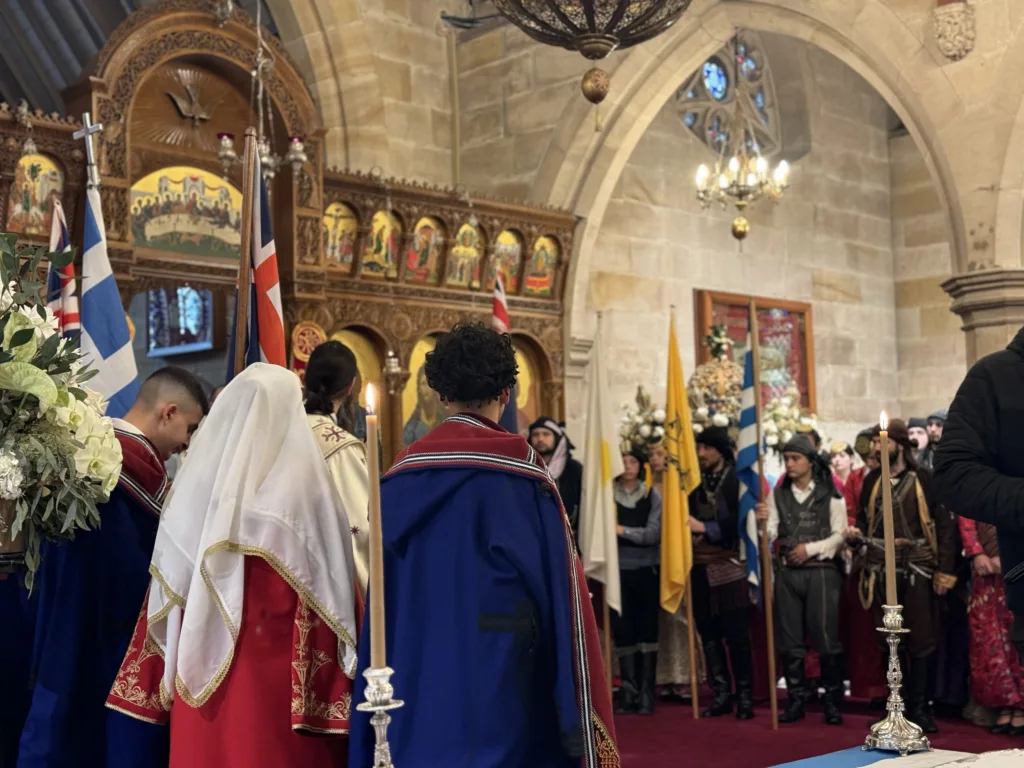
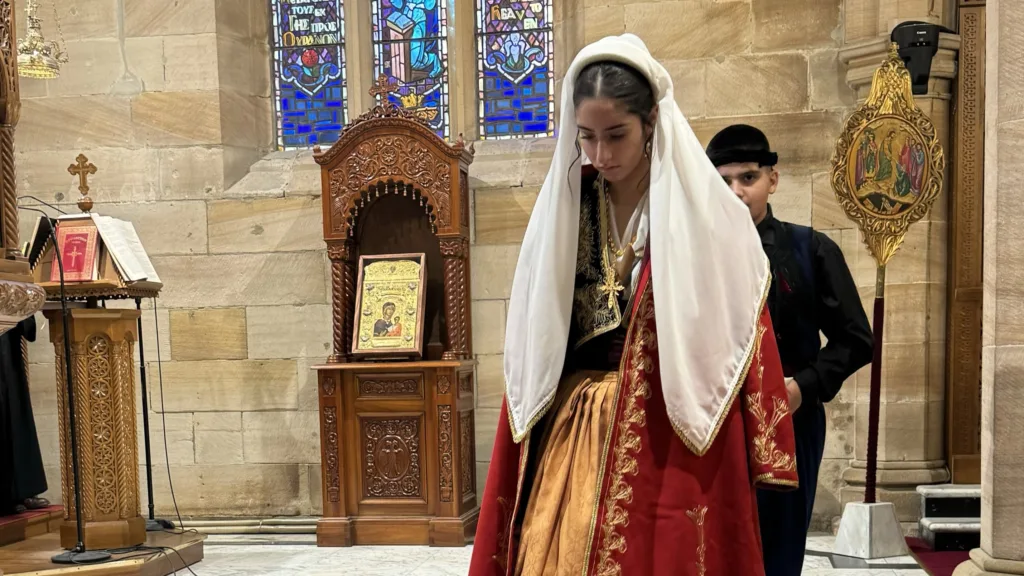
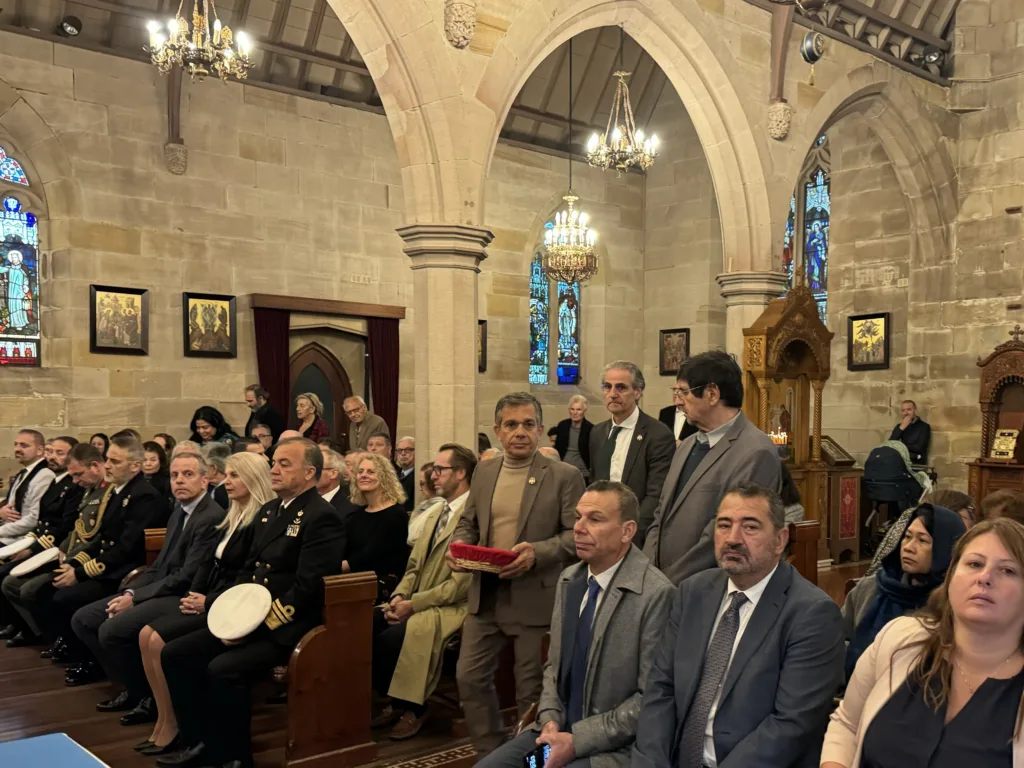
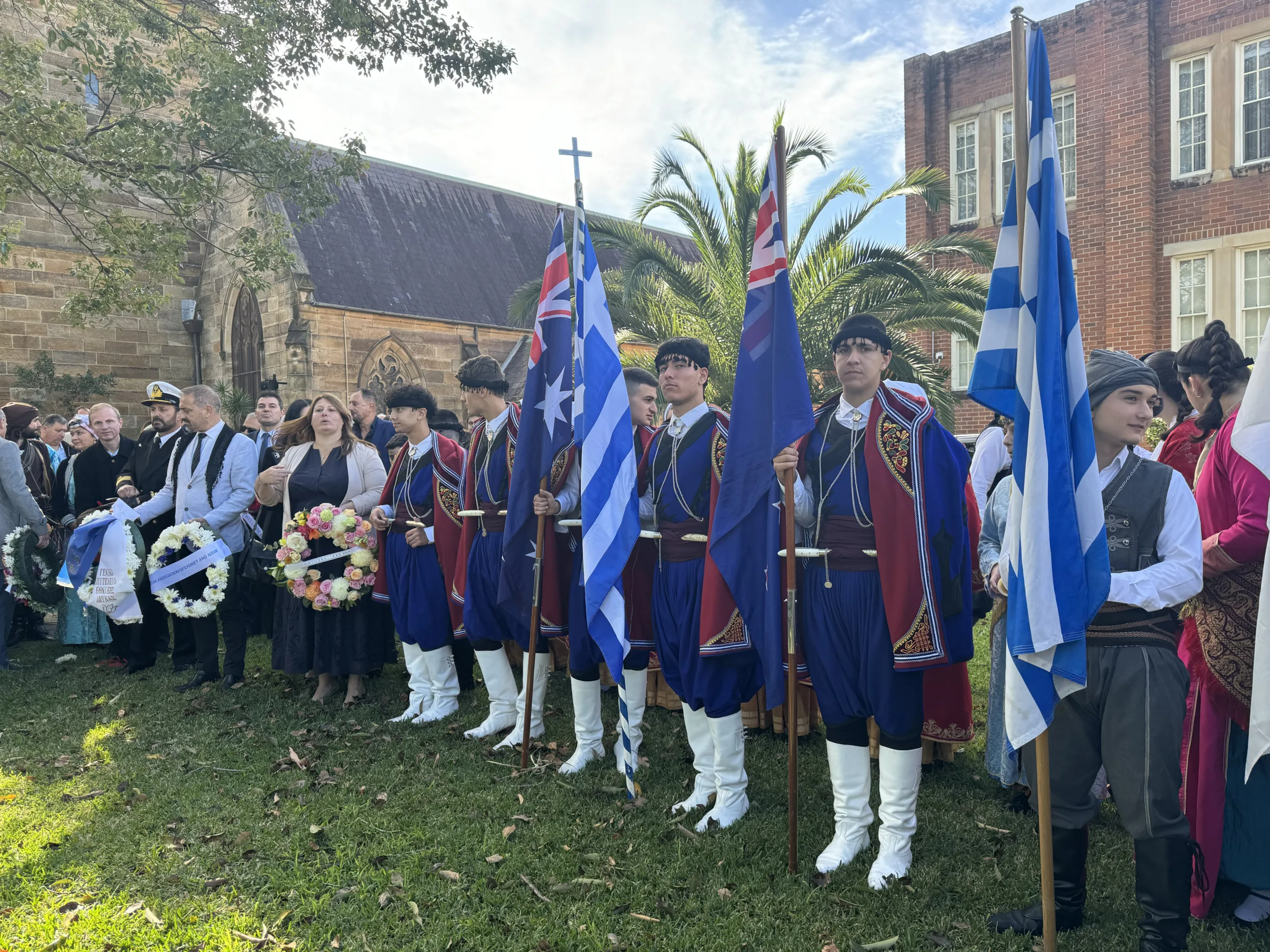
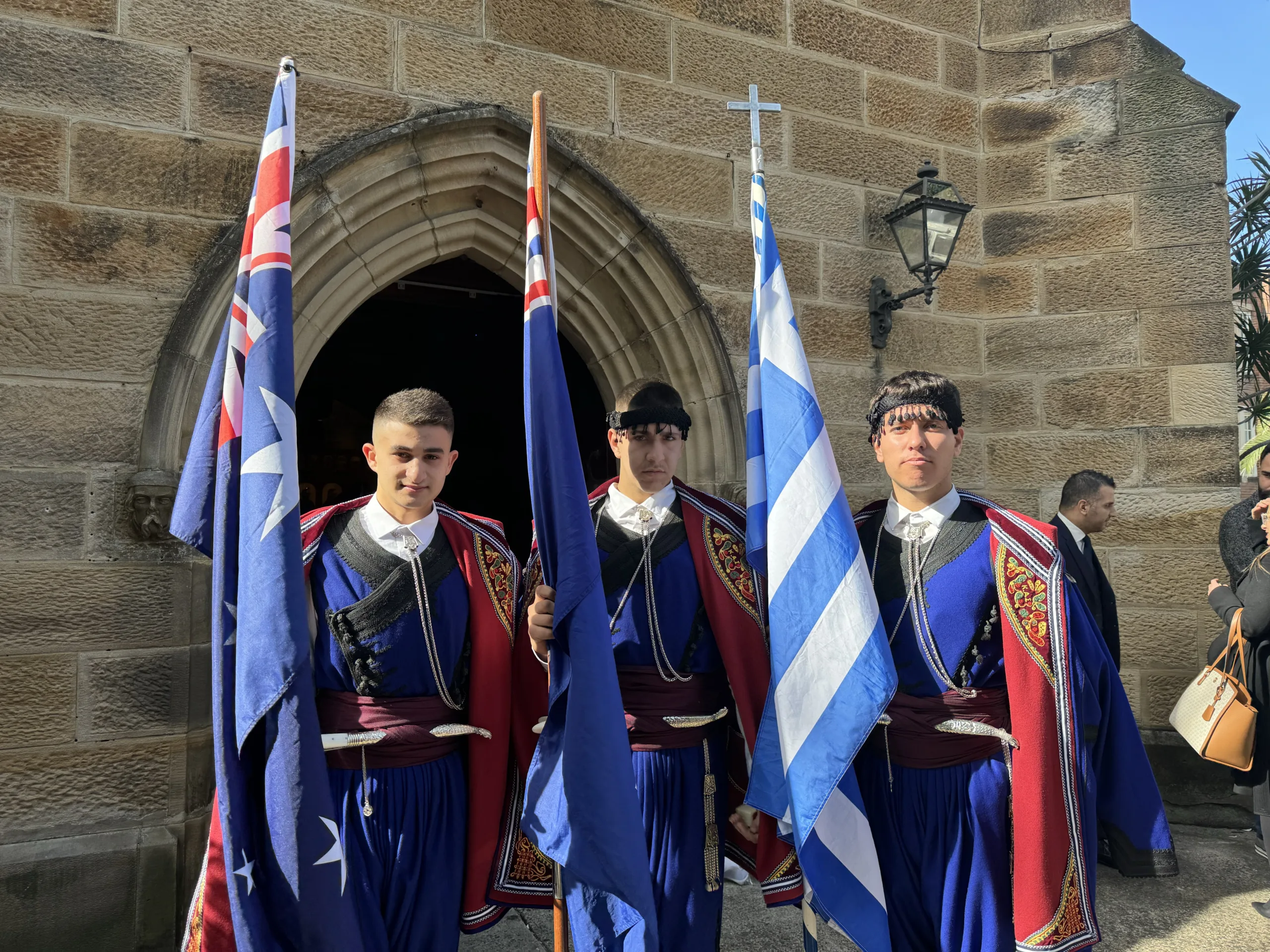
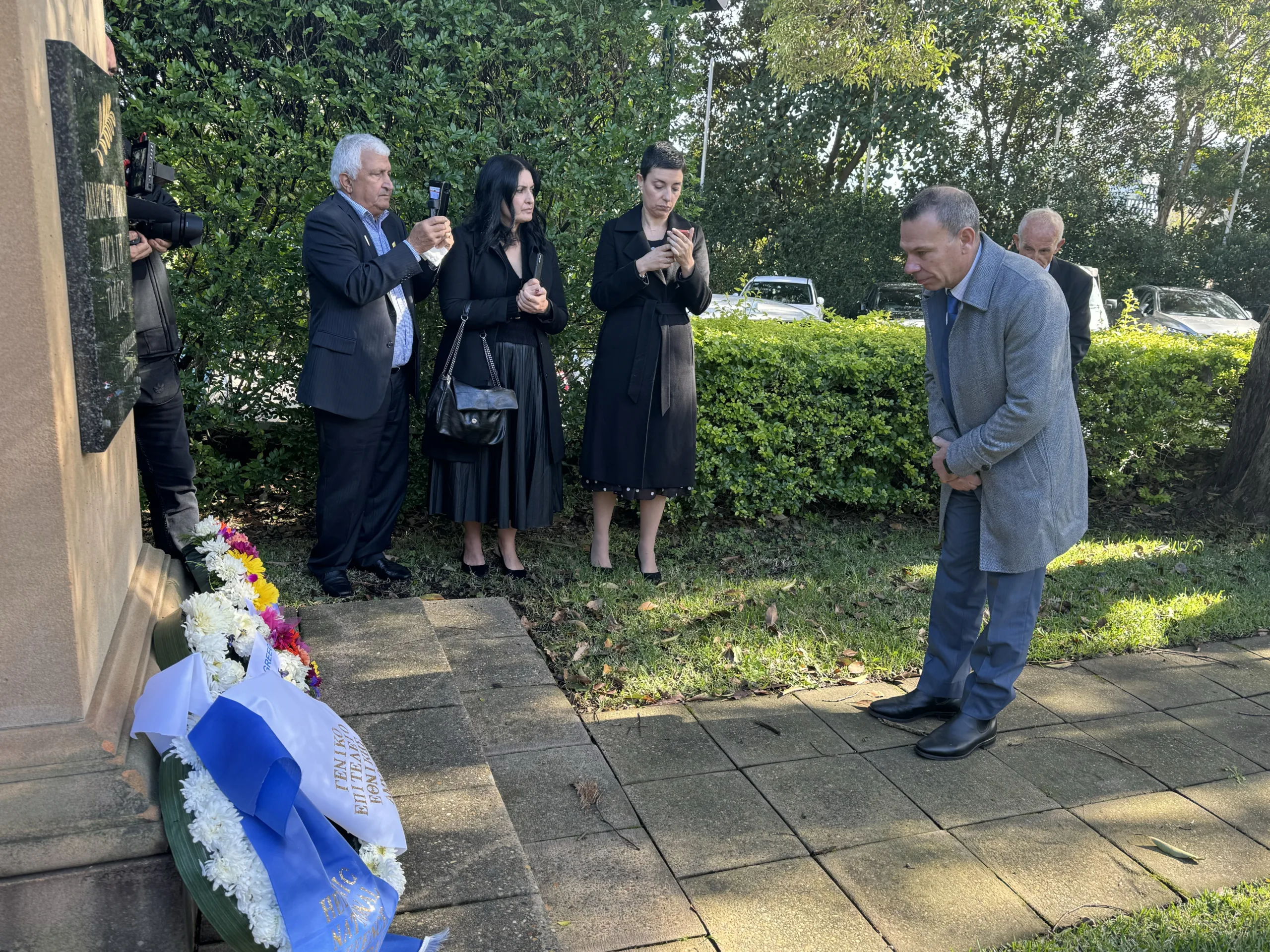
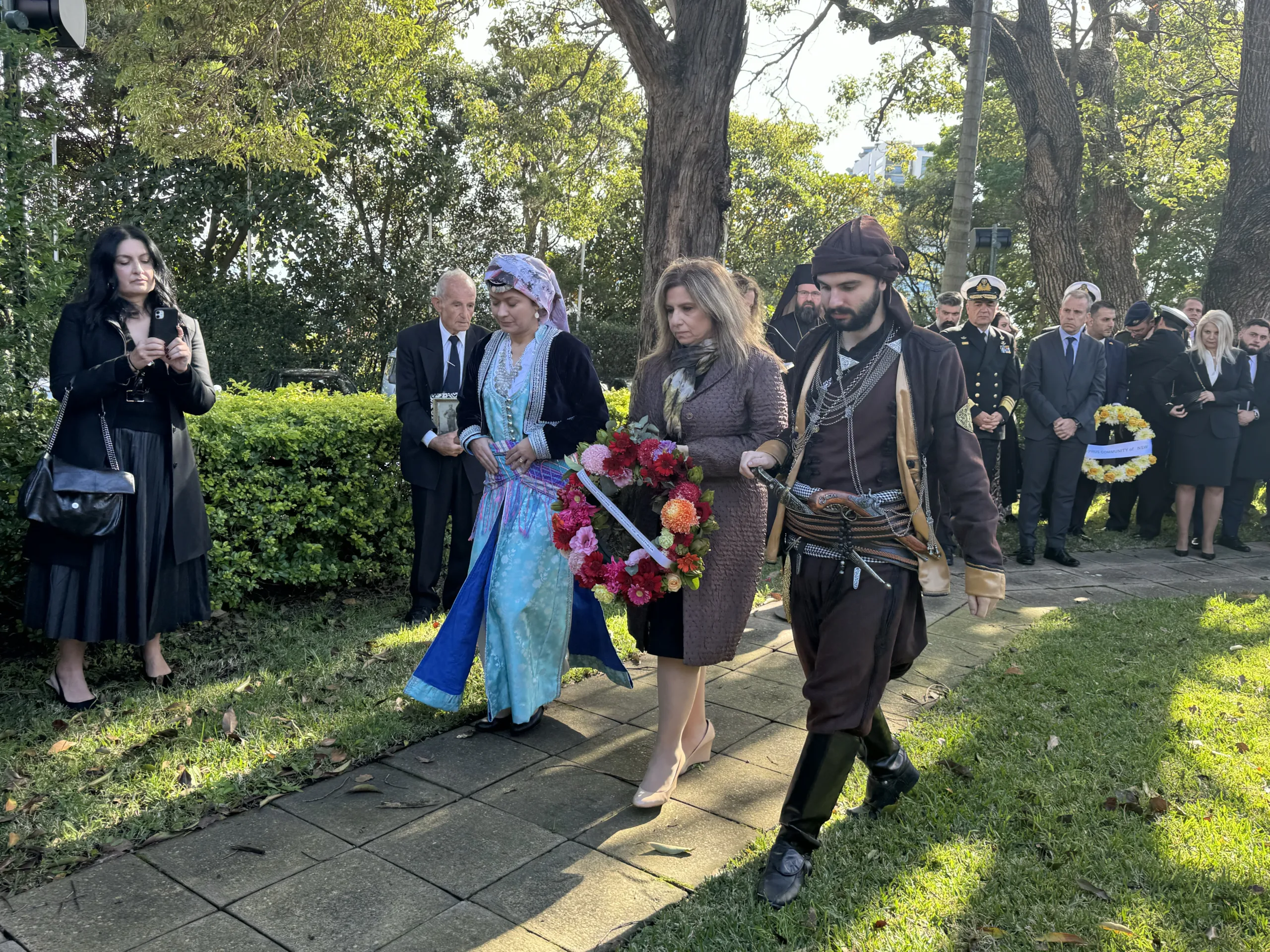
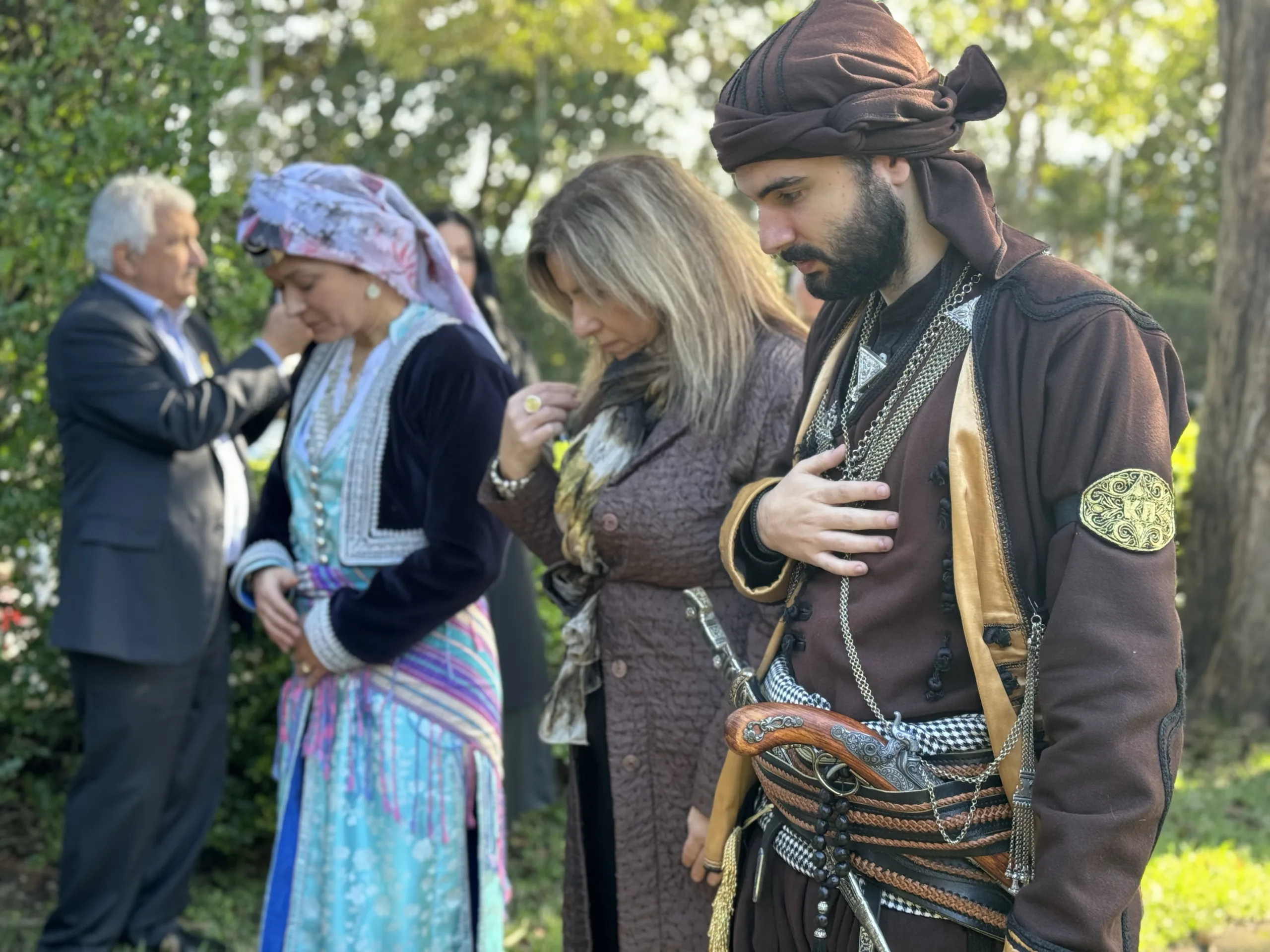
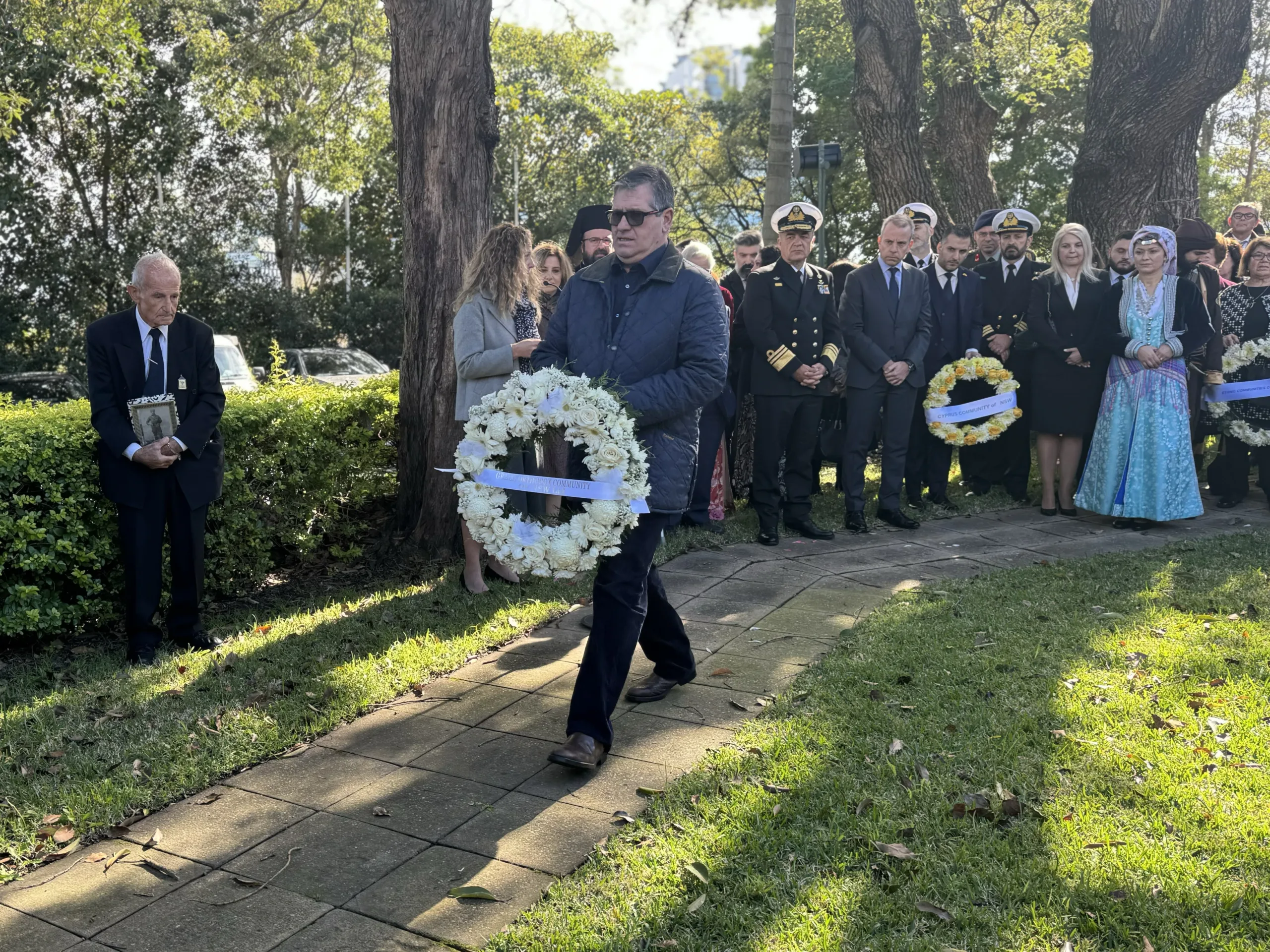
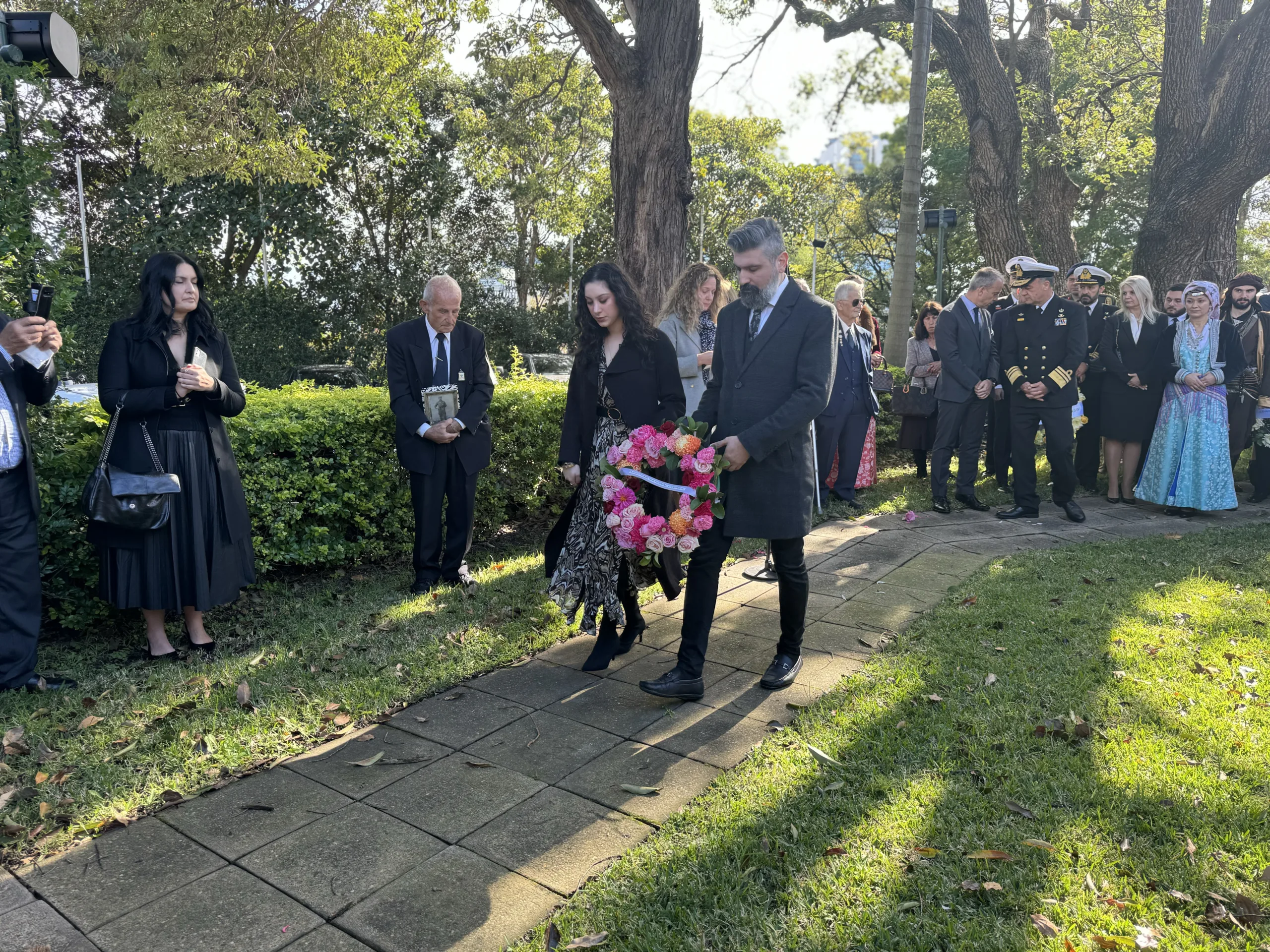
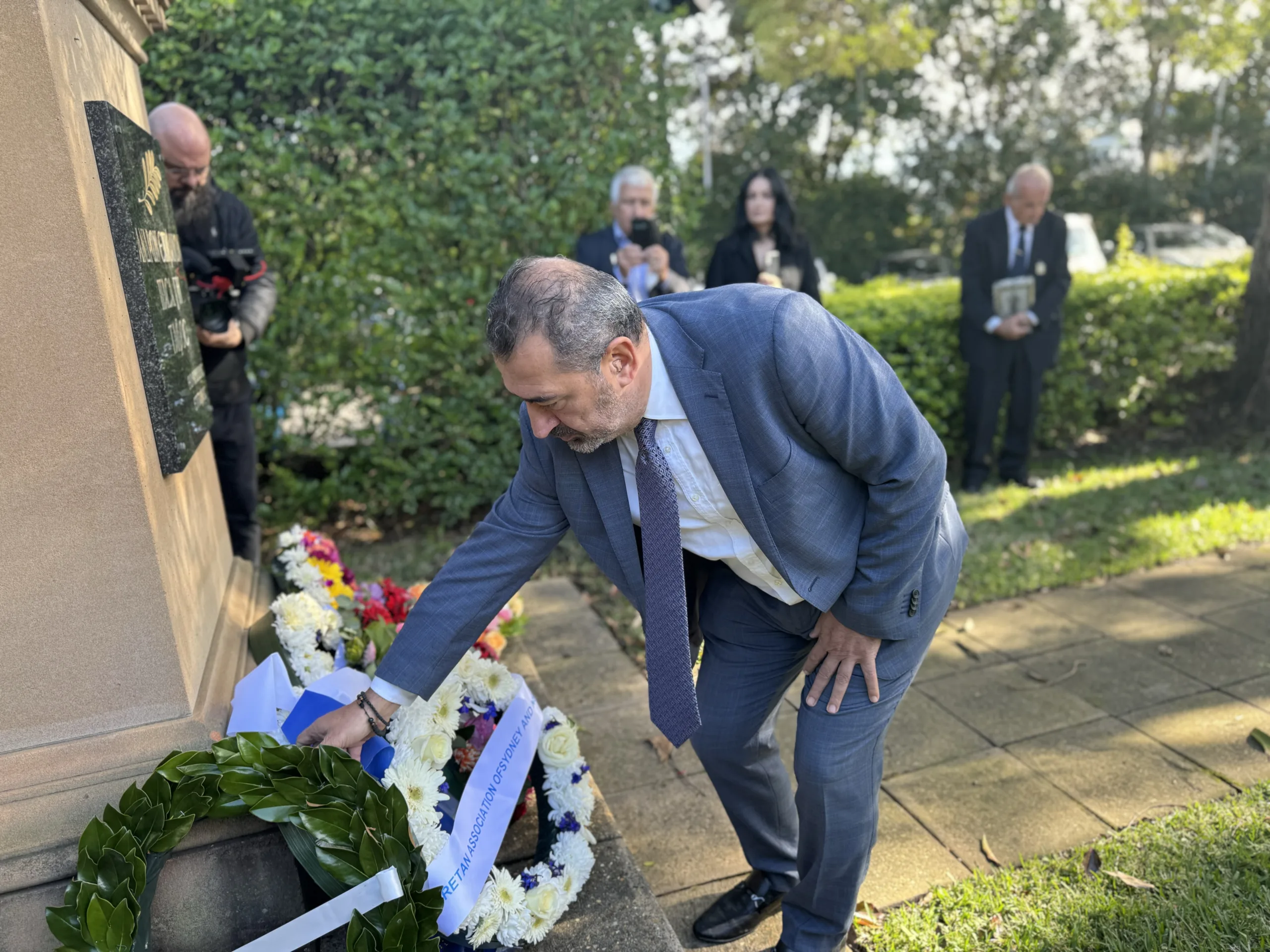
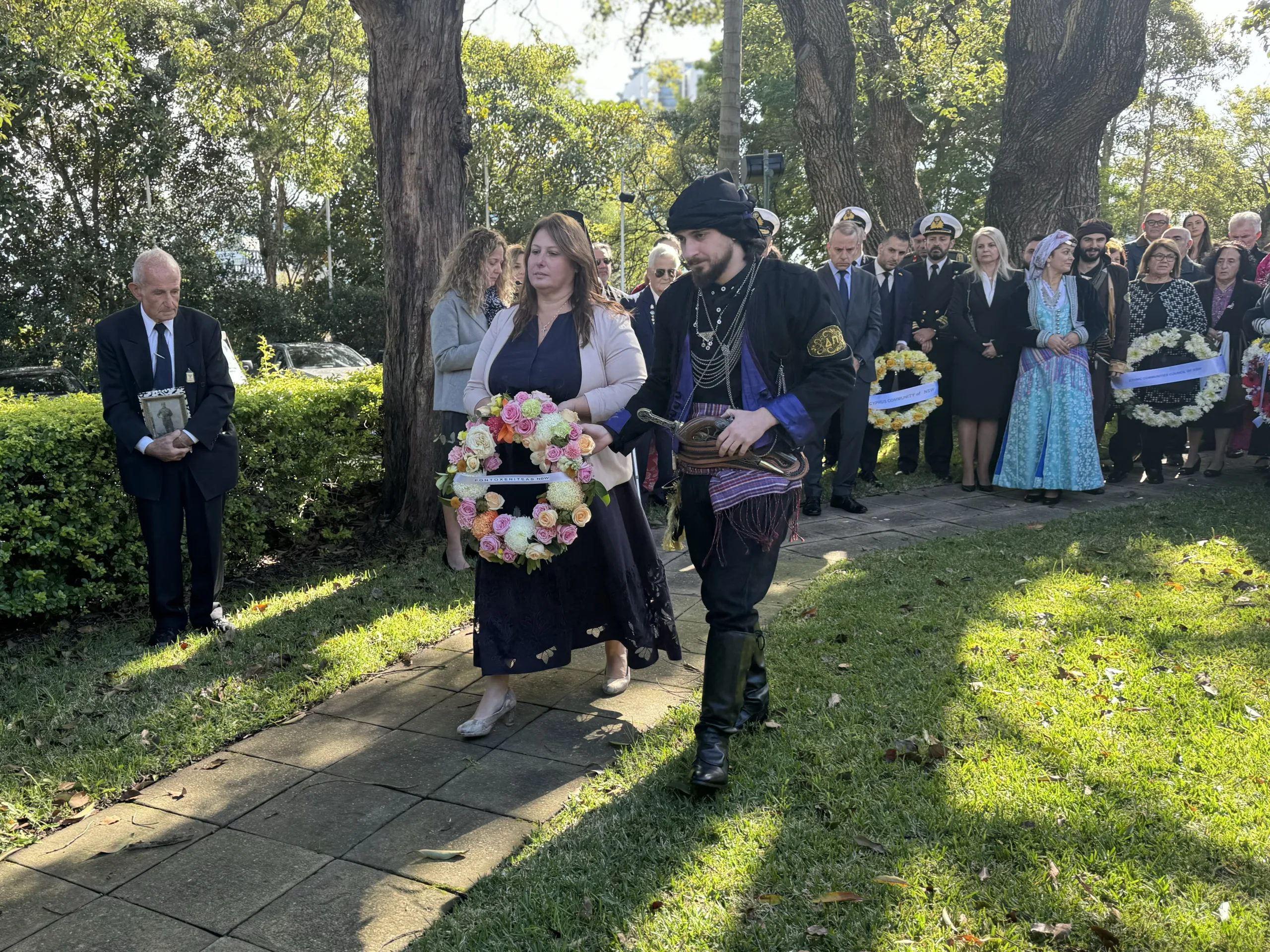
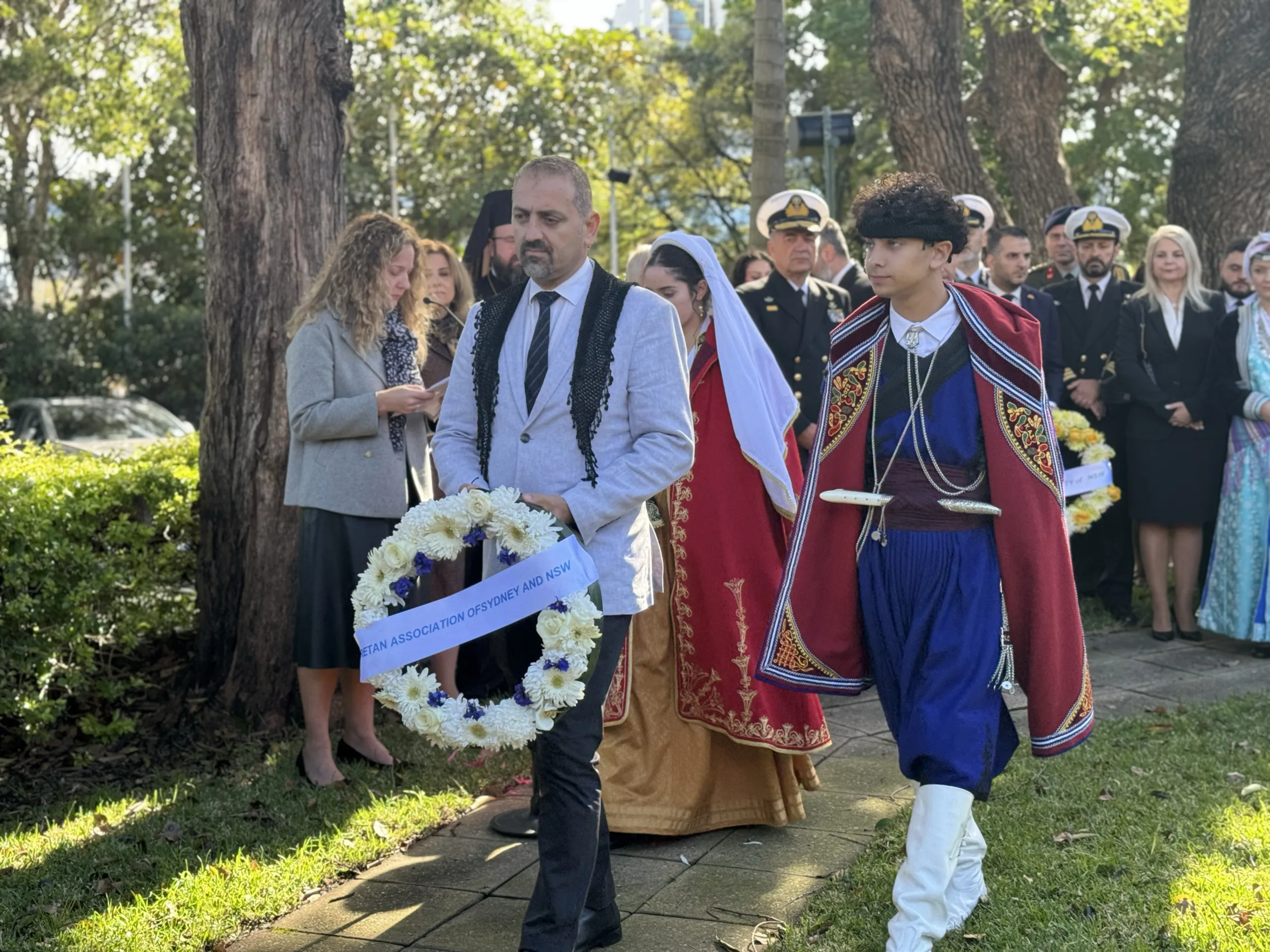
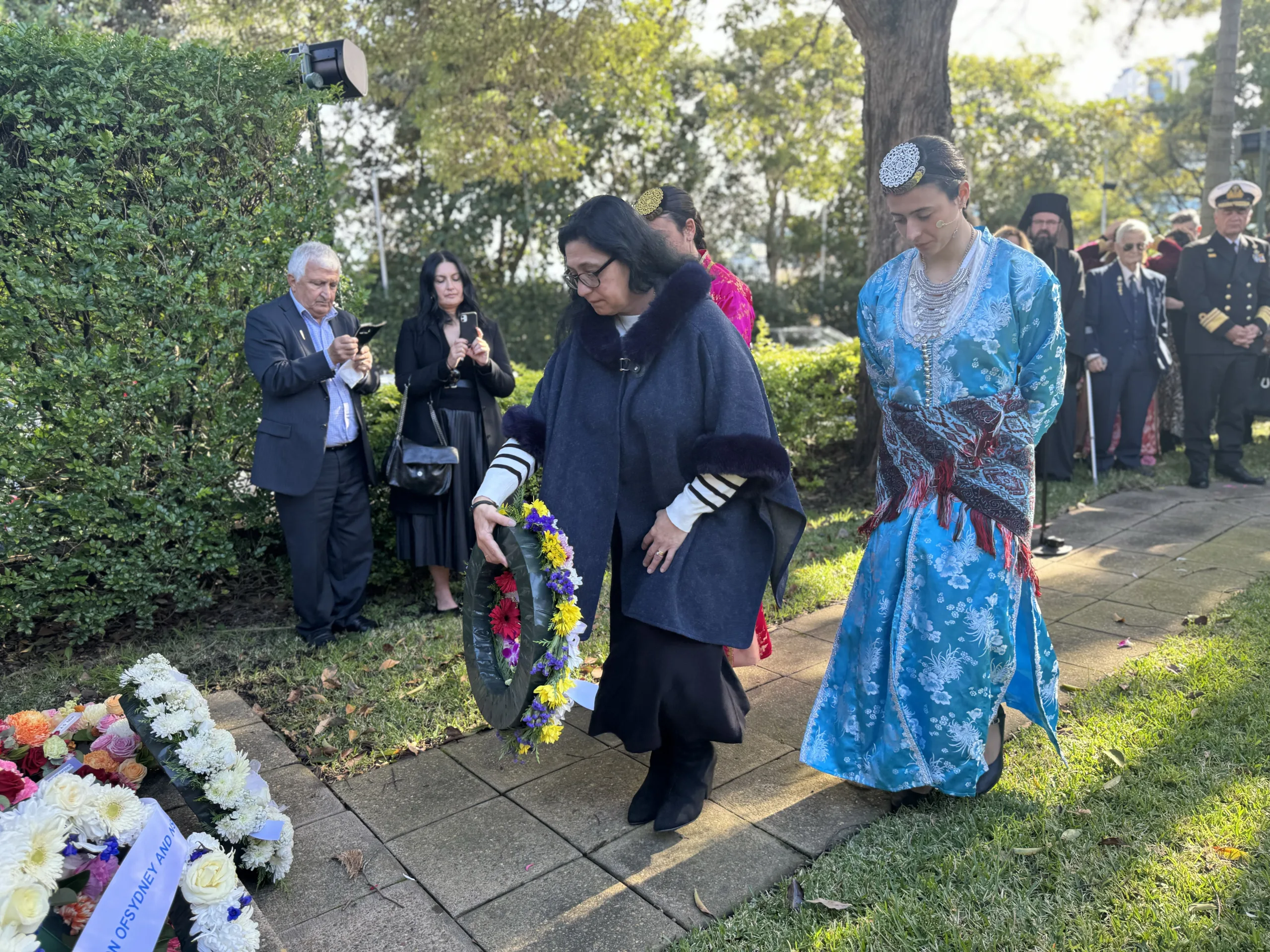
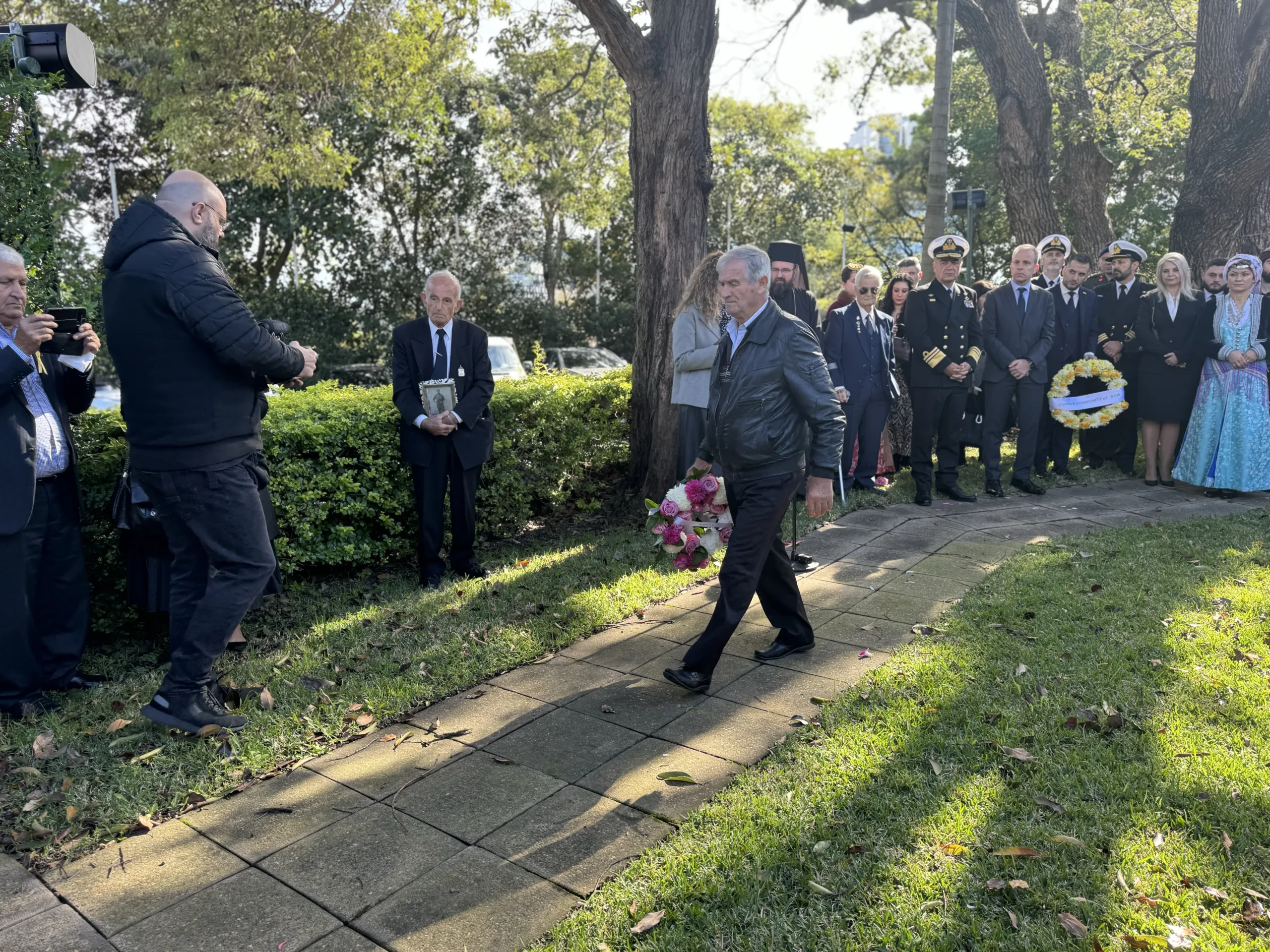
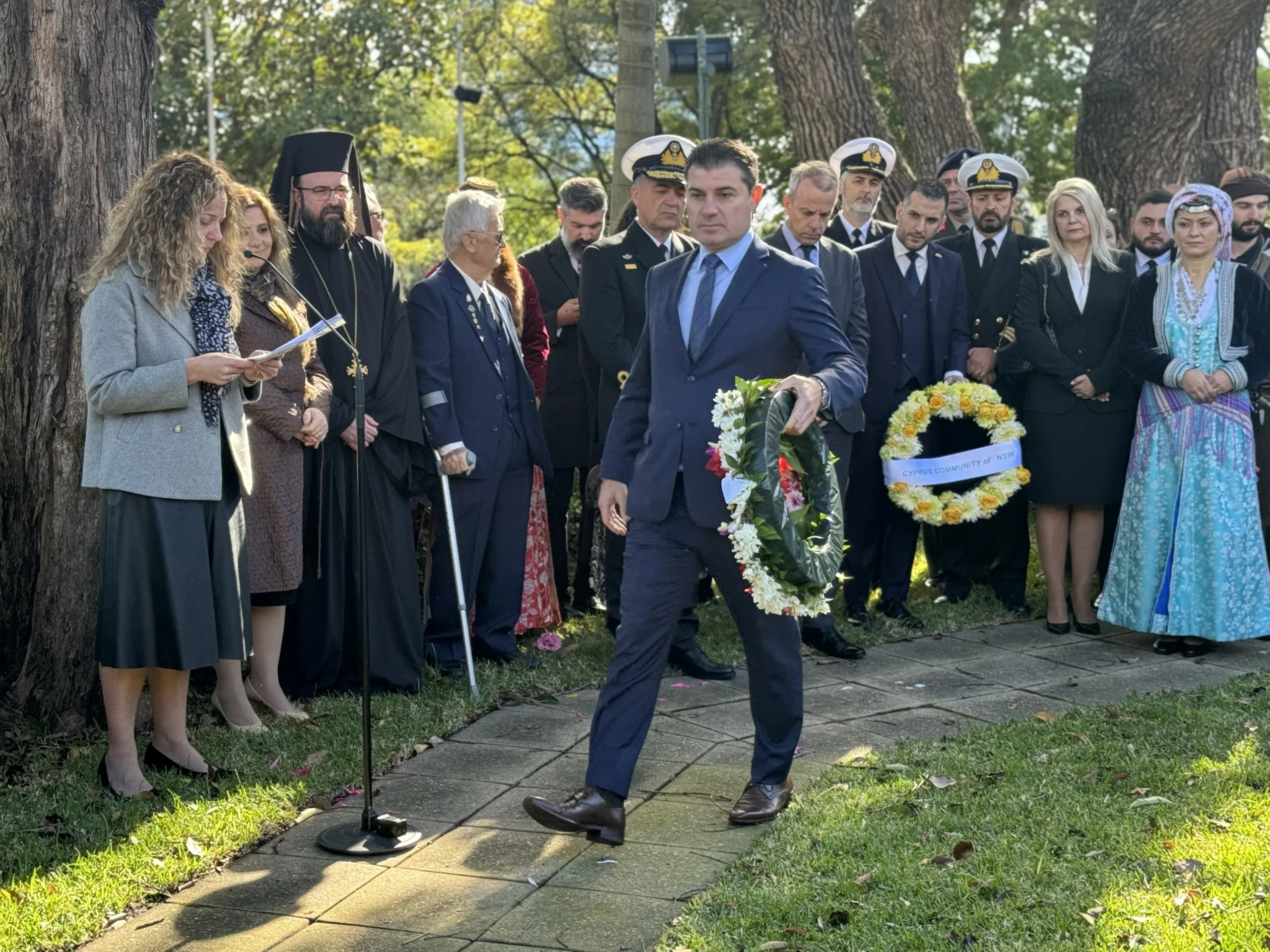
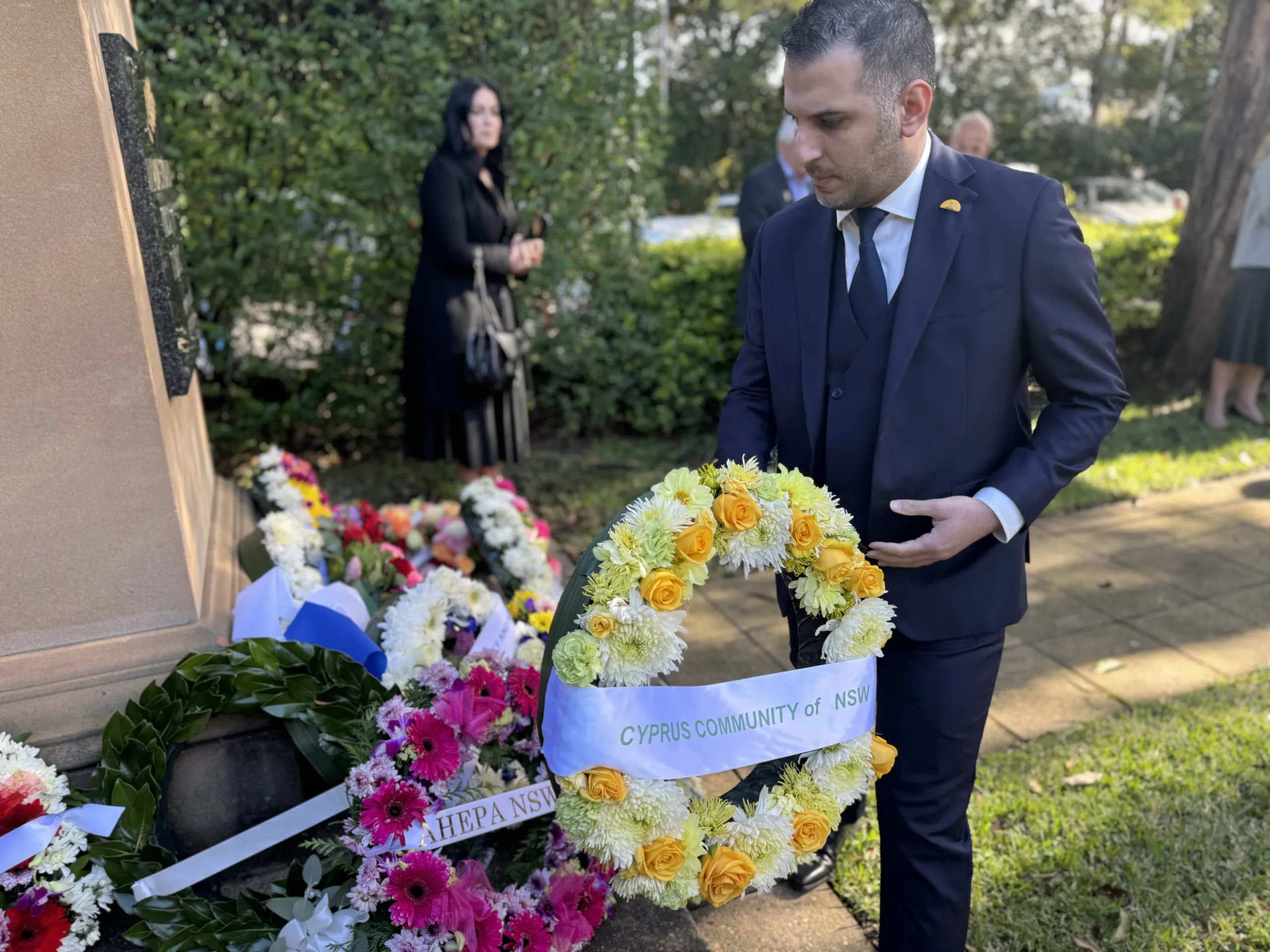
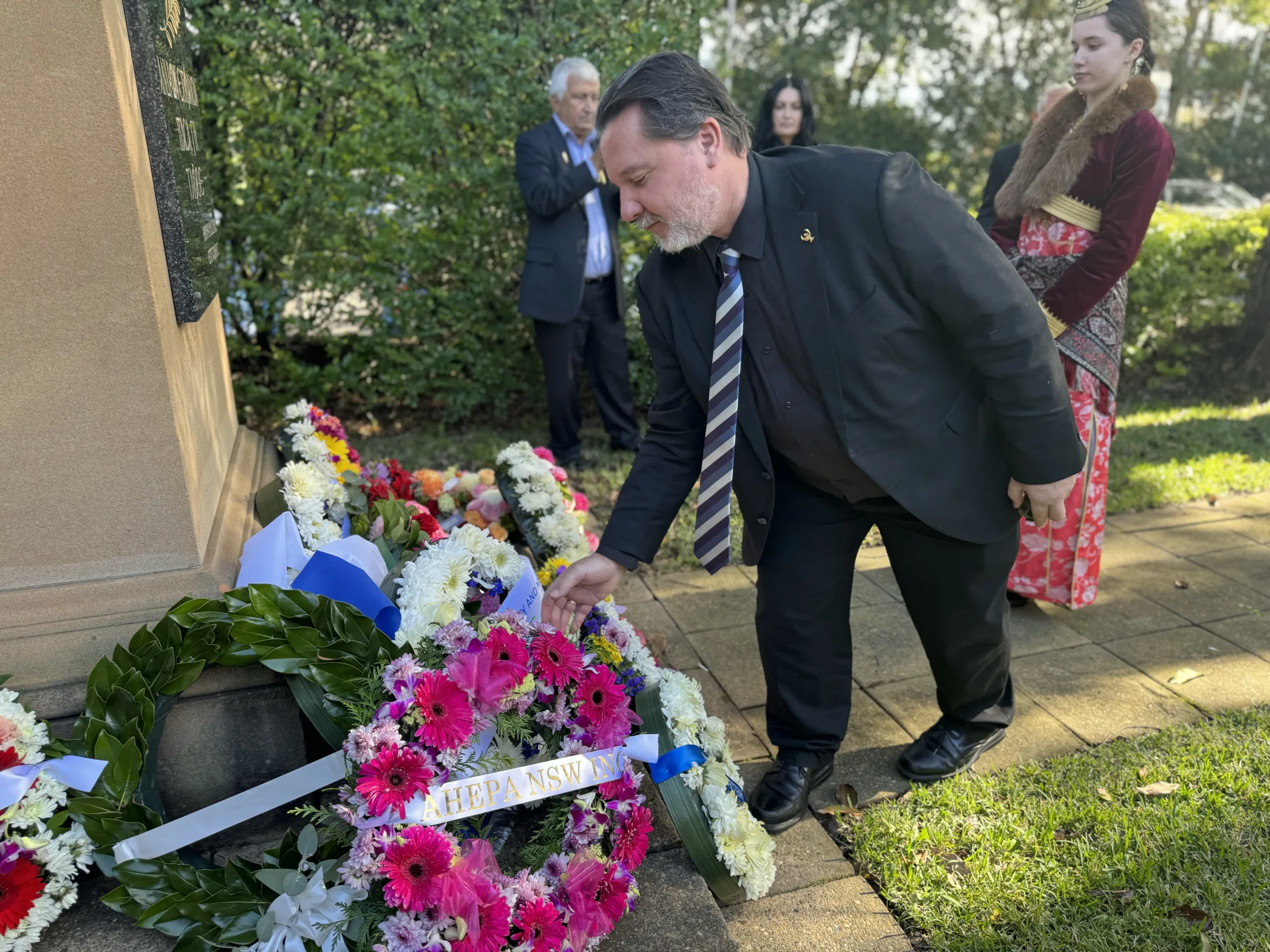
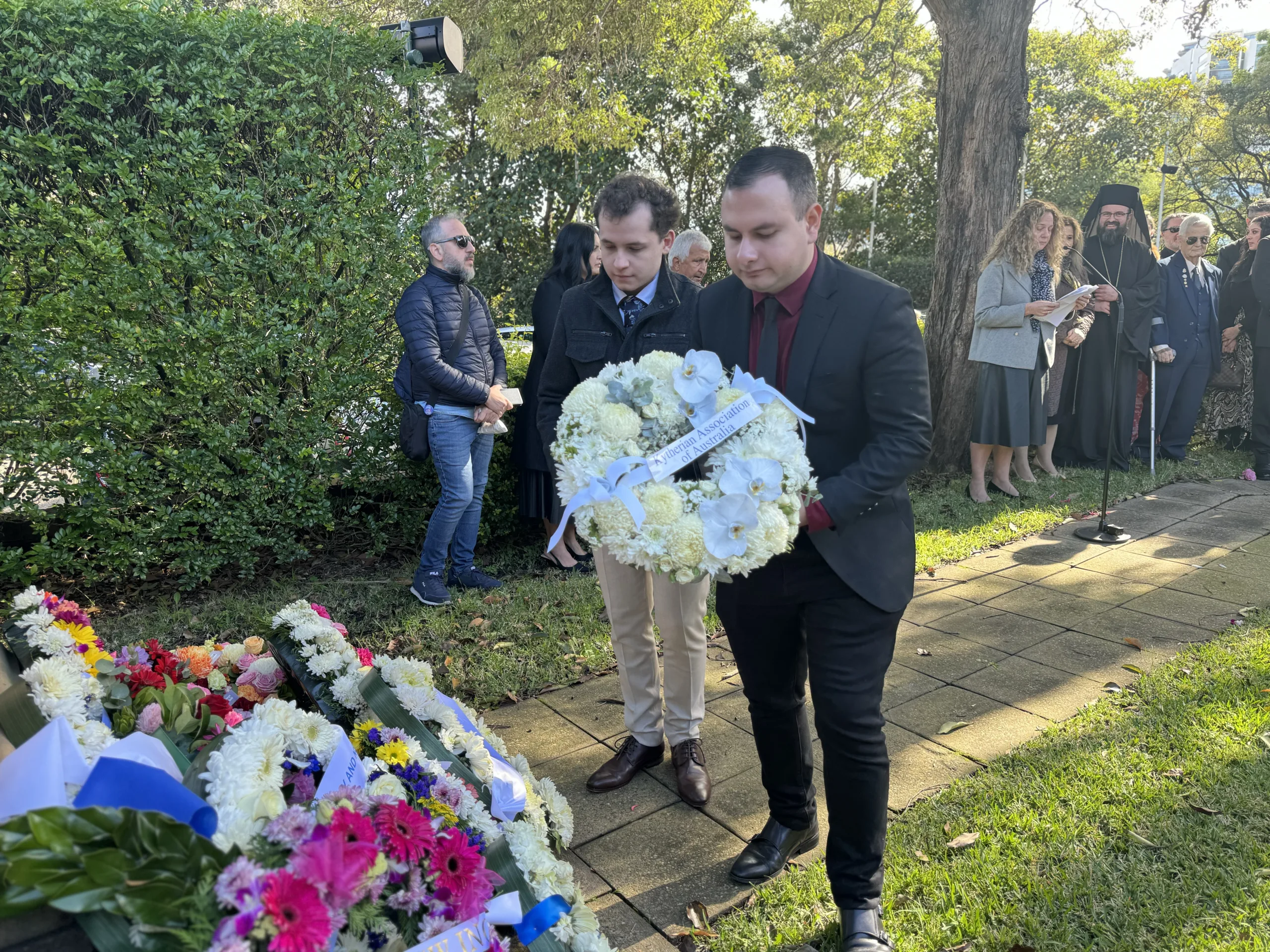
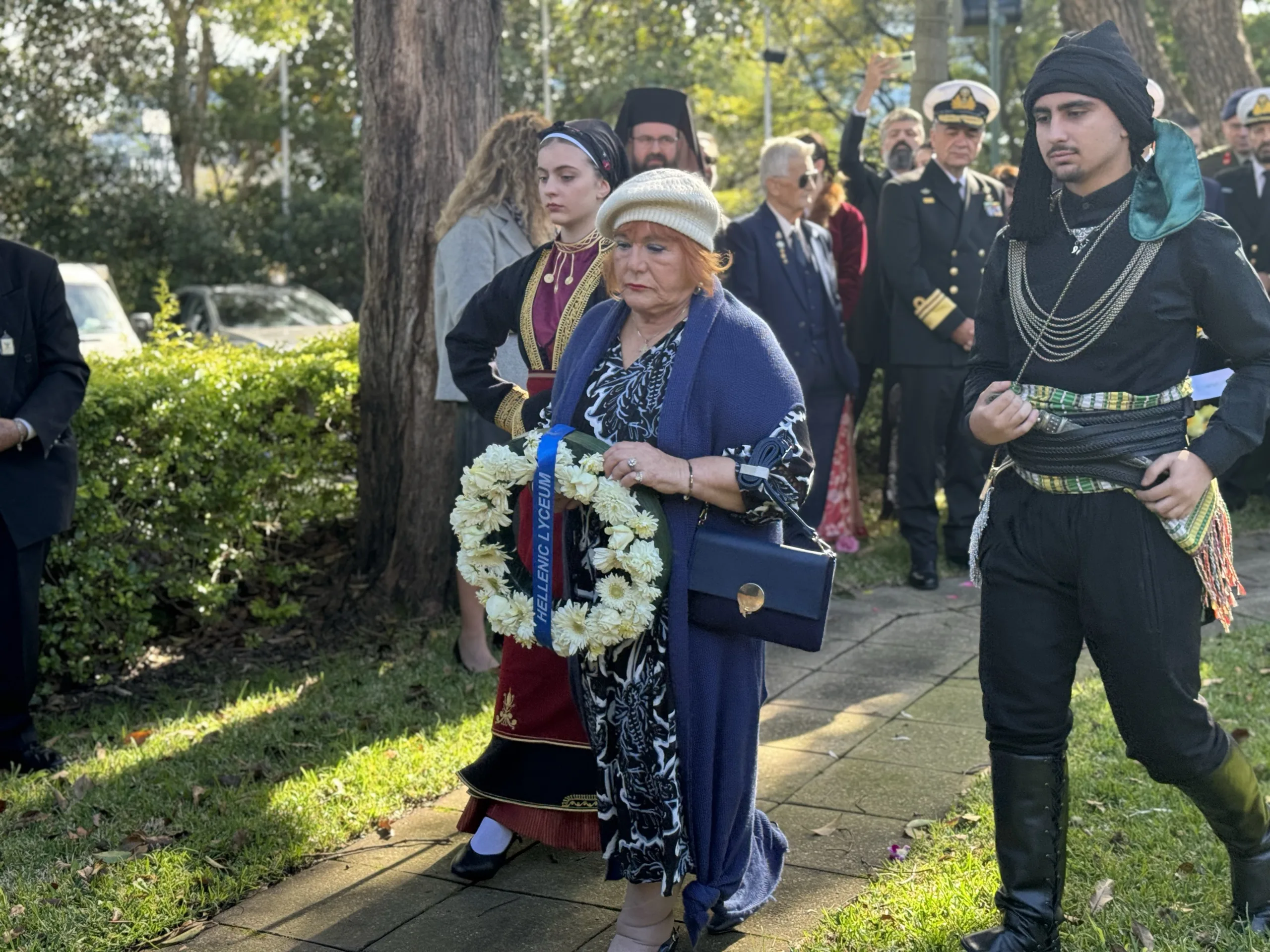
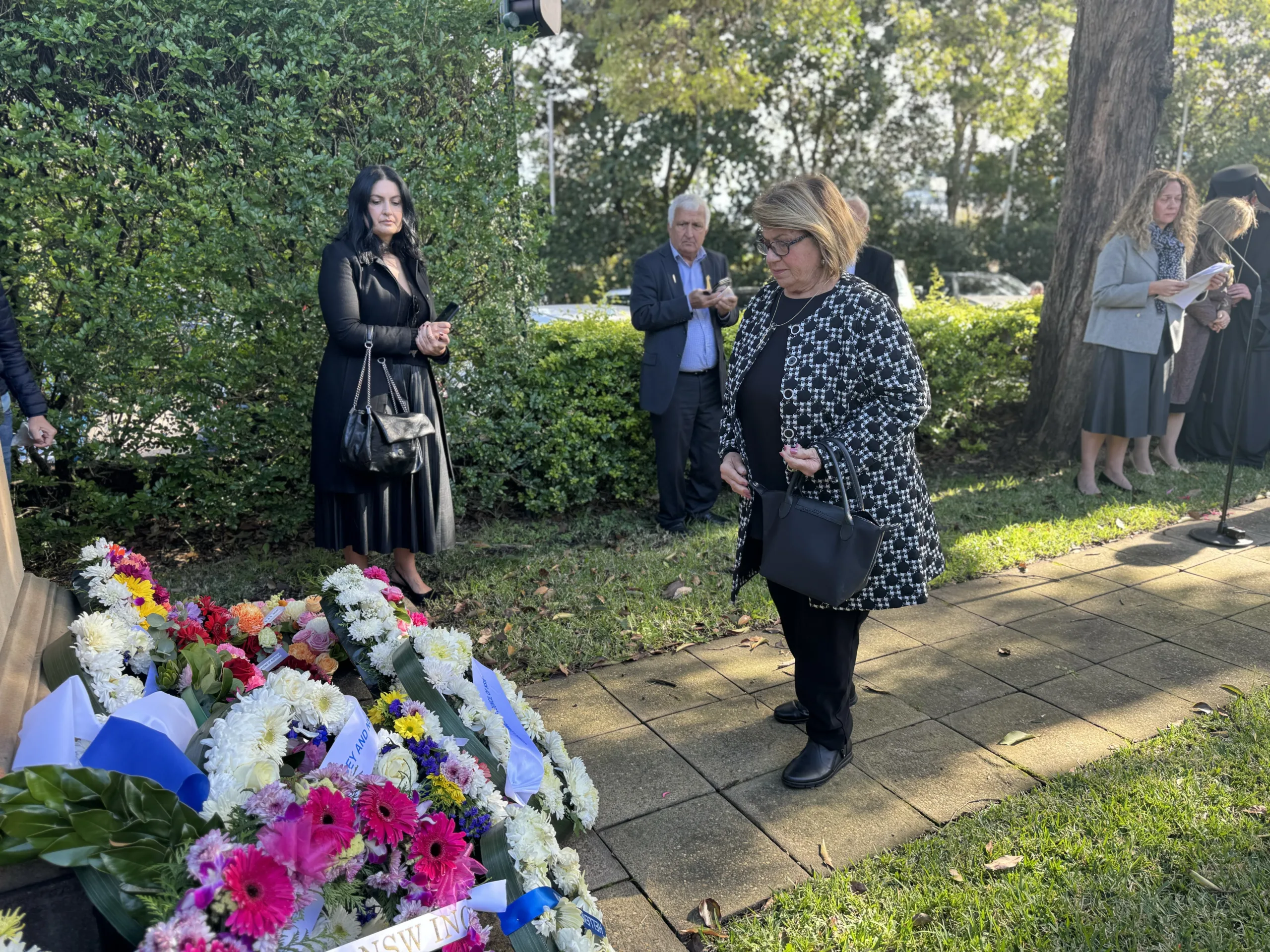
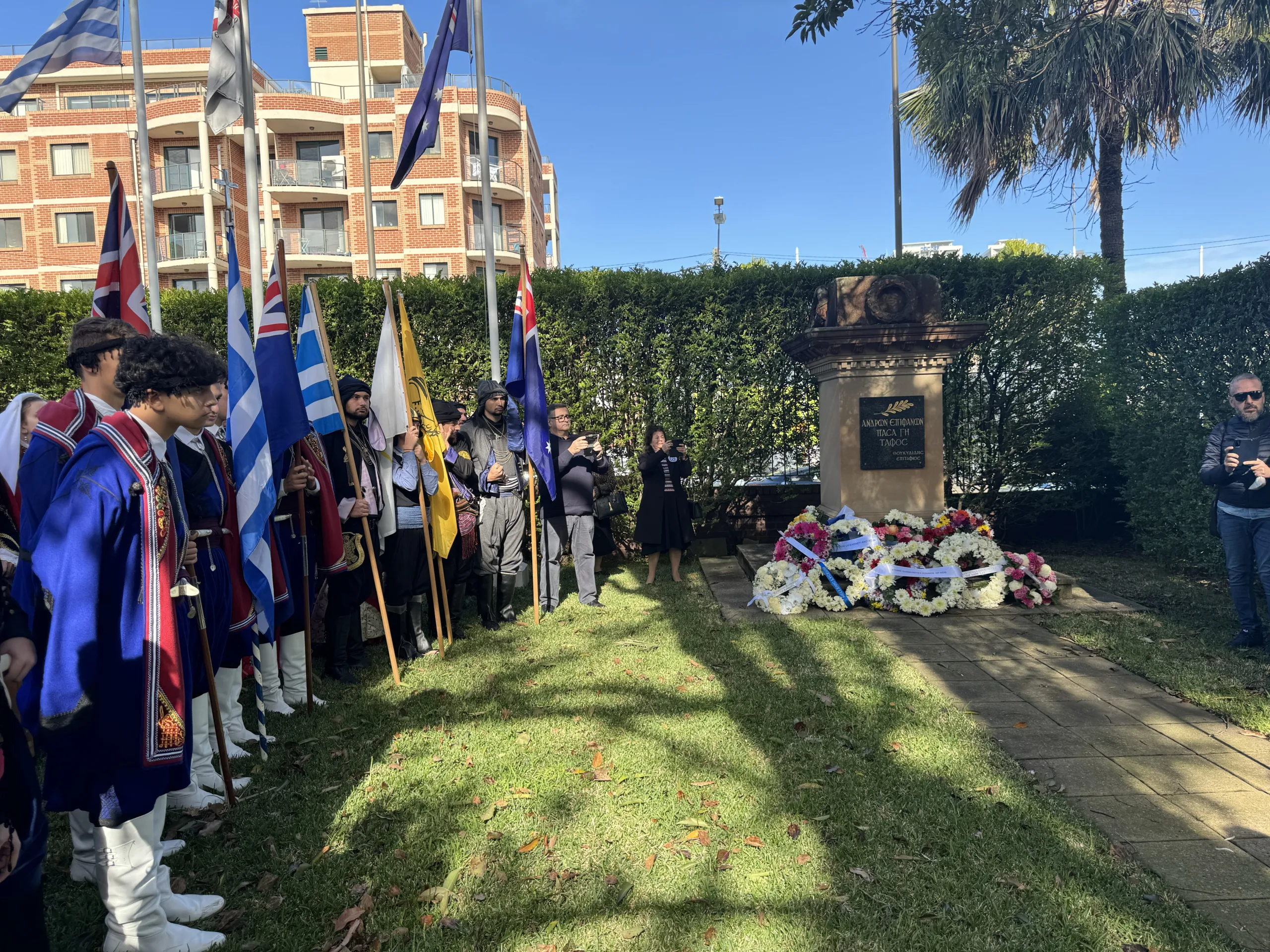
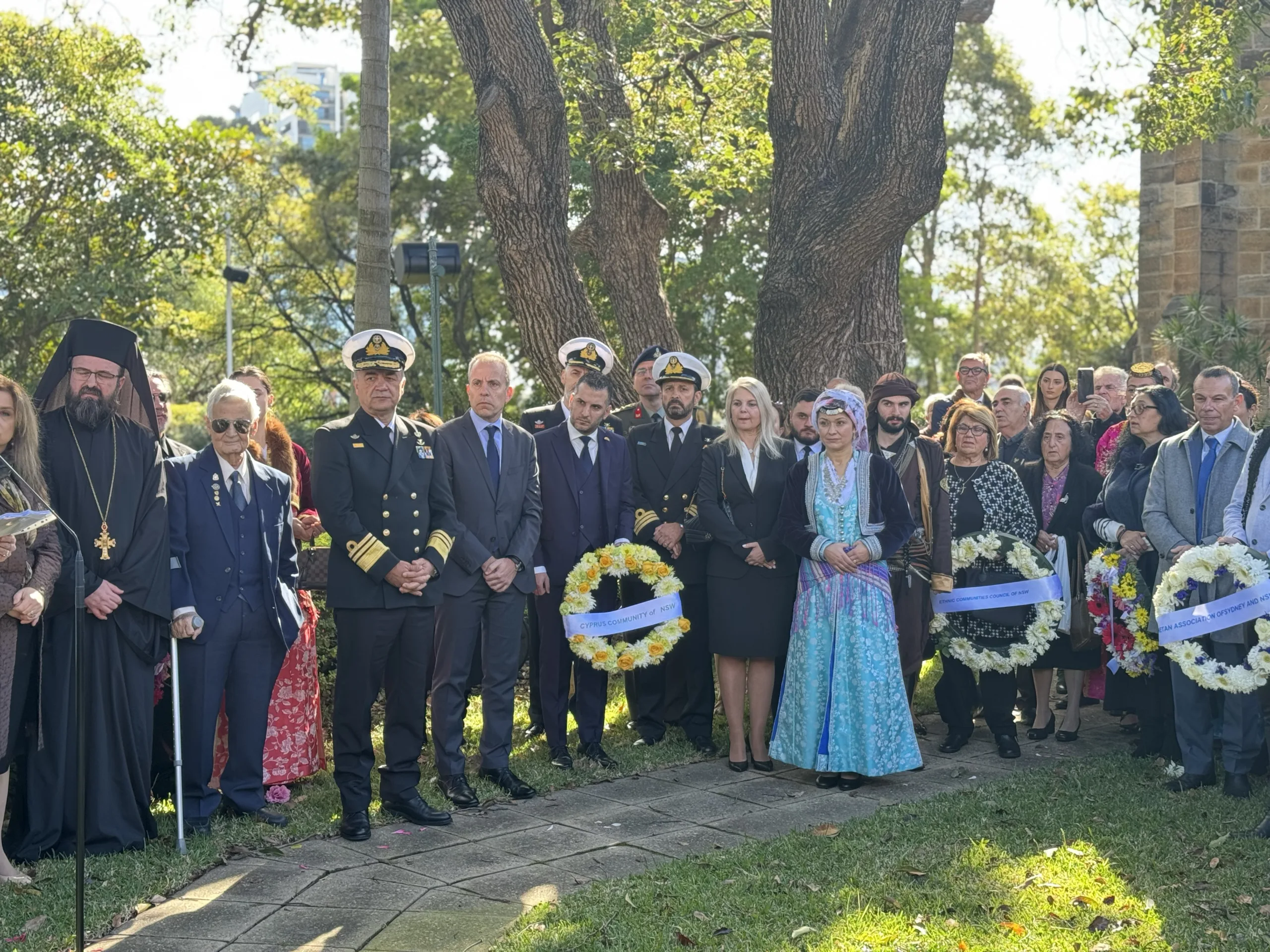
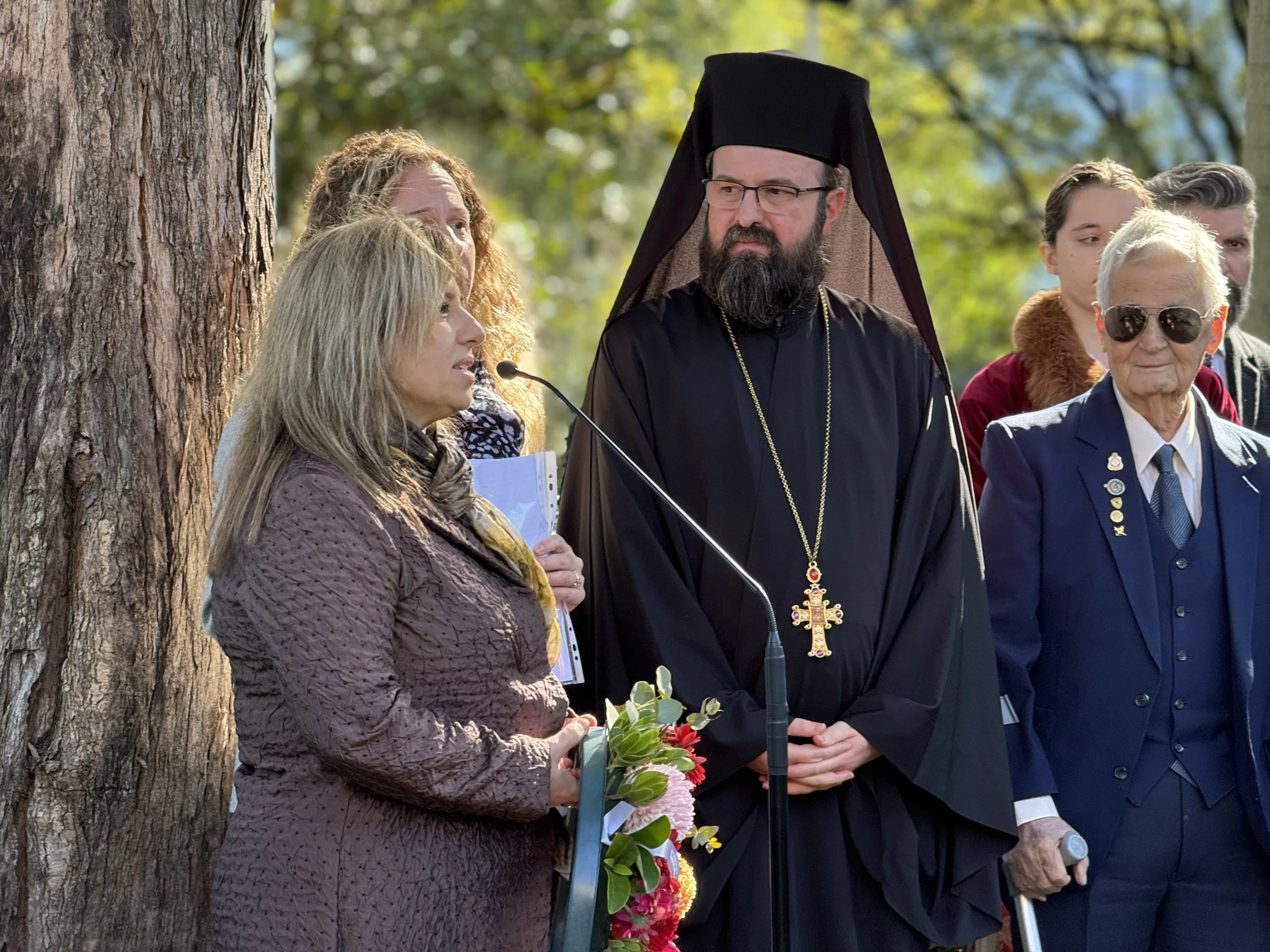
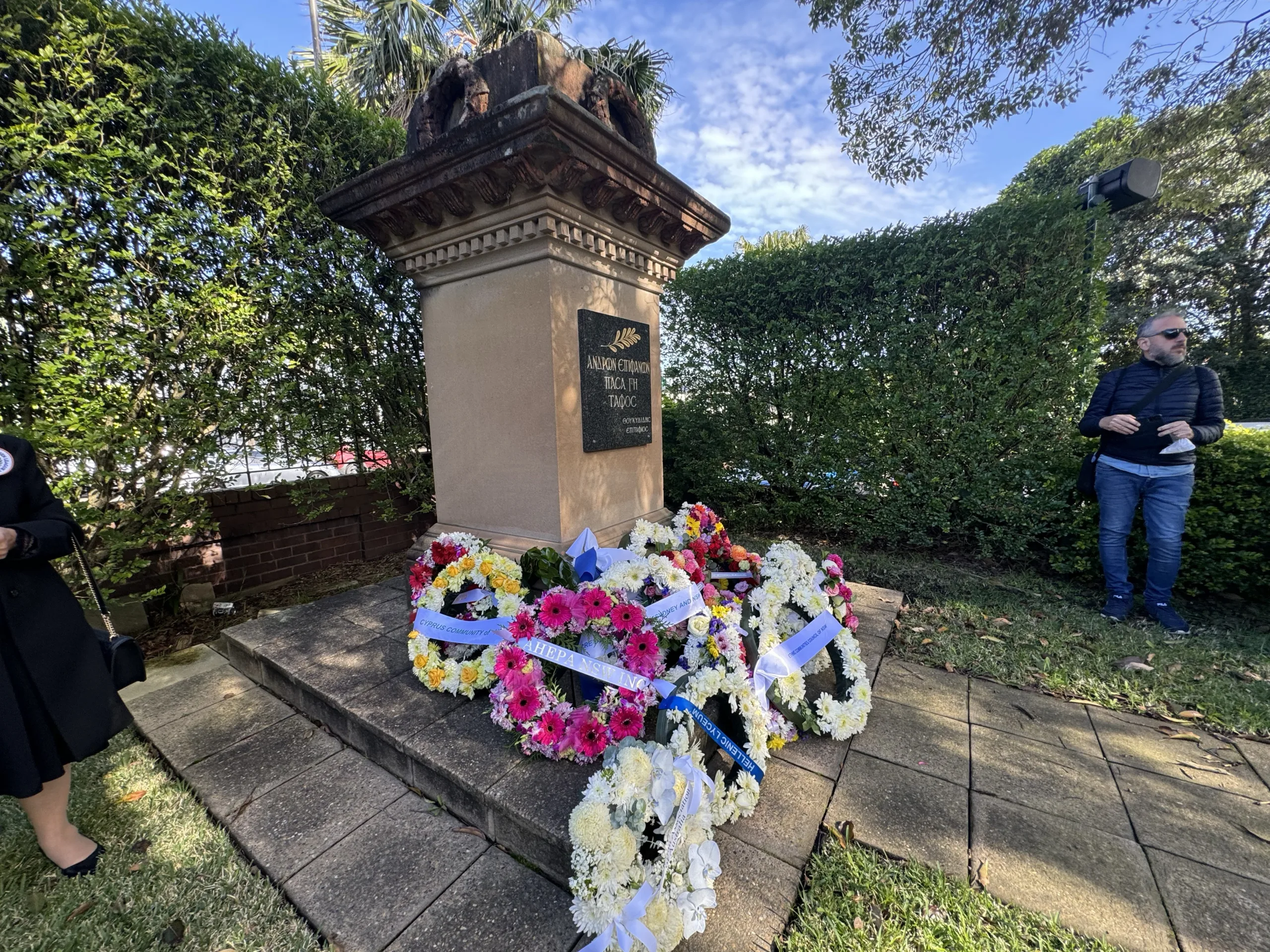
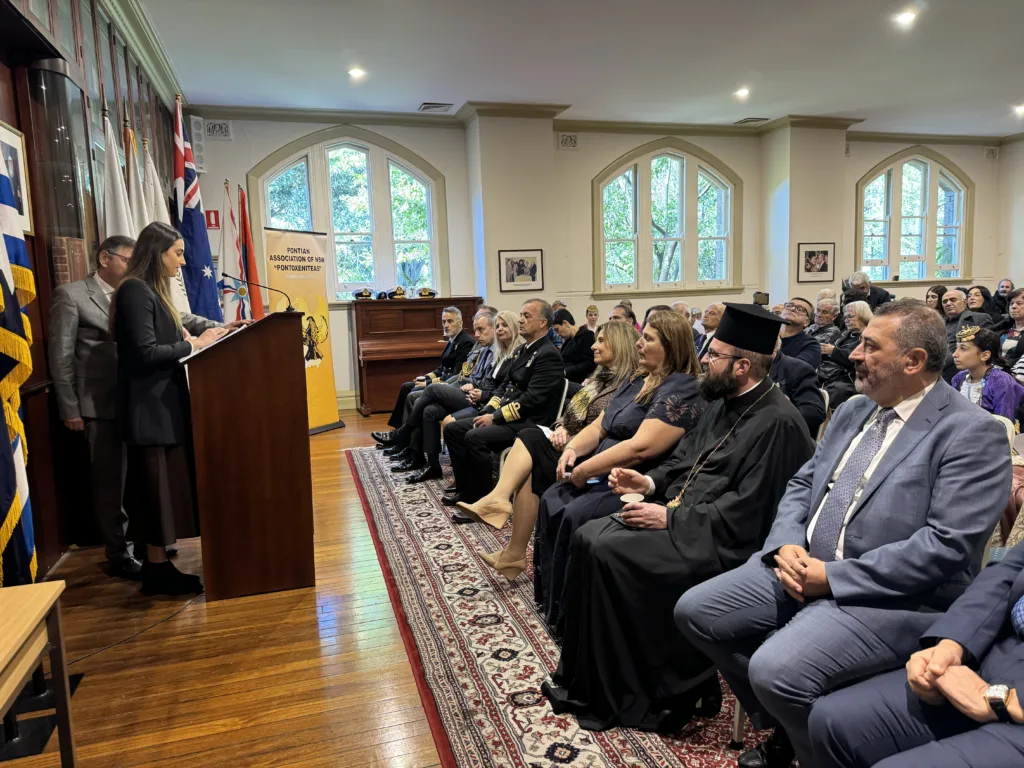
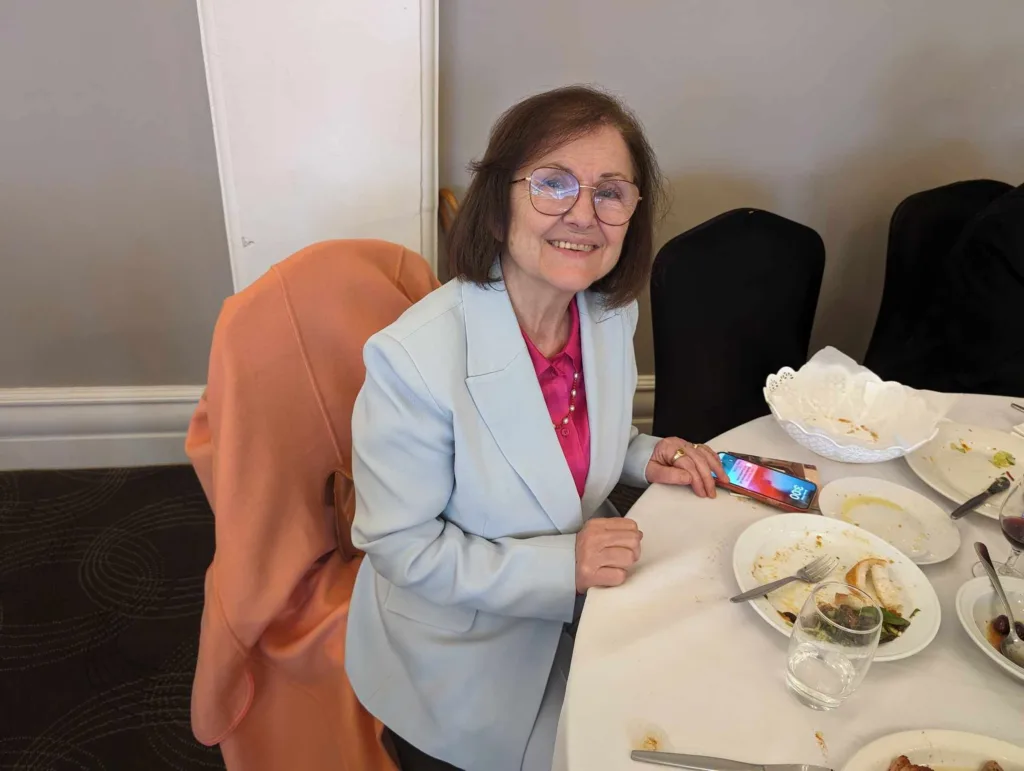
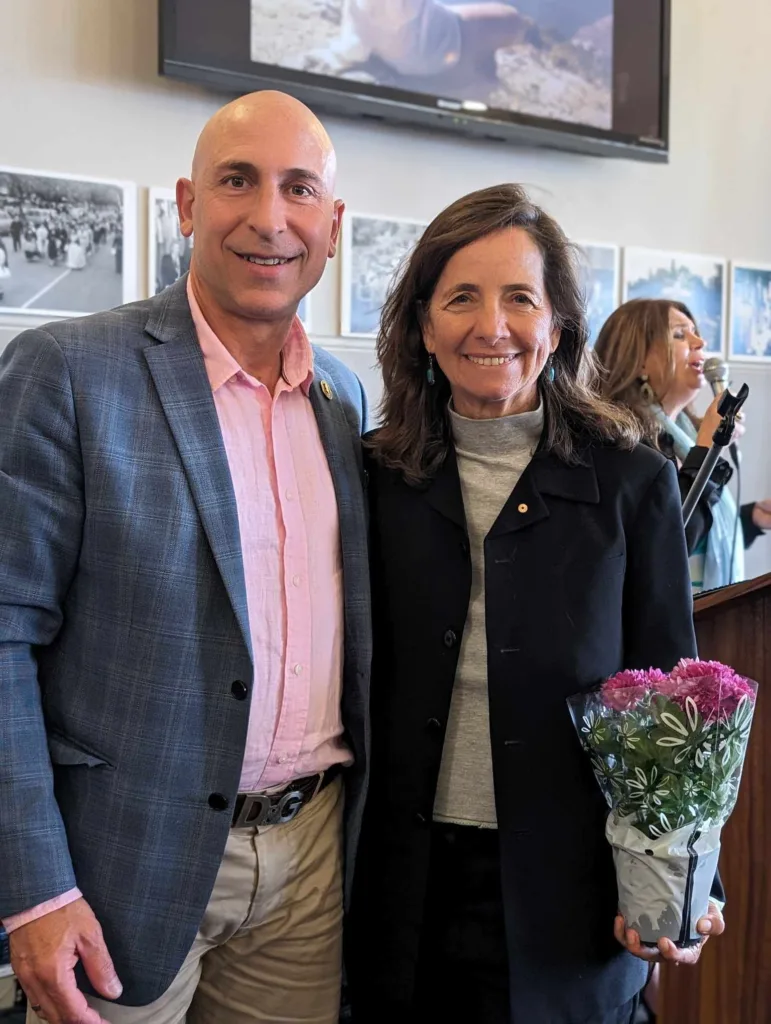
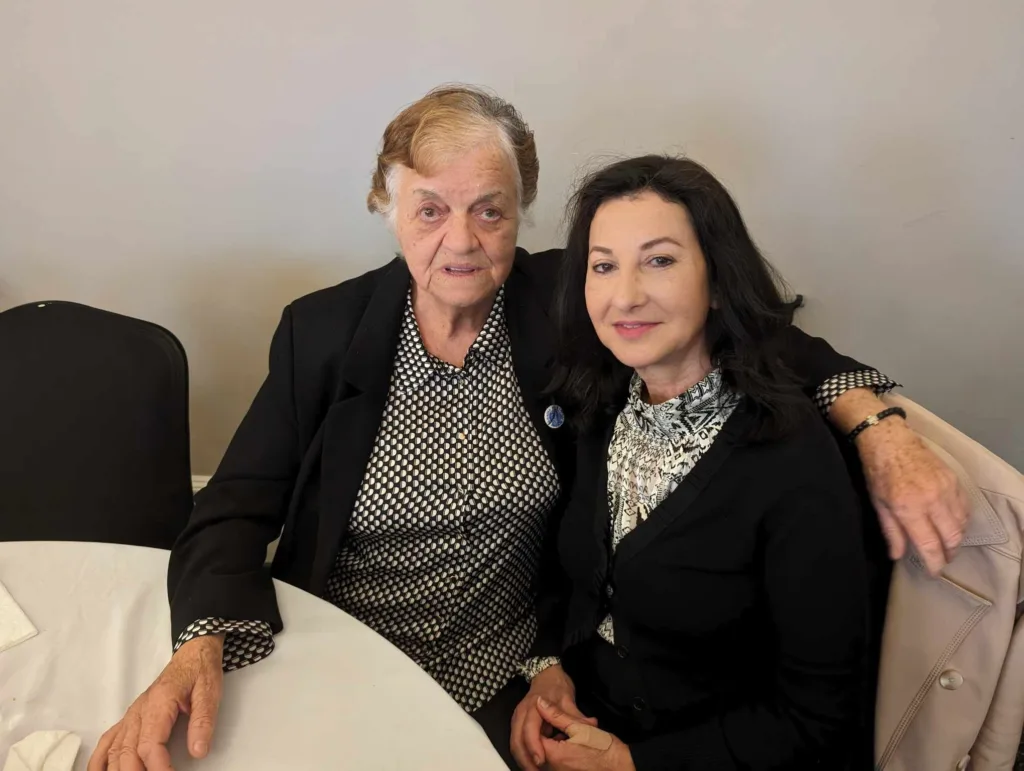
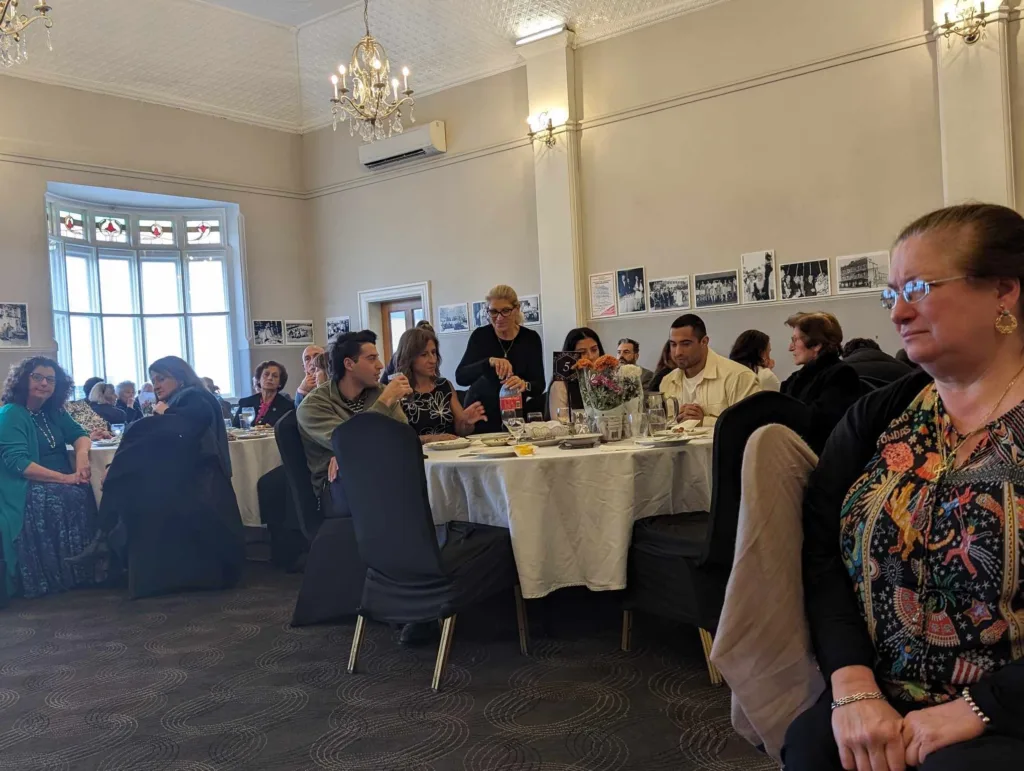
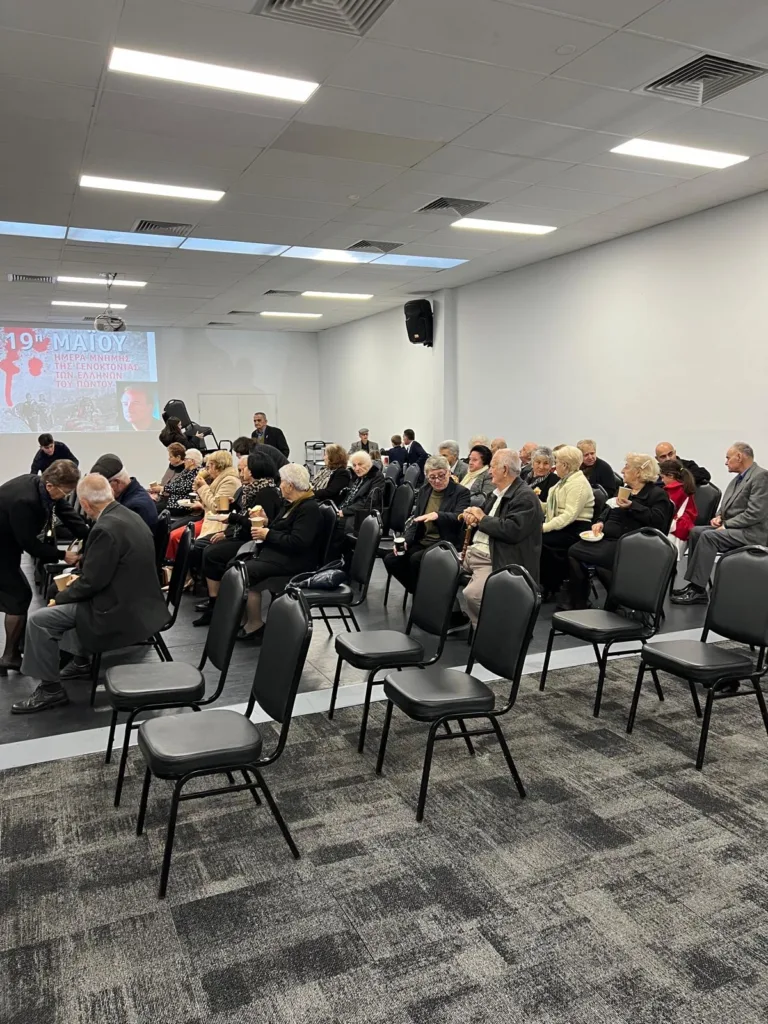
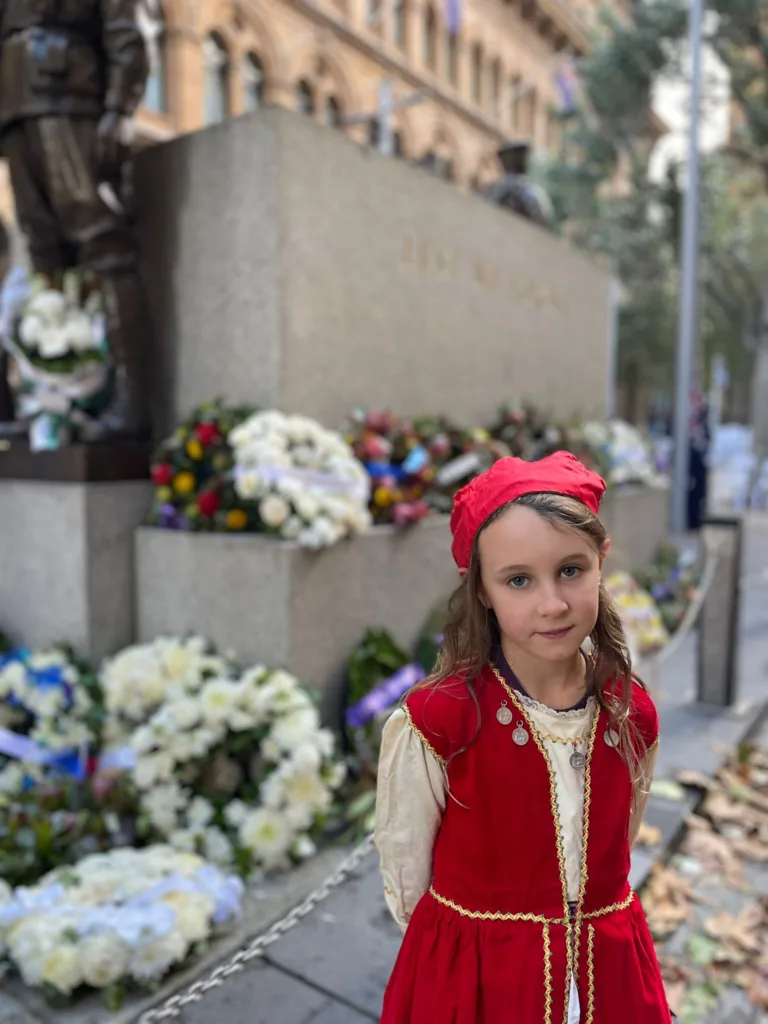
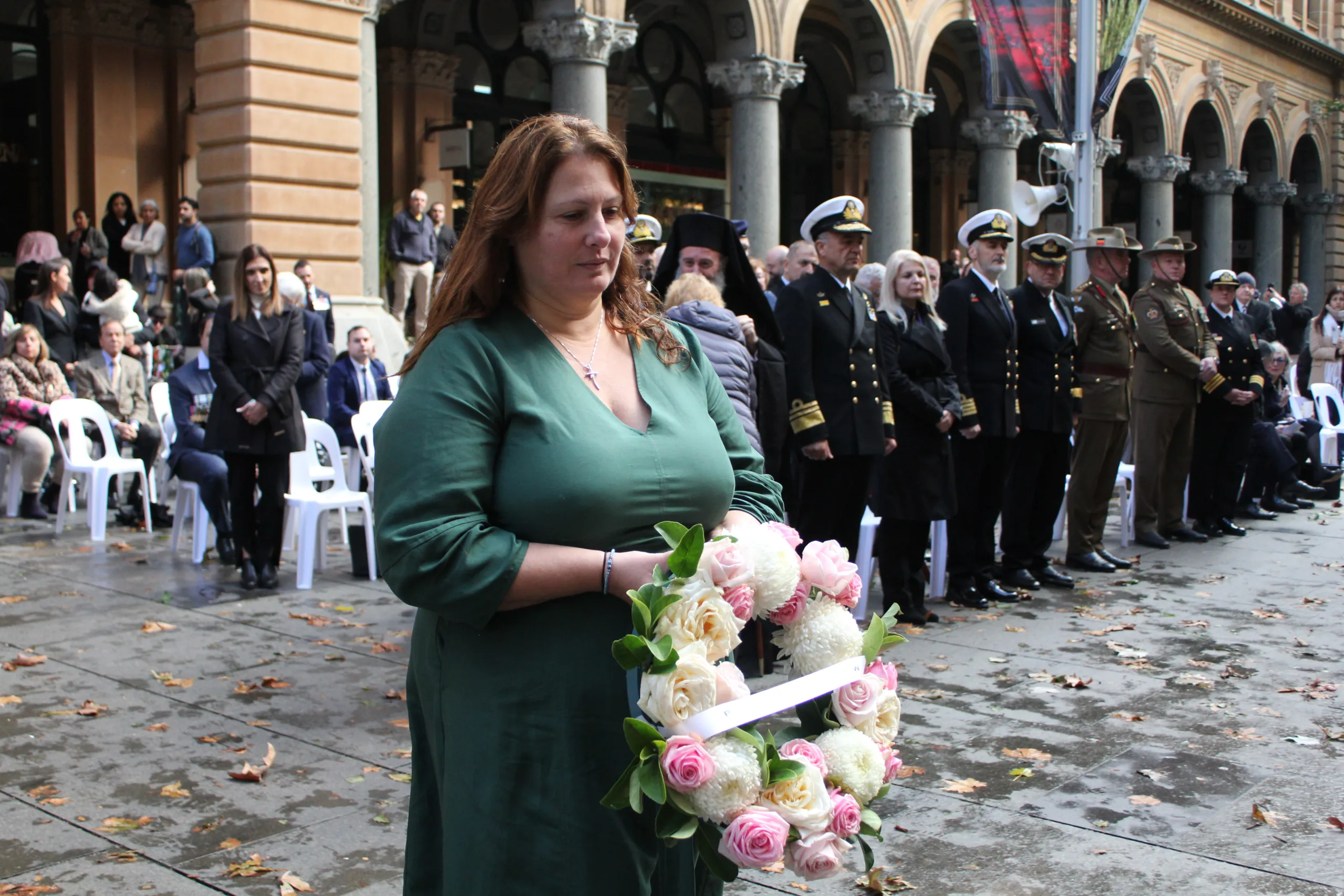
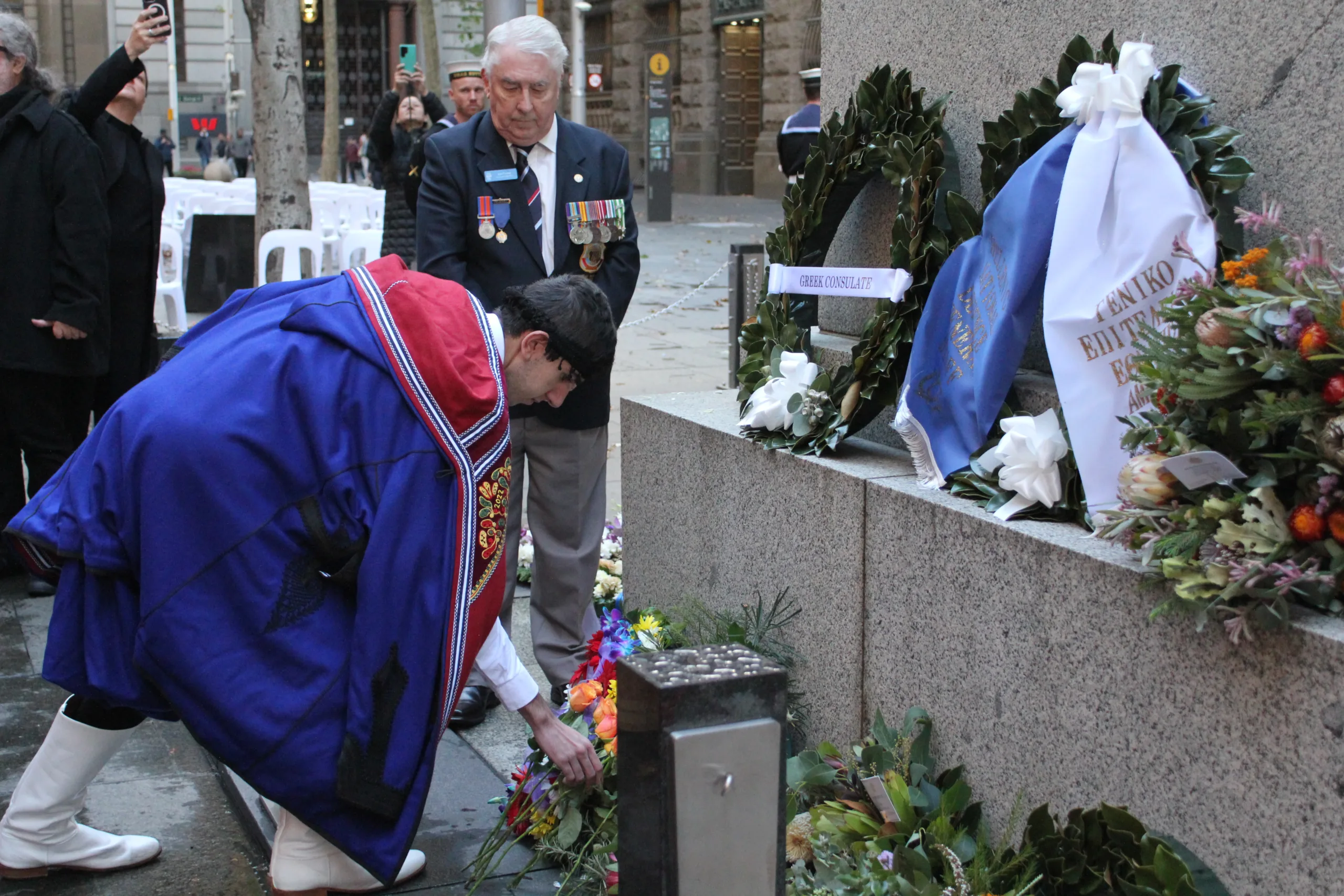
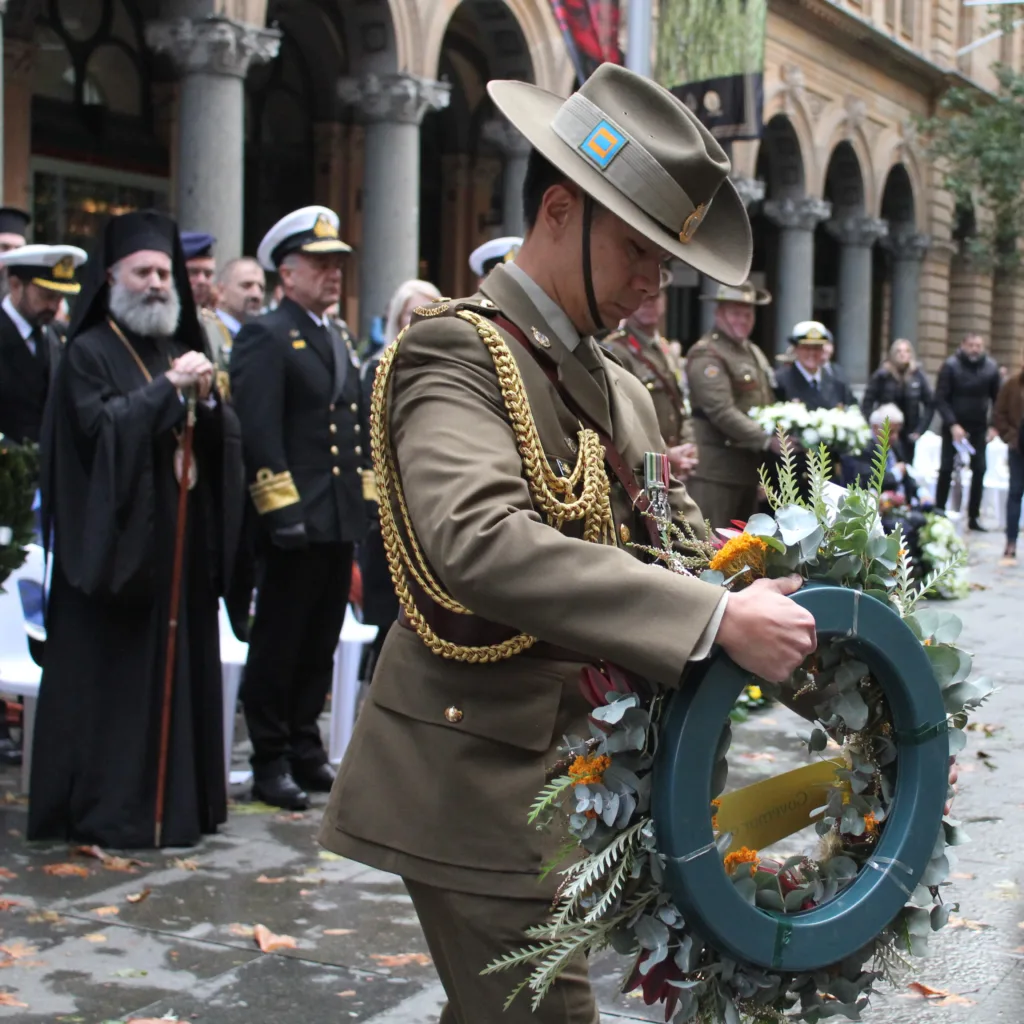
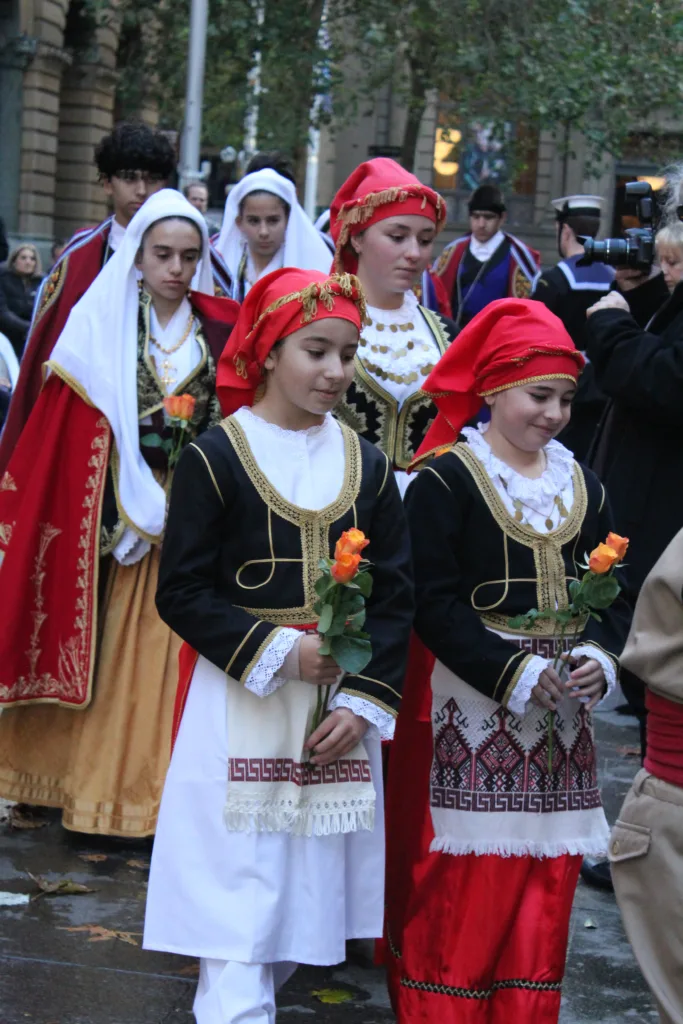
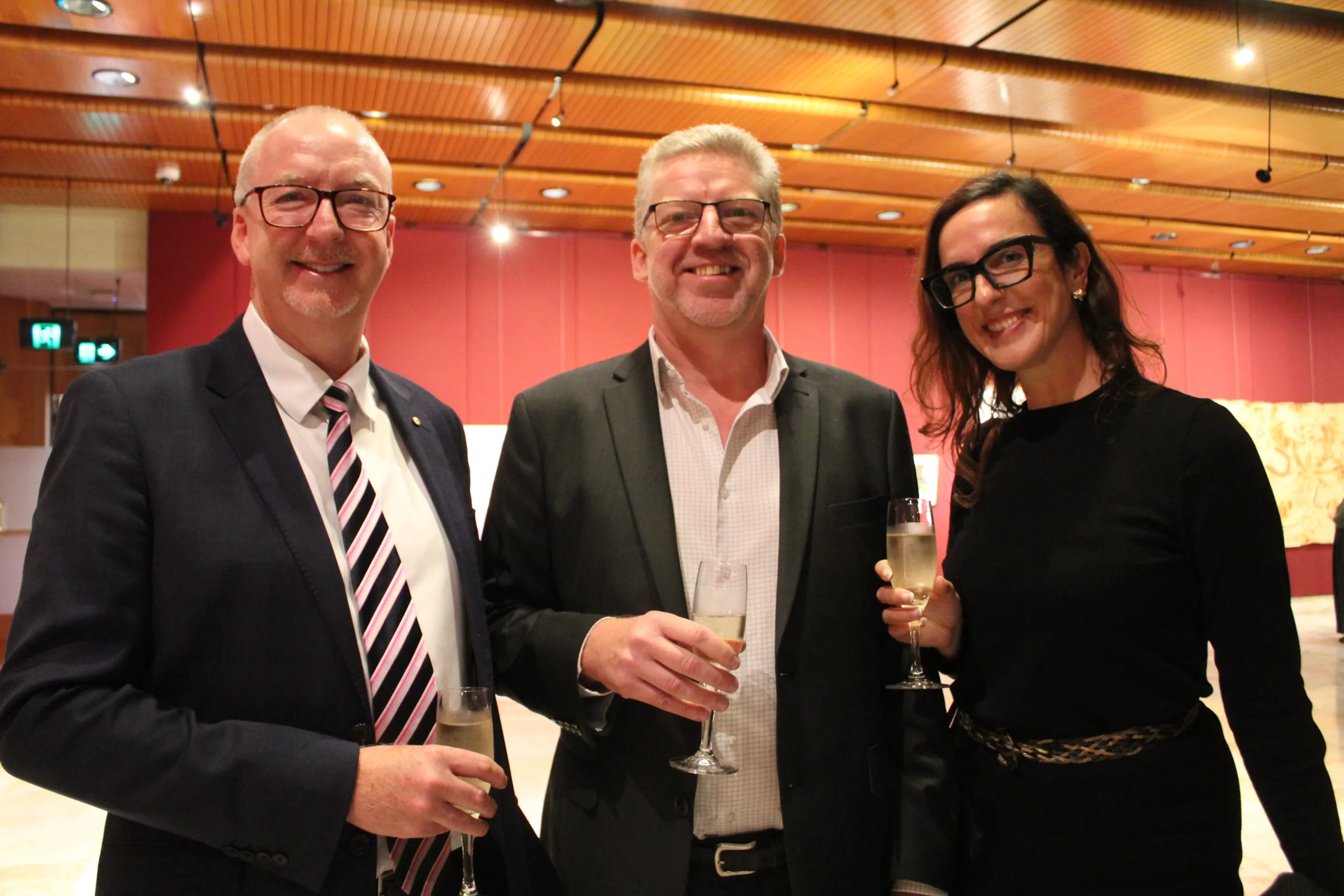
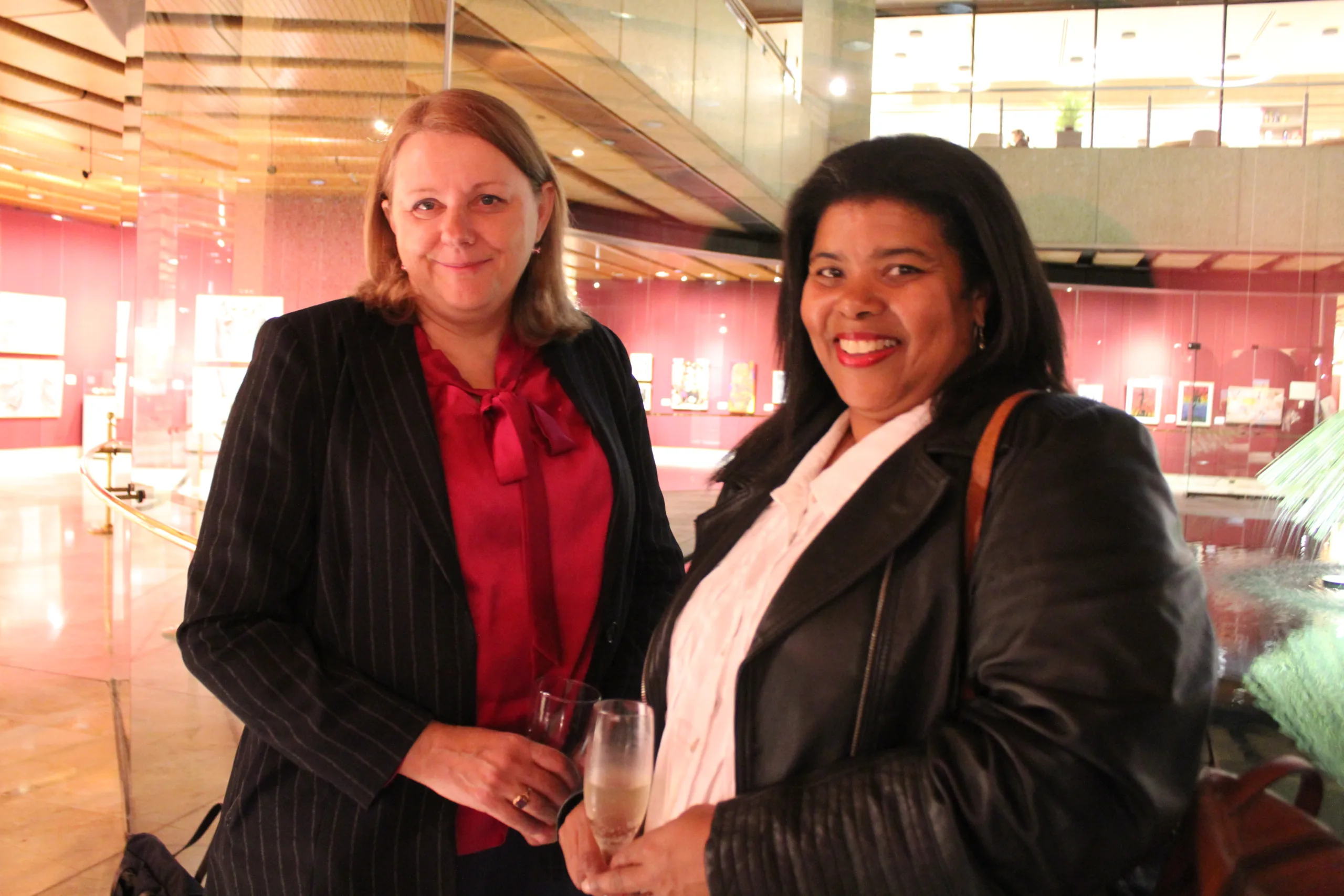
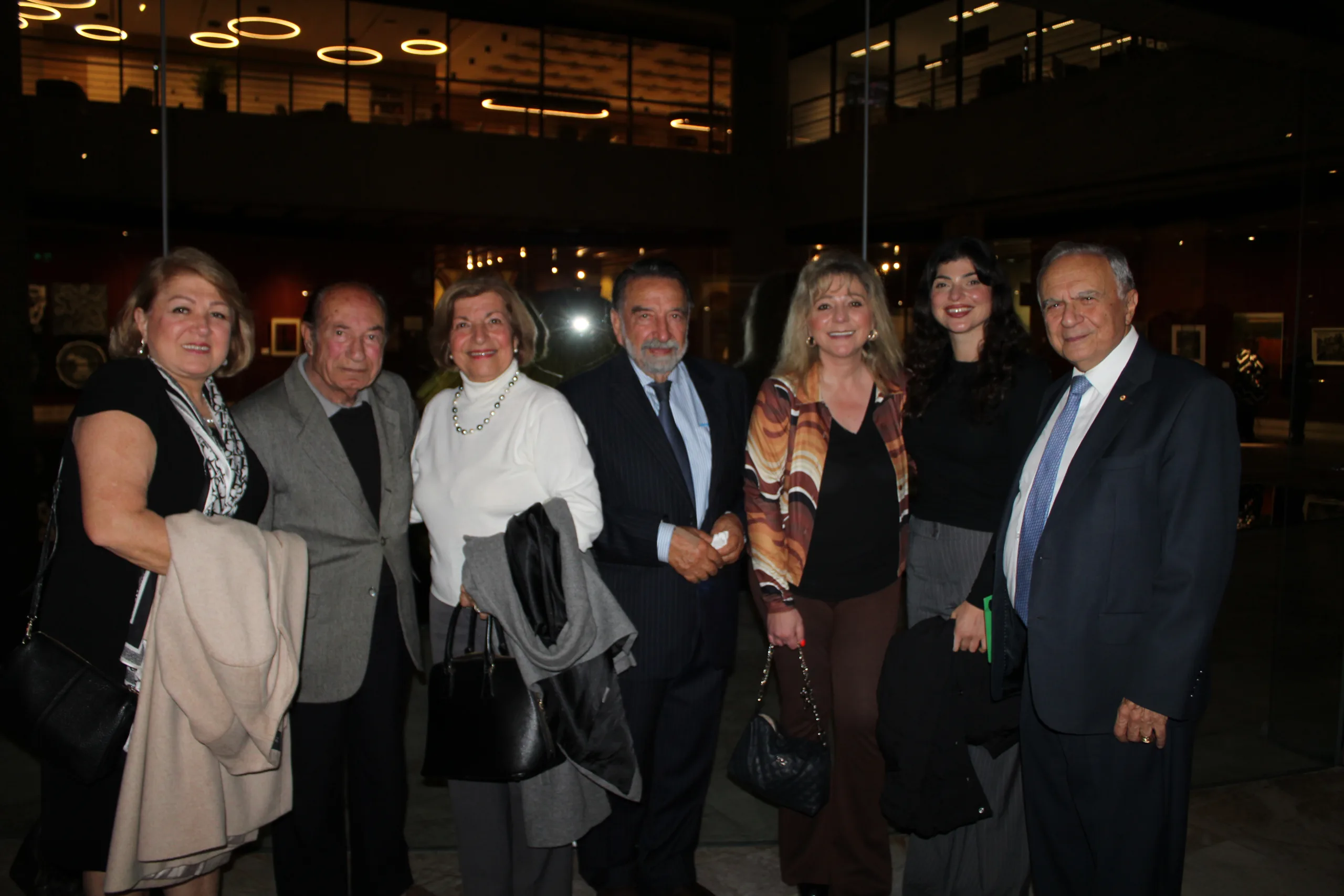
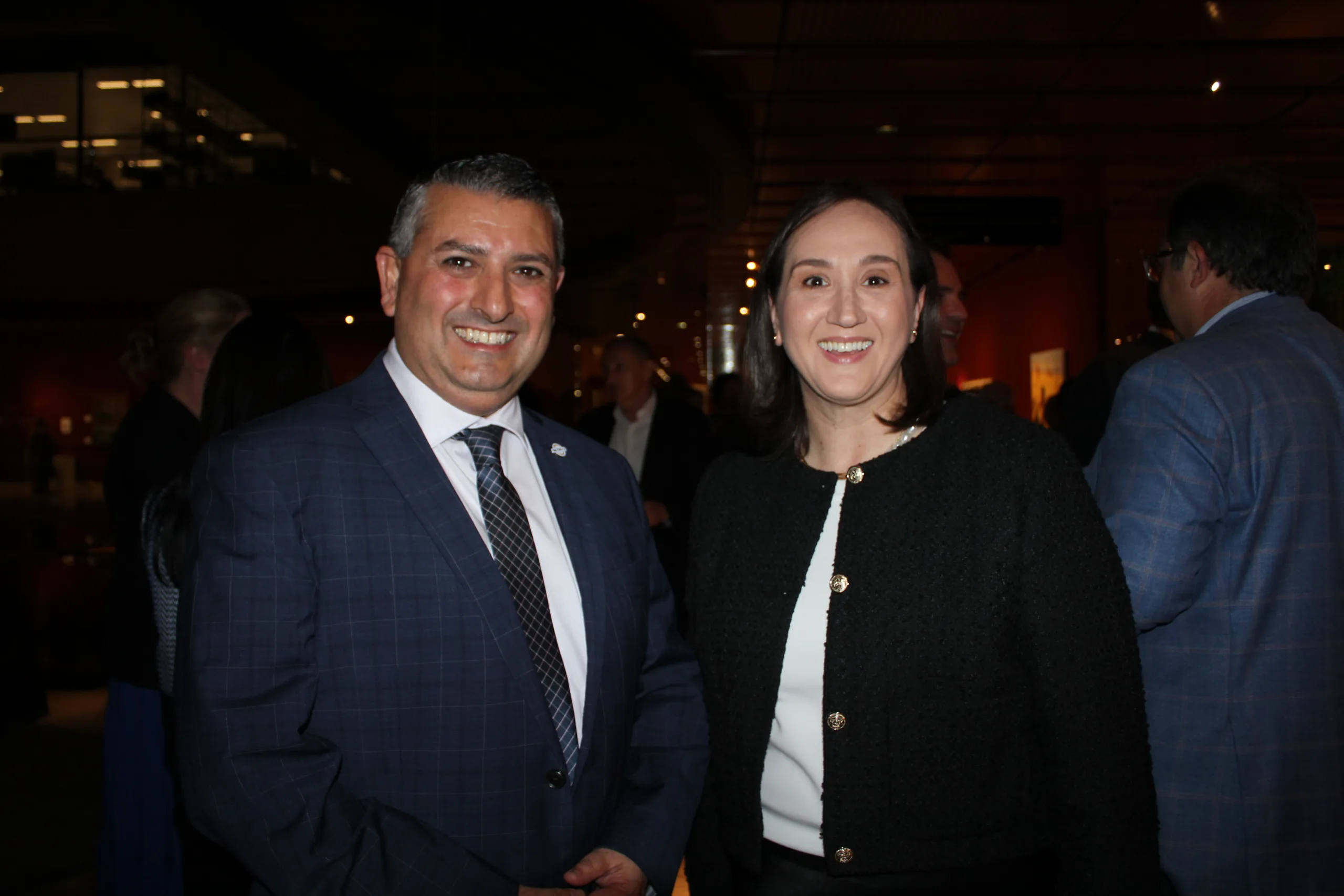
On Sunday, 19 May 2024, Pontoxeniteas NSW held a poignant commemoration of the Greek Genocide at the Greek Orthodox Cathedral of the Annunciation of Our Lady, Redfern. This solemn day of remembrance honoured the ancestors of Pontos and drew a significant turnout from the community.
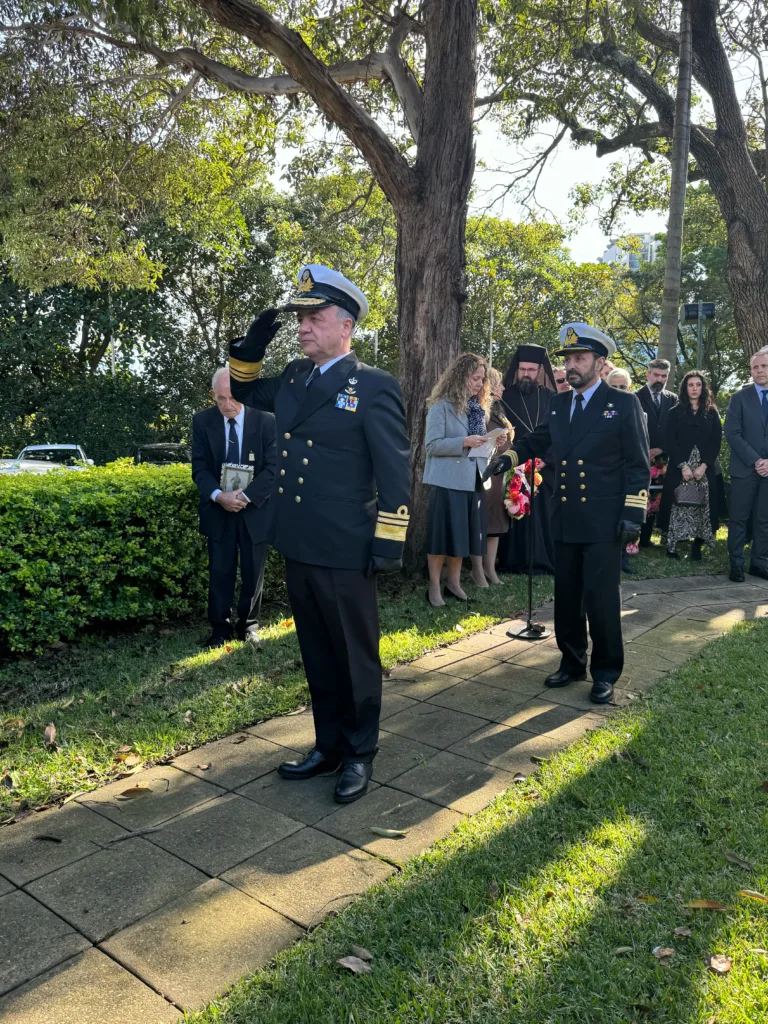
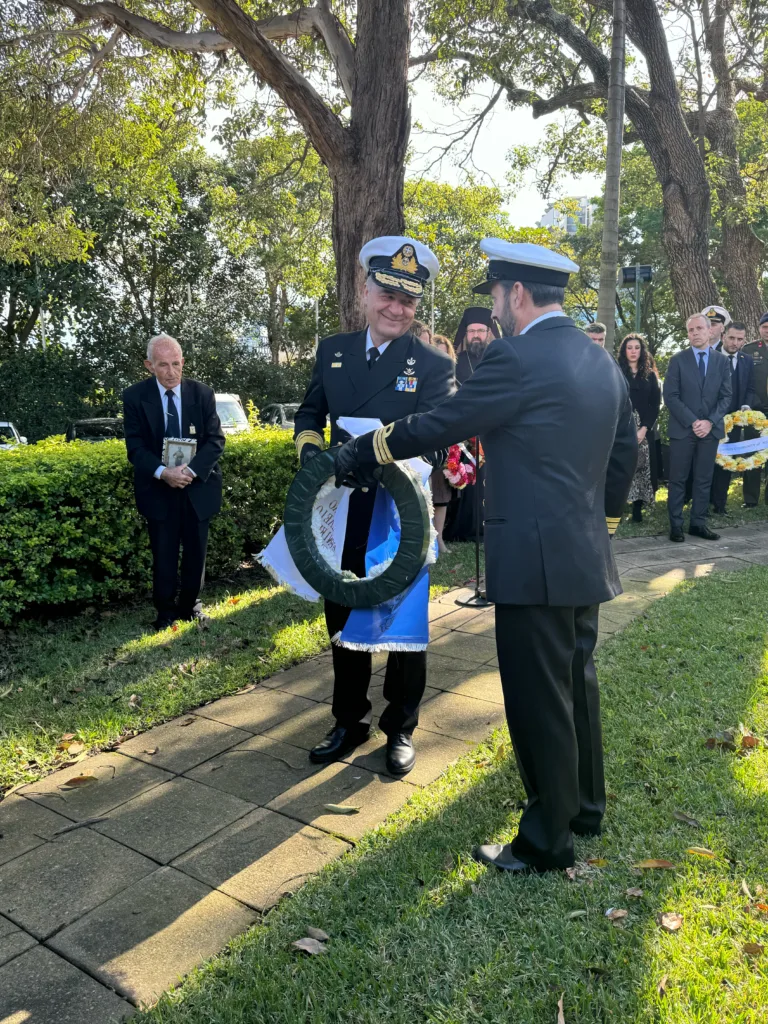
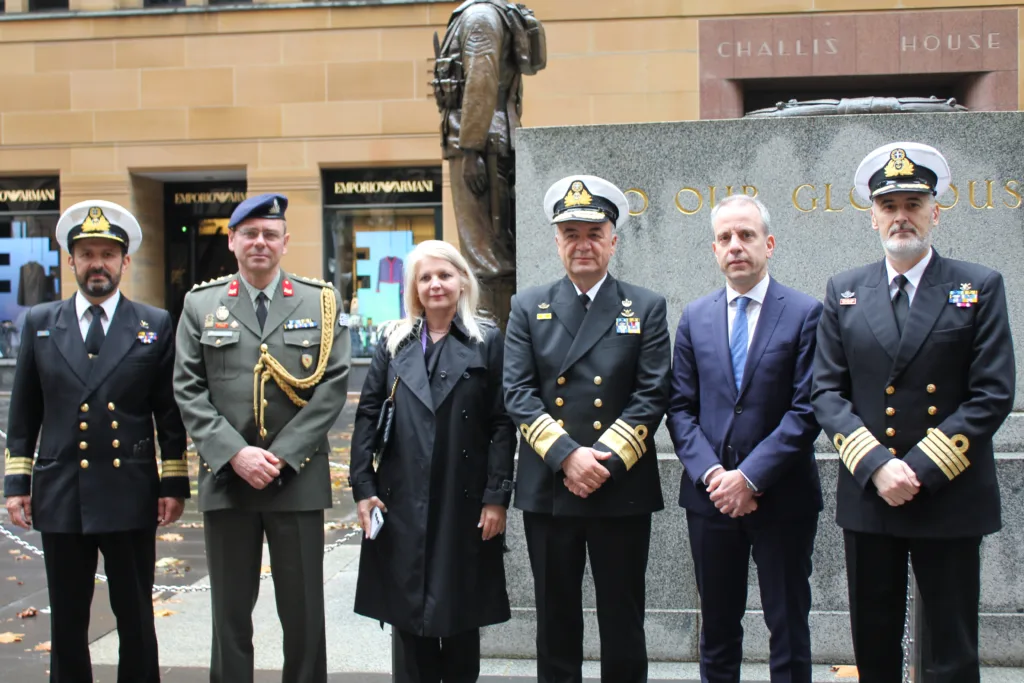
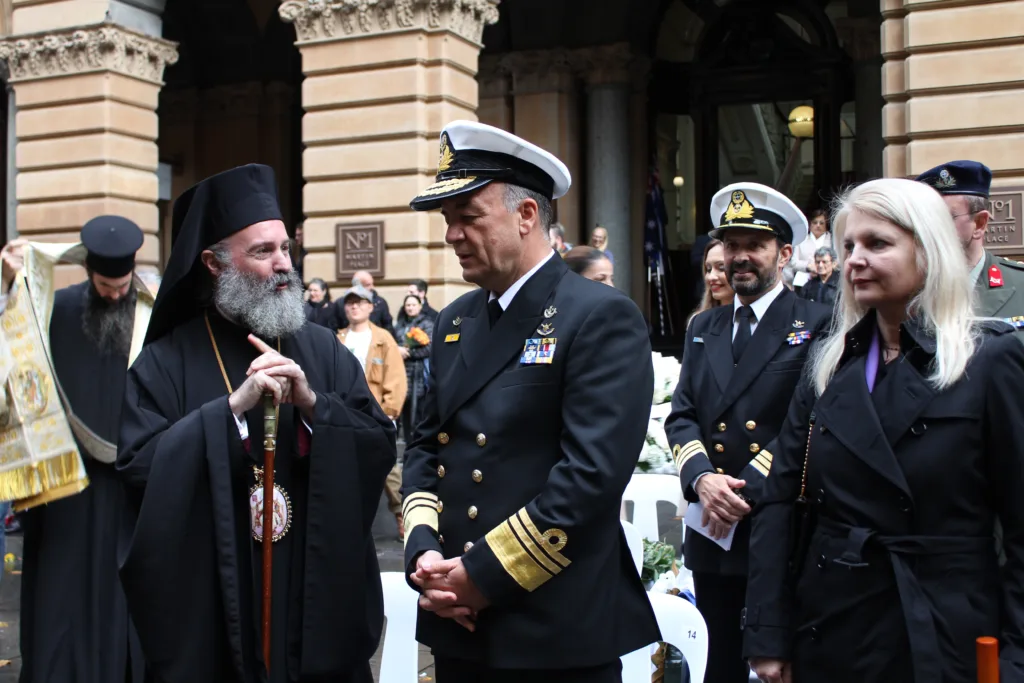
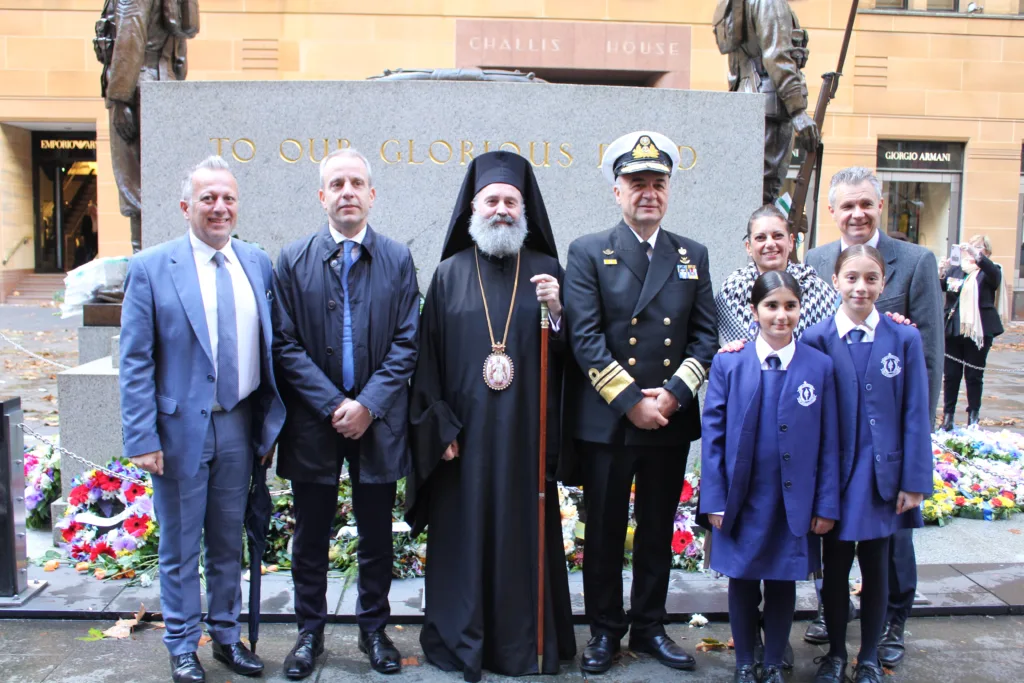
The event was graced by several distinguished guests, including Archbishop Makarios of Australia, Chancellor Archimandrite Father Christophoros Krikelis, and a delegation from the Hellenic Ministry of Defence featuring Vice Admiral Christos Sasiakos, Deputy Chief of the Hellenic National Defence General Staff, Captain Pavlos Angelopoulos, Staff Officer of the Bilateral Relations Directorate of the Hellenic National Defence General Staff, and Colonel Ioannis Fasianos, Military Attaché of the Hellenic National Defence Force based in Canberra.
These guests participated in the Divine Liturgy and memorial service, where the Archbishop spoke and brought many to tears as they remembered the atrocities and lives lost during the genocide, underscoring the importance of such commemorations.
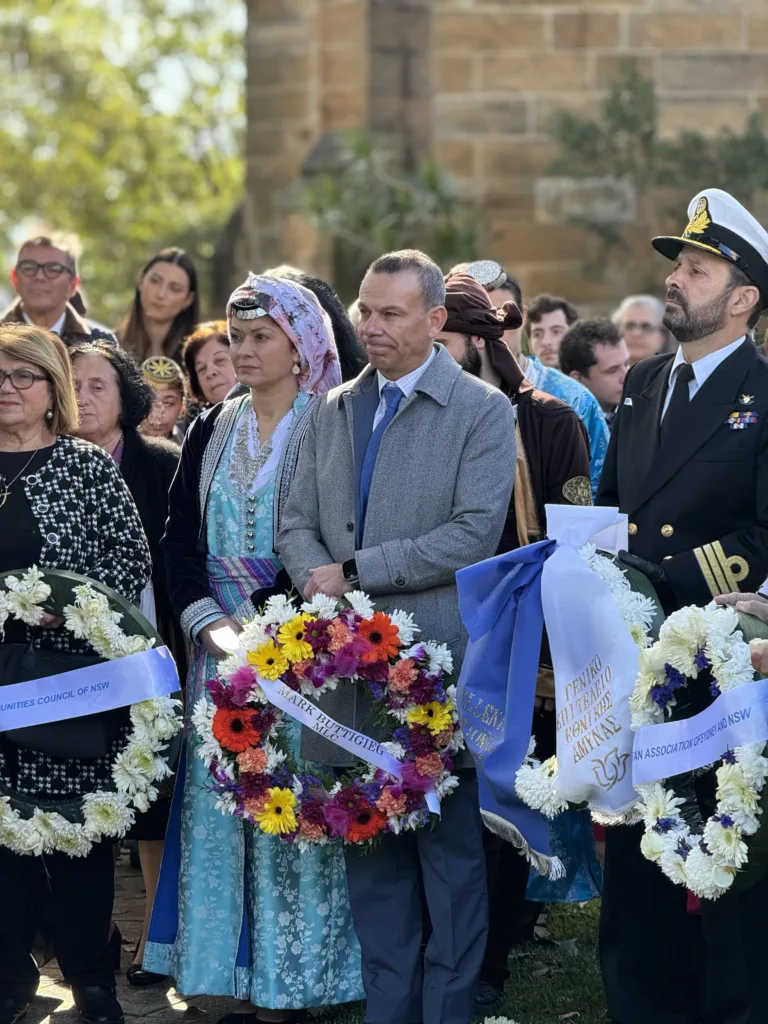
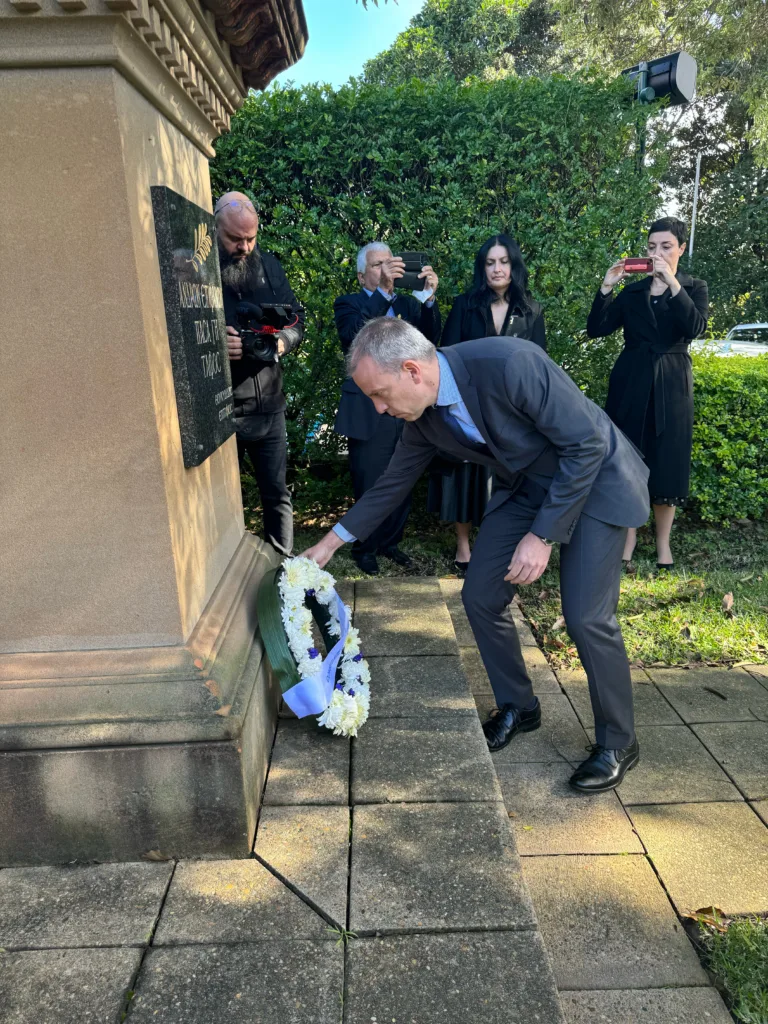
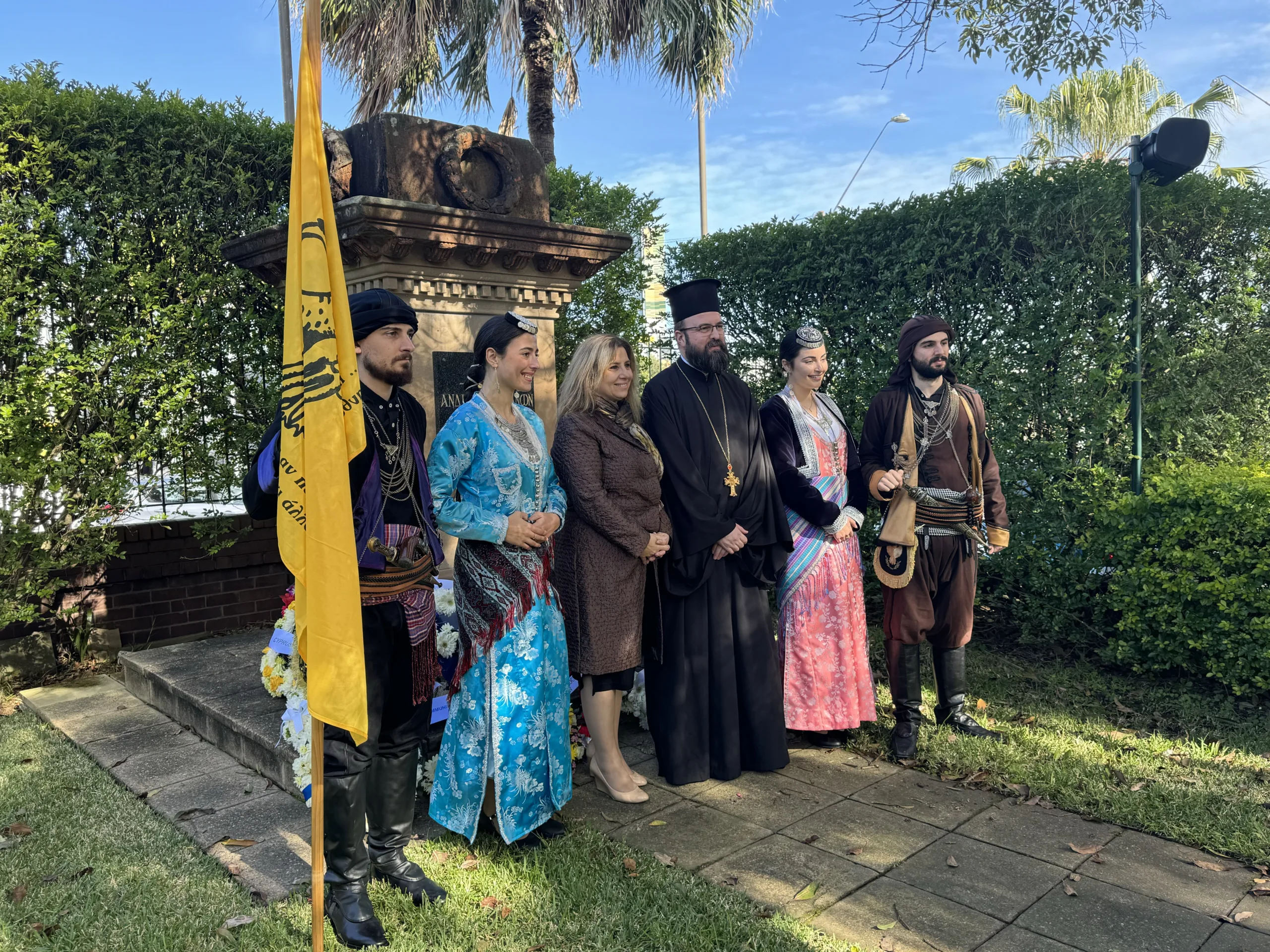
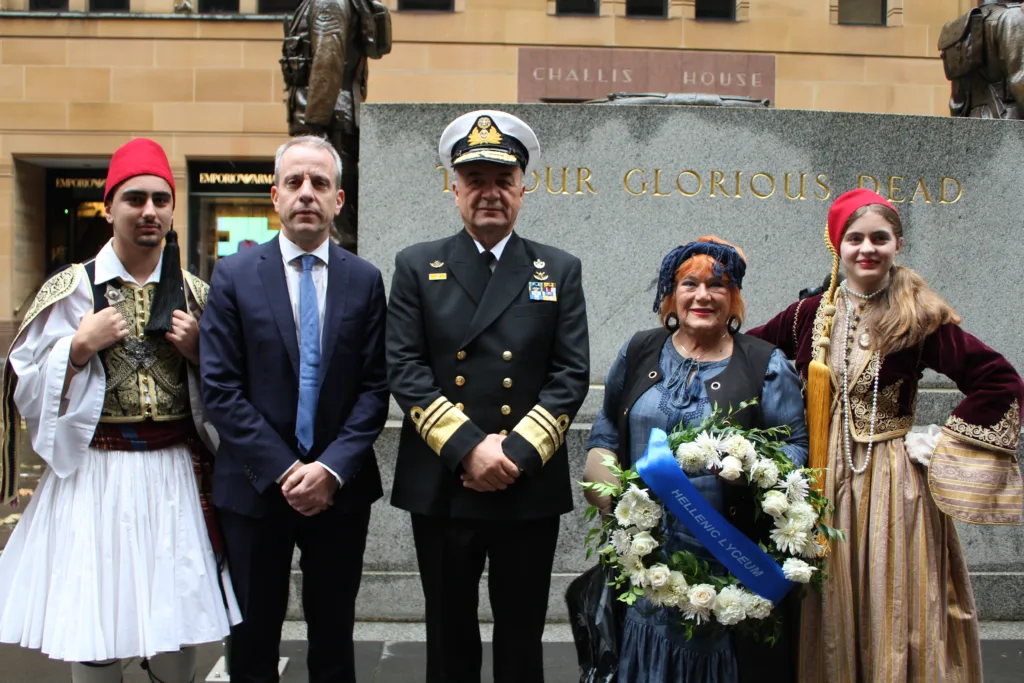
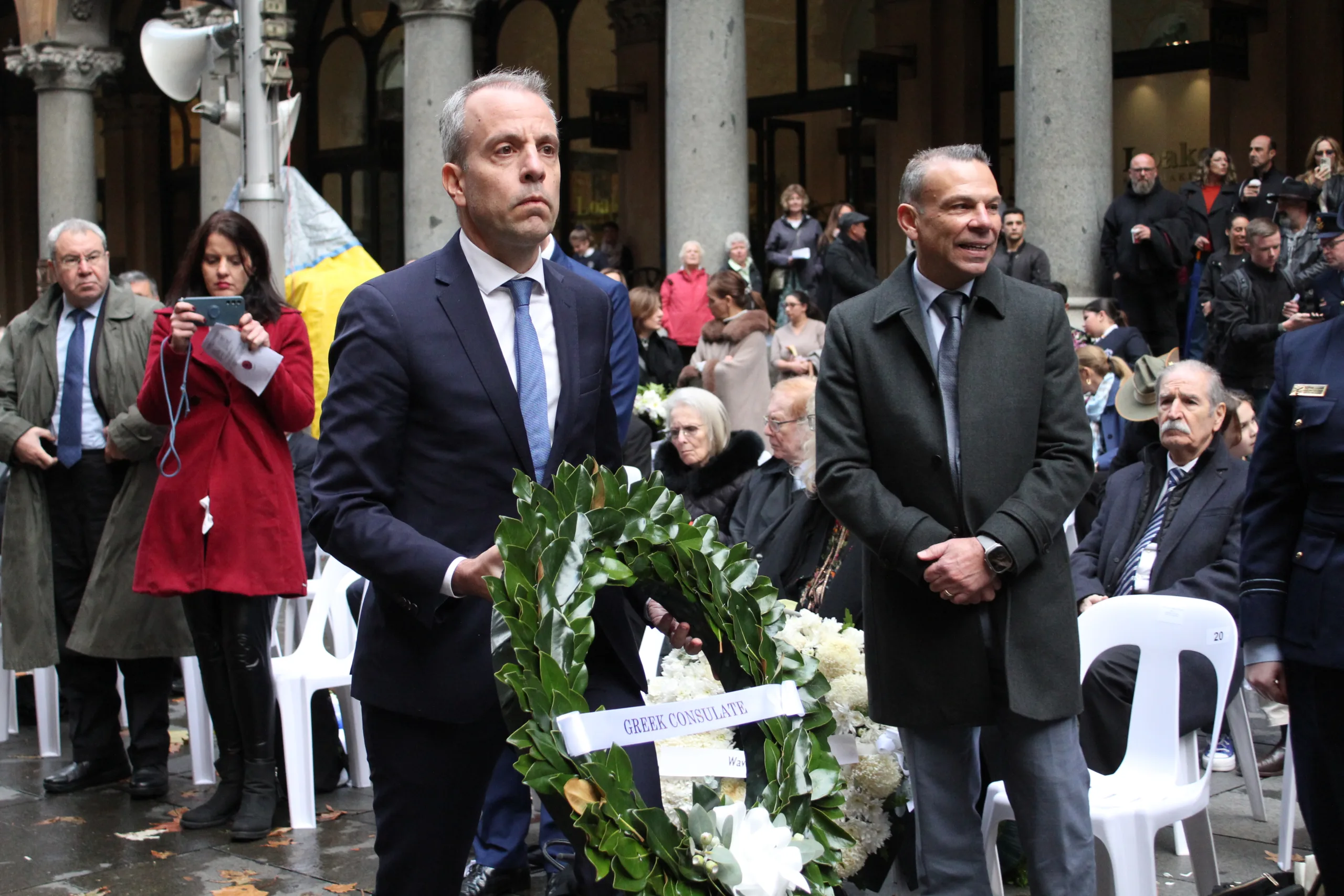
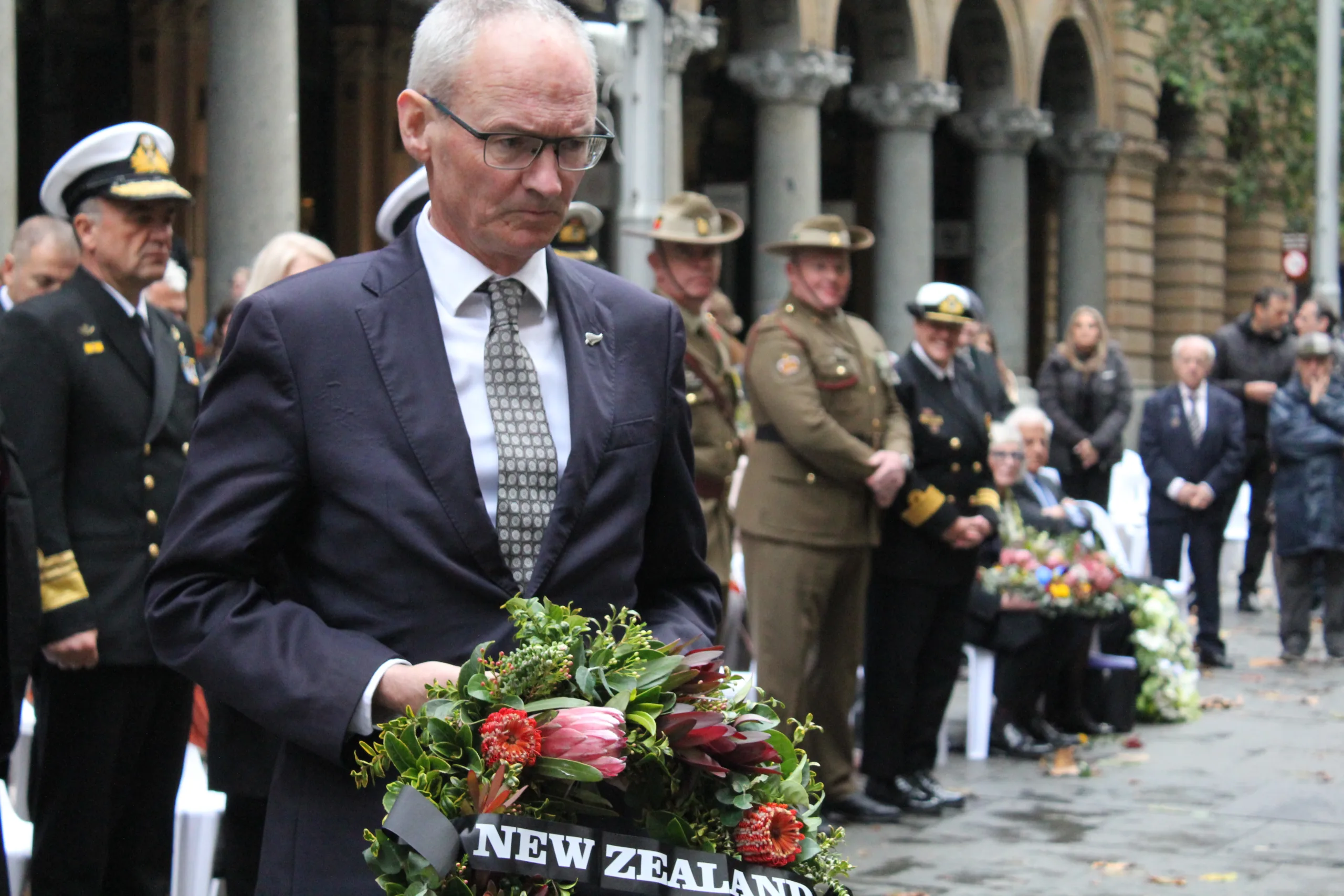
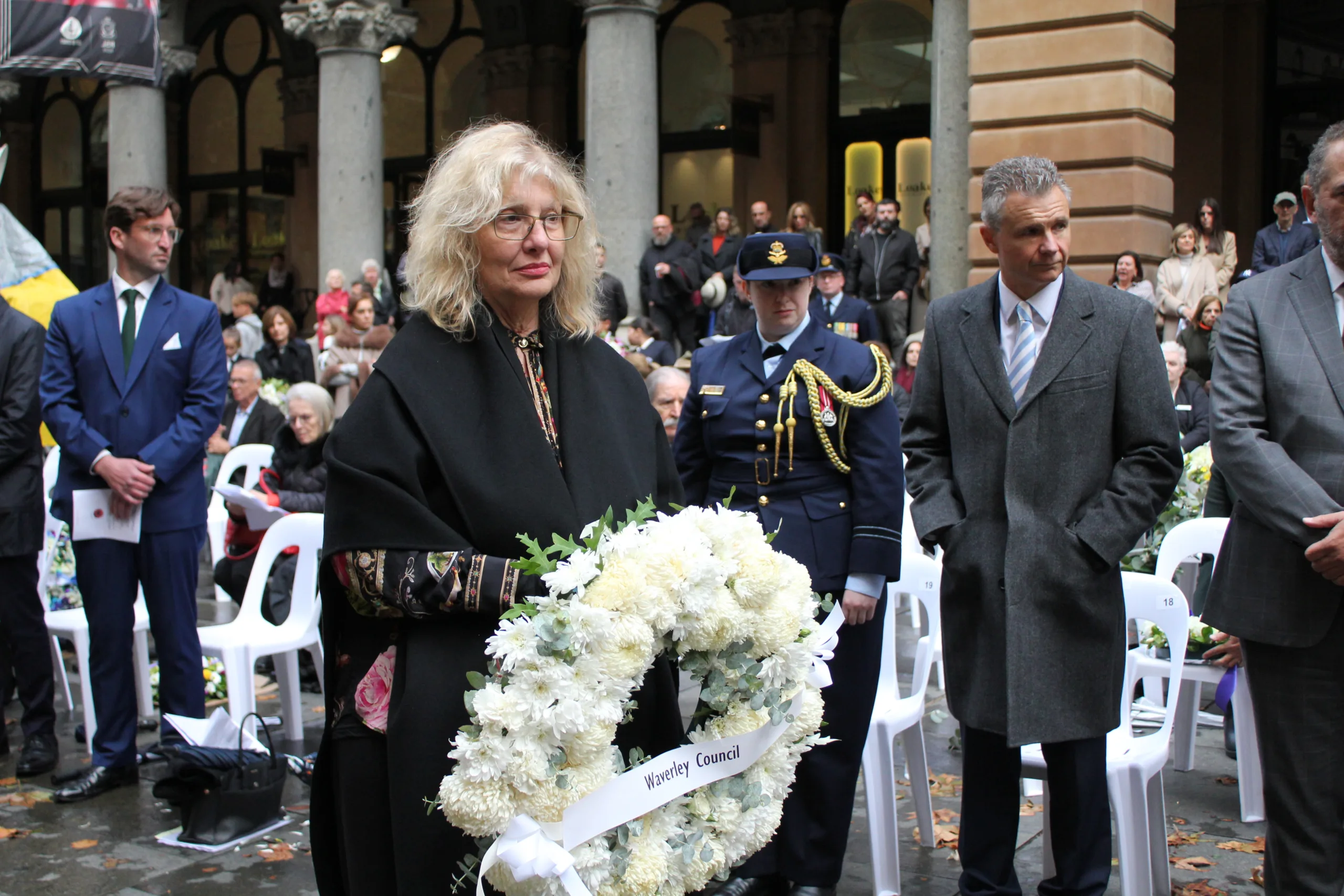
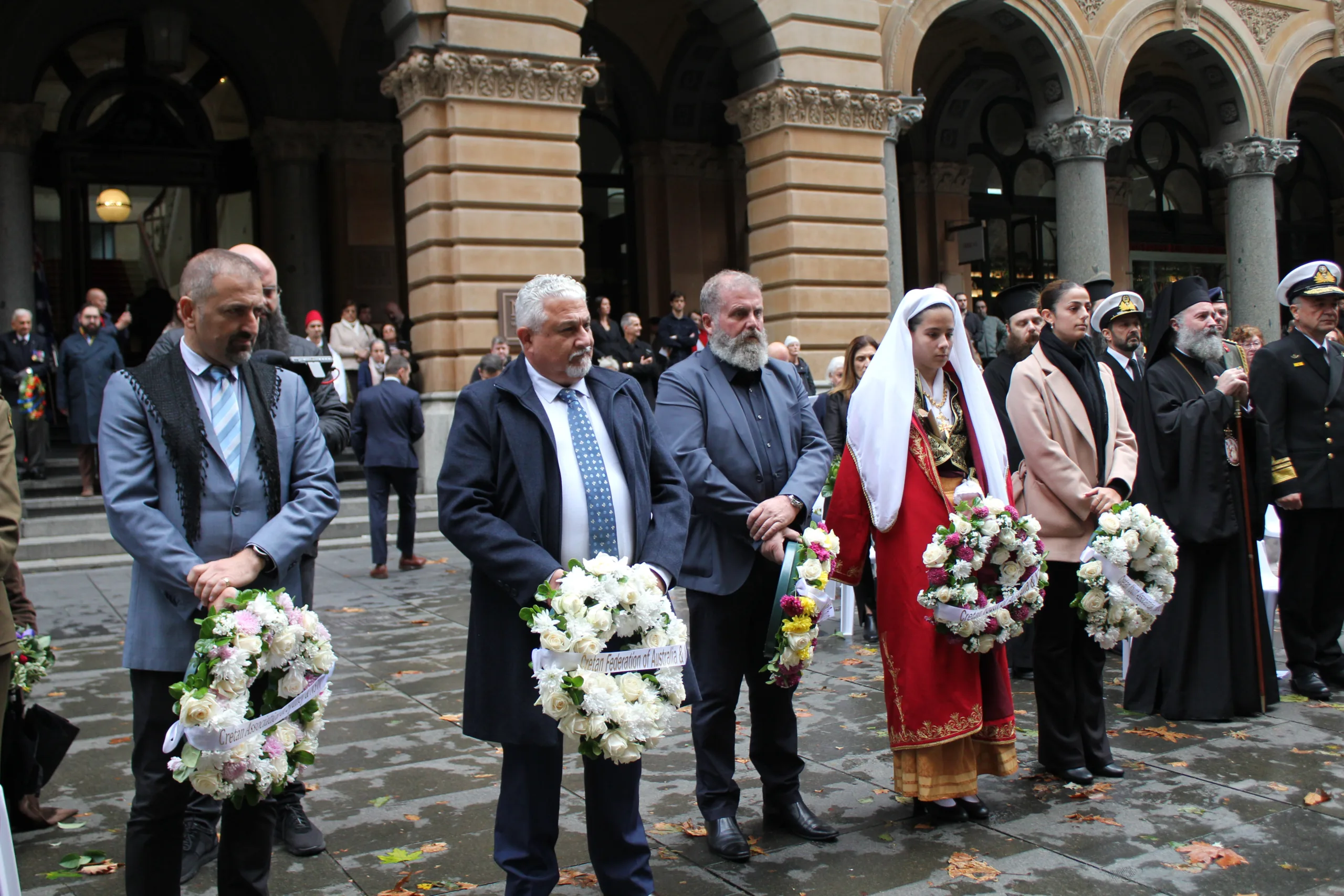
Following the service, a wreath laying ceremony was held at the Greek Orthodox Archdiocese of Australia. Participants included Vice Admiral Sasiakos; the Consul General of Greece in Sydney Yannis Mallikourtis; the NSW Minister for Industrial Relations, Sophie Cotsis MP; as well as many leaders of local Cretan, Pontian and Assyrian organisations.
All photos copyright The Greek Herald.
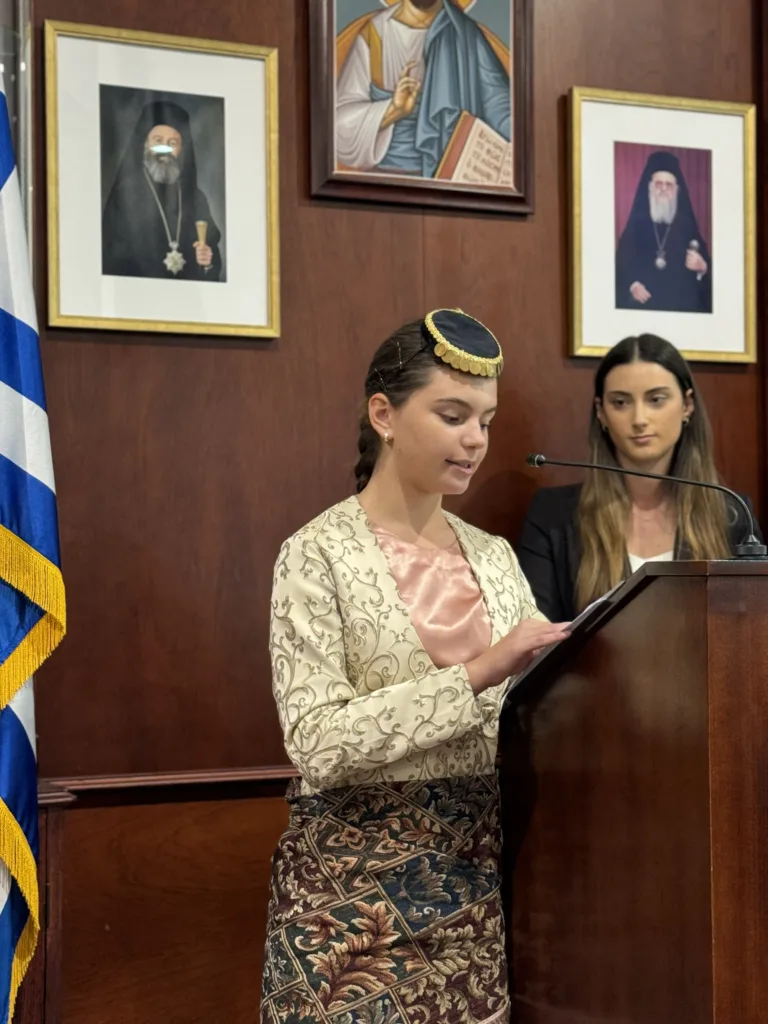
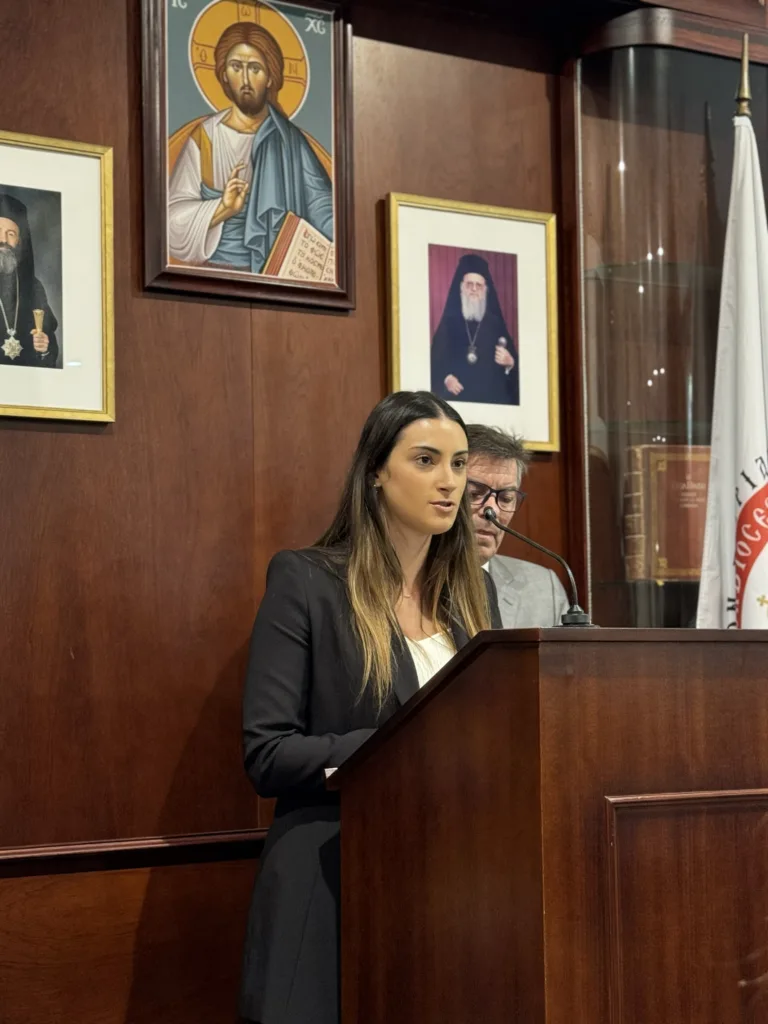
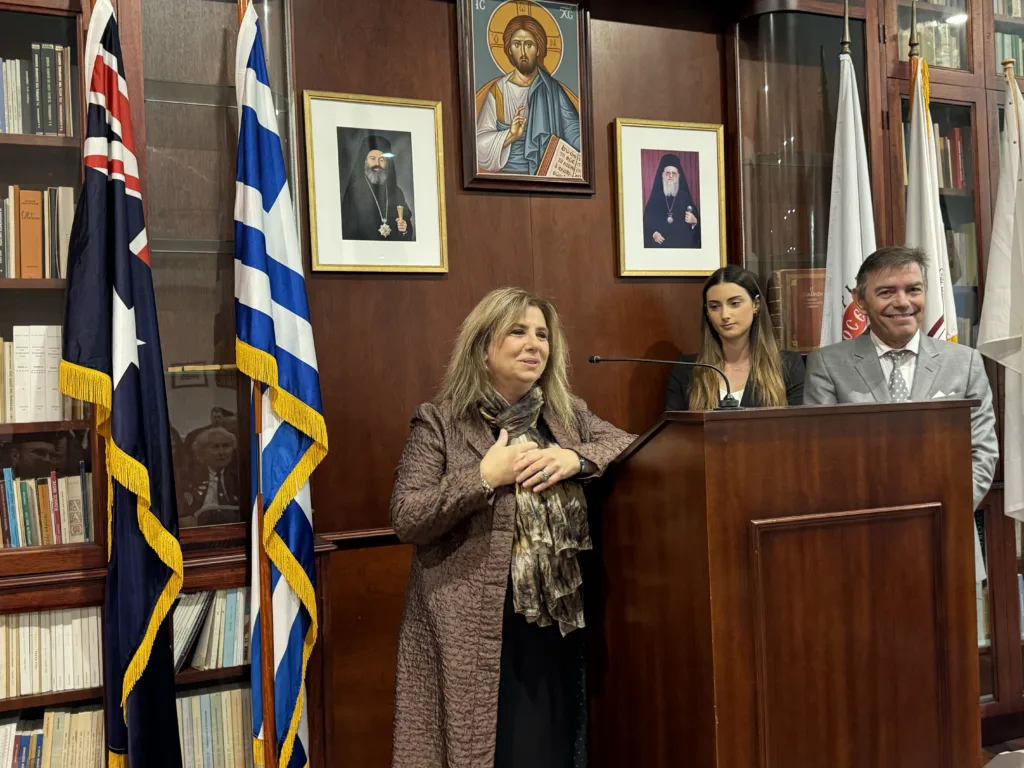
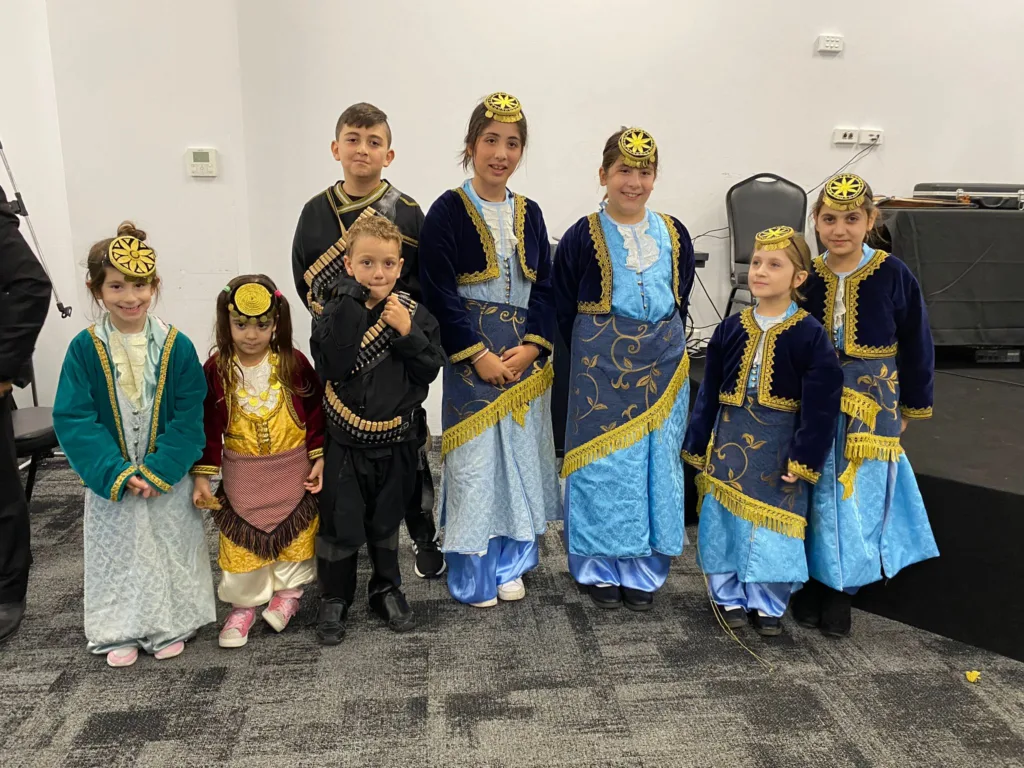
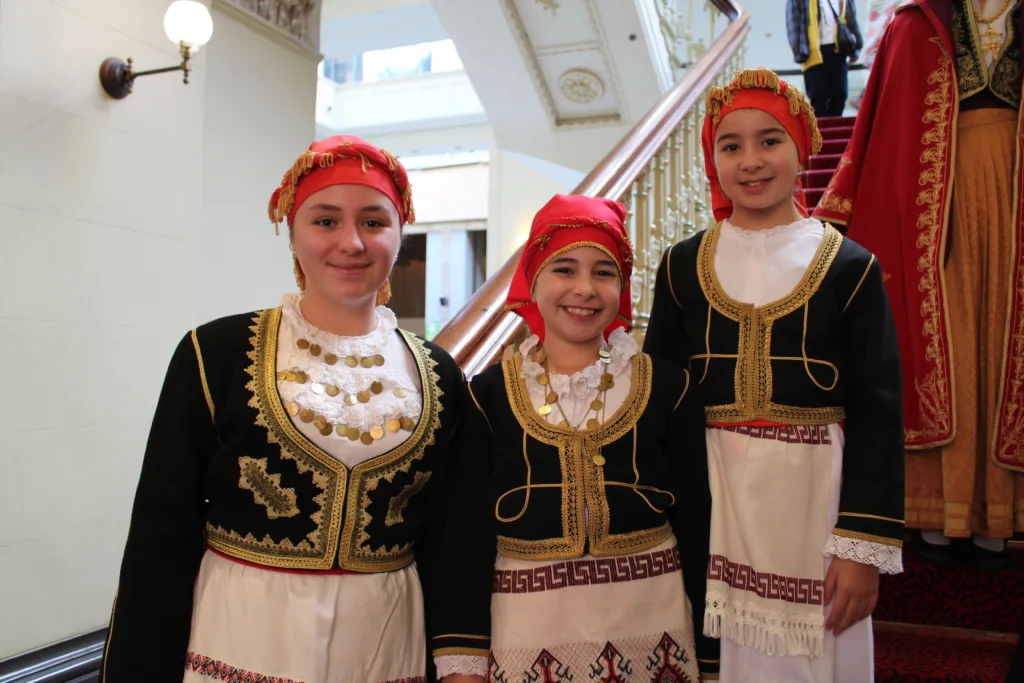
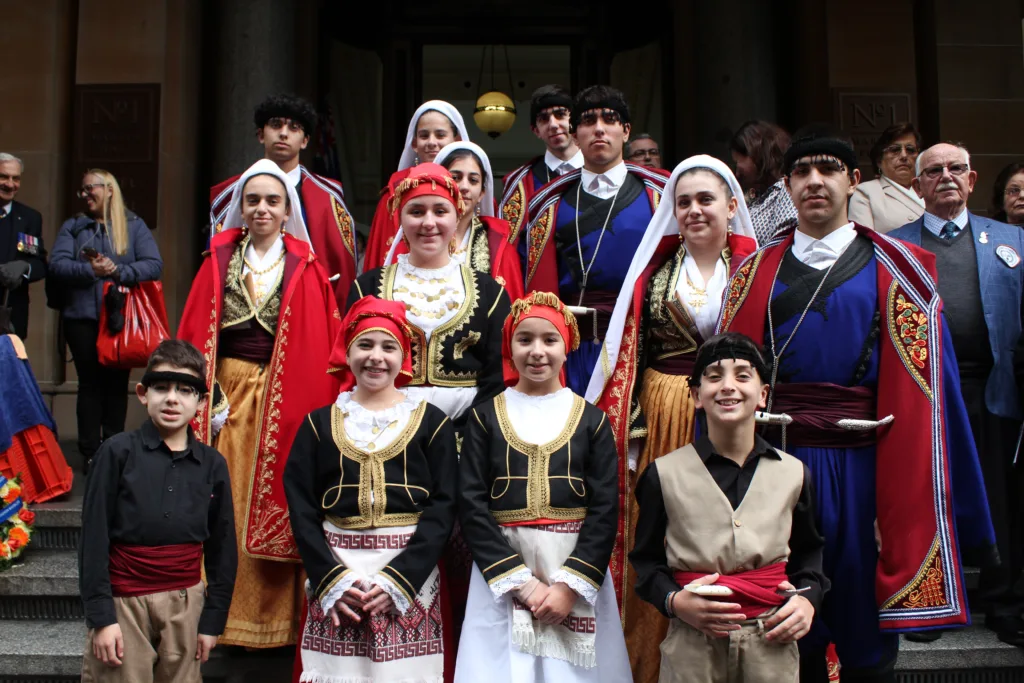
The commemoration continued at the Theological College Hall of the Greek Orthodox Archdiocese of Australia. The hall was filled with attendees of all ages, including representatives from many Greek associations, as well as Armenian and Assyrian friends. The event featured an intergenerational programme where younger generations participated, highlighting the enduring legacy and importance of these historical events.
Master of Ceremonies Mia Karatasas and Spiros Papastefanou led the event, introducing the first speaker, Consul General Mallikourtis, who spoke on the historical significance of the Greek Genocide and congratulated the Pontian community for their ongoing efforts to preserve their heritage.
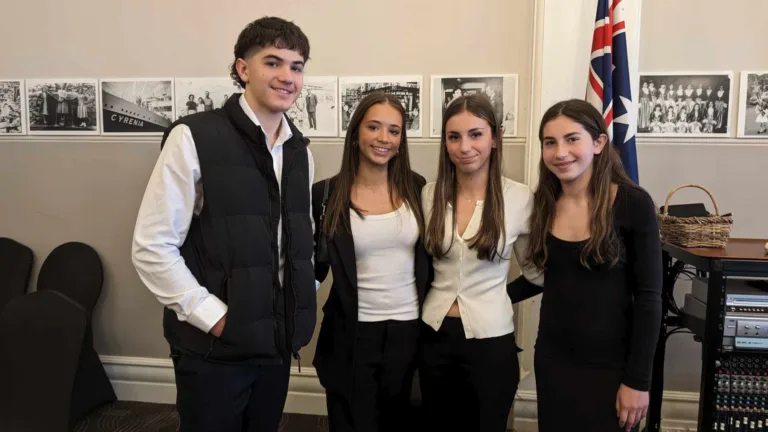
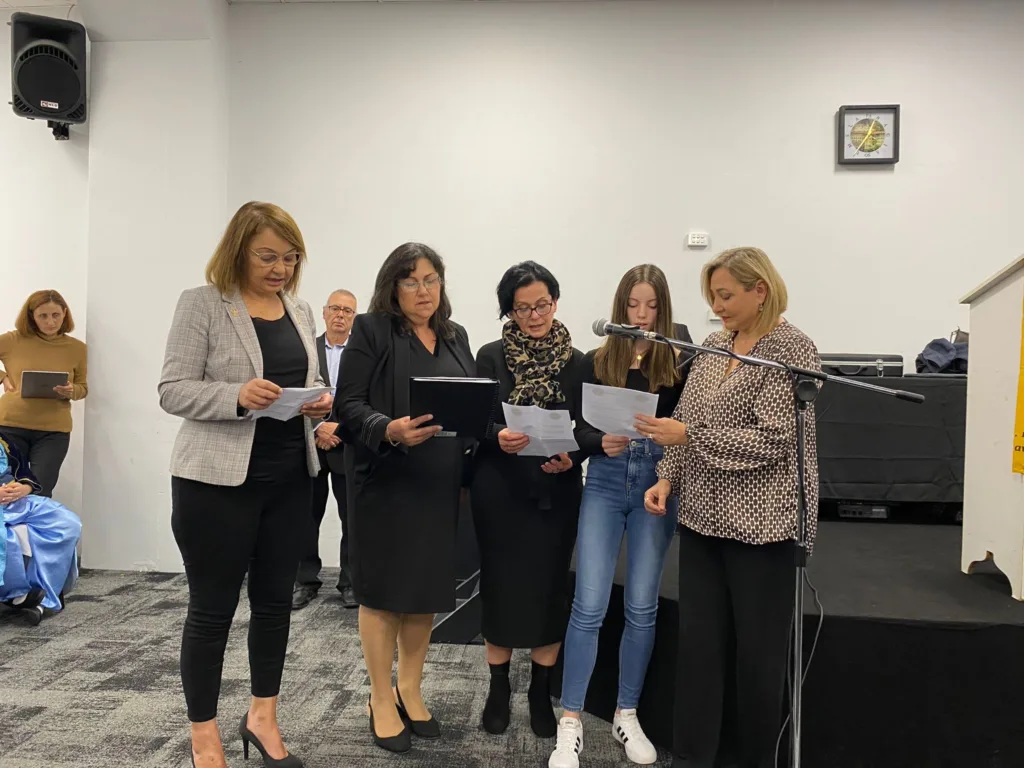
Young students Anna Marie Plyromalis, Anastasia Papastefanou, and Andrew Belogiannis shared their personal connections to Pontos, reflecting the continuity of cultural identity across generations.
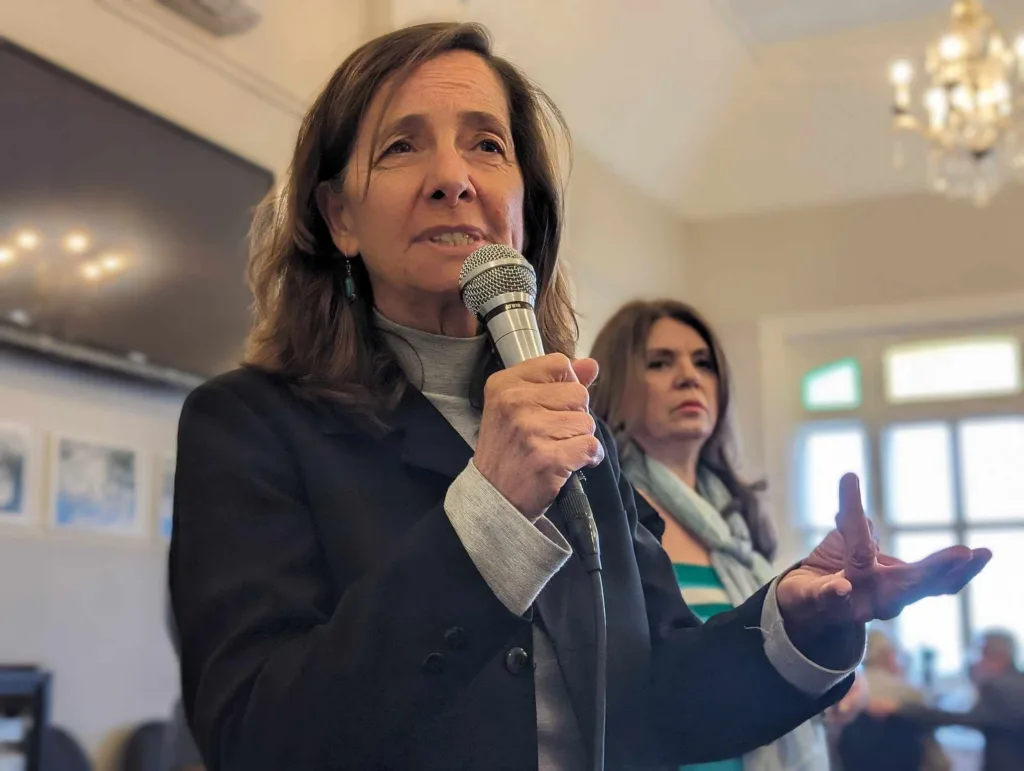
Esta Paschalidis-Chilas, President of the Federation of Pontian Associations of Australia, addressed the audience, speaking on the devastating impact of the White Genocide.
Esta Paschalidis-Chilas
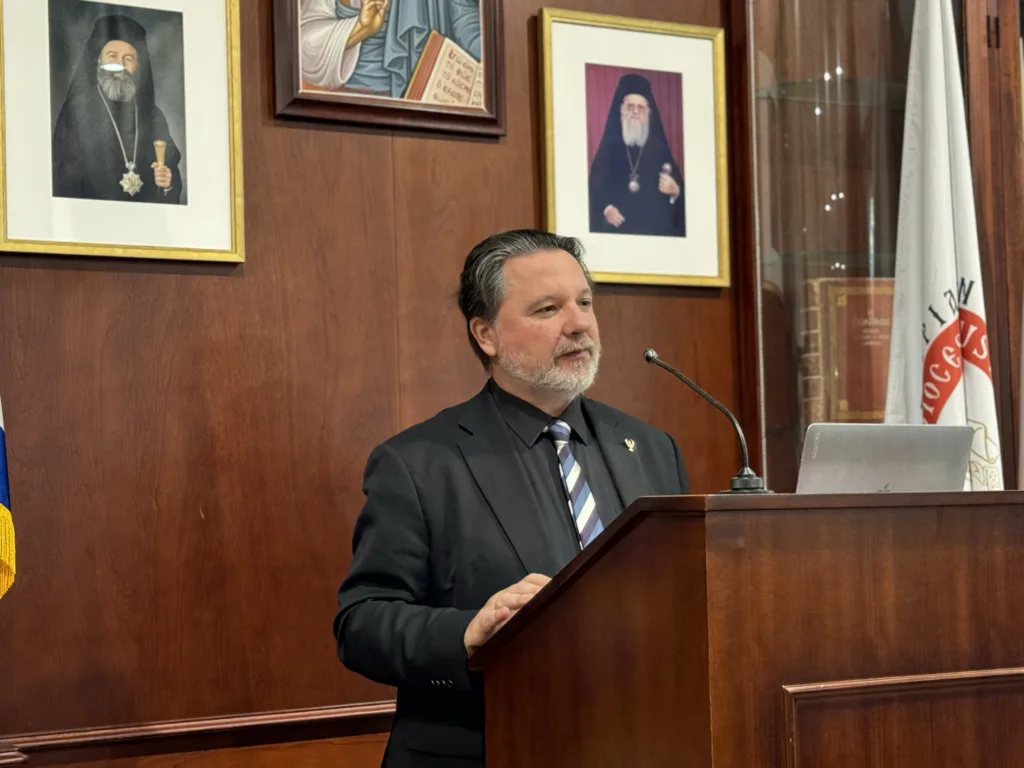
Dr Panayiotis Diamadis of the Australian Institute for Holocaust and Genocide Studies paid tribute to the late Michalis Charalambidis, a key figure in the recognition of the Greek Genocide, and discussed the ongoing movement for political recognition of the genocide in Australia.
Dr Panayiotis Diamadis
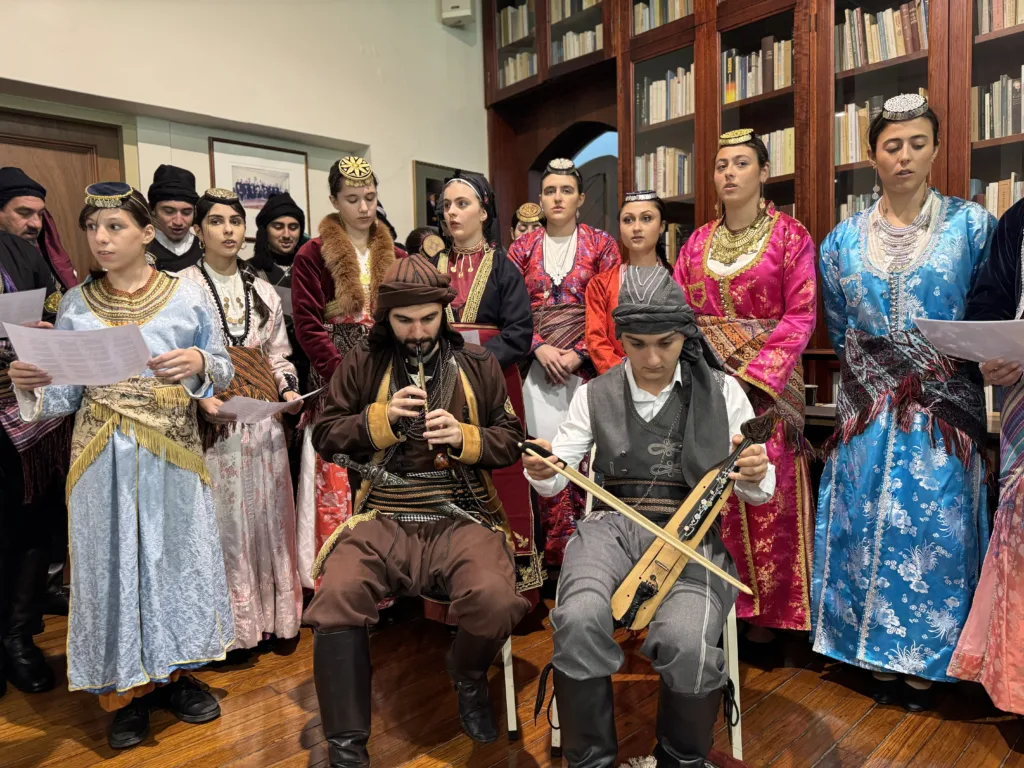
The emotional highlight of the evening was a performance by Pontoxeniteas NSW students, who sang a solemn song in the Pontian dialect, accompanied by Prodromo Moysiadis on the Lyra and Kosta Papoulidis on the flogina, under the guidance of their mentor, Christina Iwannidou.
Maria Anthony, President of Pontoxeniteas NSW, extended heartfelt thanks to all distinguished guests, members, and friends for their support. She expressed gratitude to the Armenian National Committee of Australia and the Assyrian National Council of Australia for their solidarity.
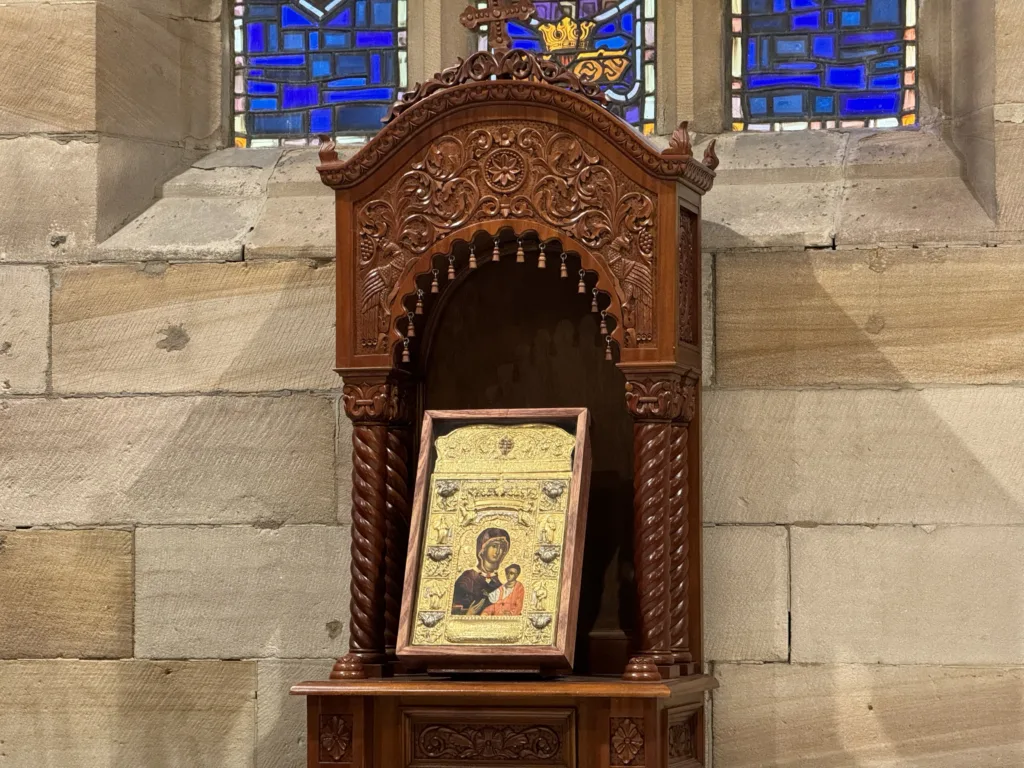
The event concluded with Vice Admiral Sasiakos being presented a small gift of the Panagia icon as a token of gratitude, reciprocated by a gift to the Pontian Association.
The event underscored the importance of remembering and honouring the past, ensuring that the sacrifices and stories of ancestors are never forgotten.
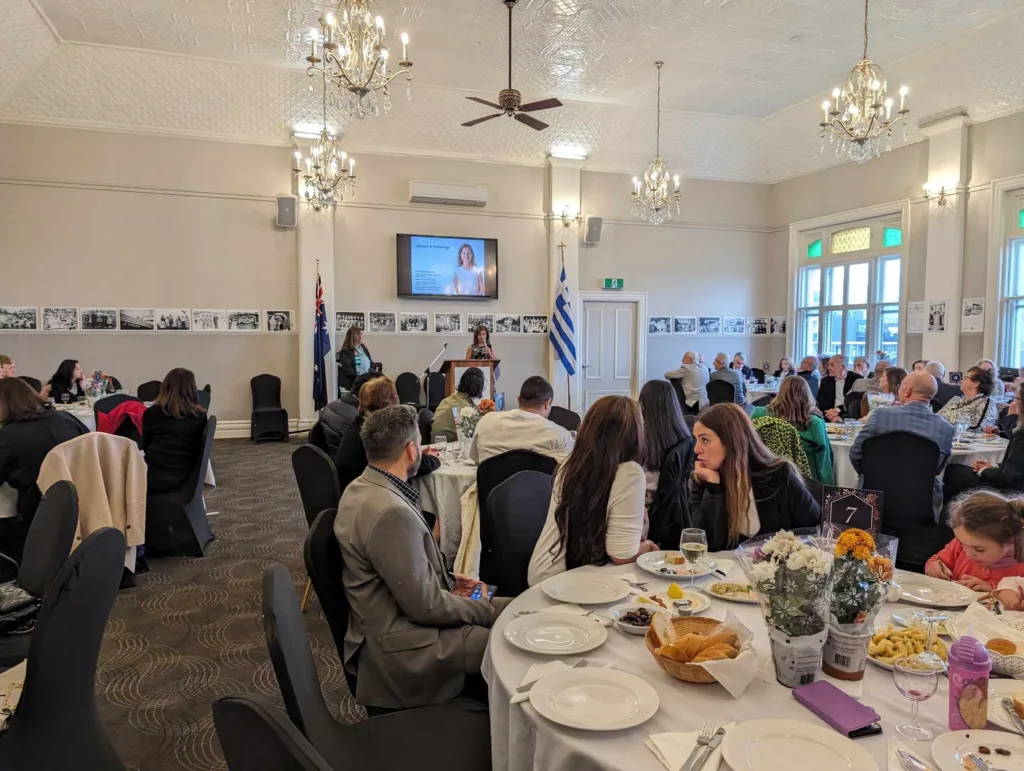
On Sunday, May 19th, the Panarcadian Association of Melbourne and Victoria, “O Kolokotronis,” held their successful annual Mother’s Day event at their North Melbourne hall. Over 100 guests enjoyed an afternoon filled with traditional Greek food, music, dancing, poetry, and a presentation on well-being by Associate Professor Vicki Kotsirilos AM.
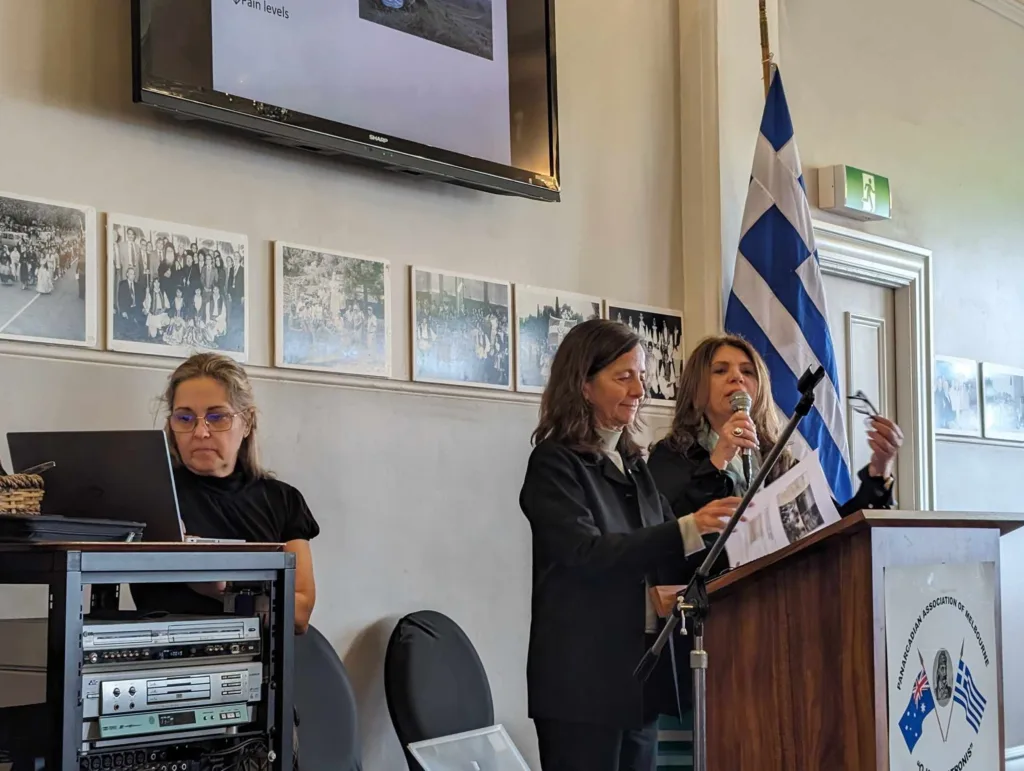
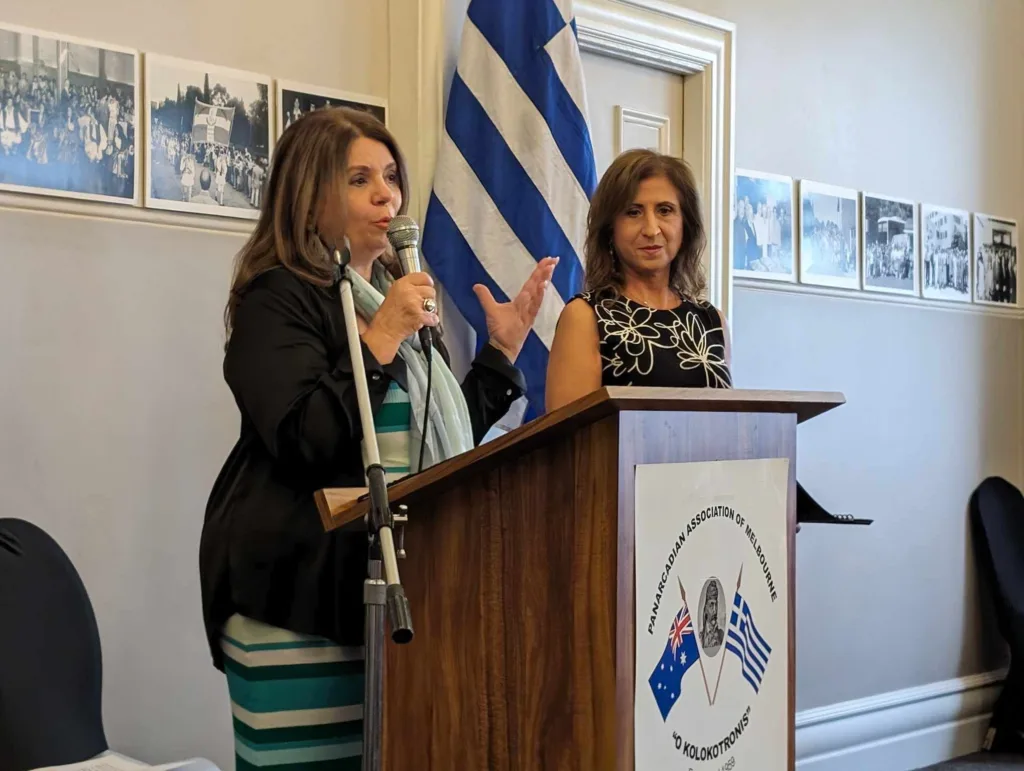
An intergenerational event, mothers and their children were well-represented. Dr. Kotsirilos’ 38 years of clinical experience benefitted young and old alike. Her presentation in English was brought to life into Greek by emcee Emily Kazakos. Together, the two women focused on the importance of preventative medicine and a healthy lifestyle, drawing inspiration from the teachings of Hippocrates.
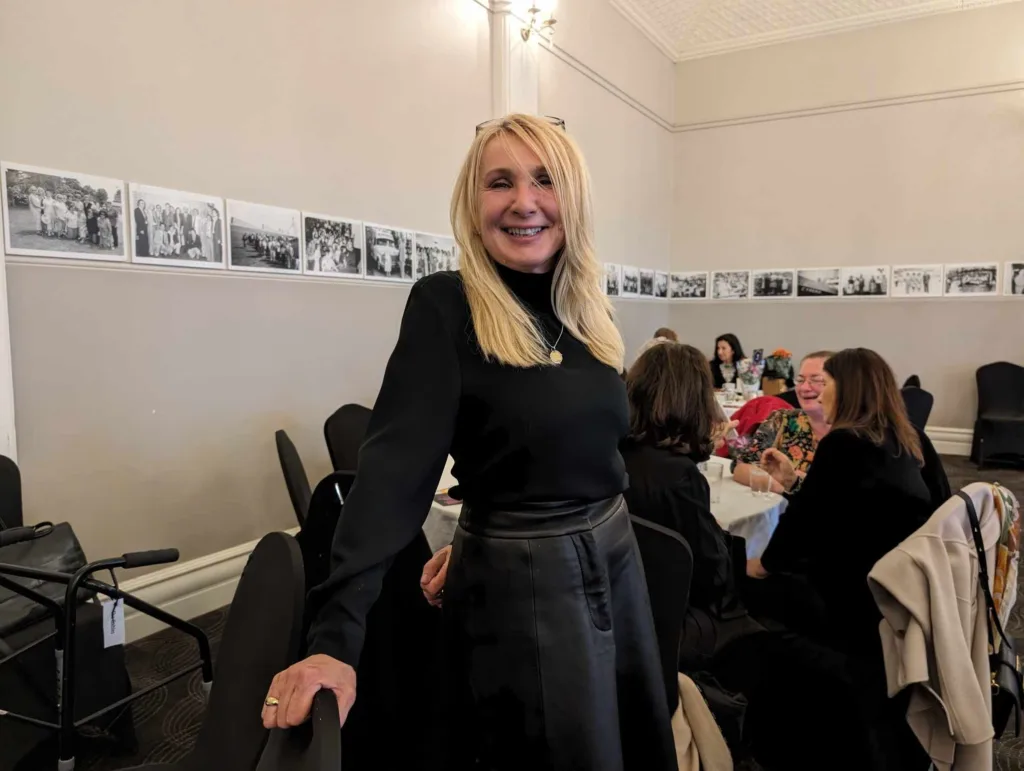
Professor Vicki Kotsirilos AM.Panarcadian Vice President Betty Dimitropoulos was a gracious hostess, making sure the event ran smoothly
“Hippocrates’ teachings focused on a more natural, holistic approach to understanding and treating patients’ health,” Dr. Kotsirilos explained. “His theories still underlie modern medicine. He prescribed simple treatments like lifestyle and behavioural advice, diet, rest, hygiene, clean water, exercise, walking, and sleep.”
As an example of how changes can promote healing, Dr Kotsirilos showed the audience a withering plant she had successfully nurtured back to health. In her own life, she prioritises a healthy lifestyle and encourages others to do the same.
“I’ve noticed that migrants from Greece tend to have a strong constitution, even if they have chronic diseases like diabetes or heart disease,” she said. “It’s because they grew up in the mountains and horio (village), eating good food, which gave their bodies a strong foundation.”
Emily Kazakou was the MC of the event featuring a presentation by Dr Vicki Kotsirilos
Dr Kotsirilos also noted the reduced exposure to chemicals in their environment, contributing to their overall health.
Complementing the talk was a generous spread of healthy dishes, including traditional favourites like imam bayildi, salads, fish, poultry, and fresh fruit – the simple tastes of childhood when the Mediterranean diet was commonplace in Greek households.
Artist/musician Panagiota Stamatopoulou, who has followed a vegetarian lifestyle since 1978, told The Greek Herald how it positively impacted her life.
“I used to struggle with depression,” she said, “but changing my diet improved all aspects of my life. I became an artist, and I’ve felt so much better since then.”
Panagiota Stamatopoulou has been a vegetarian since 1978
She added that her grandfather’s brother, George Stamatopoulos, used the differences in human and carnivorous animal teeth to highlight how plant-based foods were the natural choice for people’s constitution.
Reflecting on her childhood, Ms Stamatopoulou recalled arriving in Australia in 1954 with her parents.
“We used to come to this Association,” she said, “where I would play the accordion.”
George Kotsirilos, President of the Panarcadian Association, also has fond memories of visiting the hall as a child with his parents. Dimitris and Ariadne Kotsirilos were present to enjoy the event, organised by their son and featuring their niece, Dr Vicki, as a speaker.
George Kotsirilos and his cousin, Dr Vicki Kotsirilos
“As the second generation we’ll continue to host this event. We want to honour our mothers, grandmothers, great grandmothers who worked so hard for us,” he said.
Angeliki Alexakou came with the mother figure in her life, Irini Karagounis.
“Since my mother passed away 15 years ago, Irini, her best friend, has taken care of me,” Ms Alexakou said. “I always remember her on Mother’s Day.”
Mothers were indeed the honoured guests.
“There’s one mother we especially wanted to honour when deciding to donate the proceeds of today’s event,” President George said. “Our mother language! The funds will go towards the Greek language program at La Trobe University.”
The Association will be donating $2,000 to the La Trobe Greek language program.
Each mother present also received a lovely potted plant as a token of appreciation for their contribution to the Association and their attendance.
The Panarcadian Association of Melbourne and Victoria, “O Kolokotronis” is at570 Victoria Street, North Melbourne.
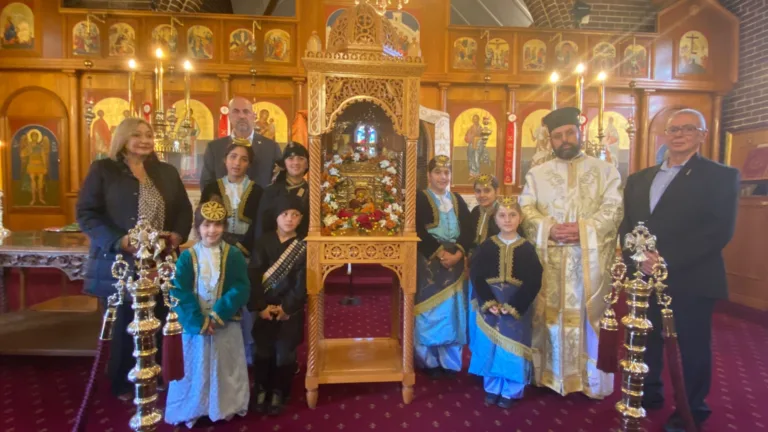
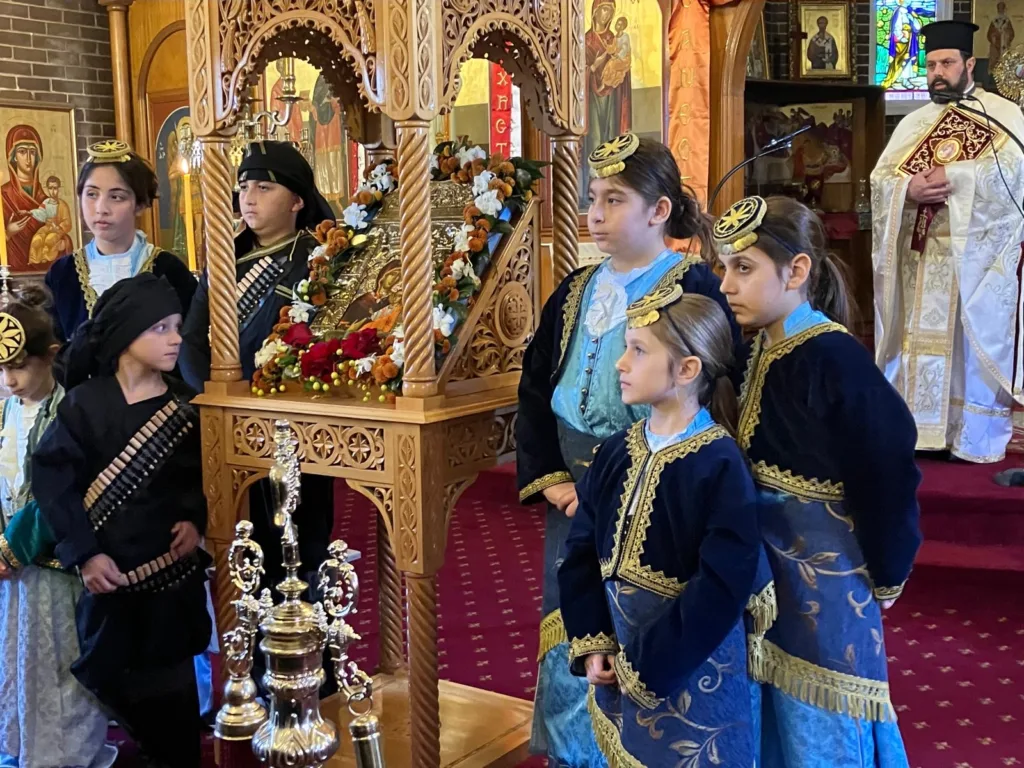
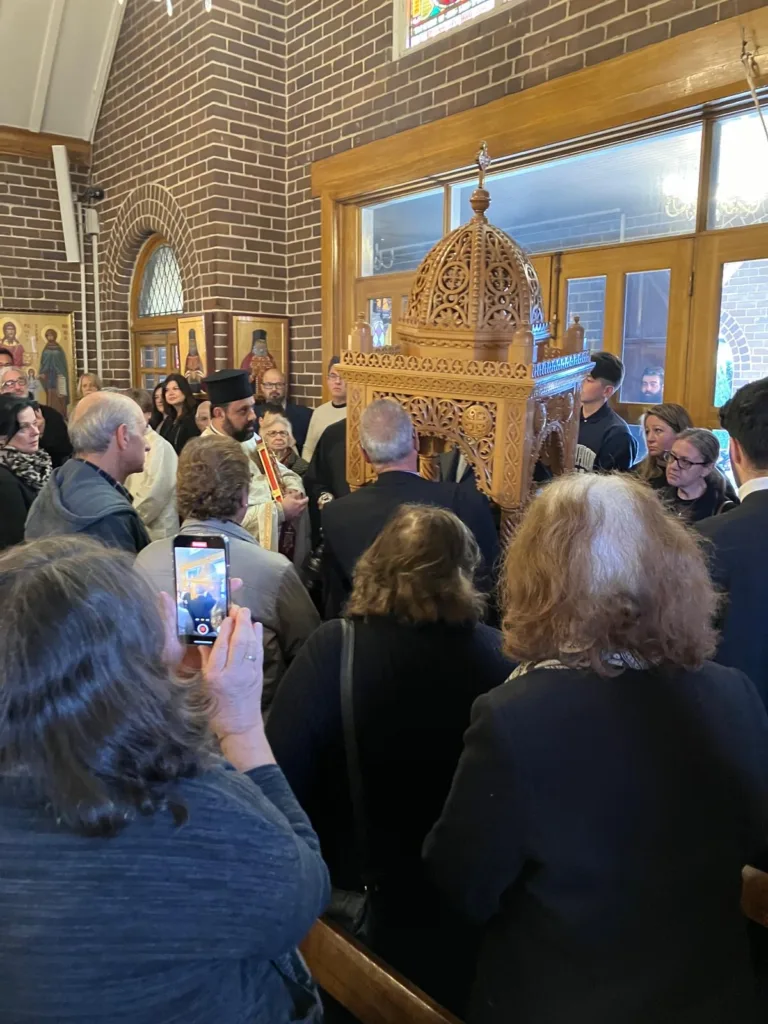
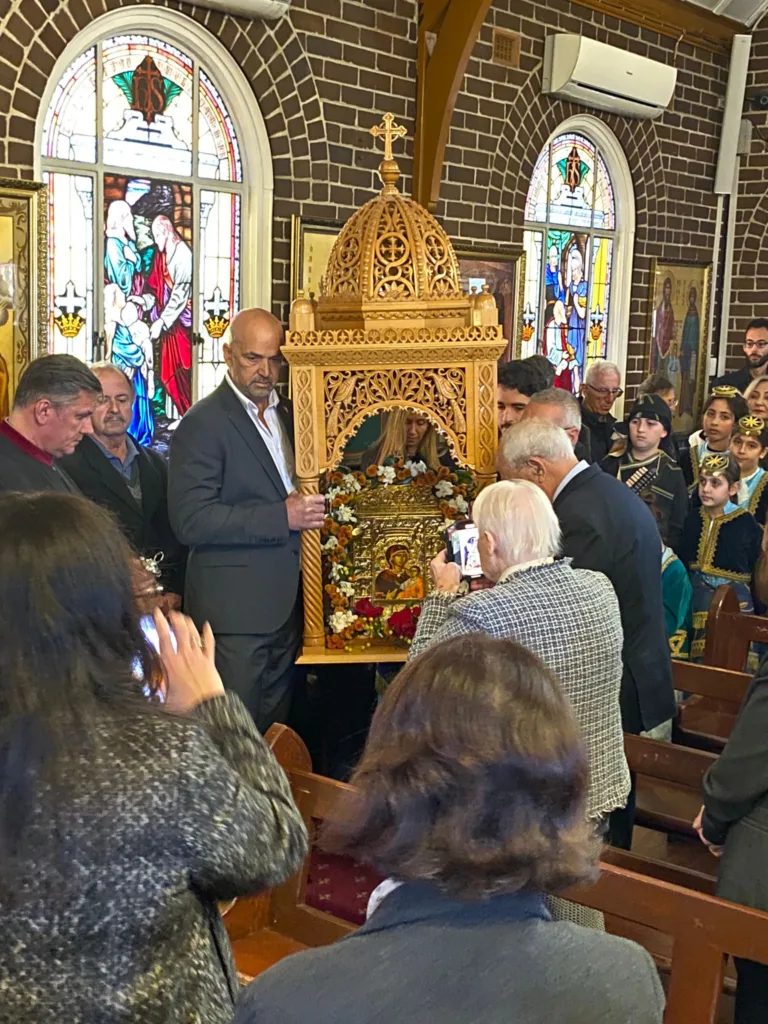
The Pontian Society of Sydney presented a sacred icon of Panagia Soumela to St Stephanos Greek Orthodox Church at Hurlstone Park on Sunday, May 19.
The event included a Divine Liturgy as well as the first unveiling and procession of the sacred icon, along with a memorial service for the souls of the victims of the Genocide of the Hellenes of Pontos.
The icon of Panagia Soumela is deeply intertwined with the history and identity of the Pontian Greeks. Following the Greek Genocide and population exchange of the early 20th century, many Pontian Greeks were forcibly removed from their ancestral lands in the Pontos region of modern-day Turkey.
This traumatic event resulted in a dispersal of the Pontian Greek community across various parts of the world, with many finding refuge in Greece and other countries such as Australia.
The icon of Panagia Soumela, originally housed in the ancient Monastery of Soumela in Trabzon, present-day Turkey, became a beacon of hope and resilience for the Pontian diaspora. The image of the Virgin Mary depicted in the icon was seen as a protector and guide, offering solace and strength to the displaced community.
In times of hardship and uncertainty, the icon serves as a source of comfort and reassurance for the Pontian Greeks, reminding them of their enduring heritage and the enduring power of faith.
The icon donation acts as a pledge of support for the community and the church ensuring that the spirit of Pontos, its sacred traditions and beliefs, remain and thrive for years to come.
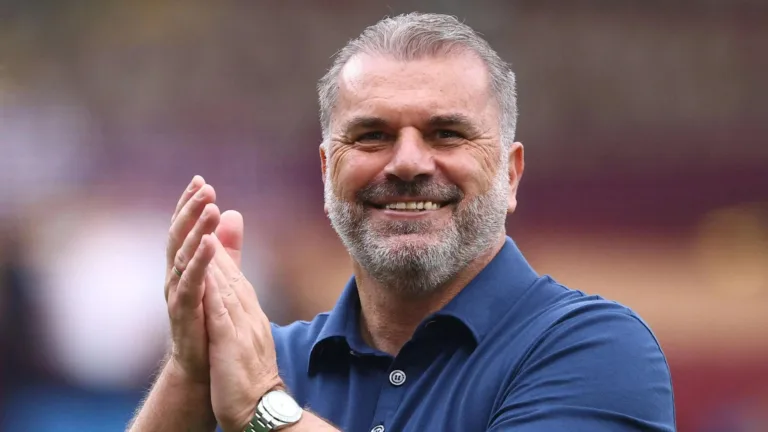
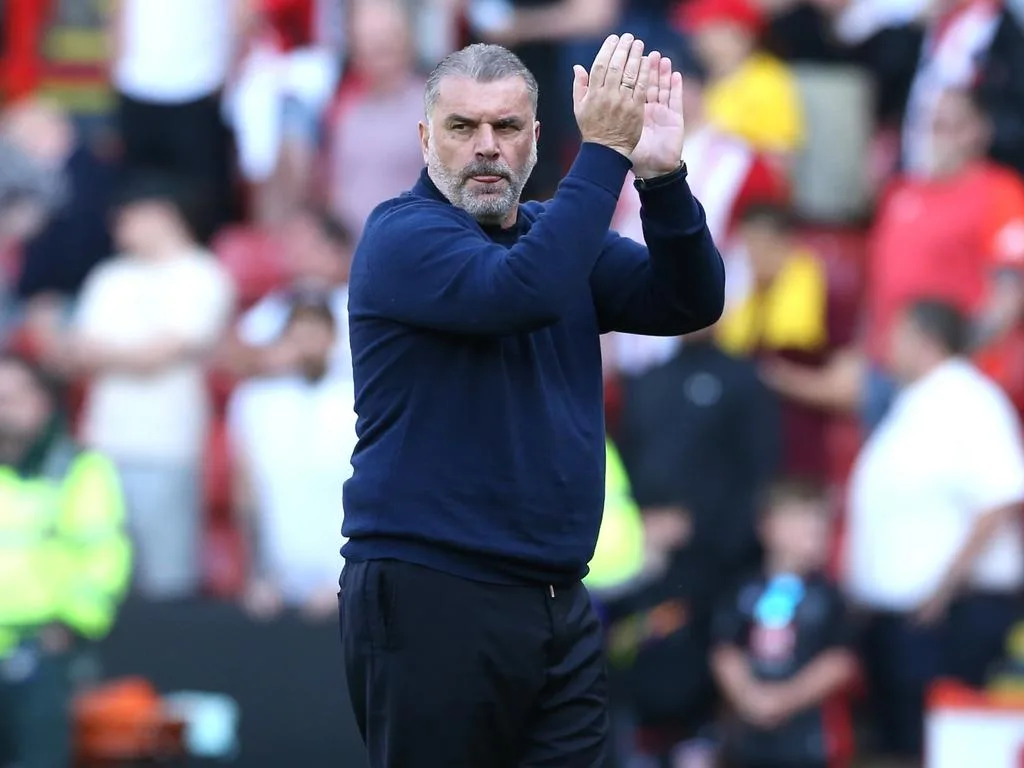
Tottenham Hotspur coach, Ange Postecoglou is preparing to lead his English Premier League team on a historic tour of Melbourne this week.
South Melbourne legend, Postecoglou said he was proud to return to Melbourne where his dream first began.
“To be able to bring Tottenham Hotspur to my hometown of Melbourne is truly special,” Postecoglou said.
“The Premier League is the best league in the world, we’ve got an exciting, young team and this gives our fans Down Under the opportunity to come and see some of the biggest names in world football playing a style of football that they will enjoy.”
Ange Postecoglou. Photo: Barrington Coombs.
According to Herald Sun, Postecoglou will rouse his Spurs stars for an open training session at AAMI Park expected to draw up to 10,000 fans who will part with $10 for the occasion.
Postecoglou said Newcastle would be “a great opponent” as he drew on his excitement about the match being staged at Australia’s greatest stadiums.
“The MCG is such an iconic, historic venue,” Postecoglou added.
“It’s seen some of the greatest sporting moments, so I feel honoured to be able to step onto that turf, leading Spurs out”.
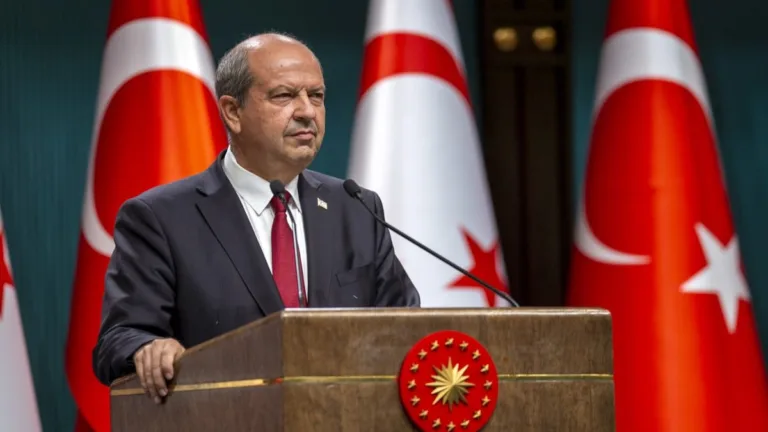
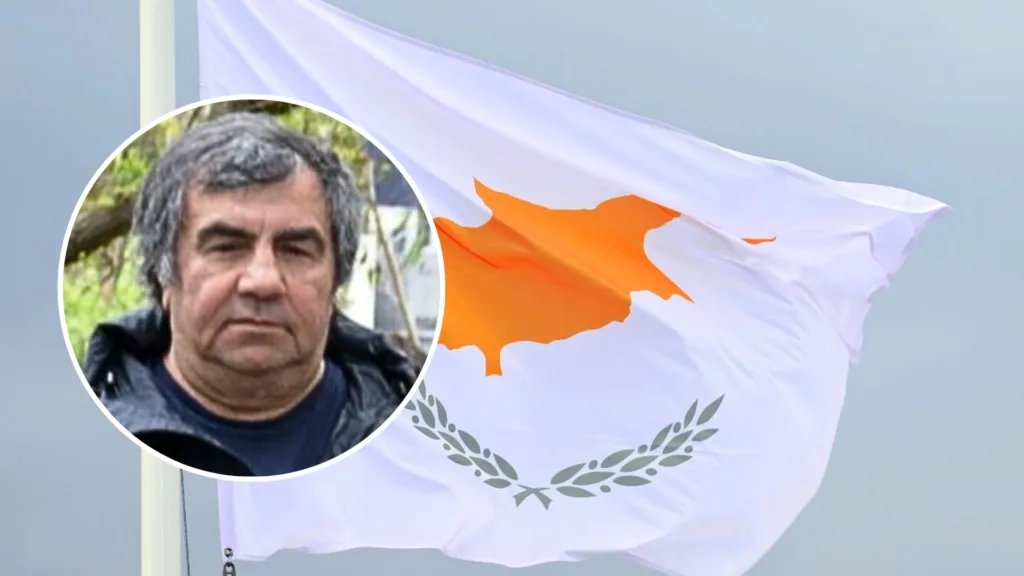
SEKA Victoria, the Justice for Cyprus Co-ordinating Committee, have sent a letter to the state Premier, Jacinta Allen to request they ignore the upcoming visit of Turkish-Cypriot politician, Ersin Tatar.
The purpose of SEKA Victoria stands to provide justicefor Cyprus since the Turkish invasion of the island in 1974, where 37% of the territory of the Republic of Cyprus fell to the Turkish military. The north unilaterally declared its independence on 15 November 1983 under the name of the “Turkish Republic of Northern Cyprus.”
Tatar calls himself the “President” of the “Turkish Republic of Northern Cyprus” (TRNC) – a territory that is not recognised by any country except Turkey.
According to SEKA Victoria, Tatar is set to visit Australia on Wednesday, May 22 and his first stop will be to Melbourne, Victoria.
The SEKA Victoria Committee has written a letter to the Victorian Government requesting that they ignore the upcoming visit of Turkish-Cypriot politician, Ersin Tatar to Melbourne on Wednesday, May 22.
In their letter to the Victorian Premier, President of SEKA Victoria Pavlos Andronikos said the organisation “understands that the Australian government has assured the Republic of Cyprus that it will not give Tatar’s visit any legitimacy or substance, and that it has informed local governments and State Parliaments of Australia’s official position (non-recognition of the “TRNC”).”
“We congratulate the Prime Minister and his Government for expressing clearly and unequivocally Australia’s position,” Mr Andronikos wrote.
He added that it would be “totally inappropriate for any Victorian Minister or Government official to meet with Tatar,” and explained that Greek and Cypriot Australians are distressed by his planned visit.
“We believe that the purpose of Tatar’s visit is to push for recognition of the illegal “Turkish Republic of Northern Cyprus”,” Mr Andronikos said.
The letter concluded by calling on the Victorian Premier to issue a statement making it clear the state government will not engage with Tatar during their visit, and to show their support for the Federal Government’s position on the TRNC.
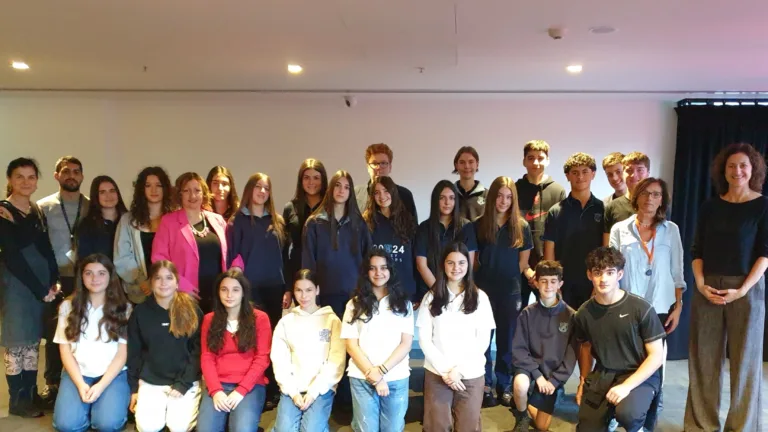
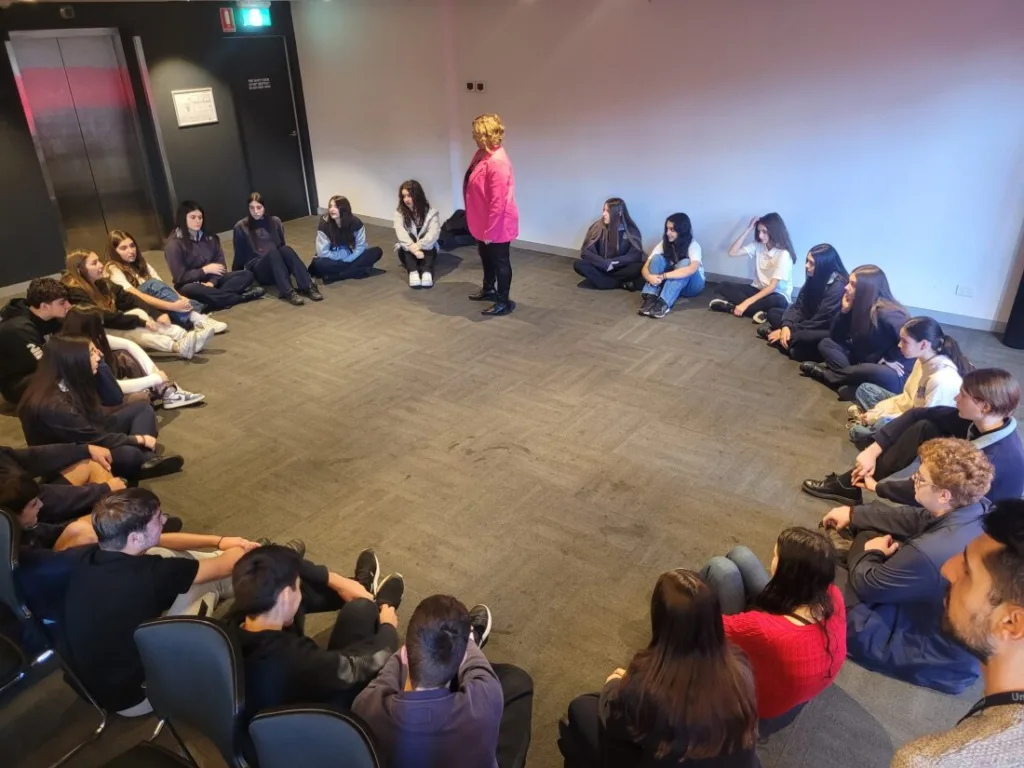
The students of the Greek Community of Melbourne (GCM) City Campus had the chance to experience a special lesson on Saturday, May 18, when they welcomed Adelaide students to their class and shared thoughts and educational activities.
This interesting meeting took place as part of a three-day educational visit to Melbourne by students of Greek from Unley High School in Adelaide, South Australia, accompanied by their teachers responsible for the Greek language program at the school. Its aim was to facilitate interaction between the students and teachers of the two schools, strengthen communication in Greek, and cultivate relationships that could lead to future collaborations and partnerships.
The meeting took place as part of a three-day educational visit to Melbourne by students of Greek from Unley High School in Adelaide.
During this event, the visitors and their escorts were guided by the director of the GCM schools, Mrs Maria Bakalidou, and by the representative of the educational committee, Dr Spyridoula Demetriou. They were shown around the Greek Centre and the classrooms, talked with students and teachers, and exchanged information about their schools and the Greek language programs they attend.
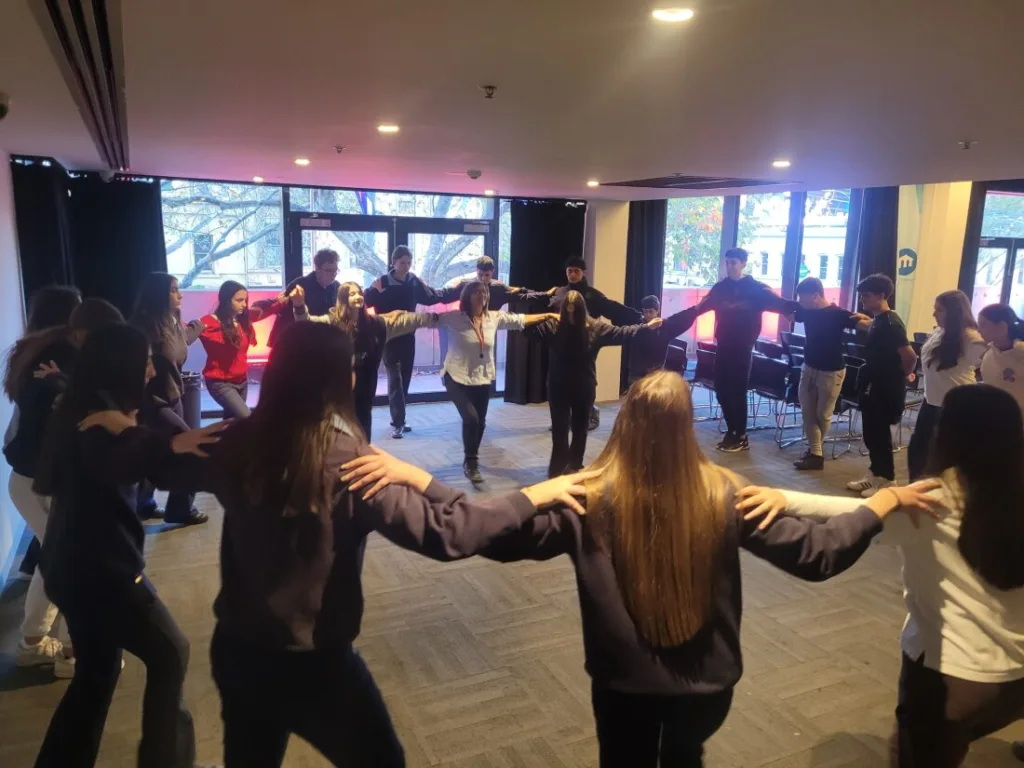
They later participated in a special, experiential lesson with the Year 9 students, which included acquaintance activities, educational games, discussions about the Greek language and identity, and learning Greek traditional dances.
The visit left a positive impression on everyone and concluded with an exchange of promises to continue communication and explore possibilities for further cooperation between the two schools.
Mrs Bakalidou stated: “We are firm advocates of extroversion and the creation of cooperation networks with other schools and institutions, which enrich our students’ experiences and strengthen their confidence regarding the use of the Greek language. We are working towards this direction, as we believe it positively supports the common goal of preserving and promoting the Greek language and culture.”
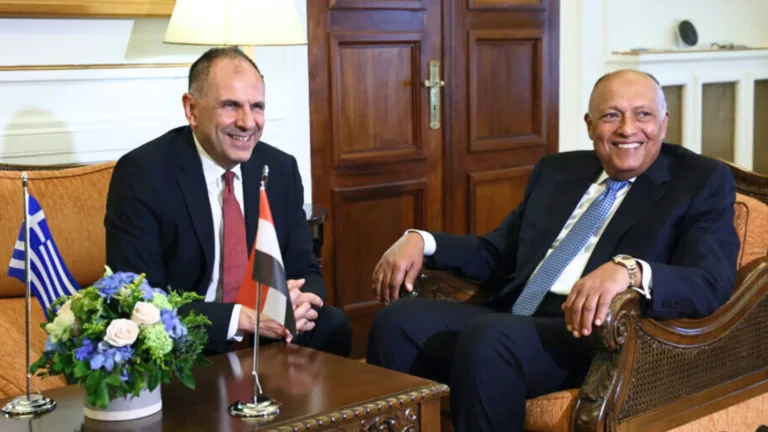
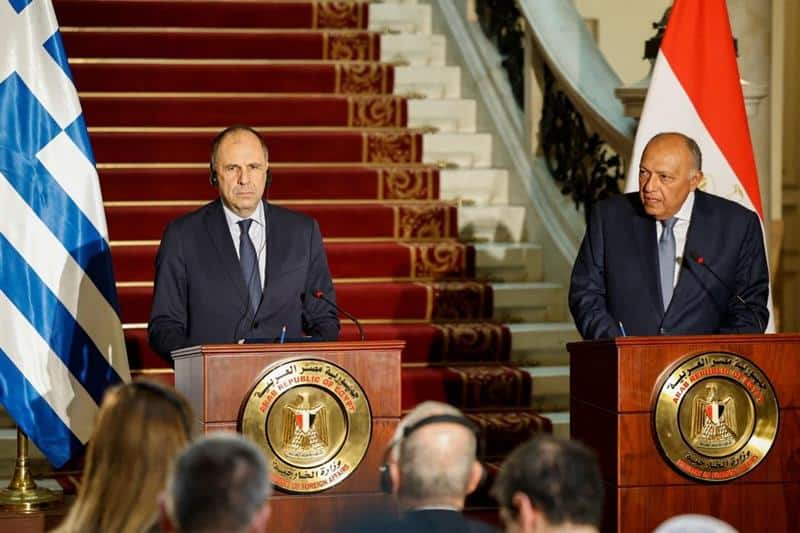
Greece’s Foreign Minister, Georgios Gerapetritis met with his Egyptian counterpart, Sameh Shoukry in Athens on Monday, May 20 where he declared that both nations are now at “the peak of a true bilateral diplomatic relationship.”
According to Ekathimerini, the two nations reaffirmed their commitment to strengthening their strategic partnership at the meeting and further discussed enhancing regional security in the Eastern Mediterranean.
Greece’s Foreign Minister, Giorgos Gerapetritis (L) is welcomed by his Egyptian counterpart, Sameh Shoukry back in January at a press conference held in Cairo.
“Greece’s relations with Egypt stem from a deep historical and cultural connection, and today we find ourselves at the peak of a true bilateral diplomatic relationship,” Gerapetritis highlighted during the press conference that followed the meeting.
In addition, Shoukry extended invitation to Greece to attend Egypt and the EU’s forthcoming joint investment conference to further strengthen economic relations.
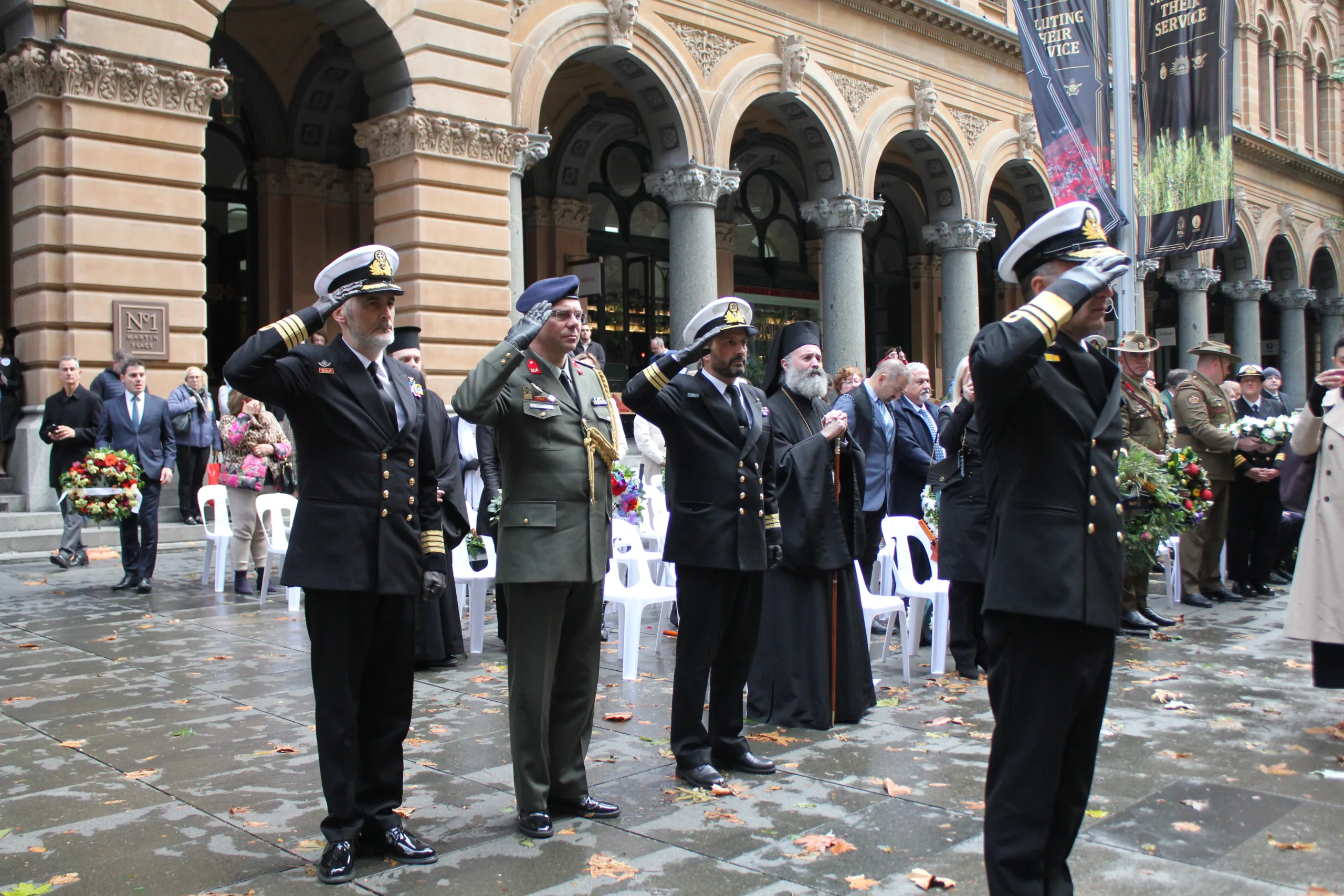
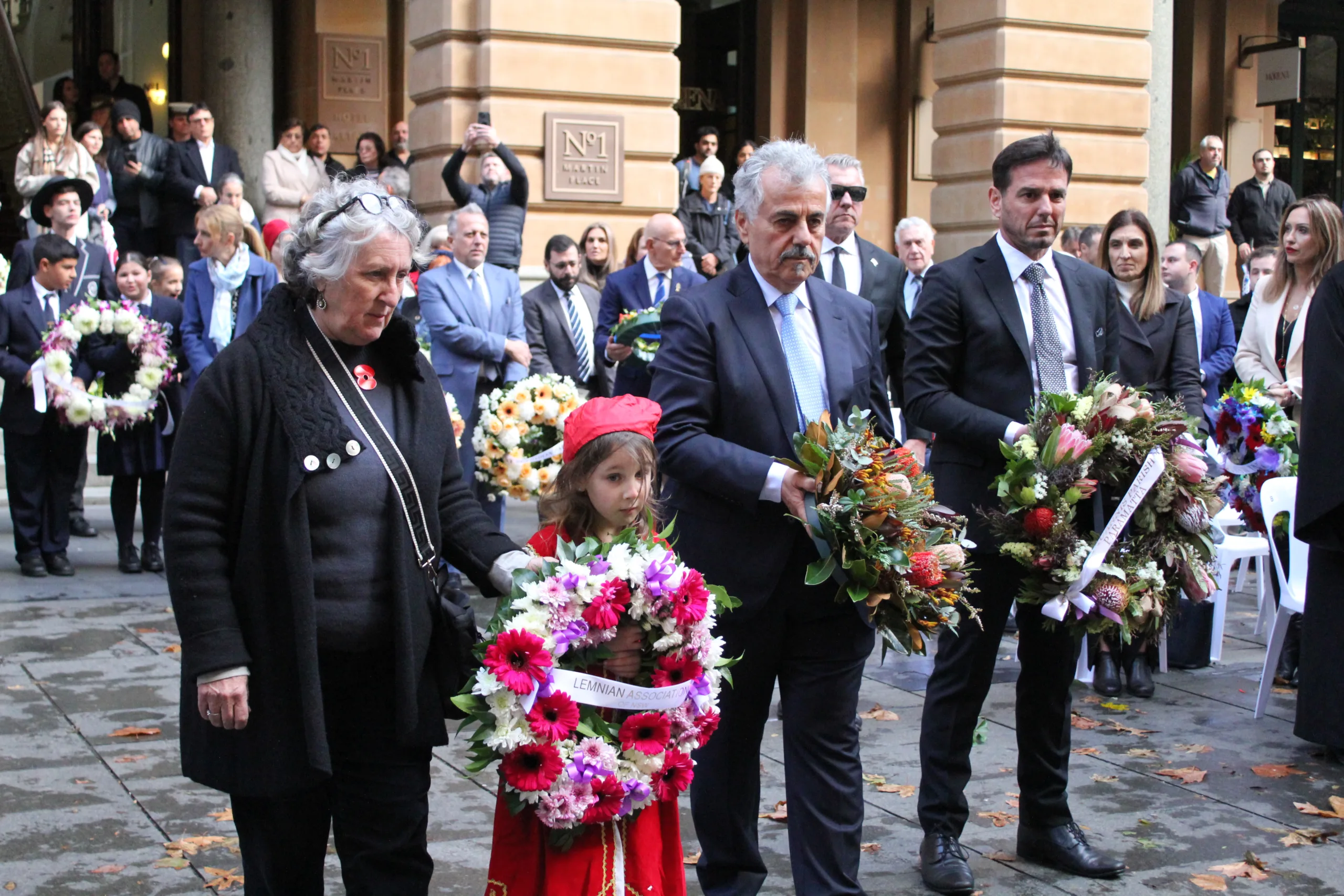
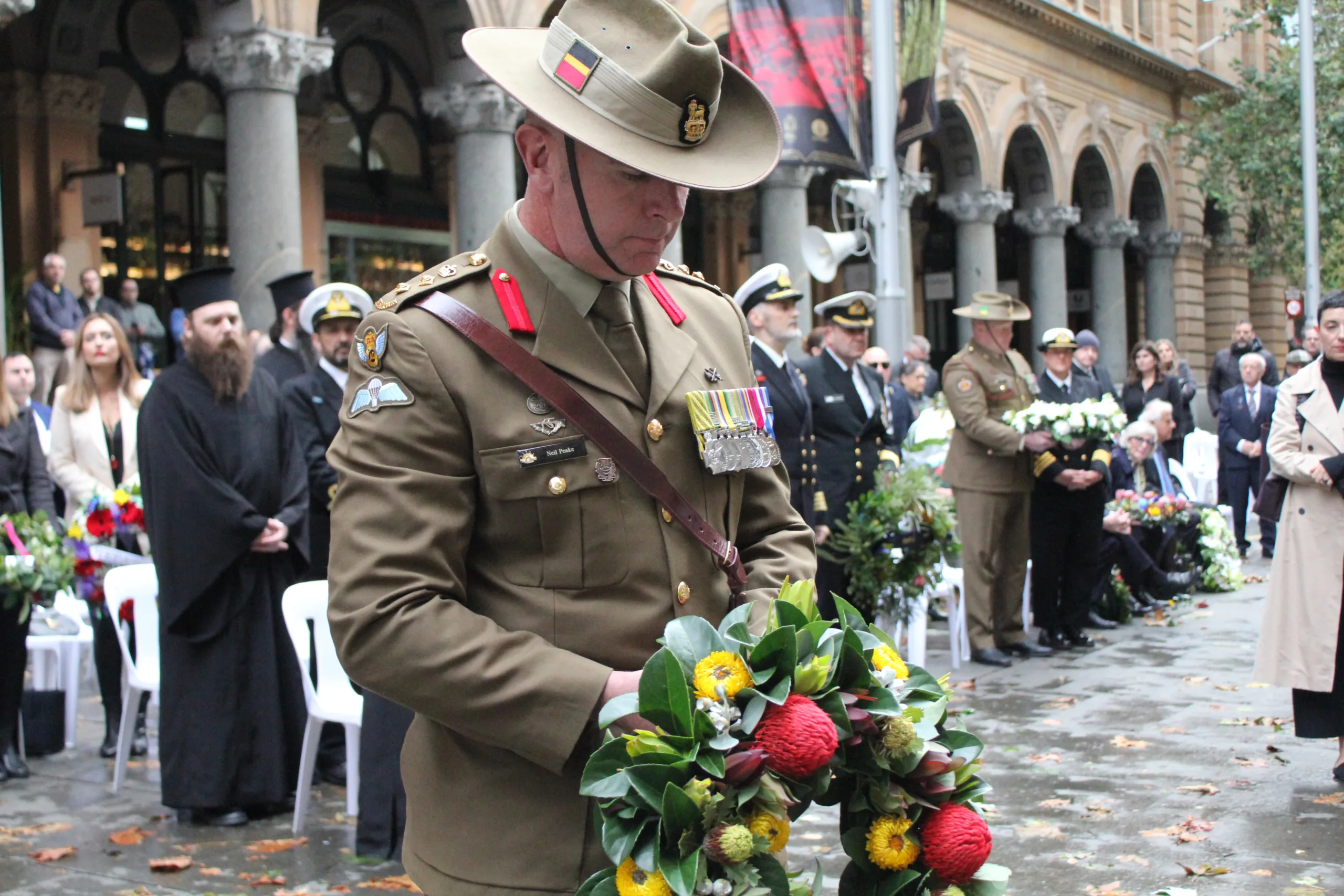
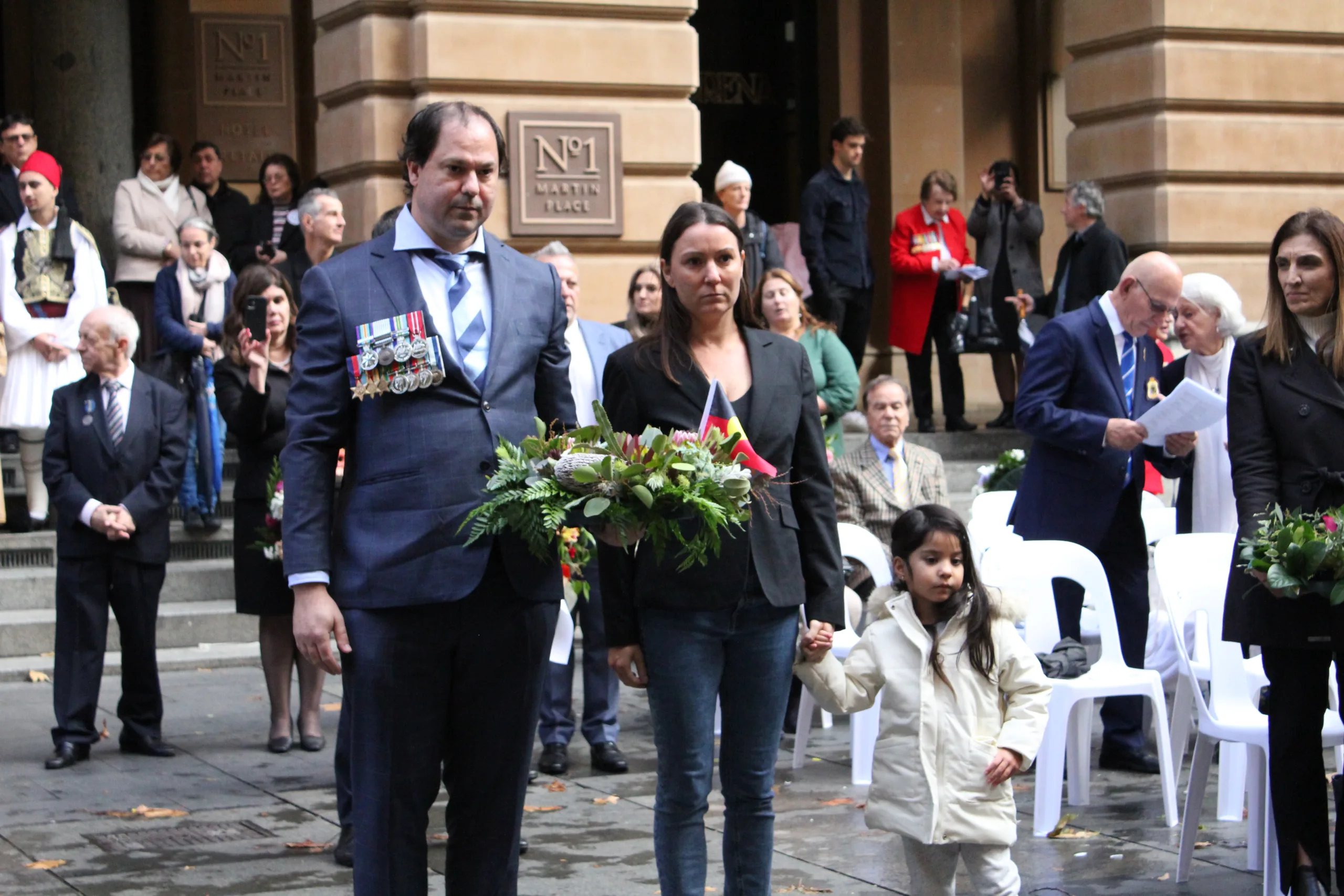
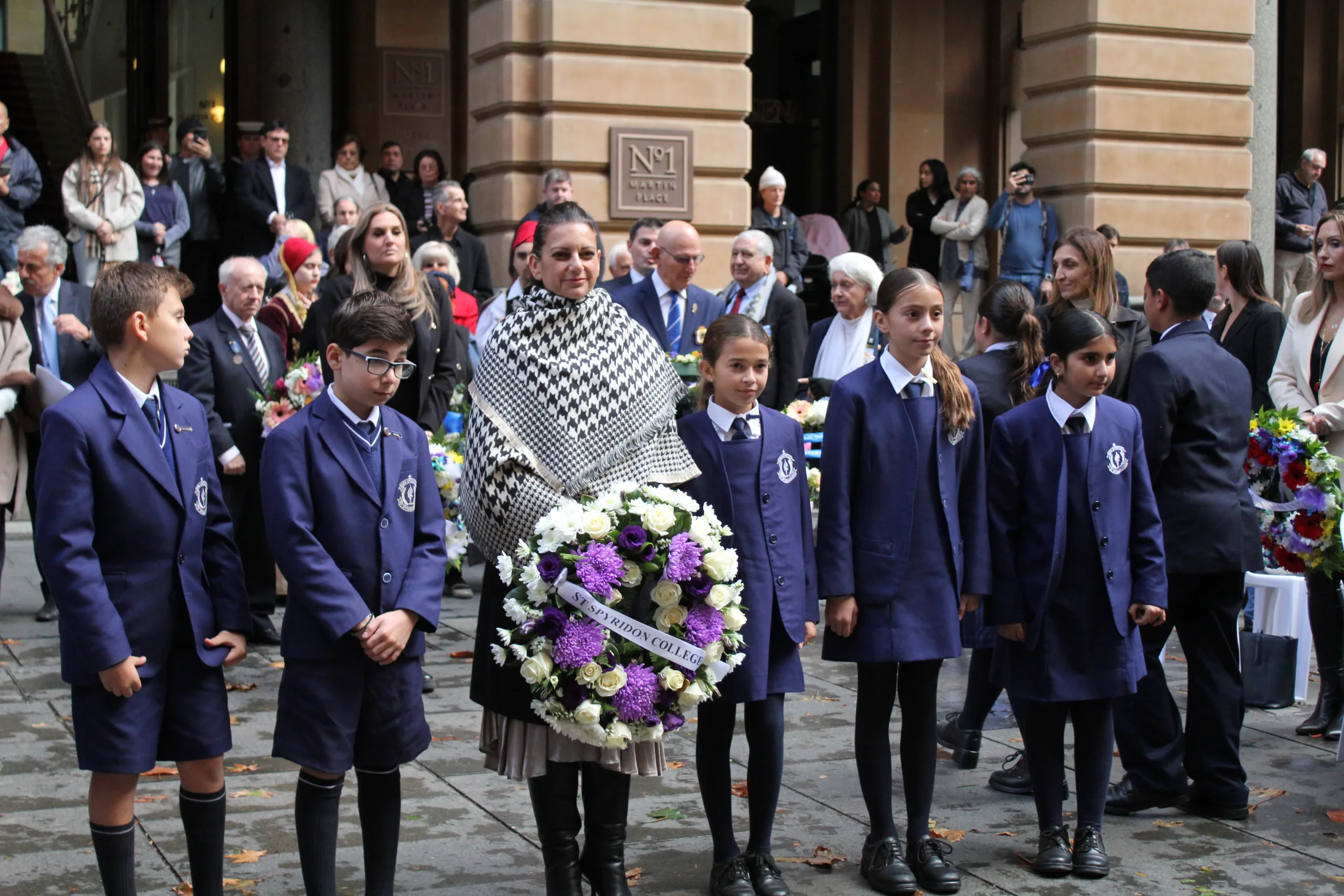
The historic link between the Battle of Crete and the ANZAC forces were a key focus of commemorations in Sydney, New South Wales for the 83rd anniversary of the German airborne attack on the Greek island of Crete in 1941.
Commemorations began on Friday, May 17 at the Anzac Memorial in Hyde Park, with a talk by one of Australia’s leading authors of military history, Craig Collie. The talk, which was co-hosted by the Cretan Association of Sydney and NSW and the Consulate of Greece in Sydney, saw Mr Collie speak passionately about his novel Where the Flaming Hell Are We? – The story of young Australians and New Zealanders fighting the Nazis in Greece and Crete.
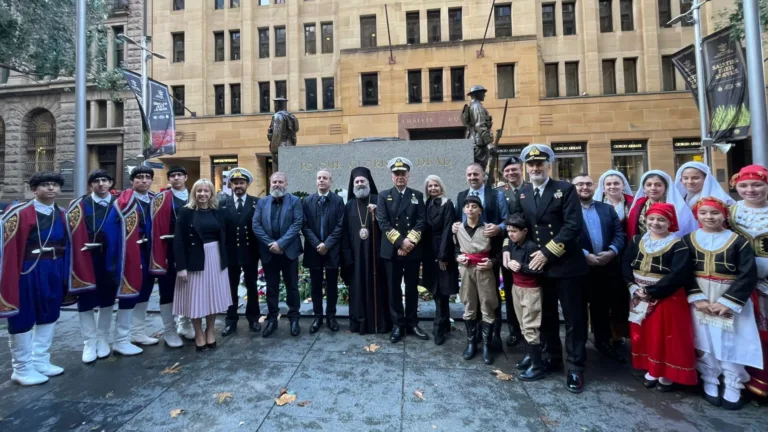
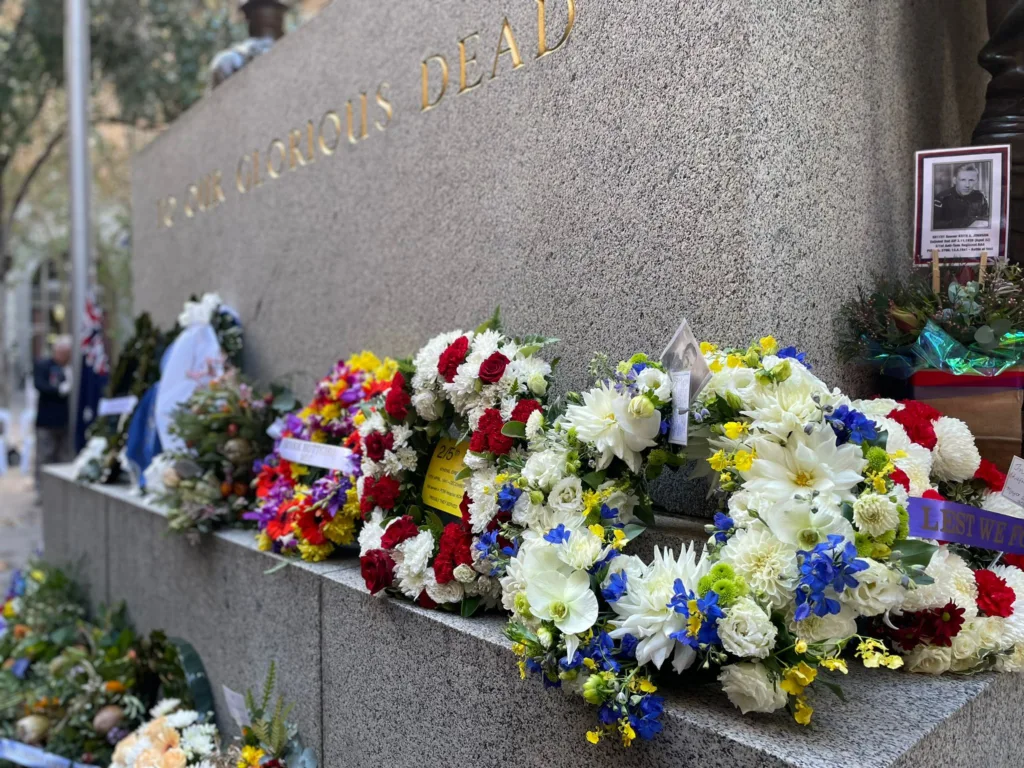
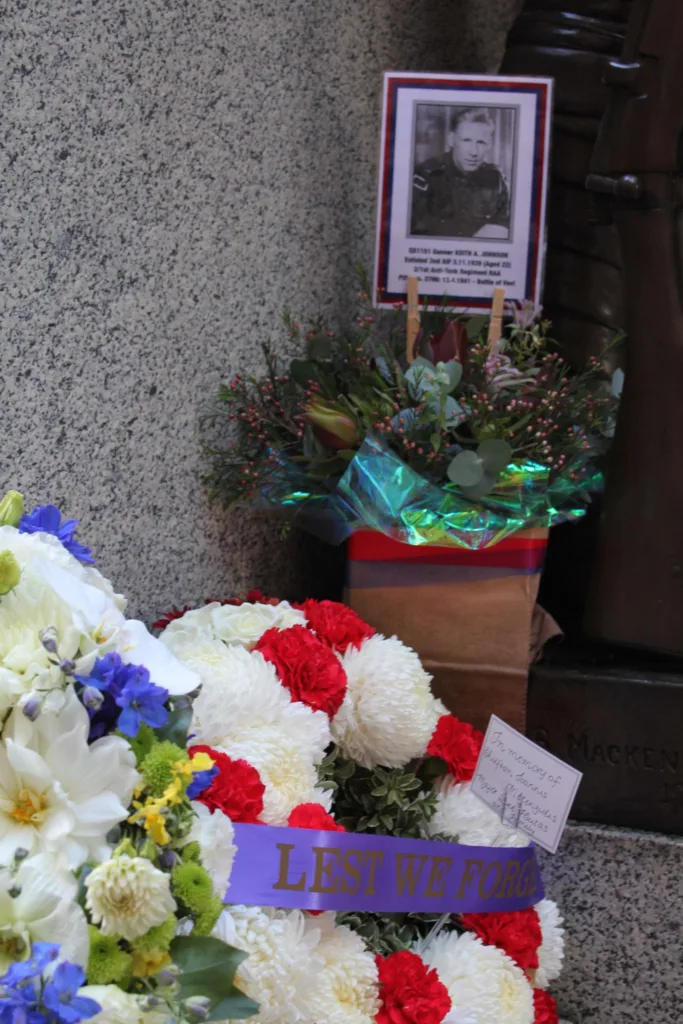
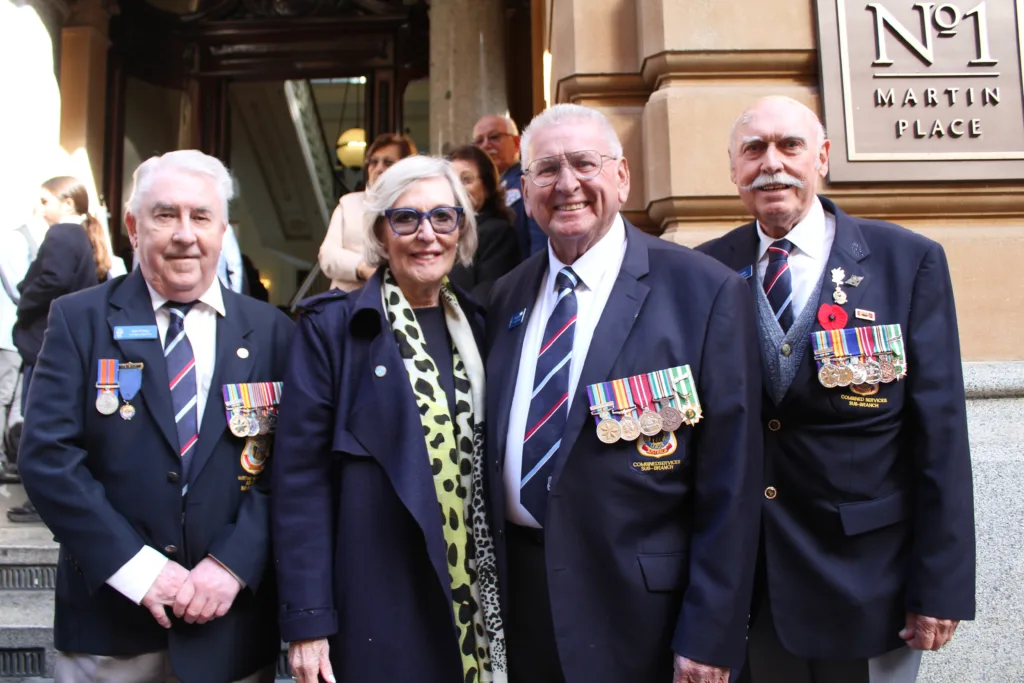
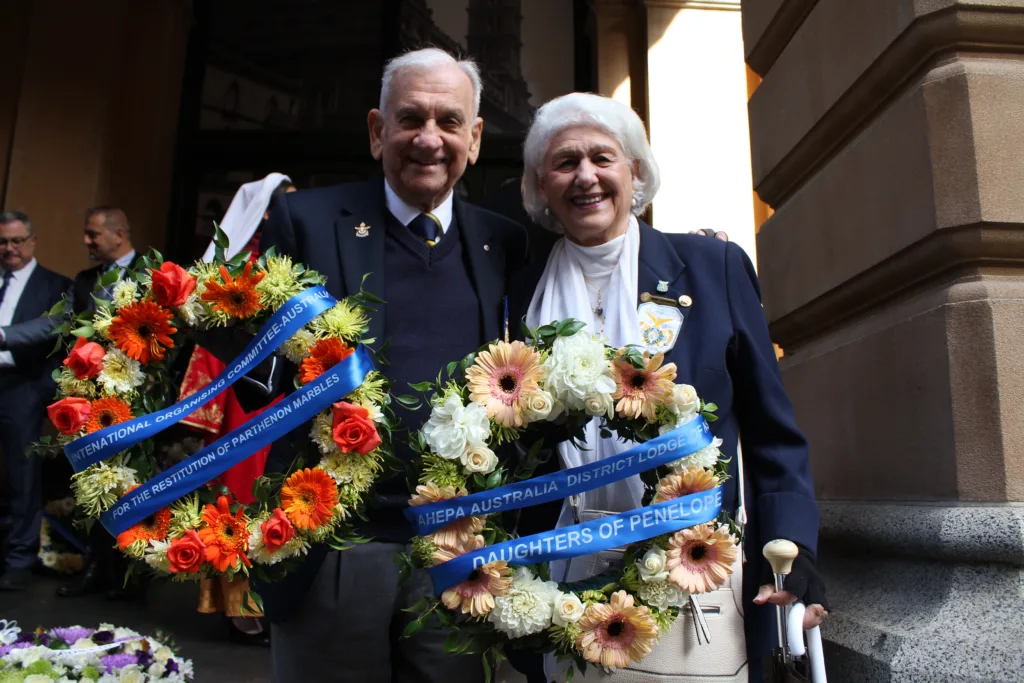
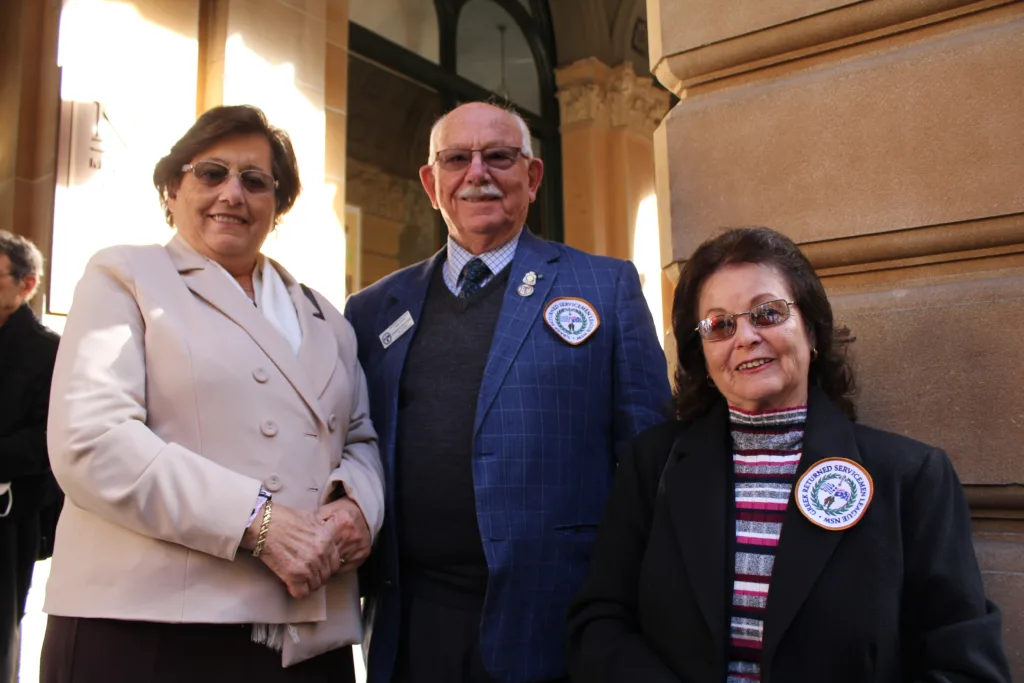
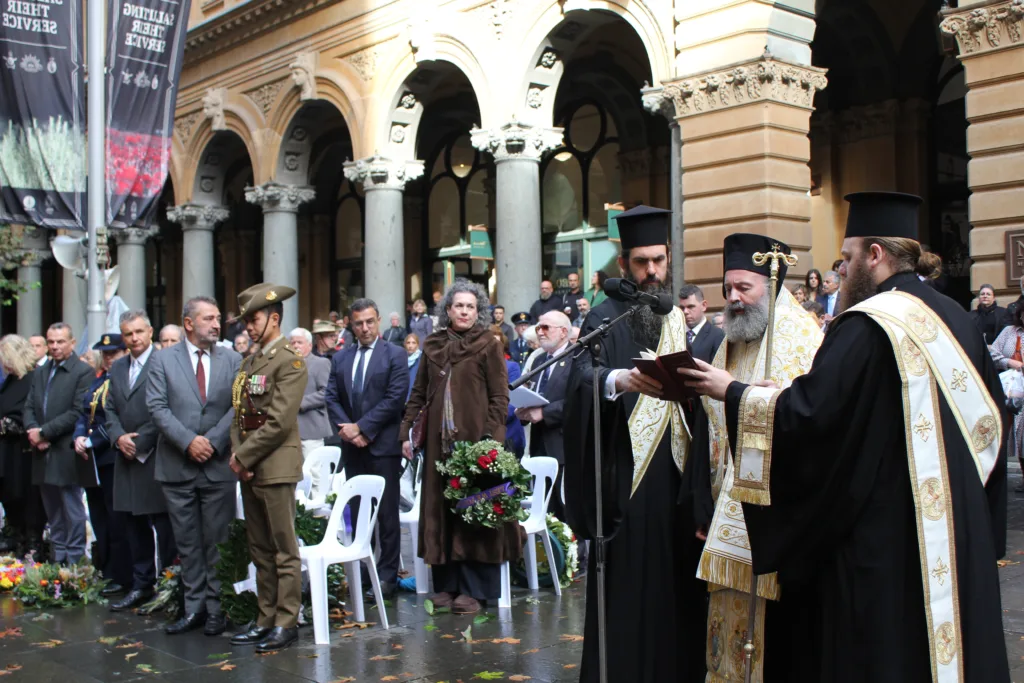
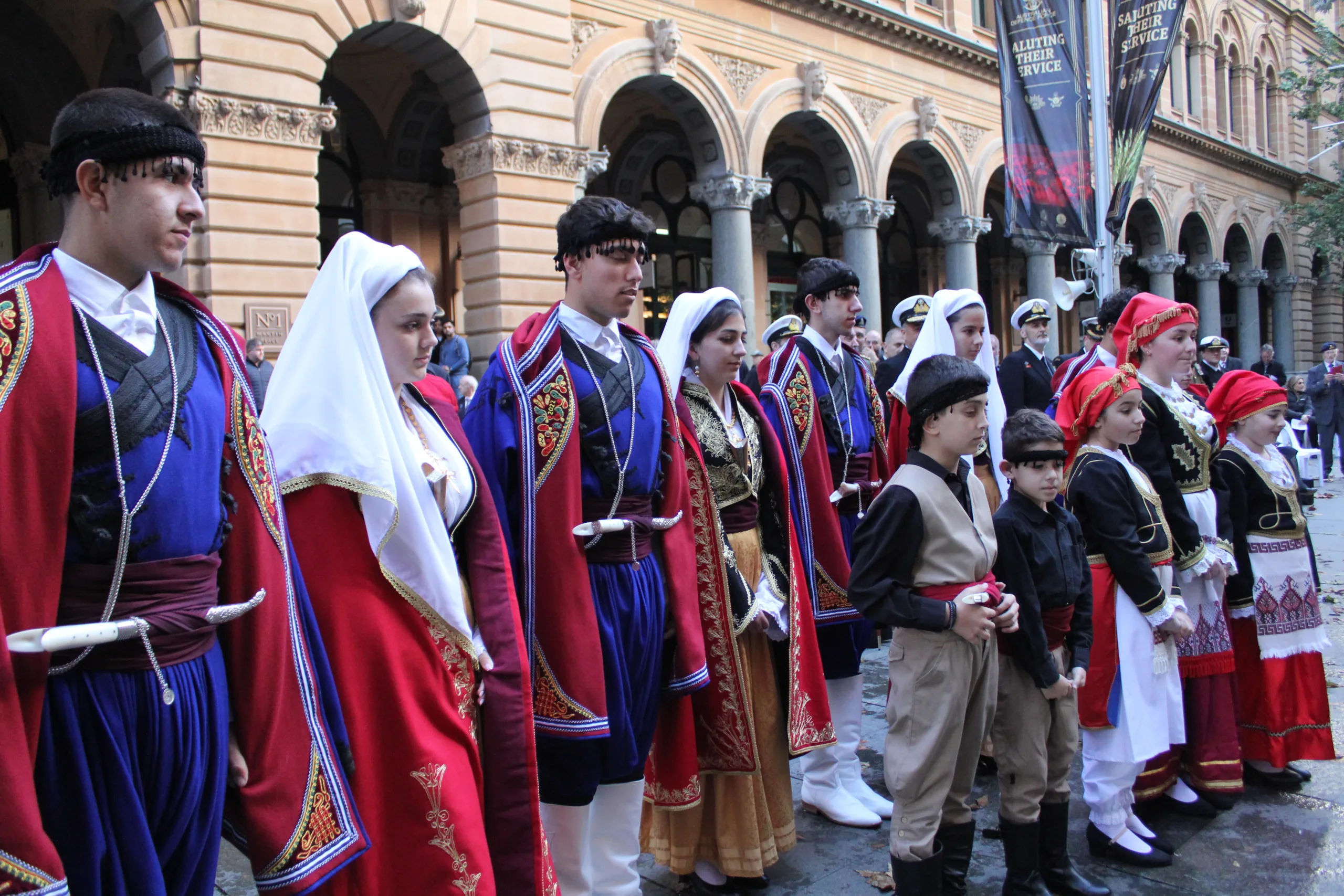
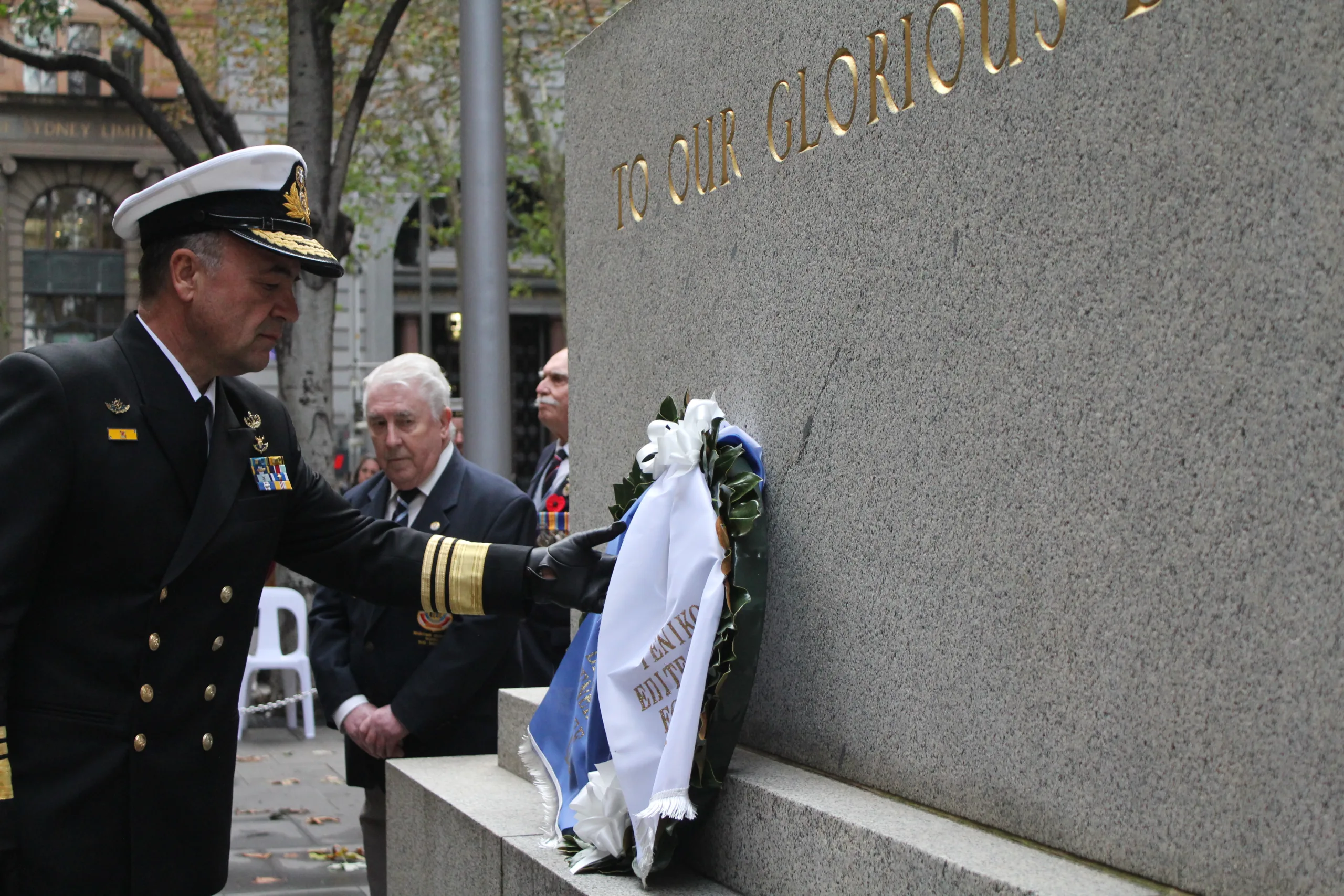
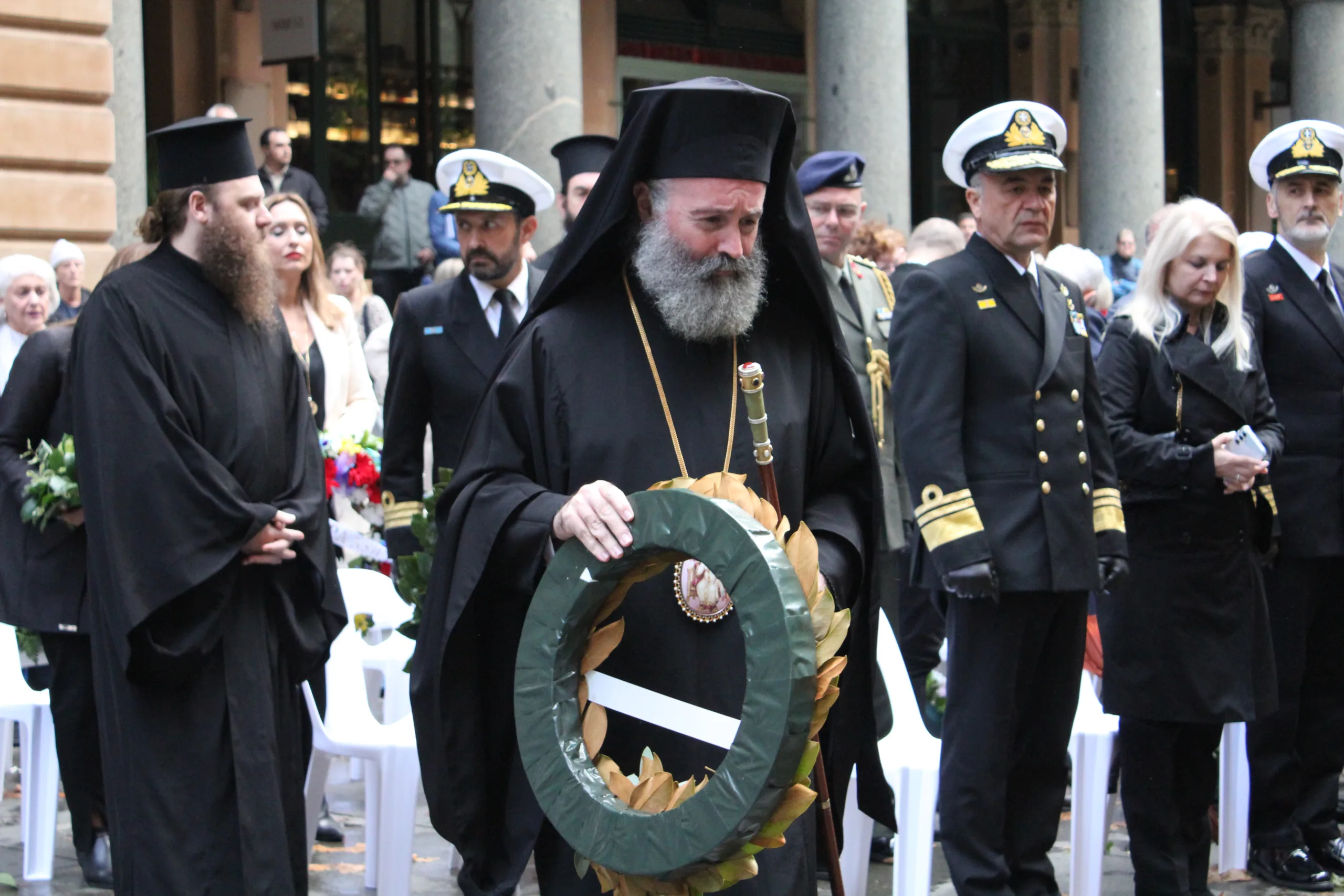
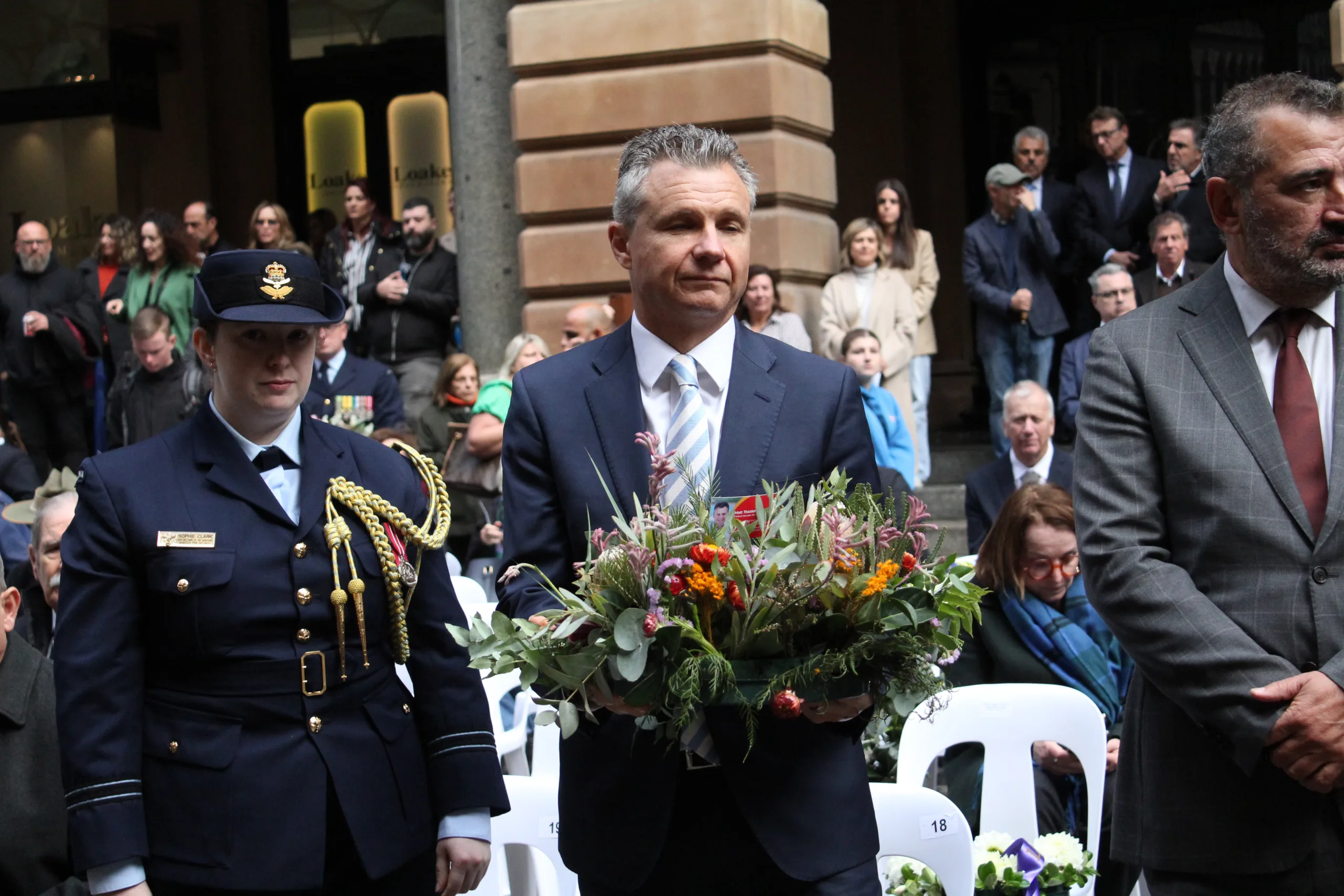
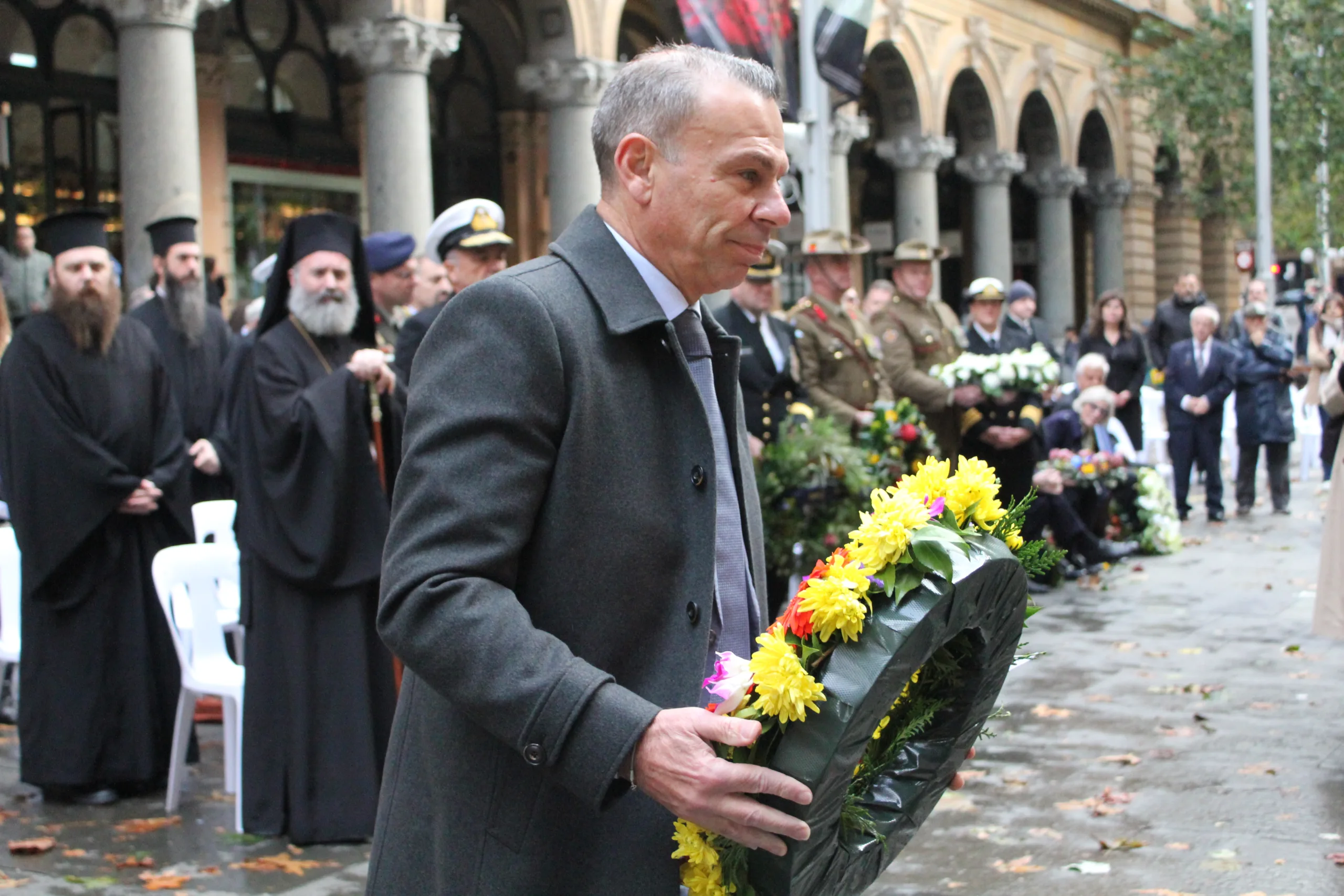
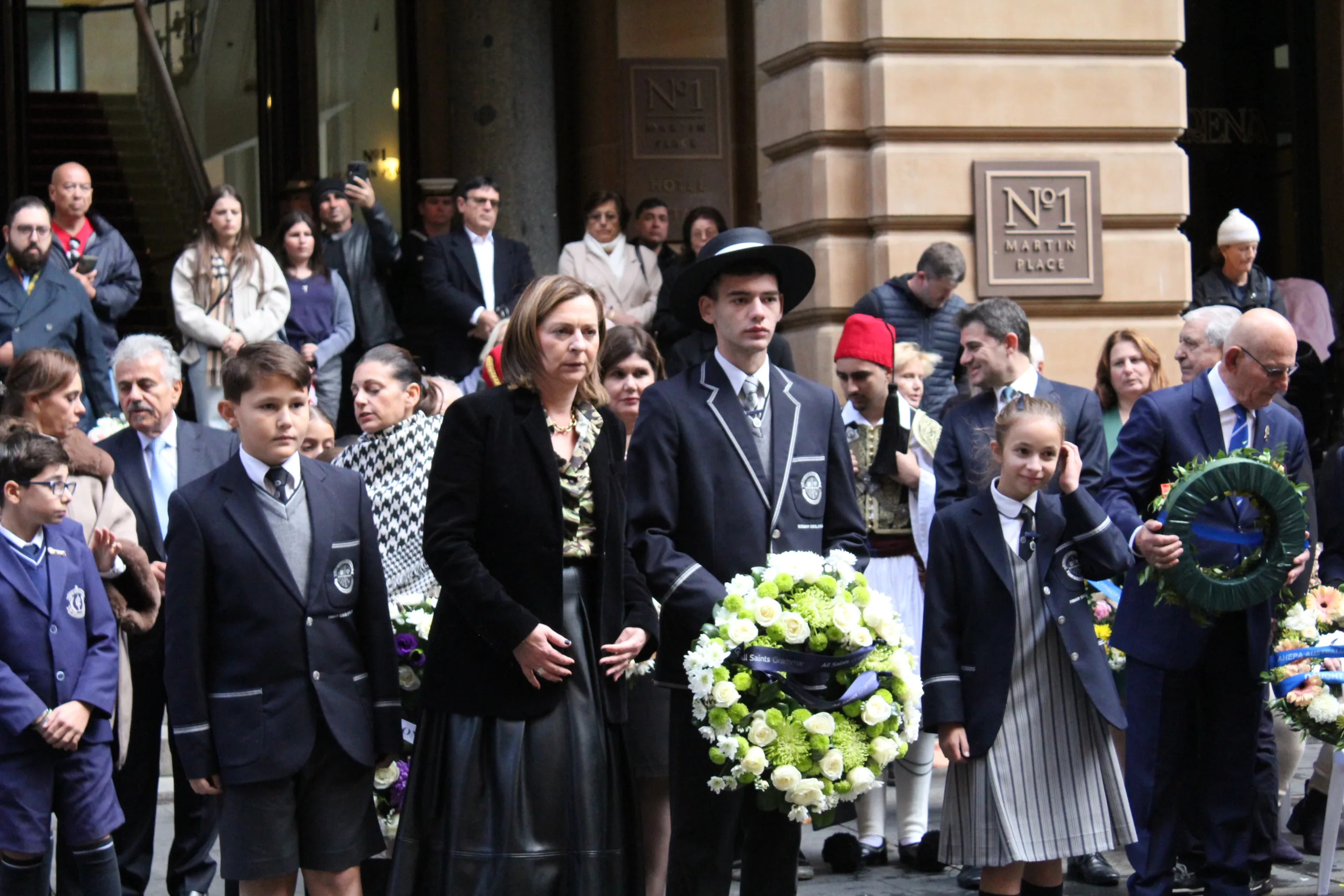
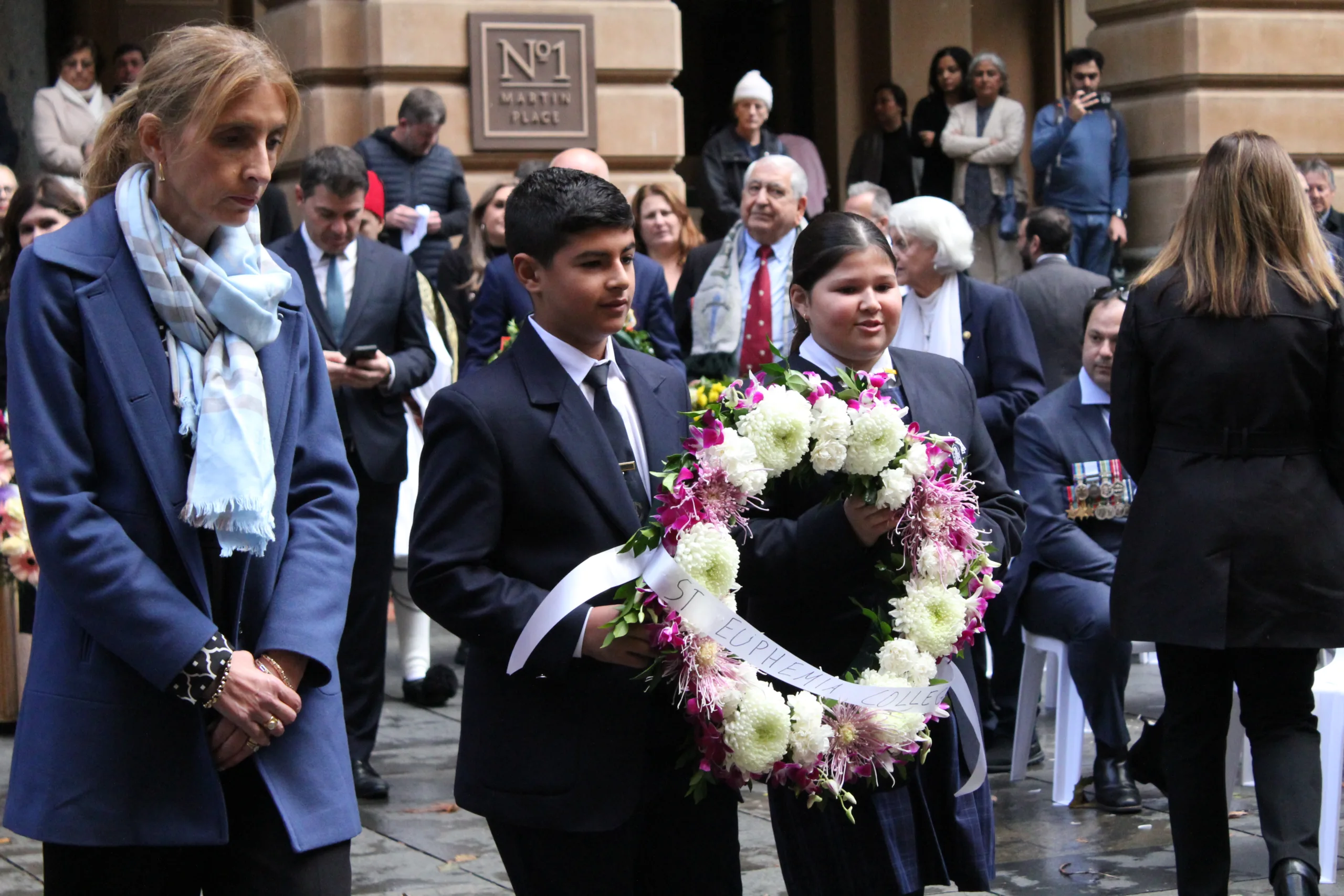
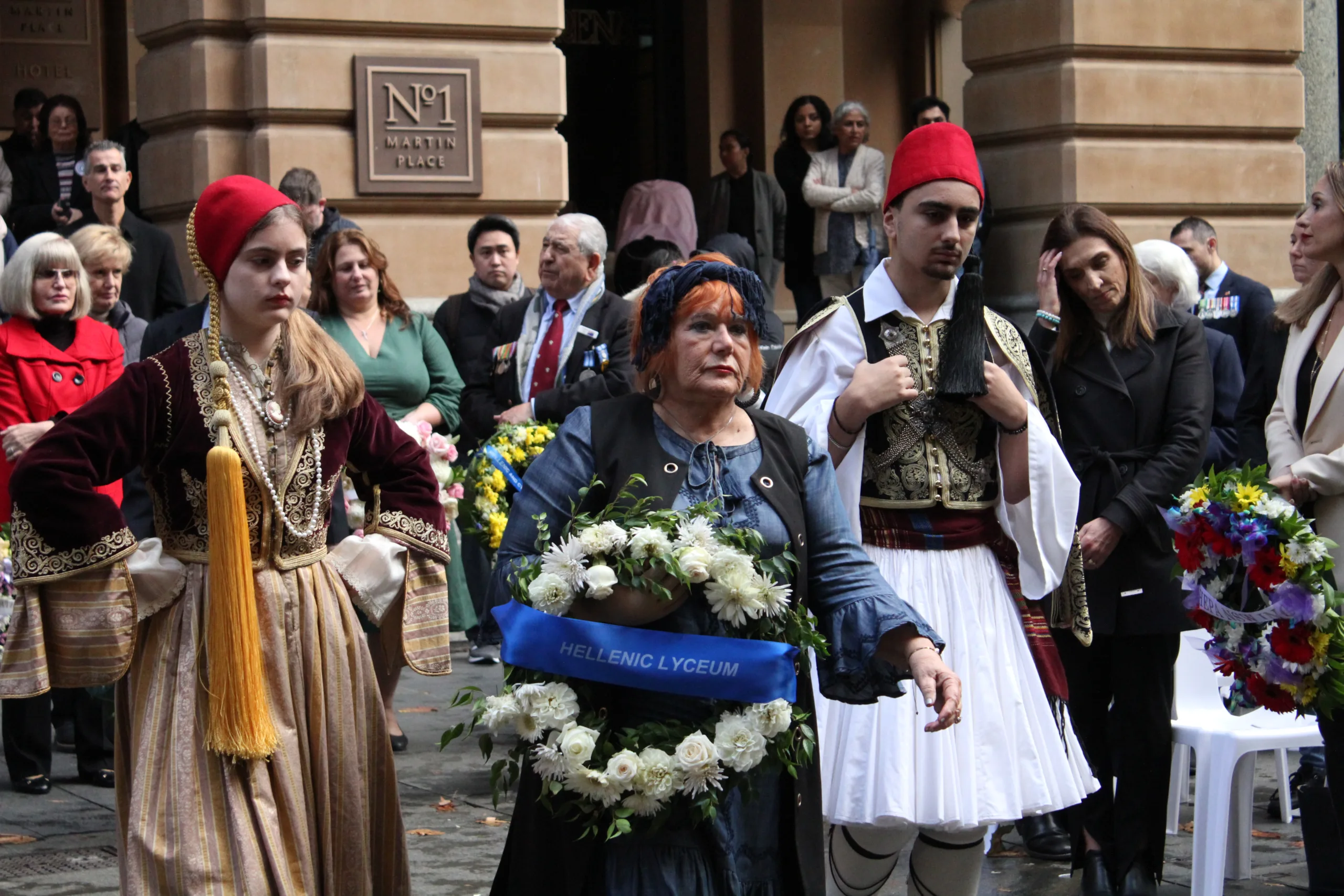
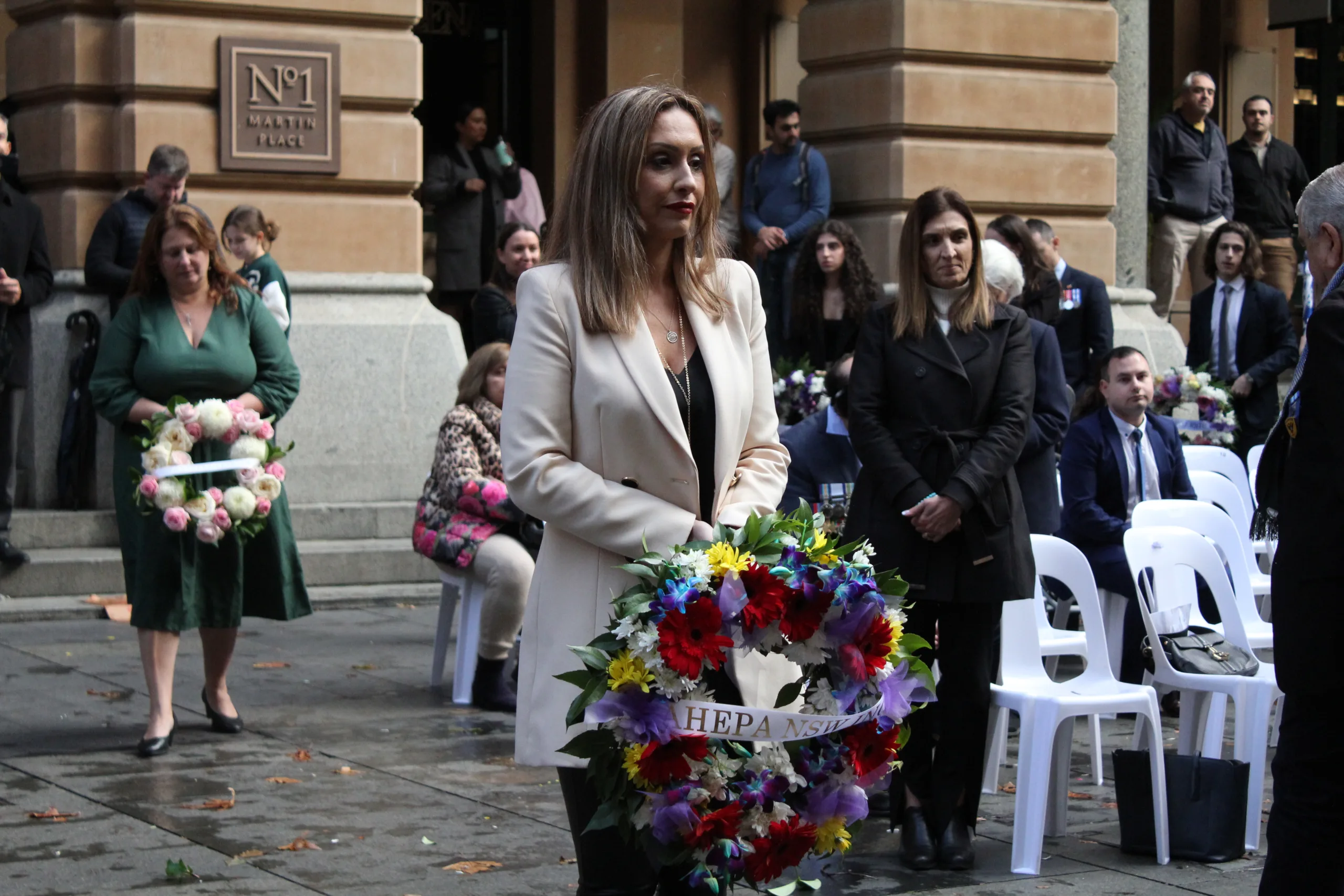
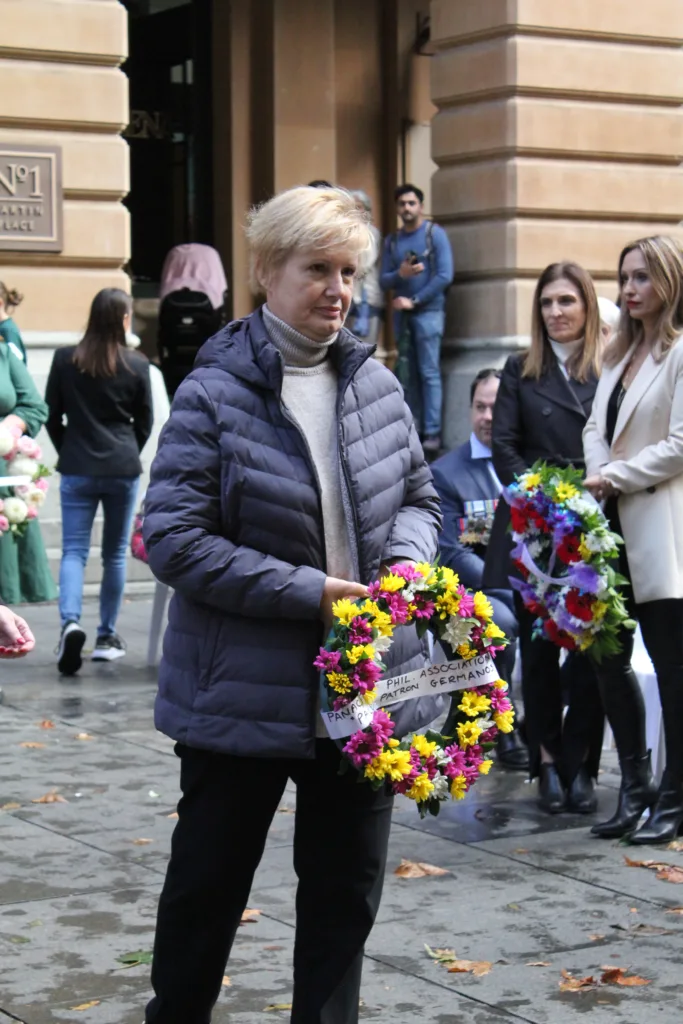
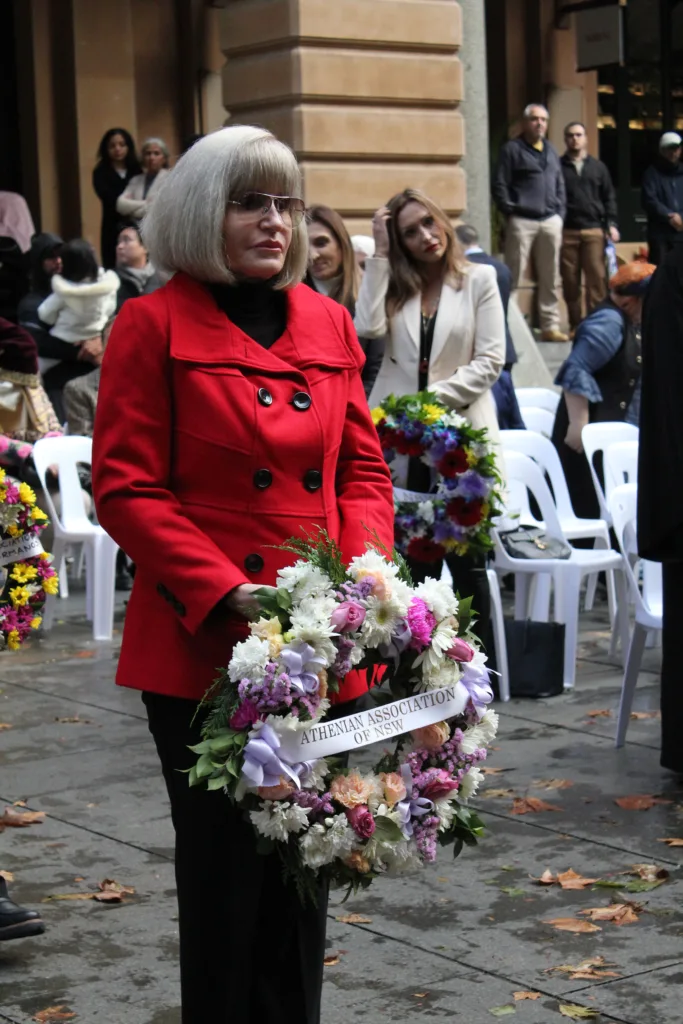
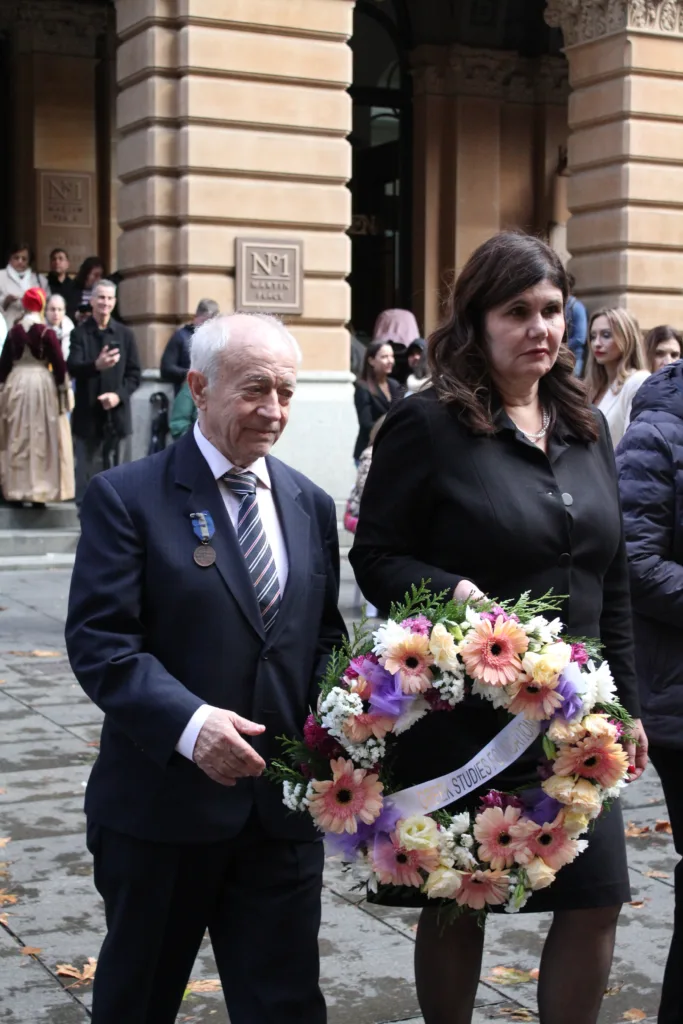
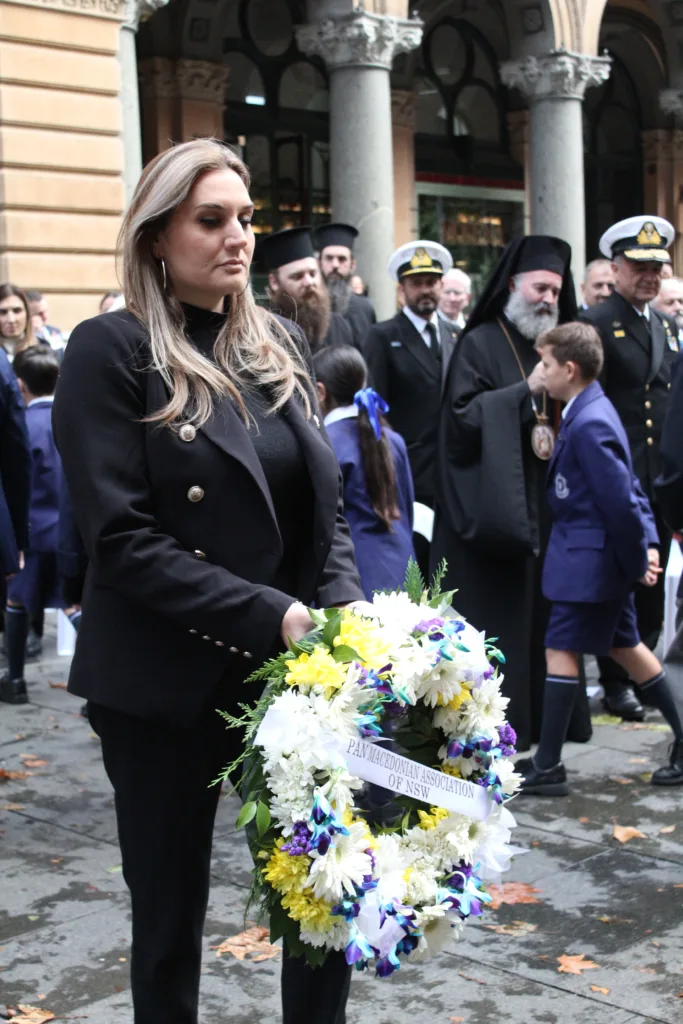
The next day, on Saturday, May 18, the Joint Committee for the Commemoration of the Battle of Crete and the Greek Campaign held its annual wreath laying ceremony at the Martin Place Cenotaph.
All photos copyright The Greek Herald / Andriana Simos.
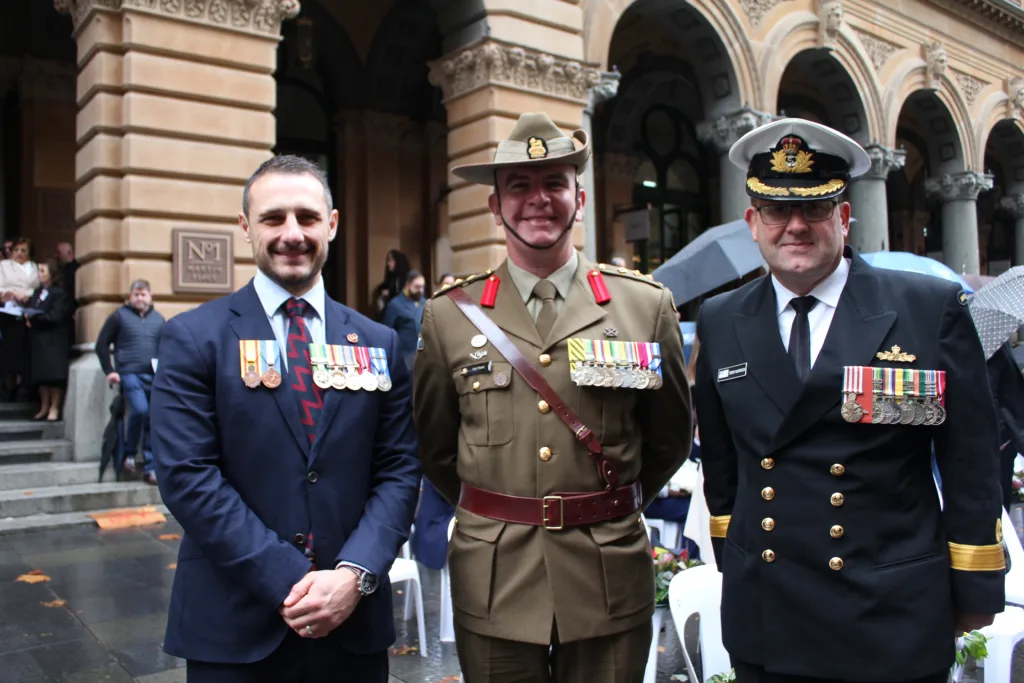
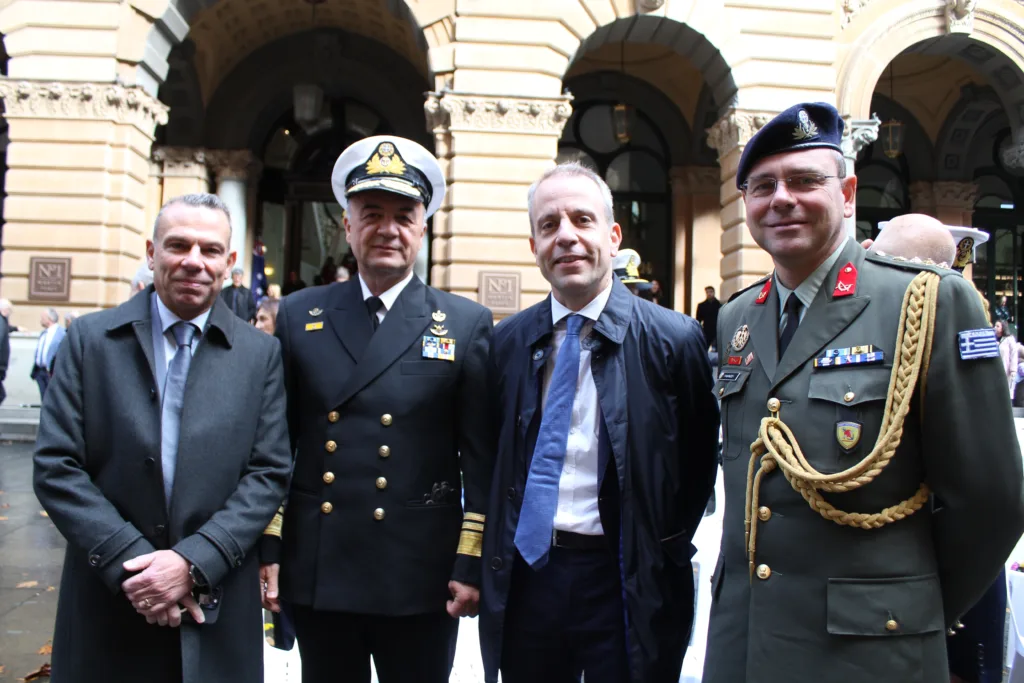
Despite the sporadic rain, the solemn ceremony was attended by close to 300 people including a delegation from the Hellenic Ministry of Defence featuring Vice Admiral Christos Sasiakos, Deputy Chief of the Hellenic National Defence General Staff; Captain Pavlos Angelopoulos, Staff Officer of the Bilateral Relations Directorate of the Hellenic National Defence General Staff; Lieutenant Commander Stylianos Mitsiotis, Staff Officer of Public Relations Directorate of the Hellenic National Defence General Staff; and Colonel Ioannis Fasianos, Military Attache of the Hellenic National Defence Force based in Canberra.
In attendance were also Major Ed Chan, Aide-de-Camp representing the NSW Governor Margaret Beazley AC KC; the Consul General of Greece in Sydney, Yannis Mallikourtis; the Trade Commissioner of Greece in Australia, Chrysa Prokopaki; Archbishop Makarios of Australia; federal and state members of Parliament; local councillors and religious leaders; representatives of Greek and Cypriot associations, schools and cultural organisations; Australian defence force personnel; and relatives of people who fought and died in the Battle of Crete.
Master of Ceremonies, Colonel Graham Fleeton RFD Ret’d and Periklis Kougias BSc, began the official proceedings on the day.
The proceedings included a number of hymns, a memorial service by Archbishop Makarios, and a prayer of remembrance by Chaplain Andrew Nixon.
In an address, Archbishop Makarios encouraged people to never take for granted their liberty, but rather “strive to be worthy of the sacrifices” made by those brave soldiers who fought during the Battle of Crete for freedom.
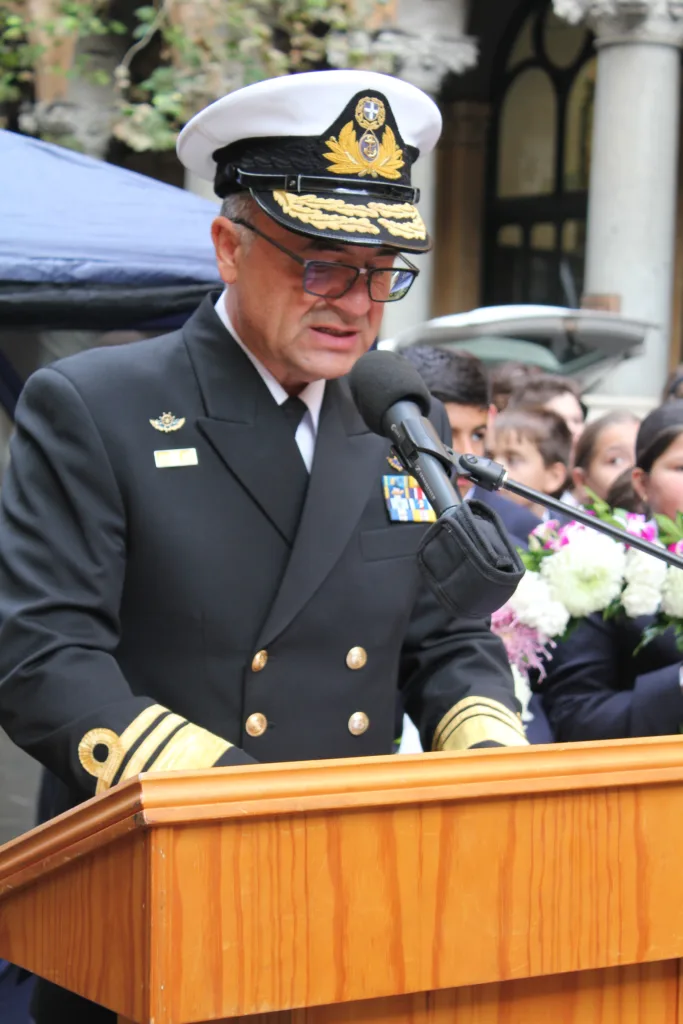
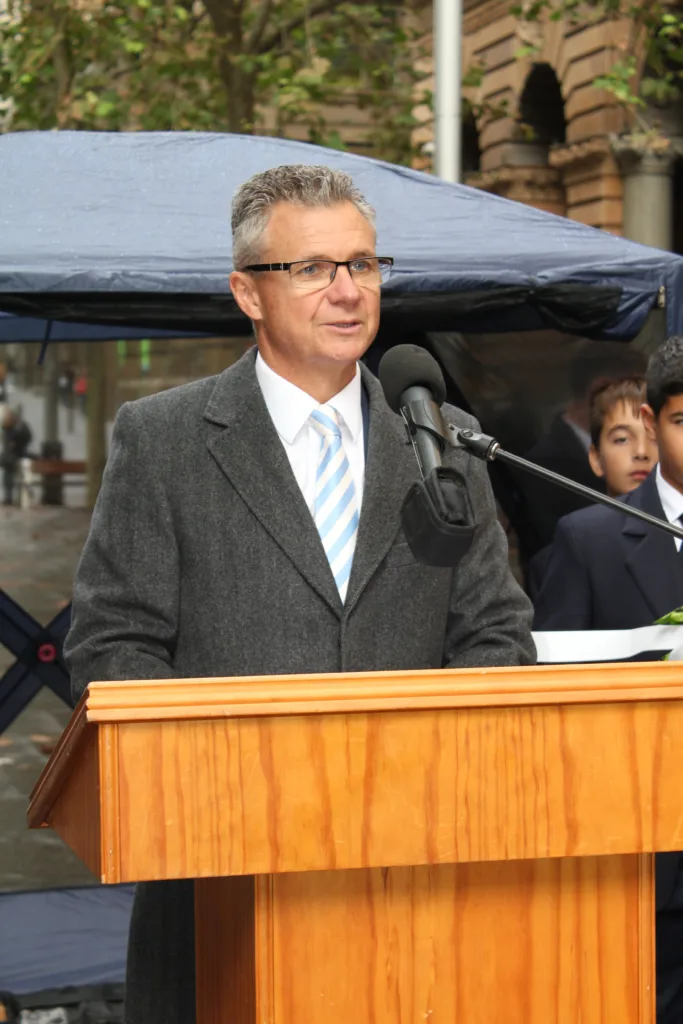
There were also two official addresses by Vice Admiral Sasiakos and the Assistant Minister for Defence, Matt Thistlethwaite MP.
Vice Admiral Sasiakos spoke of the historic bonds between Greeks and the Australian and New Zealand troops during WWII and in particular, the Battle of Crete. He also thanked those brave men and women who fought for freedom during the war.
“Lest we forget,” he said.
Vice Admiral SasiakosAssistant Minister for Defence, Matt Thistlethwaite MP
In response, Mr Thistlethwaite gave a brief history of the Battle of Crete, and emphasised the impact of WWII on Australia and its migration history. He said that as a result of the war, tens of thousands of people left their homes in search of a new life in Australia, and went on to thank the Greek community for their contributions to the nation.
Following these speeches, wreaths were then laid by official guests in attendance.
The event concluded with the recital of The Ode by Peter Tsigounis; the playing of the Last Post; the singing of the National Anthems of Greece and Australia by the choirs of St Euphemia College, All Saints Grammar and St Spyridon College, with support from The Royal Australian Naval Band Sydney; and a minute’s silence.
Despite the wreath laying coming to an end, Sydney’s Cretan community held two more events to mark the anniversary of the Battle of Crete.
Later on Saturday night, the Cretan Association of Sydney and NSW held its annual dinner dance at the Grand Vaudeville in Condell Park.
On Sunday, May 19, there was also an official memorial service and Doxology organised by the Joint Committee for the Commemoration of the Battle of Crete and the Greek Campaign at the Greek Orthodox Cathedral of the Annunciation of the Theotokos in Redfern.
*All photos copyright The Greek Herald / Andriana Simos.
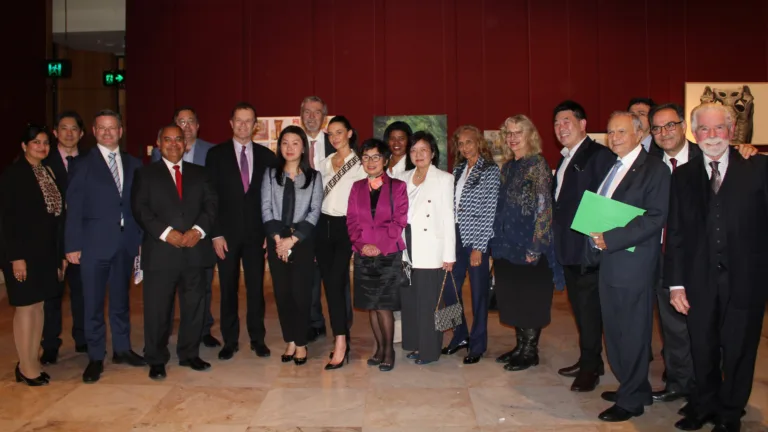
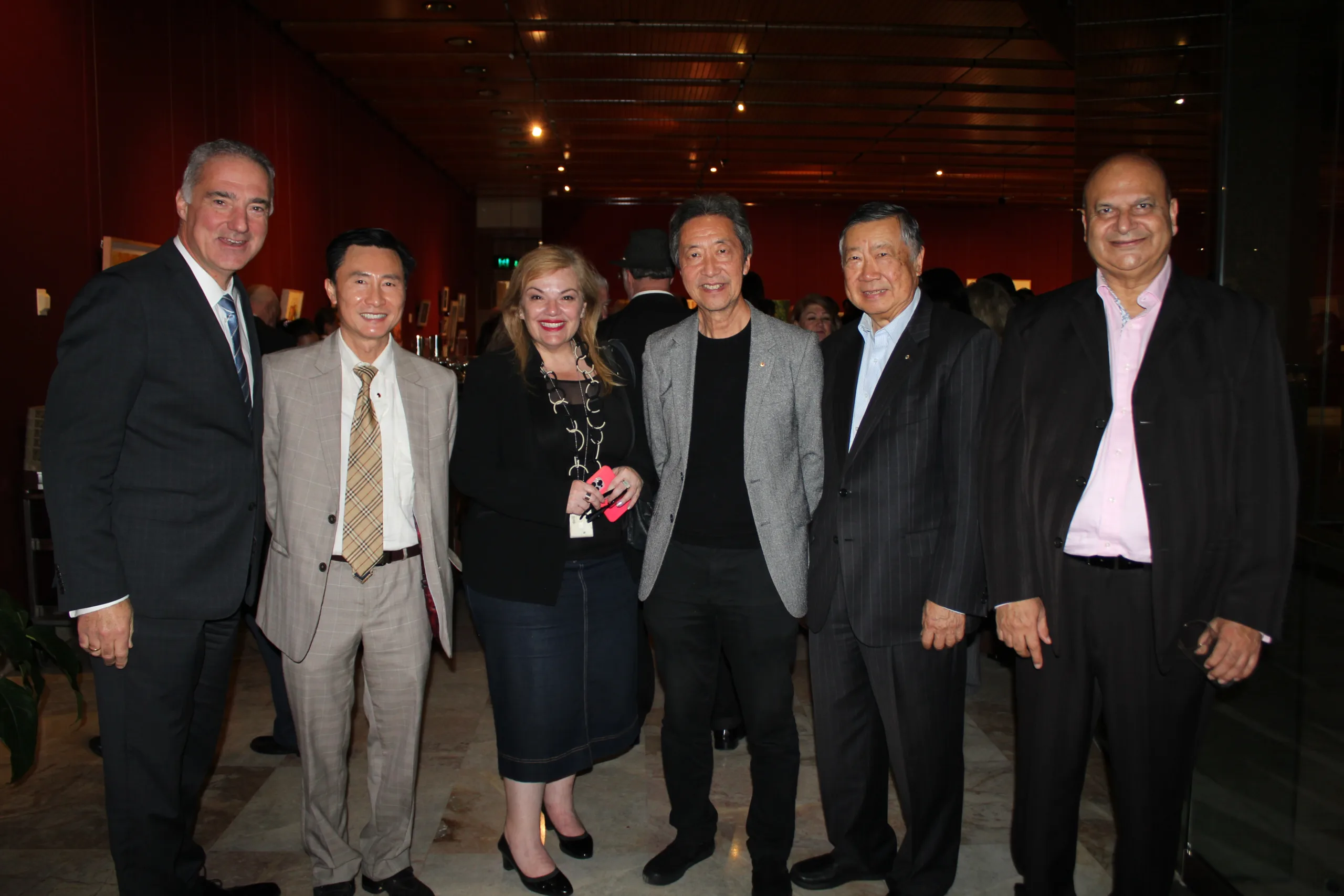
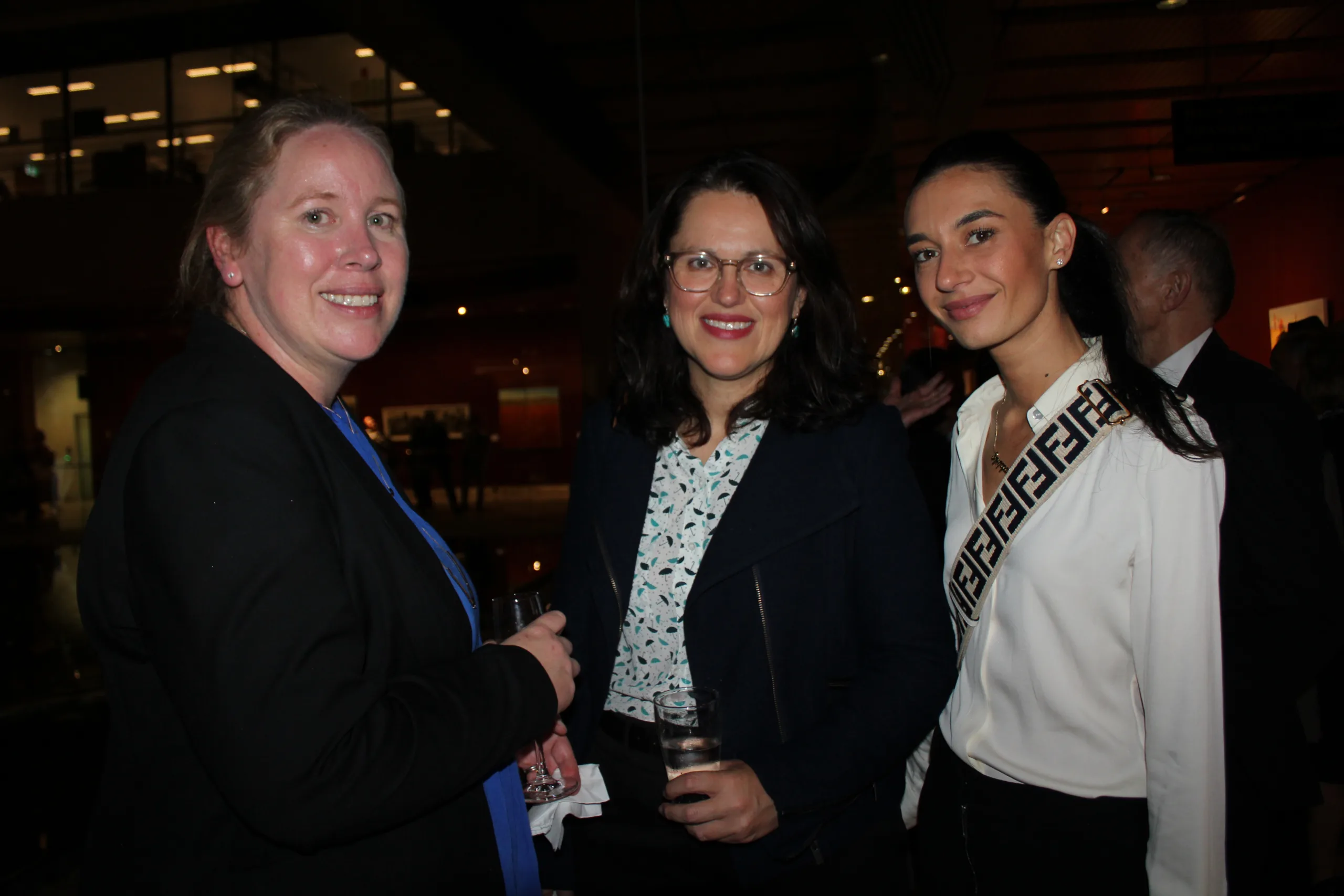
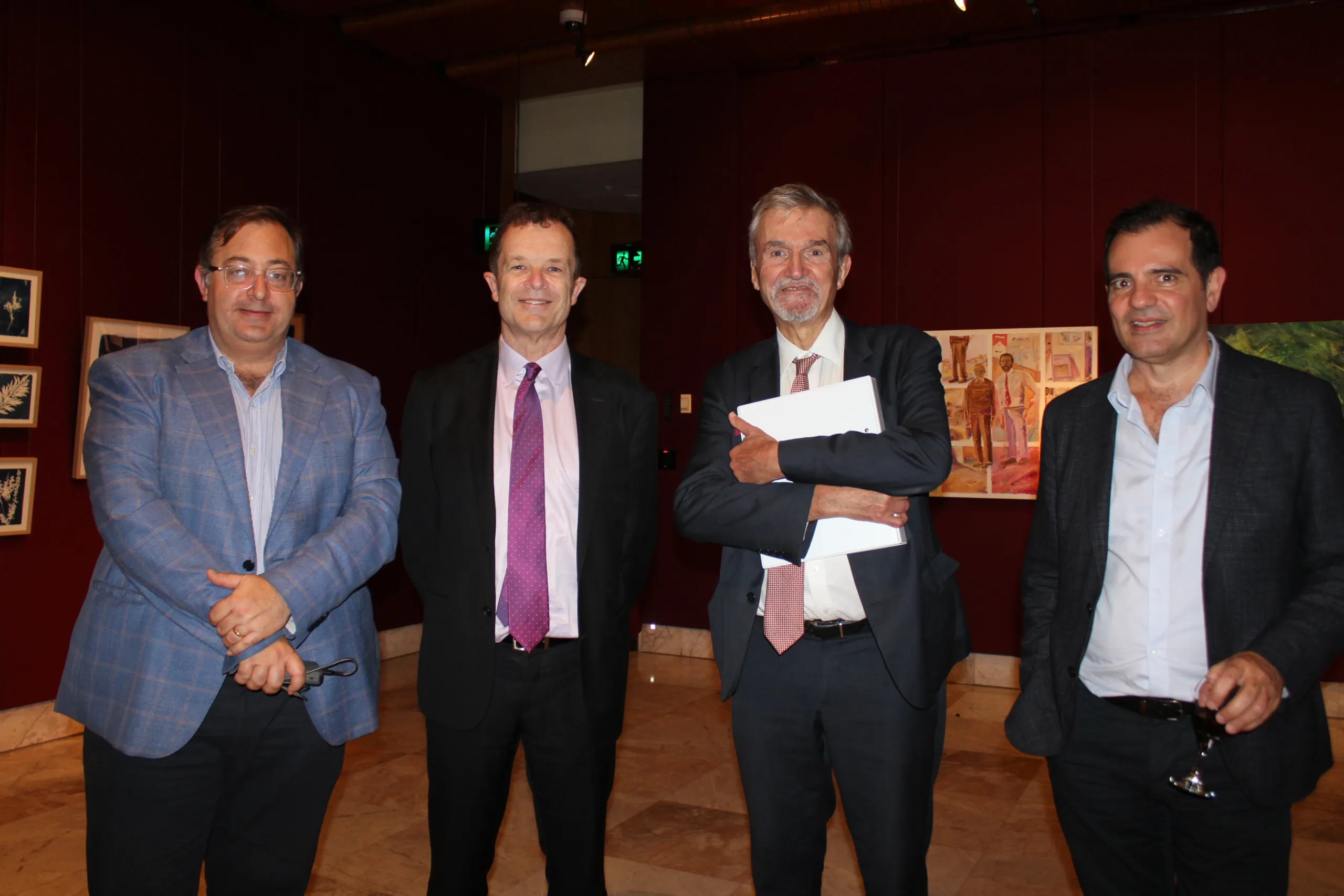
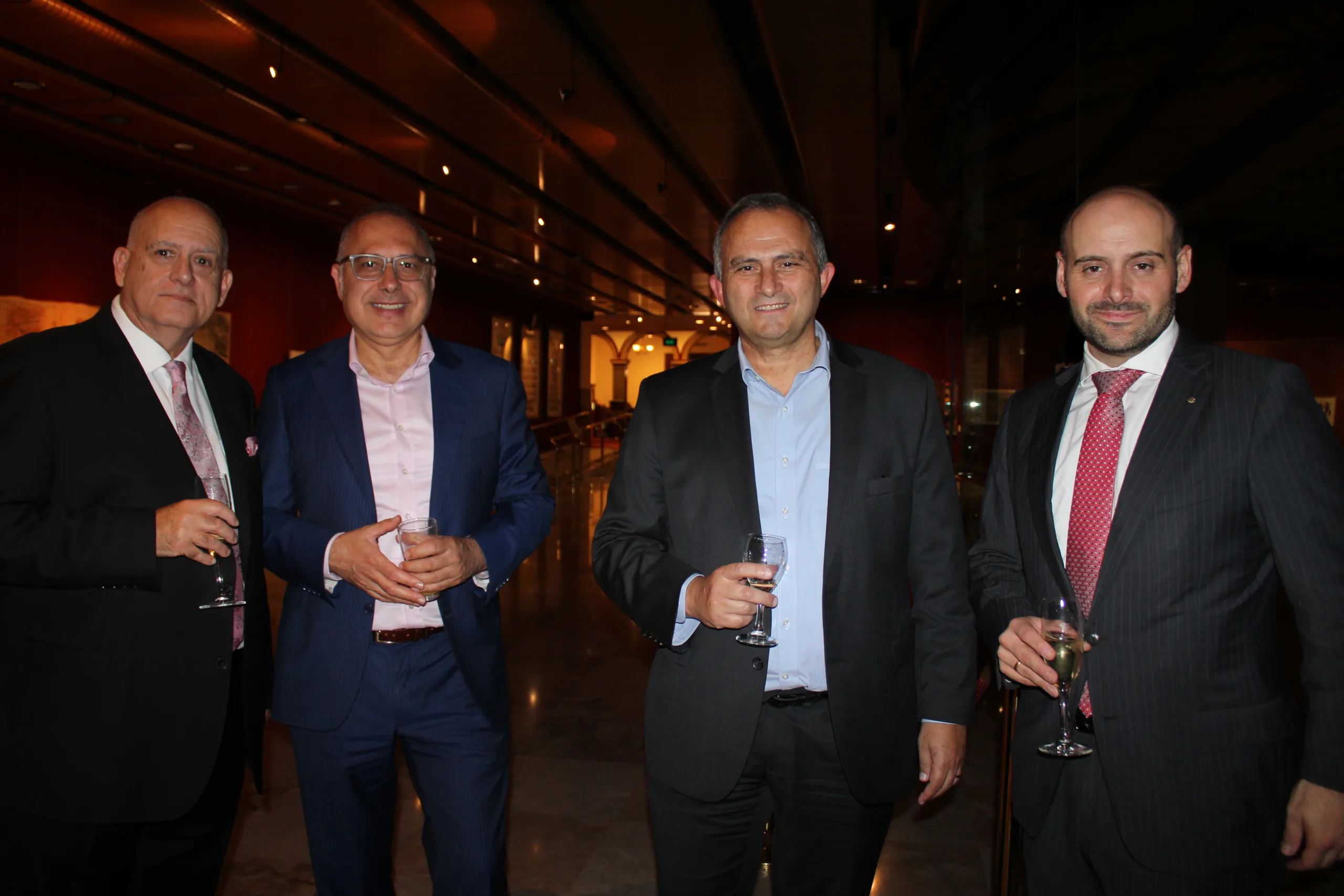
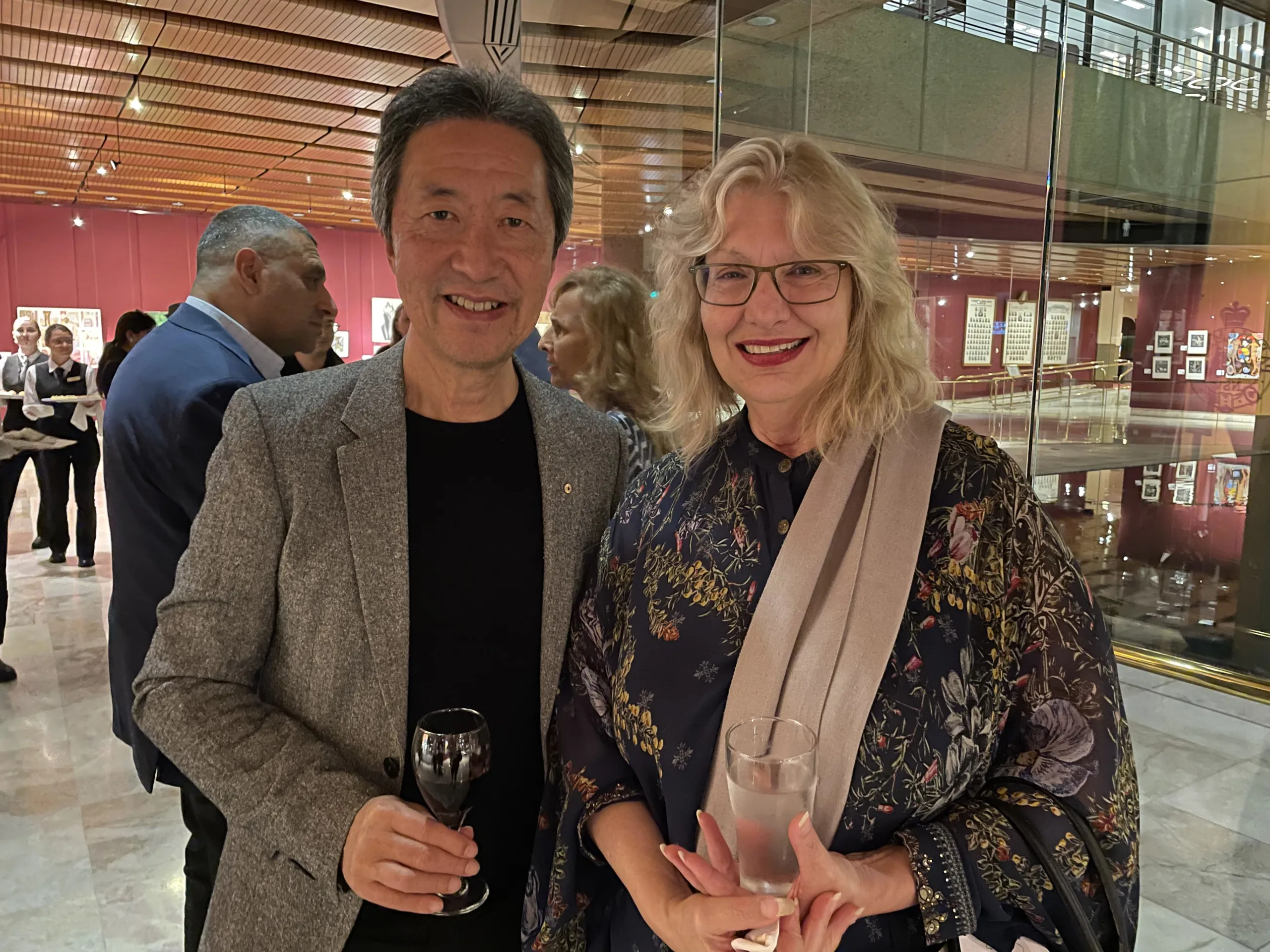
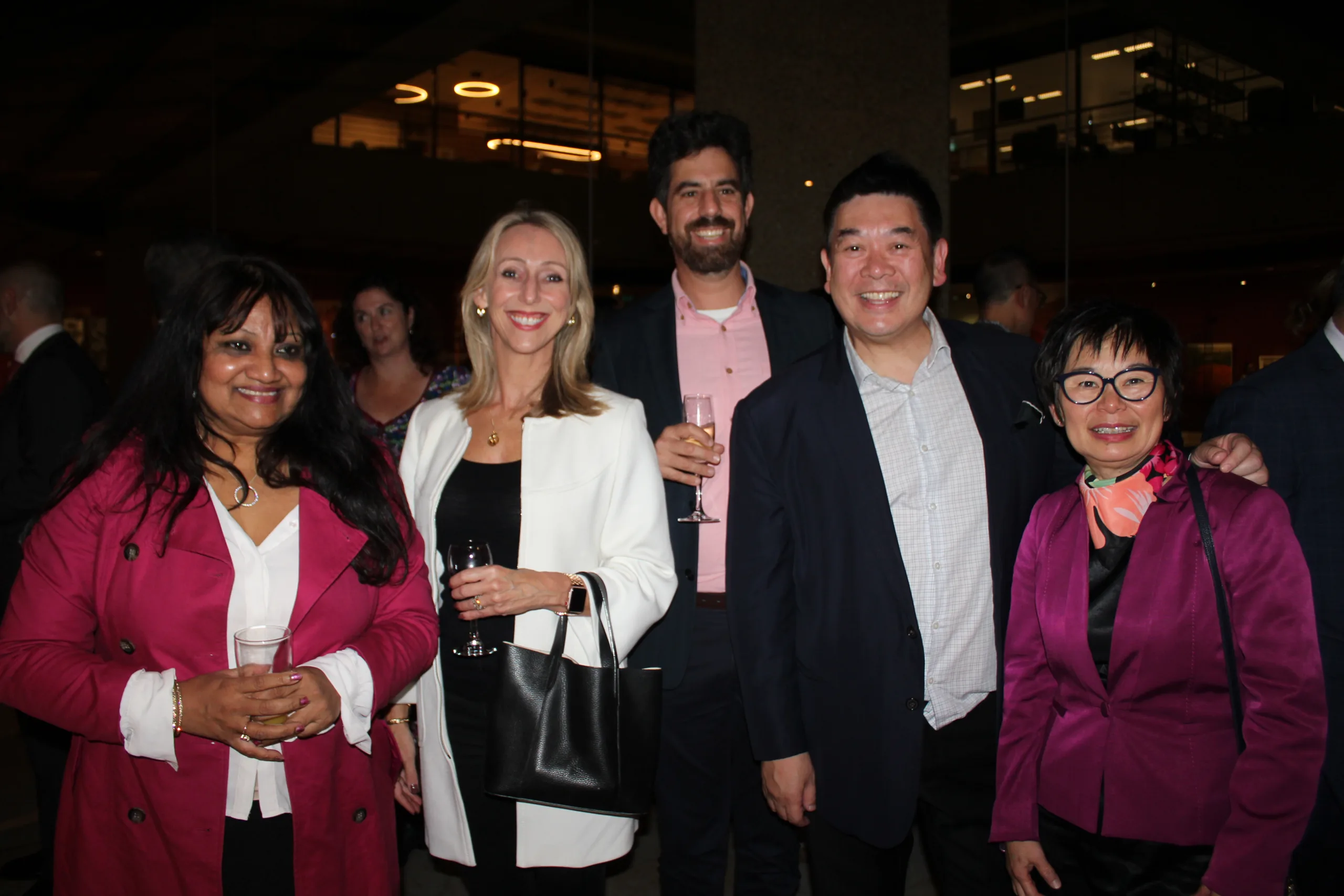
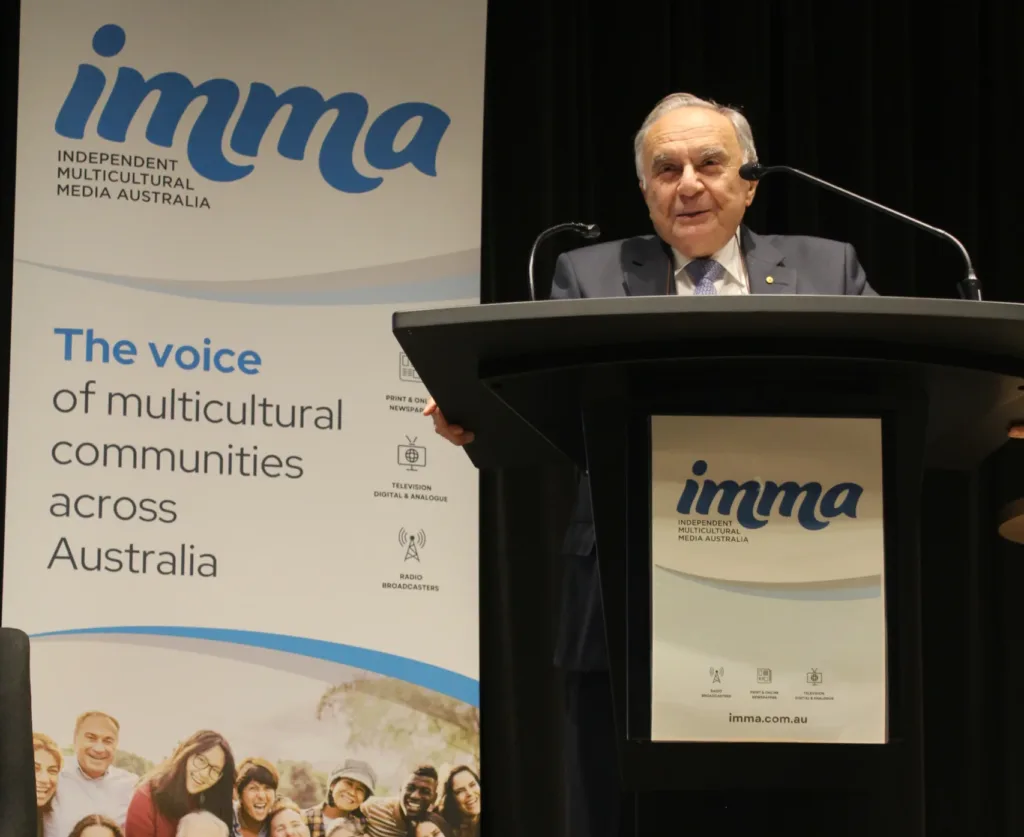
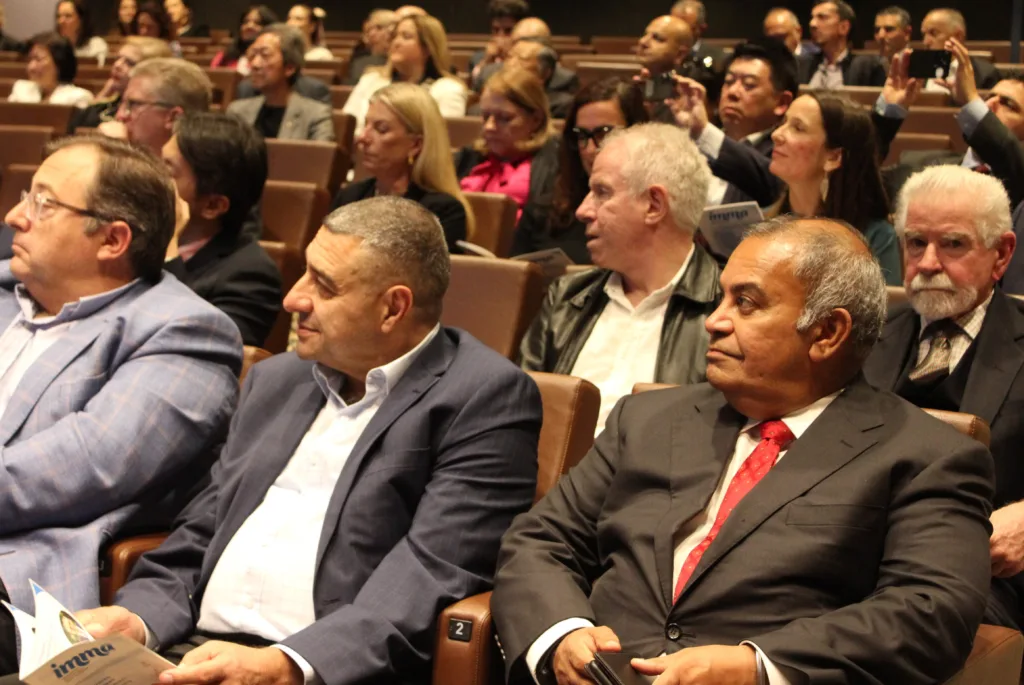
As close to 100 people mingled and enjoyed light refreshments at the NSW Parliament Fountain Court on Wednesday, May 15, the topic of conversation was the role of multicultural media in public interest journalism, and how it can work with governments and ethnic communities to safeguard its future.
The event was organised by the Independent Multicultural Media Australia (IMMA) association titled ‘Diverse Voices, Inclusive Views: Multicultural Media’s Vital Role in Shaping Australia’s Media Landscape.’ The event was hosted by the NSW Minister for Industrial Relations, Sophie Cotsis MP, and supported by Business Sydney.
All photos copyright The Greek Herald / Andriana Simos.
Joining in on the discussions was Leader of the NSW Liberals party, Mark Speakman MP; NSW Parliamentary Secretary for Multiculturalism, Mark Buttigieg MLC; NSW Shadow Minister for Multiculturalism, Mark Coure MP; Member for Cabramatta, Tri Vo MP; Member for Willoughby, Tim James MP; Mayor of Waverley, Cr Paula Masselos; Cr Barbara Ward from Ku Ring Gai Council; Deputy Secretary, Customer, Delivery and Transformation at the NSW Department of Customer Service, Sarah Cruickshank; Multicultural NSW Advisory Board Members, George Vardas and David Yiang; and the Executive Director at Business Sydney, Paul Nicolaou.
They all listened intently as they spoke with publishers and members of IMMA about the narrative prowess of their ethnic outlets, the role they play in bridging gaps in mainstream coverage, and their positive impact on cultural maintenance.
A healthy media ecosystem
Afterwards, attendees gathered in the NSW Parliament Theatrette for the main event of the evening – a keynote speech by prominent figure in Australian multiculturalism Dr Stepan Kerkyasharian AO, and a panel discussion featuring IMMA publishers.
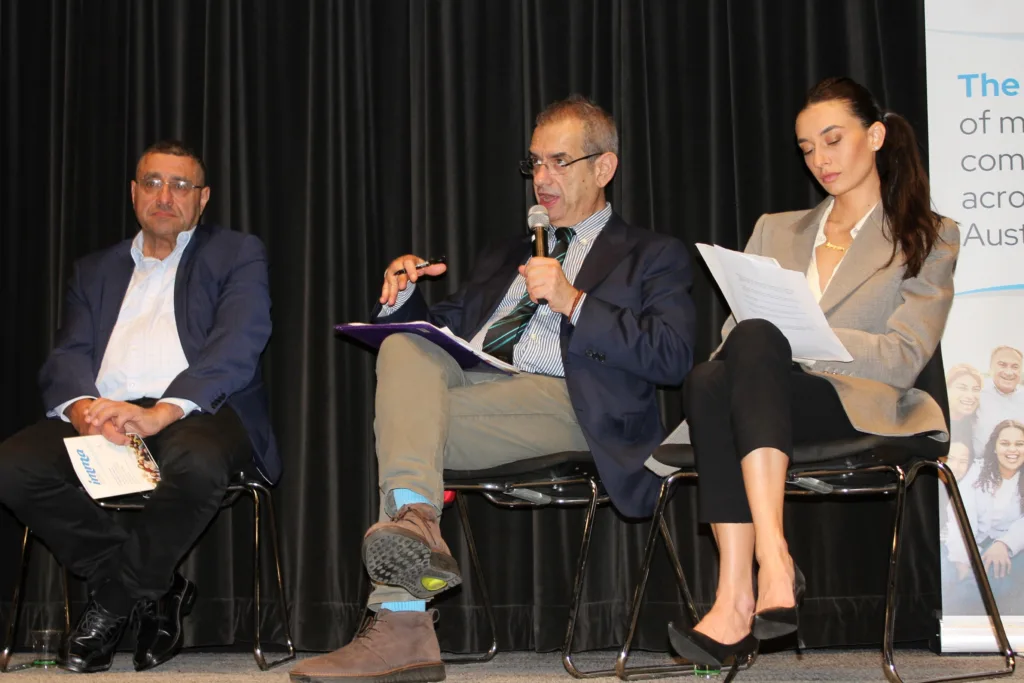
Emcee and IMMA Secretary Fotis Kapetopoulos officially opened the evening with a Welcome to Country, before introducing Mr Buttigieg to the podium to speak.
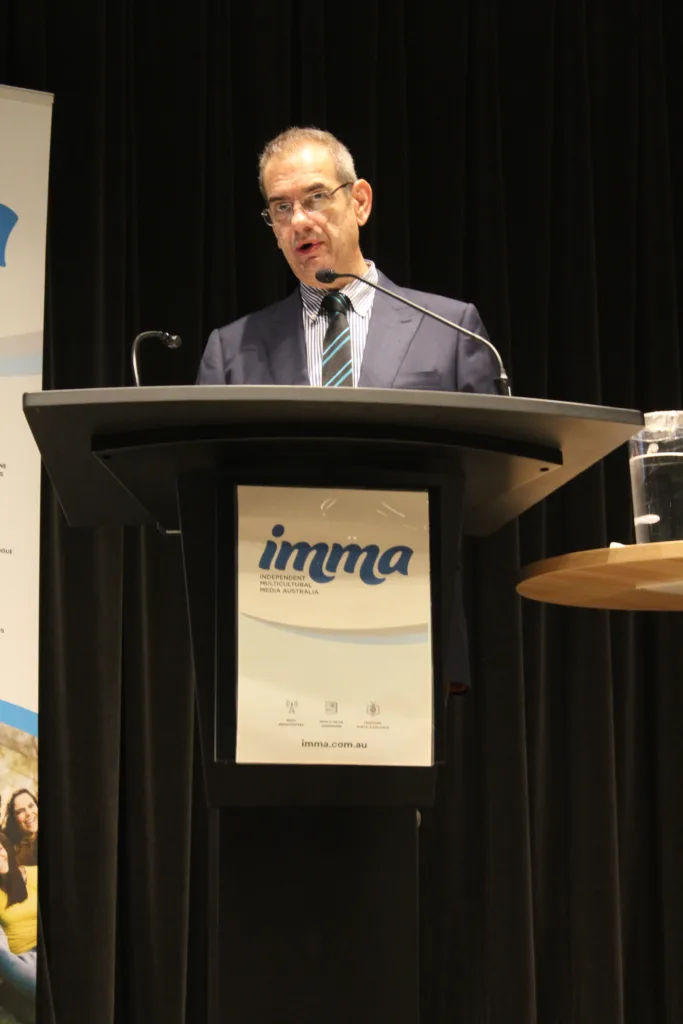
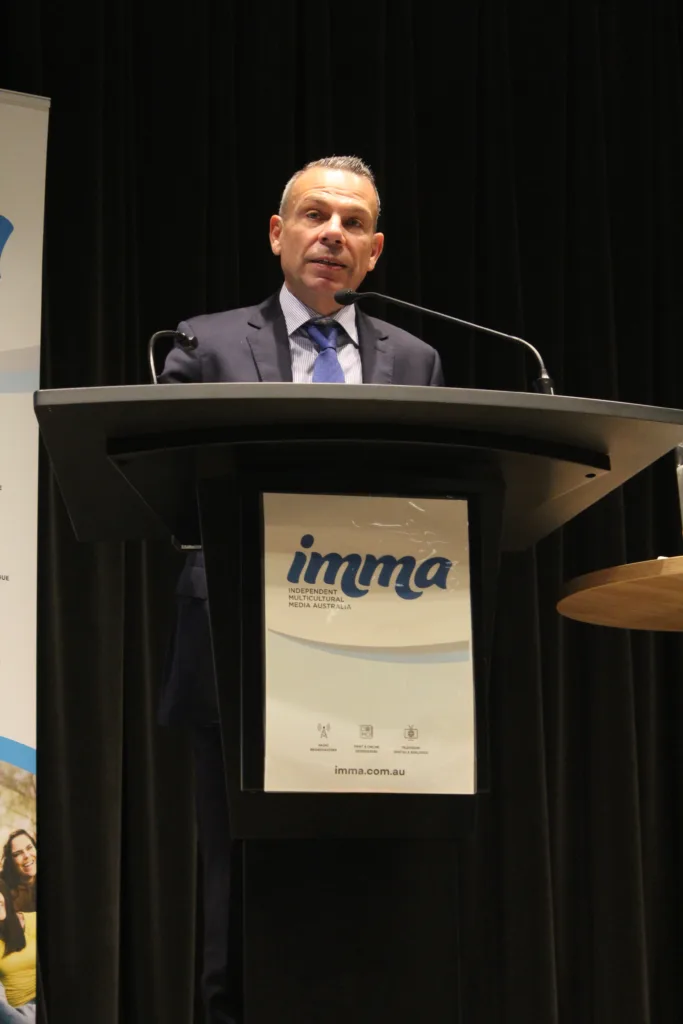
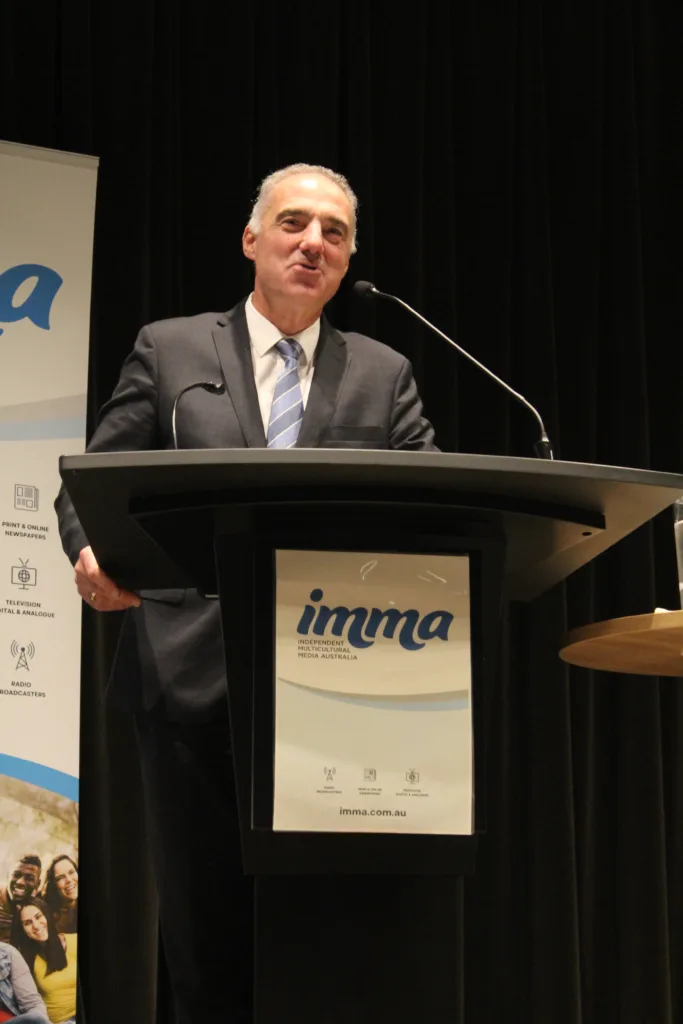
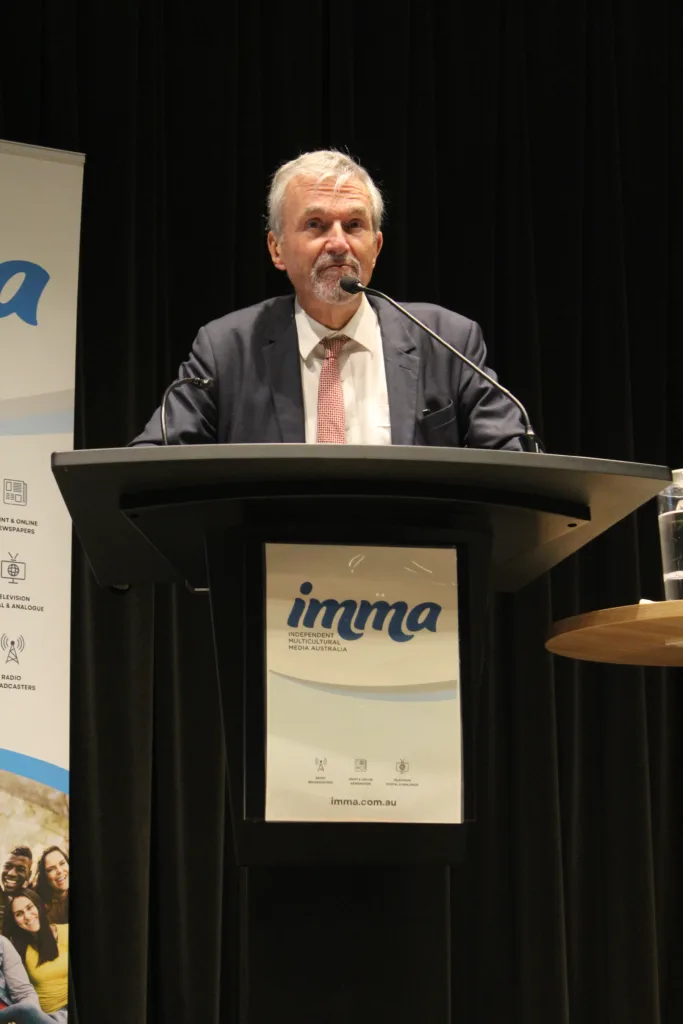
Fotis KapetopoulosMark Buttigieg
In his speech, Mr Buttigieg emphasised the importance of multicultural media in fostering multiculturalism in Australia, and touched on the NSW Government’s recent review of multicultural media and advertising spend.
“An impressive statistic is that you are talking to over 40 per cent of Australians via these mediums, and it’s no wonder that Australian multicultural media plays a crucial role in shaping not only our media more broadly, but also our society at large,” Mr Buttigieg said.
He also stressed the need for IMMA to work together with government to diversify amid the increasing digitisation of traditional print publications.
Paul NicolaouGeorge Vardas
Mr Nicolaou spoke next and underlined the importance of multicultural media platforms for businesses and governments to reach diverse audiences. He also urged more organisations to consider advertising in multicultural media, describing them as “important platforms to educate the community on important issues.”
Mr Vardas also stressed the need for a healthy media ecosystem and strong independent multicultural media to ensure Australia’s values of multiculturalism and multilingualism were being supported.
Mr Vardas demonstrated the value of independent multicultural media in preserving cultural heritage and promoting public interest journalism by giving a personal example of his article in The Greek Herald calling for St George Greek Orthodox Church at Rose Bay to be heritage listed. He explained how the article was published in both Greek and English, and went on to become a public consultation document submitted for review by Woollahra Council. Mr Vardas credited The Greek Herald’s decision to publish a factual and in-language article that he believed led to the church ultimately being heritage listed.
Political, cultural and community strength
The evening’s Keynote Speaker, Dr Kerkyasharian, was a standout, offering insights into Australia’s multicultural society and government policies. He discussed the historical impact of ethnic media, the evolution of the media landscape over the past thirty years, and the future challenges facing multicultural media.
Dr Kerkyasharian.
Mr Kerkyasharian stressed that initially Australia’s ethnic media was created to inform people about what was happening in their homeland, as well as to provide news about their community in Australia. But now, as Australia has achieved multiculturalism, ethnic media have a responsibility to maintain this momentum and reap its intellectual and social benefits.
In response, Mr Kerkyasharian encouraged multicultural media to think outside the box.
“Your publications and news coverage policy should – to some extent – mirror that of the mainstream media. Investigative journalism looking at issues which affect the daily lives of your readership and audience,” he said.
Two other solutions put forward by Mr Kerkyasharian include:
Establishing more partnerships with mainstream media; and
Using multicultural media as a “powerful teaching weapon” for students at language schools. This would ensure children are well aware of their own community and its activities, as well as provide them with the language necessary to discuss current events in their community.
Mr Kerkyasharian concluded his speech by underscoring how multicultural media “are the most accurate, informative and contemporaneous testimony” of the undisputed role played by migrants to the development of modern Australia. He called for a deeper recognition of multicultural media by governments.
“Your archives are a national treasure and should be recognised as such. The Federal Government should establish a National Archive for all ethnic media publications as part of its policy of the preservation of national heritage,” he said.
Bridging gaps in the media landscape
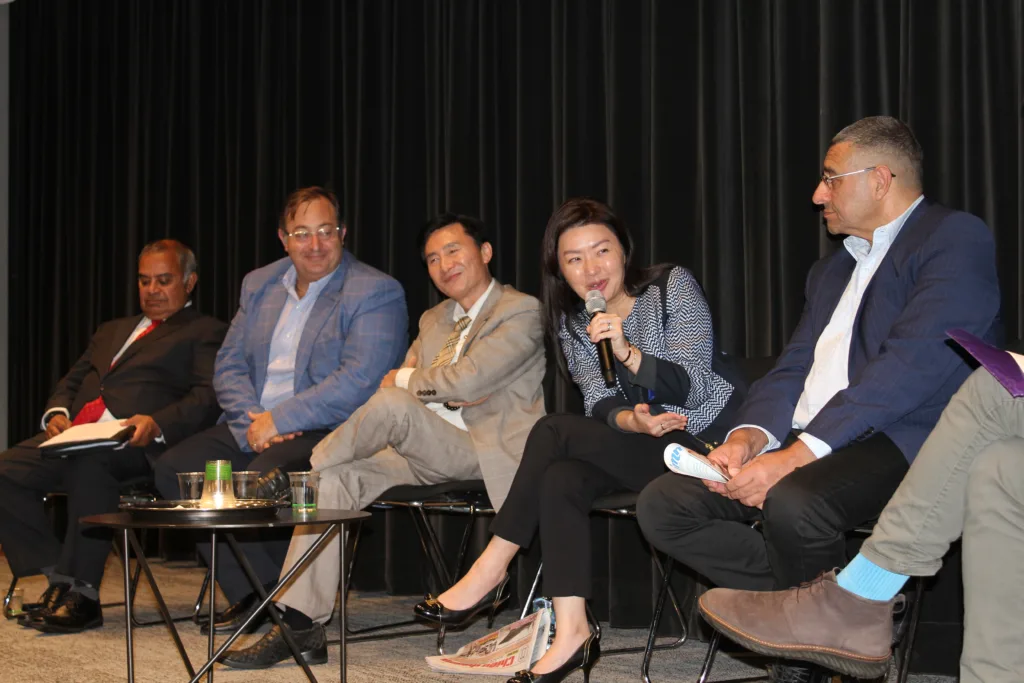
Mr Kerkyasharian’s keynote speech was followed by an informative panel session canvassing current issues of public interest journalism, government and community engagement, crisis communications and digital transformation.
The panel featured David Giang, Managing Director of Vietnamese language newspaper, Chieu Duong (The Sunrise Daily) and Multicultural NSW Advisory Board Member; Wendy Huang, Managing Director of Chinese News and Media Group Pty Ltd & Publisher of the Chinese Herald; Sid Merhi Managing Director of 2ME Arabic Radio; Dimitra Skalkos, Managing Director of Foreign Language Press Pty Ltd and Publisher of The Greek Herald & Ellinis Magazine; Pawan Luthra, Publisher and Founder of Indian Link Media Group; Julius Larobina, Managing Director, Italian Media Corp and Publisher of Il Globo & La Fiamma; and Fotis Kapetopoulos, moderator and Secretary of Independent Multicultural Media Australia (IMMA).
Mr Merhi spoke passionately on the topic of multicultural media’s role in public interest journalism, accuracy and trust-building. He explained multicultural media’s ability to provide personalised, nuanced coverage of cultural issues, and placed emphasis on fact-checking as a priority of any multicultural publication to ensure it is a trusted source of information for its community. An example he cited was 2ME Arabic Radio’s recent coverage of the terror attack on an Assyrian Christian bishop at a Waverely church, and his team’s decision to fact-check and verify information from multiple sources before reporting on the breaking news.
Ms Skalkos shared her experience as Publisher of The Greek Herald detailing how the publication has evolved and adapted to new digital platforms to deliver information in formats familiar to readers, including shifting from Greek to English editorial. She provided numerous examples of how The Greek Herald has diversified and worked closely with the Greek and Cypriot communities to stay relevant and engage with different demographics. These examples included launching multiple highly engaged social media platforms and hosting events such as The Greek Herald Cup, and championing initiatives like The Greek Herald Woman of the Year.
Mr Larobina picked up on this conversation and touched on how multicultural play a vital role in shaping media representation of different communities, and ensuring reporting is culturally sensitive rather than perpetuating pre-existing stereotypes. He also delved into the content selection process that is carefully curated for the Italian community his various media channels target. Mr Larobina highlighted that decisions are made not only about the material that should be published to inform communities, but also about content that should be deliberately excluded to adhere to ethical practices and mitigate risks.
Mr Kapetopoulos clarified a common misconception that multicultural media solely deliver content in-language, pointing to how many of IMMA’s members produce news and content in English. This has enabled the platforms to access a broader audience and connect with multigenerational readers and listeners. He also discussed perceptions around traditional and digital media and noted that many of the panellists offered both mediums within their established organisations (including print and digital newspapers, analogue and digital radio, TV streaming services and social media platforms like WeChat, Facebook, Instagram, YouTube and TikTok).
Ms Huang and Mr Luthra both spoke about multicultural media as part of the overall media ecology.
Mr Luthra discussed the challenges of keeping up with the fast-moving digital transformation in media, particularly in terms of support and recognition from government and partnerships. He discussed the current media landscape, particularly Meta’s recent decision to withdraw from Australia’s News Bargaining Code. Despite this, he said media buyers and planners continue to target programmatic and social media campaigns for government messaging instead of utilising local home-grown platforms.
Ms Skalkos elaborated, expressing her view that when campaigns are seen out of context, their messages are less effective compared to when they are featured on trusted media platforms that cover the same or related topics.
Ms Huang noted the importance of recognising established media outlets with decades of history, in contrast to new pop-up stations which struggle to gain credibility and validation. She discussed her publication’s deep community roots and the extensive network established over many decades, similar to most of the panellists. She mentioned that representatives from the Chinese Herald are invited to at least twenty events each week. This sentiment was shared by all publishers, with Mr Luthra noting that he has yet to see a Meta representative at any community or multicultural event.
Ms Huang and Mr Giang both explained that their communities feel a sense of ownership towards their publications because they curate content that directly addresses their interests and concerns. These outlets, like other multicultural media organisations, often serve as the primary point of contact for community-specific issues and broader mainstream matters that impact each community uniquely.
The panel discussion concluded with an engaging Question & Answer session, with the audience concerned about next steps and what IMMA plans to do to safeguard multicultural media for the future.
*All photos copyright The Greek Herald / Andriana Simos.