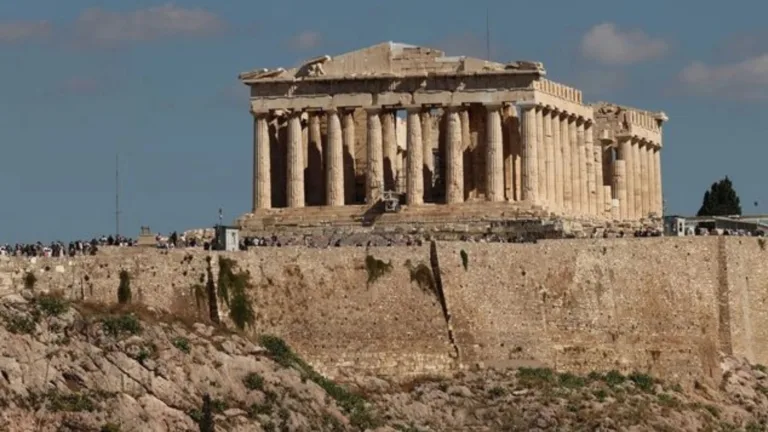
For the first time in over 15 years, Athenians and visitors can enjoy an unobstructed view of the Parthenon, as the scaffolding on the temple’s western side has finally been removed, according to news247.com.
The decision by the Acropolis Monuments Conservation Service marks a significant moment in the long-running restoration project, revealing once again the monument’s majestic and iconic silhouette.
According to reports, the dismantling of the metal framework was completed on September 30, uncovering the western façade visible from the Odeon of Herodes Atticus. The rare, striking view has drawn both residents and tourists eager to see the Parthenon without the structures that have surrounded it for more than a decade.
However, this clear view may not last forever. Sources indicate that restoration and maintenance work will continue in the coming years, potentially involving smaller, more flexible scaffolding systems that won’t obscure the temple’s entire façade.
For now, though, the Parthenon stands in full glory – a brief but breathtaking glimpse of ancient perfection, restored once again to the Athenian skyline.
As we enter the last months of 2025, Year 12s around Australia prepare to sit their final exams. The time and energy spent attending classes and studying for twelve years seems to be placed on the outcome of these exams.
Many schools and families can place an unreasonable amount of pressure on students, with many believing that one final score can change the trajectory of their lives. While this isn’t necessarily the case, the pressure of upcoming exams can cause stress for many Year 12 students.
October 10th is World Mental Health Day and a reminder that while stress is inevitably a part of life, the state of your mental health is more important than a final exam score. This day can help us to reflect on habits and techniques used to manage stress and anxiety.
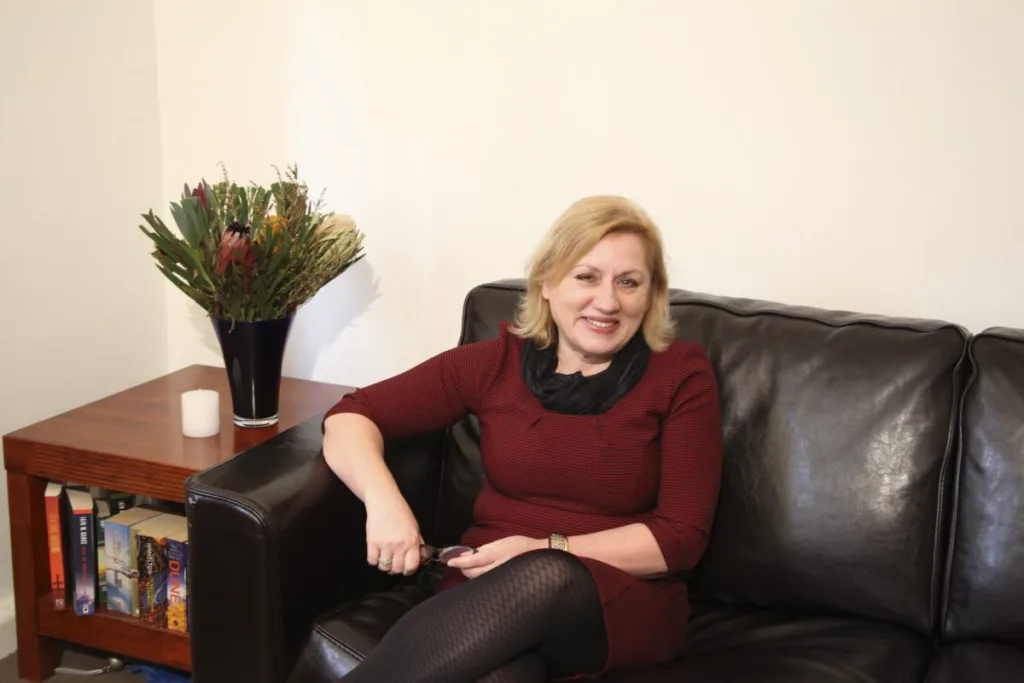
The Greek Herald sat down with Greek Australian educational psychologist Dr Helen Kalaboukas to hear her thoughts on how students can manage exam induced stress and anxiety. She is the co-founder and principal psychologist of Life Resolutions in East Melbourne and has also worked with the Greek Women’s Learning Centre and the Australian Greek Welfare Society.
Helen Kalaboukas.
Dr Kalaboukas sees much of the anxiety Greek Australian students have in their final year as stemming from their home environments. “Usually parents’ expectations create a lot of anxiety and stress for students… It’s very important for the parents to remain cool, calm and collected,” she said.
Dr Kalaboukas acknowledges that many parents are stressed because they believe their children excelling on final exams is their only chance to do well. Dr Kalaboukas emphasises that there are many pathways students can take if they don’t receive the score they want, and it’s not worth risking your mental health for that score.
An emphasis is often placed on excelling in school by parents due to the value of education in Greek culture. Dr Kalaboukas sees that current Greek Australian parents of Year 12 students have carried on these values from their own parents’ generations.
She said, “Parents are very proud of their children’s achievements and there’s a lot of expectations there… They are trying to make their children successful because they’re very proud to have doctors and lawyers.”
Dr Kalaboukas encourages parents to see that “it’s not important to get the big degree, it’s important for their child to be happy and confident and do well in the area they choose.”
Students who feel this surmounting pressure may stop trying in their studies to avoid disappointing their parents. Dr Kalaboukas recommends that parents of these students watch for signs of losing motivation and “to be close to them [and] talk with them… to keep encouraging them.”
Each student is different and requires individualised support based on their needs. She encourages students and families to consider school support systems and special consideration programs when needed.
Dr Kalaboukas understands that if students are stressed, they consequently won’t perform well because they won’t be in a state to retrieve the information needed to sit their exam. She advises students to study according to their best learning style: visual, auditory, reading/writing, or kinesthetic. Students can then prepare accordingly and make the most of their time studying.
Dr Kalaboukas said that students who study in a style that suits their needs will be able to reduce their stress as they will feel more prepared for their exams.
Students can also adopt different techniques to help relax when they are feeling anxious. Dr Kalaboukas suggests taking five deep breaths and practicing mindfulness to reduce symptoms of anxiety.
For all young Greek Australians who feel overwhelmed by the amount of studying that is required for their upcoming exams, take a moment to breathe. A moment to ground yourself in your body. A moment to remember that your worth is not determined by your final mark. You are so much more of a person than your exam outcome.
Look inwards to appreciate your values, emotional connection with yourself and others, your creative pursuits and interests. As long as you’ve tried your best at your exams and have bettered yourself as a learner and a person, there’s no requirement to receive the highest score. Enjoy this concluding chapter of your schooling experience and look forward to what your next path in life will be.
Greek community events often want to entice young people to attend and engage with Greek culture. This is no different for this year’s Melbourne and Sydney Greek Film Festivals (GFF).
Film as a vehicle for storytelling is a powerful medium, especially with the over consumption of short-form entertainment with the rise of TikTok and Instagram. The obvious increase in younger generations using these forms of storytelling has the film industry asking if it’s still relevant to younger audiences.
Jorge Menidis, Director of the Melbourne Greek Film Festival (MGFF) and Executive Assistant of the Greek Community of Melbourne (GCM), spoke to The Greek Herald about youth engagement (18–29 year olds) with the festival.
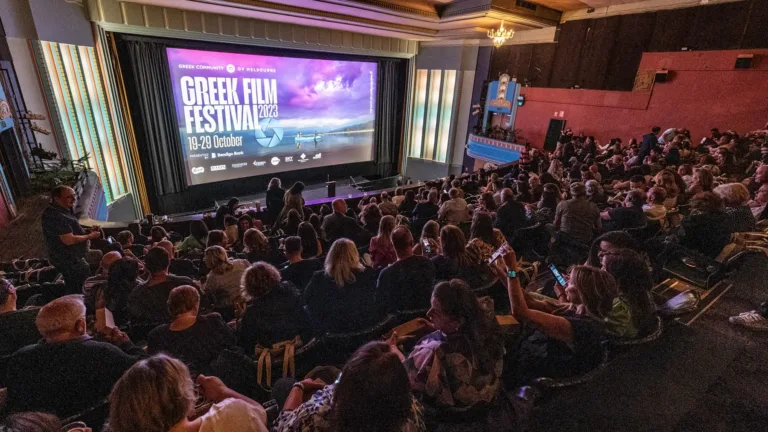
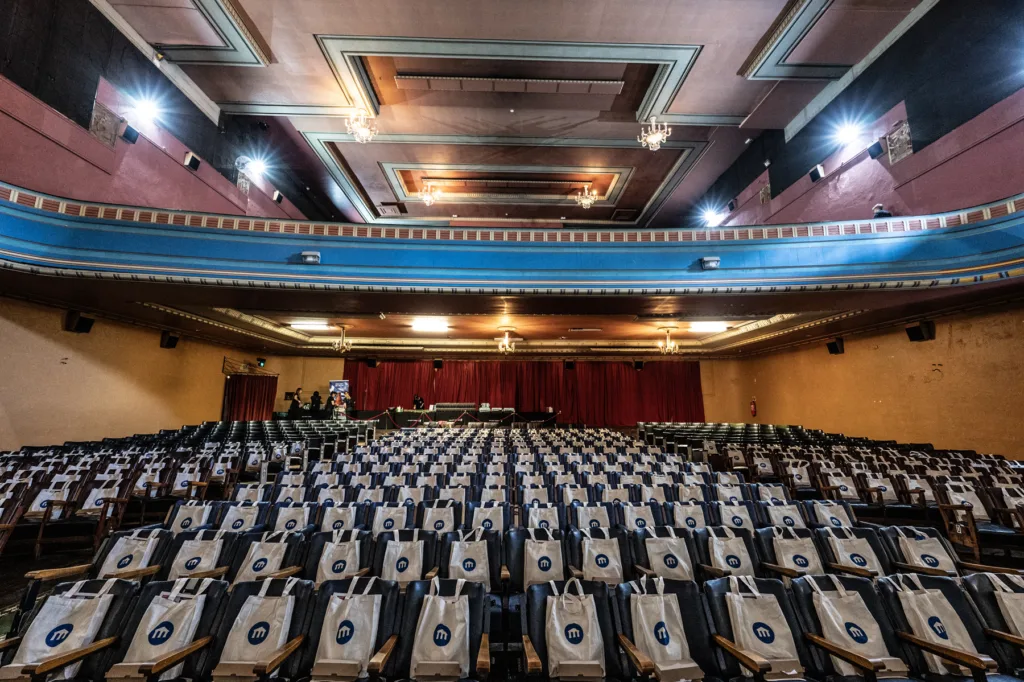
Celebrating its 30th year in 2025, the festival’s longevity is an exemplar of its popularity and presence in the Greek Australian film sphere. This year’s program celebrates favourite films from the past 30 festivals which left a lasting impression on viewers.
The Greek Film Festival is celebrating its 30th year in 2025.
MGFF data shows the majority of festival attendees are aged between 29 and 55, with only 8% of attendees falling into the youth bracket of 18-29 year olds.
“It is a growing younger audience for us,” Jorge said, “but it’s still a segmented audience, the sector is still rather smaller than where we want it to be.”
Short form content is a limiting factor for youth engagement as it has surpassed film storytelling as the primary visual medium. A trip to the cinema no longer seems like a novelty when it’s so easy to turn on one of the many streaming services and hit play.
Jorge has noticed this shift and said the film industry is “desperately trying to find ways of bringing that audience into its cinema houses, besides superhero extraordinary films… The Greek film industry is far more bespoke than that.”
“We have tried to bring younger people to movies and to bring them in particular to Greek movies. In part it’s a little bit of a battle we can’t completely control, because at the end of the day we don’t make the films… sometimes those films are relevant to people, and sometimes they’re not,” Jorge continued.
There’s a belief that films need to feature young people on screen for them to be relevant to a younger audience. While that may be true for some, the GFF curates films rich in Greek culture and language which go far beyond the constraints of just viewing ‘your life’ on screen.
MGFF data shows the majority of festival attendees are aged between 29 and 55.
Addressing the shift in storytelling mediums, Jorge said, “We’re now in a world where consuming our stories happen in snippets… the long play form of storytelling is a little bit novel… We are trying to engage by using marketing mediums that hopefully will appear on the little TV screens in front of every person who may be aware of us.”
But even with this shift, there’s still a certain magic to seeing a film on the big screen.
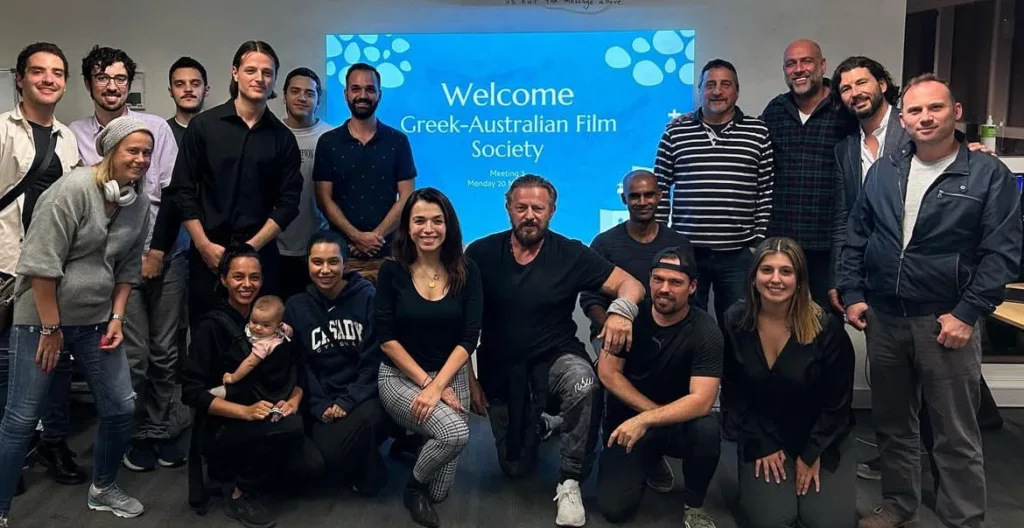
Understanding the value of going to the cinema is 26-year-old Nikita Chronis who is President of the Greek Australian Film Society (GAFS). He founded GAFS to create a space for young Greek Australian filmmakers to unite and showcase their Greek identity on screen.
Nikita told The Greek Herald that when he first started GAFS he saw the festival as a hub for filmmakers to see Greek stories unfold on screen. “I was so excited that something like the Greek film festival existed… It’s such a great festival and every time I go there the atmosphere has been buzzing”.
The raw stories coming from films at the festival give Nikita “great confidence for the future of Australian film and Greek film.”
He encourages young Greek Australian filmmakers to make films which resonate with the public and are infused with Greek stories.
“There is such a buzz with the quality of films that are coming out of the Greek film festival and that are coming out of Melbourne, and Australia in general,” he said. “You stand out against the noise of a lot of the social media saturation we have at the moment.”
Members of the Greek Australian Film Society.
23-year-old John T attended MGFF for the first time last year and told The Greek Herald he’s eager to return.
“There’s never really the opportunity to watch Greek films on the big screen,” he said. “It’s nice being able to consume Greek media in a public atmosphere with other like-minded individuals.”
John acknowledges the prevalence of digital media. “In this day and age we have everything at our fingertips—literally any movie in the world. Because we have so much choice, many of us don’t really make the most of that. But going to the cinema is an opportunity to see something specific that maybe at home you would never think of watching… especially when it’s Greek, it’s something we rarely have the opportunity to do.”
John’s personal connection to Greek culture is an incentive to attend the festival. “It’s different watching something in Greek about my culture and people, it’s almost a sense of belonging.”
John only wishes the festival could run for longer. “Two weeks isn’t enough time to watch even a handful of films,” he said, hoping it will be extended for future years.
The Greek Film Festival indeed faces challenges in appealing to younger audiences, but ultimately the experience of connecting culturally with others in the cinema space will keep Greek cinema and the GFF relevant.
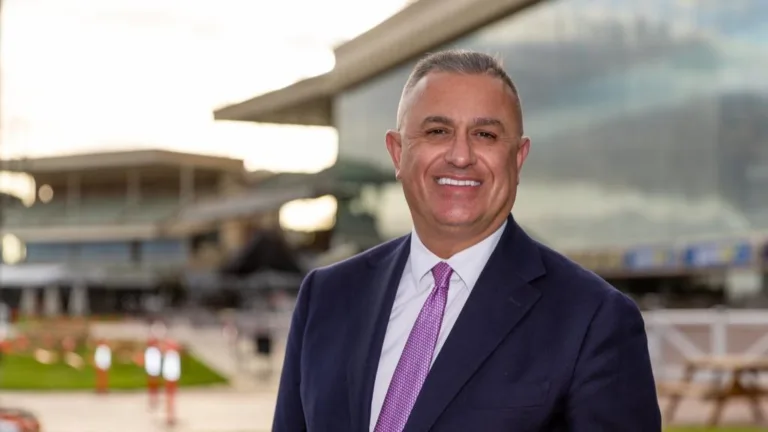
Melbourne Racing Club chairman John Kanga has resigned abruptly just days before the Caulfield Cup carnival, ending a turbulent year that began with his controversial boardroom takeover.
Kanga, who became chairman last September after successfully moving to spill the board, cited “a series of public attacks” against him as the reason for stepping down.
In a statement, he said he rejected the allegations but wished to prevent them from distracting from the club and its flagship Spring Carnival.
His resignation follows reports that Racing Victoria’s integrity department and the Racing Integrity Commissioner had received complaints alleging governance breaches, privacy issues, and undeclared conflicts of interest – claims that remain unproven.
It was also revealed that 24 club memberships linked to Kanga and his family had been bought using one credit card ahead of last year’s contested election, though the MRC denied any rule breaches.
Vice chairman Cameron Fisher has been appointed as Kanga’s replacement, with acting CEO Tanya Fullarton thanking him for his service and emphasising the club’s focus on stability and continuity heading into the Caulfield Cup carnival.
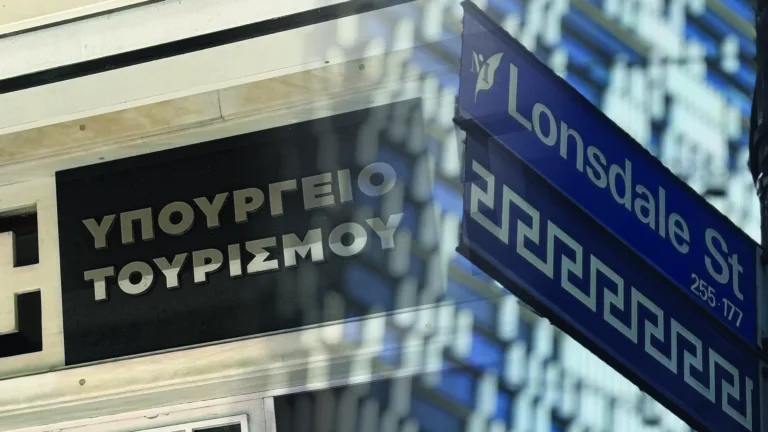
The long-anticipated reopening of the Greek National Tourism Organisation (GNTO) office in Melbourne remains uncertain, with Greece’s Deputy Foreign Affairs Minister for Greeks Abroad, Ioannis Loverdos, offering clarification during his recent visit to Australia amid ongoing confusion over which government department is responsible for the project.
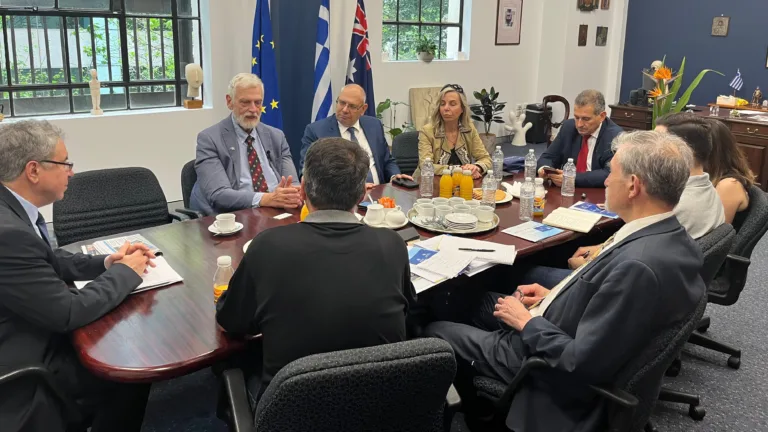
The issue resurfaced after a meeting between Bill Papastergiadis, President of the Greek Community of Melbourne (GCM), and Vasiliki Koutsoukou, Secretary General for Tourism Policy at the Ministry of Tourism. During that meeting, Ms Koutsoukou reportedly stated that responsibility for the GNTO office had shifted from the Ministry of Tourism to the Ministry of Foreign Affairs, raising questions about the project’s future.
Seeking to clarify the matter, The Greek Herald asked Mr Loverdos directly during his visit to Sydney.
Mr Loverdos confirmed that the GNTO office will indeed operate in Melbourne, but within the Consulate General of Greece, not in an external location as originally planned.
“The truth is that the office of the Melbourne Service will open within the Consulate. The EOT will not open outside the Consulate,” Mr Loverdos said.
He stressed that the office will remain under the responsibility of the GNTO, despite its physical presence inside the consulate.
“It is not a community authority. It is something that will be under the responsibility of EOT, and it will operate in Melbourne in cooperation with the General Consulate,” he added.
His comments referred to an earlier proposal by the GCM, which had offered rent-free office space within its landmark Greek Centre building on Lonsdale Street to support the re-establishment of the GNTO office. That offer, however, has remained unanswered for years.
“This happened because every beginning is difficult. That’s why it won’t go into the Melbourne Community building — for operational reasons. We want to emphasise that this is a Greek state authority, not a part of the community,” Mr Loverdos explained.
“I remember very well that the Melbourne community is the oldest in the world. But to emphasise that this is a Greek authority, it will be placed within the General Consulate of Melbourne. This is also for the benefit of the community, because it highlights that it’s a Greek state authority and not part of the community.”
Mr Loverdos’ clarification appears to contrast with earlier statements from the Ministry of Tourism, which suggested that the file had been transferred to the Ministry of Foreign Affairs. The differing accounts underscore continued administrative ambiguity between departments – a factor that may help explain the prolonged delays.
Meanwhile, the GCM has repeatedly sought updates on the project, sending numerous letters to Athens without response. For many in the diaspora, the matter has come to symbolise both the need for greater coordination between government ministries and stronger engagement with Greek communities abroad on tourism and cultural representation.
Speaking during a media conference at the Consulate General of Greece in Sydney on Wednesday, 9 October 2025, Greece’s Deputy Foreign Minister for Greeks Abroad Ioannis Loverdos confirmed that the Greek Government has commenced a trial of its new digital consular services in Perth, marking a major step toward modernising how Greeks abroad access essential documents and support.
Mr Loverdos said the trial forms part of a wider government plan to digitise consular functions through what he called an “E-Proxenio” platform, which operates within the national gov.gr digital services framework and will progressively expand to other states.
“The trial has already commenced in Perth,” Mr Loverdos told The Greek Herald. “It will then be extended to Adelaide and the largest Australian states, including New South Wales and Victoria, where the Greek communities are among the most active and numerous in the world.”
The announcement follows early reporting by The Greek Herald in 2020, which revealed that the Greek Consulate in Perth would be among the first to undergo digital transformation – foreshadowing the government’s long-term vision to modernise consular services for Greeks abroad.
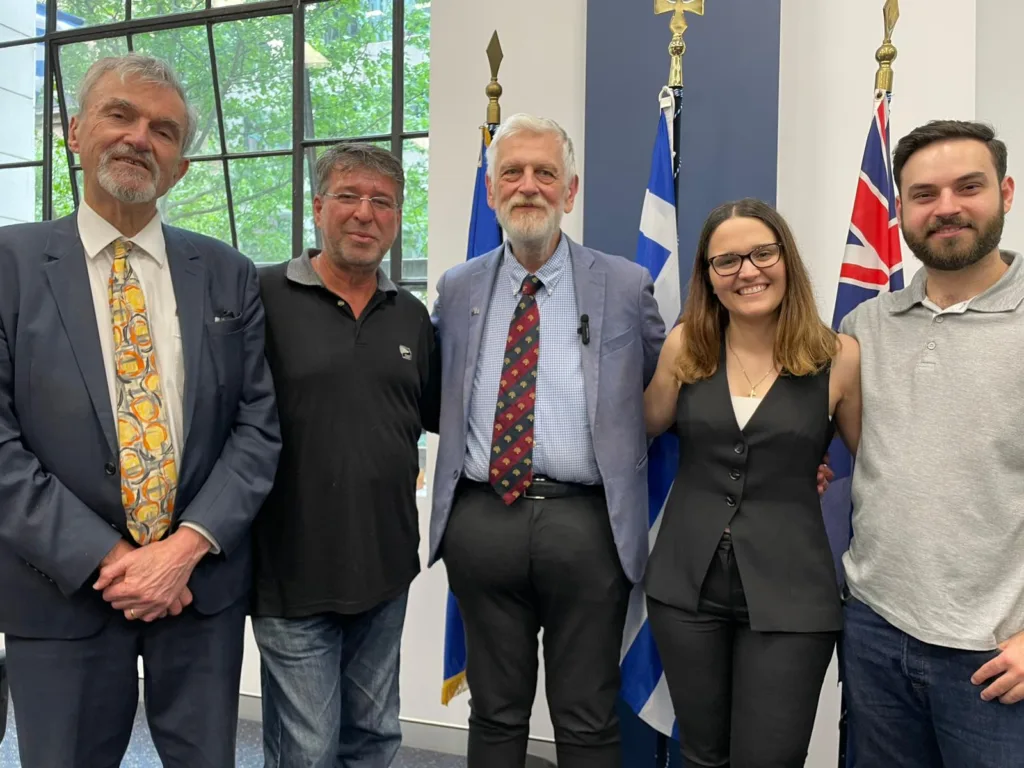
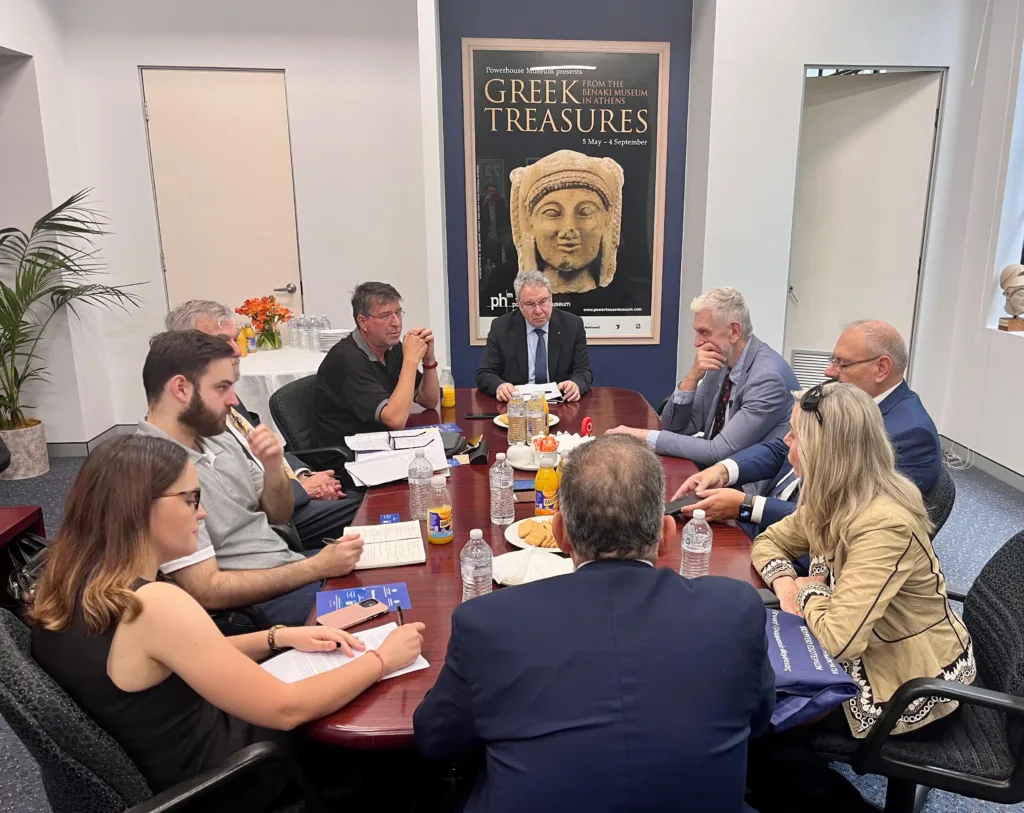
Ioannis Loverdos met with representatives of the Greek media in Australia, including The Greek Herald’s Digital Editor Andriana Simos (second from right).
The service, first detailed to The Greek Herald by Deputy Minister of the Interior Theodoros Livanios, will serve as an integrated online portal for citizenship applications, registry certificates, document authentication and other consular processes. It aims to significantly reduce waiting times and streamline communication between the diaspora and Greece’s Ministry of Foreign Affairs.
The system will also anticipate access for non-Greek passport holders and individuals of Greek heritage who are not yet citizens, mirroring the verification process already used on gov.gr. Greeks living abroad will be able to visit their local consulate to receive a one-time password and access code, allowing them to securely log in and complete digital transactions through the platform.
Australia hosts the largest Greek diaspora community in the world outside of Greece, making it a strategic testing ground for the government’s digital consular reform. Greek community leaders have long advocated for easier access to documentation and citizenship services – a concern that Mr Loverdos said the new system is designed to directly address.
“Our goal is to make every Greek abroad feel as close to home as possible,” he said. “If the Perth trial proves successful, it will pave the way for a global rollout, changing forever how millions of Greeks abroad interact with their homeland.”
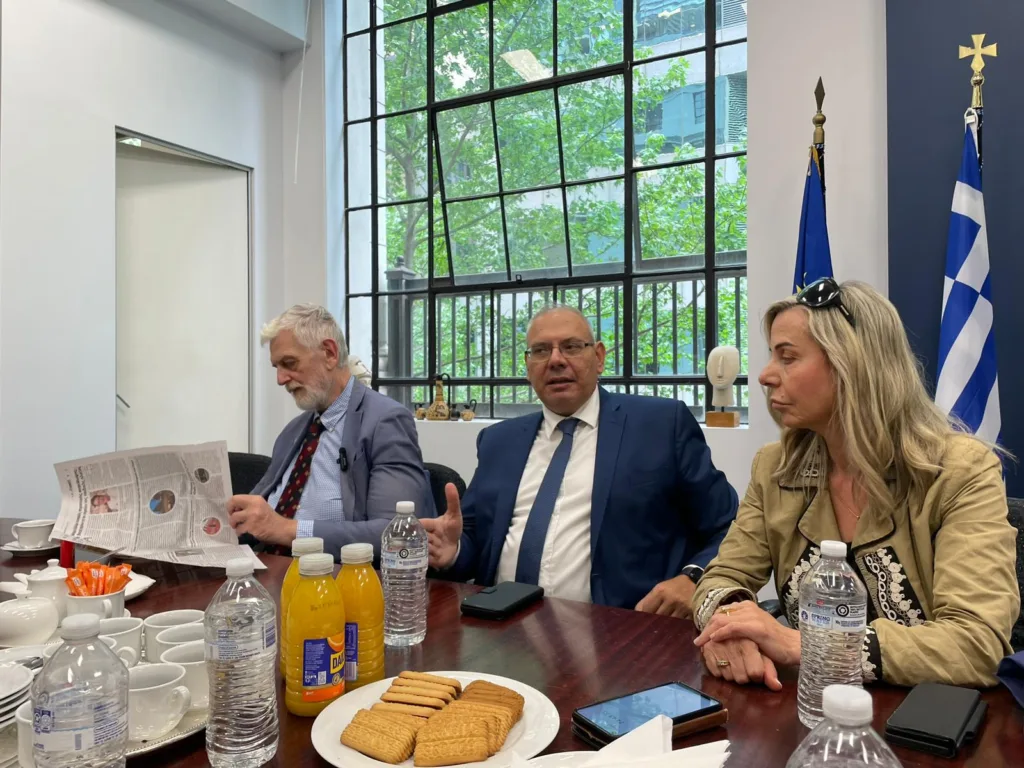
Ioannis Loverdos made a number of announcements at the media conference.
During the media conference, Mr Loverdos also confirmed that from 1 January, overseas allowances for Greek officials posted abroad will be doubled, a measure designed to address chronic staffing shortages across consulates and embassies.
“This reform will make postings abroad more viable for Greek diplomats and civil servants, ensuring that consular offices can operate at full capacity and provide faster, more reliable services to citizens,” he said.
He highlighted that the government’s dual focus on staffing and digital reform is key to improving services for Greeks abroad.
When asked how the government intends to ensure the diaspora is properly informed about these new services, Mr Loverdos acknowledged the need for stronger communication channels between the Greek state and diaspora media.
Greece’s Deputy Foreign Affairs Minister reads The Greek Herald.
“As a veteran journalist myself — I’ve been a journalist for 35 years — I understand how diaspora media may sometimes feel neglected or under-appreciated in Athens. That is not the case. On the contrary, specialised newspapers offer a very important contribution to informing expatriates and the Greek diaspora in general.”
Mr Loverdos said he has already held discussions with the competent officials regarding new ways to strengthen cooperation with Greek media abroad – not necessarily through direct financial aid, but through practical measures to support sustainability and information flow.
“For example, some outlets have asked for reduced-cost access to news services from the Athens News Agency, and that could be arranged,” he explained. “We haven’t reached an agreement yet, but it’s something I am pushing for. Closer communication is needed, and I assure you that we are willing to cooperate with Greek media abroad – whether in Australia, Canada, the U.S. or elsewhere.”
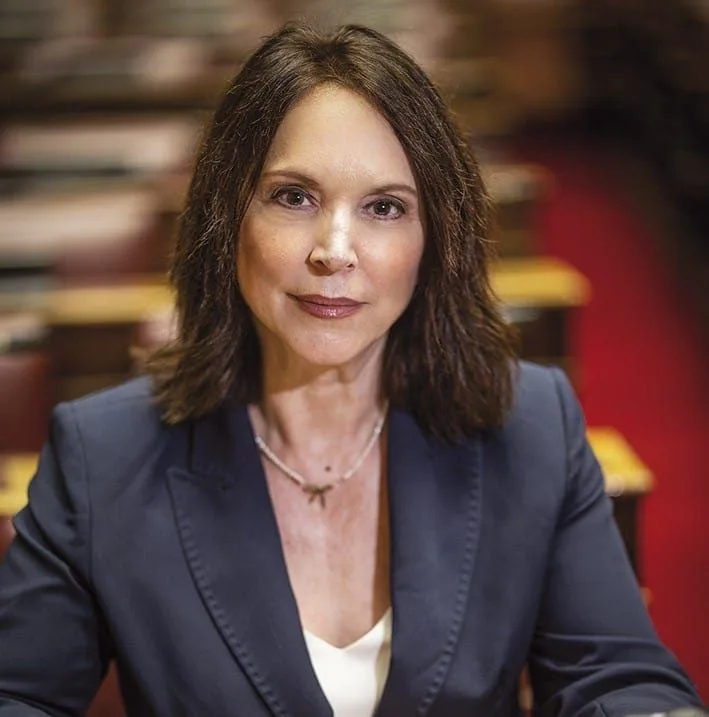
Kalliopi Vetta still remembers her first visit to Australia. It was back in 2003, when, as a performer with the Mikis Theodorakis Popular Orchestra, she toured Sydney, Melbourne, Adelaide, Perth, and Darwin.
“The reception from the Greek community – full of emotion and tears – has remained indelibly etched in my memory,” she recalls today.
Two decades later, life has taken her from the music stage to the Hellenic Parliament. Today, as the SYRIZA–PS MP for Kozani, she is championing an issue that lies close to the heart of the Greek diaspora: the reopening of the Greek National Tourism Organisation (GNTO) office in Melbourne.
For Ms Vetta, these delays – part of what she describes as a broader pattern of government neglect towards the GNTO – represent a missed opportunity to promote Greece in a market of strategic importance.
“Plenty of announcements, zero action,” she says pointedly, reminding readers that the government pledged as early as January 2023 to reopen the office, yet no progress has been made.
“Melbourne and the Hellenism of Australia cannot wait any longer,” she stresses. “Greece cannot afford lost opportunities.”
Perhaps that first encounter in 2003 came full circle – her voice now echoing once again, not on the music stage but within the halls of Parliament.
What led you to submit a parliamentary question about the delays in reopening the GNTO office in Melbourne, which the government had announced in January 2023?
I submitted the parliamentary question because, although the government had committed since January 2023 to open a GNTO office in Melbourne, there has been no substantial progress to date. The then-Minister of Tourism announced the immediate operation of the office, later reaffirming this commitment. In February 2025, in a letter to the Greek Community of Melbourne, the GNTO Secretary-General admitted that the establishment process was still pending.
This delay is yet another example of the communication-driven tactics of the ND government and the overall neglect to which the political leadership of the Ministry of Tourism has subjected the GNTO. Many announcements – no action. This is the ND pattern.
It is telling that in recent times, offices have been shut down both abroad, such as in Spain, and domestically, such as the Acropolis Office. At the same time, the Organisation is suffering from severe understaffing due to mass retirements, while the Ministry has proven incapable of filling the vacant positions. The loss of experienced personnel has drastically reduced the GNTO’s operational capacity and undermines Greece’s tourism development strategy, effectively paving the way for outsourcing the country’s tourism promotion to third parties.
Through my parliamentary question on 5 September 2025, I expressed my deep concern about the consequences of this government inertia and called for the immediate activation of the office, demanding clear explanations for the unjustifiable postponement and a concrete implementation timetable.
The delay in reopening the Melbourne Office deprives Greece of valuable opportunities for promotion and cooperation at a time when rival Mediterranean destinations are systematically investing in their presence in long-haul markets.
Tourism development – and especially our presence in a market such as Australia – requires consistency and planning, not empty words. Melbourne and the Hellenism of Australia cannot wait any longer. Greece cannot afford missed opportunities.
What do you believe lies behind the government’s significant delays?
Let me remind you that as early as January 2023, then Tourism Minister Vassilis Kikilias announced the immediate establishment of the Office, emphasising the importance of the Australian market – particularly given Melbourne’s 300,000 Greek Australians and the post-pandemic momentum. He even reiterated this pledge in April of the same year.
This delay is symptomatic of a broader policy of devaluing the GNTO.
Our criticism concerns the government’s lack of consistency and effectiveness – announcements alone are not enough without action. Through our parliamentary intervention on the Melbourne Office, we demand a clear operational timetable, sufficient staffing, and the mobilisation of cooperation with the diaspora, so that the GNTO Melbourne Office can serve as a genuine multiplier of tourism growth for Greece.
The Greek community in Australia has expressed deep disappointment over the delays. How important do you believe this office is for Greece’s image abroad and for Greek tourism?
Australia is one of the world’s largest economies, closely linked with the emerging Asian market, and holds strategic significance for Greece. The GNTO Office in Melbourne is not merely an administrative outpost but a vital tool of strategic tourism policy. It directly connects our country with one of the most dynamic tourism markets while leveraging the strong ties with the large Greek diaspora.
The unjustified delay in establishing the Office undermines the trust of the diaspora in Greece’s institutions and damages the competitiveness of Greek tourism. The GNTO’s absence in Melbourne weakens ties with the Greek diaspora and Greece’s image abroad, undermining the Organisation’s main mission: to promote and advertise the country, opening pathways to growth and prosperity.
Indicatively, in 2024, Australian tourists increased their average per capita spending by 45.5% (€1,594.4) and their per-night expenditure by 62.9% compared to 2019. Despite fewer visitors, their contribution remains highly significant.
The delay in launching the Office, despite official commitments and the generous support of the Greek Community of Melbourne (which offered space, facilities, and rent-free premises), has shaken the diaspora’s trust and highlights the government’s broader disregard for the GNTO. We see office closures in other countries and delays in new establishments at a time when Greece faces intense global competition. This deprives the country of valuable opportunities for visibility, partnerships, and attracting visitors from a long-haul market, while other Mediterranean destinations are strengthening their presence.
As you know, the Greek Community of Melbourne has already allocated space within the Greek Centre and pledged full support for the office’s operation and goals. However, there are reports that the Ministry is considering housing it within the Consulate. In your view, would such a choice serve the purpose of reopening, or would it limit the GNTO’s impact and visibility in Australia?
I do not know the Ministry’s intentions, as we are still waiting for official answers, nor the parameters of such a decision. In any case, the Greek Community of Melbourne and the diaspora should have been formally informed as to whether the building can be used or not.
What matters is that the reopening proceeds immediately, in a way that guarantees the GNTO’s dynamism and visibility in Australia. Trust and cooperation with the diaspora are essential in every respect.
If the Ministry of Tourism fails to respond within the parliamentary timeframe, do you intend to submit a topical question? Does this mean we will finally get an answer regarding the Office’s operation?
We will continue the parliamentary struggle by all available means until clear answers are provided and the government’s commitment is finally implemented.
Our aim is to bring this critical issue into public discussion while exercising institutional oversight -highlighting problems, presenting proposals, and practising constructive opposition.
As to whether we will receive a specific answer – I hope so, as I have faith and respect in Parliament and its procedures. I also hope that the Minister of Tourism shows the same respect.
What is your message to the Greek diaspora of Australia, whom you met during your artistic tour in 2003?
I was born and raised in Livadero, Kozani. I always carry with me that land, its people, and my childhood memories. Thanks to my great love, music, I travelled far and wide, but I never ceased to feel connected to my roots.
I encountered those roots in 2003, when together with Dimitris Basis and the Mikis Theodorakis Popular Orchestra I travelled to Australia for the first time. I had never been before, and I was overjoyed to sing in cities such as Sydney, Melbourne, Adelaide, Perth, and Darwin. There, I reunited with relatives and friends who had migrated, and I met the diaspora up close—who welcomed us with tears of emotion and deep love for Mikis, with whom I collaborated for many years, and for his music. That connection remains an unforgettable experience.
I then witnessed firsthand the strong bond linking Kozani to the Greeks of Australia. I knew their struggles, their anxiety, and their longing for the homeland, which they visit whenever they can.
I long to return to Australia—to see our expatriates again and share with them this timeless message of connection and unity that endures despite life’s challenges and differing paths.
The Greek communities of Australia, with Melbourne among the oldest, are centres of creativity, culture, and collective identity. Thousands of our compatriots, in search of a better life, came to Australia with a shared goal: to improve their living conditions and build a more hopeful future for themselves and their families.
Through their struggles and sacrifices, our expatriates have kept our language, faith, and traditions alive. They have built schools, churches, charitable institutions, and cultural initiatives that highlight Hellenism. Many Greeks from Western Macedonia—the region I come from and represent—found in Australia a second homeland that embraced them, while they, in turn, contributed to the host country’s economic growth.
Through their work, the Greek communities have ensured that the link with Greece and their place of origin never fades—supporting both the newly arrived and those who stayed behind. We owe it to them to honour this contribution, to strengthen our ties with the diaspora, and to safeguard this invaluable asset that the Greek diaspora represents for Hellenism across the world.
For the first time in Australia, a specialised online summer school will be held for teachers of the Greek language in the diaspora.
Running from 12 to 22 January 2026 during the afternoon (AEST), the intensive professional development program will provide teachers with the latest tools, strategies, and resources for teaching Greek as a second or foreign language.
This initiative is delivered by the Centre for Training and Lifelong Learning of the University of Western Macedonia, with the aim of strengthening and supporting educators who keep the Greek language and culture alive across Australia.
The program is led by a distinguished academic team: Professor Eleni Griva, Professor of Applied Linguistics and Vice-Rector of the University of Western Macedonia, (Scientific Coordinator); Dr. Patricia Koromvokis, Lecturer in Global Cultures and Languages, in the School of International Studies of Macquarie University, and Head of the Greek Language Examination Centre at Macquarie (Academic Coordinator for Sydney); Maria Bakalidou, Principal of the Greek Community of Melbourne Schools (Academic Advisor for Melbourne).
The program will offer a comprehensive training framework including:
Contemporary approaches to teaching Greek as a Second/Foreign Language, with a focus on oral and written communication and intercultural competence
Practical methods for designing and producing engaging teaching materials
The use of digital tools and artificial intelligence (AI) to enhance language learning
On successful completion, participants will receive a Specialised Training Certificate (50 hours, 2 ECTS) along with a Europass of acquired skills.
This summer school is a landmark opportunity for Greek language educators in Australia to enhance their teaching expertise, share experiences with colleagues across the country, and develop innovative tools for teaching in multicultural classrooms.
An apprehended violence order (AVO) against Sydney businessman Nicholas “Nic” Stavropoulos has been withdrawn and dismissed by NSW Police, despite his recent rape conviction in Greece.
Stavropoulos, 50, was convicted in May 2025 by a Naxos court for raping a woman in the bathroom of a Mykonos nightclub in 2016. He immediately appealed his six-year prison sentence and remains free on bail in Sydney.
Police had sought an AVO to protect the victim, but the matter was dropped when it returned to Waverley Local Court on Thursday.
The court in Greece found that Stavropoulos sexually assaulted the woman in the bathroom of the Mykonos venue after a trial before three judges and four jurors. He has maintained his innocence, pleading not guilty to the charge.
A civil case brought by the victim in the NSW District Court – seeking damages for mental health treatment and legal costs – is set to resume on 16 October after being paused during the criminal proceedings.
Stavropoulos, a well-known figure in Sydney’s eastern suburbs, was previously married to Litsa Stavropoulos and is now reportedly in a relationship with one of her former friends. His travel business collapsed in 2020 owing more than $35 million.
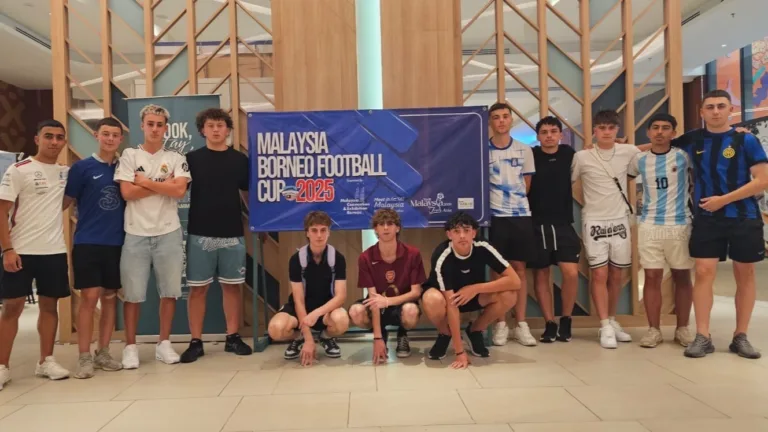
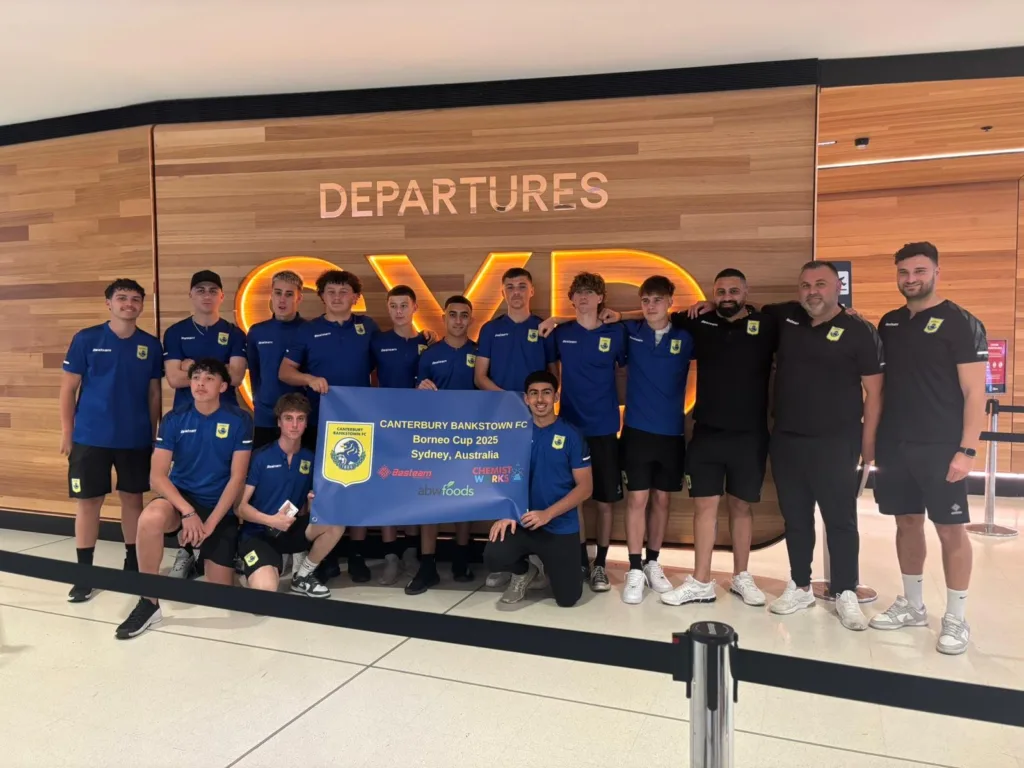
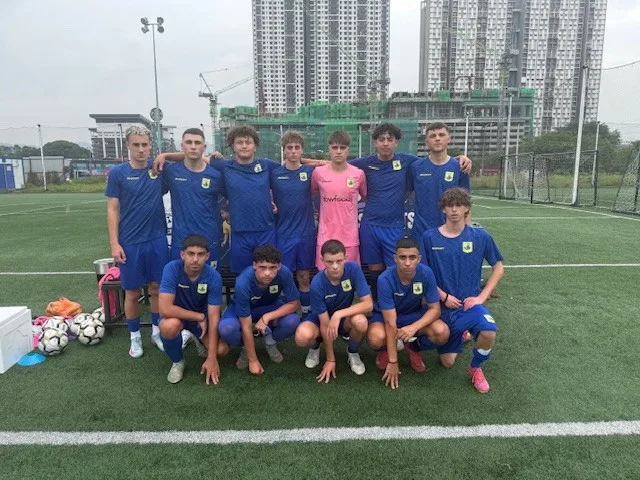
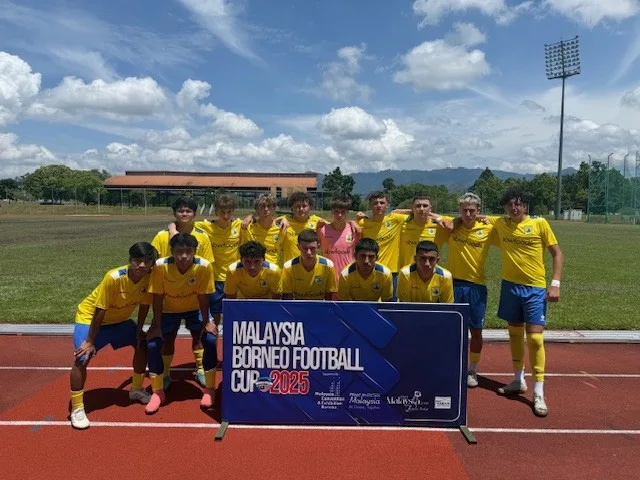
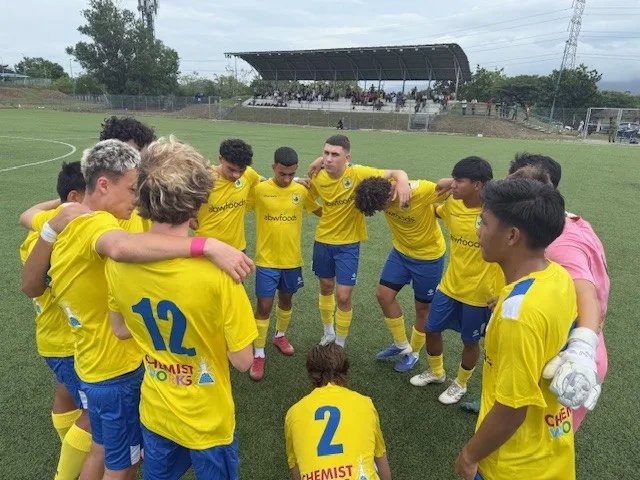
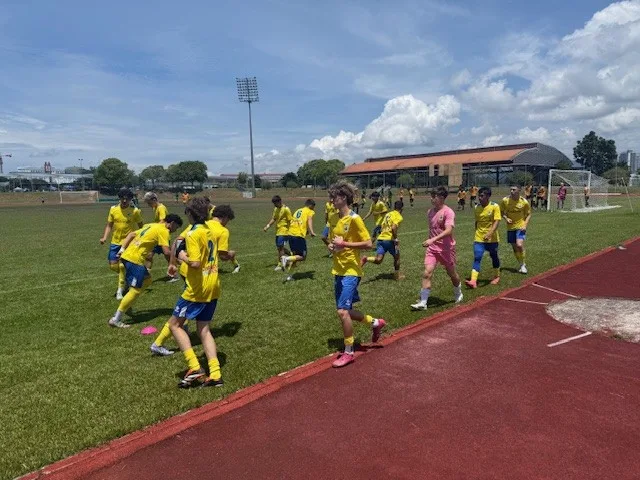
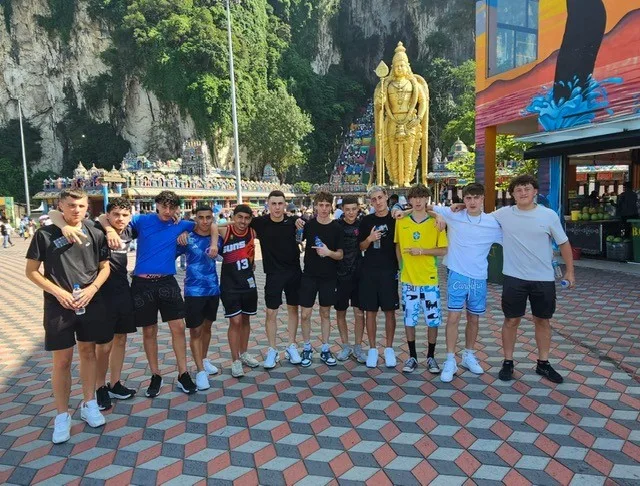
The Canterbury Bankstown FC Under-16s – formerly known as Marrickville Olympic – are proudly representing Australia at the 2025 Malaysian Borneo Cup, with several talented Greek Australian players making their mark on the international stage.
Led by Head Coach Andreas Fotakopoulos and Assistant Coach Jim Lykoudis, the squad includes four players of Hellenic heritage – Andrew Lykoudis (captain), George Salvator, Yianni Psarros, and Dimitrios Sioris – all of whom have found the back of the net during the tournament.
A winning start in Malaysia
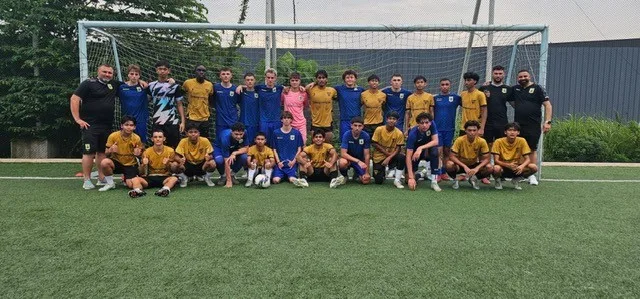
After settling into life in Malaysian Borneo with visits to local markets and cultural sites, the team kicked off their campaign in style with a 4–0 win over KV United at a trial match.
Goals came from Finnlay (2), Sioris, and Salvator, in a performance that showcased the team’s attacking creativity and disciplined defending.
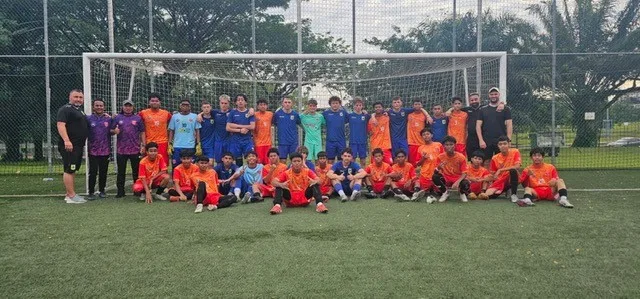
The following day saw another trial match and confident display against SSS Football Club, with Canterbury Bankstown overcoming a slow start in humid conditions. Captain Lykoudis produced a stunning late free kick to seal the win, adding to earlier goals from Salvator and Sioris.
Coaches Fotakopoulos and Lykoudis praised the team’s composure and unity, highlighting the importance of these early fixtures in building momentum before the official tournament began.
Strong showing in tournament play
The team made a powerful start to the official tournament with a 2–1 victory over TBKK Football under sweltering conditions.
Yianni Psarros opened the scoring before Lykoudis once again stepped up with the decisive goal to secure the win.
Their second match, against South Coast Phoenix (WA), was filled with drama after a controversial penalty turned the tide against the boys. Despite their resilience and determination, Canterbury Bankstown went down 2–0 in a hard-fought contest.
With one match remaining against Akademi Bola Sepak, the squad is one win away from qualifying for the finals, determined to continue their impressive form and bring the trophy home.
Building bonds beyond the pitch
Off the field, the players have embraced every moment of the experience – from team dinners and recovery sessions to exploring the local culture and environment. A shared love of football, heritage and camaraderie has strengthened the team’s bond throughout the tour.
For the club and its Greek Australian contingent, the tournament represents more than just competition – it’s a celebration of sporting talent, cultural pride, and the enduring connection between Australia and Greece.