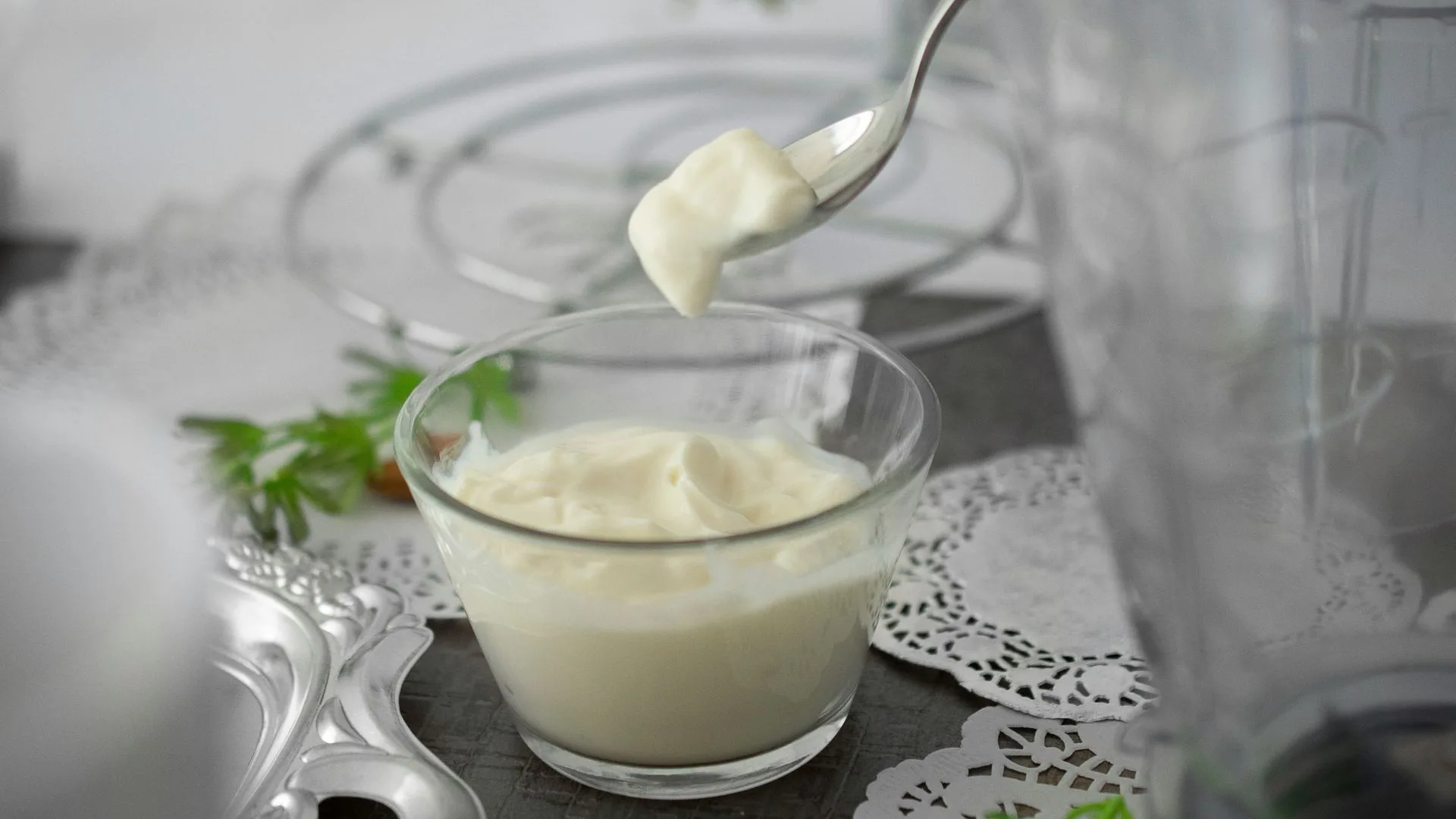
Earlier this year, Greek yogurt vanished from shelves at Woolworths, Coles, and Aldi-not due to supply issues, but because of a viral TikTok recipe combining it with ingredients like Biscoff biscuits. The trend, tied to both a “Japanese cheesecake” craze and a growing “protein-maxxing” movement, sent shoppers rushing to buy it, according to phys.org
According to UNSW Business School consumer psychologist Nitika Garg, the shortage revealed deeper behavioral patterns. She points to three drivers behind viral food trends: aspiration, novelty, and fear of missing out (FOMO). Influencers blur the line between relatable and aspirational, making their recommendations feel both achievable and desirable.
“The social influencer, when they do something like that, it makes people want to try them as well,” said Prof. Garg. “There is an aspirational image to these cues and these trends at times, which people pick up on. Sometimes there’s novelty going on as well…”
FOMO amplifies this effect, pushing consumers to act quickly. “If you’re following this person… you don’t want to miss out on it. There are multiple emotional drivers, positive and negative, of these behaviors.”
However, Prof. Garg warns that many consumers rarely verify what they see online. “People don’t always do the research… The problem is when people blindly rely on this information from non-experts.”
While brands tend to vet influencer partnerships, viral content often escapes oversight. As social media-and increasingly AI-generated content—evolves, regulation struggles to keep pace, leaving consumers to navigate a fast-moving and often misleading digital food landscape.
Source: phys.org
