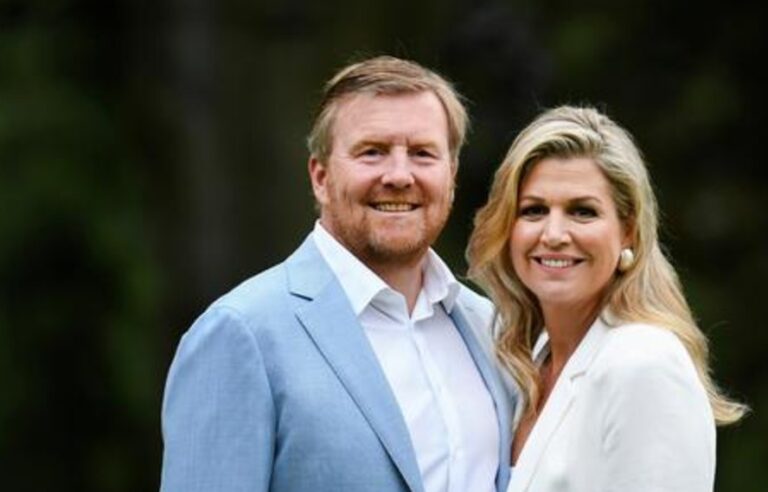
The Dutch royal couple were back in the Netherlands Saturday after their vacation trip to Greece had to be abandoned because of an uproar back home, where people are urged to stay at home as much as possible.
King Willem-Alexander and Queen Maxima said in a statement that they saw the reactions of people, “which are intense, and they touch us.” As a result they said they would cancel the rest of their vacation.
“Let there be no doubt: To beat the COVID-19 virus it is necessary to follow the rules. The discussion caused by our vacation does not contribute to that.”
Though the king’s vacation in Greece did not break any of the Netherlands’ lockdown rules, including new restrictions introduced this week amid one of Europe’s biggest coronavirus outbreaks, the government has discouraged unnecessary travel.
“This is unwise and incomprehensible,” the ANP news agency quoted lawmaker Joost Sneller of the D-66 party, one of the coalition partners in Prime Minister Mark Rutte’s governing coalition, as saying of the King’s vacation.
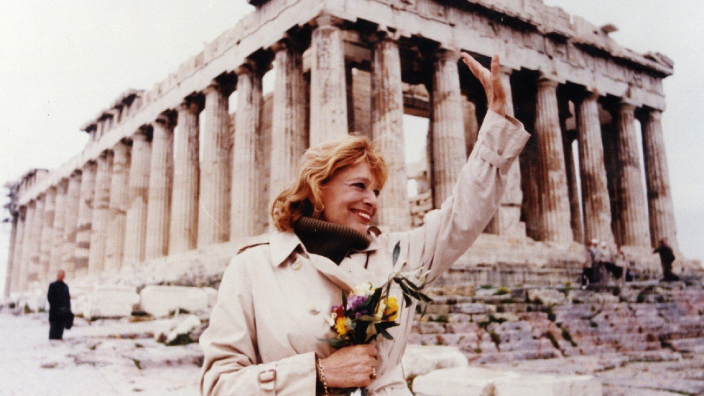
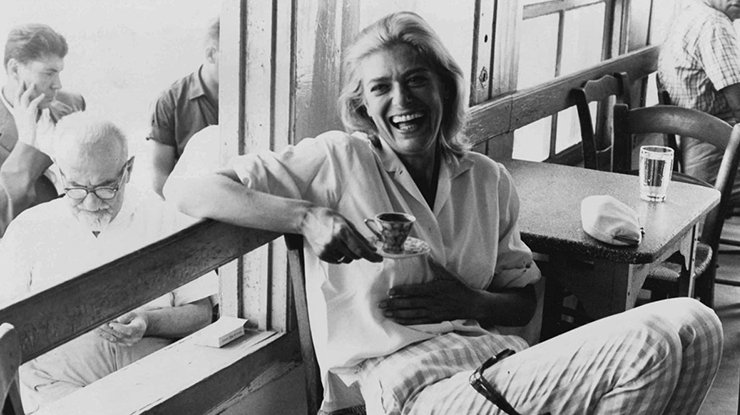
Melina Mercouri is one of the greatest female figures in Greece from the 20th century. Known for her vibrant and vivid personality, Mercouri achieved many feats during her time in film, theatre and politics, gaining international fame from all the work she had completed.
Personal Life:
Maria-Amalia (Melina) Mercouri was born in Athens on October 18, 1920, to a prominent political family. She was the daughter of Eirlin Lappa, who came from a wealthy family, and the politician, Stamatis Mercouri (1895-1967).
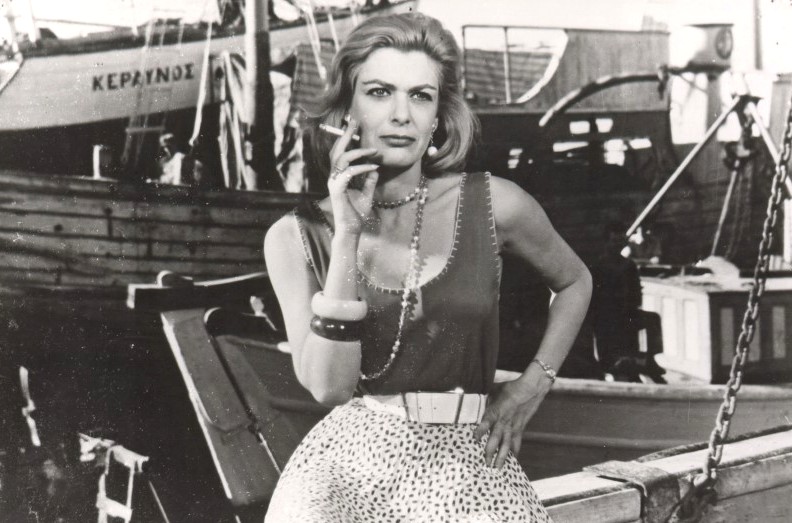
Mercouri during her acting career career. Photo: greeknewsagenda.gr
After completing her secondary education, she attended the National Theatre’s Drama School of Greece, graduating in 1944.
In 1939, Mercouri married Panos Harokopos and got divorced in 1962. Then in 1966, she married Jules Dassin, and stayed with him until her death.
Acting career:
Her first major role, at the age of 20, was Lavina in Eugene O’Neill’s Mourning Becomes Electra, but perhaps her most memorable parts were Blanche in A Streetcar Named Desire and the good-hearted prostitute in film Never on Sunday (1960).
After her first major international success, Mercouri went on to star in Phaedra (1962), for which she was nominated again for the BAFTA Award and the Golden Globe Award for Best Actress in Motion Picture Drama.
The recognition of her acting talent did not stop though, as her role in Topkapi (1964) granted for another nomination, this time for the Golden Globe Award for Best Actress in Motion Picture in Musical or Comedy.
Mercouri’s last performance on stage was in the opera Pylades at the Athens Concert Hall in 1992, portraying Clytemnestra.
Political career:
Mercouri’s political involvement began when she voiced against the Greek junta and started an international campaign, travelling around the world to inform the public and contribute to the isolation and fall of the colonels.
As a result, the dictatorial regime revoked her Greek citizenship and confiscated her property.
Mercouri during her political career. Photo: greeknewsagenda.gr
After the fall of Junta, she was one of the founding members of the Panhellenic Socialist Movement (PASOK), a centre-left political party.
She was continuously elected Member of Parliament from 1977 until her death in 1994. She served as Minister of Culture and championed proudly for the return of the Parthenon Marbles to Greece.
Having grown up both in Greece, on the island of Crete, as well as New Jersey in the US, Evangelia’s heart is split between two different countries and cultures.
However, her new single ‘Fotiá’ tells the tale of her Greek heritage, bringing together traditional Greek sounds and driving drums with modern pop melodies.
The Greek Herald spoke with Evangelia about her new song, how she got started as a hit singer and desires for her music career.
Tell me a little bit about your new song ‘Fotia.’ What was the inspiration behind the song?
At its core, Fotiá (Greek for fire) is about letting go and following your passion – whether it’s romantic love, or doing what you love. For me it’s both.
First it is my story with my creative partner and love of my life, Stolar. I went through a lot of back and forth between my mind, my heart, and my body, until I finally gave in to everything I was feeling. It felt so good to not hold back anymore and really fall completely in love.
Photo: Supplied/Sony Records
Second, the song is about truly following my passion to be an artist. We wrote the song the day after signing my record deal–it was a milestone for me, because a little over a year before that I was still a full time teacher, only dreaming of where I am now. I had to take a leap of faith, and now I’m actually doing it, living my dream unapologetically.
Both of these experiences were filled with intense tension and release. The song really captures that feeling, from the contrast of intense drums with quiet vocals, to waiting half way through the song to finally reveal the lyric “I’m gonna lose control.” The literal translation of Fotiá is fire, the way I interpret it in this song is as passion. I’ll never be the same as I was before I wrote this song, it’s a part of me now.
What is your creative process like?
My creative process is centered in being open and vulnerable about my truth and what I want to say. Most of the time before I even start writing words and melodies I like to have deep conversations about what I am most passionate about at that moment in my life. I love collaborating with people, but I have to feel very comfortable with them for the songs to end up feeling like me.
Something so special about Fotiá is the group of people I made it with: my main collaborator and partner Stolar, and a new collaborator, Alexis Troy. It took us only a few hours to put the track together and we knew we had captured a song that marked the start of a new era of my life.
Photo: Supplied/Sony Records
I was so excited to work with Alexis because, aside from the fact that he is brilliant, he is also half Greek! We clicked the second we met, and it felt really good to work with someone who spoke the language, understood my culture first hand and knew the traditional instruments that my music is inspired by.
I grew up with two cultures, so it is important to me that my art reflects that, both sonically and visually.
When did you first become interested in music and singing?
I recently found a notebook from 3rd grade where I wrote “When I grow up I want to be a singer” and drew a picture of myself on a stage with a spotlight. I have always loved music and dreamed of it becoming a career for as long as I can remember, but over time I convinced myself that it was just a hobby.
I wrote songs and performed at open mic nights, and even started hosting my own events–but I didn’t let myself see it as a viable career path.
I valued creativity and interacting with people in my work, so I got my Master’s in elementary and special education, and I became a teacher. While I enjoyed my job and found it fulfilling in many ways, I couldn’t help but still feel the artist inside me wanting more. I began to lead a double life as a teacher by day, and NYC musician by night. It was tiring, but I couldn’t see my life any other way.
Everything changed when there were massive budget cuts in my district that led to me getting laid off from my job. I chose to see it as a sign from the universe that I was given a way out from having to quit my safety net. I took a leap of faith and decided to follow my passion 100%.
I met Stolar soon after, and together we went on a journey of discovering my sound, and ultimately found that incorporating my culture into my music felt the most honest. That combination is what got me my record deal with Sony Music – and the rest is history.
You’re of Cretan background. How does that influence your music?
My father is from Crete, and my mother is Italian-American. My father was the Cultural Chairperson for the PanCretan Association of America, and later served as President of the organization for one year. As you can imagine, my life in America was also filled with a lot of Cretan culture, whether it was dancing in the folk group, or helping to entertain musicians and artists brought over for cultural events from Crete staying at my house.
I had the good fortune of being a Greek-American who spent her summers in Greece on her Yiayia’s farm–starting at the young age of one month old. I love the language, the culture, the customs, and the traditions. My time in Greece was always more than a vacation; it was another life.
My Yiayia taught me a lot, from the simple, daily agricultural work, to the most complex preparation of authentic Cretan cuisine. We would chat on the balcony admiring the beautiful landscape while talking about life, and often listened to Greek music and danced a “sirto” together.
As I got older I’d go into town for a “volta” with my friends, which consisted of a nice walk and a dessert or a drink, while other times the night was filled with dancing at the bars or at a local “panigiri” until the sunrise. I have fond memories of Greece that inspire me every day, and now I take them and incorporate them into my art.
I filmed the music video for my first single “Páme Páme” at my Yiayia’s farmhouse, and threw a party in my village and invited everyone. I wanted to show people where the Greek influence in my music comes from. The music video for Fotiá incorporates choreography that is inspired by tsifteteli, and when the bouzouki drop happens, I do zeimbekiko inspired movement. By fusing American pop culture with traditional Greek elements, I want to honour my heritage while also creating a legacy of my own.
Is there anything else you’d like to add?
I want to spread love and respect for Greece and Greek culture through my art. I am very proud of my roots and want to inspire others to be proud of where they come from, too.
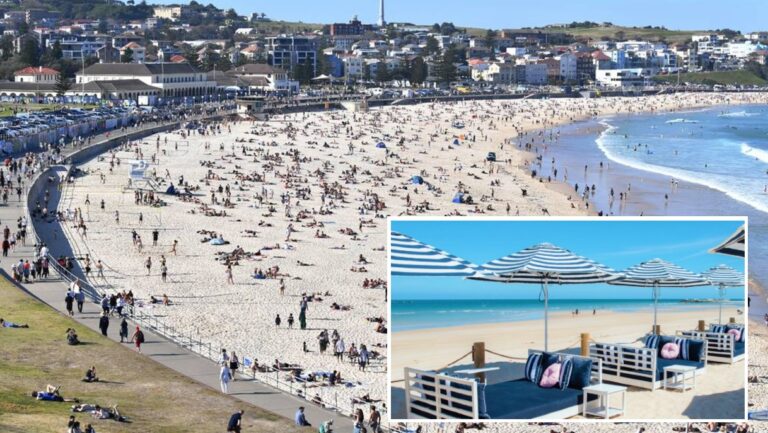
A petition against the newly proposed Amalfi Beach Club in Bondi has reached 30,000 people as Waverley Council deliberates the idea of privatising part of Australia’s iconic landmark.
Debate was sparked over the privatisation of public land in Bondi, which would see the area sectioned off to accomodate “high net worth” individuals to enjoy cocktails and gourmet food in luxury cabanas.
Locals have slammed the plan as “unAustralian” and claimed it would mean hundreds fewer people would be able to visit the usually packed spot.
“On an ordinary pre-COVID day in summer, Bondi is packed to the hilt, with approximately 40,000 people visiting the beach,” the petition reads.
“So reserving even 2 per cent of the beach space displaces at least 800 from the beach in favour of a handful of the elite who can afford it.”
The beach club would rival those in Europe.
The beach club would cover around two per cent of the iconic beach, near Roscoe St for the summer. The area will be able to hold up to 100 guests at a time who can choose between the 10 cabanas, four booths or 20 sun lounges.
The Waverley Council told 7NEWS.com.au a second proposal for the beach club was still under assessment after the first was knocked back in May.
Mayor of Waverley, Paula Masselos, says proper process will be followed with regard to a decision on the controversial plan.
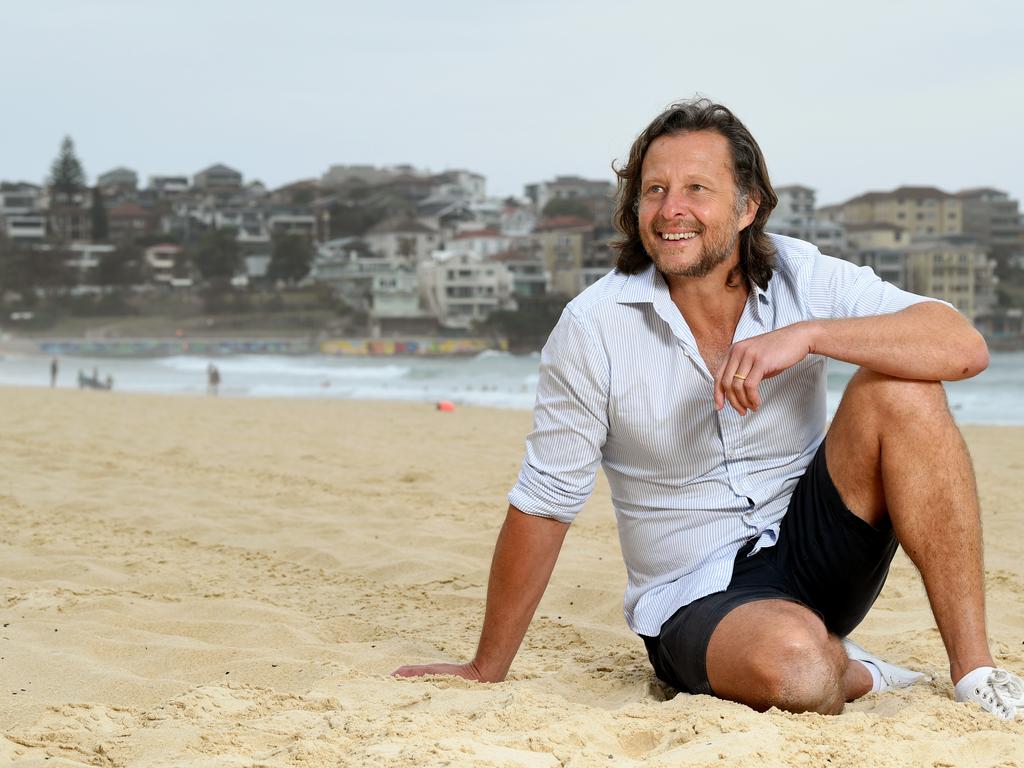
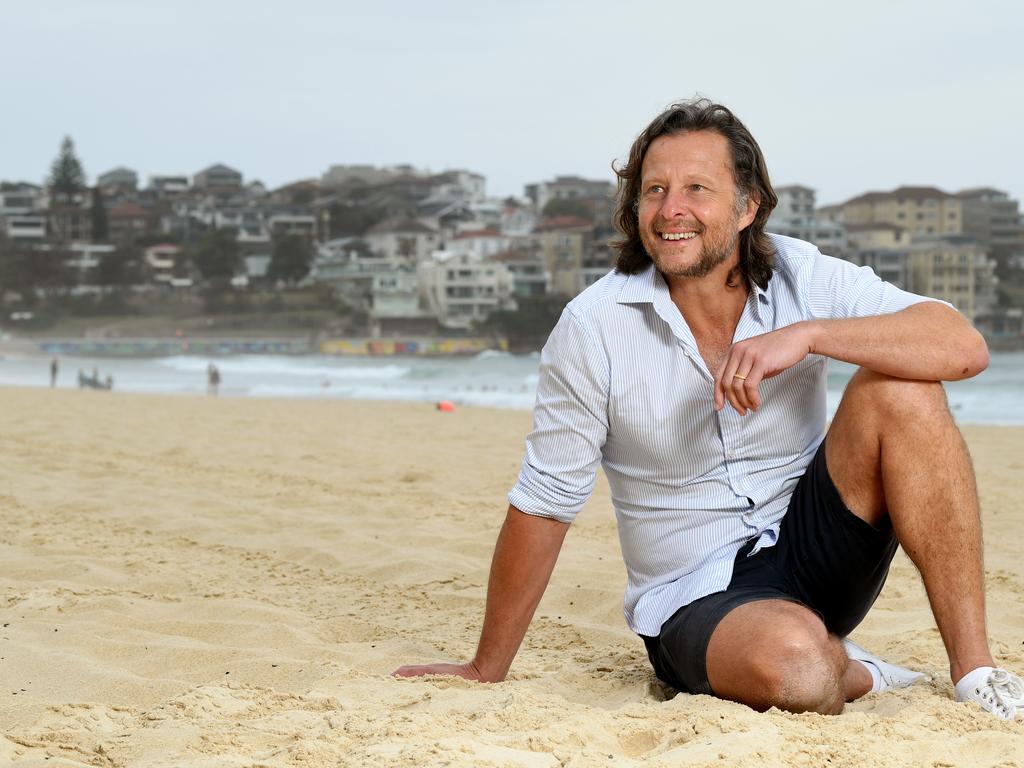
Janek Gazecki has big plans for Bondi Beach. Picture: NCA NewsWire/Joel Carrett
“While there are various views on the proposal being aired, anyone has the right to submit a proposal,” Masselos said.
“While as a matter of principle, the regulatory and policy settings are geared towards beaches and open spaces being there to be enjoyed freely by everyone, this proposal needs to be properly assessed against those laws and policies so that the appropriate determinations can be made.”
A period of community consultation where residents can submit their views will be included as part of the council’s assessment process.
With the wedding industry beginning to boom again in Australia, The Greek Herald is taking a look at Greek Wedding traditions and the meaning behind each of them.
Listed below are five Greek wedding traditions and what they symbolise.
Stefana (crowns)
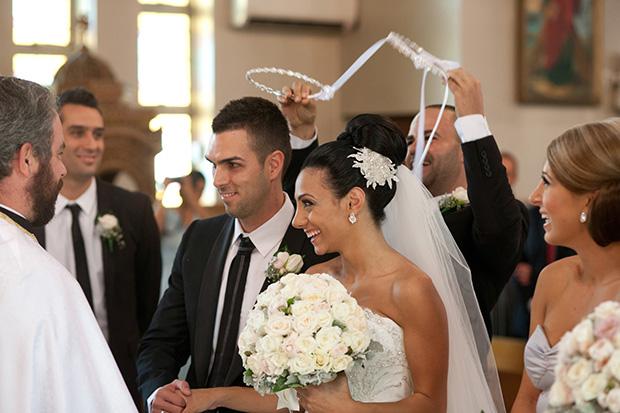
The Stefana (Greek Wedding crowns) are two crowns joined together by ribbon to symbolise unity and are blessed by the priest in the name of the Father, Son and the Holy spirit. When placed on their foreheads, the bride and groom are “crowned” the King and Queen of their home, which they will run with love and Faith. The crowns are swapped back and forth three times by the koumbaro (best man or maid of honour) as they walk around the altar to mark the beginning of their marital journey.
Image: Wedaways
To Krevati
A very ancient wedding tradition that is not as common anymore is ‘To Krevati’. Friends and family of the bride and groom are invited to join in the ‘bed making’ process prior to the wedding. Only unmarried women are able to make the bride’s and groom’s bed with fresh bed sheets. Money, rice, gifts and even a young child is thrown onto the bed to promote prosperity and fertility for the soon to be married couple!
Bride’s Shoes
Image: The White Collection
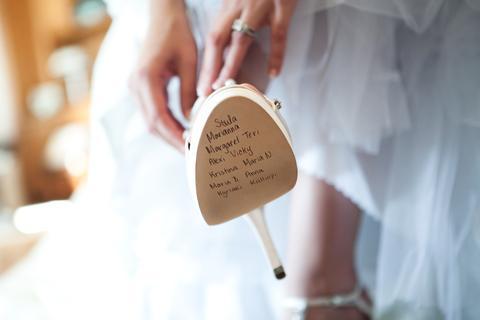
The names of all the single ladies in the bridal party are written on the bottom of the bride’s wedding shoes. Tradition has it that the last name to have rubbed off the shoe will be the next to get married, while others believe that the first name to rub off will be next to get married.
Spitting on the bride
Don’t worry, not literally spitting!
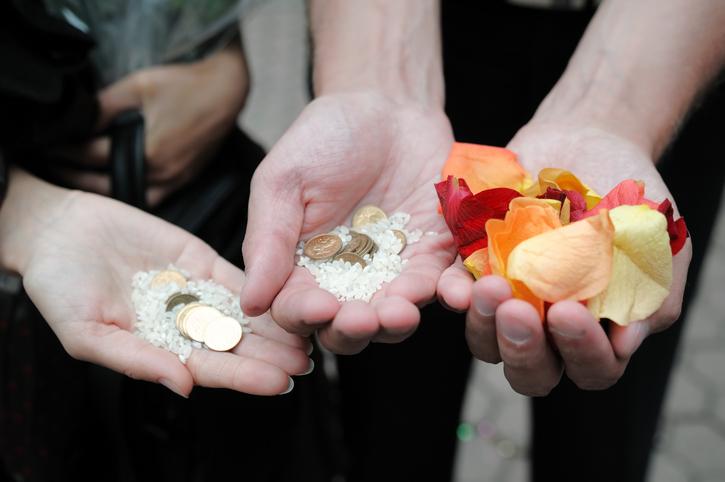
Guests at a Greek wedding will pretend to spit onto the Bride and Groom as they walk down the aisle as a married couple for the first time. “Spitting” on the couple is traditionally done three times to protect the couple from evil spirits. Guests will also throw rice to promote fertility and happiness for the newlyweds.
Bomboniere
Image: Kalymnos -Love.com
At the conclusion of a Greek wedding, guests are given a small gift known as the ‘Bomboniere’. Today, these gifts can be anything from candles to icons, but traditionally the Bomboneire are sugar coated almonds, also known as ‘Koufeta’ in Greek. The sugar almonds represent many things in itself, symbolising purity through the colour white and fertility through the egg shape of the almond. The firmness of the almond represents strength in the marriage and the sugar coating symbolises sweetness.
Traditionally, the bride and groom would give five almonds in each bag to represent five pillars in their marriage; health, happiness, fertility, wealth and a long life.
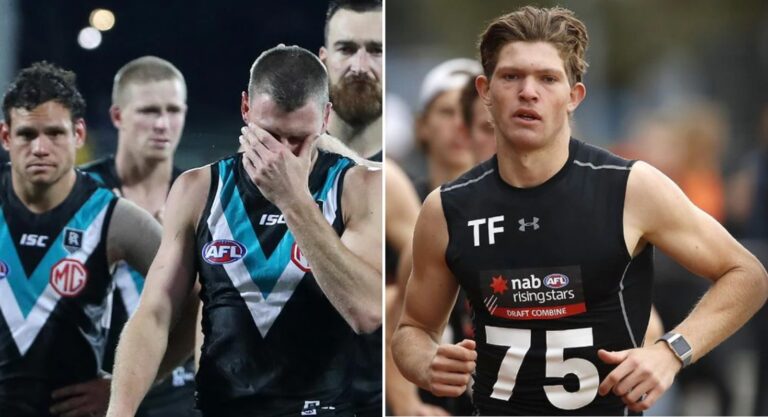
Young Greek Australian AFL talent Mitch Georgiades wrapped up his debut season in Australia’s top division with Port Adelaide’s semi-final loss to Richmond Tigers.
The premiers beat Port Adelaide by six points in a preliminary final slugfest to advance to a third AFL grand final in four seasons. The Tigers prevailed 6.10 (46) to 6.4 (40) in a rain-soaked clash at Adelaide Oval on Friday night.
Despite not playing in the semi-final, the Greek Australian young gun was capped three times for the South Australia side, scoring an incredible six goals.
Tom Lynch cheered up a young Port Adelaide fan crying in the stands after his interview. 🙏 pic.twitter.com/XvqNpcsvtX
Georgiades’ shining moment came in July against former league leaders Melbourne FC. Georgiades, playing power forward during the match, scored three goals, the most by any player in the night.
Speaking to The Advertiser after being drafted to play in the AFL, Georgiades has high hopes to secure a solid spot in squad.
“We did keep him pretty quiet but we tracked him in 2018 and thought he’d be a pretty good player and rocket up the boards in 2019, but he didn’t get to play,’’ national recruiting manager Geoff Parker said.
“We did a lot of background checking. Power assistant, Jarrad Schofield, has that Subiaco connection (as a past coach there) and Taj, Jarrad’s son, played with him. So we had a lot of intel on him and we’re excited he got to where he got to.
“We’re very, very comfortable with our decision to pick him.’’
Victorians have woken up Saturday morning to the incredible news published by the Victorian Health Department, which shows the state recorded only one new COVID-19 case in the last 24 hours, along with no deaths.
Over two months ago, on August 4, Victoria recorded it’s highest number of daily coronavirus cases at 687. Since then, the state has been on the road to recovery, after recording a total of 816 deaths.
Minor changes have been implemented to Victoria’s stage 4 restrictions since September, including an extension of curfew and a “singles bubble”.
According to the Victorian Health Department, the state’s metropolitan area will reach the ‘third step’ of restrictions easing when the daily average number of cases is less than 5 state-wide over the previous 14 days and there are less than 5 cases with an unknown source in the last 14 days (state-wide total).
The third step includes a major industries return, along with increased reopening for education, sport, recreation, ceremonies and special occasions.
There are currently 17 cases with an unknown source. The Victorian government had hoped to be under five mystery cases before October 19 for easing.
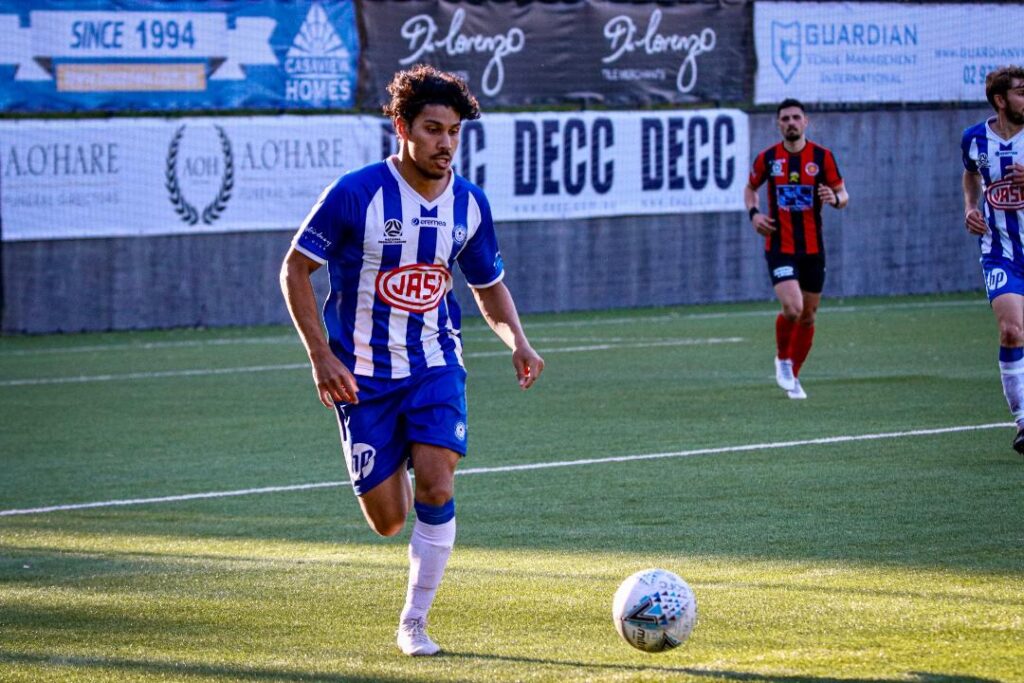
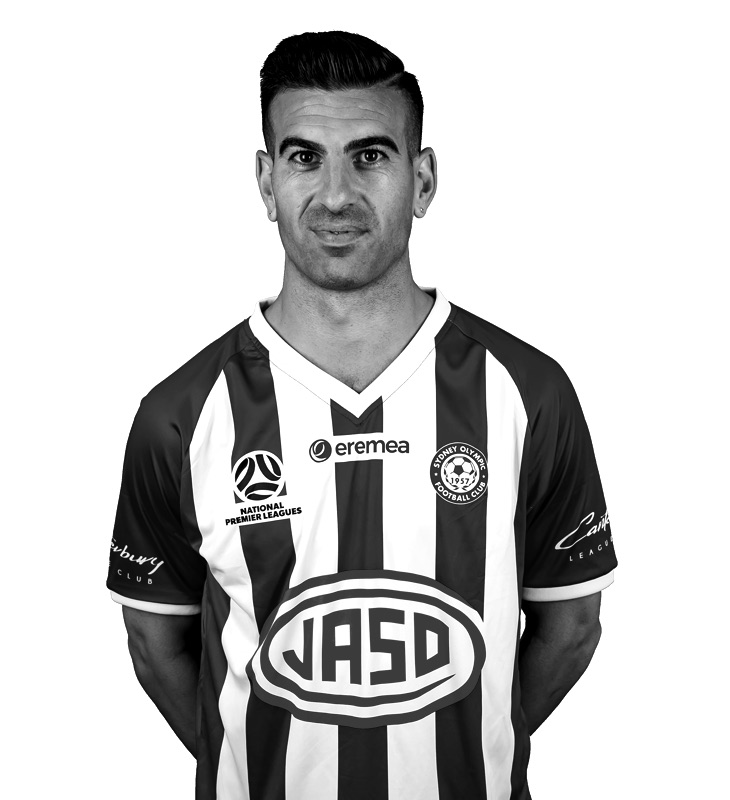
Sydney’s Olympic FC stars Jason Madonis and Will Angel were born and bred at the club.
They are the ‘pillars’ in the victories and the reform of the team. Players that every coach want to have in their team, full of passion and strength to win, support other players and are a great duo that covers both defence and attack.
Both are the backbone of the Sydney Olympic, an offensive and defensive force that gives confidence to the rest of the team. One leads the other and together the team reaches victory.
TGH: Jason, how did you get started?
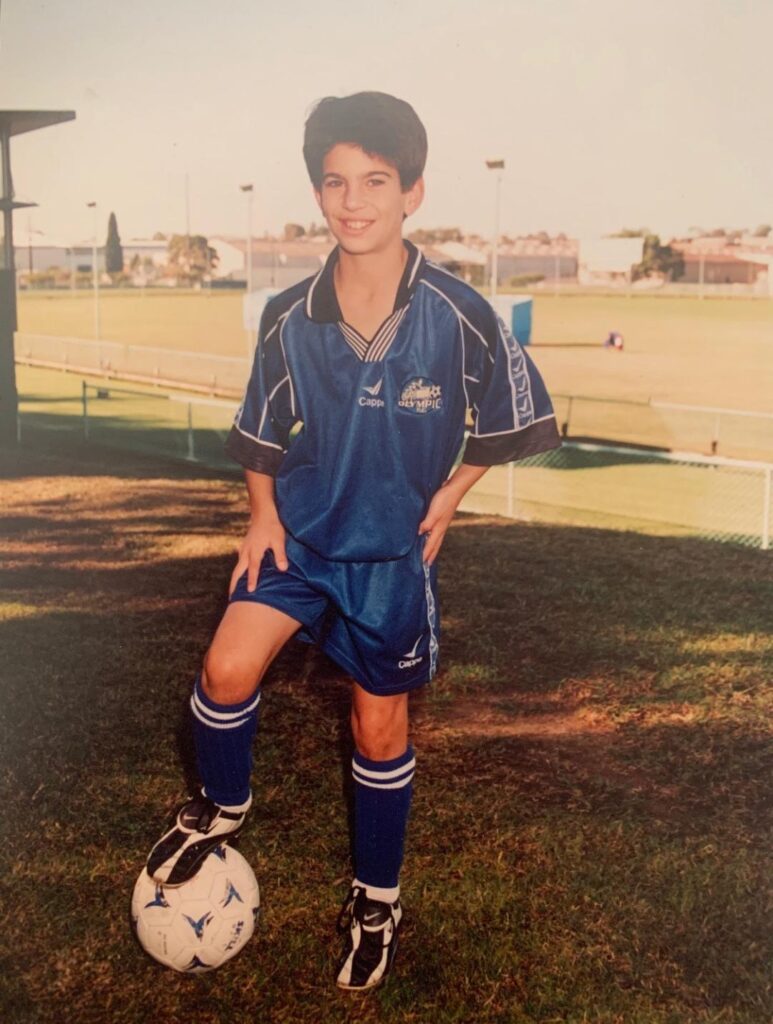
Jason Madonis: At the age of 4 I enrolled with Lilly Pilly Berries. Later I played in the Sutherland and Marconi academies, at the ages of 11 and 13, and by 14 I went to Sydney Olympic and started learning the tricks and secrets of the ball. It’s been almost 13 years of being in Sydney Olympic colours and I keep that love both for the team and for our fans.
TGH: Will, how did you get started?
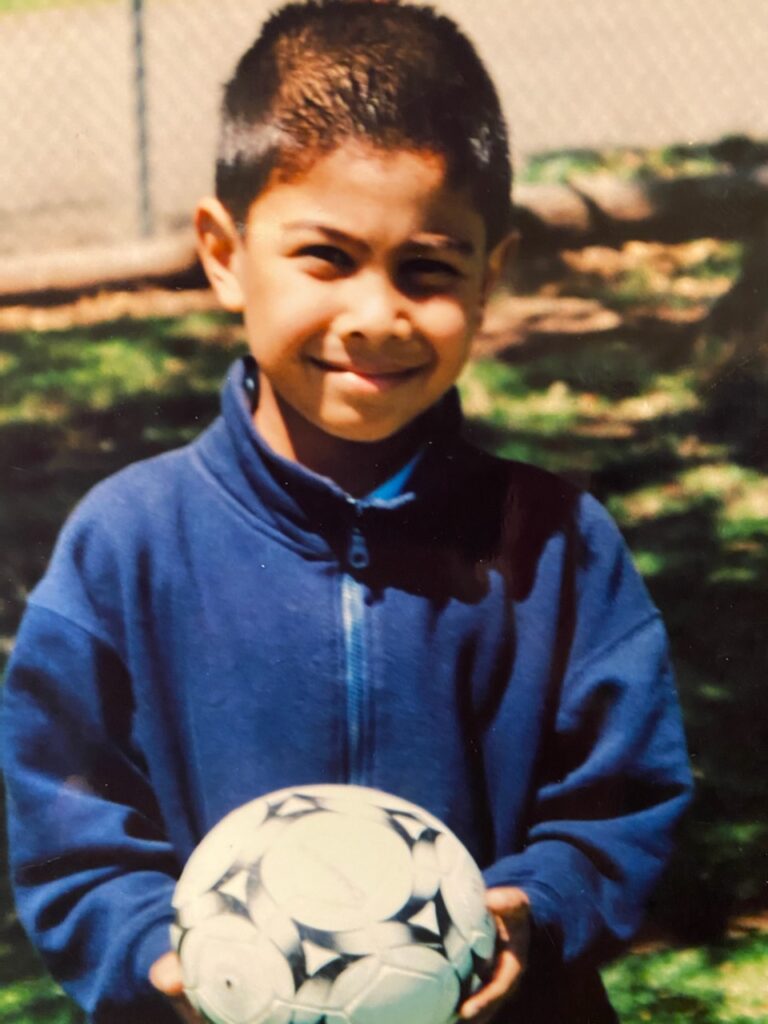
Will Angel: At the age of 5 I started in the Kingsgrove All Stars. Prior to Olympic I joined Bankstown City Lions FC and Newcastle Jets Youth team in 2009-2010. I returned to Bankstown Lions for a year with coach Peter Tsekenis, until eventually settling at Sydney Olympic from U11-18’s.
Will Angel. Photo: Supplied
Jason Madonis. Photo: Supplied
Coaches such as Peter Katholos, Tsekenis, Abbas Saad, Chris Kalantzis and Grant Lee were a great help in training and technically improved the team.
TGH: To add that you were a Ball Boy when you were Little?
Will Angel: Yes, indeed when I was little I was always looking for the ball, the field was your life.
TGH: How do you feel after so many years in the same room?
Jason Madonis: Almost all of our lives, we’ve played for Sydney Olympic. Many emotions fill you when you are on the podium, but when you play for this group that represents generations of Greek immigrants. “Come on Olympic” gives you strength and confidence on the pitch.
I believe in our team and we will fight.
Will Angel: From Ball Boy to being here for several years to wear the “Blue and White” shirt says a lot. The miles I have done are as innumerable as my love for this team that I grew up with. I agree with Jason about the losses, but the players who have come have tied the team a lot. We are also accompanied by misfortune sometimes, but it’s part of the program in football. I believe that we will succeed.
We both believe that he have the desire and the goals to bring success and to make all his Greek fans proud.
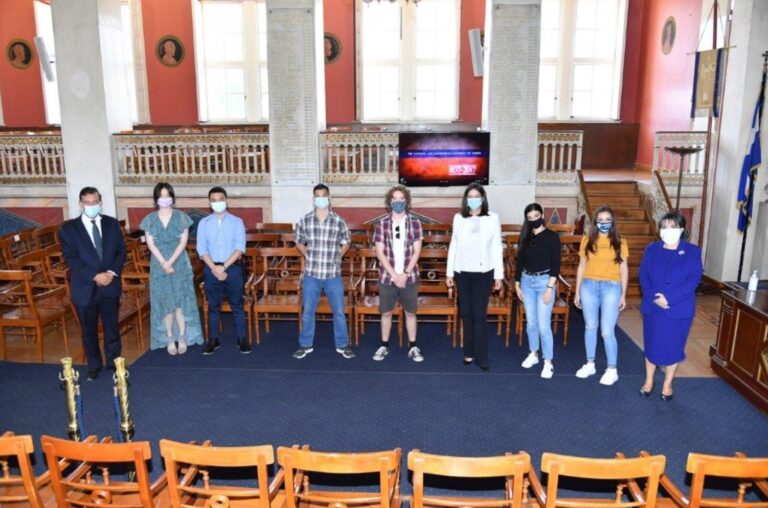
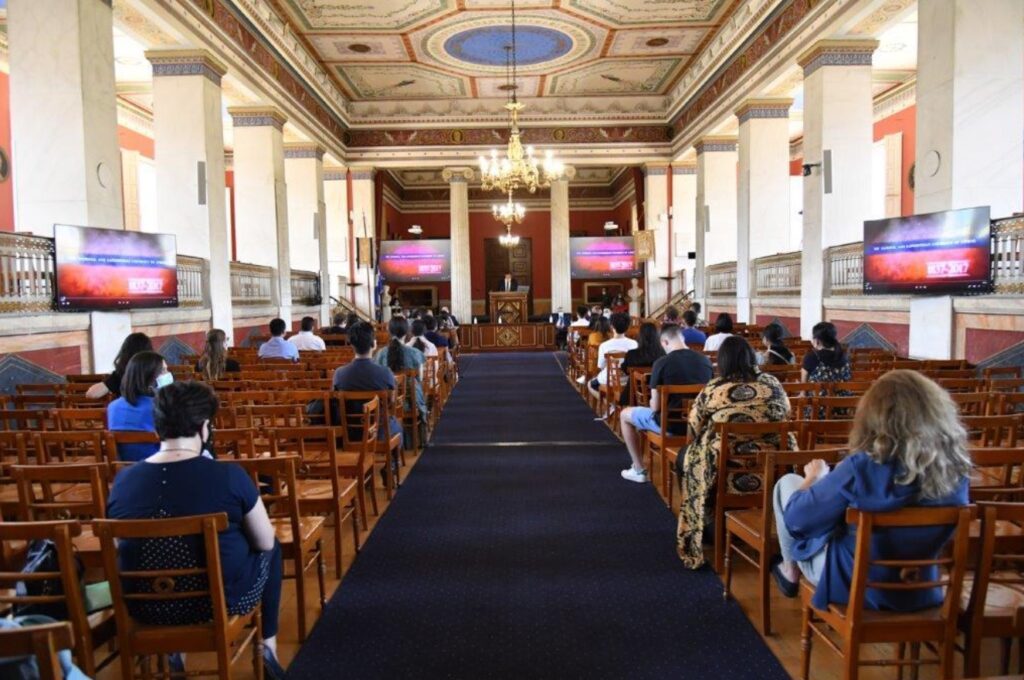
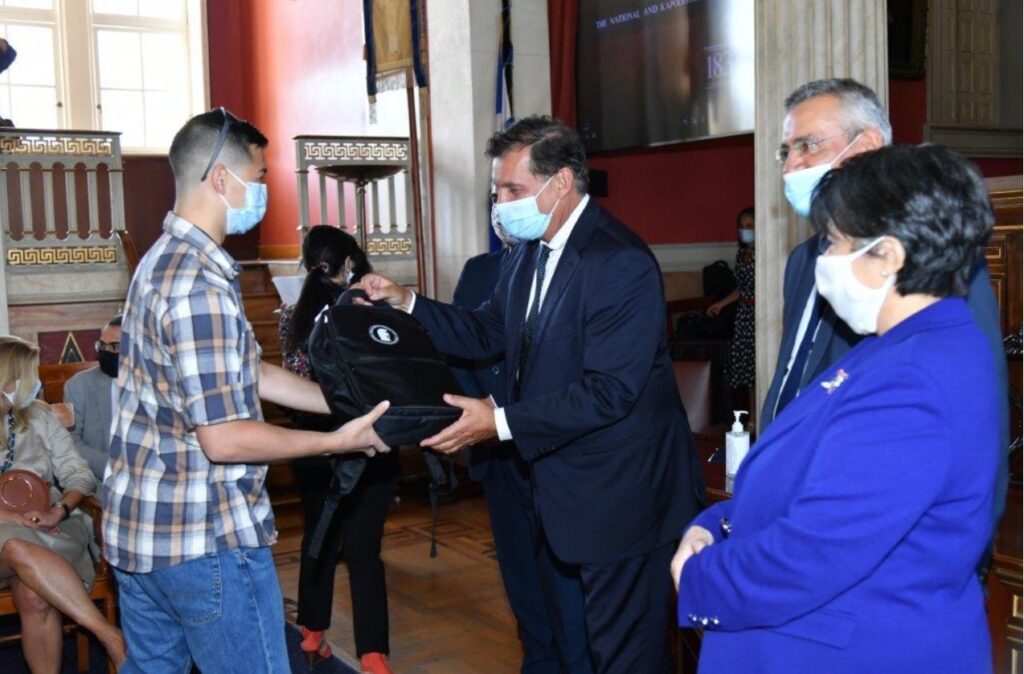
On Wednesday, September 30th 2020, the National and Kapodistrian University of Athens (NKUA) and its School of Philosophy organised the welcoming ceremony for 28 students of the first four-year undergraduate program taught in English.
The program entitled, ‘BA Program in the Archaeology, History, and Literature of Ancient Greece’, is addressed exclusively to foreign students.
Students from Albania, Canada, China, Egypt, El Salvador, Kenya, Morocco, Palestine, United Arab Emirates and United States of America joined the University’s international students’ community which already numbers 7,600 international students.
Earlier, the Minister of Education and Religious Affairs, Niki Kerameus, the Rector of the National and Kapodistrian University of Athens, Professor M.-A. Dimopoulos, and the Academic Director of the program, Professor Eleni Karamalengou, had the opportunity to welcome the students in section groups due to special pandemic protective measures.
Rector of the National and Kapodistrian University of Athens, Professor M.-A. Dimopoulos, saluted the students upon their arrival and pointed out that, “a University’s leading role shall be safeguarded by a constant engagement to innovation, creativity and excellence.”
“Therefore, it came as no surprise that this first English undergraduate program at a Greek University is offered by the National and Kapodistrian University of Athens…”.
Minister of Education and Religious Affairs, Niki Kerameus, then stressed on the fact that, “The Greek Government, the Ministry of Education and I, personally, strongly support the value of fostering an educational system that is extroverted and internationally minded.”
“This is particularly true for institutions of higher education, whose structure and student population make them optimally positioned for international collaborations”.
The ceremony was streamed live for students who had not yet arrived in Athens, as well as for all students’ parents, relatives and friends.
Rector Dimopoulos revealed that the National and Kapodistrian University of Athens has been ranked 79th in the world by the Times Higher Education Impact Ranking for its “Quality in Education”.
“Internationalization has been a cornerstone goal of the ten-year strategic plan of our University and today internationalization is perhaps more important than ever,” he said.
“The challenges we face cannot be solved by one person or one nation alone, but we need to stand together. We are rewarded today, because you have selected to trust us in this new program.”
European Union leaders on Friday criticized Turkey for ratcheting up tensions with Cyprus and Greece after Ankara sent a ship back into the east Mediterranean Sea on a new energy exploration mission.
“We deplore the actions and unilateral provocations of Turkey,” European Council President Charles Michel told reporters after chairing a summit of the 27-nation bloc’s leaders in Brussels.
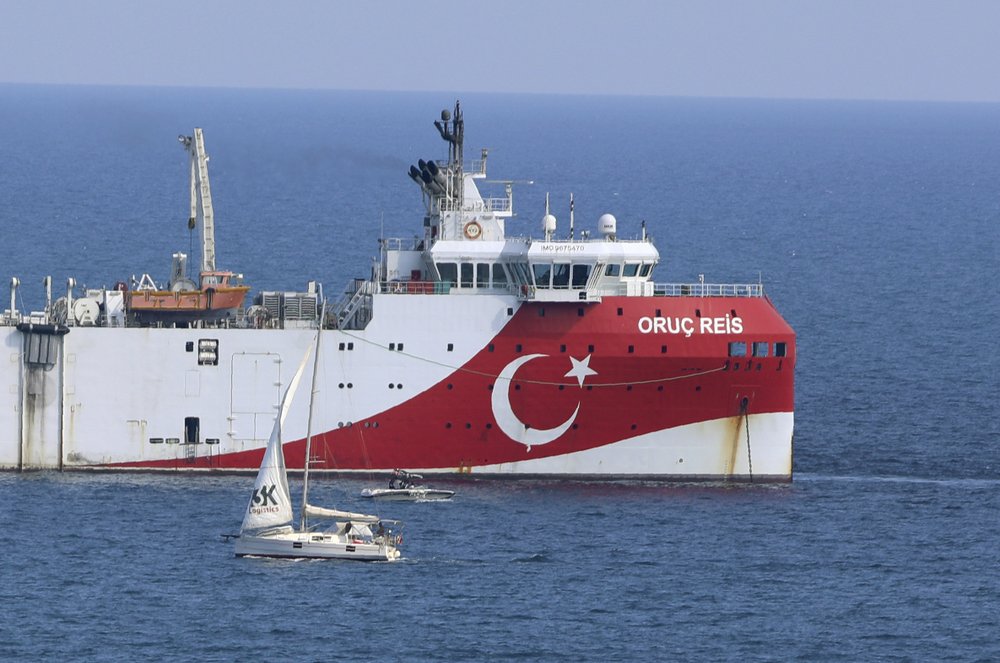
Turkey redeployed its search vessel, Oruc Reis, near the Greek island of Kastellorizo, reigniting tensions with Greece over sea boundaries and energy drilling rights and casting doubt over the future of fresh talks aimed at resolving the dispute. The last round of talks was held in 2016.
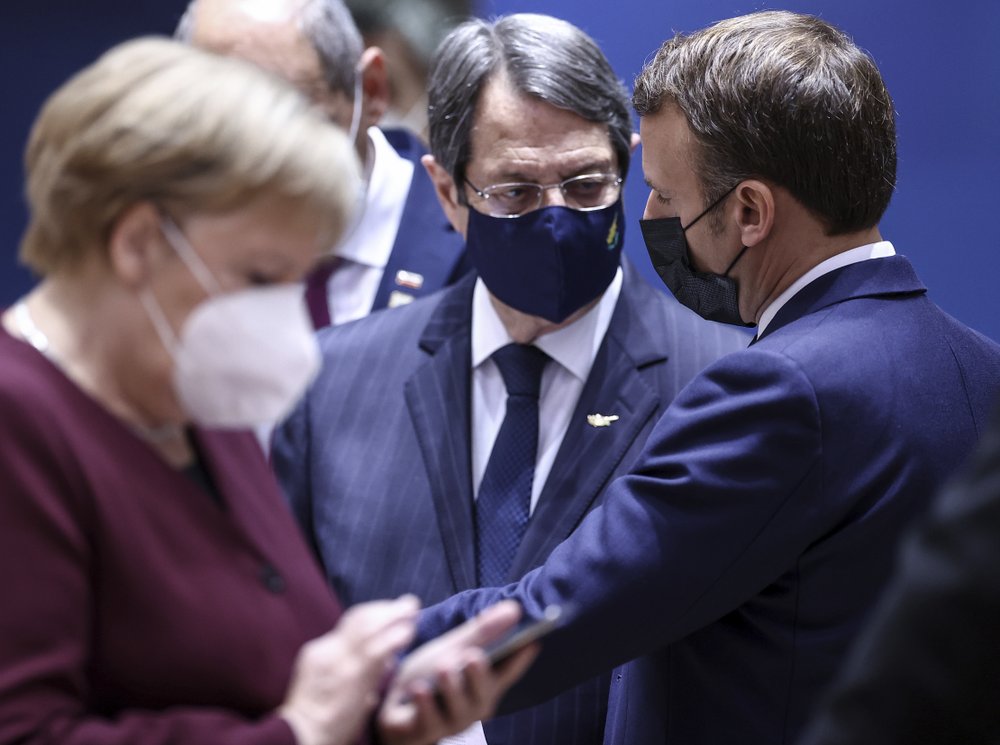
Cypriot President Nicos Anastasiades, center, speaks with French President Emmanuel Macron, right, during a round table meeting at an EU summit in Brussels, Friday, Oct. 16, 2020. (Kenzo Tribouillard, Pool via AP)
Turkey has also angered Cyprus with its decision to open the beachfront of the fenced-off suburb of Varosha in the divided island’s breakaway Turkish Cypriot north. At their summit in Brussels, leaders said the EU “underlines the importance of the status of Varosha and reiterates its full solidarity with Greece and Cyprus.”
In the latest exchange of barbs, Turkey, which is a candidate for EU membership, and Greece this week traded accusations about “provocations,” including plans to hold military drills in the Aegean Sea later this month to coincide with each other’s national public holiday.
“I think that is very regrettable but also unnecessary — we should work on the positive aspects of our agenda instead. We have an interest in being able to go down the road we had intended to with Turkey, because developing EU-Turkey relations further is in the interest of both sides,” German Chancellor Angela Merkel said.
Tensions between the two NATO allies, neighbors and historic rivals flared over the summer and raised fears that open conflict might break out.
Cyprus in particular has been pushing hard for the EU to impose sanctions on Turkey. But on Friday, the leaders said only that they would “remain seized of the matter” and assess developments at their next meeting on Dec. 10-11.
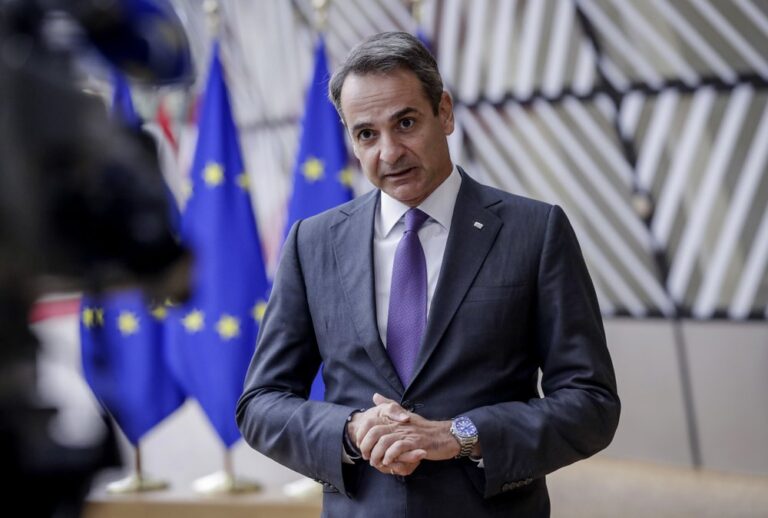
Greek Prime Minister Kyriakos Mitsotakis noted that “Europe does not take decisions from one moment to the next. It is like an ocean liner which takes a slow turn. When it turns, it takes a course which is very stable in the new direction in which it has chosen.”
In this Sunday, Sept. 13, 2020 file photo, Turkey’s research vessel, Oruc Reis anchored off the coast of Antalya on the Mediterranean, Turkey. (AP Photo/Burhan Ozbilici, File)
“Τhe point where we will have to make decisions will be December. I still hope that we will not have to do so. But no one should doubt that Europe has the determination to do so if Turkey continues these actions. And measures will be painful, not symbolic,” he said.
Turkish Foreign Ministry Spokesman Hami Aksoy accused the EU of being insincere and unconstructive instead of “encouraging a dialogue, reconciliation and an unconditional positive agenda.”
“It should be known that the language of threats will have no effect on Turkey,” Aksoy said. “Instead of threatening Turkey, we expect the EU to present concrete and unbiased proposals that serve our common interests.”