Home Blog Page 1685

Epiphany celebrations in Greece and Australia marked by the pandemic

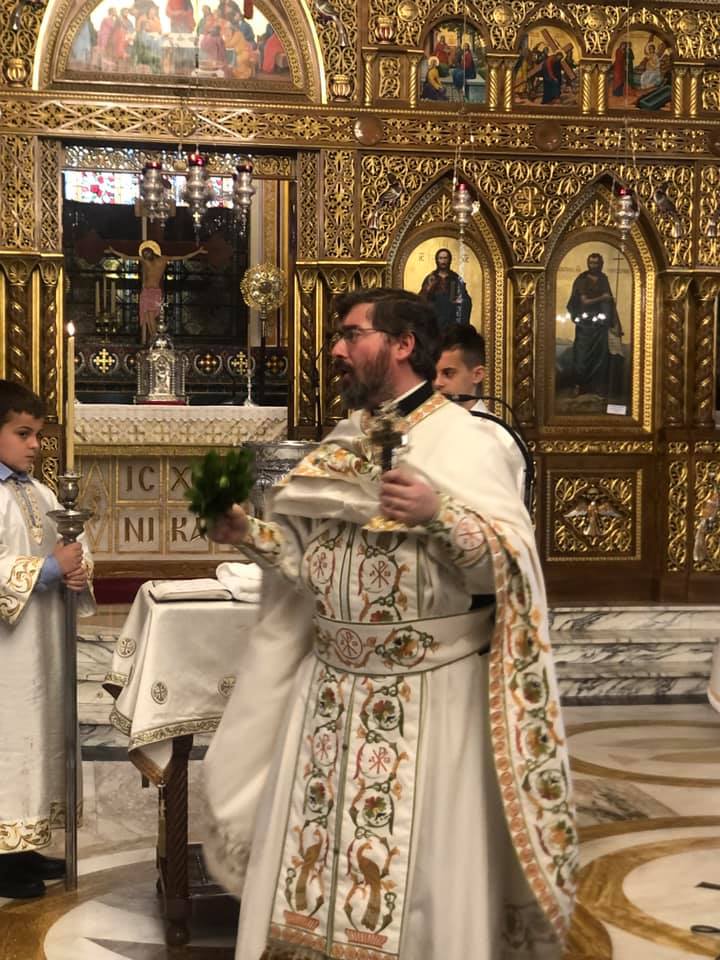
Greek Orthodox people celebrated the Epiphany on Wednesday in Greece and Australia in the middle of the coronavirus pandemic, meaning many of the usual traditions were more subdued but still heart-warming.

We take a look at how both countries marked the important Christian event.

Greece:

The Greek government relented and allowed limited attendance at churches celebrating the feast of the Epiphany on Wednesday, reversing a ban on attendance designed to limit the spread of the coronavirus.

READ MORE: Greek Orthodox churches in Greece to defy lockdown by opening for Epiphany.

The decision came after Greece’s Orthodox Church said on Monday it would defy the government lockdown order imposed to limit the spread of the coronavirus and open churches to the faithful during the Epiphany celebration on January 6.
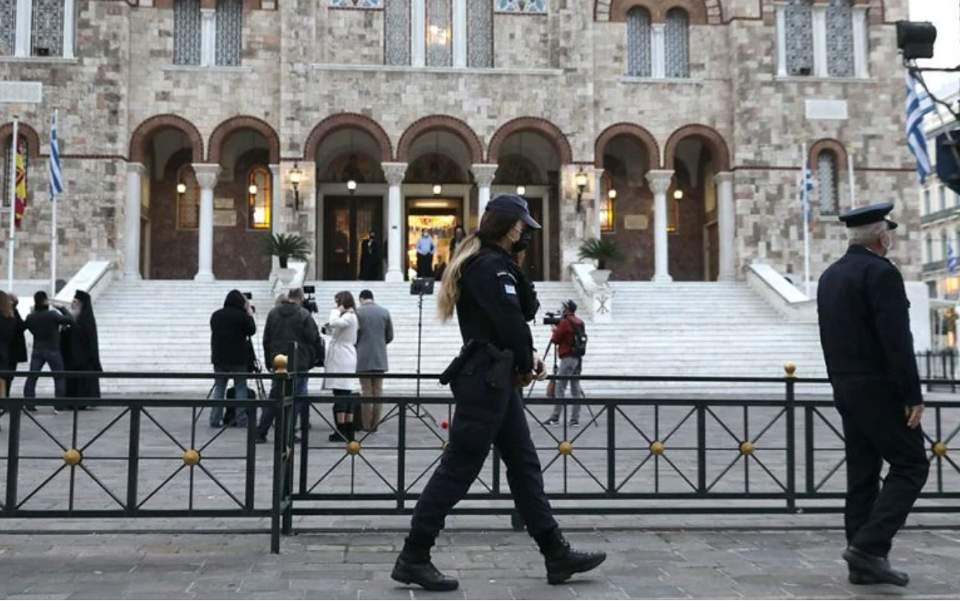
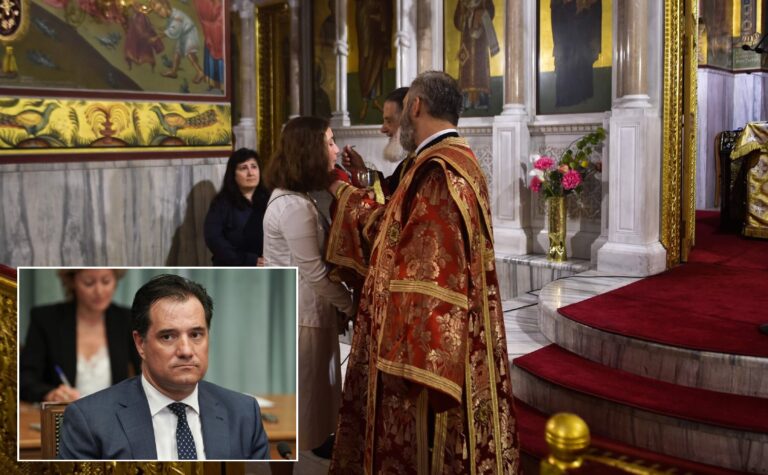
The Greek government relented and allowed limited attendance at churches celebrating the feast of the Epiphany on Wednesday. Source: INTIME / Ekathimerini.

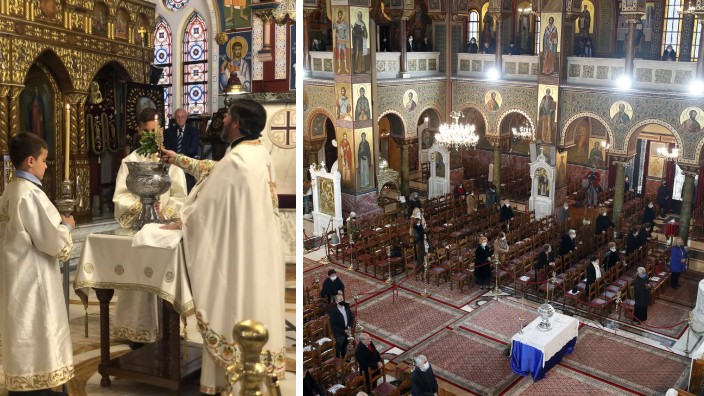
On the day, not all churches opened their doors to the faithful during services but, in those that did, congregations were limited from 25 to 50 people, for the largest churches. In some cases of overflow, the faithful were allowed in, a few at a time, for private prayers after the service was over.

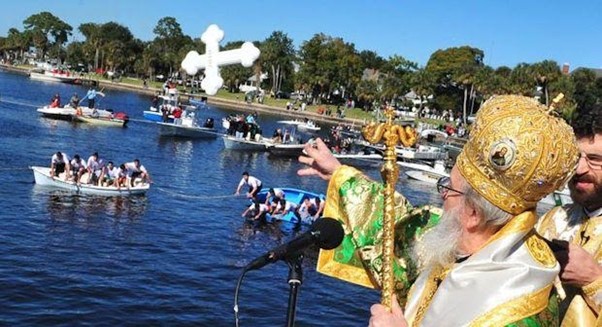
As per a previous agreement between the Greek Church and the government, the traditional blessing of the waters also took place inside the churches and not in the open, in rivers and beaches, as is customary.

READ MORE: The Epiphany: What is it and why do Greeks celebrate it?

Australia:

The Greek Orthodox faithful in Australia also celebrated the feast of the Epiphany in a more subdued manner.

In New South Wales, His Eminence Archbishop Makarios held a special Divine Liturgy at the Greek Orthodox Cathedral of The Annunciation of Our Lady in Redfern, Sydney.

Archbishop Makarios then preceded to bless the faithful with agiasmo (Holy Water) and gave a small speech speaking about the meaning of the Epiphany.
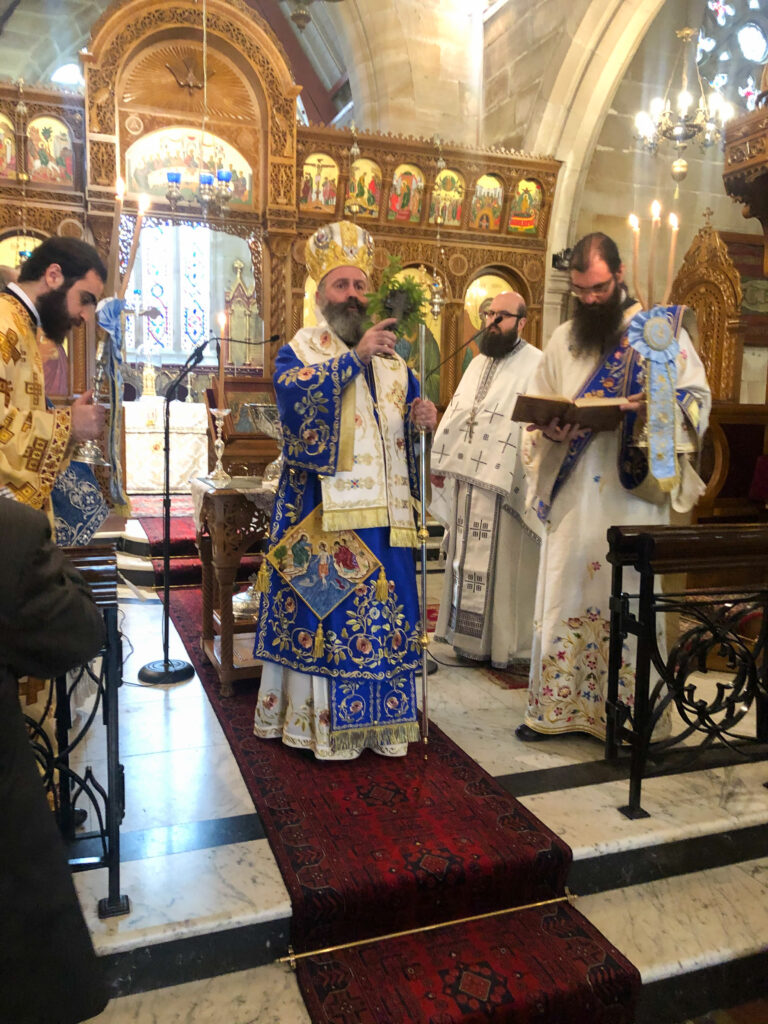
In other churches across the state, the ceremony was much the same. For once, churches were not overflowing with people due to the current coronavirus restrictions in place, which say that capacity at a place of public worship must not exceed 100 visitors or one visitor per 4 square metres.

READ MORE: Greek Orthodox churches in Australia adapt house blessings for Epiphany this year.

People who attended the service were also wearing mandatory masks, as stipulated by the NSW Government.

In South Australia, at the Greek Orthodox Community and Parish of Prophet Elias in Norwood, the Epiphany was also celebrated but due to the restrictions being less tough in the state, more parishioners were allowed inside the church and masks were not mandatory.
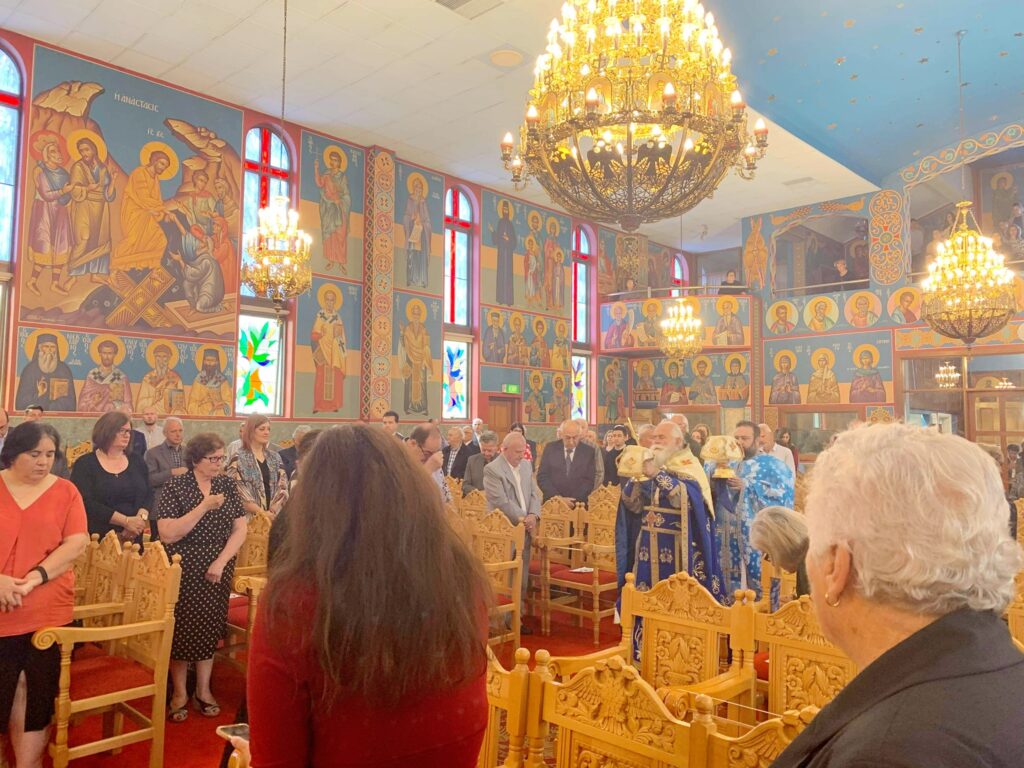
The Greek Orthodox Community and Parish of Prophet Elias in Norwood also held a special Divine Liturgy to mark the Epiphany. Photo: Facebook.

With regards to the traditional blessing of the waters, the Greek Orthodox Archdiocese of Australia announced that the event will not go ahead this year in Sydney, Victoria and Western Australia.

READ MORE: Announcement regarding the Celebration of Theophany in Australia.

House blessings have also been adapted to the current pandemic, with some churches in NSW cancelling them all together, while others are offering cups of Holy Water for people to take home instead.

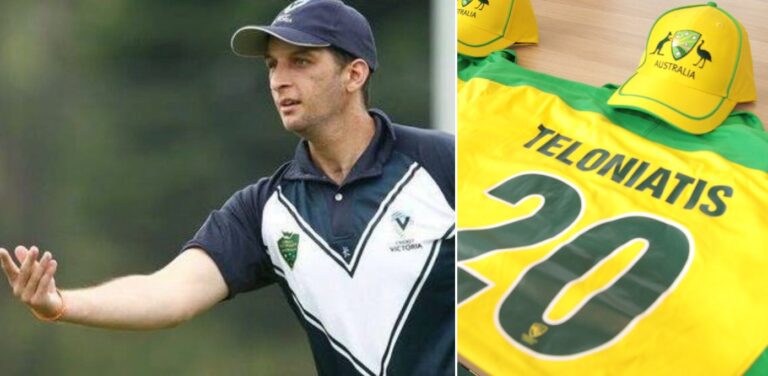
Steve Teloniatis: Greek Australian cricketer catching every opportunity

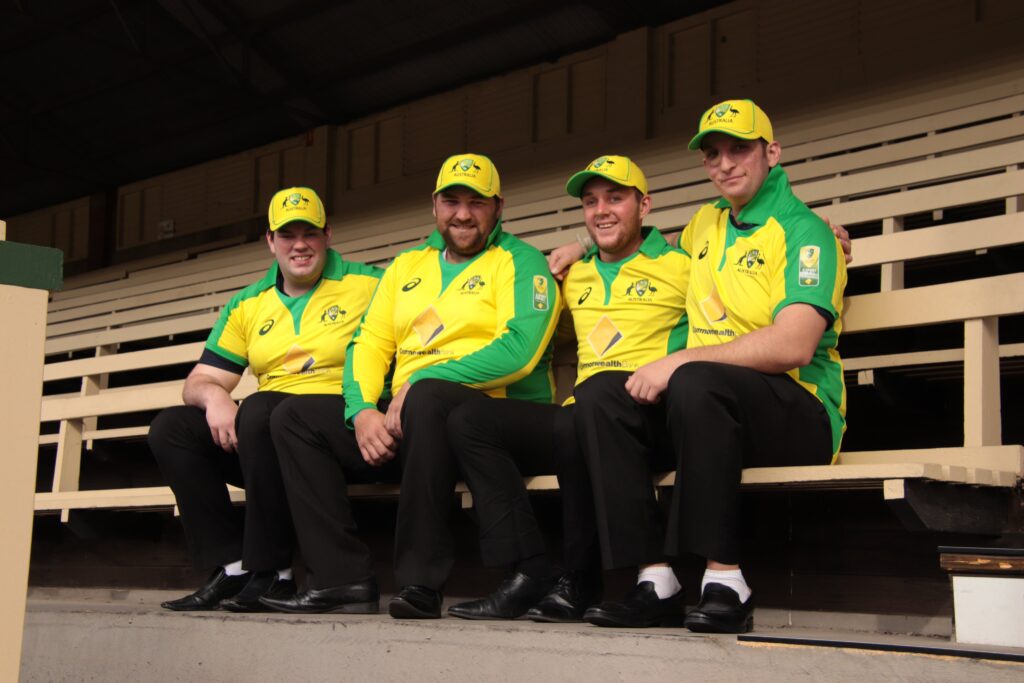
Steve Teloniatis is living proof that disabilities are only a hinderance to the incredible potential humans are capable of when they stick their mind to a goal, or in this case, a wicket.

Born with a mental disability, Steve Teloniatis had a passion for cricket at a very young age. Starting at Emerald Hill Cricket Club in St Kilda, Melbourne, Steve’s passion grew from the age of 10 when he finally got his footing, and handling, of the sport.

In the midst of the summer cricket season, Steve says he’s “excited” to have some more matches and wickets under his belt.

“I’m pretty excited,” Steve said to The Greek Herald.

“I’ve been playing with a club called Elsternwick Cricket Club, and I just love it.”

While aiming to be an all-rounder in the sport, Steve’s bowling statistics are quite remarkable, regardless of the competition level. A leg-spinner by craft, his bowling skills allowed him to claim two wickets on the first match of the 2020/21 season against Noble Park.

According to My Cricket, Steve has racked up a total of 223 wickets in 211 career matches, holding a bowling average of 25.97. As of publication, Steve has also scored an incredible 999 runs, just shy of the golden 1000 mark.

Steve’s talents were recognised in 2019 when he was invited to represent Australia at the INAS Global Games for athletes with an intellectual disability. Facing off against England in five Twenty20 matches at South Brisbane District Cricket Club and Allan Border Field, Steve said the experience was incredible.

“It was a pretty exciting news when I heard, and it was a great experience. I just love the vibe of playing cricket.”

Asked about his future with the sport, Steve said while he may not be able to play for his entire life, he’ll be playing for “as long as he can”.

“I’m happy where I am trying to play my hardest and achieve more. I’m getting better.”

While Greeks may not have much, or any, experience in the sport, Steve added that he walks on to the pitch every day proud of his Greek heritage. Steve was also congratulated by Greek football club South Melbourne FC for being part of the INAS Global Games squad.

“Many would recognise Steve from around Lakeside Stadium as valued club volunteer and long-term member of South and we are thrilled to see him rewarded with this selection,” South Melbourne said previously.

Cumberland Mayor Steve Christou sends additional support to Berala’s multicultural communities

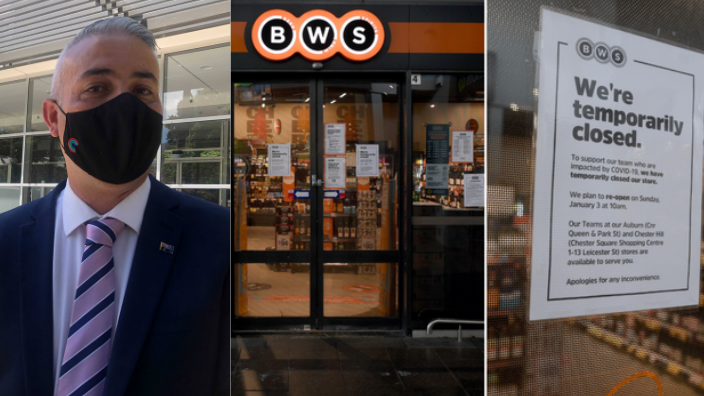
Cumberland Mayor Steve Christou strongly backed the council’s decision to provide additional aid to Berala’s ethnic communities, which remains one of the most affected COVID-19 areas in Sydney.

Cumberland City Council issued letters on Tuesday to more than 240,000 residents with NSW Health advice translated into 10 languages.

Speaking to ABC News, Steve Christou said Berala’s different ethnic communities “don’t necessarily have fluency with reading news through the internet, so we’ve provided this explanation letter in basic Mandarin, Cantonese, simplified Chinese, formal Arabic, Korean, Turkish, Farsi-Dari, Vietnamese, Tamil and Greek”.

The council explained that extra care was taken to provide correct translations, after the Federal and Victorian governments were criticised last year for errors in their translations in relation to materials distributed in relation to coronavirus.

Christou added that many of the council’s residents are from non English speaking backgrounds and, “if you know someone who needs help, maybe they are a friend or relative, please help them understand the importance of getting tested.”

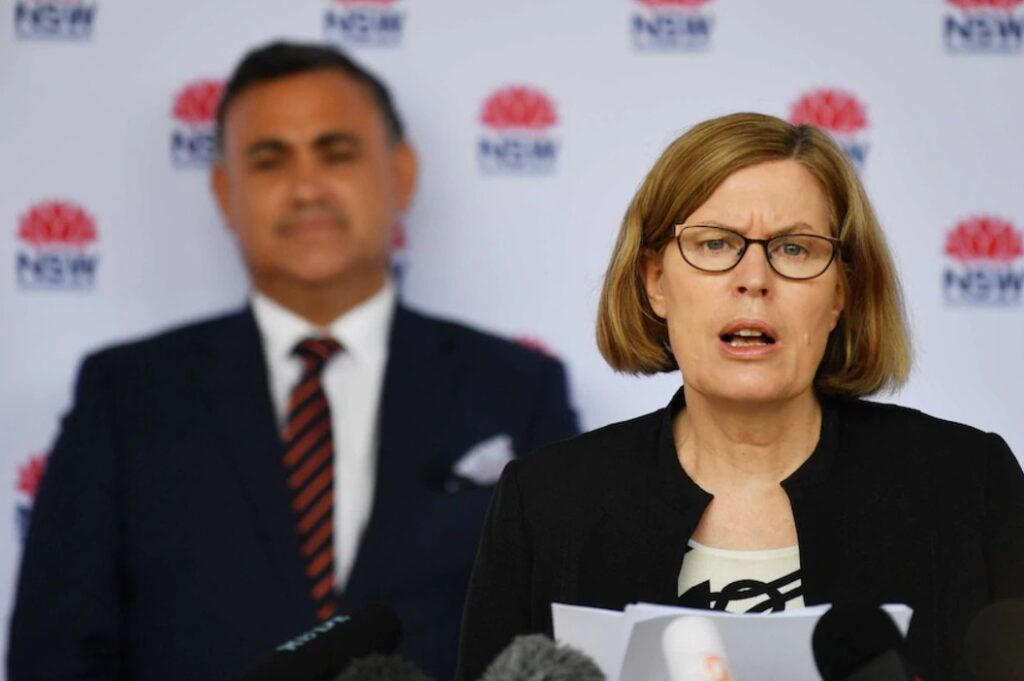
NSW Health’s Kerry Chant has urged Western Sydneysiders to seek testing. (AAP: Dean Lewins)

NSW on Wednesday recorded four new locally acquired cases of COVID-19 in the 24 hours to 8pm last night. One is linked to the Berala cluster, and is the young man from western Sydney reported yesterday who travelled to western NSW. There are now 16 cases in the Berala cluster.

Health Minister Brad Hazzard urged leaders of the city’s multicultural southwest to step up and urge their communities to get tested at greater numbers.

Greek Minister admits early lockdown calls were ignored ‘out of respect for traditions and religion’

0

Τhe Greek government admitted on Tuesday that it ignored the epidemiologists’ proposals for early lockdown in Thessaloniki in October “out of respect for traditions and religion.”

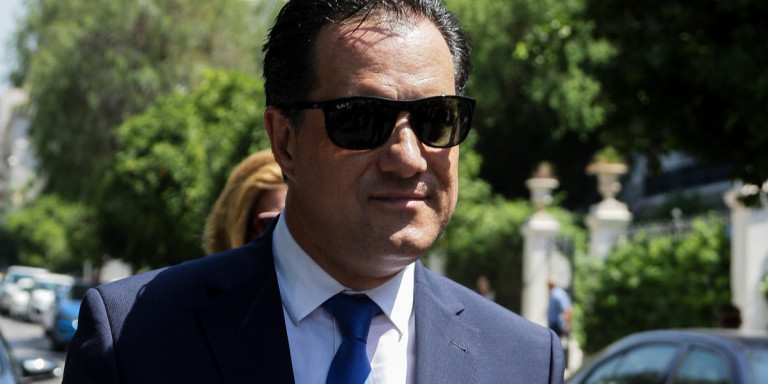
Speaking to Skai TV, Development Minister Adonis Georgiadis admitted that because of their decision, “we mourned many victims.”

The Greek government recently clashed with the Greek Church concerning the new lockdown restrictions for the Epiphany festival, which is observed as an enormous cultural celebration.

In response, the government said the law on coronavirus protection measures does not apply at will.

Adonis Georgiades.

“We hope that the Church will realise the urgency of the moment for society, as it has done so far responsibly. The implementation of prevention and precautionary measures is an obligation but also an act of social solidarity and responsibility for all of us,” the government said in a statement.

Speaking to Skai TV, Georgiadis said the government did not want to repeat the mistake it committed in Thessaloniki when the faithful flocked to churches to celebrate the Patron of the city St Demetrios, on October 26.

“Some infectious disease specialists told us that there should be a quarantine in Thessaloniki before the feast of Agios Dimitrios,” the minister said.

“Out of respect for tradition, Orthodoxy and faith, we did not quarantine before the feast of St. Demetrius, I remind you that this was the main mistake made in Thessaloniki, and the Prime Minister admitted it in Parliament,” Georgiadis pointed out.

“On that day, the faithful gathered, the church could not control the influx, and then Thessaloniki became the city that mourned the most victims.”

Greek Australian father and son suffer COVID consequences amid opening new brewery

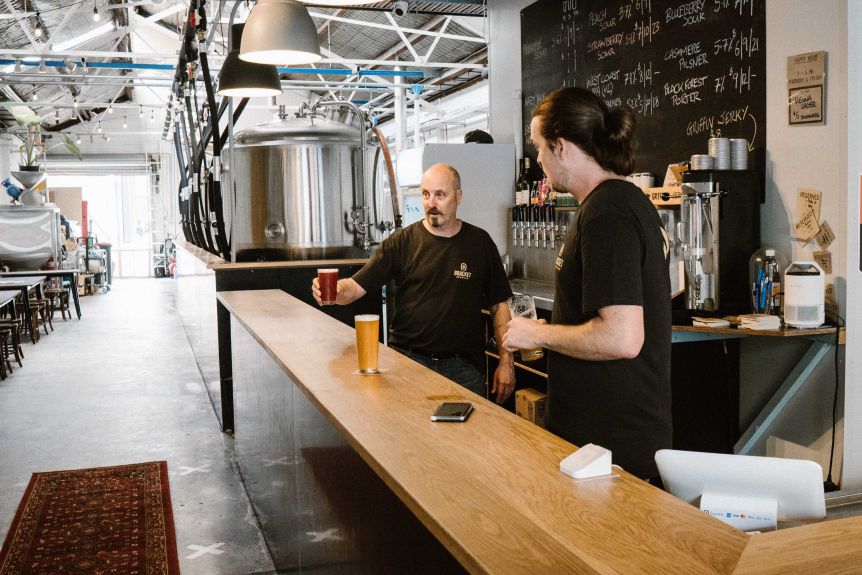
An inner-Sydney brewery launched by Mike Meletopoulo and his father Mark last year is feeling the pressure of COVID-19 restrictions.

Turning his passion into a hobby, Mike’s beer-making skills translated naturally once the brewery had its grand opening. Yet, speaking to ABC News, the pair struggled physically and financially to get the business off the ground.

“It was probably a year and a bit of just planning, just working out whether or not it would be profitable, working out whether we could afford to do it,” Mike Meletopoulo says.

The pair invested an estimated $500 thousand into Bracket Brewing before opening the doors. Their rental agreement, which was signed late last year, is being paid in the thousands, despite their doors being shut.

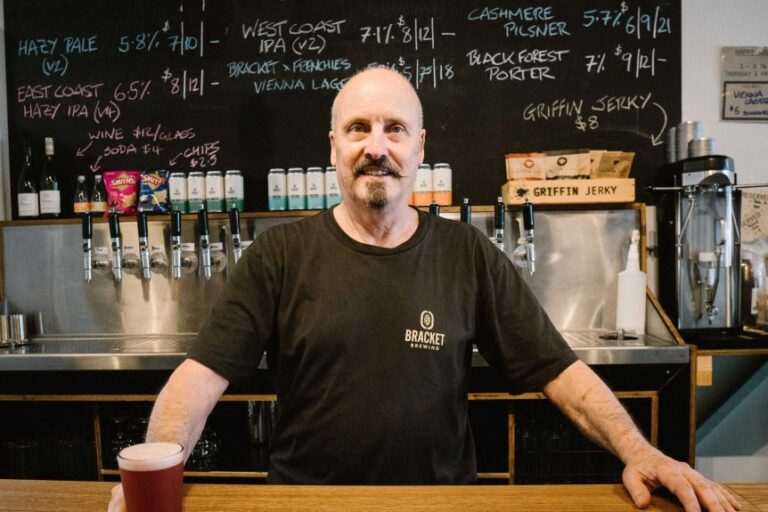
Mark and Mike Meletopoulo. Photo: ABC News/Daniel Irvine

To make matters worse, the Meletopoulos team was unable to access the wage subsidy due to the business having no downturn.

“Unfortunately, with this sort of venture, all the costs are upfront — you have to have everything in place,” Mark Meletopoulo says.

With Mike putting the whole house deposit into the brewery to keep it afloat, the Greek Australian is hoping his investment turns out profitable.

“It was really a very trying time, because we had to decide whether we would still commit, putting the money in, or whether we say ‘that’s it, game over,'” Mark Meletopoulo says.

“We stuck with it, to the point where people ask us why we don’t have tasting paddles and we say purely because by the time we got to opening, we couldn’t afford the glasses.”

Sourced By: ABC News

Greece and Israel complete historic $1.68 billion defence agreement

0

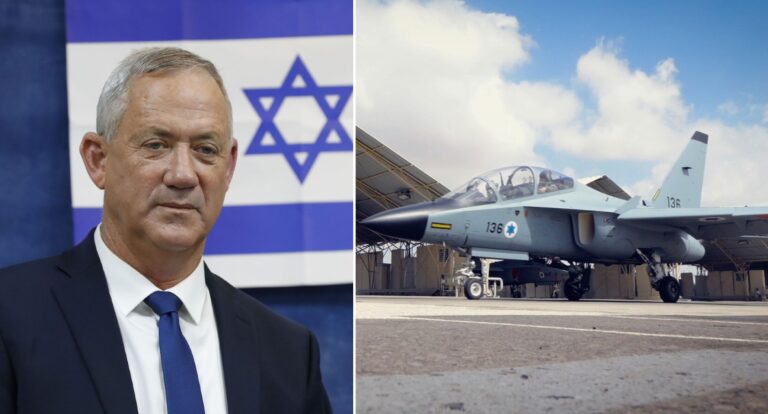
On Tuesday, the Israeli Ministry of Defense confirmed that Greece and Israel had completed the signing of a new $1.68 billion defence agreement, introducing a new flight academy for the Hellenic Air Force.

The deal is the largest defence procurement agreement between the two countries to date, approved by the Greek government following an international tender.

Israeli Defence Minister Benny Gantz on Tuesday said the new agreement is a reflection of “excellent and developing relations” between the two countries.

Photo: Israel Ministry of Defence

“It is a long-term partnership that will serve the interests of both Israel and Greece, create hundreds of jobs in both countries, and promote stability in the Mediterranean,” Gantz said in comments reported by the Israeli Defense Ministry after Athens approved the agreement.

“In the phone call that I received after the agreement was approved, I thanked my friend the Greek minister of defense, Nikolaos Panagiotopoulos, and expressed my appreciation for his personal involvement in advancing this project.”

The Hellenic Government approved the establishment and operation of the Flight Training Center by the IMOD and Elbit Systems for an amount of approximately $1.68 billion (approximately €1.375 billion) for a period of approximately 20 years.

The agreement includes the procurement of ten M-346 aircraft and maintenance of T-6 aircraft, as well as the provision of simulators, training and logistic support.

“We believe this milestone agreement opens further new horizons of cooperation, strategic, economic and other and appreciate the decision taken by the Prime Minister and his Government to chose Israel as Greece’s partner in this project,” the Embassy of the State of Israel to Greece said on Twitter.

Bail relaxed for Sam Karagiozis to attend wedding and manage souvlaki stores

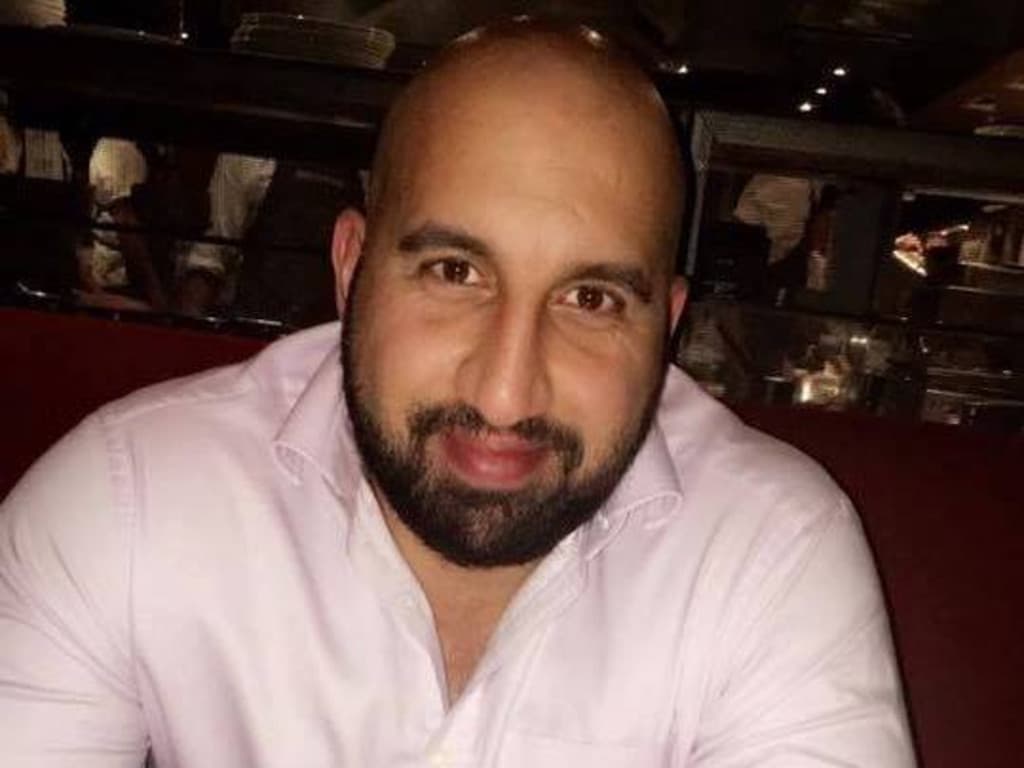
A cryptocurrency founder charged with trafficking cocaine, ice and other drugs has had his bail conditions changed so he can attend his brother’s wedding and bucks night and oversee his chain of souvlaki stores, according to The Age.

Sam Karagiozis, the Lamborghini-driving founder of the Auscoin cryptocurrency, was granted a variation to his bail conditions in the Melbourne Magistrates Court today.

The Greek Australian 29-year-old from Melbourne is charged with 13 offences including importing, possessing and trafficking drugs such as cocaine, MDMA, ketamine and methamphetamine between March 2016 and October 2017.

Mr Karagiozis was charged almost two years ago and granted bail in mid-2019.

READ MORE: Greek souvlaki store owner caught up in Melbourne drug-trafficking investigation.

In seeking the changes, defence counsel Dermot Dann, QC, said Mr Karagiozis had complied with bail conditions since his release and wanted a curfew condition dropped so he could be best man to his brother George on January 30 and attend the bucks night two weeks earlier.

Sam Karagiozis is charged with trafficking cocaine, ice and other drugs.

Mr Dann said the dropping of the curfew would also allow his client to be at his souvlaki stores at night. Mr Karagiozis has up to 10 stores, the court heard, but had been unable to be at any outlets in Melbourne’s outer suburbs because of the nightly curfew.

Magistrate Andrew McKenna questioned what Mr Karagiozis would be doing at the restaurants.

“I doubt he’d be rolling up any souvlakis,” Mr McKenna said.

But Mr Dann argued his client would be working there and not just driving past.

“What he wants to be able to do is be on site at any one of those restaurants as the need arises,” the lawyer said.

Mr McKenna said a family member “implored the court to have a heart” in relation to the wedding in a letter tendered on Mr Karagiozis’s behalf.

Prosecutor Rosalind Avis opposed the application, arguing the case against Mr Karagiozis was strong and police allege he was the “boss” of the drug network.

“He was effectively the head of the operation,” Ms Avis told the court.

But Mr McKenna decided to cancel the curfew and vary the conditions so Mr Karagiozis could attend the stag event and the wedding.

He was barred from discussing the allegations, court case or any proceedings with his alleged co-offender at the events, the magistrate ordered.

“They can discuss how wonderfully well the wedding is going, the weather, the progress of the pandemic but nothing related to these proceedings or these charges,” Mr McKenna said.

He also cancelled Mr Karagiozis’s curfew because of his businesses and labelled it “undesirable and unnecessary”.

Mr Karagiozis must still abide by other conditions including twice-weekly reporting to police, not to contact prosecution witnesses, not to contact his co-accused and not to leave Victoria.

He will next face court in March.

Sources: The Age and The Australian.

The Epiphany: What is it and why do Greeks celebrate it?

By Victoria Loutas

The Epiphany is one of the most sacred Greek Orthodox celebrations that dates back to ancient times. This Christian tradition is celebrated on the 6th of January around the world and is a day of joy and brightness. 

What is the Epiphany?

The Epiphany (also called Theofania or Fota) is a day when Christians celebrate the baptism of Jesus Christ in the River Jordan by St John the Baptist. It is the moment Christ is recognised as both the Messiah and the second person of the Holy Trinity.

Greek celebration of the Epiphany:

The most important ritual of the Epiphany is the ‘great blessing of the waters.’

On January 6, Christians all around Greece take part in various traditions and ceremonies to celebrate the Epiphany. 

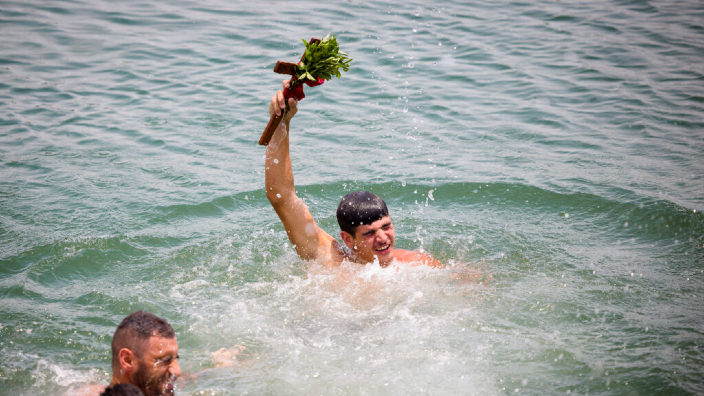
The most important ritual on this day is the ‘great blessing of the waters,’ which is performed by a Greek Orthodox priest. The tradition is that a priest throws a special cross into the sea and many brave young men and boys dive into cold water to retrieve the cross. 

The lucky person who finds and returns the cross is blessed by the priest for the whole year. Once the cross has returned, the priest releases a white dove as a symbol of the Holy Spirit. This long-standing tradition is carried out to commemorate the Baptism of Christ and to bless the waters.

Along with the blessing of the waters, there are many other rituals that happen all over Greece to commemorate the Epiphany. Some of which include:

  • Fota kalanda: Just like Christmas and New Years Eve, kalanda (carols) are sung by children in Greece to celebrate the coming of Epiphany. These carols are known as “Fota Kalanda” and begin with a retelling of the creation of the world and the waters by God, and finally end with the day of Jesus Christ’s baptism in the Jordan River by St John the Baptist.
  • Roukgatsia: In Thessalia, Central Greece, the ‘Routkagsia’ are the main attraction of the holiday. On the eve of the Epiphany, groups of 10-15 people dressed in costumes go from house to house singing carols for a small amount of money. Each Rougkatsia group must feature a bride and groom, a priest, a grandfather, a doctor and the “arkoudiarides.” This ancient ritual is also performed in some other Greek cities, with minor changes to the name and its performance.  

On This Day in 1913: The decisive Battle of Lemnos

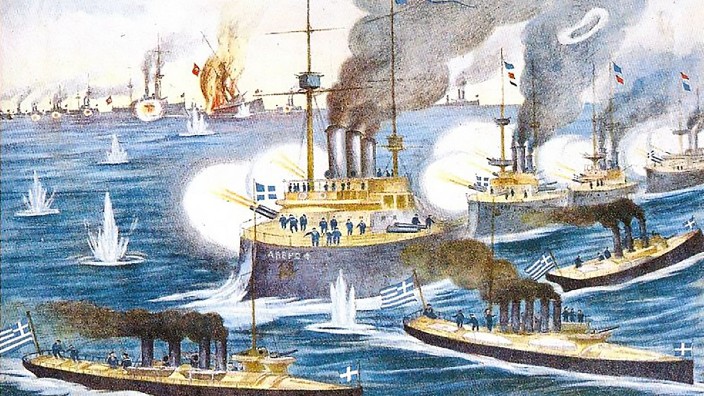
On January 5, 1913, the Battle of Lemnos took place between Greek and Turkish fleets in the North Aegean. It is considered a turning point for the outcome of the First Balkan War as Greece’s victory led to its dominance in the Aegean.

We take a look back at the history of the battle, including its aftermath.

The Battle of Lemnos:

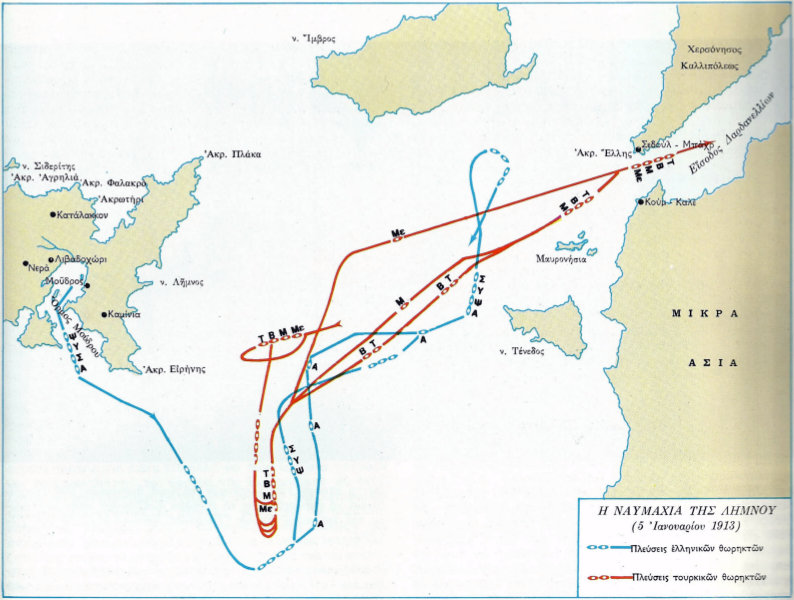
On the morning of January 5, the Turkish cruisers Mesudiye, Barbaros Hayreddin, Turgut Reis and eight more destroyers left the Dardanelles and headed for the Greek island of Lemnos.

The Greek destroyers Leon and Aspis reported the appearance of the enemy fleet to Admiral Pavlos Kountouriotis, who ordered the exit of the Greek fleet from the port of Moudros to face the enemy.

The fleet consisted of the battleships Georgios Averof, SpetsaiHydra and Psara and seven extra destroyers.

Map for the Battle of Lemnos. Source: San Simera.

Meanwhile, the Turkish ships reached a distance of a few miles from the eastern end of Lemnos and at 11.34 am began to attack the Greek ships from a distance of 8,400 metres. The Greeks responded immediately with a counter-attack.

At 11.50 am, the two fleets were at a distance of 6,700 metres. 

At 11.54 am, the Mesudiye had suffered serious damage. A barrage from the Georgios Averof also caused significant damage and losses to the battleship Barbaros Hayreddin, which withdrew from the battle. This was followed by the relatively intact Turgut Reis. Thus, after a twenty-minute naval battle, the Turkish fleet fled.

At 12.02 pm, the battleship Georgios Averof began to pursue the Turkish fleet and at 1.50pm its missile found the Turgut Reis, causing a crack from which water entered its boiler room. 

All three Turkish warships, which had been severely damaged, eventually escaped to the entrance of the Straits and did not attempt another exit throughout the war.

During the naval battle, the Turkish fleet fired a total of 800 shots, about the same as the Greek fleet. However, the Greek shooters were more accurate and killed over 100 people. From the Greek side, only one injury was reported of the trumpeter of the Georgios Averof.

Aftermath of the Battle of Lemnos:

The result of the naval battle of Lemnos undoubtedly contributed to the decision of the Pasha government to proceed with the signing of peace. 

Turkish Navy Commander Ramiz Bey was replaced by Captain Tahir Bey and referred to a military tribunal, which acquitted him. 

Turkish warships, sent to offshore operations, set about protecting Istanbul from a possible Bulgarian attack.

Source: San Simera.

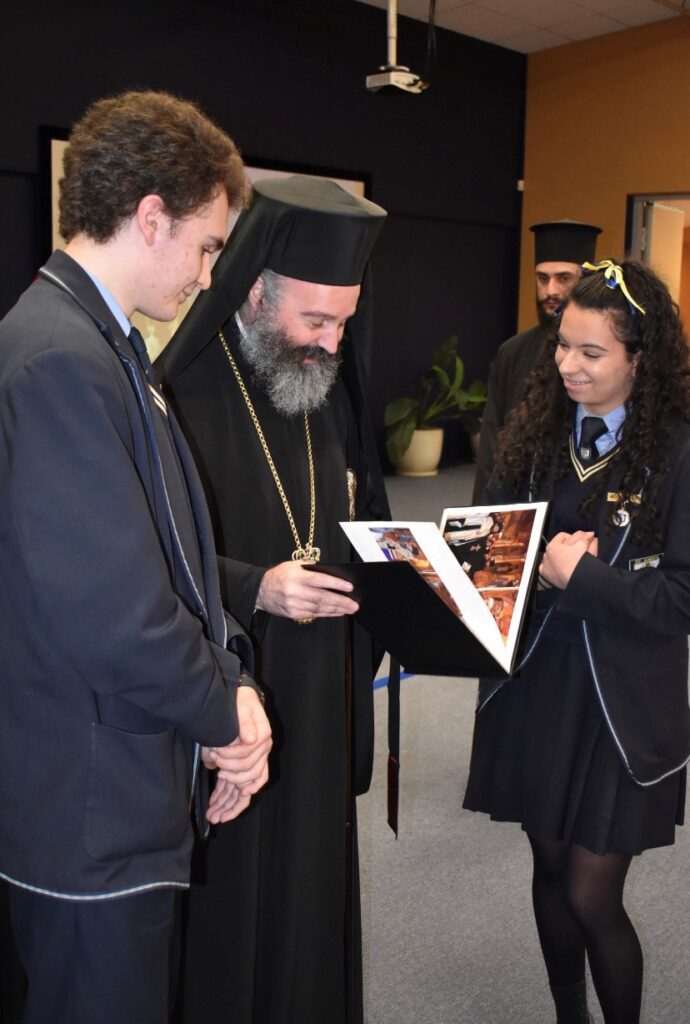
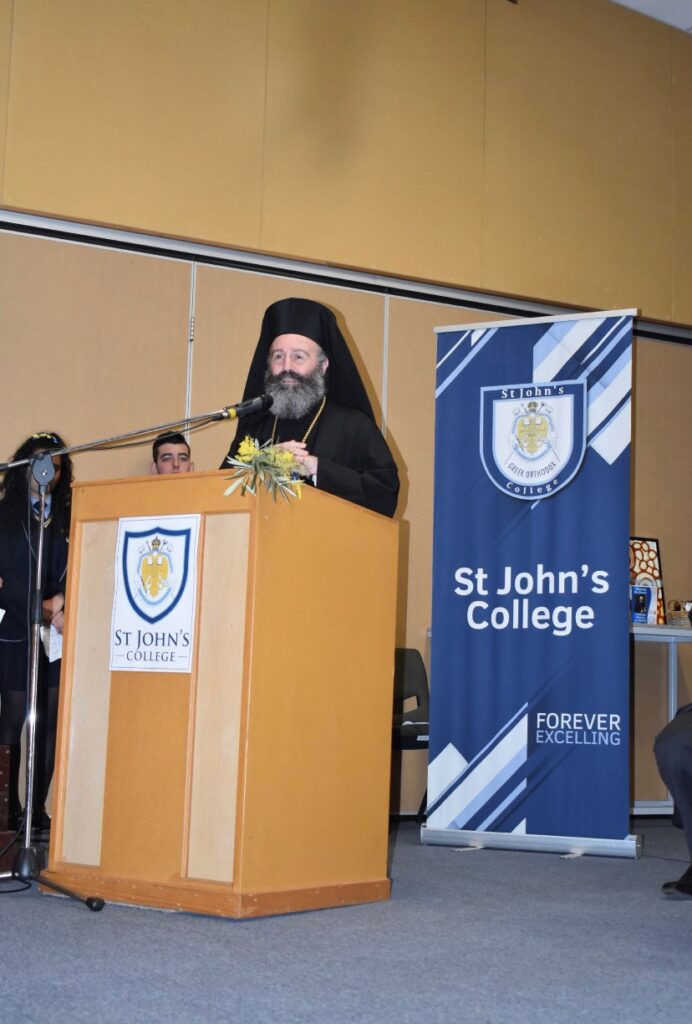
St John’s College in Victoria thank Archbishop Makarios for its ‘revival’ in 2020

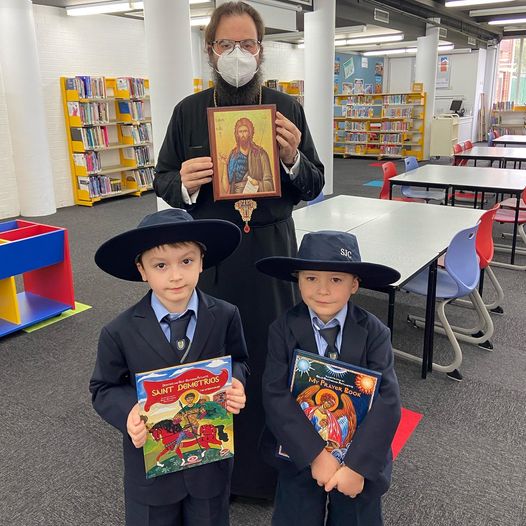
The entire community of St John’s College in Preston, Victoria have thanked His Eminence Archbishop Makarios for “his trust, guidance and dedication to the revival” of Australia’s oldest Greek Orthodox College.

In a statement, the College confirmed that even before His Eminence’s arrival in Australia, he had received suggestions for the closure of the school, due to “the limited number of enrolments, its large debts, general poor financial situation and especially the negative record of academic performance.”

However, Archbishop Makarios quickly turned his efforts to supporting the College, “securing more than $3 million for its operational needs, displaying personal interest and constant care to ensure its continued existence,” according to the statement.

“Thanks to the personal commitment of His Eminence and the fervent support of the Greek Orthodox Archdiocese of Australia, St John’s College has now turned the page and is emerging as a leading Greek Orthodox College, of which the entire Victorian Greek community can once again be proud,” the College writes.

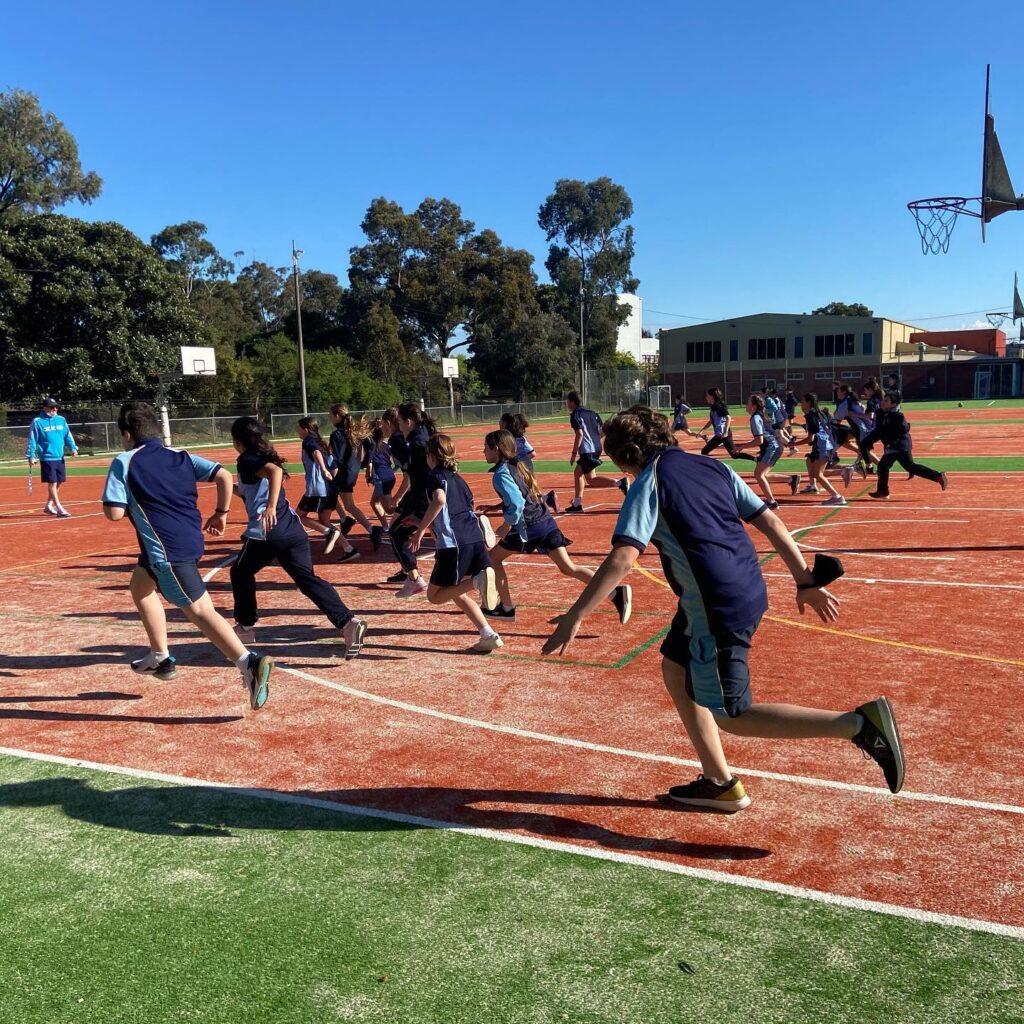
Under the leadership of the new School Principal, Anna Urban, who was appointed by His Eminence in early 2020, St John’s College recorded an enviable increase in enrolment, with more than 80 new students to have joined the St John’s family since December 2019. Today, the school has 264 students.

It is also noteworthy that in the VCE exams of 2020, the school achieved its best ever result. Specifically, St John’s managed to rank 54th among 582 schools in the State of Victoria. This is an outstanding improvement in the school ranking, as in the last three years (2017, 2018, 2019) it was ranked in positions 415, 237 and 344 respectively.

St John’s also surpassed in the relevant ranking some of the most famous private schools in Victoria. The school’s average study score was 34 and the percentage of students with a grade above 40 was 15%, while two thirds of St John’s students at VCE level achieved an ATAR of over 40. This is a remarkable student achievement, unprecedented in the history of St John’s.

“With the support of the Board of Directors and the financial support of the Greek Orthodox Archdiocese of Australia, Ms Urban spearheaded a process of continuous improvement and progress in all areas – from school facilities to educational programs, staff training, management, values and enhanced school culture,” the College says.

“All members of the College express our pride and joy at the progress made in 2020 and reaffirm our commitment to the Archdiocese and the local community that we will continue to work dedicated to the vision embodied in the school’s emblem: ‘To always excel’.”