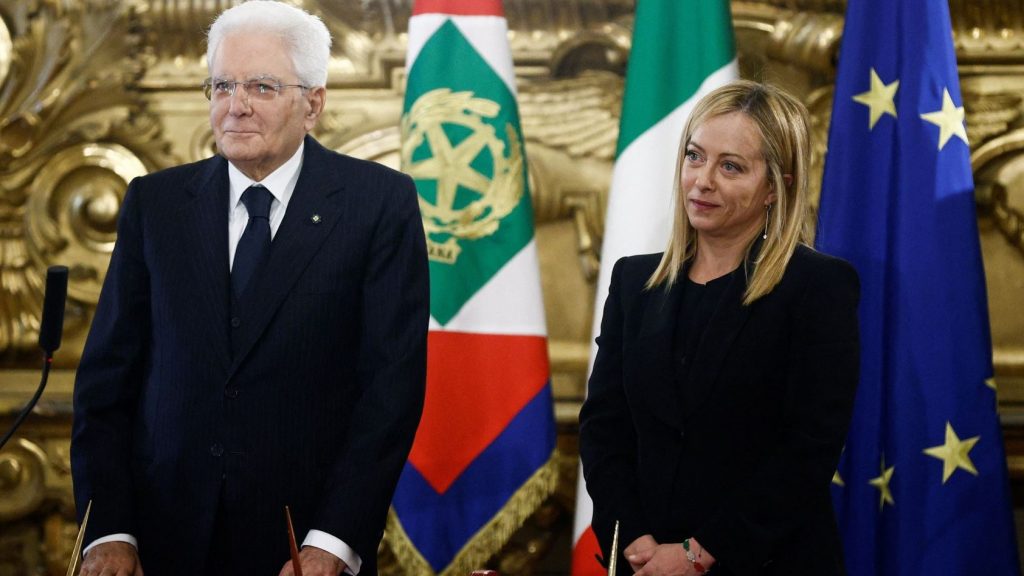
Giorgia Meloni, Italy’s first female Prime Minister, was sworn in on Saturday alongside her cabinet.
Meloni, the leader of Brothers of Italy, a party with neofascist origins, has taken the helm of the country’s most right-wing government since WWII.
Meeting with the outgoing Prime Minister Mario Draghi on Sunday for a formal handover ceremony, Meloni said: “I did not expect this welcome … It’s an emotionally impacting thing.”
The pair held private talks for over an hour before Draghi handed Meloni a small symbolic bell used during cabinet debates.
In a tweet, Meloni wrote: “It begins. With great emotion but also with the awareness of the difficult challenges that await us.”
Si comincia. Con molta emozione ma anche con la consapevolezza delle difficili sfide che ci attendono. Ora tocca a noi: siamo #pronti 🇮🇹 pic.twitter.com/FaJvFfSeZX
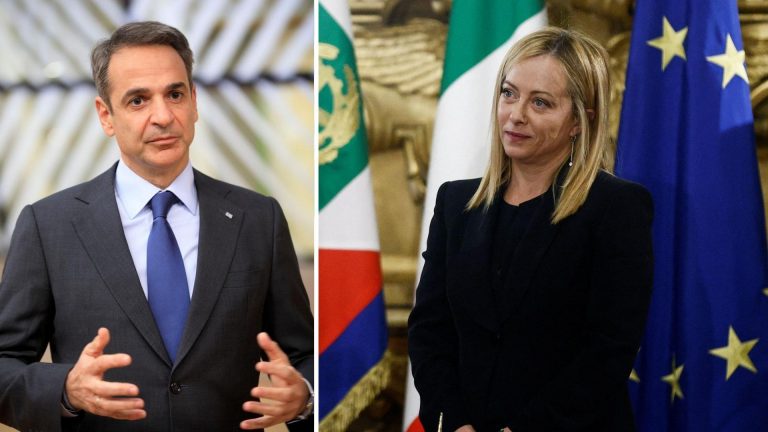
Meloni received congratulatory messages from world leaders after being sworn in on Saturday, including Greece’s Prime Minister Kyriakos Mitsotakis, US president Joe Biden, Ukrainian president Volodymyr Zelenskyy and the European Commission President, Ursula von der Leyen.
In a tweet, Leyen said she had “a good call” with Meloni after she took office and that the pair “will work together to address the critical challenges of our time from Ukraine to energy”.
For his part, Mitsotakis said: “Warmest congratulations to Italy’s new Prime Minister Giorgia Meloni. Looking forward to working closely together for the benefit of our Euro-Atlantic family and the stability of our region.”
Warmest congratulations to Italy’s new Prime Minister @GiorgiaMeloni. Looking forward to working closely together for the benefit of our Euro-Atlantic family and the stability of our region.
45-year-old Meloni takes power as Italy’s debt-laden economy is once again headed into recession, businesses buckling under the weight of soaring energy bills, and splits within her coalition over the war in Ukraine.
The new Prime Minister’s coalition government won the general election on 25 September, promising steep tax cuts, pension increases, a tough line on illegal immigration, and defending the traditional family.
Italian President Sergio Mattarella is flanked by newly appointed Italian Premier Giorgia Meloni during the swearing in ceremony in Rome on Saturday.
At the time, Greek Parliamentary Representative of New Democracy, Christos Boukoros told EURACTIV Greece: “Naturally, the prevalence for the first time of a post-fascist political force in Europe’s third-largest economy is a cause for concern.”
In his view, the main concern in Europe should be why more Europeans are being driven to “extreme political choices”.
“It is time for Europe to start addressing the causes instead of commenting on the results as an impassive spectator.”
Also speaking with EURACTIV Greece at the time was secretary of the opposition party SYRIZA-Progressive Alliance, Rania Svingou, who said: “the ghost of fascism has reappeared in the country that gave birth to it.”
“In this difficult period for the future, the democratic, progressive forces in Europe have a historic responsibility. To fight with unity and determination a two-front struggle against the neo-fascist far-right, but also against the neoliberalism that feeds it,” she added.
Thousands of enthusiastic Melburnians packed the historic Greek heart of Melbourne for the first Antipodes Festival in nearly two years.
Headlining the Festival, Greek singer Nikos Vertis brought his full 15 piece band and stage show to the Bendigo Bank Main stage playing his hits to an adoring crowd. His 90 minute performance wowed the adoring crowd who came out in their thousands to see the Greek musical star.
On the #LoveLonsdale Stage, the program featured music, dance, a yoghurt face bonbbing competition and culminated in a special performance by Cretan musicians Giannis Tsourdalakis and Giorgos Psarakis who inspired the enthusiastic crowd to break out in Cretan dancing well into the night.
“It has been a huge effort to get the Festival up and running this year” said Festival chair Leonidas Vlahakis. “We don’t normally play at this time of the year but we have been keen to get our events up and running again so here we are in October closing down Lonsdale Street for a good old fashioned Glendi”.
Alongside the rides and 80 pop up market stalls, the Festival’s kids program featured traditional shadow puppetry called “Karagiozi”. The popular performances were staged by the Greek Community of Melbourne’s education team and featured puppeteers Dean Kalymniou and Jeremy Artis.
“Melbourne had a Greek heartbeat last night” said Spiridoula Demetriou, GCM Cultural Programs committee member who highlighted the newly unveiled Parthenon Frieze replica that now adorns the Greek Centre balcony and was unveiled by Premier Dan Andrews as a personal highlight. “Its been a great event and in amongst the fun and entertainment the unveiling of the stunning Parthenon Frieze replica on the Greek Centre balcony was particularly poignant for me.”
In his address to the large crowd at the official event opening, Premier Daniel Andrews who was joined on stage by the leader of the opposition Matthew Guy, Minister for Multicultural Affairs, Andrew Giles, the Junior Minister for Home Defence of Greece, members of council, parliament and the Greek Orthodox church and the visiting Lord Mayor of Kalamata, the Premier both unveiled the $500,000 frieze and committed his Government to continuing to fund Antipodes to the tune of $200,000 per year for the next four years.
“The Festival has been great, and the announcement of the ongoing Government support by the Victorian Government allows us to continue to plan to make the next Festival even better” said Greek Community of Melbourne Vice President Dr Jim Bossinakis.
The Festival will return on 25 and 26 February in 2023.
Greece suffered a monumental loss this morning at Eco Power Stadium in Doncaster, England, losing 72-4 to Samoa in round two of the Rugby League World Cup 2021.
This is Greece’s second competition loss after making their World Cup debut last Tuesday, where they were defeated 34-12 by France.
It took Samoa all of 58 seconds to open the scoreline, a perfect response to their 60-6 defeat against England last week.
After scoring 13 tries in today’s victory, Samoa will now look to book a place in the quarter-finals when they take on France at the Halliwell Jones Stadium in their final Group A match next Sunday.
Despite the loss, Greek celebrations were jubilant throughout the match, especially in the 46th minute when Siteni Taukamo broke the Samoa line to feed Lachlan Ilias who then chipped the ball and received the offload back from Jake Kambos to score Greece’s first and only try of the night.
“We turned up and got back there to make those tackles so I can’t fault their effort. Our goal is to improve every week and enjoy all the World Cup has to offer.
“I mean, that shot of the bar in Athens when we scored the first try last week, you can’t buy that stuff. It’s priceless.”
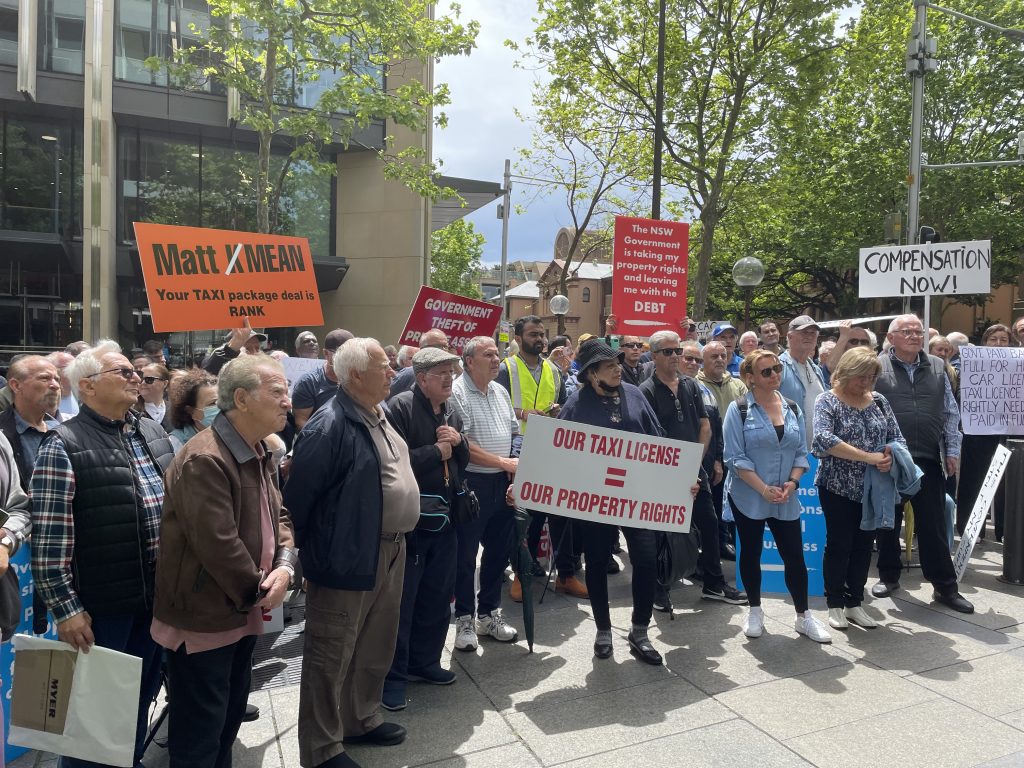
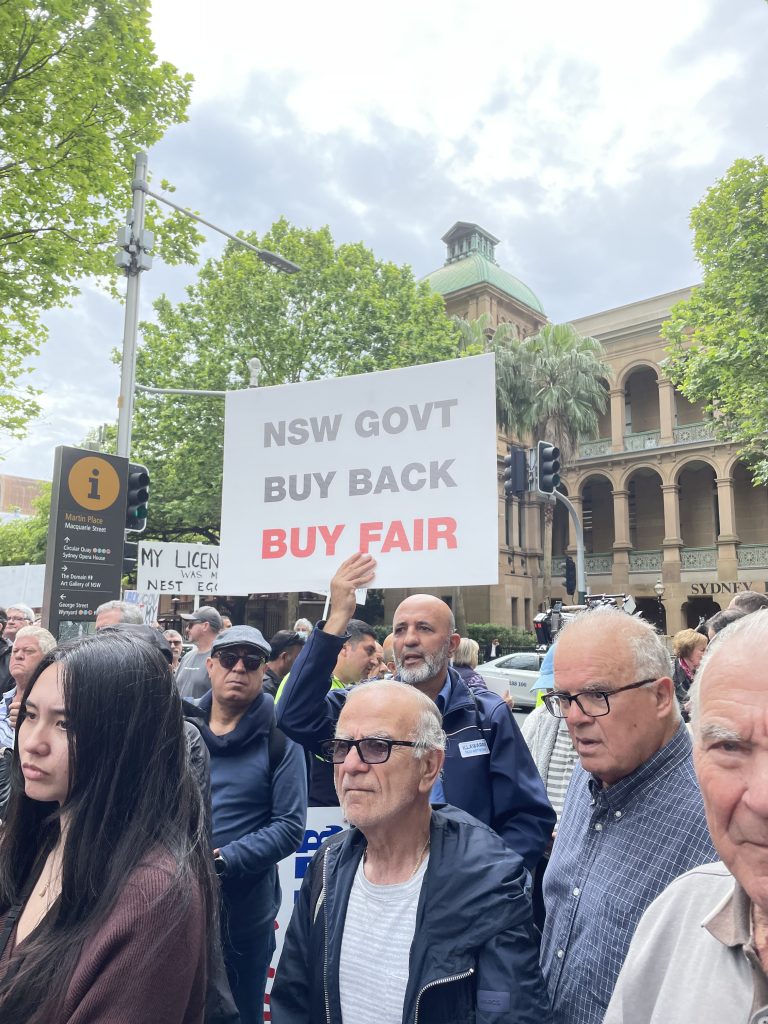
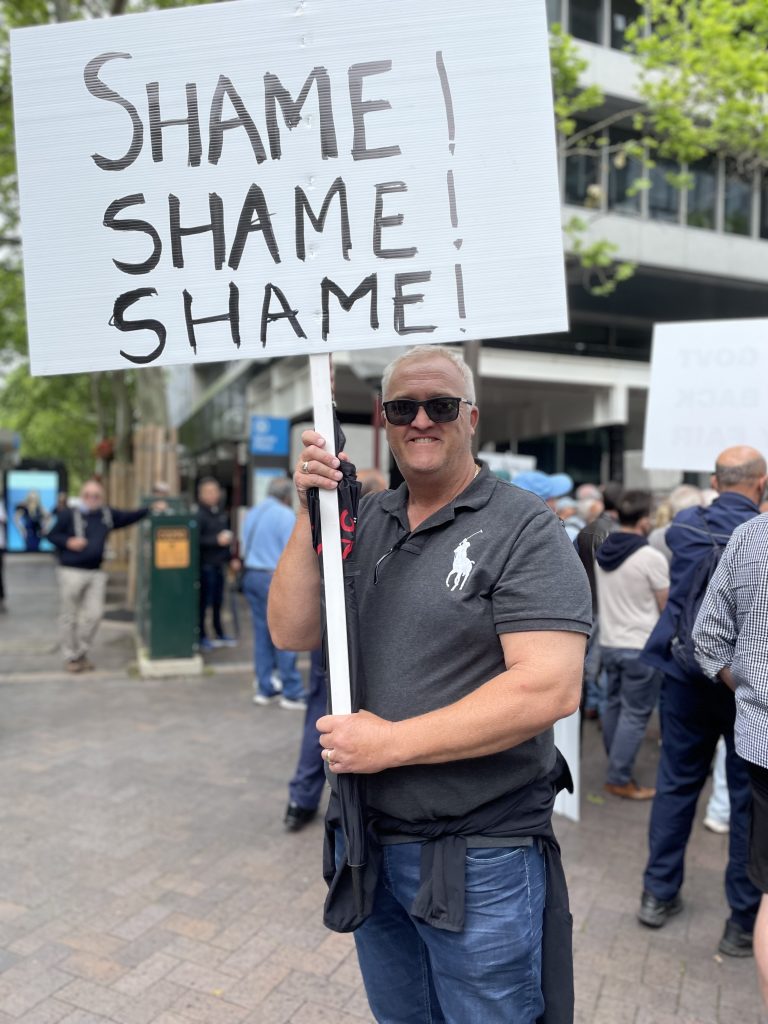
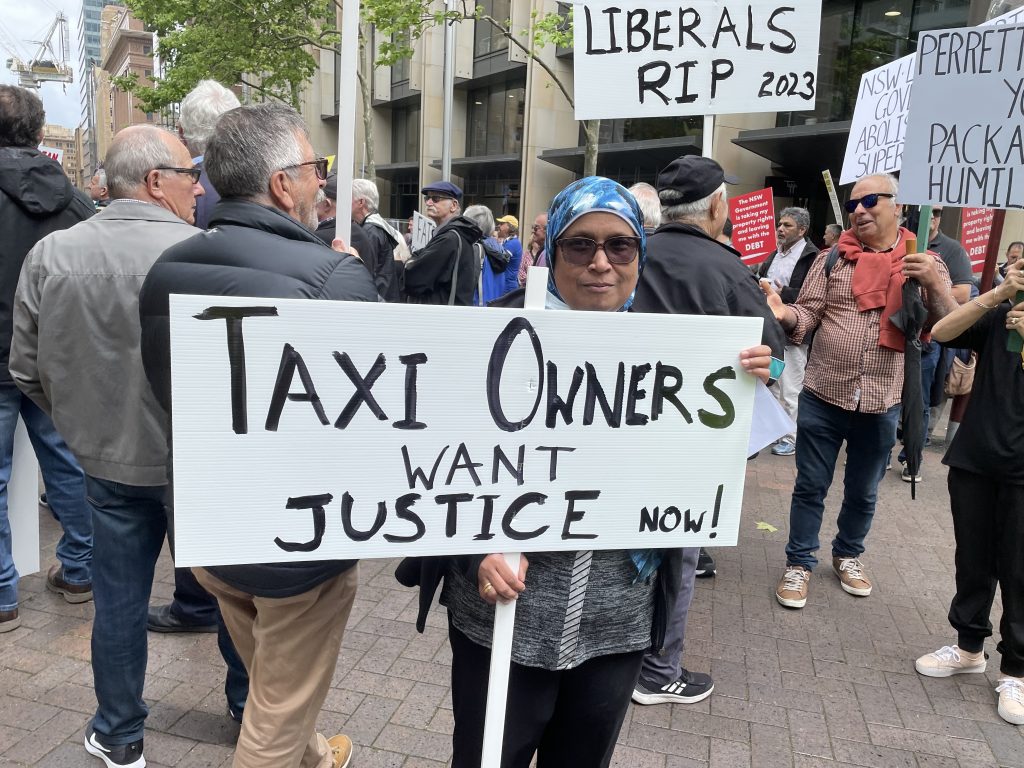
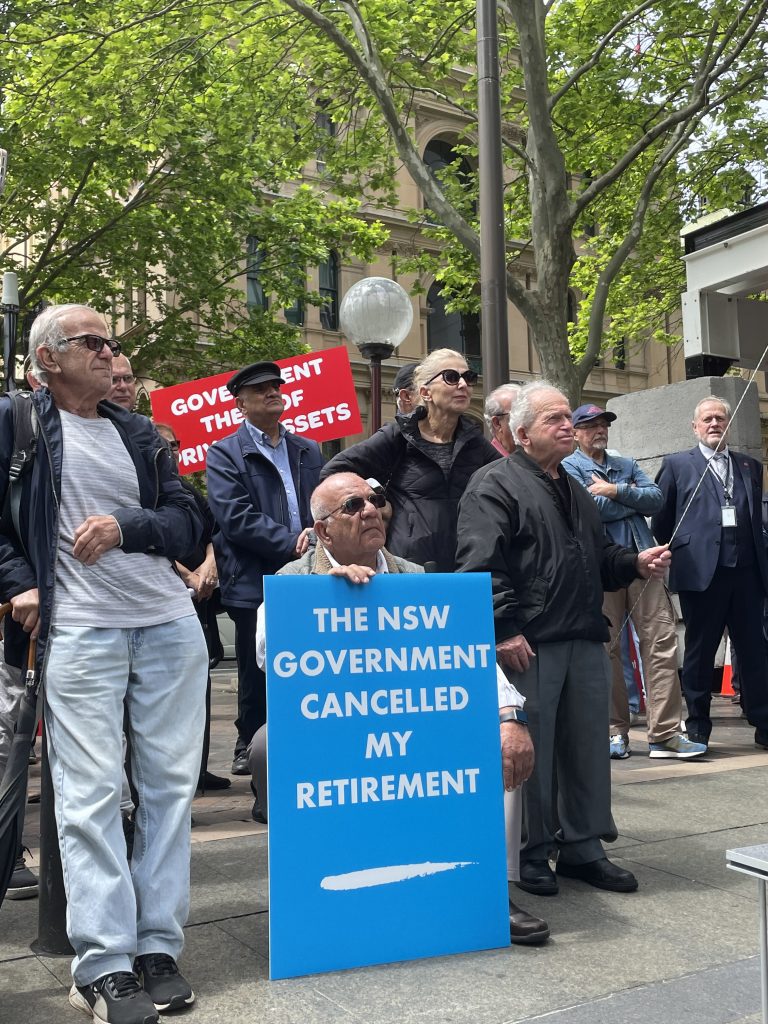
Around 500 people attended the protest organised by the NSW Taxi Council.
Under the package, revealed by NSW Treasurer Matt Kean last week, taxi licence owners will receive an additional $500 million in assistance payments as part of a comprehensive $645 million package to fully deregulate the taxi industry and benefit customers long term.
The anger and disappointment of the taxi licence owners towards this government package was clear to see at the Sydney protest outside NSW Parliament on Thursday.
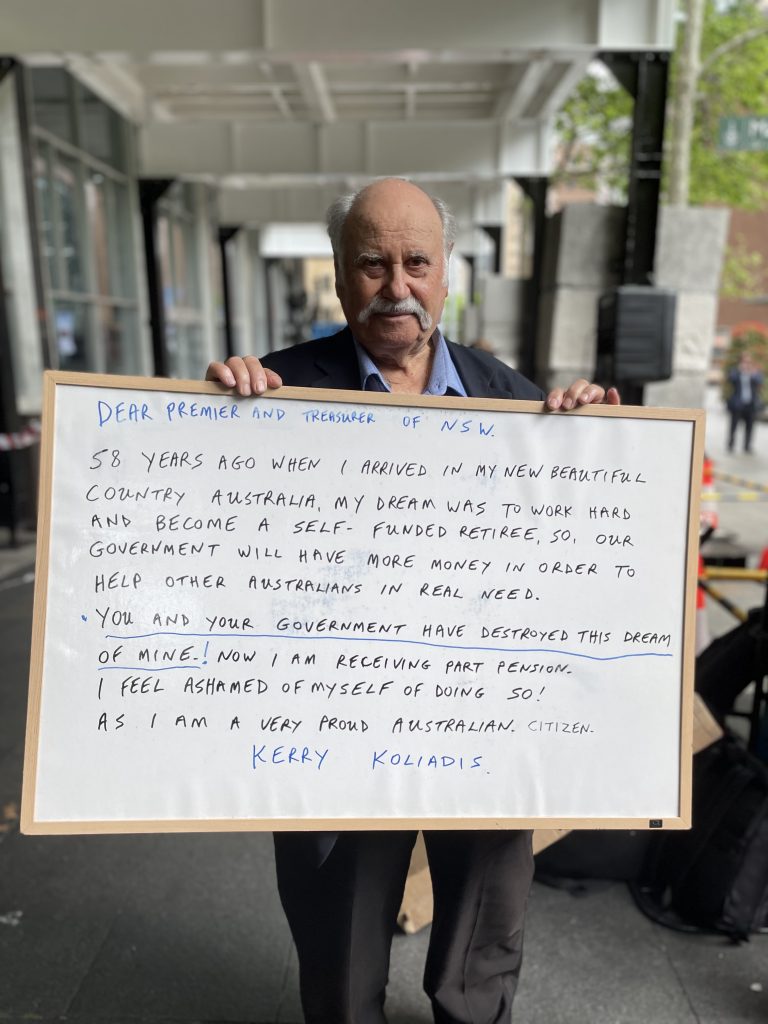
Kerry Koliadis.Protest signs.
The Greek Herald was on the ground on the day and listened on as a number of politicians took to the stage to express their support of taxi licence owners receiving fair and proper compensation.
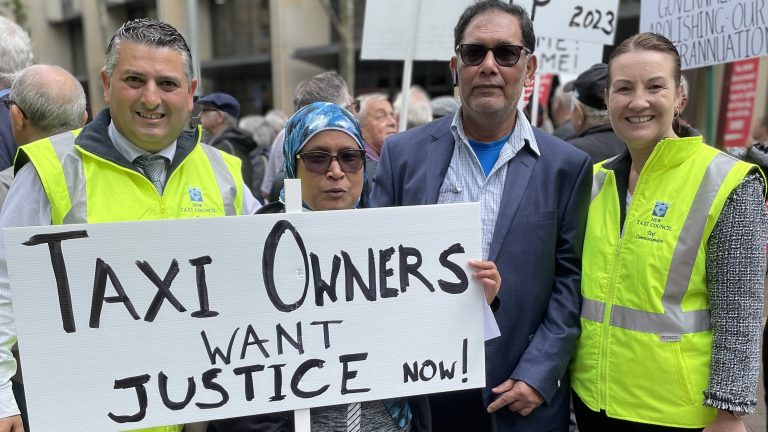
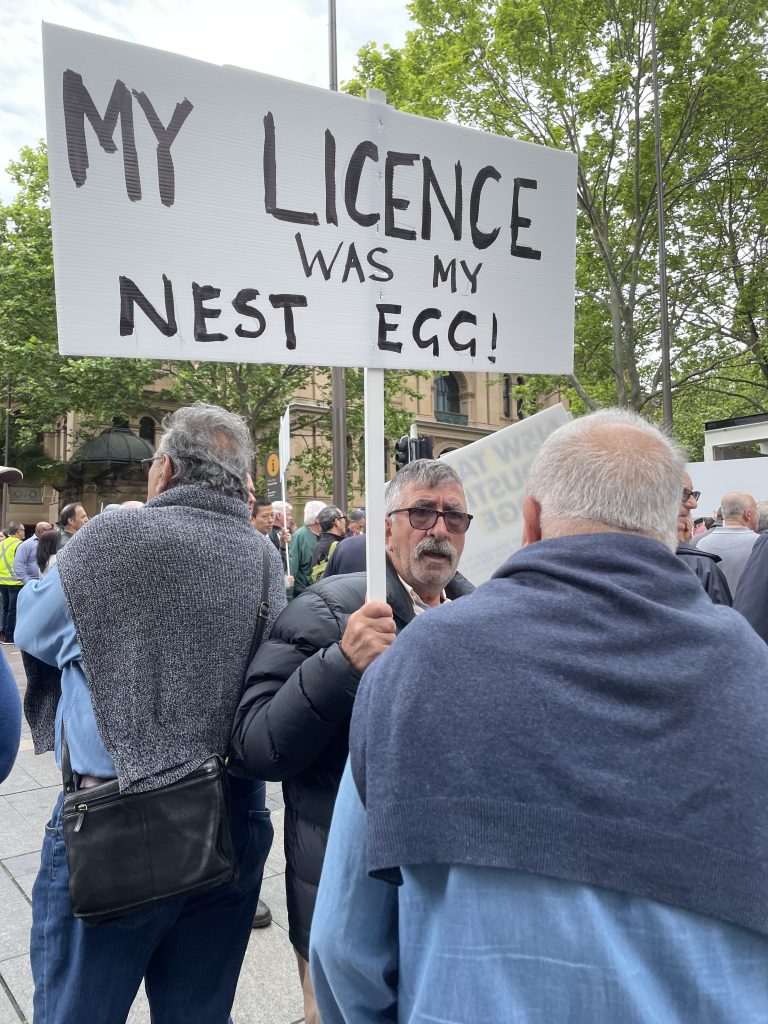
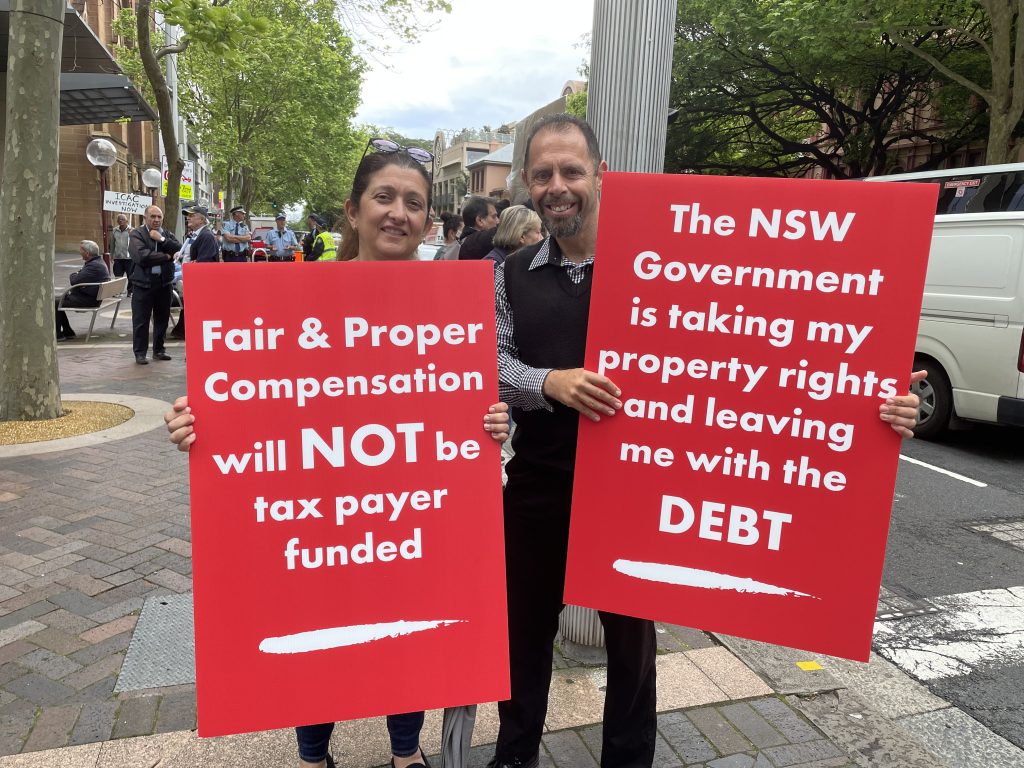
Elsewhere, there was also a taxi convoy driving past throughout the entirety of the protest, and various people walking around proudly holding signs with slogans such as: ‘Taxi Owners Want Justice,’ ‘Shame’ and ‘The NSW Government cancelled my retirement.’
Sydney taxi driver, Peter Sorras (right).
One of the protest attendees, Rod, broke down in tears as he told us on the day about the impact of the NSW government’s legalisation of rideshare services such as Uber.
“I’m here to support all the taxi owners like myself. I’ve been doing it for 34 years and I’ve got nothing out of it. I’ve got zero and the government have done that to me. I was hoping to leave a legacy for my kids and I can’t,” Rod said.
Rod.
Taxi operator, Nolina, also stressed that “we have been poorly done by the government” and said she’s calling for “a more level playing field where the taxi industry can remain viable and sustainable.”
“We are not asking to shut down anyone,” Nolina added, with reference to rideshare services. “It’s just not fair and we’re not taking it anymore.”
Nolina.
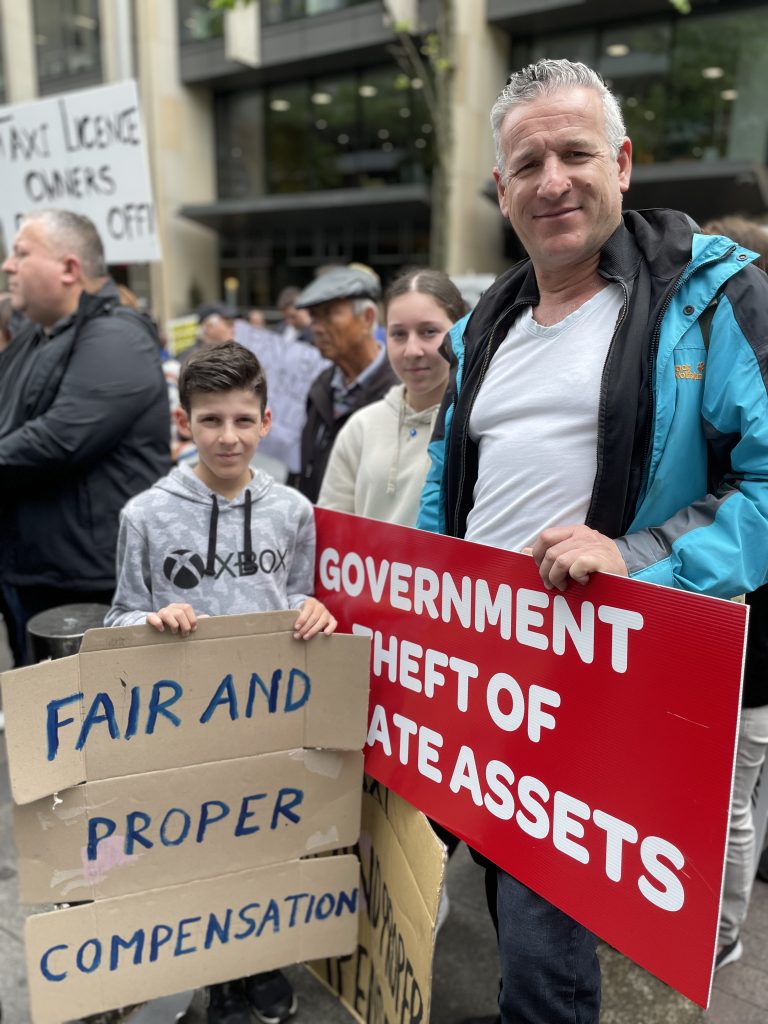
Another taxi licence owner, 50-year-old Theo Balafas who was attending with his young children, also called for ‘fair and proper compensation.’
“We borrowed money thinking that the income we would get from the licence plates would service those loans,” the Greek Australian said.
Theo Balafas with his children.
“We haven’t had income for nearly five years now and it doesn’t look like the government is willing to compensate us for that loss of income and not even for the value of the plate.
When the conversation begins and ends discussing about the beauties of Greece, Seferis and the Greek language, you know it’s going to be a great chat.
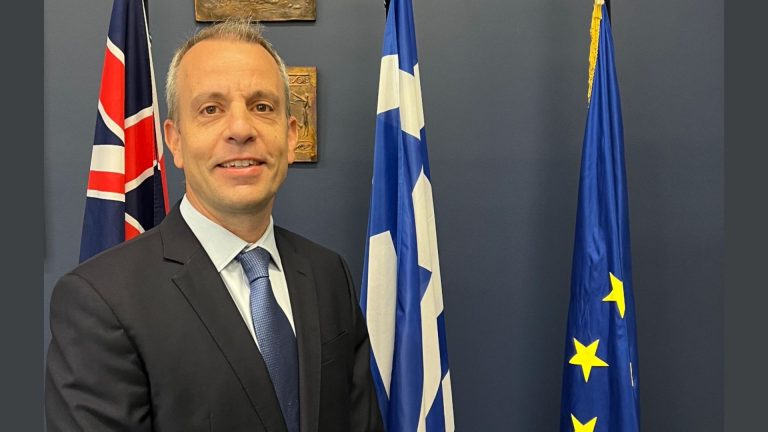
“Perhaps the only negative is that I have not been able to bring with me the weather of Cyprus, where I served for the last four years,” says the recently appointed Consul General of Greece in Sydney, Ioannis Mallikourtis.
In his first interview after he was appointed to the role nearly a month ago, Mr Mallikourtis speaks about his career evolution, thoughts on how he plans to face challenges brought up by the pandemic and his favourite things about the homeland.
TGH:Mr Mallikourtis, welcome to the Antipodes. Australia is home to one of the most important and dynamic parts of the Greek Diaspora and the community in Sydney is particularly active. What is your first impression and how do you feel being here?
I am excited to be here and to be able to serve one of the most dynamic sections of the Greek diaspora. My first impressions are only positive. What has fascinated me is that Australian Greeks have successfully integrated into Australian society while preserving their heritage, culture and language. They are equally proud of their origins but also of their new homeland.
TGH: You served in Cyprus before coming to Sydney. What are your thoughts on the Cyprus Problem?
I arrived in Cyprus in September 2018, that is, the day after the Crans Montana conference, when no negotiations were in progress. Since then, Turkey and the Turkish Cypriot leadership have put forward the unacceptable position of the two-state solution, which is contrary to a series of Security Council resolutions and international law.
For its part, Greece is a pillar of stability in the Eastern Mediterranean, participates with Cyprus in trilateral cooperation schemes that contribute to the maintenance of peace and security in the region and supports the solution of the Cyprus problem on the basis of the parameters of the United Nations, the requirements of international law and the judicial principles and values of the EU, in which the two countries also participate.
In addition, as the Prime Minister of our country recently stated from the podium of the United Nations General Assembly, the international community should not ignore the illegal actions of Turkey to impose fait accompli on the ground and especially in Varosia, but also the new and repeated violations of the maritime zones and the airspace of the Republic of Cyprus.
TGH: What has been your favourite diplomatic post so far and why?
I have served in chronological order at the UN in New York, in Amman – Jordan, at the UN in Geneva and, as I mentioned above, in Nicosia, with intermediate stations of course at the Central Service in Athens. Each post has its beauty and peculiarities. I’d say all the posts gave me something.
Despite this, professionally, I believe that my tenure in New York, which coincided with Greece’s two-year tenure as a non-permanent member of the UN Security Council (2005-6), and my tenure as deputy head of the Embassy of Greece in Cyprus were probably the richest in experiences.
You know, to a Greek diplomat, Cyprus brings out a lot of emotions. As Seferis said when he visited in the 1950s, “from here one feels Greece (suddenly) spacious, wider”. Especially for me who has family ties to the island.
TGH: You resumed your duties in a period after an unprecedented pandemic where the demand for services has increased. What are the challenges you are facing and how do you plan to overcome them?
During the pandemic, two main phenomena arose that reduced the volume of work of the Consulate General. On the one hand, international travel was significantly restricted (so, what is the reason for a passport for Greeks and what is the reason for visas for citizens of third countries) and, on the other hand, the physical presence of citizens in public services was banned or even restricted for a long time.
So, attendance at the Consulate General was reduced. From the moment we are now moving to the post-COVID era, it happens, by contrast, exactly the opposite. The demand for services is growing. This increase is undoubtedly a challenge for the Consulate General, all the more so that the staff has not been increased.
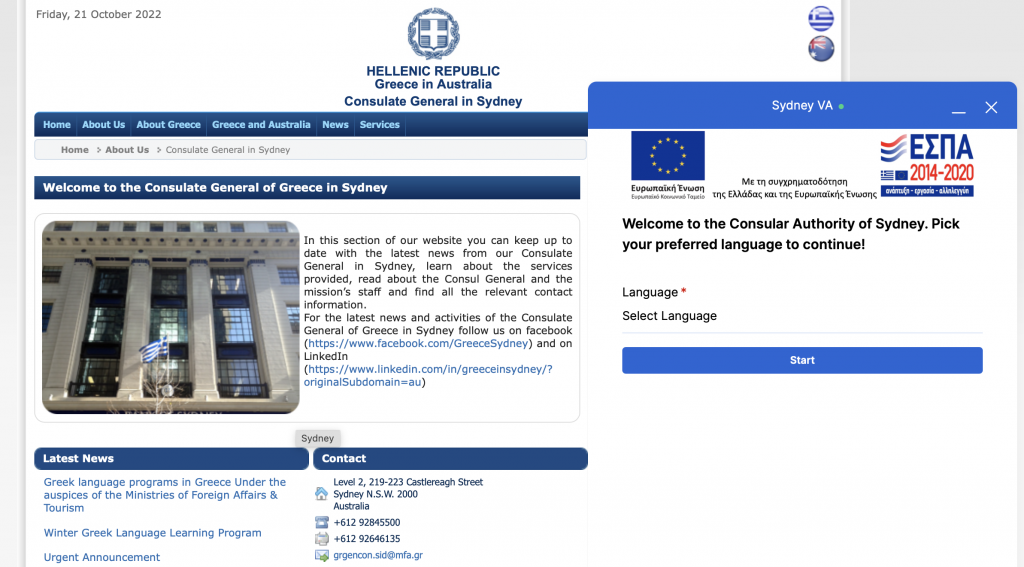
So the challenge for us at the Consulate General is to be able to cope, using technology as well. For example, since the summer the system of the virtual assistant for the services of the Consulate has been in place. This tool, which is located on the main website of the Consulate, answers the basic questions of citizens on a number of consular issues.
For example, I want to see what documents are required to renew my passport or what the procedure is to issue a certificate of permanent resident abroad etc. I don’t need to call. I can find this information through the virtual assistant application.
TGH: The retention and maintenance of the Greek language is a pressing issue for the diaspora. What are your thoughts on this matter?
I think you are raising one or perhaps the most crucial issue facing the diaspora, both in Australia and elsewhere.
In the first place, as I have not even three weeks in the post of Consul-General at Sydney, I do not think I am then most qualified to give an opinion on this subject. I think it will take time to draw informed conclusions. However, in the form of preliminary considerations, I will note the following: on one hand, to demand and be disappointed because the third generation of Australian Greeks does not speak as well as their grandparents is unrealistic. The language weakens over time, all the more so that English is a steamroller. On the other hand, the objective conditions in Australia for the preservation of the language are favourable, which is not the case elsewhere on the planet, where there is Hellenism.
In Sydney, as you know better than I do, there are three Greek schools of the Holy Archdiocese of Australia, at the same time Greek is taught in the Greek Orthodox Community of NSW Afternoon Greek Schools, public schools and in tertiary education.
At the same time, a flourishing and dynamic homogeneity with economic surface is present. Thus, the objective conditions and resources for the preservation of language exist. And for now I will stop here because, as I said, it is still premature to draw conclusions on this matter.
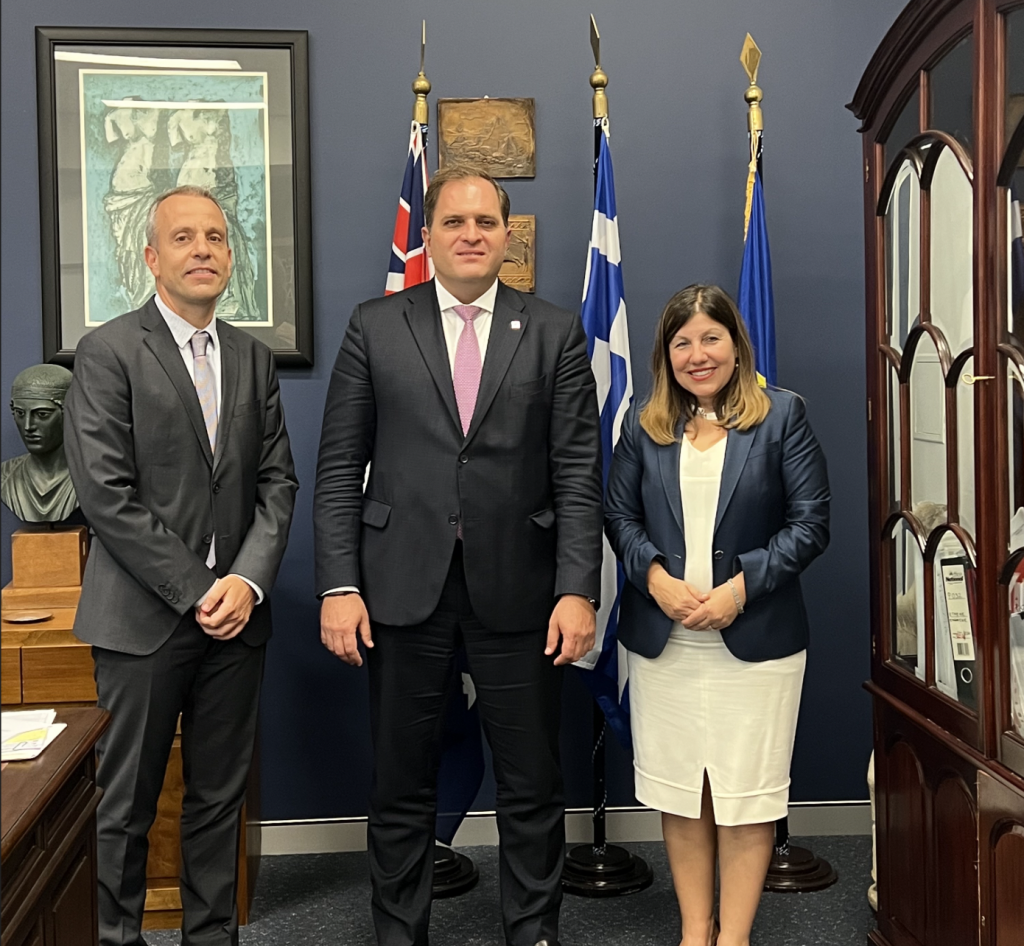
L to R: Consul General of Greece in Sydney Ioannis Mallikourtis, Governor of the Independent Authority for Public Revenue (IPRA) Giorgos Pitsilis and NSW Labor MP Sophie Cotsis
TGH: Greece wants to attract more foreign investors and Australia is high on the list. What improvements can be made in your opinion to facilitate this? What are the latest developments in the double taxation agreement between Greece and Australia?
The issue of concluding a double taxation agreement was discussed with Australia during the recent visit of the governor of The Independent Public Revenue Authority, Mr. Pitsilis, to Australia. Discussions continue and we hope for a happy outcome.
The conclusion of this agreement, when completed, will be beneficial both for our expatriates and for those who wish to invest in our country. What needs to be understood in this regard is that in Greece there is an investment environment that favours foreign direct investment. The statistics speak for themselves.
In 2021, foreign direct investment reached 5 billion euros, compared to 2.8 billion euros. in 2020, recording a record largest inflow of FDI since 2002 . Similarly, for this year the figures are particularly encouraging.
TGH: When you think of Greece what are the five first things that come to your mind?
My loved ones, those I lost and those who are alive. The blue of the sea, the abundant light that always fills you with optimism. Its history as I come from a family that always discussed and reflected on Greek history and, finally, the sounds of a summer lunch on my mother’s island, Kefalonia, where I spent all the summers of my childhood.
TGH: What is your message to Sydney’s Greek diaspora?
I have already been in this position for almost three weeks, and many are commemorating some of my predecessors for their contribution. Each of them put a stone in it. The kind words I hear about them are, I think, the ultimate reward.
What I want to say to the Greeks of Sydney is that they will not hear big words and promises from me. Let’s set a few goals and achieve them together, for the benefit of the Hellenism of Australia.
In my part-time work here in Greece, I have come across a sweet occurrence. While inspecting properties, many tell me that they are considering buying for their daughters. Some of these girls are still toddlers, while others are in their early 20s.
These parents are enacting the old tradition of proika (προίκα, in Greek) or dowry – in English, in the form of a substantial gift of property in this case, for their daughter(s), in lieu of her eventual marriage. I should be so lucky I thought, as I didn’t get any proika, but with our hard yakka, luckily my husband and I managed to accrue our humble abode.
A more chatty client, a mother looking to secure her daughter an abode in the form of an apartment, confessed: “I want to help my daughter, and also protect her in case her husband turns out to be no good.”
In such a scenario of a partner gone wrong, the wife (with the proika) gets to keep the house outright. The ‘bad husband’ is sent on his merry way, as she waves goodbye to him tearfully or not, as he himself perhaps decided to flee from the marital union.
Proika, which comes from the Ancient Greek word pro + ikneuomai, meaning to come before (the wedding), has often been interpreted differently to that of a ‘sweet occurrence’ that I interpret. Many say proika (which was actually entrenched in Greek law in the past), deemed a woman a material possession. In the not so distant past a ‘decent’ proika included, apart from a house, money – English gold coins (lires) or plots of land and even livestock.
It is noted in various documentations of the proika custom, that many grooms-to-be (and their families), demanded a high price for the dowry, or the marriage would just not happen. Such cold-hearted calculating was often an acceptable agreement or business transaction, as more often than not such jaunty bargaining grooms (and their families) wanted to match or increase their own familial wealth. In such cases love fell by the wayside, as the marriage union became an issue of socio-economic practicalities and/or status.
Historically, the proika institution got to a point where wealth was accruing in a few families only, whereby in the 6 century BC, the Athenian statesman Solon banned all dowry deals. Enacting it in law, he replaced corrupting proika with a more modest form of it: A woman’s proika was to be 3 garments and a few household items.
In fact, in more Ancient Greek times, it was the man who gave the proika to his bride to be, as stated in the Iliad during the heroic 12 century BC period. In order to become a worthy suitor, a man had to prove his prowess in hunting, agriculture, athletics, art/culture and in bravery, like the Argonauts and Trojan warriors. Only then could he take a wife, consequently offering her gifts such as gold, property and farm animals as his show of his merit as a husband.
Meanwhile, and all the while, our great philosophers Aristotle and Plato, considered proika barbaric and uncivilised. Nonetheless, in the 1 century AD the Roman emperor Augustus had a patriarchal turn and re instigated bride to groom proika, which continued into the Byzantine and Asia Minor culture and beyond, into modern Greece … until 1983. This was when Prime Minister, Andreas Papandreou of PASOK banned proika outright in codified law.
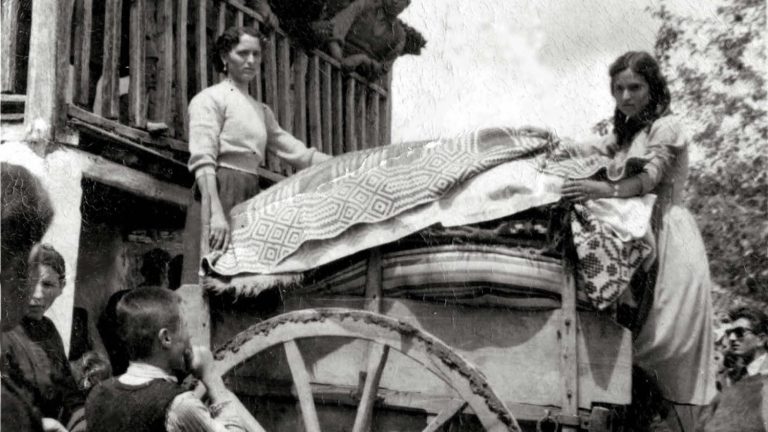
The proika institution throughout the ages had put much pressure on families of the bride, particularly if they were poor or had more than one daughter. This proika tradition was so deeply entrenched in our Greek society of the previous century that it was the reason for some of our Greek migration histories to Australia. Young men who had sisters would migrate, not only to Australia but to the USA and Canada for example, in order to make money to help their families in Greece with the dowry.
There are also cases of Greek women migrating afar – to Australia, etc, due to the proika dilemma. These women were from poor families of often many daughters, whose parents could not afford to give them the often dreaded proika.
And of course, not all men were proika-hounds! Those truly noble men who wanted their girl without proika would often be discouraged from marrying her by his family and surrounding community, as it was considered disgraceful. I know of such a case from a village in Lefkada, where the bride and groom eloped and came to Australia, making their own way in the world – kudos to the ‘new world’ for providing ample employment as a ‘lucky’ country back then.
Today proika rituals still exist among Greek Australians in Australia (apart from in Greece). I have heard of girls being gifted a house or help with the deposit on a house. But economic constraints (as well as a minority of our parent’s generation who disregard this custom), nonetheless see many of us (second generation Greek Australians) having a μπαούλο (baoulo) – a glory box.
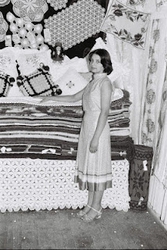
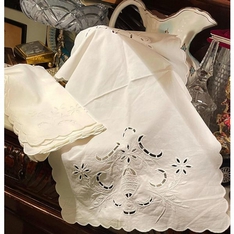
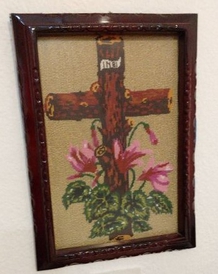
Like me, being the proud owner of a baoulo too! A gorgeous, rosewood one with Asiatic-scened carvings encompassing an exotic brass lock. In it my mother would shyly and discretely add homewares like beautiful, excellent quality tablecloths and sheet sets and some of her gorgeous embroidery work to be framed.
I wasn’t allowed to peer inside my baoulo (a bit of a Pandora’s box before marriage I guess), but me being cheeky and curious, did so very briefly and quickly.
And many, many years later I still recall that beautiful, red and white, unusually patterned, blanket on top of the other hidden treasures which I didn’t have the time or courage to thoroughly investigate. My mum must have brought this hand woven, woolen blanket from her village – in that one suitcase (that proverbial one suitcase all our parents refer to as their sole accompaniment on their trip to the Antipodes).
So, I revert to and correct my reference at the beginning of this article of not getting any proika. I did get proika; of the best and most soul-full kind, straight from my mother’s or grandmother’s heart. Stuff that is priceless these days, in our mass produced, commercialised world where things aren’t intended to last for long – let alone for a lifetime like my precious proika. Thanks Mum.
Eleni Elefterias has spent most of her professional life combining her passion for music and writing to connect with a younger generation of Greeks.
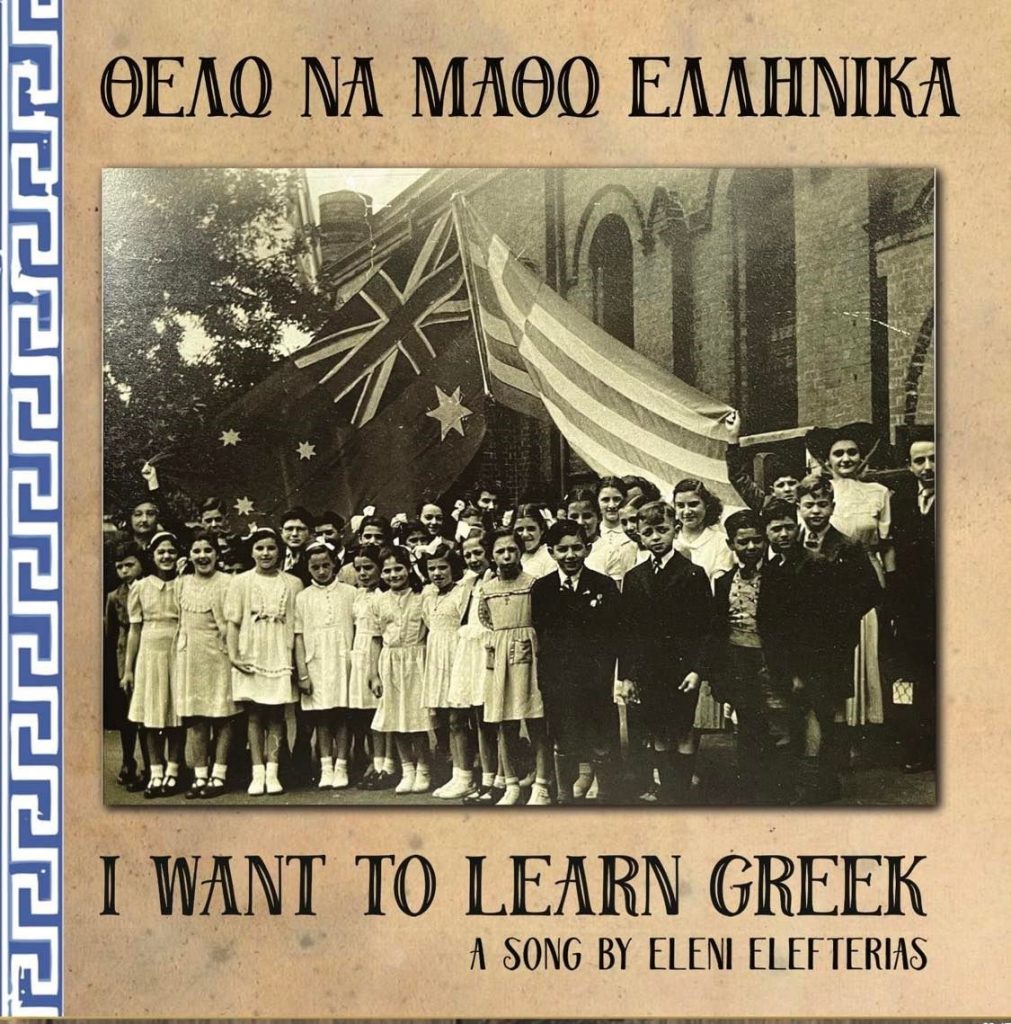
In fact, she’s written three bilingual books, My Grandmother is a musician, When will you play with me?, and I want to learn Greek, which teach the Greek language to youngsters regardless of linguistic background and cultural heritage.
Ahead of the launch of these books on Saturday, November 19 at the Kids Bilingual Book Fair from 1pm, Eleni tells The Greek Herald about her journey to writing these books and why they’re so important.
1. Tell us about your journey to writing.
I suppose best to accentuate my experience as a teacher of Modern Greek both at High School and University level and my experience in Community Languages teaching, where I got the idea to create my own resources for young children learning Greek. The books are for children but also for parents from mixed marriages who can read the books in English or via transliteration (Greeklish) even if they do not know Greek. I also believe that my musical skills and ability to write lyrics enhance my books.
2. What prompted you to write the books My Grandma is a musician, Who will play with me? and I want to learn Greek?
With the My Grandmother is a musician book, I created a song to break the stereotype of the Greek grandmother and to show girls that women can be anything they want to be. It can be used in the teaching of occupations and pastimes for children from the ages of 6 plus. Though it seems like a simple book it actually has some difficult words not often found in children’s Greek bilingual books that tend to regurgitate the same words used in alphabet books again and again. The book comes with a QR Code from where the song is accessible.
My second book, When will you play with me?, was specifically created for the 2-to-5-year old’s and is a subject they can relate to. A young boy asks all the members of his family to play with him but they are all busy except his puppy. There is a positive surprise ending after all. This book also has a QR code with a slow bilingual reading of the book by myself. It even includes some pages with vocabulary and pictures at the back and I ask the children to repeat the words after me after the reading.
The two books above were written with a lot of thought and planning as to structure, language, age of child and educational development.
The third book is actually a song I wrote during my teaching of HSC students. The song is about my own memories of going to Greek school, which I hated at the time for the very reasons I mention in the book.
3. What do you hope these books achieve?
Money is never an incentive for me to create, whether it is a book or a song or to teach Greek. I love the language and am saddened that many people of Greek background do not teach their children Greek, or teach them basic Greek only, yet they keep other parts of the culture very much alive, such as the religion.
For me if the language is lost then we lose all the beautiful literature, the meaning in the songs, our identity. You do not have to be Greek to learn Greek. It is the heritage of the whole of the western world. It is up to us to keep the flame alight and pass it on one way or another.
4. What is next for you?
At the same time as the I want to learn Greek book is being launched, we will also launch a music video of my arranged by Felicia Harris, my partner in musical ventures. I am a song writer but Felicia is a trained musician and puts choirs together and often sings with me. We collaborate on all things musical. I also want to mention the musician Sotiris Prokopiou who plays baglama in My grandma is a musician. The tune is mine but without him it would not have been possible.
Many friends, creatives, artists and performers have come together to create this music video that was filmed by author, creative and My Grammatakia publisher, John Nikolakopoulos.
My next book is called Whose Song is this?Shared Culture in the Balkans and Greece, an academic work based on a documentary film of the same name which I have written about. It is a compilation work that is due to be released by the end of the year, hopefully.
5. Is there anything else you’d like to say?
I used to run the ZOUZOUNAKIA Greek program for toddlers to learn Greek and paid from my own pocket. We now have a great program at the Bilingual Bookshop (which I helped to start), called MELISSAKIA run by Katerina Vetsikas as an alternative to Greek school on Saturdays.
Luckily, I have wonderful friends who always help out and with the support of The Greek Herald, one of the oldest and still the best Greek newspapers and the one I grew up with as my parents read, I am very thankful.
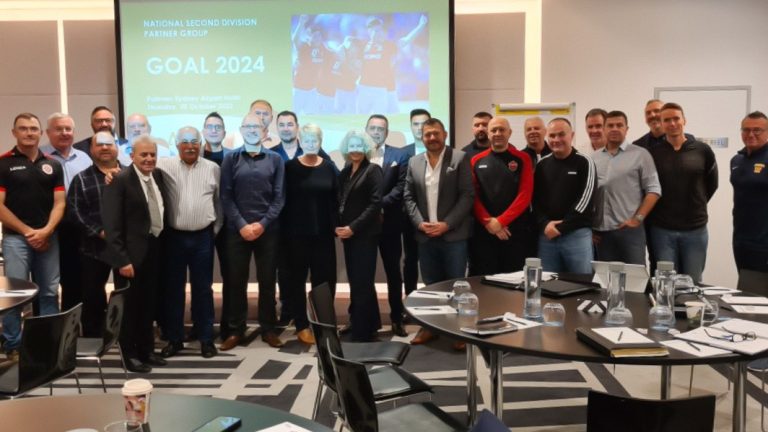
In a unifying atmosphere, representatives of the Association of Australian Football Club’s (AAFC) National Second Division Partner Group met on Thursday in Sydney, making final decisions as to the commencement of Australia’s National Second Football Division in 2024.
Representatives from football clubs across the nation took part in the meeting at the Pullman Hotel in Mascot, Sydney.
Amongst those in attendance was AAFC chairman, Nick Galatas; Sydney Olympic FC director, Lawrie McKinna; South Melbourne FC President, Nick Maikousis; Club Marconi Head of Football, Terry Palapanis; and Newcastle Olympic manager, Christos Patsan.
According to the AAFC, the members in attendance expressed their hope that the new division will commence in 2024.
In its first three years of operation, teams will not face relegation, due to the large financial outlay in joining the division. The league will commence with 12 teams, with the hope of increasing it to 16 by its third year.
5 years after AAFC delivered its first NSD Report and advocated for a NSD, our clubs remain unified and continue their work making it happen.
NPL clubs from across 🇦🇺 are in Sydney today to consider FA’s recent presentation and to provide unified feedback.
At the conclusion of the meeting, Mr Maikousis told The Greek Herald that he was satisfied with the unity of the delegates and the decisions that were made.
“It was a productive meeting. We will meet next with Football Australia and I hope that soon we will have the official announcement of the Second National Division, which will be accompanied by the operating model and the participation criteria.”
Mr McKinna from Sydney Olympic also told The Greek Herald he was satisfied with the meeting and said “I am absolutely confident that the National Second Division will start in 2024 and in all likelihood it will be in the summer.”
“Of course Sydney Olympic would like to participate and will submit an application for participation when asked by Football Australia,” Mr McKinna added when asked about the future of Sydney Olympic in the Division.
“Sydney Olympic is a historic club and its place is in the major divisions of Australian Football. We are not the only ones asking for it, the representatives of the clubs who were at the meeting also expressed it to me. They want Sydney Olympic in the National Second Division and that is positive for our club.”
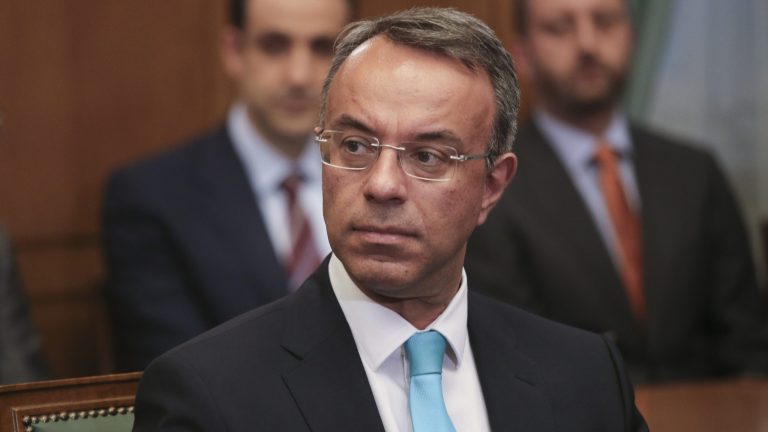
Greece’s Finance Minister, Christos Staikouras, has announced that the nation will strive to expand its network of Double Taxation Avoidance Agreements (DTAA) with Australia.
Thursday’s announcement came during the ratification of Greece’s agreement with France to eliminate double taxation of income tax and the prevention of tax evasion and tax avoidance in Parliament.
A DTAA is a treaty between two countries where income earned by an individual in one country is not fully taxed by both countries and the tax paid in one country is offset against the tax liability in the other country.
In essence, individuals and businesses are provided with greater tax certainty which is thought to encourage increased economic integration through foreign investment and trade.
Pointing to the network extension, Staikouras said it would develop economic relations with Australia and Japan, whilst also contributing to “peace, stability and security,” more broadly.
In relation to the new bilateral agreement with France, Staikouras underlined that it provides a framework of security for economic actors, citizens and businesses, “and it can act as a driver for economic development, not only for the benefit of the two countries, but of the EU, and indeed in an unstable international environment, characterised by successive, overlapping crises and major challenges.”
At the time, the Australian Embassy in Greece said: “Heralding new trade and investment opportunities and improved tax efficiency for people who share their lives between Australia and Greece, the Double Taxation Agreement, once concluded, will be another important marker of the thriving bilateral relationship.”
Two centuries of democracy in Australia is being celebrated with a wide and exciting range of events marking the establishment of the nation’s first parliament, the New South Wales Legislative Council, with a much-anticipated Royal visit in 2024 promising to be a highlight.
It was during the first Royal Tour to Australia in 1954 that Her Late Majesty Queen Elizabeth II paid a visit to the NSW Parliament and christened it Australia’s “Mother Parliament”.
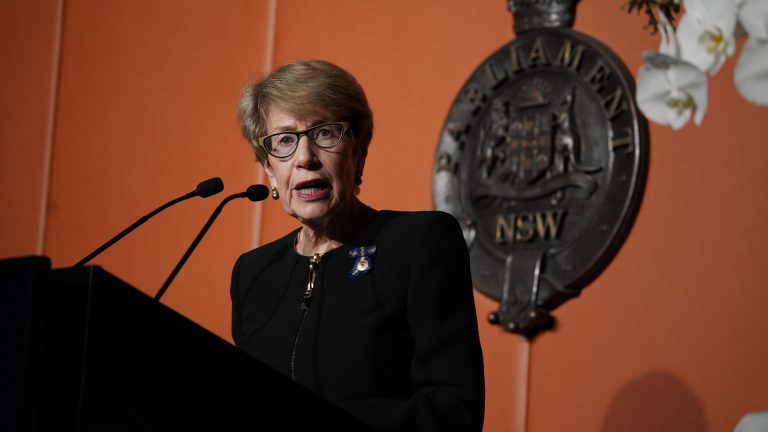
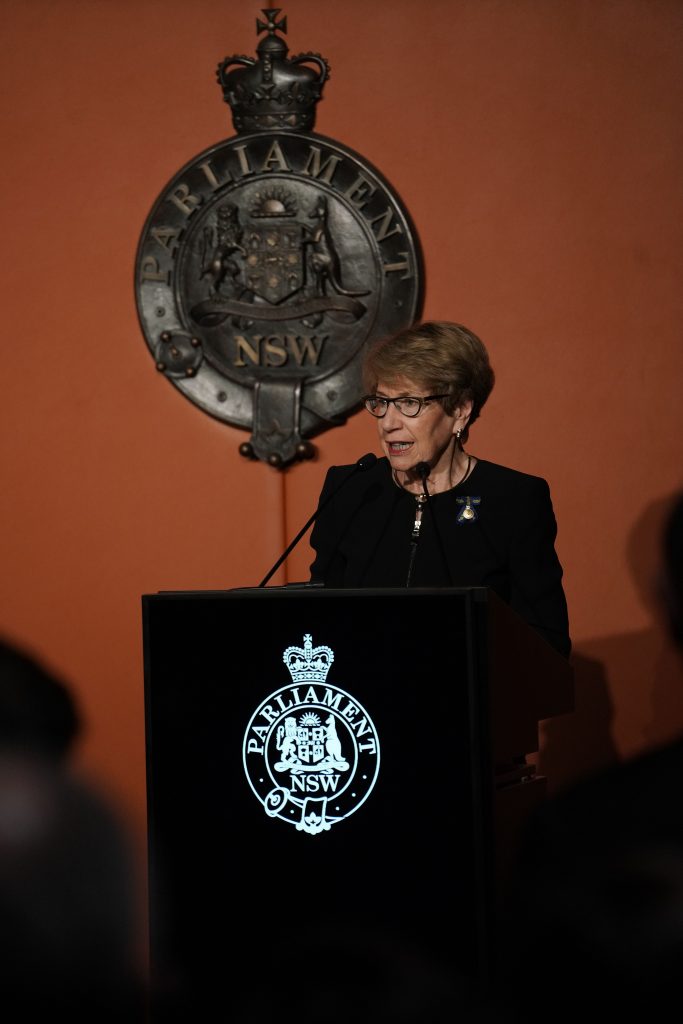
Patron of the Bicentenary Her Excellency Margaret Beazley AC KC, Governor of NSW, today officially launched the program of unfolding events commemorating the Bicentenary of the NSW Legislative Council, offering the community the chance to engage with and learn about the state’s rich parliamentary history and the evolution of democracy in Australia over the last two hundred years.
“The establishment, in 1823, of the Legislative Council as the first legislative body in Australia was to have defining and profound impacts,” Her Excellency said. “In celebrating the Bicentenary of the Legislative Council, we celebrate its role in our parliamentary democracy, as required by s5 of the NSW Constitution: ‘to make laws for the peace, welfare, and good government of New South Wales, in all cases whatsoever.’
“As Patron, I am delighted to launch the Official Program of events for the Bicentenary of the NSW Legislative Council.”
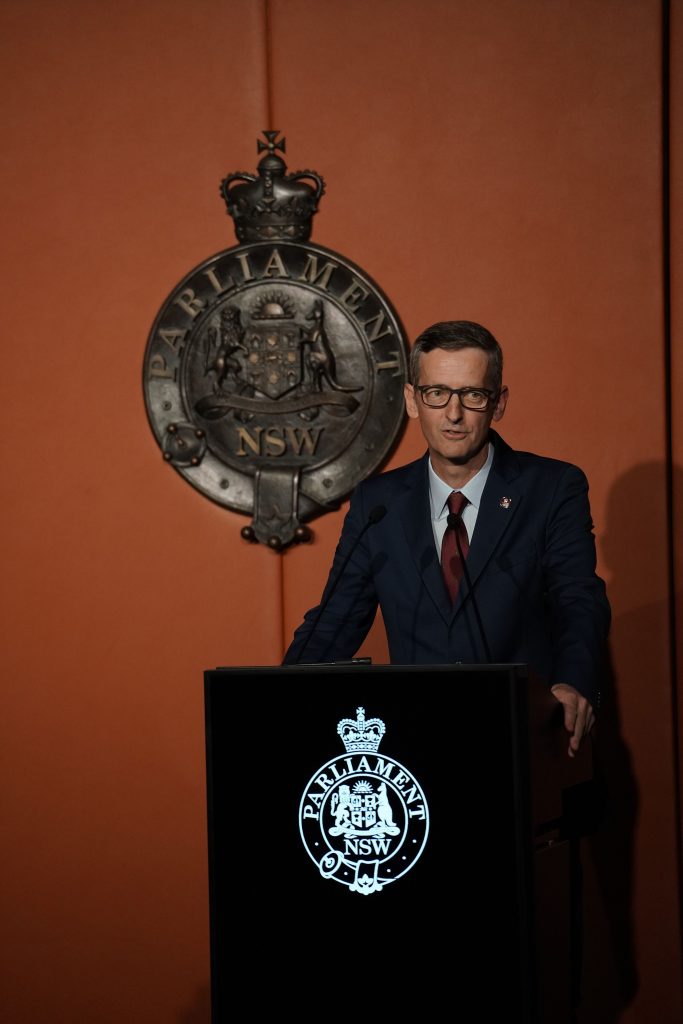
President of the NSW Legislative Council Matthew Mason-Cox said of the establishment of the Legislative Council 200 years ago: “This was Australia’s magical Magna Carta moment, the first restraint on the autocratic power of the early Governors that has evolved into Parliament as we know it today.
“We want the citizens of NSW to join us as the NSW Parliament, the mother parliament of Australia, proudly reflects on its past, whilst looking forward to an even more compelling future.
“Our exciting series of events means people right across the state can help celebrate the Bicentenary, with the momentum building up to and throughout 2024,” said Mr Mason-Cox.
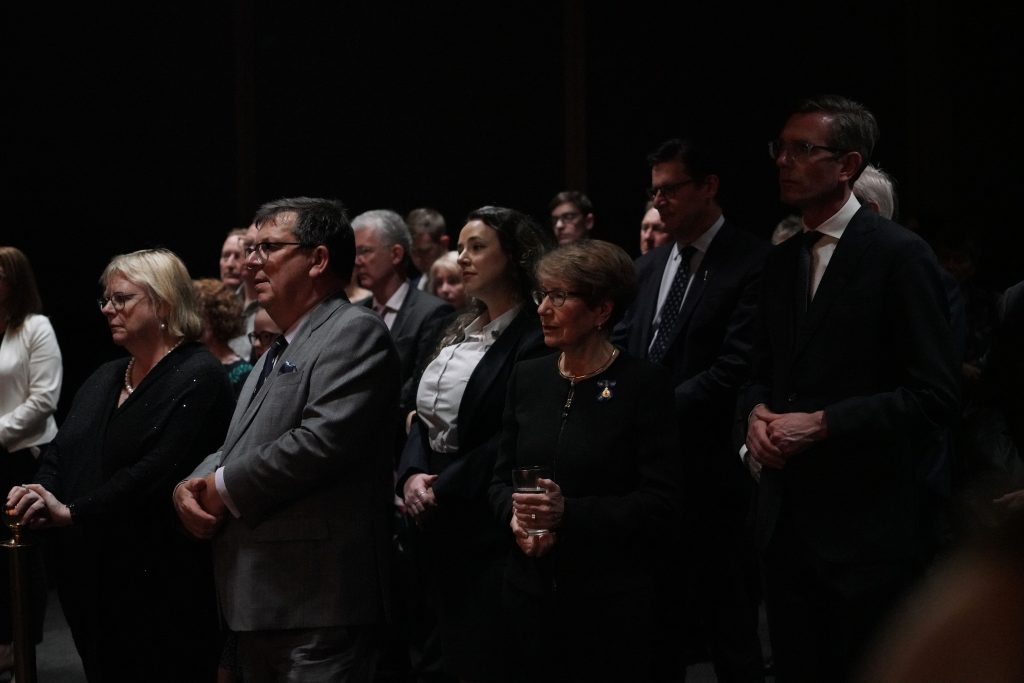
Special guests at the Bicentenary launch.
Besides a much-anticipated Royal tour in 2024, other events include:
Sydney being the venue of the prestigious 2024 Commonwealth Parliamentary Conference, the world’s largest parliamentary gathering, attracting more than 750 delegates from 53 countries and providing NSW with a major economic boost;
A major travelling exhibition taking Parliament on the road to regional and rural venues throughout the state, with a special focus on educating primary and secondary school students on our democratic history;
The establishment of a Young Aboriginal Leaders Program, providing an opportunity for future Indigenous leaders to learn about parliament, government, and the legal and financial systems;
The appointment of Bicentenary Ambassadors – a group of eminent Australians who will promote the program of events;
The appointment of Youth Ambassadors representing organisations such as Scouts NSW, Girl Guides NSW, Police Citizens Youth Clubs NSW, The Duke of Edinburgh’s International Award, the NSW Youth Advisory Council and the NSW Regional Youth Taskforce;
The commissioning of a major Aboriginal artwork for Parliament House, to mark the relationship that exists between Aboriginal people and the Parliament as we look toward the future;
Re-enactments of historic events, including a commemorative opening of parliament and others relating to the evolution of the NSW Legislative Council;
Public seminars involving respected academics and experts, delving into colourful characters, stories, and events from the birth of the Legislative Council;
A special Parliamentary Oration series, where eminent speakers will discuss the challenging issues confronting our democracy.
A special Parliamentary Oration series, where eminent speakers will discuss the challenging issues confronting our democracy.
Another major initiative of the Bicentenary will be the renovation of the Rum Hospital, the oldest public building in Australia, opened in 1816 by Governor Lachlan Macquarie and now home of the Parliament of NSW.
While the Bicentenary of the first meeting of the Legislative Council itself falls in 2024, the program of commemorative events leading up to the actual anniversary is already underway. Details of these activities will be made available at www.parliament.nsw.gov.au/bicentenary. The Legislative Council’s Facebook page will also keep the community up to date with the latest Bicentenary news: www.facebook.com/nswupperhouse.