According to the latest census by the Australian Bureau of Statistics, Greek remains the top Southern European language used at homes in Australia. Despite a decrease in recent years, over 200,000 people continue to speak Greek.
To mark International Greek Language Day today, The Greek Herald spoke with both Greek and non-Greek students from across the nation to share why they choose to learn the language.
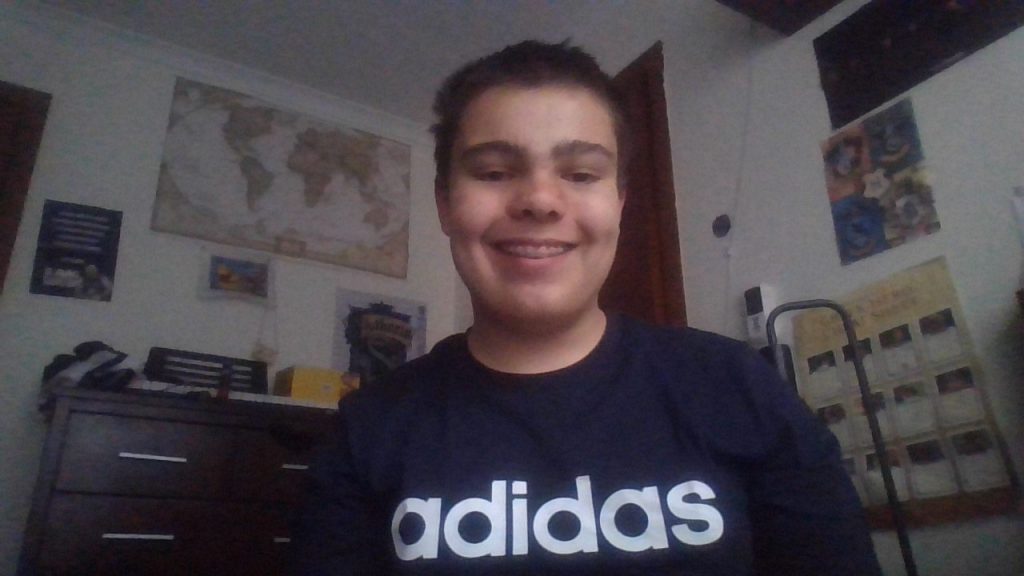
Theodore Williams, 15 years old
School: Greek Community of Melbourne Language and Culture Schools
Theodore Williams.
I study the Greek language because it is a beautiful language and I have never heard such an amazing language before. All the grammar and punctuation make sense and there is nothing quite like learning a new language. I also learn Greek to communicate with my relatives who, because of the language barrier, I have never had the chance or the opportunity to talk to.
Learning the language of my family makes me feel in touch with my own culture and I feel happy being able to learn about myself through the language. Greek has always been a passion of mine ever since I was very young when I was with my grandparents, who only spoke Greek and I wanted to communicate with them. I am always learning with my fellow students and teachers, which I enjoy.
I would strongly recommend studying Greek as an additional language in order to communicate to other human beings, and as it is easier than most languages. If you are Greek and don’t speak the language, learning the Greek language will help you strengthen your connection to your homeland, your ancestors and your history.
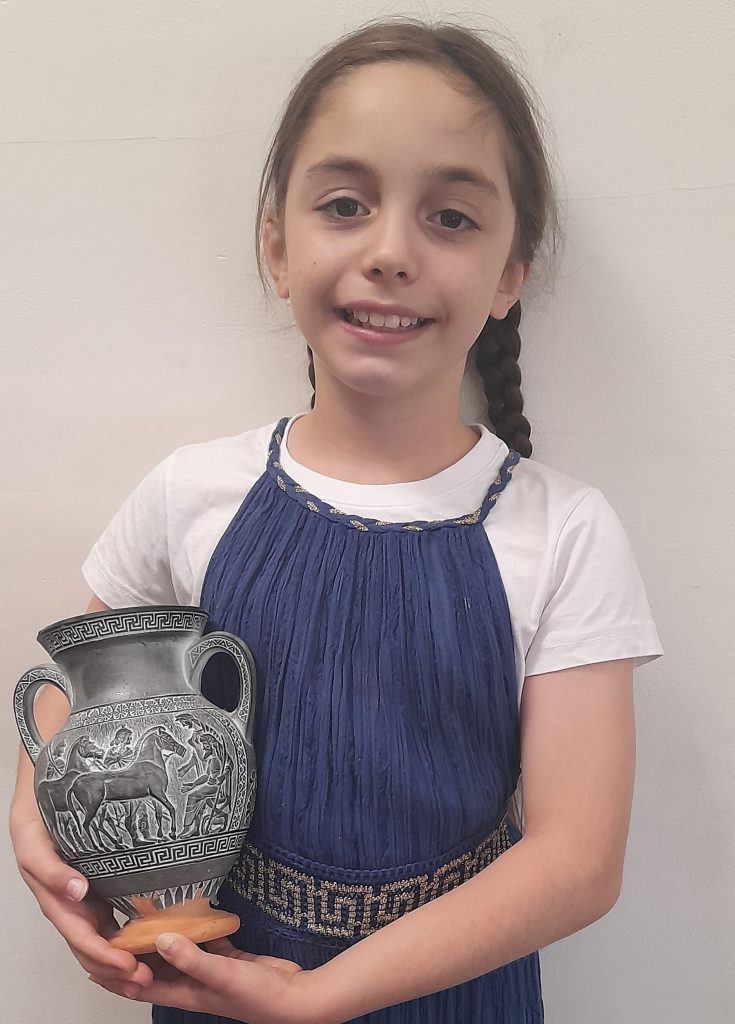
Athina Karanasios, 8 years old
School: Clemton Park Greek Language School, Greek Orthodox Community of NSW
Athina Karanasios.
I love learning Greek because I am Greek and it’s very interesting. I enjoy being able to speak with my grandparents in Greek and to my Greek friends. I find that because I speak Greek it is also easier to understand hard English words. We need to keep learning the language and keep speaking to each other in Greek to keep the language alive.
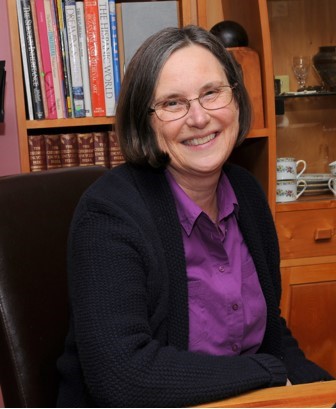
Dr Katherine Barnes, 71 years old
School: Greek Orthodox Community of Canberra
Dr Katherine Barnes.
I started learning Greek at the Canberra Hellenic Club in 2010. I was writing a book about my father-in-law Tom Barnes, who led the team of engineers that blew up the Gorgopotamos railway viaduct near Lamia in late 1942. We were going to Greece before I started the classes, so I did an introductory Greek course on CDs. As a result, I could ask lots of questions in Greek but couldn’t understand any of the answers!
It’s challenging to learn a language with only two hours a week, and Greek is quite hard. But somehow, having fun studying the language and culture with the rest of the class, and making friends along the way, I got to the stage where I could go into the kafeneion in a little Greek village way up in the mountains where Tom had lived during the war, tell his story in Greek, and see the excitement among the men.
My book The Sabotage Diaries came out in 2015, but by then I was in love with the Greek language so I kept it going. I’ve learnt heaps from our current teacher, Adonis Kechagias. It’s fabulous to have a group of friends who love Greece and Greek as much as I do, and it’s great to be able to practise my Greek with Australians of Greek heritage.
Brendan Hawke, 37 years old
School: Hellenic Learning
Brendan Hawke.
I started to study the Greek language because I married a Greek woman and wanted to strengthen my relationship with her family. Then we had a baby and it was to help my son take pride in his heritage and to be able to share the language with him. Since starting classes with Hellenic Learning, I now study Greek because I enjoy learning it and am able to better understand English through its Greek roots. I’m a primary school teacher and it has also helped me to explain spelling rules and Maths concepts more clearly to my students. Overall, it has been a satisfying and rewarding experience.
‘If Mohammad won’t go to the mountain, then the mountain must come to Mohammad’ is the best way to explain the Greek Community of Melbourne’s (GCM) latest initiative, according to Board member Dr Nick Dallas who oversees education matters.
“I’ve been involved in junior soccer at Greek clubs through my children for so many years, and it’s always astounded me how so few of the young players of Greek background go to Greek school. It’s not like there has to be a choice, one or the other, both can be pursued,” GCM President, Bill Papastergiadis, added.
Maria Bakalidou, the Principal of the Community’s Schools, highlighted that “one of our primary missions is to expand and facilitate access to Greek language learning to everyone in Victoria. I’m really excited about this novel and radical initiative.”
This is modern day reality, parents are sending their children to so many extra-curricular activities after school (dance, sport, music, tutorials) that both children and parents get overwhelmed, and as the demands of a particular activity get greater, eventually an activity is dropped.
Too often it’s language learning as it’s not being prioritised by parents. Sport often involves 2-3 weekday evenings of training and matches on the weekend. Throw in another activity and the week becomes quite hectic.
This is an issue that has been on the radar of the GCM for several years as it’s always looking at new initiatives to stem the attrition of Greek language enrolments. One might have a theoretical concept but how do you actualise it? How does one come up with an execution strategy that will both viable, sustainable and easy to execute?
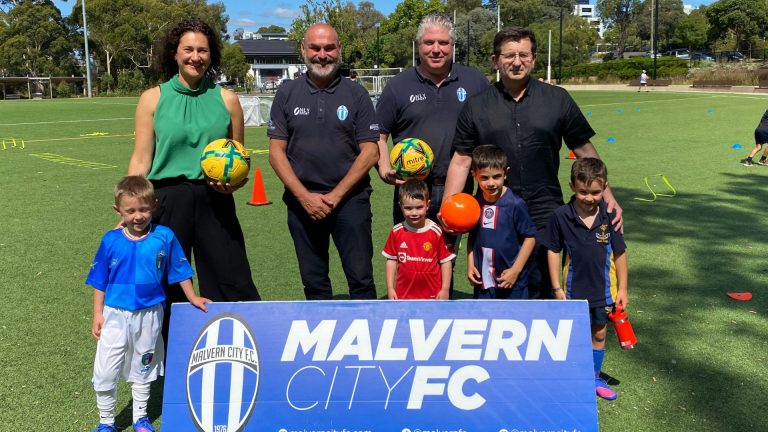
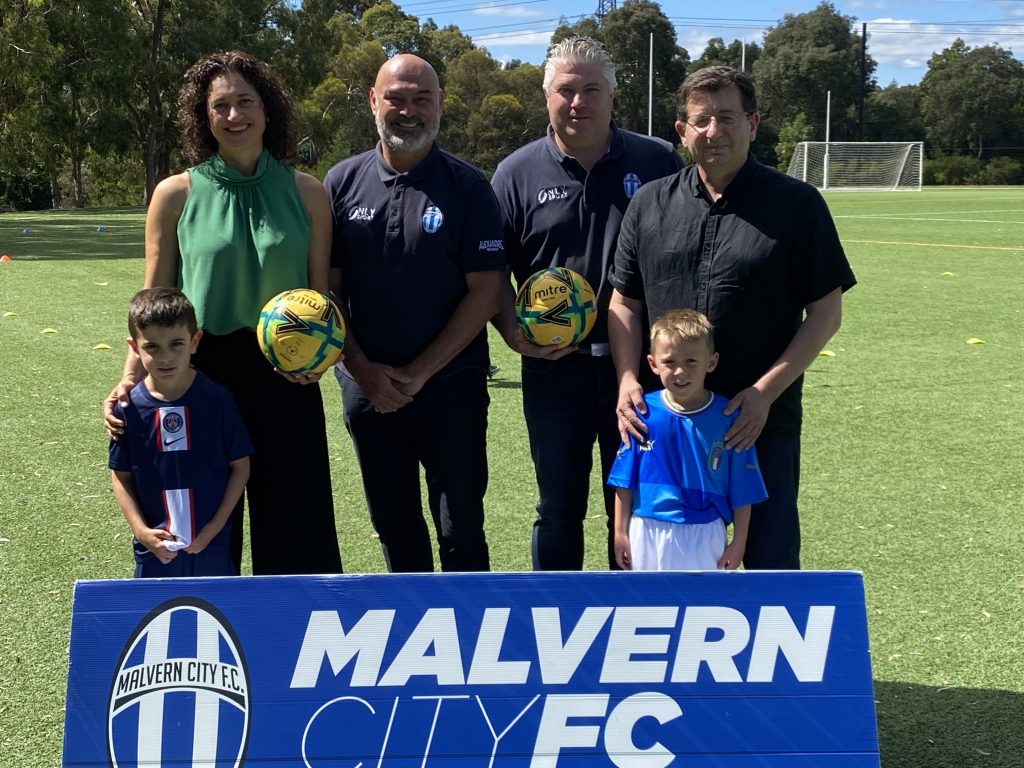
The GCM believes it has found a solution and will be commencing a pilot program in the next few weeks. It has teamed up with Malvern City Football Club, a club with over 500 junior players, to test the waters.
Participation by the players is voluntary and the club has received sufficient encouraging feedback from parental questionnaires to proceed. The football club will flip its change rooms to classrooms and expose its junior players to 40-50 minutes of Greek language learning before or after training commences.
Malvern City FC technical director, Strati Xynas, said: “We’re really excited about this development and partnering with the GCM. My philosophy has always been about developing the whole player not just football skills.”
“It’s important for us to maintain our culture and roots, and this is an innovative partnership that makes so much sense on many levels. Families find it so hard to find time to fit everything in during the week,” Mr Xynas added.
“Community engagement is of paramount importance to us, and we do want to offer a point of differentiation to parents. It’s a great initiative and keeps Malvern FC at the forefront of football in Victoria,” Malvern President, James Ballas, concluded.
Greek language students returned to classrooms last week, days before International Greek Language Day on February 9.
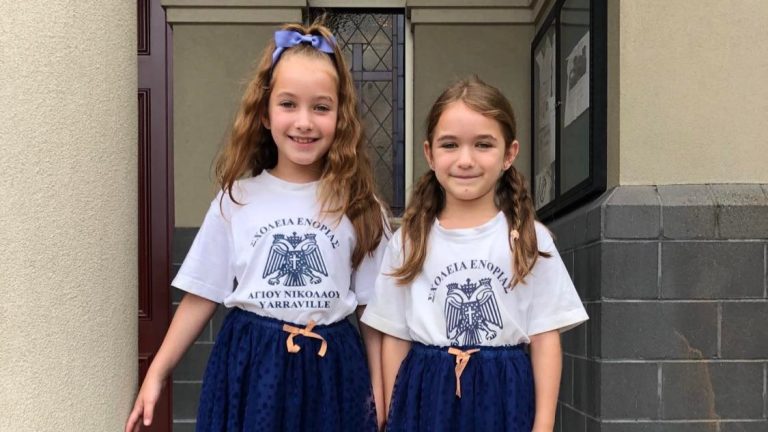
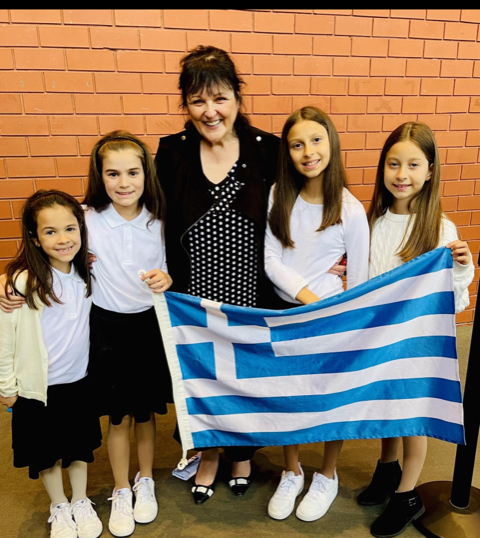
Zoyee Kartalis enrolled her daughters, Aliki and Sophia, for another year. Despite their resistance, she does all she can to instil a love of Greece and rudimentary knowledge of the language. She remembers her own experiences as a young girl, when she spent Saturday mornings learning the Greek language while her friends played netball and socialised.
“Growing up, there were times I absolutely hated going to Greek school, but it wasn’t until I turned 20 and went to Greece myself that the penny dropped,” she said.
“I could navigate my way around Greece with ease and was grateful for learning the language. I want our girls to be aware of the language, rich culture and history associated with all things Greek.”
Unlike Zoyee, Aliki and Sophia, have less opportunity to hear and practice Greek, but with “perseverance and patience” the family celebrate each small victory in their language acquisition.
“Maintaining the Greek language in our household is a challenge as both my husband and I grew up in Australia and English is our first language,” Zoyee said. “We spoke to our parents in Greek, but as the older generation is dying out, it is being used less.”
The Kartalis family continue to persist however many others have given up altogether, finding the struggle too much to bear in the downward trajectory of languages spoken by established migrant groups, such as Greek and Italian.
Fight to save the Greek language
American linguist Joshua Fishman said the US was the “graveyard of languages,” but it’s a phrase that could easily apply to Australia as well. Though 425,000 people declared they were of Greek ancestry and 41,000 claimed to be Cypriots in 2022, only 229,643 of those could speak Greek. This marked a 3.4 per cent drop from 237,583 Greek language speakers in 2016 and 263,487 in 2001.
University of Melbourne Language and Literacy Education Professor Joseph Le Bianco told The Greek Herald, regardless of heritage, it takes three generations for many migrant families to lose the languages they come with. He said the decline of Modern Greek is currently at “emergency levels.”
Much has changed since 1987 when Professor Lo Bianco wrote the first Multilingual National Language Policy in an English-speaking country. There’s not been a policy since then.
Key Greek language stakeholders in Victoria stepped in where government has failed and created the Pharos Working Party in April 2021, a beacon of hope (pharos means lighthouse in Greek).
The Modern Greek Strategic Plan discussion paper, commissioned by the Modern Greek Teachers’ Association of Victoria (MGTAV) with the collaboration of Professor Lo Bianco, aims to turn around the situation with various initiatives to address current needs.
MGTAV Vice-President, Anita Kolaitis, told TheGreek Herald that “the first thing everybody can do, is to familiarise themselves with this Plan, and work out how they, as individuals, families, workplaces, schools, organisations, etc, can support our efforts.”
The three overarching ideas of the Strategic Plan are: (1) build capacity (the current focus); (2) create opportunities; and (3) foster desire.
Professor Lo Bianco points to several positive outcomes of the Pharos Process and as an example of the power of coordination, he points to the Greek community’s collective efforts to keep alive the Modern Greek program at La Trobe University – a huge win.
There’s more to come and the Pharos group is “waiting on a date to meet with the government.”
“We have a program of activities for this year, including promotion, publicity, fundraising, teacher education, professional development, but we need more funds. So far, it’s a voluntary effort,” Professor Bianco said.
But is it too late? To be able to implement the Plan, we need students and teachers.
Dwindling teacher numbers
Dr Maria Gindidis, Senior Lecturer of the School of Education Culture and Society at Monash University, points to a teacher shortage across the board in Victorian schools, including for mainstream subjects.
Dr Gindidis told The Greek Herald that “actual teaching has been lost with all the other requirements” such as administration, evaluation, additional testing. For Greek language teachers it is even worse, with many being asked to take composite classes teaching two or sometimes three books per year. Oftentimes, they may have students for more than two years, meaning they can’t reuse the lesson plans from the year before.
“There’s a high burnout,” she said.
The shortage has caused some providers to seek solutions, such as paying teachers for time spent writing and sending out reports or creating their lesson plans.
Dr Nick Dallas, the convenor of the Greek Community of Melbourne’s Education Committee, said: “We’ve started a teacher mentor program and have taken previous high-performing Greek school graduates to train as teachers,” he said, adding that there is no “silver bullet solution.”
“We’ve also offered full time positions to many teachers so that they are more committed to the program.”
Georgia Nikolaidou, Executive Educational Consultant for the Greek Ministry of Education, is responsible for teachers on secondment from Greece to Melbourne. In its heyday, the program saw dozens of teachers come from Greece to assist in the preservation of the language in Australia and New Zealand, however these days there are nine in Oceania, and just two in Melbourne.
“We try and prepare them as much as we can before their arrival. We tell them what they’ll encounter at schools, where despite being fully trained and experienced as teachers, they can – by law – only work as assistant teachers at state schools. This means that their success depends a great deal on how they gel with the classroom teacher,” Ms Nikolaidou said.
Dr Gindidis also points to problematic textbooks offered by the Greek government for students abroad. She said they exceed the students’ current learning levels following generational language loss.
Dr Maria Gindidis with some of her students.
As head of Protypo language school, Dr Gindidis has taken the route of many other language schools and has created her own resources.
She has also campaigned to change what she believes to be “flawed” VCE exams for non-native Greek speakers in Year 12.
“If a child wanted to do French and picked it up in Year 7, they could finish in Year 12, and the Chinese have four VCE levels whereas all Modern Greek students sit for the same exam and it was until recently that they were marked in the same way regardless of their levels,” Dr Gindidis said.
“I created a change.org petition to improve the Modern Greek VCE which is not transparent, caters to high levels, and is in favour of recent arrivals from Greece rather than students who don’t have as much exposure to the language and rely on all they learn at school.”
Due to this, each year the numbers of students deciding to sit for the VCE keeps dropping, and Lo Bianco agrees with Dr Gindidis that work needs to be done to draw non-Greek VCE speakers. Last year numbers were under 200 and each year less than the one before.
Keeping children engaged
And what about Greek school? Everyone agrees that success won’t come unless children have an opportunity to practice what they learn at Greek school.
Dr Dallas said that parents are the “gatekeepers” of language. “Once we get them in then we’ve got more control and we can influence development,” he said.
Teachers can explain grammar but it falls on deaf ears without effort from parents.
“Convince the parents to speak Greek,” Dr Nikolaidou said when asked what can be done to salvage the Greek language. “It is difficult when people don’t feel secure in speaking the language. I already see this in my own daughter. She spends eight hours of her life in an English environment, but the language will be lost if I don’t practice Greek with her.”
Ms Kolaitis urges parents to create opportunities.
“Many students who decide to continue their Greek language learning journey do so because they feel the need to learn the language in order to communicate with family members, because some of their happiest memories within their families revolved around using the Greek language, because they knew it would make their families proud, or, quite simply, because they understood the value of it, having connected with the language at home,” she said.
Initially, it is hard to speak Greek when English slips off the tongue, however “it’s really just a habit,” said Ms Kolaitis. One tip she gives is to use the language during play.
“Doing this means that your child won’t be thinking about using another language. They will be thinking about playing,” she added.
“For parents who may need to brush up on their Greek themselves, just remember that every effort counts, no matter how big or small.”
Why even bother?
Dr Gindidis said that during COVID-19, the student numbers at Protypo fell from 600 to 400, and that was one of the lucky schools with others counting even more losses. Unfortunately, parents felt that the pressures of online learning were too great and gave up Greek altogether.
“Linguistic aspects are just one of the reasons to go to Greek school,” Dr Gindidis said. “The feeling of identity, our hybrid identity, culture and friendship with others are important factors. Children don’t just go to Greek school because of language. There is a kaleidoscope of other needs.”
Cultural knowledge and identity are also important, and inextricably wound up in language.
UNESCO states: “Every language reflects a unique worldview with its own value systems, philosophy and particular cultural features. The extinction of a language results in the irrecoverable loss of unique cultural knowledge embodied in it for centuries, including historical, spiritual and ecological knowledge that may be essential for the survival of not only its speakers, but also countless others.”
And that’s why on February 9 we learn Greek and celebrate the Greek language. In Australia, the day is marked with a return to Greek language school. Each family fighting its own battle for the Greek identity to linger in their household.
The Pharos Group invites everyone to harness this energy. To do something where governments won’t… collectively.
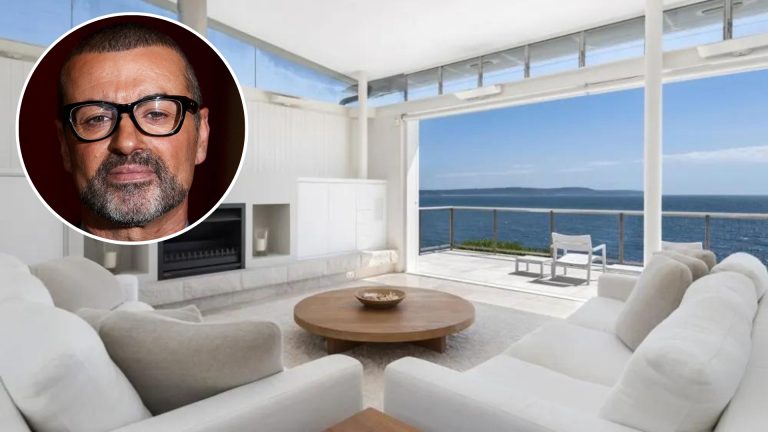
Back in 2010, George Michael, the late British singer known for hits such as Careless Whisper and Wake Me Up Before You Go-Go, toured Australia and fell in love with a cliff-front property at Sydney’s Palm Beach.
According to realestate.com.au, the five-bedroom property on Whale Beach Rd is now up for sale with a buyers guide of $15 million.
The Palm Beach villa on more than 600 square metres of land is on the point at Little Head, between Whale Beach and Palm Beach.
George Michael. Photo: tonedeaf.thebrag.com
The glass and steel capped pavilions, a series of fluid living spaces and stone flooring to the main living areas, are some of its characteristics.
Known to locals as George Michael’s house, records suggest the singer rented rather than purchased the property.
The star died in 2016 of heart failure aged only 53 after battling drugs and alcohol.
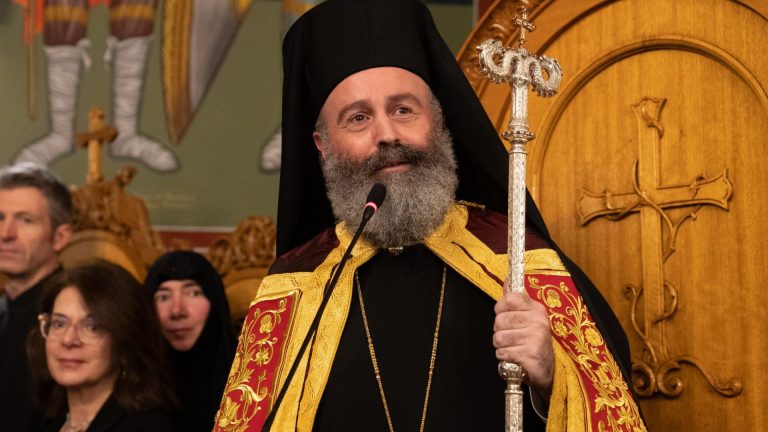
Archbishop Makarios of Australia has sent a message to mark International Greek Language Day on February 9.
In the message, he praised the role of the Greek language in humanity and called for Greek people to celebrate this day with pride.
Full message in English
“Look what a wonderful thing it is to consider that, from the time when Homer spoke until today, we speak, breathe and sing in the same language. And this never stopped, whether we think of Clytemnestra talking to Agamemnon, or the New Testament, or the hymns of Romanus or Digenis Akritas, or the Cretan Theater and Erotokritos or the folk songs.
Today, when, together with the memory of our national poet Dionysios Solomos, we also honour the greatness of the Greek language, let us look at another great poet born by our homeland. Giorgos Seferis invites us to turn our attention to a “wonderful thing,” which is not relegated to the distant past that is lost in the “night of the past,” but is in “the marrow of our bones.”
So aptly and in such a condensed way, he outlines the essence of what essentially constitutes a primary element of our identity: our Greek language.
The Greek language has been praised by numerous intellectuals and cultural personalities throughout the world because over the centuries it has been – more than any other code of communication and understanding – a vehicle for the expression of the human spirit and a driving force for the advancement of science.
It played a fundamental role in the establishment of European and international culture, and for that reason it has rightly been characterised as a universal language.
The Greeks of Australia, blessed to live in a multicultural society where we hear every day words that trace their origins to the language of our ancestors, we have more reasons to celebrate today with pride.
And it is this pride that gives us strength as we hold on our shoulders the great responsibility for safeguarding and promoting the precious treasure we have inherited.
It is this pride that allows us, despite the objective difficulties and the great distance that separates us from our beloved homeland, to keep our Greek language alive in the Antipodes and to systematically cultivate it, so that it is also a property of the younger generations.
The Greek Orthodox Archdiocese of Australia will not cease to maintain the power of its mission and its work, the operation of educational structures which, as modern “arks,” lead in saving the language, but also the traditions and all the values of our faith and race.
And this blessed purpose could not be achieved without the sacrificial ministry of our people – executives and volunteers of the educational institutions and the parishes-communities. On the occasion of today, I thank them from the bottom of my heart and may God always bless their works.
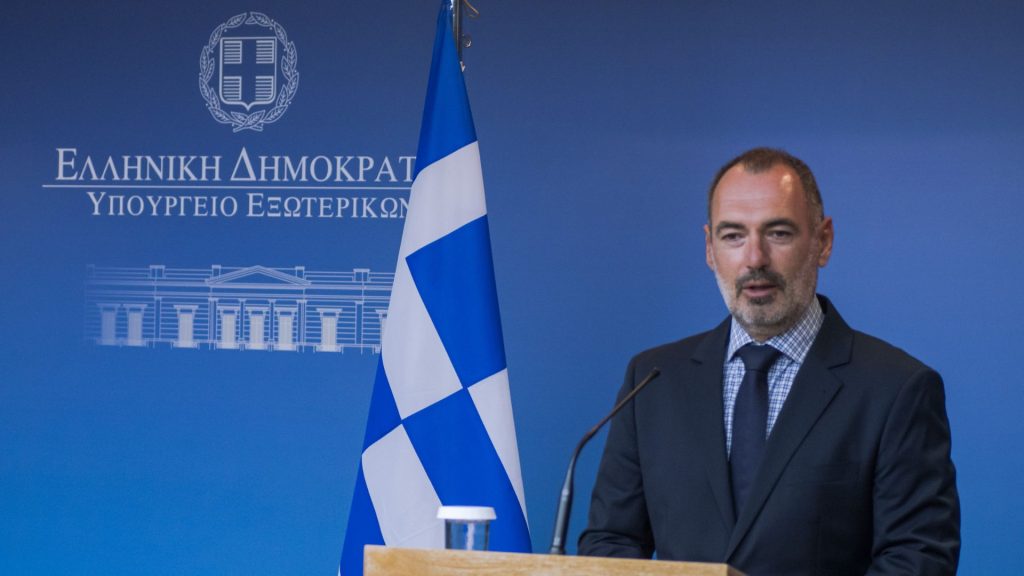
Greece’s Deputy Minister of Foreign Affairs, Andreas Katsaniotis, has sent a message to all Greeks abroad to mark International Greek Language Day today.
In the message, Mr Katsaniotis underlined the importance of the Greek language and said Greek people “are its guardians and proud protectors.”
Full message in English:
“(…)Look what a wonderful thing it is for someone to consider that, since Homer spoke, until today, we speak, breathe and sing in the same language(…)”
The words of the great Seferis are true…
From the “golden Mycenae” to the words of Homer and the great tragic poets, until today’s age of information, digital technology and social media, the Greek language is alive and active, producing history, culture and science.
During its long journey, our language was present when the Evangelists proclaimed in Greek the coming of Christ to the world, when distant Oceania was named after the Titan son of Uranus and Gaia. It was also present when Euclid’s of Alexandria ‘Elements’ was translated into Chinese as the first western book…
Greek is therefore a universal language, which followed a complex and fruitful path and continues, constantly enriched, in the modern world. Medicine and theology, technology as well as philosophy, all the fruits of the human intellect can fit in it.
Our language is that imaginary line that unites the ancient Greek way of thinking with today’s considerations. It is the key to understanding the modern world. It is a universal good, of high cultural value, which belongs to all of us. And we are the privileged, as communicators of a language with admirable timelessness and global echoes.
Greeks abroad, Friends of Greece in every corner of the earth,
Our language is our world. And we are its guardians and proud protectors, determined to continue speaking, thinking but, yes, also dreaming in Greek.
Spokesman for Cyprus Foreign Ministry, Demetris Demetriou, shared a tweet on Wednesday night announcing that Turkey had accepted Cyprus’ offer to send a rescue team for post-earthquake aid.
Turkey’s answer, which was made known via the European Civil Protection Mechanism, comes after an initial refusal.
“Thank you but we won’t take it,” was Turkey’s first response, according to the Director General of the Cypriot Ministry of Foreign Affairs, Kornelios S. Korneliou.
Η Κυπριακή Δημοκρατία 🇨🇾ενημερώθηκε προ ολίγου από τον Ευρωπαικό Μηχανισμό Πολιτικής Προστασίας ότι η η προσφορά της Κύπρου για αποστολή ομάδας διάσωσης έγινε αποδεκτή από την Τουρκία. pic.twitter.com/TgRlijnwrE
In an interview with Sigma Mesimeri and Kati Show, Korneliou also described the situation of Cypriots who are in Turkey, and specifically mentioned a group of students that seemed to be trapped in their hotel.
“Two Turkish Cypriots are not answering. The crisis management department continues to try and trace the fate of other Cypriots who are in Turkey but we have no other indication,” Korneliou said.
“As far as the volleyball team is concerned, we don’t have any updates yet. The occupying regime exclusively handles the issue of people who have moved to Turkey. There are currently 35 missing persons. Four have been found alive.
“There is the issue of non-recognition and it seems that in matters of natural disasters and human tragedies, the political position often prevails.”
Cyprus, which felt the 7.8-magnitude quake, immediately expressed readiness to contribute, assisting the work of Greece’s rescue team. The Cyprus Ministry of Foreign Affairs issued a statement on Monday, expressing its “deep sadness for the numerous victims of the earthquakes.”
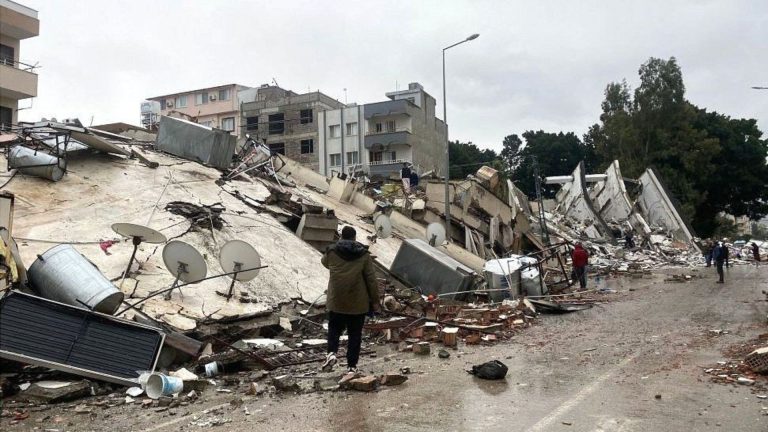
According to ABC News, the death toll from the earthquake has climbed past 11,500, making it the deadliest seismic event in more than a decade.
Tens of thousands of people remain missing in the rubble of buildings which toppled during the earthquake. Four Australians also remain unaccounted for,Nine News has reported.
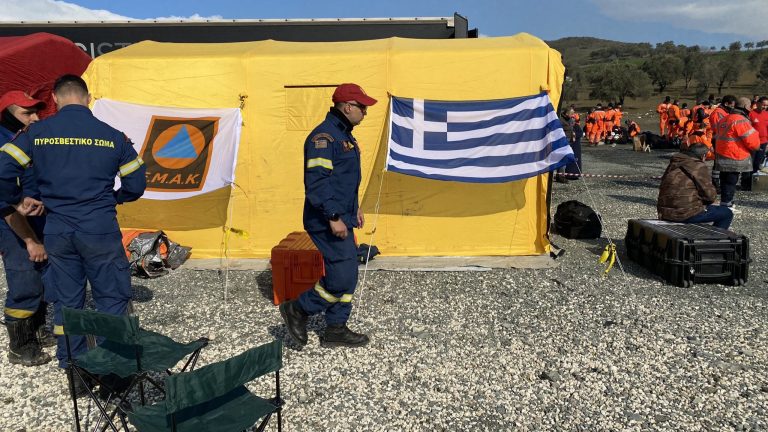
In response, Greece sent a second special disaster management team (EMAK) to the earthquake-stricken Turkish city of Hatay on Wednesday.
The Australian government has also moved to urgently provide humanitarian aid to Turkey and Syria. Australia has announced an initial $10 million in aid, as well as a search and rescue team of up to 72 personnel to Turkey to assist local authorities.
Young woman rescued by Greek team after six hour effort:
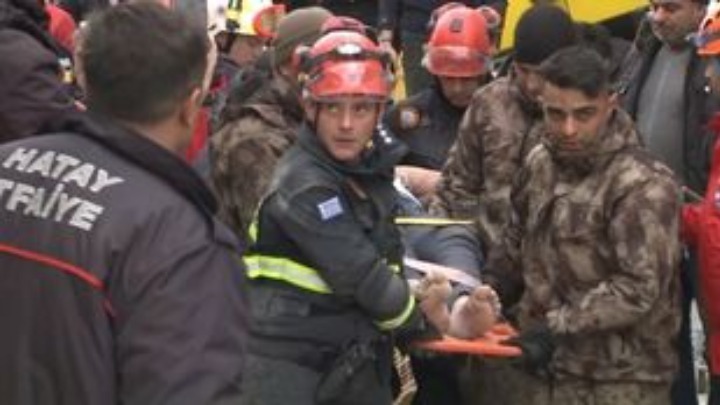
On Wednesday, the Greek EMAK team already in Turkey rescued a young woman, Irin, from the ruins of a building in Hatay.
Greek rescuers in Turkey.
According to AMNA.gr, the team members originally thought the calls for help were coming from a young boy trapped under his dead mother. The boy was found dead, and the young woman was further in the rubble, trapped by a concrete block.
The rescue operation had to be briefly interrupted when two aftershocks occurred.
Irin’s rescue took over six hours, with the rescue members holding her hand to reassure her. She was picked up by an ambulance.
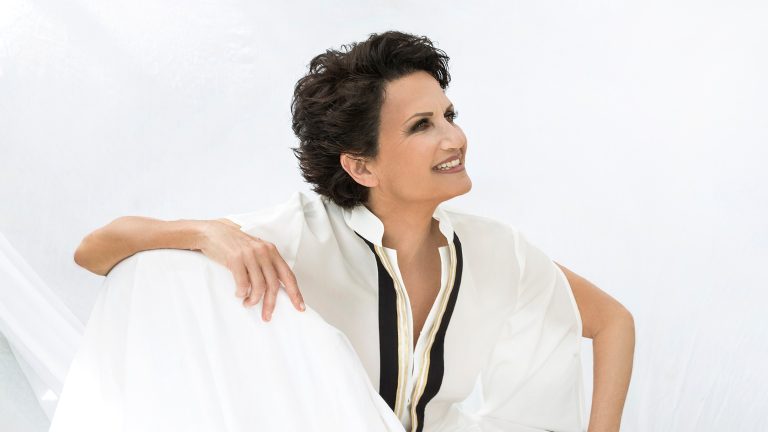
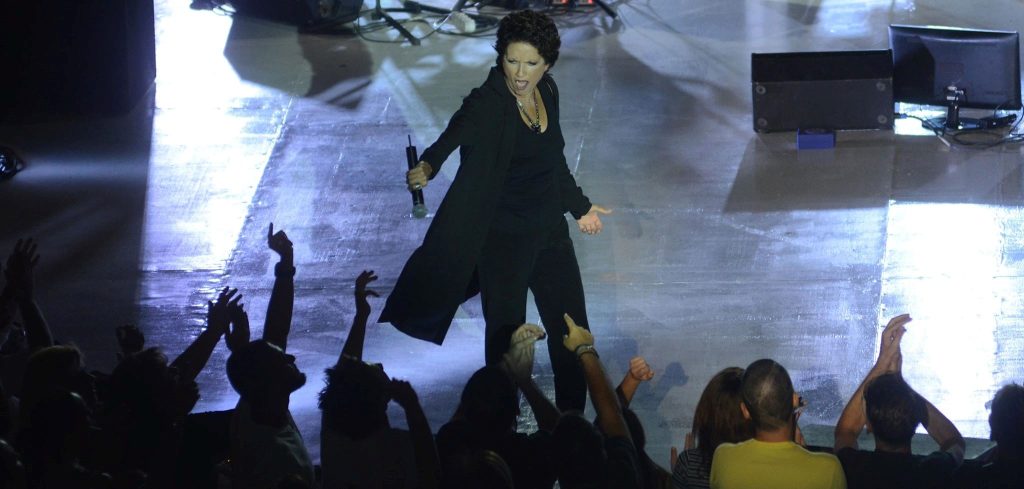
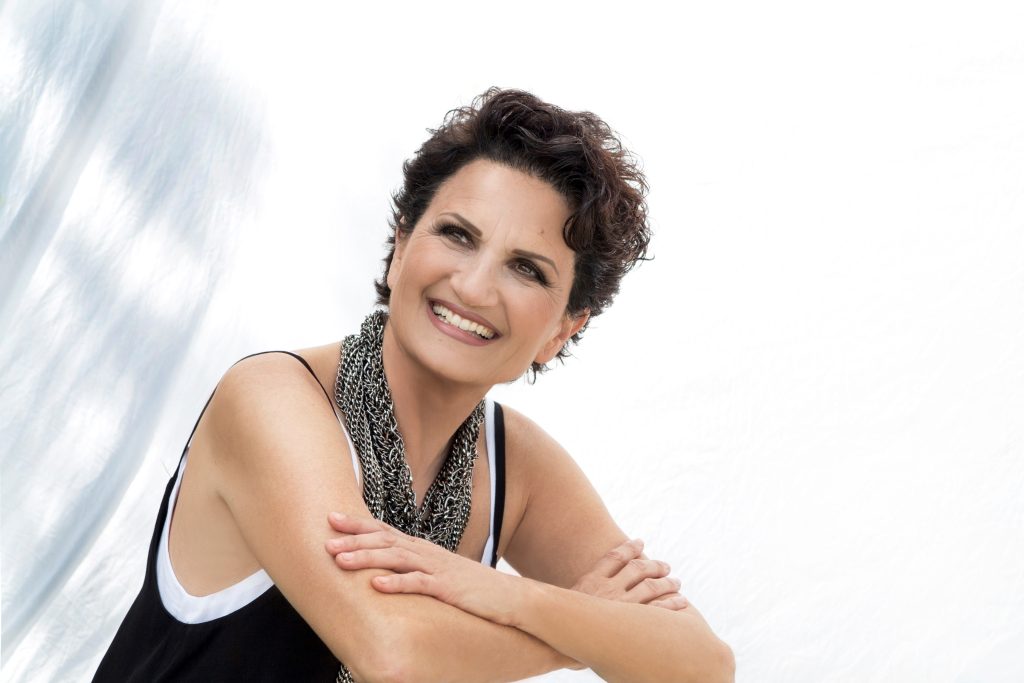
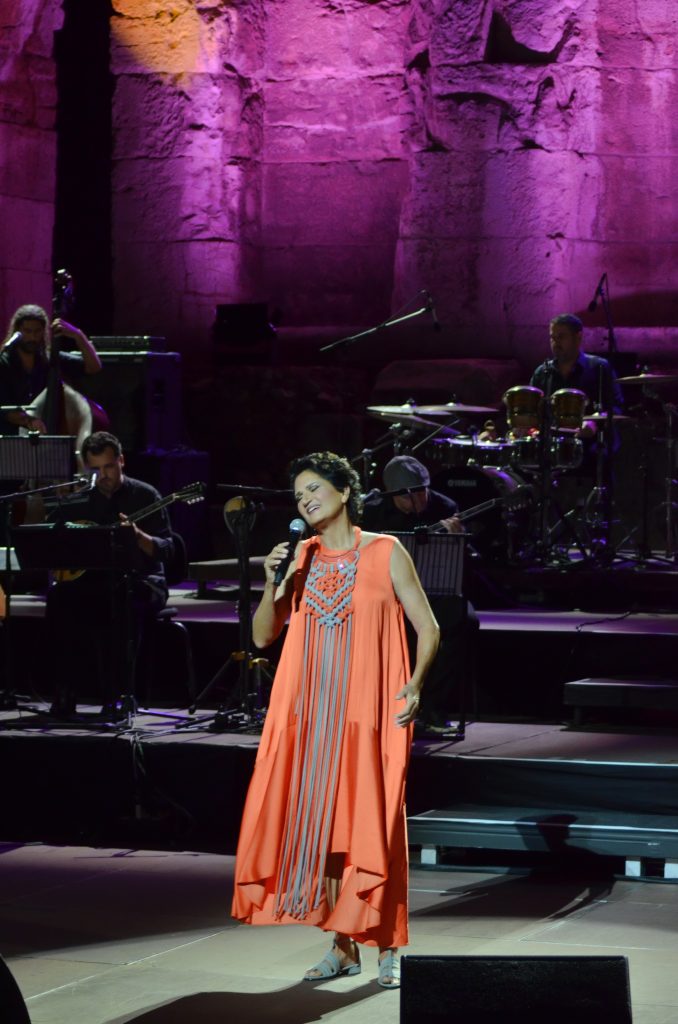
Alkistis Protopsalti – Just the name alone brings to mind a deep, recognisable singing voice and explosive stage presence.
Luckily for Greeks across New South Wales and Victoria, they will be able to witness Alkistis perform live this month as she arrives Down Under to appear at the Greek Fest Darling Harbour in Sydney and the Antipodes Festival in Melbourne.
Ahead of her arrival, The Greek Herald sat down with the singer to hear about how her upbringing influenced her professional career and she also sends a message to Australia’s Greek community.
What inspired you to become a singer?
Music was everywhere in our house. My mother Maria had a wonderful voice and she was singing all the time in the house. She had a better voice than me. My father Stavros was playing piano – whenever he had some free time – and my grandfather Giannis played the violin. There were magical moments that I remember until now. Later in school and especially in high school, I was in charge of all the parties. I had a guitar and I was singing always during school trips. But I also had a great love for sports.
I was running as an athlete in the 100 metres and 400 metres under the umbrella of Panionios, but at last I decided to follow my heart which was full of music. Through song I learned how to express my feelings and lure the audience into the magical world of music.
You were born in Egypt to Greek parents. How has this upbringing influenced your music?
I was born in Alexandria, Egypt and at the age of 6 we returned to Greece. The family and relatives were divided. Some of my uncles travelled to Australia and the rest of them went to America. Luckily my parents decided to return to Greece. I didn’t have time to feel the local music because I was very young.
What has been a highlight of your career so far?
I will tell you the four most important to me.
First of all, the closing ceremony of the Olympic Games in Greece in 2004. Singing at the closing ceremony was really an awesome moment which I will never forget in my life. Secondly, the concert at an open theatre by the Tagus river in Portugal. On stage with me was the director, Dimitris Papaioannou. It was an amazing experience. An extremely cold day with very strong winds. Unforgettable!
Also amazing was the concert at the theatre in the Forbidden City of Beijing where I experienced unique moments. At last our concert in Cuba, in Havana where I had 12 encores. What an audience!
You are returning to Australia this year to attend Greek festivals in Sydney and Melbourne. How do you feel to be returning?
I feel wonderful. I love Australia. I love it because it is a unique country, with beautiful weather and lovely people. I also love it because in that country you can find Greeks who have dreams, who have touched the future of themselves and their children. I love the Greeks of the diaspora because they always do things that connect them with the motherland. We are talking about the third, fourth generation, but still if you see their eyes you understand that there is the Greek sparkle. I think that the nostalgia, the passion and the Greek hospitality is following the new generations too.
What can people expect to see from your concerts?
In these concerts the audience will listen to the best of my career, but also the well known songs of great Greek composers such as Theodorakis and Xarchakos. It is a rainbow of musical colours from Greece. Together with five soloist musicians making fire we will come all together as one huge hug.
Do you have a message for the Greek community in Australia?
I will dedicate to the audience the title of one of my songs Ki imaste akoma zontanoi (We Are Still Alive). I wish them health and all their dreams to come true. I want them to pick their life up from where they left it because of COVID-19 and move it forward. Be grateful for every second of life. I look forward to seeing you.
In December 2022, two chefs opened a Greek-inspired brewpub and restaurant in the Queensland rural suburb of Forest Glen to support local businesses, residents and restore local tourism.
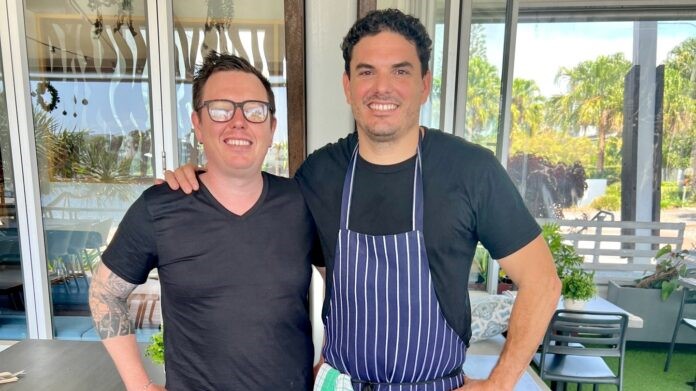
Adrian Chrisanthou and Craig Hall spoke to the Sunshine Coast News about the opening and said the reception from locals and tourists has been “really good.”
“We’re doing it for the locals. That’s really important,” Craig told the newspaper.
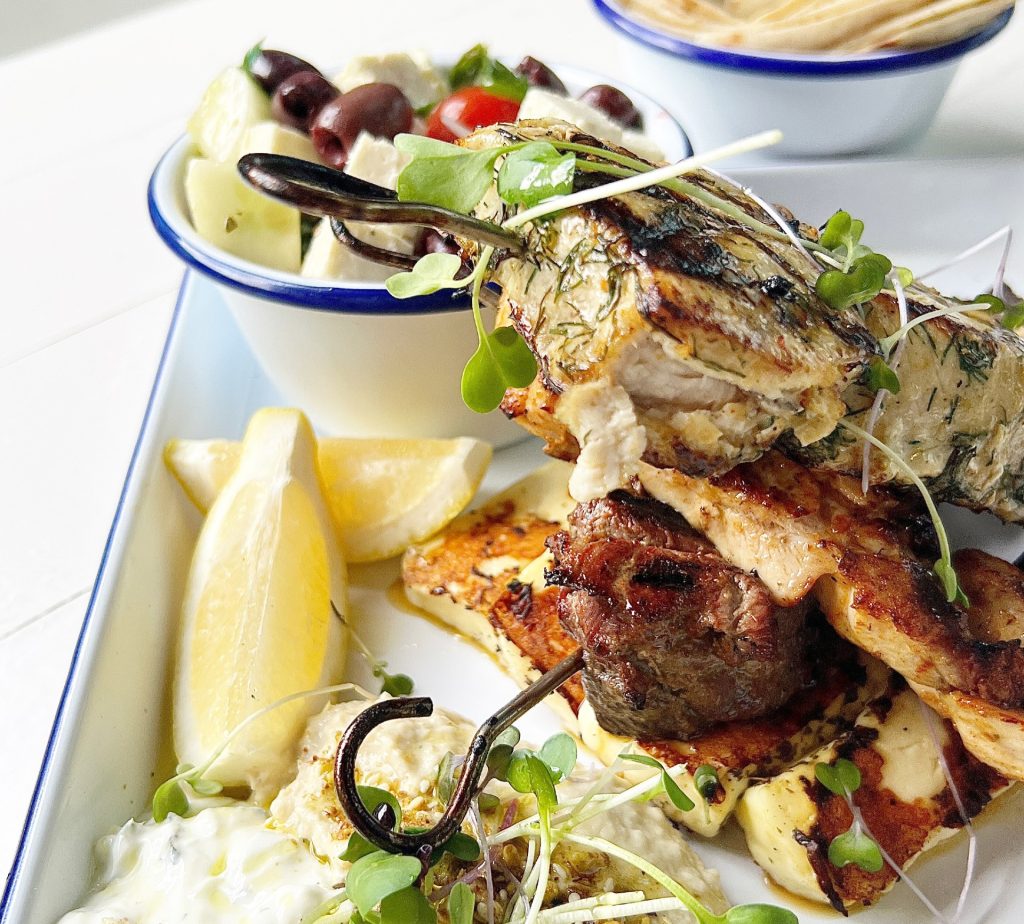
Tziki Bar is inspired by Adrian’s Greek Cypriot-born father and offers “Greek classics with a modern twist.”
Greek classic food. Photo: Sunshine Coast News.
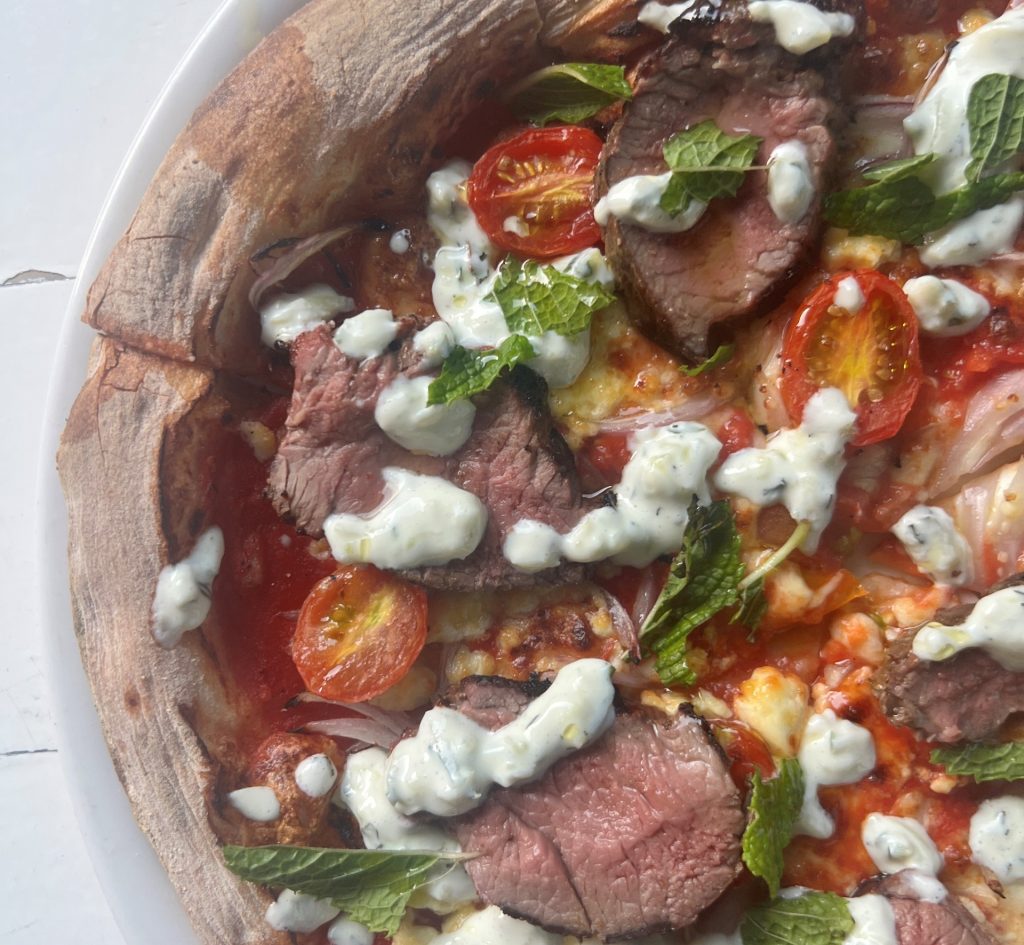
With a retro, semi-industrial restaurant and interesting food like Greek pizza, the new place in the Sunshine Coast hinterland is booming.
“We’ve worked closely with the guys there [the brewery which operates next door] to make sure we’ve got fresh, clean, approachable, Greek Island-like beer, which we’re pretty happy with,” Adrian told the Sunshine Coast News.
The brewery, produces three Greek islander style beers: a Tziki mid-strength, lager and pale ale.
Tziki Bar Greek pizza.
Adrian prides himself on the fresh taste which comes from the restaurant: “Our yiros, all our mezze, the desserts, our stocks and sauces – everything is made from scratch.”
“Whether it be feta cheese or haloumi… it’s all about keeping it simple but doing it right, using the best-quality ingredients and all our techniques in the kitchen,” Adrian added.
The new restaurant and brewpub is a second venture by the chefs, as the pair also own the popular Queensland modern Mediterranean Green Zebra Restaurant.