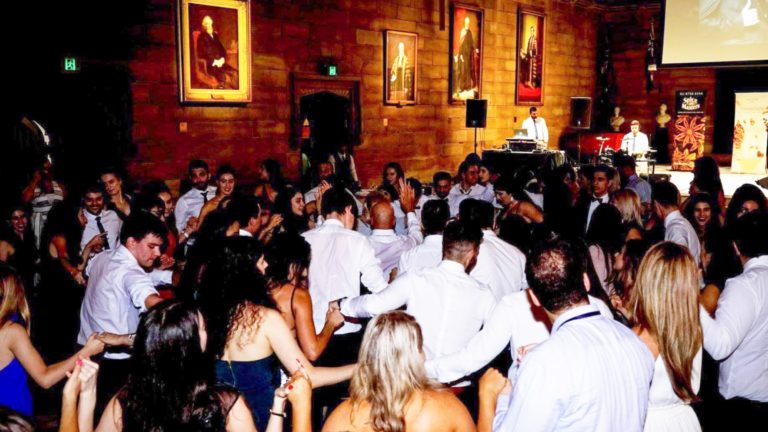
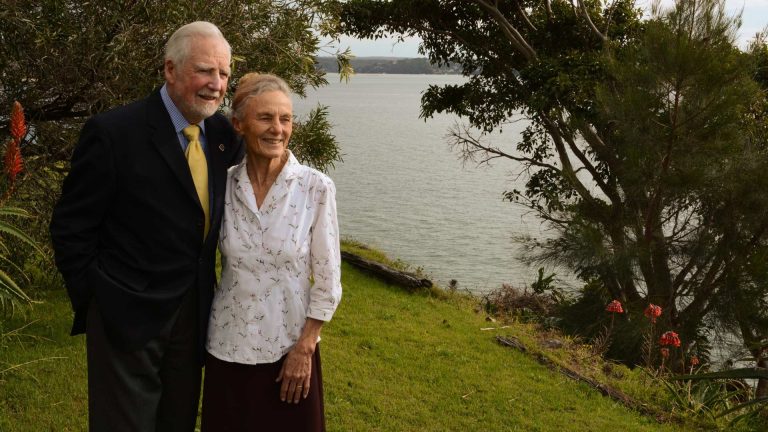
The Sydney University Greek Society (SUGS) is celebrating its 65th anniversary this year with a ball on Friday, March 10 at Le Montage in Lilyfield, Sydney from 6.30pm.
The 65th anniversary celebrations mean SUGS is Australia’s oldest university Greek society.
On the night, attendees will be able to celebrate this momentous occasion with live entertainment, great food, unlimited beer, wine and soft drinks, and even better company.
People will also spend the night dancing away to Greek music by FiloXenia band.
President of SUGS, Kosta Plegas, told The Greek Herald it’s a very special moment to be celebrating “the rich history” of SUGS with an anniversary ball, and he’s proud “to be a small part of the Society’s long history.”
“The Society has a long history with engaging the Greek Australian youth of Sydney and this is yet another opportunity for people of our community to come together and celebrate a staple of the Greek Australian landscape,” Kosta said.
“Our Anniversary Balls only happen every five years, so it is a very special occasion for the Society to be celebrating in 2023.”
Kosta said the event is open to all members of the community, whether you are a current or former student, a sponsor, or a fan of the continuation of the Greek culture and language.
“I absolutely can’t wait for the Ball and hope that the Greek community in Sydney will join us in a very special celebration,” he concluded.
The Sydney University Greek Society’s 65th Anniversary Ball will be held on Friday, March 10 at Le Montage (38 Frazer St, Lilyfield, 2040) from 6.30pm – 11pm.
Ticket prices: SUGS Member is $150 + bf, Non Member is $160 +bf. Get your tickets at: sugs65thanniversary.getqpay.com. Ticket sales close Wednesday, March 1.
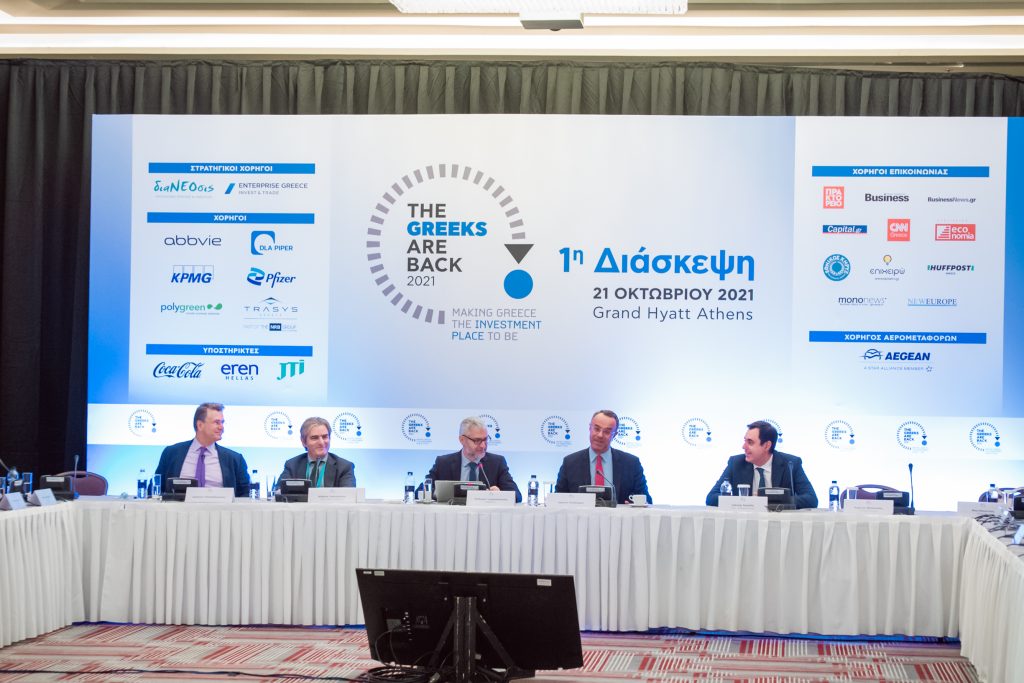
The third The Greeks Are Back conference will take place on November 10, 2023, at Τhe Margi Hotel in Vouliagmeni, Greece.
The aim of the conference is to take advantage of the proposals made by these experienced executives for the attraction of foreign investment to Greece.
For the third time in a row, The Greeks Are Back conference will bring dozens of Greeks who work as senior executives in large companies abroad together in Athens.
At this year’s conference, participants will discuss and present their proposals on the following topics:
Transition to a green and sustainable development model.
Health: Reforms, innovation, digitalization.
Greece as a destination for innovation and digital investment.
Greek banking system: driver of growth.
Defense Intelligence and cybersecurity.
Greece: The country of living well.
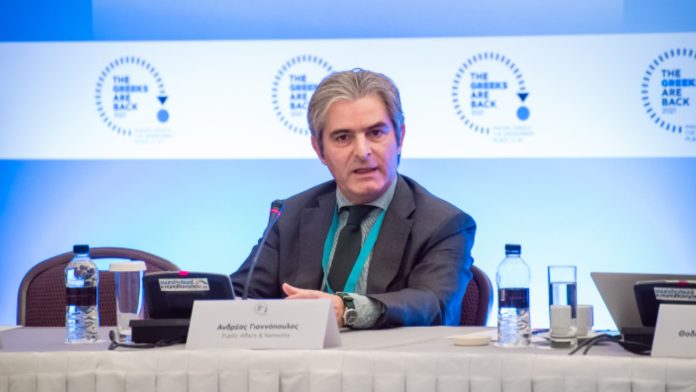
The founder of The Greeks Are Back initiative, and CEO of the organising company Public Affairs and Network, Andreas Yannopoulos, said: “In the first two years of The Greeks Are Back initiative, we have already had almost 100 Greek senior executives in large companies abroad participate, bringing their knowhow and experience from countless markets across the globe.”
“Our country must capitalise on the knowledge, experience and, ultimately, the positive energy that these executives, who are eager to return value to their homeland, bring with them,” he concluded.
When Daniel Fisher moved to Athens just before the 2004 Olympics, he could not imagine that 18 years later he and his brother would be the owners of the “Australian fun village” in the heart of the Greek capital.
Daniel, whose mother is married to a Greek Australian, migrated to Greece to join his brother who was already living there. They first opened an Australian-style hostel for backpackers and then they created ‘Athens Studios’ that provided accommodation services similar to Airbnb.
It was indeed the customers’ needs that defined Daniel’s next business moves. After ‘Athens Backpackers,’ Daniel realised that there were no businesses in Athens offering proper apartment-style accommodation, a place where visitors could feel more self-sufficient. And that’s why he created Athens Studios in 2007.
“When you have that kind of accommodation, people always ask you for places to wash their clothes, eat, or have a beer. So, our next move occurred naturally,” he tells The Greek Herald.
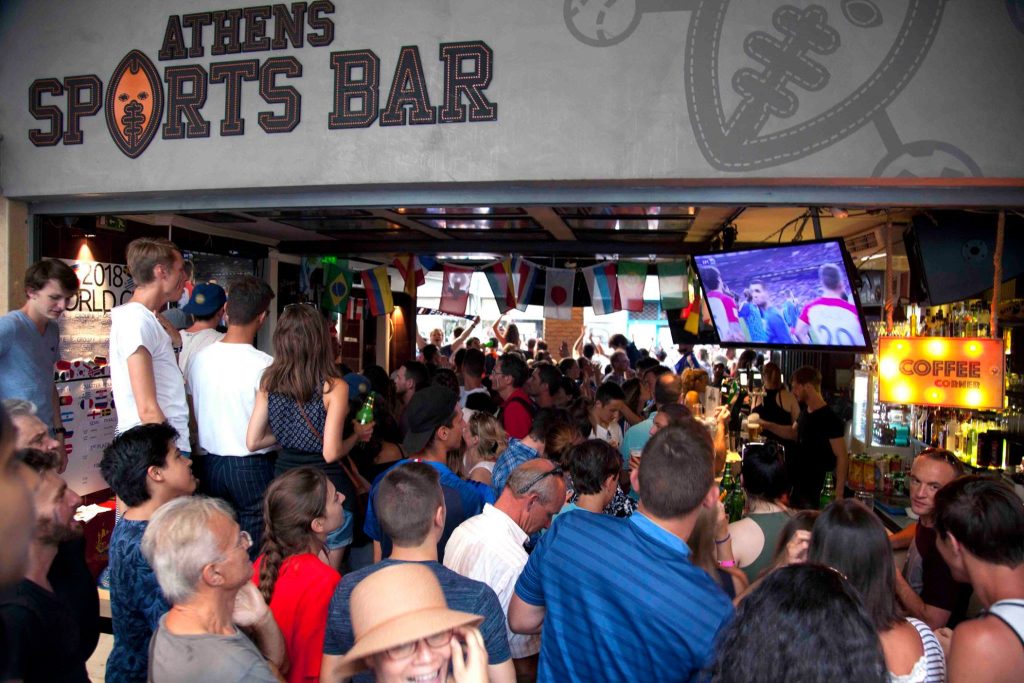
The two brothers opened a laundette close-by and in 2009 a sports bar in Veikou street which almost immediately became a meeting point for expats and travellers and a place where Australians could feel at home.
“It’s like it’s owned by our customers, not by us,” Daniel says.
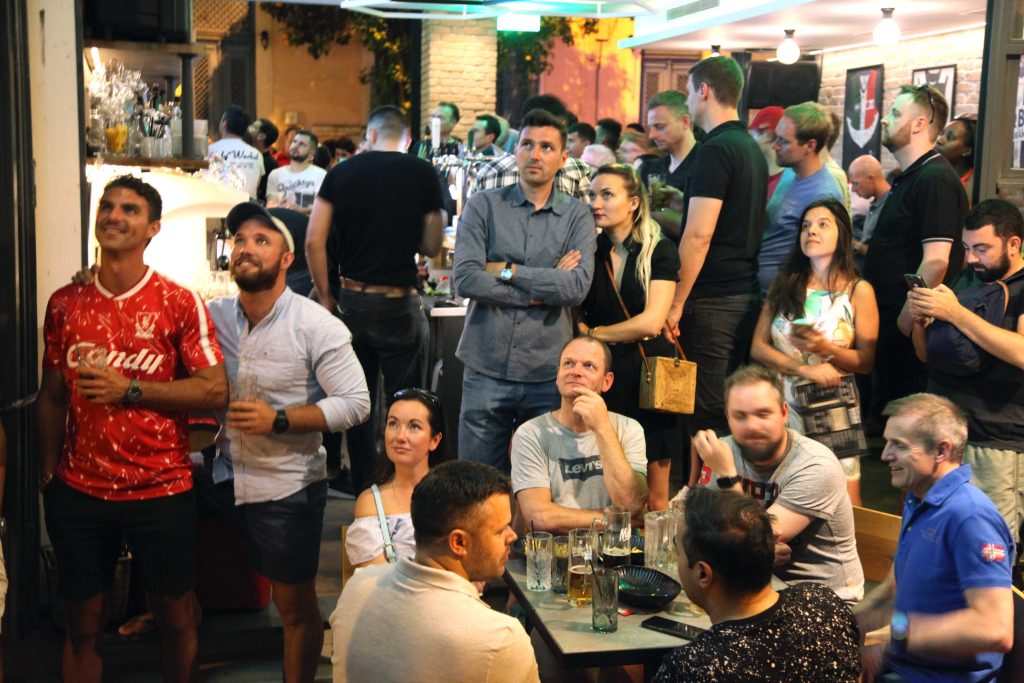
Crowds gathering at the Athens sports bar. Photo: Daniel Fisher.
More than just a bar
Apart from surf lovers and tennis players the two brothers are sports enthusiasts. When they realised that there were no sports bars in the area, they decided to go for it and created one themselves.
Since 2009, Athens Sports bar has been the place to be for the Aussies of Athens.
Apart from organising events annually on Australia Day, the bar is the first and only one in Athens to broadcast AFL games and the Rugby League. It also hosts a variety of sports events, as well as karaoke and quiz nights.
Daniel receives messages and requests from Australians asking him to broadcast any kind of sports.
But its reputation extends to more than sports as according to the owners, there are many people who during the years have met their life partners in the bar.
“People fall in love here,” Daniel says and continues, “when we organise events, you can see Australian travellers or people who live in Greece or in other places in Europe, meeting here with their friends by chance.”
“Now that I have a sports bar, I know that when it comes to sports, there is always something on,” he says.
Daniel receives messages and requests from Australians asking him to broadcast any kind of sports, even some that he has never heard of.
“It’s really important to give people the option to watch whatever they want,” he says.
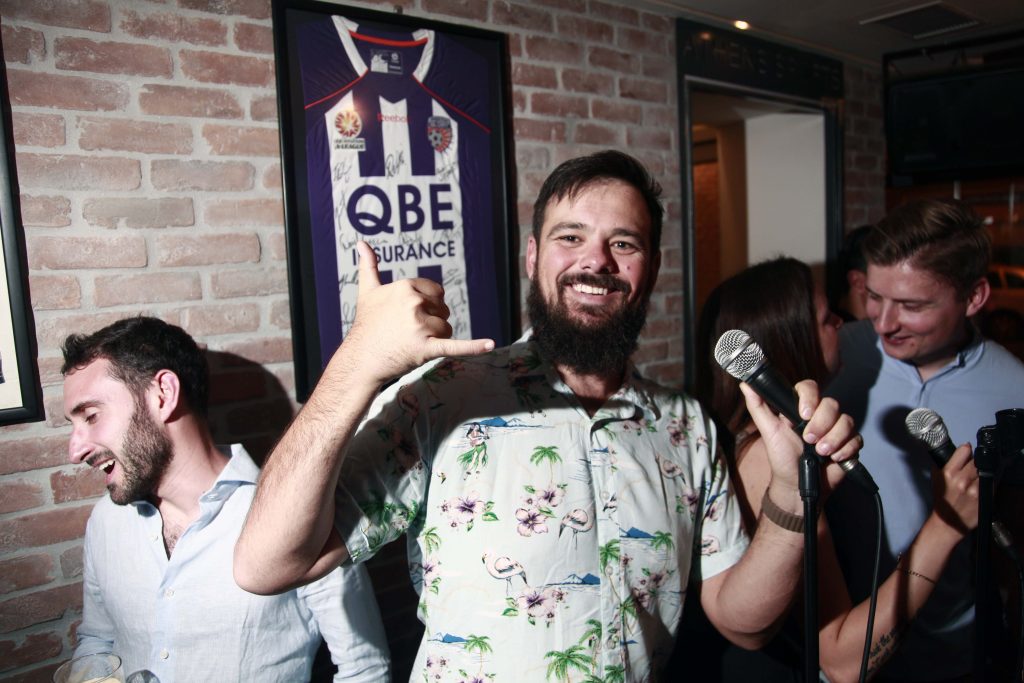
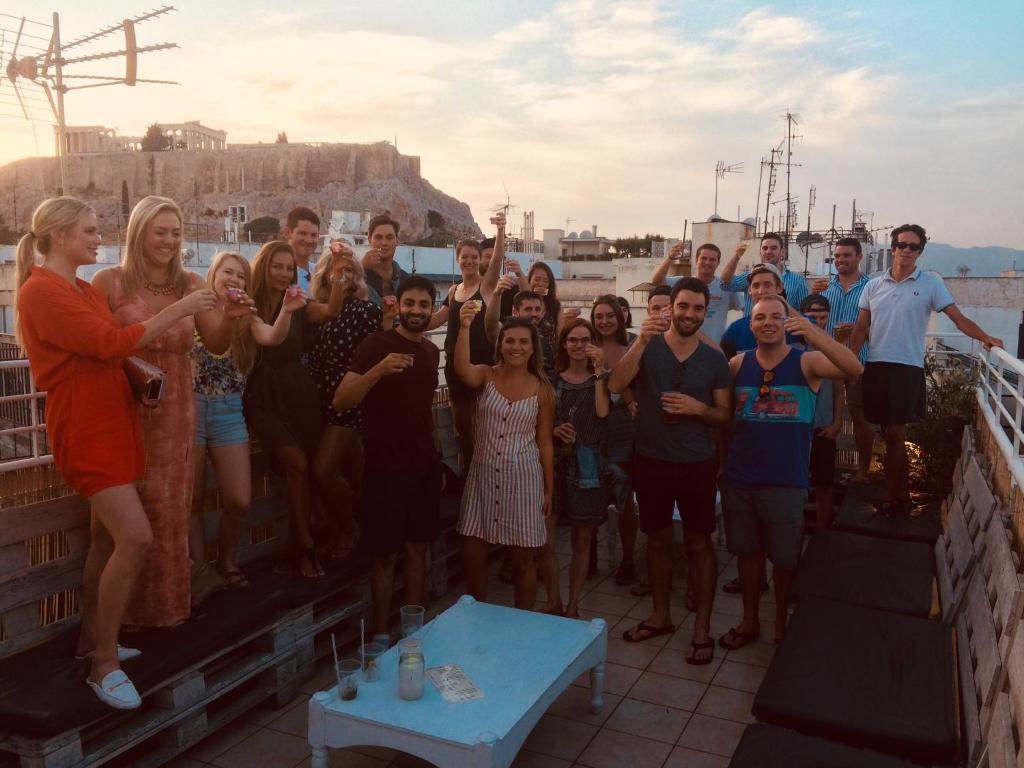
The sports bar hosts karaoke nights. Australians visit the Athens sports bar.
The Australian community in Greece
Daniel believes that Australians and Europeans are beginning to come back to Greece and to see that there really is a positive dynamic in the country.
“A lot of Greek Australians used to live here [in Greece], but the country went through a really hard time and a lot of people went back to Australia. Now, I have a feeling that Greece is going through a resurgence,” he says.
Apart from the “fun village” for Aussies and expats, Daniel also owns a meditation yoga-organic place in Syros island and a new wine taste bar in Athens, where young Greek wine makers can promote their products.
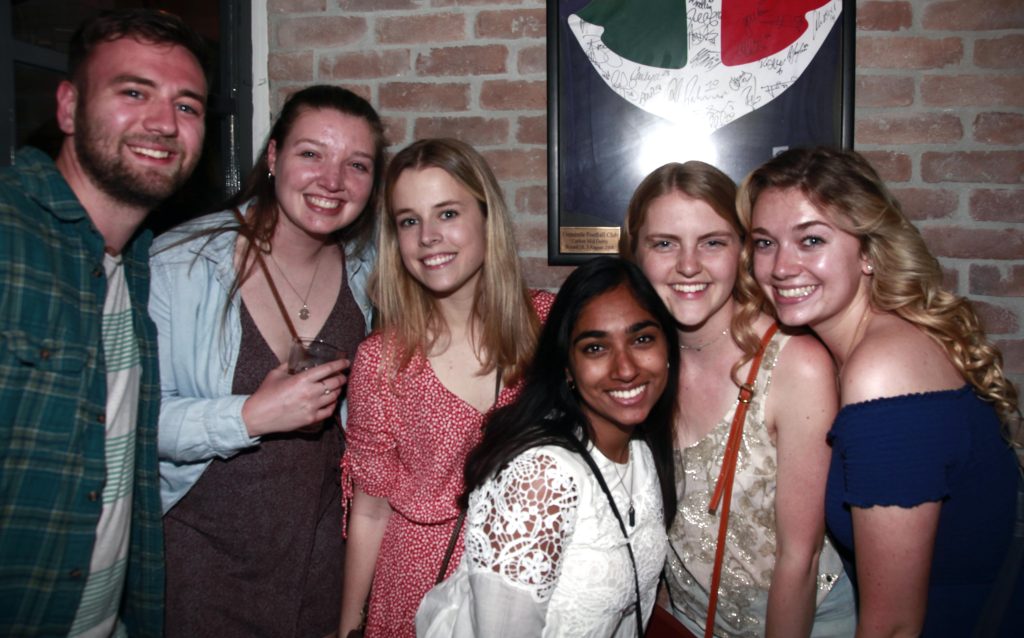
People at Daniel Fisher’s wine taste bar.
For almost 20 years, Daniel has been selling Aussie style fun in Greece’s capital. When he looks back to what he and his brother have achieved, he recognises that the most important part of business is people.
“People come here and create their own friendships, relationships and stories,” he says.
One of the many stand out events of the 2023 Greek Festival of Sydney’s cultural program is the Rebetiko – Symphony Concert.
The event will take place on Friday, April 21 at the City Recital Hall in Sydney, and is being presented by the Greek Orthodox Community of NSW (GOCNSW).
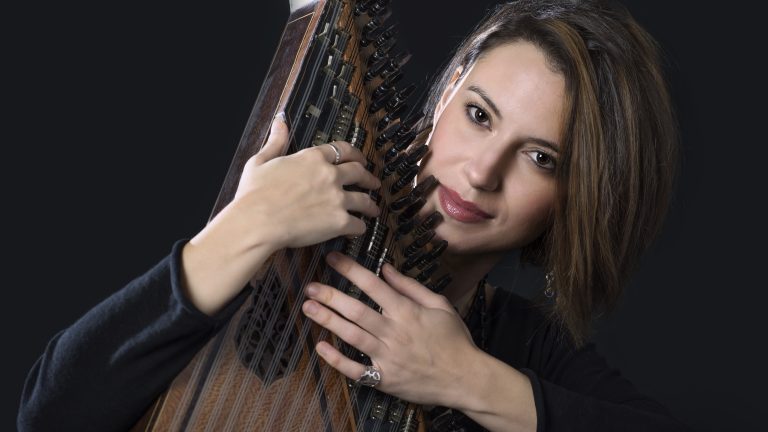
On the night, international vocalist, Ifigeneia Ioannou, direct from Greece will perform the classics from the iconic Rebetiko film by Costas Ferris, and the original music by Stavros Xarchakos.
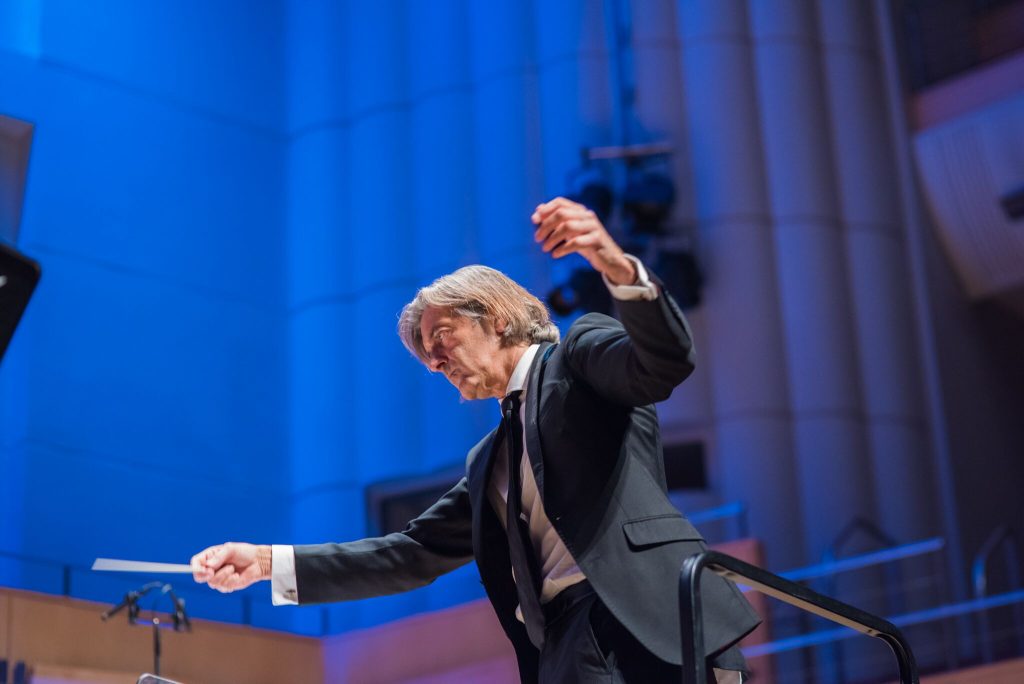
The performance will also feature music by Kostas Skarvelis, Vassilis Tsitsanis and Panayiotis Toundas, under the direction of George Ellis.
George Ellis will conduct the symphony concert.
“The Greek Festival of Sydney continues the journey of classical music through symphony. We are delighted to present Rebetiko in symphony and have no doubt it will meet the expectations of the audience,” Festival Chair, Nia Karteris, said.
Parents across Sydney, New South Wales are increasingly opting to send their children to the state’s independent schools, with student enrolments in public schools plunging to its lowest level in 15 years.
According to The Sydney Morning Herald, official data released on Wednesday showed that 63.7 percent of NSW students attended public schools in 2022 – a fall from 65.5 percent five years ago. The proportion of students in independent schools has surged to 15.1 percent, up from 13.3 percent in 2017.
Experts suggest these figures could be tied to families flocking to new housing developments on the city’s fringe, as well as the marketing techniques of private schools.
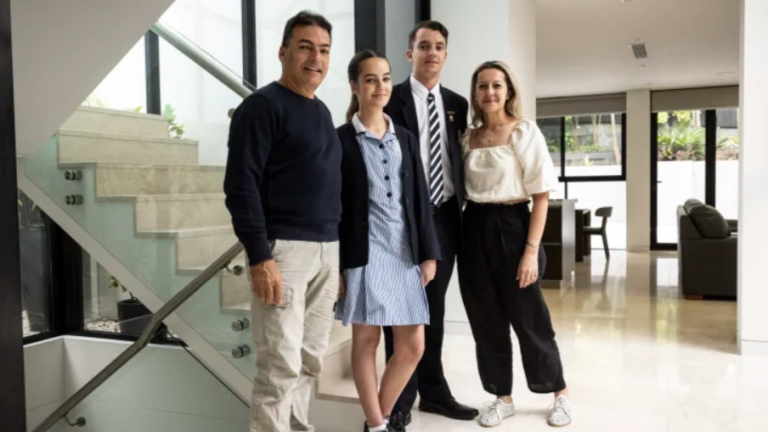
Nikki Kapsanis, who lives in Earlwood, told The Sydney Morning Herald her reasons why she chose Rosebank College for her children, Jonas and Alexis. The Five Dock private school charges $11,400 for Year 12.
“The kids went to our local public primary school but for high school we wanted a private education. As children get older and they become teenagers, they need discipline,” Kapsanis told the media outlet.
The Principal at Rosebank College, Iris Nastasi, said the school was accepting applications for 2028 because there has been “no slowing down in enrolments.”
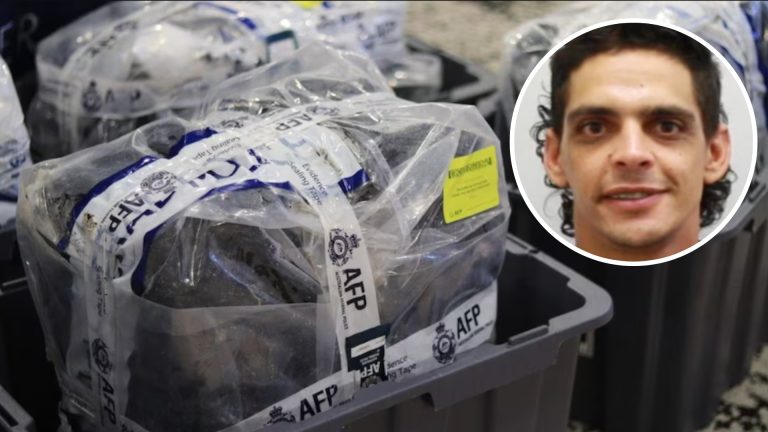
36-year-old Aristides Avlonitis, 36, will be extradited to Western Australia from Darwin in the Northern Territory after he was arrested by the Australian Federal Police (AFP).
Avlonitis was arrested at a home in Darwin on Wednesday morning and is due to appear in court today. He will face a charge of importing a commercial quantity of a border controlled drug.
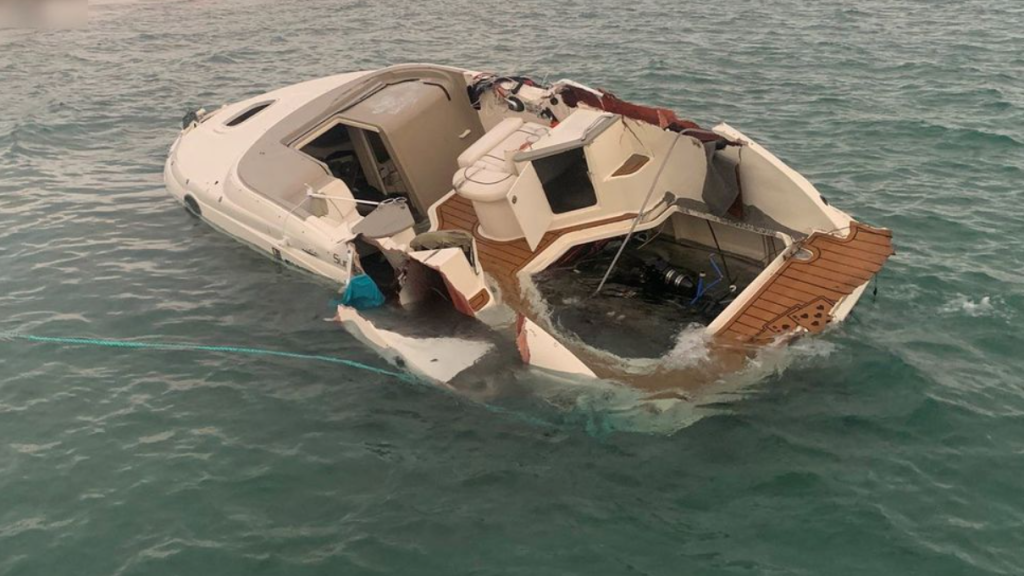
The AFP were searching for Avlonitis and two other men, Mate Stipinovich, 49, and Karl Whitburn, 45, in connection with a massive seizure of cocaine allegedly stashed in an abandoned fishing boat and found washed ashore near Albany, WA.
According to The Guardian, Avlonitis, Stipinovich and Whitburn were found clinging to an esky in the ocean off Albany on February 1, telling authorities their boat had capsized while they were fishing.
The capsized boat. Photo: Australian Federal Police.
Six days later, a black package containing multiple packages of cocaine washed ashore near Denmark, 423 kilometres south-east of Perth.
The AFP said a seven-metre boat was also found overturned off Peaceful Bay the following day with more cocaine inside.
Police suspect the shipment was collected from the ocean and don’t believe the story about the men’s boat capsizing, Nine News has reported.
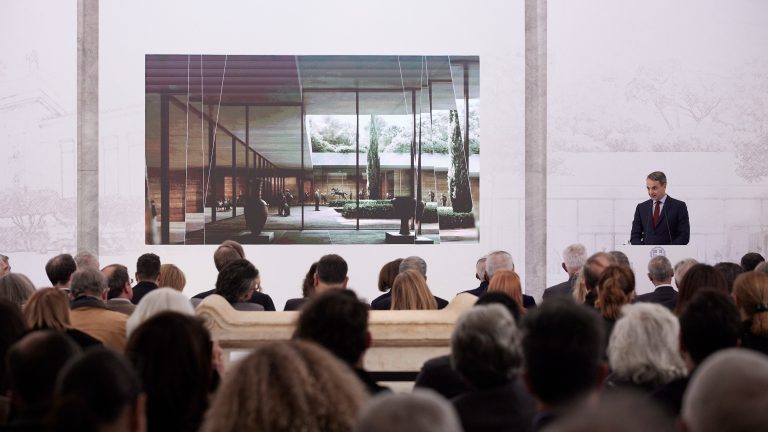
The Prime Minister of Greece, Kyriakos Mitsotakis presented the new design for the National Archaeological Museum in Athens on Wednesday.
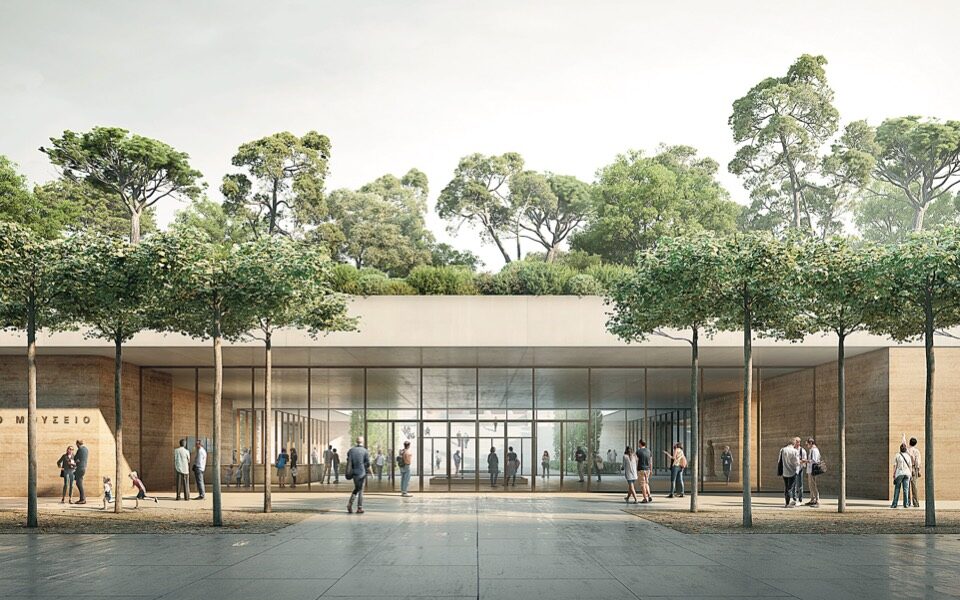
According to Ekathimerini, the new blueprint includes a subterranean extension beneath the grounds in front of Ludwig Lange and Ernst Ziller’s historic building.
New design of National Archaeological Museum in Athens.
It also focuses on upgrades to the main building and landscaping of the museum.
The new design for the renovation and expansion was chosen by an international committee from 10 different proposals.
Mitsotakis said the new plans for the museum will create a landmark for the capital and “more space to show the magnificent exhibits of one of the greatest collections globally.”
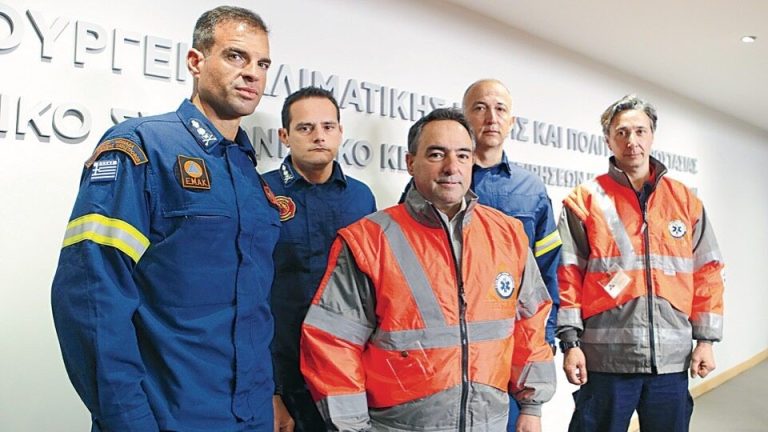
Five of the 36 Greek rescuers who recently returned to Greece from earthquake-struck areas of Turkey shared their experiences with the local press in Athens on Tuesday.
The Greek team were the first foreign team to reach the site of the devastating February 6 earthquakes, which have so far killed 41,000 people in both Turkey and Syria – another region impacted.
“Your neighbour is the first to reach out in a tragedy,” Efthimis Aravanis, of the EKAB emergency service, told local press.
Υποδοχή της 🇬🇷Ελληνικής Αποστολής Έρευνας & Διάσωσης από την #Τουρκία#ΕΜΑΚ#ΕΚΑΒ
Μια συγκινητική στιγμή για όλους μας!
Ένα μεγάλο «Ευχαριστώ» στους ήρωές μας, που όρισαν με την ανθρωπιά τους τι σημαίνει αλληλεγγύη στην πράξη.
— Χρήστος Στυλιανίδης – Christos Stylianides (@StylianidesEU) February 13, 2023
Panagiotis Giannopoulos, coordinator of the team’s EMAK fire service rescuers, added that the locals were hospitable and always brought them tea or bread during “breaks in the operations.”
Despite this, the five men said “the unspeakable pain is something we will always carry with us.”
When I interviewed Dr Helen-Anne Manion about her work on Dying at Home, I was not expecting the interview to end with me swallowing tears as I remembered, fraught with guilt, the death of my father, so far removed from what a ‘good death’ should be. I could most definitely have benefited from Dr Manion’s Dying at Home eight-step methodology offered online for free.
Thanks to the efforts of Dr Manion and Greek-based psychologist Theodora Giannakidou, the Dying at Home program is finally taking off amongst Greeks to give the dying a chance to prepare for “a good death.”
But what is a good death? Dr Manion said surveys conducted around the world show that 90 percent of respondents want to die “at home” – and let’s add to that “surrounded by loved ones” with perhaps a kettle whistling in the background and a pot of tea poured while yiayia quietly slips away, loosening her grip on the clasped hand of a loved one.
“That’s what families want too, but they’ve lost an understanding of how to provide that care,” she said, adding that in sharp contrast to 100 years ago, seeing a dead body is not as common (especially if you’re not employed in an aged care setting or a funeral home).
As we go about life, “death is less likely to be discussed or considered,” Dr Manion said. So people rush for more tests and medical interventions which have no chance of changing outcomes anyway. Instead, time would be better spent settling finances and having conversations to bring closure. These are difficult conversations to steer, and the Dying at Home program is a guide as to how to navigate through the process.
Dr Helen-Anne Manion.
Medicalised life and death
“Death is not a medical illness. It’s a social event,” Dr Manion said, adding that the same is true of childbirth – another overmedicalised sector in Greece, the country with the highest rates of C-sections in Europe. Nonetheless, while material on natural childbirth is readily available, death is still taboo.
“These days in Greece, I know from my research and Theodora’s observations that the situation is fraught because you no longer have a three-generational family at home with the young moving to the cities and so forth,” Dr Manion said.
The program, Dying at Home, is the result of work by Dr Manion and her late husband Gerard Manion, who had both been awarded the Australian Medal of Order for their efforts. Dr Manion studied medical oncology and her husband developed the program that addressed the personal aspects of cancer. Returning to Australia, they created the Cancer Care Program.
It was at that time – 40 years ago – that one of Gerard’s patients came for help. “I’ve done everything I can, but I know I’m dying. All I want is to die in my own home with my family and friends around me. Will you support me?” he said.
The late Gerard Manion.
“We said, ‘of course’ to his dying wish. What we saw was the reason we pulled the program together. Friends and neighbours came, but nobody knew what to say or do. And the wife was racing around to make tea and was drawn away from her husband which is where she really needed to be,” Dr Manion said.
“We thought, ‘there’s a program here’. So we got to work creating some guidelines which were very simple and very necessary.”
In countries like Greece and Australia, death has become medicalised and nuclear families fend for themselves.
“Even in developing countries where pretty much everyone dies at home, the family can still be in a fragile situation without support,” Dr Manion said, referring to her work in places like Myanmar and Timor.
The eight-step program is as follows: (1) read and download the booklets on the website, also available in Greek; (2) accept offers from family, friends and neighbours; (3) manage difficult days using the free medicines book with local remedies and bush medicines; (4) read about changes that are happening in body and mind; (5) spend time with your dying loved ones by sharing stories, memories, singing, listening and relaxing; (6) make peace with your humanitarian, cultural, religious or spiritual traditions; (7) care for the carer; (8) prepare for the final farewell.
“My dear friend, Theodora, knew the work I was doing and told me she wanted to translate the free booklets for greater accessibility,” Dr Manion said of the step-by-step program now available in Greek.
“A problem in Greece, and this is true everywhere, is that nobody wants to talk about dying and death,” she said. “Grown children know what is going on but they shield their mum from their knowledge without that hanging over. But using the problem can transform the situation and bring together families, friends and neighbours. Those dying are able to live until they die right at the end.”
When Gerard died that’s what happened.
“We, as the founders of the program, wanted my husband to have a beautiful, peaceful death. Our home was filled with such love and life. For me as a caregiver, there was positivity around. People were cooking for us, bringing us food and it became a community effort,” Dr Manion said.
“My grown grandchildren said ‘we know what to do, this is normal’. Now they’ll go into their lives knowing that.”
This way of dying is nothing new. It’s a return to the way things were back in Dr Manion’s grandparents day back on Zagora, Mount Pylion. It’s an experience of a more mindful, community-supported death.
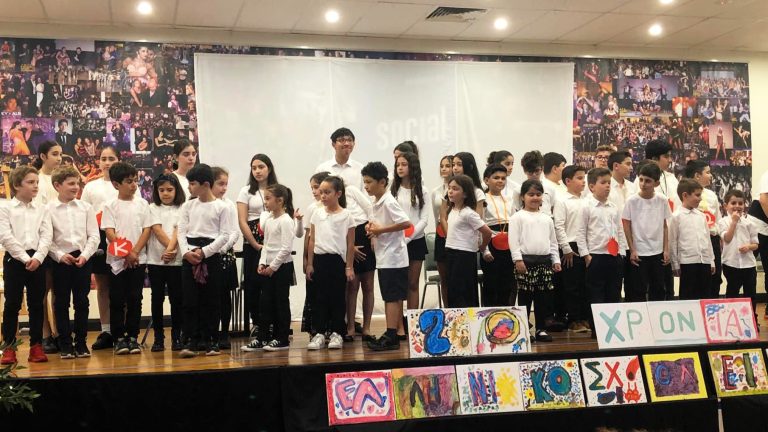
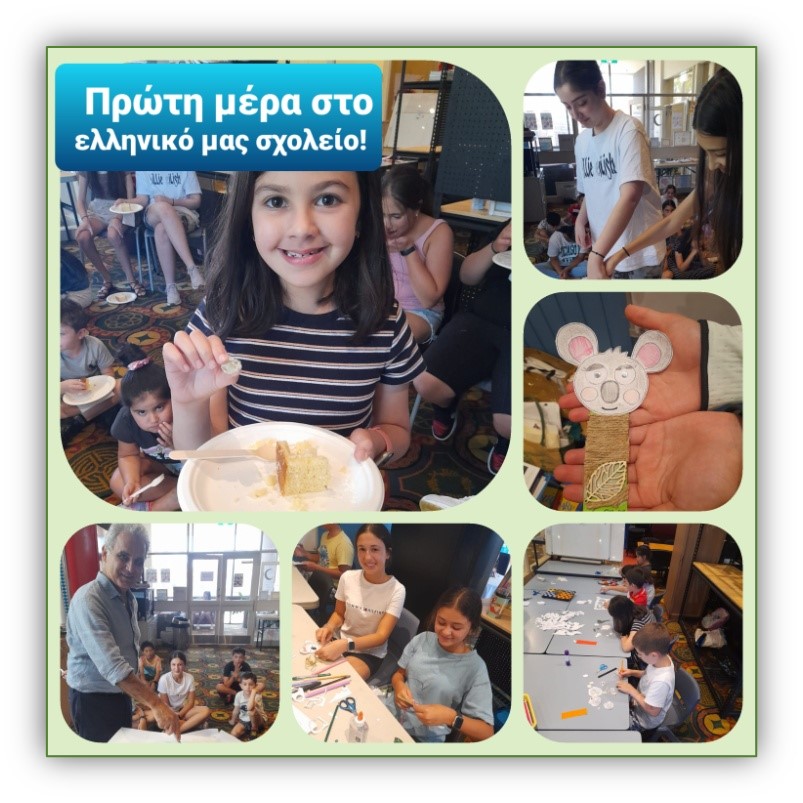
The Cyprus Community of NSW Greek School is very unique and differs from the rest as it is the only school in NSW that highlights and encapsulates Cypriot culture and traditions.
The educational program is designed especially for children and tailored to their respective skill levels and group. The School incorporates modern educational practices via smart technology, storytelling and story reading, games, projects and interactive activities.
Each student’s education is broadened and enriched by participating in a wide range of extra-curricular activities, school concerts, school parades, drama and school excursions.
Being part of an active large established Community Club, which also includes one the largest Greek dancing schools in the state and a well-known established Soccer Club Inner West Hawkes (formerly known as Cyprus United), students are engaged and take part in many community events – from national days like the declaration of the Republic of Cyprus, to many other events and community functions.
The School even exposes students to the study of Cypriot archaeology, arguably one of the richest, tracing human activity to the 10th millennium BC.
Students learn about the settlement of Cyprus by Mycenaean Greek traders about 1400 BC, to the classical Greek period, Alexander the Great and Hellenistic period through to Byzantine and beyond. They also enjoy excursions to the new historical museum, Chau Chak Wing Museum at Sydney University, to access the Cypriot and Greek antiquities collection from the Neolithic to Roman and medieval periods.
Greek families today are troubled when it comes to choosing a Greek School for their children. But not all Greek schools are the same.
The School’s Head Teacher Ms Olympia stated that the school’s primary aim is for all their young students to gain a deep understanding of their heritage, the Greek/Cypriot cultural practices, the difference of the Cypriot dialect and language and be proud of their background and identity. Belonging to a community encourages and promotes engagement for many years to come.
Community President, Andrew Costa, said the School is an integral part of the Community.
“It’s who we are and is part of our 95 plus year mission to preserve our language, identity, culture and pass it on, whilst we add to it even here in Sydney,” Mr Costa said.
“We are proud of the School’s achievements, the unique student-engaged teaching style. The students are always part of all our events from the Food and Wine Festival and the Cataclysm Festival, to observing sadder events like the 1974 invasion of northern Cyprus by foreign forces who occupy our ancestral lands till this day.”
Ms Olympia added that “we engage the students to understand and appreciate the Greek language and culture, with a Cypriot twist, recognising Cypriot culture as a major component of Hellenism for over thousands of years.”
“Our students learn a lot more than just about mainland Greece and its islands and history. They learn about Hellenism beyond traditional Greek borders, get a wider understanding that being Greek, speaking and writing Greek, or enjoying Greek arts and cuisine is part of the Hellenic world, and Cyprus has been and continues to be a vibrant home of Hellenism, as it has evolved over 35 centuries.
“In 2023 we plan to launch across-nation classes, where our students will join their Cyprus and Greece-located students to take part in lessons and other learning activities.”
All school students regardless of their background are invited to participate in the Community’s Greek Learning Studies.