During the premiere of his new film Mission: Impossible – Dead Reckoning Part One in London, the United Kingdom, famous actor Tom Cruise expressed his admiration for Greece.
According to protothema.gr, the Hollywood star was giving an interview when the reporter informed him that he was from Greece.
“How are you? Nice to meet you too. Thank you for being here,” Cruise initially said in the interview before adding, “I love Greece. Great food, great people.”
When asked to talk about his new film, Cruise emphasised what distinguishes it from other films in the Mission Impossible franchise.
“This is the biggest and most luxurious. It’s a huge, epic adventure that’s split into two parts,” he said. “The scope of the film is very wide. I make my films for the big screen only. This film is unprecedented.”
According to the synopsis of the latest movie, Ethan Hunt (played by Cruise) and his IMF team embark on their most dangerous mission yet: to track down a terrifying new weapon that threatens all of humanity before it falls into the wrong hands.
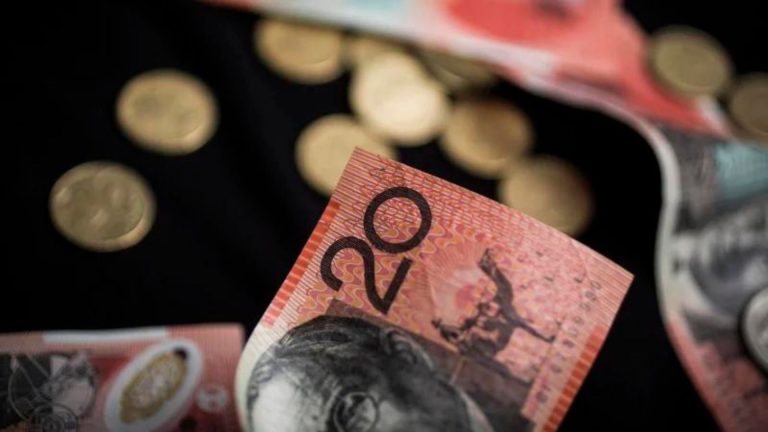
There are a raft of changes coming to welfare, real estate, health and other living expenses from July 1, 2023. We find out what they are and how they will affect Australians.
Age pension is changing:
From July 1, Australia will have to wait until they turn 67 to be eligible for the age pension. This is an increase from the current 66 years and six months. However, you can submit your claim in the 13 weeks before you reach Age Pension age.
Some people’s pensions will rise by more than $100 a fortnight, while others will become eligible for a part pension for the first time. Retirees already receiving a full age pension will be unaffected.
Superannuation:
The super guarantee is the proportion of wages that employers must contribute to their workers’ retirement savings. It’s gone up again this year.
The superannuation guarantee will increase from 10.5 per cent to 11 per cent. It will continue to rise by 0.5 per cent on July 1 each year until it reaches 12 per cent in 2025.
Superannuation has increased.
National minimum wage:
According to The Daily Telegraph, nearly 200,000 of Australia’s lowest-paid workers will receive a historic 8.6 per cent pay rise following a decision by the industrial umpire to lift minimum and award wages.
Workers on the national minimum wage will have their weekly minimum pay jump by about $70 a week, from $812.60 to $882.90, while their hourly rate will rise to $21.38 to $23.23.
Working from home:
The fixed rate method for calculating your deduction for working from home expenses has been revised. From July 1, the fixed rate method is 67 cents per work hour. Previously, the fixed rate method was 52 cents per hour.
First home owner schemes:
The eligibility criteria for the federal government’s Home Guarantee Scheme has been expanded. This includes the First Home Guarantee, Regional First Home Guarantee and Family Home Guarantee.
From tomorrow, friends, siblings and other family members will be able to jointly apply for the First Home Guarantee and Regional First Home Guarantee. These schemes will also be available to non-first home buyers who have not owned a property in the past 10 years.
According to The Daily Telegraph, the Transfer Duty exemption for first home buyers will increase from $650,000 to $800,000. As part of the changes to the First Home Buyers Assistance Scheme, concessions will be increased from $800,000 up to $1 million.
That means if you pay up to $800,000 for your first property and are an eligible First Home Buyer, you won’t have to pay any Transfer Duty. If your first property costs between $800,000 and $1 million, the concession will apply and you will only have to pay a portion of Transfer Duty.
Cheaper child care:
From July 1, families earning less than $530,000 will be eligible for increased childcare subsidy. Rates would be lifted for every family with one child in care earning less than $530,000 in household income, and higher subsidy rates for second and additional children in care would be kept.
From July 1, families earning less than $530,000 will be eligible for increased childcare subsidy.
Unemployment, Youth, Student and Disability support payments:
The Jobseeker, Youth Allowance, Austudy, Abstudy, and the Disability Support payments will increase by $40 a fortnight or $2.80 per day. That means, the fortnightly payment for a single person with no children will increase to more than $730 from September.
The age limit for a higher Jobseeker rate will be dropped from 60 to 55 in recognition of the fact it is harder for older people to find work.
Our Turkish fellow human beings are generally simple, hospitable, and kind. They come from a group of dozens of nomadic tribes, stretching from Mongolia to the Altaic mountains, who, persecuted by the Chinese, migrated in waves throughout the Middle Ages, mainly between the 6th and 11th centuries. They spoke various dialects of the ancient Turkic language, which then diversified into the modern Turkic languages (or turanic). Their religion was shamanistic with the supreme god Tengri, lord of the blue sky (today of the blue homeland). In the process, however, the majority, especially those who moved westward, converted to Islam from the Arabs and Persians.
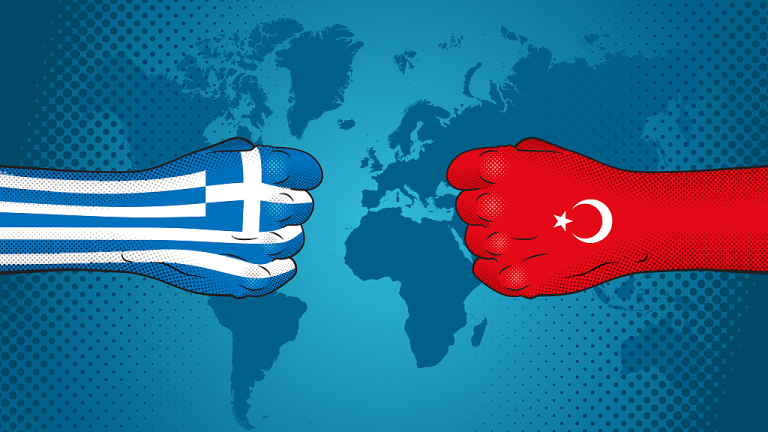
After hundreds of years of forced or even free cohabitation with them, we find that they have many characteristics in common with the Southern Europeans and especially the Greeks. Even physiognomically, the Turks, after their multi-ethnic syncretism, have shed the rough characteristics of the Turanian race, retaining their slit eyes, but their manners, habits, dress and even their houyas remained very close to Greek. So strong indeed is Europe within them that they are trying, since they could not conquer it, at least to be part of it.
Ours, namely the “Greek cohabitation” with the Turks, completes more than seven to eight hundred years of regional life. This cohabitation took various forms and shapes, passed through conquest and slavery, loose religious tolerance, and barbaric Islamisation, of which they themselves were victims, constant wars, liberation but also conquering, invasions, and attempts of ethnic cleansing, with all that this entails.
A thorough research in the historical archives and the rich bibliography on Greco-Turkish relations will reveal several periods of quiet and peaceful cohabitation, with outbreaks of absolute brotherhood and amity, coexistence and friendship, but also periods of escalation and constant armed clashes, catastrophes and destructions, mainly, if not exclusively, at the expense of the Greek population.
In the recent past, after the establishment of the modern Turkish State in October 1923, created after the Lausanne Agreement, after the unfortunate and largely aggressive Campaign for the Capture of Ankara (July 1921-August 1922) by Greece, a period of amity, peace and fraternity between the two peoples followed. This period of fraternity, mutual understanding and mutual esteem has always been determined by the national interests of the two peoples. Especially, after the conclusion of the Lausanne Agreement, to which the Ethnarch Eleftherios Venizelos went not as a loser and the moderate Ismet Inonu not as a winner (the war in Asia Minor never ended and Greece never accepted that it was defeated, so it did not pay compensation; in Lausanne the two peoples were simply belligerent), the national interests of the two peoples were limited to one national common issue, that of Cyprus.
Cyprus was a common guiding principle, a common national issue for both peoples. The Turks, always having the colonial British by their side, and encouraged by them, showed rivalry and hostility towards the Greeks and Greek Cypriots when the issue of Cyprus came to the table, simply so that the English could maintain their sovereignty over the island.
Thus, on the occasion of Cyprus and constantly encouraged by the British, (a) when the irredentist struggle of EOKA against the colonial British began, the Turks were convinced that Cyprus was being led to Union with Greece and the September 1955 riot broke out in Constantinople at the expense of the innocent Greeks of Constantinople, for which the generally prudent Prime Minister Menderes later was hanged in order to wash away the national shame felt by the Turks towards their fellow Greeks of Constantinople; and (b) a period of 30 years of sincere Greco-Turkish friendship and amity (1932-1962) was interrupted, and the Turkish planes of dictator Gursel bombed Cyprus in 1962 (this was the first Turkish invasion), because the Turks were again convinced that the Turkish Cypriot minority was in danger after the terrible and deadly intercommunal clashes on the island at the time.
Later, much later, when the energy problem appeared on the international scene, the Turks added to their claims the Aegean Sea to share equally its underwater wealth – kazan-kazan; then added the claim of the Eastern Mediterranean, since the “new” borders of Turkey were expanded, with the force of violence and invasion, absorbing 40% of the territory of the Republic of Cyprus by means of permanent illegal occupation.
Then followed the second decade of absolute rule of Erdogan (1912-1923), who managed to turn Turkey into an authoritarian sultanate and in order to haggle over the cooperative exploitation of the Aegean, the Turkish government added the notion of the demilitarisation of the Greek islands, after having previously erected her own Aegean Army in front of the unprotected Greek islands, in a stretch line of about 1,000 kilometres. And finally, to maintain constant tension with Greece and the injured Cyprus, it took out its scout ships every now and then in search of gas and repeated the daily “Causa Belli” at every opportunity that Greece spoke about the sovereign zone of her own islands.
Turkey, during the 100 years of its fledgling state, has shown itself to be a controversial, unpredictable, and often unreliable ally, partner and friend. Sometimes it showed a European and Western face, sometimes it returned back to its Asian roots; several times it used the oriental bazaars it learned from the Persians and Arabs, sometimes it emerged as an embellished Islamic republic, sometimes as a European democracy.
It was Turkey that participated in the joyful events of the Greeks who celebrated their National Independence in the parades in Athens and Thessaloniki in 1934 and 1935 and Turks and Greeks paraded together in amity and Turkish planes flew over the Acropolis and dropped proclamations of friendship to the Greek people, celebrating together the independence of Greece. It was, however, Turkey that, while it signed with Greece the Balkan Agreement of 1933, stipulating that if a third power strikes one of the two countries, they will both intervene against the third, and yet when the Bulgarians and the Nazis entered Greece in April 1941, the Turks hesitated to implement the Agreement to which they put their signatures.
But it was Turkey again, more than any other people, that supported the Greeks during the German and Bulgarians and Italian occupation with food and medicine and clothing and literally saved them from complete destruction. It was Turkey that supplied the Germans during the Second World War with energy and raw materials against the Allied forces, and it was Turkey itself that threatened Bulgaria with invasion if it would continue to tyrannise and torture the Greeks during the Occupation. It was Turkey that asked the League of Nations in 1936 to merge and form a Greco-Turkish Federation and to be recognised as a political formation, where while each of the two states would maintain its national independence, identity, and existence, in matters of trade, culture and education, the two states as a Federation would have a common policy and a single line. It was Turkey itself that initially claimed that Cyprus demographically and culturally belonged to Greece, but later it was Turkey itself that sided with the colonial British against Greece until 1962. It was the Turkish Minister of Education who admitted that Hagia Sophia was the model of learning and creating culture for the nomadic Turks, but it was again the Turks themselves who turned this global cultural monument into a mosque.
I think that the above examples that I referred to are able to convince the reader of the controversial, the unreliable but also the unpredictability of Turkish policy without going into more recent examples – of a policy that sometimes goes to one side and sometimes to the other, which sometimes comes as an ally and friend and sometimes as an aggressor and an age-old enemy of Hellenism.
In the next edition we will refer to the forces from which the Turkish President draws its strength, and we will dare to touch on the strategies that can contain such a difficult and unpredictable neighbour.
*Professor Anastasios M. Tamis taught at Universities in Australia and abroad, was the creator and founding director of the Dardalis Archives of the Hellenic Diaspora and is currently the President of the Australian Institute of Macedonian Studies (AIMS).
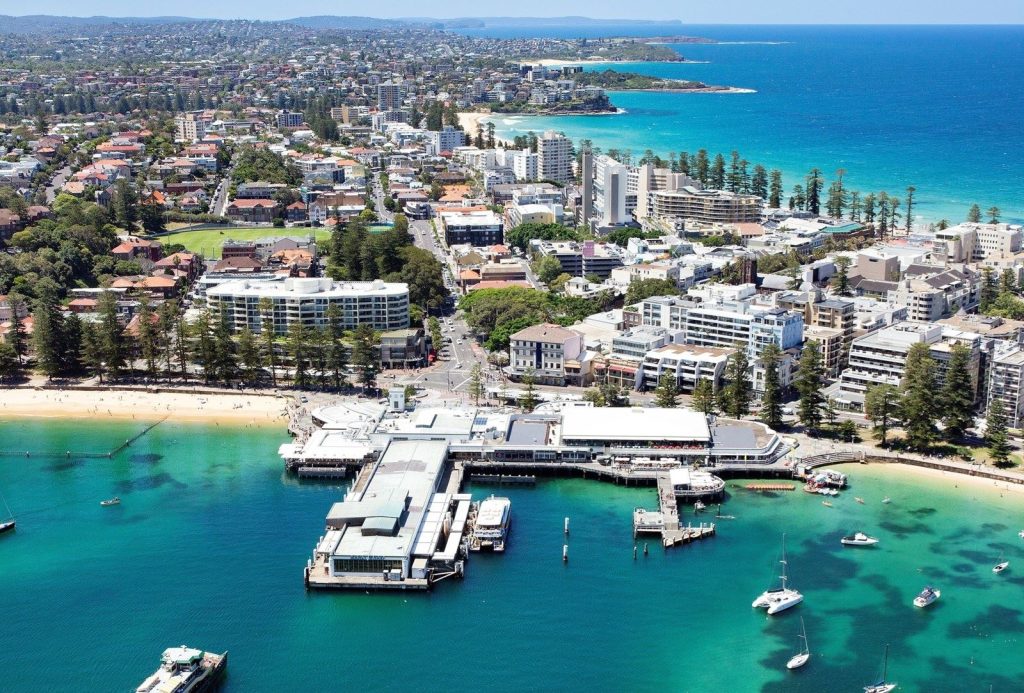
Sydney’s Manly Wharf is set for a major makeover after it was bought for $80 million by Brisbane-based developers Adam Flaskas and Paul Henry.
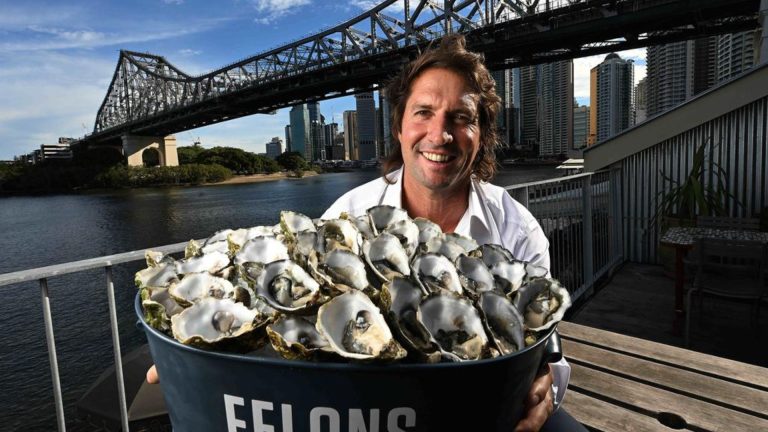
Mr Flaskas and Mr Henry are the founders and directors of the popular historic Howard Smith Wharves (HSW) hospitality precinct in Brisbane.
The pair told The Daily Telegraph, they are now looking forward to “breathing new life” into the Manly location, by turning the wharf into a “family friendly, sustainable and cultural entertainment precinct.”
Manly Wharf. Photo: CBR.com.au.
“Manly Wharf is a vibrant and much-loved location for locals and visitors from across the globe,” Mr Flaskas told The Daily Telegraph.
“We look forward to connecting with the Manly community to create places they love to visit, harnessing the essence of one the country’s most iconic locations.”
Mr Flaskas said HWS had been recognised nationally for its sustainability and recycling achievements in Brisbane and added that his team will “continue to cultivate this work in Manly.”
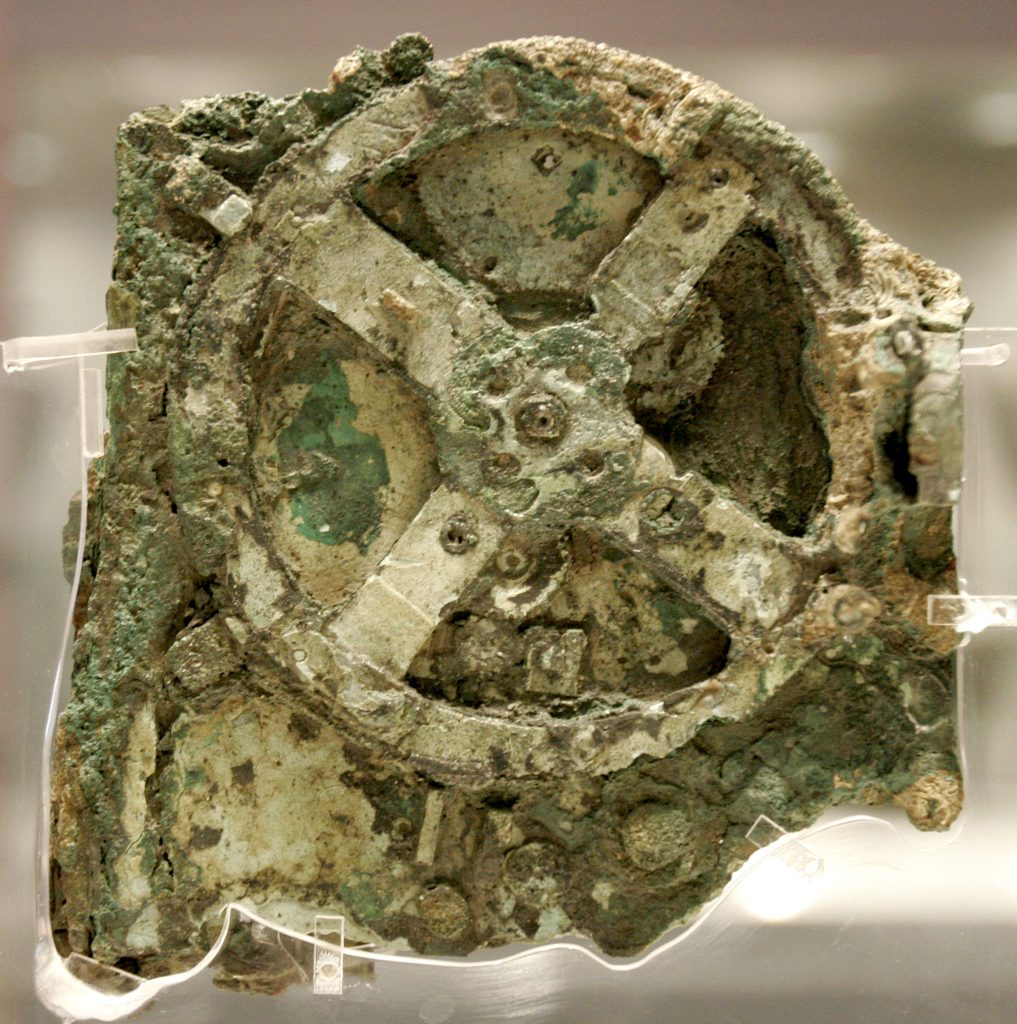
The famous Antikythera Mechanism, which currently resides at the National Archaeological Museum in Athens, is the true object on which the latest Indiana Jones movie is based on.
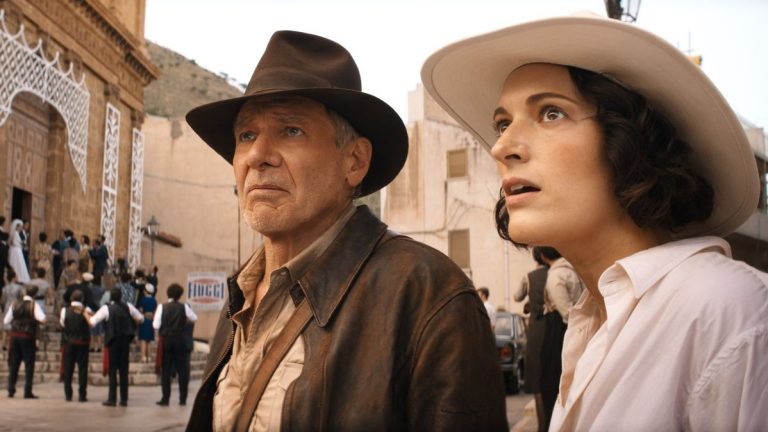
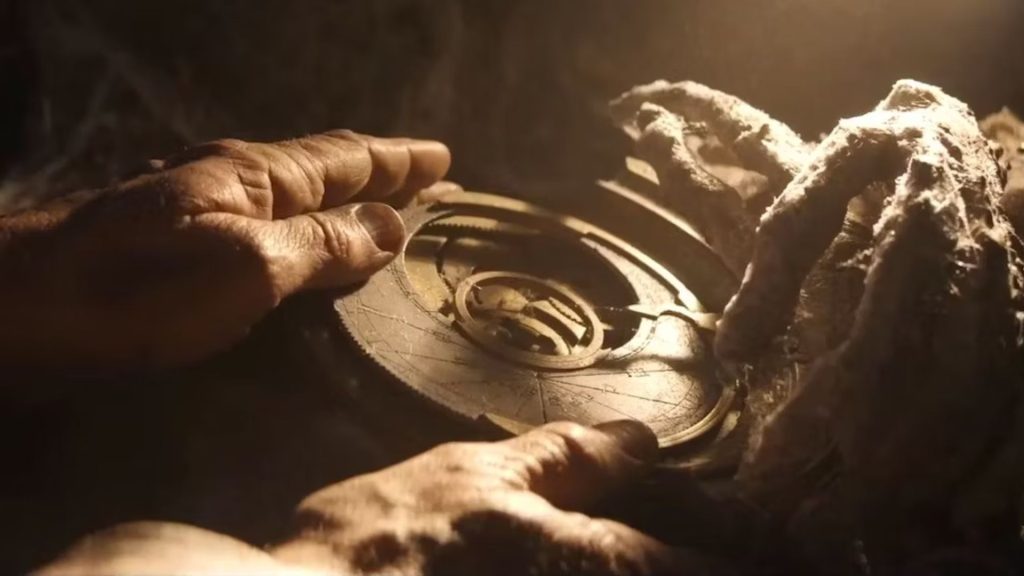
In the movie Indiana Jones and the Dial of Destiny, Indiana Jones (played by Harrison Ford) chases after the Archimedes Dial, which is a fictionalised version of the Antikythera Mechanism that predicts the location of naturally occurring fissures in time.
The Dial of Destiny. Photo: Disney.
All in all, it seems like an intriguing premise that plays well with the themes of the story as Indiana Jones goes off on one last adventure as he struggles with his age and place in time.
Dial of Destiny is the first and only film in the series not directed by Steven Spielberg nor with a story written by George Lucas, with Spielberg and Lucas serving as executive producers instead.
It is also the first and only film in the series not to be distributed by Paramount, as Disney acquired the film rights for future sequels.
What is the Antikythera Mechanism?
The Antikythera Mechanism is described as the oldest analogue computer, which was found on a shipwreck off the coast of Antikythera in 1901.
In 2008 at Cardiff University, modern computer x-ray tomography read fading inscriptions which were present within the machine.
It was discovered that there was 37 bronze gears which allowed the mechanism to follow the movements of the Sun, the Moon, Mercury, Venus, Mars, Jupiter, and Saturn. There is also a silver ball which displays lunar phases.
What it was designed to do was track and predict the relative positions of all of those planetary objects in the sky at once, and allowed the operator to see at a glance what the position of each of them would be at any given moment in the future. This included things like the phases of the moon and the timing of eclipses, and it even had the function to keep track of the four-year Greek Olympiad cycle.
Research is still ongoing into the dynamics of the Antikythera Mechanism, so there is no telling what might come next in the list of discoveries about this intricate historic artifact.
Uber is launching across top holiday destinations in Europe, with taxi services becoming available across parts of Greece and Spain.
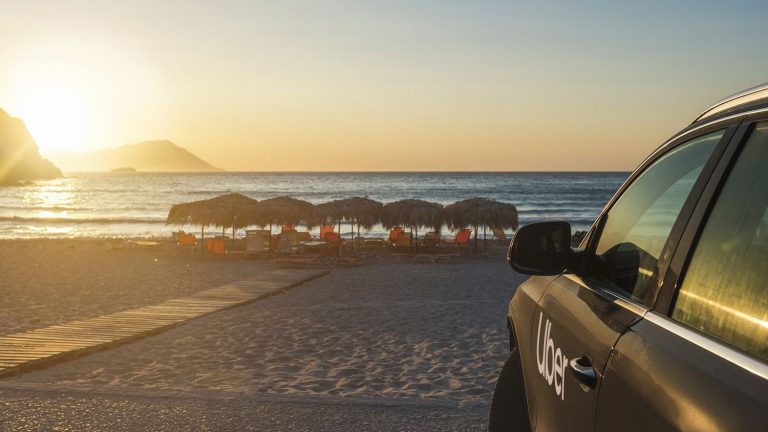
According to Evening Standards, Uber’s services will become available on the Greek islands of Santorini and Mykonos.
Tourists will be able to use Uber Comfort on Santorini and Mykonos, as well as in Corfu and Rhodes.
In Mykonos, the brand-new Uber Boat service, which enables customers to book a speedboat via the Uber app, will also be available. The Uber Reserve function can even be used on the island, with people able to book their ride in advance (from 30 minutes to 90 days) for a locked price.
Photo: thevanabondtales
“We’re expecting tourism across Europe to reach record figures this summer,” Anabel Diaz, Vice President, Head of EMEA Mobility at Uber, said.
“That is why we’re launching Uber services across dozens of European vacation destinations — from Uber Reserve, allowing travellers to book up to 90 days in advance, to Uber Boat, a splashy new experience that will make Mykonos more memorable than ever before.”
Uber’s expansion comes after the launch of Uber Flights in May, the step-by-step instructions for airports, while UK costumers can already book trains and coaches through the app.
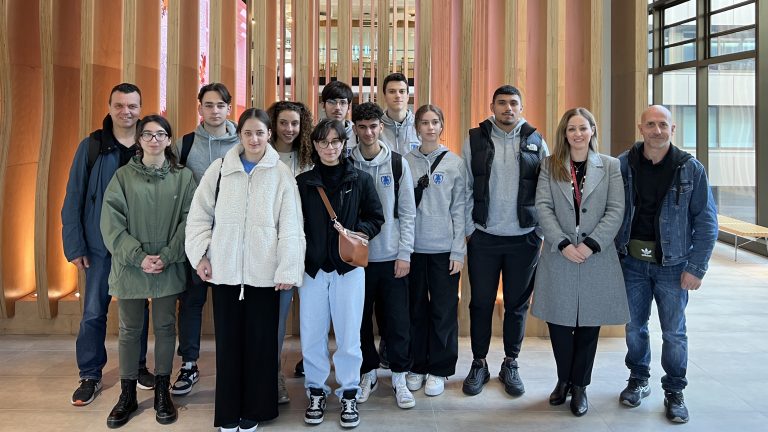
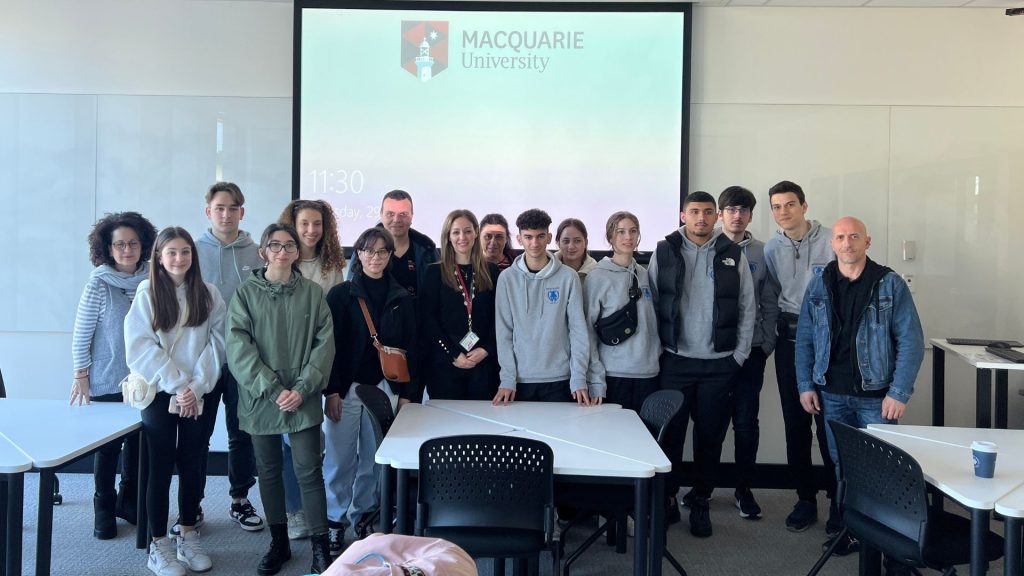
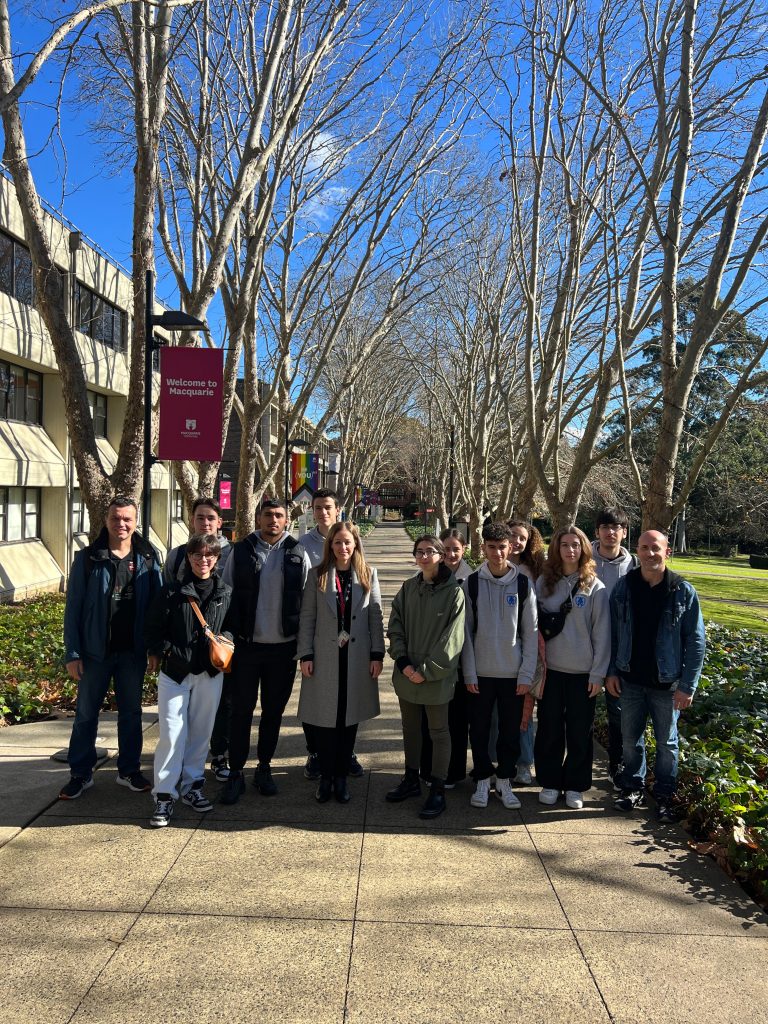
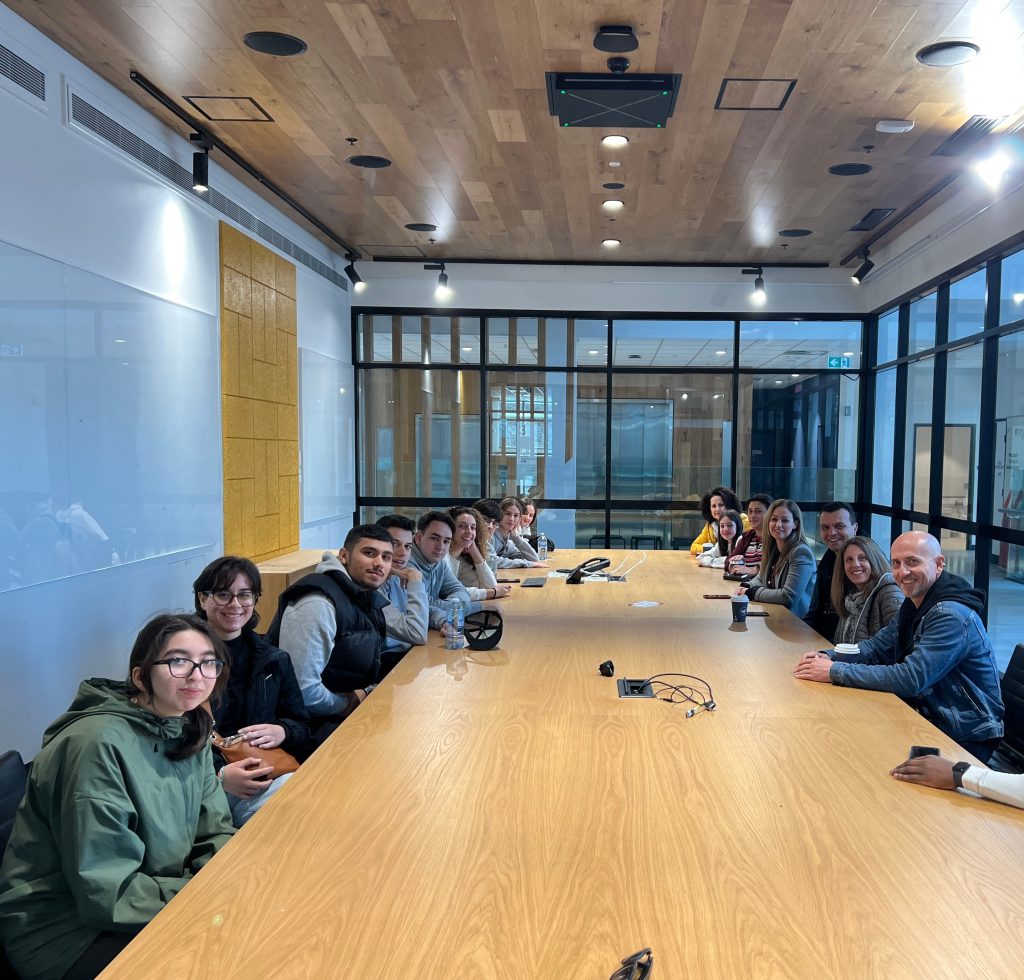
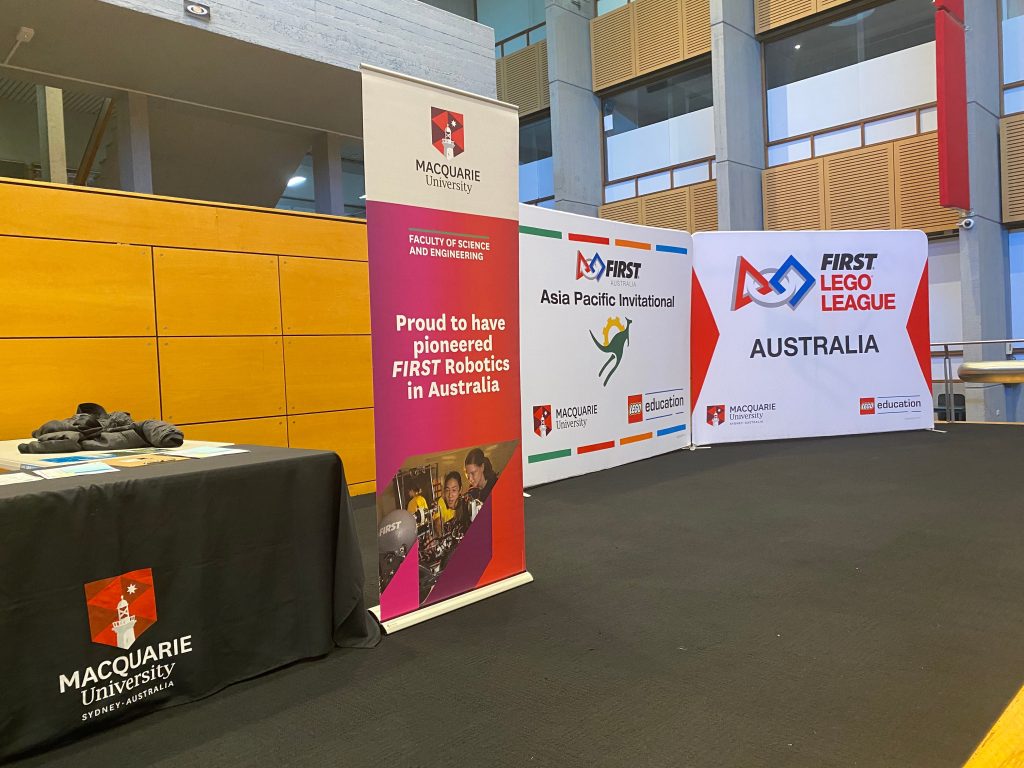
The Macquarie Greek Studies Foundation together with the Modern Greek Studies Program of Macquarie University, organised a warm welcome to the students of the Greek robotics team from the 3rd High School of Sparta “NORTHSIDE,” which is representing Greece in the World Robotics Lego competition, taking place in Sydney, Australia at Macquarie University from June 30 to July 2.
On Tuesday, June 27, the Foundation organised a dinner in honour of the students and their teachers at the Greek tavern Yia Mas.
The robotics team at Macquarie University.
The Macquarie Greek Studies Foundation and the Greek Students Association of Macquarie (MUGA) presented the students from Greece, and the team’s two mentors and coaches, Mr Konstantinos Bobas, teacher at the High School of Sparta, and Mr Dimitrios Sagiannis, the Director of the Public Library of Sparta, with commemorative gifts.
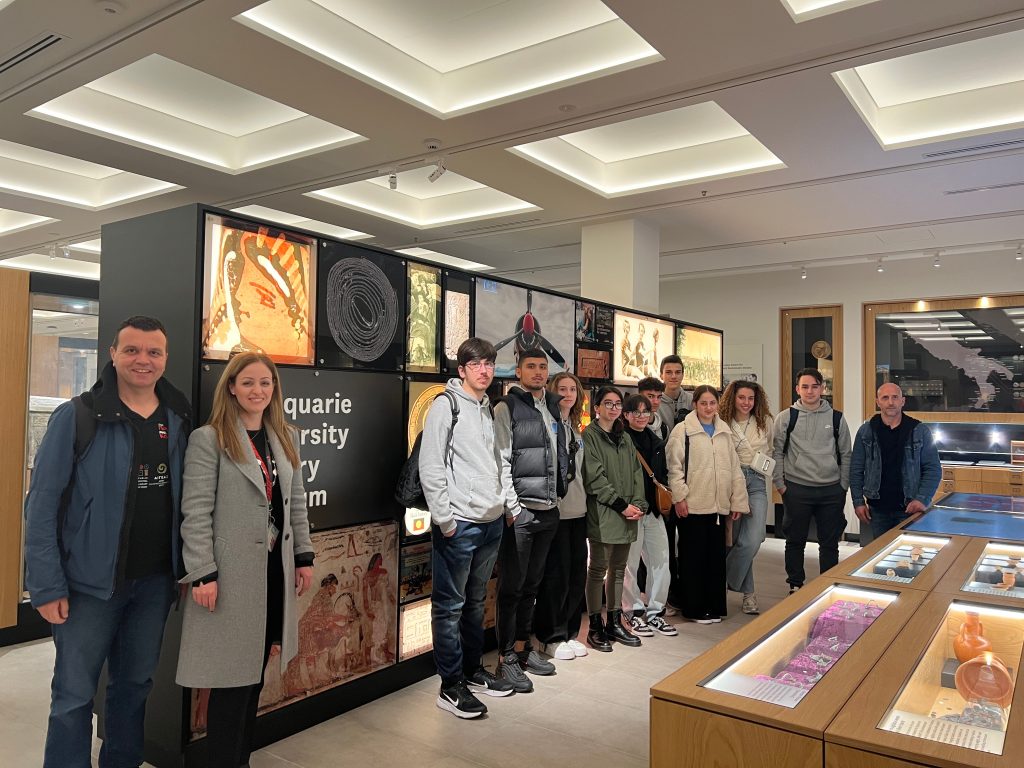
On Thursday, June 29, Dr Patricia Koromvokis gave the Greek team a guided tour of the library and the History Museum at Macquarie University. The students and their teachers also had the opportunity to see how the Greek lessons at the university are conducted, and also to meet with Greek students from the MUGA.
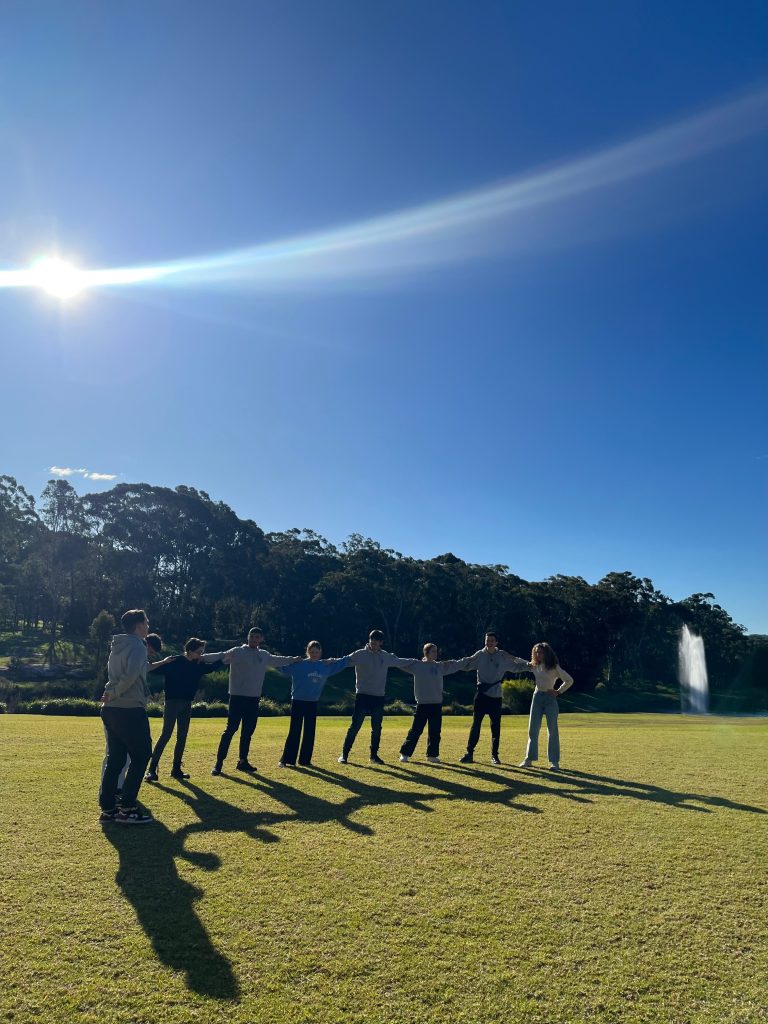
The Spartan students at the Macquarie University.Practising for their opening performance at the Sydney championship.The students toured the university.
Dr Koromvokis stated that she was greatly moved to welcome the Greek robotics team from Sparta at Macquarie University, as she herself is also from Laconia.
Mr Bobas said: “We are deeply moved by the especially warm welcome given to us by the Macquarie Greek Studies Foundation. It has contributed most significantly to our immediate adjustment to this far away land, enabling us to represent our country to the best of our ability in the upcoming World Competition.”
On Thursday, 29 June, Dr Patricia Koromvokis gave the Greek team a guided tour of the library and the History Museum at Macquarie University. The team will take part in the Asia Pacific Invitational champions of First Lego league in Sydney.
Georgia Spyridakou (a student and member of the team) said: “We would also like, in turn, to thank you for the open arms we found at your university. Your support has given us the courage and determination to preserve this bond which has been created well into the future.”
The top 60 private schools in Victoria will still lose their exemption to payroll tax, with only schools with annual fees of $15,000 or more set to pay the tax from July 1, 2024.
This decision comes after May’s state budget outlined a three-year $422-million plan to remove the payroll exemption for 110 schools with fees of more than $7,500.
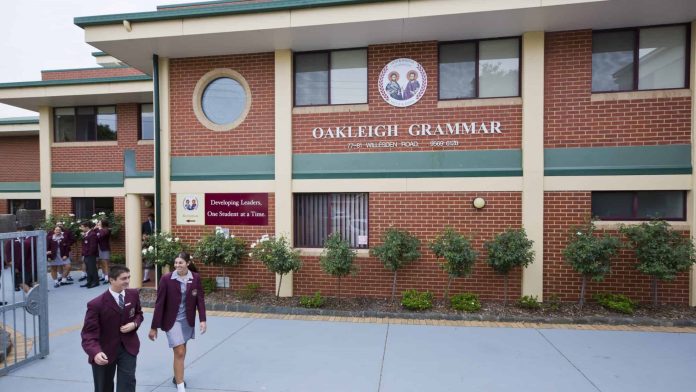
The proposal was hit with widespread backlash, especially from lower fee independent Greek Orthodox schools such Oakleigh Grammar and St John’s College Preston.
Fees at Oakleigh Grammar start at around $9,000 for Prep students, and climb to more than $12,000 for Year 12 students. St John’s College Preston charges fees of $8,772 in years 11 and 12.
According to the SMH, St John’s College Preston has also been under review by the education regulator since last year due to fears the school is financially unviable. The school posted a $1.79 million loss in 2021 and a $1.07 million loss in 2020.
“At the very least, it would impact our schools’ current curricular and co-curricular offerings and negatively impact staffing levels to continue to deliver value-for-money high quality educational programs,” the school leaders said.
Now, the Victorian government’s backtrack means Oakleigh Grammar and St Johns College Preston are exempt from the payroll tax.
Oakleigh Grammar’s business manager Tim Grandy told ABC News this was “a big relief for our school community.”
“Our chairman will be able to sleep at night again,” he said.
Schools still subject to payroll tax includes some of Melbourne’s most elite including Scotch College, Xavier College and Methodist Ladies College.
Speaking with journalists as he arrived in Brussels on Thursday ahead of the European Council meeting, Mitsotakis said he hoped the opposition leader’s departure would improve the quality of political debate.
“I think the decision was to be expected… after three crushing defeats suffered by SYRIZA and himself personally,” Mitsotakis said.
“Syriza, both in government and in opposition, was a party characterised by toxicity, divisive rhetoric and with striking inefficiency.
“Political parties must unite citizens and propose realistic, cost-effective and workable solutions to people’s problems — a road SYRIZA has never taken. I sincerely hope it does now.”
Είναι ορισμένες στιγμές που καλείσαι να πάρεις κρίσιμες αποφάσεις απέναντι σε όσους σε πίστεψαν και απέναντι στον εαυτό σου. Αυτές τις αποφάσεις δεν τις παίρνω εν θερμώ. Οι αποφάσεις μου ξεπερνούν τον δικό μου ορίζοντα. Το βράδυ των εκλογών είπα πως ο ΣΥΡΙΖΑ έκλεισε τον κύκλο του…
— Αλέξης Τσίπρας – Alexis Tsipras (@atsipras) June 29, 2023
“I understand the need for a new wave in SYRIZA. And I decided to step aside. I have confidence in the human capital of our party, in the inexhaustible forces of society and the Left,” Tsipras said in a televised statement.
Tsipras, who served as Greece’s prime minister from 2015 to 2019 during politically tumultuous years, is expected to stay on as leader until his successor is elected by the party membership this weekend.
His decision to resign came after Sunday’s general election where the left-wing SYRIZA party received just under 18% percent of the vote while the winning New Democracy party topped 40%.
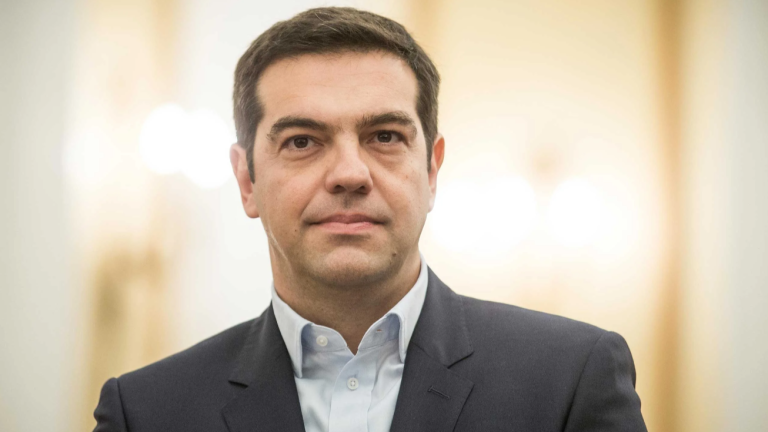
SYRIZA leader Alexis Tsipras announced his resignation on Thursday after the party suffered a crushing defeat in Greece’s two elections.
“I understand the need for a new wave in SYRIZA. And I decided to step aside. I have confidence in the human capital of our party, in the inexhaustible forces of society and the Left,” Tsipras said in a televised statement.
Earlier, Tsipras chaired the party’s executive committee which met to discuss SYRIZA’s future. Tsipras is expected to stay on as leader until his successor is elected by the party membership.
In Sunday’s general election, the left-wing SYRIZA party received just under 18% percent of the vote while the winning New Democracy party topped 40%.
Tsipras, 48, served as Greece’s prime minister from 2015 to 2019 during politically tumultuous years as the country struggled to remain in the euro zone and end a series of international bailouts.