Home Blog Page 1014

NAIDOC Week 2023: The deep bond between Indigenous and Greek cultures

By Peter Oglos.

NAIDOC week is a celebration. A celebration of the rich history, culture and achievements of Aboriginal and Torres Strait Islander (ATSI) peoples.

Indigenous culture has been present in Australia for over 50,000 years. Yet, it wasn’t until 1938 that Indigenous peoples’ sacrifices and valuable contribution to the country were formerly recognised.

Prior to the establishment of NAIDOC week by the National Aborigines Day Observance Committee (NAIDOC) in 1974, Indigenous history was remembered solemnly.
This year’s NAIDOC week focuses on Elders.

On Australia Day, 1938, protestors marched through the streets of Sydney, followed by a congress attended by over a thousand people. One of the first major civil rights gatherings in the world, it was known as the Day of Mourning.

This Day of Mourning, while initially raising awareness of the poor treatment of Aboriginal Australians during the colonisation and federation of Australia, transitioned and became a week of celebration in 1974. Officially recognised as ‘NAIDOC week’.

This alone shows the progression Australian society has made in the last 100 years. From recognising its past mistakes, to celebrating the diverse Australian culture that stretches back for thousands of years.

Similarities between the Aboriginal and Greek culture

While not known to many, the ATSI and Greek cultures share a deep historical and astrological bond.

Among other similarities, both cultures recognise the symbolism and significance of constellations. So much so that they actually shared a few astrological symbols.

Sitting beside the zodiac near Sagittarius is the constellation Aquila, the eagle. In Greek mythology, Aquila carried the thunderbolts of Zeus. Meanwhile, in Wiradjuri traditions, Aquila is Maliyan, the Wedge-tailed Eagle.
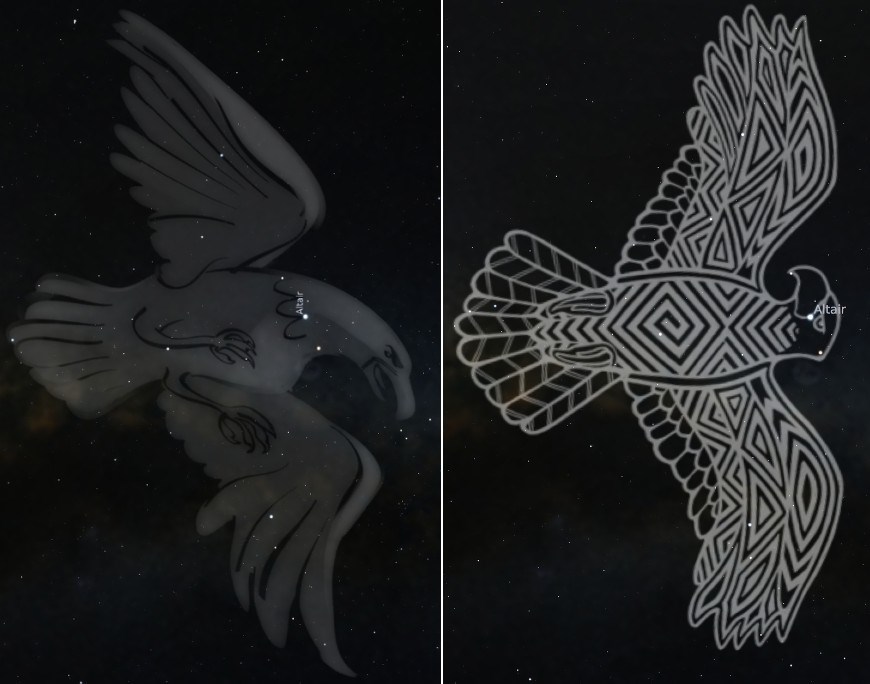
(Left) Aquila, the eagle, in Greek mythology. Stellarium. (Right) Maliyan, the Wedge-tailed Eagle in Wiradjuri traditions. Stellarium, Wiraduri artist Scott ‘Sauce’ Towney.

The two cultures even share the symbolism of the star Altair as the eagle’s eye – despite being seen in different orientations.

In Greek mythology, the scorpion that killed Orion sits opposite the hunter in the night sky as the constellation Scorpius. In Aboriginal Dreamtime, the Indigenous pictured the culture hero, Tagai, killed his 12-man fishing crew (Zugubals) in a rage for breaking traditional law, before they all ascended into the sky. Tagai is standing on his canoe, formed by the stars of Scorpius.

‘Both cultures share crucial values’

The links between Greek Australians and Indigenous people go back to the late 1890s as Greeks, like other migrants, had relationships with Indigenous women which they kept, especially when children were born.

Matthew Hadjicosta who shares an equal Indigenous and Greek ancestry through his mother’s family history explains how this background has shaped him as a person.

In the 1950s, his grandmother, who is Indigenous, married a Cypriot man and travelled to Greece, where she gave birth to Matthew’s mother.

“Both cultures have taught me to show respect to my elders, whether it being my Greek or indigenous side,” Matthew tells The Greek Herald.
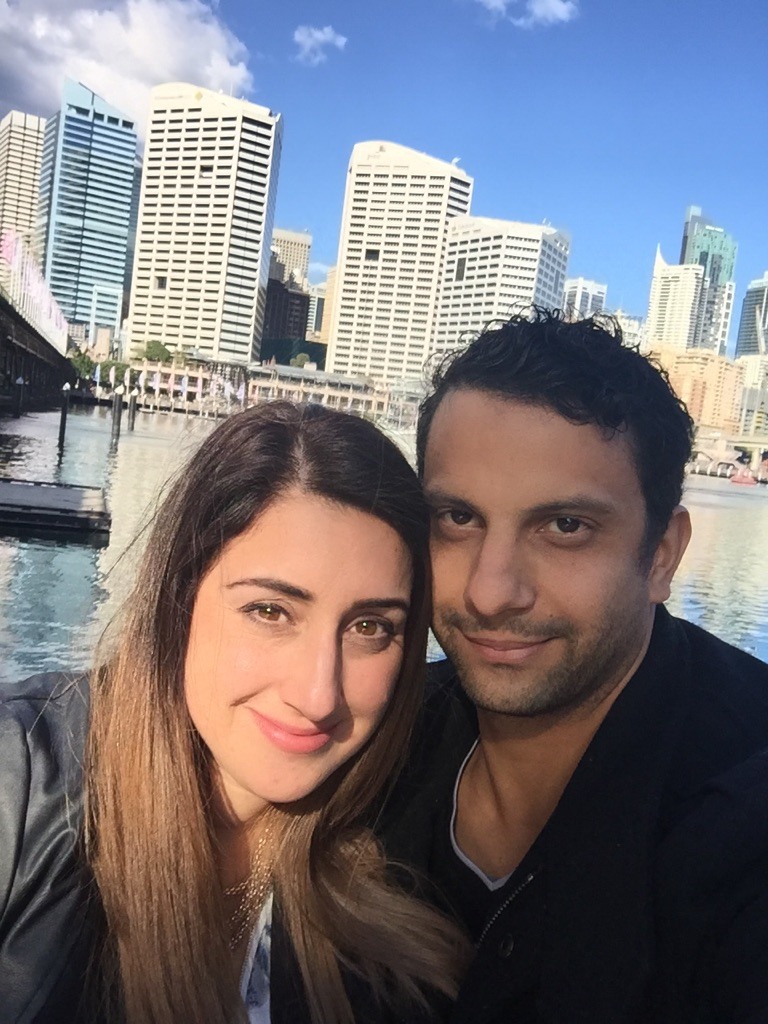
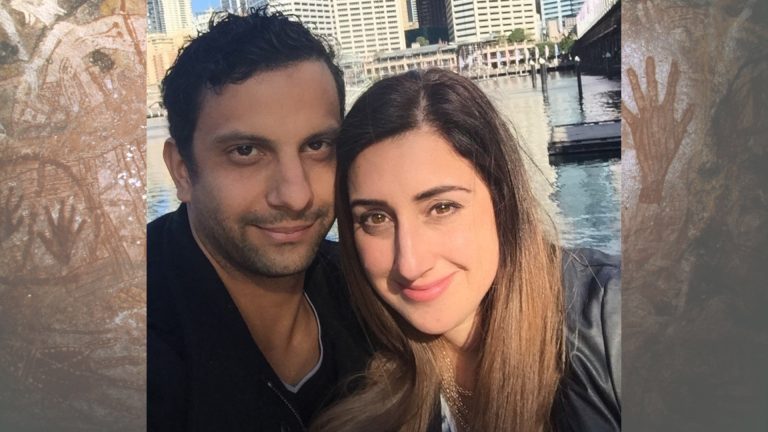
Matthew Hadjicosta and his wife, Olivia. Photo: Supplied

“That’s impacted me as now I can pass that lesson of respect to my kids.”

Matthew says that both cultures share two crucial values. A love for family, a love for dance and music and the fact that there’s always an opportunity to be found to spend quality time with the family.

“I often play the didgeridoo with my kids for their school events and at home and I also teach my son.”

“We also do dot painting. I sometimes communicate with family with the aboriginal language that we learnt when we were young.”

This year’s theme for NAIDOC week is ‘For Our Elders’ and encourages families across the country to acknowledge the incredible impact that Indigenous Elders have in families and on communities.

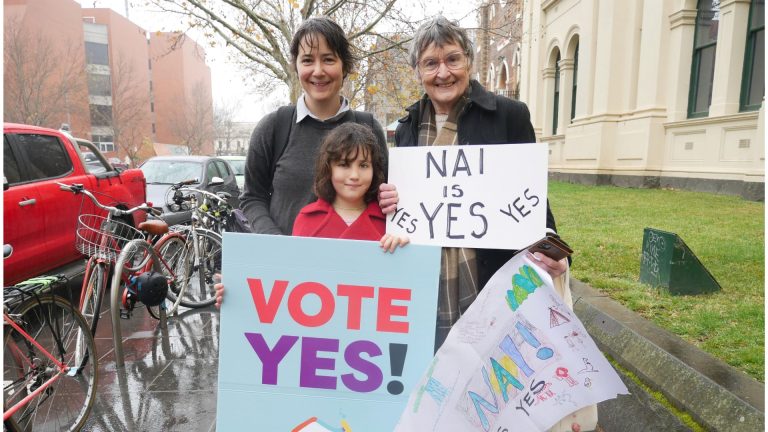
Greek contingent join Melbourne rally in support of Indigenous Voice to Parliament

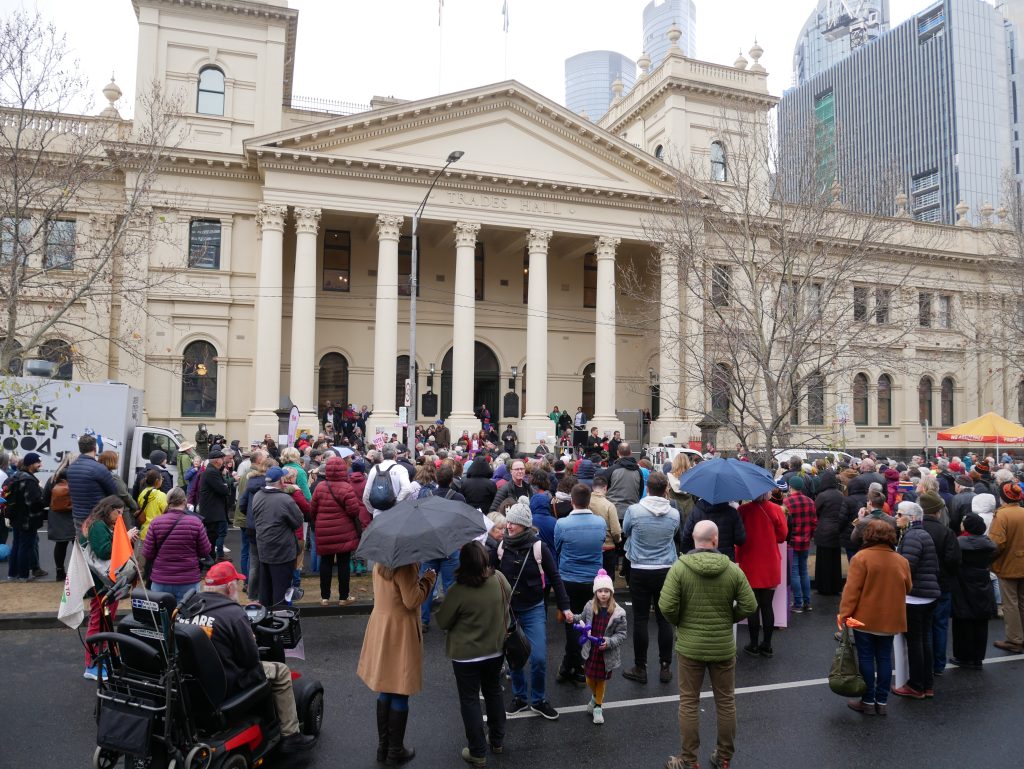
A group of Greek Australians gathered on Sunday morning in front of the Victorian Trades Hall in Carlton, Melbourne to publicly express their support for Indigenous recognition through a Voice to Australia’s Parliament.

Constitutional recognition through a Voice to Parliament would enable Aboriginal and Torres Strait Islander people to provide advice to the Parliament on policies and projects that impact their lives.

Supporters

Sunday’s event was part of a nationwide mobilisation of the ‘Yes’ campaign and saw people from different ethnic communities come together to show their will to vote “yes” in an upcoming referendum aimed at enshrining an Indigenous Voice to Parliament.

This comes despite a recent poll conducted by The Australian which showed the referendum was on a path to possible defeat, with the “Yes” vote falling three points to a new low of just 43 per cent, and the “No” vote rising to 47 per cent.

‘Time to right the wrongs’:

With this in mind, The Greek Herald attended the Victorian rally to hear what people in the ‘Yes’ camp had to say.

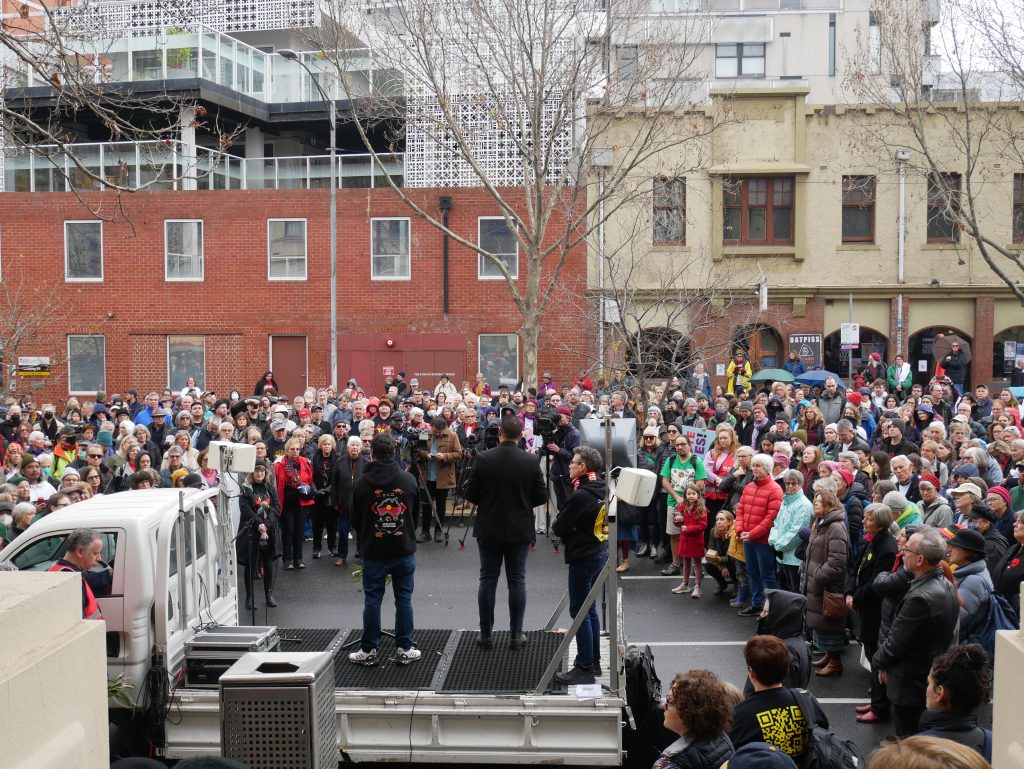
At the event, there was kids’ entertainment, Greek street food and performances. Wurundjeri elder, Uncle Ringo Terrick, gave a welcome address and called for unity.

Mr Theo Markos

Also present were Yorta Yorta man Ian Hamm, Australian Council of Trade Unions President Michele O’Neil, Victorian Aboriginal Community Controlled Health Organisation boss Aunty Jill Gallagher, and musicians Scott Darlow and Robert K Champion.

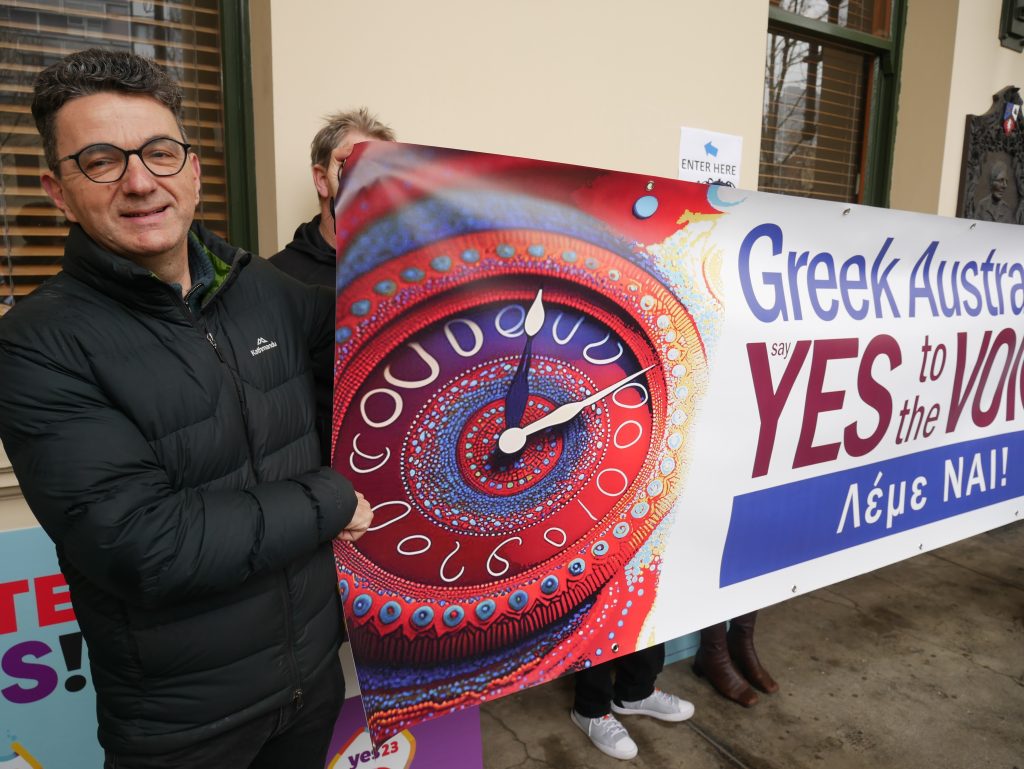
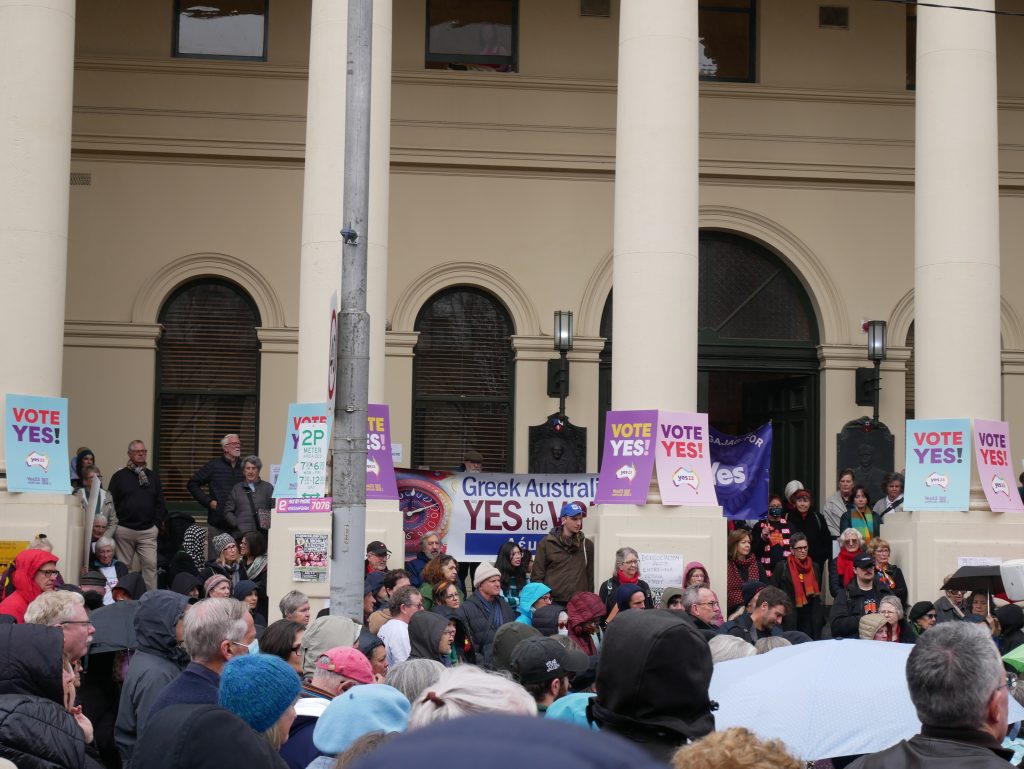
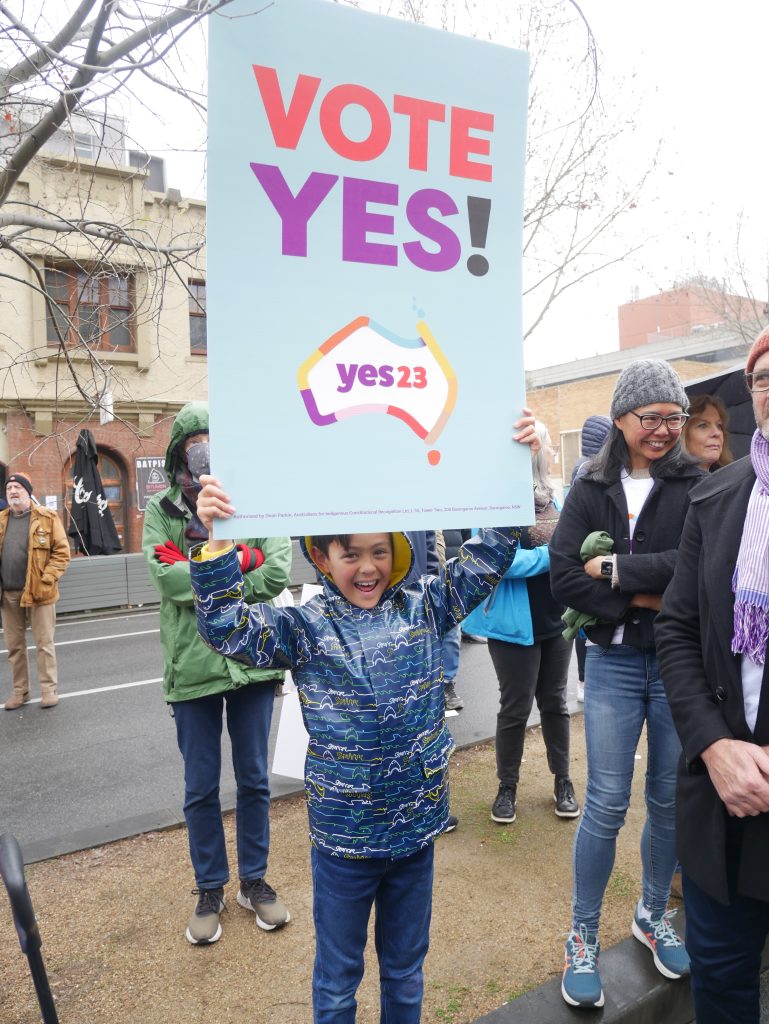
At the front entrance of the hall, a group of Greek Australians gathered with raised banners in support of the Indigenous Voice.

The Greek’s banner was placed in the middle

The former Vice President of the Greek Community of Melbourne (GCM) Theo Markos spoke to The Greek Herald on the day about the importance of the gathering.

“As Greek Australians, I think is really important to take part in the conversation and that we encourage people to support the ‘yes’ vote in the upcoming referendum…” Mr Markos said.

Speeches

Mr Markos added that it was a “tragedy” Indigenous people “have not been recognised in the constitution.”

“I think that this is the first step towards the true recognition and acceptance of the reality of this Australian society,” he said.

“There is also the acceptance and the adoption of the Uluru Statement From The Heart. It’s a statement that talks about voice, truth and treaty. I think that this [referendum] is the first of these three steps.”

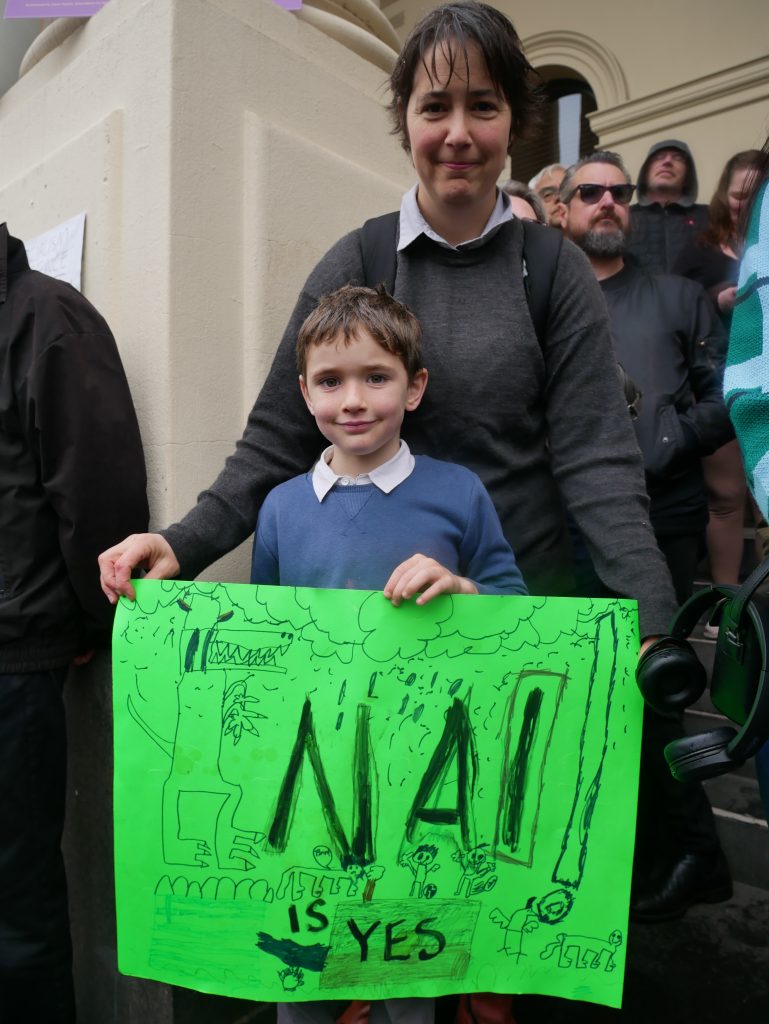
Vasso Zangalis was also at the rally, with her two kids and her mother Cavell. They were all holding posters in support of the Voice.

“It is a great honour for us that we are here today to vote ‘yes’,” Vasso told The Greek Herald.

“Let’s not forget that Greeks when they first came to Australia, they had no rights, and through fighting and creation we won many things. Now it is our turn to help others. I will happily vote ‘yes’ to have a better society and to live in a more fair world.”

Vasso’s mother added that she’s happy to come out and support the ‘Yes’ campaign.

“It’s very important to me that my children and my grandchildren will know and will contribute to the righting of wrongs in Australian history and vote ‘yes’.”

South Australians enjoy tribute to Greek music legend Stelios Kazantzidis

Photos and report by Martina Simos.

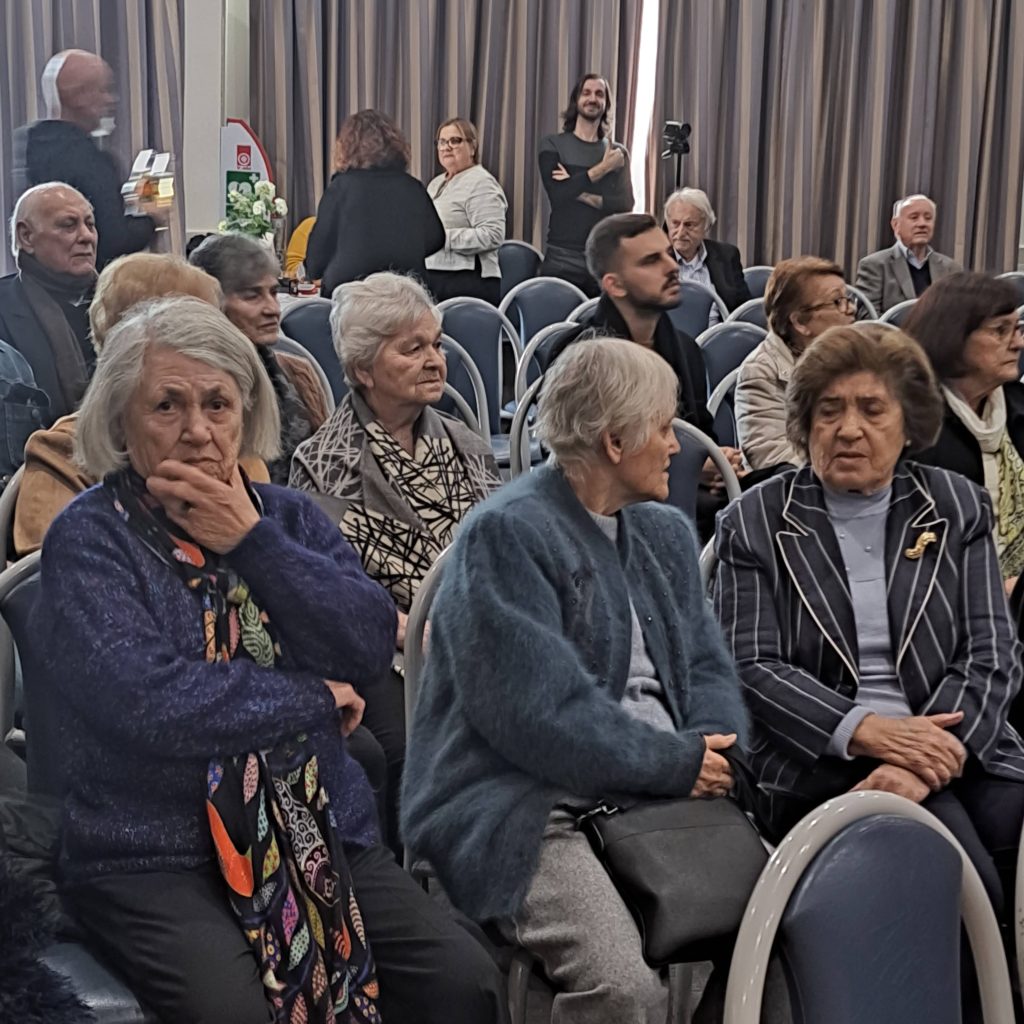
Different generations in Adelaide, South Australia were brought together through a shared love of Laiki music at a recent tribute concert to Stelios Kazantzidis by the band Tri Zorba.

The concert was organised by the Vergina Greek Women’s Cultural Society, which was founded in 1991 to assist the Pan Macedonian Federation of SA Inc in staging various cultural events.

Their aim is to preserve the culture and traditions of Macedonia and to bring the younger generation closer to their cultural heritage.

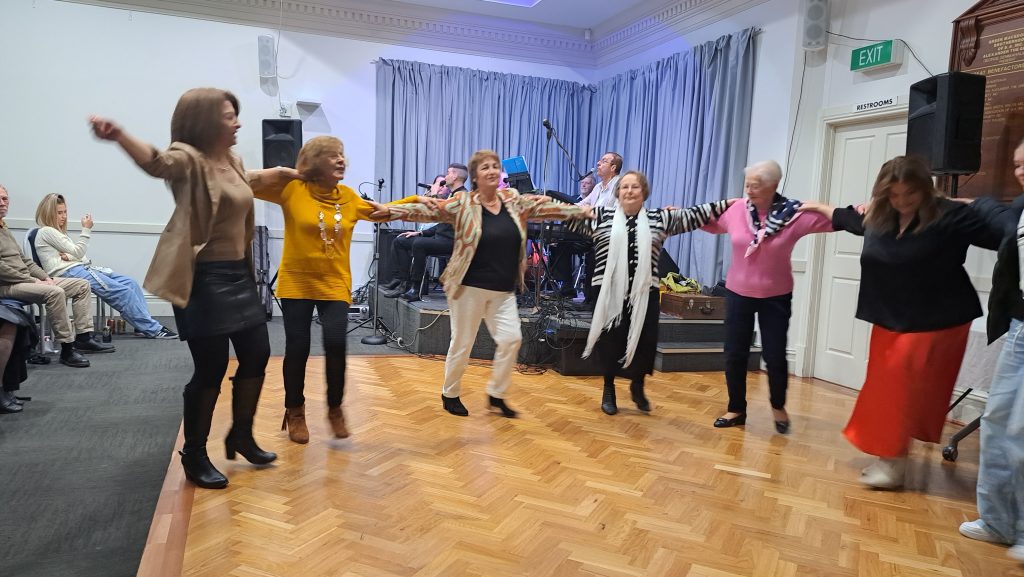
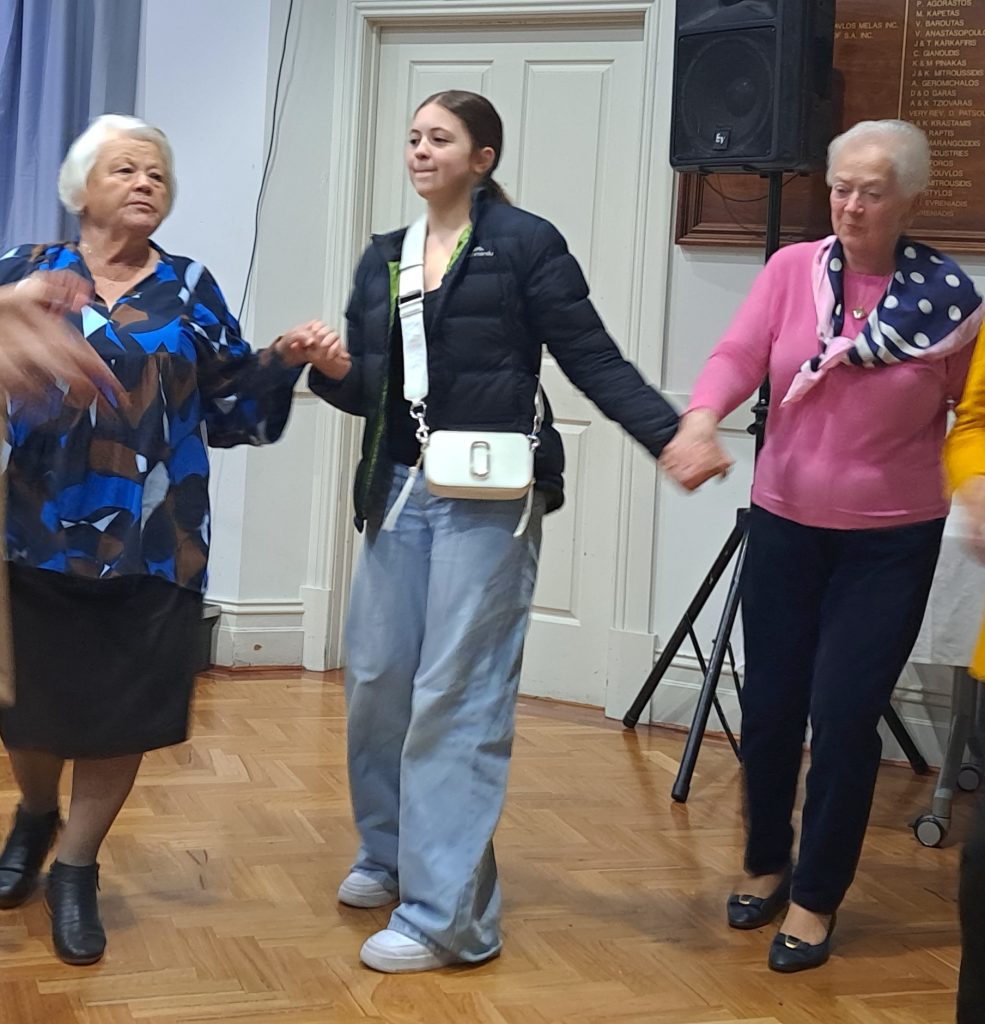
Dancing on the day. All photos copyright The Greek Herald / Martina Simos.

Vergina Greek Women’s Cultural Society President, Maria Genimahaliotis, is a proud Macedonian who was born in Kozani. She said her own cultural background – both Greek and Australian – is important to her. She became involved in the Pan Macedonian Federation in 1981, then assisting the Vergina committee, before becoming its president in 2012.

Maria said their annual music dedications to Greek legends are very supported by the community, with the most recent tribute to Kazantzidis a huge success.

“His music is appreciated by young and the not so young. It transcends generations,” Maria told The Greek Herald.

“As a committee we decided to bring his music alive to be enjoyed by all young and the young at heart.”

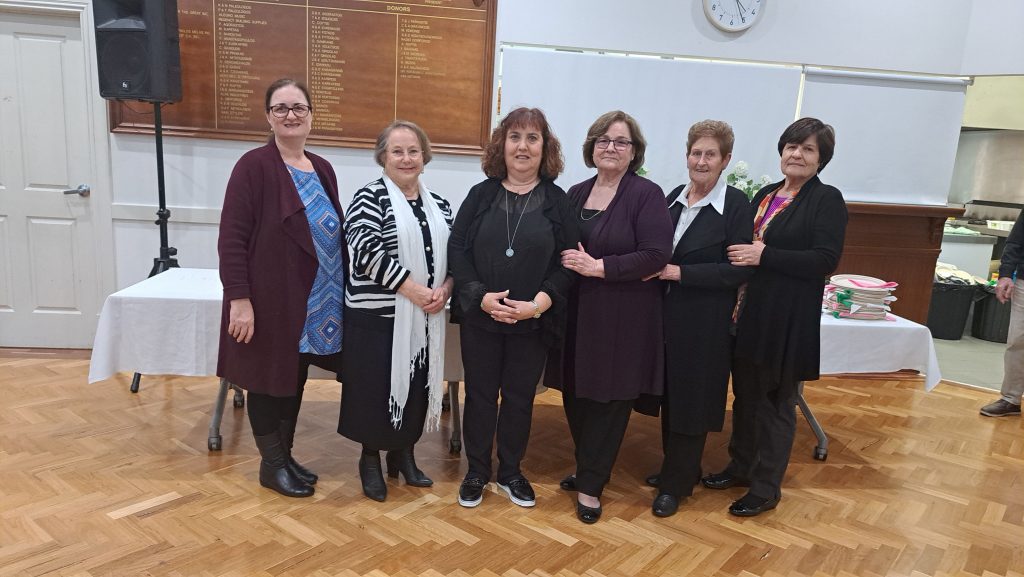
Members of the Vergina Greek Women’s Cultural Society.
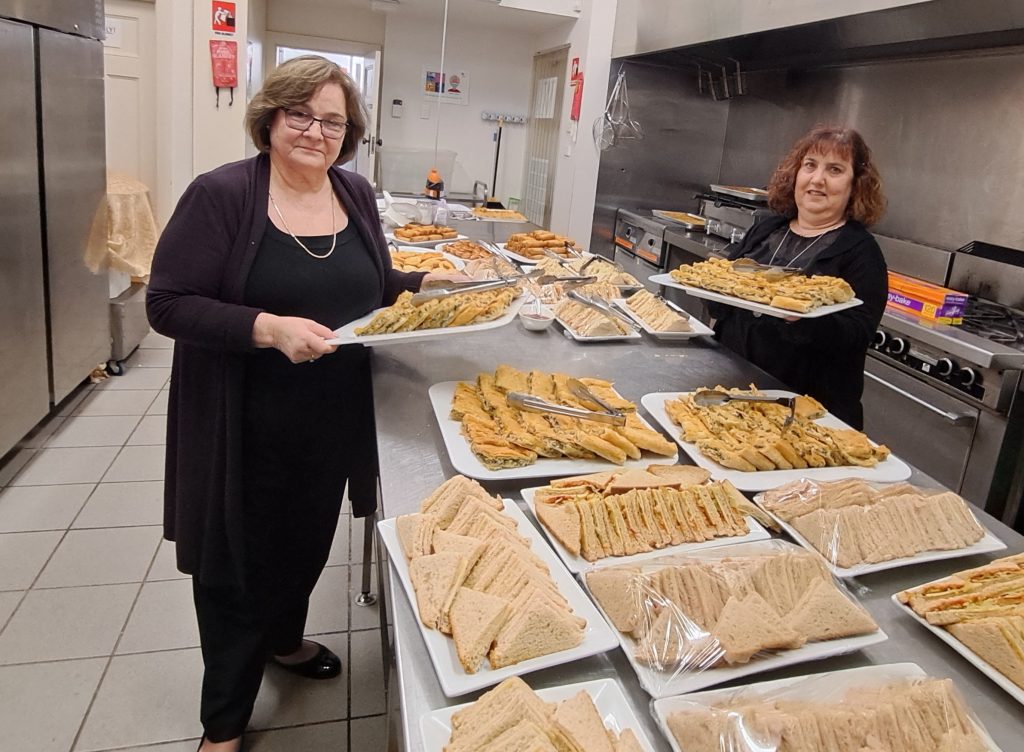
Food on offer on the day.

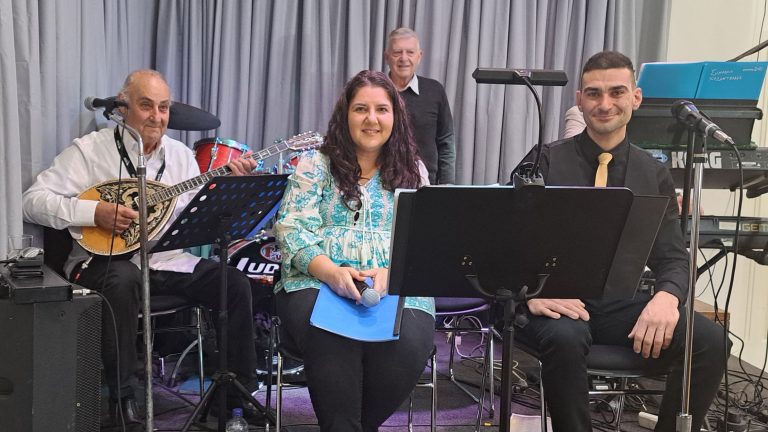
Tria Zorba is made up of: Tsambika De George (vocals), Mihalis Gribilos (keys and vocals), Chris Panteli (bouzouki), Steve Papadopoulos (guitar) and John Sioutis (drums). 

Tria Zorba has been a supporter of the Greek music scene in SA for many years, particularly at Vergina Greek Women’s Society events. Their love for the Greek music culture has seen them collaborate with the next generation of talented Greek musicians.

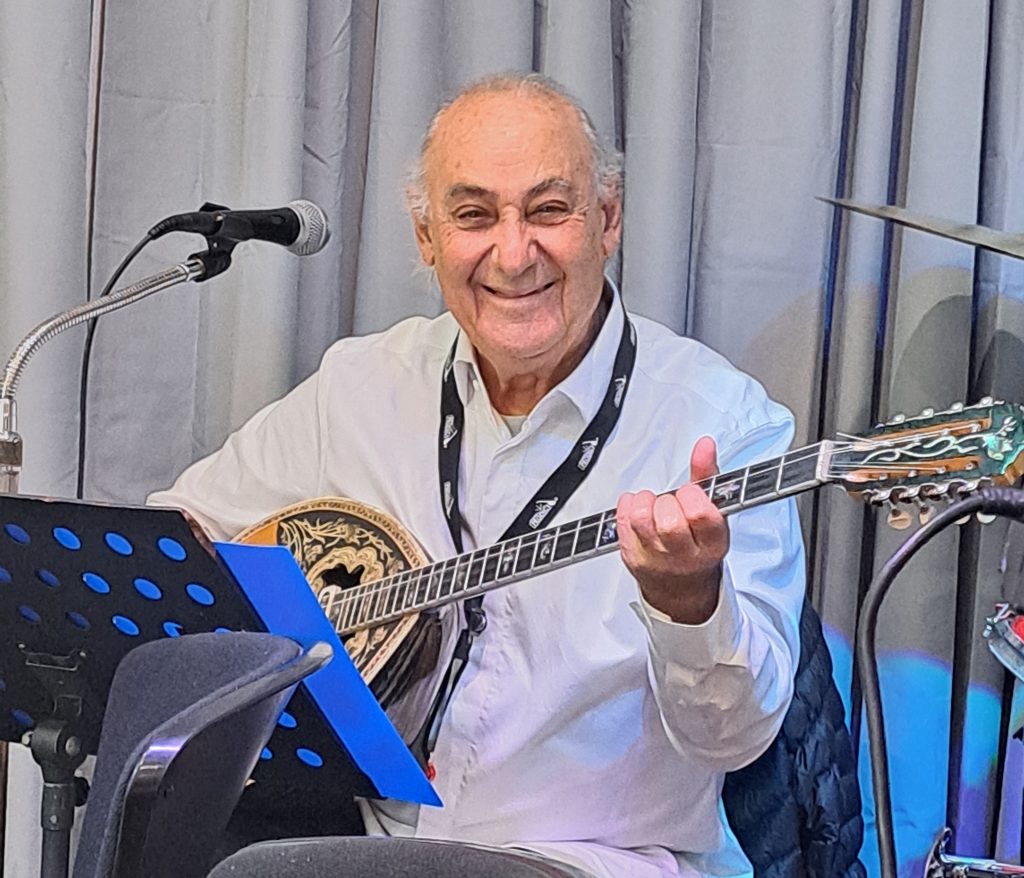
Chris Panteli on the bouzouki.

Guest vocalist Stamatis Dimitrakopoulos from the band Floga joined Tria Zorba for the tribute.

Stamatis, 33, migrated to Australia in 2015 with his father from the town of Tripoli (Peloponnese).

At the age of five, Stamatis started singing with his sister and at 14 began bouzouki lessons. He credits Greece with influencing his music career.

“The reason was my parents migrated to Australia in 1987 and they played all day on the cassettes traditional and many Laika songs,” he recalled.

“Greece was and is the centre of all my artistic and music knowledge.”

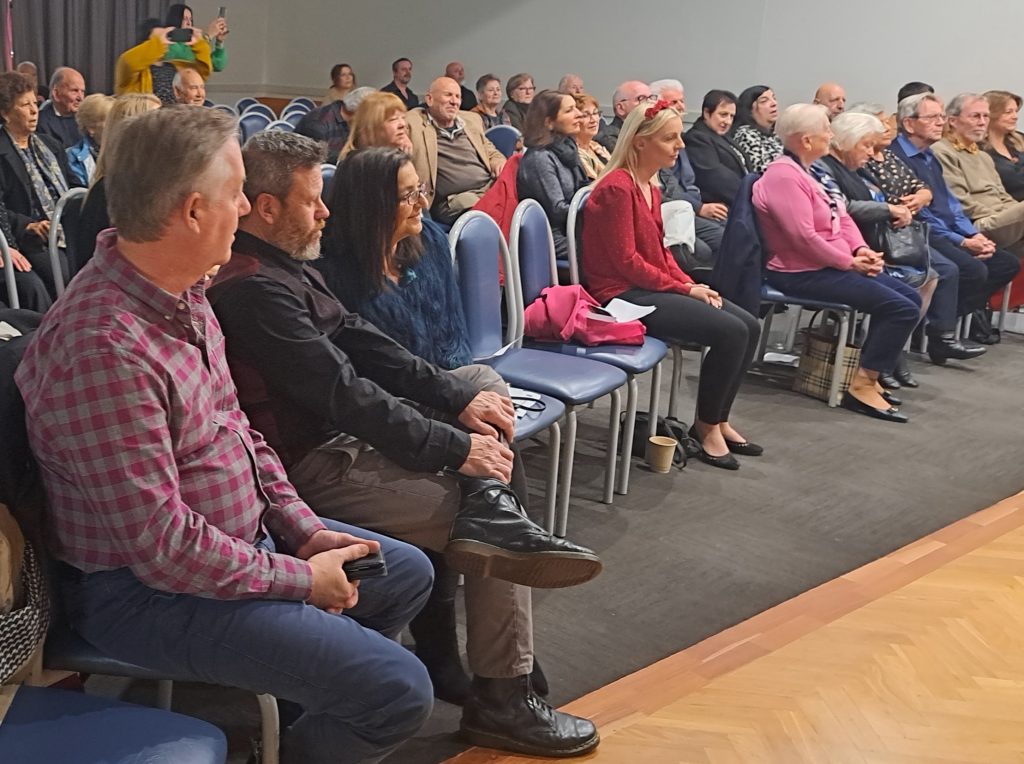
Smiles all round at the musical tribute to Stelios Kazantzidis.

The Vergina Greek Women’s Cultural Society does not receive any type of funding to stage events, but the dedicated committee raise funds by organising fundraising activities while ensuring events are also affordable.

The Committee is made up of: Maria Genimahaliotis, (President), Zoe Metaxas (Secretary), Kathy Malakozis (Treasurer), Theodora Paleologos, Agatha Karkafiris, Vasiliki Aslaniidis, Eleftheria Antonopoulos, Koula Mazmanidis, Chrysanthi Fotkou, Georgia Diamond, Daphne Sorvanis, Anna Lillis, Ritsa Kaliontzis, Eleni Malakozi, and Nicole Genimahaliotis.

The next event presented by PanMacedonian Federation of SA Inc will be a “Fasolada” lunch on Sunday, August 6 at midday for $25 per person featuring the live Greek band – Floga. Contact Konnie for more details on 0413 458 382.

Australia’s Prime Minister Anthony Albanese meets with Archbishop Makarios

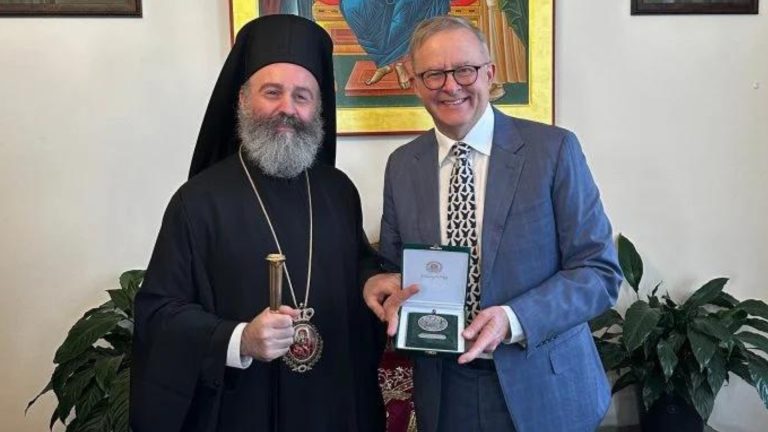
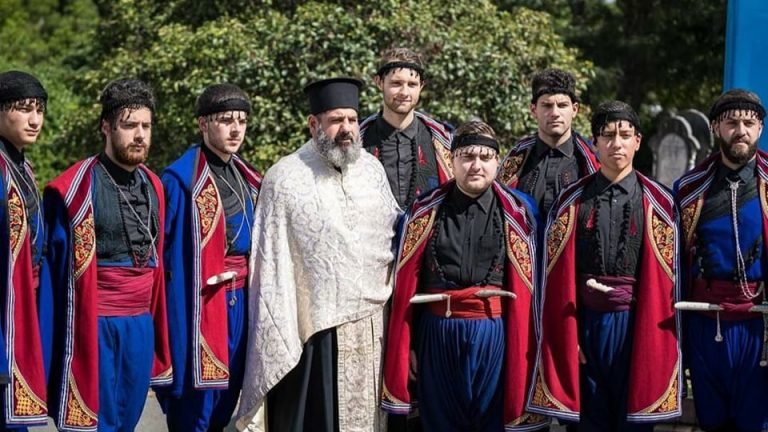
The Prime Minister of Australia, Anthony Albanese, met with Archbishop Makarios of Australia on Sunday, July 2, at the headquarters of the Greek Orthodox Archdiocese of Australia (GOAA) in Redfern, Sydney.

Mr Albanese was accompanied by the NSW Minister for Multiculturalism, Steve Kamper. Bishop Elpidios of Kyanea, Bishop Bartholomew of Charioupolis, and Archimandrite Christophoros Krikelis, were also present on the day.

During the meeting, Mr Albanese and the Archbishop spoke about the Ecumenical Patriarch Bartholomew’s visit to Australia next year to mark the centenary of the establishment of the GOAA.

According to an announcement by the GOAA, Mr Albanese said during the meeting that he would confer Head of State honours on the Ecumenical Patriarch when he arrives in Australia.

Other topics discussed on the day include general issues concerning the Greek community of Australia and the Orthodox church.

London mayor proposes ‘win-win’ sharing agreement for Parthenon Marbles

0

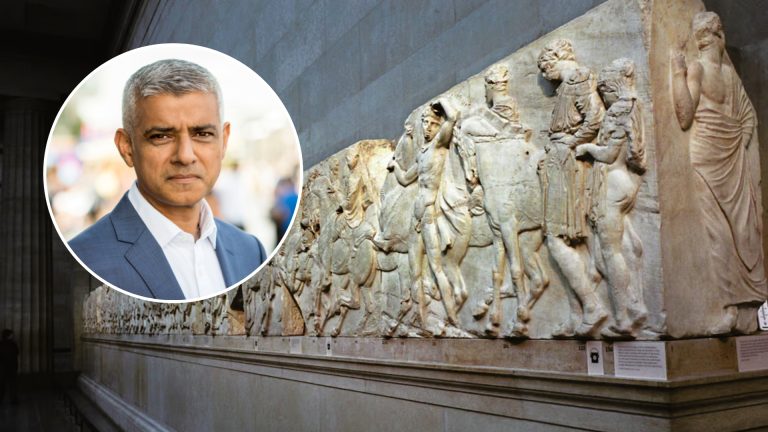
London Mayor Sadiq Khan has called on the British government and the British Museum to reach a “win-win arrangement” with Greece over the Parthenon Marbles.

In an interview with the Greek daily newspaper Ta Nea, Mr Khan said that in terms of the Parthenon Marbles “there’s a discussion to share some of this stuff.”

The London mayor said he wants Londoners to be able to see the Parthenon Marbles, “but I don’t see why the British Museum, the British government, the government of Greece and the museum in Athens can’t come to an accommodation to share these…”

“It is important for us to recognise that actually, not all the exhibits that are in the British Museum are ones that should just stay in London,” Mr Khan added.

While Mr Khan stopped short of saying that the Marbles should be permanently returned to Athens, he said the agreement should be “a win for both Greece and the UK.”

The Parthenon Marbles have been showcased in the British Museum since 1832 after being ripped from the Parthenon by Lord Elgin, a British diplomat. 

Since then, the British Museum and the British government have refused to listen to repeated calls from Greece to return the marbles to Athens.

Source: Yannis Andritsopoulos, London Correspondent for the Greek daily newspaper Ta Nea.

Greeks in Australia and New Zealand pay tribute to Father George Kanellis

Tributes are flowing today following the death of Father George Kanellis from the Holy Metropolis in New Zealand.

According to a Facebook statement by the Holy Metropolis, Father George passed away on Saturday, July 1. He leaves behind his wife Michelle, their three children Evangelia, Manoli and Sophia, his mother Evangelia and siblings Konstantinos and Maria in Sydney.

News of Father George’s death sent shockwaves through the Greek communities of Australia and New Zealand, with many paying their respects to the young Cretan priest.

In a post of Facebook, the Cretan Federation of Australia and New Zealand expressed their condolences to the Kanellis family.

“Father George served the Greek Orthodox faithful in New Zealand with passion and love for anyone that knew him,” the post read.

“He was also the pastoral father and community leader to so many young Greek and non-Greek children in New Zealand. He was a shining light and a beacon of hope for the entire community.”

The Cretan Association of Sydney & NSW also said they were “very saddened” to hear the news of Father George’s death.

“Father George was the Vice President of the Cretans Association of New Zealand Incorporated and was very proud to be active in the Cretan community,” the Association said in a Facebook post, adding that the priest “left a lasting impact.”

In New Zealand, parishioners at the Holy Trinity Christian Greek Orthodox Church of Auckland also mourned the loss of Father George.

“Everyone in our congregation knew Father George relentlessly serving our parish before he reallocated with his family to Wellington,” the parish said in a post on Facebook.

“Father George was an exemplary priest, offering guidance, compassion, and unwavering faith to all who sought his counsel.”

Father George’s funeral service will be conducted on Thursday, July 6 at 11am at the Greek Orthodox Parish of the Annunciation of the Virgin Mary situated at 3 Hania Street, Mount Victoria, Wellington, New Zealand.

US President Joe Biden hails strong bilateral relations with Greece

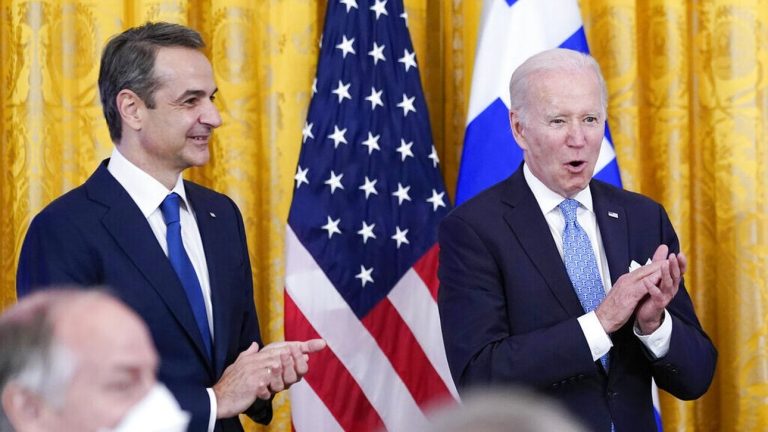
Greece’s Prime Minister Kyriakos Mitsotakis had a phone conversation with the President of the United States, Joe Biden, on Sunday afternoon.

Biden congratulated Mitsotakis on his electoral victory and emphasised his anticipation for even closer cooperation with the new Greek government.

The two leaders reaffirmed the close bilateral ties between the two countries, as well as their commitment to strengthening and deepening the excellent Greek-American cooperation, particularly in the areas of defence and energy.

During the conversation, the importance of the strategic cooperation between Greece and the United States for stability and security in the broader Eastern Mediterranean region was highlighted.

Biden also expressed his gratitude for the support provided by Greece to Ukraine from the very beginning and for its role as a reliable partner and ally in the region.

In a post on Twitter, Mitsotakis expressed his satisfaction with the conversation and added: “Had the pleasure to speak with @POTUS today. We discussed Greece’s role as a pillar of stability and security in the region, our deepening economic ties and unwavering support for Ukraine. As I said in my address to the US Congress: our partnership is as long as it is enduring.”

Source: Hellas Post.

Nick Kyrgios withdraws from Wimbledon

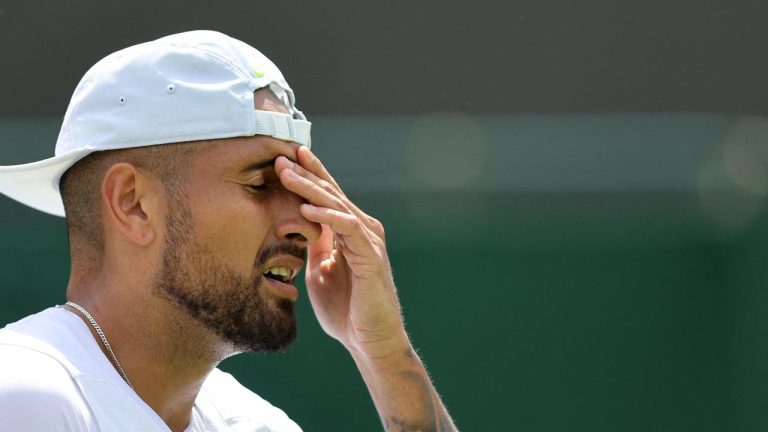
Nick Kyrgios has withdrawn from Wimbledon this year after experiencing a torn ligament in his wrist.

Kyrgios made the announcement on Monday morning on his Instagram stories.

“I tried my hardest to be ready after my surgery and to be able to step on the Wimbledon courts again,” Kyrgios said in his post.

“During my comeback, I experienced some pain in my wrist during the week of Mallorca. As a precaution I had it scanned and it came back showing a torn ligament in my wrist. I tried everything to be able to play and I am disappointed to say that I just didn’t have enough time to manage it before Wimbledon.”

Kyrgios made the final of Wimbledon last year, losing to Novak Djokovic in four sets.

The tennis star missed the entire start of the 2023 season after undergoing arthroscopic surgery on his left knee in January. Kyrgios made his return last month in Stuttgart, where he lost to Wu Yibing in the first round.

He said despite this latest hurdle, he will “be back.”

“And as always, I appreciate the support from all my fans.” Kyrgios said.

Dr Terry Pouras: Adelaide paediatrician retires after more than 50 years

Dr Terry Pouras is finally ready to call it a day. In his last week as a paediatrician in North Adelaide, South Australia, Dr Pouras spoke to The Greek Herald about a career he has been passionate about.

By Martina Simos.

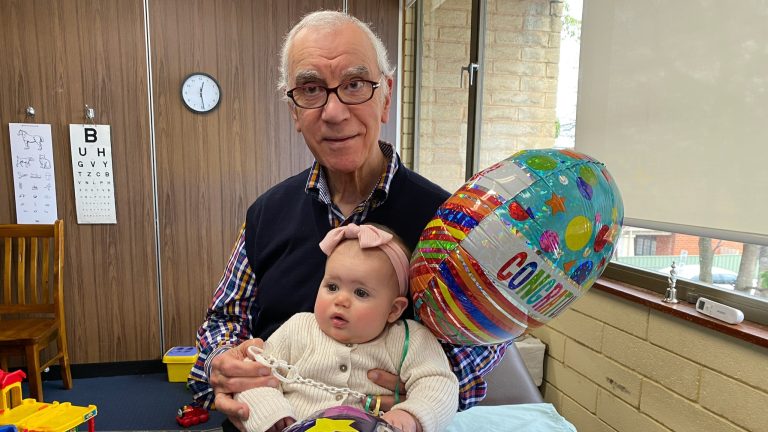
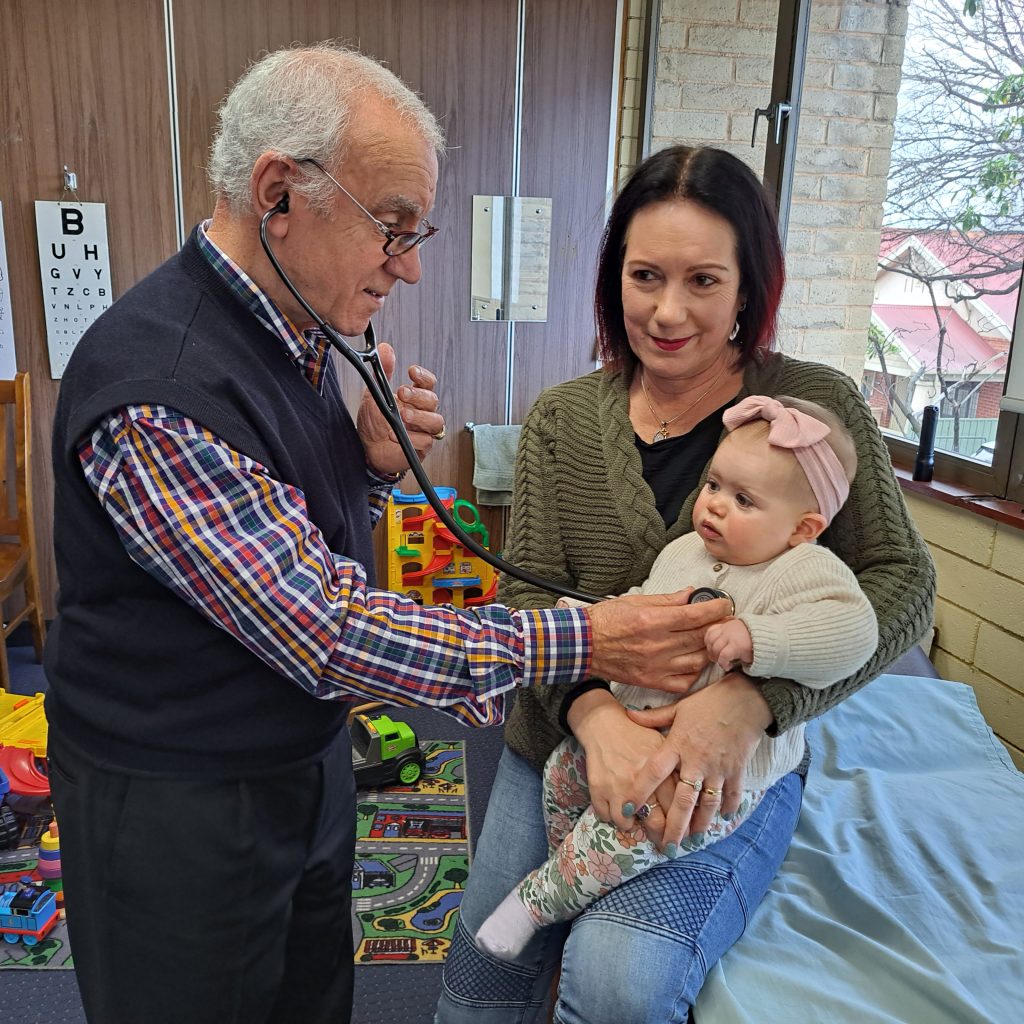
Baby Evdokia may not know it but she is one of the last infants to be held by Dr Terry Pouras.

In a career spanning six decades, he has held at least 100,000 children, with many becoming parents themselves and bringing their offspring to him as patients.

Migration to Australia:

As the son of refugee parents from Asia Minor (Smyrna), Dr Pouras arrived in Australia in 1953 at the age of nine with his mother and two sisters Ronnie and Lily, and landed in Melbourne. His father Christos and older brother Stratos had arrived 12 months earlier.

The family ended up in South Australia and lived on King William Road in Hyde Park. The siblings attended Unley Primary School. His father was a carpenter with no formal education while his mother Helli stayed home to look after the family.

“My father was in the Greek army when Italy invaded Greece,” Dr Pouras explained. “He learnt his trade by watching other master craftsmen.”

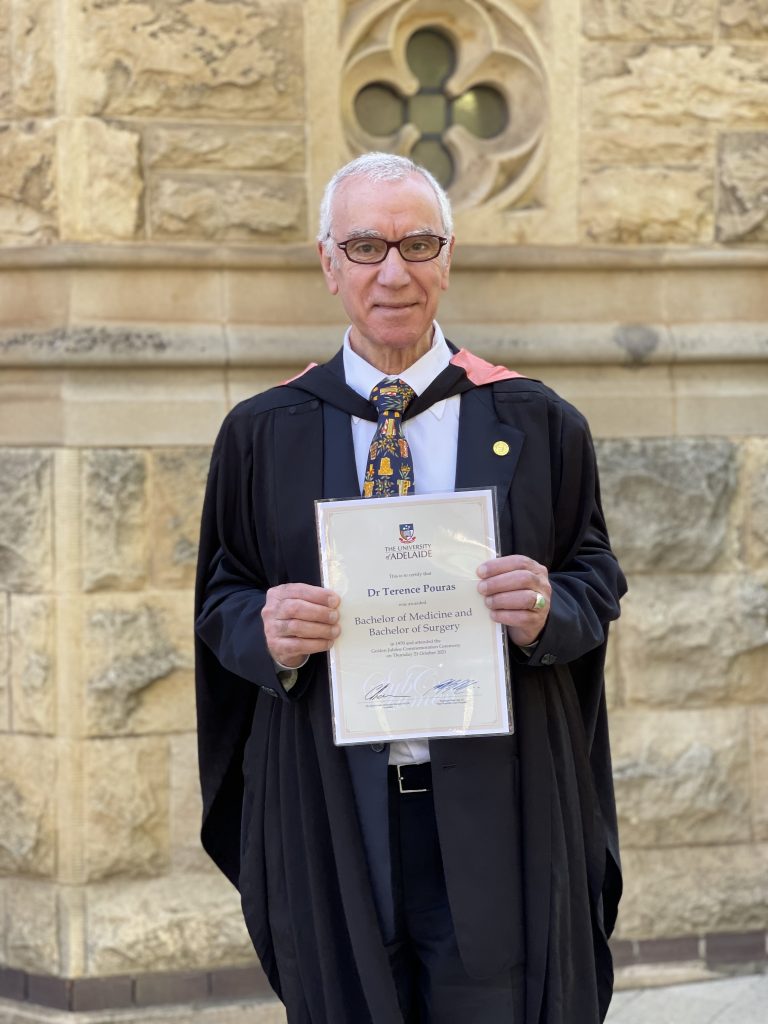
Ten years later, Dr Pouras graduated from Unley High School and was accepted to study medicine at the University of Adelaide. It was a moment of great pride for his parents when he graduated with a Bachelor of Medicine.

“My father was proud when I was granted a scholarship to study medicine and he was particularly proud of my graduation as a doctor,” he said.

Dr Pouras’ graduation day.

A medical path:

Dr Pouras began his career as a general practitioner, opening up a clinic in Norwood on the outskirts of the city, but admits he’s always had a ‘soft spot’ for babies and youngsters early on.

He worked in the clinic for four years but gave it up to focus on the health and wellbeing of babies and young children.

“After working as a general practitioner, I decided that this was not for me and my interest was devoted to children,” Dr Pouras explained. 

“I wouldn’t be able to tell you the exact amount (of young patients), but I would have seen around 100,000 or more children during my career.

“I have always had a caring and protective tendency towards children in general from babies to young adults.”

Dr Pouras has loved his job. Photo copyright: The Greek Herald / Martina Simos.

Dr Pouras studied paediatrics for a further six years and in 1975 opened up his practice in North Adelaide where he will finish up today. He has no regrets about leaving it to retire just before his 80th birthday.

“I felt that I needed to prolong my career as I had a huge responsibility to nurture the development of children who were under my care,” he said.

“There is no time limit for this process to take place. It is a continuum of dedication and energy, and responsibility.

“I think I have done my share, and now it’s time to pass the baton on.”

He believes the field of paediatrics and paediatricians hold ‘a special place’ in society and has some advice for any future paediatricians.

“We can influence the life of a young baby and school-aged child, and a very impressionable teenager to a maturing young adult,” he said.

“Therefore, the aspiring paediatrician should be mature, dedicated, caring and prepared to spend a great deal of time with the child and the family.”

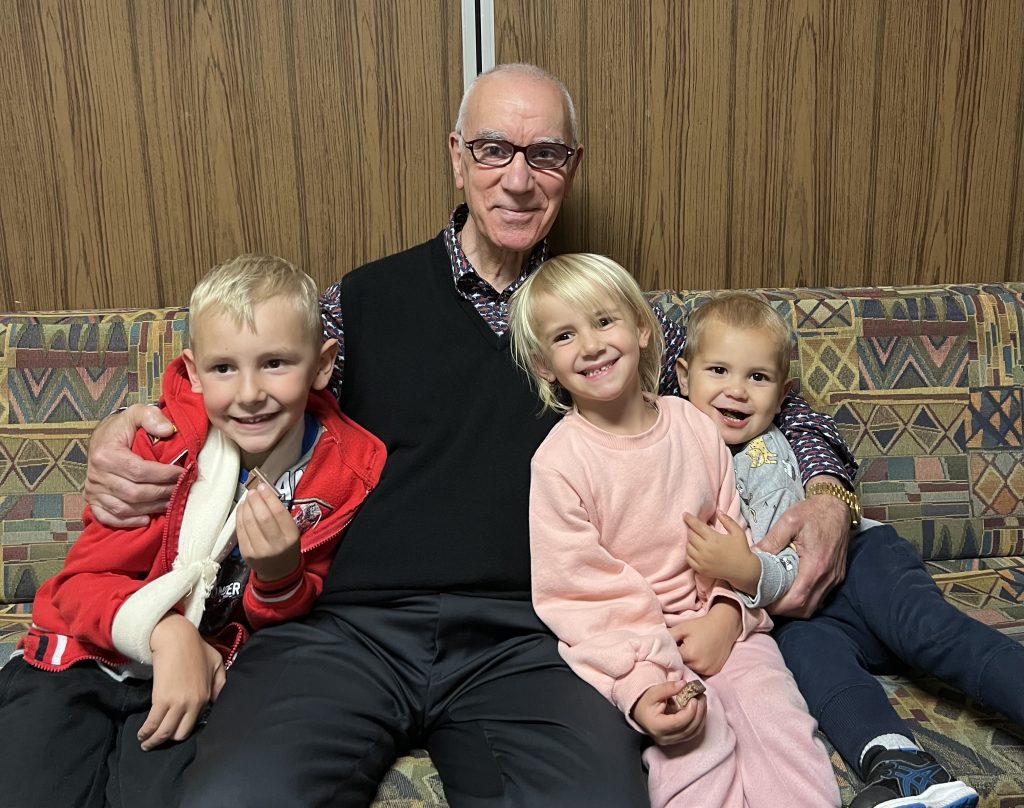
(L-R) James, Dr Pouras, Oriana, and Anthony.

Finally, a retirement date:

Today, Dr Pouras thanked and said goodbye to his loyal staff and the last of his patients, many who are very sad to see him go. He too has been quietly going through similar emotions as he farewells a more than 50-year career as a doctor.

“I am already going through these emotions, and I have been overwhelmed by the generosity of the parents of the children who have been under my care,” he said.

“I am also very proud that I have been the only Greek-speaking paediatrician in Adelaide, and I have been able to help many families for whom English is not their first language.”

What’s next?

From next week, Dr Pouras said he will reflect and take the time to evaluate his contribution to medicine in a “relaxed way,” continue his music lessons and spend time with his family that includes his supportive partner Kelley Russo, his adult children and grandchildren.

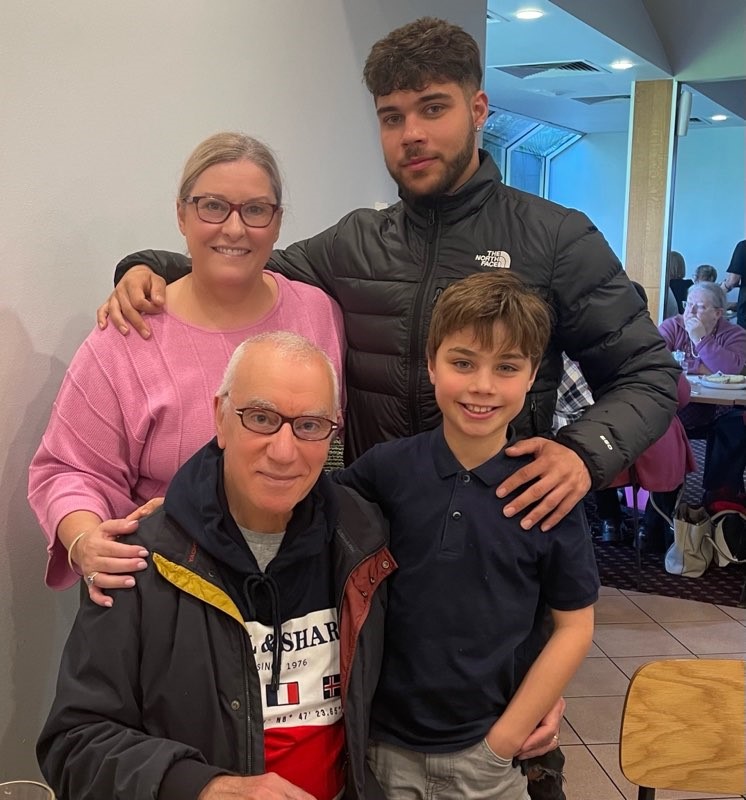
Top row- Kelley (Partner), Zac (Grandson). Bottom row – Dr Pouras and Leo (grandson).

“I can then concentrate on my family and my bouzouki playing career with my dedicated teacher,” he said. 

Dr Pouras with the bouzouki.

“My bouzouki playing is progressing satisfactorily, and I have no intentions of giving it up. I enjoy spending time with my (bouzouki) teacher Mr John Kourbelis.

“I hope and expect to live many years after my retirement, and I can reflect on my life as a paediatrician in comfort with my family by my side.”

Greek Australian CEOs raise funds to fight homelessness

Every night, at least 122,000 people are experiencing homelessness in Australia.

On June 22, leaders in business, community and government slept rough and raised millions of dollars for Vinnies’ homelessness services.

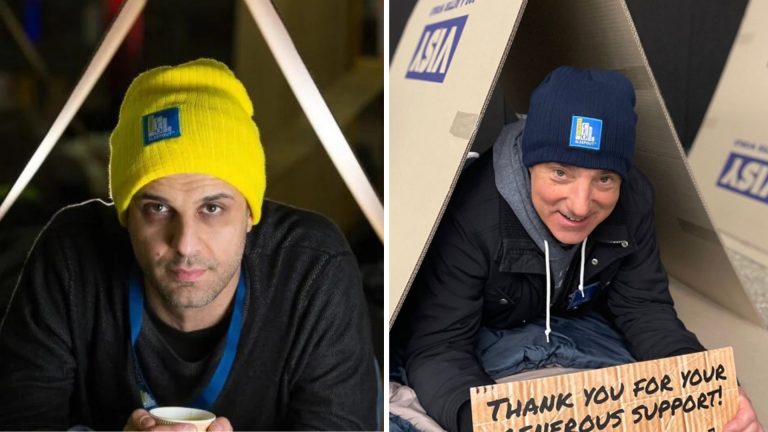
In fact, 1,489 CEOs raised $8,578,477 with the support of 42,893 people. Among them were at least two Greek Australian CEOs, Chris Christofi and Paul Nicolaou.

Chris Christofi, from Reventon, is first on the leader board for donations in Victoria and third in Australia. He has raised $117,194 so far this year.

He has helped provide 372 individual support programs, 976 beds, and 3906 meals.

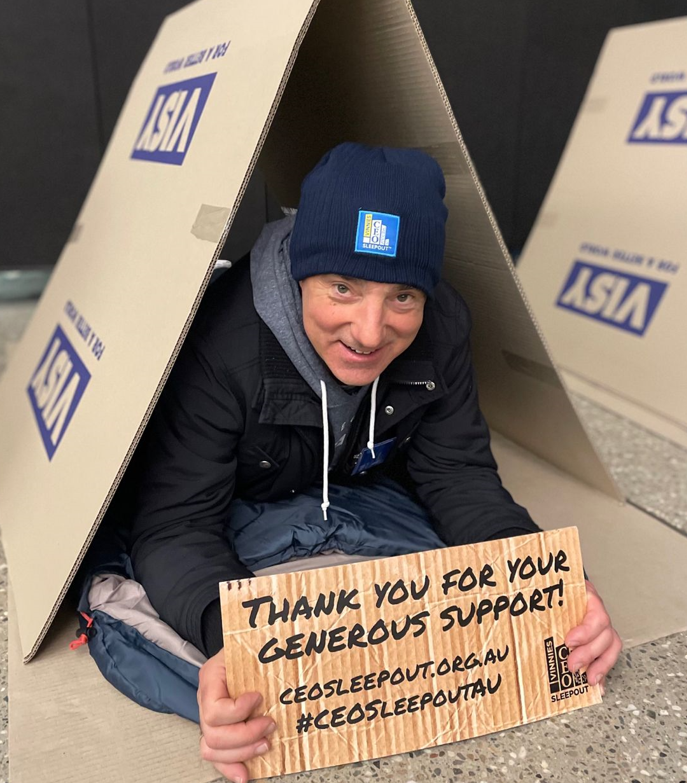
Paul Nicolaou.

Paul Nicolaou, executive director at Business Sydney, has raised $114,489 passing his $110,000 goal and is sitting in fourth place on the national leader board and in third place for NSW.

So far, he has helped provide 363 individual support programs, 954 beds, 3816 meals.