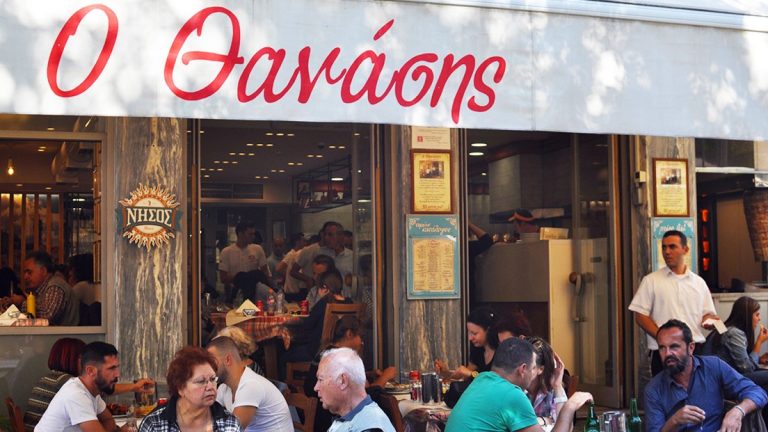
Well known for its juicy souvlakia, O Thanasis, located in the heart of Athens, Greece, has been ranked at number 42 on the Taste Atlas List.
Eating under the radiant white lights and reading from a laminated bilingual menu, the restaurant serves flawless meals ranging from insanely rich tzatziki, succulent grilled meats and homemade moussaka.
Souvlaki served at the restaurant in Athens.
First started by two brothers in 1965 in a century old Naval Officers home, O Thanasis allows for a casual and fun outdoor and indoor atmosphere with friendly staff.
As quoted by Taste Atlas, O Thanasis consistently delivers delicious, authentic experiences which has been adored by locals and tourists alike for over 50 years.
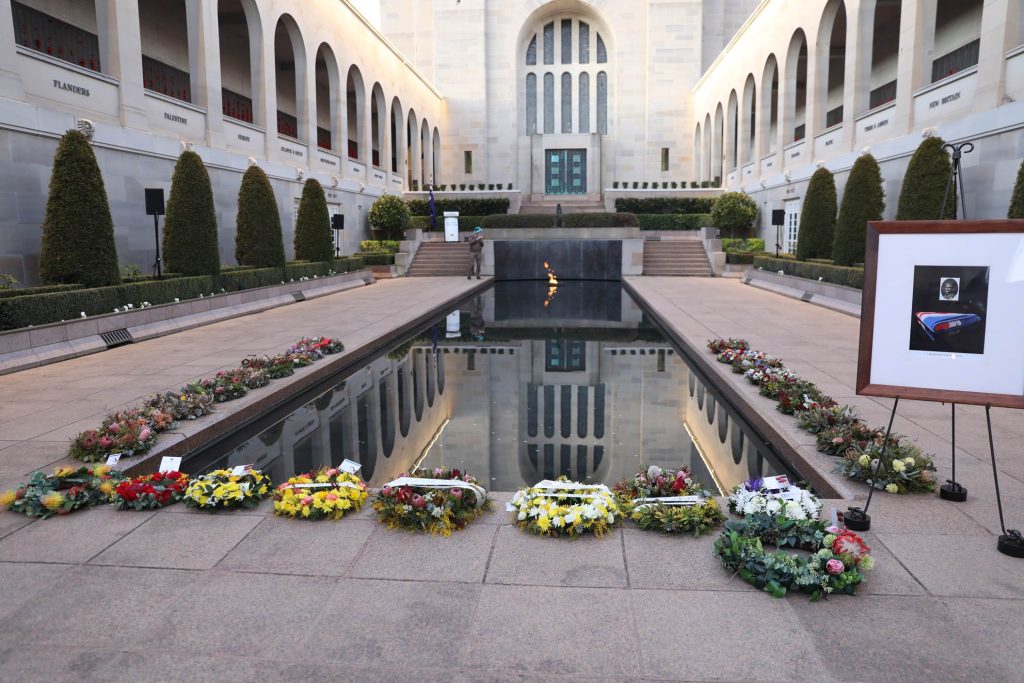
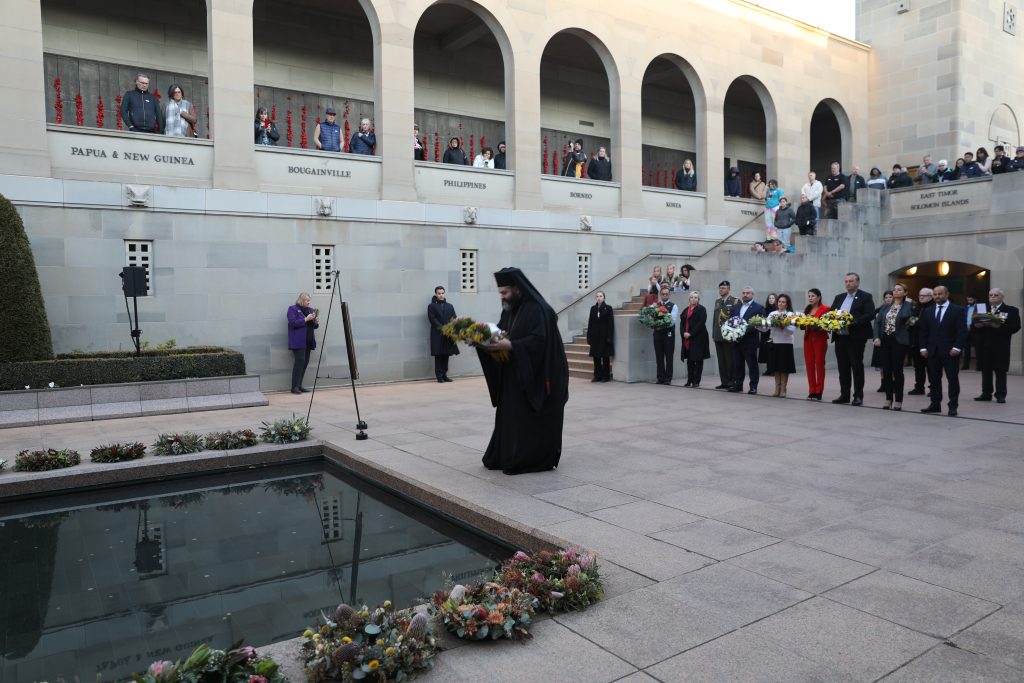
The Australian War Memorial played host to a momentous and poignant occasion as dignitaries, members of the Cypriot community, and distinguished guests gathered to solemnly commemorate the 49th anniversary of the Turkish invasion of Cyprus in 1974.
The ceremony served as a poignant reminder of the lives lost and the enduring impact of the conflict that occurred nearly five decades ago.
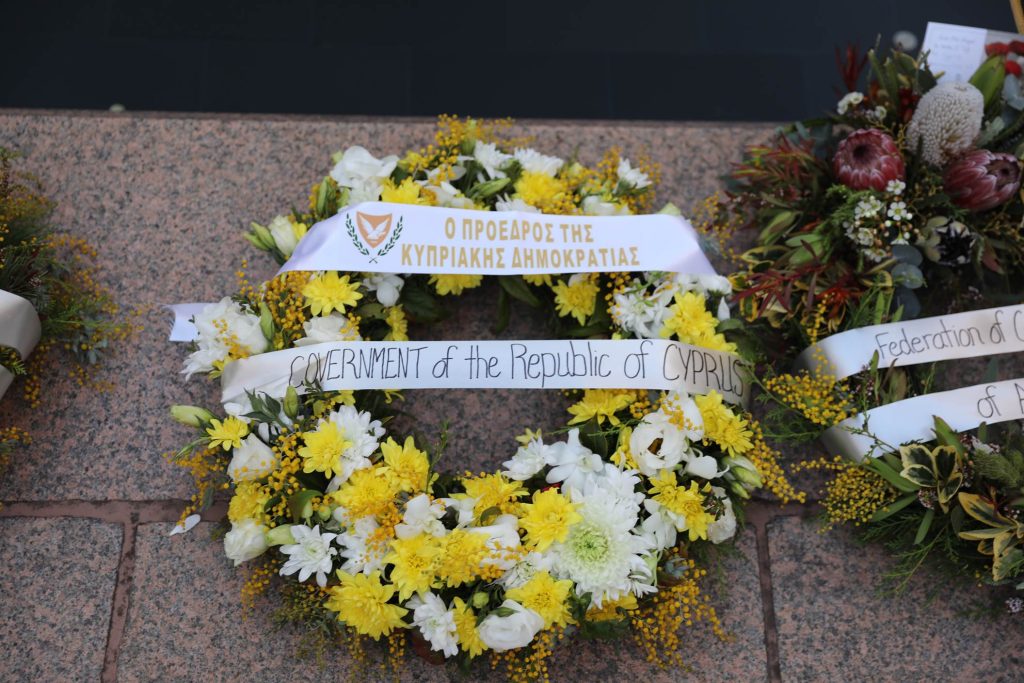
Wreath laying. Photos supplied.Wreath laying at the Australian War Memorial.
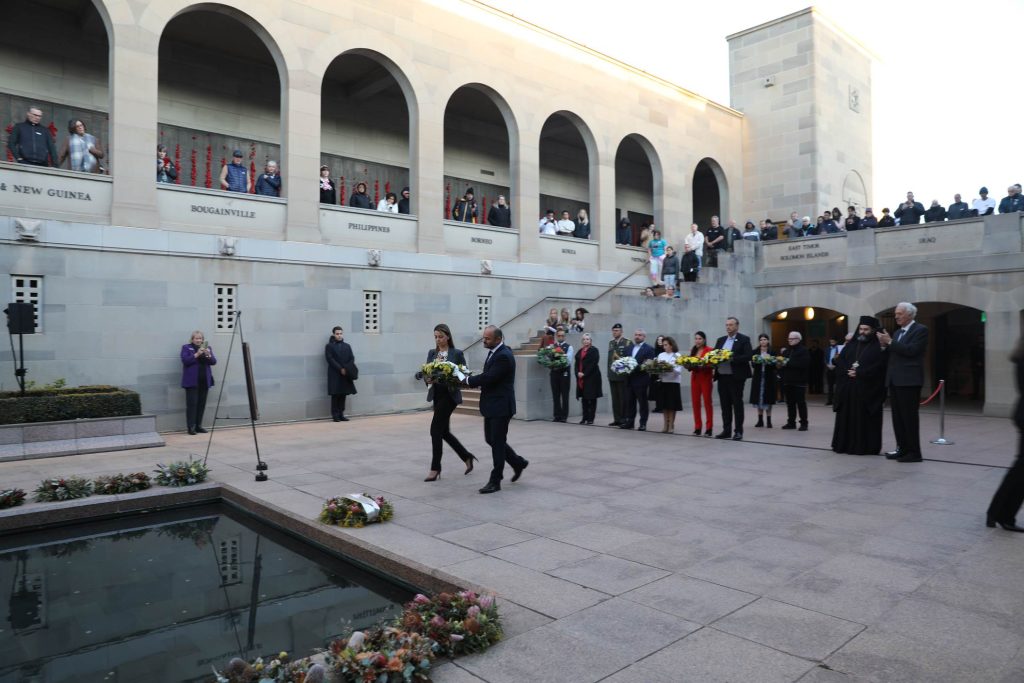
Gathered beneath the solemn arches of the memorial, attendees united in a spirit of remembrance and reflection. Moments of silence were observed, and wreaths were reverently laid to honour those who lost their lives during the Turkish invasion and other conflicts worldwide.
This collective act of remembrance served as a poignant tribute to the sacrifices made and emphasised the crucial pursuit of lasting peace and reconciliation.
Bishop Bartholomew of Charioupolis.
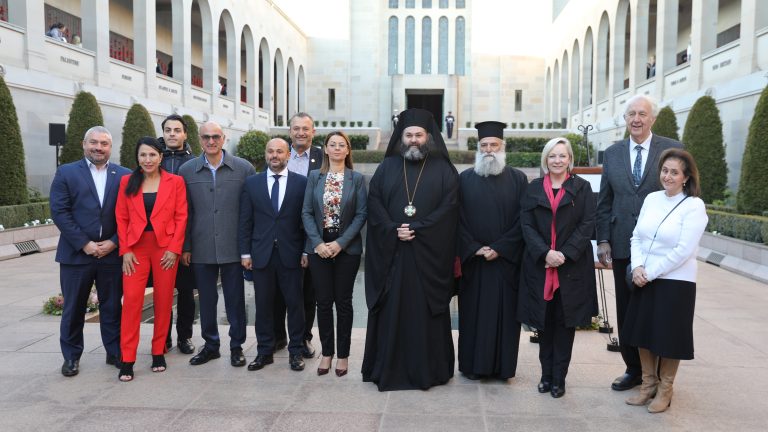
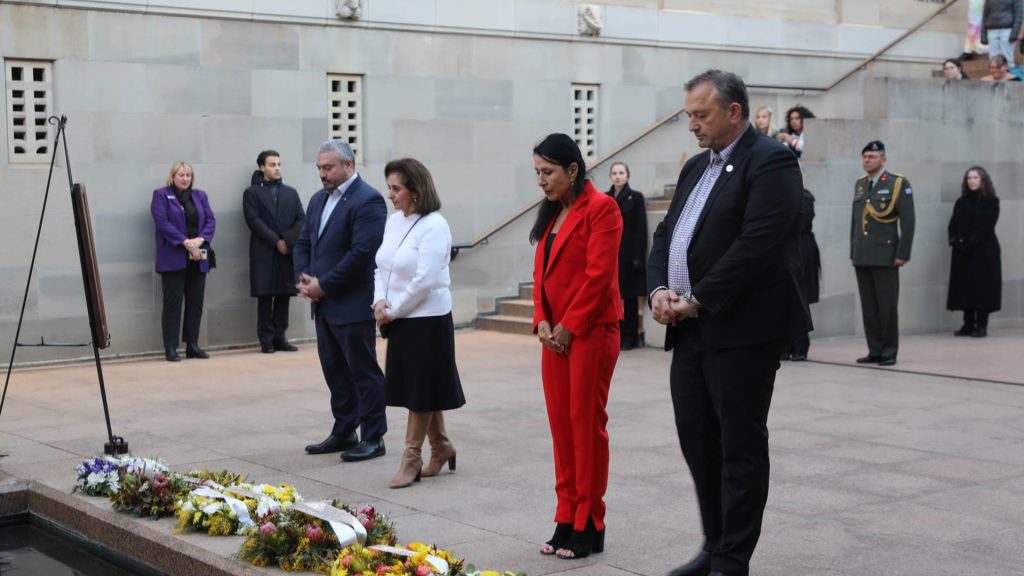
The dignitaries present at the ceremony included Bishop Bartholomew of Charioupolis; H.E. the High Commissioner of the Republic of Cyprus in Australia, Mr. Antonis Sammoutis; The Deputy Spokeswoman of the Government of the Republic of Cyprus, Mrs. Doxa Komodromou who Represented the Republic of Cyprus; Colonel Ioannis Fasianos; the Pan-Australian Justice for Cyprus committee (PASEKA) President and President of the Cyprus Community of Canberra, Georgia Alexandrou; the President of Justice for Cyprus ACT, Nectaria Volis; the President of the Greek Orthodox Community & Church of Canberra, John Loukadellis; Jim Andriopoulos, Vice President of the Hellenic Club of Canberra, and Ms. Jane Hardy, Assistant Director of Europe’s political branch DFAT were also in attendance.
Officials.
The Australian War Memorial served as a fitting backdrop for this commemoration, symbolising the shared values of remembrance, peace, and unity between Australia and Cyprus. The event reminded everyone of the enduring impact conflicts have on communities and nations alike, reiterating the necessity of promoting peace and stability worldwide.
The Australian-Cypriot community came together with deep reverence and a sense of unity, ensuring that the memories of the past remain alive and relevant in the present. The commemoration aimed to foster a collective commitment to promoting peace and stability, with attendees sharing a common hope for a peaceful and prosperous future for Cyprus.
High Commissioner (right) and Ms Komodromou lay wreaths.
As the ceremony concluded, attendees expressed their gratitude to High Commissioner Antonis Sammoutis and all those involved in organising the event. The solemn occasion served to strengthen the bonds between the Australian and Cypriot communities, demonstrating the power of remembrance to bridge cultures and promote understanding.
Official guests.
Following the ceremony, a special event was held at the Hellenic Club of Canberra, where the President of the Cyprus Community of Canberra and PASEKA, Georgia Alexandrou, delivered a moving speech, calling for justice for Cyprus.
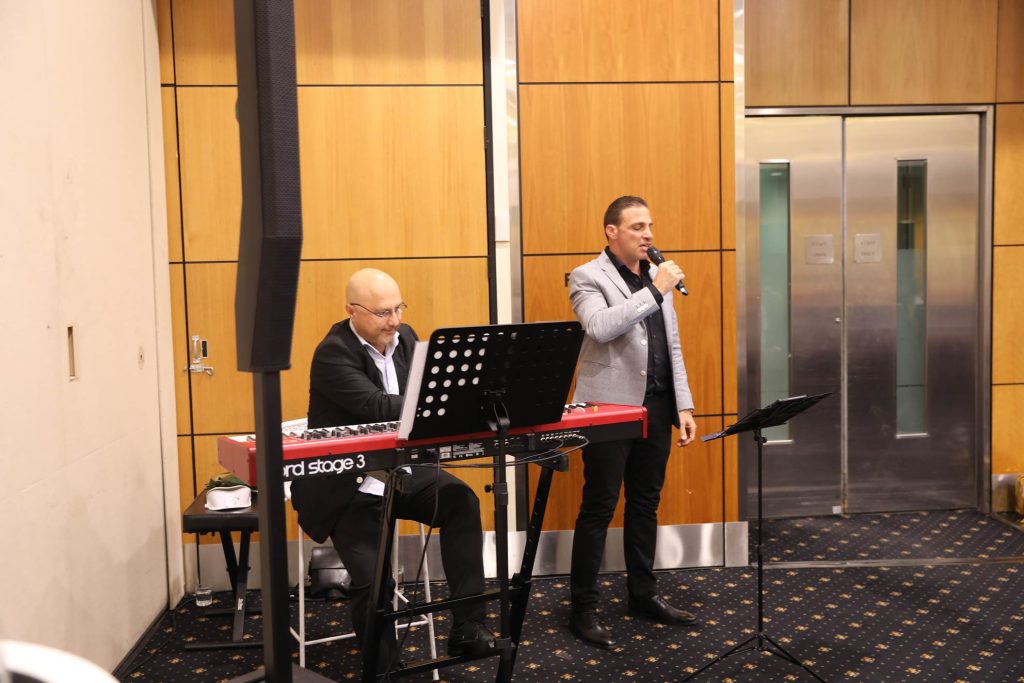
The occasion was further enriched by a beautiful concert performed by Cypriot musicians, Marios Charalambous and Giorgos Timotheou, which deeply moved the distinguished guests, including the Greek Ambassador to Australia, H.E. Mr. George Papakostas, and the Israeli Ambassador to Australia, H.E. Mr. Amir Maimon.
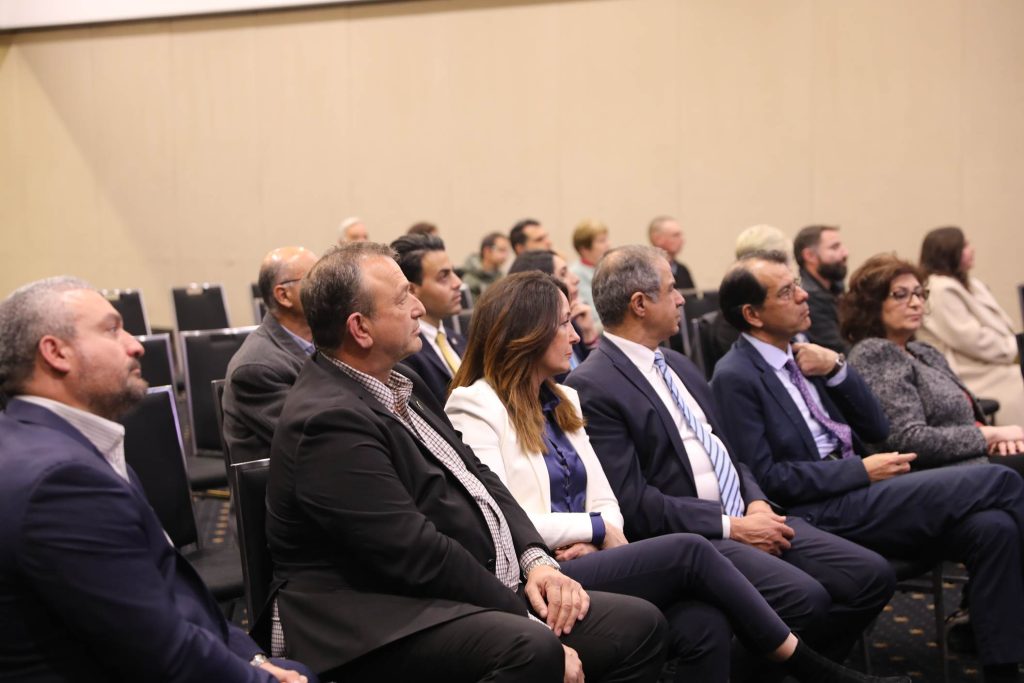
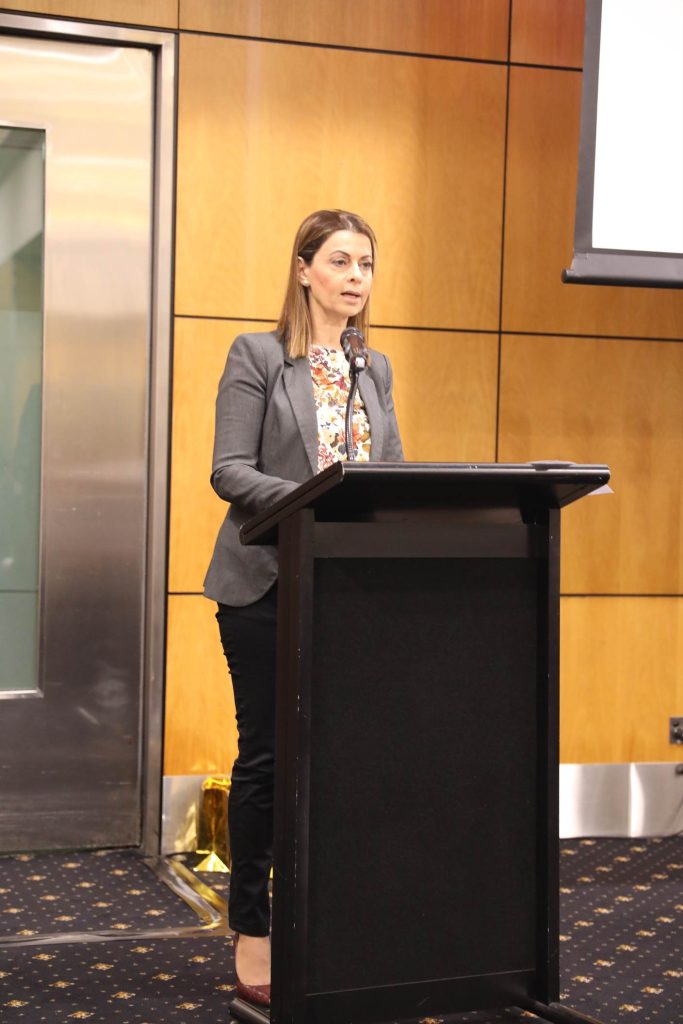
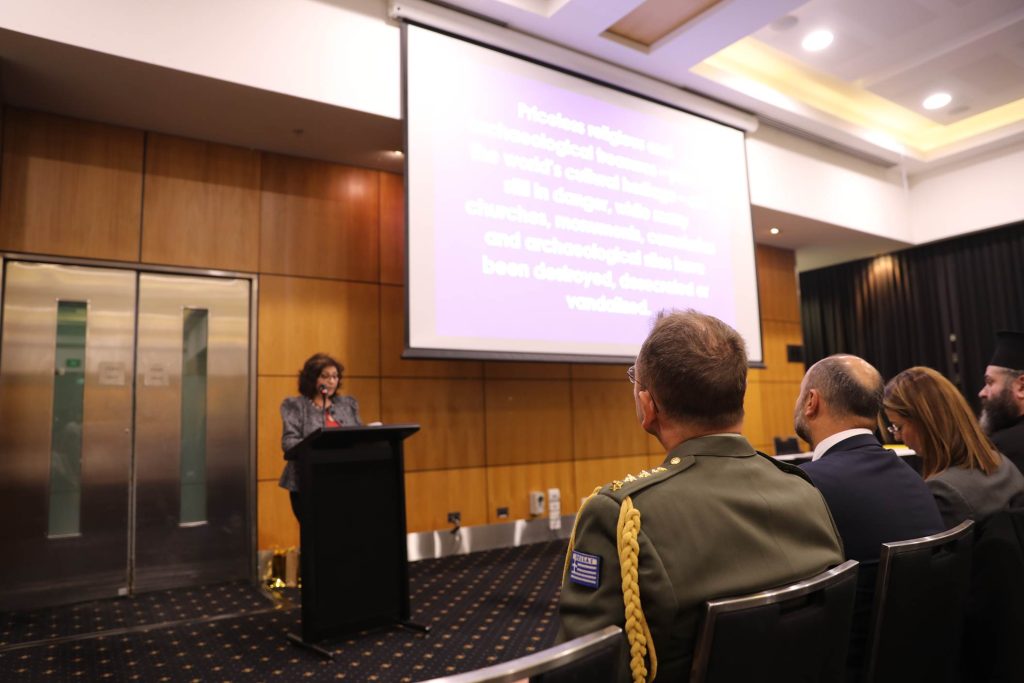
Speeches.
In her remarkable speech, Mrs. Komodromou passionately stated, “We owe it to all those who fought and sacrificed for freedom and democracy to continue the fight for a free and reunited Cyprus, where all legal residents can live and prosper in security and stability.”
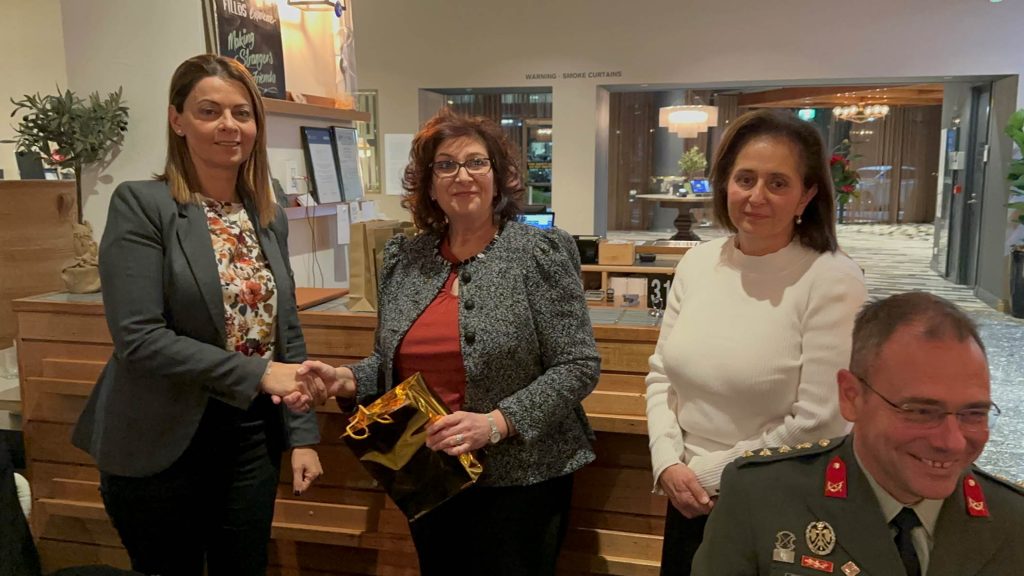
After the event, a heart-warming exchange of gifts between the Cypriot representative and the community members took place during a delightful dinner at Filos tavern, further fostering unity and friendship.
The exchange of gifts between the Cypriot representative and the community members.
The historic event at the Australian War Memorial serves as a testament to the enduring spirit of commemoration, reconciliation, and friendship between Australia and Cyprus. It is a reminder that, despite the passage of time, the memory of the Turkish invasion of Cyprus lives on, urging us to strive for lasting peace and justice in the world.
The hit feature film ‘Mamma Mia,’ set partly on the breath-taking Greek island of Skopelos, is celebrating its 15th birthday this month.
Premiering in July 2008, the simple story about a bride-to-be in search for her father captivated our hearts with many fans flocking to the Greek island to relive the movie.
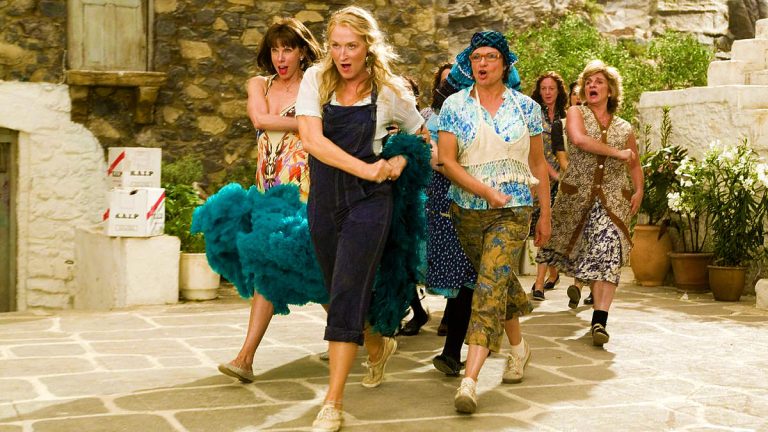
From the Money Money Money musical number to the Lay All Your Love on Me song, many of these scenes were filmed in Greece.
Cast from the movie performing a musical number in the film.
The director focused on the aqua waters and group dances to provide a boost of serotonin to the audience.
According to insider.com, the film’s choreographer said that filming in Greece was also filled with flipper-footed dancers, synchronised swimmers and divers.
On days off, casts mingled with local community members, dined at local restaurants and went jet skiing on the crystal-clear waters.
In the last eight years I have turned my attention to contemporary Philhellenism (1945-2023) with particular emphasis on the Eastern Hemisphere, and this is due to the complete lack of relevant bibliography. On the contrary, regarding Classical Philhellenism, comprising Ancient, Hellenistic, Roman, Byzantine, as well as the form of the world movement that Philhellenism took in the mid-170th century, based in Germany, England and France, a rich bibliography had been developed in all the languages of the world.
(a) to refute the critics who claimed that Philhellenism is dead after 1945.
(b) to highlight the contribution of the Greek Diaspora as a permanent and consistent focus for the cultivation of global philhellenism in their host countries,
(c) to propose that the Diaspora and Philhellenism are the two main and fighting pillars for the revival of the humanities, which have been led since the mid-1960s to decline and eradication in the field of both teaching (the process of transferring and promoting knowledge) and learning (the acquisition of knowledge).
For the economy of this article, I identify two main manifestations, which for the sake of simplicity I will call “Classical Philhellenism” and “Contemporary Philhellenism”, noting that there is a strong interactive relationship between them.
By Classical Philhellenism I mean the study and appreciation of ancient Greek society, the ancient Greek world and with all that this implies, that is, its tradition, cultural heritage, history, literature, art, philosophy, natural sciences, mathematics, and other sciences. Obviously, such philhellenism is admiration for a lost society, and some idealisation can be traced from time to time. It is also a source of inspiration and lifestyle, it is an idealised model, of an ideology. We often omit the fact of androcracy and slavery, events that characterised the famous democracy of Athens, as well as most societies at that time, but these social weaknesses should not distract us from the enormous contribution of the Greek world, which taught over time the systems and mechanisms of governance of human societies. Any weaknesses of the ancient Greek world, which was and still is the idol of hundreds of thousands of philhellenes, should not alter, trivialise or destroy any surviving images of political men of the time.
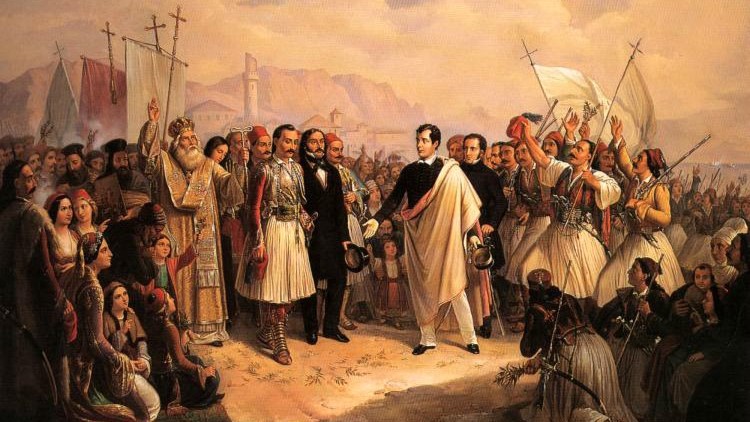
By Contemporary Philhellenism I mean the study of modern Greece, the teaching of Modern Greek language and literature, contemporary culture and the support of policies favorable to Greece. Such manifestations of Philhellenism developed strongly in and after the struggle for independence from Ottoman rule, although change did not come quickly in the university sector – for example, at the University of Oxford, where Classical Studies had long been available, Modern Greek was first introduced only in 1908 and endowed with a chair in language and literature in 1915. It remains the only Modern Greek programme in Britain to be a component of a BA degree.
Professor and Rector Michael John Osborne, when presenting my book at the Hellenic Museum in Melbourne, stressed that classical philhellenism prevailed in Europe early on and found visibility in the writings of famous writers and philosophers, and from the 17th century in the establishment of Departments of Classical Studies (i.e., Greek and Roman society) in most major universities. Indeed, classical studies became the dominant subject in universities, in Britain, France and Germany, and most political luminaries, writers and educated people were fully imbued with knowledge of Greek history, myth, literature and philosophy. At the University of Oxford, a leading exponent of classical education, there were in 1870 no fewer than 140 professors of classics (as opposed to a handful in the natural sciences).
Such dominance was strongly criticised by the great scientist, Thomas Huxley, at the end of the 19th century, but it is important to appreciate that, unlike modern critics of the Classical Sciences, he was in favor of continuing their presence and simply advocated greater diversity, so that the natural and social sciences would not be neglected. His hopes were fulfilled long ago, and only in the 1960s did a transformation begin, and, as I will note briefly, did not take the form that Huxley preferred, and the result was detrimental to the humanities.
There is, of course, a broader problem for the Humanities here. Because governments (and their institutions associated with them) are increasingly denigrating the Arts and Humanities, insisting that universities need to be much more attuned to the needs of the economy and workforce and devote much more time to teaching and training – and this has already brought about the elimination or marginalisation of many old fields of study that inform us about the foundations and history of Western civilisation. Let me add that LEARNING should be the primary characteristic of a university, and teaching should only be an element of this, not a replacement.
The Greek Diaspora, which lives in all neighbourhoods of the world, was the main cause of the formation of mechanisms for the promotion of Greek culture. The Greek Diaspora identified, cultivated and collaborated in identifying and promoting the philhellenic element in favor of Greece’s positions (political, social, cultural). The Greek Diaspora has nurtured tens of thousands of philhellenes to integrate and serve the modern Greek world, helped establish and operate Greek language chairs and departments around the world, contributed to the teaching and learning of diachronic Greek history and culture. Philhellenes have been the most effective functionaries of diffusion and promotion of Greek culture and modern Greece in the world.
*Professor Anastasios M. Tamis taught at Universities in Australia and abroad, was the creator and founding director of the Dardalis Archives of the Hellenic Diaspora and is currently the President of the Australian Institute of Macedonian Studies (AIMS).
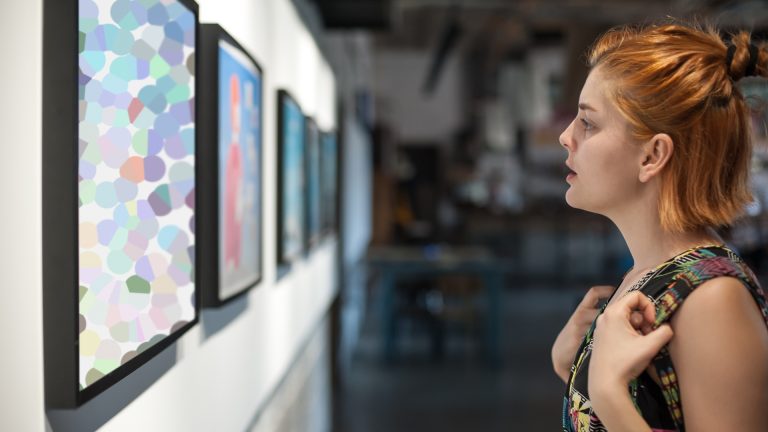
The Greek Australian Cultural League (GACL) is having its 13th annual group art exhibition Antipodean Palette, which aims to showcase the artistic creations of artists with Greek descent or with links with the Greek Australian community.
On show will be the work of twelve artists, some of whom have participated in previous Antipodean Palette exhibitions.
In the last three years, due to COVID restrictions, the exhibition was held online and via outdoor venues.
To celebrate the end of the pandemic and the imposed restrictions, the theme of this year’s exhibition is “After the Isolation.”
The opening ceremony will be held on Saturday, August 5 at 2.30pm. In attendance will be the Consul General of Greece in Melbourne, Emmanuel Kakavelakis, and the Philhellene artist, Michael Winters, who will launch the exhibition.
An additional feature of the exhibition will be a Poetry Afternoon, programmed for Sunday, August 13 at 2pm.
The exhibition will be held at the well-known Steps Gallery, 62 Lygon Street, Carlton, and everybody is welcome.
Exhibition Details:
Steps Gallery, 62 Lygon Street, Carlton
August 3 – August 13
Viewing times: Weekdays: 10 am – 4 pm (closed on Monday), Weekends: 11 am – 3 pm.
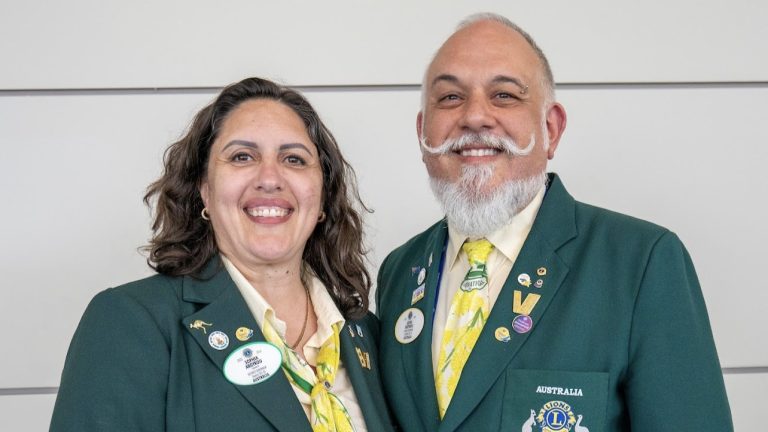
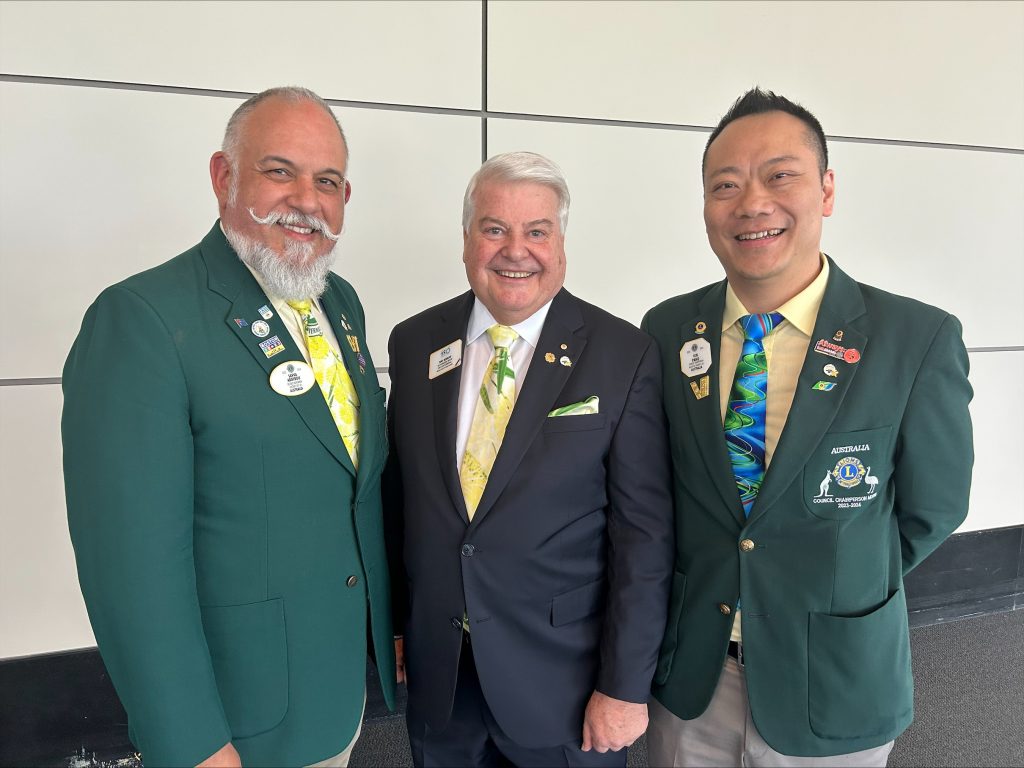
Savvas Argyrou has become the first Greek Australian District Governor of Lions International 201Q1 during a swearing-in ceremony on July 7 in the United States.
Lions International works around the world helping those in need and its ethos is “We Serve.”
Savvas Argyrou (left).
201Q1 – the District for which Mr Argyrou was sworn in as a Governor – is a Lions International District that runs from the Brisbane River South all the way down to Lismore and as far out as St George in Queensland.
Mr Argyrou has held positions in District 201Q1 as first and second Vice District Governor, Zone Chairman, GMT North Region Chairperson, District Convention 2019 Program Chairperson, Cakes and Mints Chairperson, and MD201 Convention 23 Committee.
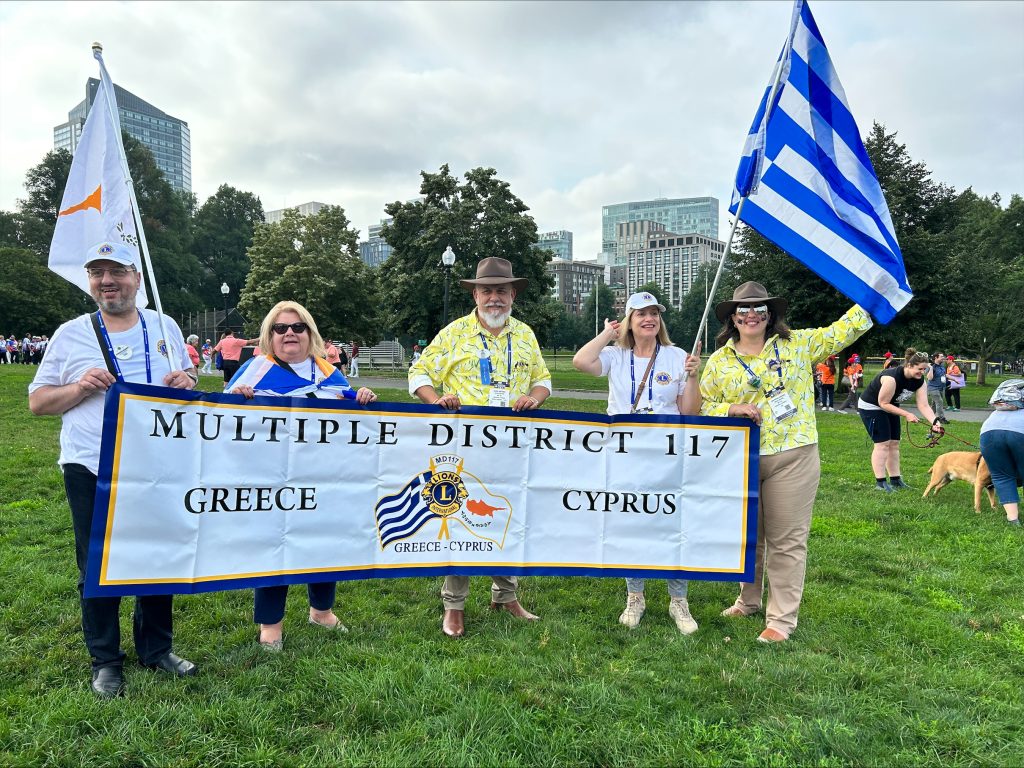
In Boston.
Mr Argyrou’s theme for the year as District Governor is “Work forward together to help serve those in need in our communities. To unite our clubs in our district to be one.”
He as been immersed in the Greek community from a young boy together with his wife’s family helping immigrants establish themselves in Australia.
His wife Sophia is also a Lion. She is very passionate to see the progression of the Club but also the Lion Foundations which are supporting the youth and medical research. Their daughter Vasiliki helps whenever she is available, loving the spirit of volunteering.
Cypriot communities in Western Australia and South Australia commemorated the 49th anniversary of the Turkish invasion of Cyprus this week with a number of wreath laying and memorial services.
South Australia:
The Cyprus Community of South Australia and SEKA SA held a memorial service on Sunday, July 16, to remember the lives lost during the Turkish invasion of Cyprus in 1974.
The memorial service was held at Saint Sophia Greek Orthodox Church in Adelaide, and was followed by a wreath laying ceremony in Welland.
There were a number of official guests in attendance at the events including the Deputy Government Spokesperson of Cyprus, Doxa Komodromou, the High Commissioner of the Republic of Cyprus, Antonis Sammoutis, SA Minister for the Arts, Andrea Michaels, the President of the Cyprus Community of SA, Andreas Evdokiou, and the Greek Orthodox Community of South Australia (GOCSA) Vice President, Peter Gonis.
Western Australia:
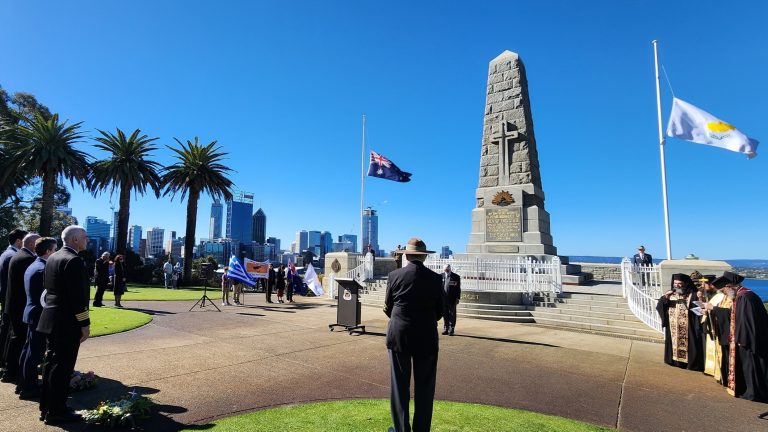
The Cypriot Community of Western Australia also held a memorial service on Sunday, July 17, at the local Evangelismos Church. This was followed by a wreath laying service at the State War Memorial in Kings Park.
The Deputy Head of Mission at the Cyprus High Commission, Stavros Nicolaou, visited from Canberra to attend the commemorations.
The Greek Orthodox Community of South Australia’s (GOCSA) Odyssey Festival celebrates 16 years of presence in Adelaide’s cultural scene this year with a diverse program of cultural and artistic events that will take place from Friday, October 6 to Sunday, November 12, 2023.
As part of the Festival, the GOCSA is calling for South Australian artists to apply for the Odyssey Art Prize 2023, which is generously supported by Guardian Insurance.
This year’s theme is “Flavours of Greece” and is open to artists who are active in the field of visual arts and more specifically in painting, drawing, sculpture, photo printing, mixed media, digital art and video.
The first prize winning artist will be awarded $1000 while the second and third prize winning artists will receive $600 and $400 respectively.
Works exhibited by the Odyssey Festival may be made available for sale by artists, with exception to the winning artwork which becomes the property of GOCSA.
Deadline for submitting applications is Friday, September 22 2023, 11:59 pm. The winners will be announced on the festival’s opening night which will be held on Friday, 6 October 2023 at the Olympic Hall.
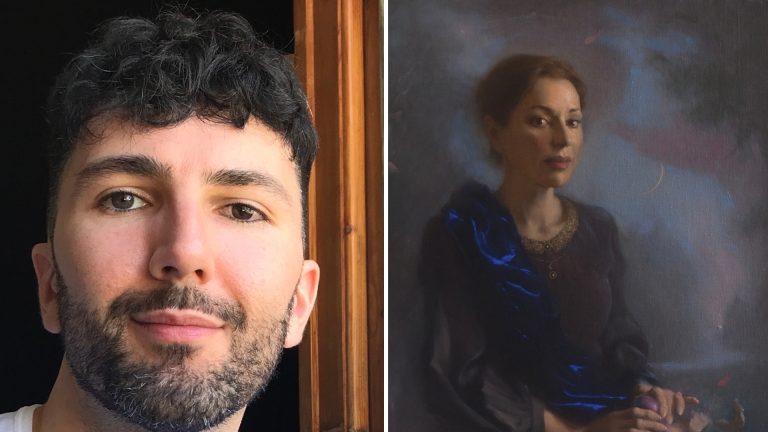
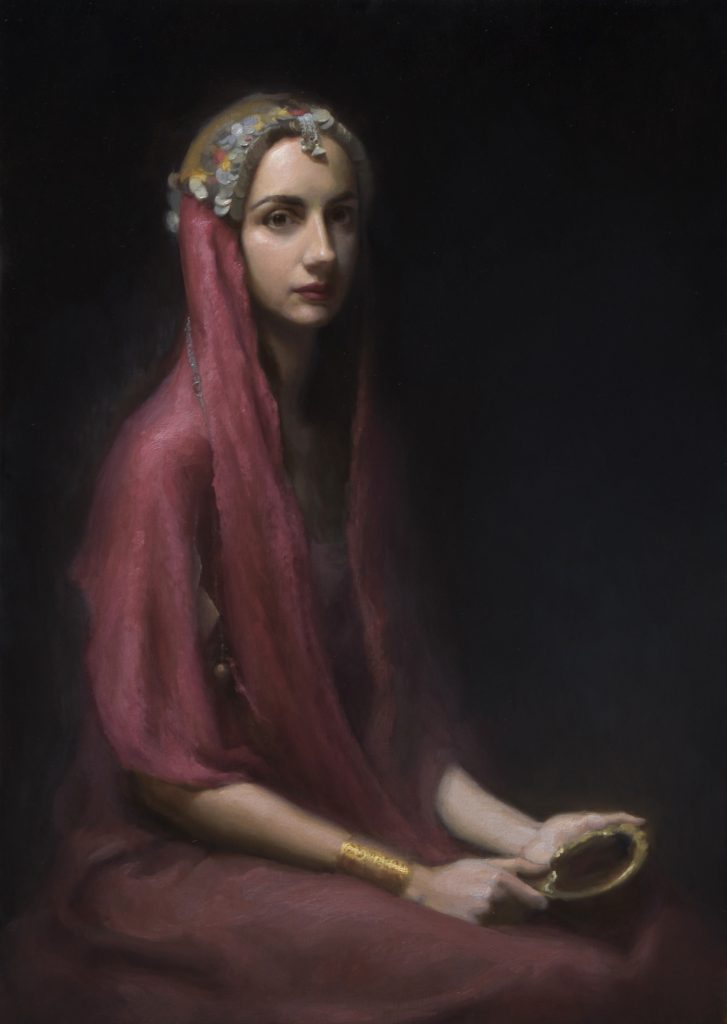
In February 2023, Troy Argyros, a talented artist from Melbourne, Victoria finally saw his ten-year dream come to fruition. His long-standing aspiration was to paint the renowned Australian singer, Tina Arena, for The Archibald Prize. Over the years, Troy had persistently reached out to Tina’s management, expressing his desire to create her portrait. Much to his delight, his dedication paid off in 2021 when Tina herself reached out to him directly, responding with the encouraging words, “Ok Troy. It’s time.”
Troy couldn’t contain his excitement as he embarked on this artistic endeavour. Throughout the entire process, Tina proved to be a gracious and enthusiastic collaborator, making the experience an absolute pleasure for Troy. He had been an ardent admirer of Tina’s music and held immense respect for her exceptional talent since his childhood.
However, despite the painting’s remarkable quality and its significance as the first-ever depiction of Tina Arena submitted for The Archibald Prize, Troy faced disappointment when the artwork was rejected by the prize committee. Undeterred, Troy and his team are currently eagerly awaiting a response from The National Portrait Gallery, hopeful that they will recognise the painting’s value and consider adding it to their esteemed collection.
More recently, Troy’s dedication to honing his craft led him to embark on a term of intensive study at the prestigious Charles H. Cecil Studios in Florence, Italy. The renowned institution offered him the opportunity to refine his skills in traditional realist portrait painting from life. This experience came after Troy successfully completed the comprehensive program at The Florence Academy of Art, where he dedicated himself to artistic development from 2017 to 2021.
Troy painting the ‘Ajax and Cassandra’ oil on linen
Prior to his studies in Italy, Troy laid the foundation for his artistic journey by earning a Bachelor of Fine Art in Painting and a Graduate Diploma of Visual Art Education at Monash University between 2010 and 2013.
Reflecting on his time studying art in Italy, Troy cherishes it as the most transformative and fulfilling experience of his life. Fuelled by his passion, he aspires for the Australian art education system to someday reach the same high standards he encountered in Florence. Troy fervently believes that talented young artists should not have to travel vast distances to learn traditional, time-honoured skills. He advocates for the availability of knowledge and techniques, which could be taught and nurtured locally.
Troy’s deep-seated passion lies in fostering visual literacy among young artists, encouraging them to cultivate their hand-eye coordination, appreciate beauty, and develop a refined sense of taste. He recognises the abundance of talent in Australia, but laments that without sufficient community support across all levels, from education to gallery representation and government funding, many of the country’s brightest talents remain underappreciated or are forced to seek opportunities abroad.
‘A Graceful Beauty’ oil on linen
Troy Argyros was born in Melbourne in 1990, growing up in a multigenerational household as a proud third-generation Greek Australian. Holding a Bachelor of Fine Art from Monash University, he embarked on an artistic journey that took him to the cultural epicentre of Florence, Italy. There, he dedicated himself to classical drawing and painting at The Florence Academy of Art, where he refined his skills and deepened his artistic understanding.
Troy’s artistic focus centre on capturing the intricate beauty of light, as exemplified across various genres such as portraiture, still life, and landscape.
‘The Oracle’ oil on linen
Recognised for his exceptional talent, Troy has showcased his works in six solo exhibitions in Melbourne. In 2017, he received the prestigious Graeme Hildebrand Emerging Artist Award for Oil Painting, further solidifying his position as a rising star in the art world. Today, his captivating artworks grace numerous private collections both within Australia and internationally.
Initiated by the Greek Australian Cultural League (GACL), the GAAD celebrates Greek-Australian artists by showcasing their work and contributions to the Australian arts community and serves as an invaluable resource for curators, collectors, researchers, and art enthusiasts interested in exploring Greek Australian art. It represents artists from various backgrounds, both past and present, whose work has been inspired by Greek culture. The GAAD not only showcases the creative endeavours of Greek-Australian artists but also recognizes their influence and enriching impact on the Australian arts scene. By preserving cultural identity and historical significance, the GAAD ensures that the artistic contributions of Greek-Australian artists are duly acknowledged and appreciated.
‘The Painter’ oil on linen
For artists wishing to register in the GAAD, please visit www.gacl.com.au and click GAAD. For general enquiries contact: infogaclm@gmail.com, GACL President Cathy Alexopoulos on 0428 968 715, or GAAD Co-ordinator Vasy Petros on 0412 242 557.
*Written by Vasy Petros. This is a Greek Australian Cultural League Initiative supported by The Greek Herald.
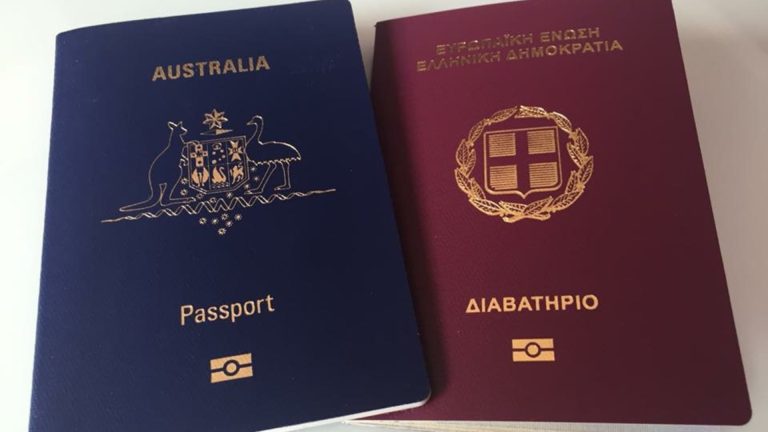
Greek and Australian passports are among the 10 most powerful passports in the world, with Greece ranking seventh and Australia ranking sixth, according to the latest Henley Passport Index report.
The most powerful passport is Singapore with 192 visa-free destinations. Australian passport holders can visit 186 destinations, whilst Greek passport holders can visit 185 countries.
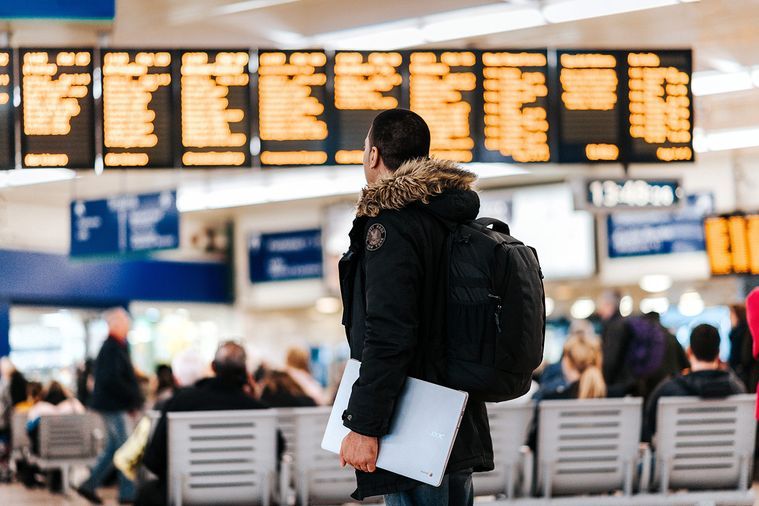
Greek and Australian passports are among the world’s 10 most powerful passports. Photography: Anete Lusina.