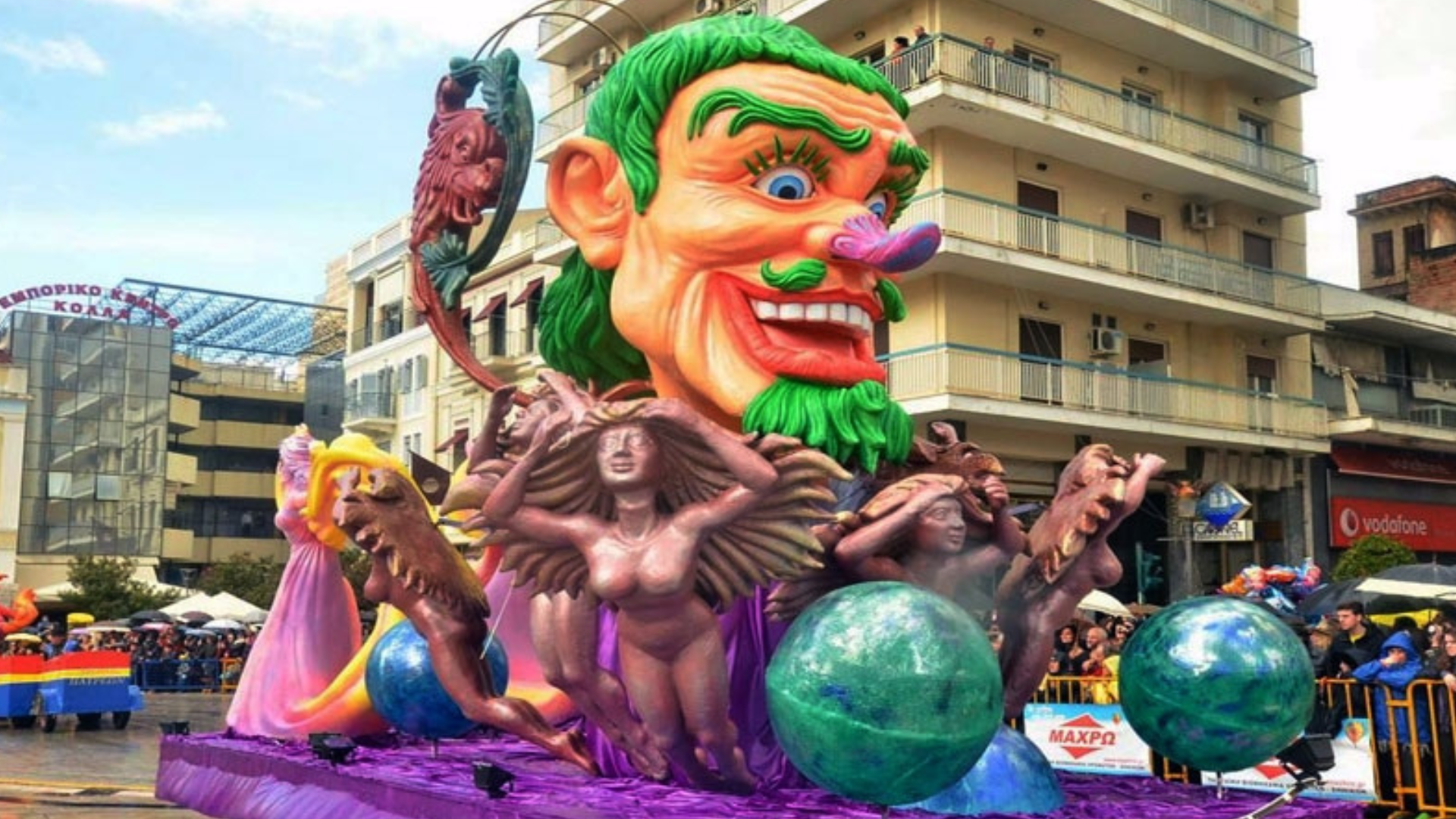
Have you ever stumbled across videos and photos of people in Greece dressed up in costumes and partying for weeks on end ahead of Easter and wondered why?
Every year, on the weekend prior to Orthodox Lent, a carnival season called ‘Apokries’ takes place. It is celebrated throughout most Orthodox countries around the world and marks the last celebration before 40 days of fasting.
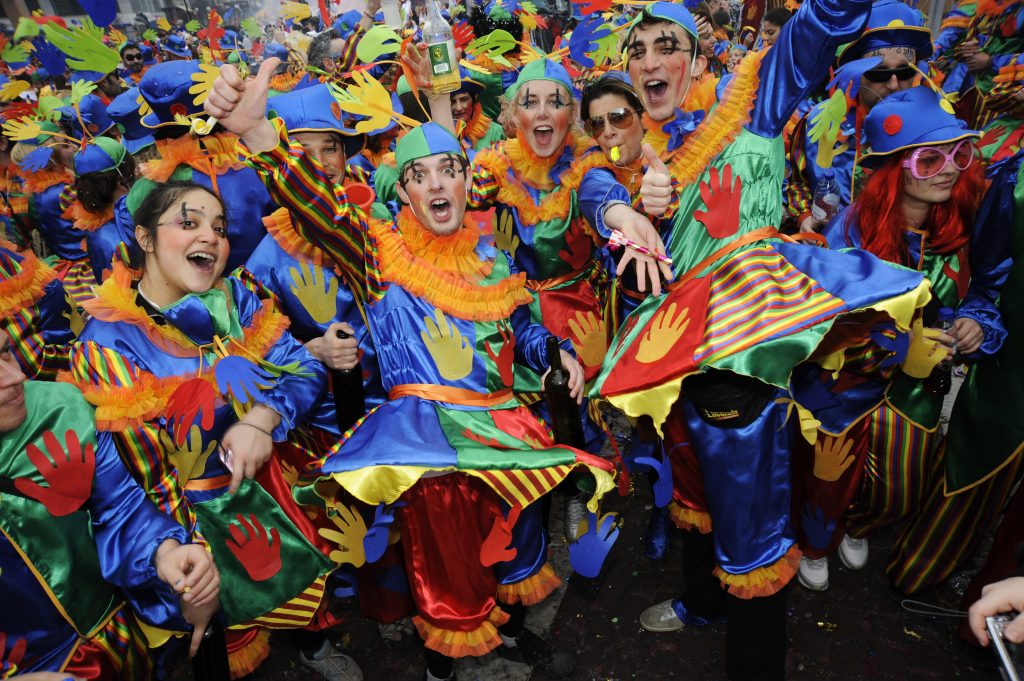
The word itself, Apokries, comes from the Greek words ‘apo’ and ‘kreas’ which translates to ‘from meat,’ meaning abstaining from meat. It symbolises the commencement of the Lent fast which includes having no meat for 40 days.
Apokries origins
The roots of Apokries can be traced back to ancient Greece where festivals dedicated to Dionysus were celebrated to welcome the rebirth associated with the arrival of spring.
These ancient festivals and celebrations were marked by large feasts, music, and dance, as well as people wearing masks and dressing up in costumes.
As time went on and centuries passed, these pagan rituals intertwined with Christian practices, eventually leading to the Apokries carnival season becoming a dedicated lead-up to Lent practice.
When and where do Apokries take place?
Apokries typically begins ten weeks before Greek Orthodox Easter. The official commencement takes place on the Saturday and Sunday before ‘kathari deftera’ (clean Monday), which is the first official day of fasting.
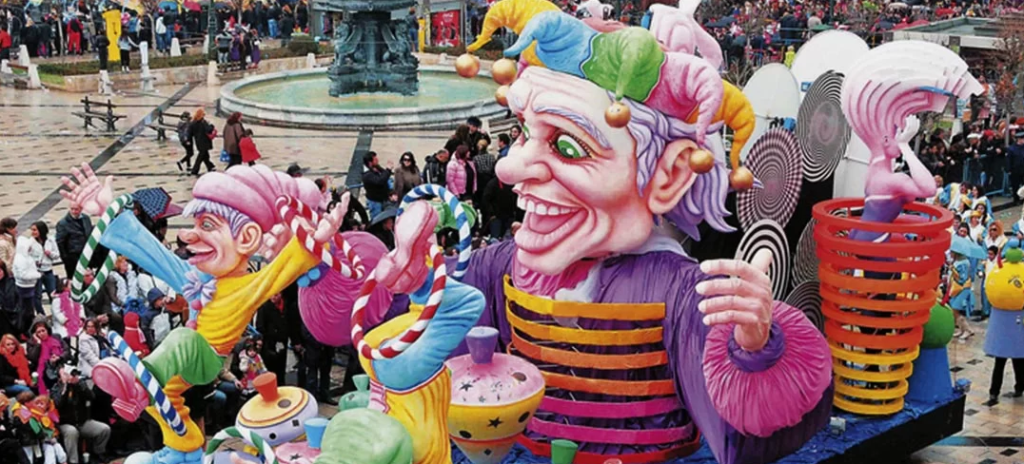
Apokries is something widely celebrated through all parts of Greece, and often leads to different islands and cities in Greece hosting their own parties and events as part of the festivities.
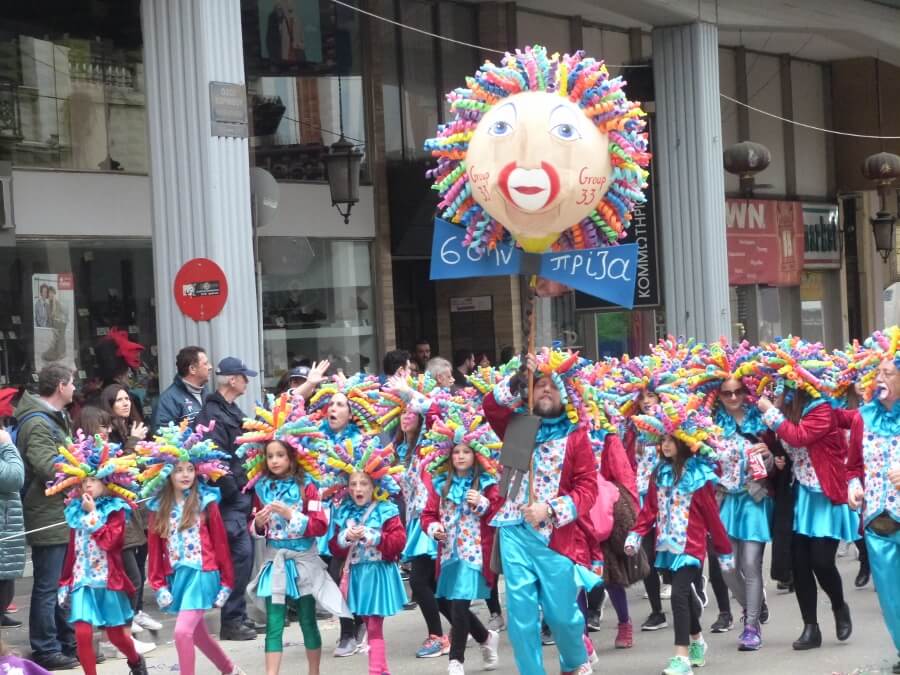
One of the most renowned carnivals that takes place in Greece is in the vibrant city of Patras. Here, a grand parade is held, the city is decorated and people dress in colourful costumes.
In northern Greece, the city of Xanthi hosts a big parade, and on the island of Corfu, the carnival is filled with people dressed in Baroque costumes and street theatre performances.
Some of the smaller towns and villages throughout Greece also hold ancient fertility rituals for the carnival season. In Tyrnavos, they host an annual Phallus Festival as part of Apokries, which consists of people parading phallic symbols through the streets, wearing questionable costumes, and chanting songs. This festival is more than a century old, with its first written records dating back to 1898.
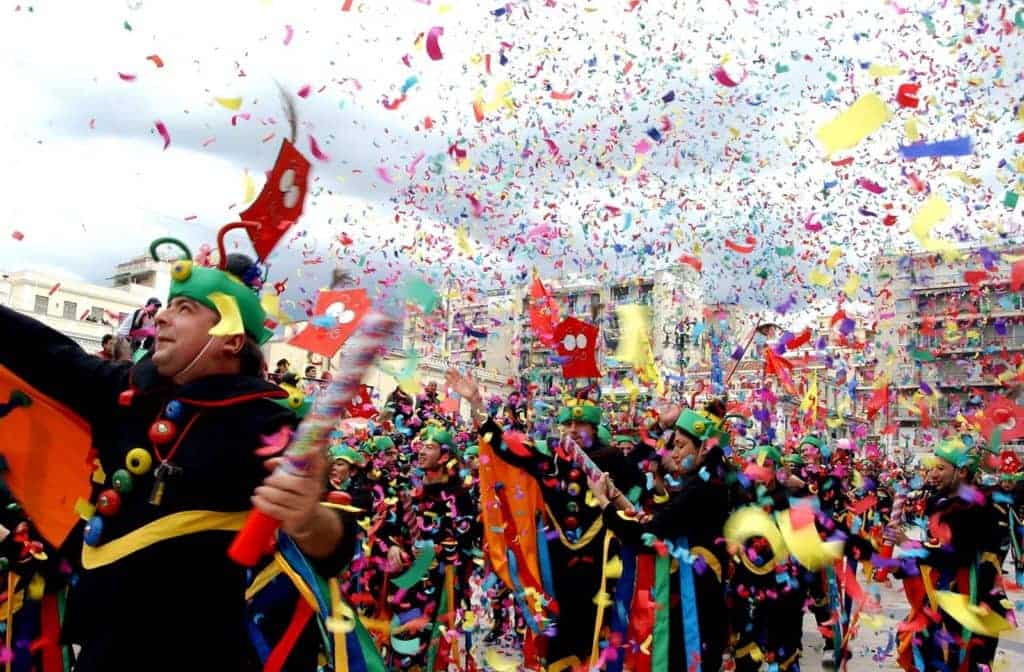
Apokries in modern days
While Apokries has its ties to ancient traditions, it continues to evolve and embrace modern interpretations of celebrations. From elaborate parades to cultural performances and extravagant feasts, Apokries offer a rich experience for both locals and visitors in Greece ahead of Lent to enjoy.
This year, Orthodox Easter will take place on Sunday, 5 May. Lent will commence from Monday, March 18 until Saturday, May 4.

