There was something fitting about The Greek Herald celebrating its 100th birthday inside NSW Parliament House.
For a century, the newspaper has documented the highs, heartbreaks, arguments, triumphs, arrivals, farewells, church disputes, political dramas, community milestones and everyday lives of Greek Australians. On Wednesday, May 27, many of the people who helped shape that story — or grew up reading it — gathered beneath the sandstone walls of Parliament to celebrate the paper that, for generations, has helped connect Hellenism across Australia.
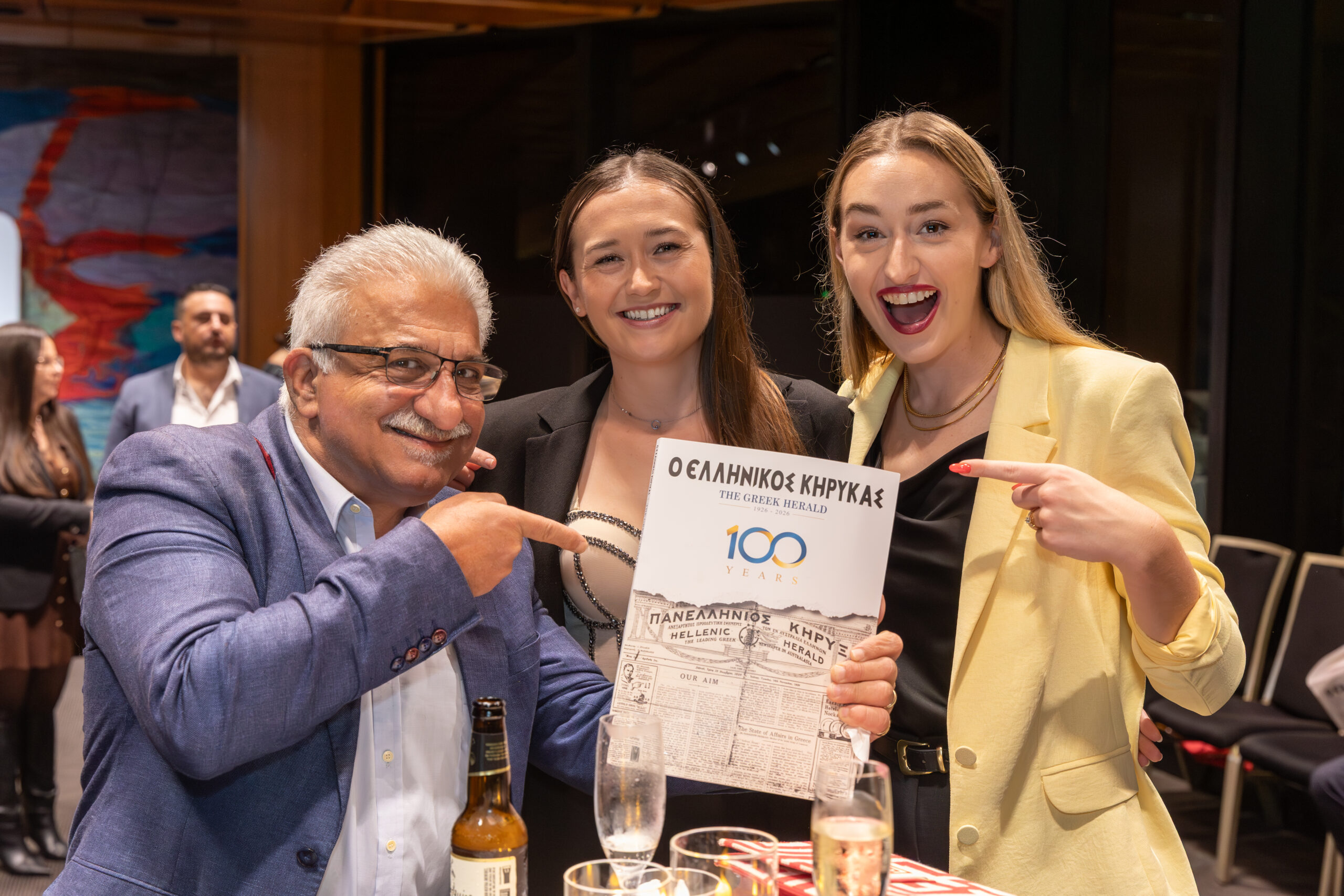
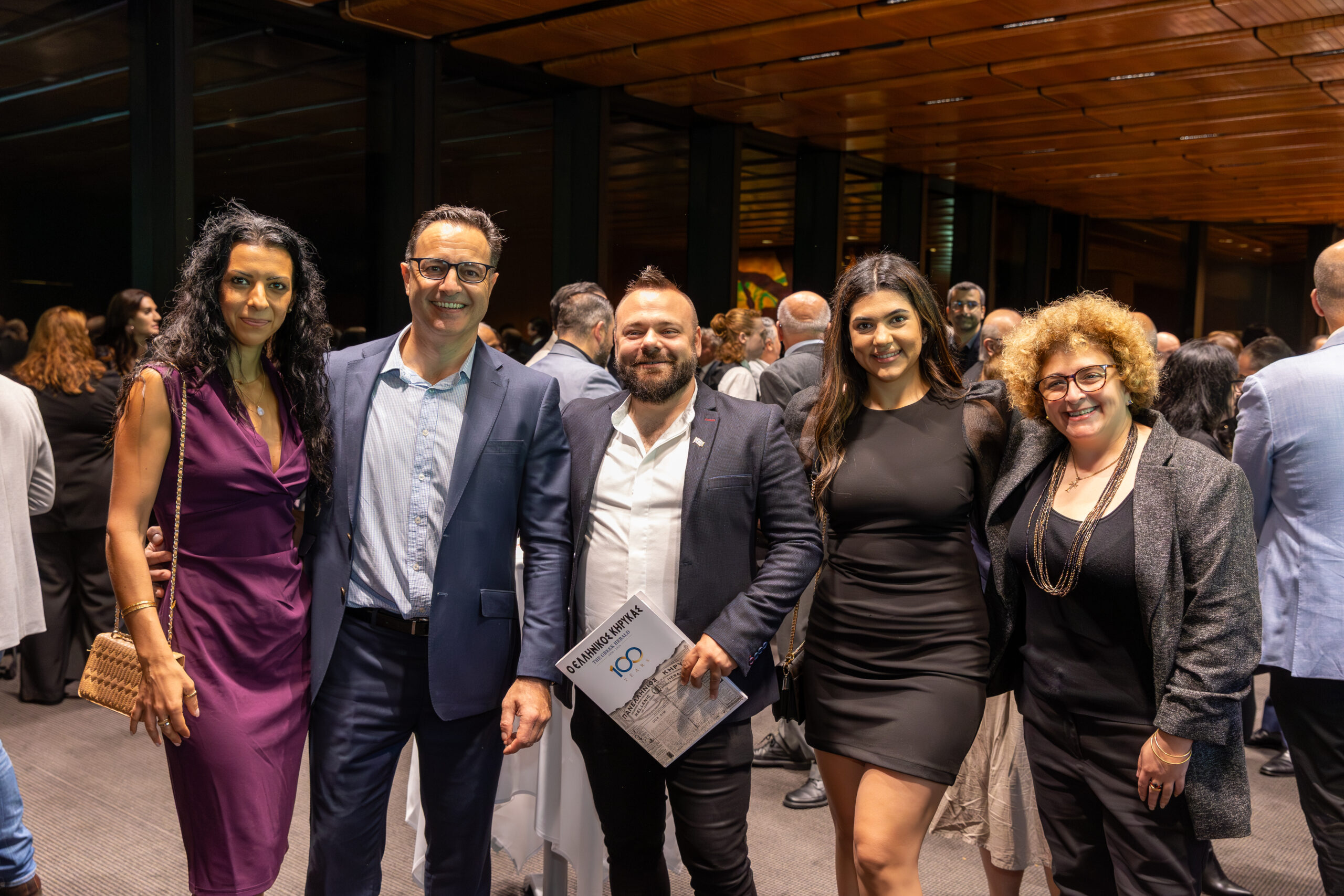
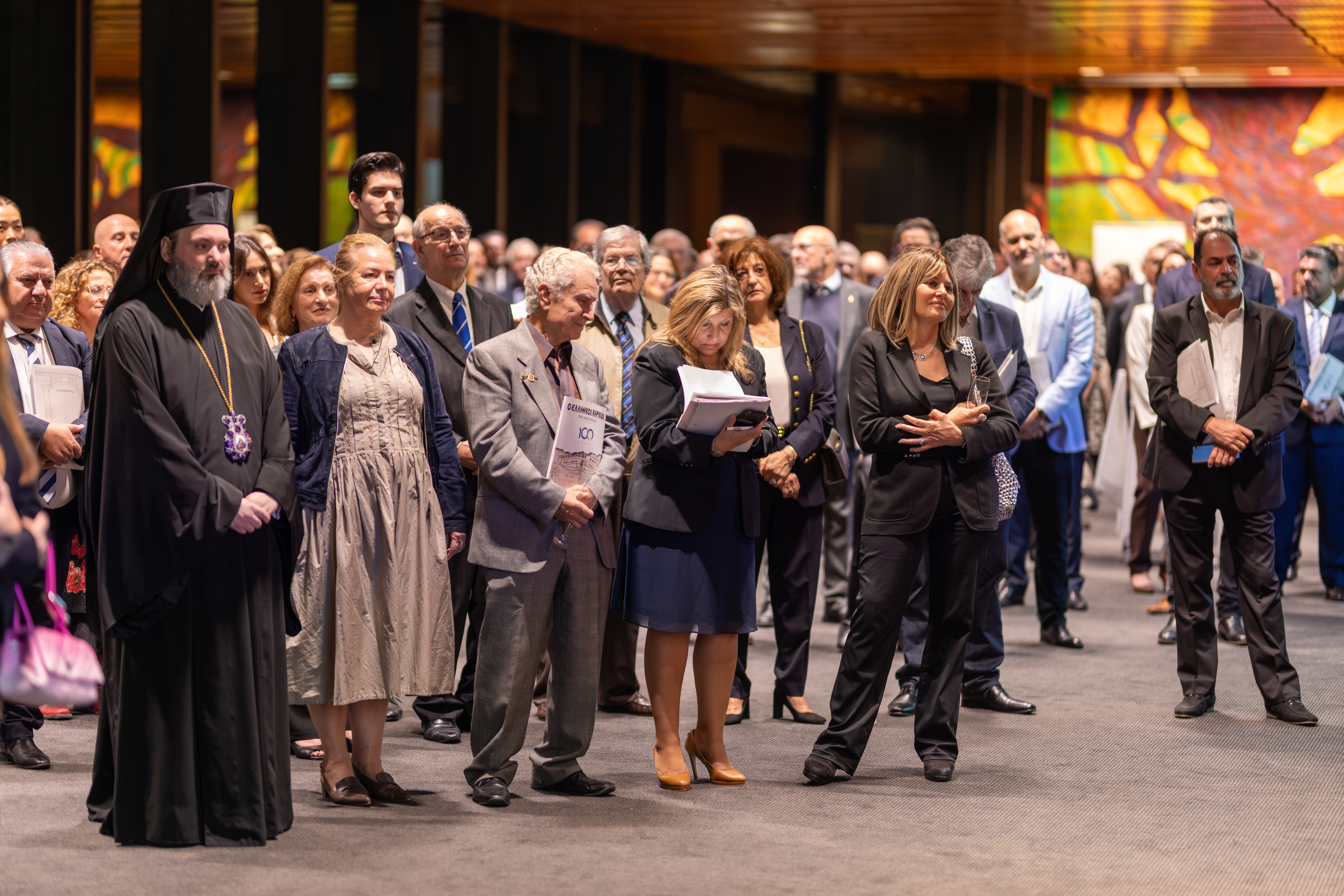
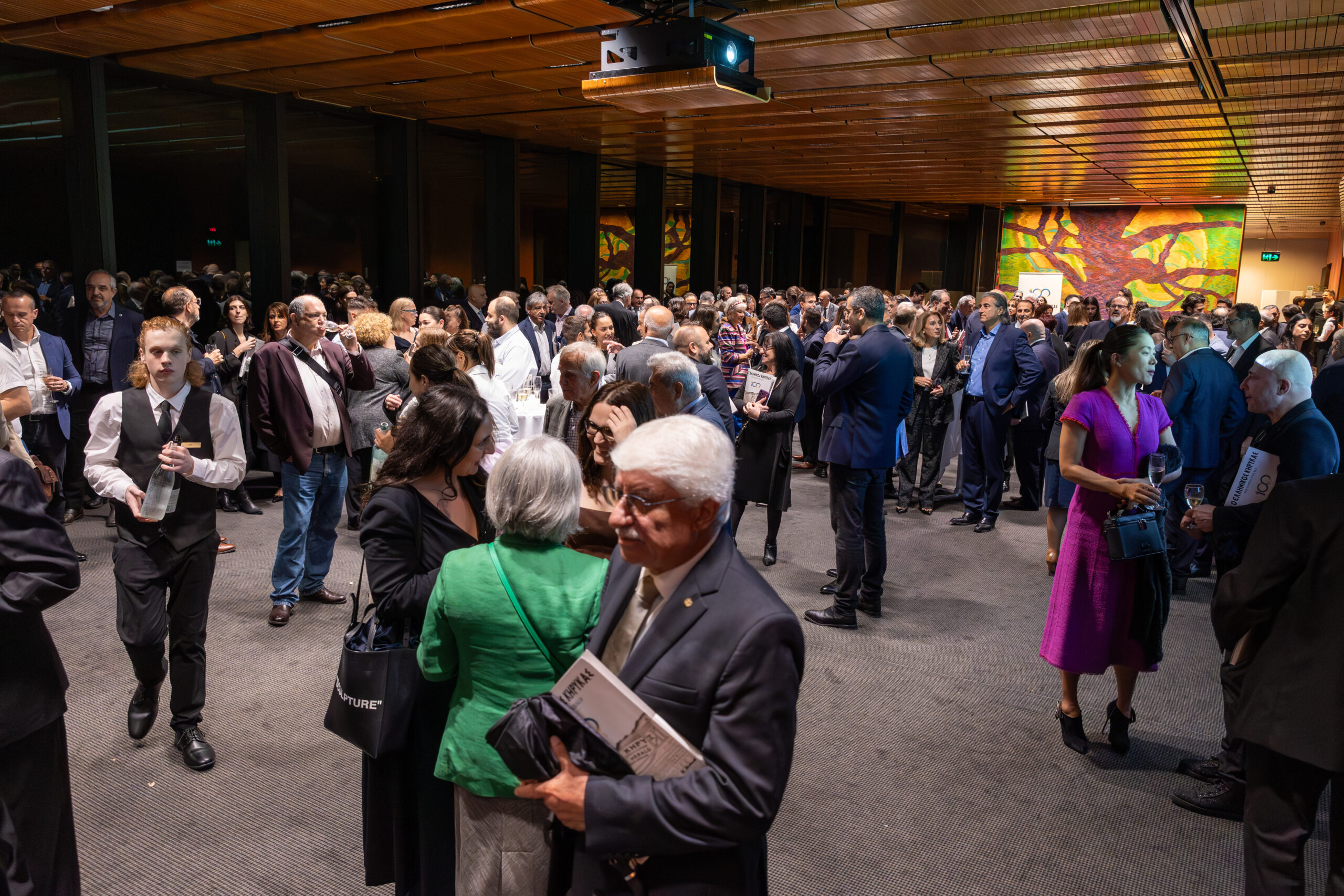
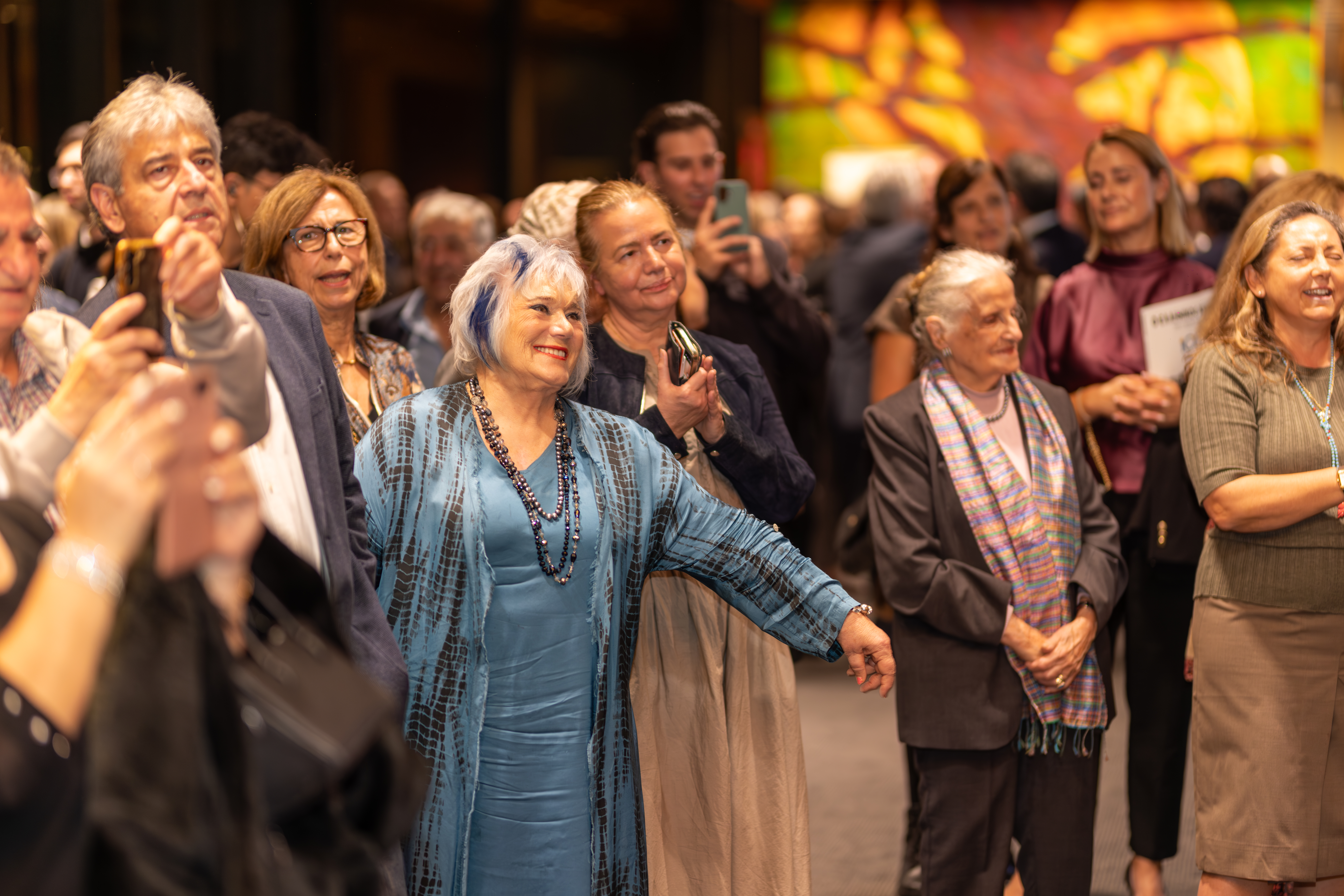
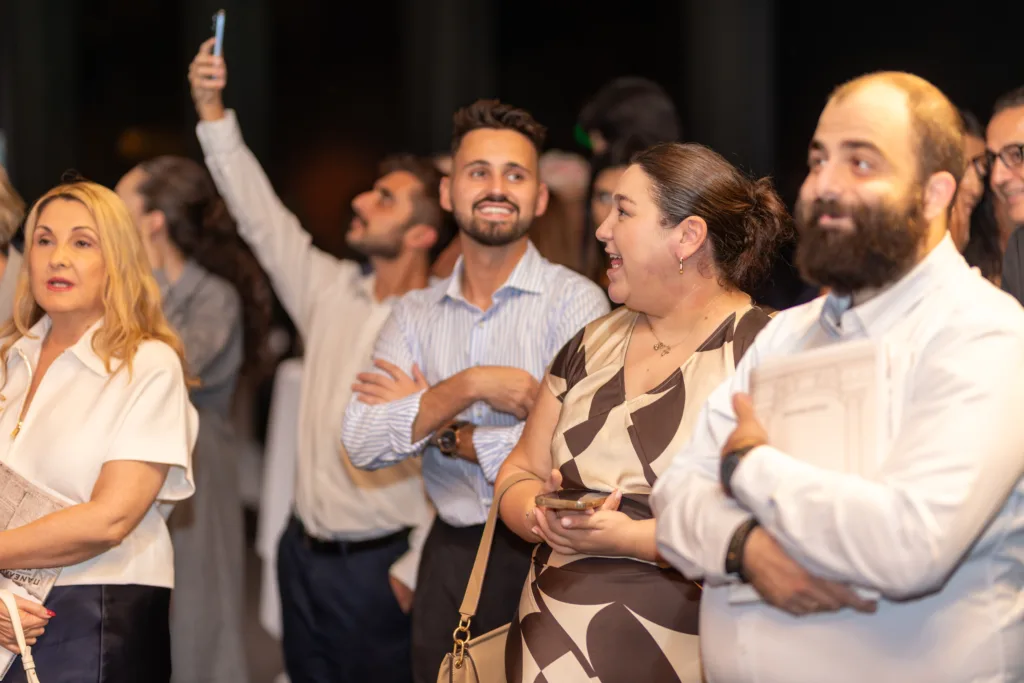
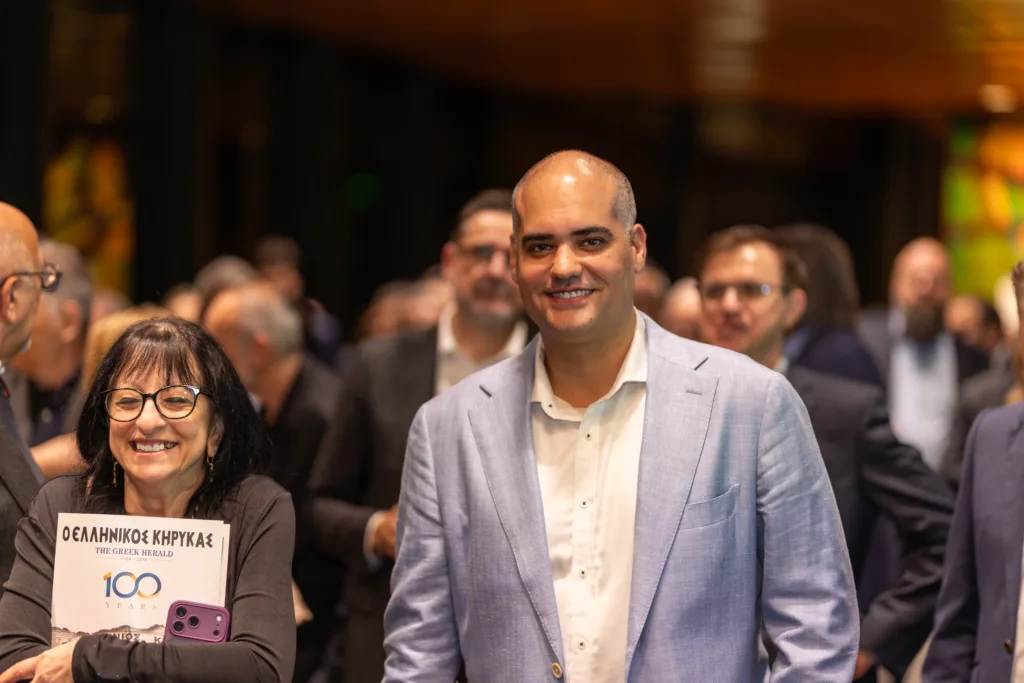
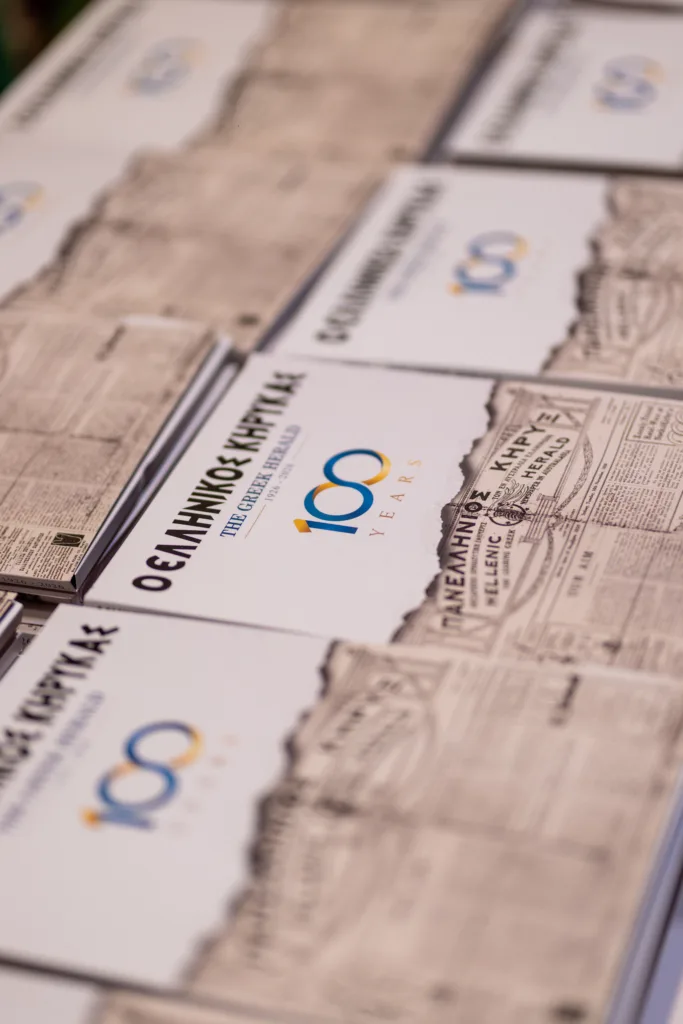
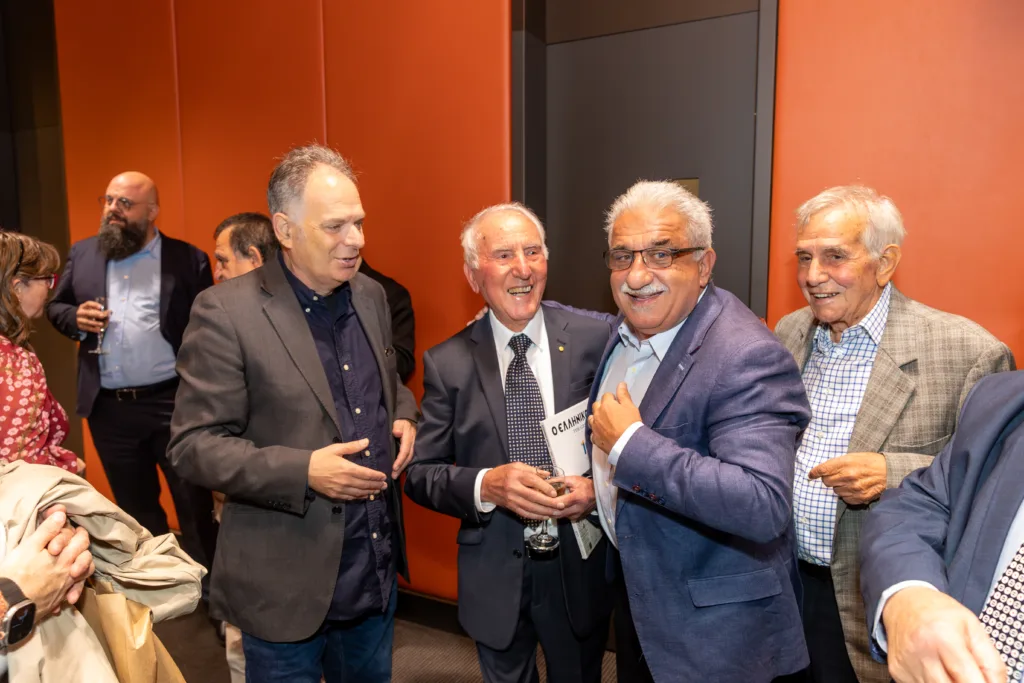
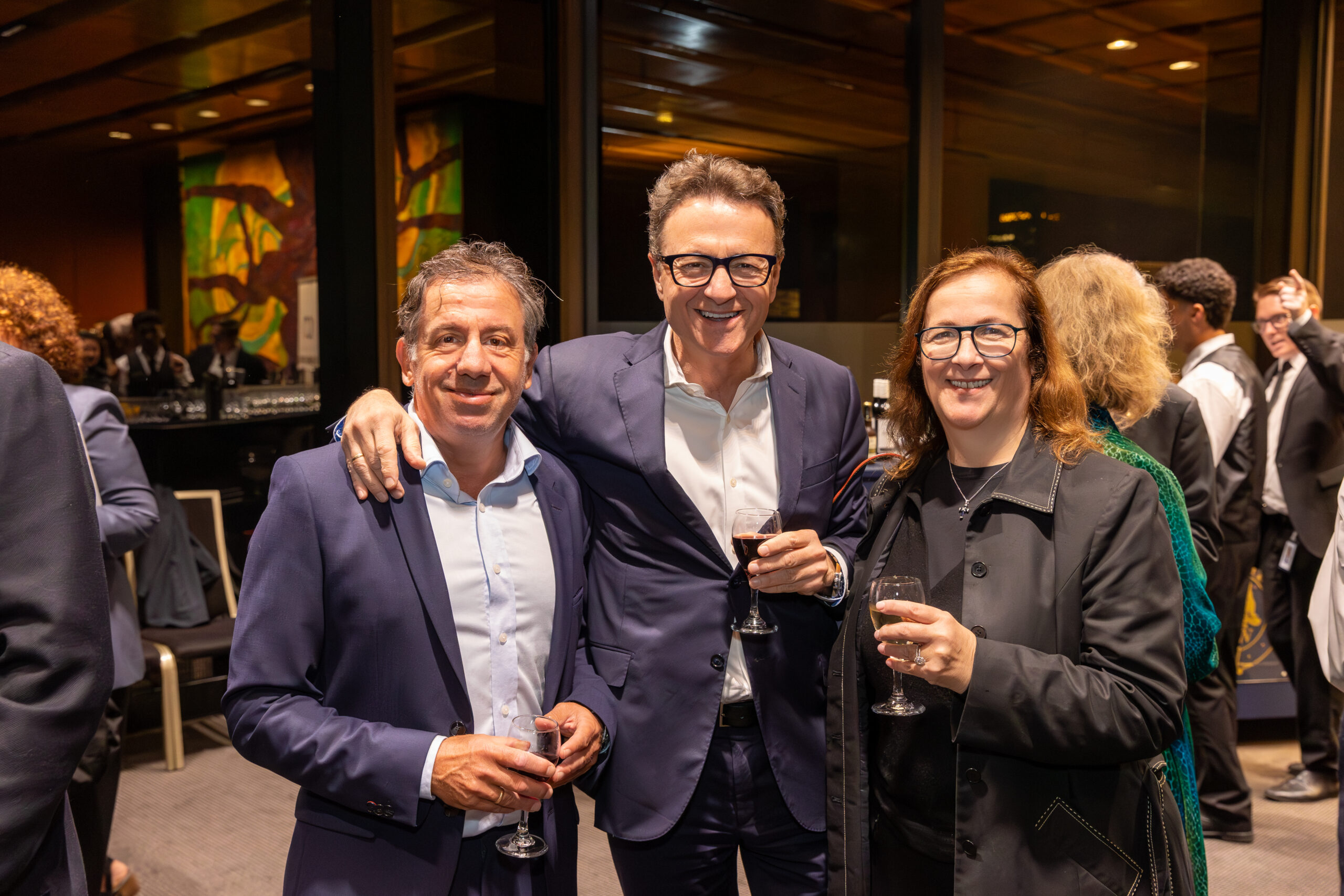
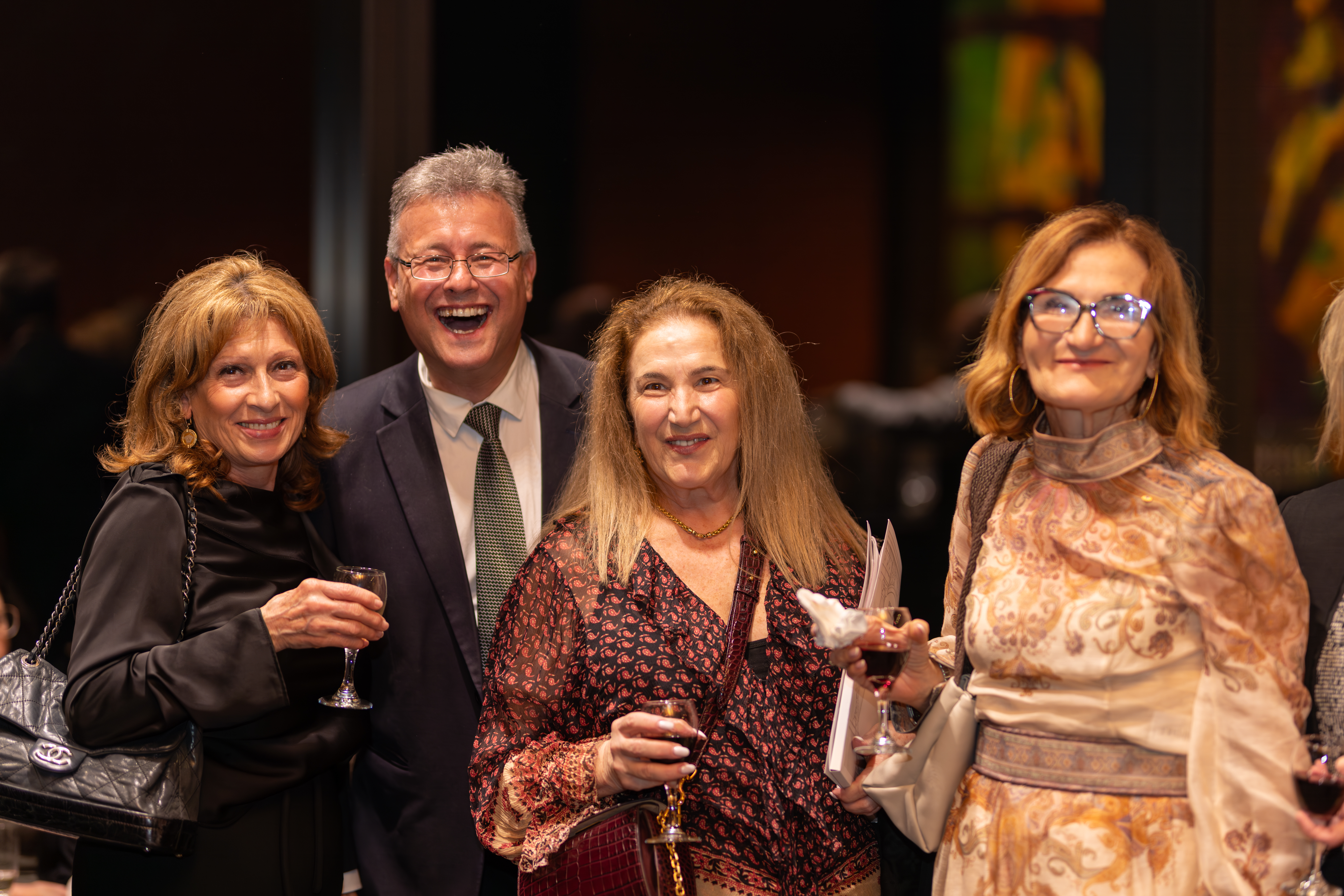
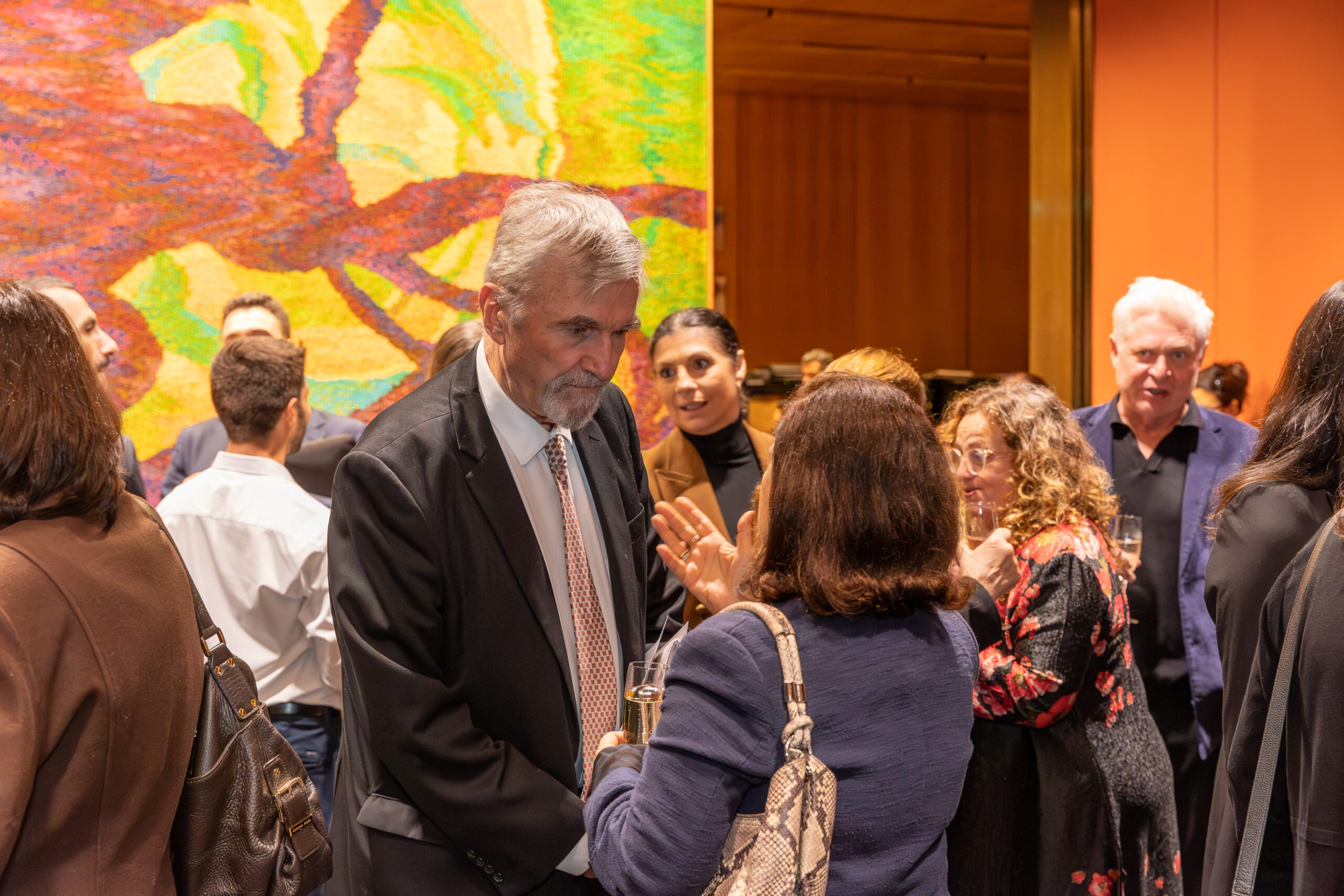
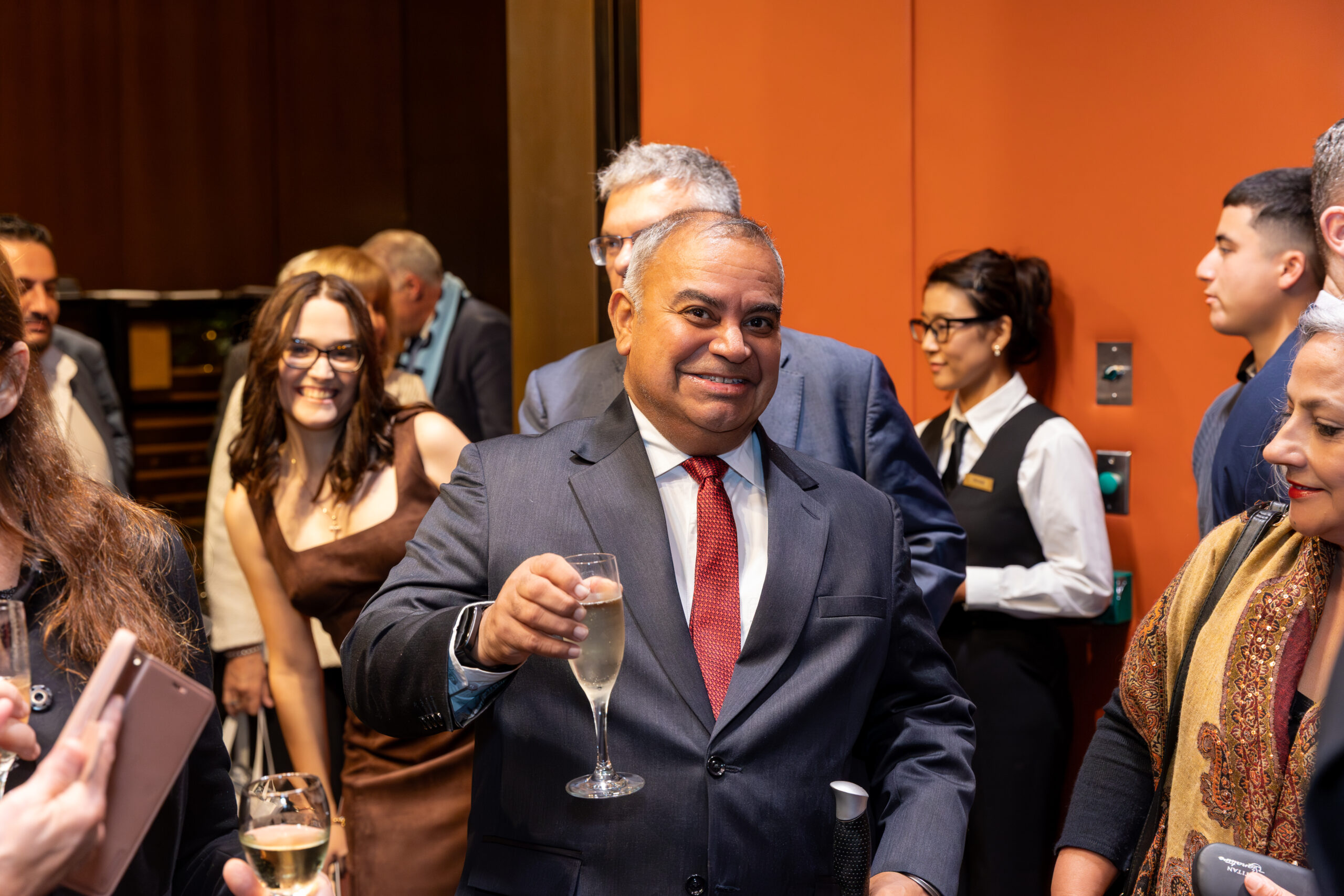
From the moment guests entered the Strangers’ Function Room and Fountain Court shortly after 6pm, there was an unmistakable sense that this was more than a formal event. Politicians embraced community leaders. Former staff reunited. Readers carried copies of the centenary edition under their arms. Archival visuals rolled across screens while conversations drifted between Greek and English, old memories and new stories.
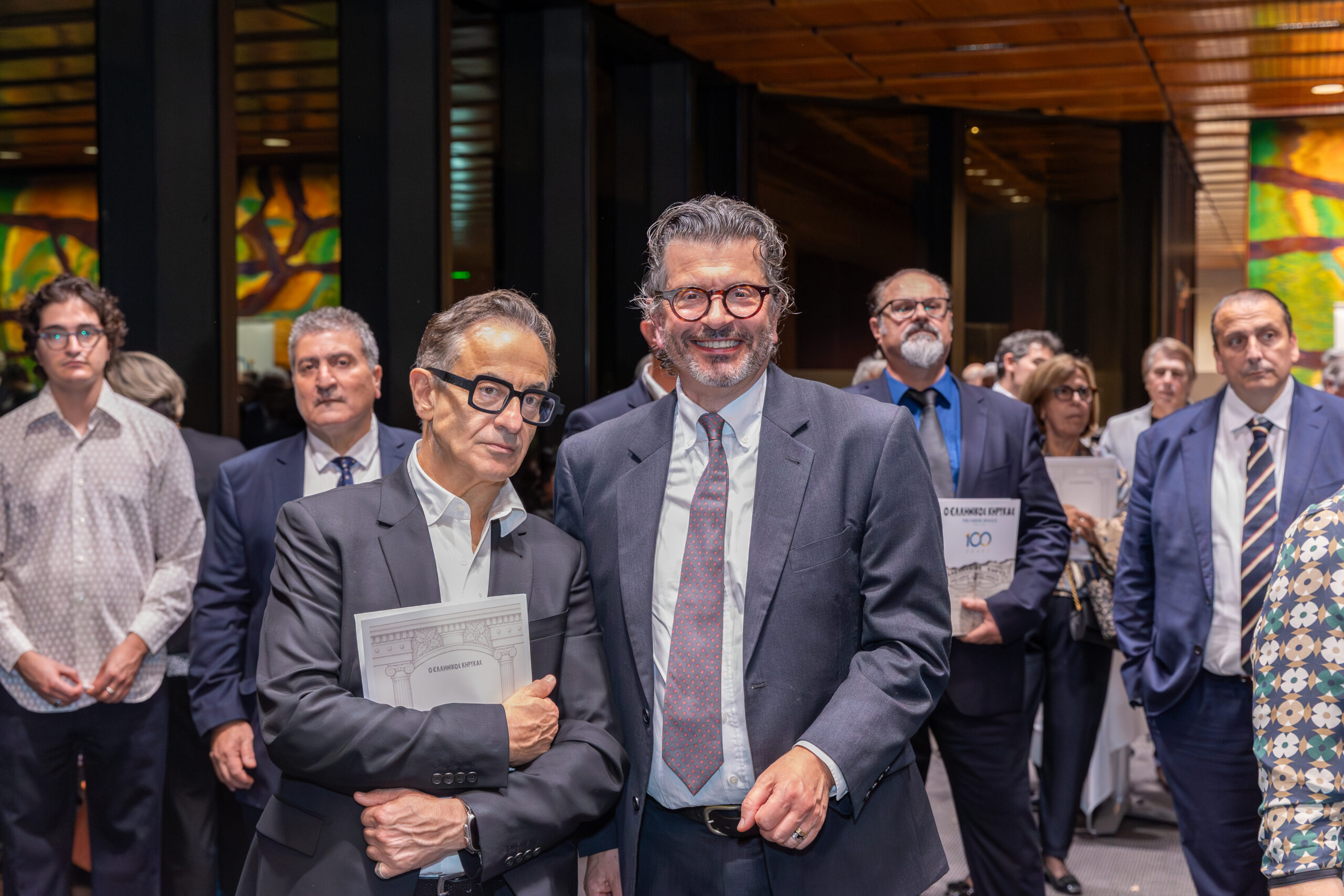
The guest list reflected the scale of the milestone.
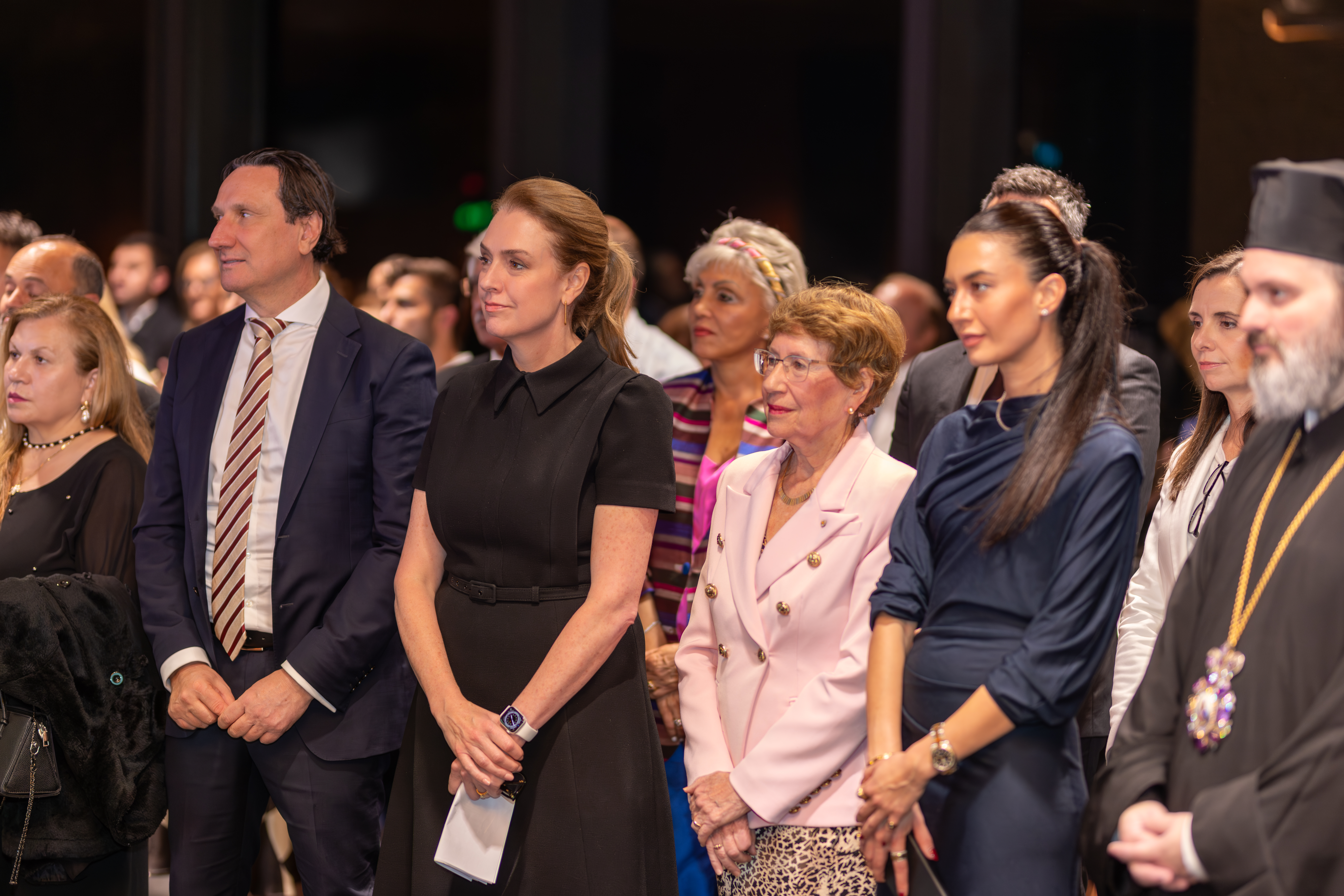
Among those in attendance were Her Excellency the Honourable Margaret Beazley AC KC, Governor of NSW; High Commissioner of the Republic of Cyprus to Australia, Antonis Sammoutis; NSW Minister Sophie Cotsis MP; NSW Minister Courtney Houssos, Eleni Petinos MP; NSW Liberals Leader Kellie Sloane MP; Consul General of Greece in Sydney George Skemperis; His Grace Bishop Christodoulos of Magnesia; members of parliament, judicial representatives, multicultural leaders, clergy, business figures, interstate guests, sporting representatives and presidents of Greek Australian organisations from across the country.
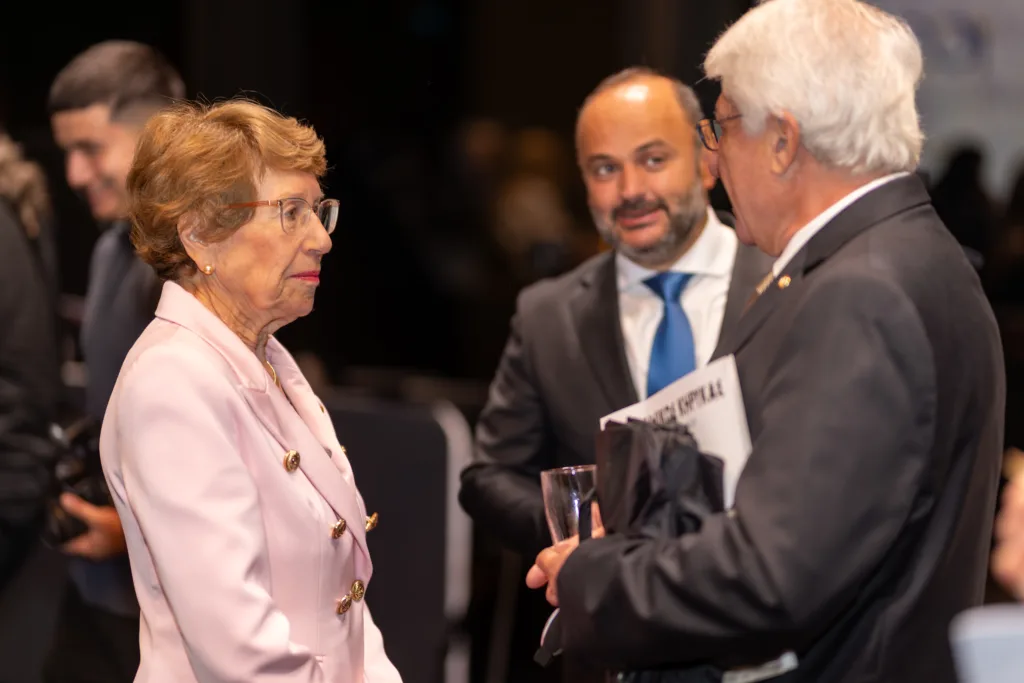

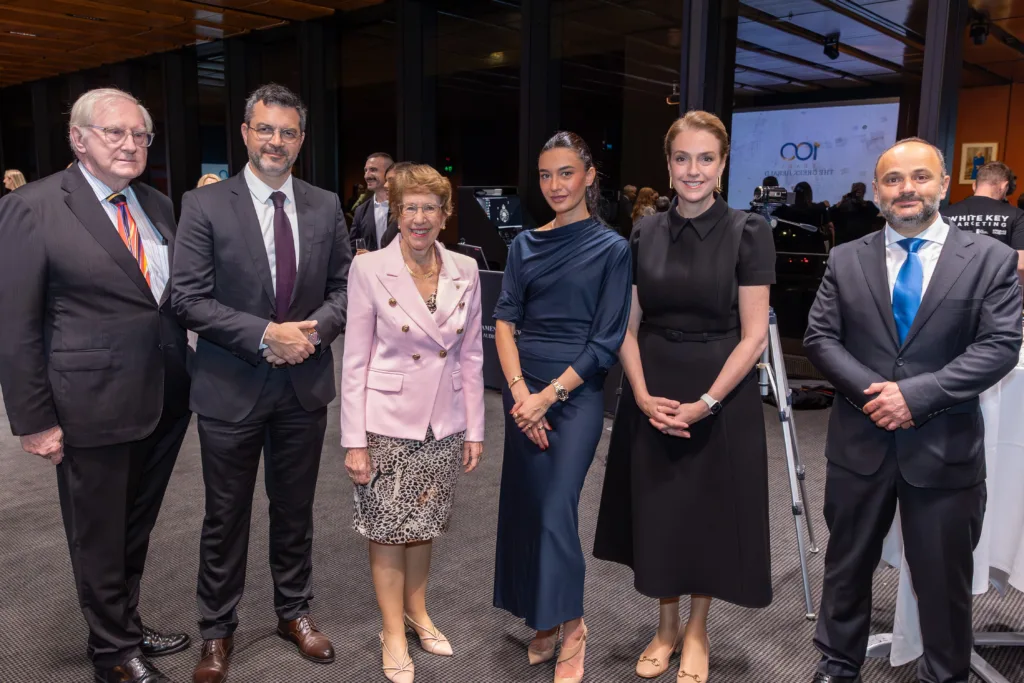
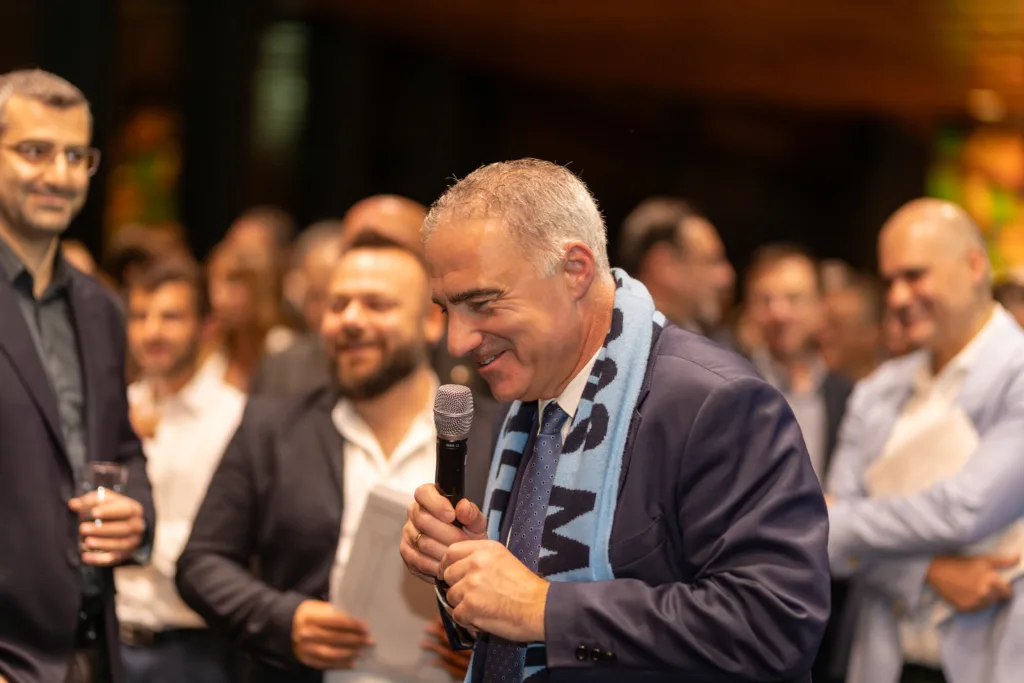
Master of Ceremonies Paul Nicolaou opened the evening by welcoming guests and acknowledging the role The Greek Herald has played since its founding in 1926.
“The most important event tonight,” he said, “is that we are celebrating 100 years of The Greek Herald.”
Nicolaou reflected on the newspaper’s role in preserving “the Greek language, culture and identity across many generations,” while also joking about scheduling conflicts with the State of Origin and the Kytherian Association of Australia’s Annual General Meeting (AGM).
That balance — formal but familiar — would continue throughout the evening.
‘A deeply human paper’
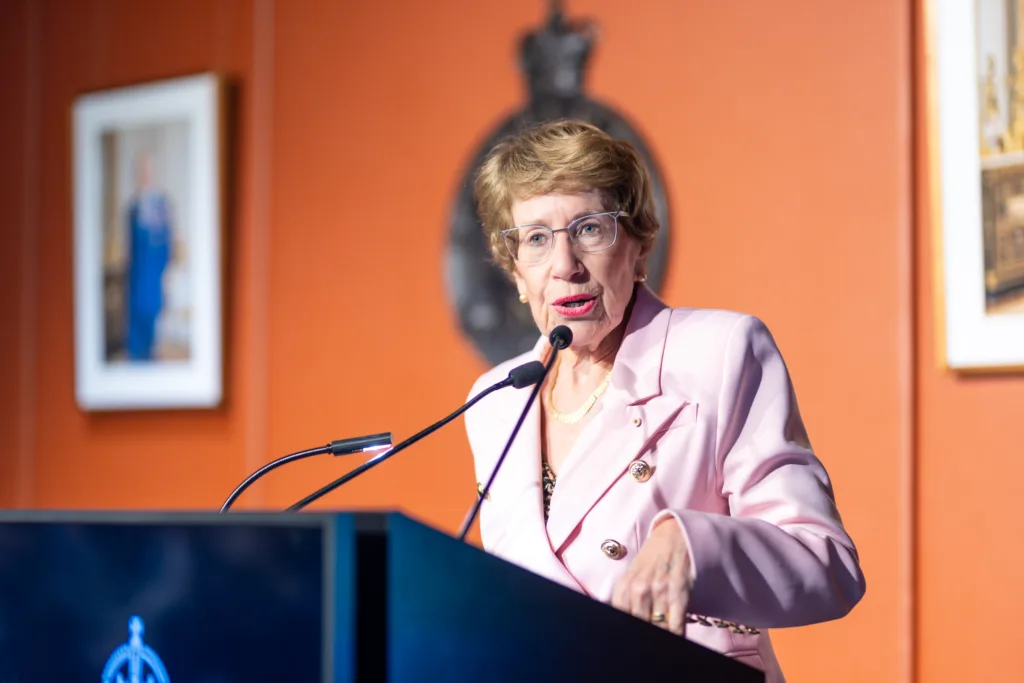
Governor Beazley delivered the night’s first address, taking guests back to the Sydney of 1926, when The Greek Herald first rolled off the presses.
She painted a vivid picture of the city at the time — electric trains newly running, women still fighting for greater representation, men in hats filling the streets, and migrant communities trying to establish themselves in a rapidly changing Australia.
The newspaper, she said, was created to speak directly to the Greek community.
“It was a newspaper which spoke to and about the Greek community, spoke about Greek affairs and spoke about local affairs,” Her Excellency said.
“At its essence, it was a deeply human paper.”
Her Excellency reflected on the publication’s survival through depression, migration waves, political upheaval and enormous social change, before praising the way it has evolved into a bilingual multimedia publication while remaining connected to its roots.
“This is not about a newspaper which is a decade old. This is about a newspaper which is a century old,” she said.
“You are no longer using that metal sticker and strip. You are a multimedia bilingual national newspaper. You are the only Greek daily newspaper outside Greece and Cyprus.
‘It’s an amazing heritage’
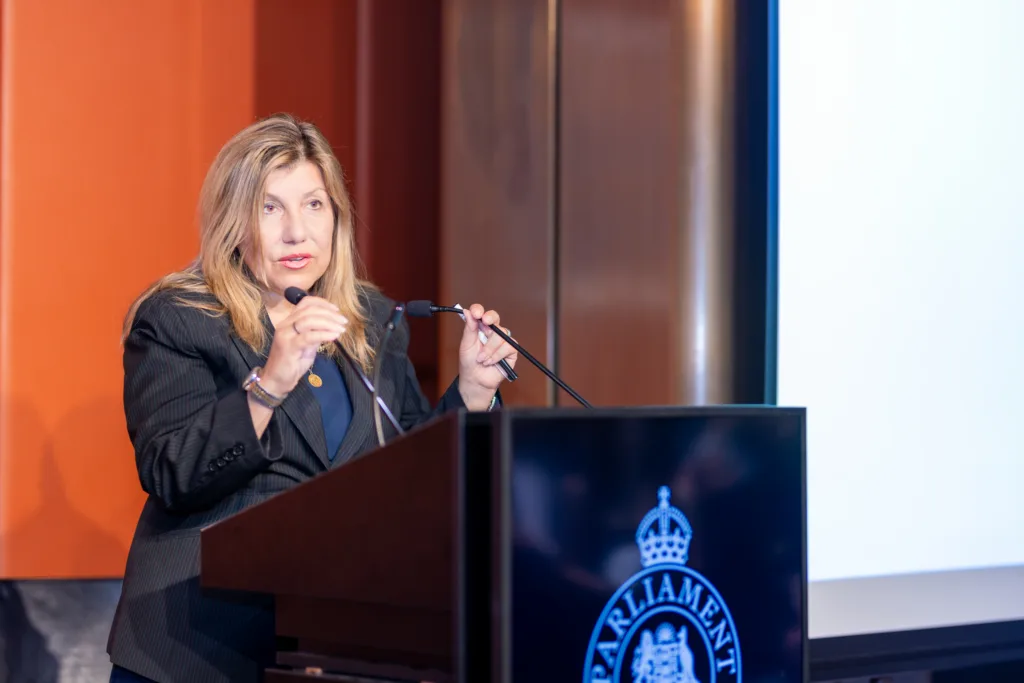
Representing NSW Premier Chris Minns and the event’s parliamentary host, Minister Cotsis delivered a speech centred on migration, family and the newspaper’s role in helping generations of Greek and Cypriot Australians settle into a new country.
“For those migrants coming to Australia who didn’t speak English, The Greek Herald became a lifeline,” she said.
“The Herald was not just a connection to the Greek language. It reported on jobs, current affairs and Australian sport, meaning that new Australians could truly become part of our nation.”
She spoke about the thousands of migrants who arrived nearby at Circular Quay carrying little more than a suitcase, before finding work in factories, on construction sites or in regional Australia.
Looking around the room, Cotsis said the success of the Greek Australian community today reflected the sacrifices of those earlier generations.
“You see over that period of 100 years the hard work of our ancestors, our parents, our grandparents and great grandparents,” she said.
“And you will see The Greek Herald there by their side.”
She also praised publisher Dimitra Skalkos and the paper’s transition into the digital age.
“Who would have thought 100 years ago,” she said, “that one day a young woman would lead one of the largest [multicultural] publications?”
Democracy, storytelling and identity
NSW Liberal Leader Ms Sloane brought humour and warmth to the evening, joking that Greeks had “been talkers for millennia” before reflecting on the importance of journalism and storytelling.
“The Greek Herald stands testament to the strength of our diverse state,” she said.
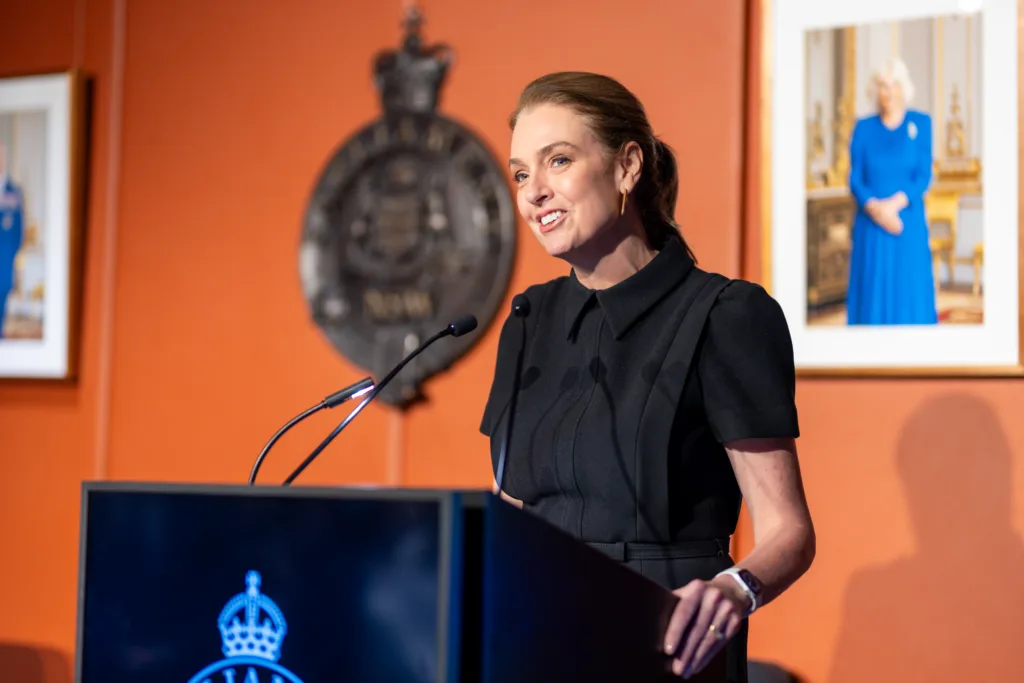
She described the publication as a newspaper that has spent a century “connecting community to faith and identity” while documenting both the triumphs and tribulations of Greek Australian life.
As a former journalist herself, Ms Sloane also acknowledged the role independent media continues to play within democratic societies.
“The importance of papers like The Greek Herald cannot be underestimated,” she said.
Representing His Eminence Archbishop Makarios of Australia, Bishop Christodoulos then offered a blessing and congratulated the publication on reaching “100 years of service and contribution to the life of Hellenism in Australia.”
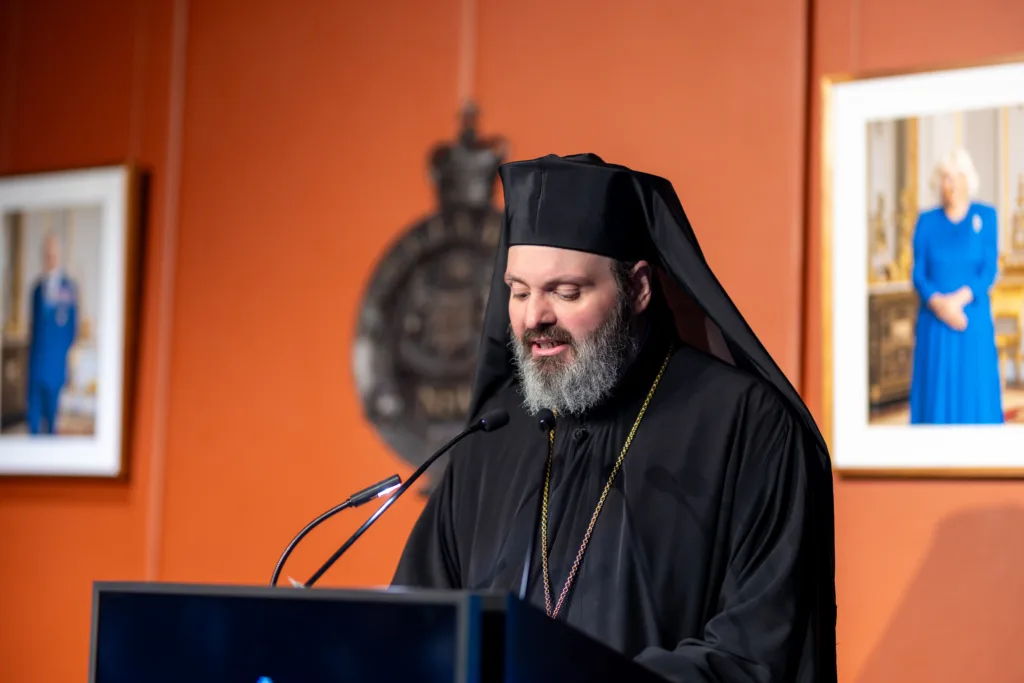
He described the paper as “a witness to the struggles, aspirations, resilience and achievements of all Hellenes across Australia.”
‘A living bond between Greece and Australia’
High Commissioner of the Republic of Cyprus to Australia Mr Sammoutis praised the publication’s role in serving both Greek and Cypriot communities across Australia, noting its strong bilingual presence and ability to evolve while remaining faithful to its mission.
“By publishing in both Greek and English, The Greek Herald succeeds in reaching all generations of the diaspora,” he said.
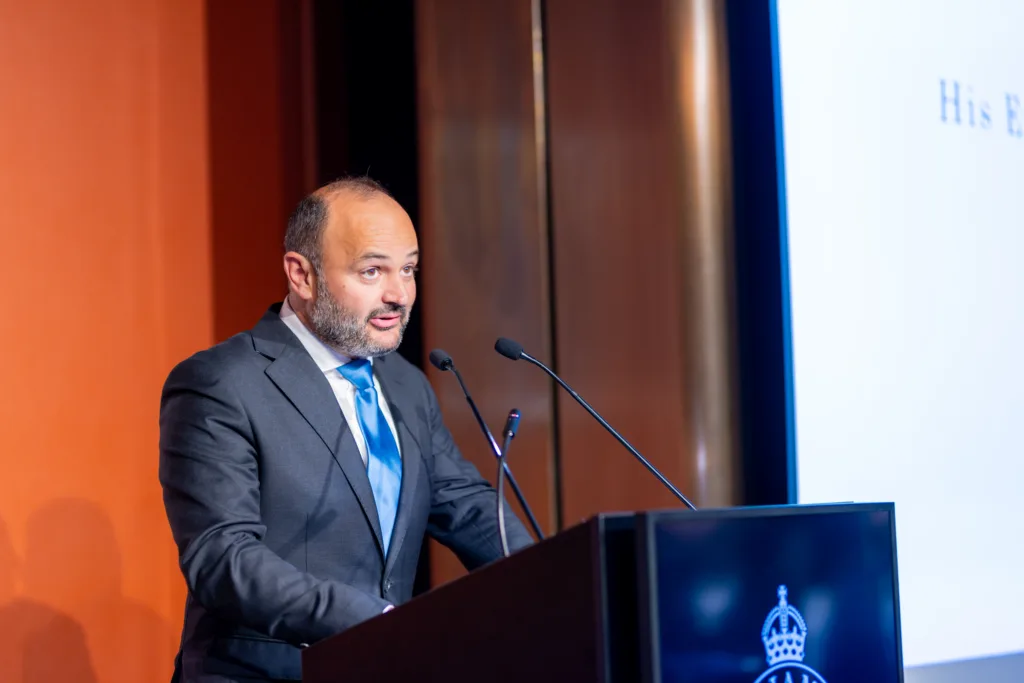
Consul General of Greece in Sydney Mr Skemperis delivered one of the evening’s strongest speeches, reflecting on the paper’s role during Greece’s military dictatorship.
“The Herald was heroic,” he said.
“It supported democracy in Greece. It opposed the dictatorship in Greece.”
Mr Skemperis revealed the publication lost advertising revenue because of its stance against the Junta, but refused to back down.
“They stood their ground. They defended democracy,” he said.
“Eventually the dictatorship lasted for seven years, while the Herald lasted for 100 years. If that was a rugby match, it would definitely be a landslide victory.”
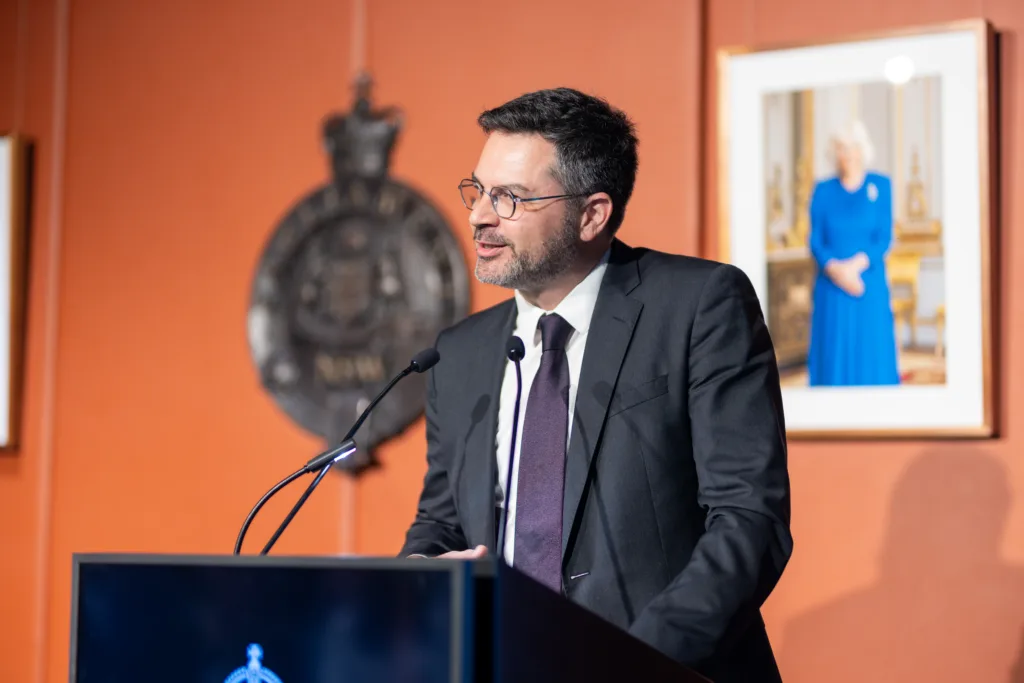
He also delivered a deeply personal tribute to publisher Dimitra Skalkos, comparing her to the mythological Atlas carrying the world on his shoulders.
Messages from Australia and Greece
Messages from Australian Prime Minister Anthony Albanese and Greek Prime Minister Kyriakos Mitsotakis were then read aloud by Nicolaou.
Albanese described The Greek Herald as “a trusted source of information and entertainment” and “an important cultural resource for Australians of Greek and Cypriot heritage.”
“The story of Greek Australians is one of energy, hard work, aspiration and inspiration,” the Prime Minister said in his message.
Mitsotakis said the publication had long served as “the voice of the homeland for our compatriots abroad,” documenting migration, community life and the evolution of Greek Australian identity across generations.
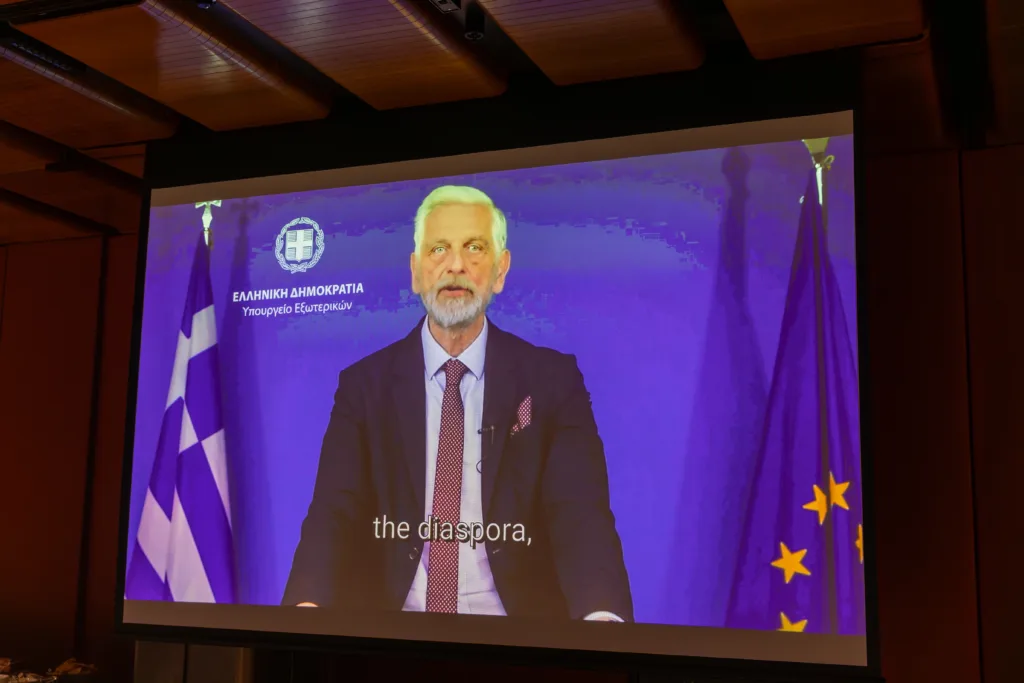
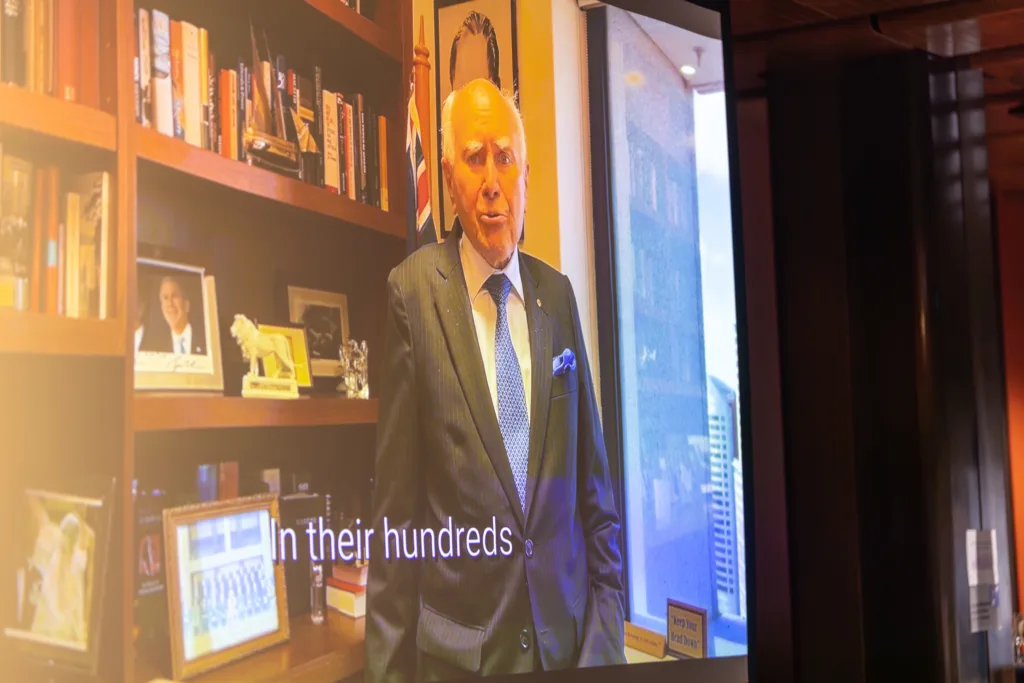
Guests also viewed video messages from former Australian Prime Minister John Howard and Greece’s Deputy Minister of Foreign Affairs Yiannis Loverdos.
Loverdos and Howard praised the contribution Greek Australians have made to modern Australia and acknowledged the important role the newspaper played in that journey.
‘It sits in our homes’
If there was one speech that perfectly captured the emotional relationship many Greek Australians have with the newspaper, it came from Bill Papastergiadis OAM, President of the Greek Orthodox Community of Melbourne and Victoria.
Rather than speak formally, Papastergiadis told stories.
He spoke about moving into a new Melbourne suburb and asking a local Chinese newsagent to begin stocking The Greek Herald, only for the owner to become fascinated with the Greek community through the paper itself.
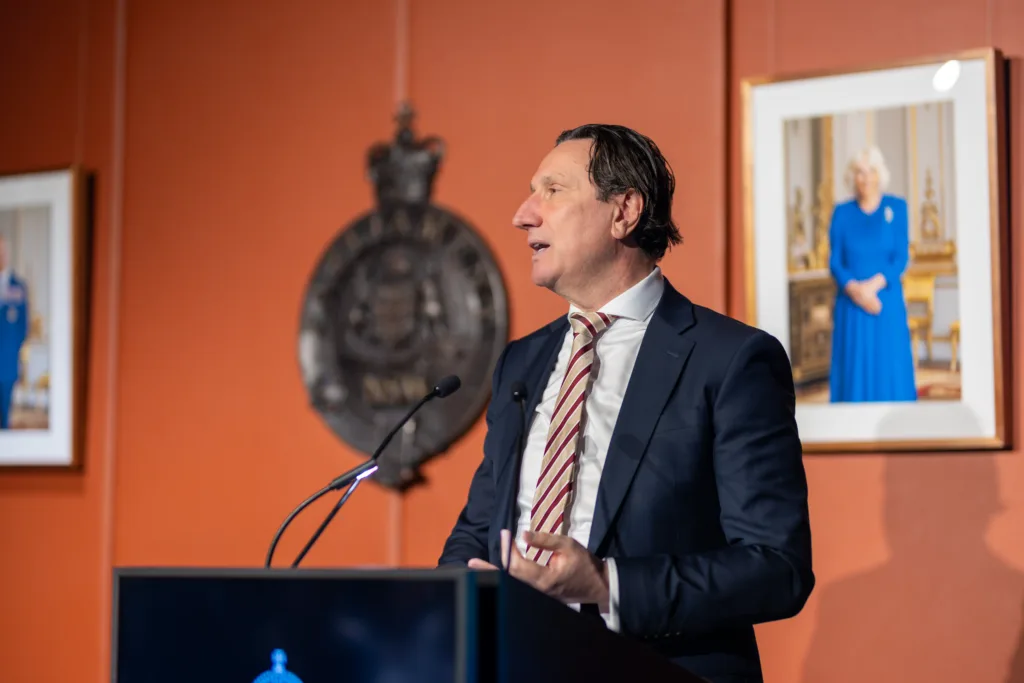
He then shared another story about visiting the home of a recently deceased Greek elder, where elderly men sat around a kitchen table discussing community affairs with The Greek Herald beside them.
“The moral of the story,” he said, “is that The Greek Herald sits in our homes and is part of us. It sits in our homes, it lives and breathes with us in life and afterlife. It’s become the heart of our life.”

A newspaper woven into community life
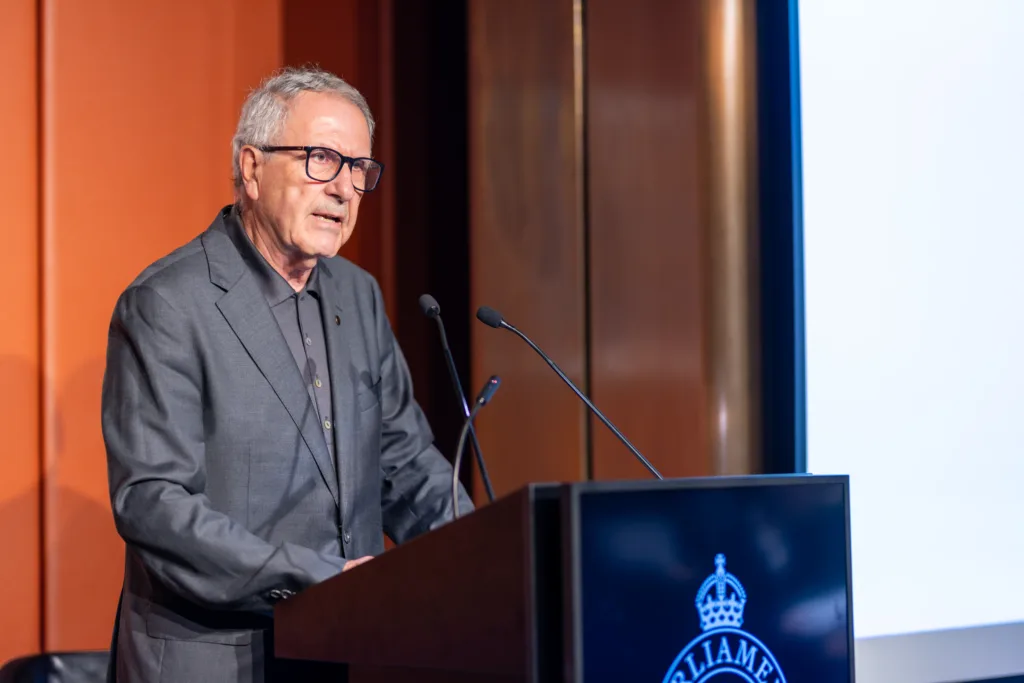
Historian Professor Anastasios Tamis from The Australian Institute of Macedonian Studies then delivered a sweeping reflection on the publication’s role throughout migration, war and multicultural Australia.
He described The Greek Herald as “a vital source of information” and paid tribute to late publisher Theodore Skalkos, whose influence over ethnic media in Australia he described as transformative.
“It was Theodore Skalkos who recognised and reconstructed the Greek media in Australia,” Professor Tamis said.
He urged the community to continue supporting independent multicultural media into the future.
‘Community newspapers preserve identity’
The emotional centrepiece of the evening came from publisher Dimitra Skalkos, who admitted the scale of the milestone still felt surreal.
“One hundred years of The Greek Herald. An entire century,” she said.
“Very few institutions within multicultural Australia survive that long.”
She reflected on the countless stories people continue sharing with her about the newspaper — stories about relatives delivering the paper, journalists working late nights, advertisements, photographs, headlines and memories stretching back generations.
“What has stayed with me the most is the imprint that this newspaper has left,” she said.
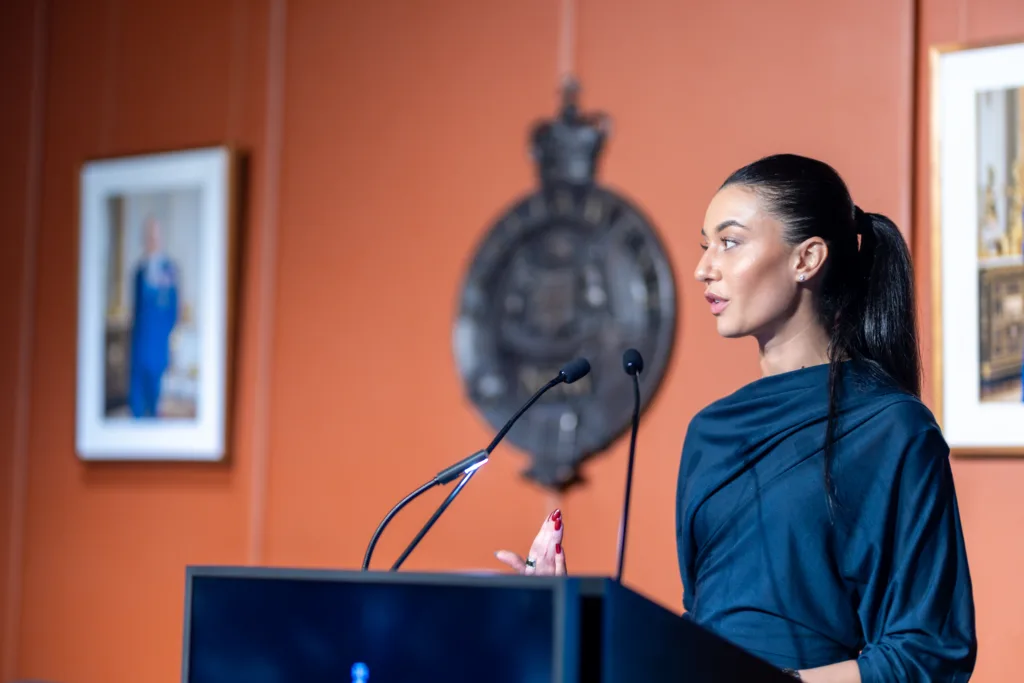
Skalkos spoke candidly about the realities of community journalism — the deadlines, pressure and constant balancing act between print, digital and community expectations.
“We may run lean,” she said. “But we never thought small.”
Then came one of the defining lines of the night.
“Newspapers may record history,” Skalkos said. “But community newspapers preserve identity.”
She acknowledged the paper had witnessed migration, political movements, sporting triumphs, cultural evolution and “many disputes — so, so many disputes.”
“At times it has documented history,” she said.
“At other times, the paper has caused a little bit of it.”
As she concluded, Skalkos paid tribute to her team and late father Theodore Skalkos, who dedicated four decades of his life to the publication and ethnic media more broadly.
But she stressed the newspaper belonged to the wider community.
“It belongs to our community,” she said.
“To the people before us who built something from nothing, and to those who carried it forward decade after decade.
“Standing here tonight, 100 years later, that is something very special. We now turn the page to the next chapter.”
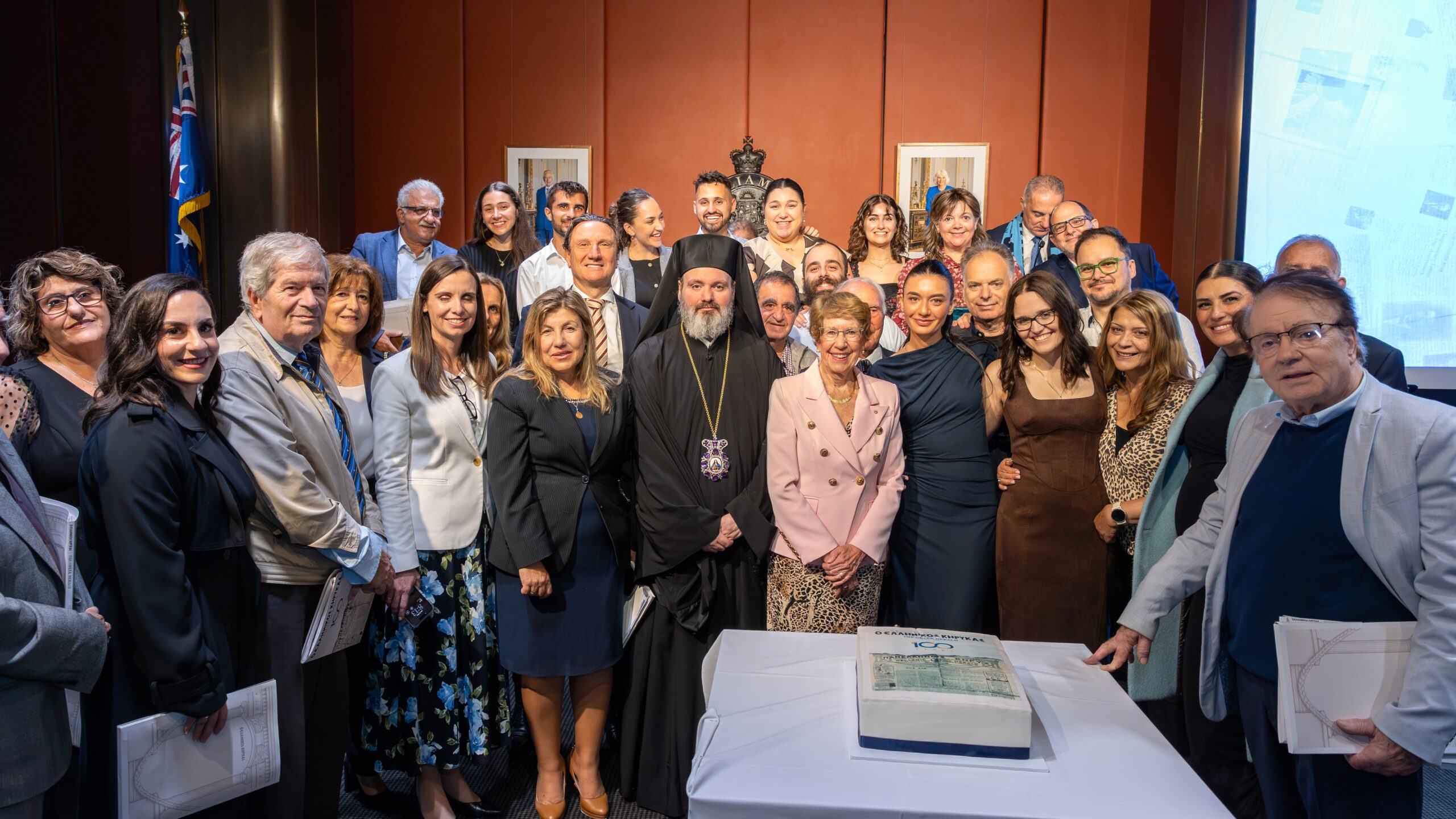
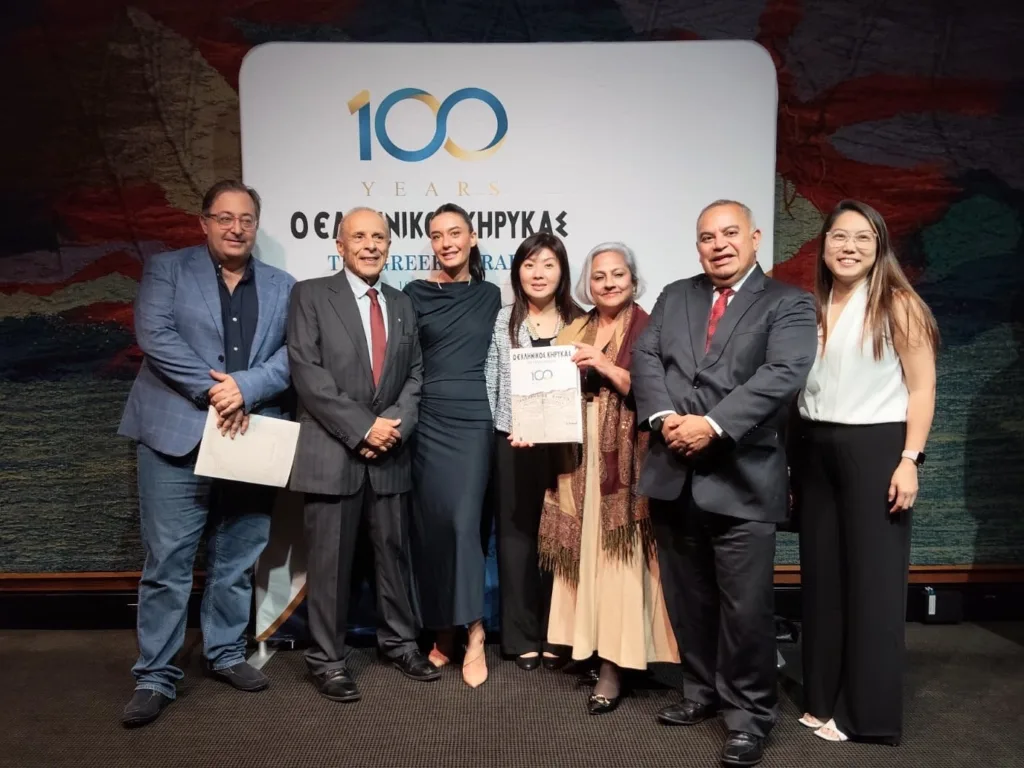
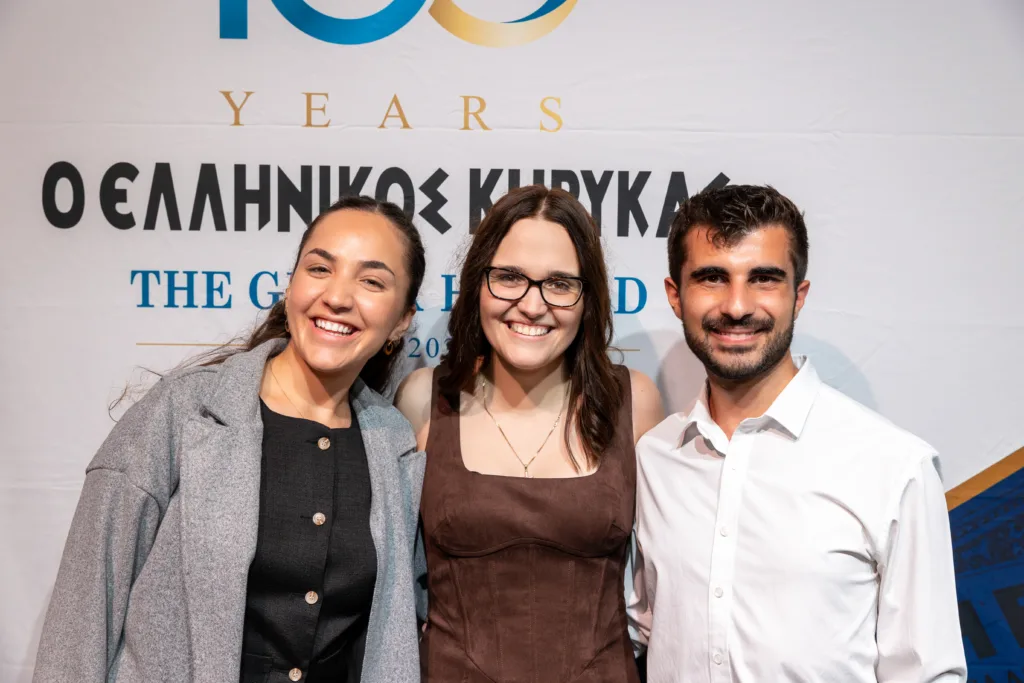
As formal proceedings concluded, former and current members of The Greek Herald gathered alongside dignitaries and guests for the ceremonial cake cutting, marking the official centenary celebration.
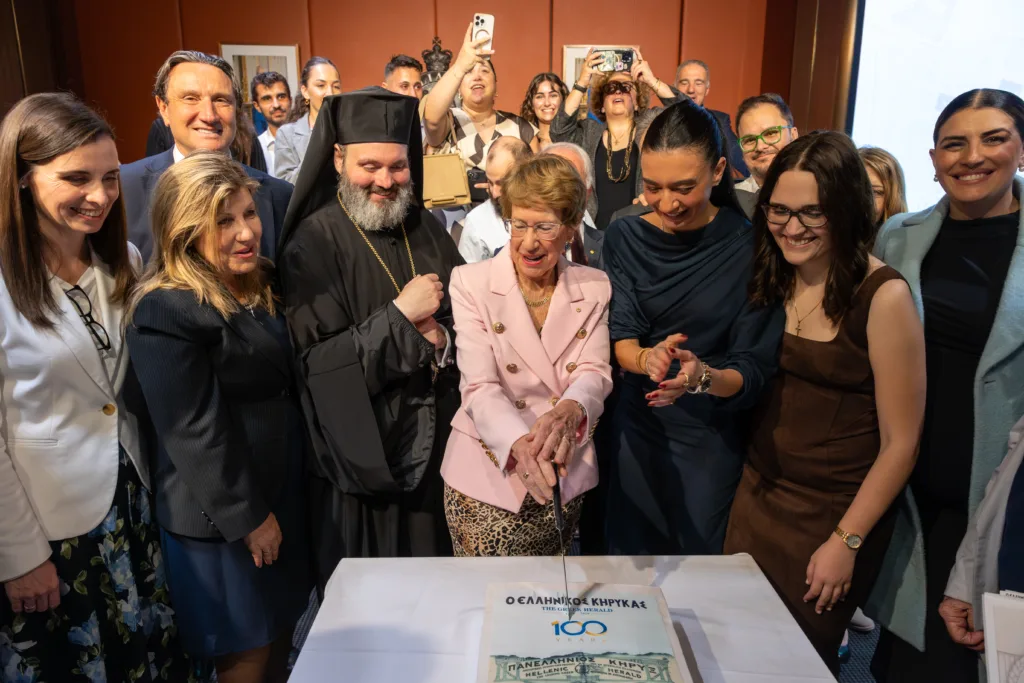
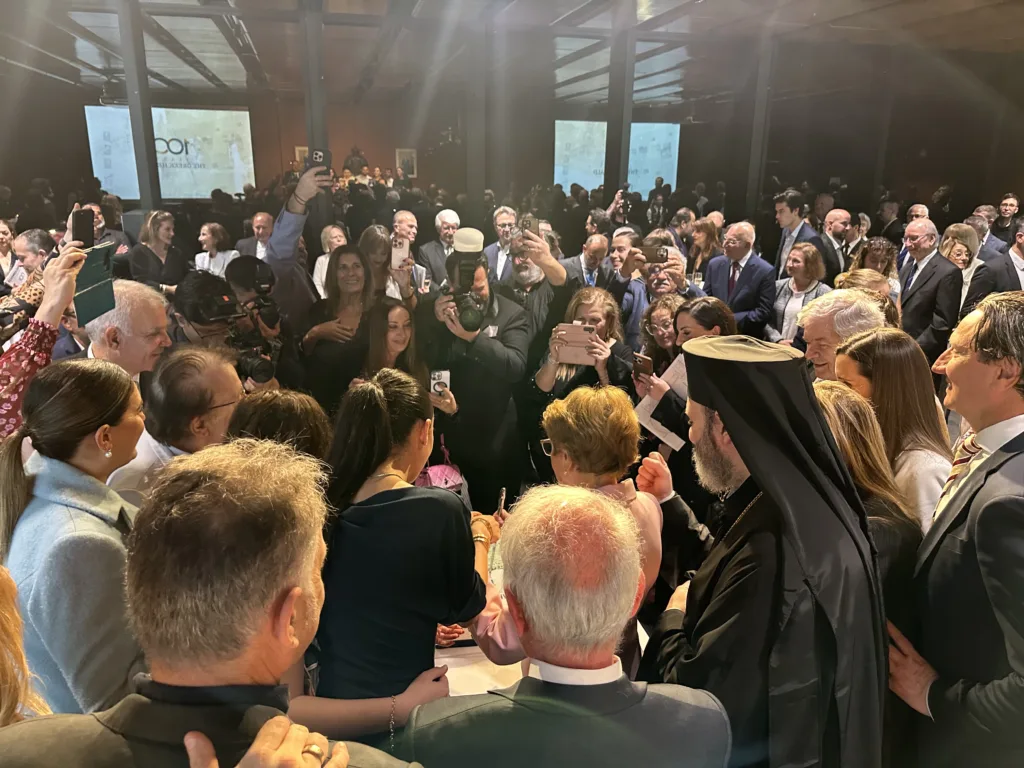

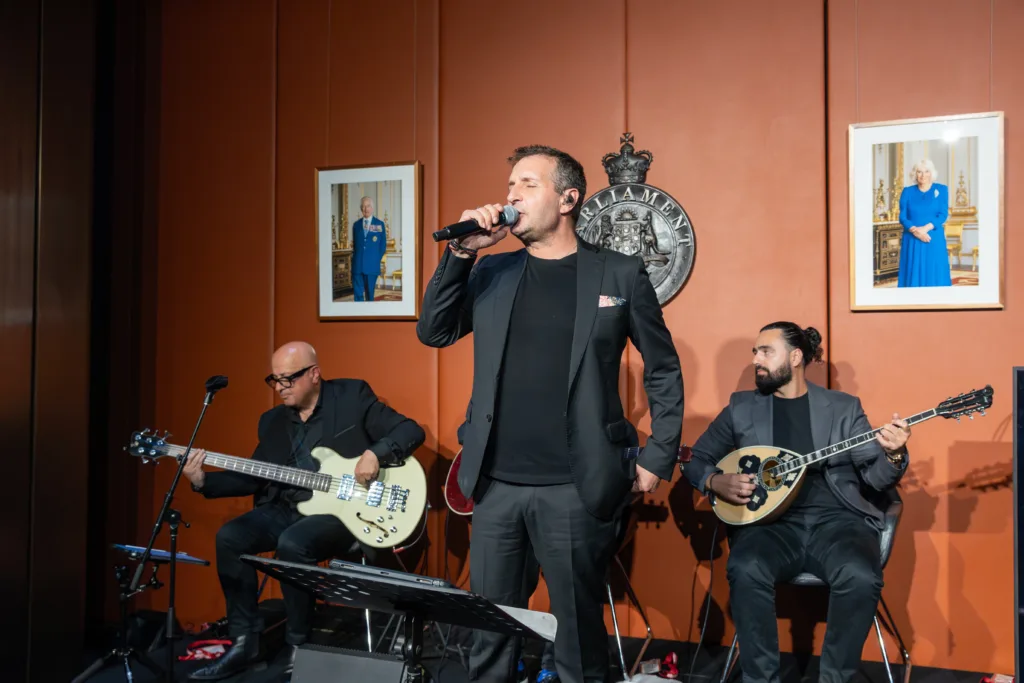
Moments later, acclaimed vocalist Dimitris Basis and musician George Doukas performed while archival images from the newspaper’s history played across the screens, bringing a more celebratory atmosphere to the evening.
And as the room slowly returned to conversation, music and photographs, one thing became increasingly clear throughout the night:
For 100 years, The Greek Herald has never simply been a newspaper. For generations of Greek Australians, it has been part of home.



*All photos: George Karantonis / Image Smart
