Home Blog Page 966

Greece and Turkey foreign ministers to renew talks on enduring disputes

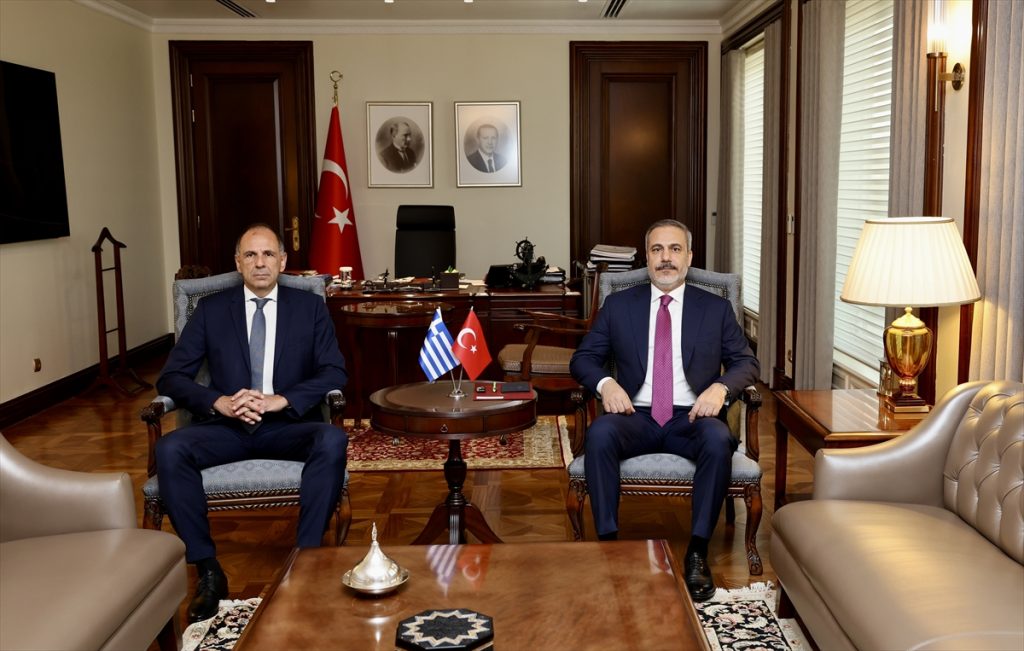
Foreign Minister Giorgos Gerapetritis and his Turkish counterpart, Hakan Fidan, have reached an agreement to rekindle high-level communications between their respective nations and seek innovative strategies to address longstanding disputes.

This initiative is part of their joint efforts to mend relations between the two NATO allies, who have been entangled in a series of enduring disagreements.

The discussions between Gerapetritis and Fidan took place in an atmosphere of increased cordiality, catalyzed by Greece’s provision of assistance to Turkey following a devastating earthquake earlier this year, and Turkey’s expression of condolences after a tragic train accident in Tempe.

Gerapetritis, speaking to the press following the two-hour meeting in Ankara, emphasized the need “to build on what unites us and to gain a better understanding of what separates us.”

Fidan echoed this sentiment, stating, “We have entered a new and positive phase in our relations with Greece. We reaffirmed our belief that our challenges can be resolved through constructive dialogue between our two neighboring and allied nations.”
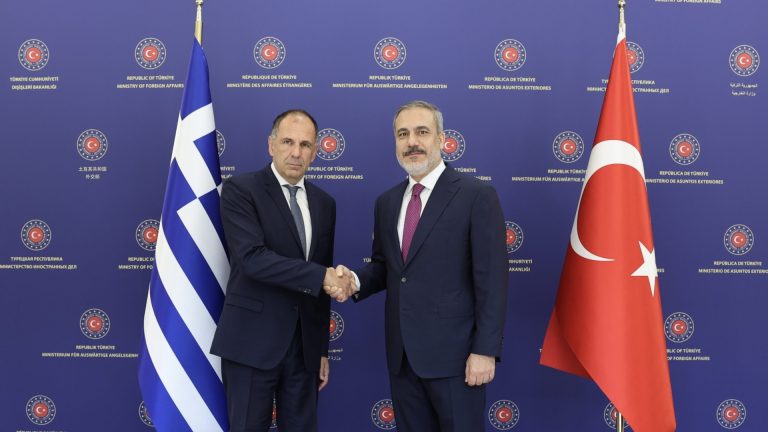
Foreign Minister Giorgos Gerapetritis (L) and Turkish counterpart, Hakan Fidan (R). Photo: Turkey Ministry of Foreign Affairs.

This meeting comes at a time when Ankara, grappling with economic challenges, is actively seeking to reset its historically complex relations with Western nations. It follows a rare encounter between President Recep Tayyip Erdogan and Greek Prime Minister Kyriakos Mitsotakis on the sidelines of a NATO summit in Vilnius in July.

In line with a “roadmap” unveiled by the two ministers, Mitsotakis and Erdogan are scheduled to meet again on the sidelines of the United Nations General Assembly in New York on September 18. This will be followed by a gathering of high-level officials in October, discussions on confidence-building measures, and a revival of a previously stalled high-level cooperation council meeting.

Greece and Turkey have been at odds over a range of issues, including territorial claims in the Aegean Sea, rights for energy exploration in the eastern Mediterranean, and the ethnically divided Cyprus.

Tensions escalated in 2020 over disputes related to exploratory drilling rights in Mediterranean regions claimed by both Greece and Cyprus as their exclusive economic zones, leading to naval confrontations.

Fidan stated, “We conducted a comprehensive assessment of our issues concerning the Aegean and the eastern Mediterranean. We have reached an agreement to introduce novel approaches to address these challenges.”

The friendly atmosphere of Tuesday’s meeting marked a stark contrast to a gathering two years ago when the former Greek and Turkish foreign ministers exchanged accusations during a joint news conference in Ankara.

In recent years, Turkey has accused Greece of deploying troops on Aegean islands near the Turkish coast, which it views as a violation of treaties. Greece, on the other hand, contends that it needs to safeguard these islands against potential aggression from Turkey, citing Turkey’s substantial military presence on the western Turkish coast.

Turkish officials have warned that the continued militarization of the islands could prompt Turkey to question their ownership, with Erdogan even alluding to the possibility of sending missiles to Athens.

Last year, Erdogan had pledged never to engage in talks with Mitsotakis, expressing anger at the Greek leader’s call to the United States not to sell F-16 fighter jets to Turkey during a visit to Washington.

Source: Ekathimerini
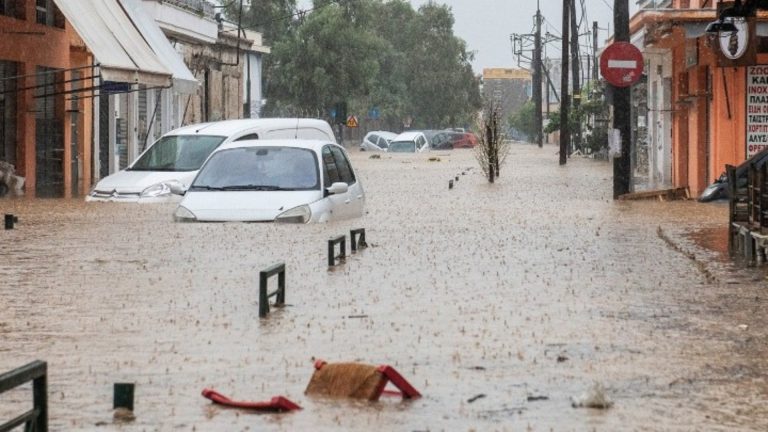
One dead and one missing in Volos floods as storms hit Greece

0

A man has tragically lost his life, while another man is missing in Volos, as intense rainfall and flooding has inundated residences and thoroughfares across Greece.

According to Ekathimerini, fire brigade spokesperson Ioannis Artopoios said in a media release, the wall collapse in Volos claimed the life of one man when it buckled and fell upon him. The incident occurred as the man, a cattle breeder, was attempting to reach his livestock.

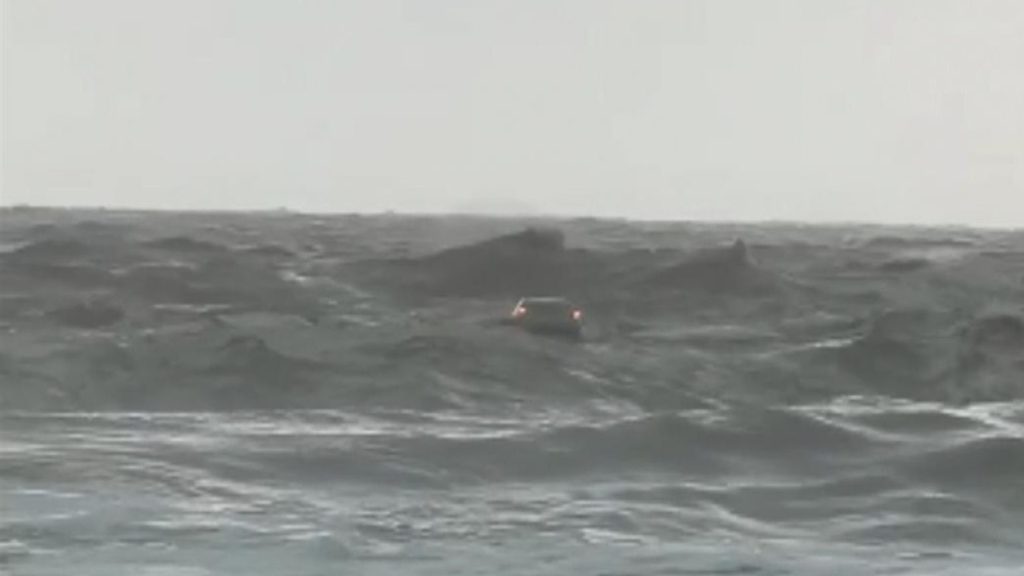
A resident of Volos also remains unaccounted for, as his vehicle was swept away by the rainstorm, stated the fire brigade spokesperson.

Mr Artopoios said, “His son managed to escape from the car, but the father was carried away, and a search operation is currently underway.”

Car dragged away by the floodwaters in Greece. Photo: Sky News.

Storm Daniel has relentlessly pummelled the western and central parts of the nation since Monday, resulting in nearly 700 distress calls to the fire department for assistance with water drainage, removal of fallen trees, and the safe evacuation of individuals.

The storm has broken the Greek record for rainfall within 24 hours, flooding cities like Volos in central Greece’s Magnissia prefecture, Climate Crisis and Civil Protection Minister Vassilis Kikilias has announced, amna.gr.

This unfortunate event unfolded just days after a deadly wildfire, which had raged for over two weeks, was finally brought under control in the northern part of the country.

Images captured by the state broadcaster ERT depict vehicles in Volos, a port city along the Pagasetic Gulf, being carried away by the deluge to the muddy shores.

Authorities have imposed traffic restrictions in the broader vicinity of Volos, the nearby mountainous Pilion region, and on the island of Skiathos until the storm abates, as per the police announcement.

Alerts were also transmitted to mobile phones in various other areas in central Greece, the Sporades island chain, and the island of Evia, urging individuals to curtail outdoor activities due to the inclement weather.

The national weather service has projected that the Pilion region is expected to receive approximately 650 to 700 millimeters of precipitation over Tuesday and Wednesday, while the central town of Karditsa is forecasted to experience between 550 and 600 millimeters.

It is noteworthy that the average annual rainfall in the capital of the Athens region amounts to approximately 400 millimeters.

The storm’s trajectory is predicted to bring about substantial rainfall and storms, coupled with hail, thunderstorms, and robust winds in the Aegean region.

The government has confirmed its request to the Copernicus program, the European Union’s Earth observation initiative, for the mapping of inundated areas within Magnesia.

The flash floods that occurred in Greece in 2017 resulted in the loss of 25 lives and left hundreds without homes.

Source: amna.gr and Ekathimerini

Melbourne lecture to look at poetry and how it records Cypriot Greek heritage

Poet and writer Angela Costi will be giving a lecture titled ‘Salvaging Cypriot Greek Migrant Heritage and Memories Through the Poetry of Zeny Giles and Peter Lyssiotis’ on Thursday, September 14 as part of the Greek Community of Melbourne’s Greek History and Cultural Seminars. This is an in-person event.

Poetry is one way of documenting what is missed, excluded, and neglected by institutionalised archives. Migrants and refugees who have a reliance on oral stories to record their existence, risk minimisation of their impact and contribution to the collective memory of Australia. In particular, the memories and heritage of Cypriot Greeks are historically recorded through the prism and value-system of two dominating cultures: a British-centric culture and a Hellenic culture. An alternative documentation of the Cypriot Greek, Australian-based diaspora, is through interviewing and studying the poetic output of Cypriot Greek poets.

Two Cypriot Greek poets and authors who have filled the archival gaps with their poetry are Zeny Giles and Peter Lyssiotis. Since the 1980s, both have amassed well-deserved awards and literary recognition for their creative output. Their poetry and the philosophy underpinning their writing, reveals a poetic biography of Cypriot Greek diaspora identity, one that is nuanced and significant. 

Angela Costi is a poet and writer with a background in social justice and community arts. She is the author of five poetry collections including Honey & Salt (shortlisted for the Mary Gilmore Poetry Prize 2008) and An Embroidery of Old Maps and New (winner of the Book Prize for Poetry in English, GACL 2022). She has nine produced and commissioned plays/performance text, including A Nest of Cinnamon which was part of an international collaboration, funded by the Australia Council for the Arts.

Poet and writer Angela Costi.

In 1995, she received a travel award from the National Languages and Literacy Board to study Ancient Greek Drama in Greece. She is a graduate of Melbourne University and RMIT. She received the High Commendation for contribution to Arts and Culture, Merri-bek Award 2021.

This is a joint presentation with the Greek Australian Cultural League, and it will take place at the Mezzanine Level of The Greek Centre, located at 168 Lonsdale Street, Melbourne at 7pm.

Paroula: The Sydney icon teaching Greek dance for close to 60 years

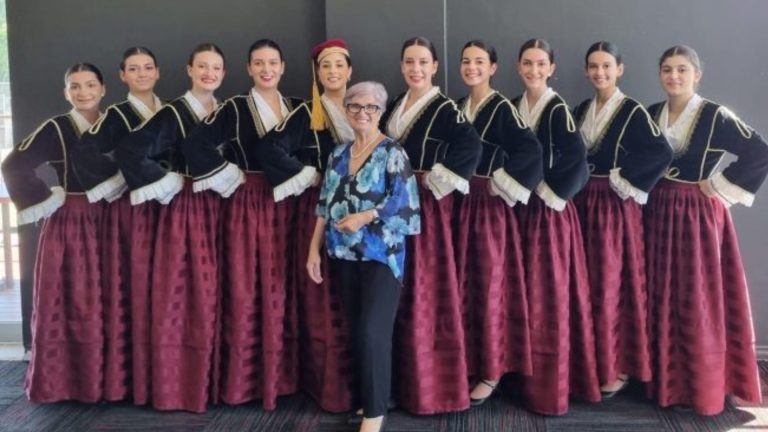
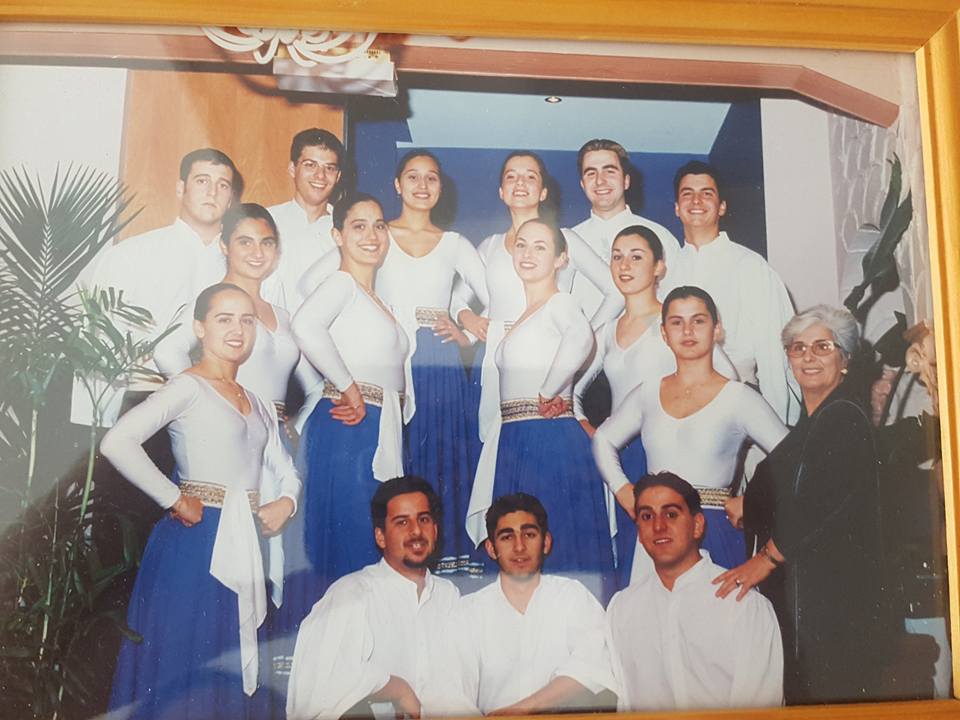
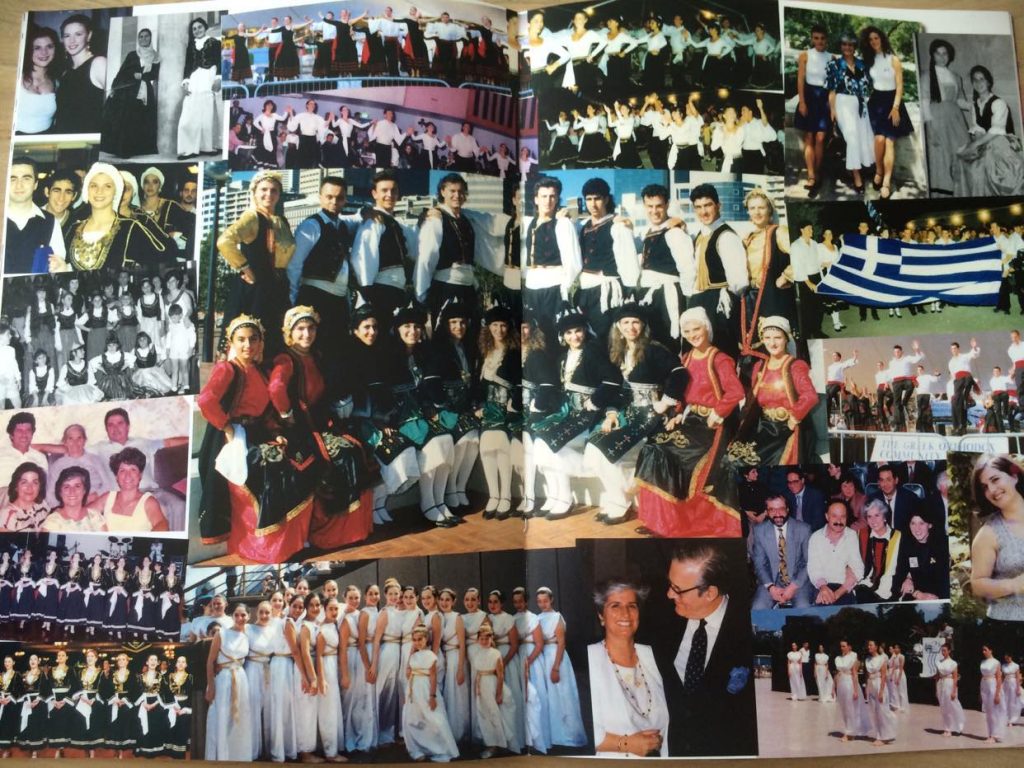
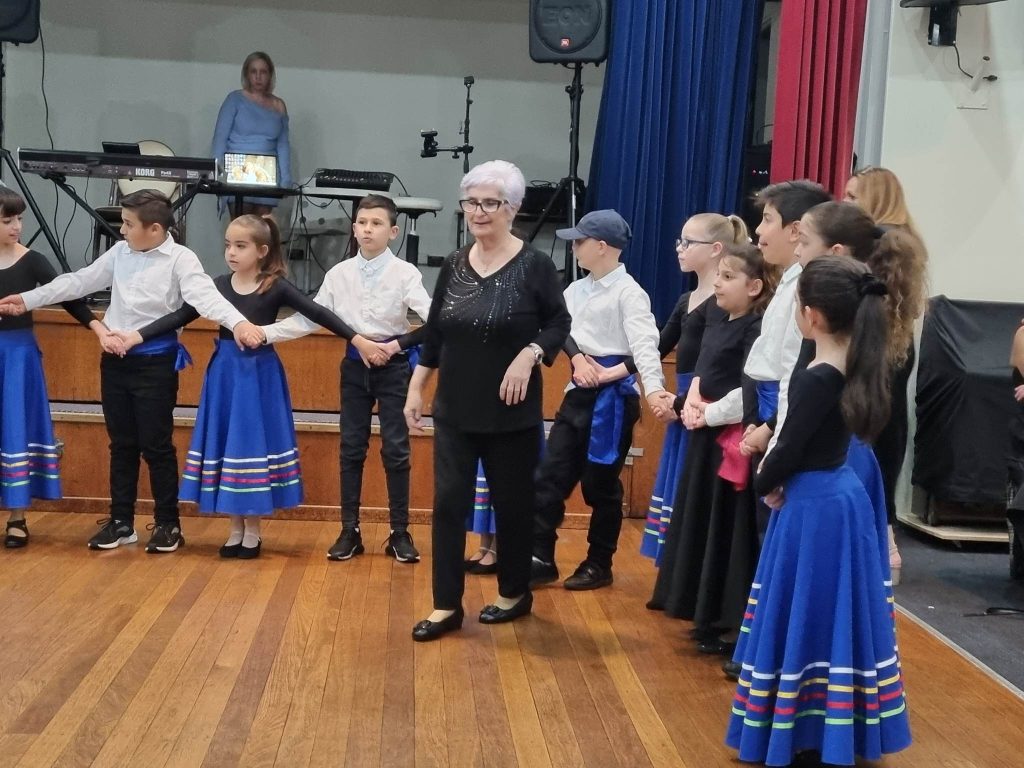
Year after year, student after student, Paroula Thurban has built a legacy over the past 59 years as one of Sydney’s most well-known Greek dancing teachers.

She is an icon of the Greek community in Sydney, who has created a strong connection between the diaspora and Greek dancing. 

‘My parents were amazing dancers’:

Paroula was born on the Greek island of Lemnos. Her parents were refugees from Asia Minor. She remembers them owning a fish restaurant before coming to Australia in her twenties. 

“My parents were amazing dancers. At every festival they went too, people wanted to see them dance,” she tells The Greek Herald

Paroula’s two brothers were also the first to dance the Zorba on Australian television with a music band. 

Paroula Thurban.

Bringing Greek dance to Sydney:

For Paroula herself, she began to teach the Greek language at a school run by the Greek Orthodox Community of NSW.

“In September, they gave me 15 students and at the end of the year, there were 45. That was the beginning for me to teach language. But it wasn’t enough,” she says.

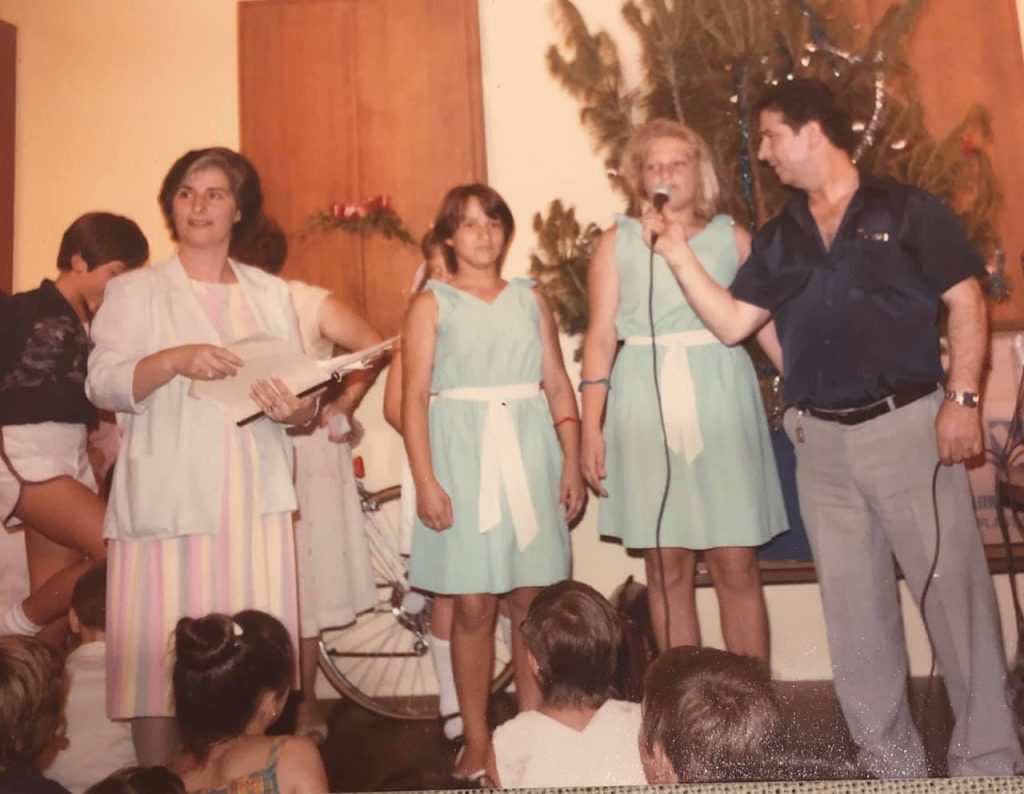
“When we were finishing the lesson, I was gathering the chairs to do some dancing. Parents were coming to take their kids and I was dancing with them. It was 1964. That’s how my reputation started expanding in Sydney.” 

Soon people started admiring her. 

Paroula Thurban started teaching at Dulwich Hill in Sydney.

Paroula was presenting her young students at community events and parents were amazed by how many things their children could learn in an hour of dancing with her. 

Eventually, she found herself a hall in Dulwich Hill, Sydney, and started teaching there every Saturday. 

“There were so many kids that there was not enough space. I couldn’t teach them only in 1-2 hours, so I was starting at 8 in the morning and finishing at 3 in the afternoon,” she recalls. 

“Every step that kids do, it brings them closer to Greece. In a society which is not traditional, it is hard to teach traditional dances. So I had to find a way to put in kids’ souls the love for language, dancing and singing.

Paroula Thurban was the first to teach the Zorba in Sydney.

“I started choosing dances with nice singer’s voices to make lessons pleasant. Even traditional costumes were chosen with great care and love. I wanted to show the beauty and ‘leventia’ of the dancers and to cause admiration. But above all, I wanted to make them dancers and to transmit the love I was feeling for dancing, to kids too.” 

Paroula was the first to teach the Zorba in Sydney and despite the dance being so popular, some people said that she was not teaching traditional dances. 

“I was choosing good songs to get into the kids’ souls,” she says.

Her husband, a German who loved the Greek culture, used to drive her and the students to festivities by the Greek community. And today, her daughter also teaches at All Saints Grammar school in Belmore. 

All these years, Paroula has devoted her life to Greek dancing. 

“I was missing Greece a lot – the sun, my island, sea, loved faces – and I think carrying this heritage in its different aspects, I started building slowly my little Greece, my new home,” she says.  

‘There is only one Paroula’:

According to Paroula, the biggest mistake that most teachers make is that they don’t want to teach the secrets of dancing to others. 

“I was bringing teachers from Greece, Macedonia, Central Greece, the Greek islands, to learn the dances. But I was gathering everyone who was interested in learning something better. I think is really important to let teachers continue your work,” she says. 

Paroula Thurban has contributed to the Greek community in Australia for the past 60 years.

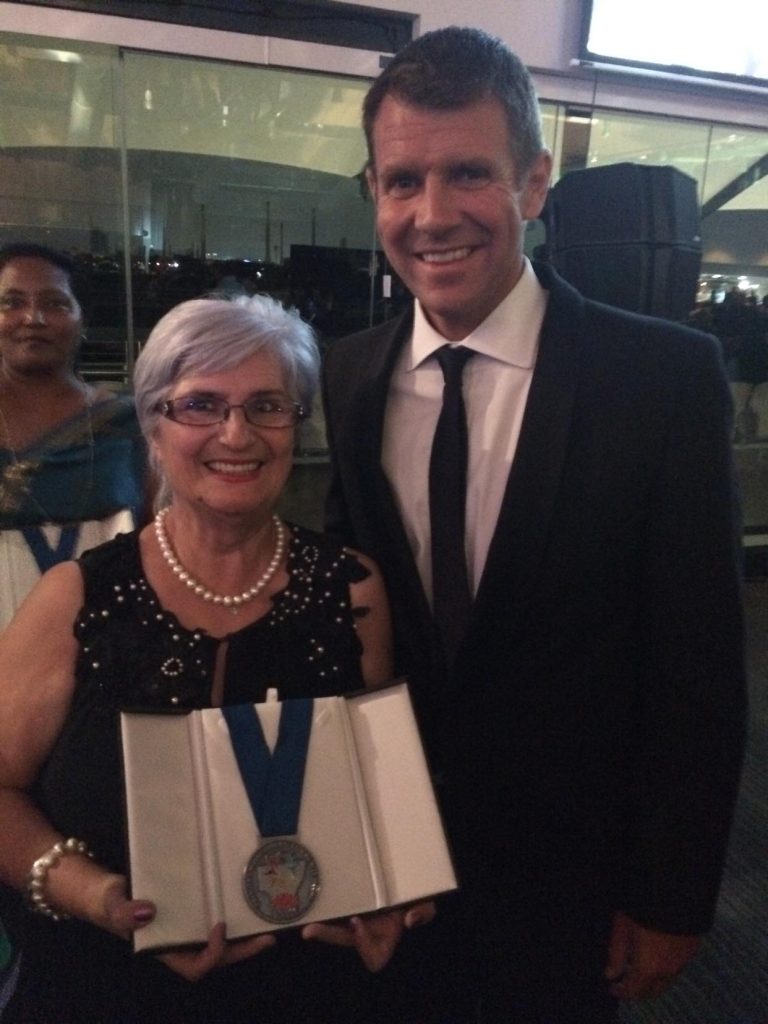
Her close to 60 year contribution to the Greek community’s culture has been recognised by the NSW government with an award. This recognition was really important to her. 

Paroula Thurban was recognised by the NSW with an award.

Apart from this, there are also many other memories that she never forgets either. Paroula recalls one day when she danced at her high school in Lemnos with young dancers she had travelled with from Australia. Her dancing group was invited to perform in Lemnos by a Greek minister.

Paroula remembers how, in the middle of dance, a woman stood up and shouted, ‘there is only one Paroula.”

There is only one Paroula.

“You cannot forget it,” the dance teacher concludes. “Things like that stay in your mind and you say, ‘At the end I achieved something’.”

NUGAS may be 50, but Gala Ball proves that the hey days are still here

0

By Mary Sinanidis

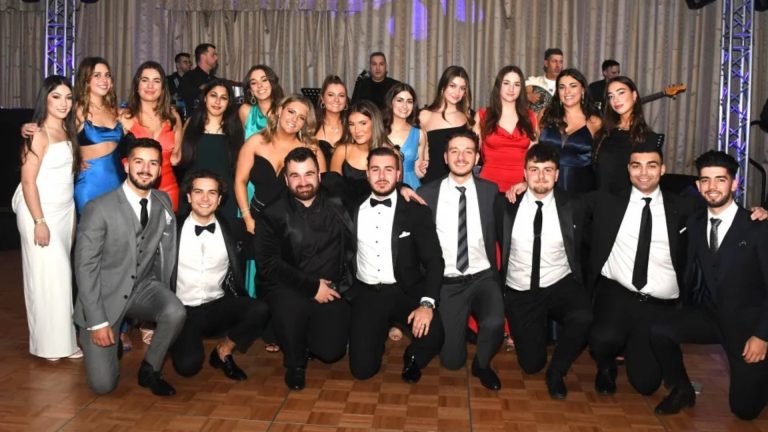
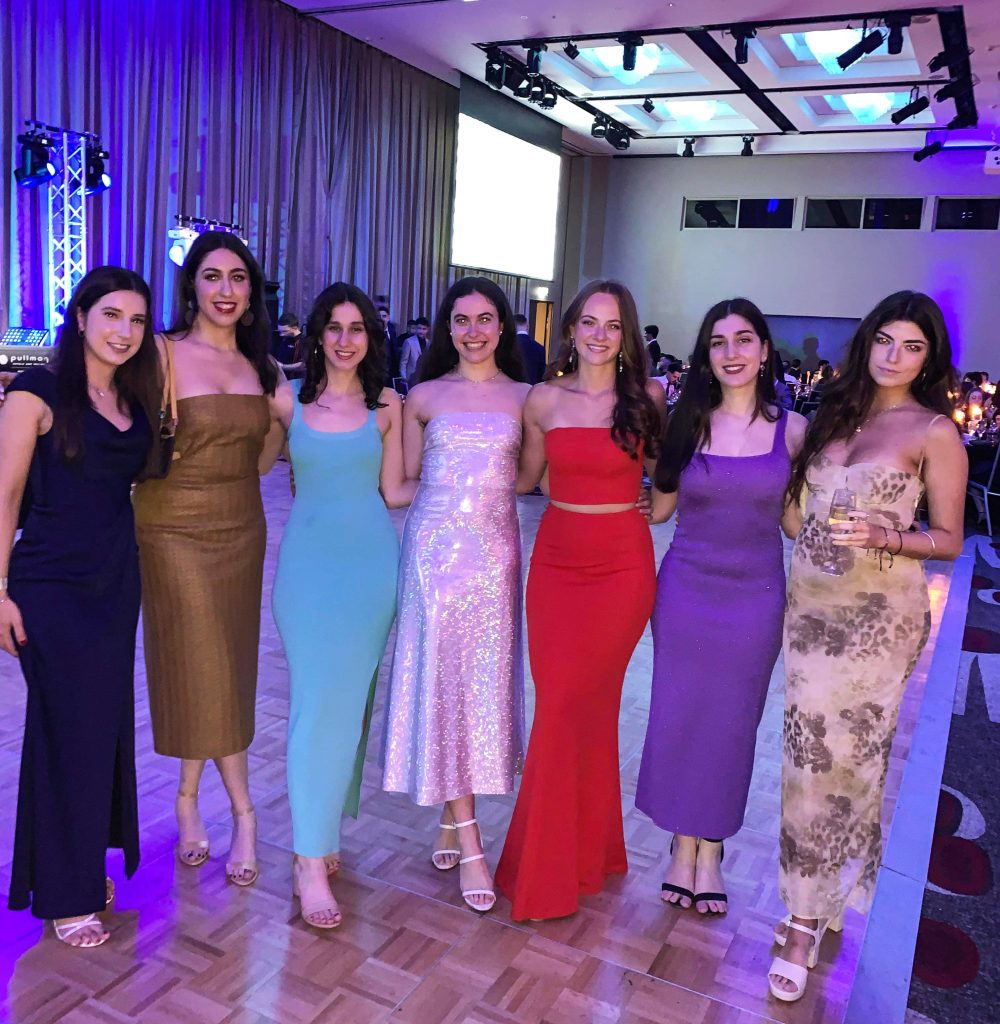
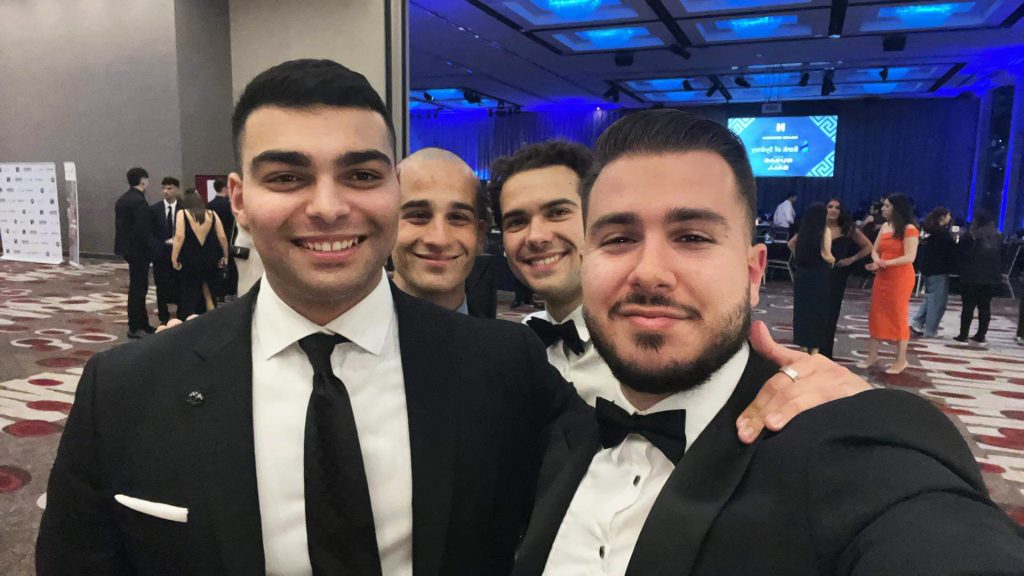
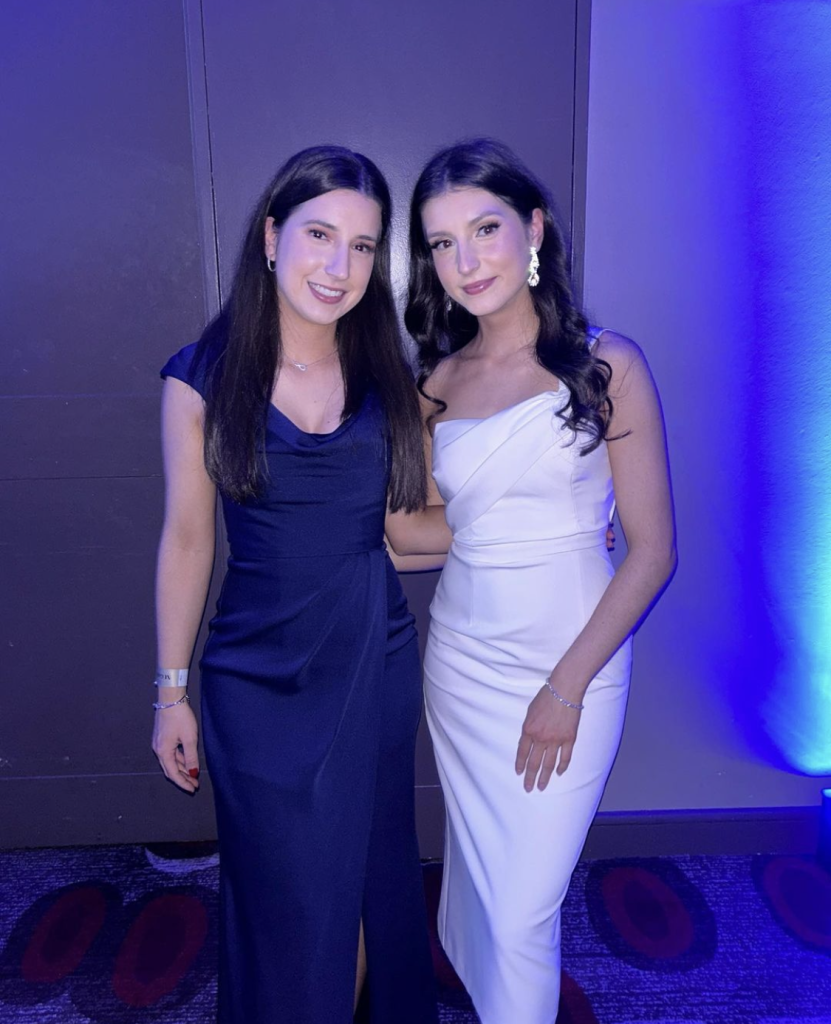
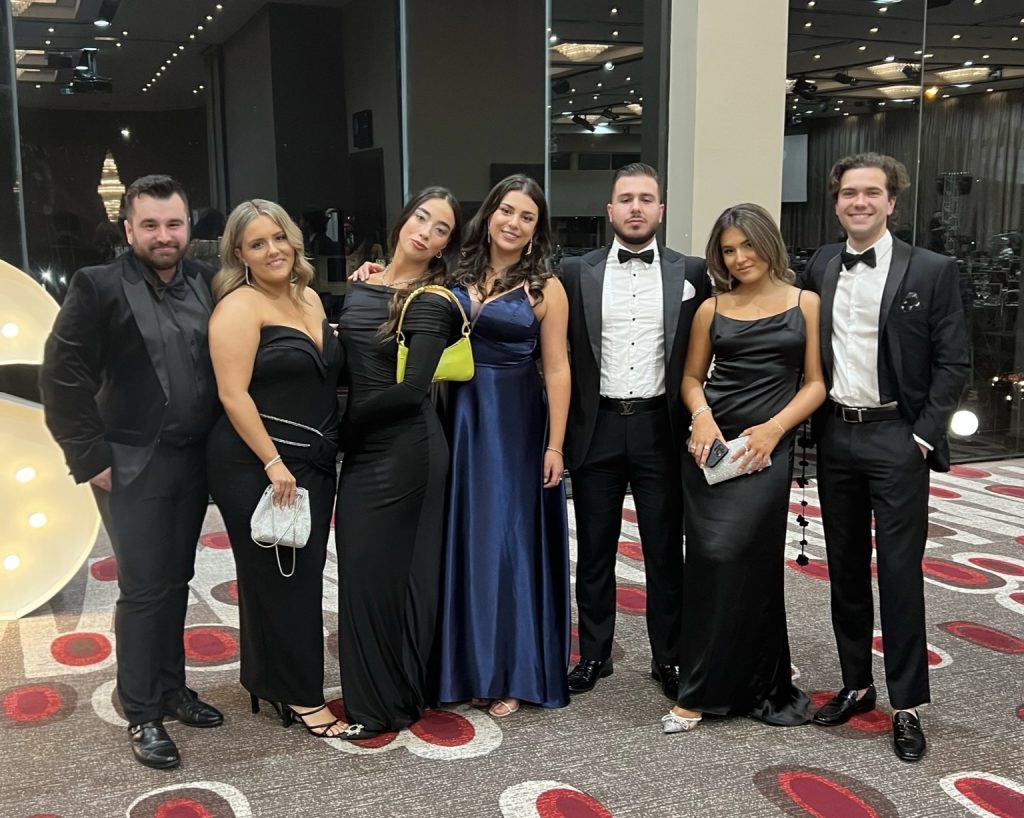
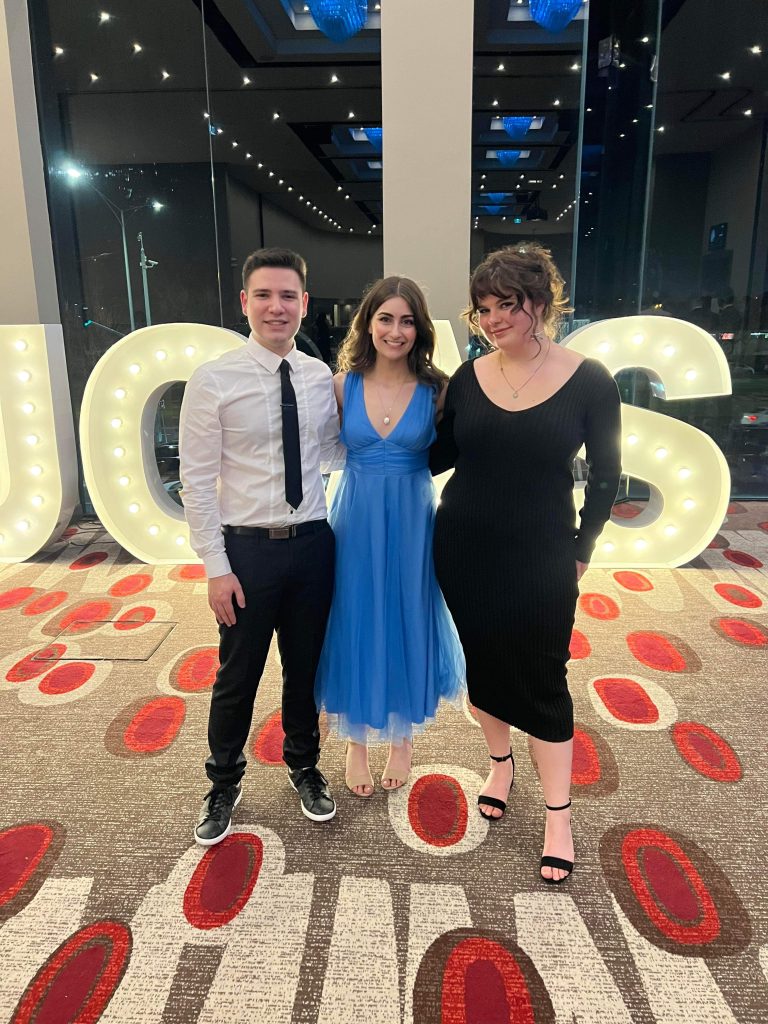
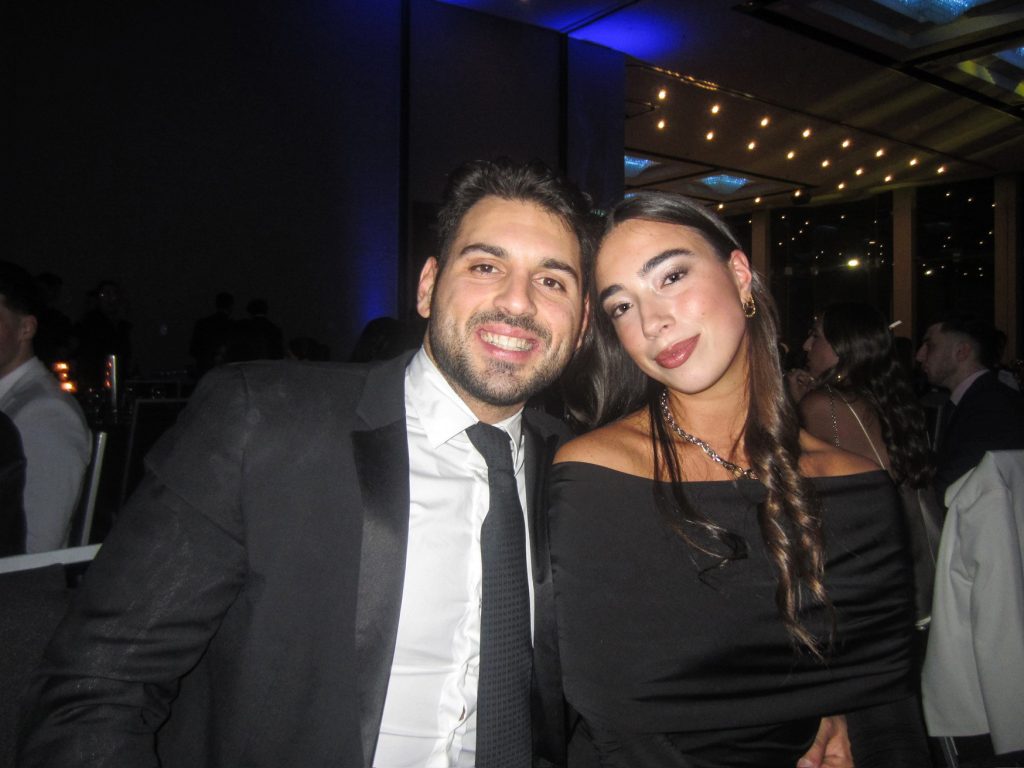
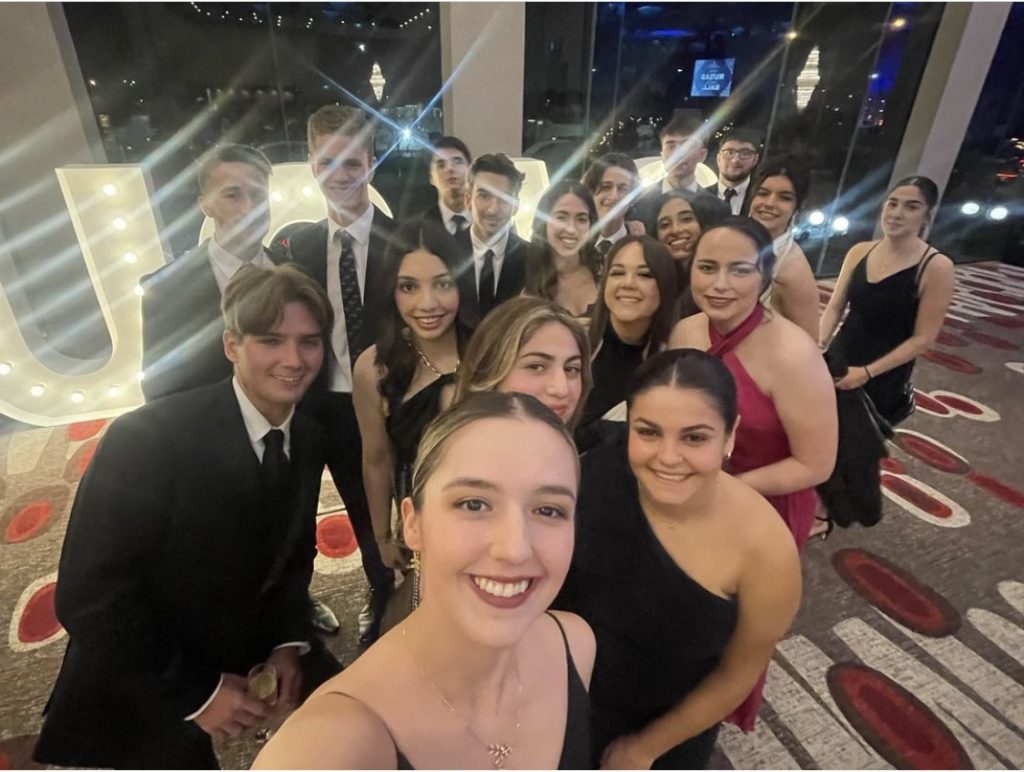
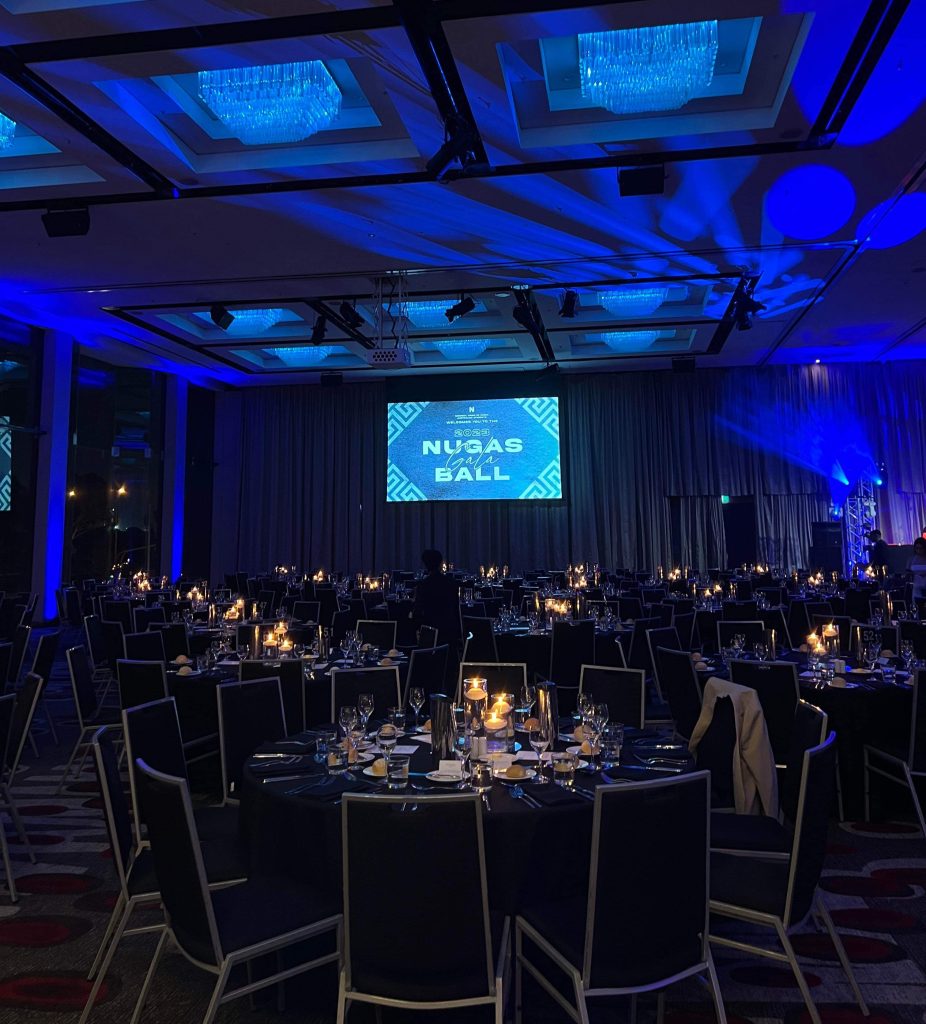
The National Union of Greek Australian Students (NUGAS) has around 3,000 members. Almost a third of them attended the NUGAS Gala Ball at Albert Park’s Pullman on Friday.

They danced like it was 1973, the year NUGAS was founded by a group of Greek-Australian students at the University of Melbourne. And since then, the baton has been passed from generation to generation; from the first president to current Presidents Billy Battista and Marissa Robotis. 

NUGAS may be 50, but Gala Ball proves that the hey days are still here.

In a joint message the two presidents celebrated the Ball’s “incredible success”. 

“As the proud and enduring NUGAS Victoria organisation, with over 50 years of history, we once again proved our commitment to preserving Greek culture and fostering a vibrant community that is stronger than ever,” they told the Greek Herald, adding that the Ball was a precursor to more alumni events to come next year.

“We cherished the best elements of our past NUGAS Balls while adding a touch of surprise to keep our guests excited throughout the evening,” they said.  

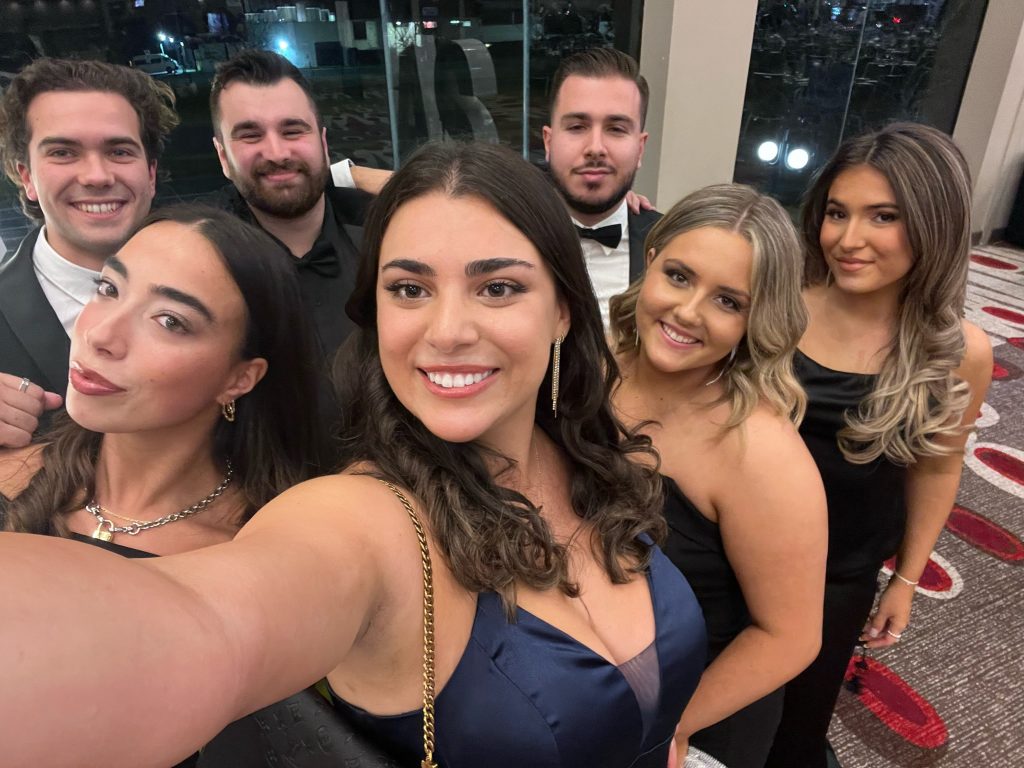
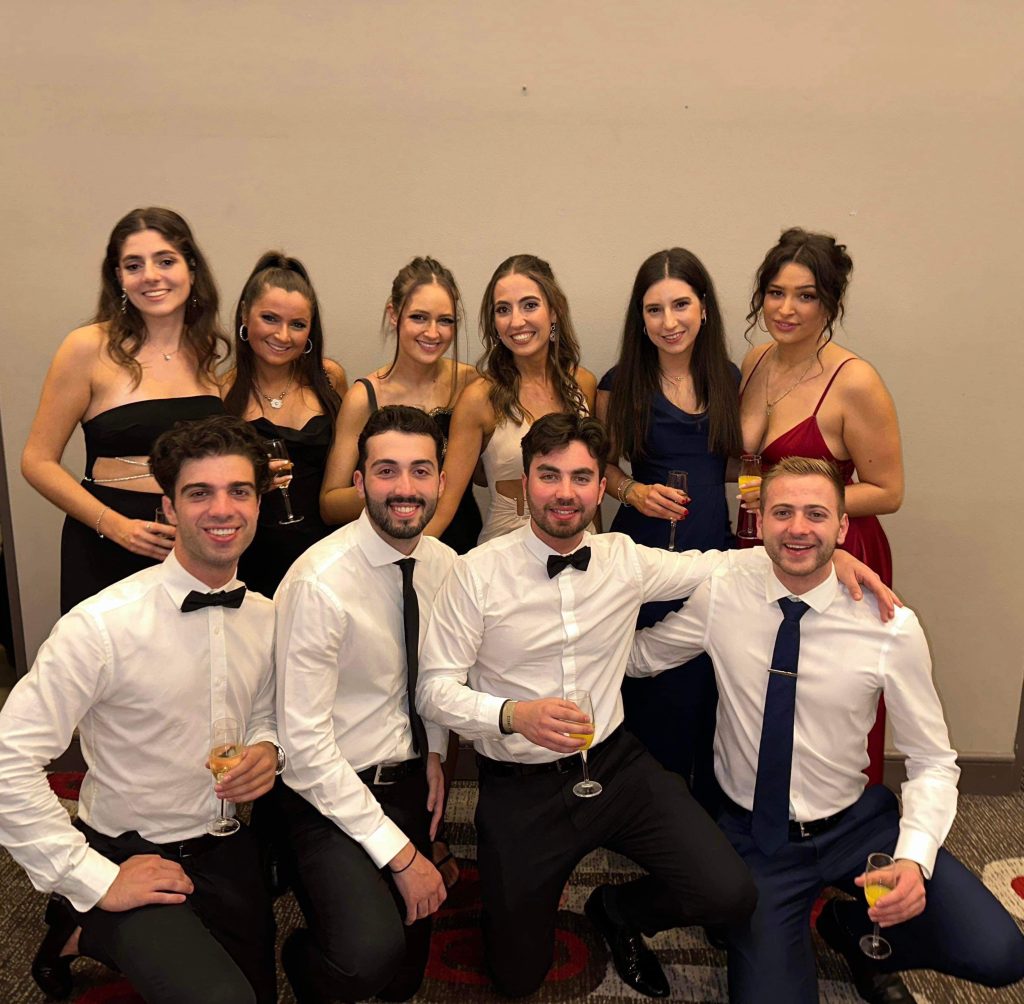
Spirits were high for the entire night.

The event was a celebration of Greek culture and heritage, and featured traditional Greek dancing, music, and food. Guests also enjoyed a three-course meal and drinks throughout the night.

MC George Ross kept the spirits soaring, while Con and Thomas Nicolopoulos provided entertainment as the dance floor pulsated to the tunes of modern Greek music. From zeimbekiko and tsiftetelia to traditional line dances.

NUGAS Secretary Jenna Pletsias said, “The dance floor was flooding with people, the drinks were pouring and the atmosphere was electric!” 

NUGAS currently has around 3,000 members.

Karly Georgantis said the entertainment was “insanely good”, while Christina Savopoulos said she enjoyed the “Greek dancing, meeting new people and enjoying the celebration of Greek culture.”

Elizabeth Kanterakis said she “loved every minute of it”, while Eleni Lykopantis said it was “massive and one of the best” she had attended. Not wanting to stop, they moved to the exclusive afterparty at Ms Collins and kept on dancing until the early hours of the morning.

Alek Paris said, “It was rewarding to see the Committee’s efforts come to fruition, and it was equally, if not more rewarding to see such a huge turnout and everyone enjoying themselves.” 

Probably one of the biggest balls in the group’s 50-year history, the students proved that the glory days are not a thing of the past as they pulled together a list of sponsors bigger than ever.

The committee was supported by sponsors and community groups to pull the event together.
This year, the ball was one of the biggest in the group’s 50-year history.
Students enjoy a night of dancing, food and traditional music.

From their big supporter PRONIA whose events and programs the group also attend and volunteer at to other major sponsors like Next Generation Events, Village AV, Directed Group, KORRES and the Bank of Sydney. And the list continued with sponsors Moray and Agnew, Kabinetz, Red Bull, Amethyst Wedding and Events and Thematikos, proving that NUGAS has many friends. 

Billy told the Greek Herald sponsors didn’t fall from the sky but came through hard work, word of mouth and building connections. “Our committee is well-connected and we liaise with community groups, and reached out to them,” he said.

NUGAS Treasurer Chris Giannaros hailed the group’s team spirit. “This year’s committee displayed immense discipline when it comes to organising the Gala Ball. Tough decisions were deliberated and discussed in a mature manner which were demonstrated on the night.” 

It was a taste to come for more events as this year’s NUGAS crop aims to prove that NUGAS may be an organisation as old as their parents in age, but lacking nothing when it comes to vision, ideals and boldness of youth. Indeed, this 50-year institution has plenty to look forward to.

NUGAS Gala Ball.
Students enjoyed dancing and music at the ball.
NUGAS
Greek-Australian students from the University of Melbourne.
Almost a third of the NUGAS members attended the Gala Ball.
The Ball was a precursor for more alumni events to come next year.

Eva Boleti traces Greek diaspora in Australia’s cultural landscape

PhD student, Eva Boleti, is on a quest to uncover Greek migrant stories in Australia as part the Opening the Multilingual Archive of Australia’ (OMAA) project by the University of Sydney.

The project aims to rewrite perceptions of Australia’s historical narrative and put together non-English language resources to re-examine the countries migrant and settler history.

As a recipient of the Faculty of Arts and Social Sciences Postgraduate Research Scholarships, Eva supports the OMMA project, along with a team of academics. Together, the researchers trace the Greek diaspora “to rewrite perceptions of Australia’s historical narrative” and cultural landscape.

The OMMA explores and examines different languages in Australia and how people engage with and think of themselves as ‘Australian’ – or not, according to the Faculty of Arts and Social Sciences.

In an interview with The University of Sydney, Eva said, “We are all immigrants – exploring, discovering and innovating landscapes.”

Understanding Australia requires more than knowledge of the English language and has been multilingual in a variety of ways since it was populated by humans.

As a researcher, Eva discovers repositories from the State Library of New South Wales, uncovering a variety of primary Greek language sources.

“The material goes back to the first Greek convicts in the 1830’s, manuscript diaries from the boats, schoolwork of freshly arrived immigrant children and letters from the Bonegilla migrant camp in Victoria,” Eva shares. “Each passing day brings forth a fantastic tapestry of stories.”

Born and raised in Athens, Eva is a Greek educator with a passion for clay sculpture, lighting, writing, and languages. Eva’s grandparents were two of the many early Greeks who traveled by boat to Australia and she has followed in their footsteps, moving to Sydney in recent years.

Eva Boleti is on a quest to uncover Greek migrant stories in Australia.

As a PhD candidate in Modern Greek and Byzantine Studies, School of Languages and Cultures, Eva focuses on immigration, storytelling, community, homemaking and ethnography in researching for the OMAA project. She is also an arts teacher to children from Aboriginal and Torres Strait Islander communities in remote Western Australia.

“In addition to the First Peoples of Australia, the multiculturalism and multilingualism brought by immigrants play a crucial role in shaping the character of this nation,” Eva says.

“Through thorough research on immigrant communities, we can gain valuable insights into the intricate relationship between Australia’s identity and its historical evolution.”

The project seeks to bolster this recognition by furnishing genuine historical evidence, Eva notes.

“It honours the invaluable role played by immigrants in shaping the nation’s identity.”

Read more: Henry Gissing’s diaries vividly recount ANZAC life on Lemnos and Gallipoli

Source: The University of Sydney

GCM students to mentor grandparents on technology use

Students of the Greek Community of Melbourne have the opportunity to participate in the new ‘Intergenerational Program,’ an initiative that aims to innovate, improve communication, and work towards reducing generational gaps.

The program is the result of a collaboration between the Ministry of Social Services and the organisations “Be Connected,” “Good Thing Foundation,” “eSafety,” and “Education Centre Victoria.”

It will be implemented in the GCM schools under the supervision of Mrs. Christina Dalianis.

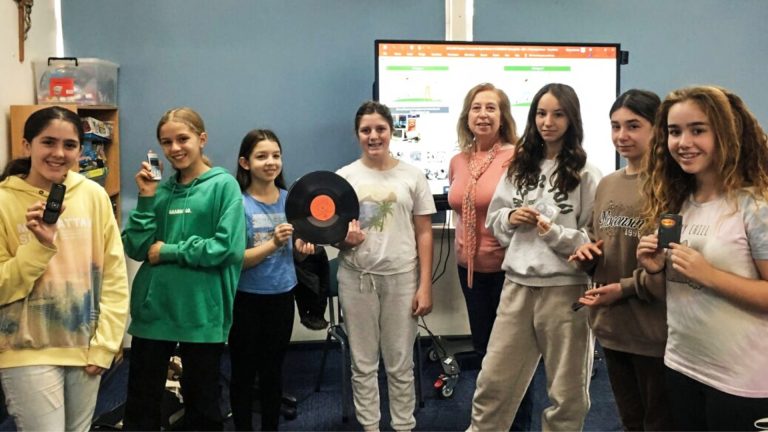
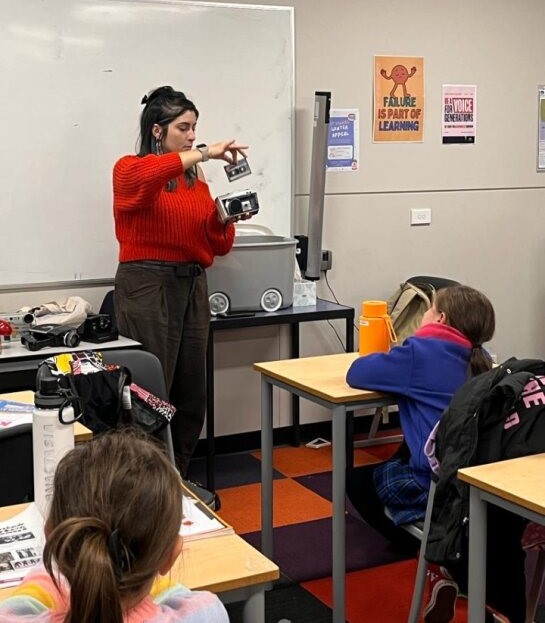
During the course, students will become technological mentors for their grandparents, teaching them the use of new online tools and applications, with the goal of helping the elderly communicate via new technology.

The elderly participating in the program will be trained technologically but also to get in touch with their grandchildren.

The introduction of this program aims to empower both groups of participants. For the students, this empowerment is created by their development of knowledge and their ability to teach their grandparents how to use new-age technology such as smartphones, tablets, and social media.

On the other hand, the elderly participating in the program have the opportunity not only to be trained technologically but also to get in touch with their grandchildren, share stories from the past, and help them with the use of the Greek language.

Through this exchange of skills, the program hopes that both the students and grandparents will put themselves in each other’s shoes and begin to understand the challenges or difficulties that the other group may face, ultimately fostering a deeper connection between the pair and a stronger intergenerational understanding.

The program will give both generations the opportunity to communicate effectively.

“The need for grandparents to communicate with their grandchildren, when grandchildren communicate differently today, led me to create a program that aims to teach children mainly empathy, that is, to show them how they can help someone by understanding them and without judgment. To teach grandparents to use today’s technology. But above all, to give both generations the opportunity to communicate effectively, feel useful, and help each other,” Mrs. Dalianis stated.

A teacher from GCM school, Mary Lefteriotis, who participates in the program, explained “The students are very happy with this program. They feel they have a purpose and find motivation to visit their grandparents”.

A sixth-grade GCM student of Ms Lefteriotis said her grandmother is excited that she no longer feels disconnected when talking to her about modern technological issues and now finds it easy to use various applications.

“It helped me with my progress in Greek, but I also liked it because I travelled through time, seeing and touching old technology devices. I found it difficult or complicated to use some of them,” the student added. 

The program will conclude with an event attended by all participants, celebrating both the course and the development of grandparents, as well as the knowledge and skills developed by students during it.”Be Connected,” which funds the program, is an Australian Government organization that aims to increase the confidence, skills, and online safety of older Australians in the use of digital technology.

The partner organization “Education Centre Victoria” is responsible for the implementation of the specific Intergenerational Program “I help grandparents with technology.”

“Be Connected” has free learning resources available on its website: Be Connected Network

Read more: A different form of aged care: Yvonne’s family commitment to her elderly Greek parents

Brianna Koucos Midgely shares her yiayia’s legacy through recipe book

By Eleni Patsalides.

Like the best life lessons, you’ll find most come from yiayia while she’s in the kitchen cooking something up. This is a memory that Brianna Koucos Midgely holds close to her heart.

After losing her yiayia, Brianna found that writing about all the stories and lessons she had passed down to her helped her cope with the loss.

In an interview with The Greek Herald, Brianna details how these stories came to be the inspiration behind her book series, Yiayia’s Kitchen.

Greek American Children’s Book Author Brianna Koucos Midgely

Tell us about yourself.


I was born and raised in Salt Lake City, Utah, USA. My parents were born to Greek and Greek- American parents here in Utah, so my family has been here for multiple generations. Our Greek roots are in Argos, Crete, and Sparta. We were raised in a very vibrant and active Greek community, so I was a part of the performing dance group, attended Sunday School, Greek School, and GOYA activities; and for a while was the only girl on the GOYA basketball team.

I was raised to be knowledgeable of my Greek Orthodox Faith and proud of my Greek heritage. It’s a huge part of who I am and what I have ended up doing professionally as an author and online store owner. I love to cook and am really enjoying passing those life skills on to my 4-year-old daughter. 

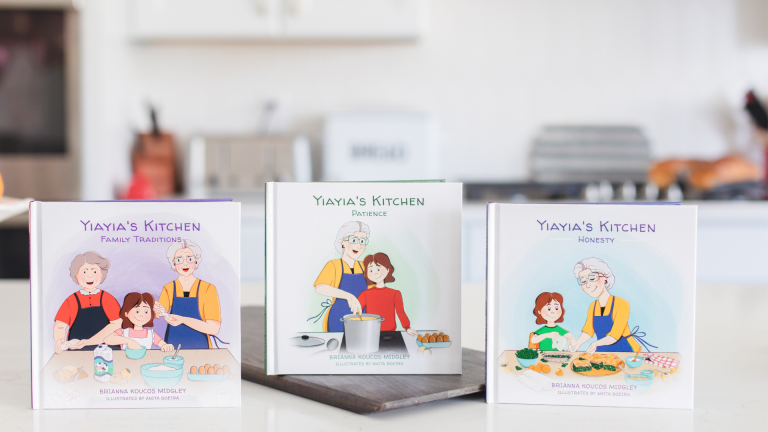
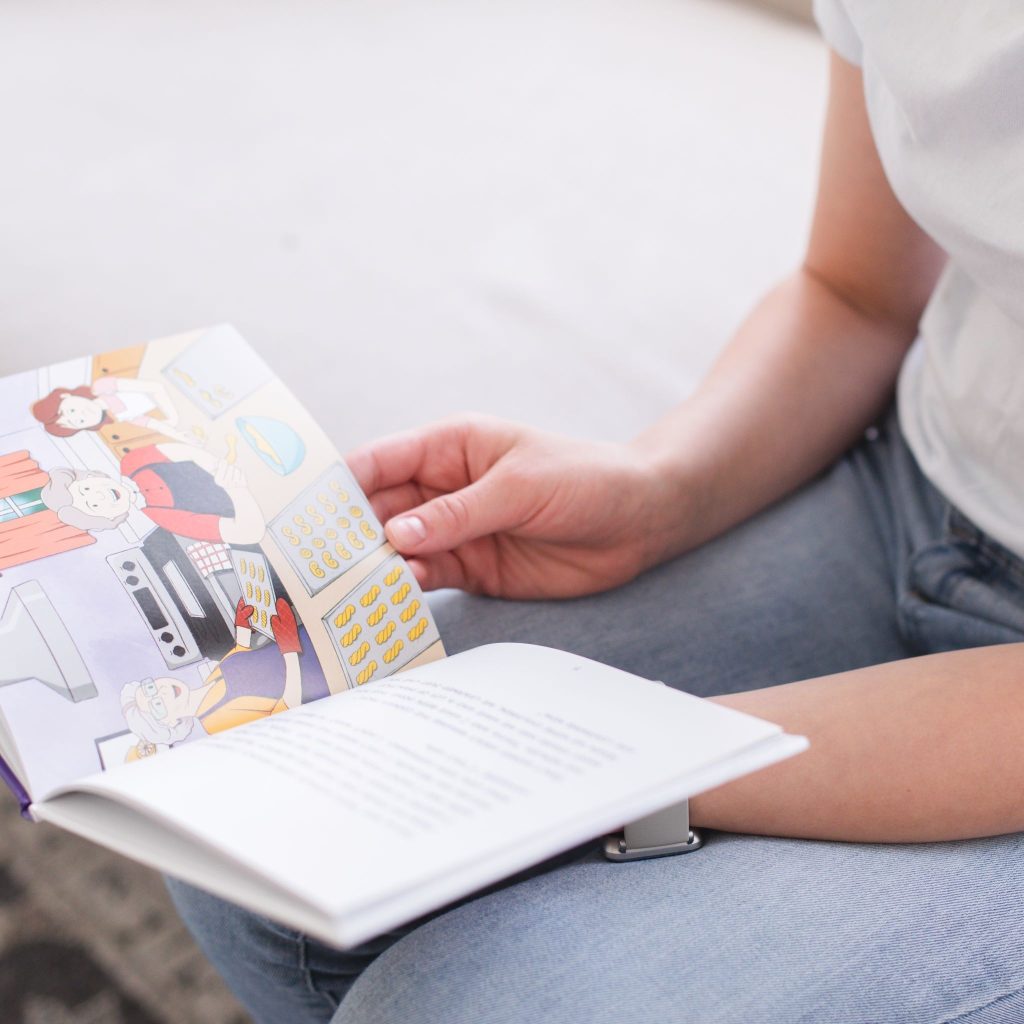
Kids love the ‘Yiayia’s Kitchen’ series, beautifully illustrated by Anita Boeira. Photo: BRIT BENNION


Tell us about your journey to writing.

I have always enjoyed writing and wrote for high school publications, oratorical festivals, that type of thing, but never considered myself an author. When Yiayia Fay (the subject of the stories) passed away, I started writing down stories, memories, and experiences. It was a way to process losing her, but then I realised they might be stories people could relate to and enjoy, whether they came from Greek heritage or not.

Anyone who had an adult in their life who invested in them can connect with these stories because they are about someone who takes time to share lessons and love with the children in their lives. So, I started thinking about what it would look like to write children’s stories. Over 20 years later, the technology to publish independently existed and I found an illustrator. I decided when my daughter was born, I’d stay home with her, but I was also going to finish the books. So, my daughter gave me the gift of being a mom and an author. It’s very special. 

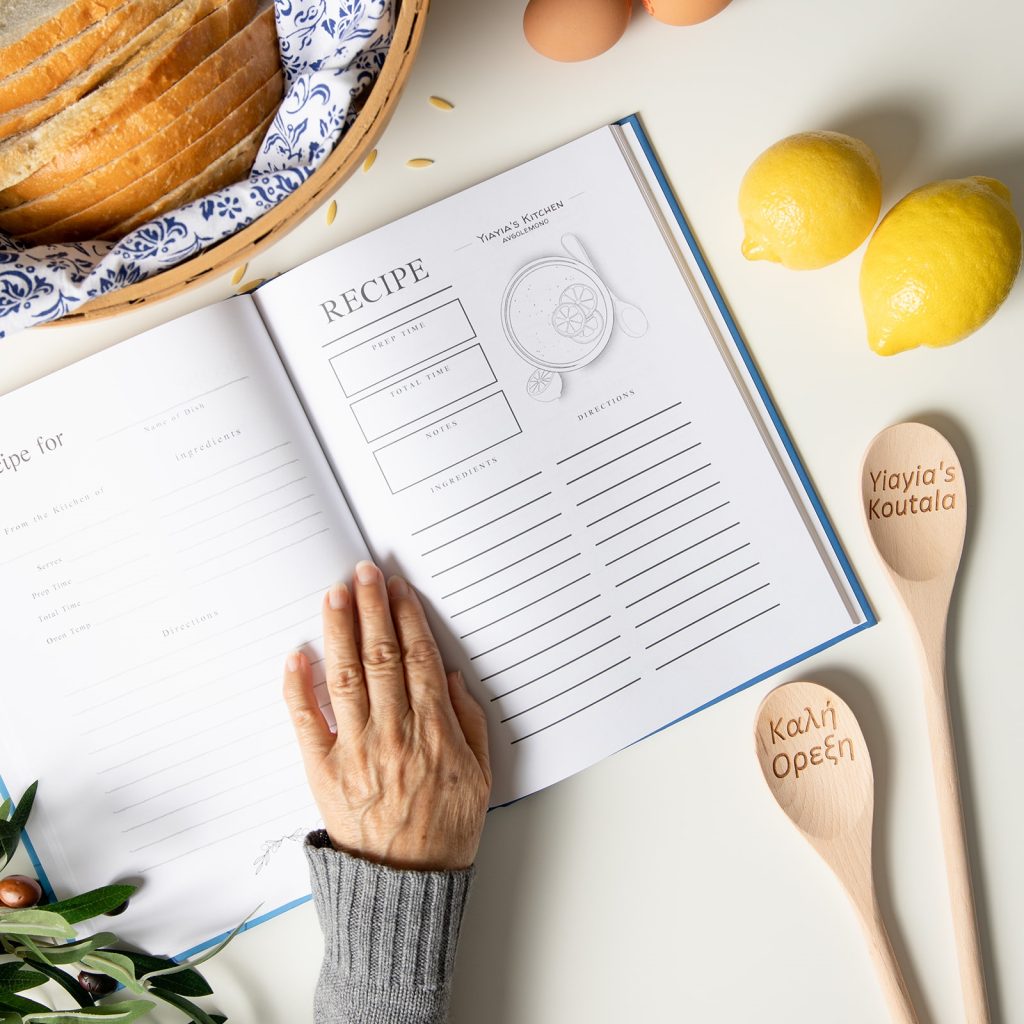
Recipes from Yiayia’s Kitchen will become a treasured family heirloom to pass through the generations, like a time capsule of your Greek family history. Photo: JESS SADE


What is the inspiration behind the books?


Yiayia Fay showed love through teaching, kindness, respect, and treating others with grace. I learned so much from her about cooking, Greek recipes, and the importance of family. I felt like what she taught me—and the way she taught me—was worth sharing far and wide. 

In the Recipes from Yiayia’s Kitchen journal find some specially designed pages to document your family’s version of Greek classics. Photo: JESS SADE PHOTOGRAPH


How do you think your Greek heritage influences your writing and your stories?

It’s part of who I am so it of course, shines through in the stories, but I think it comes through in ways I probably don’t realise. My Greek Orthodox faith is incredibly important to me. It has shaped me, and I think that probably comes through in the stories just as much as the food and lessons that are highlighted in the stories. 


Is there anything else you would like to add?

I also sell a curated selection of custom gifts to go along with the books, and my readers love to bundle the gifts with the books. It’s just another way to share that amazing grandparent-grandchild connection. 

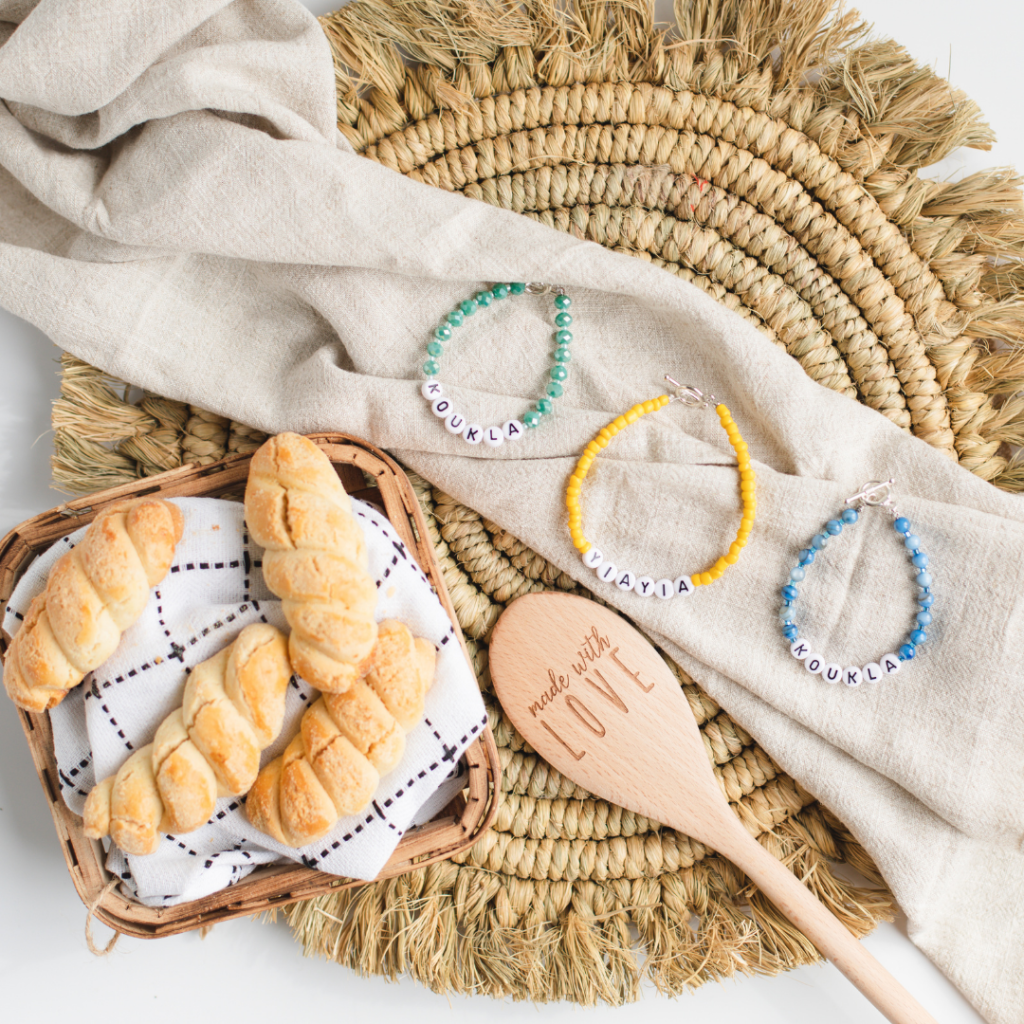
Brianna sells a curated selection of gifts to complement the books. Photo: BRIT BENNION

For those who have considered writing and sharing their stories, please do. It’s not easy, it’s not simple, but it’s worth it. People connect to stories even if their experiences weren’t the same as yours. For those whose stories are similar it gives them something to celebrate, to share, and to pass down to other generations. So, don’t let the challenges or question marks keep you from sharing the stories you want to tell. 

Thank you for this opportunity! The books and gifts have garnered quite a following in Australia and it’s a pleasure to connect with you and my readers across the globe. Visit me at https://yiayiaskitchenchildrensbooks.com/

Among the gift items Brianna sells on her website, is this super cute apron. Photo: JESS SADE PHOTOGRAPHY

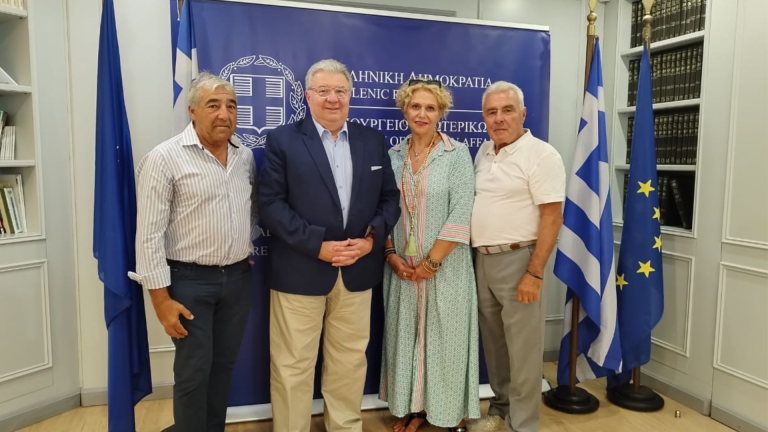
Secretary General for Greeks Abroad meets with Greek Orthodox Community of NSW

Secretary General for Greeks Abroad and Public Diplomacy of the Ministry of Foreign Affairs of Greece, Ioannis Chrysoulakis, welcomed representatives of the Greek Orthodox Community of New South Wales (GOC NSW), Vice President, Nia Karteris; Con Apoifis, Deputy Vice President and Michael Tsilimos, General Secretary.

Members of the active Community presented their future plans for cultural events, which will place a spotlight on Greek culture and Greek language to Australian audiences. Mr Chrysoulakis expressed his absolute support and congratulations for the plans of the Community.

During the discussions, several issues concerning Greek Australians were raised including Greek language learning and the Double Taxation Agreement. Mr Chrysoulakis also informed GOC NSW representatives that a new platform is being prepared to assist with registrations for the the expatriate vote on gov.gr.

Greece wildfires damage ecosystems of birds in Dadia forest

Experts are deeply concerned over the ecosystem’s survival of the Dadia forest in the Evros region due to the devastation of the Greece wildfires, reported Ekathimerini.

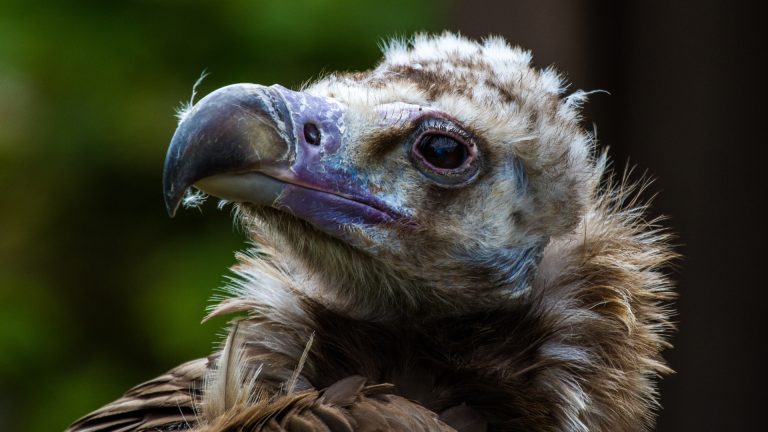
The National Park of Dadia is populated by the cinereous vulture, with the old forest homing about 35 pairs of the birds, including five Egyptian vultures, the only ones in Greece.

Greece’s General Director of Greenpeace, Nikos Charalampidis, reported the blazes have ruined the ‘cinereous vultures’ nests and it will take time for the forest to be restored.

“I don’t know if someone can calmly evaluate the damage right now, since the forest of Dadia was also burnt last year. Last year, the cinereous vultures’ nests were saved. The forest’s core was unaffected.”

This year, however, the firefighters have not yet managed to stop the fires at Lefkimi and Provatona in the Evros region.

“We do not know if there is any of the forest of Dadia left,” he explained.

The black vulture. Photo: Rewinding Rhodopes.

There is only one black vulture colony left in the Balkans, with efforts to protect the vultures which breed in Dadia Forest.

The cinereous vultures were the healthiest population in the area with some of the rarest birds in Europe and the world.

Birds migrate to the Dadia forest, where some of the trees are more than 100 years olds. There is deep concern the birds may not return to the forest, as it depends on the restoration of the ecosystem, the director of Greenpeace expressed. Some of the rare birds may not be spotted in the area again.

“If they survived the fire, they might migrate for some generations and return to some nearby area,” Charalampidis said.

Update on wildfires in Greece:

The blaze, which has destroyed vegetation and villages throughout Greece, is one of the largest wildfires in recent years in Greece, and Europe.

For 17 days firefighters have engaged in fighting wildfires in Greece and extinguishing remaining pockets of fire, according to Ekathimerini.

Additional personnel were dispatched during the weekend to combat the wildfire in the Evros region, situated near the border with Turkey, bolstering the total number of firefighters to 741. They are supported by 124 vehicles and two aircraft. Tragically, the blaze has been linked to the loss of 20 lives, all of whom are believed to be migrants who had recently crossed the border.

The fire initially ignited on August 19 near the northeastern city of Alexandroupoli before merging with other infernos to form a colossal wildfire.

By Sunday, it had devoured more than 93,000 hectares (230,000 acres) of land, according to the European Union’s Copernicus Emergency Management Service, marking it as the largest single fire incident to impact an EU member state since record-keeping began in 2000.

In the summer, wildfires are a recurring occurrence in Greece and various other southern European nations, owing to the hot and arid climate.

Over recent weeks, dozens of fires have erupted daily across the country. The fire department reported handling 82 wildfires between Saturday afternoon and Sunday afternoon, with 49 of them emerging within a 24-hour span.

Faced with an exhausted firefighting contingent, Greece sought assistance from fellow European countries and received substantial support, including hundreds of firefighters and a fleet of planes and helicopters from various nations across the continent.

As of Sunday, firefighting teams from France, Spain, Cyprus, Romania, the Czech Republic, Bulgaria, Slovakia, Albania, and Serbia were still actively involved in operations within Greece.

Source: Ekathimerini