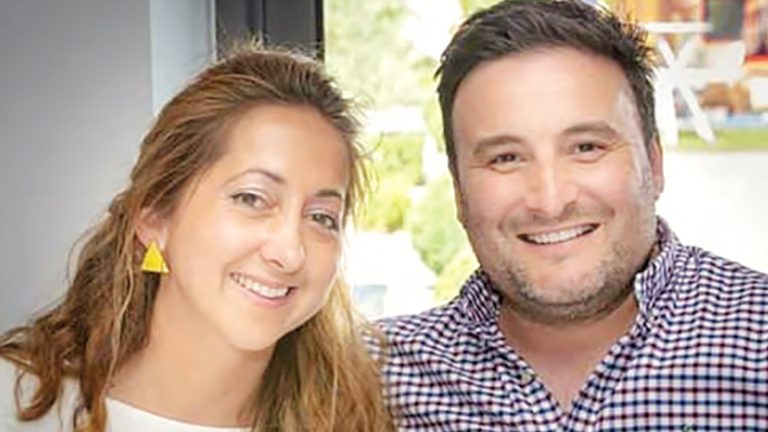
Jim Koutsougeras and Eleni Lambropoulos are celebrating a year of success after securing five industry awards in 2023 for Romsey’s Macedon Distillery.
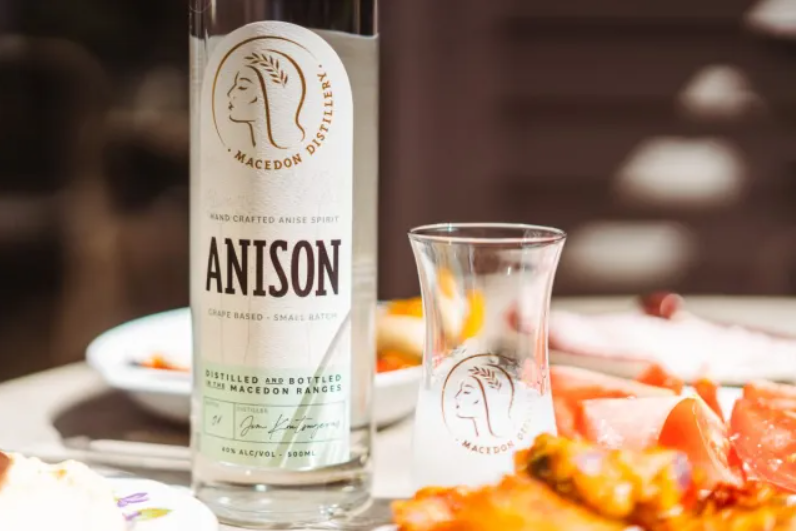
According to Midland Express, it was their largely grape-based Australian take on Greece’s favourite tipple, ouzo, that brought home the awards for Jim and Eleni, making the past year unforgettable for them both.
“We’re proud of the spirits we produce at Macedon Distillery, and it’s exciting to be recognised by a group of leading industry experts,” Jim said.
Macedon Distillery is making cocktail-ready ouzo ‘Anison’. Photo: barsandclubs.com.au.
Jim persistently worked to create his own version of the Greek iconic spirit over the past three years, but it wasn’t until the passing of his Father in early 2022 that he decided to quit his corporate job to pursue refining the business more than ever before.
The unwavering focus on flavour is inspired by the fulfillment both Jim and Eleni have experienced while learning at the foot of their Greek fathers, who worked tirelessly to make the greatest home brews.
“It’s great to know that all our hard work has paid off”, Jim added.
Since the release of their two variants, an original and a triple-distilled limited edition, the distillery has received gold in both the 2023 Royal Australian Distilled Spirits Awards and the 2023 Tasting Australia Spirit Awards – Alternative Spirits.
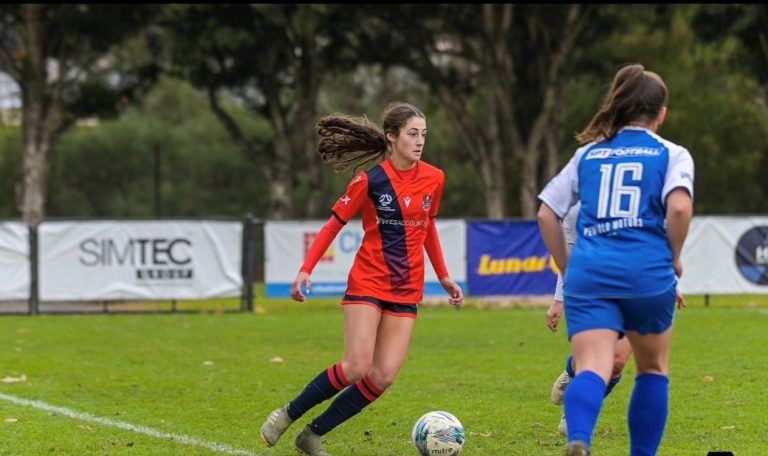
18-year-old Greek Australian football star, Emali Goulas has received an athletic scholarship for the University of Oklahoma to study Business in the Department of Sciences and Arts for three years. The Alamein FC player will also participate in the women’s team of the University in the coming year.
Emali was born on December 28, 2004 in Melbourne, Victoria. She lives in Camberwell with her father Jim, mother Roula, and her 17-year-old sister Anna. She attended Primary School at Camberwell South Primary School, and High School at Siena College.
Emali’s parents were born in Australia, with Greek roots tied to Kalamata, Lesvos, Thessaloniki and Karditsa. Her grandparents migrated to Australia in the early 1960s, like all Greeks of that immigrant era.
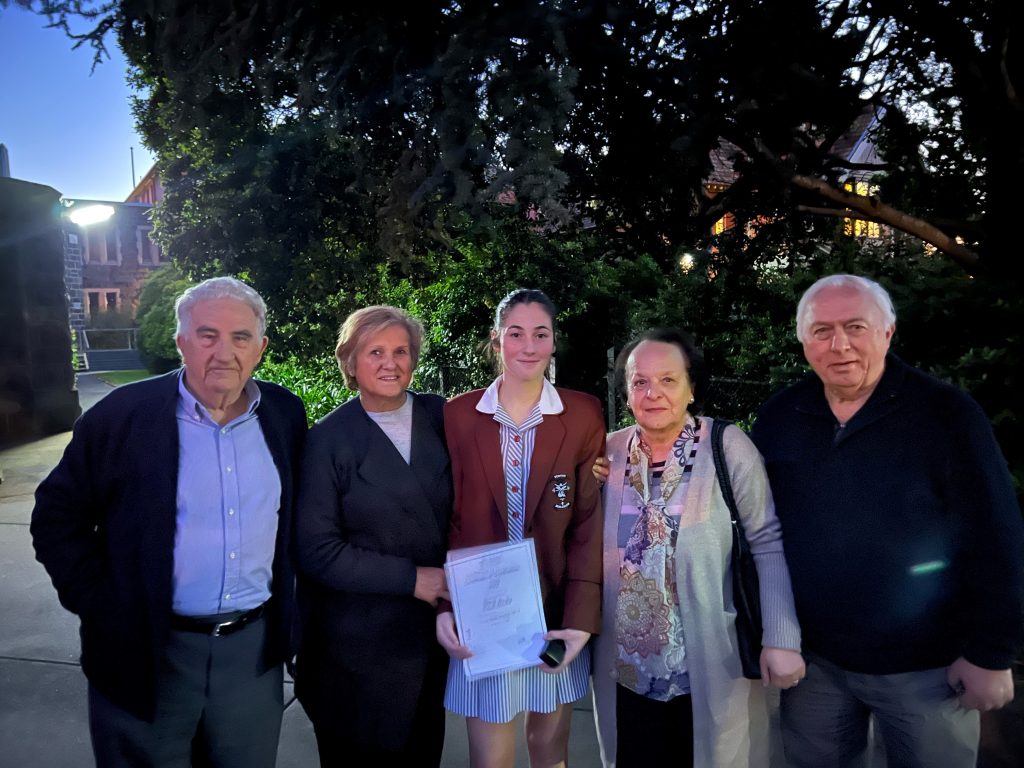
Emali and her Grandparents.
Recently, Emali was interviewed by The Greek Herald, sharing all of her successes so far and how she first came to love the sport.
How did you first get into football?
I started playing football at the age of seven with a local team, Ashburton United. In 2015, I competed in the NPL National Championship. I also competed in a Gothia Cup tournament. Now I play in the NPLW A team for Alamein FC.
I was attracted to football and the way a team develops in the sport, it’s based on talent, intelligence and proper guidance from the coach. Even though my parents play tennis, football won me over.
Emali, in which position do you play and how many goals have you scored?
I play the midfielder position, number 88, and I have scored quite a few goals.
What is your ultimate dream with the sport?
My dream since I was young has been to play abroad, and now I have the opportunity to study while representing the University with its team. My dream is coming true.
Would you like to play as part of a team in Greece in the future?
I would like to play for Olympiacos and of course, represent Australia at a national level.
I believe you have visited Greece [before]?
Yes, I have been to quite a few places [in Greece] including the areas where my grandparents come from – Kalamata, Thessaloniki, Lesvos and Karditsa, all great places. They all have an amazing legacy.
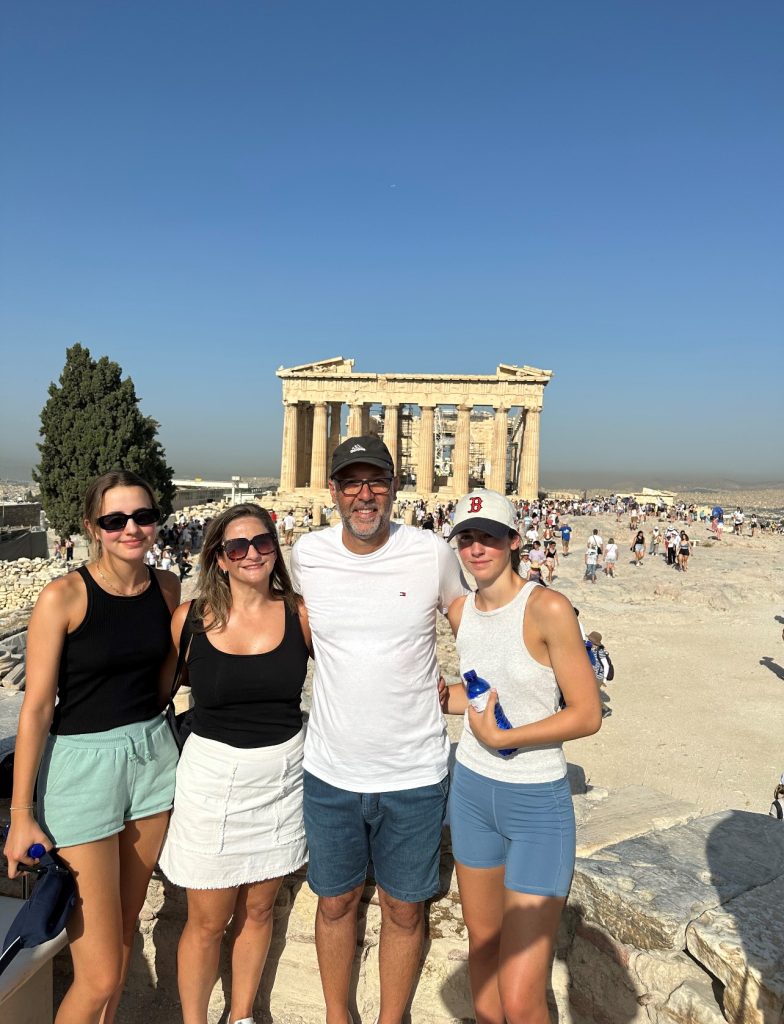
Emali and her family at the Acropolis in Greece.
How good is your Greek?
I attended Greek lessons at school and of course, I had the best teachers in my grandparents from both sides. I have always been fascinated by Greece, with its cultural history, with its natural beauties and of course, I am fascinated by my parents’ cultural roots.
To what extent did you have support [to pursue soccer] from your family?
My family supports me in all my endeavours. They have strengthened my self-belief with everything I try. I believe that family support can also help an athlete to maintain a balanced diet and provide the necessary support for the development of their skills.
How will you continue to help your team here until you have to go and commit to studies?
I will try to improve as much as possible as a player before leaving. I am assistant technical director for the club’s youth teams, alongside coaching and helping develop other young football talents.
The Advertiser has released its annual Power 50 rankings list for South Australia’s most powerful and influential people. Amongst the list are at least six Australians of Greek heritage.
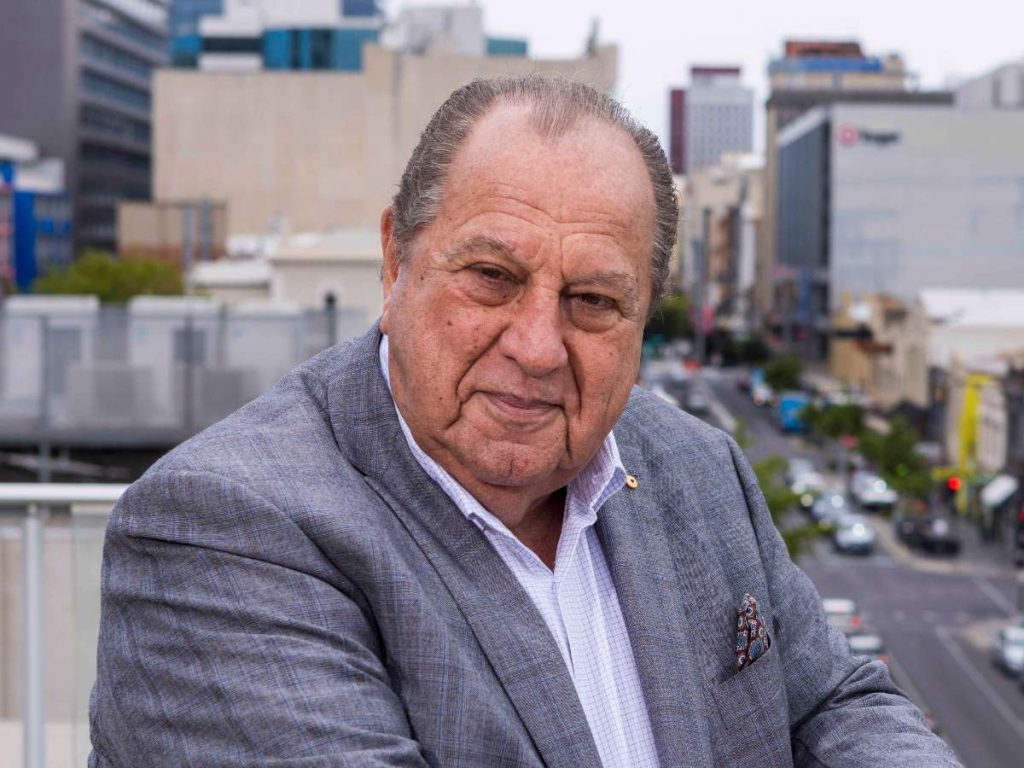
#48:Theo Maras
Theo Maras. Photo: The Advertiser.
Theo Maras, the founder and Chairman of Maras Group is most known in the property market in South Australia, as well as for his involvement within the community. He is also the director of the Adelaide Central market board and is also known as the ‘king of Rundle Street’, as he is a passionate man who loves to keep his community vibrant and energised. He has won numerous honours and awards over the years.
#39: Danny and Michael Philippou
Michael and Danny Philippou.
The South Australian twins, Danny and Michael Philippou are most known for their horror thriller film, Talk To Me, currently on Netflix, which was shot in the Adelaide suburbs. With a huge following on YouTube where they gained millions of views, they are now working on a Street Fighter adaptation.
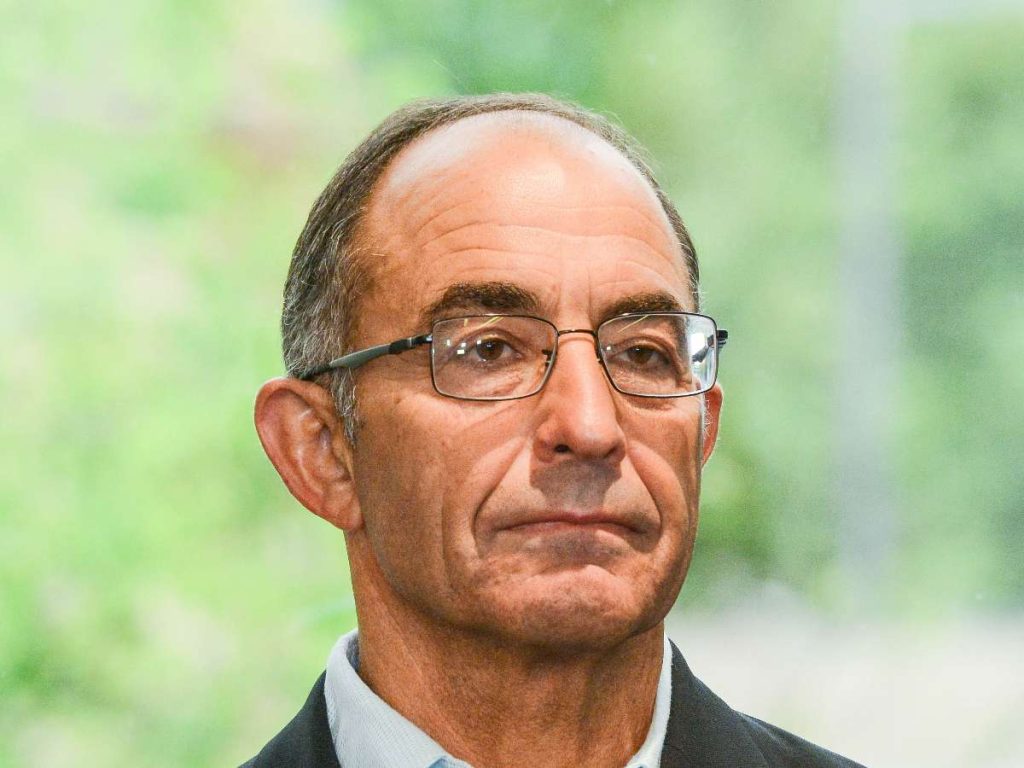
#36: Chris Kourakis
Chris Kourakis. Photo: The Advertiser.
Chris Kourakis has been the state’s Chief Justice for the last 11 years and is responsible for guiding the state’s judicial system. He is most recently known for expressing his displeasure at the dilapidated state of court infrastructure, which he said was “impeding our ability to deliver the standard of justice the South Australian community deserves’’.
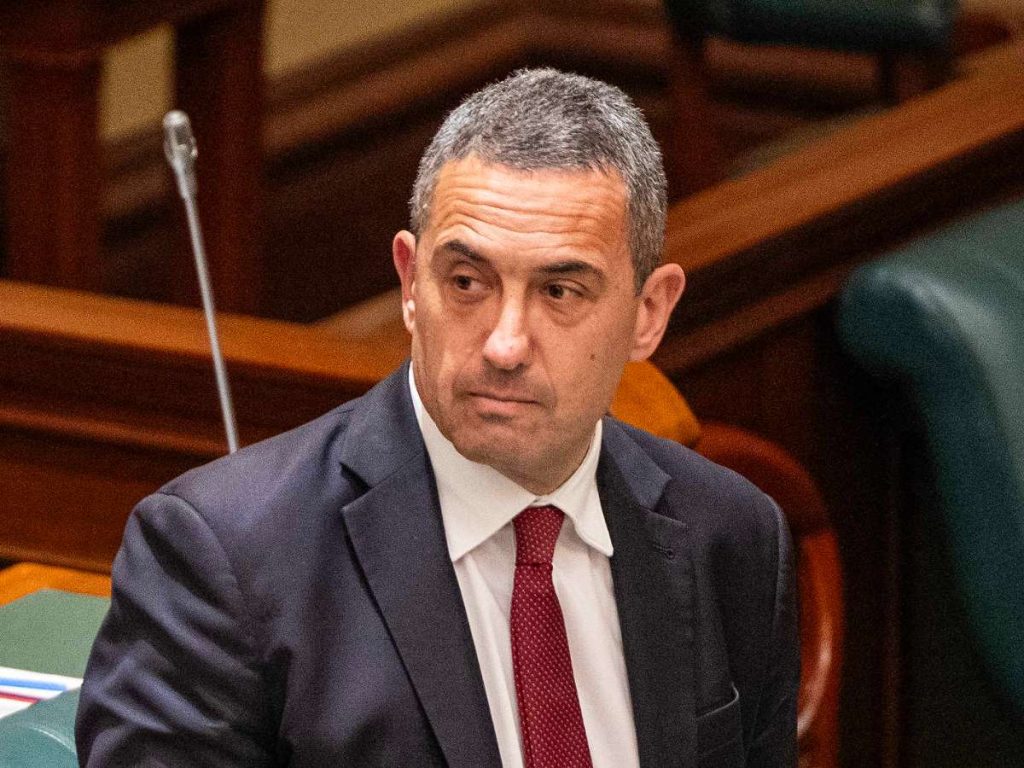
#18:Tom Koutsantonis
Tom Koutsantonis. Photo: The Advertiser.
Tom Koutsantonis has been titled ‘the Lion of Labor’ by Premier Peter Malinauskas. The former treasurer, who holds the infrastructure, transport, energy and mining portfolios, also holds some cards in the fight to keep Santos’s headquarters in SA – the authority to approve licence transfers.
#13: Kayla Itsines
Kayla Itsines. Photo: The Sydney Morning Herald.
Kayla Itsines was found high up in the list of the most influential people in South Australia. With 16 million followers on Instagram, the fitness guru loves to post home workout videos and was known for her Sweat digital fitness app and also has a book coming out nex year. Her personal worth is estimated at $171 million.
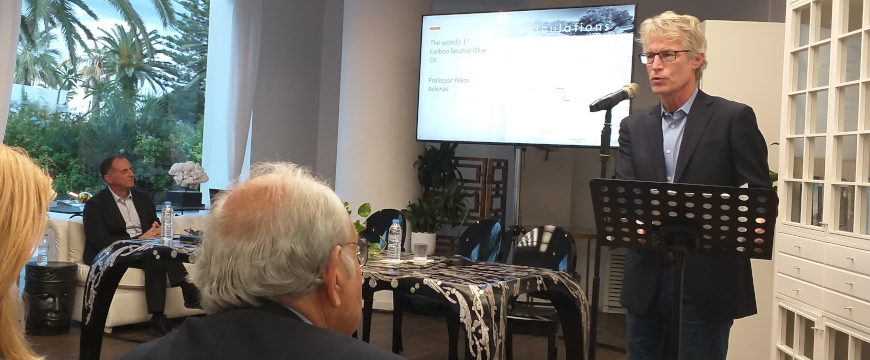
At the 2nd Cretan Lifestyle Conference in Rethymno in November, Harvard University professor of medicine Stefanos Kales suggested that the first Hellenic Olive Network be created. Several experts agreed to invite Greek scientists working on olive trees and their products, as well as interested companies and farmers’ associations, to join such a network.
Initially, the proposal is to establish a virtual network where Greek scientists with expertise in any field related to the olive sector can register and indicate their relevant expertise, current projects, and research interests, and interested Greek companies and producers’ associations can also provide information about their activities and needs. Represented by its president, Eleni Melliou, the non-profit World Olive Center for Health has offered to host the network’s first website.
University of Athens professor Prokopis Magiatis proposed that all well-known Greek scientists working on the olive be invited to register, and that an open invitation be published for other interested scientists who have at least one scientific publication related to the olive sector. The scientists could share information about their relevant work, research, interests, and activities online. Interested companies and farmers’ associations could propose useful research subjects related to the olive sector and access information coming out of the research.
After the human resources, the needs of the industry and producers, and the offered know-how are recorded, the goal is to create a more organised institution. If the government offers the appropriate support, this could lead to the first university institution dedicated to the olive tree in Greece. There is already a proposal for the creation of a relevant department or research institute at the University of Peloponnese in Sparta, with the support of local authorities and chambers of Peloponnese.
Currently, although table olives and olive oil are the main products of the primary sector in Greece, contributing more than one billion euros to the GDP, there is no exclusively specialized educational or research institution dedicated to the olive sector. The country has two university departments and four postgraduate programs on vineyards and oenology, but no public university department that exclusively covers the subject of olive science and technology.
This is not due to a lack of interest or expertise: in Greece more than 200 research scientists deal with the subject of the olive tree in more than a dozen areas ranging from the obvious agronomics, food science, and sensory evaluation to the increasingly important medicine, pharmacology, and epidemiology/public health and the more surprising fields of engineering, geology, and archaeology. Yet these scientists’ focus has not been recorded.
Dan Flynn chairing the Hellenic Olive Network session.
“There is a strong need to bring in contact and collaboration all the Greek scientists working in the broad field of the olive,” emphasised Magiatis. “We don’t know exactly how many scientists work in this field. We don’t know the expertise of each scientist and the specific field of research. Yet the Greek scientific community has a big interest in olives, so we urgently need to do something about education and research coordination in Greece about olives, olive oil, and olive trees.”
Aris Kefalogiannis, founder of the Gaea olive oil and olive brand, entrepreneur and innovator, endorsed the proposal, pointing out that is hard for small and medium sized enterprises “to survive against multinationals without innovation.” Rather, they must “innovate or die.” Suggesting a Hellenic Olive Network could help with the necessary innovation, he presented three examples of situations in which scientific research led to successful products that helped a brand grow internationally and bring in far more income.
Award-winning olive and olive oil producer George Sakellaropoulos, who was introduced as “one of the most innovative producers in Greece,” called it “an absolute necessity” for Greek institutions to work with the private sector “to promote Greece’s most iconic and highly valuable agricultural products,” olive oil and table olives.
Sakellaropoulos mentioned numerous likely benefits of a Hellenic Olive Network. For universities and other institutions, it could help secure funding, share and improve knowledge, create jobs and synergies, enable product innovation, and make research applicable to products and the market. For producers and consumers, the network could help develop innovations and spread scientific information, promote Greek olive growing, and increase the quality and value of Greek olive products as well as Greece’s share of the international market.
The conference session dedicated to the issue of the network also included session chair Dan Flynn, the founding director of the University of California – Davis Olive Center, and presenters Vasilis Vasiliou, Yale School of Public Health professor and co-founder of the proposed Yale Olive Sciences and Health Institute, and Apostolos Kyritsakis, Emeritus Professor at the International Hellenic University and Chairman of the Greek Observatory of Oxidative Stress, who all strongly endorsed the proposed network. During the session, speakers stressed the need for cooperation among scientists in Greek universities and research institutes, as well as scientists of Greek origin from abroad, with Greek industry and the productive sector in order to solve the problems faced by the olive sector.
Scientists, companies, and producers’ organisations interested in joining the Hellenic Olive Network are invited to email info@worldolivecenter.com or call 210 7010131 (in Greece).
*Originally published on Greek Liquid Gold: Authentic Extra Virgin Olive Oil (greekliquidgold.com). See that site for recipes with olive oil, photos from Greece, agrotourism and food tourism suggestions, and olive oil news and information.
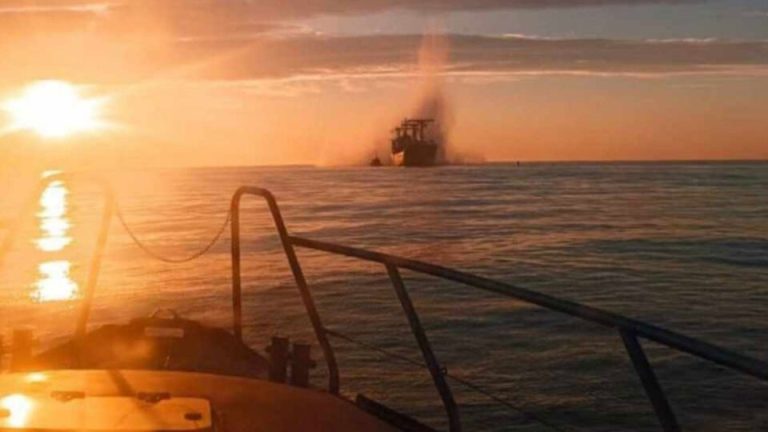
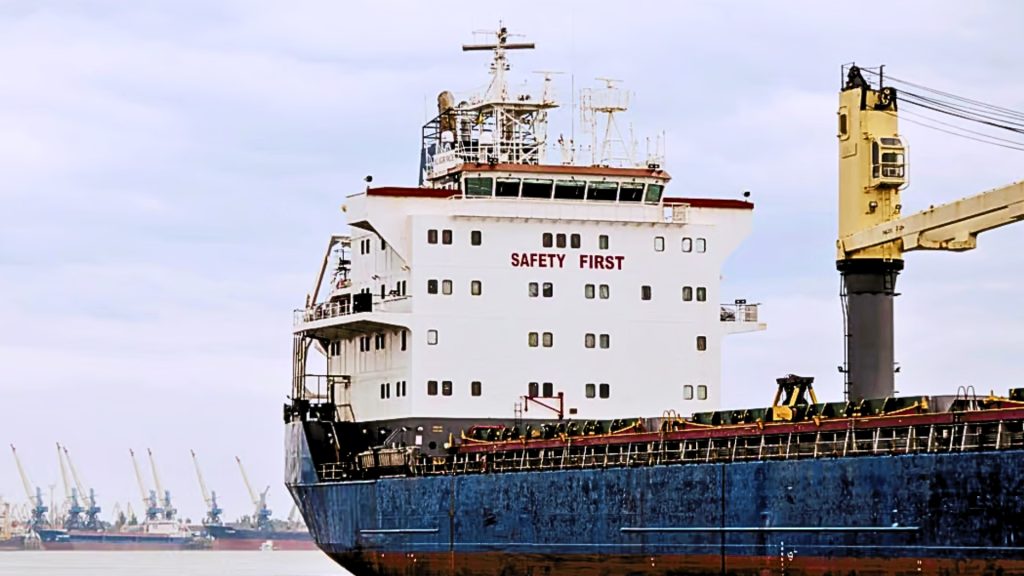
A Greek-owned cargo ship was struck by an explosion in the Black Sea on Wednesday while on its way to Ukraine to be loaded with grain.
According to Politico, the Panamanian-flagged vessel “Vyssos” was heading toward the Ukrainian port of Izmail when it collided with an explosive device in the Danube Delta of the Black Sea.
A Panamanian cargo ship anchored on the Danube river close to the port of Izmail. Photo: Stringer / AFP via Getty Images.
According to the officials, Ukrainian authorities deployed rescuers and physicians to the ship, where they treated the injured crew.
The U.N. had previously brokered a deal with Russia in July, in which the country agreed not to strike Ukranian grain ships or port infrastructure, however, Moscow’s military have continued to attack Ukraine’s Black Sea ports with missiles and drones.
The Greek ship is now being towed to the port of Izmail, where it is due to arrive on Friday.
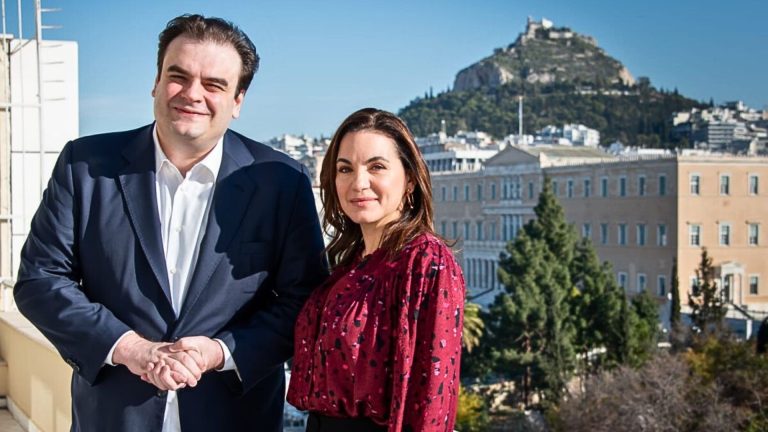
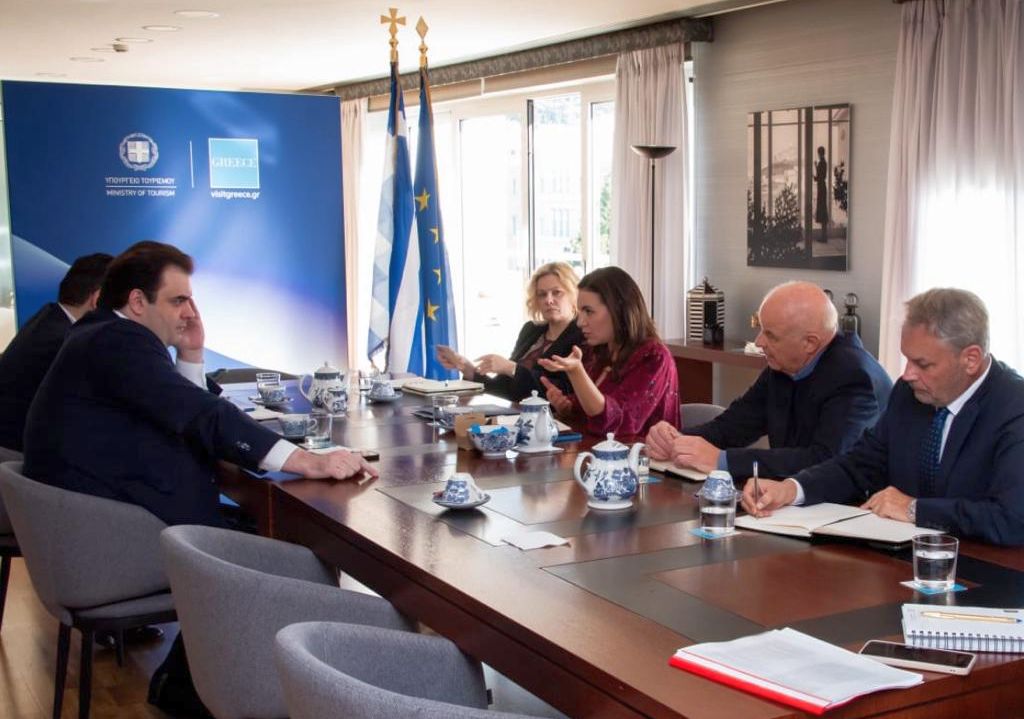
Greece’s Minister of Tourism, Olga Kefalogianni met withEducation Minister, Kyriakos Pierrakakis this week in Athens to discuss the improvement of tourism studies and training programs.
During the discussion, Kefalogianni emphasised the critical need of modernising tourism education and expanding skill-uptraining possibilities, which she said were inextricably linked to the quality of tourism products and services on offer.
According to Greek Travel Pages, Pierrakakis stated that research will be conducted in order to identify relevant needs that can assist with formulating a strategy.
Greece’s minister of Tourism, Olga Kefalogianni met with Education Minister, Kyriakos Pierrakakis. Photo: Greek Tourism Ministry.
“We have already set the long-term goal and vision of Greek tourism [for 2023] in terms of sustainability, balance and measure,” Kefalogianni said.
“The issue is how we open up to new markets, this is one of the objectives for 2024… one continent we want to develop more is Australia.”
Pierrakakis promised to support initiatives in this direction and to reconvene to lay out a plan for implementation.
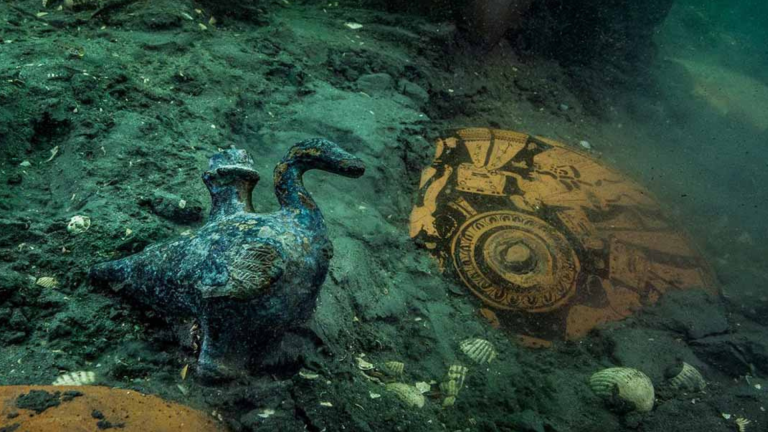
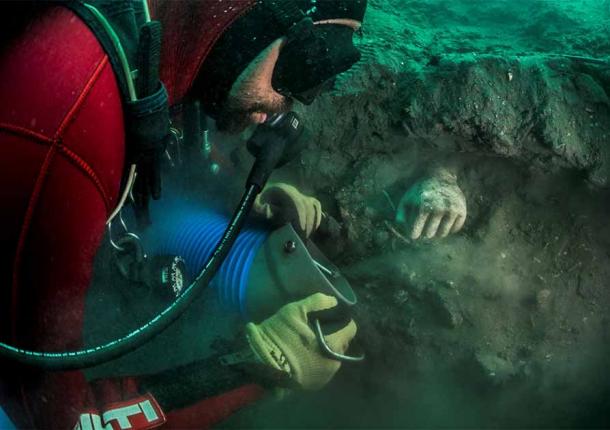
Archaeologists, led by Egyptian and French teams, discovered a temple dedicated to Aphrodite off the coast of Egypt, revealing evidence of temples and a trove of artefacts. The findings include silver ritual instruments, gold jewellery, bronze objects, and Greek weaponry, showcasing a rich historical tapestry.
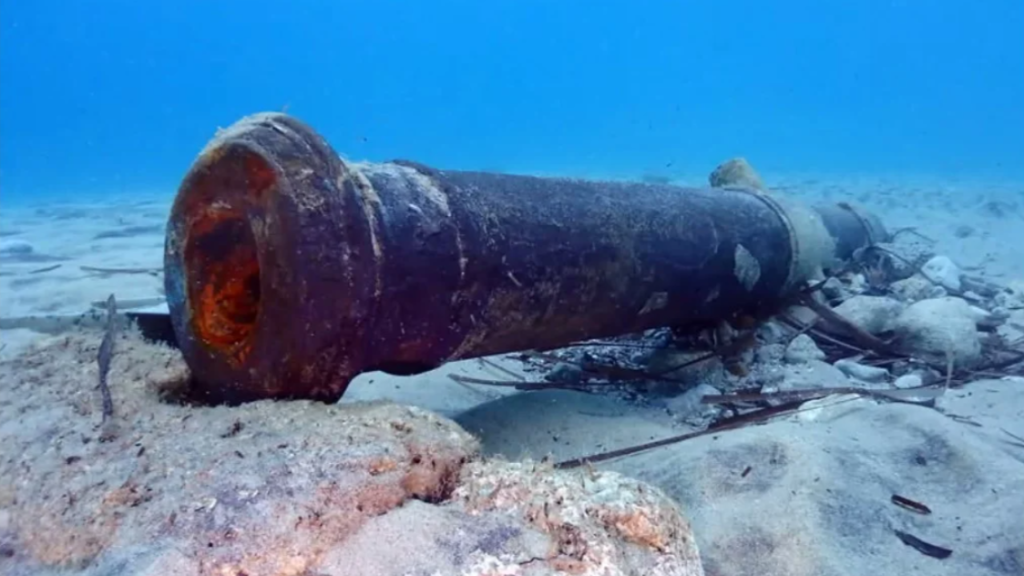
According to archaeological discoveries from earlier this year, a shipwreck found on the coast of Fourka in Halkidiki, Greece was believed to be associated with the 1821 Greek Revolution. Divers found the wreck last summer, which featured two cannons and a 1.5-meter-long rifle on its wooden hull.
Researchers presented their findings at the annual archaeological meeting for the 2022 excavations in Macedonia and Thrace, showcasing their potential role in the uprising of Halkidiki during the late 18th and early 19th centuries.
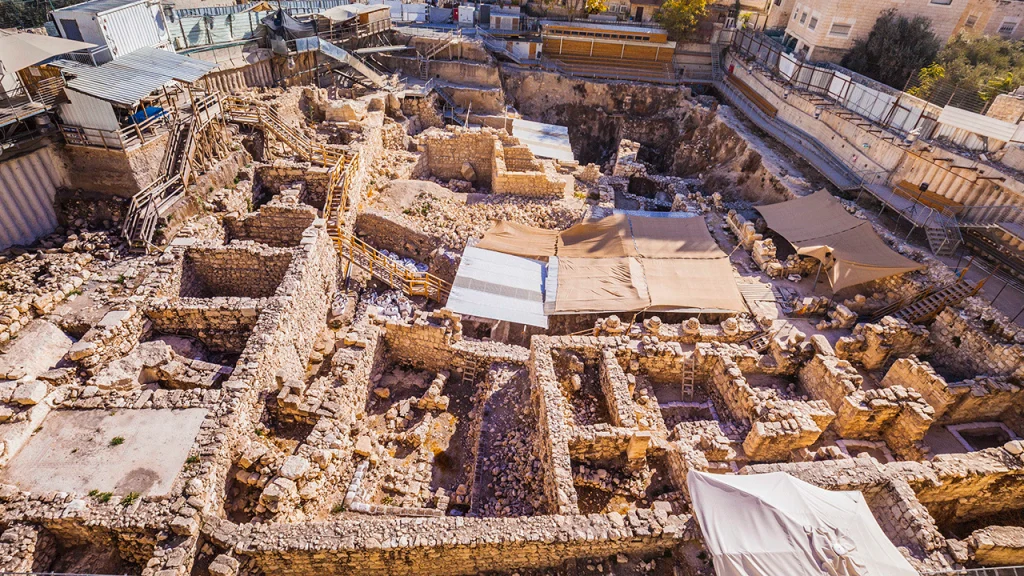
The new discovery was made in the City of David. Photo: Kobi Harati, City of David.
A discovery was made in the City of David earlier this year which provided tangible evidence of the Greek presence in Jerusalem’s history. In the discovery, 16 pieces of ceramic roof tiles were discovered during excavations by the Israel Antiquities Authority and Tel Aviv University. They dated back to the time of Greek Seleucid King Antiochus IV Epiphanes.
The oldest archaeological site of Greece. Photo: TwittercultureGR.
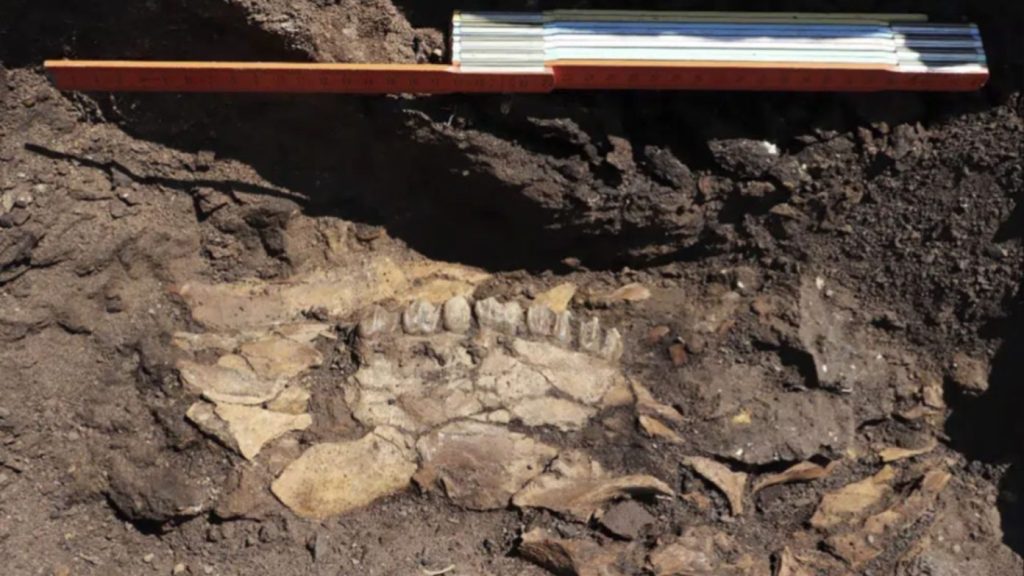
In June this year, in the southern part of Greece, an ancient archaeological site dating back 700,000 years was uncovered in a coal mine rich with artifacts. Tools were found from the Lower Palaeolithic period, as well as the remains of extinct species. The discovery pushes back the beginning of Greek archaeology by a quarter of a million years.
When the inner city, Athenian suburb of Exarcheia was recently voted amongst the top 40 ‘coolest’ neighbourhoods in the world – I smiled.
I smiled for Athens who many consider a faceless, concrete jungle. I smiled for Exarcheia – at the irony of this old, anarchist enclave being now ‘discovered’ and deemed ‘cool.’ But more so I smiled – knowingly, thinking of my suburb, a hidden gem and ‘cool’ of course – Anakasa!
Anakasa is part of the Athenian western suburb of Agioi Anargiri, 6 kilometres from central Athens. Wondering if I’m perhaps romanticising the area, I sought out the opinions of two other Greek Australians, Kosta and Vaia who have lived in Anakasa for decades.
Vaia who is in her early 50’s, had visited Anakasa briefly in the 1980s and 1990s to see relatives and as a base for further exploring Athens, the Greek islands and Europe. It was in 2000 that she, with her then-infant daughter decided to settle in the area.
Vaia
“Since my first trips to Anakasa, I appreciated having a big family circle close by; something that was missing in Australia,” she says.
“Before deciding to move here long term, I thought: ‘I don’t want to bring up my daughter here,’ because things seemed a bit backward like technology and the public service.”
Vaia went on to accept work located just a short walk from Anakasa, in her profession as a speech therapist. Another motivator for her to settle in the area was, apart from meeting her partner, the lively evening scene in the area’s plateies (public squares).
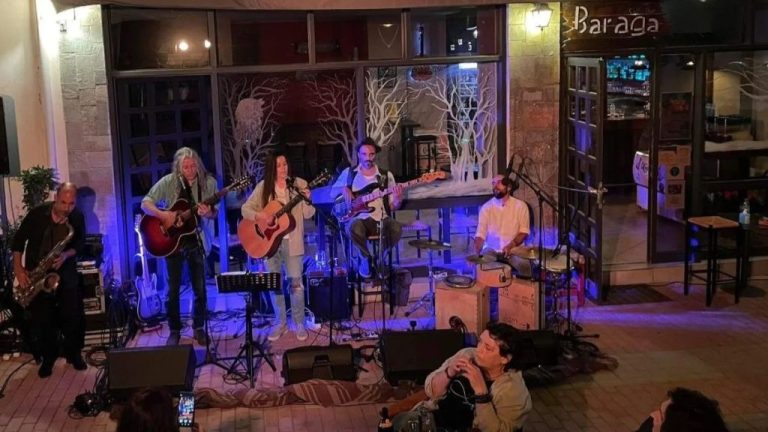
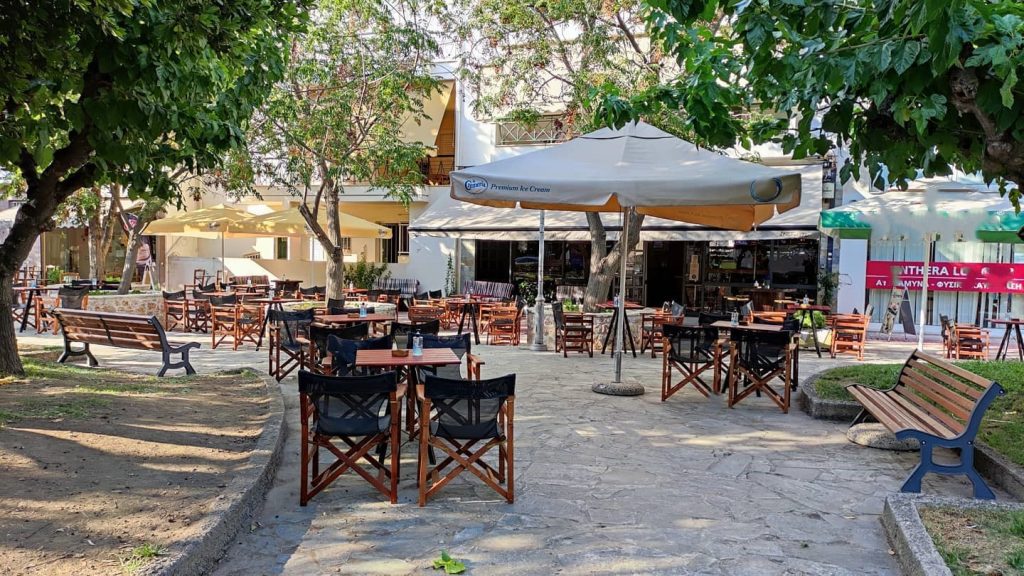
“It’s easy to head out and catch up with friends for a coffee or mezedes, while the kids play in the plateia,” she says, adding, “I also like that our local plateia is named ‘Aris Velouhiotis’ – after a freedom fighter – and that there’s often free, live music there. Anakasa’s history is that of a rock city… with bands like Pyx Lax, Tsopana Rave, etc.”
Plateia ‘Aris Velouhiotis’
Vaia also touts that Anakasa to this day retains both a village and a community feel.
“There’s green here, as well as some traditional houses compared to the primarily multi-storied apartments of other areas. We also have good public facilities like community centres for the elderly, and schools within close walking distance,” she says.
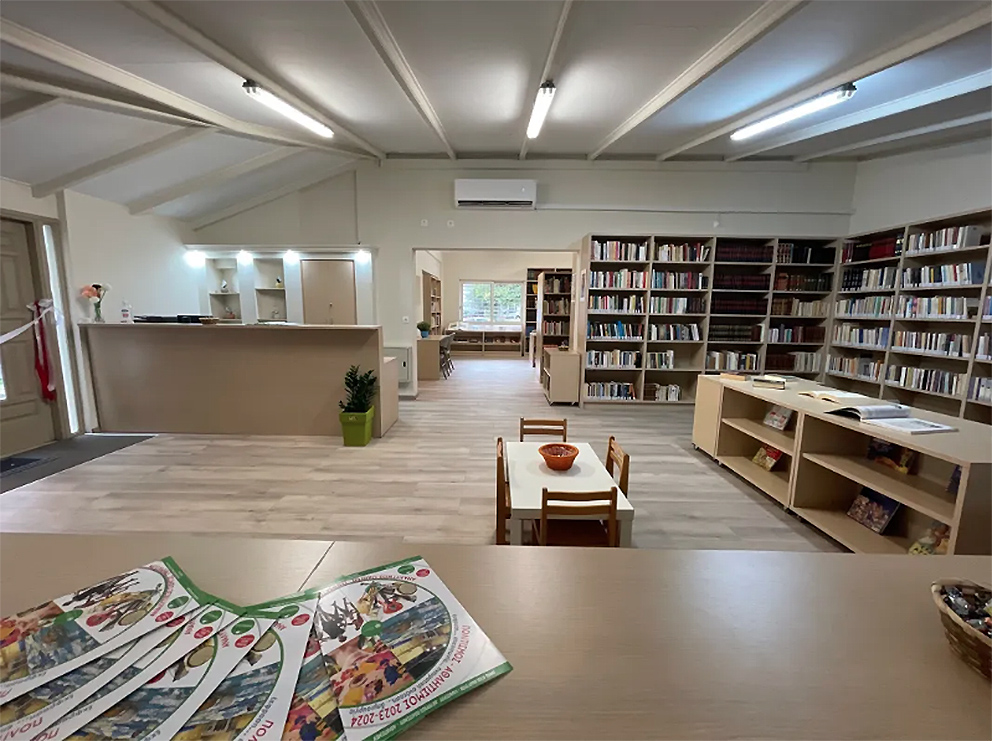
“There’s good public childcare too. When my daughter was there the staff were like parents – really caring. We also have a recent, beautiful library here, which was much needed.”
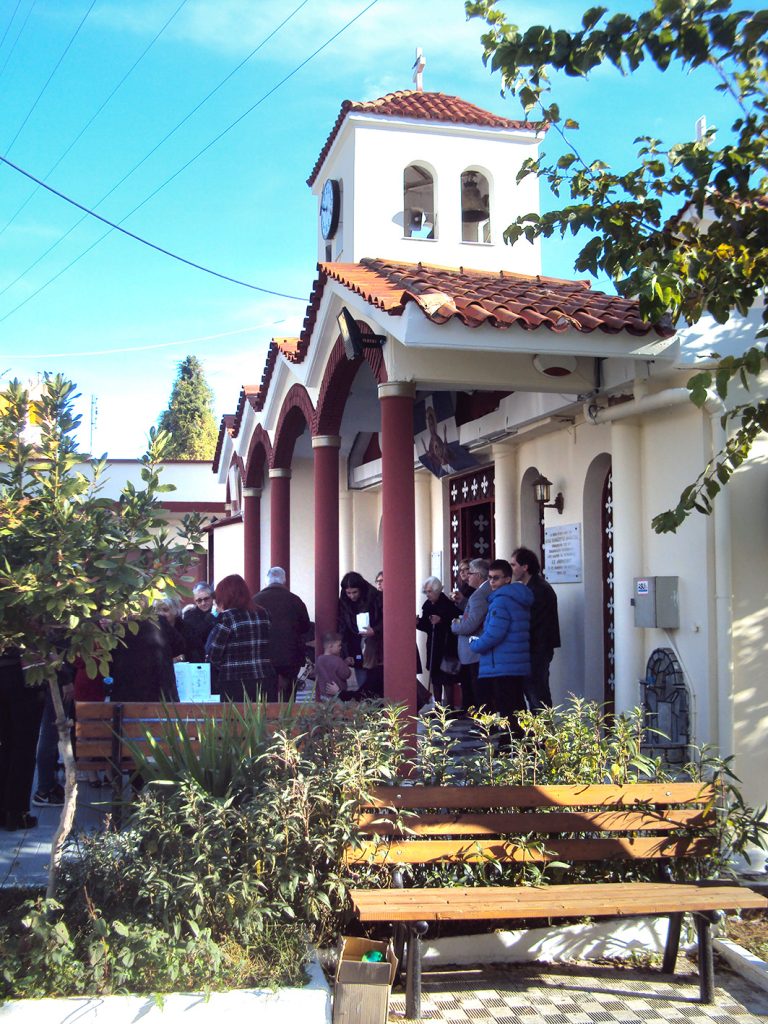
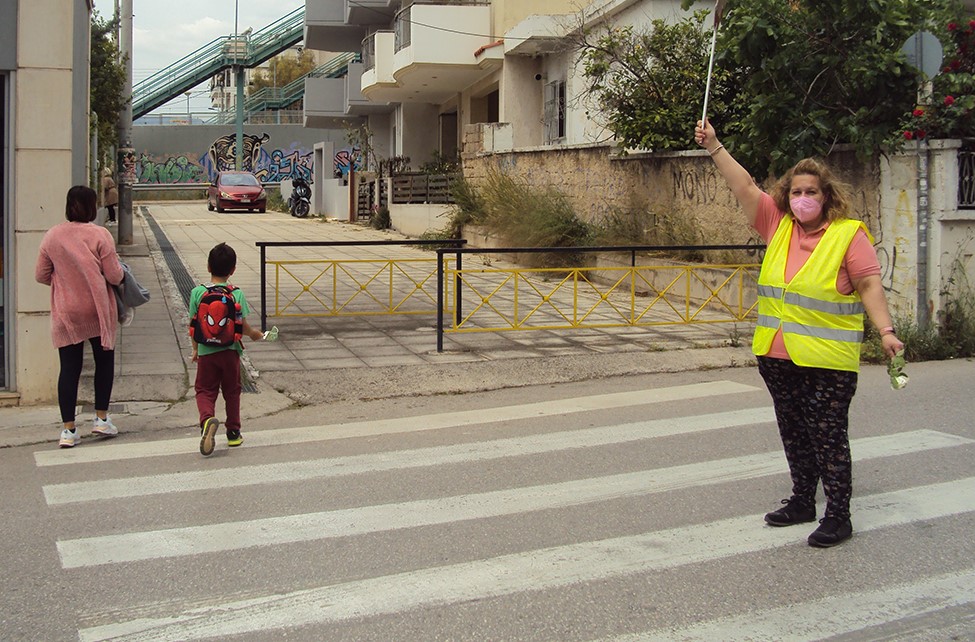
At the churchAfter the school
I prompt Vaia to tell me more about our wonderful suburb.
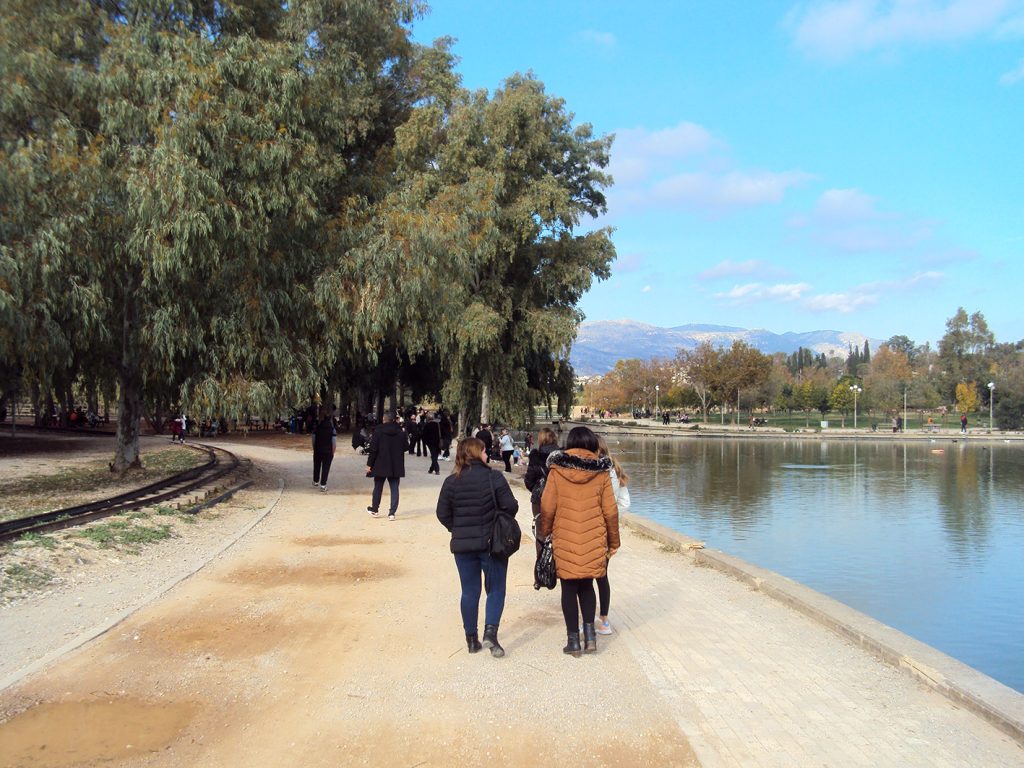
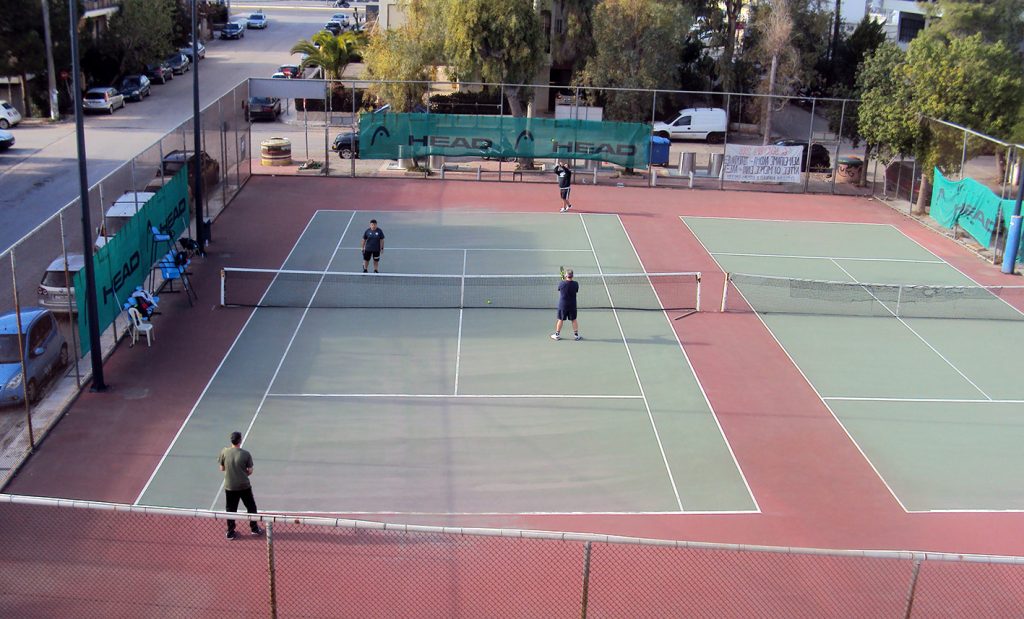
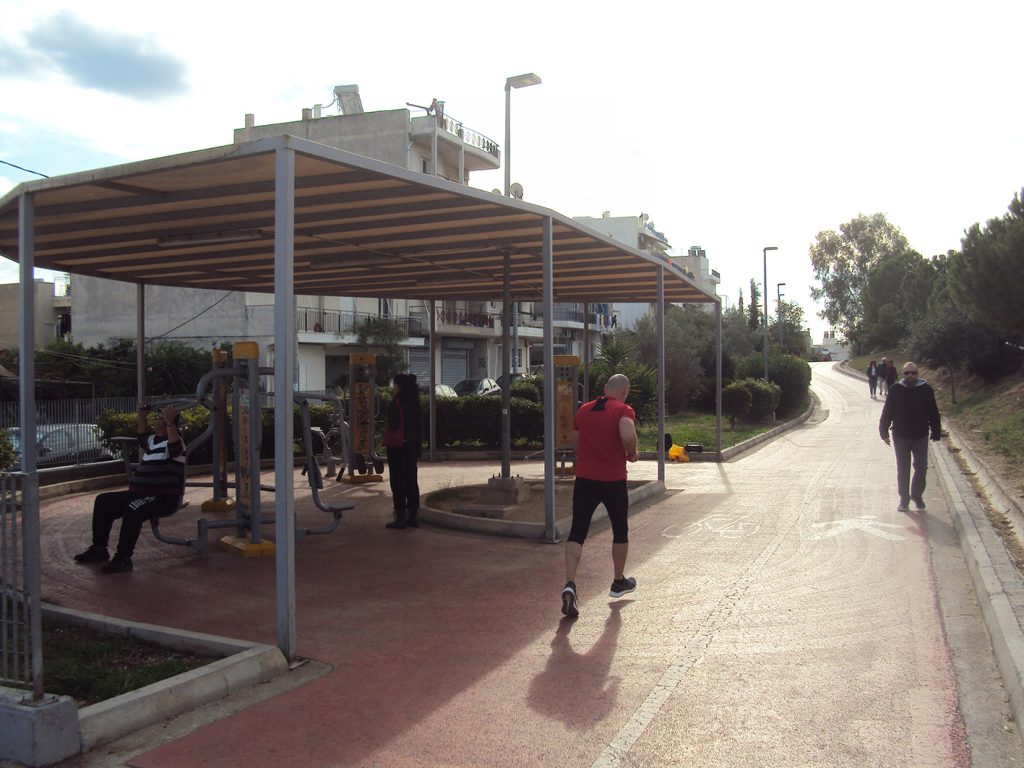
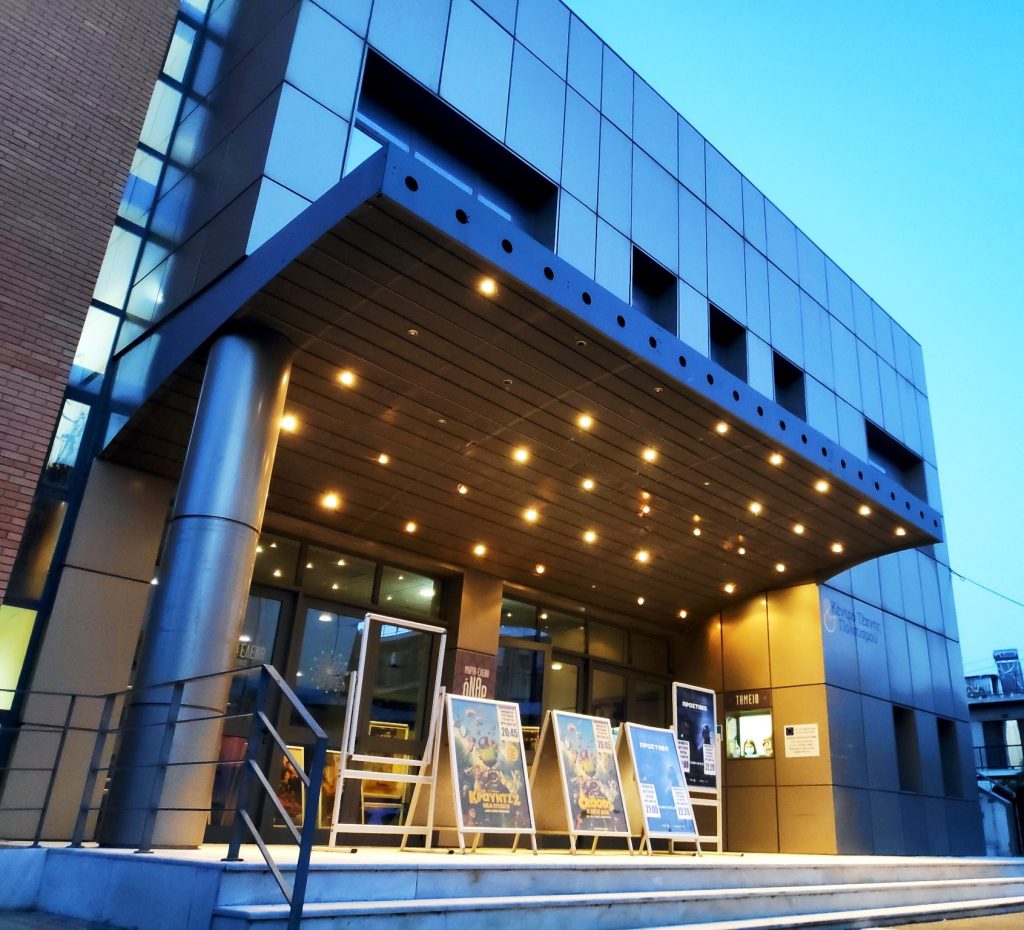
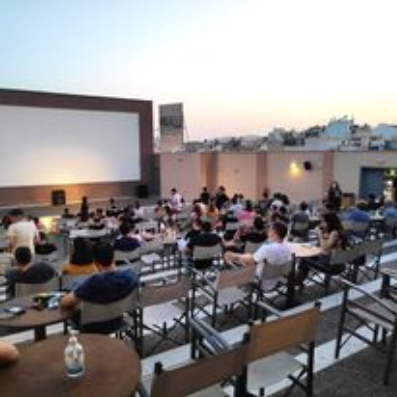
“Oh, in Australia, every suburb had athletic facilities, but here in Athens, it’s not so widespread. In our little neighbourhood Anakasa though, we have tennis courts, a children’s pool, outdoor exercise equipment, a soccer field and more. Not to mention a bike path lined with trees. We are also very close to a huge park – Parko Tritisi. There’s a local cinema here too,” she explains.
The perfect place to take a walkTennis court in Anakasa
In terms of Anakasa’s location, Vaia enthusiastically refers to our suburban railway station here, which runs between the Pireaus port and the Athens airport, with many stops in between.
“I’ve timed it and it takes 12 minutes to get to Syntagma – the centre of Athens,” she attests while adding that “it’s a very short walk to the next suburb from here, Nea Filadelfia if you want a livelier cafe and eatery scene.”
“Disadvantages of the area?” I ask.
“Not enough outdoor access for people with disabilities. And we could do with more greenery, as we have fought to save trees here, and to plant more,” Vaia answers.
In closing Vaia adds smiling, “A simple walk here to one of the Greek-owned supermarkets for example, can take longer than expected, because you bump into people and stop for a chat. It’s a real neighbourhood.”
Outdoor exercise equipmentCinemasThe local library
Kosta, who is in his early 60’s, also highlights Anakasa’s neighbourhood vibe. Unlike Vaia though, he was born and bred in the area, before moving to Australia in 1997 after he met his Greek Australian wife while she was holidaying in Greece. Since then, he’s been visiting Anakasa almost every year.
Kosta was born and bred in the area of Anakasa
“I return often because I don’t want to miss precious moments with family and childhood friends. It’s my first home, and I feel good when I’m in Anakasa,” he says.
Referring to its formation as a suburb in the 1960s and 1970s when Kosta grew up, he tells of the low rise, single houses, of vineyards and even horses.
“By the 1980s more people from Greek villages settled there and it became a suburb where many worked nearby in factories, in construction, etc. They had a class consciousness and a neighbourhood was thus formed with cooperation and respect for one another,” he tells me.
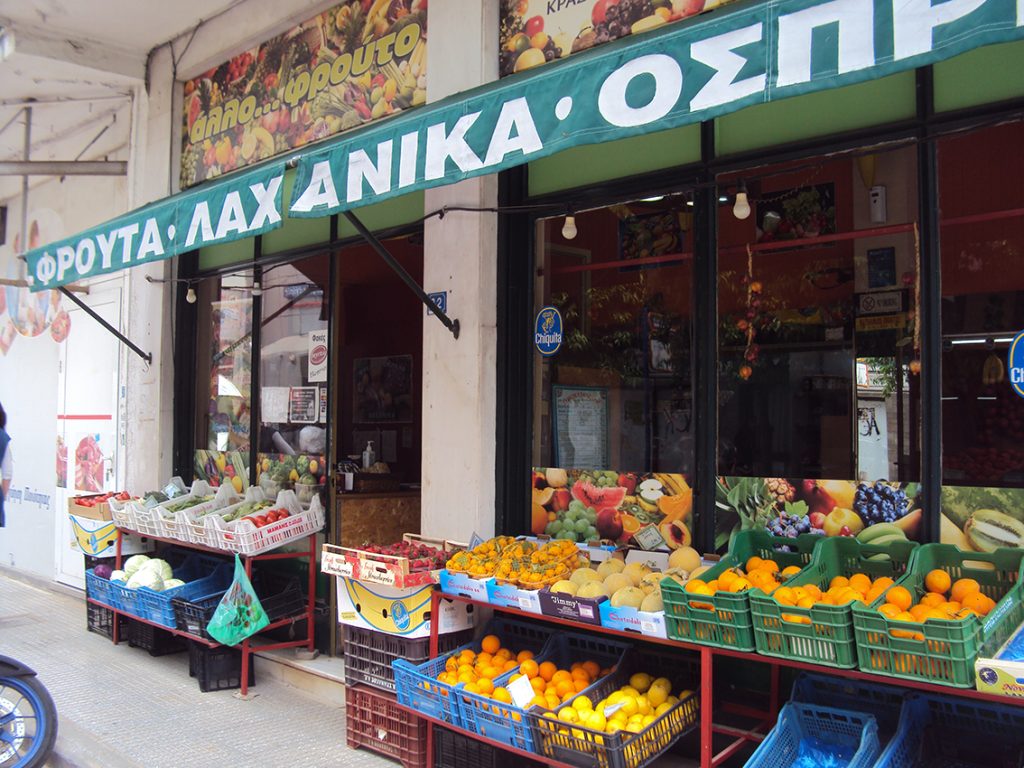
Fruit shop
Comparing his Melbourne suburb to Anakasa, Kosta mentions that in Australia you need a car for everyday necessities such as shopping, whereas in Anakasa everything is within walking distance. He adds though, that in terms of public service access, “in Australia it’s all computerised and things get done efficiently online, but this doesn’t quite happen yet in Greece from my experience. Greece is an old lady though, with problems and issues.”
“The positive thing about Anakasa is that it’s a microcosm where the needs and desires of people are made known, sometimes side lining and bypassing bureaucracy and faceless law makers who aren’t one of us,” Kosta adds.
“In Australia though, the system moulds people, whereas I’d say in Anakasa the residents are invited to mould the system. So it’s important we fight for green spaces and for access for disabled people.”
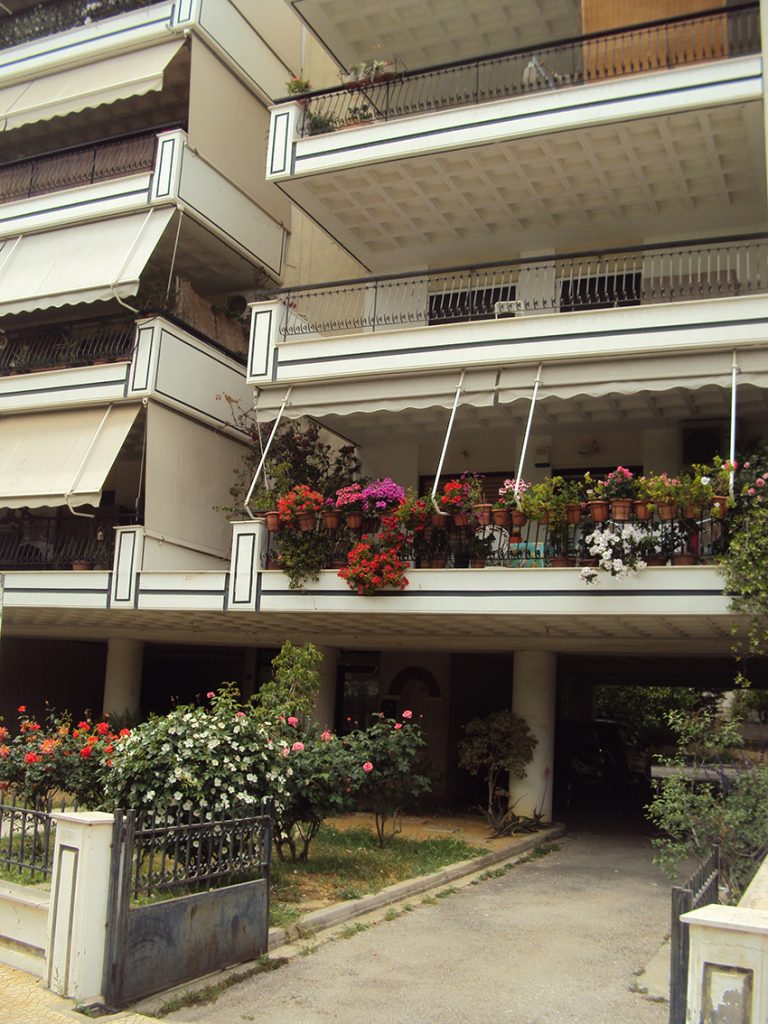
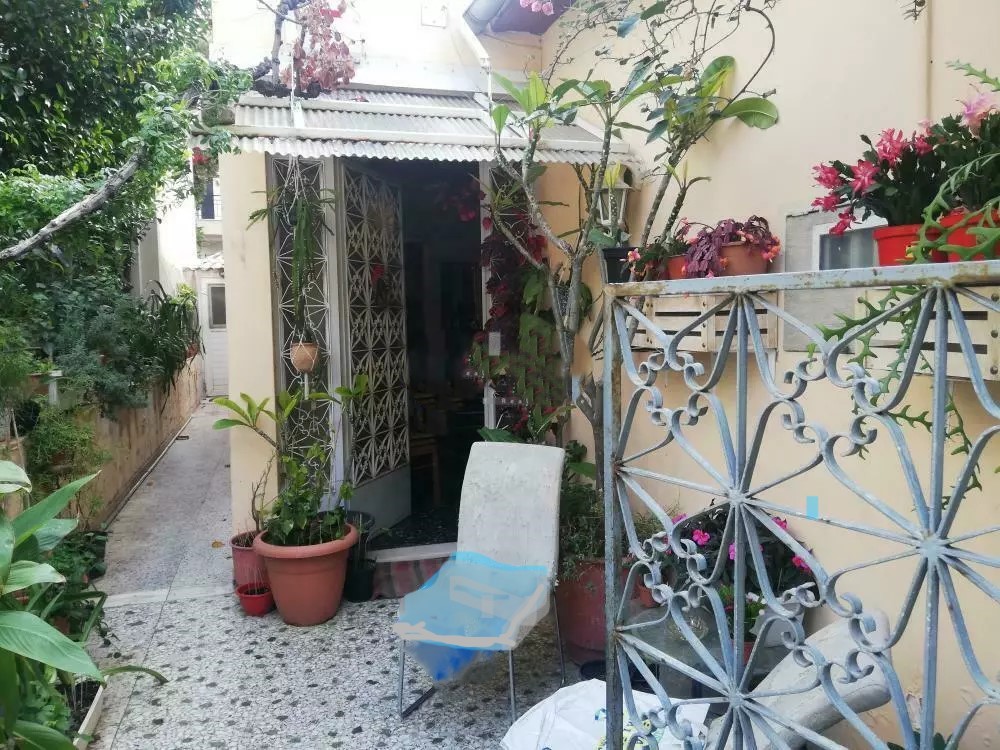
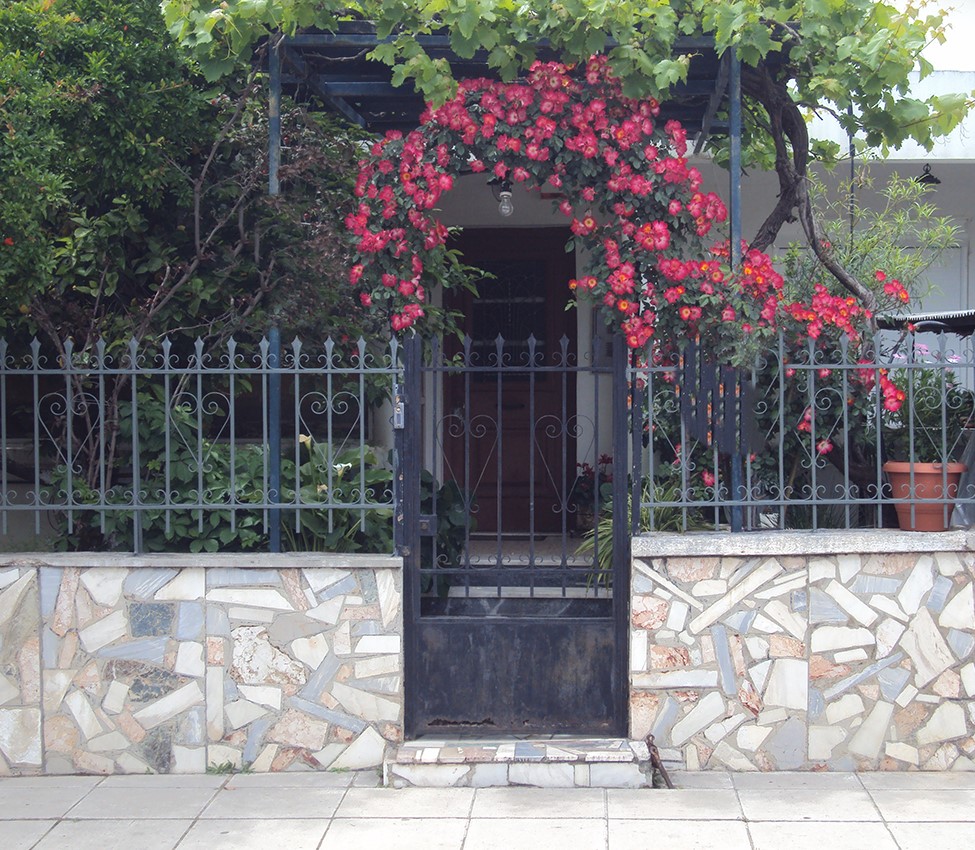
Houses in Anakasa
Further reminiscing leads Kostas to talk about the old days before apartment building began in the area.
“You could see the Acropolis and the sea towards Salamina from the top terraces of the old houses. Now I think Anakasa may have lost its character somewhat. There are fewer single houses with gardens than there used to be… But, at night walking through Anakasa’s streets, if you follow the scent of jasmine and fragrant evening primrose, you’ll still discover a sense of refusing to sell out,” he says.
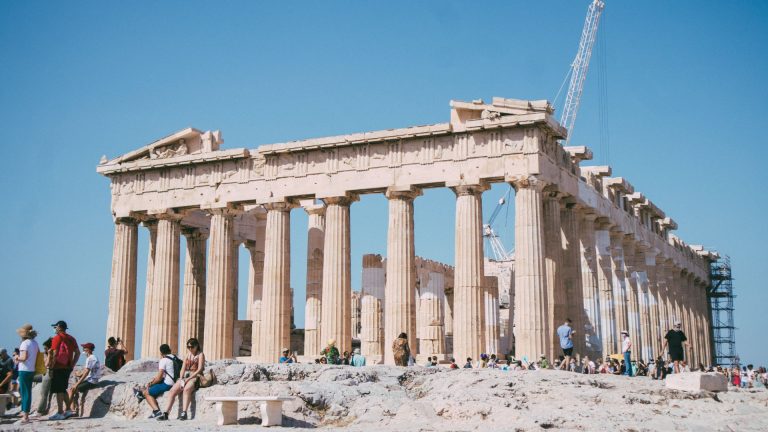
From April 2025, visitors of the Acropolis in Greece will have to pay an increased fee for their entry ticket.
According to Skai, the culture minister Lina Mendoni stated that general entry tickets to the Acropolis will be increased to €30. They currently cost €20, and €10 during the off-season winter months. The change will apply from April 1, 2025.
More changes are also about to be applied from April 1, 2024, as part of a broader update to the ticketing system for Greece’s historical sites and museums.
Photo by Jan Tang
According to ekathimerini.com, Greece plans to offer special tours of its most popular tourist attraction to few visitors outside the regular visiting hours.
A spokesperson from Greece’s Culture Ministry explained that the new service for the Acropolis will be limited to a maximum of four groups, each consisting of up to five people. The cost will be 5,000 euros per group, and individuals who are willing to cover the entire group fee are also welcome to take the tour on their own.
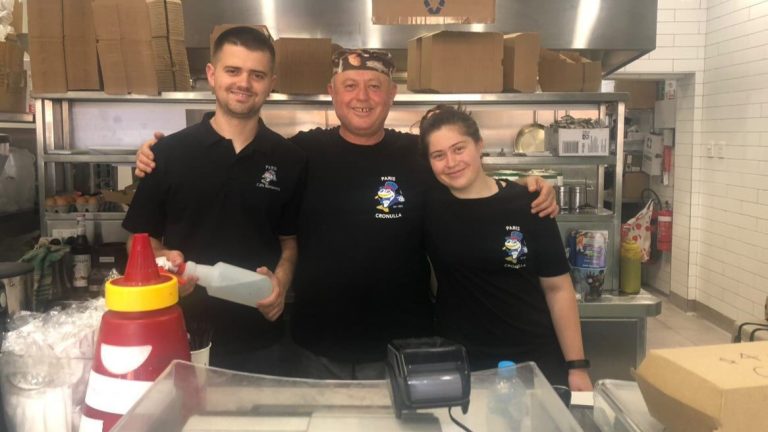
According to Food & Drink Writer Avril Treasure, the cafe has some of the best fish and chips in Sydney as “the batter is thin and crisp, which allows the fish to be the star of the show, and the chips are fluffy and crunchy.”
Avril said another positive is that Paris Seafood Cafe uses fresh oil daily – which is not always the case at fish and chip shops – and makes everything to order, including the salads.
In a post on Facebook, the owners of Paris Seafood Cafe wrote they were “feeling completely ecstatic” at being named on Time Out’s list.
“We wouldn’t be here without the support from our customers, staff and family and for that we thank you all!!” the post read.