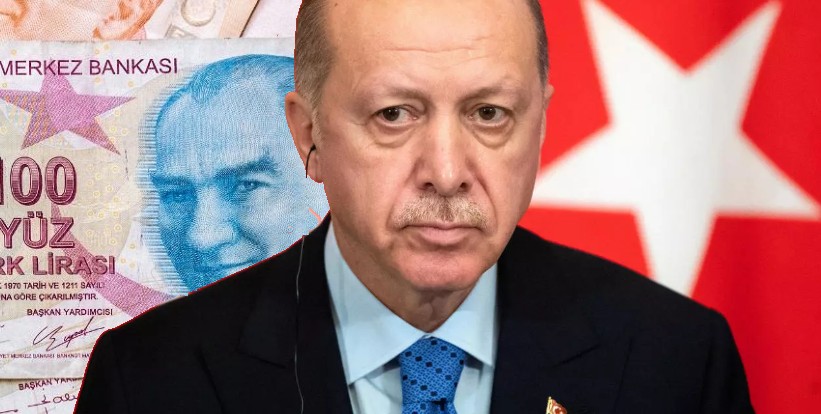
The coronavirus pandemic has caused governments all over the world to introduce drastic emergency measures, suspending many of the freedoms that citizens normally take for granted. Many of these measures are necessary in order to save lives.
In Turkey however, the measures implemented by President Recep Tayyip Erdogan have had mixed results. They have led to a crisis of epic proportions – that is, the very structure of economic, political and social life in Turkey has changed. Here’s the lowdown:
The suppression of criticism and undesirable information:
The current coronavirus outbreak has undoubtedly resulted in the viral spread of misinformation which poses a significant challenge to containment efforts. In response, many countries are using fake news laws as convenient tools to stop the proliferation of this disinformation.
Reports have emerged from Turkey however, that these laws are being used as a weapon to suppress criticism and accurate information just as readily as misinformation.
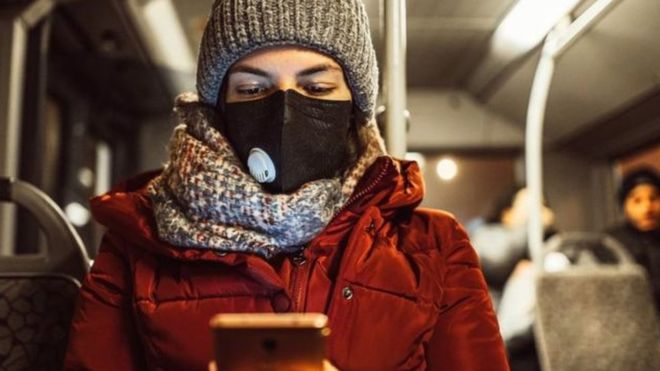
According to the Turkish Interior Ministry, as of March 16, authorities had identified at least 93 suspects allegedly responsible for “unfounded and provocative” social media comments about the coronavirus and they had arrested 19 of them.
Interestingly, the statement by the Interior Ministry on these arrests went even further to say that authorities were acting to arrest social media users whose posts “were targeting officials and spreading panic and fear by suggesting that the virus had spread widely in Turkey and that officials had taken insufficient measures.”
Perhaps this is the clearest indication yet that Turkey has been partaking in the suppression of its critics.
Turkey becomes country with worst COVID-19 trajectory:
Since declaring its first coronavirus case three weeks ago, Turkey has recorded one of the steepest trajectories of new cases in the world, amid fears it could become a hot spot of the pandemic.
The rapid rise in cases – 18,135 confirmed infections and 356 deaths as of today – has seen Turkey overtake other G20 states such as South Korea and Canada that reported cases of the virus weeks earlier.
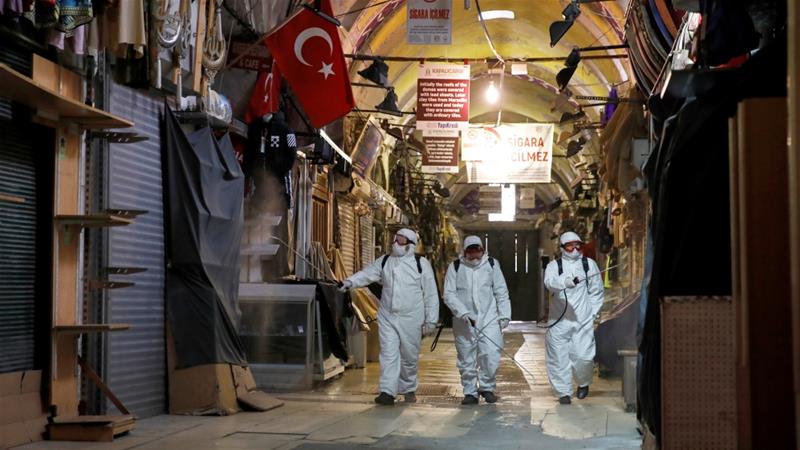
“It appears coronavirus spread long before the first case was reported due to trips to Europe, Iran and Umrah,” Professor of Infectious Disease at Gazi University in Ankara, Esin Senol, said in an interview with Al Jazeera.
“Limiting testing to those who had recently been abroad in the early days of the outbreak in Turkey also allowed the virus to spread.”
In the face of such criticism, President Erdogan has now implemented stricter measures to control the spread of the virus. His government has limited travel between Turkey’s provinces, halted international flights and imposed quarantines in some areas.
Lira at crisis levels as coronavirus hits trade:
Even before the coronavirus pandemic hit Turkey, its economy was already showing signs of weakness as it tried to recover from the impacts of the currency crisis in 2018.
But the outbreak of COVID-19 pushed the economy to its brink.
Although the Turkish lira initially held up well in March after Turkey’s Central Bank reduced its benchmark interest rate by one percent and several private banks announced the suspension of loan repayments, it fell to an 18-month low on April 1 as the coronavirus death rates accelerated.
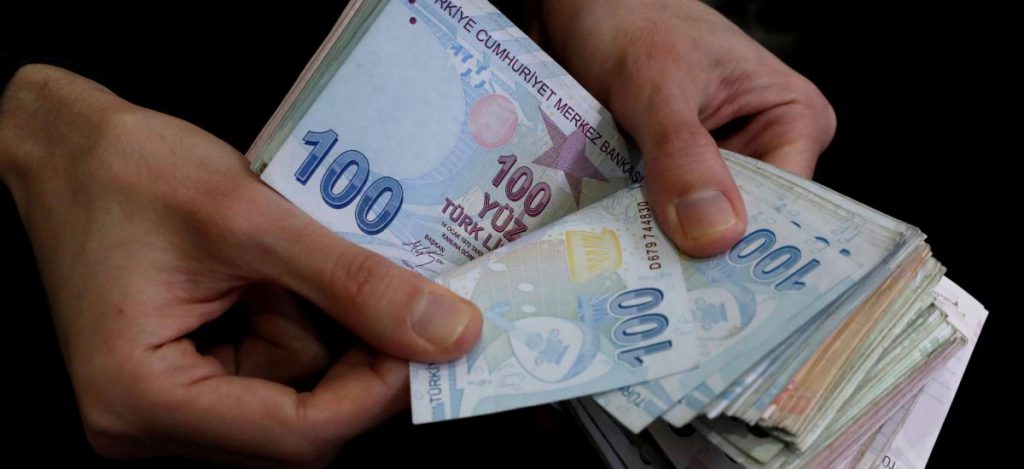
Now, it must be noted here that Turkey’s dependence on importing almost all of its energy needs could provide a temporary economic reprieve of about $19 billion. However, according to economists from the Financial Times, it’s expected that Turkey, alongside South Africa and Argentina, could still be sliding toward insolvency and debt default.
On that note, it is clear that everything depends on how this crisis progresses and how long it will take to end.
