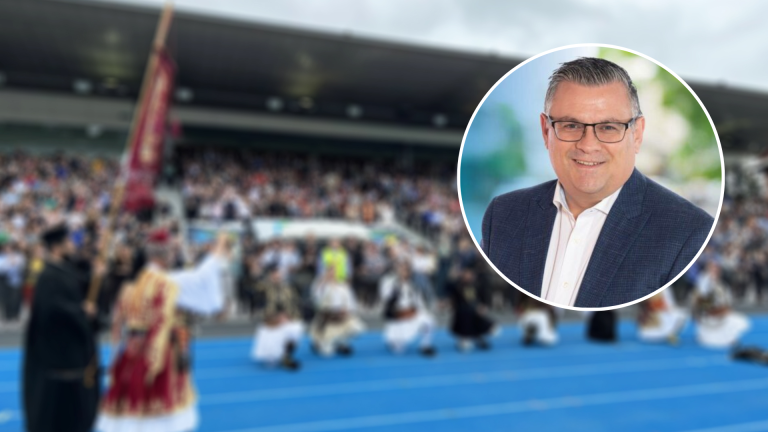
Jim Grivokostopoulos (Grivas) abruptly resigned from his position as Treasurer of the Victorian Council for Greek National Day during a general meeting on Monday, December 11.
The Victorian Council for Greek National Day is made up of representatives from all of Victoria’s major Greek organisations and was established to organise commemoration events for Greece’s Independence Day on March 25 each year. The Current Chairman is Cretan Australian, Tony Tsourdalakis.
According to The Greek Herald‘s sources, Mr Grivas produced a Profit & Loss (P&L) statement for the Council’s committee at an Annual General Meeting (AGM) earlier this year.
At Monday’s general meeting, Mr Grivas issued an apology to committee members for producing this P&L statement and tendered his resignation effective immediately.
In his apology, Mr Grivas said he felt unable to do his job properly as Treasurer because he was never provided access to the Council’s financial records or invoices in order to verify the P&L statement. Mr Grivas’ access was restricted despite requesting to see the financials.
While Mr Grivas stipulated in his apology that he believed “nothing untoward” was behind the restricted access to the financials, he did put forward a motion calling for an independent audit committee to review the last three years of financial statements.
This motion was passed by the committee members present and it was agreed that the audit committee would be made up of three people: Mr Grivas himself, Father John and Arthur Andronas.
It is believed the independent audit committee will begin its review early next year, with another meeting to be held to determine who will replace Mr Grivas as Treasurer.
The Cyprus Community of New South Wales will get into the festive spirit this Saturday, December 16 with their annual Christmas Markets.
The 2023 Christmas Markets are set to be the biggest yet, with 30 stalls selling a varying of products including candles, fashion products, Christmas goods, arts and accessories, and of course, plenty of food.
There will also be music rides and lots of entertainment for kids and their families.
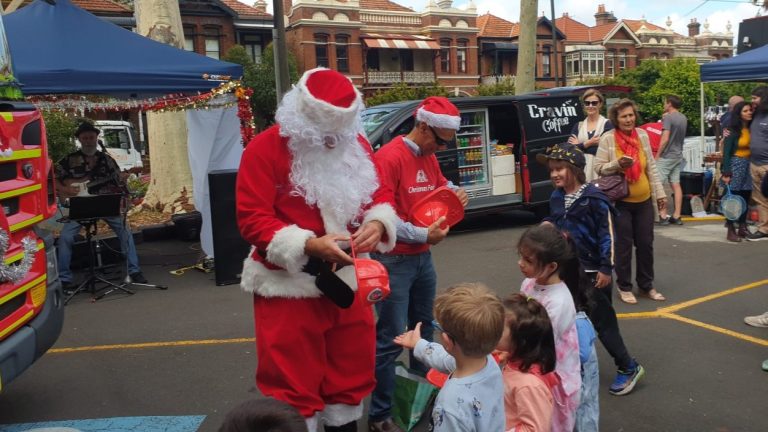
Even Santa is expected to make a special appearance with the Marrickville Fire Brigade, which is the perfect opportunity to take plenty of photos. Santa’s helper will be there to capture all the precious festive moments.
The Cyprus Community of NSW’s Christmas Markets will be held at the Cyprus Club in Stanmore from 8 am to 3 pm.
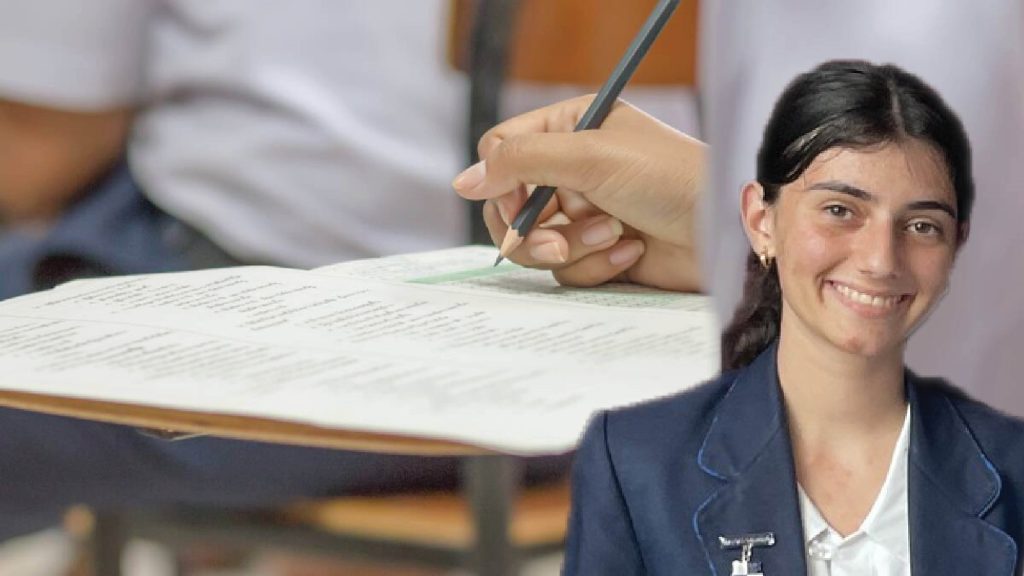
Some 67,234 students in New South Wales have now received their much-anticipated Higher School Certificate (HSC) results, signifying the end of their high school journey.
Around 12 per cent of this year’s HSC results are in the top performance band and 72 per cent of results are in the top three bands.
Modern Greek Beginners: Ianna Fatouros from the NSW School of Languages.
Modern Greek Continuers: Elpida Getsiou from the NSW School of Languages.
Modern Greek Extension: Ariane Moisidis from the Secondary College of Languages, Ashfield Boys Campus.
Chinese Extension: Mietta Paipetis from SCEGGS Darlinghurst; and
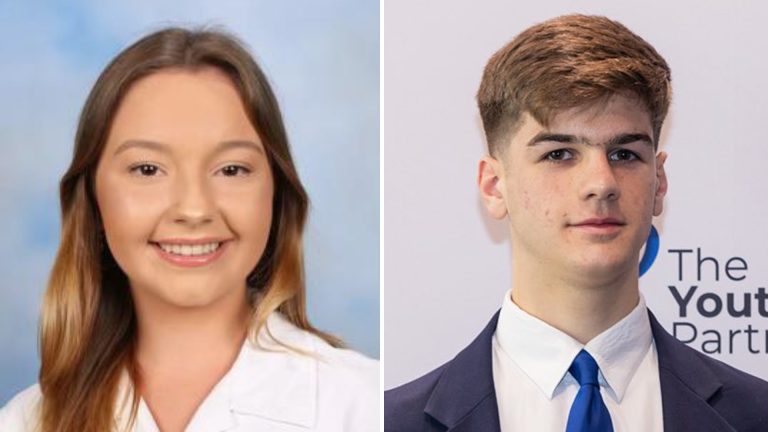
Studies of Religion I: Gabriella Michalopoulos from Marist Sisters’ College Woolwich.
Today, some 1,420 students were also recognised on the ‘All Round Achievers’ list for gaining results in the highest possible band across 10 units of study, while 18,516 students received at least one band six result, earning them a place on the ‘Distinguished Achievers’ list.
Gabriella Michalopoulos from Marist Sisters’ College Woolwich. Photo: Facebook.
Another 780 students were featured on the ‘HSC Top Achievers in Course’ list for earning one of the top places and a result in the highest band.
The Australian students with Greek heritage on the ‘HSC Top Achievers in Course’ list are:
Business Services Examination: Claudia Karatasas, Our Lady of the Sacred Heart College
Business Studies: Anthony Theodorou, Tempe High School
Chinese Extension: Mietta Paipetis, SCEGGS Darlinghurst
Classical Greek Continuers: Nektarios Kollias, St Spyridon College
Construction Examination: Marcel Reskakis, St Mary’s Cathedral College
Design and Technology: Sophie Boulos, Santa Sabina College
Design and Technology: Connie Vertzyas, SCEGGS Darlinghurst
English Advanced: Olivia Stavrakis, Presbyterian Ladies’ College Sydney
Modern Greek Beginners: Ianna Fatouros, NSW School of Languages
Modern Greek Beginners: Madlyn Giannakopoulos, NSW School of Languages
Modern Greek Beginners: Annamaria Psaltis, Georges River College Oatley Senior Campus
Modern Greek Beginners: Christy Voutos, NSW School of Languages
Modern Greek Beginners: Savin Biris, NSW School of Languages
Modern Greek Continuers: Elpida Getsiou, NSW School of Languages
Modern Greek Continuers: Constantinos Vidiniotis, St Euphemia College
Modern Greek Continuers: Isabella Koutoulogenis, St Spyridon College
Modern Greek Continuers: Victoria Stathos, St Spyridon College
Modern Greek Continuers: Michail Katris, St Euphemia College
Modern Greek Extension: Ariane Moisidis, Secondary College of Languages Ashfield Boys Campus
Modern Greek Extension: Constantinos Vidiniotis, St Euphemia College
Modern Greek Extension: Isabella Koutoulogenis, St Spyridon College
Modern Greek Extension: Kosmas Tsatas, Secondary College of Languages Ashfield Boys Campus
Modern Greek Extension: Victoria Stathos, St Spyridon College
Personal Development, Health and Physical Education: Terry Tsoulos, Caringbah High School
Studies of Religion I: Gabriella Michalopoulos, Marist Sisters’ College Woolwich
Studies of Religion II: Emily Livissianis, Brigidine College Randwick
NSW Premier Chris Minns congratulated all students on their HSC results this year.
“This is an important milestone for the Class of 2023, who today finish their schooling and move on to the next chapter of their lives,” Mr Minns said.
“Whether or not today’s results are what you wanted – remember that this is just a step on your journey and there are many pathways to success.
“I want to say a huge well done to 67,234 students who have worked hard to get to this point and I wish them all the success in their futures.”
*Please Note: The above students are those The Greek Herald could identify on the ‘HSC Top Achievers in Course’ list by their Greek name. If you believe you should be in this article, please send an email to info@foreignlanguage.com.au.
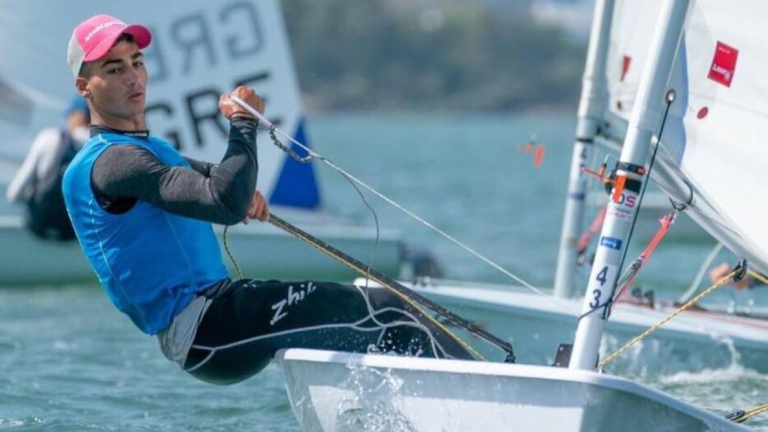
The Greek Orthodox Community of South Australia (GOCSA) has called on the local community to help Greek sailing champion George Papadakos achieve his dream of competing in the 2024 Paris Olympics.
According to an announcement from the GOCSA, Papadakos will be in Adelaide for the 2024 ILCA 7 Men’s World Championship from January 24-31, fighting for a spot in the Paris 2024 Olympics in France.
The Community said the athlete has already incurred high costs to come to Australia and his family has approached them seeking support.
George Papadakos (back, centre) won silver in a Hellenic sailing competition in 2019. Photo: Actioninsports.
“They are hoping to find assistance with accommodation (from January 18 to 31) and provision of a 12ft inflatable dinghy for the coach to follow the athlete while he trains, as required by the organising authority,” the GOCSA announcement reads.
The athlete and his coach, Nikolaos Chrysos, will be training at the Adelaide Sailing Club in West Beach.
The GOCSA has encouraged its members, business owners and the wider community to step up and help the young athlete succeed and raise the Greek flag in Paris.
If you are able to help or would like more information please contact GOCSA’s General Manager of Community and Corporate Services, Con Dalagiorgos on 8231 4307 or Con.Dalagiorgos@gocsa.org.au
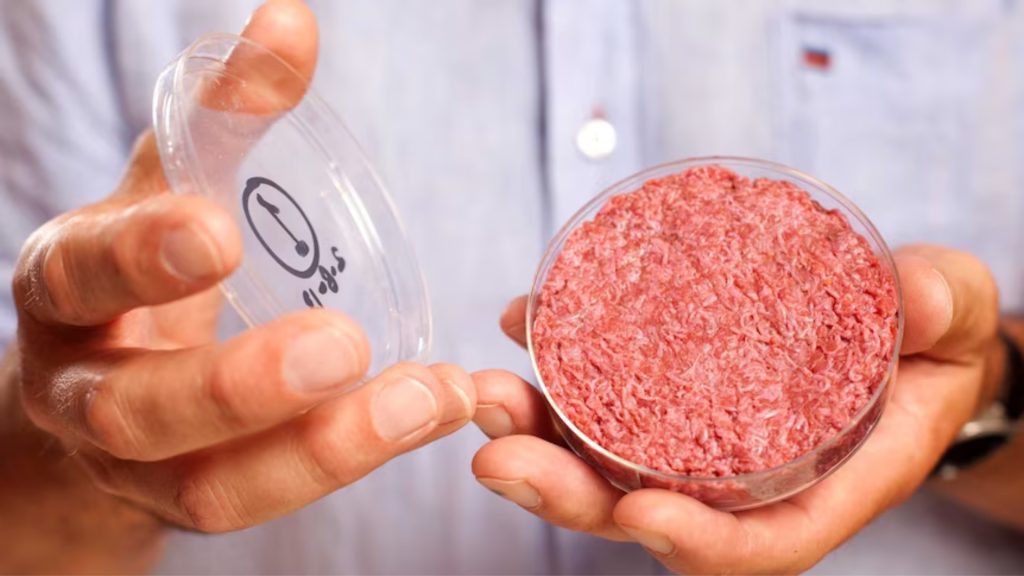
An Australian food safety regulator has said that meat gown from cells is safe to eat.
According to ABC News,Food Standards Australia New Zealand (FSANZ) made the announcement after its assessment of an Australian-first application by Sydney-based company, Vow.
In its assessment, FSANZ said Vow’s cultured quail meat presented no health or nutritional risks, and the “novel” food is genetically stable and any potential bacteria-related risks were reported “very low.”
An Australian food safety regulator has said meat gown from cells is safe to eat.
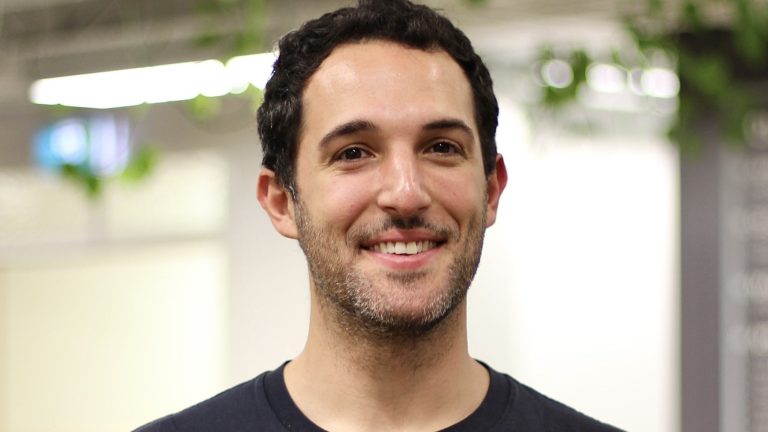
CEO of Vow, George Peppou shared that the lab-grown meat is an exciting new development, and he was pleased his company’s application was progressing after months of assessments.
“Safety is of the utmost importance to Vow, so we were glad to see that, like us, FSANZ has concluded that our product is safe,” Mr Peppou said.
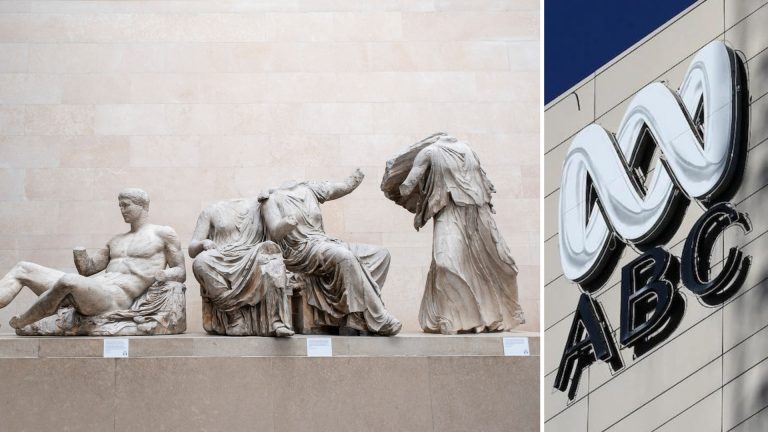
In a letter dated December 13, the ABC said its “practice in the future” is to refer to the marbles as the “Parthenon Marbles.”
The ABC also addressed various aspects of the “Parthenon Marbles” discussion and provided insights into its editorial decisions and considerations regarding the terminology used in reporting on the “Parthenon Marbles.”
The letter from the ABC News Management stated, “That usage [of the terminology] has changed and it has become increasingly common, including by the ABC, to refer to all the marbles as the ‘Parthenon Marbles’ and providing historical context if required in relation to those held in the British Museum. That is, the default naming will be the Parthenon marbles but the use of ‘Elgin marbles’ may be used if it is necessary or useful in providing historical context.”
The ABC Channel has responded in a positive matter to the Greek Community in Melbourne. Photo: Supplied.
As passionate and staunch advocates for cultural accuracy and rightful representation, the GCM said it appreciates the opportunity to address this matter constructively.
In response to ABC Channel’s viewpoints, the GCM underscored the significance of a well-informed and comprehensive examination of the historical and cultural context surrounding the “Parthenon Marbles.”
GCM President, Bill Papastergiadis OAM stated, “We recognise the importance of fostering a well-informed and inclusive conversation surrounding the “Parthenon Marbles.” We believe that engaging in open dialogue is essential to building bridges and fostering a greater understanding of such matters. Hopefully, the momentum for the return to Greece for the Parthenon Marbles can be continued.”
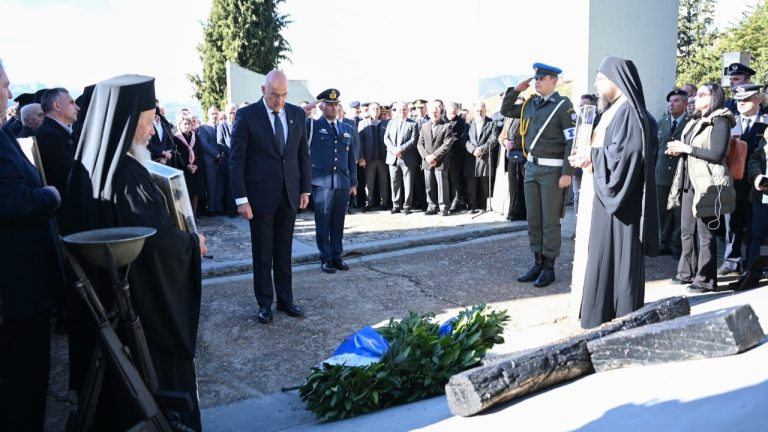
The Defense Minister of Greece, Nikos Dendias shared that Greece’s pursuit for over $300 billion in World War II reparations from Germany remained open.
Υφίσταται ένα ζήτημα το οποίο ετέθη ήδη, ένα ζήτημα μέγα, ζήτημα ηθικό, ζήτημα νομικό και ζήτημα υπαρκτό. Θα ήθελα να καταστήσω σαφές ότι η Ελλάς δεν θα παύσει να διεκδικεί την καταβολή των γερμανικών πολεμικών αποζημιώσεων ως ελάχιστη επανόρθωση για τα δεινά που υπέστη η πατρίδα… pic.twitter.com/yHjsBppfVj
“Regarding the issue of German reparations, I want to clarify something that I have repeatedly said in my previous capacity as the country’s foreign minister,” Mr Dendias said. “The question for the Greek government remains absolutely open.”
Greece’s claim for reparations was initially renewed in 2019 by the previous left-wing government. The current conservative administration, while not publicly pressing Berlin, has said it considers the issue unresolved.
During the Kalavryta Holocaust on December 13, 1943, German troops shot almost 700 male villagers aged 14 and over (13 survived) and burned the town to the ground, as a reprisal for the execution of 79 German soldiers taken prisoner by resistance fighters six days earlier.
Some people can lay claim to titles such as the ‘world’s oldest person’ or ‘world’s most powerful,’ but not just anyone can call themselves the last living survivor from the Kalavryta Holocaust of December 13, 1943.
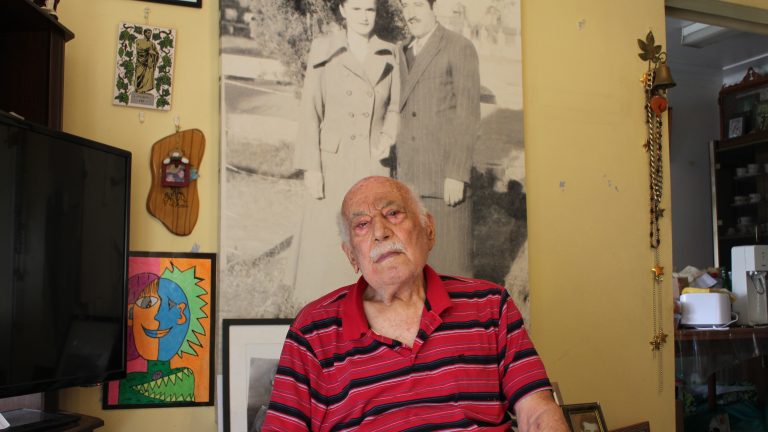
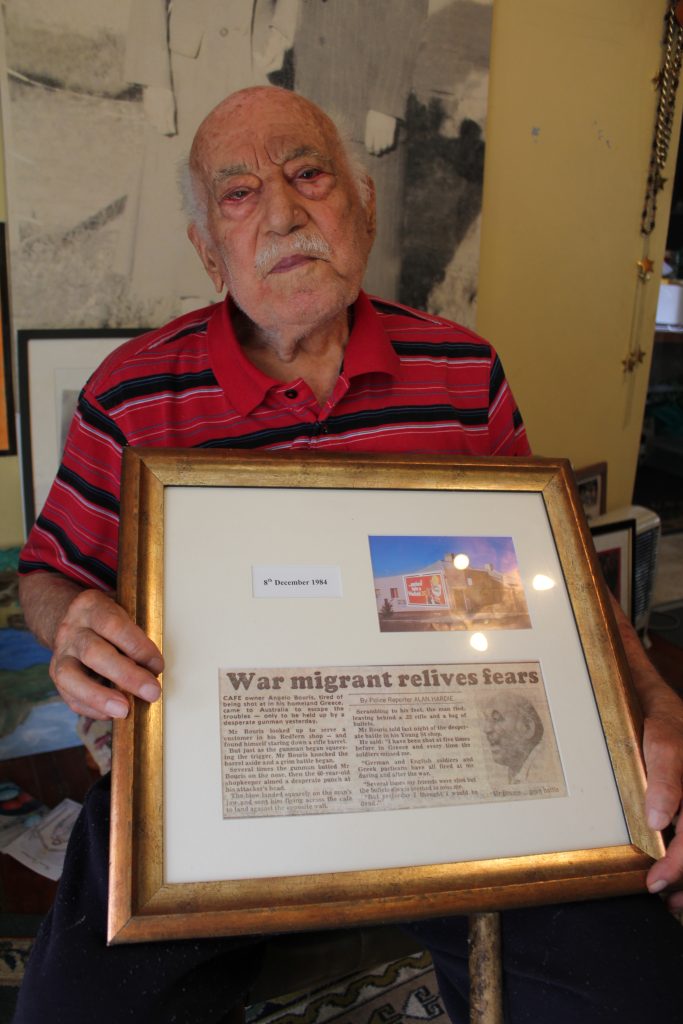
That title belongs to 99-year-old Angelos Bouris.
Born in the Greek village of Kerpini in September 1924, Mr Bouris was just 19 years old when German troops conducted a large-scale massacre of the entire male populations of Kalavryta and nearby villages in the Peloponnese region of Achaea.
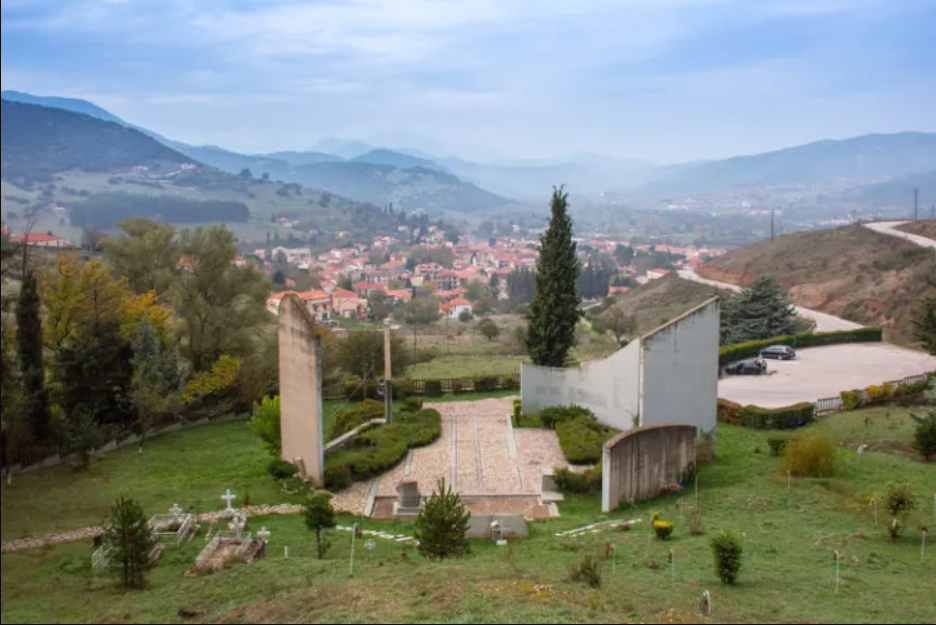
More than 693 civilians were killed by Germans across twenty-eight towns, villages, monasteries, and settlements. Mr Bouris was one of only four men who managed to escape the atrocities in Kerpini. Their names, along with the names of those killed, can be found at a memorial on Kapi Hill.
Angelos Bouris’ name, along with those killed during the Kalavryta Holocaust, are written on a memorial on Kapi Hill.
So, to mark the 80th anniversary of the Kalavryta Holocaust this year, Mr Bouris shared his powerful story of survival with me for The Greek Herald.
‘I thought he was playing dead’:
The Kalavryta Holocaust started in smaller Greek villages such as Mr Bouris’ hometown of Kerpini on December 8, 1943.
The massacre was in retaliation for the execution of 78 German soldiers by Greek guerilla fighters who were hiding out in the mountainous area surrounding Kalavryta.
Mr Bouris said he was never afraid when he heard German fighters were approaching Kerpini.
“I knew I would escape and they wouldn’t get me,” Mr Bouris told me.
At first, Mr Bouris took refuge in the attic of his house until it was set alight by the Germans, forcing him to flee. He, along with other men from the village, was captured and forced to march in a line towards Kalavryta.
Angelos Bouris said he wasn’t afraid of the Germans. Photo copyright: The Greek Herald / Andriana Simos.
Mr Bouris, his cousin George and friend Ntino, managed to sprint out of the line, racing up a hill behind the local St Barbara’s Church and into the basement of an abandoned house. They were spotted though and Mr Bouris vividly remembers four bullets flying past his head. One bullet hit George, killing him instantly.
“I said to myself, ‘he is playing dead.’ But when I turned his body around, blood and liquid was coming out of his mouth. I knew he was dead then so I closed his eyes,” Mr Bouris said.
‘My whole life has been destroyed’:
Once inside the abandoned basement, Ntino hid himself behind a large wine barrel and Mr Bouris pulled a wooden wheel in front of the barrel to conceal him. The then-19-year-old ended up hiding in a small spot between the barrel and the wall of the basement.
Mr Bouris said he saw two German soldiers walk into the basement but they didn’t see them.
“They searched the area around the barrel. A soldier flashed his torch in one direction but could not see me because I moved away. As he moved back the way he had come, I went back in the direction to where I had just been. I remained behind a part of the barrel he could not see and they didn’t find Ntino either,” Mr Bouris explained.
“I think they decided we had left the basement because they turned to leave, but not before they set part of the place on fire.”
To escape the flames, Mr Bouris and Ntino climbed through an opening in the ceiling of the basement to the ground floor of the house. Jumping out of a window, the pair escaped and made their way back to the village’s main centre, hoping the Germans had left.
The spot where Angelos Bouris and his friends hid from the Germans. Photo copyright: The Greek Herald / Andriana Simos.
“We bumped into an old lady who told me, ‘Your father’s crying and screaming that he’s lost his kids, his house. He’s saying his whole life has been destroyed’,” Mr Bouris said.
In the end, Mr Bouris reunited with his family but his father was right – Kerpini had been destroyed by the Germans, with wives left to bury their dead husbands or children and priests praying over their graves.
“There was nothing left,” Mr Bouris said.
In total, 45 men were killed, machine gunned to death in the field of St Paraskevi. Four who had originally been captured survived, including Mr Bouris and Ntino.
Over the following days, the Germans entered Kalavryta and on December 13, 1943, they slaughtered all men and boys over 14 years old. This was one of the largest massacres of civilians carried out in Western Europe by German troops during World War II.
Later years in Australia:
For Mr Bouris, the remainder of his life was tainted by memories of the massacres, but he was one of the lucky few who were able to get married and have children of their own.
After fighting in the Greek Civil War against the Democratic Army of Greece (DSE) in the late 1940s, he continued to live in Kerpini for a few years until he met and married his late wife Georgia on May 10, 1953.
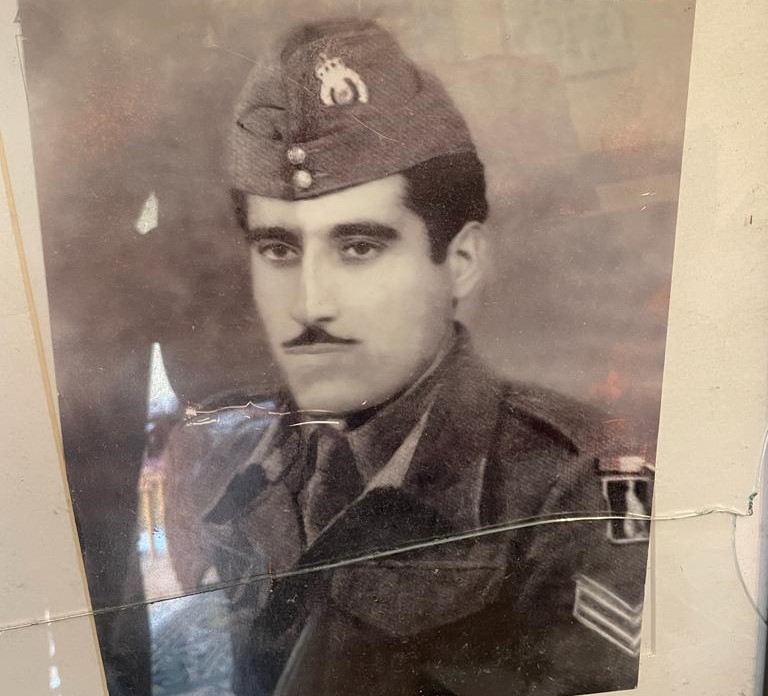
Angelos Bouris fought in the Greek Civil War.
The couple eventually migrated to Australia as assisted migrants, staying for a short period of time in the Bonegilla Migrant Centre in Victoria. They later moved to NSW and stayed in suburbs such as Scone and Newcastle before settling in Sydney in 1959.
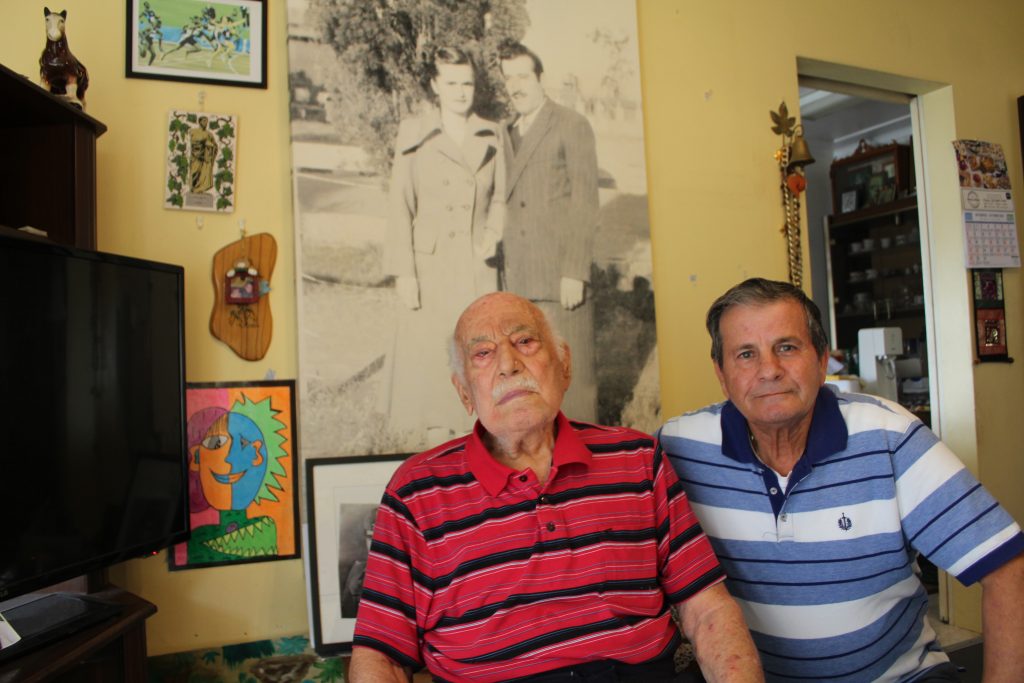
Mr Bouris and his wife had two children and four grandchildren and he said they lived a great life together in Australia. His home in the south-west Sydney suburb of Punchbowl is a testament to their love, covered with black-and-white photos of their life and family.
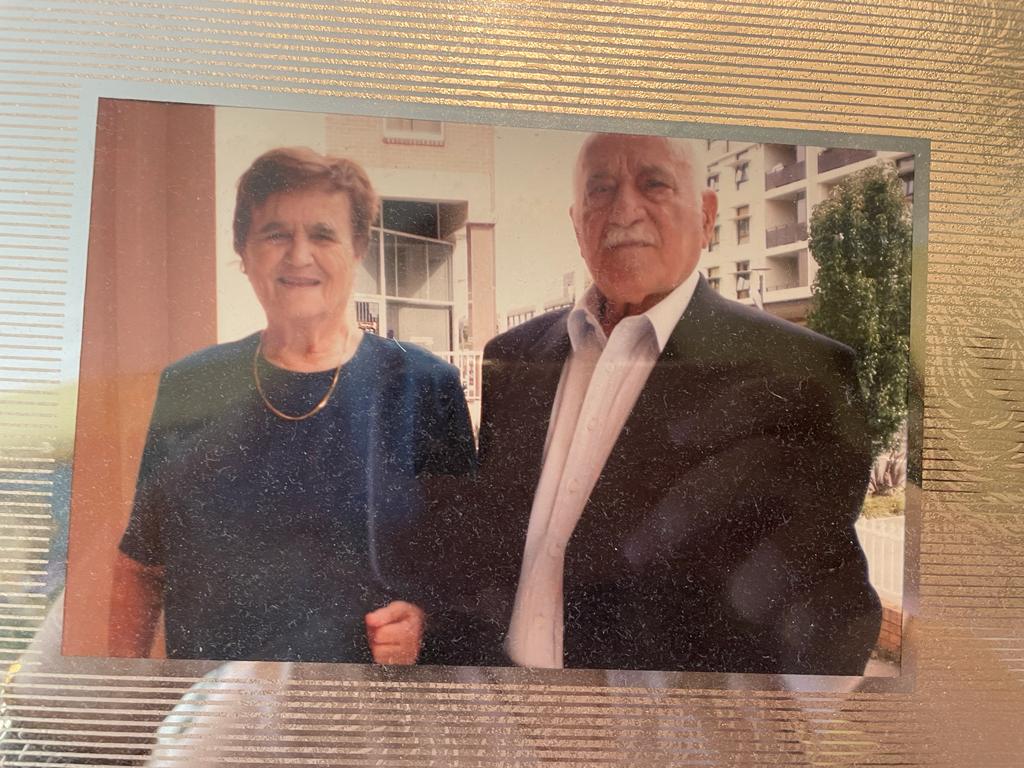
Angelos Bouris with his wife Georgia. Angelos Bouris today (L) with his nephew Nick Andrianopoulos (R) who coordinated the interview between myself and the 99-year-old. Photo copyright: The Greek Herald / Andriana Simos.
When I asked the 99-year-old whether he ever returned to Kerpini and what that experience was like for him, his answer was sad but realistic.
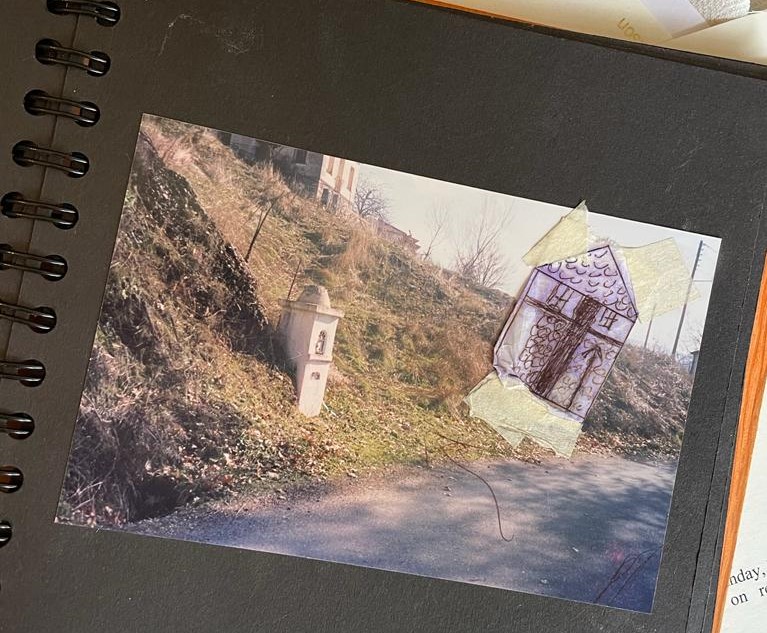
“I wanted to fix up my ‘patriko’ house, but everything was destroyed,” Mr Bouris said with a sad smile.
An indicator that whilst the Kalavryta Holocaust was 80 years ago, the atrocities of the Germans during WWII have left an unforgettable mark on those left behind.
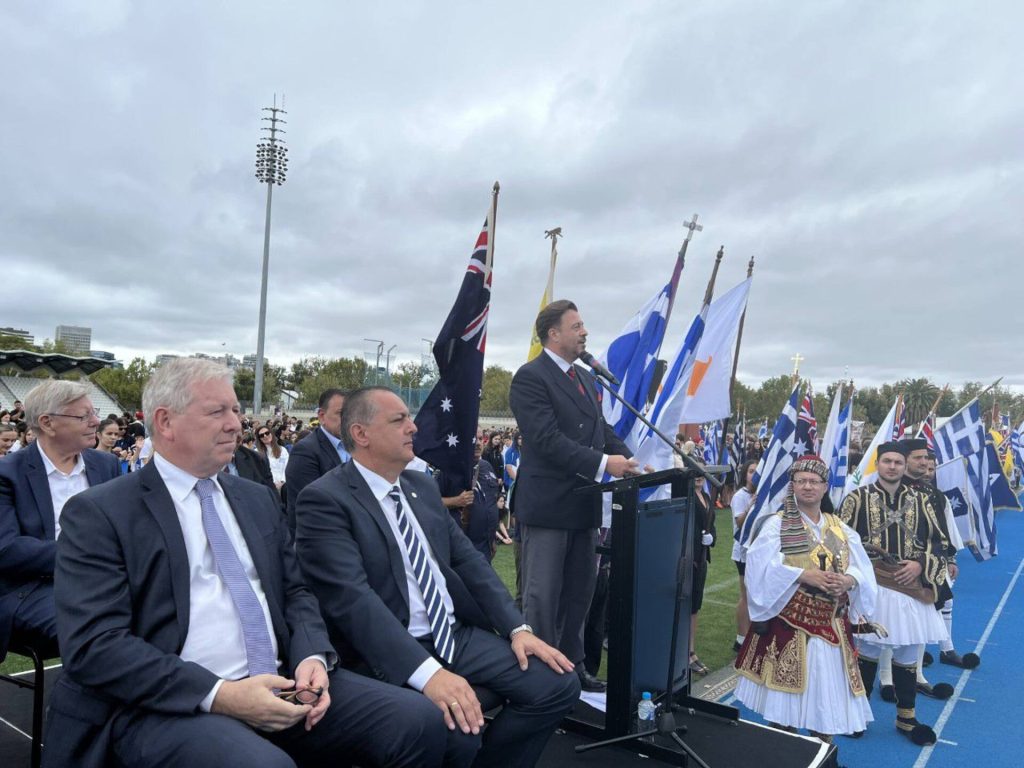
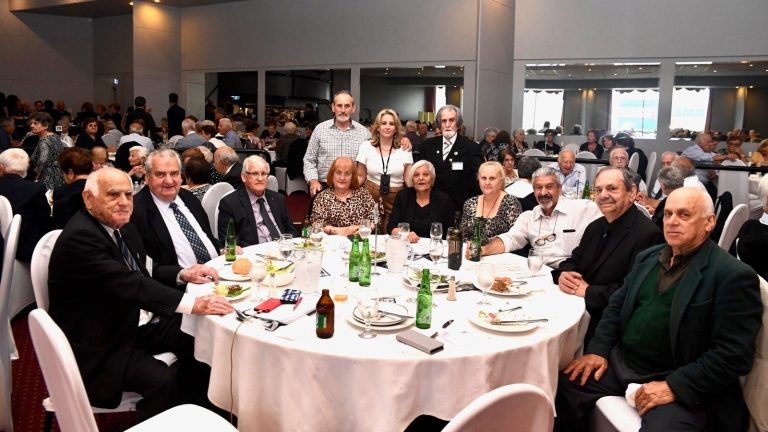
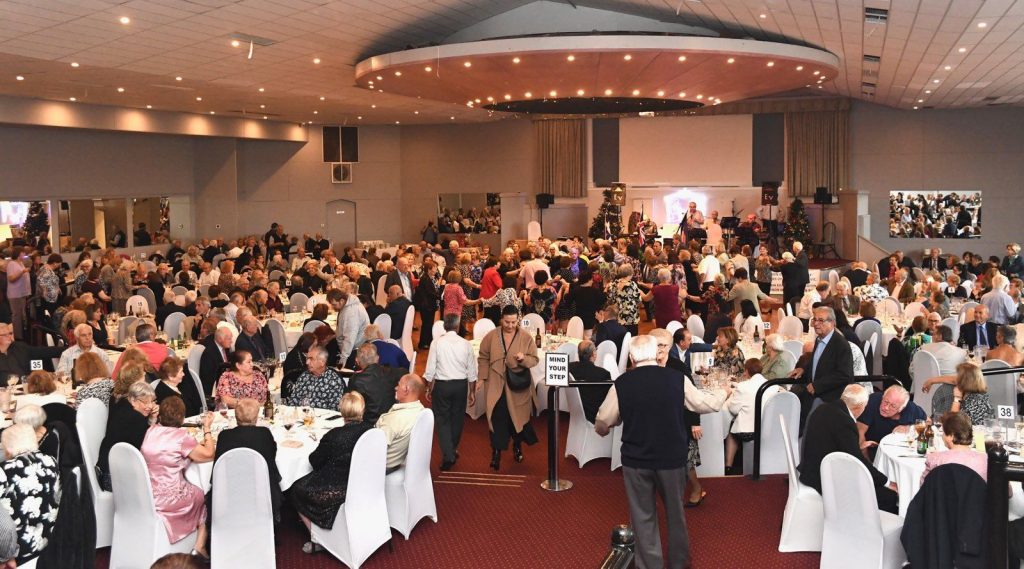
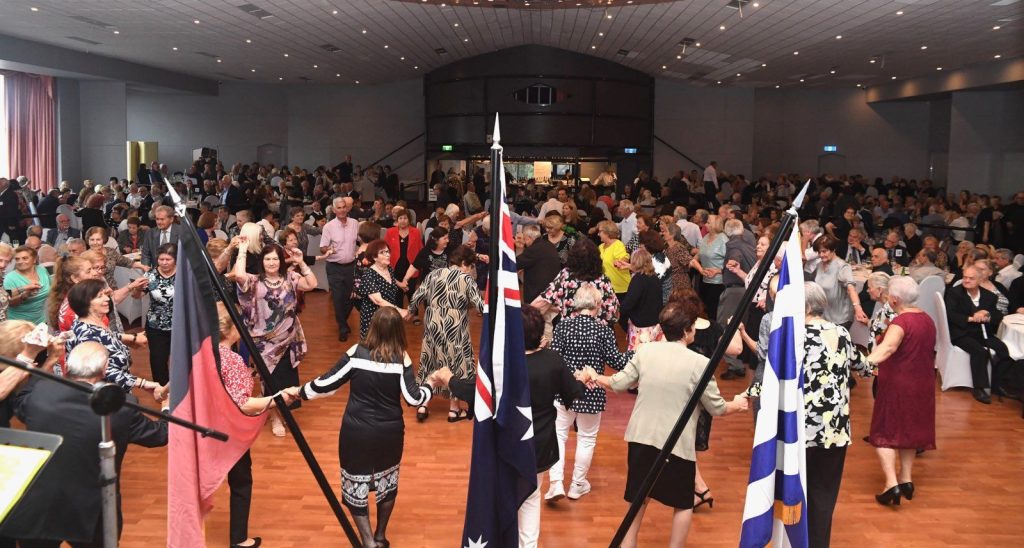
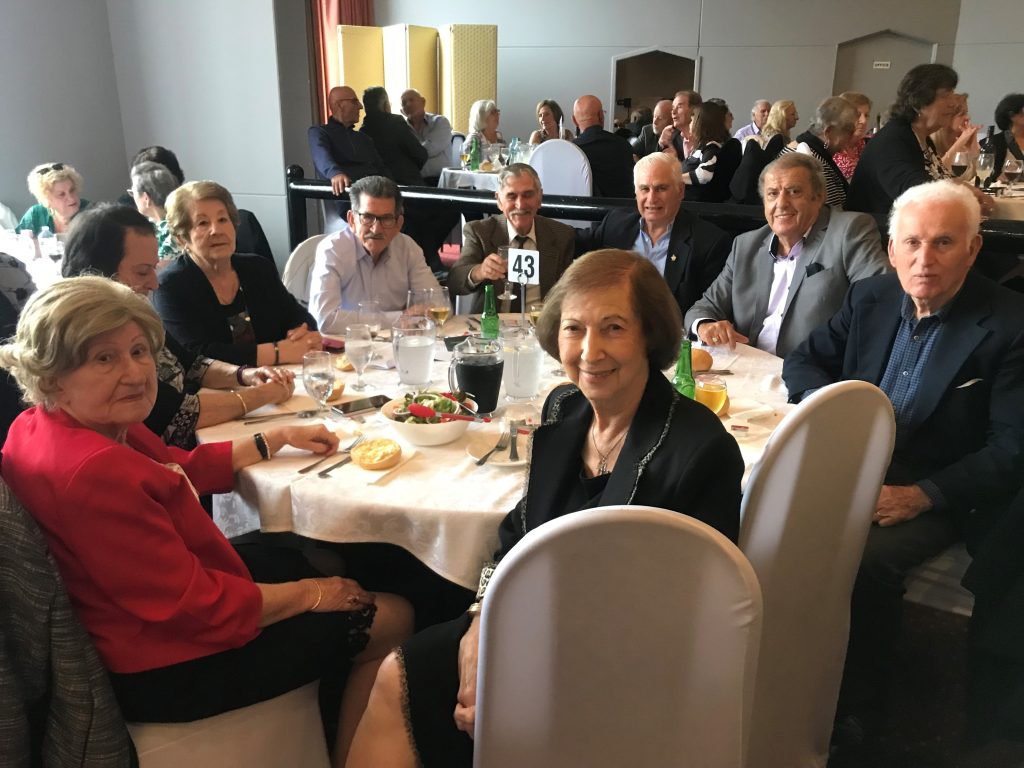
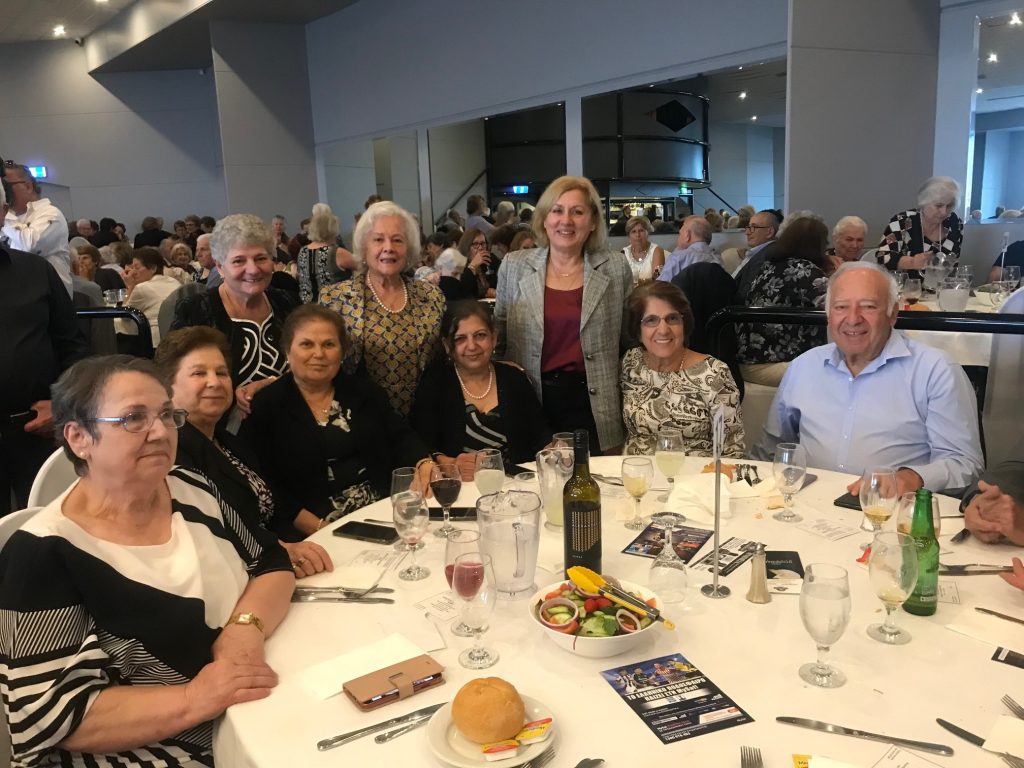
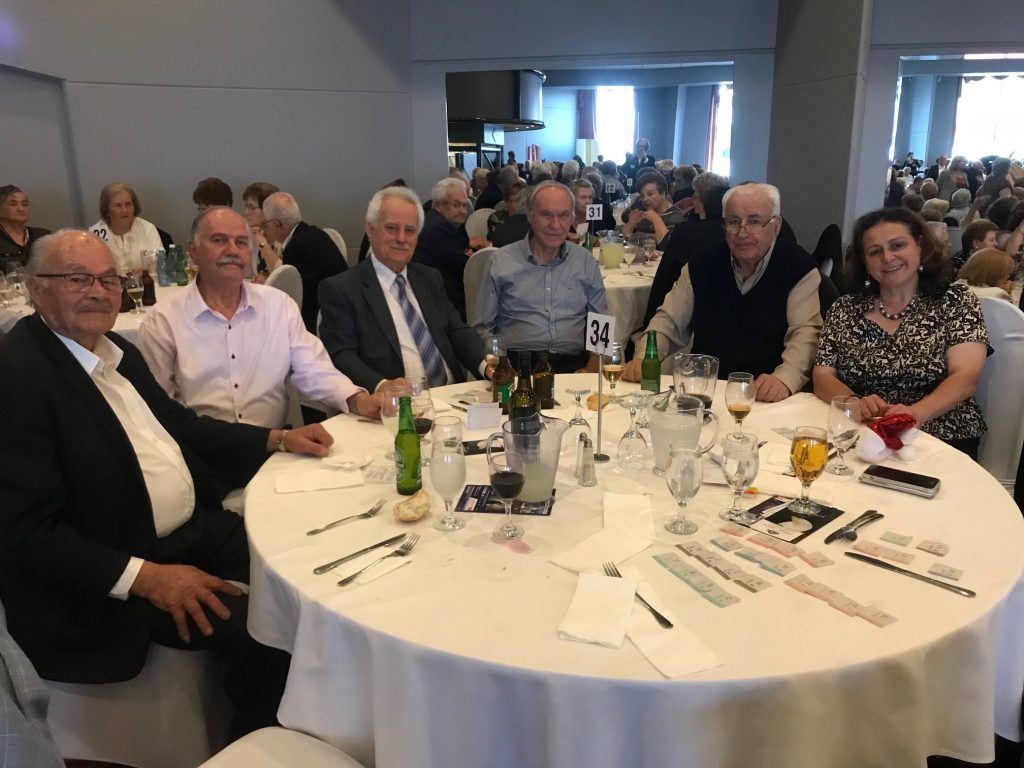
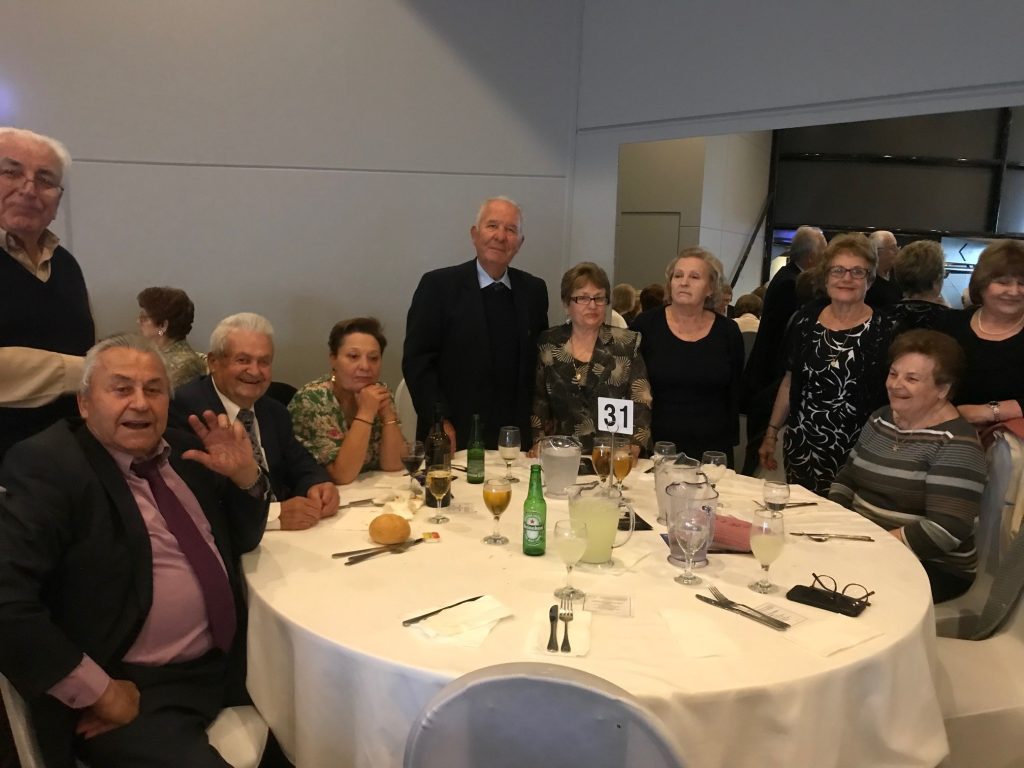
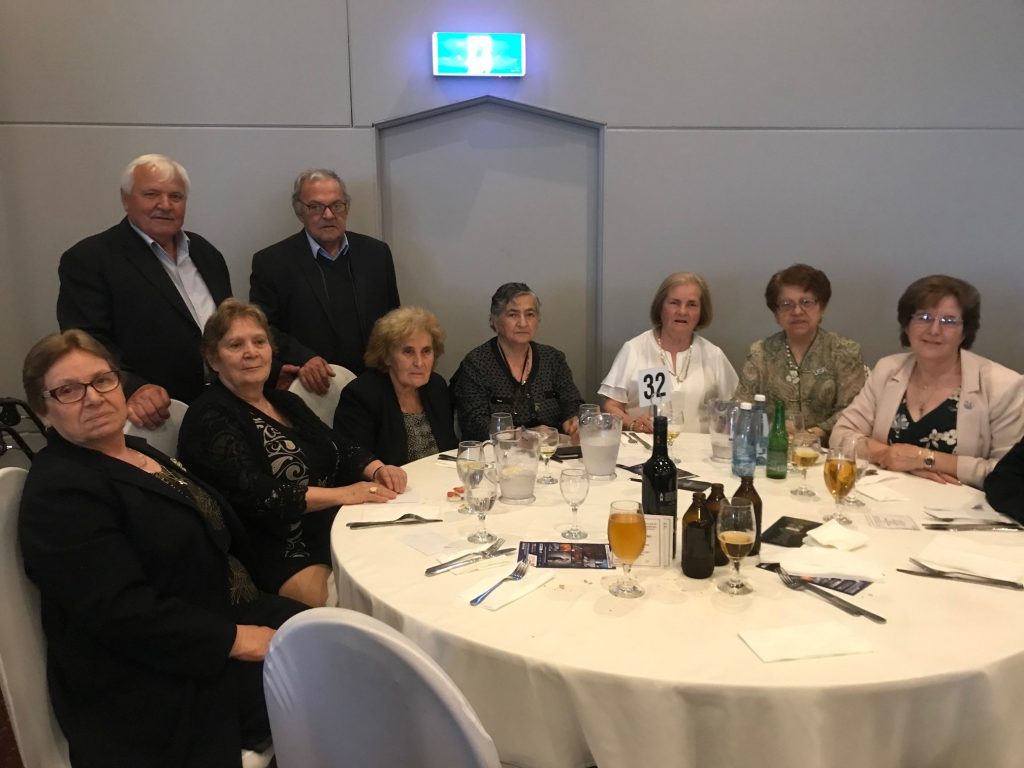
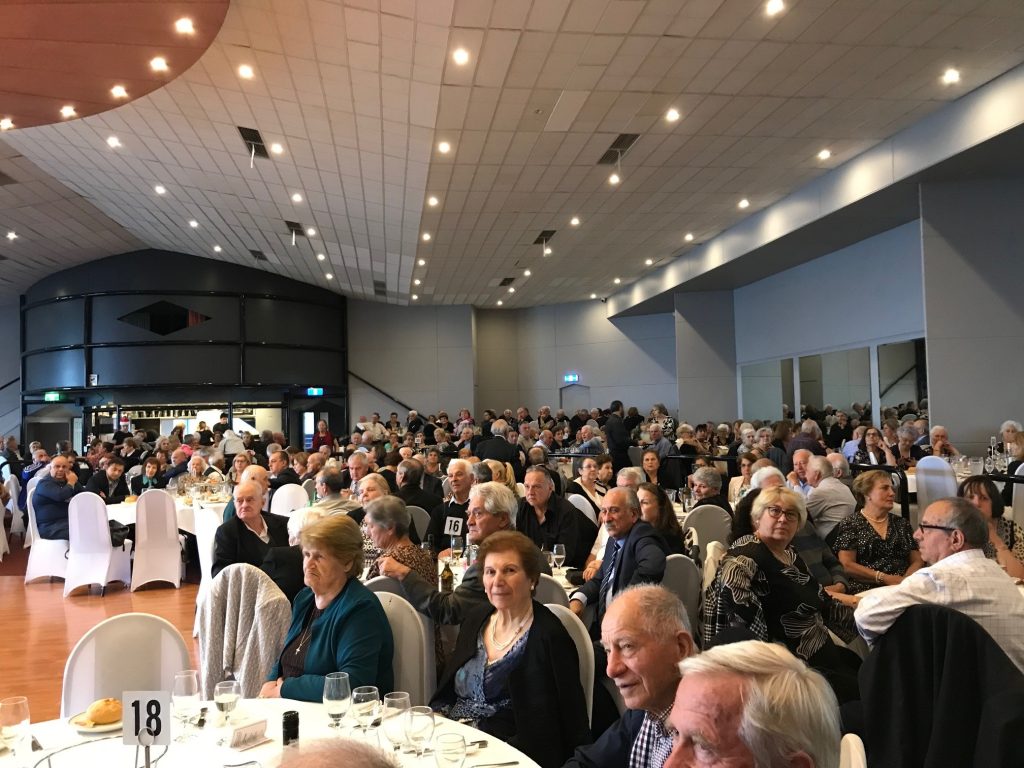
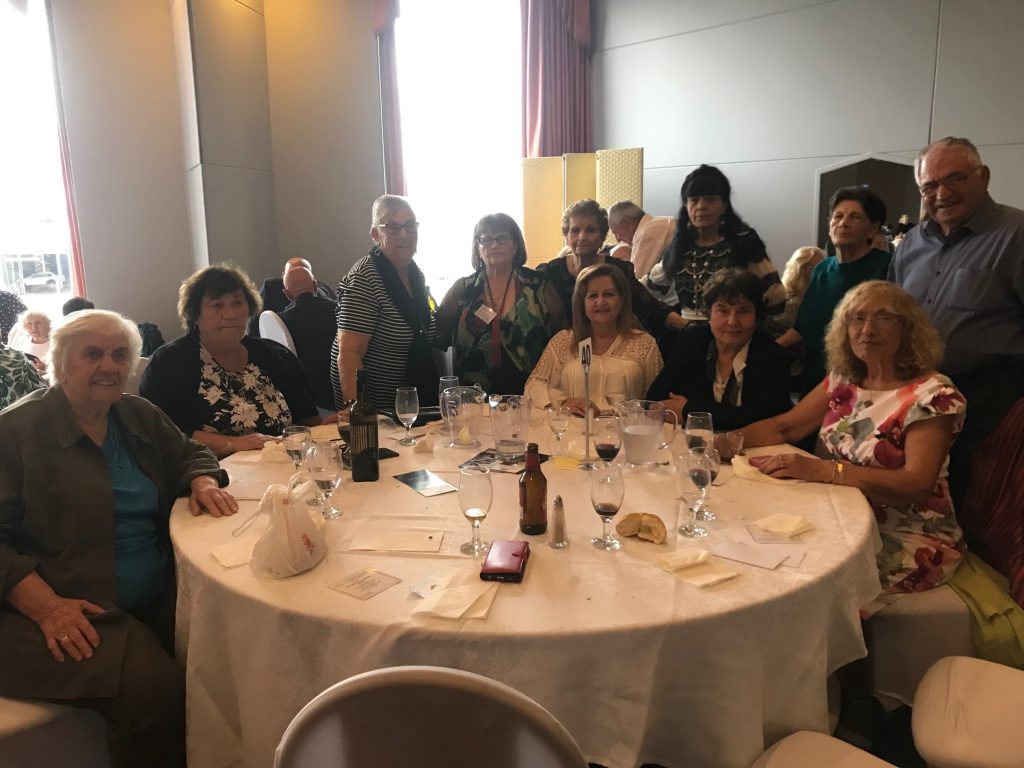
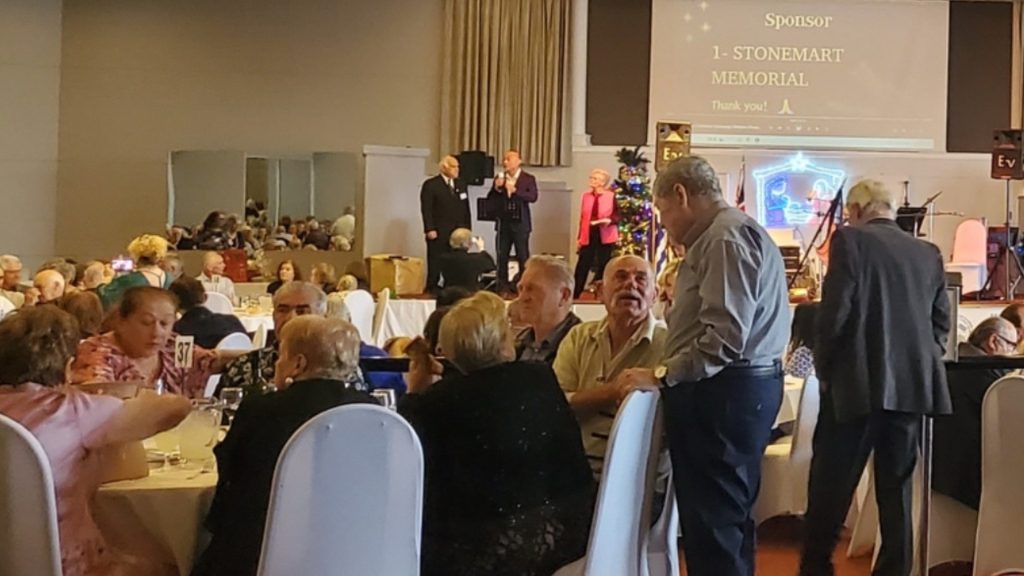
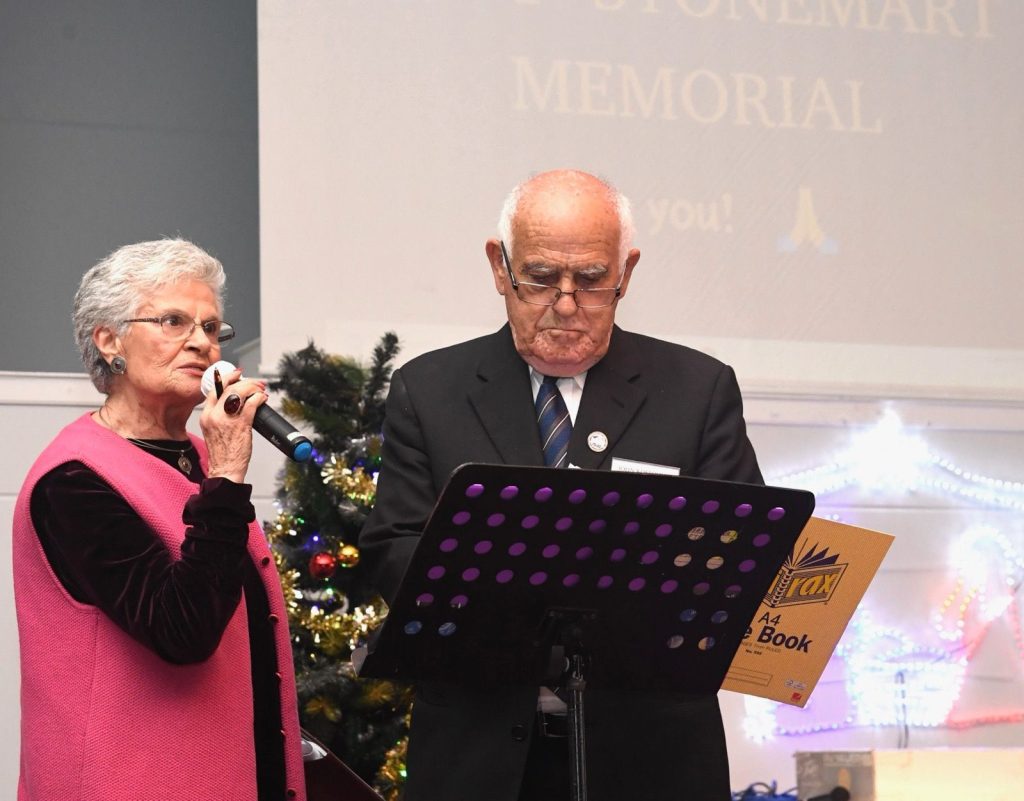
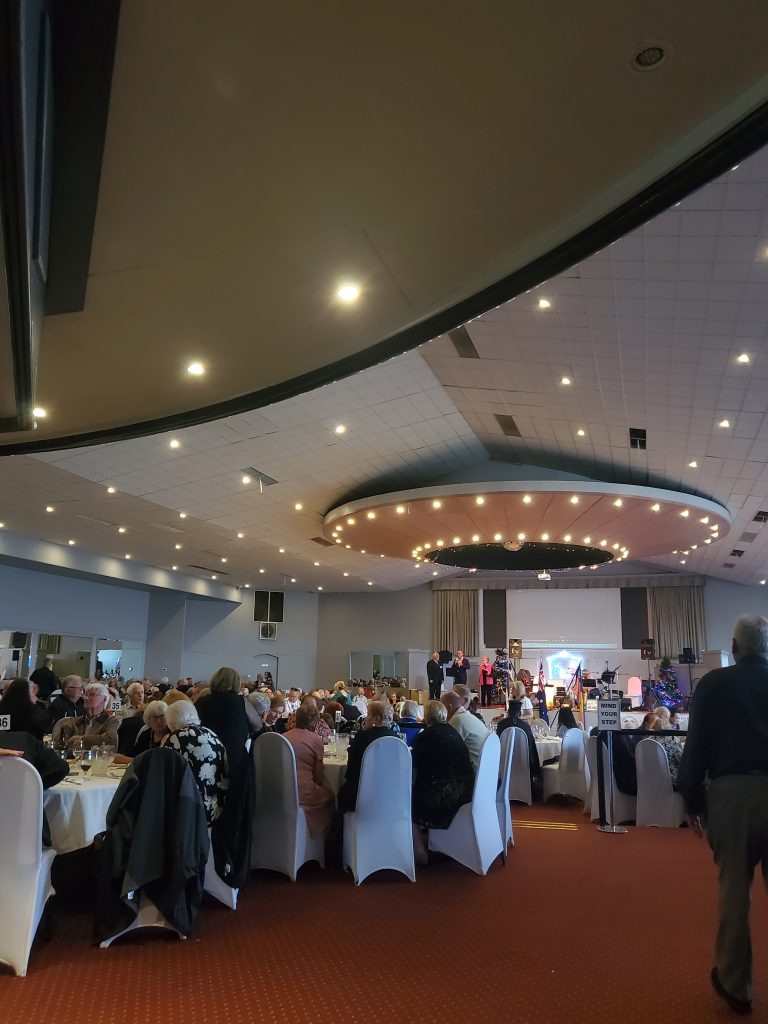
The event was a great success that exceeded all expectations.
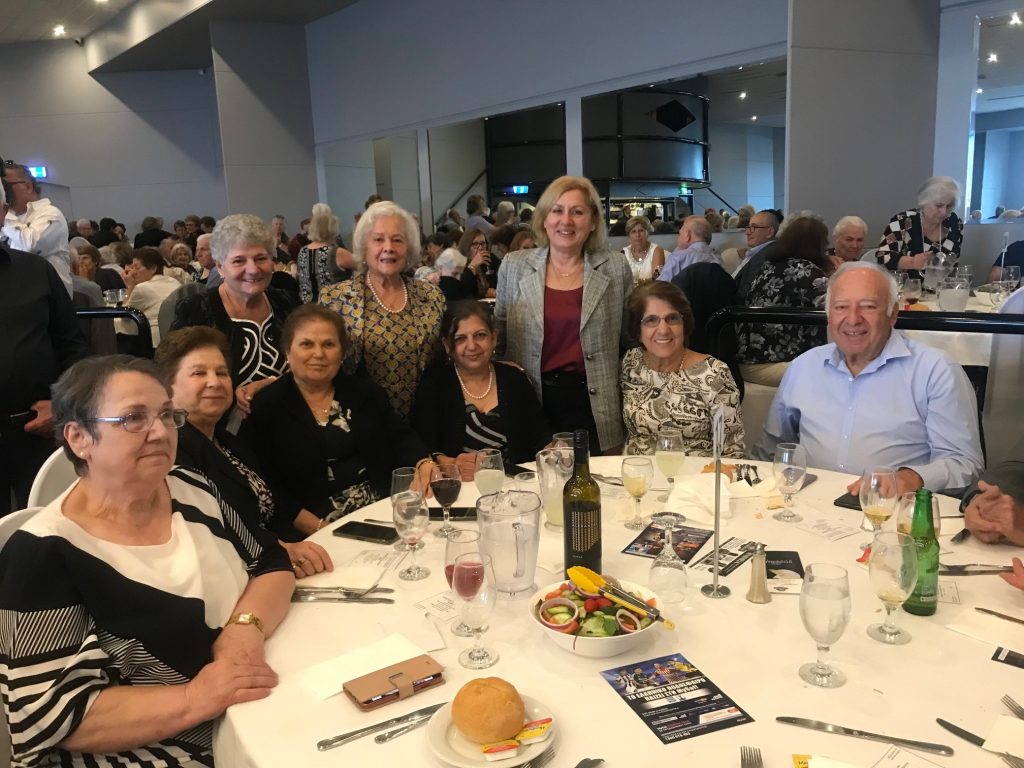
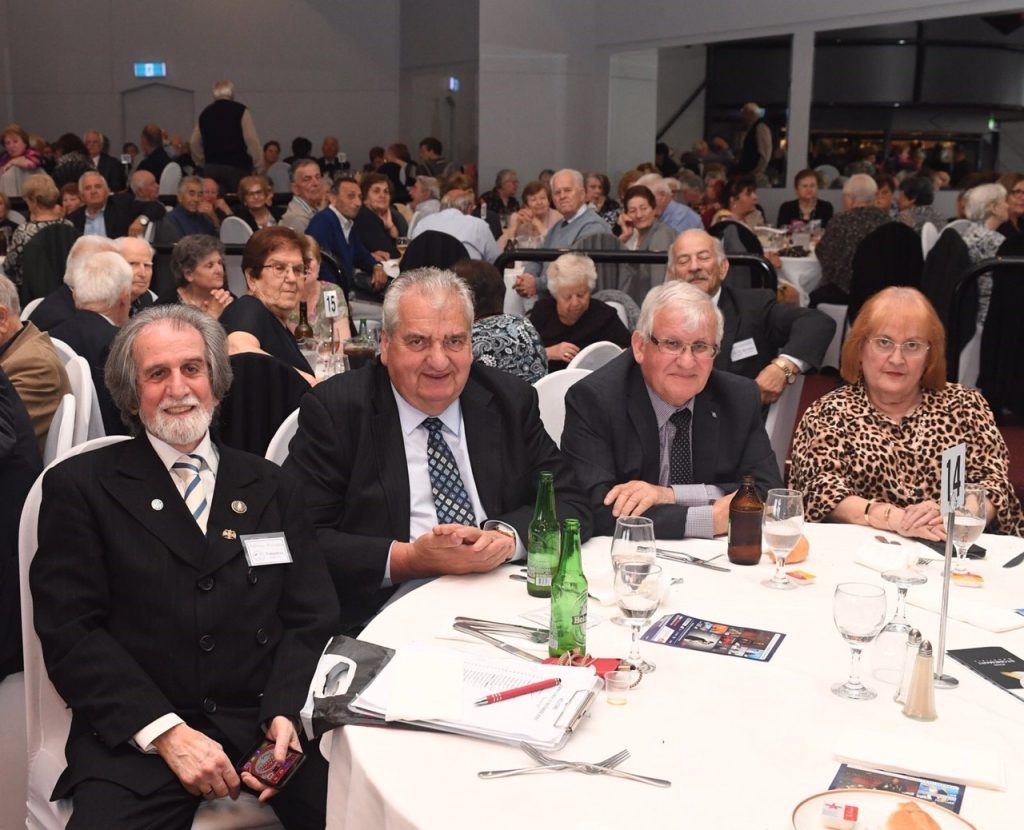
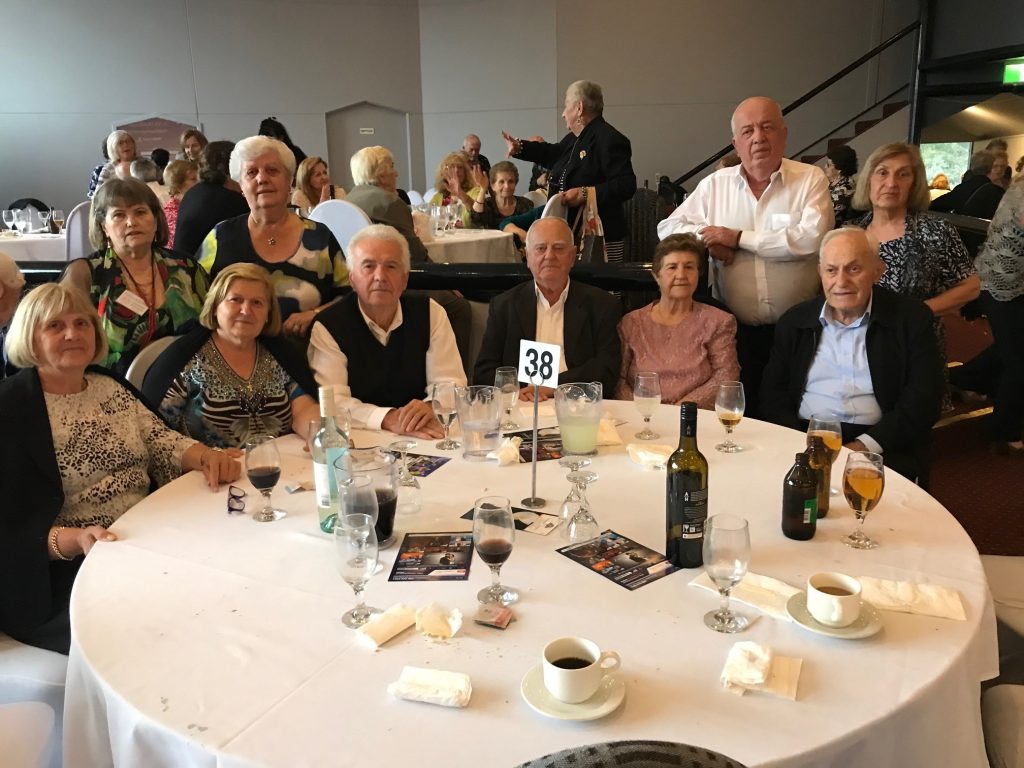
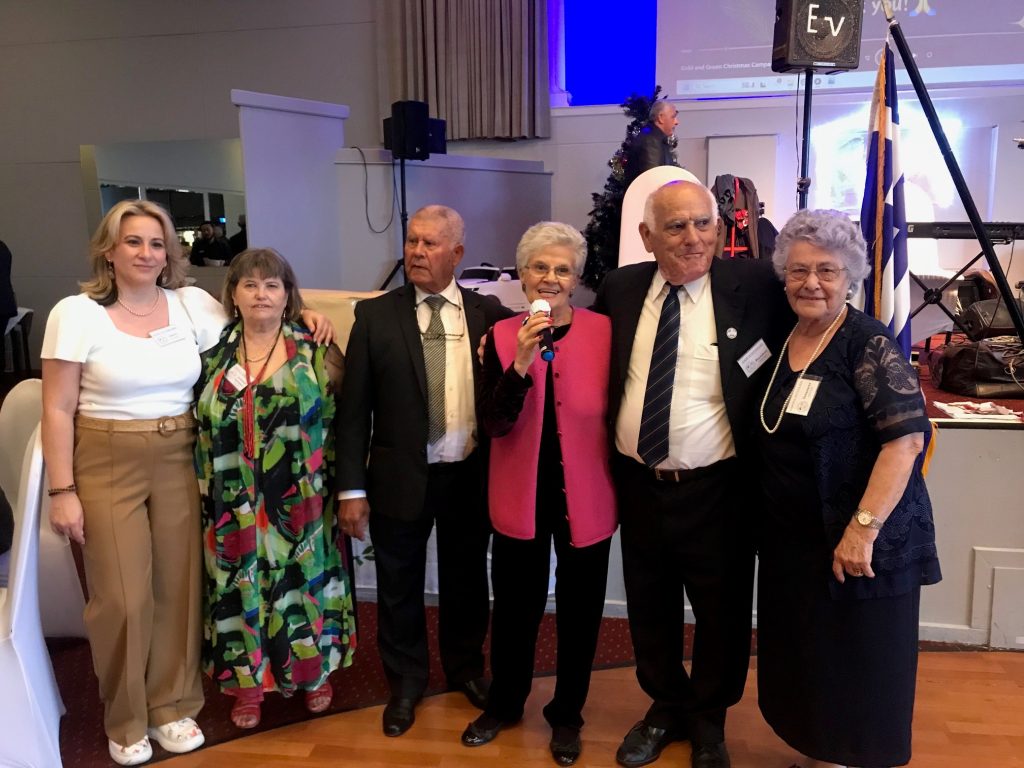
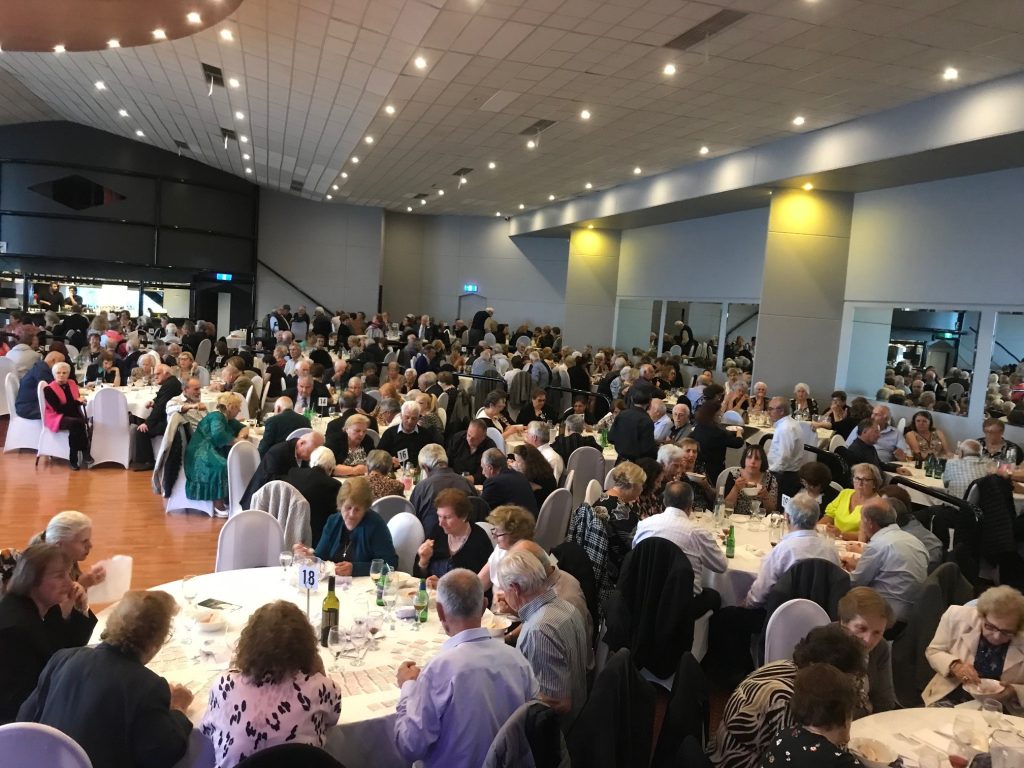
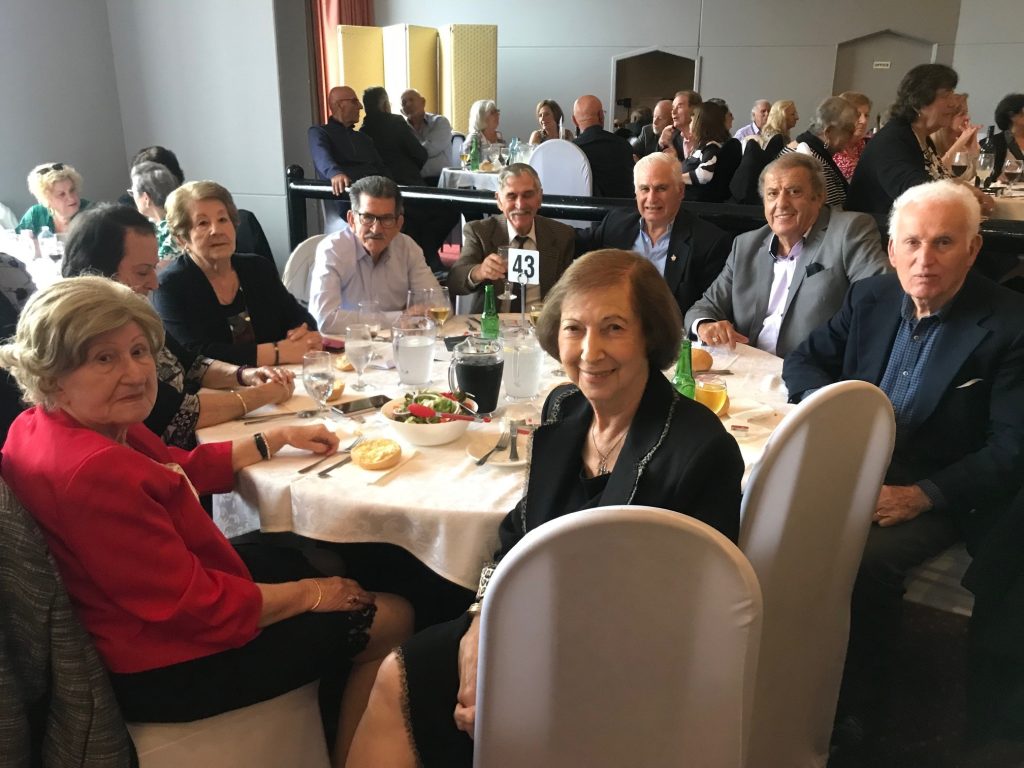
Over 550 people were in attendance with a number of community representatives, members of the press and politicians. Rena Fragioudakis was Master of Ceremonies on the day.
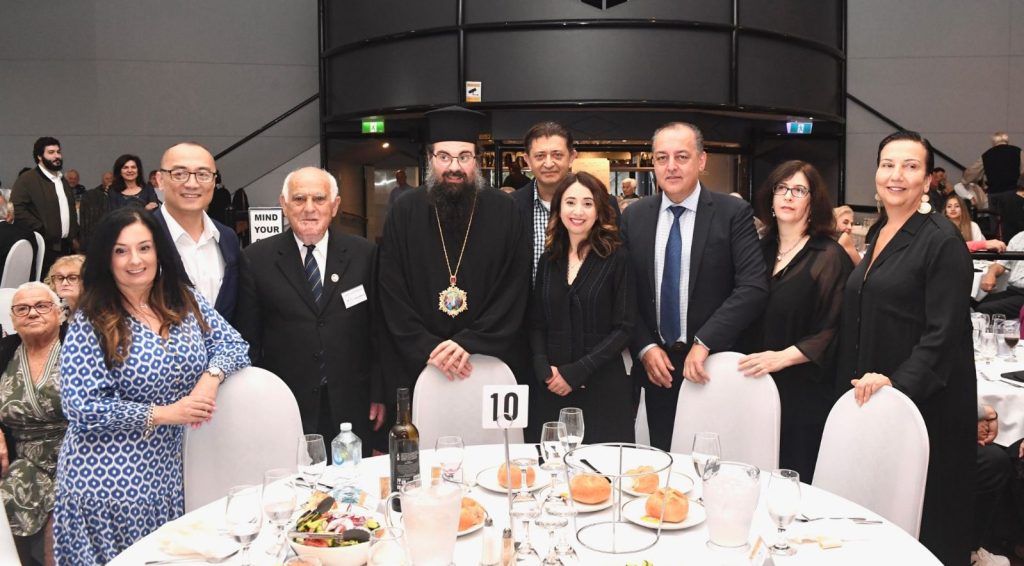
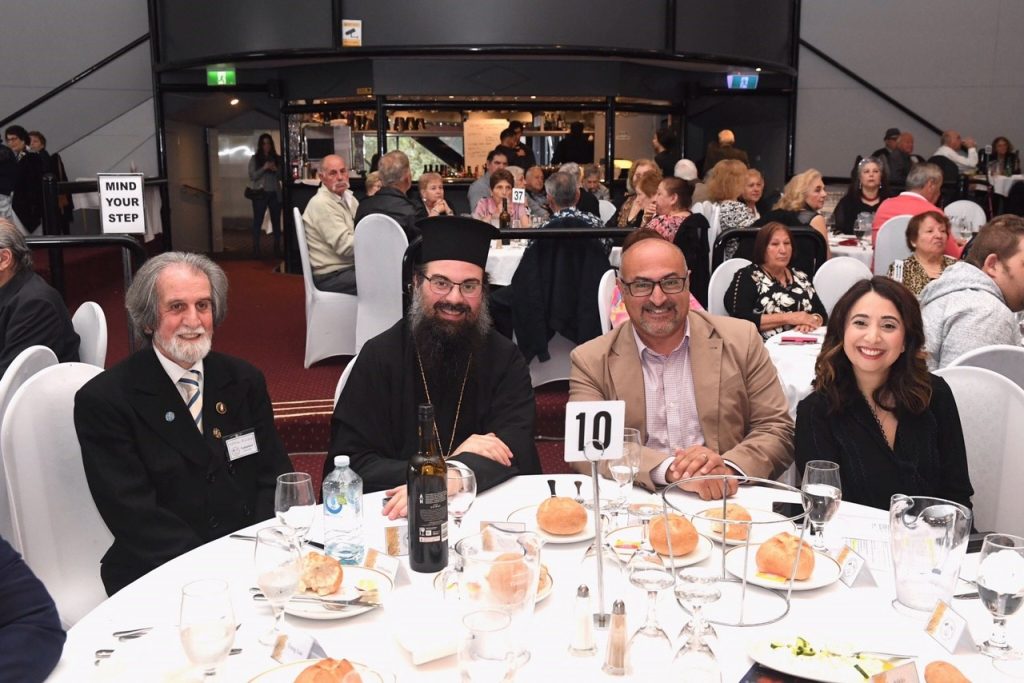
Honoured guests included President of the Federation, John Kostoulias; Bishop Evmenios of Kerasounta; Peter Khalil MP; Trung Luu MP; Member for Northcote, Kat Theophanous MP; and Councillor Michelle Kleinert; among many others.
All of the officials complimented the Federation and its President for his great contribution and work.
Bishop Evmenios stressed that “the great responsibility of all of us is unity.”
A Christmas message was also sent to the Federation by Greece’s Deputy Foreign Affairs Minister, Mr. Georgios Kotsiras.
The President of the Federation Mr Kostoulias thanked everyone for their participation and support of the members in event.
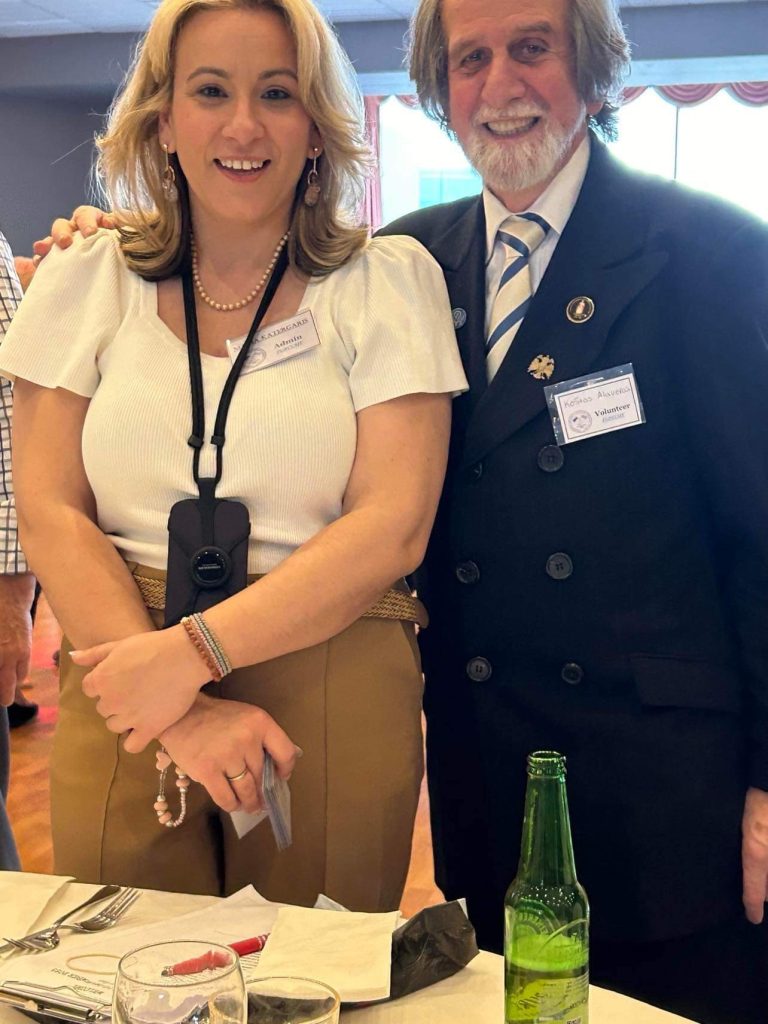
Mr Kostoulias also thanked the members of the board, volunteers, the coordinator Maria Katergaris and all the sponsors who contributed to the successful outcome of the event, and finally wished everyone a Merry Christmas.
The next event of the Federation will take place on Sunday, January 21 next year.
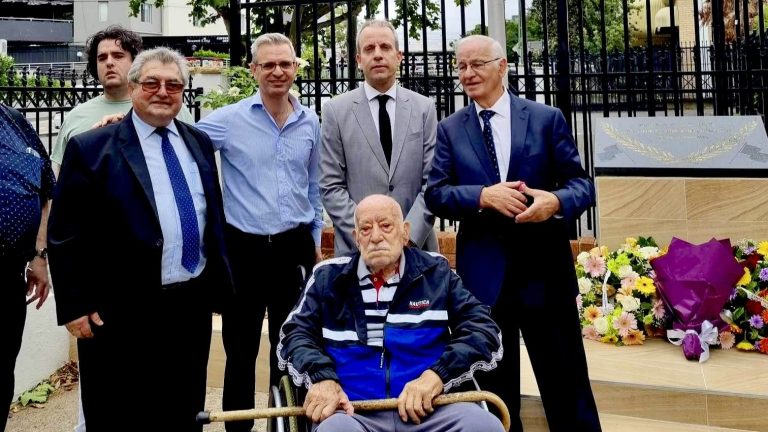
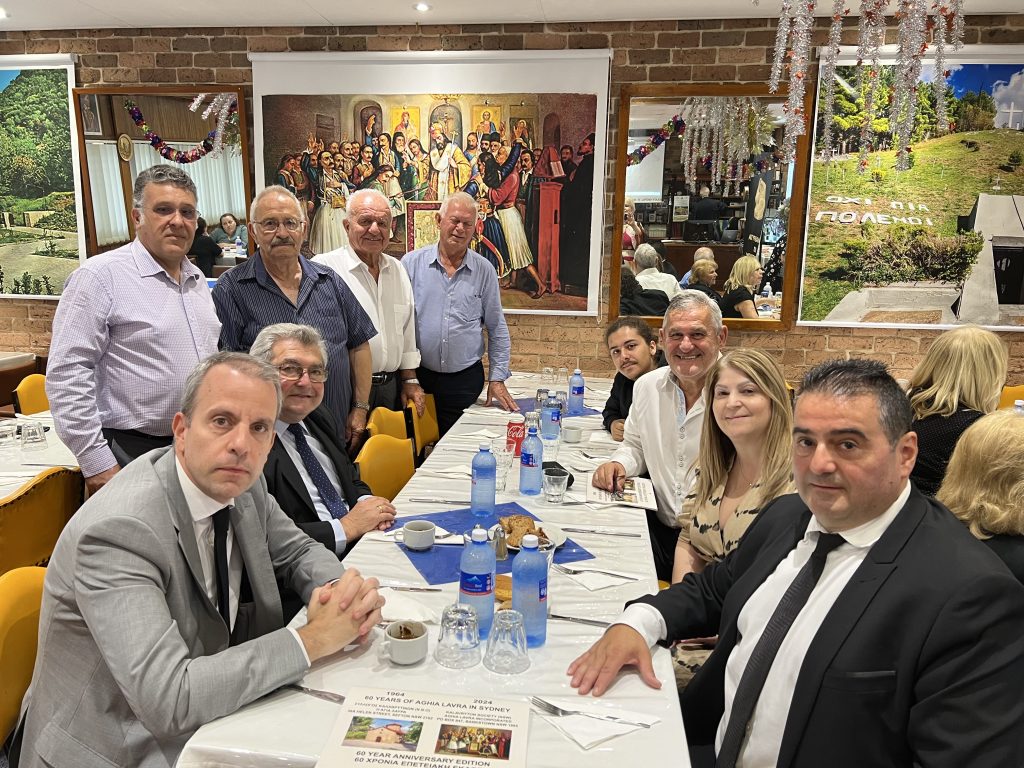
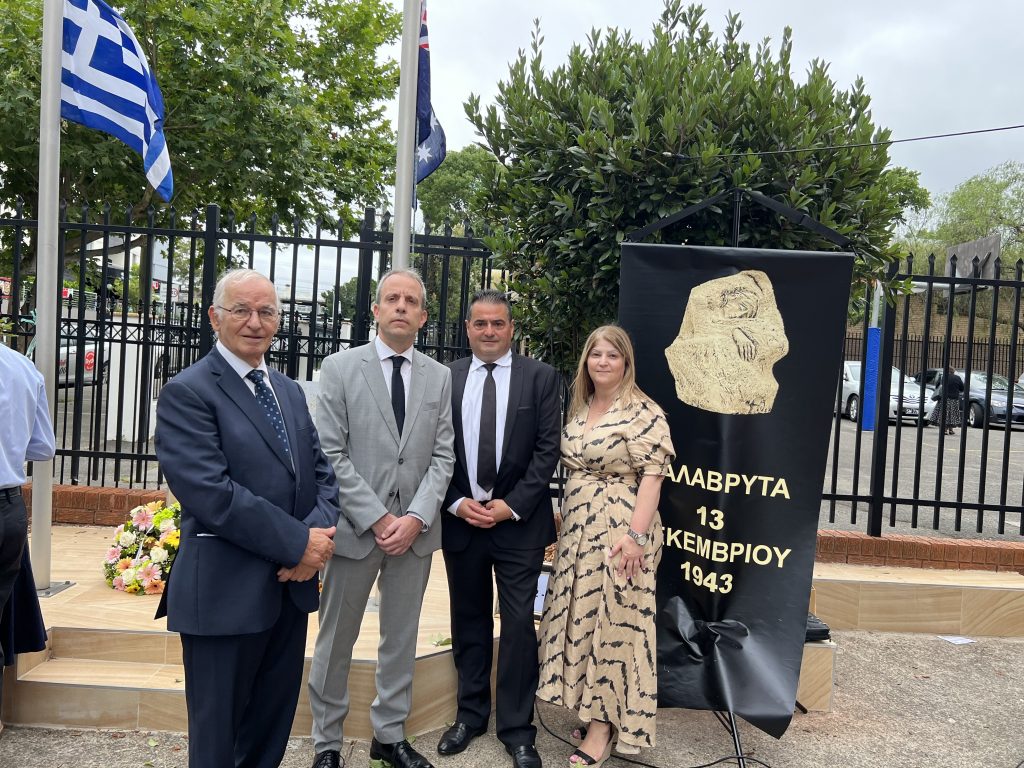
On Sunday, December 10, the Kalavryton Association Aghia Lavra gathered at St Euphemia Greek Orthodox Church in Bankstown, Sydney to commemorate the 80th anniversary of the Kalavryta Holocaust.
Amongst those that paid their respects were the Consul General of Greece in Sydney, Ioannis Mallikourtis, and a survivor of the unfathomable horrors, 99-year-old Angelo Bouris from the nearby village of Kerpini. His eyes, windows to a tragic past, bore witness to the cataclysmic events that unfolded on the Monday of December 13, 1943.
December 13, 1943 marked the day when the serene town of Kalavryta was plunged into despair, forever etching its name in the annals of tragedy. The Nazis, with cold precision, executed 693 innocent civilians and children over the age of 12. The town, once a haven, was mercilessly reduced to ashes.
The Massacre of Kalavryta, known as the Holocaust of Kalavryta, was orchestrated by the merciless hands of the German Army’s 117th Jäger Division. This terrible act was a chilling response and horrific retaliation for the execution of 68 German soldiers captured by the defiant Greek Resistance.
“Operation Kalavryta,” or “Unternehmen Kalavryta,” was a typical German act of retaliation in areas where there was heavy guerrilla activity. It was directed against the civilian population of the region and was one of the most barbarous carried out by the Wehrmacht — not only in Greece but in all of Europe.
Women and children were herded into the confines of the school, only to face an inferno ignited by the cruel hands of war. Inside those engulfing flames, they bore witness to the gruesome demise of their husbands, sons, fathers, and brothers. Meanwhile, from a distant hill, the men witnessed the burning inferno that held captive their mothers, wives, sisters, and daughters.
The charred remnants of the school stood as a grim testimony to the brutality unleashed that day. Miraculously, some women managed to escape from the building. It is said that their survival was the unexpected kindness of an Austrian soldier who, amid the chaos, extended a lifeline of mercy.
Today, the echoes of Kalavryta resonate through time. The Greek community of Sydney honoured the memory of those lost and the resilience of those who survived, vowing to ensure that the pages of history bear witness to the tragedy that unfolded in the heart of Kalavryta.