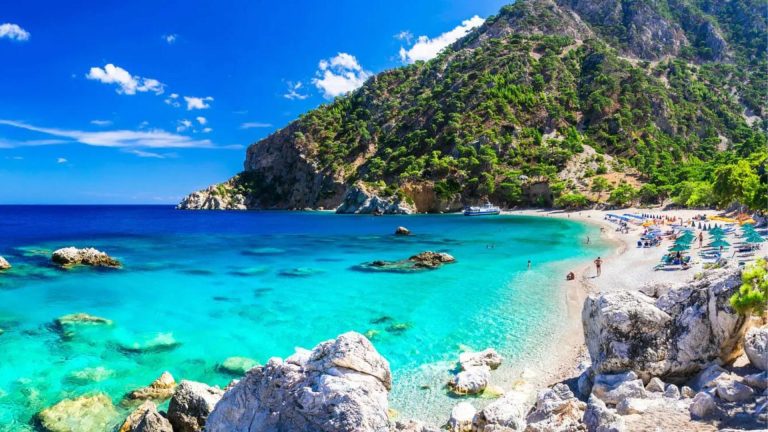
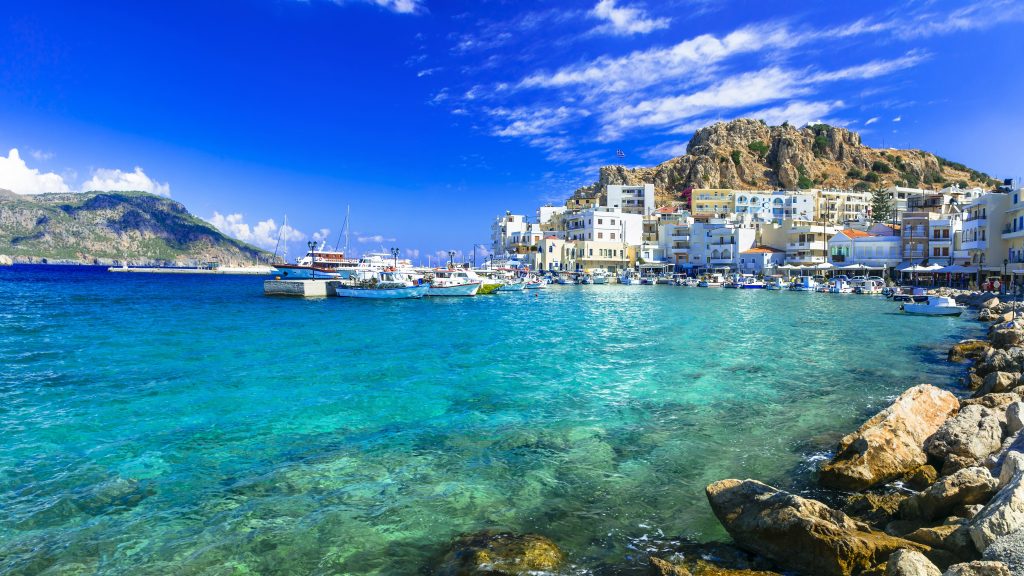
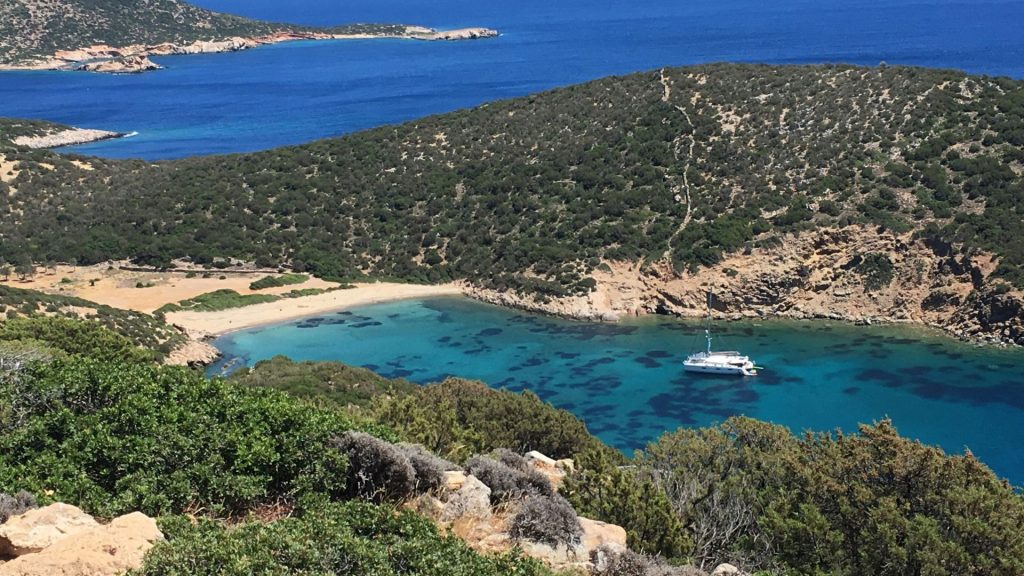
Eastern Mani in southern Greece and the islands of Karpathos and Syros have been identified as the regions having the most environmentally friendly beaches.
They will be spared of umbrella loungers this year, according to a list drafted by the Finance Ministry of 198 “untouched” beaches in 49 municipalities, ekathimerini, has reported.
The beaches without commercial leases are significantly more than last year – with two notable absences: the ones in in Argolida in the Peloponnese and Kefalonia’s famous Myrtos. The exemption from sunbed rentals of some of the beaches located in areas of the Natura 2000 network has been valid for more than a decade.
Karpathos. Photo: Greek Boston.
The list, however, remained incomplete, while the relevant decision was in some cases that the criteria were not clearly defined. According to the latest law on beach leases, the new list is drawn up based on the opinion of the Natural Environment & Climate Change Agency (NECCA).
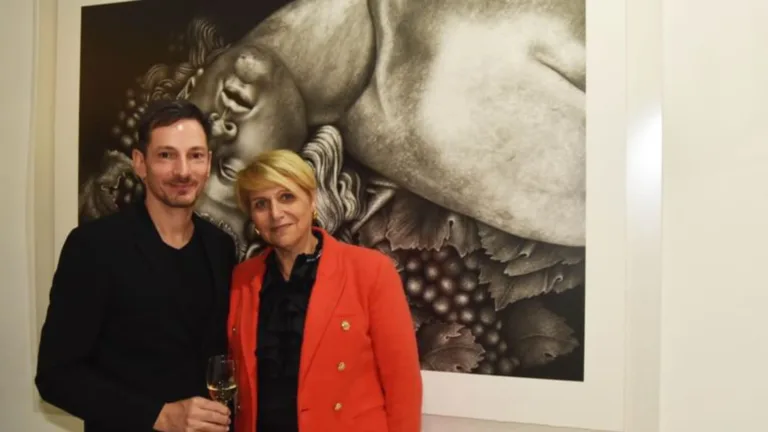
On Saturday, April 20, Herk Alexander officially launched his art exhibition as part of the Greek Festival of Sydney.
The exhibition ‘Muse’ celebrates the influence of Greek heritage on our contemporary landscape.
Through unique drawings, Alexander illuminates classical aesthetics with modern touches, capturing the essence of Greek mythology.
This transformative exhibition invites viewers on a journey of visual splendour and profound storytelling, celebrating the timeless beauty of Greek culture.
Admission to Herk Alexander’s exhibition is free, with no bookings required. It is open for people of all ages to experience his captivating display of ancient and contemporary art.
It will run until Saturday, April 27, from 11am to 4pm, at the Herk Alexander Gallery, in Stanmore NSW, and offers everyone who visits the chance to experience this captivating blend of ancient inspiration and contemporary creativity.
In the late 40s, Andrew Papadakis’ late grandfather migrated to Australia “with nothing”. He would later open delis and grocery stores and named his first one ‘Dino’s’.
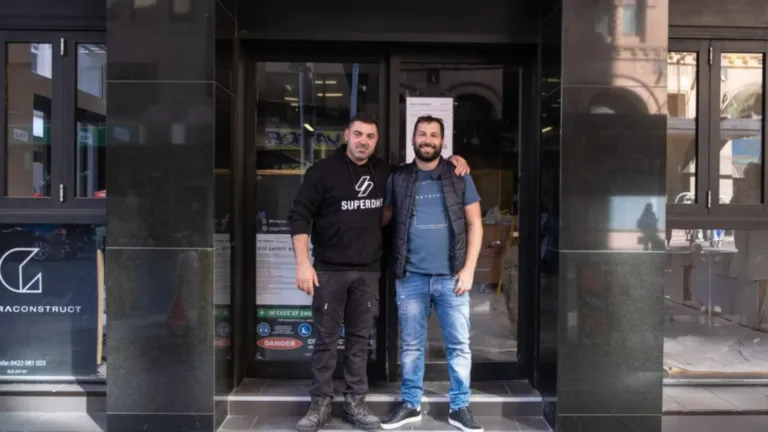
According to citymag, Andrew will uphold his Greek heritage and pay respects to his grandfather Dino by unveiling a casual dining spot on King William Street, at the heart of Adelaide.
“We’re trying to keep the traditions,” he said to citymag.
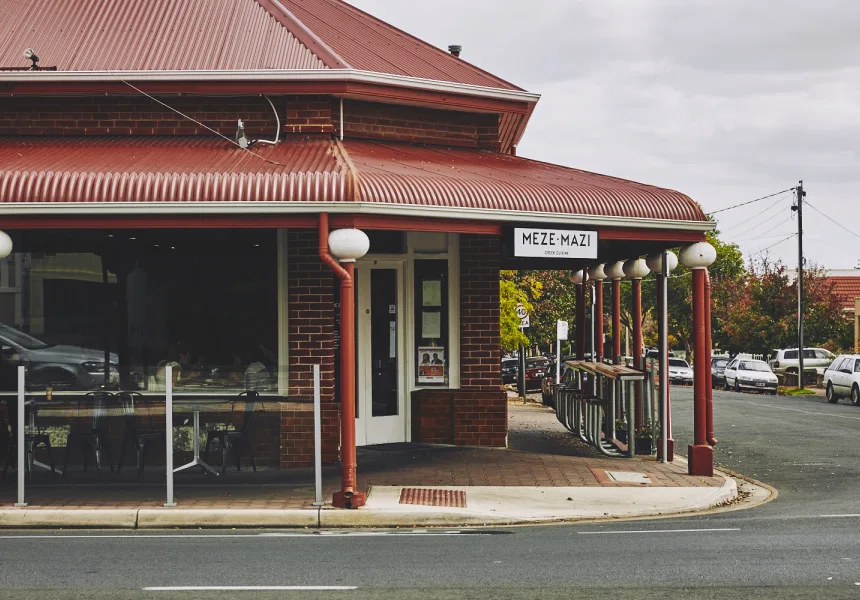
Two and a half years ago, Andrew owned Meze Mazi but sold his share of the business. He said he was to busy and he wanted to spend some time with his family.
With a concept that was “ready to go in 2020”, Andrew is opening up Dino’s, a “fast, casual restaurant”, with co-owner Giuseppe Nasti at the end of this month.
Unlike Meze Mazi, Andrew says Dino’s will have a more relaxed atmosphere.
Photography: Brendan Homan
“With my previous shop, I was stressed, worried all the time. Well, this one I can’t wait,” Andrew said.
“It’s still high-standard food, but in a more casual environment.”
Dino’s is a departure from conventional dining establishments, embracing the ethos of fast-casual dining
Dino’s is a takeaway Greek restaurant with “a take on the yiros shop, but more creative”. “There will be the flavour of a traditional yiros like in Athens,” Andrew said to citymag.
The restaurant will offer high-quality Greek food in a relaxed atmosphere, bridging the gap between full-service restaurants and takeaways.
“There’s nice rendered walls, there’s nice arches — it’s got a village vibe but nice. It’s done properly,” Andrew mentioned.
Dino’s is located at U5/33 King William Street, Adelaide and is set to open at the end of April.
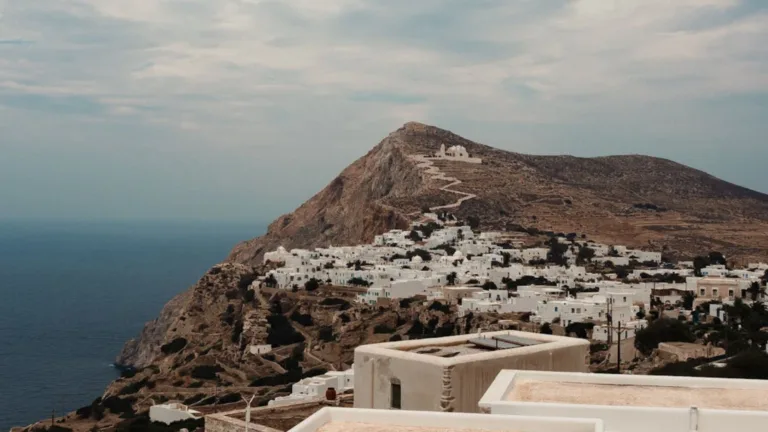
Three Greek islands of Cyclades – Sifnos, Serifos, and Folegandros, have been named among Europe’s seven most endangered heritage sites for 2024. This designation comes as part of the Seven Most Endangered Program, a collaborative initiative between heritage organization Europa Nostra and the European Investment Bank Institute, which has been in operation since 2013.
According to ekathimerini.com, the program’s primary goal is to preserve threatened European heritage, whether it be from demolition, neglect, overexploitation, or conflict.
“The Cyclades, renowned for their unique charm and rich culture, find themselves grappling with a myriad of challenges posed by the surge in tourism development and rampant construction. Despite driving economic growth, this brings along a host of environmental, cultural, and social issues, including the degradation of natural resources, damage to cultural and natural heritage, water scarcity, waste management problems, and socio-economic disparities,” a statement said.
Photo: unsplash, Julie Karitinos
“The islands are at risk of losing their exceptional and authentic character as increasing tourist-oriented construction threatens to overshadow their inherent allure,” it added.
The nomination of these three islands to the program was submitted by Greek NGO Elliniki Etairia – Society for the Environment and Cultural Heritage, with support from the mayors of the respective islands.
The nominator strongly advocates for strategic policy-based measures to address the urgent challenges facing the Cyclades, proposing a comprehensive approach aimed at preserving the integrity of these islands. Among the immediate priorities outlined, is establishing a special spatial plan for tourism to regulate and manage activities, along with implementing a binding regional spatial plan for the South Aegean. The proposal also stresses the necessity of local urban plans to delineate landscape enhancement zones.
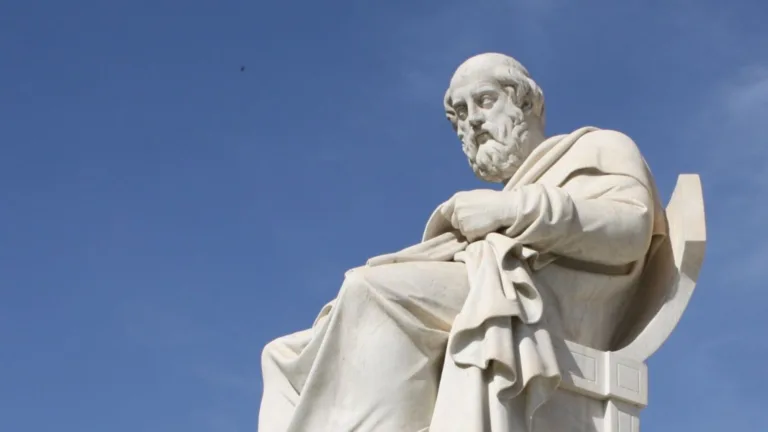
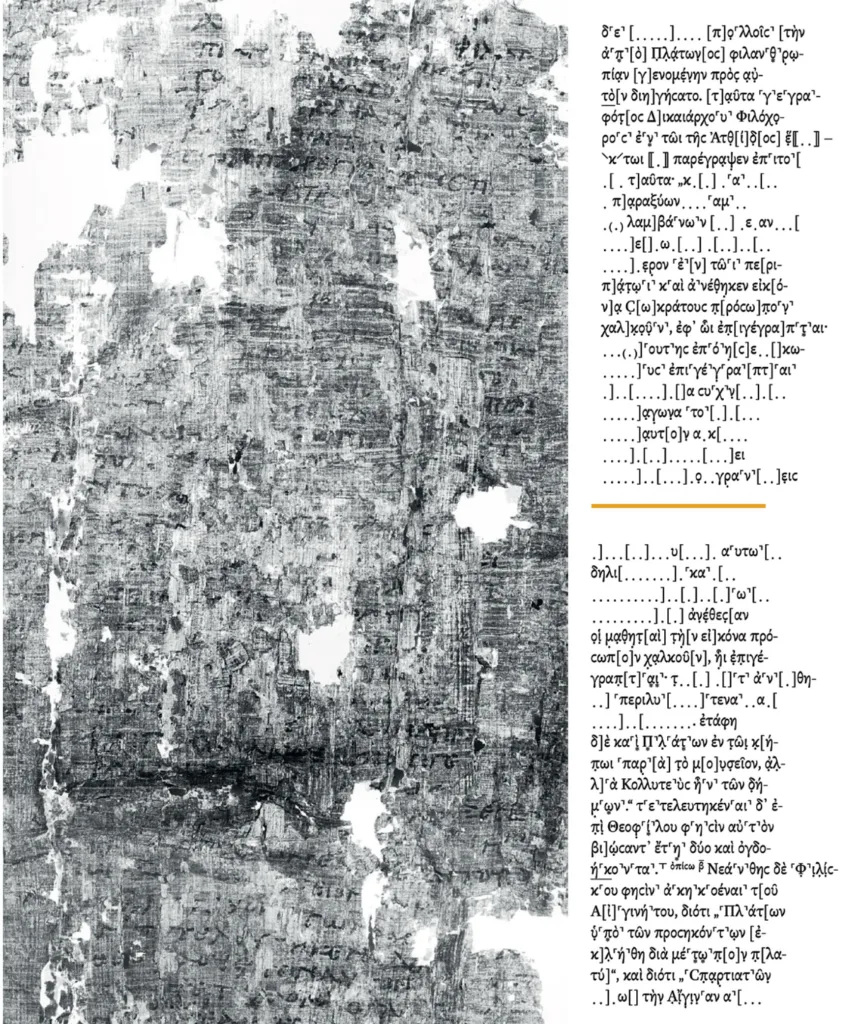
An Italian researcher believes he has identified the location of Plato’s burial place in Athens by analyzing papyri from Herculaneum.
The Italian papyrologist Graziano Ranocchia of the University of Pisa, believes according to his research thaat Plato is buried in a in a private area in a garden in the Academy, near a sacred shrine to the Muses.
According to ekathimerini.com, the Herculaneum papyri are more than 1,800 papyrus scrolls discovered in the 18th century in the Villa of the Papyri in Herculaneum, an ancient Roman town, located in the modern-day town of Ercolano, Campania, Italy. They were carbonized when the villa was engulfed by the eruption of Mount Vesuvius in 79 AD.
Photo: Biblioteca Nazionale/CNR-ISPC
The papyri were read using a bionic eye, which detected a thousand new words, which is 30% more than when they were last analyzed more than 30 years ago.
The location of Plato’s grave was contained in a history of the Academy by Philodemus of Gadara, an Epicurean philosopher and poet who lived in Herculaneum, said Ranocchia.
The scholar revealed the news at the Naples National Library, where he presented the mid-term results of the “Greek Schools” research project.
The research started three years ago and will be completed in 2026. Plato’s Academy was destroyed by the Roman dictator Sulla in 86 BC.
On Sunday, May 12, a special tribute show ‘Songs of the Sea’ will take place at the Bankstown Sports Club in Sydney, New South Wales to celebrate Greece’s legendary musicians.
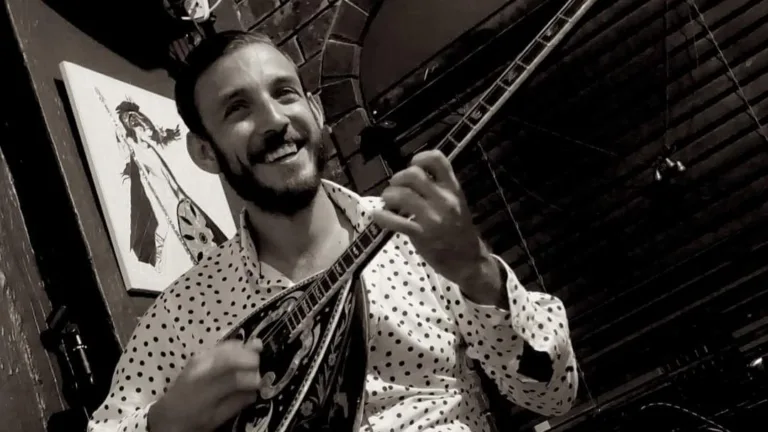
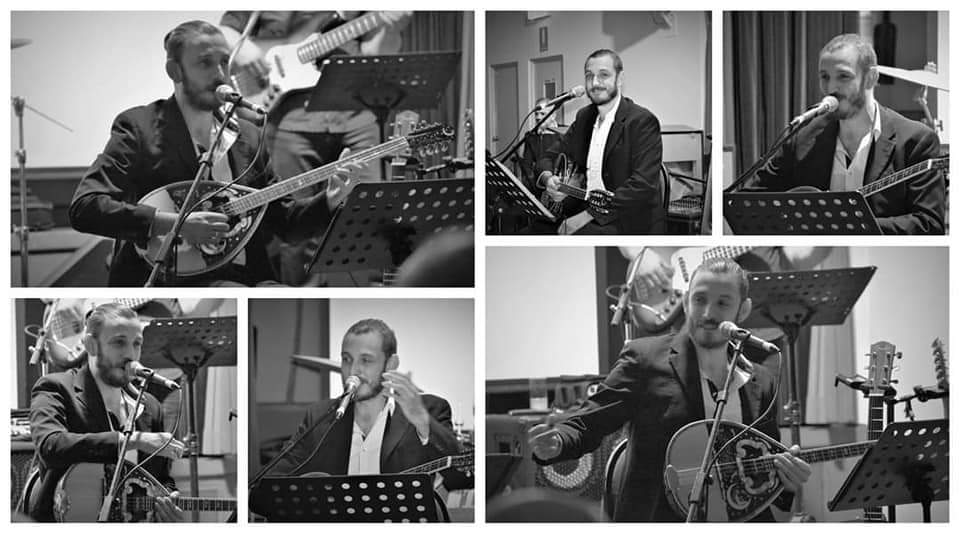
In an exclusive interview with The Greek Herald, the ensemble’s lead bouzouki player, Thanasis Pylarinos spoke about what audiences can expect for the upcoming show and how he himself got into the music scene.
Thanasis’ musical journey
“I’ve been around the Greek music scene in Sydney for 20 years,” Thanasis told The Greek herald.
“I have performed at various old Greek clubs, as well as at weddings, christenings and various events, and I have done a lot of tribute shows for the past few years as well.”
His journey into the music world came about when he was only a child.
“I started playing piano at the age of five and then, when I was around 12 to 13 years old, I picked up the bouzouki as well,” Thanasis said.
“After that… I continued playing and when I got older, I went to university to study music, and have now just continued to play music and perform throughout my life.”
Thanasis said although he was a “local boy” who grew up in Sydney, he spent most of his life travelling back and forth to Greece to pursue music.
“When I was in Greece, I would perform in a lot of local taverns,” he said.
Thanasis Pylarinos
“My father was from Zakynthos and my mother was from the Peloponnese, but when I’d visit Greece, I loved to stay in Athens and play gigs. I would mostly go to local venues in Monastiraki.”
As someone who has pursued music all his life, Thanasis described the feeling of performing.
“It’s like a euphoria. It’s freedom. It’s a feeling that you can’t describe,” he said.
“Sometimes in life, we feel stuck, we feel like we’re in a trap, but we as musicians, can just jump on stage, plug our lead into our instruments, and then just perform in front of everyone and feel this sign of relief and freedom. That just makes me so happy. “I also love seeing the expressions on other people’s faces in the audience, and seeing them relax, laugh, dance, and feel these raw emotions that music makes them feel.”
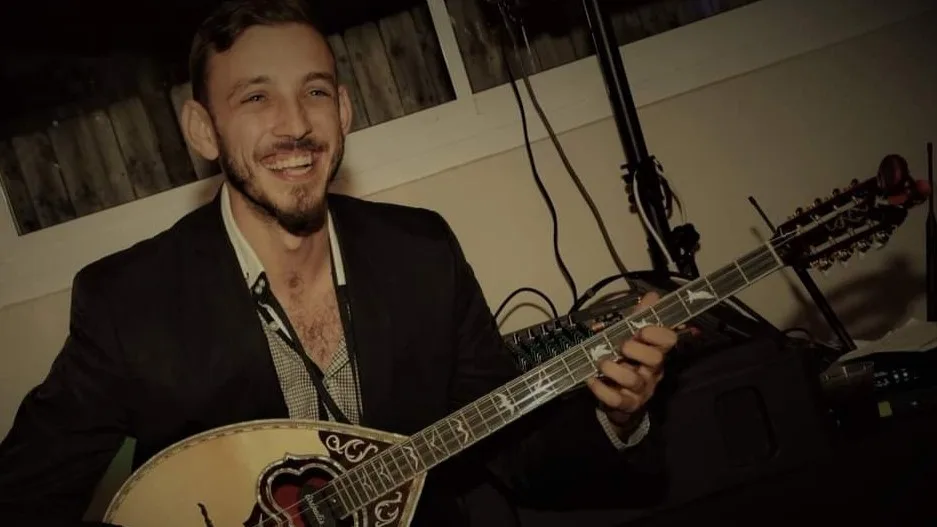
Thanasis Pylarinos
Songs of the Sea
Thanasis said his latest upcoming performance will be for the tribute show, ‘Songs of the Sea’.
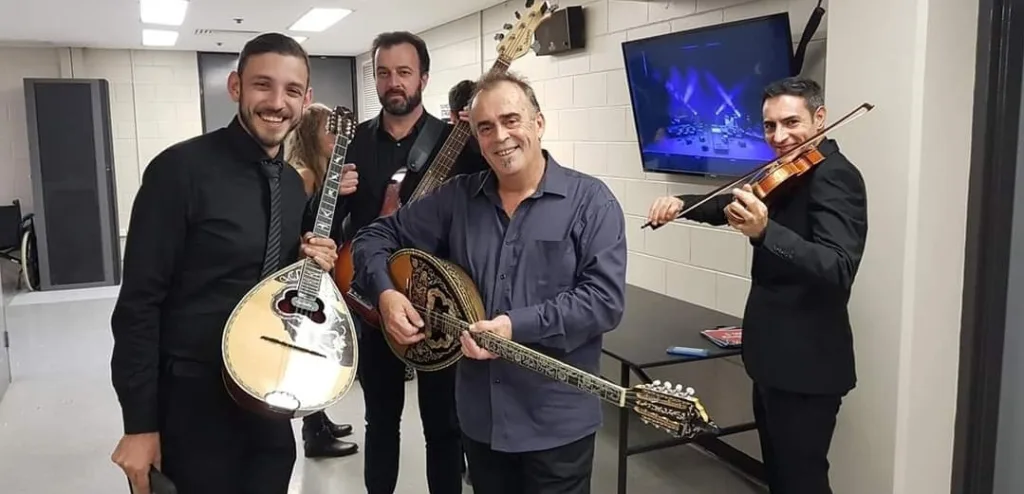
He will be performing amongst eight other members of an ensemble including Kosta Benetatos on bouzouki, Eleni Doukas, Ioannis Kelligianis and Nikos Filippatos on vocals, John Logothetis on keyboard, Frank Lambis on drums, George Ganakas on bass and Themis Ioakimidis on guitar.
A special international artist is also expected to join them on stage.
“‘Songs of the Sea’ is a two-part show. The first part showcases songs of the ocean, songs that are about love and happiness and that remind us of Greece. They’re songs that make us feel like we are on that beach or yacht, and being transported across the Mediterranean,” Thanasis said.
“Some of the songs are historic too, from the 1960s and 70s, which may not have even been heard in Australia before.
“The second part of the show features songs about migration as well, and the mass exodus of [people] from Greece in the 1950s, whether they came to Australia or America or wherever the case may be. We take a complete turn in the second set, where we talk about how children were leaving their parents behind in search for a better life.”
Thanasis Pylarinos
The ‘Songs of the Sea’ tribute show will feature 40 songs and run for two to two-and-a-half hours.
“People should expect to see some of Sydney’s best musicians take the stage and perform their hearts out,” Thanasis said.
“It’s a show for everyone. With the music we’ve chosen, you generally think people aged 50 and over would come along, but in saying that, I’ve been pushing for years for the younger generation to be more involved, and as I’ve seen in Melbourne, they are, which is fantastic, and I am trying to do my part to bring that to Sydney too.”
Thanasis said that as the show takes place on Mother’s Day, he expects lots of people to come with their parents and enjoy the show.
“They can have dinner at the club and then come in to see the show. It’s going to be a really fun night and we’re all really looking forward to it,” he said.
It’s that time of the year again, where the 40-day fast has commenced, the kitchen is filled with aromas of fresh tsourekia and homemade koulourakia being baked, and mums and yiayiathes are buying eggs in bulk to prepare for the dyeing of the red eggs.
As many of us know, Easter is one of the most significant celebrations of the year, with Holy Week highlighting major events in the lead up to Christ’s resurrection.
What many of you might not know is what goes on during each day of Holy Week, so The Greek Herald is here to give you a timeline of events.
Saturday of Lazarus
The day before Palm Sunday is known as the ‘Saturday of Lazarus.’ This special day in the Orthodox faith commemorates the resurrection of Lazarus by Jesus Christ. It also marks the beginning of Holy Week. As mentioned in the Book of John, Lazarus had been dead for four days before Jesus miraculously restored him to life (John 11:38-43). Typically, on Lazarus Saturday, churches conduct a Matins Service, akin to the morning church service, followed by the Divine Liturgy. People also make and eat traditional Lenten Greek Easter beads called Lazarakia.
Palm Sunday
The Sunday before Easter is known as Palm Sunday. It marks Jesus’ arrival in Jerusalem, where he was hailed as the King by the people. This significant event is written in the bible under Matthew 21, Mark 16, Luke 19, and John 12. Following his triumphant entry to Jerusalem, Jesus was aware of his impending death, and it was documented in John 12. As Palm Sunday falls on the Sunday before Easter, a regular Divine Liturgy takes place, along with additional elements to reflect Jesus’ entry into Jerusalem.
Holy Monday
Holy Monday is the third day of Holy Week, and it is pivotal in preparing for Christ’s crucifixion and resurrection later in the week. It commemorates Joseph the Patriarch, son of Jacob, and reflects on Jesus’ act of cursing the fig tree during his triumphant entry into Jerusalem. On Holy Monday, an Orthos Service takes place.
Holy Tuesday
On Holy Tuesday, most churches hold a Matins service to prepare parishioners for the events of Holy Wednesday. This service features special hymns, such as the poignant “Hymn of Cassiane,” with some churches even involving their choirs in the singing. It is typically conducted in the evening, and this service sets the tone as preparations continue for Holy Week.
Holy Wednesday
Holy Wednesday typically consists of two church services – one in the morning and one in the evening. The morning service, which features the Liturgy of the Presanctified Gifts, allows for Holy Communion. In the evening, the service consists of offering parishioners the holy oil, which commemorates the anointing of Christ’s feet with myrrh as described in Luke 7.
Holy Thursday
Holy Thursday is symbolic in the church as it marks the Last Supper, as well as the night Jesus Christ was nailed to the Cross. On this day, two services are held, one in the morning and one in the evening.
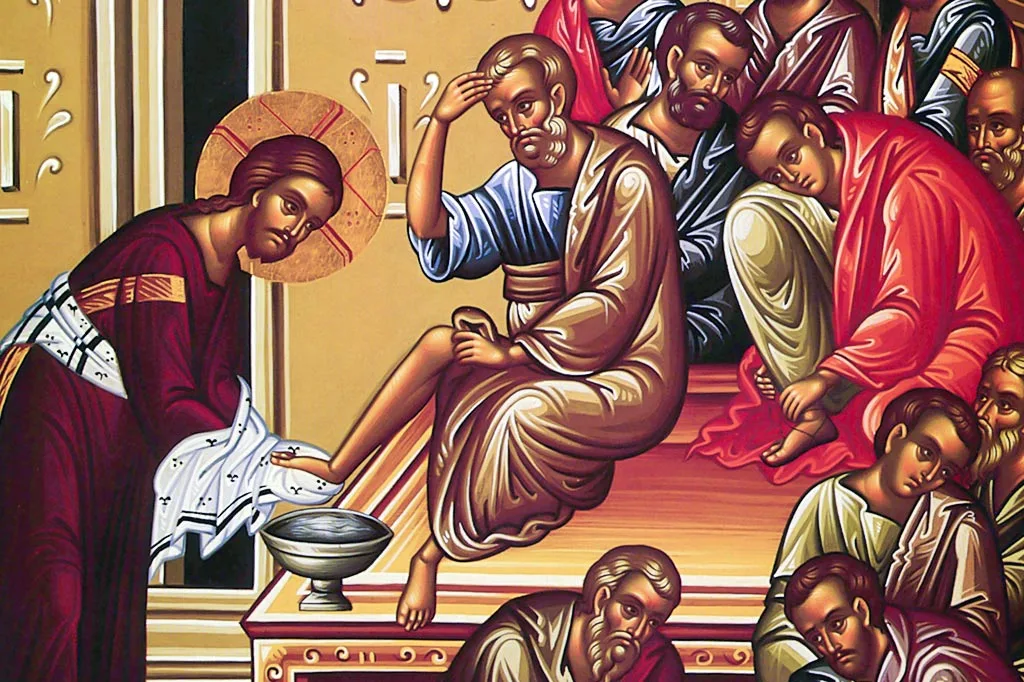
According to the Bible, various events take place on this day, including Jesus washing his disciples’ feet, the Last Supper with the Sacrament of the Holy Eucharist, and Jesus’ agony in the garden of Gethsemane alongside Judas’ betrayal.
Women traditionally dye the eggs red on this day, to symbolise Jesus’ blood. The eggs are symbolic of new life too.
Good Friday
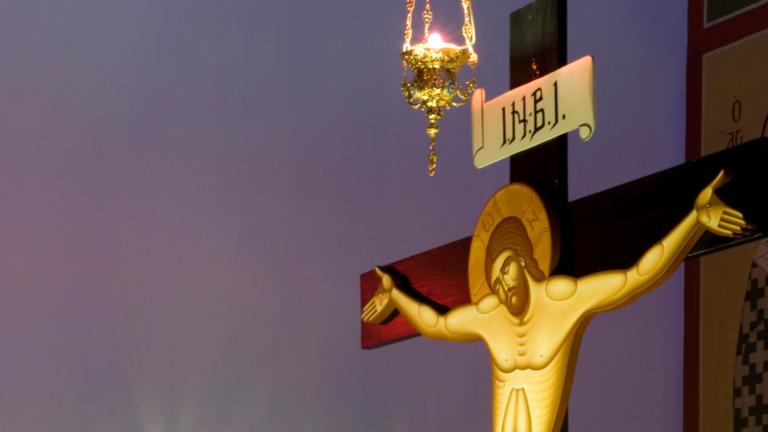
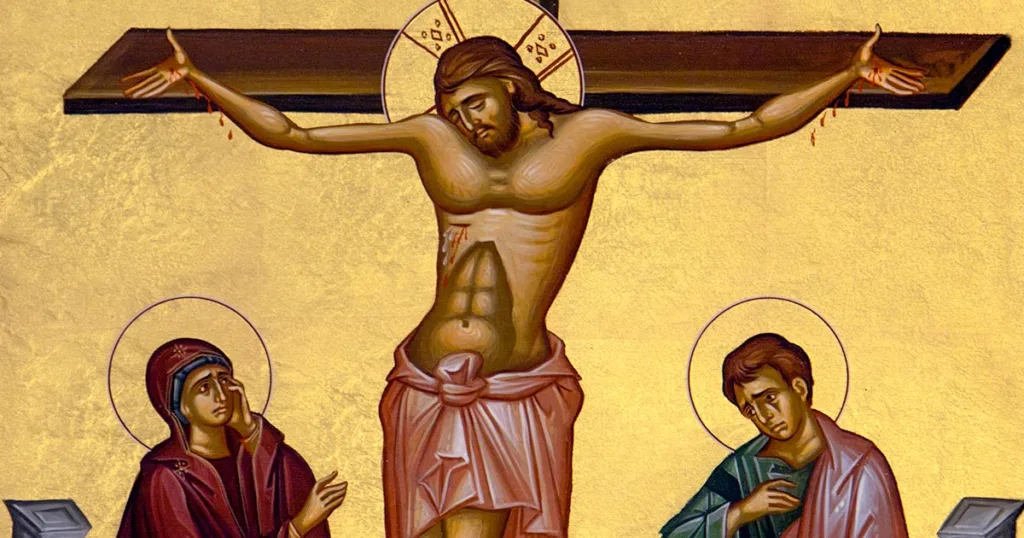
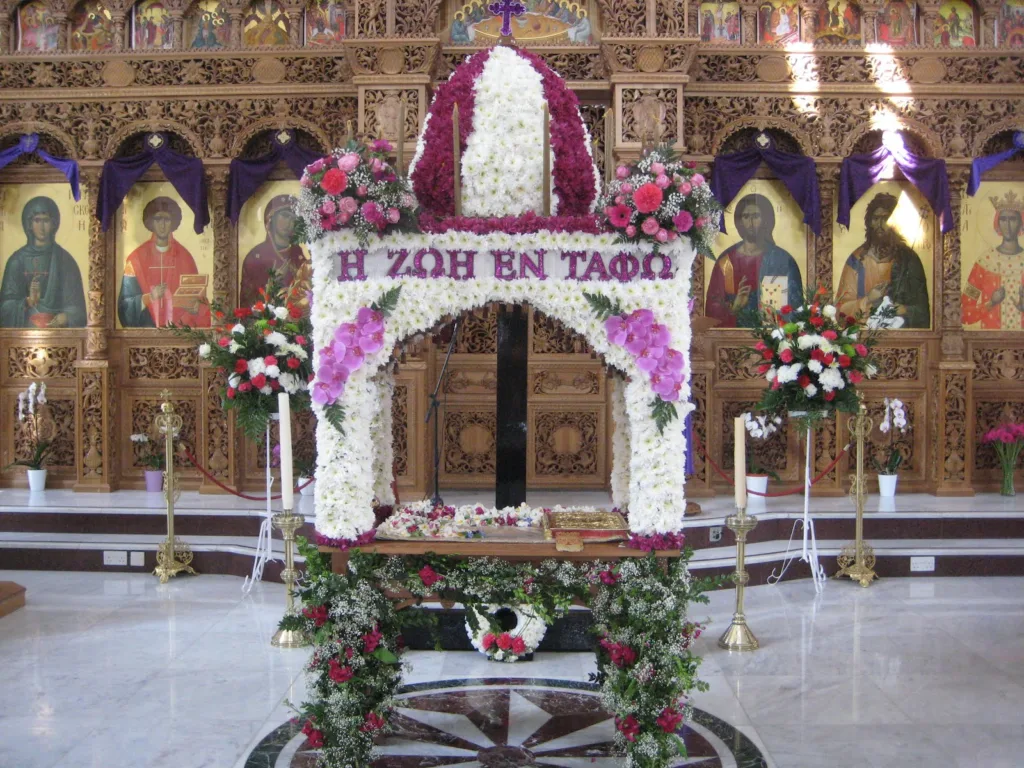
On Good Friday, Orthodox Christians remember Jesus’s crucifixion. The church service symbolises Jesus laying in the tomb (Epitafio) after being taken down from the cross. An evening service takes place which involves mourning, reading Bible passages and singing hymns.
Holy Saturday
Parishioners also witness and partake in a procession of the Epitafio around the church. During the procession, flower girls may also scatter rose petals on Jesus’s body.
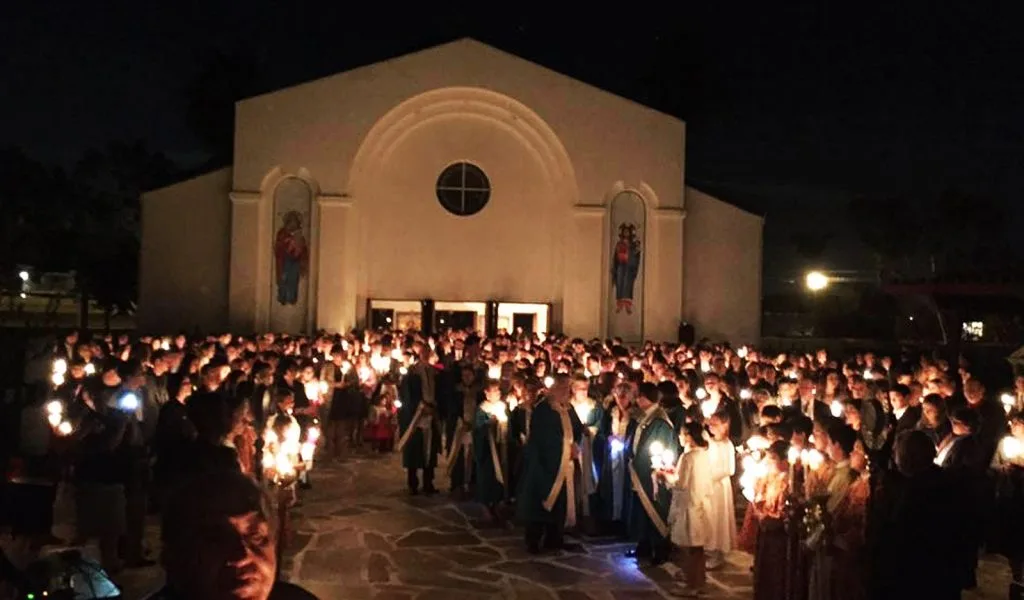
Holy Saturday or the ‘Anastasi’ involves multiple church services, with the most significant one held in the evening. Leading up to midnight, worshippers sing hymns and await for Jesus’ resurrection. As midnight approaches, the church becomes dark and silent, and then lights up with lit candles/ the holy flame as people sing the traditional hymn “Christos Anesti” (Christ is Risen).
Easter Sunday
Holy Sunday is the day of Easter. It marks the celebration of Christ’s Resurrection, with the Holy Saturday evening service transitioning into Easter. Some churches even hold a morning Divine Liturgy service. Families typically spend the day together, enjoying a feast of food as they break their fast and engage in festive celebrations. Easter is one of the biggest celebrations in the Greek Orthodox faith.
As Orthodox Easter quickly approaches, the Greek community prepares to carry out its annual spiritual and cultural traditions.
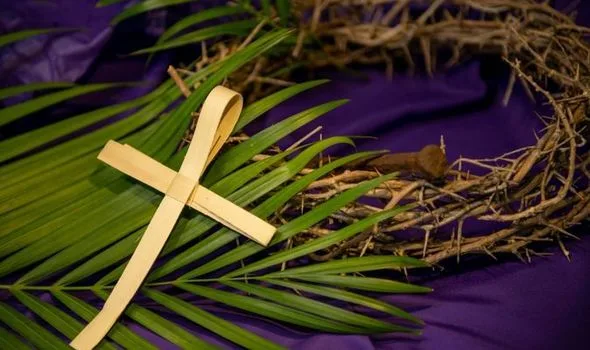
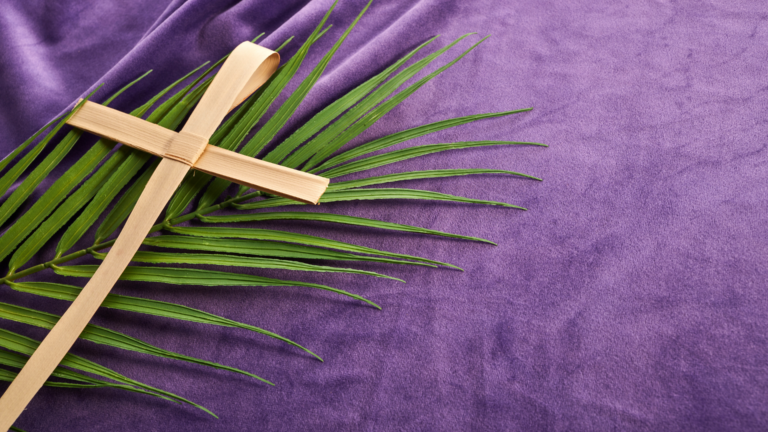
One tradition is creating the Holy Cross out of a palm leaf ahead of Palm Sunday.
Palm Sunday marks Jesus’ triumphant entry into Jerusalem, where crowds greeted him with palm branches, hailing him as the Messiah.
In the Greek Orthodox faith, parishioners gather to weave palm leaves into crosses, which symbolise victory and peace. The significance of the palm leaves stretches back to ancient times, with references in both Jewish and Christian scriptures.
These special crosses, which have been passed down through generations, serve as a reminder of Christ’s presence among believers, and are handed out ahead of his Crucifixion.
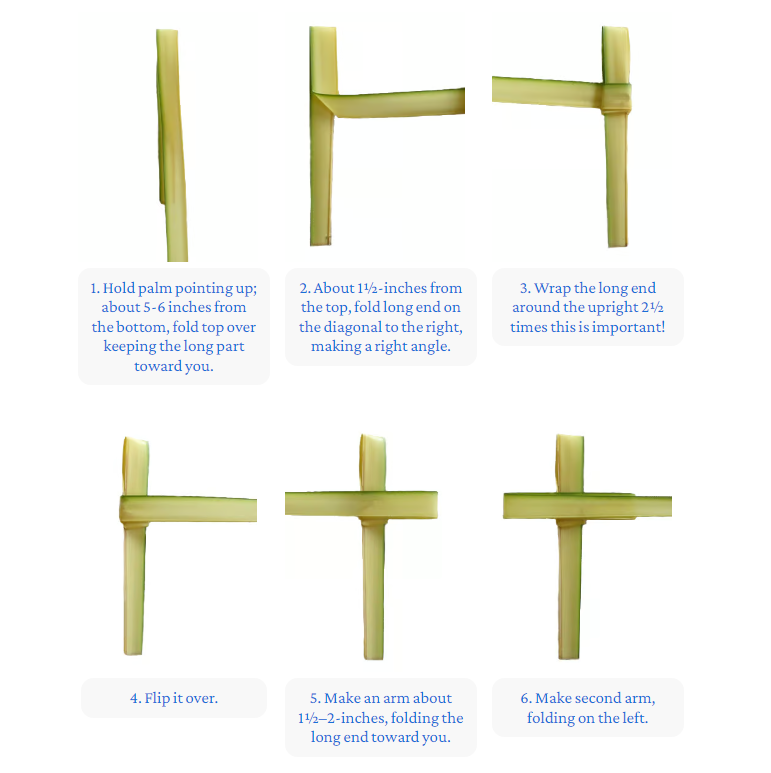
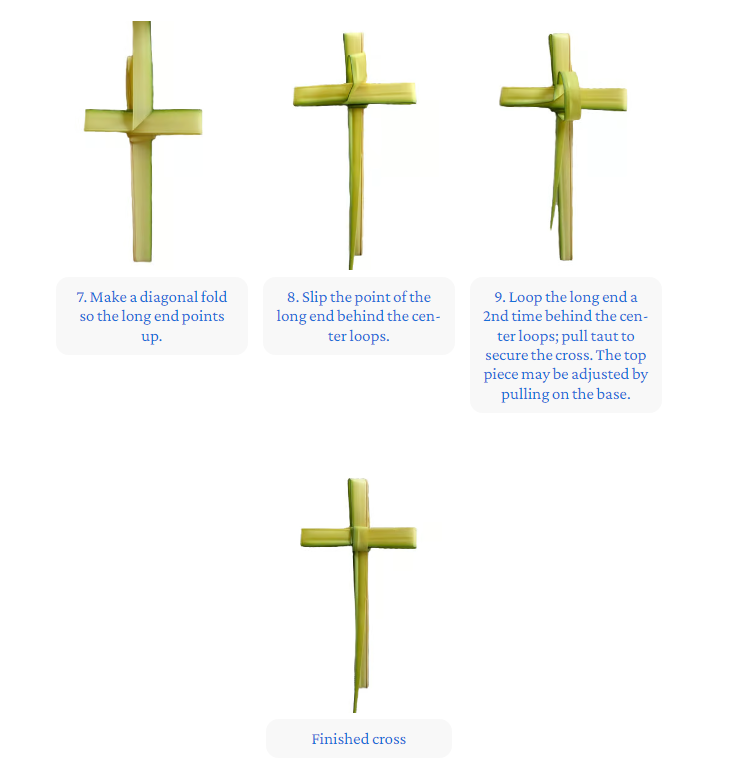
How to make the Holy Cross:
Step 1: Hold palm pointing up; about 5-6 inches from the bottom, fold top over keeping the long part toward you.
Step 2: About 1½-inches from the top, fold long end on the diagonal to the right, making a right angle.
Step 3: Wrap the long end around the upright 2½ times – this is important!
Step 4: Flip it over.
Step 5: Make an arm about 1½–2-inches, folding the long end toward you.
Step 6: Make second arm, folding on the left.
Step 7: Make a diagonal fold so the long end points up.
Step 8: Slip the point of the long end behind the centre loops.
Step 9: Loop the long end a 2nd time behind the centre loops; pull taut to secure the cross. The top piece may be adjusted by pulling on the base.
Greek Canadian comedian Angelo Tsarouchas is like that cousin who comes and visits from overseas, catching you up on all the stories and gossip you haven’t heard since the last time he visited.
Making an appearance across Australia from May, Tsarouchas is coming back with new laughs and musings in his latest show Skits and Wits.
“A lot has happened for everybody in the last few years. Customer service sucks. We either had to distance or live with our families for two years. We didn’t know how crazy they were and then had to spend every day with them,” Tsarouchas told The Greek Herald.
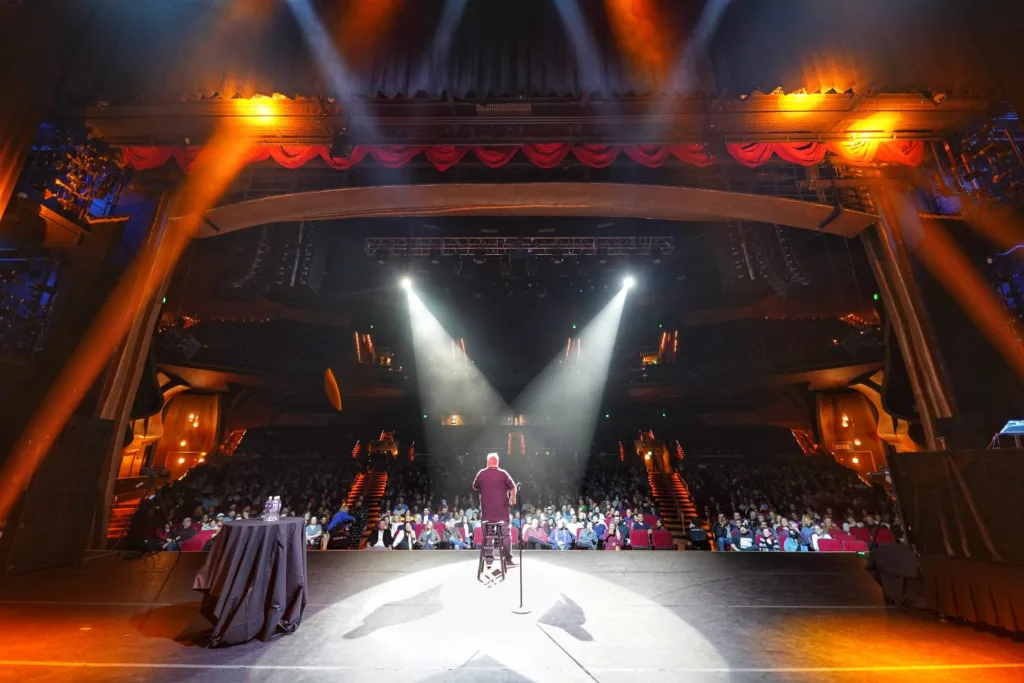
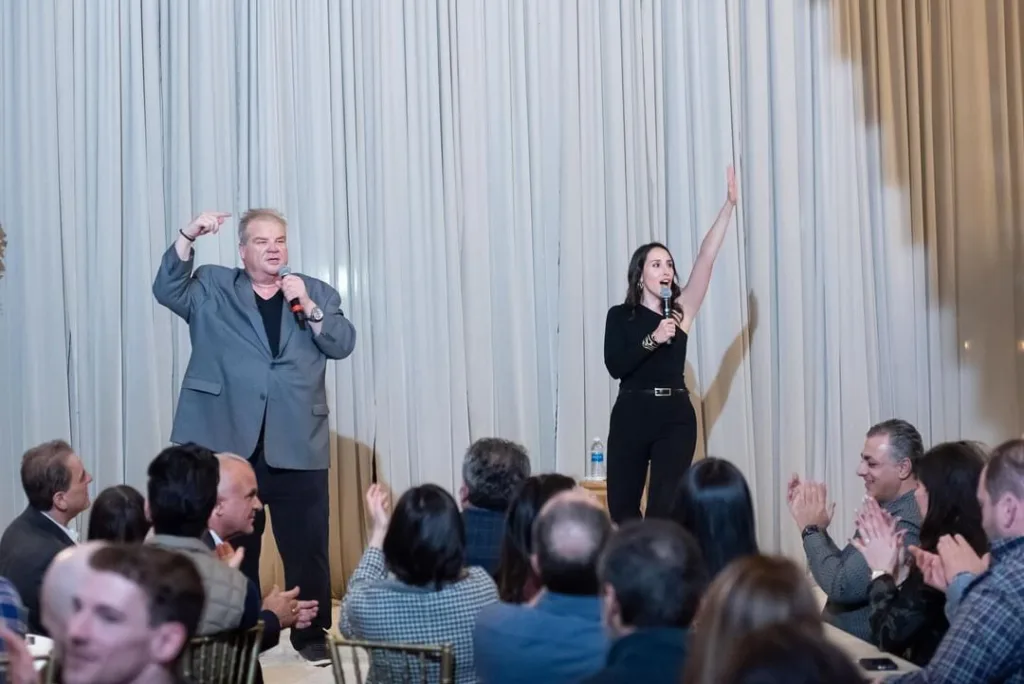
Angelo Tsarouchas on stage at Rumors 2023.
“There’s all these stories I’m going to bring. People love the traditional stuff I’ve done but I thought of Skits and Wits, because this is more of a briam of comedy… I always make it go to food.”
As a comedian, Tsarouchas is just as much of a ‘comical anthropologist’ as he is an entertainer. The world has changed around him from when he first performed to now. Social media has irrevocably reshaped the way we interact with the world and people around us… for better or worse.
“My job as a comedian is to observe and report. I’m going to talk about social media and how people create their own universe in the comment section of a post. I made a video about how Cinco de Mayo, a Mexican holiday, falls on the same day as Greek Christian Orthodox Easter,” Tsarouchas recalled laughing.
Angelo Tsarouchas on stage.
“I said we’re going to have a burrito at Taco Bell. We’ll call it the ‘Cinco de Mayo Christos Anesti’ burrito filled with carnitas, spinach, feta and tzatziki. People thought it was a real thing. It sounds good. Then I got a call from a rep from Taco Bell asking ‘Is this a regional thing?’. I said, it’s a joke.”
Whilst the video garnered interest for a Greek Mexican hybrid holiday feast, the comment section began brewing its own material to inspire Tsarouchas.
“One lady said to me, ‘Well, we’re Serbian, and we’re offended that you call that Greek Easter.’ I had said Greek Christian Orthodox Easter, insert your nationality anywhere you want. Then somebody else jumps in saying ‘Well, he’s Greek, so he would say Greek, but he did say Christian Orthodox.’ To me that’s funny,” the comedian explained.
“This guy in Chicago said to me the difference with me as a comic, is that I’m the same guy on and off the stage. My persona is me, so when I say something, people take it to heart. That’s what makes it funny.”
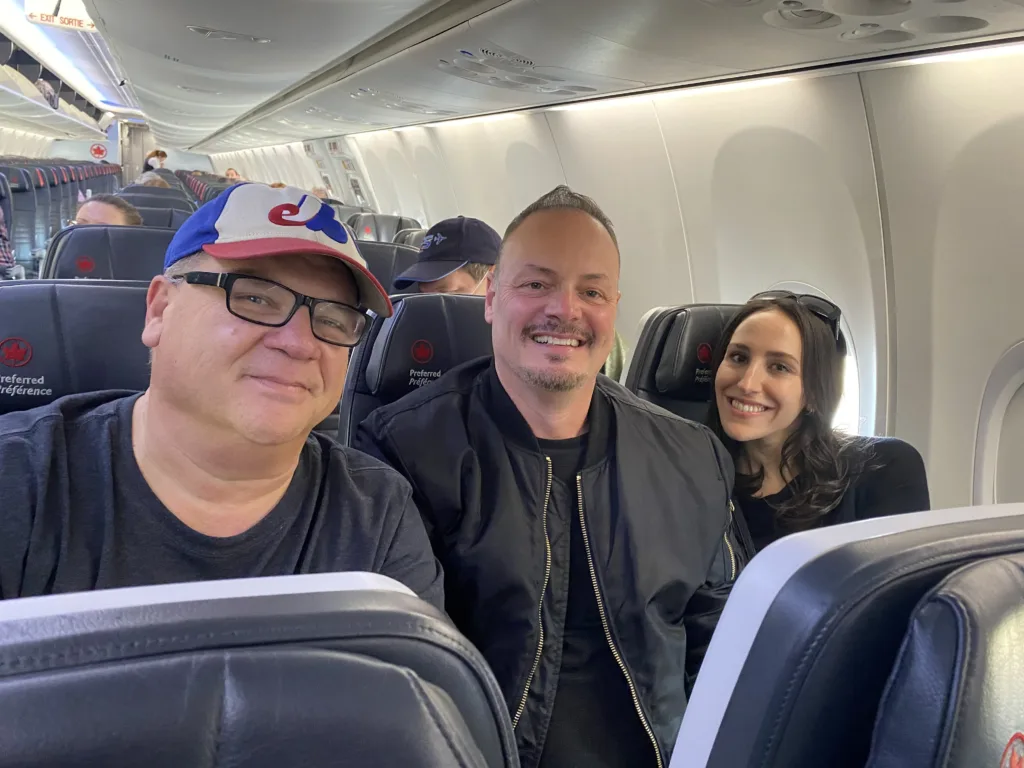
Angelo Tsarouchas on plane with Frank Spadone and Arianna Papalexopoulos.
Aside from pulling inspiration from the online microcosm under his videos, Tsarouchas has also pulled content creator Arianna Papalexopoulos out from the screen and onto the stage.
“About 10 years ago, this young girl came up to me and said, ‘I’m a big fan of yours, I made this video.’ I said send it to me. I liked what Arianna created and I posted it on my stories. I realise now there’s a new generation of comedy influencers. I really liked this girl. What I liked about her is her hustle. She reminds me of me in a sense that she’s making videos all the time and she’s funny,” Tsarouchas said.
“We’ve done a couple of videos together now. She’s armed and dangerous and she’s ready to go. She really hadn’t done stand up but she put together 15 minutes and killed it as my opener. She’s going to be a star.”
Whilst performing with a well-seasoned comic has undoubtedly opened Papalexopoulos up to a wealth of knowledge, the comedic content creator has also taught Tsarouchas a thing or two.
“In the meantime, we’re still making videos, because that’s what she’s into. She’s learning from me doing the stand up but to be honest I’m also learning a bit from her also, because she’s really good at TikTok and Instagram, and she’s really built herself a really nice following,” he said.
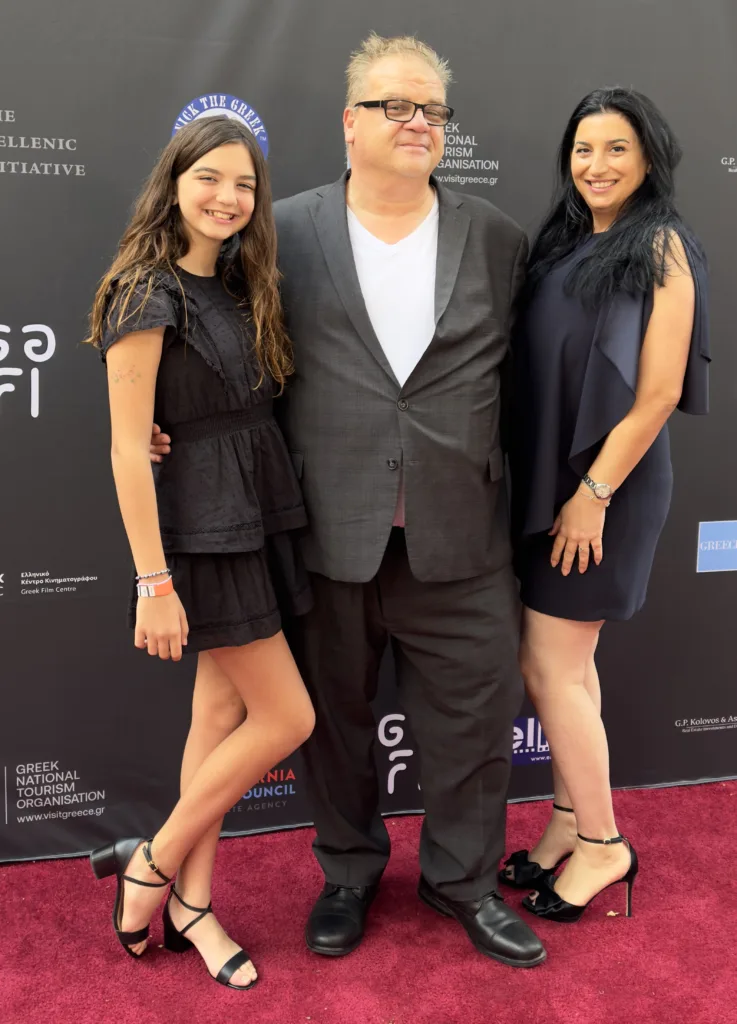
Angelo Tsarouchas with family at Greek Film Festival 2024.
No matter where he goes on tour, on home soil or thousands of miles away, one thing won’t ever change – the Greek diaspora. Sometimes all you want is to feel at home when you’re on the road so often.
“Even if they meet you for the first time, it’s strange how they talk to you like they’ve known you your whole life, especially the elders. I think it’s just hilarious. One older Greek woman said to me after a show, ‘Oh tomorrow I’m making soutzoukakia,’ I said, ‘great I’ll be there.’ She says, ‘will you really?’ I said ‘of course!’ I want home cooking sometimes. The woman gave me her address and her daughter says, ‘I can’t believe you gave this man your address.’ ‘He’s coming to eat,’ her mother said,” Tsarouchas explained.
“I went to the house and her family was looking at me like ‘what the hell are you doing here?’ I came to eat. A Greek mother’s instinct is always correct. And so I went there, and we ate together. We sat down watching Antenna from Greece. She made me Greek coffee, brought out koulouria and I hung around for a couple of hours.”
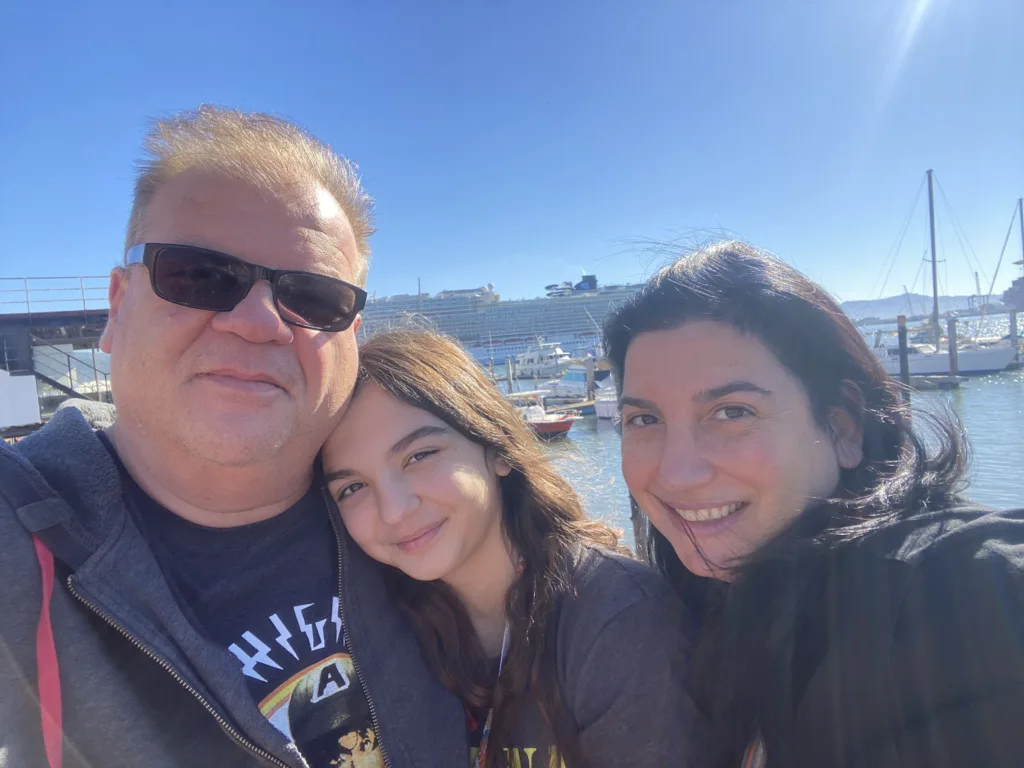
Angelo Tsarouchas with his family in Mexico
Don’t be surprised if you find Tsarouchas eating with your parents on a random weeknight, his greatest weakness is traditional Greek food.
“I miss my mum, I want a home cooked meal. I don’t want to eat at a restaurant! Soutzoukakia, a salad, fresh bread, of course I’m coming,” he said.
Angelo Tsarouchas will be performing across Australian cities in May. Get your tickets at www.tsarouchas.com.
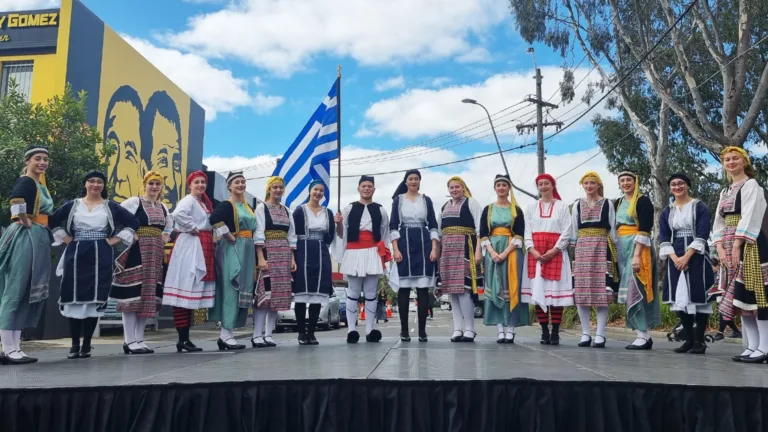
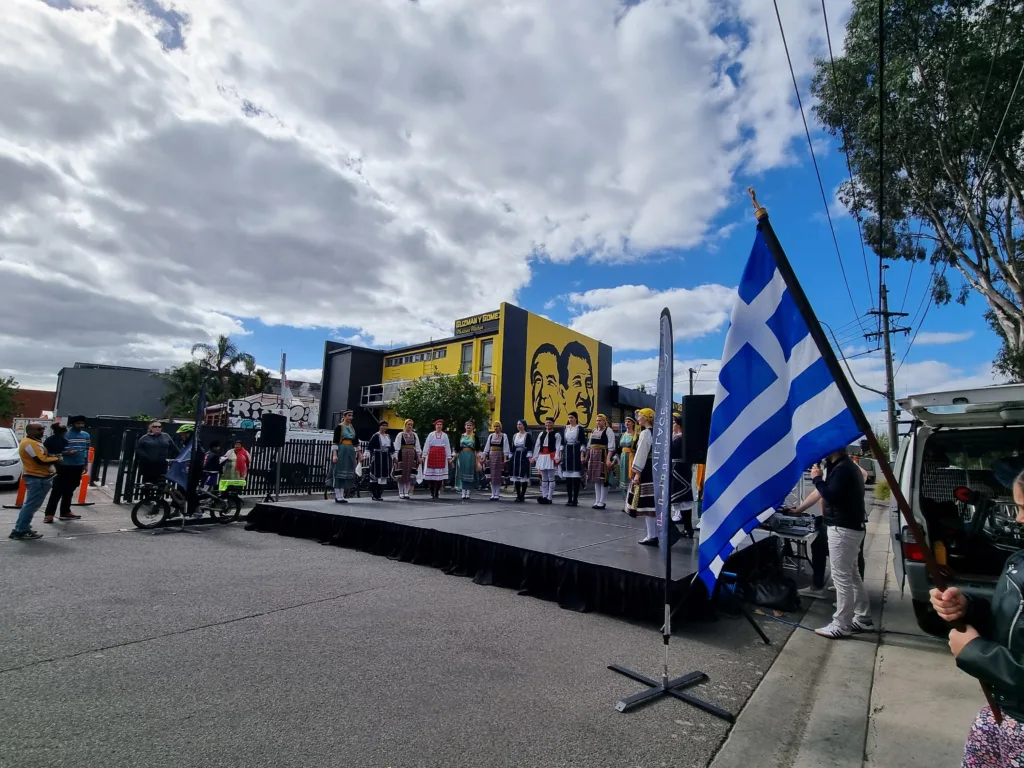
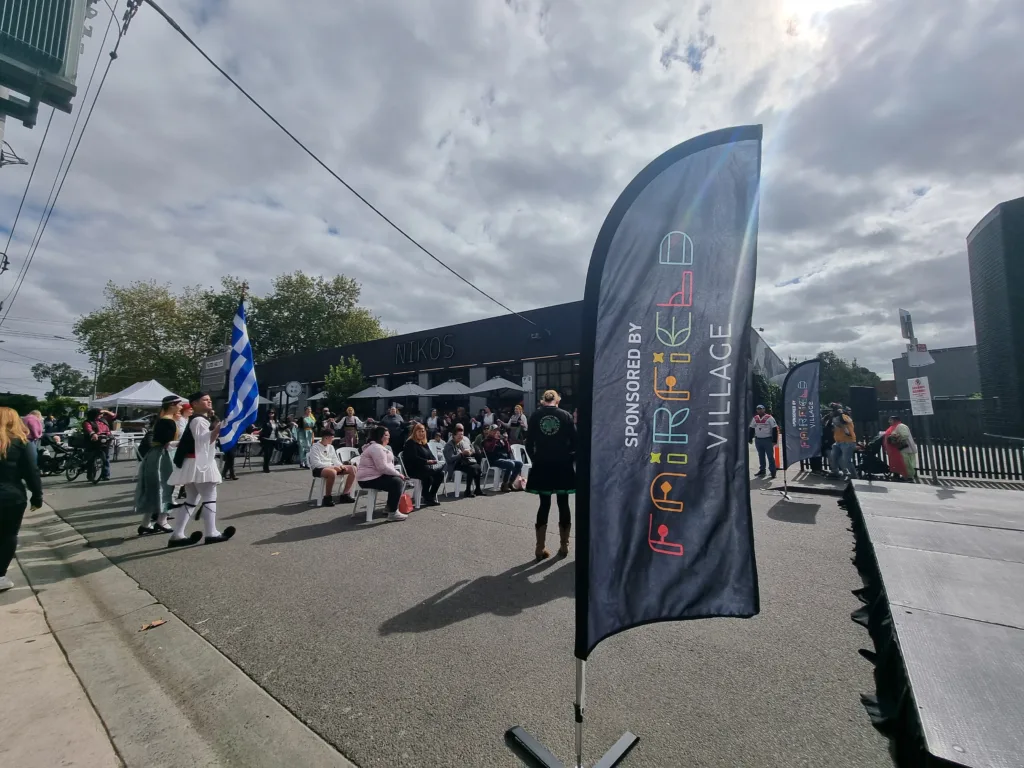
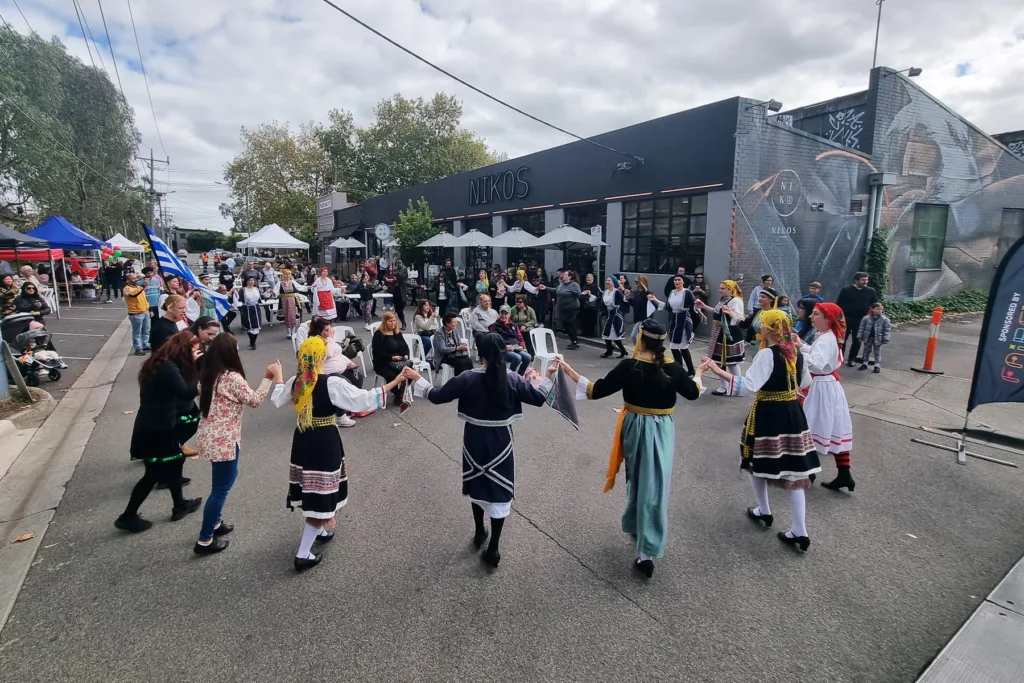
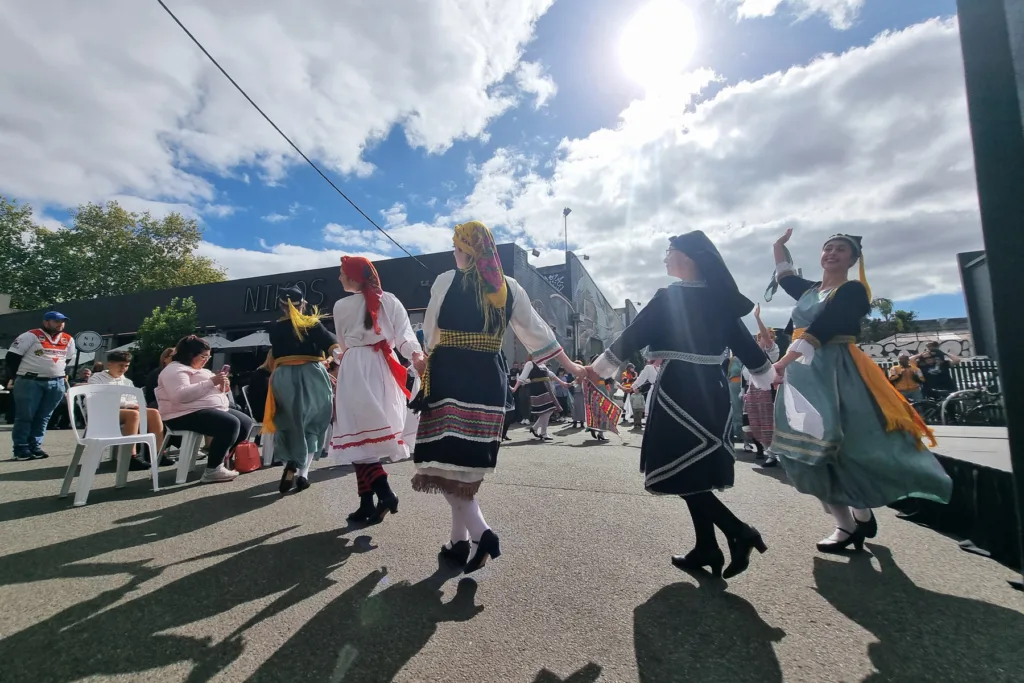
On Saturday, May 20, the Fairfield Village Traders Association proudly presented their first cultural festival for 2024 – A Cultural Festival in Fairfield Village.
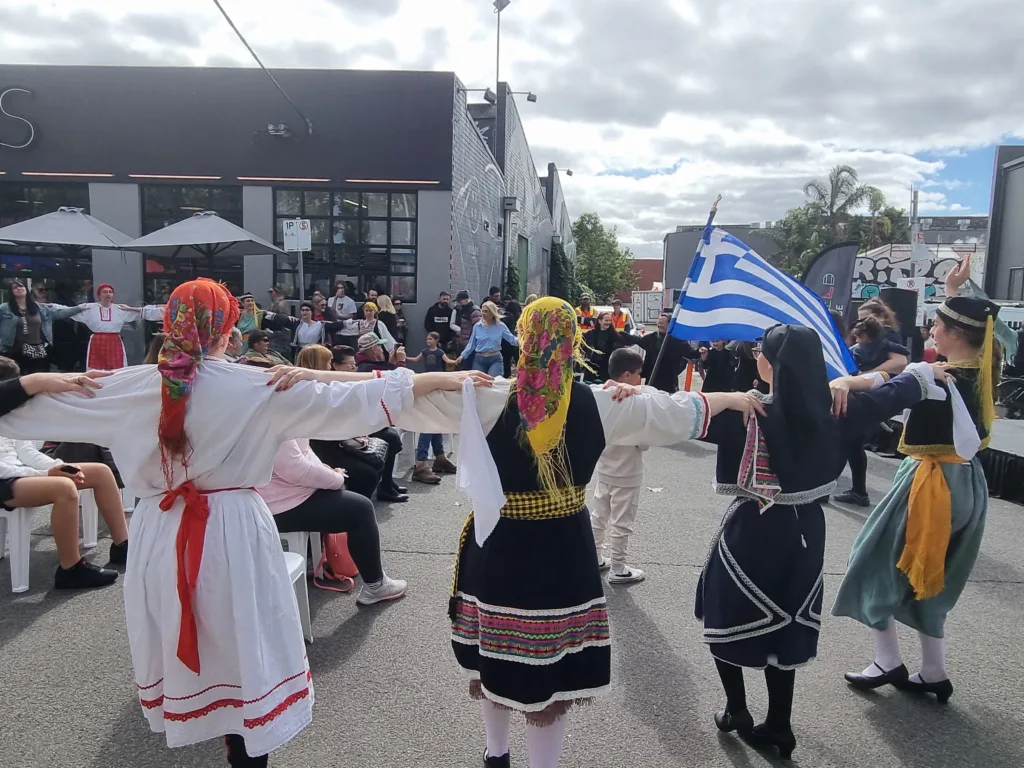
Wingrove St was closed and hosted live (on stage) cultural performances, children’s activities and entertainment, as well as roving artists entertaining through Station St.
At midday, a cohort of students from the MANASIS School of Greek Dance and Culture opened the festivities and showcased a plethora of traditional Greek folk dances, hosting a Zorba dance workshop, and of course a non-stop glendi for everyone.
Cultures represented throughout the day, included performances from African and Arabic drummers, Irish, Latin, Flamenco, Ukrainian, and Portuguese dancers.
Together with live music, and many other pop-up activations there was something for everyone. It was a wonderful day of cultural immersion!