PAOK defeated Aris 2-1 on Sunday at the Kleanthis Vikelidis Stadium in the most dramatic finale in the history of the Greek Super League.
According to Ekathimerini, PAOK played with 10 men for the last 17 minutes, in order to win their second league title in the last six seasons and the fourth championship in its history.
PAOK took a first-half lead with Brandon Thomas, Aris equalised at the start of the second home with a superb Loren Moron strike. PAOK midfielder Taison scored the goal that won his team the title half an hour before the final whistle.
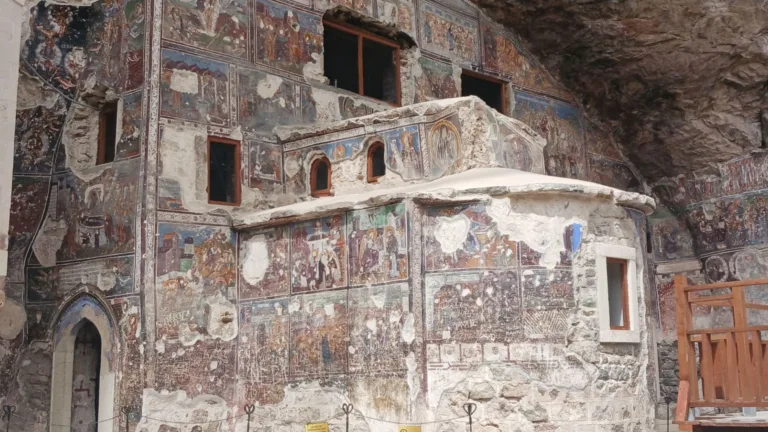
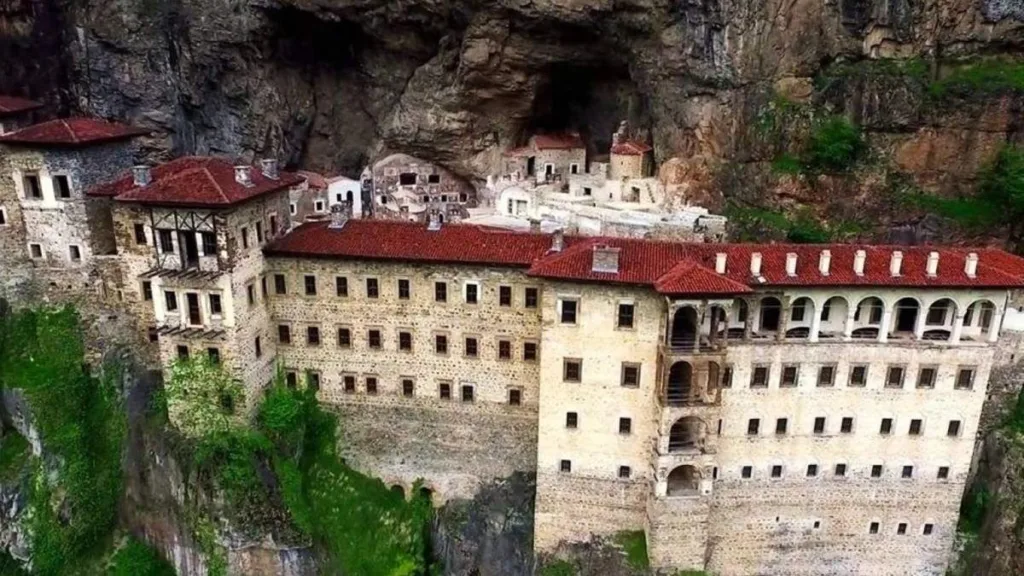
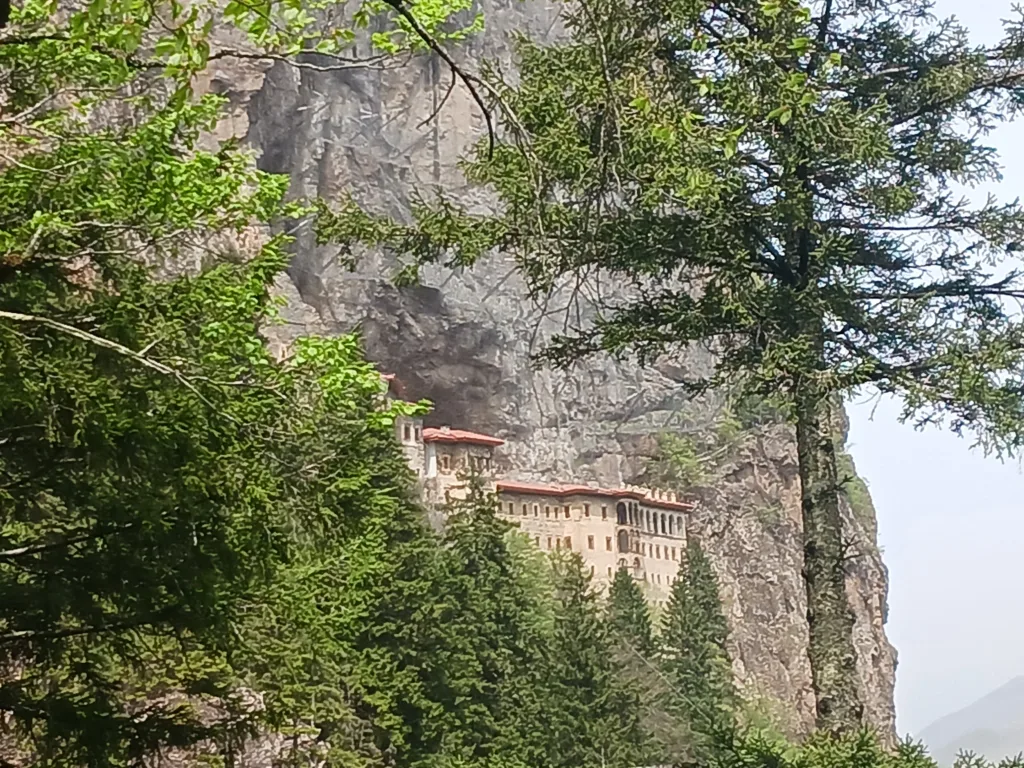
Carved into Mount Melas in Trabzon, the Monastery of Panagia Soumela has stood proudly for over 1,600 years. The way it was created in such a precipitous spot, surrounded by lush nature, seems like a small miracle. As visitors approach, the “wounds” of time are evident in this sacred place for Christians. It is an island of faith and pain, a witness to the Pontian Greek genocide, commemorated annually on May 19.
At the end of April, The Greek Herald travelled to Trabzon and conducted a mini pilgrimage to the ancient cradle of Pontic Hellenism: Panagia Soumela. Today, the monastery is lifeless, dominated by the sound of silence and the occasional conversations of visitors — Turkish, Greek, and Serbian.
Panagia Soumela
Trabzon is now a modern city at its centre. Bustling, with a hive of people moving during the day and smiling spontaneously when they hear “Yunan” (a Greek). The question comes naturally to their lips: “Soumela?” It is the primary reason anyone visits the Turkish city on the Black Sea. This is evident from the many tourist tours organised by travel agencies in the city.
For approximately $30AUD, one can visit the Monastery of Panagia Soumela along with other attractions, such as the Karaca Cave with its stalactites and stalagmites, witnesses of human life for thousands of years.
Panagia Soumela
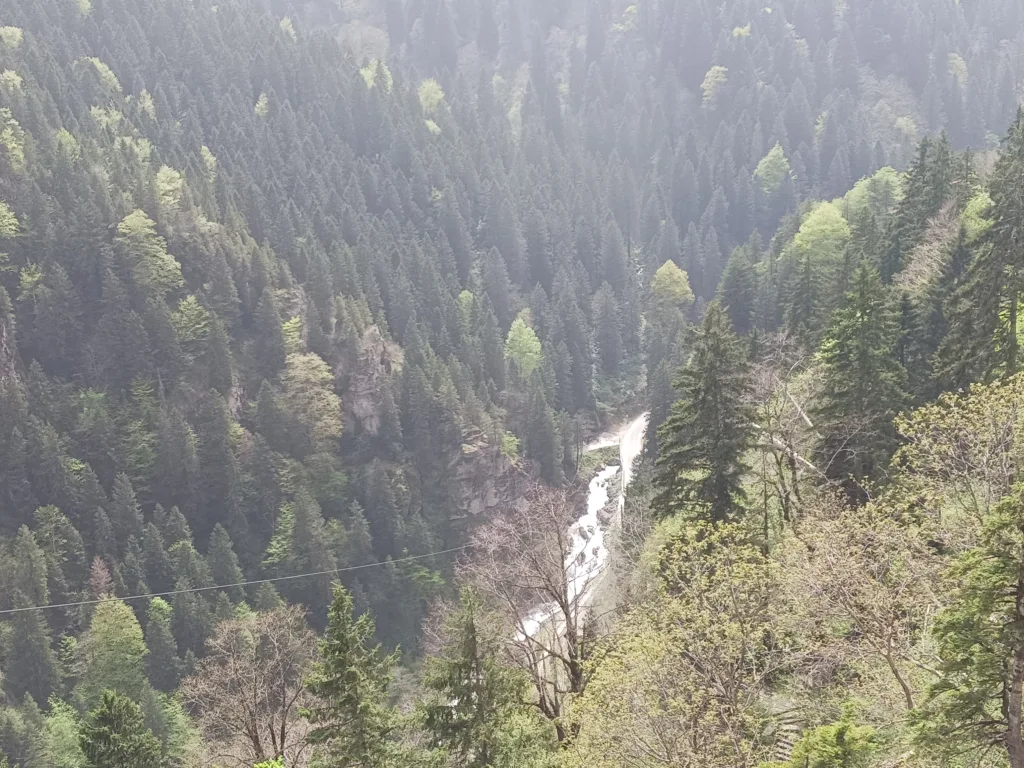
The route to the monastery is full of twists and turns. The road winds through enchanting landscapes, forests, and streams, ending at a parking lot where dozens of tourist buses are parked. From there, you board a small Turkish state van that takes you on a very narrow road near the monastery. Approaching Panagia Soumela, the scenery becomes imposing. The monastery carved into the mountain appears otherworldly, as if crafted by a divine hand.
Unconsciously, my mind travels to other times. To the Asia Minor Catastrophe, when the Turks completely destroyed the monastery. After looting all the valuable items inside the monastery, they set it on fire.
I was curious about what I would encounter during my ascent to the monastery. The wild beauty of the landscape, sculpted by centuries, “captivated” you. The place seemed both familiar and unknown at the same time.
Panagia Soumela
The Turkish flags
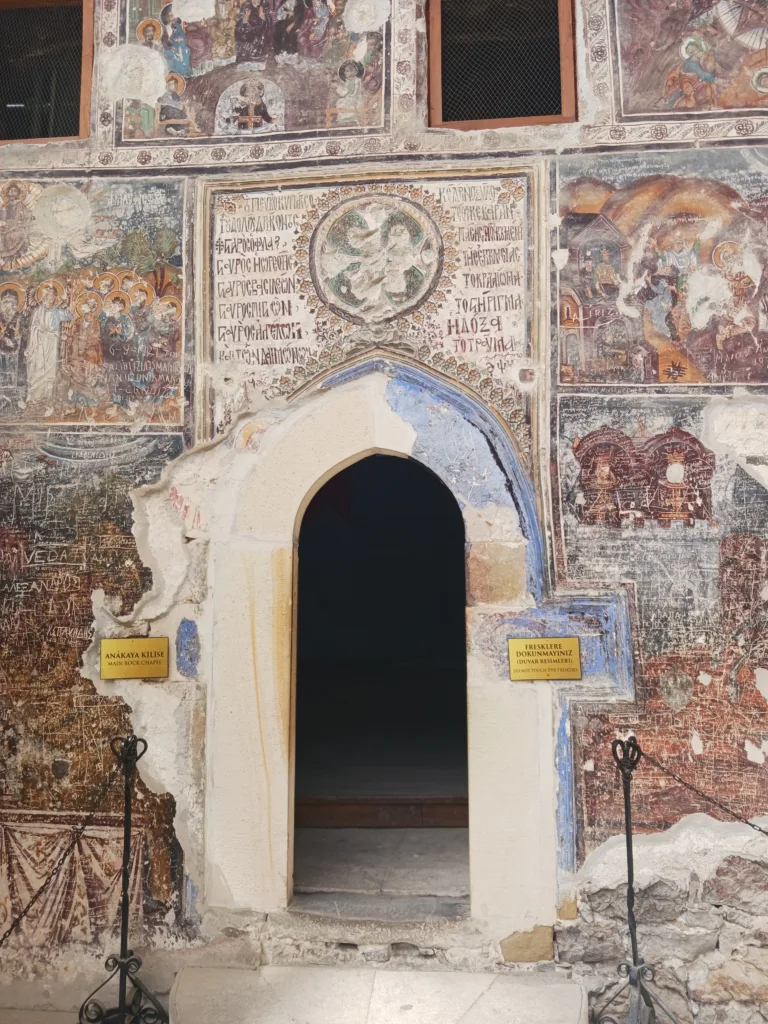
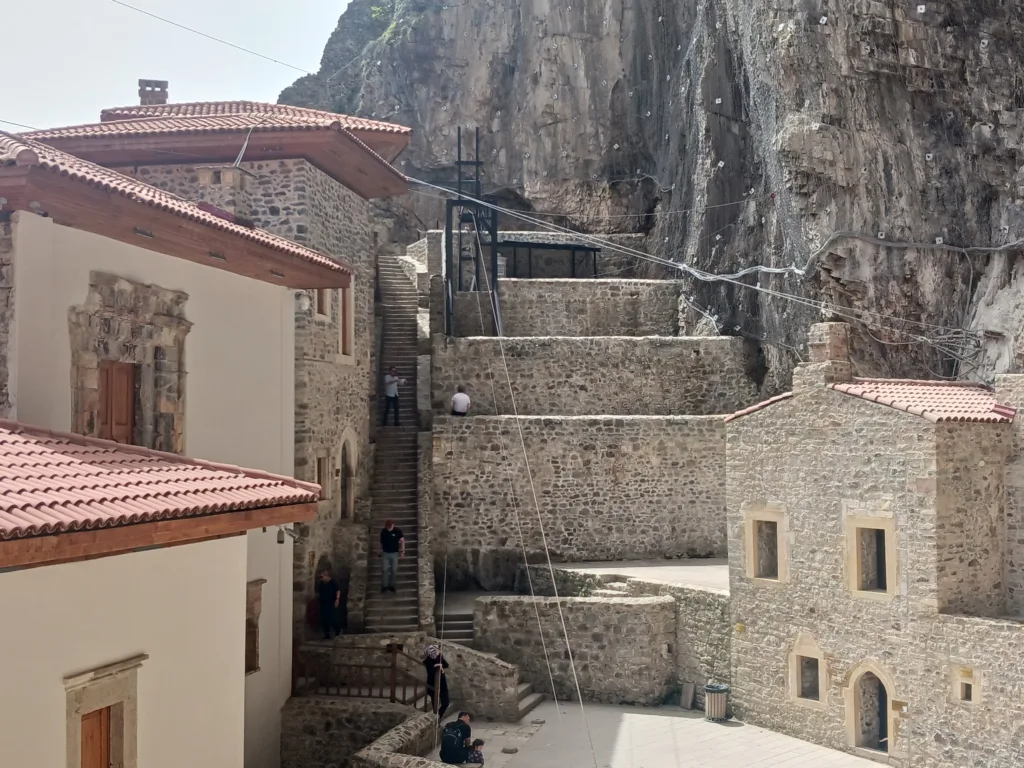
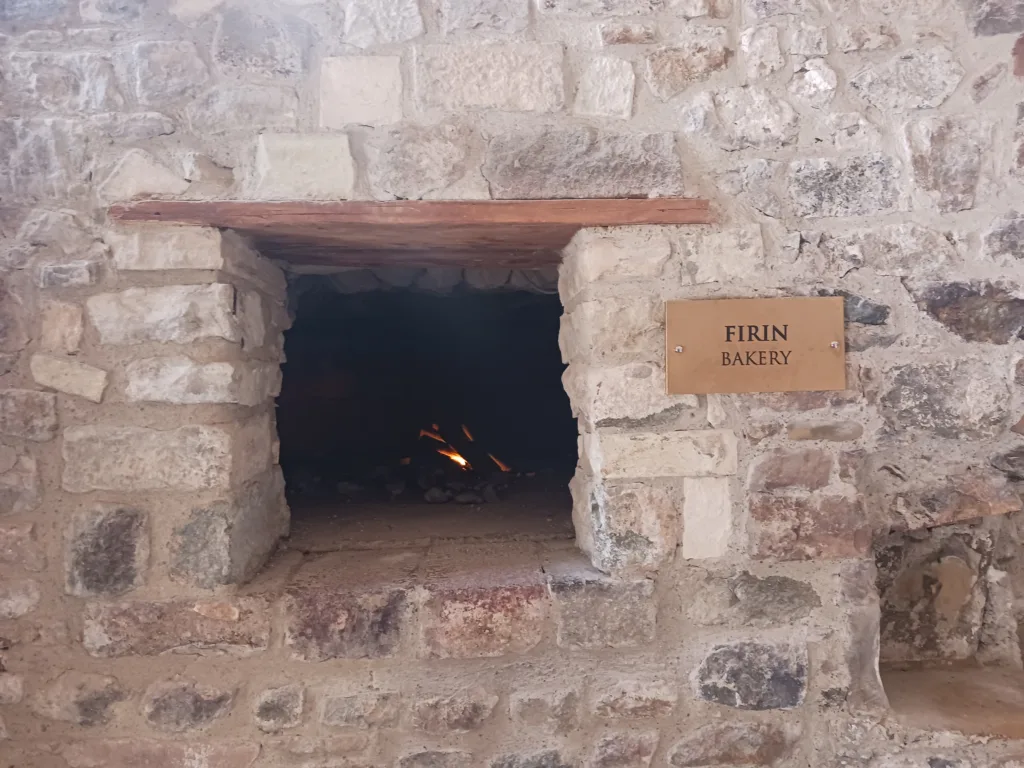
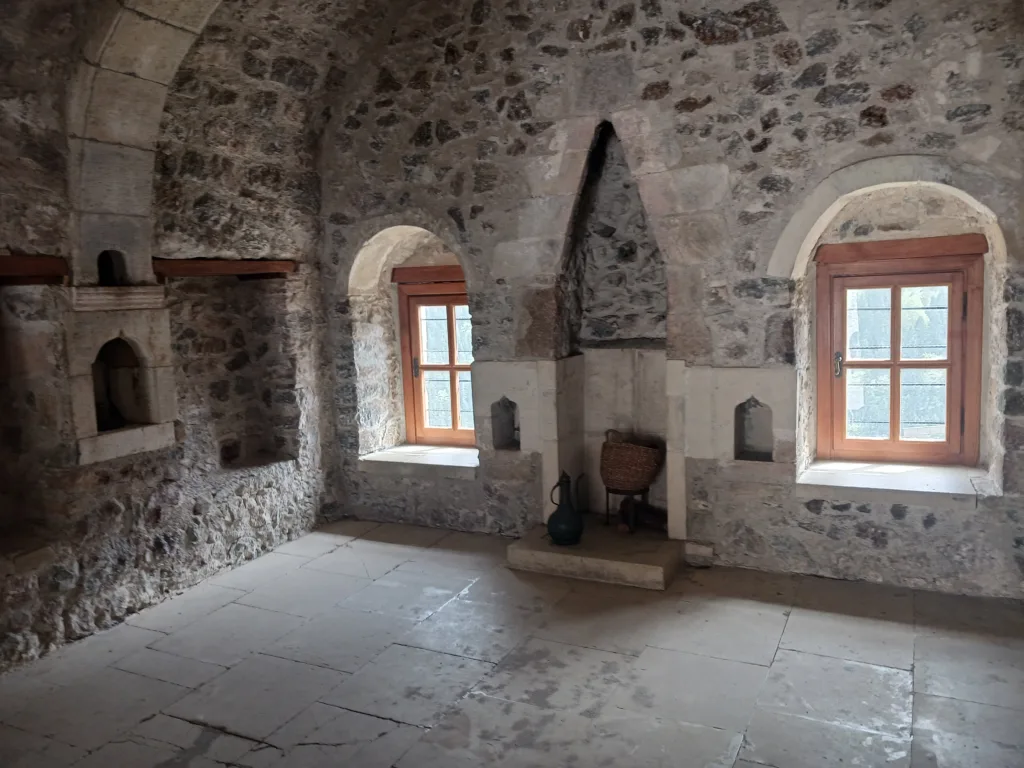
The monastery, perched on the mountainside, gleamed in the sun, embracing Trabzon. Like a living flame, it ignited hope in the souls of visitors who approached with awe, their steps heavy with history. Narrow steps lead you to a place that once buzzed with life. Today, it is deserted. Some signs in English and Turkish inform you about the different rooms of the monastery complex: the kitchen, the library, the toilet.
You try to imagine the life of the monks in a monastery that, according to tradition, was founded in 386 by Athenian monks Barnabas and Sophronios, who were guided to the inaccessible peaks of Pontus by a revelation of the Virgin Mary to establish her monastic abode.
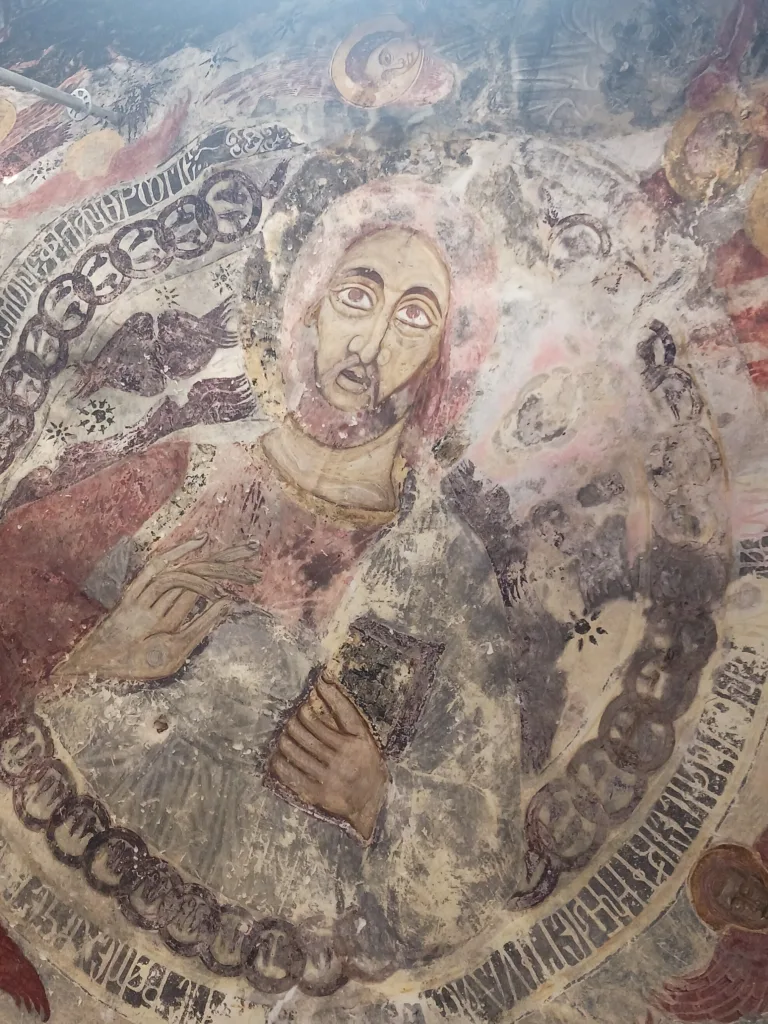
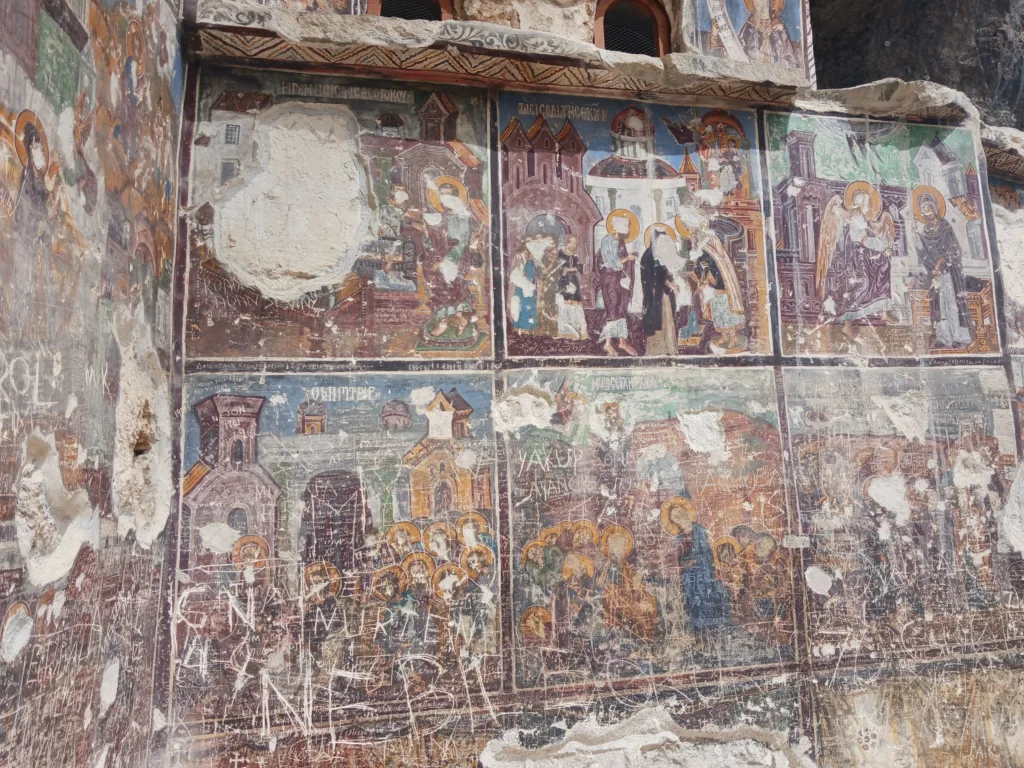
Vladimir, a Serbian visitor I meet during my tour, is annoyed by the condition of the monastery as we enter the church. Under reconstruction, with two Turkish flags “stealing” attention while we are trying to admire the poorly preserved relief of the Virgin Mary. The Icon of the Virgin Mary of Soumela, which according to tradition is a work of Luke, is now kept in the new Monastery of Panagia Soumela in Veria, Imathia.
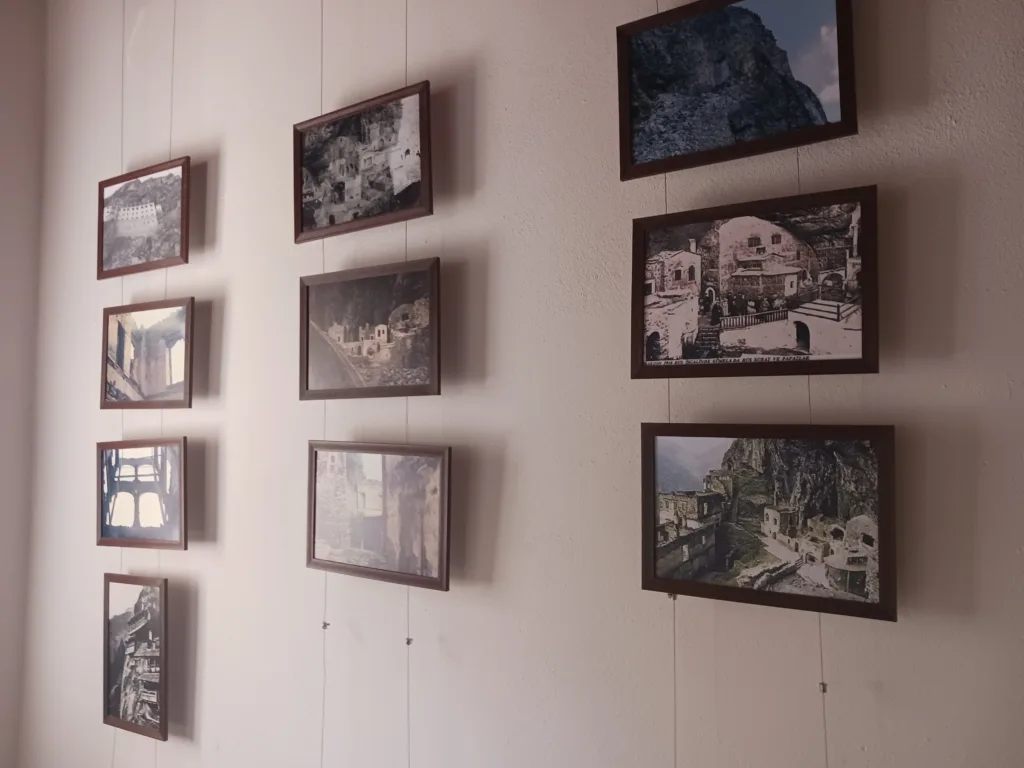
Panagia Soumela was closed to visitors from 2015 to 2020 for necessary restoration work. Work that is still ongoing and has caused reactions, as many believe that the Hellenic Orthodox identity of the monument has been weakened.
Panagia Soumela
On August 15, 2010, on the feast of the Dormition of the Theotokos, after 88 years of “silence” at the Monastery, Ecumenical Patriarch Bartholomew conducted the first Divine Liturgy with the permission of the Turkish authorities. In the courtyard, hundreds of faithful had gathered, while thousands more watched the service on giant screens set up in the monastery’s precincts. Generations of Greeks from Pontus were present that day at the foot of Mount Melas to see, learn, and not forget.
Despite the small victories, the desolation of the monastery causes disappointment to the visitor. A powerful religious and spiritual symbol of Hellenism in Asia Minor Pontus, today it appears as a remnant of a glorious past.
As I leave the visit and move on to the next stop, I imagine conversations of Greek believers hesitating between the awe the monastery evokes and the disappointment from its current state, which serves as a tangible reminder of what blind fanaticism can cause.
Nevertheless, the monastery remains there, even deserted, a symbol of faith and hope for centuries. The visit to Panagia Soumela is not just a religious experience. It is a journey of self-awareness, a connection with the past, and a promise for the future. It is the return of the Pontians to their homeland…
My first night in Yerevan ended intoxicatingly. The wine, the conversation with Maria and Aram, all pieces in the puzzle of my stay in Armenia’s capital had been carefully placed.
A city that hesitates between Western and traditional character. A collective struggle for dominance, which certainly won’t heal the wounds. Memories that even today “bleed.”
It was the 23rd of April 2024, and Aram, in our discussion, tried to convince me to visit Tsitsernakaberd the next day. The 24th of April was dawning, the day of remembrance for the Armenian Genocide by the Turks in 1915, and a strange, electrified atmosphere had spread like a shroud over Yerevan. It cocooned the Armenians.
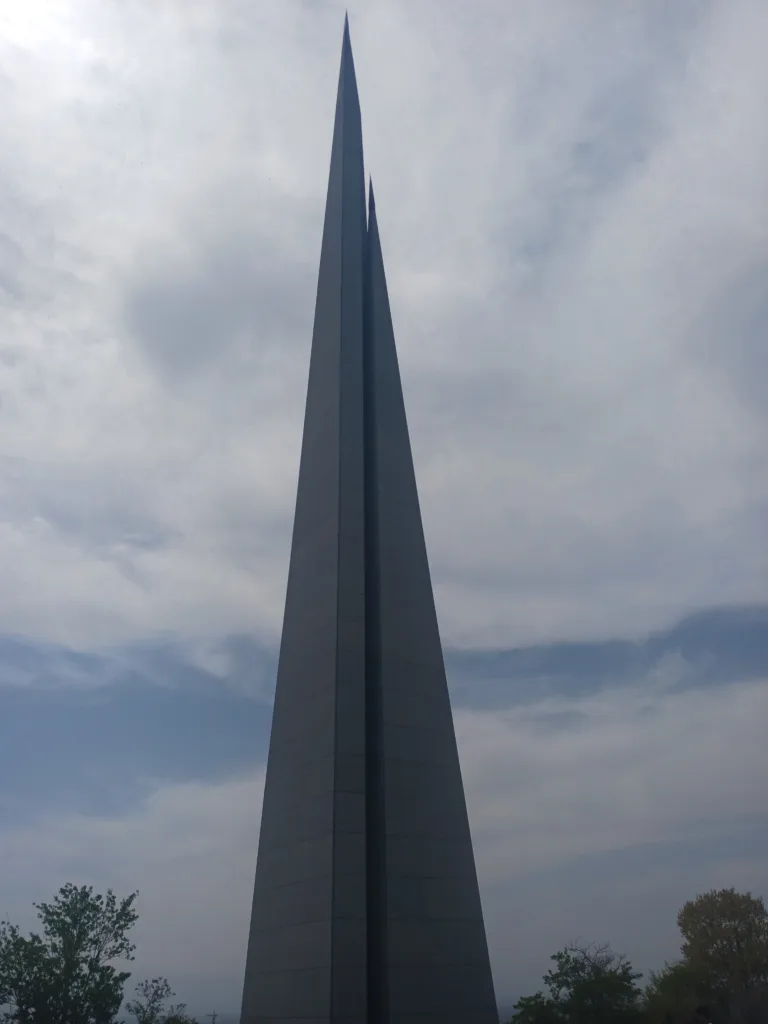
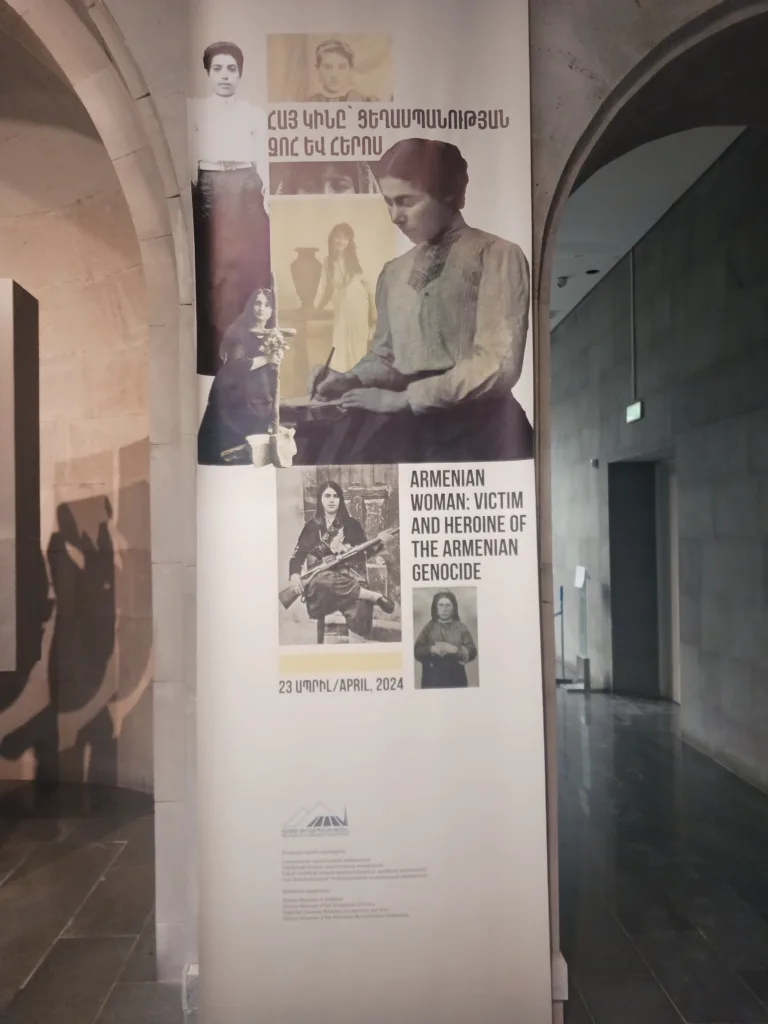
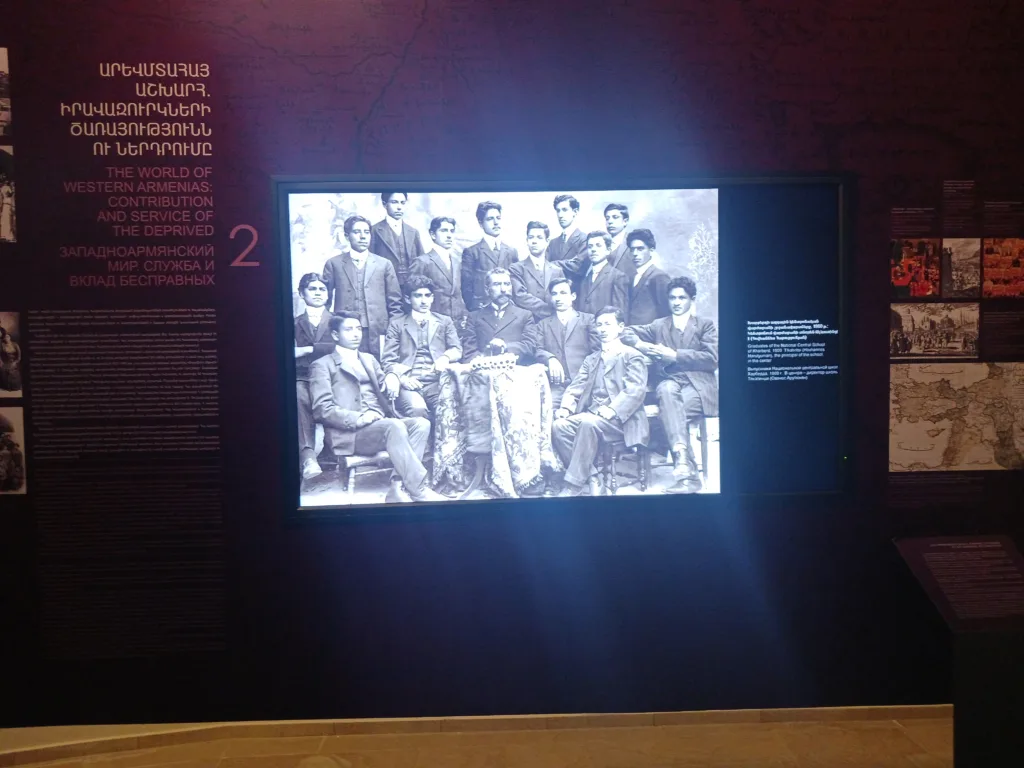
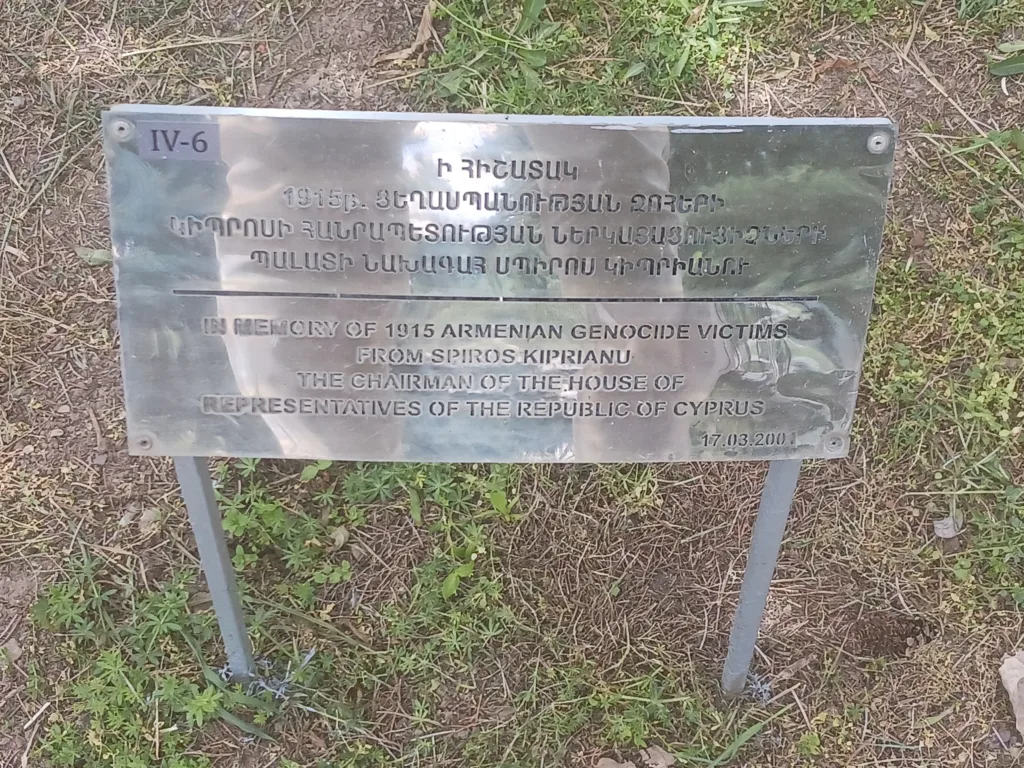
After an hour’s walk the next morning, I reached the hill of Tsitsernakaberd, where you can see a panoramic view of the entire city, and there stands the Genocide Museum and Memorial.
The stone mass of the Memorial looked heavy as it stood proudly on the hillside. A monument of pain and memory for the genocide.
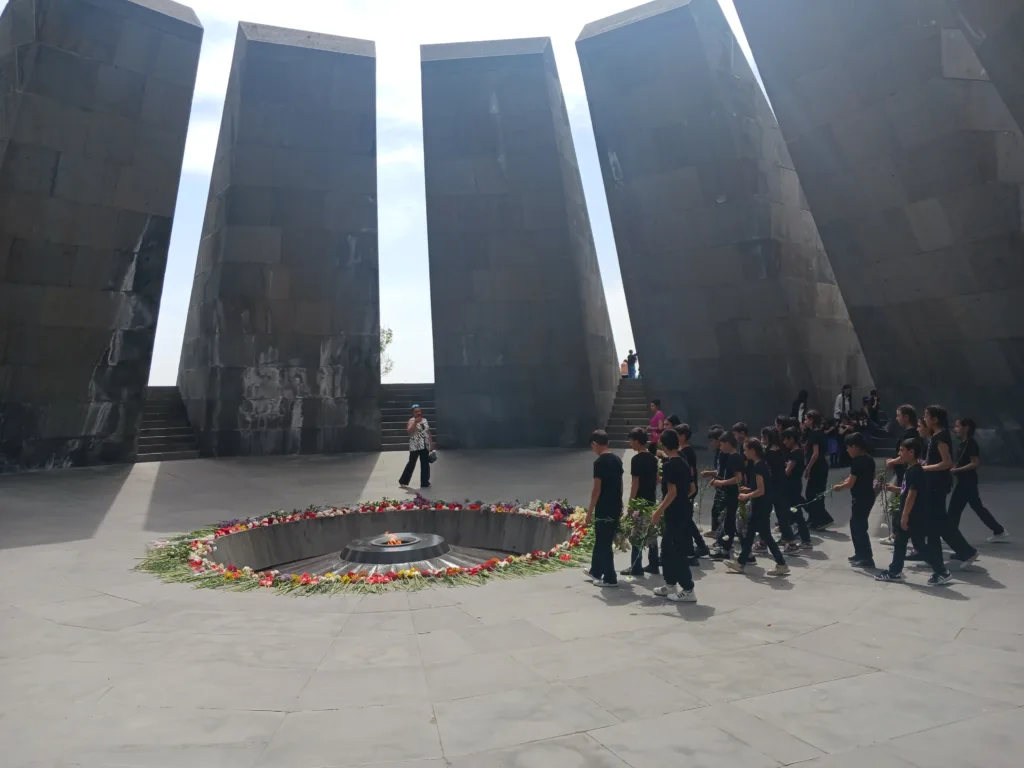
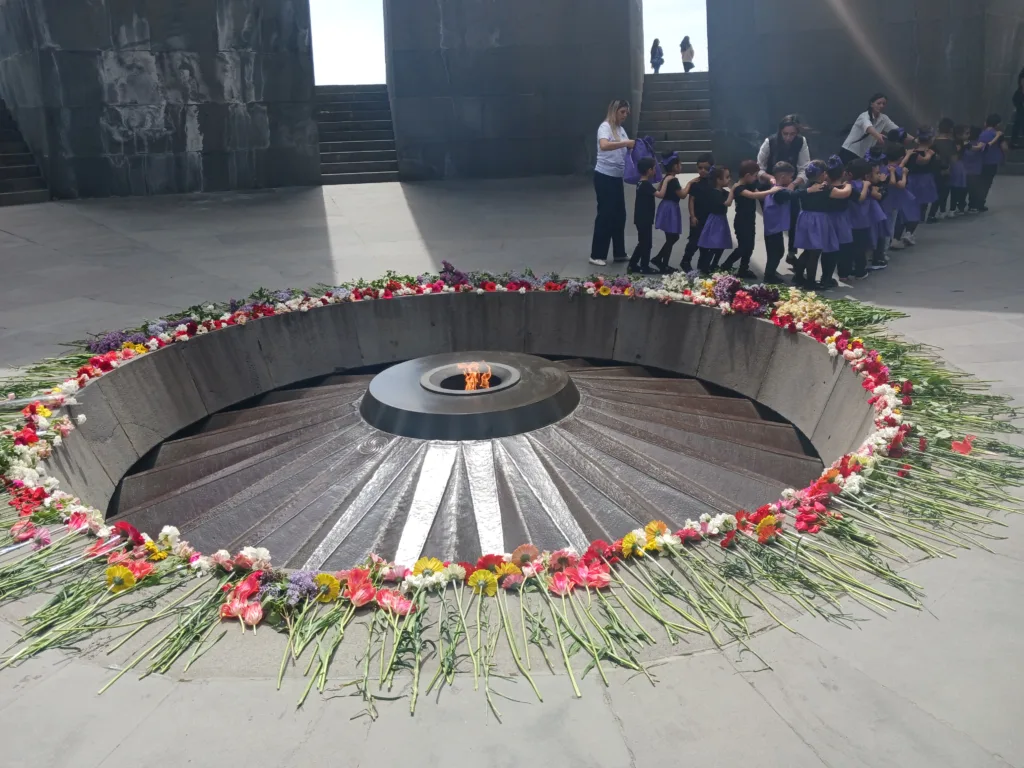
Children laid flowers before the Eternal Flame, as they do every year on this day.
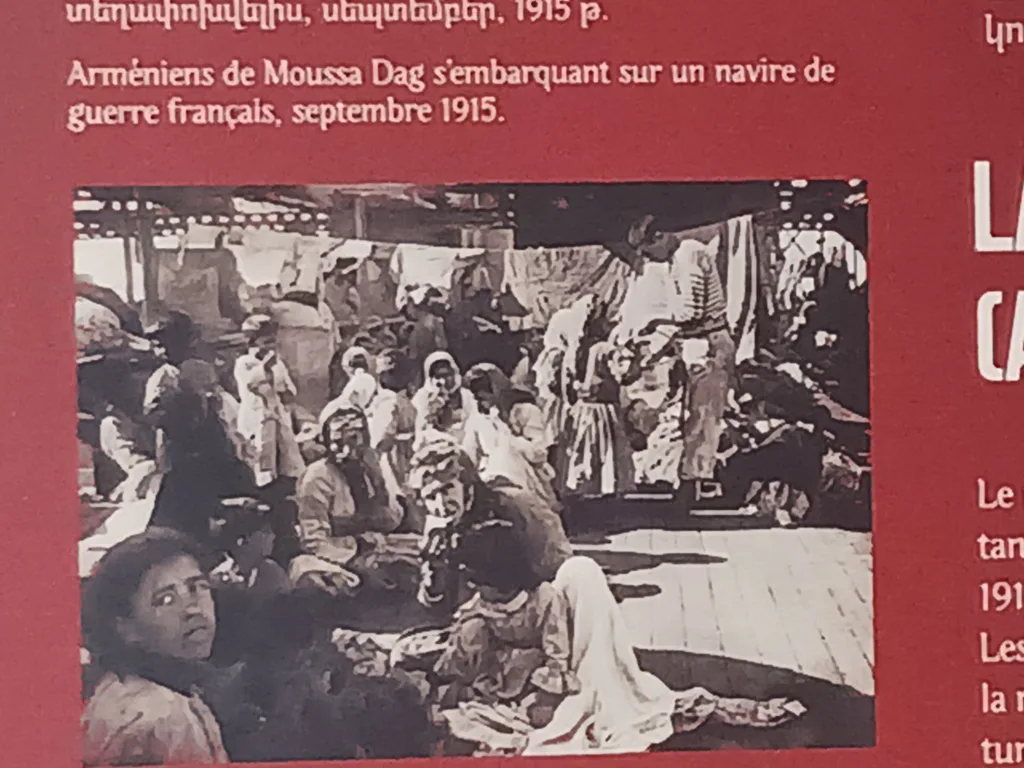
This year marked 109 years since the days when Armenians began commemorating “Red Sunday,” the day when the Turks launched a pogrom of persecutions and murders against Armenian intellectuals, essentially marking the beginning of the Armenian Genocide, which would result in approximately 1.5 million dead.
On the 24th of April, 1915, the Ottoman Empire’s Minister of Interior, Talat Pasha, ordered the arrest of all Armenian intellectuals in Constantinople, as well as members of the upper Armenian classes. About 2,000 people would be taken to Ankara and executed. The aim was to deprive the Armenian population of the Empire of its natural leadership. Few would escape.
Silence and mourning in the Museum
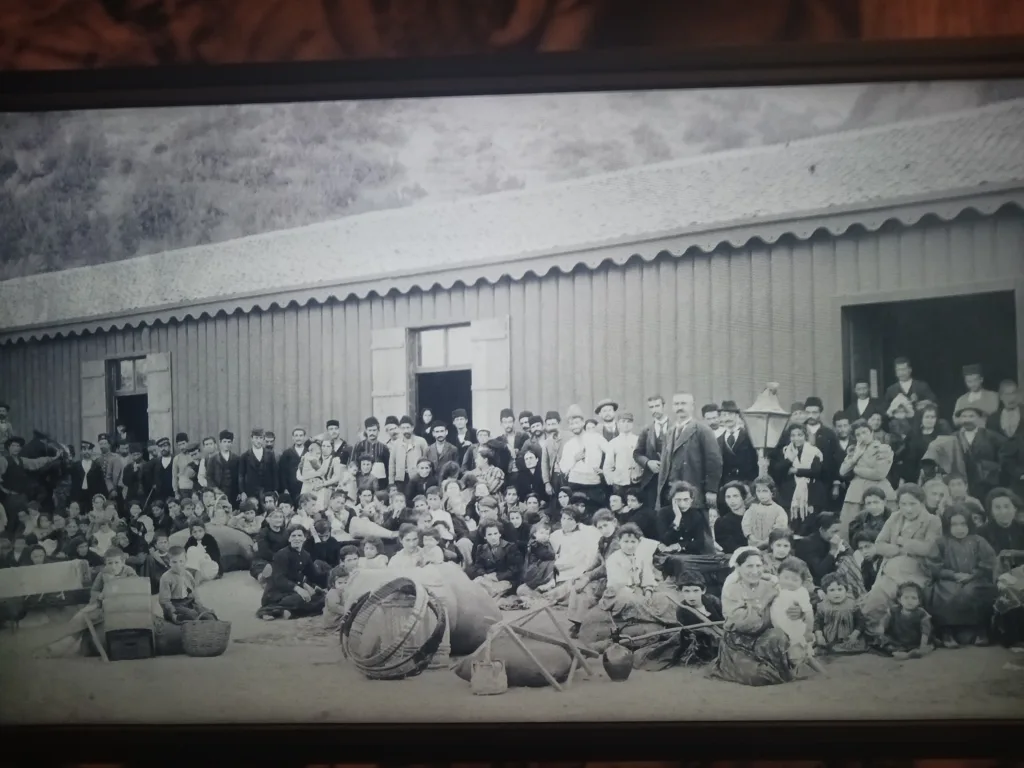
Passing the entrance of the Museum, located in an underground space, I irrevocably left behind the noise of the city. I entered a world of silence and mourning, where every object, every photograph, every testimony “screamed” the atrocity.
In the first room, the history of the genocide unfolded before me like a nightmare. Maps, dates, documents, all spoke of the rise of the Ottoman Empire and the barbarity that humans are capable of committing just to extend the influence of their power.
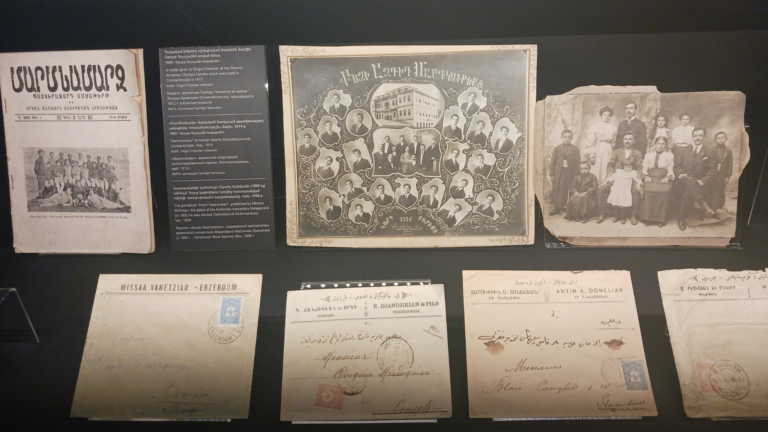
In a glass case, I saw a ledger full of names. It was the death list of a village, written in ink faded by time. Each name, a life extinguished, a family annihilated.
Next to it, an identity card, rusty and torn, as if violence aimed to erase even the identity of the victims.
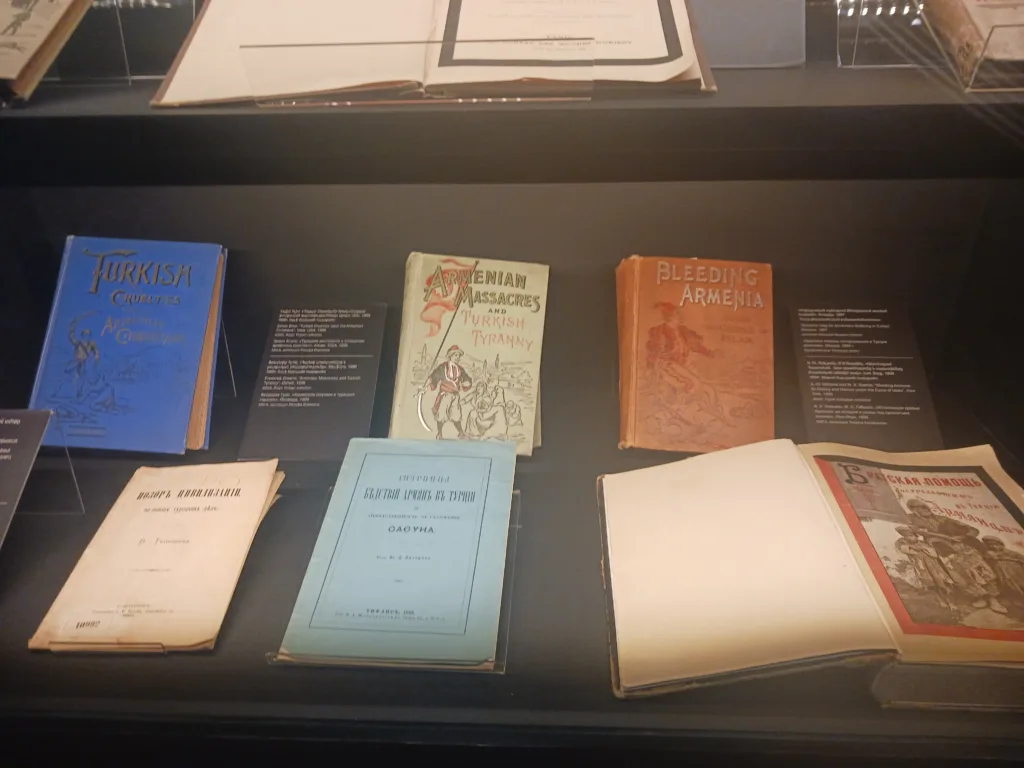
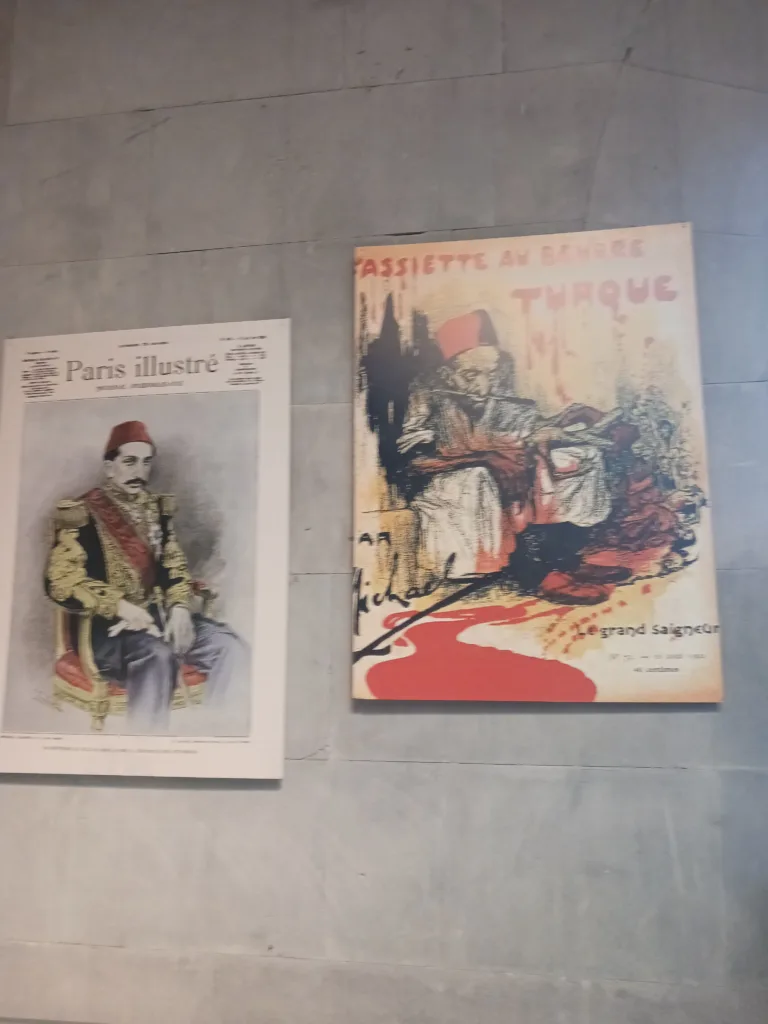
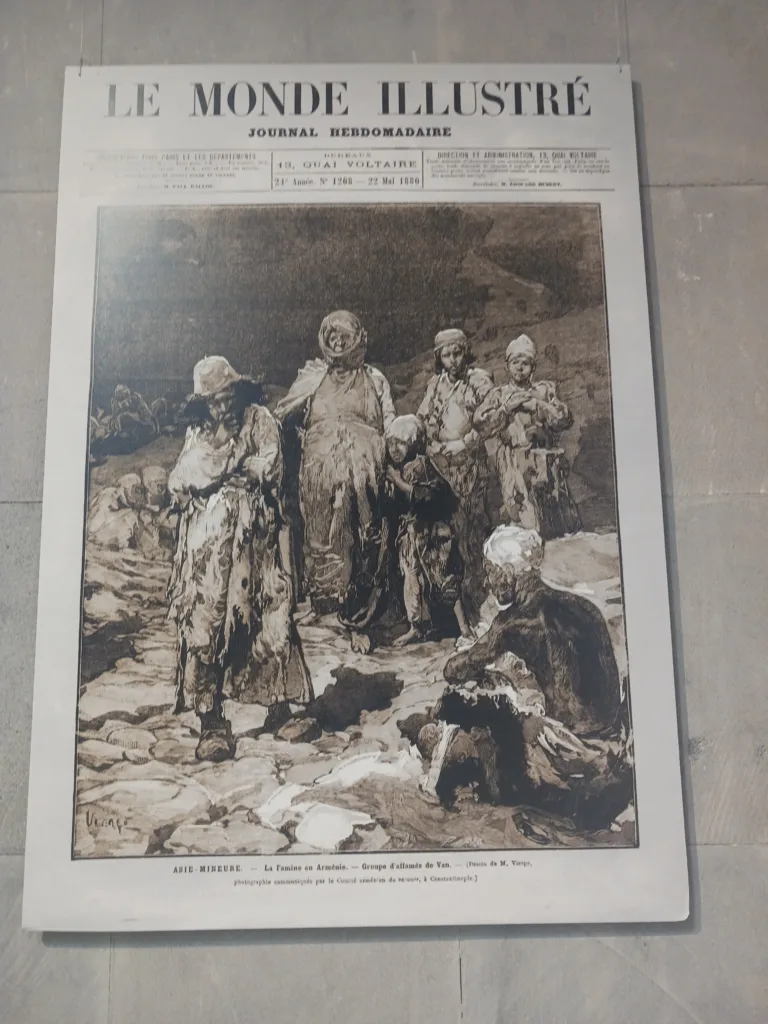
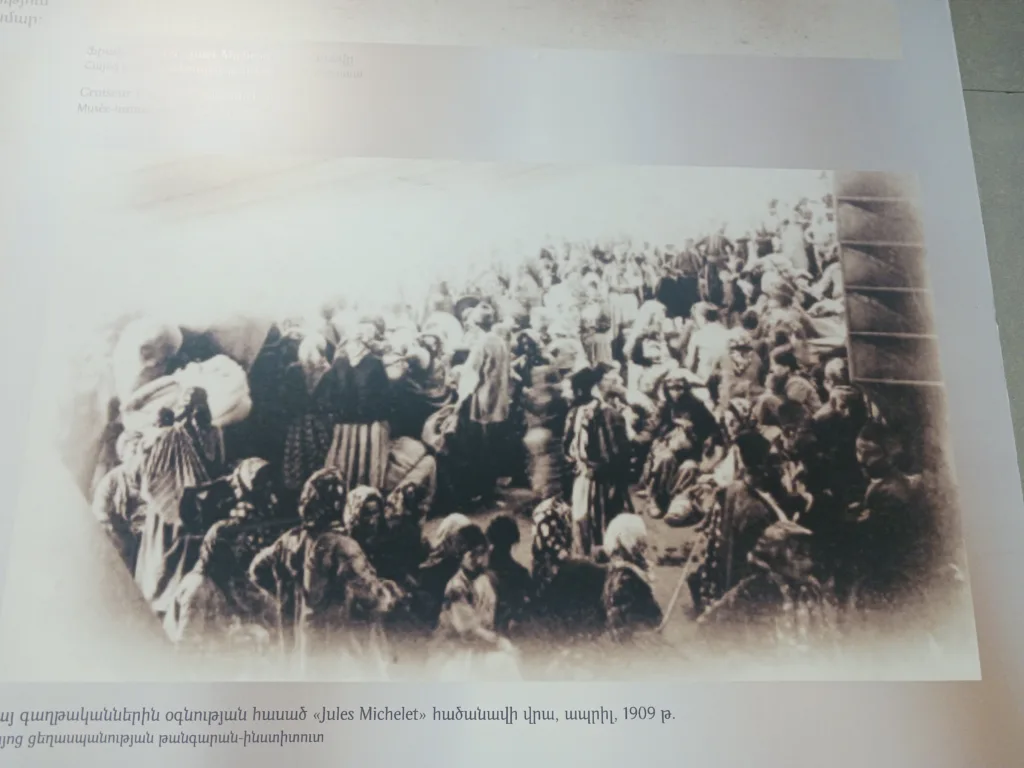
Moving on, I found myself in a room dedicated to atrocities. There, I saw photographs of massacres, looting, and rapes. I took some photos and observed the eyes of the other visitors who could not bear the horror.
In a corner, I stood before a showcase with children’s shoes. Tiny, worn, witnesses of lost innocence. Next to them, a doll with a broken arm, as if violence had touched even the children’s toys.
In another room, I saw personal belongings: watches that stopped at the time of the massacre, family photos full of smiles that had faded, letters from loved ones who never got to see each other again. Each item a story, a cry of pain, an unbearable testimony.
A ray of hope
In the last room, I saw a ray of hope. Where once death reigned, life now blossomed. Photos of survivors, stories of resilience and rebirth, testimonies of a people who refused to bend.
Everything passes, I thought as I left. Today, on the 19th of May, Pontians honour their Genocide Day. A similar story of horror. You could simply change the names from Armenian to Pontian and you would have the same lament, the same wounds that bleed.
But also the rebirth. Because, as the poet Dinos Christianopoulos says: “and whatever you did to bury me, you forgot that I was a seed.”
And so they blossomed again. The Armenians, the Pontians, the peoples who suffered barbarity and carry it with them, sometimes as a burden for their development, other times as a reminder of the sufferings of their ancestors, who gave them freedom.
Leaving the museum, I saw the Armenians with heavy hearts. But in my eyes, they seemed stronger. The wound still “bleeds,” but the memory lights the way to the future. They must not forget…
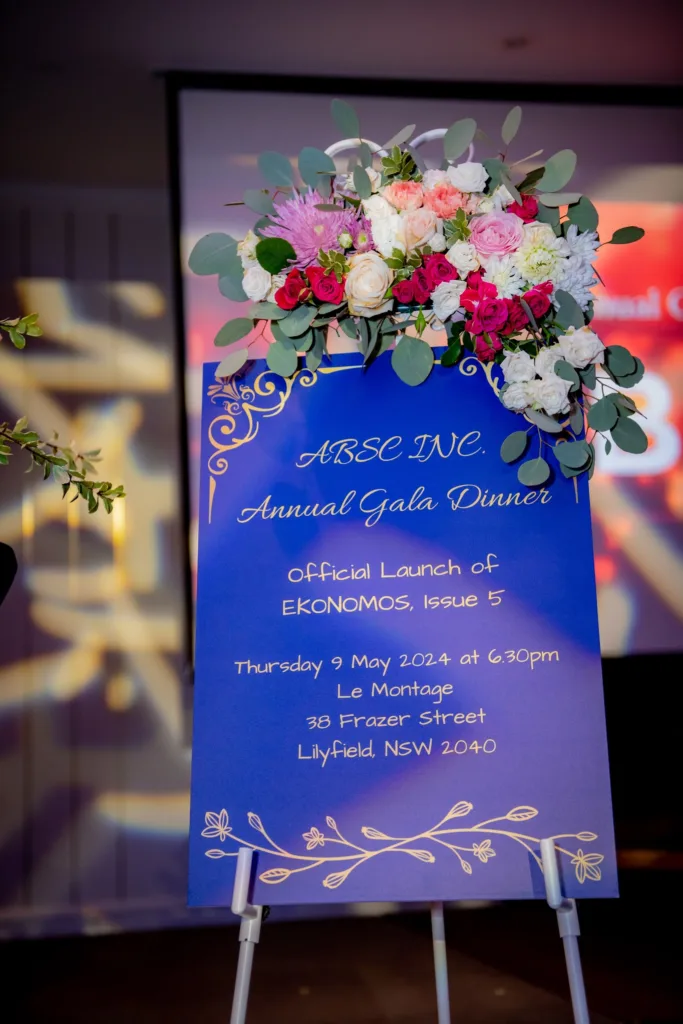
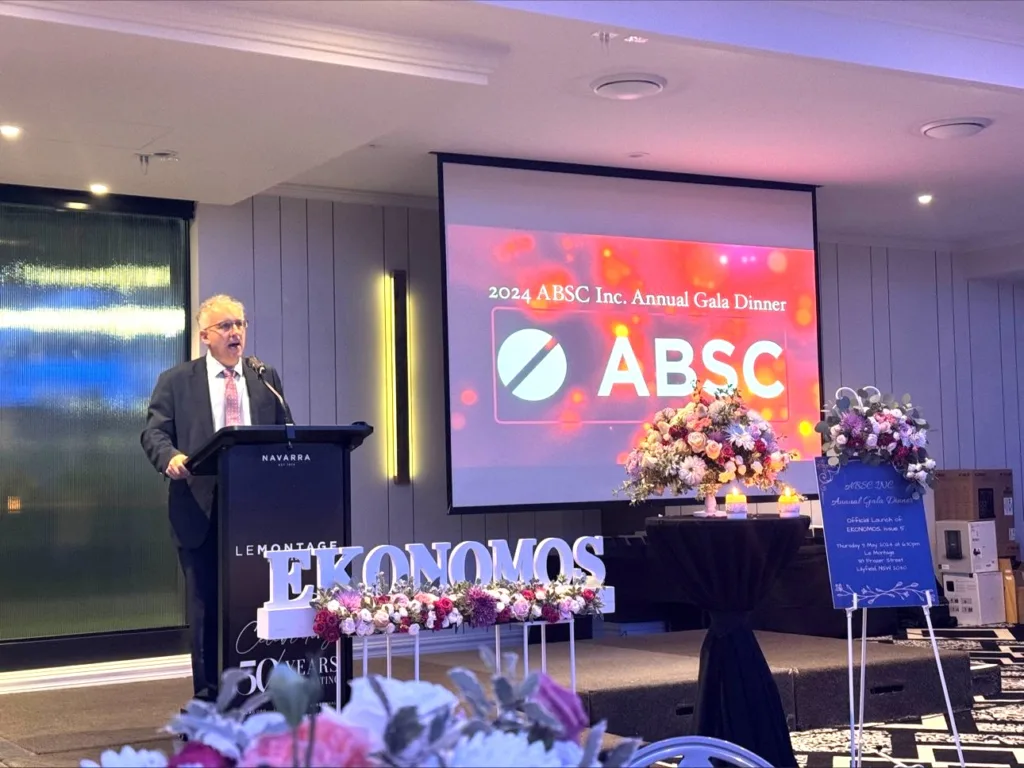
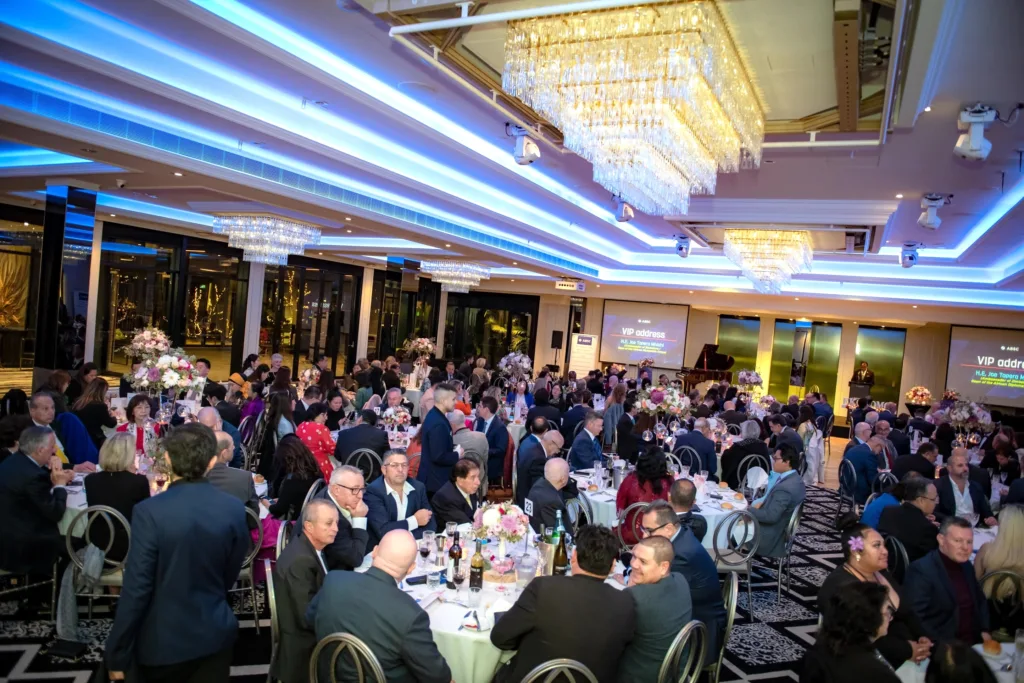
The Australian Business Summit Council Inc. hosted 250 business leaders, diplomats and politicians at its lavish Annual Gala Dinner to launch the fifth issue of EKONOMOS, the official business affairs magazine published by the Council, in the Sarah Grand Ballroom at Le Montage in Sydney on 9th May 2024.
ABSC Inc. president Dr. Frank Alafaci PhD welcomed the VIPs, dignitaries and guests to this signature occasion, featuring Senator Dave Sharma (Liberal Senator for NSW); the Hon. Mark Coure MP (NSW Shadow Minister for Multiculturalism / Jobs, Industry, Innovation, Science and Technology / and for South-Western Sydney); and the Trade Commissioner of Greece in Australia, Chrysa Prokopaki, as well as numerous Ambassadors and Consul Generals from different countries.
As the ABSC Inc. president for the fifth consecutive year, Dr. Alafaci addressed the audience on the need to promote sound policies, measures and incentives for capital accumulation in order that the robust spirit of entrepreneurship on which Australia heavily relies will provide sustainable economic growth into the future.
Indeed, the paramount mission for which the Council was established in 2018 is to support the bona fide rights of local businesses and enhance Australian entrepreneurialism by means of stimulating, strengthening and furthering multilateral economic links between businesses both within the country and extraterritorially. As such, the Council supports the advancement of high value-added and technologically advanced sectors and industries at home, as well as the furtherance of lucrative business, trade and investment opportunities between the Australian market and the international business community.
Senator Dave Sharma
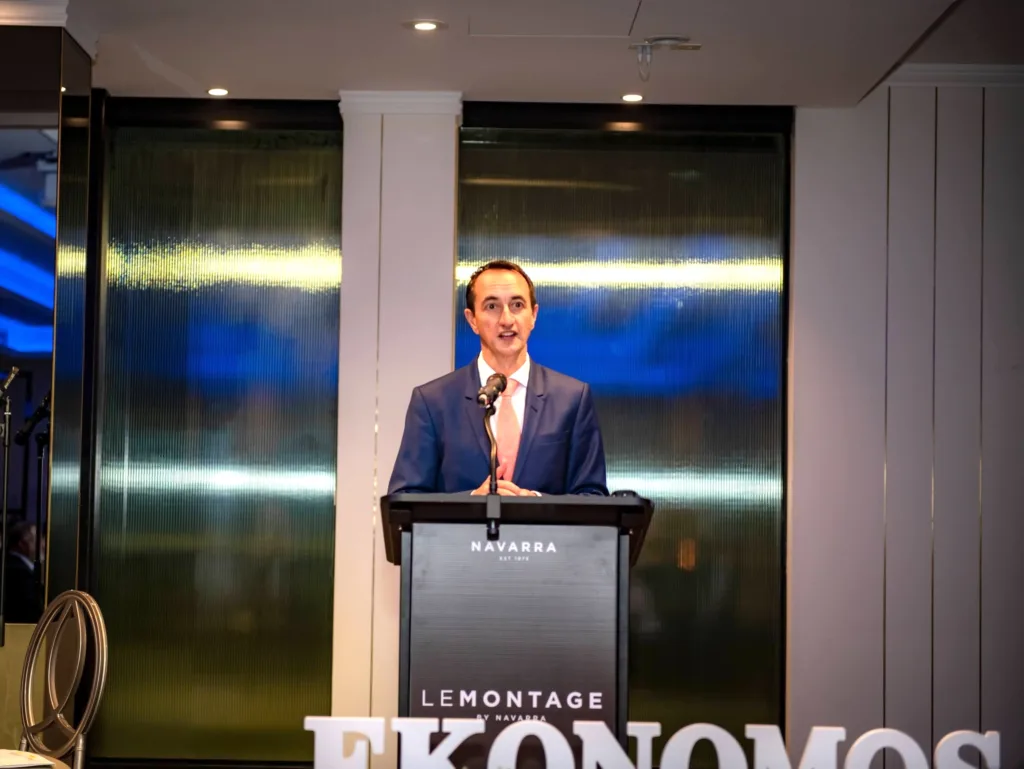
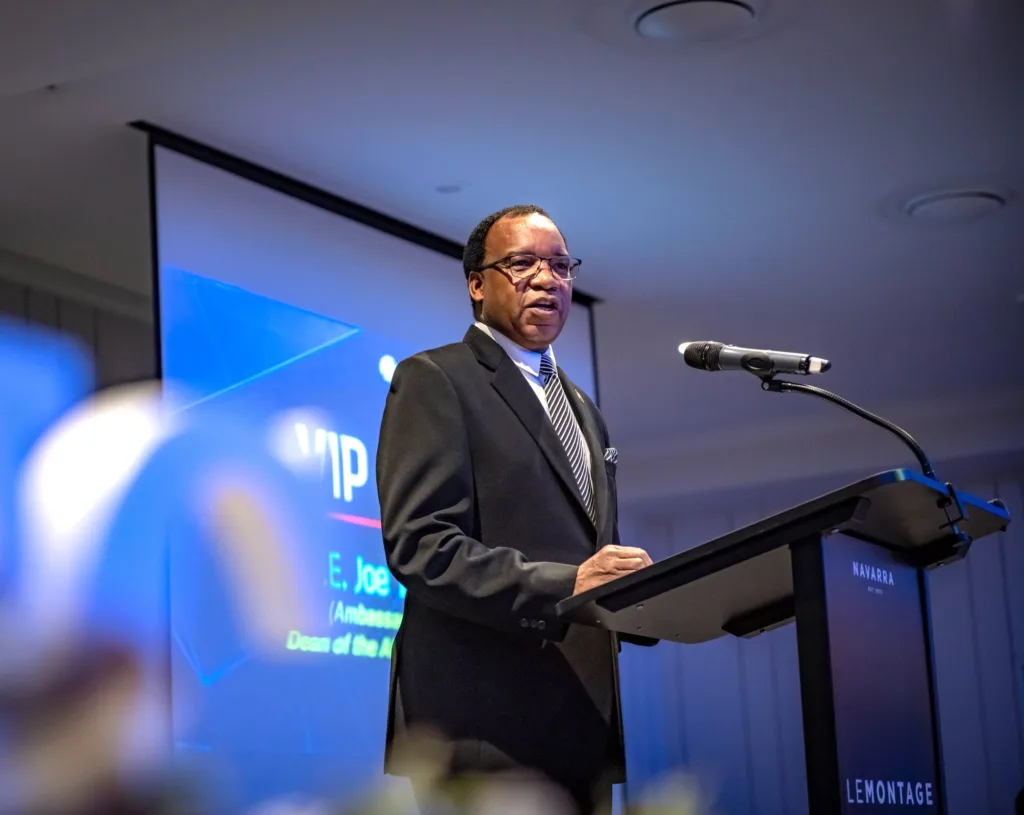
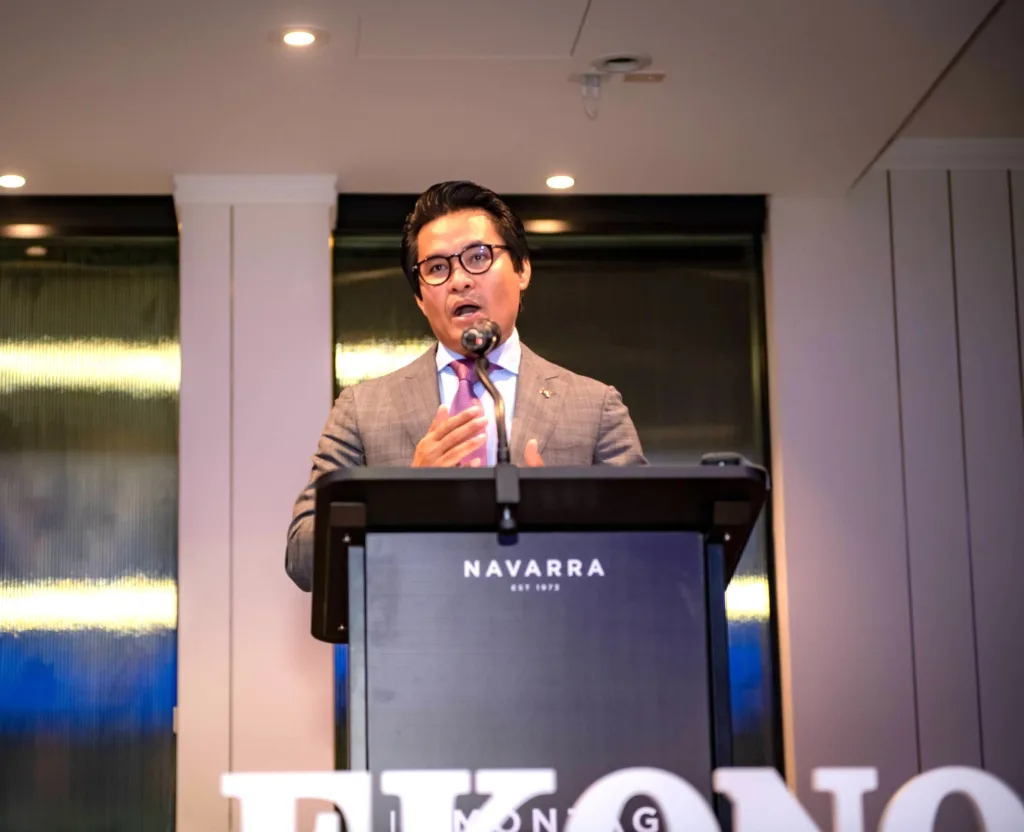
Heading the keynote speeches at the Annual Gala Dinner, Senator Sharma emphasised the importance of trade to the long-term future of Australia; H.E. Mr. Joe Tapera Mhishi (Ambassador of Zimbabwe / Dean of the African Diplomatic Corps) highlighted the investment potential in mineral exploration and extraction in Zimbabwe, especially with the development of a new lithium policy; and H.E. Dr. Chanborey Cheunboran (Ambassador of Cambodia) commented on the untapped opportunities in Cambodia as a promising investment destination with a stable political system, favourable business conditions, robust economic growth, and a strategic geographical location that attracts both local and international investors.
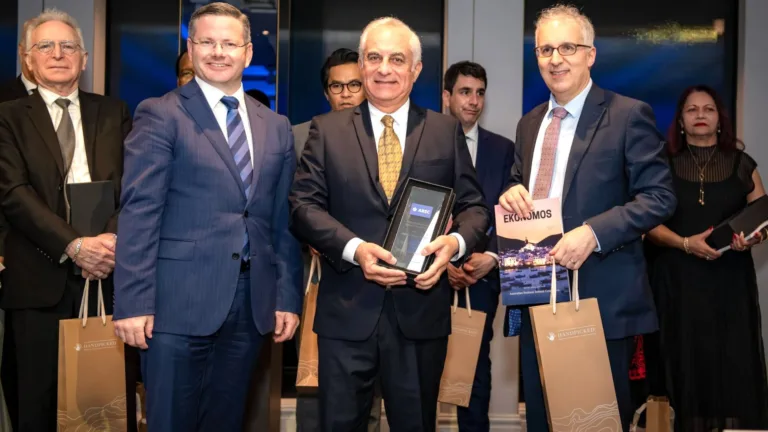
Officially launching EKONOMOS, Issue 5, 2024, ABSC Inc. president, Dr. Alafaci conferred in a formal presentation ceremony with Senator Sharma a special commemorative plaque to each of the article contributors to the magazine who were present at the Annual Gala Dinner: H.E. Dr. Nor-Eddine Benfreha (Ambassador of Algeria); H.E. Mr. Joe Tapera Mhishi (Ambassador of Zimbabwe / Dean of the African Diplomatic Corps); H.E. Mr. Rade Stefanovic (Ambassador of Serbia); H.E. Ms. Dianela Pi (Ambassador of Uruguay); H.E. Dr. Chanborey Cheunboran (Ambassador of Cambodia); H.E. Mrs. Marie Claire Jeanne Monty (High Commissioner of Mauritius); Mr. Sebastiano Angulo (Consul General of Chile) on behalf of H.E. Mr. Jaime Chomali Garib (Ambassador of Chile); H.E. Mr. Mohamed Khalil Morsi (Consul General of Egypt); Dr. Joseph Rizk AM (CEO / Managing Director, Arab Bank Australia Ltd.); Mr. Wally Mehanna (CEO, Canterbury Bankstown Chamber of Commerce); Mr. Ramy Qutami (Managing Director, Madison Marcus); Mr. Eric Boone (Partner, Madison Marcus);Emeritus Professor Greg Whateley (Deputy Vice Chancellor, UBSS / CEO, Group Colleges Australia); and Professor Ian Bofinger (CEO / Executive Dean, Australian Academy of Music and Performing Arts).
H.E. Joe Tapera Mhishi (Ambassador of Zimbabwe Dean of the African Diplomatic Corps)H.E. Dr. Chanborey Cheunboran (Ambassador of Cambodia)
Likewise, the ABSC Inc. president and Mr Coure formally acknowledged and presented the five sponsors (Alliance Project Group, Arab Bank Australia Ltd., Drs ABCD First Aid Training, DMG Fine Wines and Trade Window) with their own commemorative trophies for their generous contribution to making both the Annual Gala Dinner and the fifth issue of the ABSC Inc.‘s business affairs magazine possible.
Importantly, two Lifetime Achievement awards were bestowed by the ABSC Inc. president in a surprise presentation ceremony to Mr. Michael Rizk OAM (accepted on his behalf by Dr. Joseph Rizk AM, CEO / Managing Director, Arab Bank Australia Ltd.), one of the directors / former president of the Australian Lebanese Chamber of Commerce and currently the Head of Trade Relations of the Chamber, and Mr. Michael Megna (Mayor of the City of Canada Bay) who has operated a chartered tax advisory business in Five Dock, NSW since 1974, for their distinguished service to the community.
Ms. Katya Cyargeenka
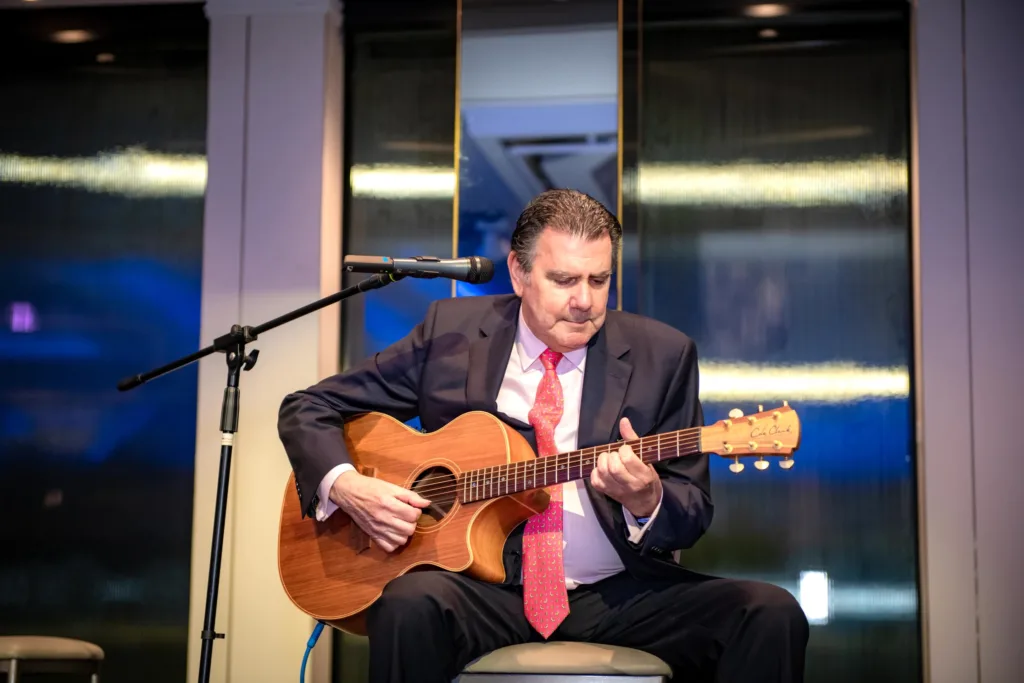
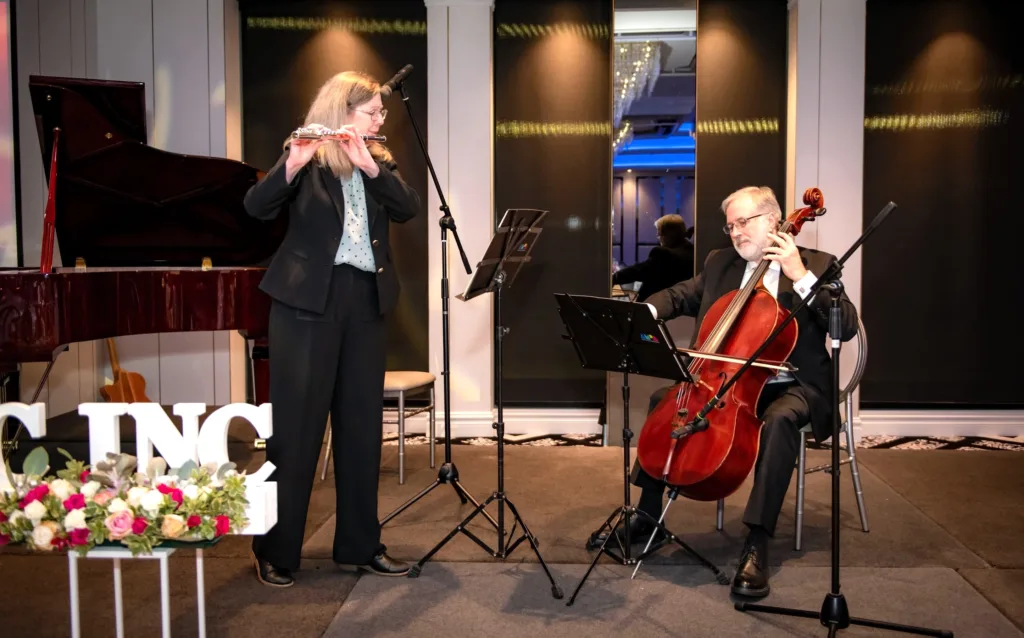
Alternating with the event’s formalities, four memorable music performances from Ms. Katya Cyargeenka on piano, Adjunct Professor Art Phillips (former guitarist for the American singer Barry Manilow) on acoustic guitar, Professor Ian Bofinger (CEO / Executive Dean, Australian Academy of Music and Performing Arts) on cello and his wife Assistant Professor Tracy O’Leary playing the flute, and Emeritus Professor Greg Whateley (Deputy Vice Chancellor, UBSS / CEO, Group Colleges Australia) in a special duet performance with Adjunct Professor Art Phillips once more on acoustic guitar entertained the audience during the Annual Gala Dinner.
Adjunct Professor Art Phillips
ABSC Inc. president, Dr Alafaci formally concluded this exclusive Annual Gala Dinner with his acknowledgement of the support and assistance provided by the Board of Directors of the Australian Business Summit Council Inc., especially Mrs. Sylvia Alafaci, the Council’s secretary, for her incredible devotion to organising this event, sending out most of the invitations, preparing the beautiful table arrangements and decorations, and communicating with Le Montage’s events management team led by Mr. Stephen Melani to whom the Council owes a special debt of gratitude and appreciation for their kindness, patience and professionalism.
Professor Ian Bofinger and Assistant Professor Tracey O’Leary
Dr. Alafaci PhD also thanked the Council’s committee members Ms. Linda Kim, Ms. Sheron Sultan and Mrs. Mas Meuross for assisting the ABSC Inc. secretary to decorate the Sarah Grand Ballroom and attend to the numerous VIPs, dignitaries and other guests who had honoured the Council with their presence on the evening, including Mr. David Bertram, CEO of DB Print Management for printing the Official Program and Menu for this Annual Gala Dinner as well as copies of EKONOMOS, Issue 5, 2024, which is likewise available in an electronic format on the ABSC Inc. website at www.absc.online.
The Eurobodalla on the NSW south coast is home to some of the best fish and chip joints in the nation.
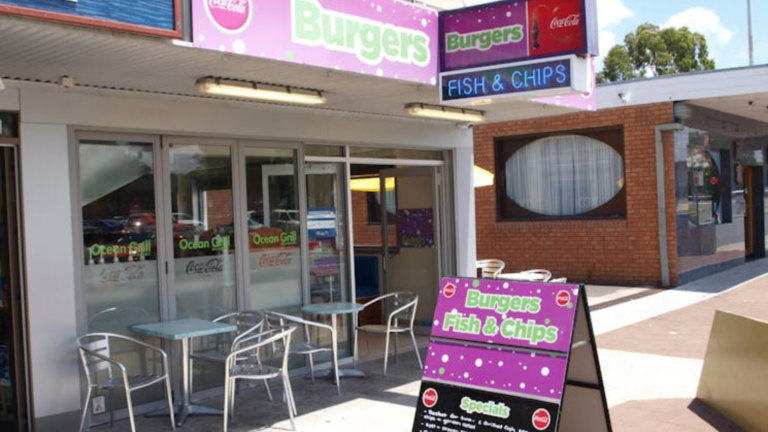
According to the Daily telegraph, Ocean Grill’s George Hatzkiriakos, is one of the faces behind the delicious seafood of the area.
Ocean Grill on the Bay has run next to the foreshore for years, offering more than just fish and chips; it’s a haven for burgers, salads, and much more.
Run with love and dedication by Dora and George Hatzikiriakos, Ocean Grill has carved a niche in Eurobodalla for its commitment to using fresh, locally sourced ingredients.
Mrs Hatzikiriakos said to the Daily telegraph, that Ocean Grill’s burgers and fish were “traditional” meals.
“This is great food, it’s clean, fresh great food,” she said. “We make our own burgers and fish from locally sourced, fresh ingredients and people love it.”
Mrs Hatzikiriakos said the location was also a drawcard for customers who can eat their food by the ocean on the bay foreshore.
“We don’t get a heap of foot traffic since we’re at the end of the street, but people exploring the bay find us, try us and love what they try,”.
Grilled fish burger and chicken schnitzel burgers are some of Ocean Grill’s most popular items.
Ocean Grill on the Bay is open six days a week [closed Tuesdays] 11am to 7pm at 17 Clyde St, Batemans Bay.
Greece saw two beaches included in Tripadvisor’s Best Beaches in Europe for 2024, as part of its annual Travellers’ Choice Awards.
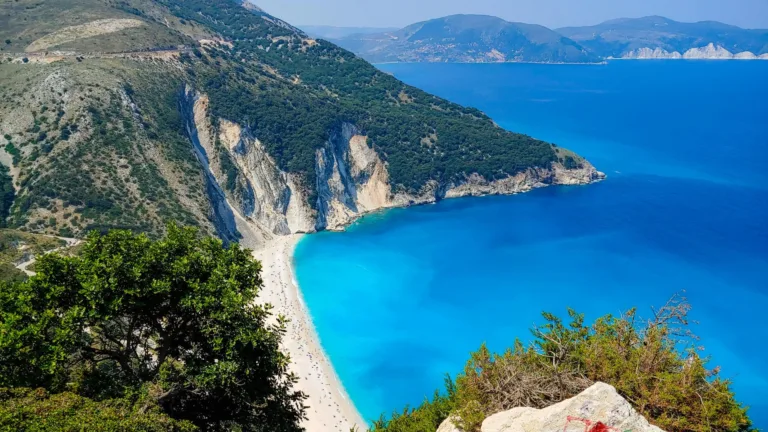
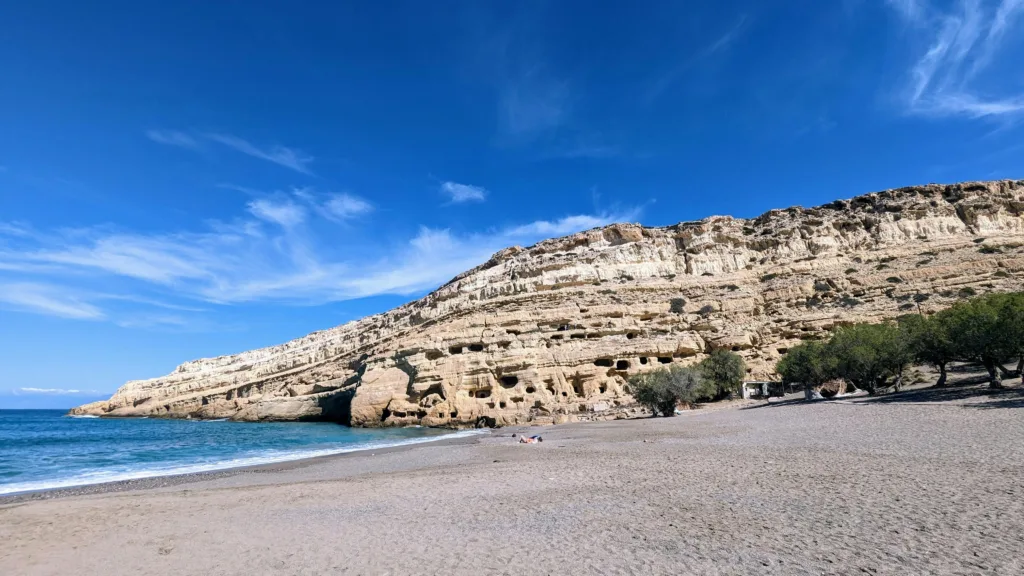
According to tovima.com, Galissas Beach in Syros claimed the 5th position, while Myrtos Beach in Kefalonia secured the 8th spot. Anthony Quinn Bay in Faliraki and Matala Beach in Crete were also recognized, ranking 12th and 14th, respectively.
Galissas Beach (5) and Myrtos Beach (8) were also included in the top 10 of a new subcategory launched this year called “The World’s Best Sustainable Beaches”.
The assessment for these awards drew from an analysis of millions of reviews submitted by travelers worldwide over the past year, assessing both the quality and quantity of beach experiences.
Beach sustainability is measured by a combination of inputs from sustainable data partner BeCause (via the Blue Flag program) and Tripadvisor traveler reviews, with the winners standing out for their commitments to sustainability including sustainable transport options, waste disposal, and water quality.
Photo by Andre, pexels.com
BeCause helps more than 22,000 companies manage their sustainability data by streamlining and automating their processes. This includes sustainability-certified hotels, certification entities like GreenKey, industry partners including UN GSTC, and marketplaces such as Booking.com and Google.
Tripadvisor is the world’s largest travel guidance platform. Travelers across the globe use the platform and app to discover where to stay, what to do, and where to eat based on guidance from those who have been there before. The site has more than a billion reviews and contributions.
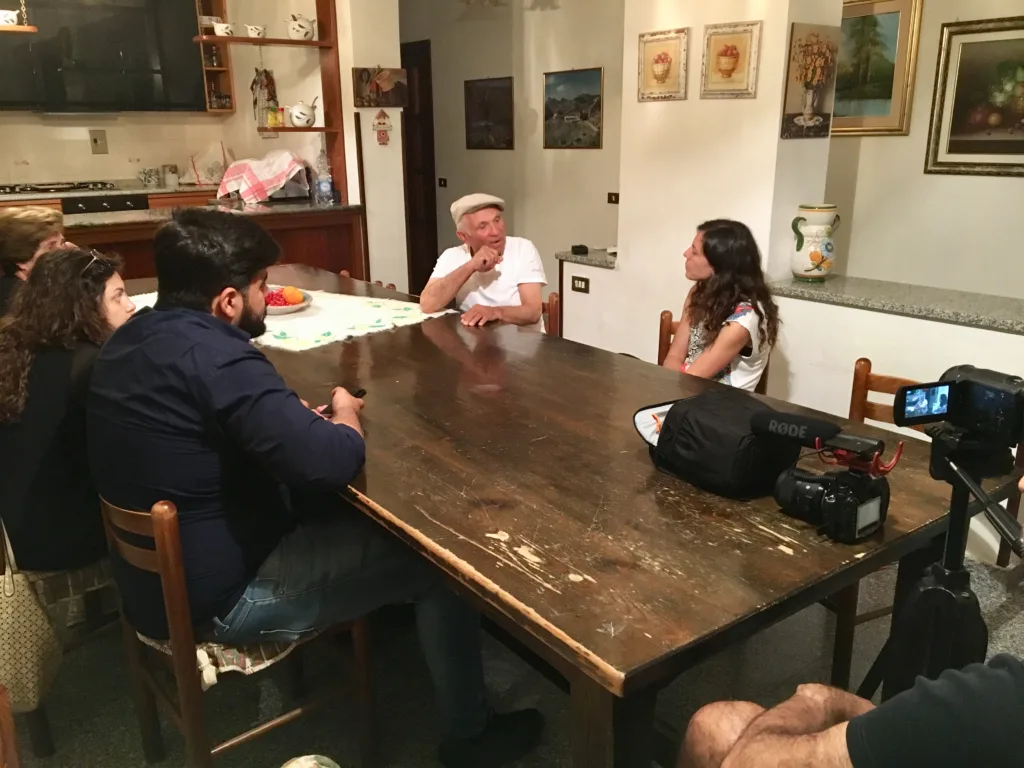
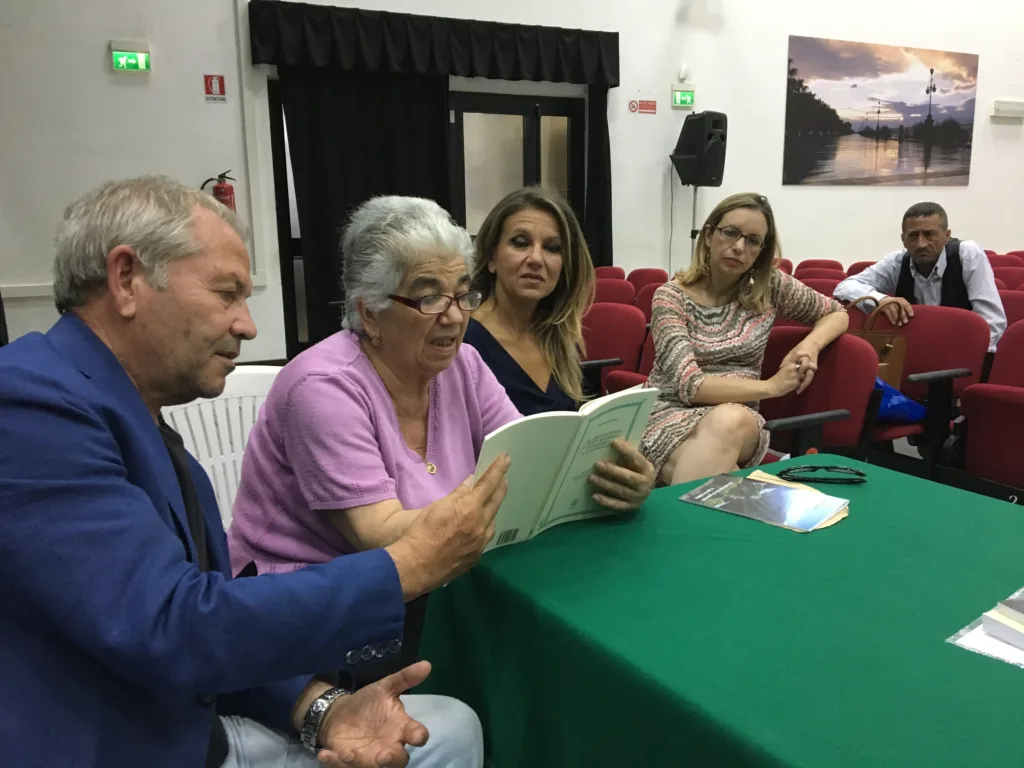
Festival Hellenika will host the ‘Magna Graecia: The Greko of Calabria’ talk and short film screening on Friday, May 31 at 7pm. The event is free.
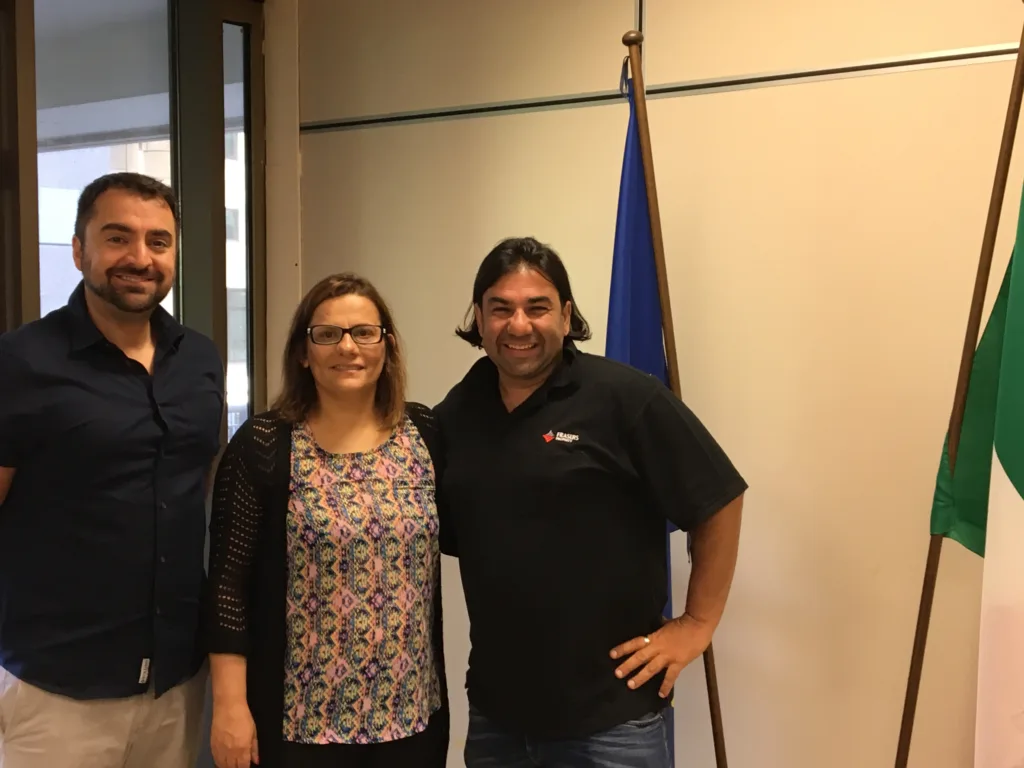
The film is by Adelaide native Basil Genimahaliotis and Sydneysider Billy Cotsis under the banner of the excellent cultural program of the Festival Hellenika South Australia.
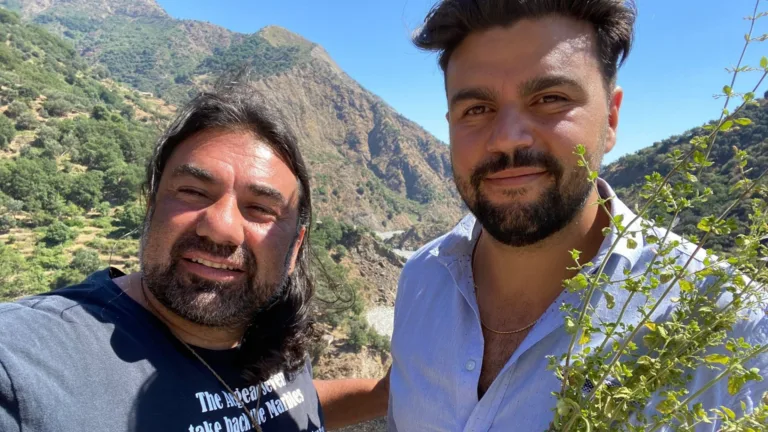
Cotsis has been to 81 countries looking for Hellenes, producing six books and a contribution to a new book, “Whose song is this?”, 20 documentaries, a Greek blog and a YouTube channel: BillyWood Greek Stuff and Beyond.
Basil Genimahaliotis has worked across ten countries as an architect and short filmmaker, including eight projects with Cotsis in Greece, Italy, Australia and London.
The film and talk will take the audience on a journey through the 2,800 years of Greko history, with Calabria the focal point.
“Basil and I want the audience to gain an insight into the Greko and their history over 2,800 years, their challenges, how the numbers have dwindled and what we can do help save the dialect before it is extinct. You will find a mixture of elderly and younger Greko,” Cotsis explained.
The Festival Hellenika event is supported by the Magna Graecia Network Australia, which is Adelaide based. Many of their members will visit Calabria within the next two years for the annual Greko trilingual classes in the heart of Calabria’s Aspromonte region.
Magna Graecia
The last remaining Greko villages are Bova Marina, Vua, Galliciano, and Roghudi New as well as Melito Town, Condofuri Marina, Roghudi Vecchio (which was in essence a ghost town), and Reggio (where there are hundreds of Greko and Greek speakers).
Cotsis is happy to take questions on Greeks of Magna Graecia and other Greek communities on the day.
Magna Graecia
The screening will be held at the hall of the Greeks of Egypt & Middle East Society of SA (56 Richmond Road, Keswick).
Cotsis said the venue is poignant.
“I have been to Alexandria and other Greek communities in the Middle East, such as in Palestine and Jordan, and it goes without saying that supporting language and showing interest as an outsider helps keep these small communities going. We can do more for them, and for the Greko, or we will lose these connections, living history to our ancient and Byzantine past. I’m ecstatic that Festival Hellenika chose this venue and I thank the venue, President and Committee for accepting us,” he said.
Magna Gracia
Italy has a long association with Greece. Venice, Genoa and Rome provided a significant legacy in many parts of Greece including ancient ruins and architecture. Greeks have similarly left a legacy in Italy especially in Southern Italy where hundreds of Greek colonies and settlements formed in ancient and medieval times. Their descendants remain in parts of Calabria and Apulia to this day where over 20 towns speak Greko or Griko – dialects of ancient and Byzantine Greek.
Event Details:
What: ‘Magna Graecia: The Greko of Calabria’ talk and short film screening
When: Friday, May 31 at 7pm.
Where: Greeks of Egypt & Middle East Society of SA – Hall, 56 Richmond Road, Keswick.
The northern Aegean Island of Imbros and its population played a significant but little appreciated role in the Gallipoli campaign and Australia’s Anzac story.
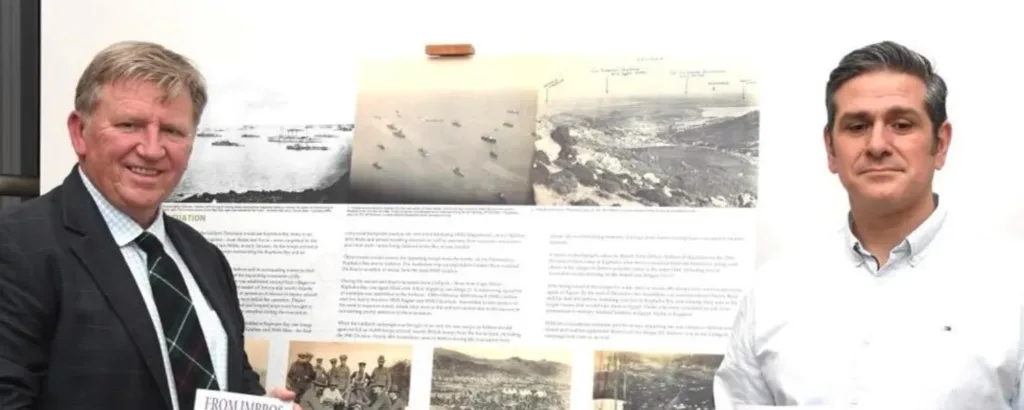
Research by historian Jim Claven OAM reveals that Imbros was a major base for the Gallipoli campaign, the island transformed and its people impacted by its effects. It was from the waters of Imbros that the Anzacs made their final approach to Anzac Cove on 25 April 1915. The island became a major naval, land and aircraft base for the duration of the campaign as well as the home for the Allied Headquarters. Australian soldiers and others were based there, including the official press representative Charles Bean.
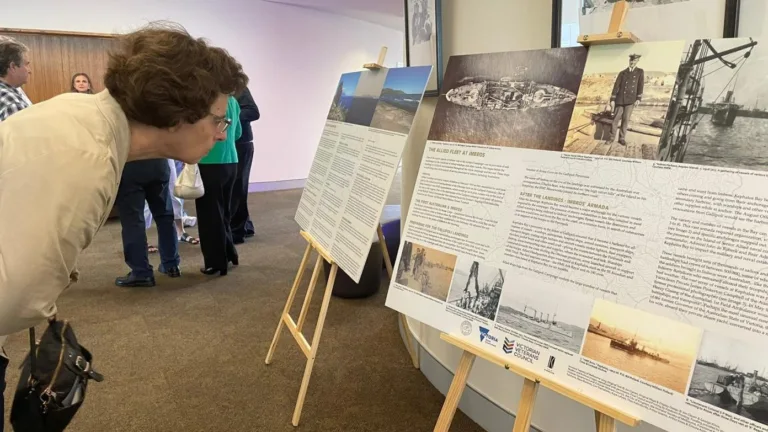
Mr Claven reveals this story through a new Exhibition comprising some 21 large panels – entitled From Imbros Over The Sea – and its associated publication. He does so through the reproduction of photographs and artworks from the time, explained by text drawing on the vast archive of the Gallipoli campaign. Importantly, it features the impact of the Allied presence on the local islanders who were overwhelmingly Hellenic and their interaction with the new arrivals, including many Australians.
Mr Claven was commissioned to undertake this commemorative project by the Imvrians’ Society of Melbourne with the support of the Victorian Government, Victorian Veterans Council and other donors. In completing the project, Mr Claven has drawn on his extensive research into the Hellenic link to Anzac, especially concerning the islands of the northern Aegean – Lemnos, Imbros and Tenedos. This includes research in archives across the world as well as research trips to Imbros itself.
Mr Claven’s presentation will introduce the Exhibition and explain the genesis of the project as well as the role of Imbros in the Gallipoli campaign in some detail.
The presentation launching the Exhibition will take place on Thursday, 23 May 2024, commencing 7pm. A small selection of the Exhibition panels will also be on display during the presentation.
The Exhibition will be open for viewing on the Mezzanine Floor at the Greek Centre on Sat 25 May 2024 12noon-5pm and Sun 26 May 2024 11am-4pm.
The presentation and Exhibition will be held on the Mezzanine Level at the Greek Centre, 168 Lonsdale Street.
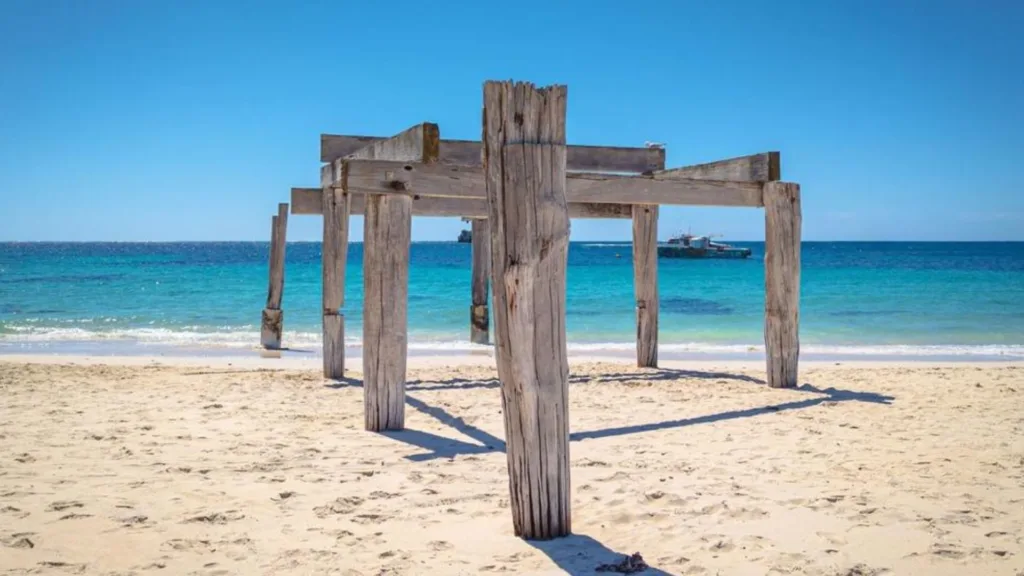
Hamelin Bay Beach in Western Australia has emerged as a hidden gem drawing Australian travelers seeking a taste of Greece without leaving home.
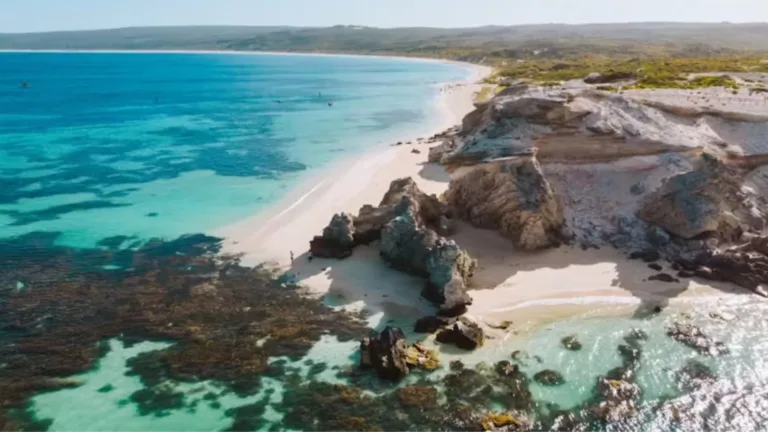
Nestled along the spectacular South West coast, approximately three and a half hours from Perth in the renowned Margaret River region, this beach offers a striking resemblance to the idyllic shores of a Greek island.
According to dailymail, the magical shoreline is peppered with otherworldly angled rock formations to explore and sit under to shade yourself from the WA sunshine.
The bay offers calm and refreshing waters ideal for swimming, snorkeling, paddleboarding, or leisurely boat cruises
The dreamy paradise is famous for its population of sociable stingrays often seen gliding gracefully along the water’s edge.
Photo: unsplash
With its gleaming white sandy beaches and mesmerizing aquamarine waters, Hamelin Bay Beach creates an enchanting ambiance reminiscent of the Mediterranean. The shoreline is adorned with captivating angled rock formations, inviting exploration and providing shade from the Western Australian sunshine.
British travel blogger Samantha raved about her recent visit to Hamelin Bay calling it ‘The Greece of Australia’.
‘If you’re like me and always wanted to go to Greece, look no further, there’s a lookalike down the road,’ she mentioned in an Instagram post.
‘We went for sunset and sunrise and saw countless stingrays and dolphins, we got so lucky! Hamelin Bay to me is just the most beautiful, magical place.’
Many have been wowed by the natural beauty of the hidden gem with one saying it’s a ‘WA highlight’.
‘What a stunning resemblance to Greece! Those crystal blue waters and rocky cliffs are truly mesmerising,’ one visitor gushed, while another noted ‘One of our favourite spots here in Australia! Gorgeous beach, lots of stingrays and amazing sunsets. We even saw dolphins in the bay!’
In June 2022, Greece’s leading shipowners gathered for a conference at the Four Seasons resort in Vouliagmeni, a wealthy suburb south of Athens.
According to forbes.com, only three months after Russia’s invasion of Ukraine, a seismic event shaking the global economy, the country’s maritime leaders offered a perspective diverging from the conventional narrative.
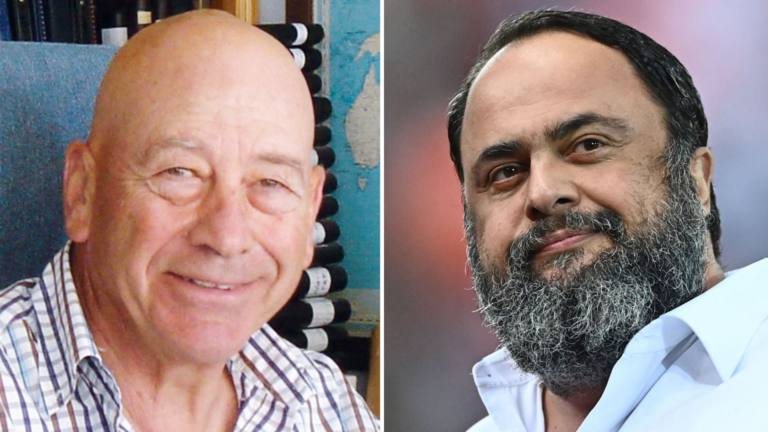
In an article published in Forbes and signed by Giacomo Tognini, it is mentioned that George Prokopiou said “This is a tragedy for humanity, but at the same time it creates opportunities,” while Evangelos Marinakis, the tycoon behind shipping firm Capital Maritime and Trading, added “We need to be able to take advantage of these opportunities.”
It is mentioned that during the same forum, themed “Greek Shipping at the Forefront of Global Trade,” Prokopiou ventured a bold projection: “By the end of the year we’ll see very, very good markets in all segments. I’m very optimistic. Ships will command much higher prices.”
That prediction came true, helping propel both Prokopiou, 77, and Marinakis, 56, into the billionaire ranks as the valuation of their maritime assets surged, and the scope of their maritime empires expanded.
Prokopiou and Marinakis, who are worth $2.6 billion and $3.6 billion, respectively, have ordered 123 new ships worth nearly $13 billion since 2022, according to VesselsValue. Prokopiou’s four shipping firms own 173 tankers including those under construction, 54 more than in 2021.
These tycoons are the latest in a line of swashbuckling pioneers hailing back to iconic figures like Aristotle Onassis and Stavros Niarchos.
According to forbes.com, what’s new about this group, is that the value of their holdings—particularly tankers—has soared by billions of dollars over the past two years, as the war in Ukraine sent shockwaves through global commodities markets and set off a scramble for large tankers needed to ferry oil around the world.
As mentioned, altogether, companies owned by Greek shipping tycoons ordered new ships worth nearly $200 billion and sold 68 older ships for almost $3 billion between January 2022 and March 2024, according to VesselsValue.
Forbes estimates that there are now at least 12 shipping billionaires in Greece, more than at any other time in history. Seven of them are making their debut in Forbes’ billionaire ranks. Altogether they are worth $32 billion—the equivalent of roughly 12% of the country’s gross domestic product.