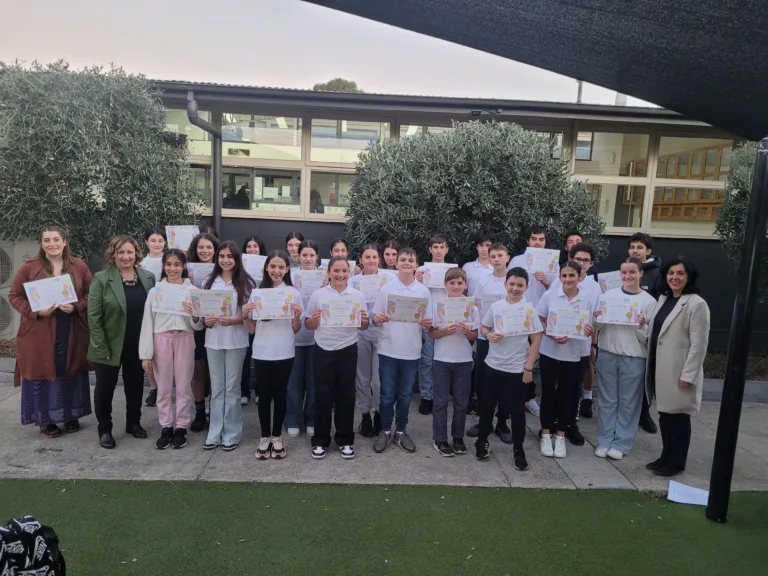
The Greek Community of Melbourne (GCM) School, Bentleigh Campus, completed its participation in the Olympic Educational Program titled “4th Olympic Week, on the way to Paris 2024” by awarding participation certificates to its students on Tuesday, May 21.
The program, which is the most important educational initiative of Olympic Education, is implemented by the Hellenic Olympic Committee and the National Olympic Academy in collaboration with the Ministry of Education.
This year, the program took place from April 22 to 26 for the fourth consecutive year and involved schools and teachers from Greece, Cyprus, and the diaspora.
The main goal of the program and the activities carried out during Olympic Week is to promote Olympism and the Olympic ideals. This year, Olympic Week was dedicated to the upcoming Olympic and Paralympic Games that will be hosted by Paris.
Melbourne Schools
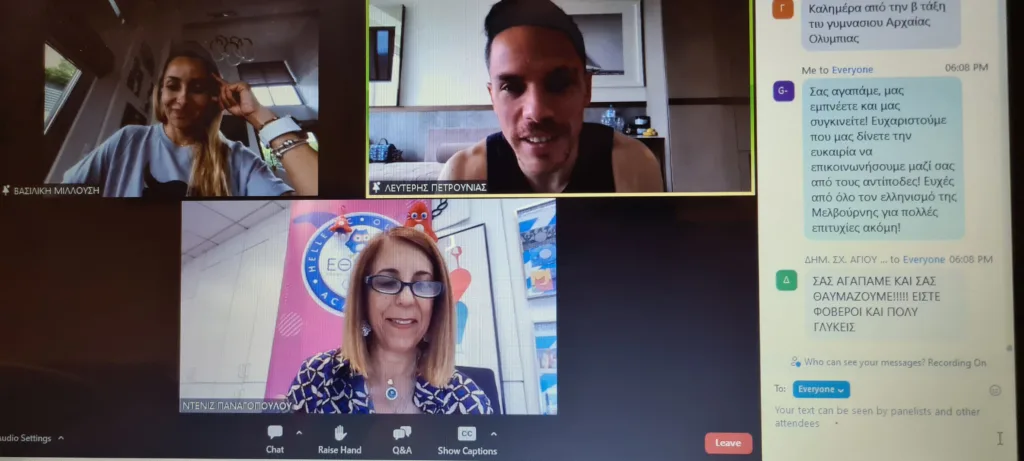
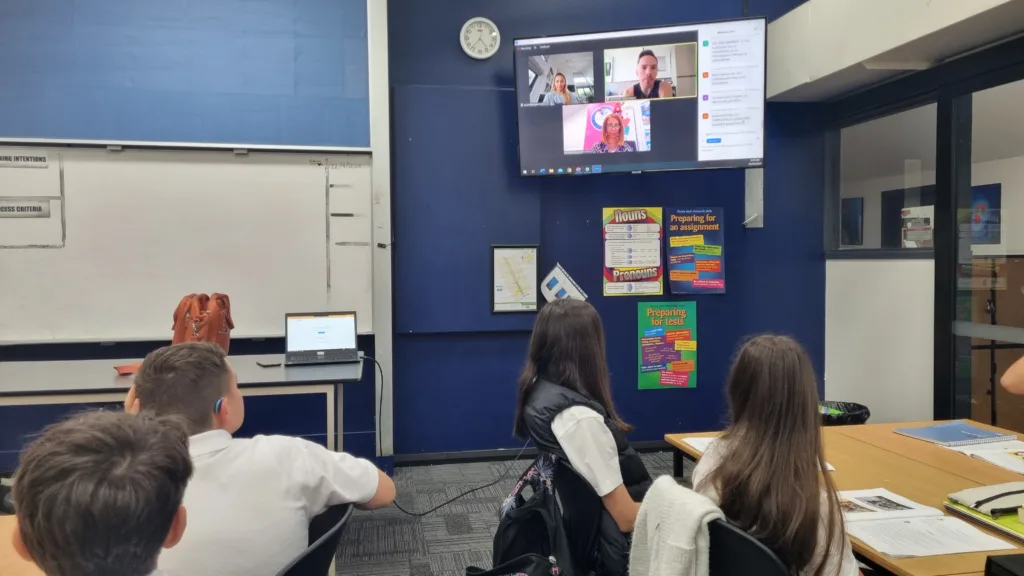
As part of the program, the students had an online meeting with Olympic gold medallist in artistic gymnastics, Lefteris Petrounias, and champion in artistic gymnastics, Vasiliki Millousi. The meeting was attended by schools from Greece, Cyprus, and the diaspora. The two athletes shared their sports experiences, answered questions, and talked about the Olympic ideals and their future goals.
Mrs Syrmo Kapoutsi, a teacher at the GCM schools who participated in the program with her students, described the meeting as a lifetime experience for the students. She believes it will be a source of inspiration for many children regarding their personal goals and the values they will follow in their lives.
Olympic Week
Mrs. Kapoutsi also emphasised the importance of the Olympic Games and the values they carry, mentioning that the schools are implementing a series of relevant actions to educate the students about the history, ideals, and values of the Olympic Games.
Greeks are experiencing a significant trust crisis in institutions as well as in each other, according to a nationwide survey by research organization Dianeosis.
Asked whether “most people are trustworthy,” an overwhelming 86.6% answered that “we need to be especially careful in our dealings with people.”
According to ekathimerini.com, more than 3,300 participants over 17 took part in the Jan 15 – Feb 12 survey “What Greeks Think 2024”.
About half believe that “the biggest threat to the future of Greeks” is the economy, with 37% rating demographics as second.
32.3% believe the most important factor for the country’s economic growth is faster administration of justice – a 2% rise from 2022 – while 27.3% say transparency in the public sector and institutions is the most crucial for economic growth, compared to 19% in 2022.
Moreover, 83% believe that in 2034 Greece “will be a country with many immigrants from many countries.”
The richest woman in the world is Françoise Betancourt. The heir to the L’Òreal empire has a fortune of $101 billion, ranking 14th among the world’s super-rich, according to the Bloomberg Billionaires Index.
However, Françoise Bettencourt fails to represent France as the richest person in the country, an award that belongs to Bernard Arnault, the chairman and CEO of LVMH Moët, the world’s leading luxury goods group with a fortune of 186.2 billion. After all, according to aftodioikisi.gr, in just seven countries in the world, the richest people are women, among them Greece.
Maria Angelikousi is the richest member of the Greek shipping industry, with a fortune estimated at $6 billion. The 42-year-old women who has roots from the Greeks island of Chios, followed in the footsteps of her grandfather, Antonis V. Angelicoussis, legendary shipping tycoon and founder of the company Angelicoussis Shipping Group Limited (ASGL), but also of her father, from whom she inherited the family business.
Maria Angelikousi, three years after the death of her late father, Ioannis Angelikousi, on April 10, 2021, proves that although she studied and practiced as a doctor in Great Britain until 2008 and offered her services non-profitably in African countries, has shipping in her DNA.
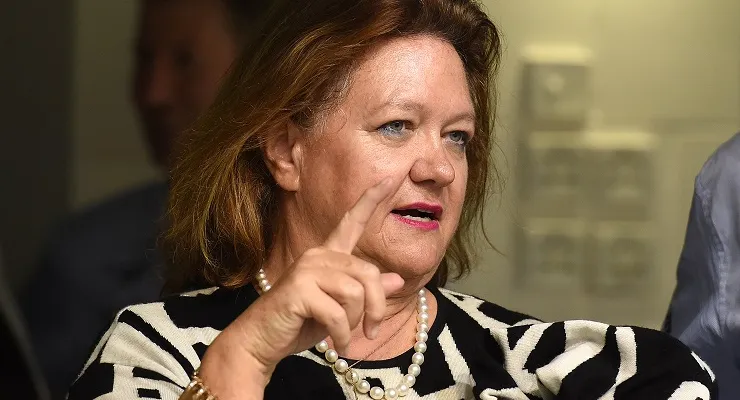
Gina Rinehart. Photo: AAP/DAVE HUNT
The richest person in Australia is also a woman. The 71-year-old Gina Rinehart has a fortune of $22.8 billion and she ranks 84th among the richest people in the world. She is the daughter of geologist Land Hancock and founder of Hancock Prospecting, a major Australian mining and agricultural company.
After her father’s death in 1992, Rinehart became executive chairman of Hancock Prospecting Pty Limited (HPPL) and the HPPL group of companies. Now, the entrepreneur is looking to move her business into the production of lithium, a mineral associated with green energy that can be used to make batteries for electronic devices and electric cars.
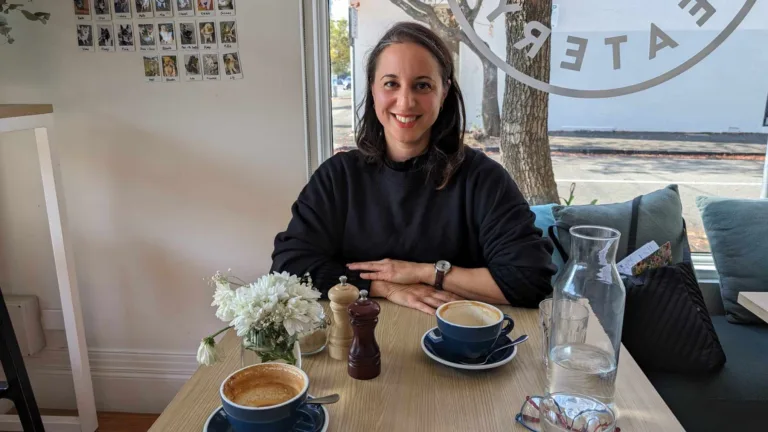
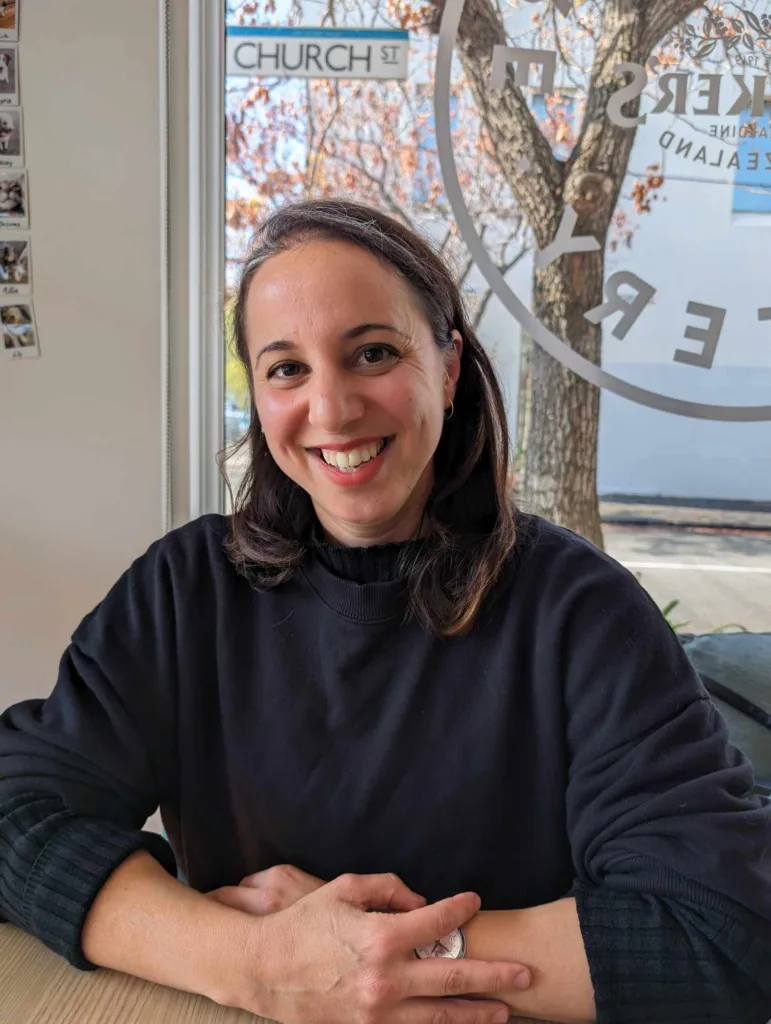
Melbourne’s Greek community knows Katerina Stevens for her captivating music gigs at various venues and festivals. But her passion extends beyond music. Katerina, born in Adelaide to parents from Kos and Sparta, is carving a unique path for herself as a newly-minted death doula.
“From the age of 10, I knew I wanted to be a violinist,” Katerina tells The Greek Herald.
Life took her through various roles – a music teacher, a special needs assistant, a student of Buddhism. More recently, she’s embraced the role of death doula, aiming to break down taboos and offer support to those facing death and loss.
Growing interest in doulas
Death doulas are gaining traction, but Katerina has yet to meet a fellow Greek Australian in the field, even though “doula” is a Greek word.
“’Doula’ originally meant ‘slave’ but also carries the meaning ‘to serve’,” Katerina explains. “People are familiar with birth doulas who assist with childbirth. But end-of-life doulas provide non-medical support to terminally ill patients or those experiencing loss from failed IVF to pet bereavement. We are not doctors or nurses, I stress this, just advocates.”
This support, she adds, can be “practical, spiritual or emotional.”
“I may directly help a person diagnosed or their loved ones. It’s flexible and can extend to working with their friends and family, and even palliative care teams,” she says.
Katerina Stevens. Photo copyright The Greek Herald.
Respecting individuality
Katerina emphasises that death is a personal experience. As a death doula, she advocates for individuals at their most vulnerable. Being Greek Australian herself, she understands the cultural nuances surrounding death, grief, and the role of the Greek Orthodox Church.
“Regardless of our own beliefs, it is important to respect the wishes of the dying,” Katerina says. “A ‘good death’ looks different for everyone, and voluntary assisted dying legislation has added another layer.”
Katerina believes facing mortality can enrich life. She also acknowledges the limitations of Elizabeth Kubler-Ross’ model with its seven stages of grief.
“Grief has no set timeline,” she says. “The saying ‘time heals all wounds’ isn’t entirely accurate. More recent studies show that grief can alter our identity as we grow around it and shape who we are. If left unaddressed it will express itself in other ways through symptoms like disturbed sleep and brain fog.”
She highlights ‘disenfranchised grief’ where societal dismissal intensifies pain. Her own experience with failed IVF and pet loss fuelled her search for healing.
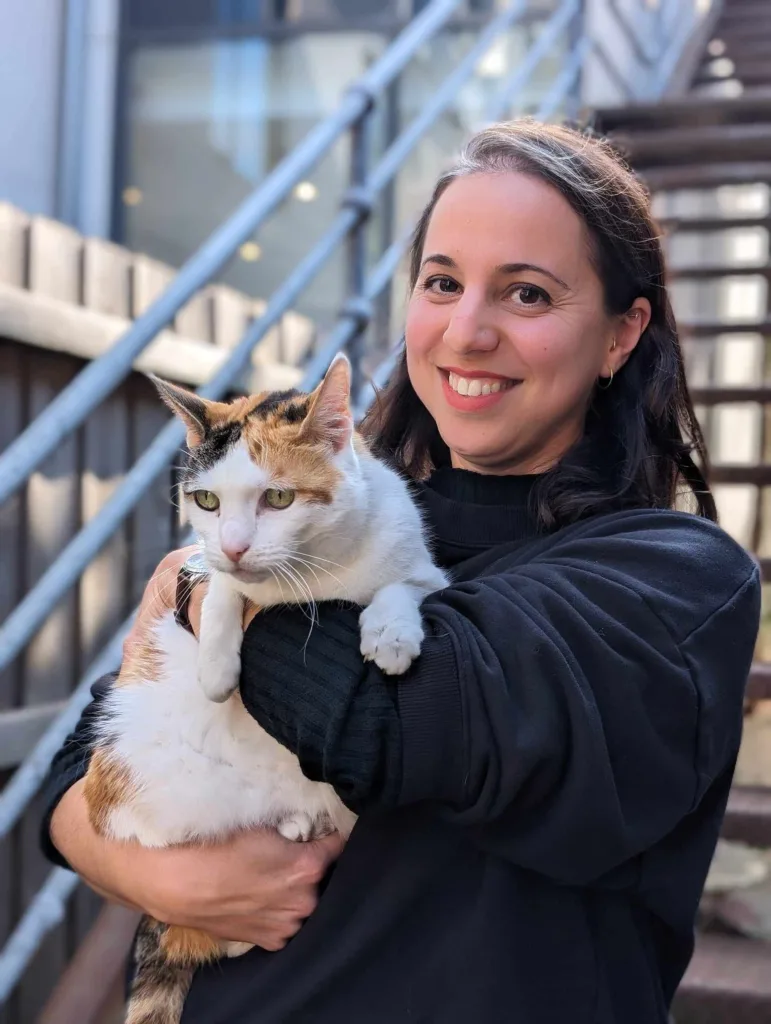
Katerina Stevens with her cat, Honey, in their back terrace, beside a nursing home. Photo copyright The Greek Herald.
Healing when you’re Greek
Within the Greek community, pet loss might be trivialised and adds guilt to the sense of loss. In cases of failed IVF, well-meaning comments like “you can try again,” “adopt” or shared stories of “miracle babies” to women who had lost all hope can add to the hurt.
“People say things that are unhelpful, and that is why it is beneficial to share grief with those who understand it,” Katerina says.
Her group, “Women over 40 who are childless not by choice,” fosters connection among women who share similar experiences. Through monthly meetings, they share their pain and find rituals for healing and closure.
“When someone dies, we have funerals,” Katerina says. “But how do we say goodbye to an unborn child, a relationship that has broken down, or a pet? Memory boxes, poems or artworks are rituals to help acknowledge these losses and pay tribute to the death can help.”
She acknowledges her own struggles, openly sharing the depth of her grief and need for emotional rewiring.
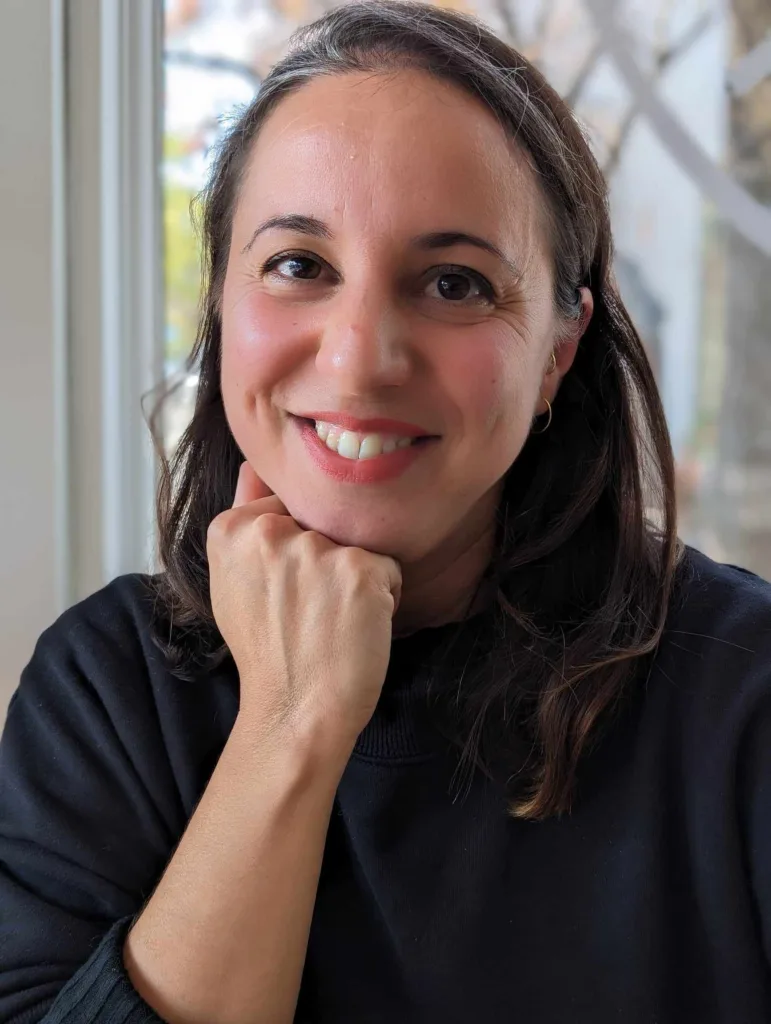
Katerina Stevens has opened up about her own grief. Photo copyright The Greek Herald.
“Callers would share things with me that they wouldn’t with their families because it is easier sometimes to speak more openly with a stranger,” she recalls.
Building on this, she is in the process of launching a “death café.”
“Death cafes are open spaces where people gather for conversations about death, often over tea and cake,” she explains. “I am looking for a safe and respectful environment to create one, a place where people can share their thoughts and feelings.”
A Swiss initiative, Death Cafes were first launched in 2004 to offer connection and kinship, breaking through the loneliness of grief. No judgement. No strings attached.
One thing Katerina has understood through her own grief and exploration of death is that it is part of life.
“People share stories with me, sometimes at my music venues, and you never know what is going on beneath the surface,” she says, pointing to all those who “silently suffer.”
She remembers her own grief.
“That’s why I became a death doula, to help myself. As a byproduct I have helped others and that is a bonus,” she says.
Katerina Stevens’ ‘death café’ and group, ‘Women over 40 who are childless not by choice’ are open to all. Contact Katerina by email at stevens.katerina@gmail.com
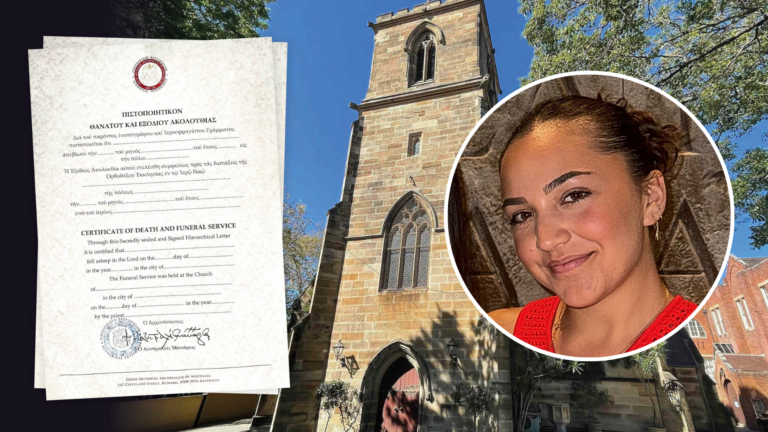
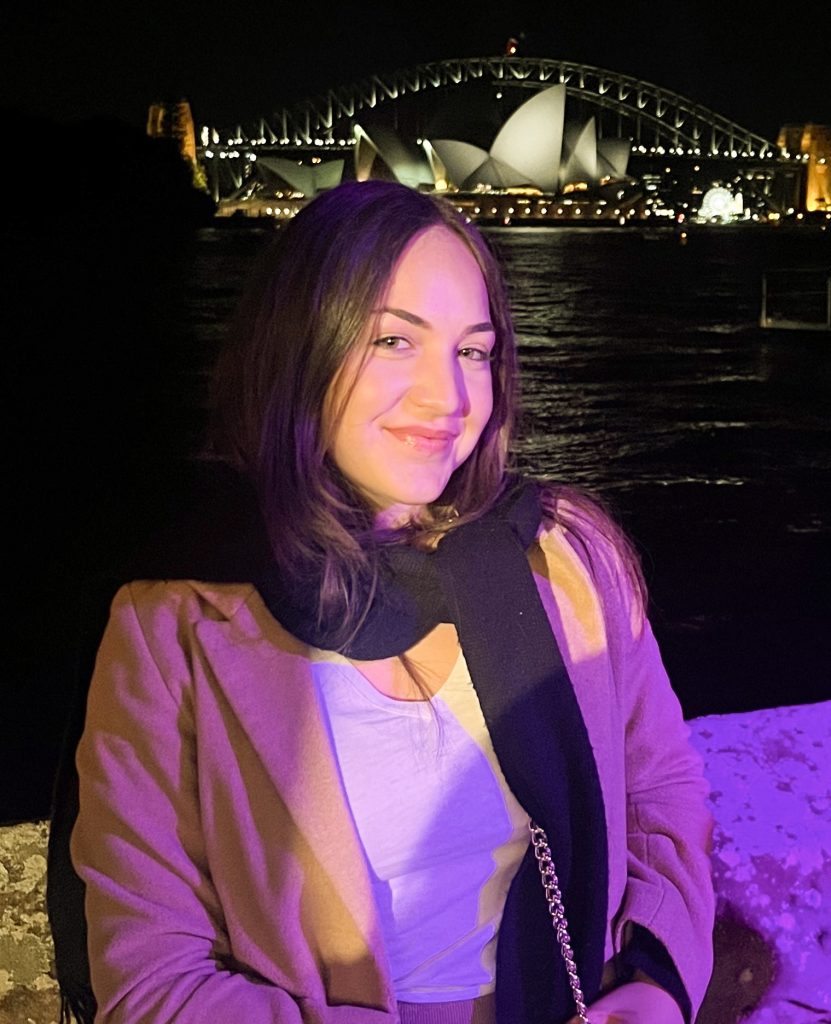
Miss Rontziokos has been recognised in the ‘Student Journalist of the Year’ category for an article published in The Greek Herald which investigated the Greek Orthodox Archdiocese of Australia’s (GOAA) ‘Certificate of death and funeral service.’
The investigation found families were expected to pay $250 for a funeral certificate that was not officially recognised in Australia nor Greece. The cost of the certificate was also found to be five times the amount compared to a government-issued death certificate in Australia and Greece.
In a statement to The Greek Herald, Miss Rontziokos said she was “incredibly grateful” to be recognised in the Awards for the investigation.
“It is a genuine pinch myself moment,” she said.
“I cannot have done it without my team at The Greek Herald who did not shy away from the facts and encouraged my thorough investigation. I thank The Greek Herald sincerely for providing a platform that publishes factual and investigative work regarding the Greek community.”
“This is the story’s third recognition for journalistic excellence. It is clear the story reveals the jarring reality for Greek Australians: knowing this certificate is legally insignificant, but without it, they cannot bury their loved one,” she said.
“All I hope is that this nomination sheds further light on the issue and probes community leaders to re-evaluate their actions which affect Greek community members.”
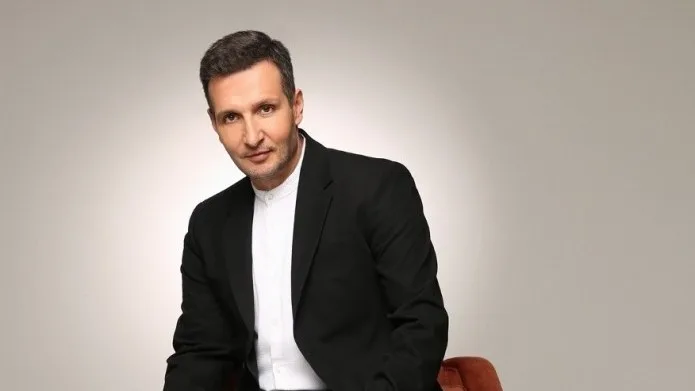
The Greek Festival of Sydney has announced that international artist Dimitris Basis will grace the stage at the Greek Fest at Brighton-Le-Sands on Sunday, May 26.
From 11am to 7pm, Bay Street will be filled with Greek colours, live Greek music, dance bands and delicious Greek food in an outdoor festival that is expected to excite attendees.
Greek Fest returns to Brighton-Le-Sands after 21 years.
Dance groups from Sydney’s Greek and Cypriot dance schools will amaze the audience, and there will be plenty of surprises, competitions, and activities for children. A multitude of stalls with Greek food, as well as with authentic Greek products and services will also give an unparallel Greek atmosphere on the day.
Highlights of the day and highly anticipated by Sydney audiences is Basis and the participation of the band IHO NYX, one of the most recognised local Greek bands with a unique style and sound.
Event details:
Event: Greek Fest @ Brighton-Le-Sands
Date and Time: Sunday, May 26 at 11am – 7pm
Location: Bay Street, Brighton-Le-Sands, NSW, 2216
The Battle of Crete was the operation for the capture of Crete by the Germans during World War II. On the morning of May 20, 1941, the German airborne invasion began under the code name “Operation Mercury” and lasted until June 1, 1941. The capture of Crete cost the Germans so much that they never attempted another airborne assault (of the same scale) during the war. For me, however, it holds a special honour.
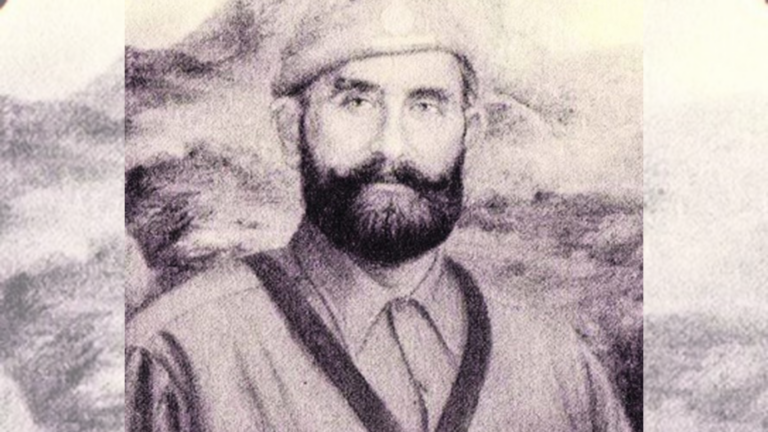
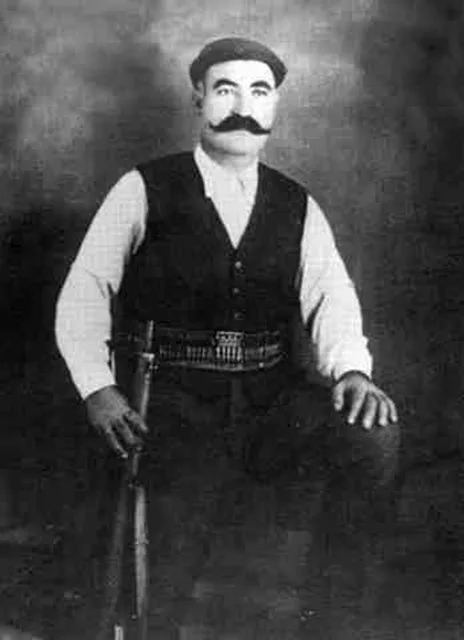
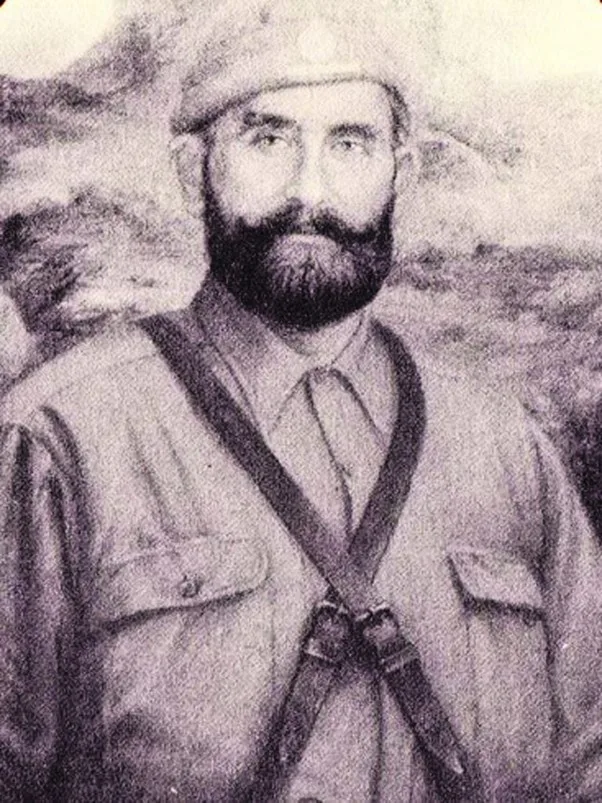
Given the opportunity I have today, I would like to express what the Battle of Crete means to me and to honour two particular individuals, two guerilla leader whom I have the special honour of referring to as my great-grandfathers, two of the leading captains of Crete in the resistance struggles against the Nazis. Their names have been indelibly written in the history of our land. I am referring to the heroes of 1941, Captain Emmanouil Bantouvas, also known as Bantouvomanolis, and especially to the Eagle of Crete, Captain Georgios Petrakis or Petrakoyiorgis, two leaders and heroes of the national resistance of Crete during World War II.
Captain Manolis G. Bantouvas was born in 1897 in Ano Asites, Malevizi. In October 1940, when Mussolini invaded Greece, Captain Bantouvas was 43 years old. He was not at the front due to his age, although he deeply desired it, but his thirst for battle from the first day of the war remained unquenchable. Together with his resistance group (about 250 men) “National Resistance of Crete,” he managed and aimed for the end of the German occupation in Crete.
Captain Manolis G. Bantouvas
Georgios Petrakis was born in 1890 in Magarikari, Messara. A few days after the Nazis took control of the island in 1941, at the age of 51, the “Eagle of Crete” formed the core of the resistance group “PSILORITIS,” a continuously growing group (70 organised, 25 in the mountains) that would play a central role in the Resistance of Crete.
Growing up in my village, Ano Asites, I always listened attentively to the immense contributions of these two heroes. Amid all the resistance activities of my great-grandfathers, which I heard about from relatives and other villagers, they fought many battles, most of them victorious. One of these was the Battle of Symi, which was tragically followed by the Viannos Holocaust. In this battle, Captain Bantouvas and Captain Petrakis, along with a small group of partisans, annihilated a German unit of eight men.
For me, however, the commemoration of the Battle of Crete also gives us the opportunity to honour heroes and fighters who dedicated their lives to the liberation of our homeland. An example closely associated with Petrakoyiorgis is the fact that from the very beginning of his involvement in the Cretan Resistance, he had already lost his son, Manolis Petrakis, who was killed by German paratroopers during their invasion of Heraklion.
Captain Georgios Petrakis
Similarly, in the case of Bantouvomanolis, the death of his first cousin, Konstantinos Bantouvas, is noted. He was captured by the Germans, who tortured him in the most horrific way, until they shot him the next day, without giving him a coup de grace, and buried him alive, according to the testimonies of locals and his son, Zacharias.
All I can express is the pride that fills me at this moment due to my origin from the same village as Bantouvomanolis and being a descendant of these two esteemed individuals. These people, like many others from all over Crete and the whole of Greece, demonstrated with dedication, passion, courage, and without cowardice, what each person can do to defend their homeland and family. They left us a heavy legacy and a great history. They laid the foundation for our current freedom and serve as role models for our society today. We are obliged to preserve the heritage they passed down to us and to pay tribute to them and the other heroes, these great personalities of immense importance to Crete and our entire homeland. They fought for the common good, and we must continue to do so to pass this on to future generations.
I wish for all new generations to honour, respect, and realise that these heroes did not fight hard for wealth and comfort, but they fought for our homeland and our freedom.
I will conclude by saying that Captain Manolis Bantouvas and Captain Georgios Petrakis now belong to history. The bravery and faith of these heroes, and all the heroes of the Battle of Crete, remain for me symbols of endless dedication to their work. Indeed, it is this very legacy that I see they have left for future generations. A struggle for freedom, a struggle for democracy, a struggle for humanity. Legacies from bold, visionary, and strategically skilled individuals who never bowed their heads, never slept during the years of Occupation, never redeemed their struggle, never feared any enemy, and most importantly, never lost their faith in God.
May the memory of the heroes of the Battle of Crete be eternal.
But according to a press release by the Federation, at a member meeting on Friday, April 19, these election results were deemed illegitimate due to issues around transparency and voting procedures, and a new election was called.
The new election will now be held on Friday, June 7 at the Federation’s hall in Brunswick from 11am.
The Greek National Tourism Organisation (GNTO) announced on Tuesday, May 21, that it is currently hiring to fill the position of Head of the GNTO office in Australia, based in Melbourne.
This announcement comes approximately 14 months after the passing of the bill that provided for the reopening of the service, which had remained inactive in Australia for many years.
The job announcement is addressed only to permanent employees of the GNTO or the Ministry of Tourism. The term for the new Head is set to last one year.
The GNTO office is set to open at the Greek Centre in Melbourne.
The reopening of the GNTO has been covered by The Greek Herald with numerous publications.
The initial ambition of the Ministry of Tourism’s leadership was to reopen the GNTO office by March 2023, as confirmed in an interview with The Greek Herald by the then-Minister of Tourism, Vassilis Kikilias.
Ultimately, it was only in March 2023 that the bill for the reopening of the GNTO in Australia was passed by the Greek parliament. And now, on 21 May 2024, the announcement for the crucial position of the head of the service has been made public.
The deadline for submitting applications is just 10 calendar days from the posting of the announcement.
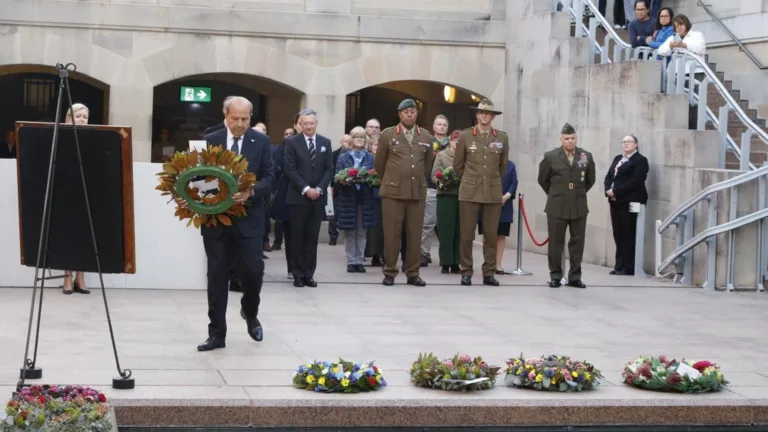
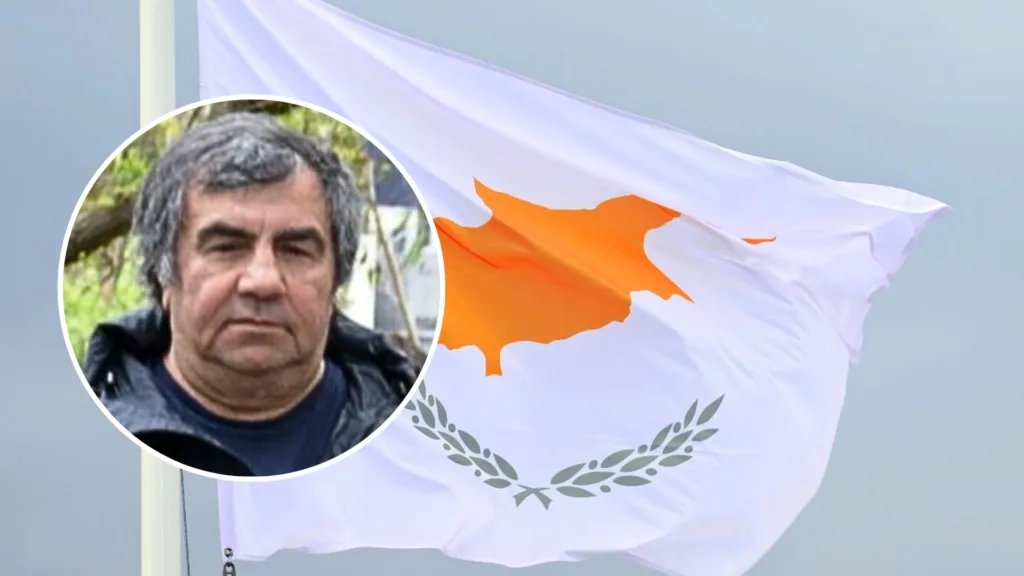
The Turkish Cypriot leader of the illegitimate “Turkish Republic of Northern Cyprus” (TRNC), Ersin Tatar laid a wreath at the Australian War Memorial in Canberra on Thursday, May 23.
In a post on Facebook, Tatar said he laid the wreath “on behalf of the TRNC and paid tribute to those who lost their lives in the wars.”
Tatar arrived in Australia on Wednesday, May 22 to much fan fare from the local Turkish community. His first stop was in Melbourne, Victoria before travelling to the Australian Capital Territory to pay a visit to the Turkish Embassy and lay a wreath at the War Memorial.
He said the aim of his visit was to meet and embrace “our wonderful and resilient people who have settled here since the 1940s.”
So far, Tatar has not had any official meetings with politicians or government representatives.
Kuzey Kıbrıs Türk Cumhuriyeti Cumhurbaşkanı Sayın Ersin Tatar’ı Büyükelçiliğimizde ağırlamaktan şeref duyduk.
It has been an honour to host H.E. Mr Ersin Tatar, President of the Turkish Republic of Northern Cyprus at the Embassy. pic.twitter.com/ceUlpUmNtV
— Türkiye in Australia (@TC_KanberraBE) May 23, 2024
Tatar’s arrival comes amid tensions with the Cypriot Australian community.
Since the Turkish invasion of Cyprus in 1974, 37% of the territory of the Republic of Cyprus fell to the Turkish military. The north unilaterally declared its independence on 15 November 1983 under the name of the TRNC.
Tatar calls himself the “President” of the TRNC – a territory that is not recognised by any country except Turkey.
The SEKA Victoria Committee has written a letter to the Victorian Government requesting they ignore the visit of Turkish-Cypriot politician, Ersin Tatar to Melbourne on Wednesday, May 22.
In the letter, President of SEKA Victoria Pavlos Andronikos said it would be “totally inappropriate for any Victorian Minister or Government official to meet with Tatar,” and explained that Greek and Cypriot Australians were distressed by his visit.
“We believe that the purpose of Tatar’s visit is to push for recognition of the illegal “Turkish Republic of Northern Cyprus”,” Mr Andronikos said.
The letter concluded by calling on the Victorian Premier to issue a statement making it clear the state government will not engage with Tatar during their visit, and to show their support for the Federal Government’s position on the TRNC.