Finance expert Mark Bouris has criticised the Albanese government’s new housing policy, arguing it will do little to ease pressure on the market.
The policy, set to take effect on April 1, bans foreign investors from buying established homes for at least two years, but Bouris believes it is largely symbolic.
“Foreign buyers are not flooding the market,” he said on his Property Insights Podcast, adding that the ban primarily targets high-end properties. “It’s not like they are keeping a nice, young family out of a $12m home…”
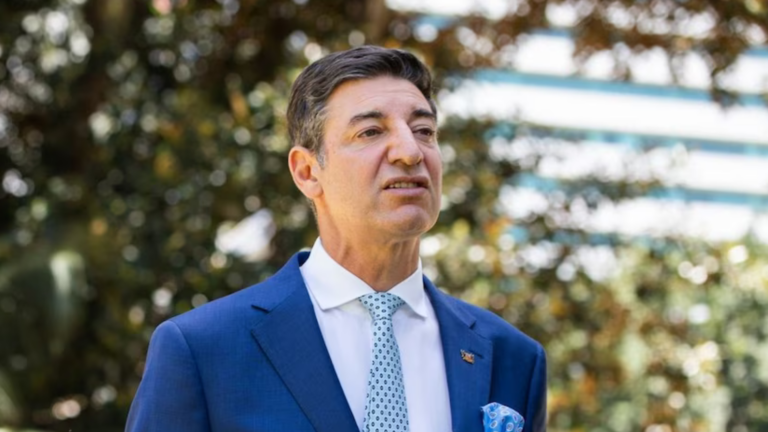
Finance expert Mark Bouris has criticised the Albanese government’s new housing policy.
According to realestate.com.au, the measure will impact only around 1,600 of the 520,000 homes sold annually—just 0.3% of transactions—leading Bouris to dismiss it as “window dressing.”
Legal expert Nicole Leggat agreed, arguing that restricting foreign purchases of existing homes alone won’t significantly affect prices.
The second set was also the longest, lasting 1 hour and 9 minutes. The Italian escaped with two games to 4-2 after a break, Sakkari tied it at 4-4 with her own break, but Bronzetti at the most crucial point made it 7-5, avoided the tie break and tied the sets at 1-1.
In the third and decisive set, Sakkari broke her opponent’s serve in the fifth game, missed an opportunity to win in the ninth game, but defended her serve, resulting in a 6-4 win in the games, giving her a second set and also qualifying for the last 32 of the Miami Open.
Sakkari’s next opponent is world number 3 Coco Gauff, with the American having eliminated her last week in the round of 32 of the Miami Open.
The case, brought by law professor Panagiotis Lazaratos, argues that these privileges create unfair distinctions among citizens and violate democratic principles.
Lazaratos claims that former royals registered to vote lack lawful citizenship, compromising the principle of popular sovereignty. He also asserts that they should not use a name tied to their past rule.
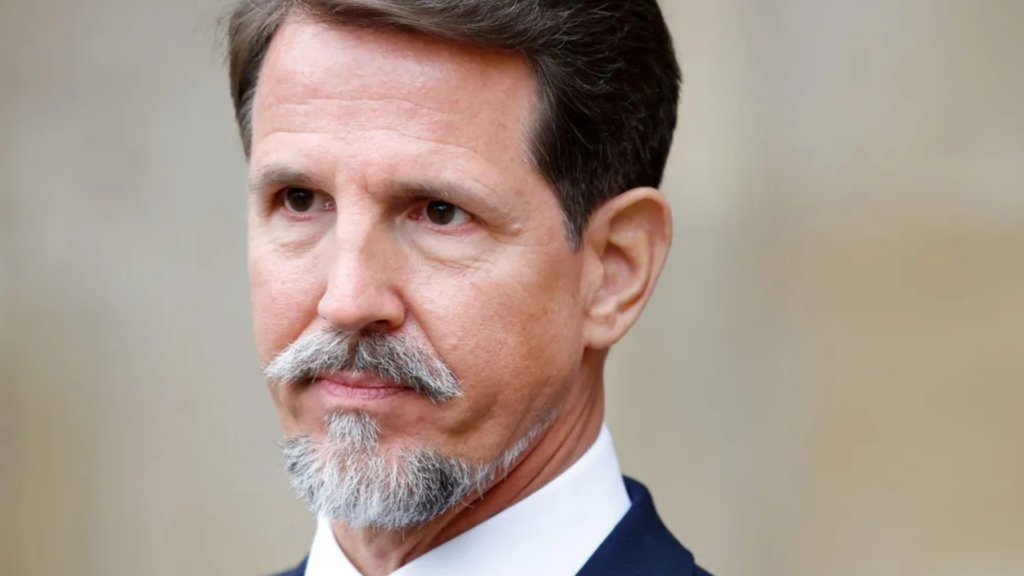
Former prince Pavlos of Greece.
This comes after the Decentralised Administration of the Peloponnese has also initiated an investigation into an incident where the mayor of eastern Mani, Petros Andreakos, referred to Pavlos De Grece, the son of Greece’s last king, as “prince” during an event.
In response to the controversy, Pavlos said everyone has the right to call him whatever they wish, although he personally considers himself an ordinary citizen.
“I don’t want to say anything more. How someone chooses to address me is their own business. My name is clear—I am just an ordinary citizen,” Pavlos told ANT1.
Libby Mettam has announced she will step down as leader of the Western Australian Liberal Party following its poor election performance, paving the way for former broadcaster and Perth lord mayor Basil Zempilas to take the role.
Mettam attributed the party’s heavy defeat—expected to leave them with just six to eight seats—to internal destabilisation.
“While I take responsibility for our result, it is very clear that the constant and ongoing leadership speculation and destabilisation in late 2024 was a significant contributing factor to our outcome,” she said.
He blamed his narrow victory margin on “a well-funded Labor smear campaign.”
Mettam stated she would seek the deputy leadership instead: “While I would have liked and hoped to continue as leader, it has become clear that I do not have that support of my colleagues to continue as leader through to the election in 2029.”
Zempilas welcomed her bid for deputy, saying, “We’re all on a steep learning curve … everything about this journey is challenging. It’s a big task ahead of us.”
Liberal insiders believe Zempilas is well-positioned for the leadership role when the party meets next week. However, polling suggests his net favourability is negative across all age groups, high-income households, and university-educated voters.
WA Labor is set to win at least 44 of the 59 lower house seats, reinforcing its dominance in the state.
The Subway Socceroos have defeated Indonesia 5-1 in front of over 35,000 fans at Sydney Football Stadium to secure an all-important three points in the FIFA World Cup 2026™ Third Round Asian Qualifiers.
Jackson Irvine scored a brace while Martin Boyle, Nishan Velupillay and Lewis Miller were also on the scoresheet as the Socceroos were clinical when it mattered.
The result – against a spirited Indonesia – means that Australia will remain second in Group C for another match, keeping their noses in front in the race for automatic World Cup qualification.
There were six changes to the starting eleven that last lined up for the Socceroos in November, reflecting the broader changes to the squad. Adam Taggart, Martin Boyle and Nishan Velupillay came in up top, Aiden O’Neill lined up in midfield, while Kye Rowles and Jason Geria started in the heart of defence.
It was a first start in Green and Gold for Velupillay, earned after his recent goalscoring form at club level with Melbourne Victory.
Indonesia showed the type of quality early in the game that belied their FIFA ranking of 127. They were aggressive on the ball and looked to take the game to the Socceroos. Maty Ryan was soon called into action, tipping the ball over the crossbar after a header from captain Jay Noah Idzes.
The visitors had a golden opportunity to score first when they won a penalty in the 7th minute. Kevin Diks was not able to convert, however, hitting his effort against the post.
Australia got their own chance from the penalty spot ten minutes later. Lewis Miller was brought down in the box and, upon VAR review, a spot kick was awarded. Martin Boyle made no mistake to give the home side the lead.
Photo: Subway Socceroos.
The Socceroos would double their lead only moments later. Velupillay was sent through one-on-one with the goalkeeper after a fantastic through ball by Adam Taggart. The 23-year-old smashed it past Martin Paes to score his second international goal and ensure that the Socceroos were in the driving seat.
The last time that the Socceroos played at the Sydney Football Stadium, in 2017, Jackson Irvine scored his first international goal. Against Indonesia he scored his 12th, making use of the space created by a fantastic turn from Velupillay and a Boyle cross in to place it home after a rebound effort.
Irvine’s strike meant that Australia enjoyed a three-goal advantage at half-time, a significant buffer that seemed a long way away during the first ten minutes of the game.
Half-time saw a reshuffle in attack by Head Coach Tony Popovic. Brandon Borrello and Craig Goodwin were introduced, replacing Adam Taggart and Martin Boyle.
Indonesia started the second half much like they started the first – very much on the front foot. They had a series of set pieces to start the half that challenged Australia in defence and kept Ryan on high alert in goals.
In another repeat of the first half, though, it would be the home side who broke through. A fantastic corner from Craig Goodwin was met with a diving header from Lewis Miller, whose second-ever Socceroos goal made it a four-goal lead for Australia.
Adam Cavenor. Photo: Subway Socceroos.
In the 72nd minute, Fran Karačić and Daniel Arzani made their return to the national team, Karačić for the first time since 2022. Goalscorers Nishan Velupillay and Lewis Miller were withdrawn.
Indonesia would eventually get the reward that they deserved for their efforts. Oli Romenij muscled his way through to get on the end of a through ball and, on his debut, scored Indonesia’s first goal against Australia in more than forty years.
The goal would prove to be only consolation, however, and the Socceroos added to their lead late in regulation time. It was another Goodwin corner that led to the fifth, this time finding the head of Jackson Irvine.
The result means that the Socceroos maintain their place in second in the group and will look to take that momentum into the game against China PR on Tuesday.
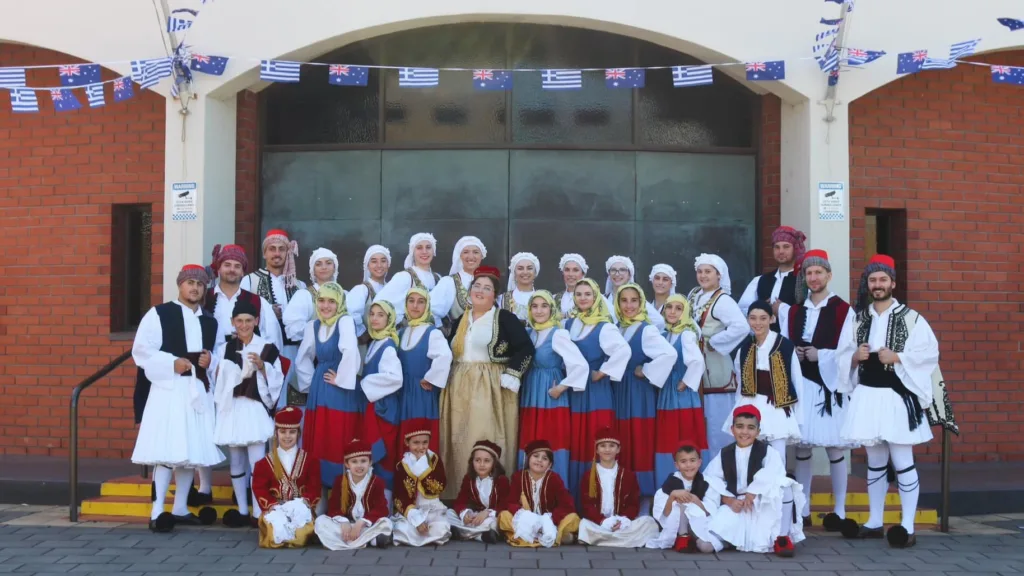
Greek communities across Australia are gearing up to celebrate Greek Independence Day on Tuesday, March 25.
This special day is a double celebration commemorating the start of the Greek War of Independence against the Ottoman Empire in 1821, as well as the Annunciation of the Theotokos. It is a time for Greeks to come together and represent their culture, heritage and faith through various festivities.
With a wide variety of events planned to mark the occasion, The Greek Herald has a rundown of what’s happening around Australia.
New South Wales:
In New South Wales, there are several celebrations taking place.
On Sunday, March 23, the Greek Orthodox Community of New South Wales (GOCNSW) in conjunction with the Parishes-Communities of NSW of the Greek Orthodox Archdiocese of Australia, will be holding a Greek Independence Day celebration.
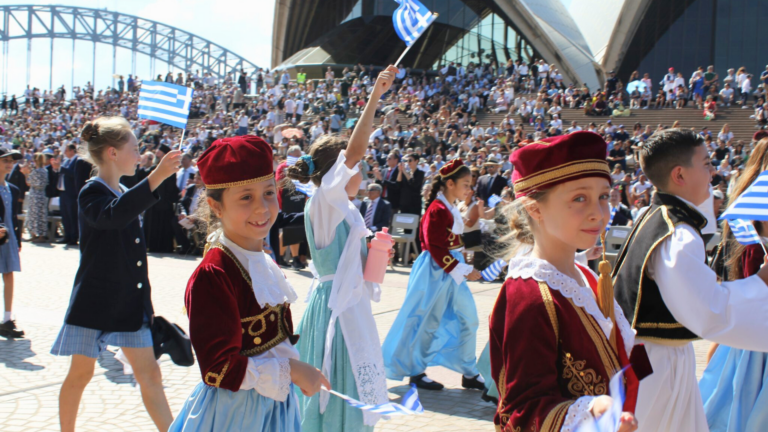
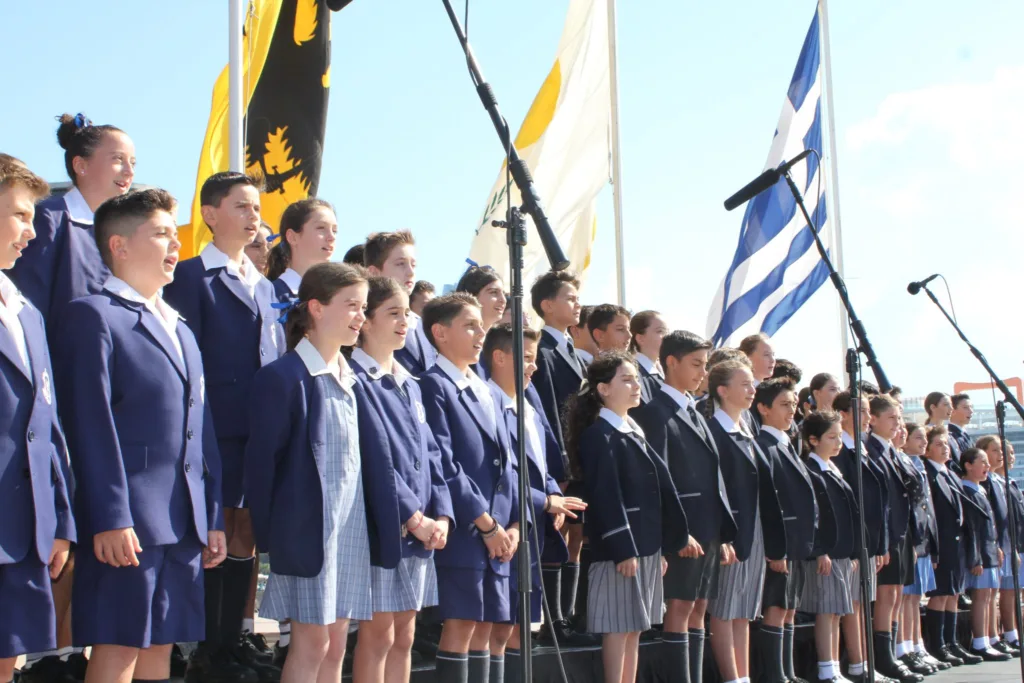
At 10.30am, a Doxology Service led by His Eminence Archbishop Makarios of Australia at the Cathedral of the Annunciation of Our Lady in Redfern will be held. From 1pm, there will be a memorial service and wreath-laying ceremony at the Martin Place Cenotaph, Sydney, followed by a student parade to the Sydney Opera House. At 2.30 pm, everyone will enjoy a festive cultural program and speeches at the Opera House.
Amongst council celebrations in Burwood, Canterbury-Bankstown and Marrickville, AHEPA NSW will also be holding its annual Greek Independence Day event on Wednesday, March 26. The event will be held at AHEPA NSW Hall in Rockdale from 7pm.
Victoria:
The Victorian Council for Greek National Day has confirmed the highly anticipated return of the annual Greek National Day Parade to a location within full view of the Shrine of Remembrance.
As The Greek Herald first reported, after tireless efforts by the new executive team, the parade will once again be held in the heart of Melbourne’s commemorative precinct, reaffirming the enduring bond between Greece and Australia.
The 2025 Greek National Day celebrations will feature a series of significant events, including a commemorative service, a vibrant parade, a cultural festival, and a flag-raising ceremony.
The Greek Australian Commemorative Service will be held on Sunday, March 23 from 12.30pm – 1.15pm at the Forecourt of the Shrine of Remembrance (in front of the Eternal Flame).
The Greek National Day Parade will be held on the same day from 11.30am (Arrival of Participants) and 1.30pm (Parade Start), concluding at 2.30pm. This will take place at Birdwood Avenue, Melbourne (starting point) to the Australian Hellenic Memorial (end point).
Melbourne’s Hellenic Museum will also host a free Greek National Day Glendi on Sunday, March 23, from 12.00 pm to 5.00 pm. The Glendi will include a full day of family-friendly activities, live performances by Anagennisi, Manasis Dance, and Ancient Hoplitikon, and delicious food and drinks from The Pontian Club, St Gerry’s Greek Desserts, and Melvourni Coffee. The event will also feature a Thematikos market stall.
South Australia:
The Greek Orthodox Community of South Australia will once again honour the historic 1821 Greek Revolution with a series of commemorative events on Sunday, March 30.
The day will begin at 11.00 am with a celebratory Doxology at the Cathedral of Archangels Michael and Gabriel, conducted by the Community’s clergy. A number of official guests, along with the GOCSA Executive and Supervisory Committees, teaching staff, and students, will be in attendance.
Last year’s GOCSA celebrations. Photo: GOCSA Facebook page.
Following the service, the celebrations will continue at the church’s courtyard, where a memorial service and wreath-laying ceremony will take place in front of the war memorial.
At 12.00 pm, the Community’s Greek schools will host a special student event at the Olympic Hall, featuring the Greek Dance Academy, songs, poems, and short sketches celebrating the heroic stories of the 1821 uprising, followed by a performance from the Dance Academy.
Food and drinks will be available for all attendees.
Australian Capital Territory:
In honour of Greek Independence Day, the nation’s capital is also putting on a series of events to celebrate.
This festive event will feature a delicious 2-course meal, with only vegetarian options available in observance of Lent.
Guests will be treated to live entertainment by the talented Canberra Hellenic Dancers and the lively Kefi Band, making for an unforgettable afternoon of music, dance and culture.
Established more than 30 years ago, it is Canberra’s only Greek early learning centre which focuses on blending culture, tradition, language, and creativity amongst young children.
Since being built, the centre has evolved to meet the needs of the Greek and non-Greek community, with updates to its curriculum, and several renovations and expansions to its building.
In an exclusive interview with The Greek Herald, the Preschool’s director and business owner, Athena Zappia, provided insights into the preschool’s services and recent updates which have helped it better serve the community.
“We used to be a 40-place centre, and since I started here, we’ve been working on an extension for a baby’s room. We have now finished building that, and we’re now a 56-place centre with three rooms and about 22 teachers,” Athena told The Greek Herald.
History:
St Nicholas was built in 1994 and, to this day, remains the only Greek preschool in Canberra. Each year, it has an ongoing waitlist of families in the community excited to enrol their children to receive its excellent services and quality education.
In 2013, the building was demolished, and then after extensive renovations, it was officially re-opened in February of 2014 by Katy Gallagher MP.
What’s new?
In May 2024, the school received a major update – a new room for babies, the ‘Amalthea Room.’
This was created to help meet the demand for young children aged between six months to two years old who wanted to enrol into the school but weren’t quite old enough.
“It was probably a five-year process, because obviously we started designing the plans and then COVID happened, which made it take a little bit longer to get approvals and move forward,” Athena said.
“Having the need and demand for a new room just shows that we’ve got a great team and we’re dedicated to delivering a really great educational service.”
Quality education for all:
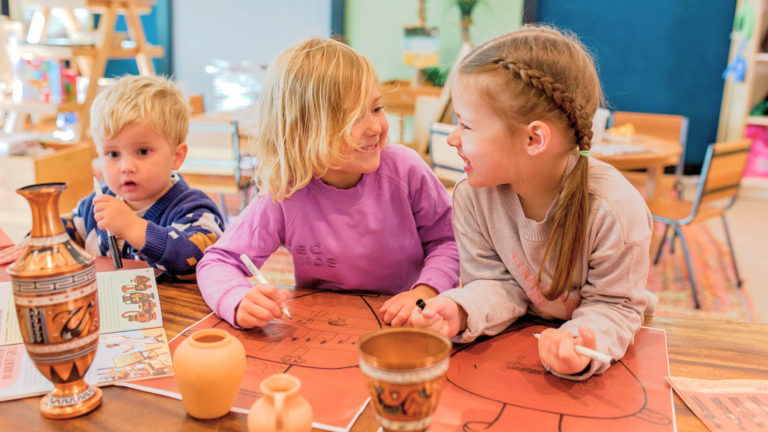
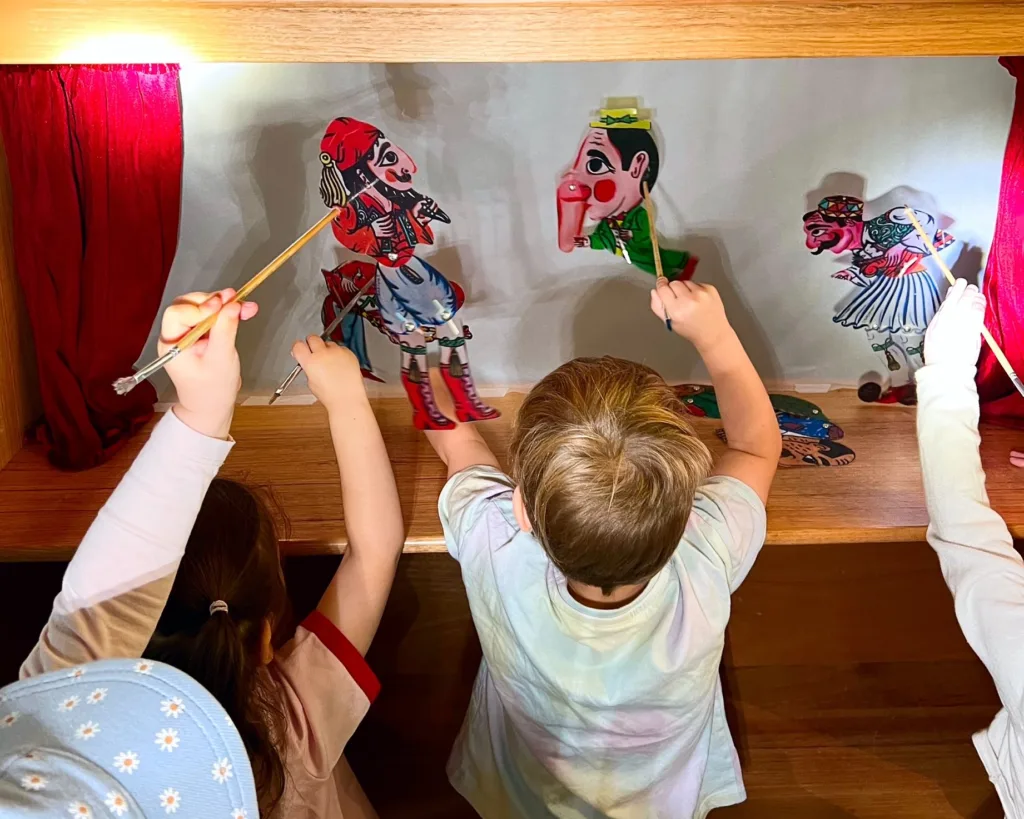
The preschool offers a bilingual curriculum, where children can engage with the Greek and English languages in an immersive learning environment. Athena stated that the preschool also prides itself on its play-based approach to learning.
“Our curriculum features a play-based approach, where we encourage and teach children to learn through play while enjoying it. It helps them develop a lot of those social and emotional skills,” she said.
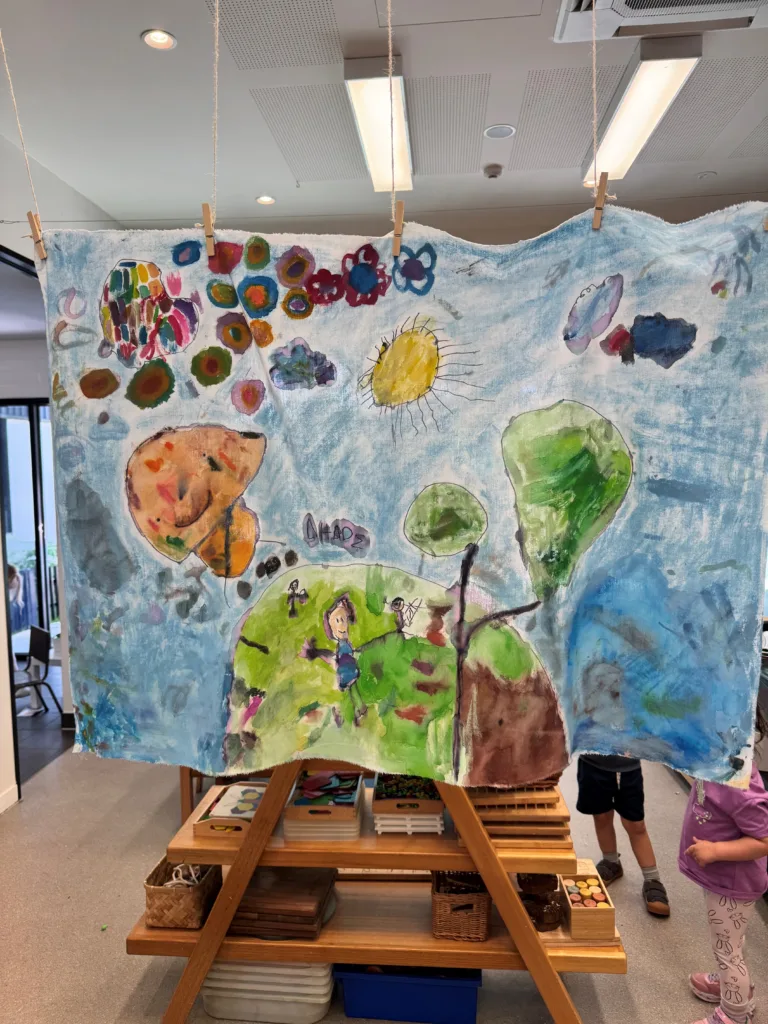
“We are also quite inspired by the ‘Reggio Emilia’ approach, which is an approach to education that was developed in Reggio in Italy many years ago, and focuses on the learning environment for young children, making sure that their days are filled with different things that allow them to explore, imagine and create a love of learning essentially.”
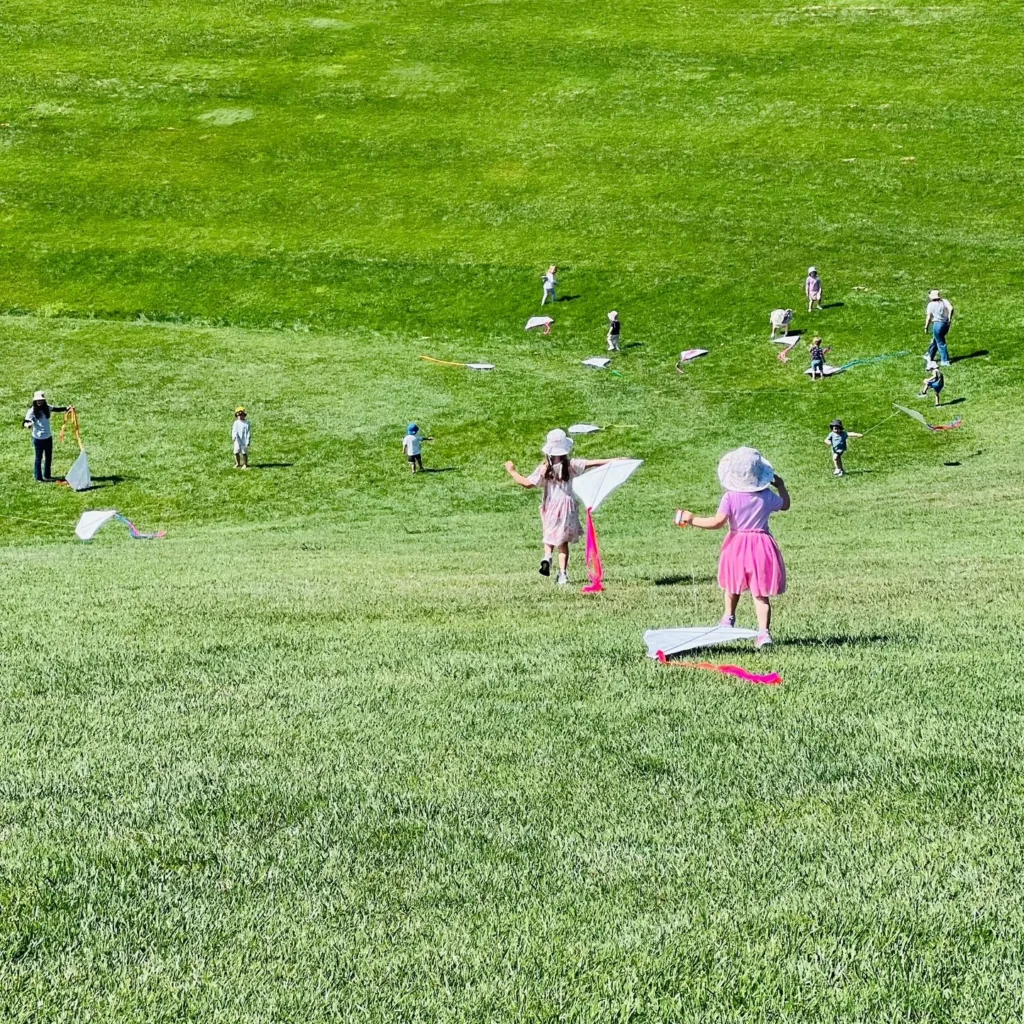
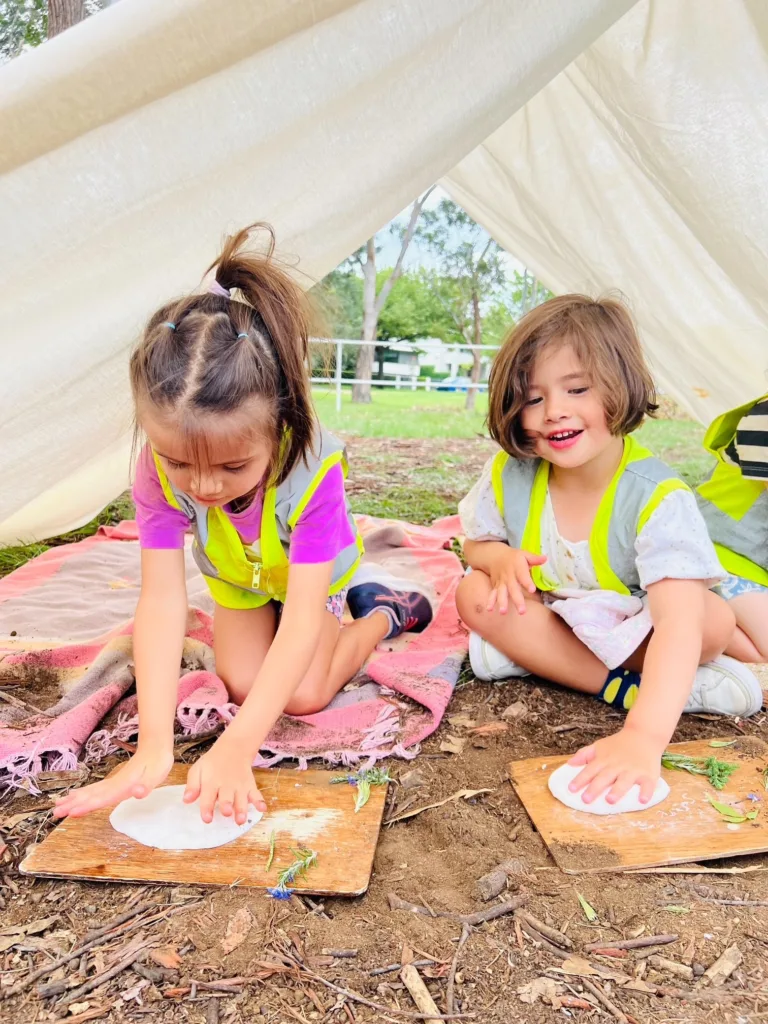
The preschool also offers a ‘Bush Kindy’ program which takes place three times a week, weekly ‘Ready Steady Go’ sport sessions, and monthly ‘Wiradjuri Echoes’ programs to learn about the Wiradjuri people.
‘Paizo’ playgroup
The preschool also offers a playgroup called ‘Paizo,’ which is held every Thursday from 10:30am to 12:30pm.
“‘Paizo’ is a place where children can go to immerse themselves in the Greek culture and the Greek language,” Athena explained.
“They get to meet each other, listen to stories in Greek, and learn about different cultural aspects.”
In addition to developing language and social skills, children who attend ‘Paizo’ are treated to healthy, homemade meals prepared by the preschool’s chef, Niko.
“He makes everything from scratch, including home-made bread and muesli bars,” Athena added.
Classrooms and ages welcome
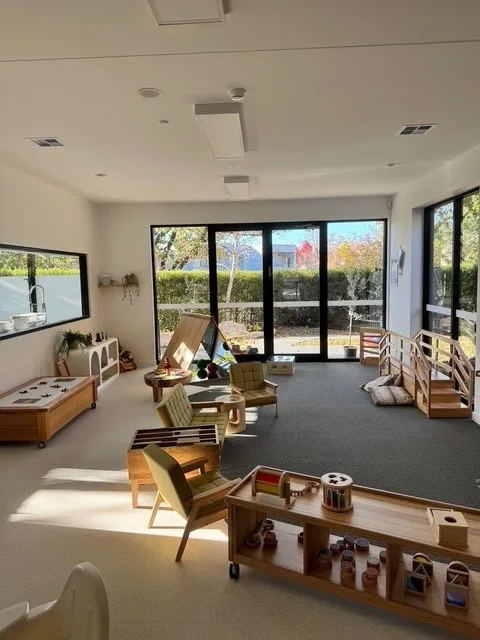
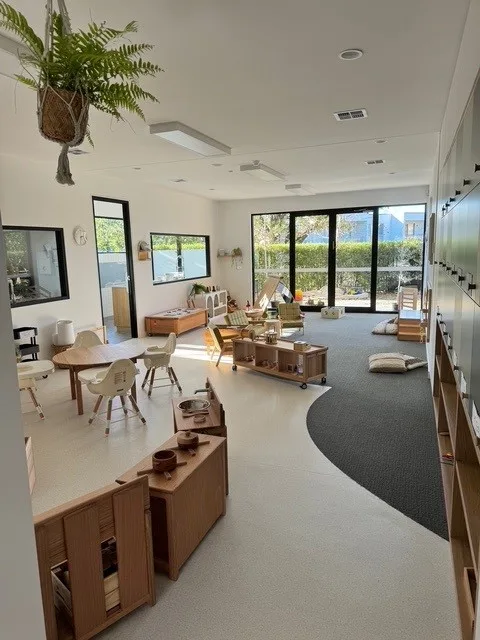
The preschool is divided into three main classrooms: the Amalthea Room, the Artemis Room, and the Apollo Room. The Amalthea Room is the latest addition to the school, catering to infants aged six months to two years old.
The preschool’s website describes the room as a “warm and secure environment where infants can explore, grow, and thrive at their own pace.”
The Artemis Room is designed for children aged 1 to 3 years old, and the Apollo Room, for children aged 3 to 5 years old.
When asked whether there’s plans to extend again in the future, Athena highlighted the benefits of having a small preschool.
“I know every child here. I can generally tell you something about each one of them. And the bigger you get, you lose that,” she said.
“We’re very lucky with our staff. We don’t have any relief staff. We have full time staff. So anytime you walk through the door and into a room, it’s the same staff all the time. And that’s sort of what’s important, that continuity, and for the children to have those strong relationships with their teachers.”
To find out more information, visit St Nicholas Greek Australian Preschool and Childcare Centre’s website.
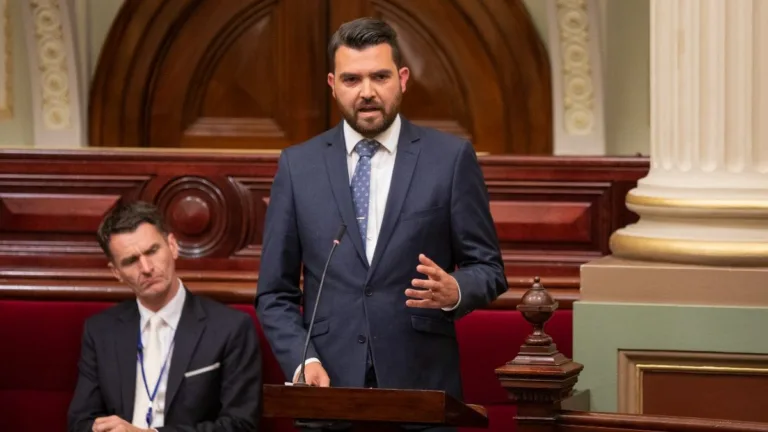
Shadow Minister for Multicultural Affairs in Victoria, Evan Mulholland, is a politician with a deep appreciation for the state’s diverse cultural communities. Representing the Northern Metropolitan Region, one of Victoria’s most multicultural electorates, he sees his role as more than just policy-making – it’s about integrating multiculturalism into every aspect of governance.
Mulholland’s own heritage shapes his political outlook. His Italian grandparents migrated to Australia in the 1950s with little more than a suitcase, much like the Greek migrants of the same era.
“They started a life themselves in the northern suburbs, at first in Coburg, and then settled in Reservoir,” he said.
“Like many other families, they put everything into their family. My nonno, my grandfather, worked six to seven days a week as a metal worker to provide for his family, to buy a house of his own, to put everything into his children’s education and give them the best life possible.”
He noted that his grandparents’ closest neighbours were Greek, and he sees a deep cultural connection between Italian and Greek migrants.
“There’s obviously so much interlink between the stories of the Italian migrants and Greek migrants in particular,” he said.
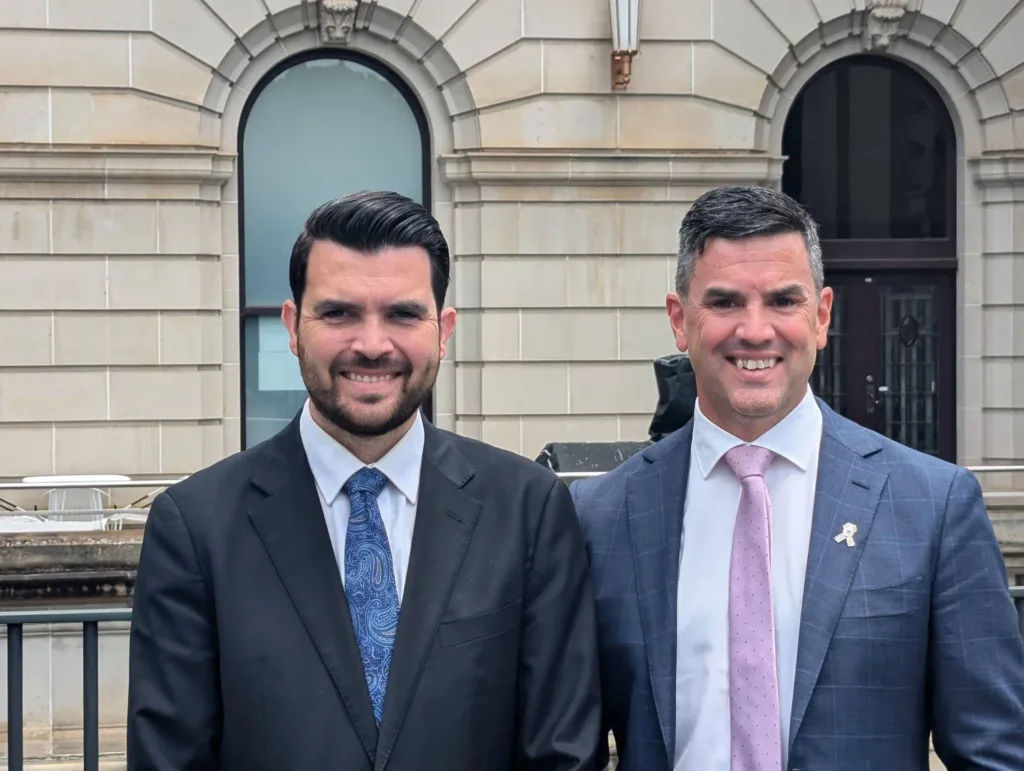
Evan Mulholland (left) with Victoria’s Liberal Leader Brad Battin (right).
Greek community: A pillar of Victoria’s success:
The Greek community, he notes, is one of the most significant migrant groups in Victoria—both in numbers and influence.
“Not only does the Greek diaspora here make up the largest outside of Greece – it’s the biggest outside of Athens,” he said.
“The Greek community has contributed so much to the state of Victoria, that our story as an Australian story and a Victorian story would be hollow without the contribution of Greek migrants. It would be a lesser story.”
From small business owners to religious and community leaders, Greek Australians have shaped Victoria’s economic and social landscape. Mulholland is particularly impressed by the entrepreneurial spirit and strong civic engagement of Greek Victorians, describing them as “cornerstones” of the state’s identity.
“It’s added so much in terms of the small business growth, the entrepreneurial shift, the hard work, physical labour, of so many Greek migrants and Greek success stories here in Victoria…” he said.
Cultural legacy and festivals:
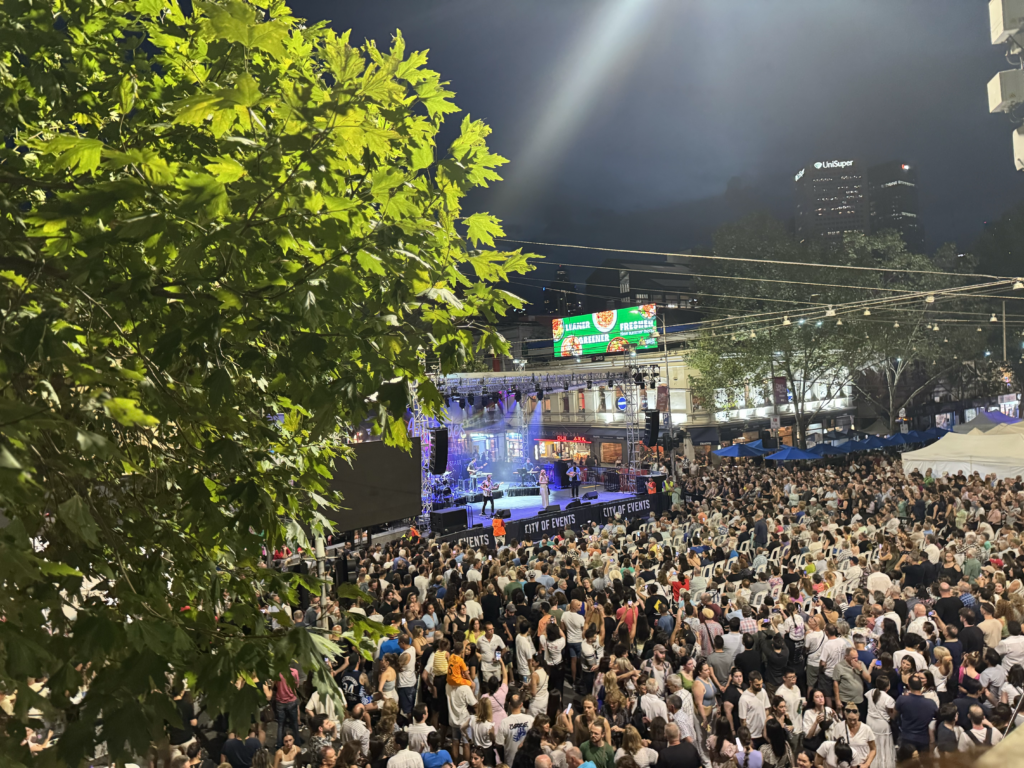
Mulholland also acknowledges the cultural strength of Victoria’s Greek community, highlighting the role of events like the Antipodes Festival, the annual Greek celebration on Lonsdale Street in Melbourne.
For Mulholland, these events don’t just celebrate the past—they help foster social cohesion in a modern, diverse Australia.
“You know, even people that are wandering around the city, see what’s going on, wander up, visit a few stalls. And it’s great for people around the city to know what’s going on,” he said.
“They’ll try some food, they’ll visit some stalls, they’ll get some information, and they’ll taste the culture, taste the food—but really, taste the culture.”
The Antipodes Festival is now a Tier 1 event in Melbourne.
A commitment to multicultural media
Mulholland is also a strong advocate for multicultural media, which he sees as vital for keeping communities informed.
“Multicultural media is so important to reaching our diverse communities, our faith communities, our multicultural communities,” he said.
He believes the Victorian Government should increase advertising in multicultural newspapers and media outlets.
“[The government] makes a big deal every year on committing to advertise in regional newspapers every year, but I think it could step up its advertising in multicultural newspapers as well,” he said.
He has been vocal in defending the role of religion in public life, particularly advocating for the Lord’s Prayer to remain in Parliament.
“When it looked like the government was going to enact their election commitment to workshop or replace the Lord’s Prayer, I stood up on behalf of multi-faith communities,” he said.
Mulholland worked with Christian, Orthodox, Chaldean, Assyrian, Muslim, Hindu, and Jewish communities to oppose the change.
“In itself, [the Lord’s Prayer] is an acknowledgment of responsible service, and it’s also an acknowledgment that there’s a higher power above the parliament,” he said.
“I think without that, we see governments think that they’re at the peak of society, and that’s when they start coming after faith-based institutions and multicultural-based institutions as well.”
Looking ahead:
Mulholland’s approach to multiculturalism is one of integration, not isolation. He wants to see policies that don’t just pay lip service to diversity but embed multiculturalism across every government portfolio, from small business support to infrastructure planning.
“I hope to leave a legacy where multicultural affairs aren’t seen as a separate issue, but something that’s part of every decision we make,” he said.
With strong ties to the Greek community and a vision for a more inclusive Victoria, Mulholland is positioning himself as a champion for multicultural Australians – ensuring that their contributions, challenges, and voices are not just recognised, but actively supported.
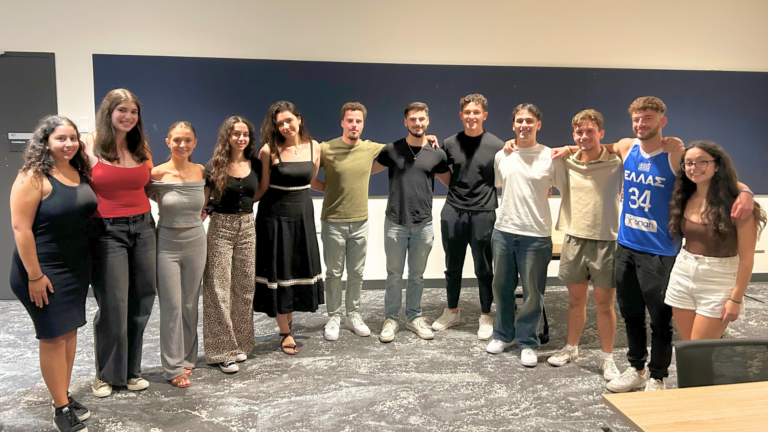
The Sydney University Greek Society (SUGS) has elected its 2025-26 committee with its sights set on adding a cultural and intellectual focus to its slate of initiatives planned for the coming term.
The Annual General Meeting (AGM) of the Society took place on Wednesday, March 12 at the Susan Wakhil Building with roughly 50 members in attendance.
SUGS’ new president, Argyri Kallos, speaking for and on behalf of the incoming committee, expressed excitement for the upcoming year wherein they hope to build on the efforts from committees past.
“We aim to reinforce the spirit of fun that previous committees have instilled into SUGS, while also focusing heavily on the promotion of culture and intellectual connection to Hellenism and the Greek Australian community,” Mr Kallos said.
“In particular, we are keen on promoting the study of Greek and shedding light on historical and contemporary issues affecting students and the community alike.”
Mr Kallos, who has previously served as a First Year Representative and Modern Greek Department Liaison, added that SUGS “seeks to strengthen the values of solidarity and pride in both our Hellenic identity and society more broadly.”
He noted that another focus is to expand and work with other organisations to further develop on their schedule of initiatives.
“In addition to producing quality events of our own, we are deeply invested in collaborating with the Department of Modern Greek and Byzantine Studies at USYD, our fellow student societies and the wider Greek community,” he said.
The full Committee is:
President: Argyri Kallos
Vice President: Maria Kakali
Treasurer: Sebastian Skontos
Secretary: Eleanna Gatsi
Modern Greek Department Liaison: Savvina-Elisavet Turner
Marketing Officer: Natasha Scionti
General Committee: Demetri Tsovolos, Janni Evangelidis, Eustratios Skotadis, Rhiane Fotaras
First Year Representatives: Philip Antipas, Penny Kalantzis
Oakleigh, Melbourne – and Online! – Do you dream of effortlessly ordering a souvlaki in Greek, or engaging in lively debates about the latest news from Athens? This March, seize the opportunity to enhance your Greek fluency with free, engaging Speak Greek in March caffeine connections!
Whether you’re a seasoned speaker or just starting your linguistic journey, this class offers a welcoming and supportive environment to practice your Greek. Participants will engage in informal discussions on a variety of topics, ranging from current events and personal interests to cultural explorations. There will also be opportunities to meet with guest speakers.
Mary Sinanidis, The Greek Herald journalist who initiated the program, says, “We want to create a space where people can feel comfortable practicing their Greek, regardless of their level.”
Dorothy Hatzopoulou, who added the in-person element to the initiative, says, “It’s about building confidence and connecting with the Greek community.”
The class promises a relaxed atmosphere, encouraging participants to learn and grow together. It’s a fantastic chance to meet fellow Greek speakers, share experiences, and immerse yourself in the vibrant Greek culture.
Here are the details:
Online Session:
Date: 26 March
Time: 6:00 PM Melbourne time (Join from anywhere in the world!)
This is a wonderful opportunity to be a part of the “Speak Greek in March” initiative, now run by Pharos, that is encouraging and revitalising the use of the Greek language.
Don’t miss this chance to connect with your Greek heritage and enhance your language skills!