Home Blog Page 1802

Helen Andrianakis: Insomnia more than just a side effect, it’s a societal problem

As statistics around mental health illness in Australia continues to rise at an exponential rate, there are constant calls for increased awareness of the issue.

A couple of weeks ago The Greek Herald spoke with Helen Eleni Andrianakis, a senior mental health drug and alcohol clinician and psychiatric nurse practitioner, on the importance of family responsibility in managing mental health illness in the community.

READ MORE: Mental health expert emphasises family responsibility in monitoring mental health deterioration

Today we continue this dialogue, moving on to a greater discussion about some of the common effects of mental health illness, specifically looking at insomnia.

All humans experience irregular sleeping patterns during different stages of their lives, and this doesn’t mean people should be immediately concerned. In fact, the Sleep Health Foundation says that approximately one third of Australians experience insomnia at some point in their lives, and only 5% will need professional treatment.

However, insomnia should be treated no differently than other mental health illnesses. Left unmonitored, it has proven to be “extremely dangerous” to our bodies.
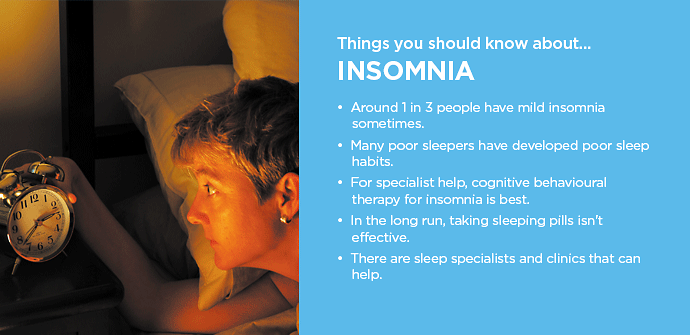
Photo: Sleep Foundation Australia

“It’s extremely important to monitor and it’s not necessarily something you need to be embarrassed about, because we all have some complications or problems in our life,” Helen says to The Greek Herald.

“You know what works for you and you know what doesn’t work for you.”

Helen stresses that maintaining balance is key to having a strong mental health. Without a good lifestyle balance, people can be at risk of further mental health deterioration. With no sleep and an unorganised schedule, insomnia can be catalyst for illnesses such as depression and anxiety.

“You’re not able to balance, you’re not able to make proper decisions, you’re not able to have a normal direction in your life, you’re not able to work and you’re not able to study,” Helen says.

“A lot of people need to keep up a healthy diet and healthy balance, east properly, if you are a smoker then you get yourself on a withdrawal smoker regime.

“Everything is about a healthy lifestyle.”

Helen explains that insomnia can be the result of multiple underlying mental health issues, including:

  • Trauma
  • Poor lifestyle
  • Lack of stability
  • Anxiety
  • Depression
  • Medication

As a mental health illness, trauma can have a severe impact on our social lifestyle. Often brought upon by a life-changing event, insomnia as a result of trauma can be one of the hardest mental battles to defeat, especially when the traumatic event has taken place during the night.

“One of my clients, they’ve been taken off their parents for various reasons and have been dumped from foster care to foster care a total of seven times,” Helen says.

“One of the little girls says she can’t sleep at night because that’s when a lot of the trauma happens. So she was awake all night, and when it’s time to go to school she was sleeping.”

“Tell me if those poor children aren’t traumatised.”

Sleeping medication may be a viable temporary solution for insomnia, yet for some it can lead to very dangerous habits in the future. Helen warns that medication is being used as a justification for external side effects, such as over-indulging in food and smoking.

“Some clients eat healthy, don’t smoke and don’t drink, while other clients over-eat then blame it on the medication, then refuse to take the medication,” Helen says.

READ MORE: Why Greek youth are suffering in silence and the importance of intergenerational dialogue
READ MORE: George Laggis’ battle with suicidal thoughts and major depressive disorder

“They’ll order 24/7 fast food online. Now with COVID, we’re finding it’s even getting worse.

“We’re having clients in residential units sleep during the day, then awake all hours at night, and all they do is eat.”

Helen stresses that insomnia can lead to real social issues and should not be treated as simply a common side effect of a greater issue. If it continues to lead to a poor lifestyle, it should be brought up with a health professional.

“Be aware of the warning signs and communicate with your clinician or your medical professional,” Helen says.

“It’s best for them to talk to their doctor and write out a diary on the number of hours they sleep, what they do with the daily complications they are facing in their lifestyle, then their doctor will tell them what is happening.

“That’s how we identify it.”

Hypnotherapists and wellbeing clinics are other ways that people can properly manage their insomnia. A strong recommendation by Helen included visits to sleeping clinics, which monitor patients for up to 24 hours to properly diagnose their condition and what could be a potential cause.

BeyondBlue 1300 22 4636; Lifeline 13 11 14Kids Helpline 1800 55 1800

Do you have a question you want to ask Helen? Email us at info@foreignlanguage.com.au
‘Since when does speaking English determine your worth?’ Community reacts to compulsory English learning

The Government introduced a wave of support in the 2020 budget announcement for incoming migrants looking to call Australia home.

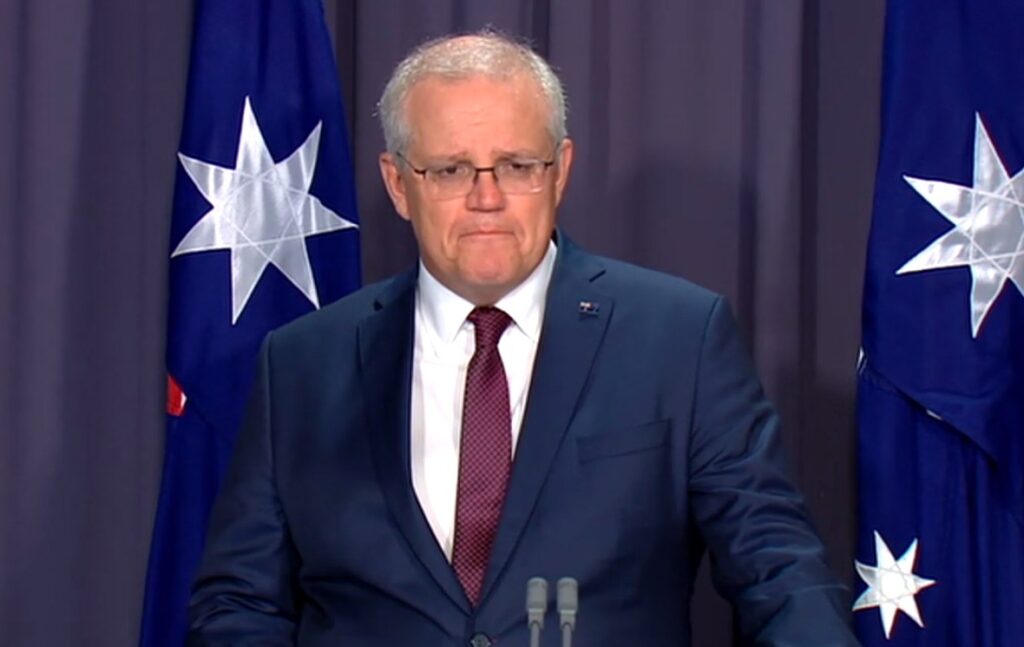
Speaking to multicultural media, Prime Minister Scott Morrison said this budget is “for multicultural Australia”.

“Our multicultural communities and citizens are more likely to start a business, more likely to own a business, more likely to employ other Australians, and we’re seeing that across so many different communities,” Scott Morrison said.

READ MORE: Scott Morrison: ‘This is a budget for multicultural Australia’

However, one such implementation to the migration process is the additional importance placed on the new Adult Migrant English Program (AMEP). Foreigners looking to apply for Partner Visa’s will now be required to complete 500 hours of English classes before they are allowed to stay in Australia permanently.

Acting Immigration Minister Alan Tudge revealed new details of the English language requirements, also pointing to a previously announced overhaul of the AMEP, giving migrants access to unlimited English classes free of charge.

Community debate was sparked on social media over the newly introduced requirement, with Greeks raising the question: “Since when does speaking English determine your worth?”

“My migrant parents didn’t speak a word of English when they came from Greece,” ASRC Founder and CEO Kon Karapanagiotidis said on Twitter.

“Raised 2 human rights lawyers with 8 degrees & an Order of Australia. Under this government they never would have been allowed in.”

Many others were quick to voice their concerns, with people saying the new English requirements are restrictive on all cultures that have come to Australia, recognising the country as a multicultural hub.

“My best friend at school’s family came from Greece. The only words in English he spoke during his speech at her 21st were ‘Eat, drink, good time.’ Caring can be communicated in many ways other than language and they were some of the best people I’ve ever known,” one user wrote on Twitter.

“How many of us would not be here? My grandparents came from Finland in 1920’s ( no English). My husband, his brothers & his parents ( No English) came here from Cyprus in the 80’s,” another user wrote.

Screenshot taken from the Prime Minister’s virtual conference with multicultural media. Screenshot: The Greek Herald

The Australian Prime Minister claims that learning English is “vital tool” for social and economic inclusion.

“If you’re unable to engage in the first language of that country, which in Australia is English, then you will have opportunities limited in this country. Not by the government and not by anyone else, but by language challenges,” the Prime Minister says.

The Prime Minister added that he still encourages other languages to be spoken, contributing to Australia’s diverse community, yet learning English is a “necessity”.

Souvlaki Boys left in shock after becoming 2020 Inner West Business of the Year

Souvlaki Boys in Marrickville has managed to beat an estimated 20,000 businesses in the Inner West area to win the prestigious ‘2020 Inner West Business of the Year’ award in the area’s local business awards.

Earlier in the night, Souvlaki Boys owners Nick and Arthur Alepidis were grateful to receive the ‘Specialised Retail Business Award’, beating 19 other business nominees. Unbeknown to them, they were later to receive the biggest award and shock of their lives.

READ MORE: Greeks come up top in Sydney’s local business awards

Speaking to The Greek Herald, Nick Alepidis says he was in complete ‘shock and disbelief’ to see his business’ name show up on the ‘20202 Business of the Year Award’ screen.

“We were just shocked because we weren’t actually anticipating it,” Nick says to The Greek Herald.

“We weren’t actually expecting to be nominated for the Business of the Year award to tell the truth. When we saw our name up on the screen we were just surprised then they called our names up… it was a huge honour and a big shock.”

About last night 😍😍We had the pleasure of attending the Inner West Local Business Awards held at Le Montage. What a…

Posted by Souvlaki Boys on Wednesday, 7 October 2020

Nick was particularly “humbled and honoured” to receive the award, recognising Souvlaki Boys had beat many other well established businesses to claim the top prize.

“With all the issues that have gone on with covid this year, just to make it this far along with all the other businesses is again just an honour.”

Nick said he and his brother, Arthur, are simply thankful to get recognition for their business, carrying on the legacy of their father, Greg Alepidis.

“To get recognition like that, especially for my father who’s the one we’re trying to carry the legacy for… To keep doing the work that he’s done over the years, just to live up to that.”

“Also trying to keep all of our customers happy and trying to make the best product we can as well.”

The Souvlaki Boys are joined by a host of Greek businesses who managed to take home awards in Sydney’s Local Business Awards, including Miloway Wines, Trianon Cake Shop and Vicky Zafiropoulos of Hairem Hairdressing.

Xanthi FC continue clinical signings as Super League 2 season opener looms

Xanthi FC have been busy the past two weeks recruiting top players to join their squad ahead of their Greek Super League 2 season opener on October 26.

Xanthi FC officially announced the signings of Dutch winger Randy Wolters, and Greek defenders Manolis Roussaki and Thanasi Panteliadis in the past two days.

Wolters has played with 6 different teams in the Netherlands, along with Dundee FC in the Scottish championship. With his total 294 appearances (39 goals, 38 assists) in all competitions, he will strengthen the Xanthi attacking force.

24-year-old defender Roussaki spent two years in the SL2 with Platanias and will look to be a strong young prospect in the experienced Xanthi FC first team.

Panteliadis has arrived at Xanthi with more than 300 participations in SL / SL2 / FL having started his career at Ethnikos Katerini F.C. and continuing with multiple clubs, including Europa League Cypriot team Omonia Nicosia.

The three new recruits will be joined by a host of Australian talent, including Paul Izzo and Matthew Jurman, who were brought in by former Perth Glory head coach Tony Popovic, now leading the side in Greece.

Bill Papas (President Xanthi FC), Tony Popovic and Damon Hanlin. Photo: Supplied

Popovic took part in the clubs first official press conference on Wednesday, along with new Greek Australian owner Bill Papas. The club managers laid out the early stages of their plans this season, putting large focus on the development of their youth academies.

Bill Papas, along with Xanthi FC board member Damon Hanlin, have developed their football academy expertise from running NSW NPL side Sydney Olympic FC, looking to replicate the same success in Greece.

READ MORE: Damon Hanlin: Pillar of Sydney Olympic FC and now the face of growth for Xanthi FC
READ MORE: Exclusive: Bill Papas – Building Xanthi FC into more than just a football club

New Benaki Museum in Melbourne set to be first of its kind outside of Greece

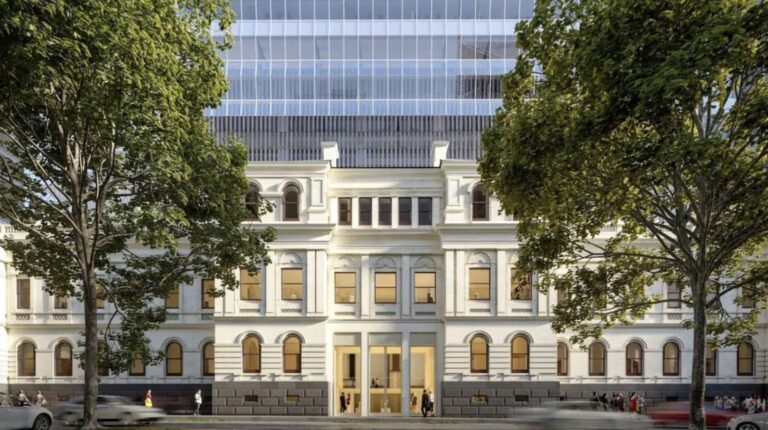
A $244 million blueprint to revamp the former Land Titles Office has been proposed to the state government.

As part of the plan, developers have teamed with The Hellenic Museum to construct a new Greek museum, making Melbourne the first city to house a permanent Benaki Museum outside of Greece.

Also part of the plans are an international exhibition space and 29-storey commercial tower, being built above one of Melbourne’s oldest buildings.

But the plans will first have to win the support of the government and Heritage Victoria. The building is listed on the state register for its architectural and historic significance.

This commercial tower would sit high above the new museum. Photo: Daily Telegraph

Speaking to The Daily Telegraph, ISPT chief executive Daryl Browning said the project would revitalise the precinct and restore heritage appeal.

“We believe it’s a really good outcome for the community,’ he said.

Mr Browning said the heritage buildings would house the Hellenic and Benaki museums and be open to the public for the first time.

“For most Melburnians, they’ve never seen inside those buildings because when they held the titles they were very valuable and secure documents,’’ he said.

“So Joe Public would never have seen the titles holding area and we thought that precinct would be revitalised by both the tower and the concept that was sympathetic to the heritage of the old building, but open it up so that Melbourne can experience it brought back to its grandeur.’’

Development of the commercial tower would foot the bill and The Hellenic Museum would be offered a rent-free lease for 50 years.

The former Land Titles Office is one of only two surviving 19th century buildings that extend along a complete Melbourne city block, along with the Supreme Court.

A report to government said the importance of the site to Victoria “requires a particularly creative adaptive reuse solution … that reflects the ever-changing, vibrant and lively contemporary city of Melbourne whilst simultaneously remaining respectful and sympathetic to its heritage value,’’ it said.

If approved, construction is likely commence next year and take up to three years to complete.

Pompeo: Bullying is not a means of resolving disputes in East Med

0

US Secretary of State Mike Pompeo has sent an indirect but clear message to Turkey about the way it operates in the Eastern Mediterranean.

In a televised interview, he expressed hope that the parties involved would realise that there issues would be best solved with dialogue and return to the negotiating table.

“There are mechanisms, legal mechanisms, international law that can resolve [a maritime dispute],” Pompeo said.

“Coercion, bullying, military activity is not the way to resolve it.”

“I hope that every party that is engaged there will come to see that, and they’ll get back to the negotiating table and resolve their maritime conflicts.”

Fears were raised over Turkey’s alleged plan to purchase a new S-400 missile system, sparking concern for their European neighbours.

Screenshot of video reportedly showing S-400 being transported to Sinop for tests next week (via social media)

“It is a pity that they chose to buy the S-400 weapon system. We call on them to review and back down,” he said.

The U.S. relationship with Turkey has become increasingly strained over the past two years. Although the standoff over the S-400 has been the central issue, Erdogan’s October 2019 incursion into Syria also created a major rift between the two NATO allies.

“This is a far cry from maximum pressure, and from getting allies to do the right thing,” Thomas Karako, a missile defense expert at the Center for Strategic and International Studies think tank in Washington said.

“The price of the administration’s failure to impose sanctions has now become increasingly more apparent.”

Harrison Kitt pleads not guilty over crash that killed Joanne Shanahan and Tania McNeill

A young man who was involved in a crash that killed senior police officer Joanne Shanahan and a mother in April has pleaded not guilty in court yesterday.

Harrison Kitt pleaded not guilty to two counts of causing death by dangerous driving and one count of causing aggravated harm by dangerous driving in the Adelaide Magistrates Court on Friday morning, ABC News reports.

David Edwardson QC, for Mr Kitt, reportedly told the court that his client has been diagnosed with bipolar disorder, and has manic episodes and psychotic features.

Senior police officer Joanne Shanahan and mother Tania McNeill died in the crash on April 25.(ABC News: Claire Campbell)

He said the diagnosis had been confirmed by a clinical psychiatrist at the Royal Adelaide Hospital.

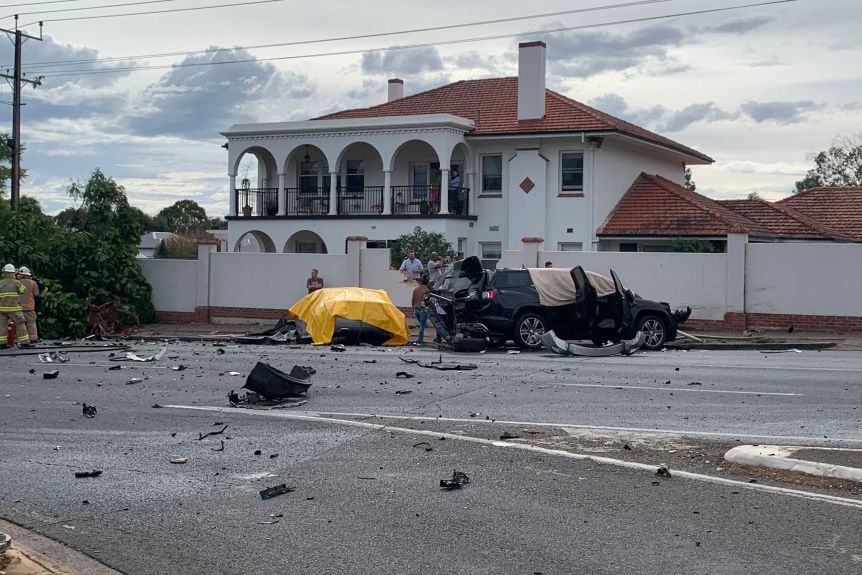
Senior Greek Australian police officer Joanne Shanahan, 55, and mother Tania McNeill, 53, died in the crash at the intersection of Cross Road and Fullarton Road at Urrbrae on April 25.

READ MORE: Police officers and SA community bid public farewell to Joanne Shanahan
READ MORE: Harrison Kitt makes first court appearance after crash that killed Joanne Shanahan

Joanne Shanahan (nee Panayiotou) was a mother-of-two and well-respected Detective Chief Superintendent prior to her tragic death.

“Not only have we lost a beautiful person, we’ve lost a detective with a wealth of knowledge,’ Commissioner Stevens told media upon her death.

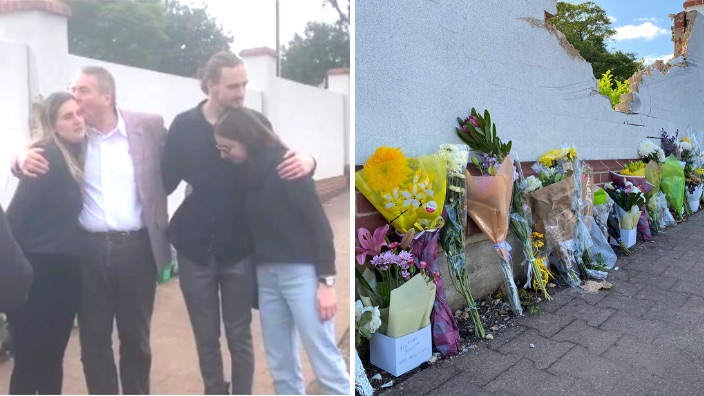
PHOTO: (L) Late Detective Chief Superintendent Joanne Shanahan’s husband and kids gathered at the scene on Tuesday / Image: 10 News First (R) Tributes to Joanne Shanahan and Tania McNeill at the scene of the crash.

The court heard reports into Mr Kitt’s mental competence could not be ordered until he has been committed to the District Court.

Mr Kitt has been ordered to stand trial in the District Court of South Australia. Magistrate Jay McGrath set an arraignment date in the District Court for January 15, 2021.

Police officers and SA community bid a public farewell to Joanne on May 8, with police flanking the streets of Adelaide’s inner south to say their last goodbyes.

BREAKING: Tsitsipas incredible perfomance vs. Djokovic not enough to reach French Open grand final

One of the greatest comebacks in French Open history was almost in the hands of Stefanos Tsitsipas Saturday morning, yet was stolen away by a great performance by World No. 1 Novak Djokovic, beating the Greek tennis player 6-3 6-2 5-7 4-6 6-1.

With many highs and lows for both players, each competitor should be proud of the performance they put in during the French Open semi-final match.

Djokovic held great composure through almost the entire match, whereas Tsitsipas almost broke the Serbians incredible 215-1 record of winning after being two sets up.

The match looked grim for Tsitsipas from the opening hour as Djokovic defeated the World No. 6 with ease in the first two sets. The Serbian tennis player was unmatched as he maintained his high composure to take the points against a frustrated Tsitsipas.

Down but certainly not out, Tsitsipas came back in the third set to secure a tie-break victory. From 30-0 down, he drilled a backhand down the line winner and then a winning forehand down-the line on consecutive points to move to within two points of the set. At 30-30, Djokovic stumbled while moving to Tsitsipas’s low slice, dumping a forehand into the net.

This was only the beginning for the Greek.

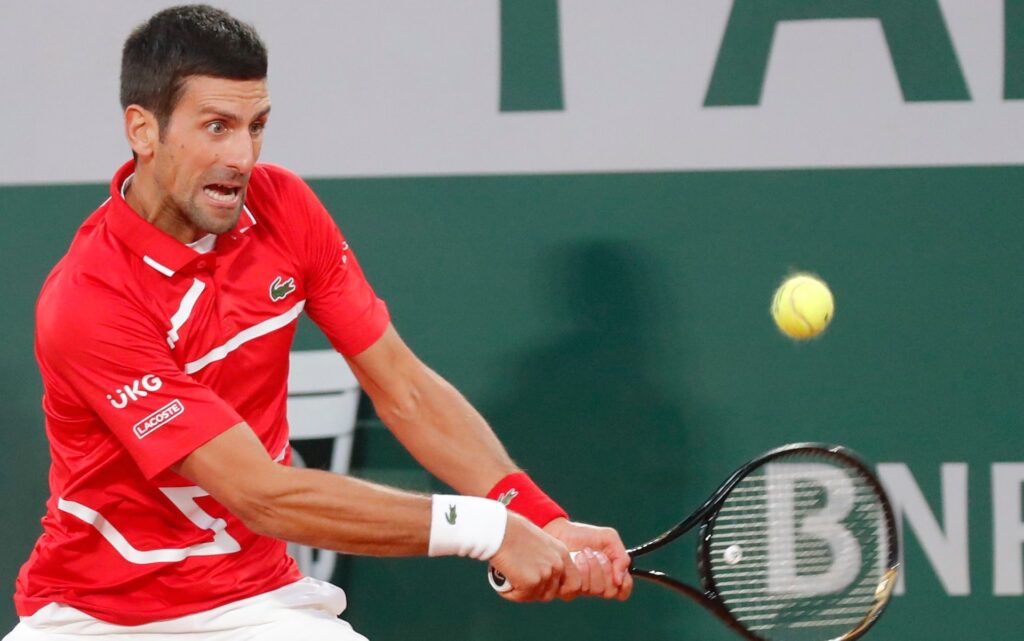
Novak Djokovic in action during his semi final match against Stefanos Tsitsipas  CREDIT: REUTERS/CHARLES PLATIAU

Djokovic crumbled in his service game during the fourth set from 40-15 to drop his serve and the set, closing off the run of four points with a drop shot into the net. Tsitsipas brought his youthful energy to power through Djokovic’s strong returns, forcing the game into a fifth and final set.

A valiant effort and hope for a grand final match by the Greek were sadly crushed in the final set by the intelligent World No. 1. Having secured the first few points of the game with well placed drop shots, the Serbian knew just how to beat the Greek World No. 6.

Djokovic gracefully secured five straight sets as Tsitsipas went on to lose the fifth and final set 6-1.

Until his match point at 6-3 6-2 *5-4 AD-40, Djokovic had saved 10/10 break points and won 4/5 break points. After the match point until the beginning of set 5, he won 1/10 break points and saved 1/5.

Opinion: All Aboard the Greek Gravy Train!

By Zografos Zappas

The Greeks of Australia should be proud of the Associations and Charities that they have created over the past 100 years.  There are literally hundreds of such entities, and all of them, for many years have ensured the survival of our culture, language, and the cohesion of our community.  That is, until, the last 10 years or so, as we have witnessed many such entities falling apart or more to the point, being torn apart.

Many Associations have sold off buildings and assets the past few years, yet we have not seen the end result of this in many instances.   Have new buildings been purchased?  Has the money been used in other ways?  Transparency is paramount in Associations as the committees or boards are just caretakers of assets and monies that belong to the members.   These assets and cash should be utilised to provide services to the members and the wider community.  All fully accountable.

I have always held the Greek Orthodox Community of NSW (GOC) as the premier body, as the “leadership” entity, that sets the pace for the Greeks of New South Wales, the Associations and Charities that are the foundation of our community as a whole.    Its been around a long time, but it appears that it too, has increasingly becoming irrelevant.  

READ MORE: Opinion: A Tale of Two Festivals
READ MORE: Opinion: Now Is the Time for Leadership

I understand that at the Annual General Meeting to be held this coming Sunday, they intend to sell off the Lakemba site.  The potential sale of this community asset, that underlies the Greek Community as a whole, leaves  nothing that can be used as a gathering place for all Australian Greeks in New South Wales. 

The community wants to see a plan, a strategy, a statement, that it can feel comfortable with. A timeline that will ensure a replacement facility is in place as soon as possible, and that it will happen. A secure commitment. These facilities bring the community together, without them, the community, the Greeks of New South Wales, our youth, begin to disperse and to lose their identity. There is an underlying incumbrance on the GOC NSW to let the entire community know what it is doing. Every single Greek in NSW is a member of this entity, because this is the reason it exists. 

The NSW Government sees GOC NSW as representing the entire Greek Australian community of NSW. This is evident through the significant funding it receives from the Government. Yet only a handful of members and proxies will determine the future of this community group.

Then, following this is an Extraordinary General Meeting to propose a special resolution to put a plan forward to establish a Public Fund that has Deductible Gift Recipient (DGR) status, enabling it to receive gifts, bequests and donations from the public that are tax deductible. One must question what drives the need for such a Fund at this point, when the NSW Government adequately provides funds to support the activities of the GOC. GOC is already a Company limited by guarantee and therefore can apply for DGR status. Why a new fund? The community must ask this question.

All of a sudden, there is a requirement for funds that can be used for purposes that fall within the scope of the objects of which the Association was established. Money that will be managed by the Executive, which consists of 4 people, the President, the Vice President, the Secretary, the Treasurer, without Board approval.  What sort of craziness is this?   

There are many questions the community must ask. What is the process to select a real estate agent? Where will the proceeds of the sale of Lakemba go? What happened to the proceeds of the sale of the Oxford Street property?  Who manages these funds? The Board? Or the Executive?  Further, in the event of the new Fund being wound up or dissolved, where will the money go?  Money that rightfully should belong to the members, and that the members vote on where it should go. The motion clearly states that: “(viii) If upon winding up or dissolution of the Association all remaining assets of the fund after all liabilities have been satisfied shall not be paid or distributed among members of the Association or Fund but shall be given or transferred to some other institution or institutions .. “. This should be a decision of the members, not the GOC NSW, not the Executive and not the Board.

I am struggling to understand the ideology behind these moves, without a concrete plan. Without a shared or common vision. In the middle of a global pandemic. The timing is wrong. The resolutions are wrong. The thinking is clouded by the inward focus of these people who have been in these roles for far too many years, too many decades. 

It is time the entire Greek community held COG NSW accountable, and all the other Associations and Charities accountable, for failing to be transparent, for failing the vision of the founding fathers.  We have come a long way as a community since our parents and grandparents stepped foot on this land, but in the past 10 years or so, many of us have become entitled and are failing the Greek Australian community. 

The GOC represents the entire Australian Greek community of New South Wales. You, me, everyone.  We all deserve a say as to what happens; we all deserve a say as to who and how GOC is run. The gravy train stops with us all becoming members. 

Click this link below and join today:  https://www.goc.com.au/forms/Application_for_membership_2012.pdf

We posed some of these questions to the Greek Orthodox Community of NSW and by the time this article was published no reply had been received.

Community divided over new Bondi Beach Club as Ward councillor claims it’s public ‘First Nations land’

A community debate is brewing in Bondi after Wentworth Courier revealed on Wednesday the proposed plans to corner off a section of Bondi Beach and privatise it to build a new ‘Amalfi Beach Club’.

Still in early proposal stages, a letter was obtained by Wentworth Courier, written by North Bondi Surf Life Saving Club president Andrew Christopher to mayor Paula Masselos following the media storm.

READ MORE: Plans for Bondi Beach to introduce Greek-style ‘beachside club’

“I note the proposal under consideration by Waverley Council to cordon off part of the beach for the exclusive use of fee paying private patrons,” Mr Christopher wrote.

“As representatives of one of Australia’s oldest Surf Life Saving Club, the Board of NBSLC has real concerns with this proposal, as it has been described in the media, and considers it to be at odds with the open and egalitarian access to the beach, and Bondi Beach especially, that has been a permanent and much cherished feature of Australian life.”

The beach club would rival those in Europe.

The beach club would cover around two per cent of the iconic beach, near Roscoe St for the summer. The area will be able to hold up to 100 guests at a time who can choose between the 10 cabanas, four booths or 20 sun lounges.

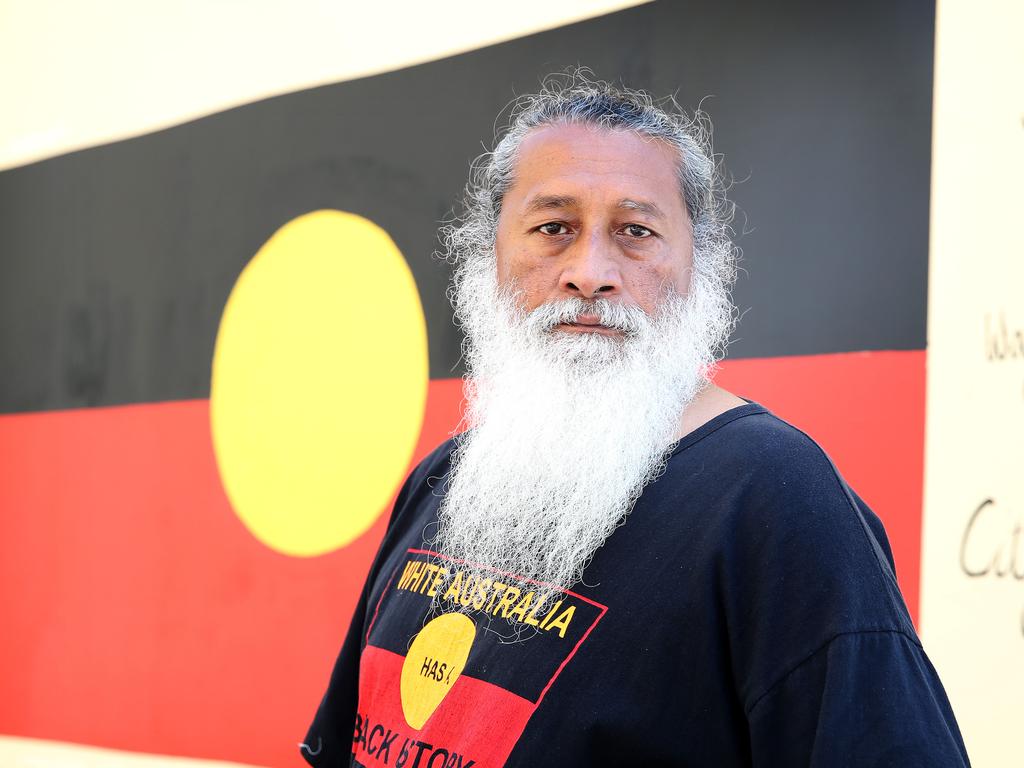
The Greens have slammed the proposal with party member, proud First Nations man and Bondi Ward councillor Dominic WY Kanak vowing to vote against it should it come before a council meeting.

“If the beach belongs to anyone its First Nations land,” Cr WY Kanak said.

Waverley Councillor Dominic WY Kanak has vowed to fight the proposal. Photo: Western Courier

“No parts of Bondi Beach should be the exclusive playground for the elite and the rich.

“We will not allow the sale of our beaches.”

Amalfi Beach Club’s Janek Gazecki has defended the concept, pointing to the waves of support flowing in and the boost it would give to struggling local businesses.

He clarified the $80 per person fee to book a two hour slot in a cabana would be credited to the patron’s food and beverage bill which would be serviced by a revolving selection of local restaurants.

“It’s not a crime to have a premium database of high net worth individuals,” Mr Gazecki said.

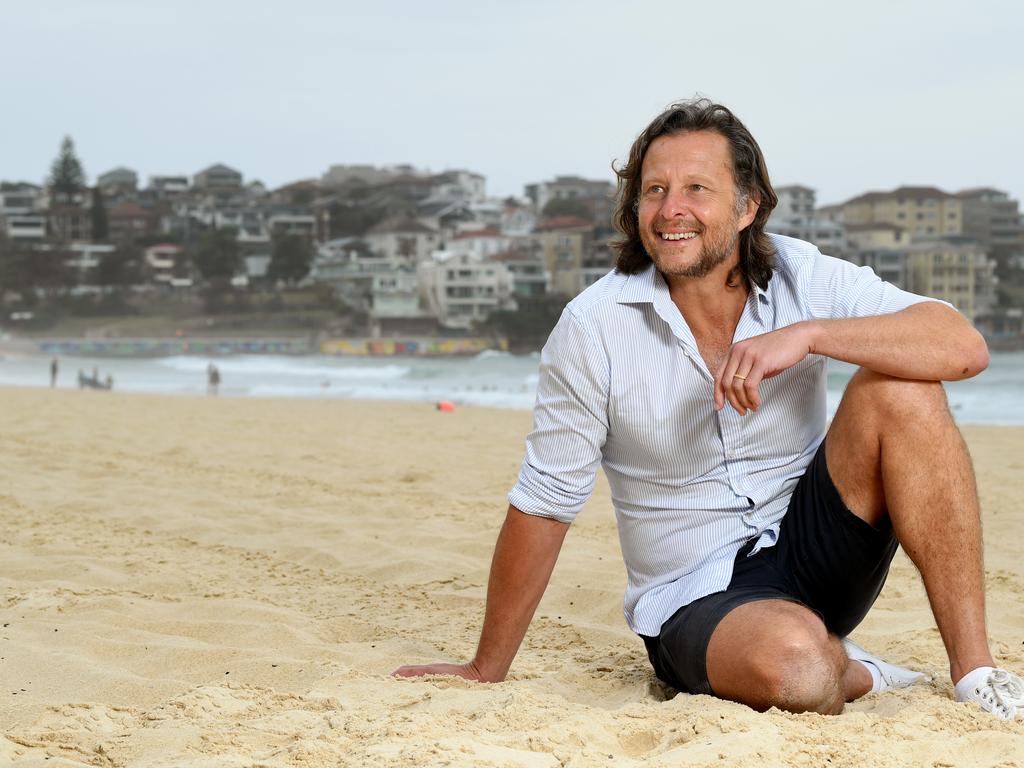
Janek Gazecki has big plans for Bondi Beach. Picture: NCA NewsWire/Joel Carrett

“Most councils value that for very obvious reasons – they will spend more money in Bondi.

“It will operate an online booking system – first in, best dressed. We are not sitting there picking and choosing.”

Mr Gazecki said he was more than willing to compromise with council such as by paying for an extra lifeguard on duty and even closing down the club on days the beach was forecast to be extra busy.

“It’s good for the community, good for vibrancy,” Mr Gazecki said.

“Whoever doesn’t want to support the local restaurants in this way can simply sit on the beach as they always have done.”